

In Vitro and In Vivo Activity of a Novel Antifungal Small Molecule against Candida Infections
Open accessThe DOI matches its Crossref record; 58 of the 58 references it cites were found in a registry or an index; 5 of the 39 sources its claims cite were checked for support.
Abstract
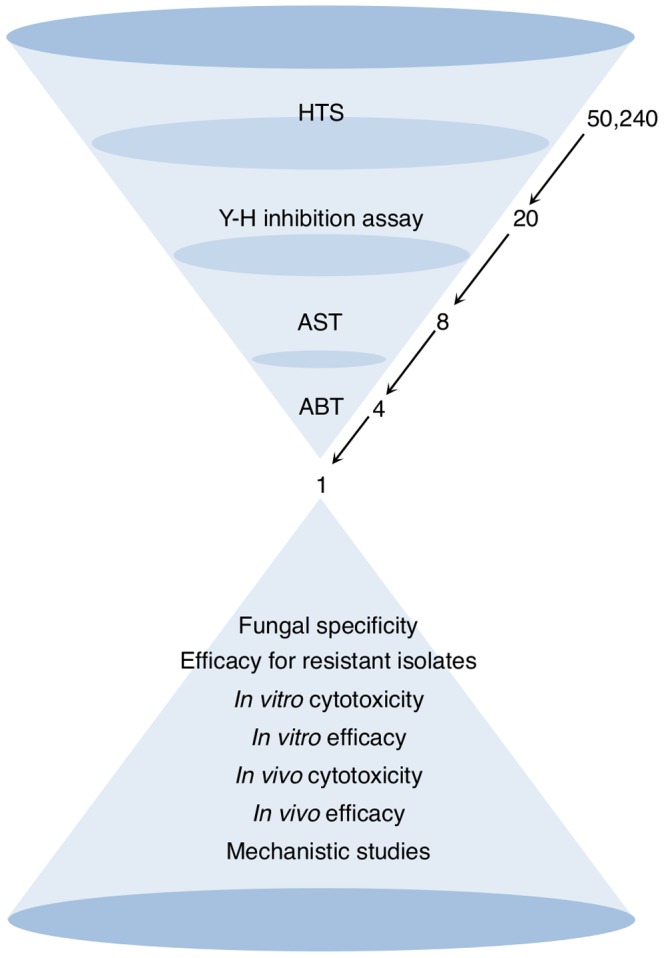
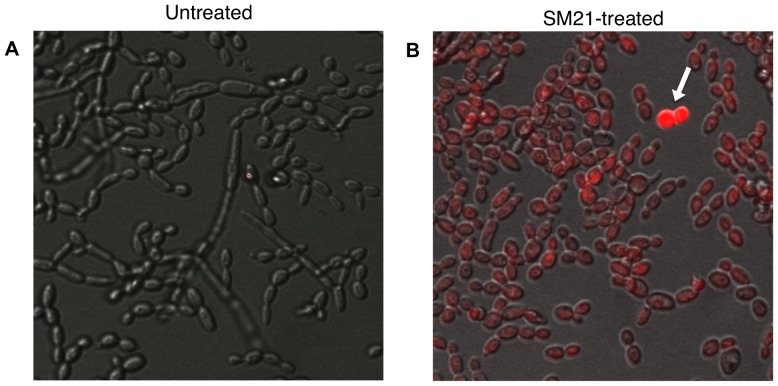
Candida is the most common fungal pathogen of humans worldwide and has become a major clinical problem because of the growing number of immunocompromised patients, who are susceptible to infection. Moreover, the number of available antifungals is limited, and antifungal-resistant Candida strains are emerging. New and effective antifungals are therefore urgently needed. Here, we discovered a small molecule with activity against Candida spp. both in vitro and in vivo. We screened a library of 50,240 small molecules for inhibitors of yeast-to-hypha transition, a major virulence attribute of Candida albicans. This screening identified 20 active compounds. Further examination of the in vitro antifungal and anti-biofilm properties of these compounds, using a range of Candida spp., led to the discovery of SM21, a highly potent antifungal molecule (minimum inhibitory concentration (MIC) 0.2-1.6 µg/ml). In vitro, SM21 was toxic to fungi but not to various human cell lines or bacterial species and was active against Candida isolates that are resistant to existing antifungal agents. Moreover, SM21 was relatively more effective against biofilms of Candida spp. than the current antifungal agents. In vivo, SM21 prevented the death of mice in a systemic candidiasis model and was also more effective than the common antifungal nystatin at reducing the extent of tongue lesions in a mouse model of oral candidiasis. Propidium iodide uptake assay showed that SM21 affected the integrity of the cell membrane. Taken together, our results indicate that SM21 has the potential to be developed as a novel antifungal agent for clinical use.
Overview
CoChat Summary
TL;DR
Screening 50,240 small molecules for inhibitors of Candida albicans yeast-to-hypha transition identified SM21, a novel antifungal active in vitro and in mouse models. SM21 inhibited Candida growth, biofilms, and antifungal-resistant isolates, and improved survival in systemic candidiasis and reduced tongue lesions in oral candidiasis.
Key findings
- From 50,240 small molecules, 20 active compounds were found; SM21 had MIC 0.2–1.6 µg/ml against Candida spp., including 0.2 µg/ml against C. albicans ATCC 90028, comparable to amphotericin B.
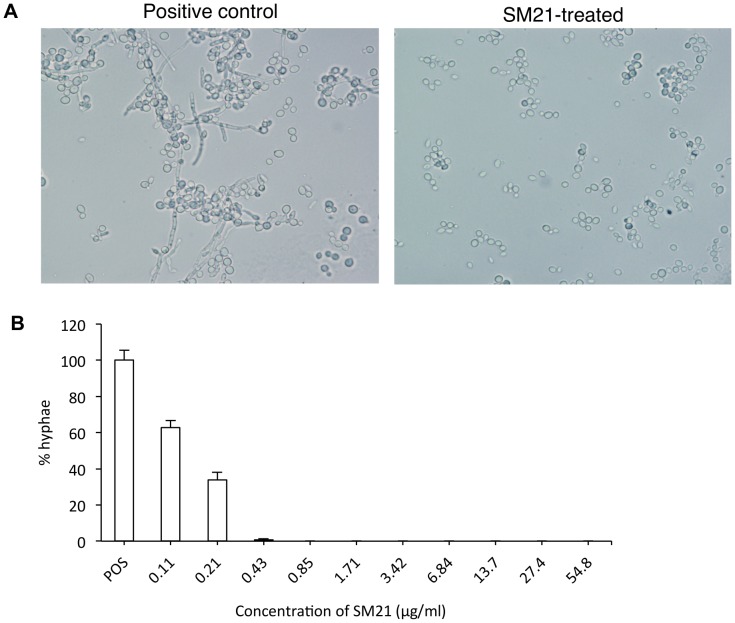
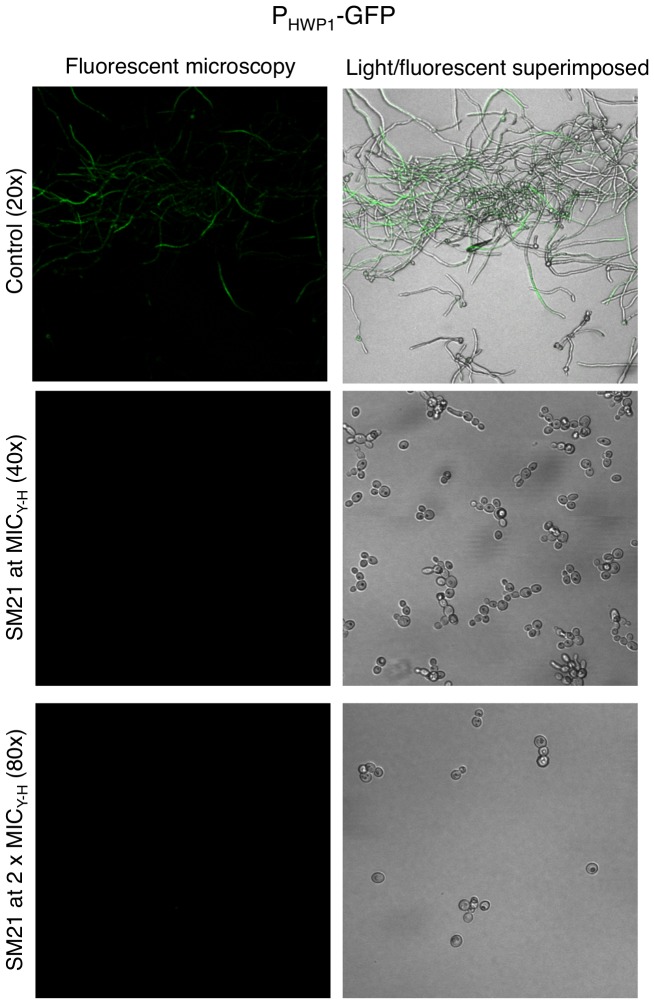
- SM21 inhibited yeast-to-hypha transition with MICY-H 0.43 µg/ml (0.98 µM) for C. albicans SC5314 at 1×10⁶ CFUs/ml and an average MICY-H of 0.5 µg/ml for ten clinical isolates; it also blocked HWP1 expression.
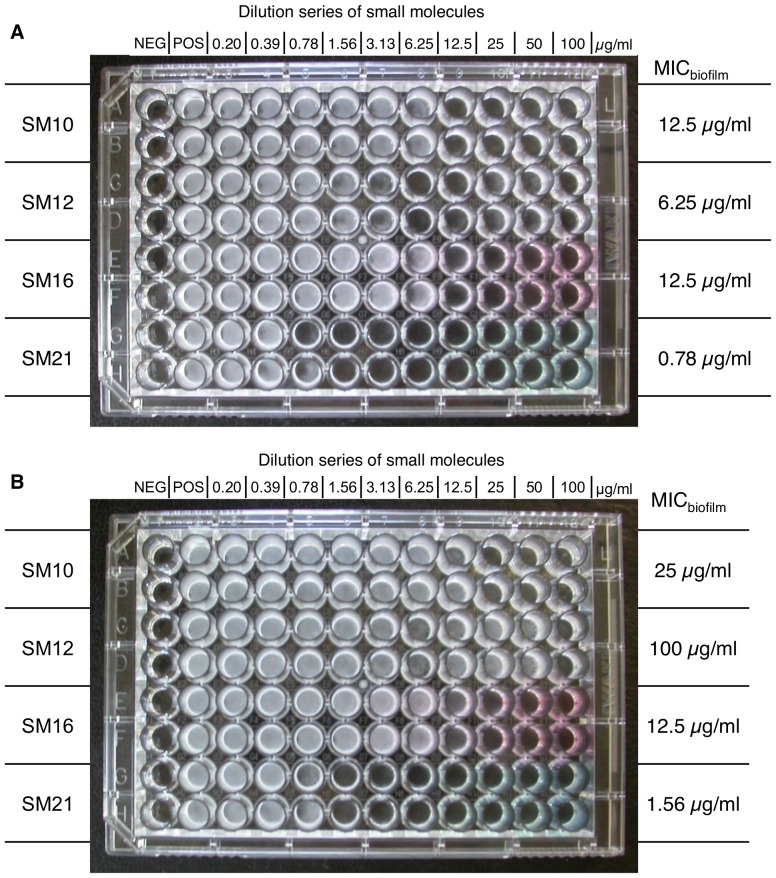
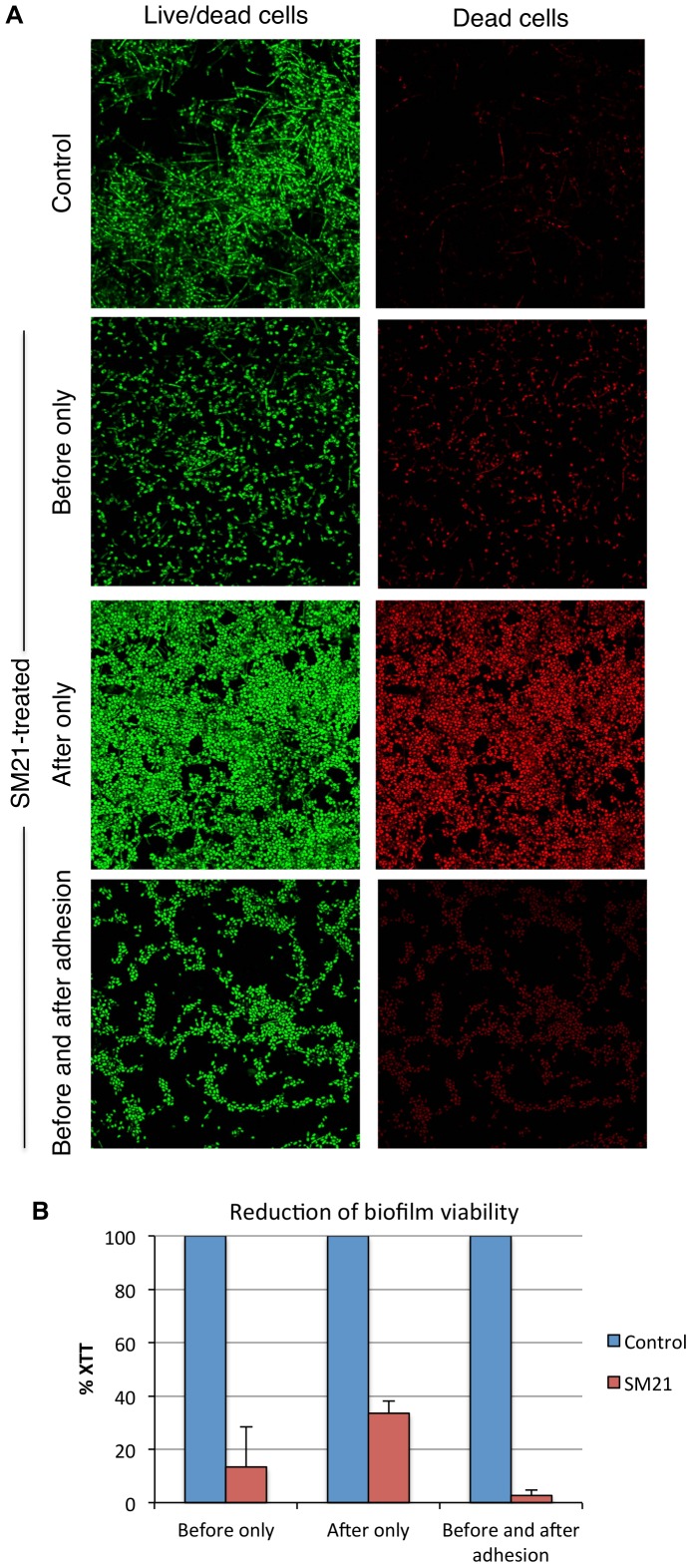
- SM21 had MICbiofilm 3.2 µg/ml for 24-h biofilms and 25 µg/ml for 48-h biofilms of C. albicans, C. glabrata, and C. krusei, lower than amphotericin B or caspofungin; in a denture stomatitis model it reduced biofilm viability by 85%, 66%, and 97% when added before, after, or both before and after adhesion.
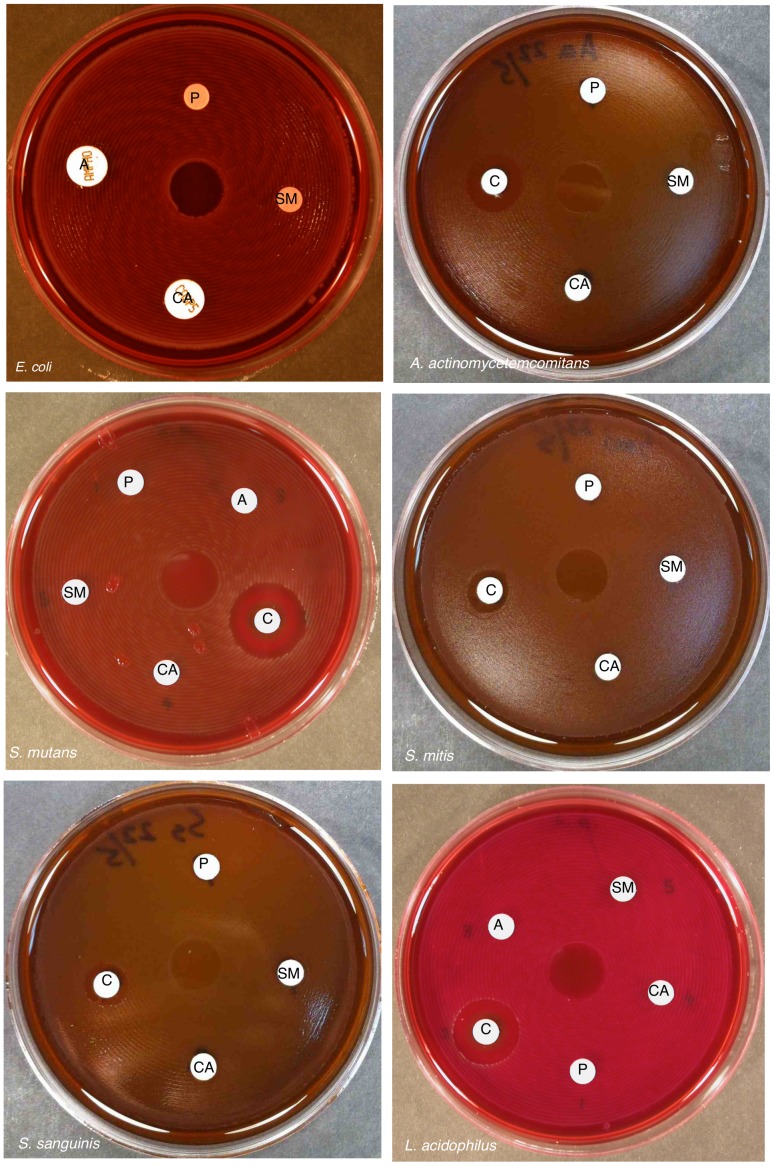
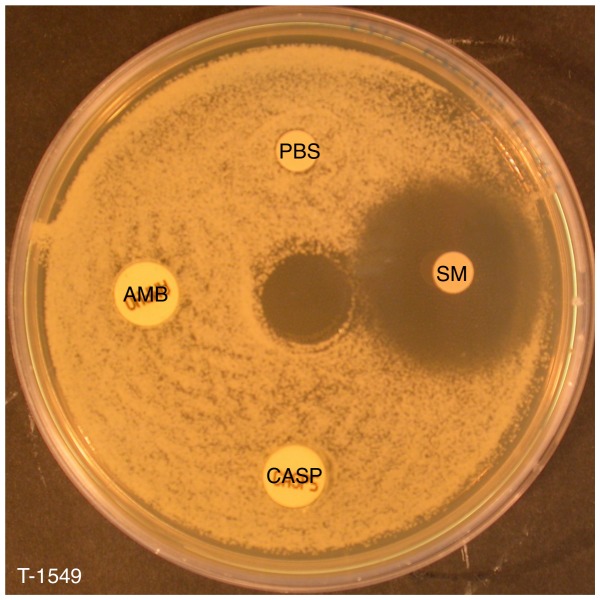
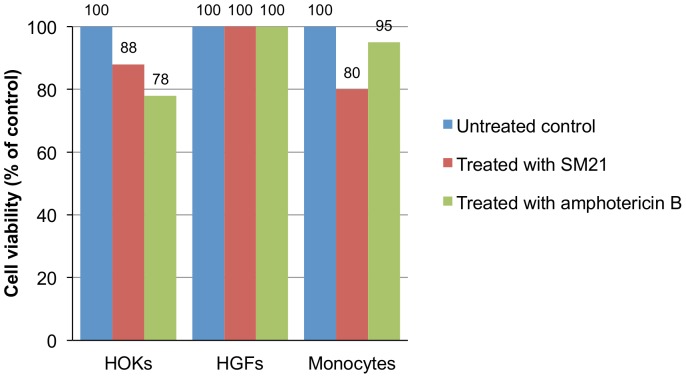
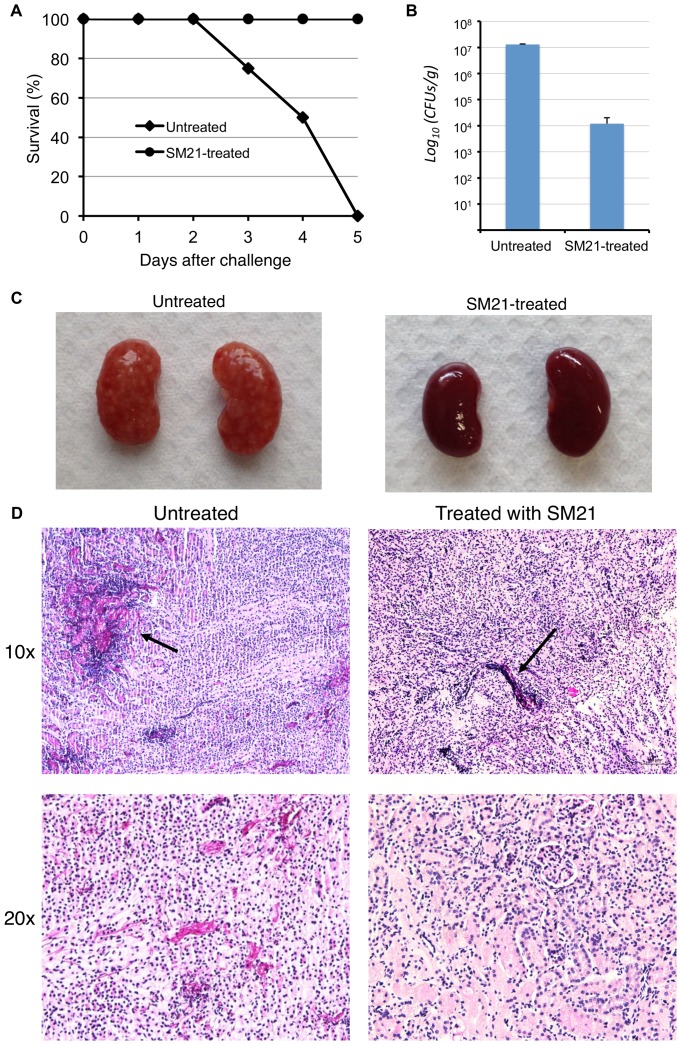
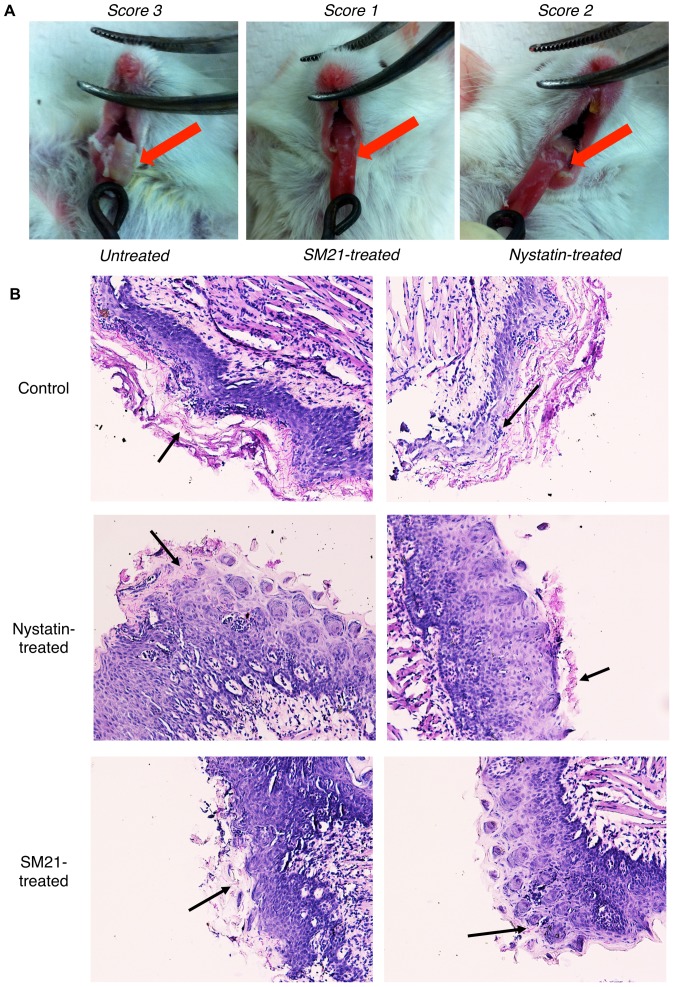
- In vivo, SM21-treated mice with systemic candidiasis had 100% survival versus 0% untreated at day 5 and a 3-log reduction in kidney fungal burden; in oral candidiasis, SM21 gave tongue lesion score 1 versus 3 for untreated and 2 for nystatin, with swab counts 4.5×10² CFUs/ml versus 4.8×10³ (control) and 6.0×10² (nystatin). SM21 was active against 16 antifungal-resistant Candida isolates (MIC 0.5–1 µg/ml), showed no antibacterial activity against six bacterial species, and had CC50 3.4 µg/ml (7.8 µM) for human oral keratinocytes.
Methods
- High-throughput screening of 50,240 small molecules for yeast-to-hypha inhibitors in C. albicans SC5314; primary hits were validated dose-dependently against SC5314 and ten clinical oral C. albicans isolates, then tested by CLSI disk diffusion and broth microdilution against ATCC strains, 92 bloodstream isolates, 46 oral isolates from nasopharyngeal carcinoma patients, 10 denture stomatitis isolates, and 16 antifungal-resistant Candida strains.
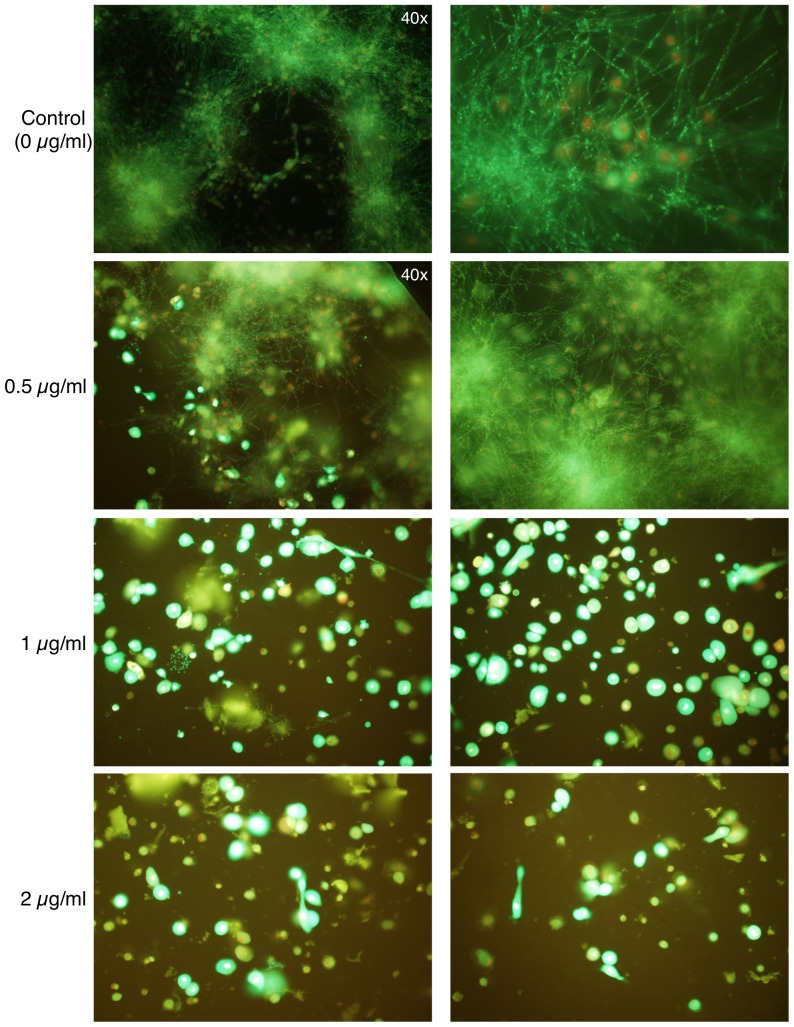
- Biofilm assays used microtitre-plate XTT reduction and an in vitro denture stomatitis model with PMMA acrylic, saliva, and C. albicans BF-1; additional assays included HWP1-GFP reporter expression, MTT cytotoxicity against human oral keratinocytes, gingival fibroblasts, and monocytes, HOK–Candida co-culture, and propidium iodide uptake.
- Mouse models: systemic candidiasis in 8-week-old male C57BL/6 mice infected via tail vein with C. albicans SC5314 (1×10⁶ CFUs/ml), treated intraperitoneally twice daily for 5 days with 0.01, 0.1, 1, or 10 mg/kg SM21 (n=5 per group) or PBS; oral candidiasis in immunosuppressed C57BL/6 mice inoculated with 2.5×10⁷ CFUs/ml and treated five times with 200 µg/ml SM21 (n=3), 10 µg/ml nystatin (n=3), or PBS (n=3), with lesion scoring, CFU counts, and histology; one-way ANOVA with p<0.05.
Limitations
- Stated: the yeast-to-hypha screening assay cannot distinguish between compounds that inhibit C. albicans growth and true yeast-to-hypha inhibitors; the mechanism is only preliminary, with propidium iodide uptake suggesting a cell membrane target but requiring extensive further assays; pharmacokinetic/pharmacodynamic data are lacking; nystatin concentration and oral rinse duration in the mouse oral model may not be optimal; and effective doses are difficult to compare across studies because no standard protocol exists.
- Evident from the text: in vivo sample sizes were small (n=3 for oral candidiasis, n=5 for systemic candidiasis), and the CC50 for human oral keratinocytes (3.4 µg/ml) is close to the upper MIC range (1.6 µg/ml) and below the 48-h biofilm MIC (25 µg/ml), suggesting a potentially narrow therapeutic window for some applications.
- Evident from the text: no human clinical data are reported, and the mechanism of action was not fully identified.
Model-written summary. Check it against the paper before relying on it.
Integrity signals
Registry
Cites
Statistics
Figures
Verification
Claims the paper makes
4 Valid · 0 Not valid · 26 Not checked · 76 Own results and interpretations
The cited sources support only part of this claim — read each source’s verdict below.
In the paper
“Attachment to mucosal tissue and biofilm formation are the basis of mucosal candidiases such as oral candidiasis and Candida-associated denture stomatitis [4], [9].”
§ In Vitro and In Vivo Activity of a Novel Antifungal Small Molecule against Candida Infections > Discussion
What the sources say
- Partly supportedcites [4] Akpan A, Morgan R (2002) Oral candidiasis. Postgraduate medical journal 78: 455– 459. 12185216 PMC1742467 sourceExperimental — accuracy not yet measured
The RISK FACTORS (1) Pathogen section calls Candida adhesion to epithelial cells an important step in initiating infection. The Local factors section also describes adherence to dentures as a possible contributor to Candida growth. Neither passage identifies biofilm formation as a basis of oral candidiasis or denture stomatitis; page numbers are unavailable in our copy. (LLM, conf=0.88)
- Not checked yetcites [9] Ramage G, Tomsett K, Wickes BL, Lopez-Ribot JL, Redding SW (2004) Denture stomatitis: a role for Candida biofilms. Oral surgery, oral medicine, oral pathology, oral radiology, and endodontics 98: 53– 59. 15243471 source
plainstates a cause- Asserted: passes — The authors put it forward as true.
- Checkable: passes — It can be checked against evidence.
- Load-bearing: passes — The paper’s conclusions depend on it.
- Based: passes — The paper gives a reason why it holds.
- Partly supported
Every source the paper cites for this claim was checked and supports it.
In the paper
“In addition, intravenous micafungin treatment (0.125 mg/kg or higher daily dose, starting 1 h after infection for 4 days) prolongs survival of infected mice [57].”
§ In Vitro and In Vivo Activity of a Novel Antifungal Small Molecule against Candida Infections > Discussion
What the sources say
- Supportedcites [57] Ikeda F, Wakai Y, Matsumoto S, Maki K, Watabe E, et al (2000) Efficacy of FK463, a new lipopeptide antifungal agent, in mouse models of disseminated candidiasis and aspergillosis. Antimicrobial agents and chemotherapy 44: 614– 618. 10681327 PMC89735 source
The RESULTS ('Efficacy in the C. albicans and A. fumigatus disseminated infection survival models') state that FK463 significantly prolonged survival of infected mice at doses of 0.125 mg/kg or higher, and the Abstract repeats this for the candidiasis model with intravenous infection; MATERIALS AND METHODS ('Treatment regimens') specify intravenous administration once daily for 4 days starting at 1 h after infection. Our copy names the compound FK463 (micafungin's developmental code, described as a new water-soluble lipopeptide echinocandin), never 'micafungin', but the content attributed matches. Note the source's own qualifier: the 0.125 mg/kg survival threshold is for disseminated candidiasis, whereas in the A. fumigatus model significant prolongation required ≥0.5 mg/kg. (LLM, conf=0.85)
plainstates a cause- Asserted: passes — The authors put it forward as true.
- Checkable: passes — It can be checked against evidence.
- Load-bearing: unclear — It is unclear whether the paper’s conclusions depend on it.
- Based: passes — The paper gives a reason why it holds.
- Supported
The cited sources support only part of this claim — read each source’s verdict below.
In the paper
“Moreover, the efficacy of SM21 was better than that of nystatin, which is the most commonly used antifungal for oral candidiasis [4].”
§ In Vitro and In Vivo Activity of a Novel Antifungal Small Molecule against Candida Infections > Discussion
What the sources say
- Partly supportedcites [4] Akpan A, Morgan R (2002) Oral candidiasis. Postgraduate medical journal 78: 455– 459. 12185216 PMC1742467 sourceExperimental — accuracy not yet measured
Our copy of Akpan & Morgan (2002) supports only the comparator clause of the citing sentence: the treatment/management text (section '3. Angular cheilitis (stomatitis) Box 3: Risk factors for oropharyngeal candidiasis', continuing into MANAGEMENT) states 'Nystatin is the most widely used topical agent for the treatment of oral candidiasis' and that topical antifungal therapy is first line for uncomplicated disease. However, the head of the claim — that SM21 was more efficacious than nystatin in a murine oral candidiasis model — is not in this paper at all: repeated searches of our copy ('SM21', herbal/comparison, mouse model) returned no passage mentioning SM21 or any head-to-head efficacy comparison with nystatin, and the reference list contains no such study. The source therefore substantiates nystatin's status as the standard/common topical antifungal, but not the SM21-versus-nystatin efficacy result attributed alongside it. (LLM, conf=0.72)
plainstates a cause- Asserted: passes — The authors put it forward as true.
- Checkable: passes — It can be checked against evidence.
- Load-bearing: passes — The paper’s conclusions depend on it.
- Based: passes — The paper gives a reason why it holds.
- Rests on an assumption not shown here.
- Partly supported
A result the paper reports from its own data — it cites no other source for it, so there is none to check. The quote shows it is in the paper.
In the paper
“By contrast, no trace of fluorescence could be detected from the SM21-treated cells at both MICY-H and 2×MICY-H”
§ In Vitro and In Vivo Activity of a Novel Antifungal Small Molecule against Candida Infections > Results > SM21 is a potent Y-H inhibitor
plain- Asserted: passes — The authors put it forward as true.
- Checkable: passes — It can be checked against evidence.
- Load-bearing: passes — The paper’s conclusions depend on it.
- Based: passes — The paper gives a reason why it holds.
A result the paper reports from its own data — it cites no other source for it, so there is none to check. The quote shows it is in the paper.
In the paper
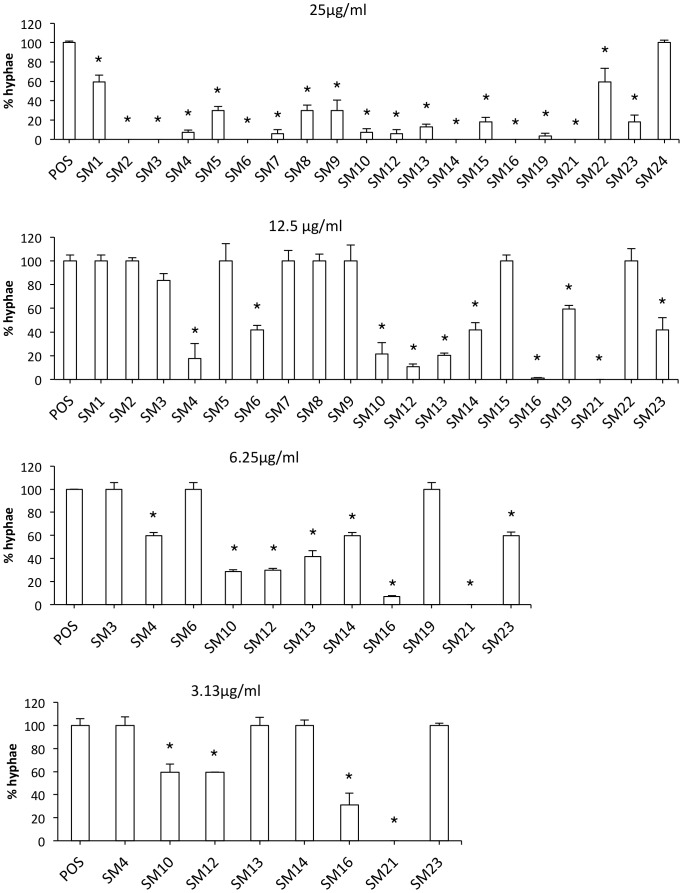
“Of these, eight compounds displayed strong dose-dependent Y-H inhibition under hypha-inducing conditions for the reference strain C. albicans SC5314 and ten clinical isolates of C. albicans (Figure 2).”
§ In Vitro and In Vivo Activity of a Novel Antifungal Small Molecule against Candida Infections > Results > Discovery of the lead compound
boostedstates a cause- Asserted: passes — The authors put it forward as true.
- Checkable: passes — It can be checked against evidence.
- Load-bearing: passes — The paper’s conclusions depend on it.
- Based: passes — The paper gives a reason why it holds.
57 more claims
Create a free account to see all 106 claims and to verify the 34 references still open.
- It may state two separate claims as one. 35
- Probably not a substantial claim. 11
Claims other papers make about this one
Each is checked against this paper’s own text: does it say what the citing paper says it does?
The source backs part of the claim, not all of it — or backs it for a different population, condition or comparison.
In the citing paper
“Wong et al. (16) discovered the strong antifungal activity of the lipophilic pyrylium salt SM21.”
From Combined Transcriptome and Metabolome Analysis Reveals That the Potent Antifungal Pyrylium Salt Inhibits Mitochondrial Complex I in Candida albicans (2023) · cites this paper as [16]
Experimental — accuracy not yet measuredThe cited source says what the claim attributes to it.
In the citing paper
“SM21 significantly improved the murine survival rate in an invasive candidiasis model by 100% in 5 days.”
From Recent Progress in Research on Mitochondrion-Targeted Antifungal Drugs: a Review (2023) · cites this paper as [52]
The cited source says what the claim attributes to it.
In the citing paper
“Further evaluation of its in vitro fungistatic activity has revealed that SM21 is effective against a range of Candida spp., with MICs ranging from 0.2 to 1.6 μg/mL, and it has strong antibiofilm properties, with 50% viability reduction.”
From Recent Progress in Research on Mitochondrion-Targeted Antifungal Drugs: a Review (2023) · cites this paper as [52]
The cited source says what the claim attributes to it.
In the citing paper
“SM21 is active against fungal drug-resistant isolates of Candida (MICs, 0.5 to 1.0 μg/mL).”
From Recent Progress in Research on Mitochondrion-Targeted Antifungal Drugs: a Review (2023) · cites this paper as [52]
The cited source says what the claim attributes to it.
In the citing paper
“A high-throughput screening of a library containing 50,240 small molecules showed that SM21 is a potent inhibitor of the yeast-hypha transition (52).”
From Recent Progress in Research on Mitochondrion-Targeted Antifungal Drugs: a Review (2023) · cites this paper as [52]
2 more claims about this paper
Create a free account to see every claim other papers make about this one.
Self-check
Percentages, sums and reported differences re-computed from the paper’s own numbers.
Each contradiction between two passages listed here was confirmed by an independent check.
Rated minor: it would not touch a result — a value no result rests on, a p-value that stays on the same side of the significance level, or a conflict that is clerical, resolved elsewhere in the paper, or outside its own findings.
In the paper
§ In Vitro and In Vivo Activity of a Novel Antifungal Small Molecule against Candida Infections > Results > SM21 inhibits biofilm formation
“SM21 demonstrated a lower MICbiofilm than amphotericin B and caspofungin for both 24-h and 48-h biofilm (Table 3).”
§ In Vitro and In Vivo Activity of a Novel Antifungal Small Molecule against Candida Infections > Results > SM21 inhibits biofilm formation
“| C. glabrata | 3.2 | 16 | 50 | 25 | 16 | 100 |”
Rated minor: it would not touch a result — a value no result rests on, a p-value that stays on the same side of the significance level, or a conflict that is clerical, resolved elsewhere in the paper, or outside its own findings.
In the paper
§ In Vitro and In Vivo Activity of a Novel Antifungal Small Molecule against Candida Infections > Materials and Methods > Analysis of HWP1 expression
“The strains were cultivated overnight at 37°C in Lee's medium containing SM21 at MIC (0.2 µg/ml) or 2×MIC (0.4 µg/ml).”
§ In Vitro and In Vivo Activity of a Novel Antifungal Small Molecule against Candida Infections > Results > SM21 is a potent Y-H inhibitor
“The inhibition of HWP1 expression of SM21 was examined by C. albicans strain PHWP1-GFP at MICY-H (0.43 µg/ml) and 2×MICY-H (0.86 µg/ml).”
Rated minor: it would not touch a result — a value no result rests on, a p-value that stays on the same side of the significance level, or a conflict that is clerical, resolved elsewhere in the paper, or outside its own findings.
In the paper
§ In Vitro and In Vivo Activity of a Novel Antifungal Small Molecule against Candida Infections > Results > SM21 prevents candidal invasion of human cells in vitro
“At 2 µg/ml and 4 µg/ml SM21, most of the HOKs were alive, and no Candida were observed.”
§ In Vitro and In Vivo Activity of a Novel Antifungal Small Molecule against Candida Infections > Materials and Methods > Co-culture of C. albicans and HOKs
“SM21 was added at various final concentrations (0.5, 1 and 2 µg/ml)”
Rated minor: it would not touch a result — a value no result rests on, a p-value that stays on the same side of the significance level, or a conflict that is clerical, resolved elsewhere in the paper, or outside its own findings.
In the paper
§ In Vitro and In Vivo Activity of a Novel Antifungal Small Molecule against Candida Infections > Results > SM21 is a potent Y-H inhibitor
“MICY-H of SM21 was taken at 0.43 µg/ml, where only minimal amount of hyphae was observed.”
§ In Vitro and In Vivo Activity of a Novel Antifungal Small Molecule against Candida Infections > Materials and Methods > Further evaluation of Y-H inhibition of the primary hits
“The minimum inhibitory concentration (MIC) of Y-H transition (MICY-H) was determined as the minimum concentration at which no hyphae were observed.”
Rated minor: it would not touch a result — a value no result rests on, a p-value that stays on the same side of the significance level, or a conflict that is clerical, resolved elsewhere in the paper, or outside its own findings.
In the paper
§ In Vitro and In Vivo Activity of a Novel Antifungal Small Molecule against Candida Infections > Results > SM21 is active against antifungal-resistant Candida spp.
“| C. krusei T1266 | F | 0.5 |”
§ In Vitro and In Vivo Activity of a Novel Antifungal Small Molecule against Candida Infections > Results > SM21 is active against antifungal-resistant Candida spp.
“| C. krusei T1266 | F | 1 |”
Citations
Cites
Wisplinghoff, H., Bischoff, T., Tallent, S. M., Seifert, H., Wenzel, R. P., & Edmond, M. B. (2004) · Clinical Infectious Diseases · doi:10.1086/421946 · Cited by 4,496
Epidemiology of Invasive Candidiasis: a Persistent Public Health Problem
Pfaller, M. A., & Diekema, D. J. (2007) · Clinical Microbiology Reviews · doi:10.1128/cmr.00029-06 · Cited by 4,174 · cited 1×
“Second, the increased incidence of invasive candidiasis caused by non-albicans Candida (NAC) species, such as Candida glabrata, Candida tropicalis, Candida krusei or Candida parapsilosis, has been a major concern [13,14], because these infections are often associated with higher mortality and antifungal resistance tha…”
BackgroundNonfilamentous C. albicans Mutants Are Avirulent
Lo, H.-J., Köhler, J. R., DiDomenico, B., Loebenberg, D., Cacciapuoti, A., & Fink, G. R. (1997) · Cell · doi:10.1016/s0092-8674(00)80358-x · Cited by 1,809 · cited 1×
“albicans mutants are not virulent in a mouse infection model [48], however, this is only relevant to C.”
BackgroundChandra, J., Kuhn, D. M., Mukherjee, P. K., Hoyer, L. L., McCormick, T., & Ghannoum, M. A. (2001) · Journal of Bacteriology · doi:10.1128/jb.183.18.5385-5394.2001 · Cited by 1,578 · cited 1×
“The MICbiofilm of SM21 increases as the biofilm matures, a common phenomenon among antifungal agents [53].”
BackgroundVirulence factors of Candida albicans
Calderone, R. A., & Fonzi, W. A. (2001) · Trends in Microbiology · doi:10.1016/s0966-842x(01)02094-7 · Cited by 1,331 · cited 1×
“In particular, the yeast-to-hypha (Y-H) transition is a major virulence attribute that facilitates tissue invasion by C. albicans [7, 8] .”
BackgroundSardi, J. C. O., Scorzoni, L., Bernardi, T., Fusco-Almeida, A. M., & Mendes Giannini, M. J. S. (2013) · Journal of Medical Microbiology · doi:10.1099/jmm.0.045054-0 · Cited by 1,184 · cited 1×
“Second, the increased incidence of invasive candidiasis caused by non-albicans Candida (NAC) species, such as Candida glabrata, Candida tropicalis, Candida krusei or Candida parapsilosis, has been a major concern [13,14], because these infections are often associated with higher mortality and antifungal resistance tha…”
BackgroundCandida biofilms and their role in infection
Douglas, L. J. (2003) · Trends in Microbiology · doi:10.1016/s0966-842x(02)00002-1 · Cited by 1,150 · cited 2×
“In addition to Y-H transition, biofilm formation on host tissue or abiotic devices is also a significant basis for Candida infections [5], examples include Candida-associated denture stomatitis [9].”
BackgroundGrowth of Candida albicans hyphae
Sudbery, P. E. (2011) · Nature Reviews Microbiology · doi:10.1038/nrmicro2636 · Cited by 1,110 · cited 1×
“In particular, the yeast-to-hypha (Y-H) transition is a major virulence attribute that facilitates tissue invasion by C. albicans [7, 8] .”
BackgroundSilva, S., Negri, M., Henriques, M., Oliveira, R., Williams, D. W., & Azeredo, J. (2012) · FEMS Microbiology Reviews · doi:10.1111/j.1574-6976.2011.00278.x · Cited by 969 · cited 1×
“Lastly, the emergence of antifungal resistance and treatment side effects have further restricted treatment options because of the already limited arsenal of current antifungal agents [17, 18] .”
BackgroundAntifungal drug resistance: mechanisms, epidemiology, and consequences for treatment
Pfaller, M. A. (2012) · The American Journal of Medicine · doi:10.1016/j.amjmed.2011.11.001 · Cited by 903
Research works printed but not linked: 1
- Odds FC (1988) Candida and candidosis: a review and bibliography. Bailliere Tindall.
Cited by
Candida Biofilms: Threats, Challenges, and Promising Strategies
Cavalheiro, M., & Teixeira, M. C. (2018) · Frontiers in Medicine · doi:10.3389/fmed.2018.00028 · Cited by 690
“Another highthroughput screening has identified the SM21 compound as the best inhibitor of yeast-to-hypha transition, from a library of 50,240 small molecules, not having any toxic effect when tested in different human cell lines (146).”
BackgroundMechanistic Understanding of Candida albicans Biofilm Formation and Approaches for Its Inhibition
Atriwal, T., Azeem, K., Husain, F. M., Hussain, A., Khan, M. N., Alajmi, M. F., & Abid, M. (2021) · Frontiers in Microbiology · doi:10.3389/fmicb.2021.638609 · Cited by 201
Carvalho, R. S., Carollo, C. A., de Magalhães, J. C., Palumbo, J. M. C., Boaretto, A. G., Nunes e Sá, I. C., Ferraz, A. C., Lima, W. G., de Siqueira, J. M., & Ferreira, J. M. S. (2018) · South African Journal of Botany · doi:10.1016/j.sajb.2017.11.010 · Cited by 137
Tackling Fungal Resistance by Biofilm Inhibitors
Wu, S., Wang, Y., Liu, N., Dong, G., & Sheng, C. (2017) · Journal of Medicinal Chemistry · doi:10.1021/acs.jmedchem.6b01203 · Cited by 132
Self-citationEmerging New Targets for the Treatment of Resistant Fungal Infections
Liu, N., Tu, J., Dong, G., Wang, Y., & Sheng, C. (2018) · Journal of Medicinal Chemistry · doi:10.1021/acs.jmedchem.7b01413 · Cited by 139
Self-citationVan Dijck, P., Sjollema, J., Camue, B. P. A., Lagrou, K., Berman, J., d’Enfert, C., Andes, D. R., Arendrup, M. C., Brakhage, A. A., Calderone, R., et al. (2018) · Microbial Cell · doi:10.15698/mic2018.07.638 · Cited by 129
“Mice systemic [183-188] [189] [190] [191, 192]”
Pierce, C. G., Chaturvedi, A. K., Lazzell, A. L., Powell, A. T., Saville, S. P., McHardy, S. F., & Lopez-Ribot, J. L. (2015) · npj Biofilms and Microbiomes · doi:10.1038/npjbiofilms.2015.12 · Cited by 124
Pinto, S. R., Hight, A. E., Clayton, K. K., Resnik, J., Williamson, R. S., Hancock, K. E., & Polley, D. B. (2019) · Cerebral Cortex · doi:10.1093/cercor/bhz190 · Cited by 123
Colley, T., Alanio, A., Kelly, S. L., Sehra, G., Kizawa, Y., Warrilow, A. G. S., Parker, J. E., Kelly, D. E., Kimura, G., Anderson-Dring, L., et al. (2017) · Antimicrobial Agents and Chemotherapy · doi:10.1128/aac.02280-16 · Cited by 87
“First, for our in-house screening regimen, we adapted the EUCAST methodology to a 384-well system, as this is a more efficient assay which has been shown for other fungal species to generate data comparable to those obtained in the 96-well assay (21).”
MethodTreating periprosthetic joint infections as biofilms: key diagnosis and management strategies
Tzeng, A., Tzeng, T. H., Vasdev, S., Korth, K., Healey, T. L., Parvizi, J., & Saleh, K. J. (2014) · Diagnostic Microbiology and Infectious Disease · doi:10.1016/j.diagmicrobio.2014.08.018 · Cited by 96
Niemirowicz, K., Durnaś, B., Tokajuk, G., Głuszek, K., Wilczewska, A. Z., Misztalewska‐Turkowicz, I., Mystkowska, J., Michalak, G., Sodo, A., Wątek, M., et al. (2016) · Nanomedicine Nanotechnology Biology and Medicine · doi:10.1016/j.nano.2016.07.006 · Cited by 85
Rossoni, R. D., Barbosa, J. O., Vilela, S. F. G., dos Santos, J. D., de Barros, P. P., Prata, M. C. D. A., Anbinder, A. L., Fuchs, B. B., Jorge, A. O. C., Mylonakis, E. E., et al. (2015) · PLoS ONE · doi:10.1371/journal.pone.0131700 · Cited by 95
Kumari, P., Mishra, R., Arora, N., Chatrath, A., Gangwar, R., Roy, P., & Prasad, R. (2017) · Frontiers in Microbiology · doi:10.3389/fmicb.2017.02161 · Cited by 87
“Cryptococcus sp. and HaCaT The co-culture was performed according to a previous study reported by Wong et al. (2014).”
MethodIn Vitro and In Vivo Antifungal Activity of Lichochalcone-A against Candida albicans Biofilms
Seleem, D., Benso, B., Noguti, J., Pardi, V., & Murata, R. M. (2016) · PLoS ONE · doi:10.1371/journal.pone.0157188 · Cited by 83
“albicans together in a sterile 24-well plate, as adapted by [32].”
MethodA One Health approach to overcoming fungal disease and antifungal resistance
Woods, M., McAlister, J. A., & Geddes‐McAlister, J. (2023) · WIREs Mechanisms of Disease · doi:10.1002/wsbm.1610 · Cited by 81
Silva, D. R., Sardi, J. D. C. O., Freires, I. A., da Silva, A. C. B., & Rosalen, P. L. (2018) · European Journal of Pharmacology · doi:10.1016/j.ejphar.2018.10.016 · Cited by 72
Wong, S. S. W., Samaranayake, L. P., & Seneviratne, C. J. (2014) · Drug Discovery Today · doi:10.1016/j.drudis.2014.06.009 · Cited by 65
Self-citationAndrade, J. T., Santos, F. R. D. S., Lima, W. G., de Sousa, C. D. F., Oliveira, L. S. F. M., Ribeiro, R. I. M. D. A., Gomes, A. J. P. S., Araújo, M. G. D. F., Villar, J. A. F. P., & Ferreira, J. M. S. (2018) · The Journal of Antibiotics · doi:10.1038/s41429-018-0048-9 · Cited by 63
“Hence, as both, fungal, and mammalian cells are eukaryotic, is not a surprise that this compounds shown a no selective toxicity [35, 44].”
BackgroundChong, P., Chin, V., Wong, W., Madhavan, P., Yong, V., & Looi, C. (2018) · Genes · doi:10.3390/genes9110540 · Cited by 57
“albicans yeast-to-hypha transition [90].”
Targeting Adhesion in Fungal Pathogen Candida Albicans
Martin, H., Kavanagh, K. A., & Velasco‐Torrijos, T. (2020) · Future Medicinal Chemistry · doi:10.4155/fmc-2020-0052 · Cited by 73
“5 h adhesion phase, 66% reduction when added after, and 97% reduction when added before and after the adhesion phase [103].”
BackgroundHan, Z., Zhu, B., Chen, R., Huang, Z., Zhu, C., & Zhang, X. (2014) · Materials & Design (1980-2015) · doi:10.1016/j.matdes.2014.10.023 · Cited by 61
Chomchalao, P., Nimtrakul, P., Phạm, D. T., & Tiyaboonchai, W. (2020) · Journal of Materials Science · doi:10.1007/s10853-020-04350-x · Cited by 44
Badr, A. N., El-Attar, M. M., Ali, H., El‐Khadragy, M. F., Yehia, H. M., & Farouk, A. (2022) · Toxins · doi:10.3390/toxins14020109 · Cited by 55
“Ideally, an antifungal should have null or reduced toxicity toward human cells [21].”
BackgroundLouvis, A. D. R., Silva, N. A. D. A. E., Semaan, F. S., da Silva, F. D. C., Saramago, G., de Souza, L. C. D. S. V., Ferreira, B. L. A., Castro, H. C., Salles, J. P., Souza, A. L. A., et al. (2016) · New Journal of Chemistry · doi:10.1039/c6nj00872k · Cited by 42
Recent Progress in Research on Mitochondrion-Targeted Antifungal Drugs: a Review
Qin, Y., Wang, J., Lv, Q., & Han, B. (2023) · Antimicrobial Agents and Chemotherapy · doi:10.1128/aac.00003-23 · Cited by 38
“A high-throughput screening of a library containing 50,240 small molecules showed that SM21 is a potent inhibitor of the yeast-hypha transition (52).”
BackgroundInnovative formulation of nystatin particulate systems in toothpaste for candidiasis treatment
Reis, C. P., Roque, L., Baptista, M., & Rijo, P. M. (2015) · Pharmaceutical Development and Technology · doi:10.3109/10837450.2014.999783 · Cited by 39
From Biology to Drug Development: New Approaches to Combat the Threat of Fungal Biofilms
Pierce, C. G., Srinivasan, A., Ramasubramanian, A. K., & Lopez-Ribot, J. L. (2015) · Microbiology Spectrum · doi:10.1128/microbiolspec.mb-0007-2014 · Cited by 43
“biofilms than most current antifungals (64).”
Strategies in the Discovery of Novel Antifungal Scaffolds
Liu, N., Wang, C., Su, H., Zhang, W., & Sheng, C. (2016) · Future Medicinal Chemistry · doi:10.4155/fmc-2016-0020 · Cited by 34
Human-to-human closed-loop control based on brain-to-brain interface and muscle-to-muscle interface
Mashat, M. E. M., Li, G., & Zhang, D. (2017) · Scientific Reports · doi:10.1038/s41598-017-10957-z · Cited by 34
Activity of Potent and Selective Host Defense Peptide Mimetics in Mouse Models of Oral Candidiasis
Ryan, L. K., Freeman, K. B., Masso-Silva, J. A., Falkovsky, K., Aloyouny, A. Y., Markowitz, K., Hise, A. G., Fatahzadeh, M., Scott, R. W., & Diamond, G. (2014) · Antimicrobial Agents and Chemotherapy · doi:10.1128/aac.02649-13 · Cited by 36
“Interestingly, the overall responses to nystatin were similar in both models and compared similarly to the reduction observed in other recent studies using oral administration of nystatin in mouse models (44, 45); however, the HDP mimetic response appeared to be greater in the steroid-free model.”
ResultTwo New 1,3,4-Oxadiazoles With Effective Antifungal Activity Against Candida albicans
Capoci, I. R. G., Sakita, K. M., Faria, D. R., Rodrigues-Vendramini, F. A. V., Arita, G. S., de Oliveira, A. G., Felipe, M. S. S., Maigret, B., Mendonca, P., Kioshima, É. S., et al. (2019) · Frontiers in Microbiology · doi:10.3389/fmicb.2019.02130 · Cited by 36
Elosaily, G. H., Amer, R. I., & Gad, S. S. (2020) · Journal of Advanced Pharmaceutical Technology amp Research · doi:10.4103/japtr.japtr_85_19 · Cited by 30
“The mean inhibition zone was determined.[12]”
Khan, M. M., Khan, A. H., Ali, M. W., Hafeez, M., Ali, S., Du, C., Fan, Z.-Y., Sattar, M., & Hua, H. (2021) · Ecotoxicology · doi:10.1007/s10646-021-02426-1 · Cited by 34
Sugio, C. Y. C., Garcia, A. A. M. N., Albach, T., Moraes, G. S., Bonfante, E. A., Urban, V. M., & Neppelenbroek, K. H. (2020) · Journal of Fungi · doi:10.3390/jof6020070 · Cited by 30
“Administration of antibacterial drugs to the animals in murine models prior to inoculation is indicated to reduce the number of competing oral bacteria, allowing yeast overgrowth and resulting in overt fungal infection [38,40,56].”
BackgroundMethodInfluentialMNE: Software for Acquiring, Processing, and Visualizing MEG/EEG Data
Esch, L., Dinh, C., Larson, E., Engemann, D. A., Jas, M., Khan, S., Gramfort, A., & Hämäläinen, M. (2019) · Springer eBooks · doi:10.1007/978-3-030-00087-5_59 · Cited by 34
Sharma, A., Kansara, S., Mahajan, M., Yadav, B., Garg, M., & Pandey, A. K. (2021) · Biochimica et Biophysica Acta (BBA) - Molecular Basis of Disease · doi:10.1016/j.bbadis.2021.166240 · Cited by 28
Cota, B. B., de Oliveira, D. B. C., Borges, T. C., Catto, A. C., Serafim, C., Rodrigues, A. R. A., Kohlhoff, M., Zani, C. L., & Andrade, A. A. (2020) · Journal of Applied Microbiology · doi:10.1111/jam.14783 · Cited by 30
“The ability to disrupt preformed biofilms is of particular importance since the well-established biofilm architecture resists the penetration of antifungal compounds, making mature biofilms much less susceptible than planktonic cells (Wong et al. 2014).”
BackgroundAnti-Candida albicans Activity of Thiazolylhydrazone Derivatives in Invertebrate and Murine Models
Cruz, L. I. B., Lopes, L. F. F., Ribeiro, F. D. C., de Sá, N. P., Lino, C. I., Tharmalingam, N., de Oliveira, R. B., Rosa, C. A., Mylonakis, E. E., Fuchs, B. B., et al. (2018) · Journal of Fungi · doi:10.3390/jof4040134 · Cited by 33
“The murine model of systemic candidiasis was established according to the protocol previously described by [16], with modifications.”
BackgroundMethodInfluentialFungicidal Activity of a Safe 1,3,4-Oxadiazole Derivative Against Candida albicans
Faria, D. R., Melo, R. C., Arita, G. S., Sakita, K. M., Rodrigues-Vendramini, F. A. V., Capoci, I. R. G., Becker, T. C. A., Mendonca, P., Felipe, M. S. S., Svidzinski, T. I. E., et al. (2021) · Pathogens · doi:10.3390/pathogens10030314 · Cited by 28
“Systemic candidiasis model was established in female inbred Balb/c mice (n = 18), 6–7-week-old with ± 20 g of weight, according to previously described protocols [22,73].”
MethodManagement of Candida Biofilms: State Of Knowledge and New Options for Prevention and Eradication
Bujdáková, H. (2016) · Future Microbiology · doi:10.2217/fmb.15.139 · Cited by 37
Singh, S. V., Fatima, Z., Ahmad, K., & Hameed, S. (2020) · Journal of Applied Microbiology · doi:10.1111/jam.14669 · Cited by 25
“…uptake assay Propidium iodide is a fluorescent dye which is widely used to differentiate between cells with damaged plasma membranes and membrane of healthy cells as the membrane of the dead cells becomes permeable to PI where it binds to nucleic acid and give fluorescence (Wong et al. 2014).”
BackgroundAndrade, J. T., Lima, W. G., Sousa, J. F., Saldanha, A. A., de Sá, N. P., Morais, F. B., Silva, M. K. P., Viana, G. H. R., Johann, S., Soares, A. C., et al. (2020) · European Journal of Medicinal Chemistry · doi:10.1016/j.ejmech.2020.113048 · Cited by 24
Narayanan, V., Muddaiah, S., Shashidara, R., Sudheendra, U., Deepthi, N., & Samaranayake, L. P. (2020) · Indian Journal of Dental Research · doi:10.4103/ijdr.ijdr_521_17 · Cited by 29
Self-citationde Sá, N. P., de Lima, C. M., dos Santos, J. R. A., da Costa, M. C., de Barros, P. P., Junqueira, J. C., Vaz, J. A., de Oliveira, R. B., Fuchs, B. B., Mylonakis, E. E., et al. (2018) · Future Science OA · doi:10.4155/fsoa-2018-0001 · Cited by 23
Li, X., Xu, Y., Ouyang, D., Ye, K., Chen, Y., Li, Q., Xia, Q., Wu, X., & Yang, Y. (2022) · Biochemical Engineering Journal · doi:10.1016/j.bej.2022.108791 · Cited by 21
3D graphics, virtual reality, and motion-onset visual evoked potentials in neurogaming
Beveridge, R., Wilson, S., & Coyle, D. (2016) · Progress in brain research · doi:10.1016/bs.pbr.2016.06.006 · Cited by 21
Efficacy of curcumin in the treatment of experimental vulvovaginal candidiasis
Andrade, J. T., de Figueiredo, G. F., da Cruz, L. F., de Morais, S. E., Souza, C. D. F., Pinto, F. C. H., Ferreira, J. M. S., & Araújo, M. G. D. F. (2019) · Revista Iberoamericana de Micología · doi:10.1016/j.riam.2019.01.003 · Cited by 42
Promising antifungal activity of new oxadiazole against Candida krusei
Faria, D. R., Sakita, K. M., Capoci, I. R. G., Arita, G. S., Rodrigues-Vendramini, F. A. V., de Oliveira, A. G., Felipe, M. S. S., Mendonca, P., Svidzinski, T. I. E., & Kioshima, É. S. (2020) · PLoS ONE · doi:10.1371/journal.pone.0227876 · Cited by 21
“A systemic candidiasis model was established according to previously described protocols [28, 29, 38, 39].”
BackgroundMethodDas, R., Kotra, K., Singh, P., Loh, B., Leptihn, S., & Bajpai, U. (2021) · Infectious Diseases and Therapy · doi:10.1007/s40121-021-00559-8 · Cited by 19
A New Small-Molecule KRE2 Inhibitor Against Invasive Candida Parapsilosis Infection
Salci, T. P., Negri, M., Abadio, A. K. R., Mendonca, P., Capoci, I. R. G., Caparroz‐Assef, S. M., Donatti, L., Felipe, M. S. S., Kioshima, É. S., & Svidzinski, T. I. E. (2017) · Future Microbiology · doi:10.2217/fmb-2017-0065 · Cited by 17
Omran, S. M., Dastjerdi, M. R., Zuashkiani, M., Moqarabzadeh, V., & Armaki, M. T. (2018) · BioMed Research International · doi:10.1155/2018/3086586 · Cited by 27
“isolated fromdenture-associated stomatitis (DAS) to echinocandins [15, 47].”
de Oliveira, D. B. C., Silva, L. B., da Silva, B. V., Borges, T. C., Marques, B. C. B., dos Santos, M. B., de Oliveira, L. F., Bolzani, V. D. S., Rodrigues, A. R. A., Regasini, L. O., et al. (2019) · Journal of Applied Microbiology · doi:10.1111/jam.14381 · Cited by 22
“This is not surprising, as has been observed by others, the MIC of compounds against Candida biofilms increases as the biofilm matures because the well-established biofilm architecture resists the penetration of antifungal compounds (Wong et al. 2014; Wu et al. 2017).”
BackgroundResultUdawatte, N. S., Kang, S. W., Wang, Y., Arumugam, T. V., & Seneviratne, C. J. (2020) · Frontiers in Pharmacology · doi:10.3389/fphar.2020.00511 · Cited by 17
Self-citationLactic Acid Bacteria: Lactobacillus acidophilus
Özoğul, F., Yazgan, H., & Özoğul, Y. (2020) · Elsevier eBooks · doi:10.1016/b978-0-12-818766-1.00015-5 · Cited by 21
Use of Haploid Model of Candida albicans to Uncover Mechanism of Action of a Novel Antifungal Agent
Truong, T., Suriyanarayanan, T., Zeng, G., Le, T. D., Liu, L., Li, J., Tong, C., Wang, Y., & Seneviratne, C. J. (2018) · Frontiers in Cellular and Infection Microbiology · doi:10.3389/fcimb.2018.00164 · Cited by 16
“SM21 also exhibited low toxicity to human cells (Wong et al., 2014).”
BackgroundInfluentialSelf-citationInnovative therapies for invasive fungal infections in preclinical and clinical development
Yu, Y., Albrecht, K., Gröll, J., & Beilhack, A. (2020) · Expert Opinion on Investigational Drugs · doi:10.1080/13543784.2020.1791819 · Cited by 19
Truong, T., Zeng, G., Lim, T. K., Cao, T., Pang, L. M., Lee, Y. M., Lin, Q., Wang, Y., & Seneviratne, C. J. (2019) · PROTEOMICS · doi:10.1002/pmic.201900240 · Cited by 14
Self-citationMaia, C. M. D. A., Pasetto, S., Nonaka, C. F. W., Costa, E. M. M. D. B., & Murata, R. M. (2021) · Frontiers in Pharmacology · doi:10.3389/fphar.2021.629778 · Cited by 14
“A co-culture model was conducted by culturing fibroblast cells and C. albicans together in a sterile 24-well plate, as adapted by Wong et al. (2014), Oliveira Silva et al. (2018).”
MethodEffect of Serine Protease KEX2 on Candida Albicans Virulence under Halogenated Methyl Sulfones
Staniszewska, M., Bondaryk, M., Kazek, M., Gliniewicz, A., Braunsdorf, C., Schaller, M., Mora-Montes, H. M., & Ochal, Z. (2017) · Future Microbiology · doi:10.2217/fmb-2016-0141 · Cited by 14
Lima, W. G., dos Santos, F. J., Soares, A. C., Macías, F., Molinillo, J. M. G., Ferreira, J. M. S., & de Siqueira, J. M. (2019) · Synthetic Communications · doi:10.1080/00397911.2018.1554146 · Cited by 14
Aşkun, T. (2022) · IntechOpen eBooks · doi:10.5772/intechopen.100869 · Cited by 16
Lv, Q., Yan, L., Wang, J., Feng, J., Gao, L., Qiu, L., Chao, W., Qin, Y.-L., & Jiang, Y. (2023) · Microbiology Spectrum · doi:10.1128/spectrum.03209-22 · Cited by 12
“(16) discovered the strong antifungal activity of the lipophilic pyrylium salt SM21.”
BackgroundSmall molecule based anti-virulence approaches against Candida albicans infections
Kalimuthu, S., Alshanta, O. A., Krishnamoorthy, A. L., Pudipeddi, A., Solomon, A. P., McLean, W., Leung, Y. Y., Ramage, G., & Neelakantan, P. (2022) · Critical Reviews in Microbiology · doi:10.1080/1040841x.2021.2025337 · Cited by 14
“It also showed fungal specificity, relatively low toxicity to human oral keratinocytes, reduced tongue lesions in oral, and improved the survival rate in systemic candidiasis mouse models (Wong et al. 2014).”
BackgroundExploring the druggable proteome of Candida species through comprehensive computational analysis
Mukherjee, S., Kundu, I., Askari, M., Barai, R. S., Venkatesh, K. V., & Idicula‐Thomas, S. (2021) · Genomics · doi:10.1016/j.ygeno.2020.12.040 · Cited by 15
Experimental animal models for denture stomatitis: A methodological review
Moraes, G. S., Albach, T., Sugio, C. Y. C., de Oliveira, F. B., Neppelenbroek, K. H., & Urban, V. M. (2022) · Laboratory Animals · doi:10.1177/00236772211069249 · Cited by 15
New Peptide Based Fluconazole Conjugates with Expanded Molecular Targets
Brankiewicz, W., Okońska, J., Serbakowska, K., Lica, J. J., Dráb, M., Ptaszyńska, N., Łęgowska, A., Rolka, K., & Szweda, P. (2022) · Pharmaceutics · doi:10.3390/pharmaceutics14040693 · Cited by 13
“The adverse drug effects associated with the use of antimicrobials can be a major concern especially with antifungal agents due to the eukaryotic nature of both the organism being targeted and the host [30].”
BackgroundSalinity tolerance mechanism in the aquatic nitrogen fixing pteridophyte Azolla: a review
Yadav, R. K., Chatrath, A., Tripathi, K., Gerard, M., Ahmad, A., Mishra, V., & Abraham, G. (2020) · Symbiosis · doi:10.1007/s13199-020-00736-2 · Cited by 16
A patent review of antibiofilm fungal drugs (2002-present)
Serafini, M. R., Santos, V. V., Torres, B. G. S., Azeredo, F. J., Savi, F. M., & Alves, I. A. (2021) · Critical Reviews in Biotechnology · doi:10.1080/07388551.2021.1874283 · Cited by 14
Lactic Acid Bacteria: Lactobacillus spp.: Lactobacillus acidophilus
Özoğul, F., & Hamed, I. (2015) · Elsevier eBooks · doi:10.1016/b978-0-08-100596-5.00852-0 · Cited by 13
de Sá, N. P., de Paula, L. F. J., Lopes, L. F. F., Cruz, L. I. B., Matos, T. T. S., Lino, C. I., de Oliveira, R. B., de Souza-Fagundes, E. M., Fuchs, B. B., Mylonakis, E. E., et al. (2018) · Journal of Global Antimicrobial Resistance · doi:10.1016/j.jgar.2018.04.012 · Cited by 11
John, C. N., Abrantes, P. M. D. S., Prusty, B. K., Ablashi, D. V., & Africa, C. W. J. (2019) · Frontiers in Microbiology · doi:10.3389/fmicb.2019.01021 · Cited by 10
Ammonium salts of carbamodithioic acid as potent vaginal trichomonacides and fungicides
Kushwaha, B., Mandalapu, D., Bala, V., Kumar, L., Pandey, A., Pandey, D., Yadav, S. K., Singh, P., Shukla, P. K., Maikhuri, J. P., et al. (2015) · International Journal of Antimicrobial Agents · doi:10.1016/j.ijantimicag.2015.10.022 · Cited by 9
López-Fernández, A. M., Neto, J. C., de Llanos, R., Miravet, J. F., & Galindo, F. (2025) · RSC Medicinal Chemistry · doi:10.1039/d4md00902a · Cited by 8
Candida albicans antibiofilm molecules: analysis based on inhibition and eradication studies
Guimarães, C. D. R. E., de Freitas, H. F., & Barros, T. F. (2022) · Brazilian Journal of Microbiology · doi:10.1007/s42770-022-00876-1 · Cited by 9
Iqbal, M., Ezzeldin, E., Bhat, M. A., Raish, M., & Al-Rashood, K. A. M. (2015) · Journal of Pharmaceutical and Biomedical Analysis · doi:10.1016/j.jpba.2015.08.032 · Cited by 8
“Candida is the most common fungal pathogen of humans, causng wide ranges of invasive to superficial infections known as andidiasis [1].”
Background(2022) · Biointerface Research in Applied Chemistry · doi:10.33263/briac134.386 · Cited by 8
Sadeghi, G., Mousavi, S. F., Ebrahimi‐Rad, M., Esmat, M. A., Eslamifar, A., Shams‐Ghahfarokhi, M., Jahanshiri, Z., & Razzaghi‐Abyaneh, M. (2020) · Iranian Biomedical Journal · doi:10.29252/ibj.24.5.319 · Cited by 8
“The plates were incubated at 37 °C for 24 h, and the fungal burden was expressed as the ratio of log10 of CFU to the organ weight [15] .”
MethodDesign, Synthesis and Antifungal Evaluation of Novel Pyrylium Salt In Vitro and In Vivo
Zhang, Y., Li, Q., Chao, W., Qin, Y., Chen, J., Wang, Y., Liu, R., Lv, Q., & Wang, J. (2022) · Molecules · doi:10.3390/molecules27144450 · Cited by 7
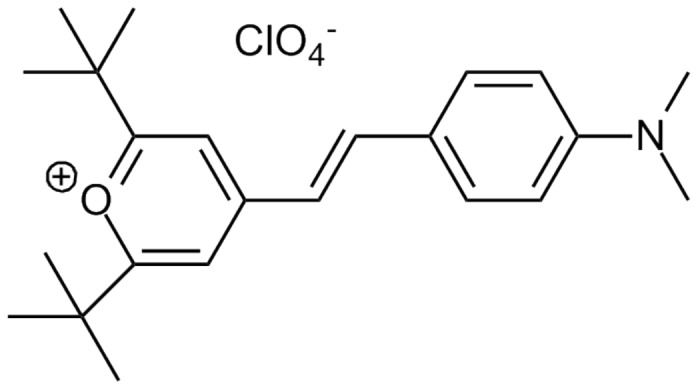
“Among them, lipophilic pyrylium salt SM21 (Figure 1 XY2 in this study) showed good antifu gal activities in vitro and in vivo [11].”
BackgroundSelf-citationMu, R., Yang, L., Wang, X., Yang, B., Li, J., Wang, A., Zhang, G., Sun, C., Wu, Y. J., Yu, B., et al. (2024) · Macromolecular Bioscience · doi:10.1002/mabi.202400194 · Cited by 7
Rahmayanti, F., Suniarti, D. F., Mas’ud, Z. A., Bachtiar, B. M., Wimardhani, Y. S., & Subita, G. P. (2016) · Asian Journal of Pharmaceutical and Clinical Research · Cited by 7
The Effects of Ellagic Acid on Growth and Biofilm Formation of Candida albicans
Nejatbakhsh, S., Ilkhanizadeh-Qomi, M., Razzaghi‐Abyaneh, M., & Jahanshiri, Z. (2020) · Journal of Medical Microbiology and Infectious Diseases · doi:10.29252/jommid.8.1.14 · Cited by 10
“Also, Wong et al. (2014) have introduced useful compounds with inhibitory activity on growth and yeast- to- hypha transition of C. albicans [12].”
BackgroundMoraes, G. S., Albach, T., Sugio, C. Y. C., Cachoeira, V. S., Kiratcz, F., Claudino, M., Campagnoli, E. B., Pochapski, M. T., dos Santos, F. A., Neppelenbroek, K. H., et al. (2022) · Medical Mycology · doi:10.1093/mmy/myac092 · Cited by 7
Antivirulence activity and in vivo efficacy of a thiazole derivative against candidiasis
de Sá, N. P., de Barros, P. P., Junqueira, J. C., Valério, A. D., Lino, C. I., de Oliveira, R. B., Rosa, C. A., & Johann, S. (2021) · Journal de Mycologie Médicale · doi:10.1016/j.mycmed.2021.101134 · Cited by 8
From Biology to Drug Development: New Approaches to Combat the Threat of Fungal Biofilms
Pierce, C. G., Srinivasan, A., Ramasubramanian, A. K., & Lopez-Ribot, J. L. (2015) · ASM Press eBooks · doi:10.1128/9781555817466.ch19 · Cited by 8
Fernandes, L. D. S., Ogasawara, L. S., Medina‐Alarcón, K. P., dos Santos, K. S., Silva, S. D. M., de Assis, L. R., Regasini, L. O., de Oliveira, A. G., Mendes‐Giannini, M. J. S., Scarpa, M. V., et al. (2024) · Pharmaceutics · doi:10.3390/pharmaceutics16070843 · Cited by 6
“However, further studies will be needed to understand the mechanism of action of these combinations and better understand the molecular bases of these combinations.”
BackgroundNature-derived gelatin-based antifungal nanotherapeutics for combatting Candida albicans biofilms
Nabawy, A. M., Makabenta, J. M., Park, J., Huang, R., Nayar, V., Patel, R., & Rotello, V. M. (2024) · Environmental Science Nano · doi:10.1039/d3en00372h · Cited by 6
Herrera, K. M. S., Ferreira, L. S., Braga, A. V., Souza, J. D. P., Andrade, J. T., Soares, A. C., Soares, L. F., Chagas, R. C. R., & Ferreira, J. M. S. (2019) · Anais da Academia Brasileira de Ciências · doi:10.1590/0001-376520181077 · Cited by 5
“An Acad Bras Cienc (2019) 91(4) e20181077 8 | 9 is a relevant criterion for the selection of antibiotic candidates for clinical use (Wong et al. 2014).”
BackgroundRodrigues, D. F., Vieira, M., Júnior, M. A. F. M., Thomasi, R. M. D. O., Sinisterra, R. D., Garcia, E. D. F., do Couto, R. O., Lima, W. G., de Paiva, M. C., & Jensen, C. E. D. M. (2025) · ACS Omega · doi:10.1021/acsomega.5c04986 · Cited by 7
Handayani, S., Nurdiana, N., Winarsih, S., & Endharti, A. T. (2022) · Open Access Macedonian Journal of Medical Sciences · doi:10.3889/oamjms.2022.8086 · Cited by 3
“Antifungal properties for Candidiasis treatment should have minimum toxicity to human cells [5].”
BackgroundCharacterization of a New Hsp110 Inhibitor as a Potential Antifungal
Sun, C., Li, Y., Kidd, J. M., Han, J., Ding, L., May, A. E., Zhou, L., & Liu, Q. (2024) · Journal of Fungi · doi:10.3390/jof10110732 · Cited by 5
Chakraborty, S., Pawaskar, A., Metkari, S., Madan, T., & Idicula‐Thomas, S. (2025) · Chemical Biology & Drug Design · doi:10.1111/cbdd.70138 · Cited by 3
Flamandita, D., Sahlan, M., Lischer, K., & Pratamı, D. K. (2019) · IEEE International Conference on Engineering Technologies and Applied Sciences (ICETAS) · doi:10.1109/icetas48360.2019.9117300 · Cited by 5
“Natural sources, historically, have been considered as favorable ones with ideal properties for drug development [8].”
BackgroundSugio, C. Y. C., Cestari, T. M., Garcia, A. A. M. N., Moraes, G. S., Albach, T., de Oliveira, T. M., Garlet, G. P., Urban, V. M., & Neppelenbroek, K. H. (2024) · Journal of Medical Microbiology · doi:10.1099/jmm.0.001899 · Cited by 2
Handayani, S., Nurdiana, N., Winarsih, S., & Endharti, A. T. (2023) · Infection and Drug Resistance · doi:10.2147/idr.s400314 · Cited by 2
“Human cells are extremely sensitive to antifungal drugs.(8) Caspofungin, a common antifungal drug, has antifungal properties against Candida albicans.”
BackgroundThe Effect of Juniperus virginiana Essential Oil on Candida albicans Biofilm Formation
Jahanshiri, Z. (2022) · American Journal of Biomedical Science & Research · doi:10.34297/ajbsr.2022.15.002098 · Cited by 2
“[19] have discovered a small molecule with activity against Candida spp both in vitro and in vivo.”
BackgroundJahanshiri, Z., & Nejatbakhsh, S. (2021) · Journal of Medical Microbiology and Infectious Diseases · doi:10.52547/jommid.9.2.76 · Cited by 1
Aşkun, T. (2023) · IntechOpen eBooks · doi:10.5772/intechopen.109157 · Cited by 5
Seneviratne, C. J., Truong, T., & Wang, Y. (2017) · CRC Press eBooks · doi:10.4324/9781315120119-5 · Cited by 1
Self-citationHramov, A. E., Koronovskii, A. A., Makarov, V. A., Александрович, М. В., Павлов, А. Н., & Sitnikova, E. (2021) · Springer series in synergetics · doi:10.1007/978-3-030-75992-6_8 · Cited by 1
Time-dependent modulation of gut microbiome in response to systemic antifungal agentsPreprint
Udawatte, N. S., Wook, K. S., Wang, Y., Manzanero, S., Arumugam, T. V., & Seneviratne, C. J. (2020) · bioRxiv (Cold Spring Harbor Laboratory) · doi:10.1101/2020.10.05.315184 · Cited by 2
“We have recently discovered the new antifungal small molecule SM21 which has shown promising effects against systemic candidiasis in vivo (Wong et al. 2014).”
BackgroundSelf-citation
Metadata
- Authors
- Wong, S. S. W., Kao, R. Y. T., Yuen, K. Y., Wang, Y., Yang, D., Samaranayake, L. P., & Seneviratne, C. J.
- Affiliations
- University of Hong Kong (HK)
- Corresponding author
- Kao, Richard Yi Tsun
- Seneviratne, Chaminda Jayampath
- ORCID
- Venue
- PLoS ONE
- Publisher
- Public Library of Science (PLoS)
- Published
- 2014-01-22
- Volume
- 9
- Issue
- 1
- Pages
- e85836
- ISSN
- 1932-6203 (ISSN-L)
- PMC
- PMC3899067
- OpenAlex
- W2069580047
- Semantic Scholar
- 0a4a2763f35864555a20b296c1daf1614f09e28f
- Cited by
- 107
- References
- 58
- Citations by year
- 2026: 1 · 2025: 4 · 2024: 5 · 2023: 6 · 2022: 12 · 2021: 11 · 2020: 17 · 2019: 11 · 2018: 11 · 2017: 9 · 2016: 8 · 2015: 8 · 2014: 4
- FWCI
- 6.80
- Type
- journal article
- Language
- en
- Open access
- gold
- doi.org
- Licence
- Locations
- PLoS ONE (publishedVersion, cc-by)
- Europe PMC (PubMed Central) (publishedVersion, cc-by)
- PubMed Central (publishedVersion, cc-by)
- PubMed (publishedVersion)
- National University of Singapore (submittedVersion)
- DOAJ (DOAJ: Directory of Open Access Journals) (submittedVersion)
- The HKU Scholars Hub (University of Hong Kong) (submittedVersion, cc-by-nc-nd)
- Funders
- Health and Medical Research Fund
- Topics
- Health Sciences › Medicine › Infectious Diseases › Antifungal resistance and susceptibility
- Life Sciences › Agricultural and Biological Sciences › Plant Science › Fungal Plant Pathogen Control
- Life Sciences › Biochemistry, Genetics and Molecular Biology › Molecular Biology › Fungal and yeast genetics research
- Keywords
- Candida, yeast-to-hypha transition, Candida albicans, antifungal resistance, biofilm inhibition, systemic candidiasis, oral candidiasis, nystatin, plasma membrane integrity, antifungal drug discovery, high-throughput screening
- MeSH terms
- Aniline Compounds, Animals, Antifungal Agents, Candida albicans, Candidiasis, Cell Line, Cells, Cultured, Disease Models, Animal, Dose-Response Relationship, Drug, Drug Evaluation, Preclinical, Fungal Proteins, Humans, Male, Membrane Glycoproteins, Mice, Inbred C57BL, Microbial Sensitivity Tests, Onium Compounds, Promoter Regions, Genetic, Molecular Structure, Gene Expression, Microscopy, Confocal, Green Fluorescent Proteins, Mice, Small Molecule Libraries, Host-Pathogen Interactions
About these checks
Registry, retraction, Cites and statistics results are computed, not judged, with one exception: a printed reference that no index lists is read once by a model before it counts as a citation error. Claims are extracted by a model and kept only when their quote appears verbatim in the text; each cited source is then checked, with a model’s help, for whether it says what the claim relies on. Those verdicts can be wrong — read the claim’s quote and the cited source before relying on one.
The claim verdicts this report counts are experimental: their accuracy is not yet measured.
A language model drew the claims from the paper on 2026-10-08, under version 3 of the claim definition (model deepseek-v4.1-flash, prompt extract-v3).
A second model labelled each claim on 2026-10-08 (model jev-1.13-20260917, definition revision gold-guideline-v0.2).
Cited sources are checked with a language model’s help (gpt-6-sol and qwen3.8-omni-flash).
Statistics and arithmetic are recomputed, not judged.
Confidence bands are shown only for fields calibrated on our annotated test set. None is calibrated yet, so no band is shown.
What counts as a claim ›How we measure confidence ›How we check this ›
Are you an author, or do you see a problem with this page? Request a review
Data sources
Bibliographic data: Semantic Scholar, OpenAlex, Crossref.
Contains information from the Semantic Scholar Academic Graph Datasets, made available under the ODC Attribution License (ODC-BY 1.0).
Semantic Scholar’s data is described in: Kinney, R., et al. (2023). The Semantic Scholar Open Data Platform. arXiv:2301.10140.
