

The DOI matches its Crossref record; 93 of the 93 references it cites were found in a registry or an index.
DIC score in pregnant women–a population based modification of the International Society on Thrombosis and Hemostasis score
Open accessAbstract
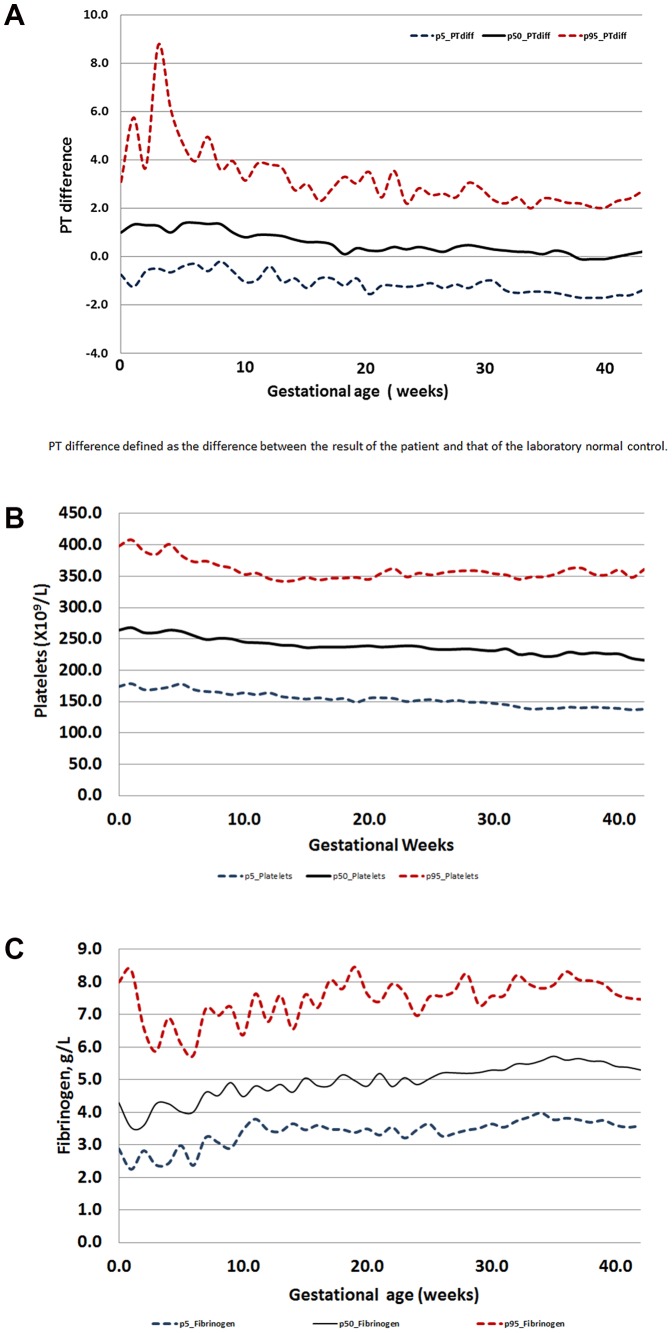
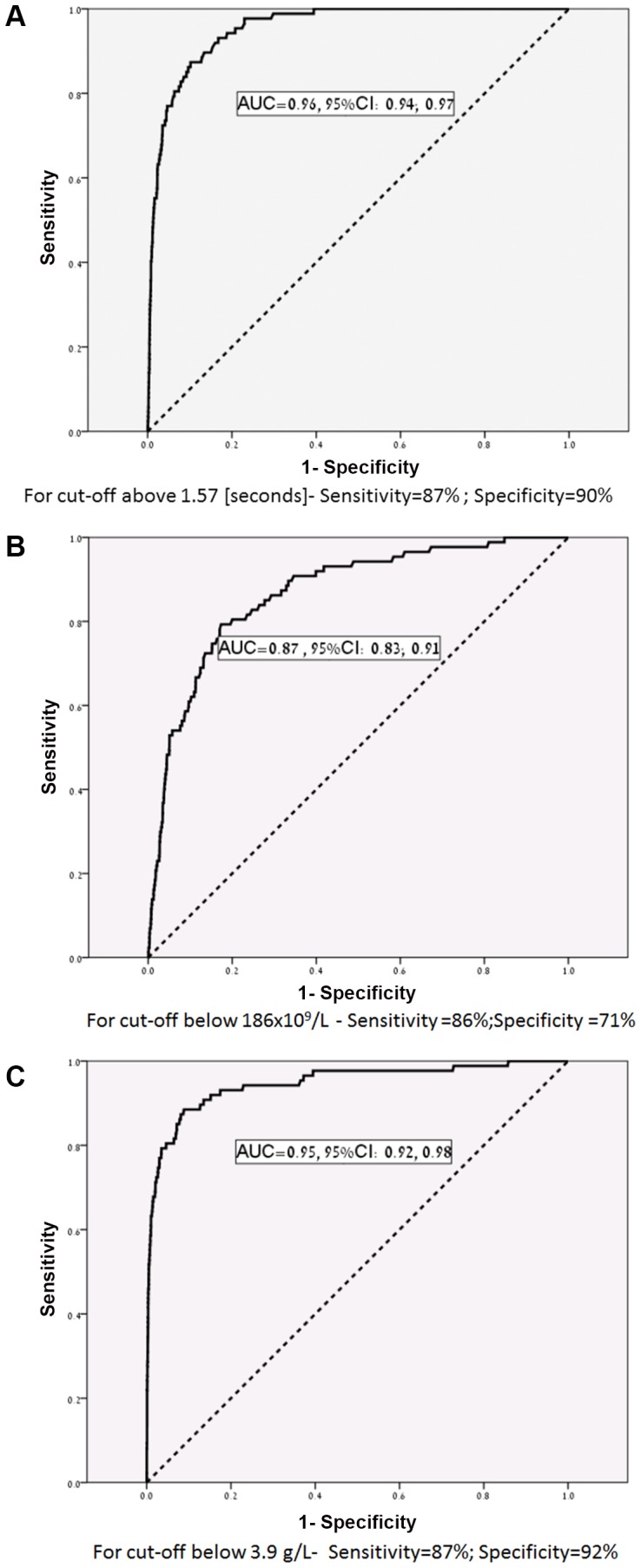
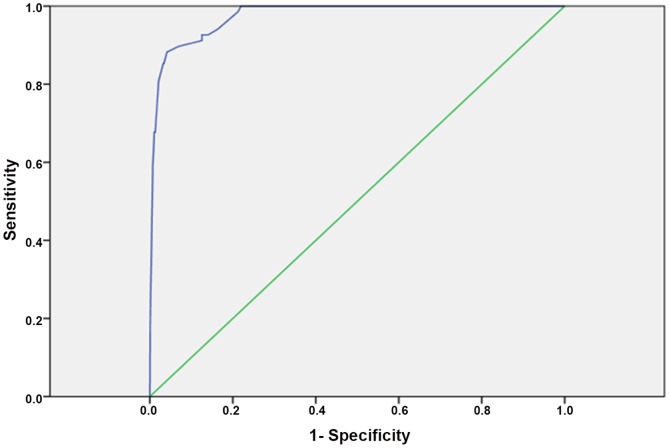
OBJECTIVES: The objectives of this study were: 1) To determine the component needed to generate a validated DIC score during pregnancy. 2) To validate such scoring system in the identification of patients with clinical diagnosis of DIC. MATERIAL AND METHODS: This is a population based retrospective study, including all women who gave birth at the 'Soroka University Medical Center' during the study period, and have had blood coagulation tests including complete blood cell count, prothrombin time (PT)(seconds), partial thromboplastin time (aPTT), fibrinogen, and D-dimers. Nomograms for pregnancy were established, and DIC score was constructed based on ROC curve analyses. RESULTS: 1) maternal plasma fibrinogen concentrations increased during pregnancy; 2) maternal platelet count decreased gradually during gestation; 3) the PT and PTT values did not change with advancing gestation; 4) PT difference had an area under the curve (AUC) of 0.96 (p<0.001), and a PT difference ≥1.55 had an 87% sensitivity and 90% specificity for the diagnosis of DIC; 5) the platelet count had an AUC of 0.87 (p<0.001), an 86% sensitivity and 71% specificity for the diagnosis of DIC; 6) fibrinogen concentrations had an AUC of 0.95 (p<0.001) and a cutoff point ≤3.9 g/L had a sensitivity of 87% and a specificity of 92% for the development of DIC; and 7) The pregnancy adjusted DIC score had an AUC of 0.975 (p<0.001) and at a cutoff point of ≥26 had a sensitivity of 88%, a specificity of 96%, a LR(+) of 22 and a LR(-) of 0.125 for the diagnosis of DIC. CONCLUSION: We could establish a sensitive and specific pregnancy adjusted DIC score. The positive likelihood ratio of this score suggests that a patient with a score of ≥26 has a high probability to have DIC.
Overview
The claims and statistics of this paper haven’t been checked yet.
Run the check — free, no account needed. It reads the open-access text and checks the sources it cites.
Integrity signals
Registry
Cites
Statistics
Figures
Verification
Claims the paper makes
The claims and statistics of this paper haven’t been checked yet.
Run the check — free, no account needed. It reads the open-access text and checks the sources it cites.
Claims other papers make about this one
Each is checked against this paper’s own text: does it say what the citing paper says it does?
The source backs part of the claim, not all of it — or backs it for a different population, condition or comparison.
In the citing paper
“Abruption is the most common cause of DIC in pregnancy (93, 94).”
From Placental abruption at near-term and term gestations: Pathophysiology, epidemiology, diagnosis, and management (2023) · cites this paper as [93]
Experimental — accuracy not yet measuredThe cited source says what the claim attributes to it.
In the citing paper
“Scoring systems such as the International Society of Thrombosis and Hemostasis DIC Score (101) was modified for pregnancy (93)(TABLE 6).”
From Placental abruption at near-term and term gestations: Pathophysiology, epidemiology, diagnosis, and management (2023) · cites this paper as [93]
Self-check
Percentages, sums and reported differences re-computed from the paper’s own numbers.
The self-check needs the paper’s full text.
Citations
Cites
Taylor, F., Toh, C.-H., Hoots, K., Wada, H., & Levi, M. (2001) · Thrombosis and Haemostasis · doi:10.1055/s-0037-1616068 · Cited by 2,285 · cited 10×
“The fourth component of the ISTH overt DIC score is the concentrations of D-dimer or fibrin split products [28].”
BackgroundMethodInfluentialDisseminated Intravascular Coagulation
Levi, M. M., & Cate, H. T. (1999) · New England Journal of Medicine · doi:10.1056/nejm199908193410807 · Cited by 2,035
Guidelines for the diagnosis and management of disseminated intravascular coagulation
Levi, M. M., Toh, C., Thachil, J. V., & Watson, H. G. (2009) · British Journal of Haematology · doi:10.1111/j.1365-2141.2009.07600.x · Cited by 1,116
Sibai, B. M., Ramadan, M. K., Usta, I. M., Salama, M., Mercer, B. M., & Friedman, S. A. (1993) · American Journal of Obstetrics and Gynecology · doi:10.1016/0002-9378(93)90043-i · Cited by 1,080 · cited 2×
“However, thrombocytopenia is a hallmark of severe pregnancy complications such as preeclampsia and hemolysis, elevated liver enzymes and low platelets (HELLP) syndrome [41,49,50,71–76].”
BackgroundHaemostatic changes in pregnancy
Bremme, K. A. (2003) · Best Practice & Research Clinical Haematology · doi:10.1016/s1521-6926(03)00021-5 · Cited by 871
d -Dimer for the Exclusion of Acute Venous Thrombosis and Pulmonary Embolism
Stein, P. D., Hull, R. D., Patel, K. C., Olson, R. E., Ghali, W. A., Brant, R., Biel, R. K., Bharadia, V., & Kalra, N. K. (2004) · Annals of Internal Medicine · doi:10.7326/0003-4819-140-8-200404200-00005 · Cited by 797 · cited 1×
“5 mg/L is considered as the upper limit of the normal value in non-pregnant patients [80–82].”
BackgroundSeptic Shock, Multiple Organ Failure, and Disseminated Intravascular Coagulation
Fourrier, F., Chopin, C., Goudemand, J., Hendrycx, S., Caron, C., Rime, A., Marey, A., & Lestavel, P. (1992) · CHEST Journal · doi:10.1378/chest.101.3.816 · Cited by 706
British Thoracic Society guidelines for the management of suspected acute pulmonary embolism
(2003) · Thorax · doi:10.1136/thorax.58.6.470 · Cited by 687
Pregnancy-Related Mortality in the United States, 1998 to 2005
Berg, C. J., Callaghan, W. M., Syverson, C. J., & Henderson, Z. (2010) · Obstetrics and Gynecology · doi:10.1097/aog.0b013e3181fdfb11 · Cited by 685
Gando, S., Iba, T., Eguchi, Y., Ohtomo, Y., Okamoto, K., Koseki, K., Mayumi, T., Murata, A., Ikeda, T., Ishikura, H., et al. (2006) · Critical Care Medicine · doi:10.1097/01.ccm.0000202209.42491.38 · Cited by 647 · cited 4×
“Moreover, it was also associated with a good survival prediction of non-pregnant patients hospitalized in intensive care units [52,83,84].”
BackgroundMethodInfluentialHaemostatic changes in pregnancy
Brenner, B. (2004) · Thrombosis Research · doi:10.1016/j.thromres.2004.08.004 · Cited by 596 · cited 2×
“In addition, systemic changes are observed in the maternal plasma including : 1) increased concentrations of clotting factors VII, VIII, IX, X and XII [3,9–13] and fibrinogen; 2) a reduction in the concentration of anticoagulant proteins such as protein S and tissue factor pathway inhibitor (TFPI)-1 [14–18]; 3) acquir…”
BackgroundHaemostasis in Normal Pregnancy
Stirling, Y., Woolf, L., North, W. R. S., Seghatchian, M. J., & Meade, T. W. (1984) · Thrombosis and Haemostasis · doi:10.1055/s-0038-1661167 · Cited by 592 · cited 1×
“In addition, systemic changes are observed in the maternal plasma including : 1) increased concentrations of clotting factors VII, VIII, IX, X and XII [3,9–13] and fibrinogen; 2) a reduction in the concentration of anticoagulant proteins such as protein S and tissue factor pathway inhibitor (TFPI)-1 [14–18]; 3) acquir…”
BackgroundHemostasis during normal pregnancy and puerperium
Hellgren, M. (2003) · Seminars in Thrombosis and Hemostasis · doi:10.1055/s-2003-38897 · Cited by 492 · cited 1×
“Pregnancy is a unique state in which the platelet count slightly decreases with advancing gestation [68–70], and about 7% of all pregnant women will suffer from thrombocytopenia [70]; moreover, it has been proposed that pregnancy is a compensated state of platelet consumption [69].”
BackgroundBritish Thoracic Society guidelines for the management of suspected acute pulmonary embolism
Campbell, I. A., Fennerty, A. G., & Miller, A. C. (2005) · PULMONOLOGIYA · doi:10.18093/0869-0189-2005-0-4-19-39 · Cited by 458
Bakhtiari, K., Meijers, J. C. M., de Jonge, E., & Levi, M. M. (2004) · Critical Care Medicine · doi:10.1097/01.ccm.0000147769.07699.e3 · Cited by 426 · cited 1×
“Thus, in the non-pregnant state a DIC score is important in the diagnosis of patients with DIC and carries a diagnostic and prognostic value [53–58].”
BackgroundActivated Protein C Sensitivity, Protein C, Protein S and Coagulation in Normal Pregnancy
Brennand, J., Conkie, J. A., McCall, F., Greer, I. A., Walker, I., & Clark, P. (1998) · Thrombosis and Haemostasis · doi:10.1055/s-0037-1615035 · Cited by 383 · cited 1×
“In addition, systemic changes are observed in the maternal plasma including : 1) increased concentrations of clotting factors VII, VIII, IX, X and XII [3,9–13] and fibrinogen; 2) a reduction in the concentration of anticoagulant proteins such as protein S and tissue factor pathway inhibitor (TFPI)-1 [14–18]; 3) acquir…”
BackgroundHaemostatic reference intervals in pregnancy
Jørgensen, M., Klajnbard, A., Andersen, M. R., Colov, N. P., Stender, S., & Szecsi, P. B. (2010) · Thrombosis and Haemostasis · doi:10.1160/th09-10-0704 · Cited by 364
Pathogenesis of Disseminated Intravascular Coagulation in Sepsis
Levi, M. (1993) · JAMA · doi:10.1001/jama.1993.03510080079035 · Cited by 348
Martin, J. N., Jr., Rinehart, B. K., May, W. L., Magann, E. F., Terrone, D. A., & Blake, P. G. (1999) · American Journal of Obstetrics and Gynecology · doi:10.1016/s0002-9378(99)70022-0 · Cited by 344 · cited 2×
“However, thrombocytopenia is a hallmark of severe pregnancy complications such as preeclampsia and hemolysis, elevated liver enzymes and low platelets (HELLP) syndrome [41,49,50,71–76].”
BackgroundDisseminated intravascular coagulation
Levi, M. M. (2007) · Critical Care Medicine · doi:10.1097/01.ccm.0000281468.94108.4b · Cited by 322
British Committee for Standards in Haematology
Chaffe, B., Elliott, C., Howell, C., Jones, J., Murray, S. R., Norfolk, D., Pirie, L., & Russell, J. K. (2012) · Cited by 311
Kobayashi, N., Maekawa, T., Takada, M., Tanaka, H., & Gonmori, H. (2015) · Current studies in hematology and blood transfusion · doi:10.1159/000408467 · Cited by 308 · cited 3×
“In light of the above three DIC scores were previously developed [28,51,52].”
MethodCerneca, F., Ricci, G., Simeone, R., Malisano, M., Alberico, S., & Guaschino, S. (1997) · European Journal of Obstetrics & Gynecology and Reproductive Biology · doi:10.1016/s0301-2115(97)02734-6 · Cited by 267
Gando, S., Saitoh, D., Ogura, H., Mayumi, T., Koseki, K., Ikeda, T., Ishikura, H., Iba, T., Ueyama, M., Eguchi, Y., et al. (2008) · Critical Care Medicine · doi:10.1097/01.ccm.0000295317.97245.2d · Cited by 262 · cited 1×
“DIC is a serious and life threatening complication that can result from several mechanisms, including acute and chronic consumptive coagulopathy, endothelial dysfunction and platelets activation, and acute liver dysfunction [28,30–41].”
BackgroundD-Dimer Concentrations in Normal Pregnancy: New Diagnostic Thresholds Are Needed
Kline, J. A., Williams, G. W., & Hernandez‐Nino, J. (2005) · Clinical Chemistry · doi:10.1373/clinchem.2004.044883 · Cited by 256 · cited 1×
“During pregnancy, the concentrations of D-dimer or fibrin split products changes extensively, and it has been proposed that they have no diagnostic value during gestation [25,63,64].”
BackgroundStudies on Blood Coagulation and Fibrinolysis in Pregnancy, during Delivery and in the Puerperium
Hellgren, M., & Blombäck, M. (2010) · Gynecologic and Obstetric Investigation · doi:10.1159/000299596 · Cited by 235
Disseminated intravascular coagulation. Findings in 346 patients.
Spero, J. A., Lewis, J. H., & Hasiba, U. (1980) · PubMed · Cited by 207
Gando, S., Kameue, T., Nanzaki, S., & Nakanishi, Y. (1996) · Thrombosis and Haemostasis · doi:10.1055/s-0038-1650248 · Cited by 199 · cited 1×
“DIC is a serious and life threatening complication that can result from several mechanisms, including acute and chronic consumptive coagulopathy, endothelial dysfunction and platelets activation, and acute liver dysfunction [28,30–41].”
BackgroundDevelopment of resistance to activated protein C during pregnancy
Cumming, A. M., Tait, R. C., Fildes, S., Yoong, A. F. E., Keeney, S., & Hay, C. R. M. (1995) · British Journal of Haematology · doi:10.1111/j.1365-2141.1995.tb05610.x · Cited by 196 · cited 1×
“In addition, systemic changes are observed in the maternal plasma including : 1) increased concentrations of clotting factors VII, VIII, IX, X and XII [3,9–13] and fibrinogen; 2) a reduction in the concentration of anticoagulant proteins such as protein S and tissue factor pathway inhibitor (TFPI)-1 [14–18]; 3) acquir…”
BackgroundOuter Membrane Vesicles Derived from Escherichia coli Induce Systemic Inflammatory Response Syndrome
Park, K., Choi, K. H., Kim, Y.-S., Hong, B. S., Kim, O. Y., Kim, J. H., Yoon, C. M., Koh, G.-Y., Kim, Y.-K., & Gho, Y. S. (2010) · PLoS ONE · doi:10.1371/journal.pone.0011334 · Cited by 193 · cited 1×
“Thus, in the non-pregnant state a DIC score is important in the diagnosis of patients with DIC and carries a diagnostic and prognostic value [53–58].”
BackgroundSepsis and Disseminated Intravascular Coagulation
Levi, M. M., de Jonge, E., & van der Poll, T. (2003) · Journal of Thrombosis and Thrombolysis · doi:10.1023/b:thro.0000014592.27892.11 · Cited by 184
Haddad, B., Barton, J. R., Livingston, J. C., Chahine, R., & Sibai, B. M. (2000) · American Journal of Obstetrics and Gynecology · doi:10.1067/mob.2000.105915 · Cited by 183
Thachil, J., & Toh, C.-H. (2009) · Blood Reviews · doi:10.1016/j.blre.2009.04.002 · Cited by 177 · cited 2×
“The most prominent obstetrical pathologies associated with the development of DIC are post-partum hemorrhage, placental abruption, HELLP syndrome, preeclampsia, retained dead fetus, acute fatty liver, and septic abortion [42–50].”
BackgroundDisseminated Intravascular Coagulation
Spero, J. A., Lewis, J. H., & Hasiba, U. (1980) · Thrombosis and Haemostasis · doi:10.1055/s-0038-1650005 · Cited by 176 · cited 2×
“Moreover, about 50% of patients with DIC will have a platelet count lower than 50610(6)/L [66,67].”
BackgroundIsler, C. M., Rinehart, B. K., Terrone, D. A., Martin, R. W., Magann, E. F., & Martin, J. N., Jr. (1999) · American Journal of Obstetrics and Gynecology · doi:10.1016/s0002-9378(99)70343-1 · Cited by 174 · cited 2×
“However, thrombocytopenia is a hallmark of severe pregnancy complications such as preeclampsia and hemolysis, elevated liver enzymes and low platelets (HELLP) syndrome [41,49,50,71–76].”
BackgroundBrown, M. D., Rowe, B. H., Reeves, M. J., Bermingham, J. M., & Goldhaber, S. Z. (2002) · Annals of Emergency Medicine · doi:10.1067/mem.2002.124755 · Cited by 173 · cited 1×
“5 mg/L is considered as the upper limit of the normal value in non-pregnant patients [80–82].”
BackgroundDIC: which laboratory tests are most useful
Levi, M., & Meijers, J. C. (2011) · Blood Reviews · doi:10.1016/j.blre.2010.09.002 · Cited by 146 · cited 1×
“These parameters are also increased in thromboembolic diseases, recent surgery, and inflammatory condition; thus, they can poorly differentiate these patients from those with DIC [78].”
BackgroundChanges in protein C and protein S levels in normal pregnancy
Faught, W., Garner, P. R., Jones, G., & Ivey, B. (1995) · American Journal of Obstetrics and Gynecology · doi:10.1016/0002-9378(95)90104-3 · Cited by 134 · cited 1×
“In addition, systemic changes are observed in the maternal plasma including : 1) increased concentrations of clotting factors VII, VIII, IX, X and XII [3,9–13] and fibrinogen; 2) a reduction in the concentration of anticoagulant proteins such as protein S and tissue factor pathway inhibitor (TFPI)-1 [14–18]; 3) acquir…”
BackgroundThe incidence and cause of coagulopathies in an intensive care population
Chakraverty, R. K., Davidson, S. J., Peggs, K. S., Stross, P., Garrard, C. S., & Littlewood, T. J. (1996) · British Journal of Haematology · doi:10.1046/j.1365-2141.1996.5101050.x · Cited by 126 · cited 3×
“Indeed, Chakraverty et al [77] reported that among 235 patients admitted to an adult intensive care unit, clinical coagulopathy, defined as bleeding unexplained by local or surgical factors, was identified in 13.6% of patients; moreover, a prothrombin time (PT) difference . or = 1.5 was found in 66% of patients and a…”
BackgroundInfluential&NA; (2000) · Obstetric Anesthesia Digest · doi:10.1097/00132582-200020040-00010 · Cited by 125
Angstwurm, M., Dempfle, C.-E. H., & Spannagl, M. (2006) · Critical Care Medicine · doi:10.1097/01.ccm.0000196832.27501.b2 · Cited by 118 · cited 1×
“Thus, in the non-pregnant state a DIC score is important in the diagnosis of patients with DIC and carries a diagnostic and prognostic value [53–58].”
BackgroundAmniotic fluid contains tissue factor, a potent initiator of coagulation
Lockwood, C. J., Bach, R. R., Guha, A., Zhou, X., Miller, W. A., & Nemerson, Y. (1991) · American Journal of Obstetrics and Gynecology · doi:10.1016/0002-9378(91)90363-v · Cited by 115
Voves, C., Wuillemin, W. A., & Zeerleder, S. S. (2006) · Blood Coagulation & Fibrinolysis · doi:10.1097/01.mbc.0000240916.63521.2e · Cited by 113 · cited 1×
“Moreover, it was also associated with a good survival prediction of non-pregnant patients hospitalized in intensive care units [52,83,84].”
BackgroundD-dimer concentrations during normal pregnancy, as measured by ELISA
Francalanci, I., Comeglio, P., Liotta, A. A., Cellai, A. P., Fedi, S., Parretti, E., Mello, G., Prisco, D., & Abbate, R. (1995) · Thrombosis Research · doi:10.1016/0049-3848(95)00073-z · Cited by 109 · cited 1×
“During pregnancy, the concentrations of D-dimer or fibrin split products changes extensively, and it has been proposed that they have no diagnostic value during gestation [25,63,64].”
BackgroundGanrot, P. O. (1972) · Scandinavian Journal of Clinical and Laboratory Investigation · doi:10.3109/00365517209102755 · Cited by 107 · cited 1×
“Indeed, fibrinogen increases during gestation especially through the third trimester and declines only two days after delivery [59–64].”
BackgroundRattray, D. D., O’Connell, C. M., & Baskett, T. F. (2012) · Journal of Obstetrics and Gynaecology Canada · doi:10.1016/s1701-2163(16)35214-8 · Cited by 104
Disseminated intravascular coagulation: a review for the internist
Levi, M. M., & van der Poll, T. (2012) · Internal and Emergency Medicine · doi:10.1007/s11739-012-0859-9 · Cited by 100 · cited 1×
“DIC is a serious and life threatening complication that can result from several mechanisms, including acute and chronic consumptive coagulopathy, endothelial dysfunction and platelets activation, and acute liver dysfunction [28,30–41].”
BackgroundDisseminated intravascular coagulation in cancer patients
Levi, M. M. (2009) · Best Practice & Research Clinical Haematology · doi:10.1016/j.beha.2008.12.005 · Cited by 96
Gando, S., Kameue, T., Matsuda, N., Sawamura, A., Hayakawa, M., & Kato, H. (2004) · Inflammation · doi:10.1023/b:ifla.0000049049.81688.fe · Cited by 94 · cited 1×
“DIC is a serious and life threatening complication that can result from several mechanisms, including acute and chronic consumptive coagulopathy, endothelial dysfunction and platelets activation, and acute liver dysfunction [28,30–41].”
BackgroundLongitudinal study of platelet indices during normal pregnancy
Tygart, S. G., McROYAN, D. K., Spinnato, J. A., Cj, M., & Kitay, D. Z. (1986) · American Journal of Obstetrics and Gynecology · doi:10.1016/0002-9378(86)90476-x · Cited by 93 · cited 1×
“Pregnancy is a unique state in which the platelet count slightly decreases with advancing gestation [68–70], and about 7% of all pregnant women will suffer from thrombocytopenia [70]; moreover, it has been proposed that pregnancy is a compensated state of platelet consumption [69].”
BackgroundFIBRINOLYSIS IN NORMAL PREGNANCY
BIEZENSKI, J. J., & Moore, H. C. (1958) · Journal of Clinical Pathology · doi:10.1136/jcp.11.4.306 · Cited by 89 · cited 1×
“In addition, systemic changes are observed in the maternal plasma including : 1) increased concentrations of clotting factors VII, VIII, IX, X and XII [3,9–13] and fibrinogen; 2) a reduction in the concentration of anticoagulant proteins such as protein S and tissue factor pathway inhibitor (TFPI)-1 [14–18]; 3) acquir…”
BackgroundThe Decidua Regulates Hemostasis in Human Endometrium
Lockwood, C. J., Krikun, G., & Schatz, F. (1999) · Seminars in Reproductive Medicine · doi:10.1055/s-2007-1016211 · Cited by 87 · cited 1×
“Sufficient local hemostasis is achieved by the abundance of tissue factor in the decidua [4,5], chorionic membranes and amniotic fluid [6–8].”
BackgroundAmniotic fluid contains tissue factor, a potent initiator of coagulation
Lockwood, C. J., Bach, R. R., Guha, A., Zhou, X., Miller, W. A., & Nemerson, Y. (1991) · American Journal of Obstetrics and Gynecology · doi:10.1016/s0002-9378(12)90756-5 · Cited by 84
Uszyński, M., Żekanowska, E., Uszyński, W., & Kuczyński, J. (2001) · European Journal of Obstetrics & Gynecology and Reproductive Biology · doi:10.1016/s0301-2115(00)00448-6 · Cited by 79 · cited 1×
“Sufficient local hemostasis is achieved by the abundance of tissue factor in the decidua [4,5], chorionic membranes and amniotic fluid [6–8].”
BackgroundErez, O., Gotsch, F., Mazaki‐Tovi, S., Vaisbuch, E., Kusanovic, J. P., Kim, C. J., Chaiworapongsa, T., Hoppensteadt, D., Fareed, J., Than, N. G., et al. (2009) · The Journal of Maternal-Fetal & Neonatal Medicine · doi:10.1080/14767050902853117 · Cited by 75
Walfish, M., Neuman, A., & Wlody, D. (2009) · British Journal of Anaesthesia · doi:10.1093/bja/aep303 · Cited by 74 · cited 1×
“Nevertheless, severe peri-partum bleeding is still a leading cause for maternal morbidity and mortality even in these countries [26,27].”
BackgroundCavkaytar, S., Uğurlu, E. N., Karaer, A., Tapısız, Ö. L., & Danışman, N. (2007) · Acta Obstetricia Et Gynecologica Scandinavica · doi:10.1080/00016340601185384 · Cited by 69 · cited 1×
“Thus, in the non-pregnant state a DIC score is important in the diagnosis of patients with DIC and carries a diagnostic and prognostic value [53–58].”
BackgroundThe coagulation and fibrinolytic enzyme system in pregnancy and in the puerperium
Beller, F. K., & Ebert, C. (1982) · European Journal of Obstetrics & Gynecology and Reproductive Biology · doi:10.1016/0028-2243(82)90028-4 · Cited by 68 · cited 1×
“In addition, systemic changes are observed in the maternal plasma including : 1) increased concentrations of clotting factors VII, VIII, IX, X and XII [3,9–13] and fibrinogen; 2) a reduction in the concentration of anticoagulant proteins such as protein S and tissue factor pathway inhibitor (TFPI)-1 [14–18]; 3) acquir…”
BackgroundPathogenesis and treatment of disseminated intravascular coagulation in the septic patient
Levi, M. M. (2001) · Journal of Critical Care · doi:10.1053/jcrc.2001.30666 · Cited by 68 · cited 1×
“DIC is a serious and life threatening complication that can result from several mechanisms, including acute and chronic consumptive coagulopathy, endothelial dysfunction and platelets activation, and acute liver dysfunction [28,30–41].”
BackgroundVANBUUL, E. (1995) · The Netherlands Journal of Medicine · doi:10.1016/0300-2977(94)00104-h · Cited by 67
Cauchie, P., Cauchie, C., Boudjeltia, K., Carlier, E., Deschepper, N., GOVAERTS, D., Migaud-Fressart, M., Woodhams, B. J., & Brohée, D. (2006) · American Journal of Hematology · doi:10.1002/ajh.20597 · Cited by 63 · cited 1×
“DIC is a serious and life threatening complication that can result from several mechanisms, including acute and chronic consumptive coagulopathy, endothelial dysfunction and platelets activation, and acute liver dysfunction [28,30–41].”
BackgroundDisseminated intravascular coagulation (DIC) in pregnancy and the peri-partum period
Levi, M. M. (2009) · Thrombosis Research · doi:10.1016/s0049-3848(09)70013-1 · Cited by 59 · cited 2×
“The most prominent obstetrical pathologies associated with the development of DIC are post-partum hemorrhage, placental abruption, HELLP syndrome, preeclampsia, retained dead fetus, acute fatty liver, and septic abortion [42–50].”
BackgroundSundberg, E., Hultdin, J., Nilsson, S., & Ahlm, C. (2011) · PLoS ONE · doi:10.1371/journal.pone.0021134 · Cited by 55 · cited 1×
“Thus, in the non-pregnant state a DIC score is important in the diagnosis of patients with DIC and carries a diagnostic and prognostic value [53–58].”
BackgroundMartin, J. N., Jr., Brewer, J. M., Wallace, K. L., Sunesara, I., Canizaro, A., Blake, P. G., LaMarca, B. B., & Owens, M. Y. (2013) · The Journal of Maternal-Fetal & Neonatal Medicine · doi:10.3109/14767058.2013.773308 · Cited by 55 · cited 2×
“However, thrombocytopenia is a hallmark of severe pregnancy complications such as preeclampsia and hemolysis, elevated liver enzymes and low platelets (HELLP) syndrome [41,49,50,71–76].”
BackgroundChanges in fibrin D-dimer, fibrinogen, and protein S during pregnancy
Hansen, A. T., Andreasen, B. H., Salvig, J. D., & Hvas, A. (2010) · Scandinavian Journal of Clinical and Laboratory Investigation · doi:10.3109/00365513.2010.545432 · Cited by 53 · cited 1×
“Indeed, fibrinogen increases during gestation especially through the third trimester and declines only two days after delivery [59–64].”
BackgroundDisseminated Intravascular Coagulation in Obstetric and Gynecologic Disorders
Montagnana, M., Franchi, M. P., Danese, E., Gotsch, F., & Guidi, G. C. (2010) · Seminars in Thrombosis and Hemostasis · doi:10.1055/s-0030-1254049 · Cited by 53 · cited 2×
“The most prominent obstetrical pathologies associated with the development of DIC are post-partum hemorrhage, placental abruption, HELLP syndrome, preeclampsia, retained dead fetus, acute fatty liver, and septic abortion [42–50].”
BackgroundRizoli, S., Nascimento, B., Key, N. S., Tien, H. C. N., Muraca, S., Pinto, R. L., Khalifa, M., Plotkin, A., & Callum, J. L. (2011) · The Journal of Trauma: Injury, Infection, and Critical Care · doi:10.1097/ta.0b013e318232e688 · Cited by 52 · cited 1×
“Moreover, it was also associated with a good survival prediction of non-pregnant patients hospitalized in intensive care units [52,83,84].”
BackgroundHaemostatic changes and acquired activated protein C resistance in normal pregnancy
Mahieu, B., Jacobs, N., Mahieu, S., Naelaerts, K., Vertessen, F., Weyler, J., Jacquemyn, Y., & van der Planken, M. (2007) · Blood Coagulation & Fibrinolysis · doi:10.1097/mbc.0b013e3282f09835 · Cited by 49 · cited 1×
“In addition, systemic changes are observed in the maternal plasma including : 1) increased concentrations of clotting factors VII, VIII, IX, X and XII [3,9–13] and fibrinogen; 2) a reduction in the concentration of anticoagulant proteins such as protein S and tissue factor pathway inhibitor (TFPI)-1 [14–18]; 3) acquir…”
BackgroundMartin, J. N., Jr. (2013) · International Journal of Gynecology & Obstetrics · doi:10.1016/j.ijgo.2013.02.001 · Cited by 48 · cited 2×
“However, thrombocytopenia is a hallmark of severe pregnancy complications such as preeclampsia and hemolysis, elevated liver enzymes and low platelets (HELLP) syndrome [41,49,50,71–76].”
BackgroundRomero, R. J., Kadar, N. R., Vaisbuch, E., & Hassan, S. S. (2010) · American Journal of Reproductive Immunology · doi:10.1111/j.1600-0897.2010.00823.x · Cited by 48 · cited 2×
“The most prominent obstetrical pathologies associated with the development of DIC are post-partum hemorrhage, placental abruption, HELLP syndrome, preeclampsia, retained dead fetus, acute fatty liver, and septic abortion [42–50].”
BackgroundLevi, M. M. (2013) · Thrombosis Research · doi:10.1016/s0049-3848(13)70017-3 · Cited by 46
Asakura, H., Okamoto, K., Iba, T., Uchiyama, T., Eguchi, Y., Kawasugi, K., Koga, S., Mayumi, T., Koike, K., Gando, S., et al. (2006) · Thrombosis and Haemostasis · doi:10.1160/th05-04-0286 · Cited by 46 · cited 1×
“Thus, in the non-pregnant state a DIC score is important in the diagnosis of patients with DIC and carries a diagnostic and prognostic value [53–58].”
BackgroundLurie, S., Feinstein, M., & Mamet, Y. (2000) · Archives of Gynecology and Obstetrics · doi:10.1007/s004040050010 · Cited by 43 · cited 1×
“The latter is a leading cause for DIC during pregnancy [47,49,50]; and the severity of HELLP syndrome was defined by some according to the degree of the thrombocytopenia [41,49,50,71–76], and women with HELLP syndrome who had a platelet count of ,50610(9)/L were at increased risk for DIC and liver hematoma/rupture [49…”
BackgroundDecidual Cell‐Expressed Tissue Factor Maintains Hemostasis in Human Endometrium
Lockwood, C. J., Krikun, G., & Schatz, F. (2001) · Annals of the New York Academy of Sciences · doi:10.1111/j.1749-6632.2001.tb03793.x · Cited by 43 · cited 1×
“Sufficient local hemostasis is achieved by the abundance of tissue factor in the decidua [4,5], chorionic membranes and amniotic fluid [6–8].”
BackgroundComparison of protein S functional and antigenic assays in normal pregnancy
Lefkowitz, Clarke, & Barbour (1996) · American Journal of Obstetrics and Gynecology · doi:10.1053/ob.1996.v175.a73866 · Cited by 42 · cited 1×
“In addition, systemic changes are observed in the maternal plasma including : 1) increased concentrations of clotting factors VII, VIII, IX, X and XII [3,9–13] and fibrinogen; 2) a reduction in the concentration of anticoagulant proteins such as protein S and tissue factor pathway inhibitor (TFPI)-1 [14–18]; 3) acquir…”
BackgroundMimuro, S., Lahoud, R., Beutler, L., & Trudinger, B. (1998) · Australian and New Zealand Journal of Obstetrics and Gynaecology · doi:10.1111/j.1479-828x.1998.tb03002.x · Cited by 40 · cited 1×
“In addition, systemic changes are observed in the maternal plasma including : 1) increased concentrations of clotting factors VII, VIII, IX, X and XII [3,9–13] and fibrinogen; 2) a reduction in the concentration of anticoagulant proteins such as protein S and tissue factor pathway inhibitor (TFPI)-1 [14–18]; 3) acquir…”
BackgroundDonohoe, S., Quenby, S. M., Mackie, I. J., Panal, G., Farquharson, R. G., Malía, R. G., Kingdom, J. C., & Machin, S. J. (2002) · Lupus · doi:10.1191/0961203302lu132oa · Cited by 40 · cited 1×
“In addition, systemic changes are observed in the maternal plasma including : 1) increased concentrations of clotting factors VII, VIII, IX, X and XII [3,9–13] and fibrinogen; 2) a reduction in the concentration of anticoagulant proteins such as protein S and tissue factor pathway inhibitor (TFPI)-1 [14–18]; 3) acquir…”
BackgroundMaternal and fetal outcome of pregnancy complicated by HELLP syndrome
Gasem, T., Al-Jama, F. E., Burshaid, S., Rahman, J., Suleiman, S. A. A., & Rahman, M. S. (2009) · The Journal of Maternal-Fetal & Neonatal Medicine · doi:10.3109/14767050903019627 · Cited by 36 · cited 1×
“The latter is a leading cause for DIC during pregnancy [47,49,50]; and the severity of HELLP syndrome was defined by some according to the degree of the thrombocytopenia [41,49,50,71–76], and women with HELLP syndrome who had a platelet count of ,50610(9)/L were at increased risk for DIC and liver hematoma/rupture [49…”
BackgroundChanges in the plasma activities of protein C and protein S during pregnancy
Oruç, S., Saruç, M., Koyuncu, F. M., & Özdemir, E. (2000) · Australian and New Zealand Journal of Obstetrics and Gynaecology · doi:10.1111/j.1479-828x.2000.tb01179.x · Cited by 33 · cited 1×
“In addition, systemic changes are observed in the maternal plasma including : 1) increased concentrations of clotting factors VII, VIII, IX, X and XII [3,9–13] and fibrinogen; 2) a reduction in the concentration of anticoagulant proteins such as protein S and tissue factor pathway inhibitor (TFPI)-1 [14–18]; 3) acquir…”
BackgroundIntravascular coagulation in cancer.
Weick, J. K. (1978) · PubMed · Cited by 28
Fibrinogen turnover in pregnant rabbits during the first and last thirds of gestation
MÜLLER‐BERGHAUS, G., Moeller, R.-M., & Mahn, I. (1978) · American Journal of Obstetrics and Gynecology · doi:10.1016/0002-9378(78)90827-x · Cited by 24 · cited 1×
“An animal model suggests that the concentrations of fibrinogen are influenced by changes in estrogen concentrations which increase as labor approaches [65].”
BackgroundArias, F., Gc, A., & Zamora, J. (1979) · American Journal of Obstetrics and Gynecology · doi:10.1016/0002-9378(79)90008-5 · Cited by 23 · cited 1×
“In addition, systemic changes are observed in the maternal plasma including : 1) increased concentrations of clotting factors VII, VIII, IX, X and XII [3,9–13] and fibrinogen; 2) a reduction in the concentration of anticoagulant proteins such as protein S and tissue factor pathway inhibitor (TFPI)-1 [14–18]; 3) acquir…”
BackgroundAmniotic fluid contains tissue factor, a potent initiator of coagulation
Lockwood, C. J., Bach, R. R., Guha, A., Zhou, X., Miller, W., & Nemerson, Y. (1992) · International Journal of Gynecology & Obstetrics · doi:10.1016/0020-7292(92)91076-z · Cited by 21 · cited 1×
“Sufficient local hemostasis is achieved by the abundance of tissue factor in the decidua [4,5], chorionic membranes and amniotic fluid [6–8].”
BackgroundHemostasis in normal pregnancy.
Brenner, B., Aharon, A., & Lanir, N. (2005) · PubMed · Cited by 20
A Prospective Study in 38 Patients with Abruptio Placentae of 70 Cases Complicated by DIC
Terao, T., Maki, M., & Ikenoue, T. (1987) · Asia-Oceania Journal of Obstetrics and Gynaecology · doi:10.1111/j.1447-0756.1987.tb00001.x · Cited by 20 · cited 4×
“We agree with the approach presented by Terao and his colleagues [29] regarding the need for a predisposing event that puts the mother at risk for DIC as an essential condition for calculating the DIC score.”
BackgroundMethodResultInfluentialFIBRINOLYTIC AND ANTIFIBRINOLYTIC ACTIVITY IN PREGNANCY
Naidoo, S., Hathorn, M. K. S., & Gillman, T. (1960) · Journal of Clinical Pathology · doi:10.1136/jcp.13.3.224 · Cited by 19 · cited 1×
“In addition, systemic changes are observed in the maternal plasma including : 1) increased concentrations of clotting factors VII, VIII, IX, X and XII [3,9–13] and fibrinogen; 2) a reduction in the concentration of anticoagulant proteins such as protein S and tissue factor pathway inhibitor (TFPI)-1 [14–18]; 3) acquir…”
BackgroundThorsen, S. U. (1973) · Scandinavian Journal of Clinical and Laboratory Investigation · doi:10.3109/00365517309082418 · Cited by 19 · cited 1×
“In addition, systemic changes are observed in the maternal plasma including : 1) increased concentrations of clotting factors VII, VIII, IX, X and XII [3,9–13] and fibrinogen; 2) a reduction in the concentration of anticoagulant proteins such as protein S and tissue factor pathway inhibitor (TFPI)-1 [14–18]; 3) acquir…”
BackgroundOn Fibrinolysis and Coagulation During Parturition and Menstruation
Hahn, L. (1974) · Acta Obstetricia Et Gynecologica Scandinavica · doi:10.3109/00016347409156813 · Cited by 15 · cited 1×
“The process of labor and delivery is associated with an increased risk for severe maternal hemorrhage [1].”
BackgroundAnalysis of the Cutoff Values in Fibrin-Related Markers for the Diagnosis of Overt DIC
Hatada, T., Wada, H., Kawasugi, K., Okamoto, K., Uchiyama, T., Kushimoto, S., Seki, Y., Okamura, T., Imai, H., Kaneko, T., et al. (2011) · Clinical and Applied Thrombosis/Hemostasis · doi:10.1177/1076029611429786 · Cited by 15 · cited 3×
“Moreover, Hatada et al [79] studied the cutoff values of fibrin related markers Figure 3.”
BackgroundInfluential[Thrombocytopenia in pregnancy].
Erez, O., Wiznitzer, A., & Mazor, M. (2000) · PubMed · Cited by 13
Pathogenesis and treatment of DIC.
Levi, M. M. (2005) · PubMed · Cited by 13
Liao, W., & Jaw, F. (2011) · The Journal of Maternal-Fetal & Neonatal Medicine · doi:10.3109/14767058.2010.549975 · Cited by 6 · cited 2×
“The most prominent obstetrical pathologies associated with the development of DIC are post-partum hemorrhage, placental abruption, HELLP syndrome, preeclampsia, retained dead fetus, acute fatty liver, and septic abortion [42–50].”
BackgroundPathogenesis and treatment of DIC
Levi, M. M. (2005) · Pure Amsterdam UMC · Cited by 5
Research works printed but not linked: 1
- 2003, Thorax, Thorax, 58, 470
Cited by
Sorted by citations
Disseminated intravascular coagulation: epidemiology, biomarkers, and management
Adelborg, K., Larsen, J. B., & Hvas, A. (2021) · British Journal of Haematology · doi:10.1111/bjh.17172 · Cited by 190
Erez, O., Mastrolia, S. A., & Thachil, J. (2015) · American Journal of Obstetrics and Gynecology · doi:10.1016/j.ajog.2015.03.054 · Cited by 170
DIC in Pregnancy – Pathophysiology, Clinical Characteristics, Diagnostic Scores, and Treatments
Erez, O., Othman, M., Rabinovich, A., Leron, E., Gotsch, F., & Thachil, J. V. (2022) · Journal of Blood Medicine · doi:10.2147/jbm.s273047 · Cited by 124
Brandt, J. S., & Ananth, C. V. (2023) · American Journal of Obstetrics and Gynecology · doi:10.1016/j.ajog.2022.06.059 · Cited by 115
Servante, J., Swallow, G., Thornton, J., Myers, B., Munireddy, S., Malinowski, A. K., Othman, M., Li, W., O’Donoghue, K., & Walker, K. F. (2021) · BMC Pregnancy and Childbirth · doi:10.1186/s12884-021-03568-0 · Cited by 111
“scoring system has shown a sensitivity of 88% and a specificity of 96% for the diagnosis of DIC in pregnancy [4].”
BackgroundMethodInfluential
Metadata
- Authors
- Erez, O., Novack, L., Beer-Weisel, R., Dukler, D., Press, F., Zlotnik, A., Than, N. G., Tomer, A., & Mazor, M.
- Affiliations
- Ben-Gurion University of the Negev (IL)
- Corresponding author
- Erez, Offer
- Venue
- PLoS ONE
- Publisher
- Public Library of Science (PLoS)
- Published
- 2014-04-11
- Volume
- 9
- Issue
- 4
- Pages
- e93240
- ISSN
- 1932-6203 (ISSN-L)
- PMC
- PMC3984105
- OpenAlex
- W1975061570
- Cited by
- 146
- References
- 92
- Citations by year
- 2026: 16 · 2025: 14 · 2024: 20 · 2023: 11 · 2022: 19 · 2021: 12 · 2020: 19 · 2019: 7 · 2018: 9 · 2017: 7 · 2016: 7 · 2015: 3 · 2014: 1
- FWCI
- 4.25
- Type
- journal article
- Language
- en
- Open access
- gold
- doi.org
- Locations
- PLoS ONE (publishedVersion, cc-by)
- Europe PMC (PubMed Central) (publishedVersion, cc-by)
- PubMed Central (publishedVersion, cc-by)
- PubMed (publishedVersion)
- DOAJ (DOAJ: Directory of Open Access Journals) (submittedVersion, cc-by-sa)
- eScholarship (California Digital Library) (submittedVersion, cc-by)
- Topics
- Health Sciences › Medicine › Hematology › Blood Coagulation and Thrombosis Mechanisms
- Health Sciences › Medicine › Obstetrics and Gynecology › Pregnancy and preeclampsia studies
- Health Sciences › Medicine › Internal Medicine › Venous Thromboembolism Diagnosis and Management
- Keywords
- disseminated intravascular coagulation, pregnancy, fibrinogen, platelet count, prothrombin time, activated partial thromboplastin time, D-dimer
- MeSH terms
- Disseminated Intravascular Coagulation, Female, Fibrinogen, Hemostasis, Humans, Pregnancy, Prothrombin Time, Retrospective Studies, Thrombosis
About these checks
Registry, retraction, Cites and statistics results are computed, not judged, with one exception: a printed reference that no index lists is read once by a model before it counts as a citation error. Claims are extracted by a model and kept only when their quote appears verbatim in the text; each cited source is then checked, with a model’s help, for whether it says what the claim relies on. Those verdicts can be wrong — read the claim’s quote and the cited source before relying on one.
Statistics and arithmetic are recomputed, not judged.
Confidence bands are shown only for fields calibrated on our annotated test set. None is calibrated yet, so no band is shown.
What counts as a claim ›How we measure confidence ›How we check this ›
Are you an author, or do you see a problem with this page? Request a review
