

Movement Coordination during Conversation
Open accessThe DOI matches its Crossref record; 69 of the 70 references it cites were found in a registry or an index.
Abstract
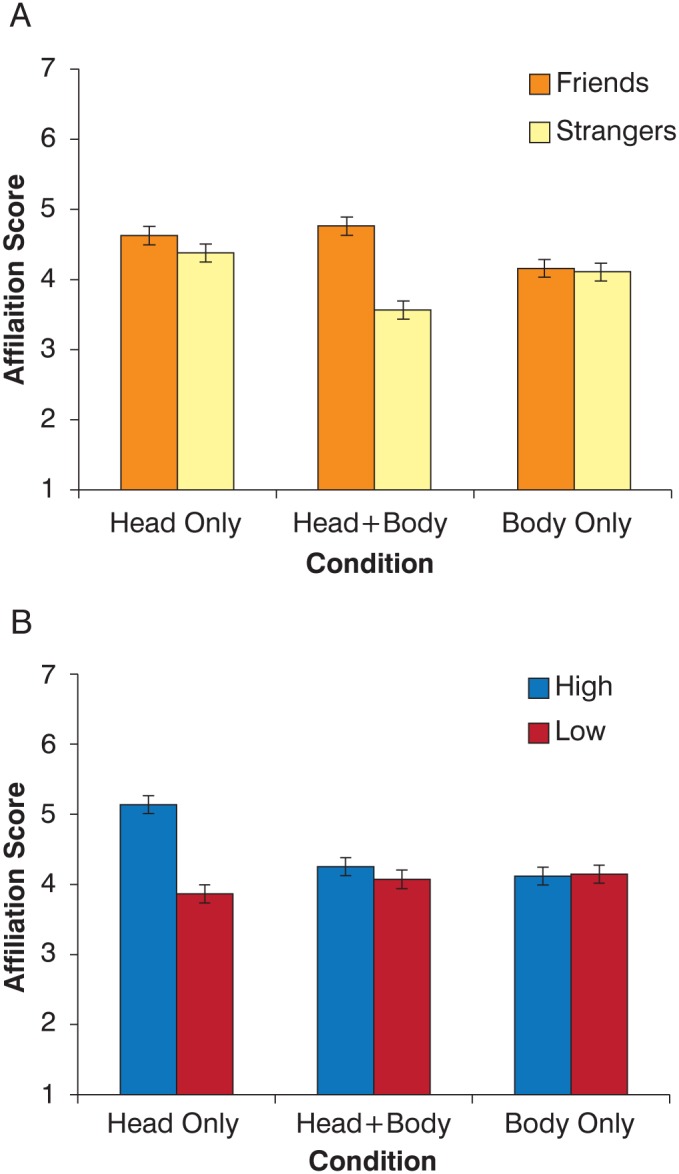
Behavioral coordination and synchrony contribute to a common biological mechanism that maintains communication, cooperation and bonding within many social species, such as primates and birds. Similarly, human language and social systems may also be attuned to coordination to facilitate communication and the formation of relationships. Gross similarities in movement patterns and convergence in the acoustic properties of speech have already been demonstrated between interacting individuals. In the present studies, we investigated how coordinated movements contribute to observers' perception of affiliation (friends vs. strangers) between two conversing individuals. We used novel computational methods to quantify motor coordination and demonstrated that individuals familiar with each other coordinated their movements more frequently. Observers used coordination to judge affiliation between conversing pairs but only when the perceptual stimuli were restricted to head and face regions. These results suggest that observed movement coordination in humans might contribute to perceptual decisions based on availability of information to perceivers.
Overview
The claims and statistics of this paper haven’t been checked yet.
Free: it reads the open-access text and checks the first 5 claims that cite a source we can check. Create a free account to check every claim.
Integrity signals
Registry
Cites
Statistics
Figures
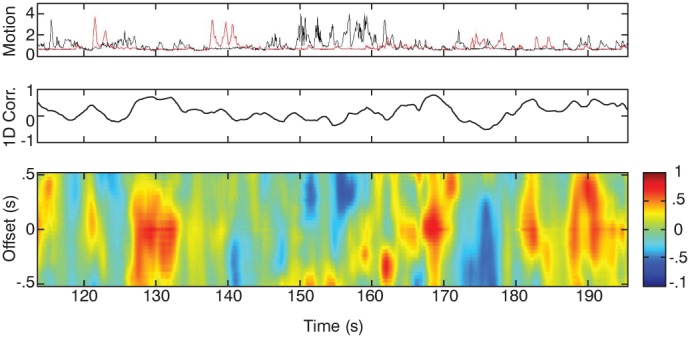
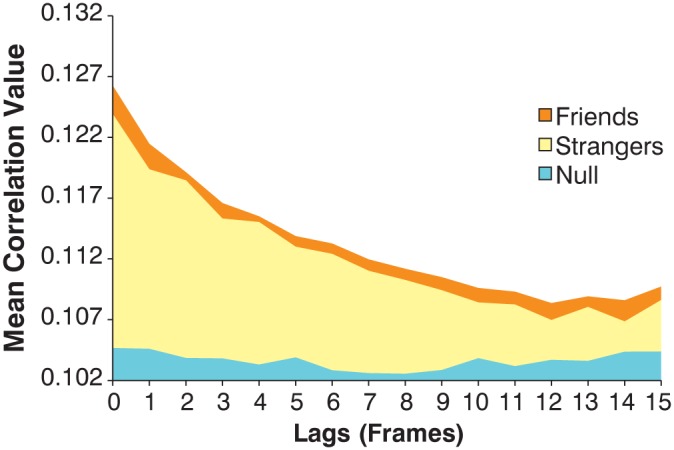
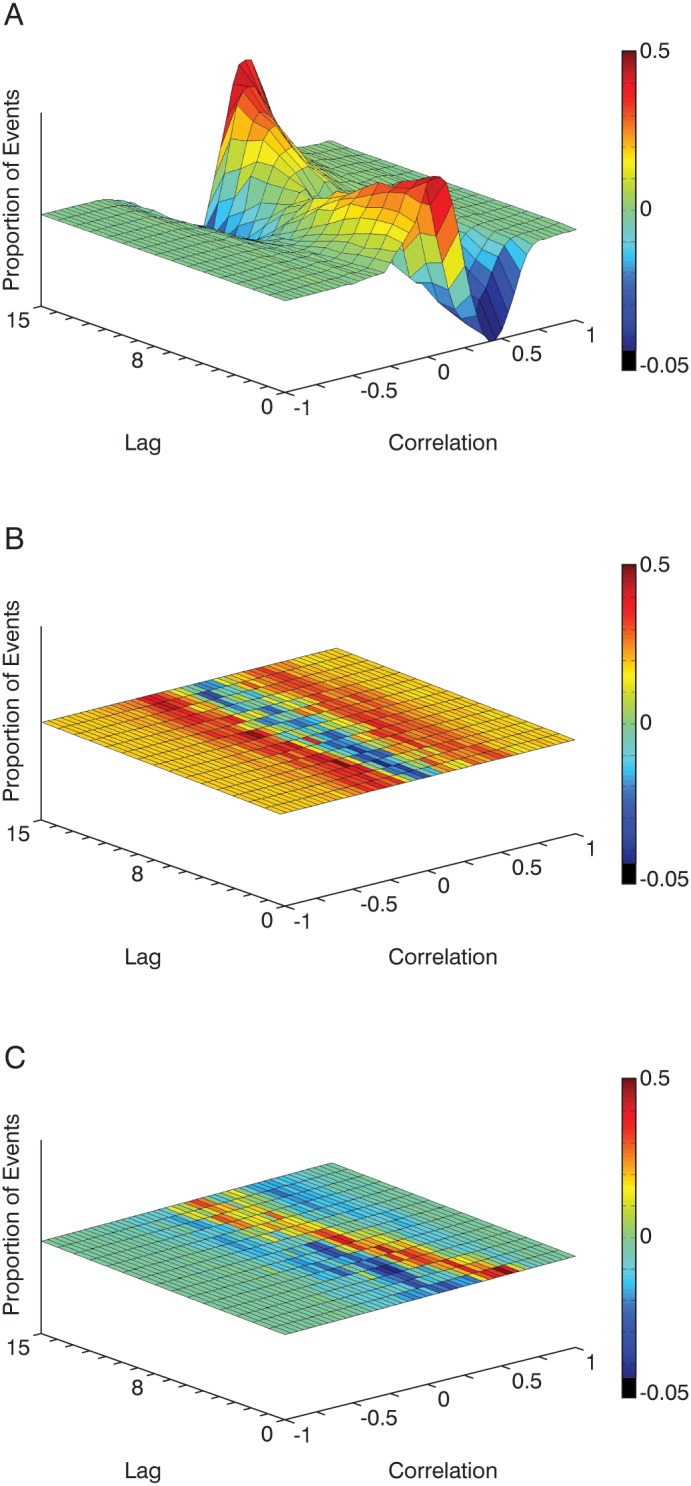
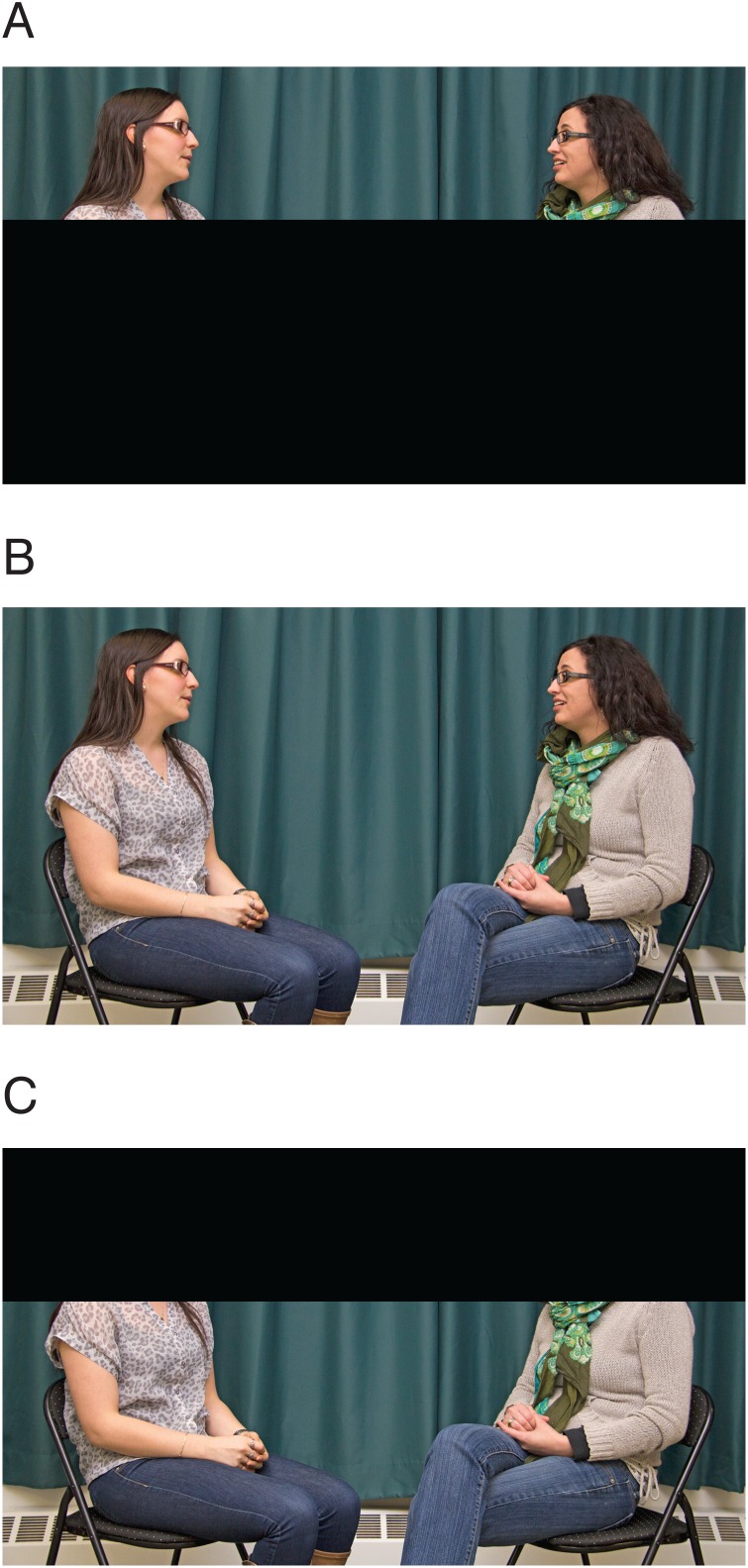
Verification
Claims the paper makes
The claims and statistics of this paper haven’t been checked yet.
Free: it reads the open-access text and checks the first 5 claims that cite a source we can check. Create a free account to check every claim.
Claims other papers make about this one
Each is checked against this paper’s own text: does it say what the citing paper says it does?
The source backs part of the claim, not all of it — or backs it for a different population, condition or comparison.
In the citing paper
“As behavioral synchrony is linked with attachment status, with couples and close friends expressing more synchrony than strangers26,34, it is reasonable to expect that romantic partners in a long-term relationship would display more behavioral and neural synchrony as compared to strangers and that neural synchrony would localize to temporo-parietal areas.”
From Brain-to-Brain Synchrony during Naturalistic Social Interactions (2017) · cites this paper as [34]
Experimental — accuracy not yet measured
Self-check
Percentages, sums and reported differences re-computed from the paper’s own numbers.
The self-check needs the paper’s full text.
Citations
Cites
Horn, B. K. P., & Schunck, B. G. (1981) · Artificial Intelligence · doi:10.1016/0004-3702(81)90024-2 · Cited by 10,312
Horn, B. K., & Schunck, B. G. (1981) · SPIE Proceedings · doi:10.1117/12.965761 · Cited by 7,394 · cited 3×
“First, we use the Horn and Schunck [29] algorithm for computing optical flow (Note: Optical flow refers to the pattern of motion of objects, surfaces, textures and edges based on relative motion between the observer and the scene.”
BackgroundMethodClark, H. H. (1996) · doi:10.1017/cbo9780511620539 · Cited by 5,123
The chameleon effect: the perception–behavior link and social interaction
Chartrand, T. L., & Bargh, J. A. (1999) · Journal of Personality and Social Psychology · doi:10.1037/0022-3514.76.6.893 · Cited by 3,674 · cited 1×
“Coordination may help establish and subsequently indicate rapport and familiarity during social interaction [10,15].”
BackgroundThe Geometry of Biological Time
Winfree, A. T. (1980) · doi:10.1007/978-3-662-22492-2 · Cited by 3,613
Using language: Communicative acts
Clark, H. H. (1996) · Cited by 2,721
Using language: Index of names
Clark, H. H. (1996) · Cited by 2,720
Social perception from visual cues: Role of the STS region
Allison, T., Puce, A., & McCarthy, G. (2000) · Trends in Cognitive Sciences · doi:10.1016/s1364-6613(00)01501-1 · Cited by 2,461 · cited 1×
“In additional, single-cell recordings in monkeys and neuroimaging studies in humans show that the superior temporal sulcus (STS) region is an important component of the perceptual system responsible for processing information required for the accurate analysis of the dispositions and intentions of others during social…”
BackgroundKlin, A., Jones, W., Schultz, R., Volkmar, F., & Cohen, D. (2002) · Archives of General Psychiatry · doi:10.1001/archpsyc.59.9.809 · Cited by 2,120
Wiltermuth, S. S., & Heath, C. (2009) · Psychological Science · doi:10.1111/j.1467-9280.2008.02253.x · Cited by 1,717
Research works printed but not linked: 2
- Birmingham E, Bischof WF, Kingstone A (2008) Gaze selection in complex social scenes. Vis Cogn 16(2–3): 341– 355. · DOI · Paper page
- Hay J, Jannedy S, Mendoza-Denton N (1999) Oprah and /ay/: Lexical frequency, referee design and style. Proc. Int. Cong. Phon. Sci., 14th, San Francisco: 1389–1392.
Cited by
Brain-to-Brain Synchrony during Naturalistic Social Interactions
Kinreich, S., Djalovski, A., Kraus, L., Louzoun, Y., & Feldman, R. (2017) · Scientific Reports · doi:10.1038/s41598-017-17339-5 · Cited by 402
Kupper, Z., Ramseyer, F., Hoffmann, H., & Tschacher, W. (2015) · PLOS ONE · doi:10.1371/journal.pone.0145882 · Cited by 120
“Its importance is evident early in life [5] and a large body of research has confirmed the importance of imitation in social interactions and identified various psychological moderators of imitation [6,7].”
BackgroundSync or sink? Interpersonal synchrony impacts self-esteem
Lumsden, J., Miles, L. K., & Macrae, C. N. (2014) · Frontiers in Psychology · doi:10.3389/fpsyg.2014.01064 · Cited by 118
“…employed here, have been extensively advocated in previous research in order to eliminate potential biases that can occur when relying on subjective ratings of coordination (e.g., Lumsden et al., 2012a; Paxton and Dale, 2012; Schmidt et al., 2012; Latif et al., 2014; Stevenson Won et al., 2014).”
MethodInterpersonal Coordination: Methods, Achievements, and Challenges
Cornejo, C., Cuadros, Z., Morales, R., & Mayor, J. P. (2017) · Frontiers in Psychology · doi:10.3389/fpsyg.2017.01685 · Cited by 128
“Latif et al. (2014) studied interpersonal coordination in dyads that were friends or strangers and the way this distinction affected the Frontiers in Psychology | www.frontiersin.org 3 September 2017 | Volume 8 | Article 1685 perception of an external observer regarding the level of affiliation of…”
BackgroundInfluentialGeorgescu, A. L., Koeroglu, S., Hamilton, A. F. D. C., Vogeley, K. T., Falter, C. M., & Tschacher, W. (2020) · Molecular Autism · doi:10.1186/s13229-019-0305-1 · Cited by 137
“However, while such rhythmic or temporally stable behaviours do play an important role in IPS, there are many other potential sources of unintentional coordination that need to be taken into account if it comes to naturalistic interactions [30].”
BackgroundRhythmic Features of Movement Synchrony for Bonding Individuals in Dyadic Interaction
Fujiwara, K., Kimura, M., & Daibo, I. (2019) · Journal of Nonverbal Behavior · doi:10.1007/s10919-019-00315-0 · Cited by 102
The Socio-Temporal Brain: Connecting People in Time
Schirmer, A., Meck, W. H., & Penney, T. B. (2016) · Trends in Cognitive Sciences · doi:10.1016/j.tics.2016.08.002 · Cited by 83
Researcher degrees of freedom in phonetic research
Roettger, T. B. (2019) · Laboratory Phonology Journal of the Association for Laboratory Phonology · doi:10.5334/labphon.147 · Cited by 81
Ardizzi, M., Calbi, M., Tavaglione, S., Umiltà, M. A., & Gallese, V. (2020) · Scientific Reports · doi:10.1038/s41598-020-60832-7 · Cited by 69
Zampella, C., Csumitta, K. D., Simon, E., & Bennetto, L. (2020) · Journal of Autism and Developmental Disorders · doi:10.1007/s10803-020-04412-8 · Cited by 87
“Previous studies with neurotypical individuals suggest that synchrony is higher among familiar dyads or those with pre-existing rapport, compared to unfamiliar dyads (Latif et al. 2014; McIntosh 2006).”
BackgroundMultiscale movement coordination dynamics in collaborative team problem solving
Wiltshire, T. J., Steffensen, S. V., & Fiore, S. M. (2019) · Applied Ergonomics · doi:10.1016/j.apergo.2018.07.007 · Cited by 61
Shared periodic performer movements coordinate interactions in duo improvisations
Eerola, T., Jakubowski, K., Moran, N., Keller, P. E., & Clayton, M. R. L. (2018) · Royal Society Open Science · doi:10.1098/rsos.171520 · Cited by 64
“Such behavioural coordination can increase liking and affiliation ratings [8,13,14], elicit prosocial behaviours [15], and enhance memory for details of the conversation and conversational partner [16].”
Dynamics of Simultaneous and Imitative Bodily Coordination in Trust and Distrust
Cornejo, C., Hurtado, E., Cuadros, Z., Torres‐Araneda, A., Mayor, J. P., Olivares, H., Carre, D. J., & Robledo, J. P. (2018) · Frontiers in Psychology · doi:10.3389/fpsyg.2018.01546 · Cited by 58
Fujiwara, K., & Yokomitsu, K. (2021) · Behavior Research Methods · doi:10.3758/s13428-021-01612-7 · Cited by 58
“Previous studies have indicated that individuals in well-established relationships display coordinated movements during face-to-face interactions (Bernieri et al., 1988; Latif et al., 2014; Miles et al., 2009).”
BackgroundConversing with a devil’s advocate: Interpersonal coordination in deception and disagreement
Duran, N. D., & Fusaroli, R. (2017) · PLOS ONE · doi:10.1371/journal.pone.0178140 · Cited by 50
“Another question worth pursuing is to what extent deceivers strategically increase interpersonal coordination versus its spontaneous emergence due to a greater general attentiveness and monitoring of a conversational partner (also see [82]).”
BackgroundBowsher-Murray, C., Gerson, S. A., Hagen, E. V. D., & Jones, C. R. G. (2022) · Frontiers in Psychology · doi:10.3389/fpsyg.2022.897015 · Cited by 51
Otsuka, K., & Tsumori, M. (2020) · IEEE Access · doi:10.1109/access.2020.3041672 · Cited by 44
Modeling Team-level Multimodal Dynamics during Multiparty Collaboration
Eloy, L., E.B. Stewart, A., Jean Amon, M., Reinhardt, C., Michaels, A., Sun, C., Shute, V., Duran, N. D., & D'Mello, S. (2019) · 2019 International Conference on Multimodal Interaction · doi:10.1145/3340555.3353748 · Cited by 35
“Similarly, motor coordination has been shown to positively influence perception of affiliation [53].”
BackgroundMultimodal modeling of collaborative problem-solving facets in triads
Stewart, A. E. B., Keirn, Z., & D’Mello, S. K. (2021) · User Modeling and User-Adapted Interaction · doi:10.1007/s11257-021-09290-y · Cited by 30
The Emerging Science of People-Watching: Forming Impressions From Third-Party Encounters
Susanne Quadflieg, A., & Penton‐Voak, I. S. (2017) · Current Directions in Psychological Science · doi:10.1177/0963721417694353 · Cited by 33
Interpersonal synchronization of spontaneously generated body movements
Koul, A., Ahmar, D., Iannetti, G. D., & Novembre, G. (2023) · iScience · doi:10.1016/j.isci.2023.106104 · Cited by 28
Jakubowski, K., Eerola, T., Alborno, P., Volpe, G., Camurri, A., & Clayton, M. R. L. (2017) · Frontiers in Digital Humanities · doi:10.3389/fdigh.2017.00009 · Cited by 38
“Optical flow is a technique that has been widely applied within the computer vision literature [e.g., Fleet and Weiss (2006); see also Latif et al. (2014), for an application in studying interpersonal coordination], whereas KCF is a comparatively recently developed technique.”
MethodHead movement and its relation to hearing
Higgins, N. C., Pupo, D. A., Ozmeral, E. J., & Eddins, D. A. (2023) · Frontiers in Psychology · doi:10.3389/fpsyg.2023.1183303 · Cited by 28
“For example, observers were able to identify whether interactions were between friends or strangers with a higher success rate when presented head and face movements compared to body movement, indicating that head movement communicates familiarity between talkers (Latif et al., 2014).”
BackgroundRealVAD: A Real-World Dataset and A Method for Voice Activity Detection by Body Motion Analysis
Beyan, C., Shahid, M., & Murino, V. (2020) · IEEE Transactions on Multimedia · doi:10.1109/tmm.2020.3007350 · Cited by 25
“In[17],itisshownthatduringsocialinter-actionsindividualsunintentionallysynchronizetheirnonverbal andlinguisticbehavior.”
Zubek, J., Nagórska, E., Komorowska-Mach, J., Skowrońska, K., Zieliński, K., & Rączaszek‐Leonardi, J. (2022) · Entropy · doi:10.3390/e24040559 · Cited by 34
“As demonstrated by numerous empirical studies, spontaneous movement coordination of people engaged in natural conversations can predict rapport [7], affiliation [8], empathic accuracy [9], joint-action task performance [10,11] or psychotherapy outcomes [12].”
BackgroundResultmultiSyncPy: A Python package for assessing multivariate coordination dynamics
Hudson, D., Wiltshire, T. J., & Atzmueller, M. (2022) · Behavior Research Methods · doi:10.3758/s13428-022-01855-y · Cited by 31
“Instead of using OpenPose, an ‘optical flow’ method was applied that measures the average change in pixel intensity over time to provide a proxy for body movement (Barbosa, 2017; Latif et al., 2014).”
MethodIt takes two to tango: Preschool siblings’ musical play and prosociality in the home
Cirelli, L. K., Peiris, R., Tavassoli, N., Recchia, H. E., & Ross, H. S. (2020) · Social Development · doi:10.1111/sode.12439 · Cited by 27
Robledo, J. P., Hawkins, S., Cornejo, C., Cross, I. R. M., Party, D., & Hurtado, E. (2021) · PLoS ONE · doi:10.1371/journal.pone.0250166 · Cited by 23
“They have shown, for example, more coordination between strangers conversing affiliatively than argumentatively [44], and that while synchronization arises during affiliative conversations between friends and between strangers, it is significantly greater between friends [75].”
BackgroundInter-individual coordination in walking chimpanzees
Schweinfurth, M. K., Baldridge, D. B., Finnerty, K., Call, J., & Knoblich, G. (2022) · Current Biology · doi:10.1016/j.cub.2022.09.059 · Cited by 22
Body Movement Synchrony Predicts Degrees of Information Exchange in a Natural Conversation
Tsuchiya, A., Ora, H., Hao, Q., Ono, Y., Sato, H., Kameda, K., & Miyake, Y. (2020) · Frontiers in Psychology · doi:10.3389/fpsyg.2020.00817 · Cited by 19
Social and nonsocial synchrony are interrelated and romantically attractive
Cohen, M., Abargil, M., Ahissar, M., & Atzil, S. (2024) · Communications Psychology · doi:10.1038/s44271-024-00109-1 · Cited by 23
Affect as an antecedent of synchrony: A spectrum analysis with wavelet transform
Fujiwara, K., & Daibo, I. (2018) · Quarterly Journal of Experimental Psychology · doi:10.1177/1747021817745861 · Cited by 19
Jakubowski, K., Eerola, T., Ximenes, A. B., Ma, W. K., Clayton, M. R. L., & Keller, P. E. (2020) · Psychomusicology Music Mind and Brain · doi:10.1037/pmu0000264 · Cited by 17
Measuring Dynamics of Infant-Adult Synchrony Through Mocap
Cuadros, Z., Hurtado, E., & Cornejo, C. (2019) · Frontiers in Psychology · doi:10.3389/fpsyg.2019.02839 · Cited by 15
“It has been observed in social exchanges between known and unknown adults (Latif et al., 2014; Cornejo et al., 2018), musical improvisations between unknown preschoolers (Endedijk et al.”
BackgroundAn evolutionary approach to low-level conversational cooperation
Wacewicz, S., Żywiczyński, P., & Chiera, A. (2017) · Language Sciences · doi:10.1016/j.langsci.2017.01.005 · Cited by 16
An automated, data-driven approach to children's social dynamics in space and time
Horn, L., Karsai, M., & Marková, G. (2023) · Child Development Perspectives · doi:10.1111/cdep.12495 · Cited by 14
“In several studies, affiliation was reflected in higher levels of synchrony between interaction partners (Fujiwara et al., 2020; Latif et al., 2014).”
BackgroundArticulatory, acoustic, and prosodic accommodation in a cooperative maze navigation task
Lee, Y., Danner, S. G., Parrell, B., Lee, S., Goldstein, L. M., & Byrd, D. (2018) · PLoS ONE · doi:10.1371/journal.pone.0201444 · Cited by 19
Voice Activity Detection by Upper Body Motion Analysis and Unsupervised Domain Adaptation
Shahid, M., Beyan, C., & Murino, V. (2019) · IEEE International Conference on Computer Vision Workshops · doi:10.1109/iccvw.2019.00159 · Cited by 14
“First of all, during social interactions individuals unintentionally synchronize their nonverbal and linguistic behavior [35].”
BackgroundInfant-adult synchrony in spontaneous and nonspontaneous interactions
Cuadros, Z., Hurtado, E., & Cornejo, C. (2020) · PLoS ONE · doi:10.1371/journal.pone.0244138 · Cited by 18
Sabharwal, S. R., Varlet, M., Breaden, M., Volpe, G., Camurri, A., & Keller, P. E. (2022) · IEEE Access · doi:10.1109/access.2022.3202959 · Cited by 17
“Additionally, the synchronization of non-verbal elements of expression takes place across multiple temporal scales, with head motion in particular being associated with higher states of con-345 nectedness [64], [65].”
BackgroundQuadflieg, S., & Westmoreland, K. E. (2019) · Journal of Nonverbal Behavior · doi:10.1007/s10919-019-00295-1 · Cited by 17
Tsantani, M., Yon, D., & Cook, R. (2024) · Journal of Neuroscience · doi:10.1523/jneurosci.2009-22.2024 · Cited by 15
“For example, dyads moving in synchrony are more likely to be perceived as a social unit than those moving asynchronously (Lakens, 2010; Lakens and Stel, 2011), and synchrony a ff ords attributions of rapport (Miles et al., 2009; Lakens and Stel, 2011) and a ffi liation (Latif et al., 2014).”
BackgroundInteractions among Collective Spectators Facilitate Eyeblink Synchronization
Nomura, R., Liang, Y., & Okada, T. (2015) · PLoS ONE · doi:10.1371/journal.pone.0140774 · Cited by 12
“In recent years, many researchers have reported the entrainment of human behaviors such as body movement [1] or respiratory rhythms [2] during interpersonal communications.”
BackgroundMusic, Speech and Affiliative Communicative Interaction: Pitch and Rhythm as Interactive AffordancesPreprint
Cross, I. R. M. (2022) · PsyArXiv (OSF Preprints) · doi:10.31234/osf.io/tr9n6 · Cited by 14
Multimodal User Satisfaction Recognition for Non-task Oriented Dialogue Systems
Wei, W., Li, S., Okada, S., & Komatani, K. (2021) · INTERNATIONAL CONFERENCE ON MULTIMODAL INTERACTION · doi:10.1145/3462244.3479928 · Cited by 18
Co-Speech Movement in Conversational Turn-Taking
Danner, S. G., Krivokapić, J., & Byrd, D. (2021) · Frontiers in Communication · doi:10.3389/fcomm.2021.779814 · Cited by 12
“The uptick in co-speech movement density may indicate attentiveness or affiliation with the speaker (Clark and Krych, 2004; Latif et al., 2014), or it may indicate a listener’s intent to start speaking (Duncan Jr, 1972; Hadar et al.”
BackgroundLin, L. P. Y., Feldman, M. J., Tudder, A., Gresham, A. M., Peters, B. J., & Dodell‐Feder, D. (2023) · Journal of Nonverbal Behavior · doi:10.1007/s10919-023-00431-y · Cited by 15
“First, as greater NVS has been found among better acquainted individuals compared to less acquainted individuals (e.g., Latif et al., 2014), one possibility was that friend dyads, compared to stranger dyads, would demonstrate greater NVS.”
BackgroundRubinsten, O., Korem, N., Perry, A., Goldberg, M., & Shamay‐Tsoory, S. (2020) · Brain and Behavior · doi:10.1002/brb3.1613 · Cited by 9
Mori, T., & Otsuka, K. (2021) · INTERNATIONAL CONFERENCE ON MULTIMODAL INTERACTION · doi:10.1145/3462244.3479899 · Cited by 8
“To date, a simultaneity has been suggested in terms of interlocutors’ head movements during conversations, in that these head movements occur simultaneously between interlocutors [8, 14].”
BackgroundBinder, J. F. (2023) · Acta Psychologica · doi:10.1016/j.actpsy.2023.103840 · Cited by 12
Hosseini, S., Deng, X., Miyake, Y., & Nozawa, T. (2019) · Frontiers in Psychology · doi:10.3389/fpsyg.2019.02577 · Cited by 8
Analyzing multidimensional movement interaction with generalized cross-wavelet transform
Toiviainen, P., & Hartmann, M. (2021) · Human Movement Science · doi:10.1016/j.humov.2021.102894 · Cited by 8
“Interpersonal movement coordination, either intentional or not, is a particularly important facet of human interaction, as evidenced initially by communication studies (Cornejo et al., 2017; Lakin, 2013; Latif et al., 2014) and more recently by psychological (Lakin et al.”
BackgroundUtilizing Student Socio-coordinated Mimicry: Complex Movement Conversations in Physical Education
Rhoades, J. L., & Hopper, T. (2017) · Quest · doi:10.1080/00336297.2017.1373683 · Cited by 7
“Specifically, OFA has been utilized to determine postural and mannerism changes that occur between participants of a verbal conversation (Latif et al., 2014; Sun, Nijholt, Truong, & Pantic, 2011).”
MethodInterpersonal coordination in three-year-old children: Functions, morphology, and temporality
Cuadros, Z., Carre, D. J., Hurtado, E., & Cornejo, C. (2021) · Acta Psychologica · doi:10.1016/j.actpsy.2021.103351 · Cited by 7
Schirmer, A., Lo, C., & Wijaya, M. T. (2021) · Communication Research · doi:10.1177/00936502211015900 · Cited by 4
“Moreover, observers are more likely to perceive affiliation between individuals the more strongly these individuals synchronize (Latif et al., 2014).”
BackgroundTrait plasticity and drought thresholds in Artemisia ordosica during summer drought
Xu, M., Ma, L., Li, C., Bourque, C. P. ‐., Li, M., Zhang, L., Jin, C., & Zha, T. (2025) · Plant and Soil · doi:10.1007/s11104-025-07698-8 · Cited by 3
“For instance, stomatal control and enhanced instantaneous water use efficiency (IWUE) protect plants from irreversible damage caused by carbon (C) starvation during periods of drought, thereby boosting their resistance to drought (Latif et al. 2014; Xu et al. 2024).”
Not complex enough for complexity: Some intricacies of interpersonal synergies theory
Vial, I., & Cornejo, C. (2021) · New Ideas in Psychology · doi:10.1016/j.newideapsych.2021.100914 · Cited by 6
Speech Intelligibility in Reverberation is Reduced During Self-Rotation
Hládek, Ľ., & Seeber, B. U. (2023) · Trends in Hearing · doi:10.1177/23312165231188619 · Cited by 3
“In conversations, people come closer to each other and increase their voices when there is a high level of background noise (Beechey et al., 2018; Cheyne et al., 2009; Hadley et al., 2019; Latif et al., 2014).”
BackgroundSpontaneous bodily coordination varies across affective and intellectual child-adult interactions
Cornejo, C., Cuadros, Z., Carré, D., Hurtado, E., & Olivares, H. (2024) · Frontiers in Psychology · doi:10.3389/fpsyg.2023.1264504 · Cited by 3
Influence of Personality Traits and Demographics on Rapport Recognition Using Adversarial Learning
Wei, W., Li, S., Mawalim, C. O., Li, X., Komatani, K., & Okada, S. (2025) · Multimodal Technologies and Interaction · doi:10.3390/mti9030018 · Cited by 3
The sensorimotor basis of subjective experience in social synchronization behavior
Bremer, J. P., Knorr, M. S., Göschl, F., Maÿe, A., Engel, A. K., & Schneider, T. R. (2025) · Frontiers in Virtual Reality · doi:10.3389/frvir.2025.1619710 · Cited by 1
Alignment as the Sensorimotor Basis of the Evolution of Conversation
Chiera, A. (2019) · Theoria et Historia Scientiarum · doi:10.12775/ths.2019.003 · Cited by 1
“e, postures, bodily movements, facial expressions (Latif et al., 2014).”
BackgroundTsuchiya, A., Ora, H., Kameda, K., & Miyake, Y. (2020) · IEEE International Conference on Cognitive Infocommunications · doi:10.1109/coginfocom50765.2020.9237916 · Cited by 1
Investigating Empathy Between Dyads: The Role of Familiarity, Psychopathy, Time, and Gender
Thompson, B. (2022) · Open Access Victoria University of Wellington | Te Herenga Waka (Figshare) · doi:10.26686/wgtn.21163135
Understanding human encounters goes beyond explaining musculoskeletal coordination: a review
Carre, D. J., & Cornejo, C. (2022) · Cognition & Emotion · doi:10.1080/02699931.2023.2168625
“…coordination by part of the speaker, delayed coordination by the hearer, and of course simultaneous (zero-lag) coordination (Cornejo et al., 2018; Latif et al., 2014; Paxton & Dale, 2017); symmetric coordination, where participants move like a mirror, but also asymmetric coordination, where…”
BackgroundHojo, N., Mizuno, S., Kobashikawa, S., & Masumura, R. (2023) · IEEE International Conference on Acoustics, Speech, and Signal Processing Workshops (ICASSPW) · doi:10.1109/icasspw59220.2023.10193002 · Cited by 1
Analyzing directionality of influence among ensemble musicians using Granger Causality
Sabharwal, S. R., Musso, A., Breaden, M., Riccomagno, E., Camurri, A., & Keller, P. E. (2022) · International Conference on Kansei Engineering and Emotion Research (KEER) · doi:10.5821/conference-9788419184849.10
Physiological and Behavioral Response Differences Between Video-Mediated and In-Person Interaction
Tremmel, C., Huneke, N. T. M., Hobson, D., Tacca, C., & schraefel, M. C. (2025) · Sensors · doi:10.3390/s26010034
Béres, L., Nagy, P., Pólya, T., Weiss, B., Boncz, A., & Winkler, I. (2026) · Frontiers in Psychology · doi:10.3389/fpsyg.2026.1655164 · Cited by 1
“Regarding all forms of IC, IC is thought to increase with the level of familiarity and liking (McIntosh, 2006; Latif et al., 2014), interaction quality (Julien et al., 2000), and rapport (Miles et al., 2010), whereas it decreases in argumentative situations (Paxton and Dale, 2013, 2017).”
Relational context shapes interpersonal coordination in naturalistic interaction
Soesanto, O., Macpherson, M. C., Atkins, C., Bate, R., Richardson, M. J., & Kallen, R. W. (2026) · Acta Psychologica · doi:10.1016/j.actpsy.2026.107374
Movement synchrony and familiarity in dyadic and four-person conversations
Dirker, D., Stukenbrock, A., & Tschacher, W. (2026) · Frontiers in Psychology · doi:10.3389/fpsyg.2026.1744354 · Cited by 1
“Latif et al. (2014) investigated friend-or-stranger casual dyadic conversations and found that the friend-sample exhibited significantly higher levels of movement synchrony compared to the stranger sample, although synchrony was present in the stranger-sample as well (cf. Tschacher et al., 2014).”
Ignoring a noisy metronome during dyadic drumming
Bishop, L., & Kwak, D. (2026) · Frontiers in Psychology · doi:10.3389/fpsyg.2026.1929677
“This adds to previous literature showing that dyadic interaction is affected by partner familiarity, though previous studies have tended to focus on music-or movement-based coordination measures rather than quantity of motion (Latif et al., 2014; Golvet et al., 2021).”
Metadata
- Authors
- Latif, N., Barbosa, A. V., Vatiokiotis-Bateson, E., Castelhano, M. S., & Munhall, K. G.
- Affiliations
- Queen's University (CA)
- Universidade Federal de Minas Gerais (BR)
- Corresponding author
- Latif, Nida
- Venue
- PLoS ONE
- Publisher
- Public Library of Science (PLoS)
- Published
- 2014-08-13
- Volume
- 9
- Issue
- 8
- Pages
- e105036
- ISSN
- 1932-6203 (ISSN-L)
- PMC
- PMC4132081
- OpenAlex
- W2071671593
- Cited by
- 72
- References
- 70
- Citations by year
- 2026: 4 · 2025: 4 · 2024: 3 · 2023: 7 · 2022: 9 · 2021: 10 · 2020: 11 · 2019: 8 · 2018: 5 · 2017: 7 · 2016: 1 · 2015: 2 · 2014: 1
- FWCI
- 5.42
- Type
- journal article
- Language
- en
- Update notices
- correction (2014-11-06)
- Open access
- gold
- doi.org
- Locations
- PLoS ONE (publishedVersion, cc-by)
- Europe PMC (PubMed Central) (publishedVersion, cc-by)
- PubMed Central (publishedVersion, cc-by)
- PubMed (publishedVersion)
- DOAJ (DOAJ: Directory of Open Access Journals) (submittedVersion)
- Funders
- Queen's University
- Natural Sciences and Engineering Research Council of Canada
- Topics
- Social Sciences › Psychology › Social Psychology › Action Observation and Synchronization
- Social Sciences › Arts and Humanities › Language and Linguistics › Language, Discourse, Communication Strategies
- Social Sciences › Psychology › Experimental and Cognitive Psychology › Evolutionary Psychology and Human Behavior
- Keywords
- motor coordination, social perception, interpersonal communication, social bonding
- MeSH terms
- Adult, Female, Humans, Interpersonal Relations, Kinesics, Language, Male, Movement, Perception, Speech, Recognition, Psychology, Friends, Young Adult
About these checks
Registry, retraction, Cites and statistics results are computed, not judged, with one exception: a printed reference that no index lists is read once by a model before it counts as a citation error. Claims are extracted by a model and kept only when their quote appears verbatim in the text; each cited source is then checked, with a model’s help, for whether it says what the claim relies on. Those verdicts can be wrong — read the claim’s quote and the cited source before relying on one.
Statistics and arithmetic are recomputed, not judged.
Confidence bands are shown only for fields calibrated on our annotated test set. None is calibrated yet, so no band is shown.
What counts as a claim ›How we measure confidence ›How we check this ›
Are you an author, or do you see a problem with this page? Request a review
Data sources
Bibliographic data: Semantic Scholar, OpenAlex, Crossref.
Contains information from the Semantic Scholar Academic Graph Datasets, made available under the ODC Attribution License (ODC-BY 1.0).
Semantic Scholar’s data is described in: Kinney, R., et al. (2023). The Semantic Scholar Open Data Platform. arXiv:2301.10140.
