

Environmentally Determined Differences in the Murine Lung Microbiota and Their Relation to Alveolar Architecture
Open accessThe DOI matches its Crossref record; 49 of the 49 references it cites were found in a registry or an index.
Abstract
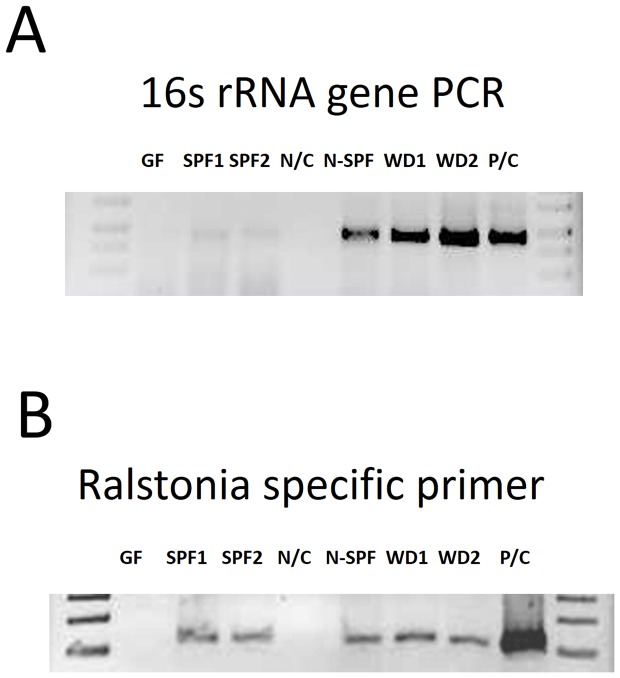
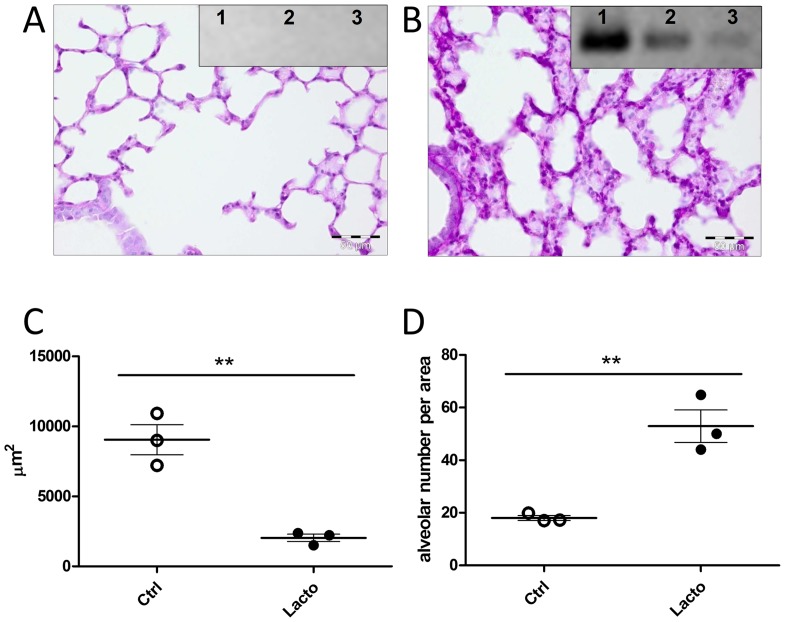
Commensal bacteria control the micro-ecology of metazoan epithelial surfaces with pivotal effect on tissue homeostasis and host defense. In contrast to the upper respiratory tract, the lower respiratory tract of healthy individuals has largely been considered free of microorganisms. To understand airway micro-ecology we studied microbiota of sterilely excised lungs from mice of different origin including outbred wild mice caught in the natural environment or kept under non-specific-pathogen-free (SPF) conditions as well as inbred mice maintained in non-SPF, SPF or germ-free (GF) facilities. High-throughput pyrosequencing of reverse transcribed 16S rRNA revealed metabolically active murine lung microbiota in all but GF mice. The overall composition across samples was similar at the phylum and family level. However, species richness was significantly different between lung microbiota from SPF and non-SPF mice. Non-cultivatable Betaproteobacteria such as Ralstonia spp. made up the major constituents and were also confirmed by 16S rRNA gene cloning analysis. Additionally, Pasteurellaceae, Enterobacteria and Firmicutes were isolated from lungs of non-SPF mice. Bacterial communities were detectable by fluorescent in situ hybridization (FISH) at alveolar epithelia in the absence of inflammation. Notably, higher bacterial abundance in non-SPF mice correlated with more and smaller size alveolae, which was corroborated by transplanting Lactobacillus spp. lung isolates into GF mice. Our data indicate a common microbial composition of murine lungs, which is diversified through different environmental conditions and affects lung architecture. Identification of the microbiota of murine lungs will pave the path to study their influence on pulmonary immunity to infection and allergens using mouse models.
Overview
The claims and statistics of this paper haven’t been checked yet.
Free: it reads the open-access text and checks the first 5 claims that cite a source we can check. Create a free account to check every claim.
Integrity signals
Registry
Cites
Statistics
Figures
Verification
Claims the paper makes
The claims and statistics of this paper haven’t been checked yet.
Free: it reads the open-access text and checks the first 5 claims that cite a source we can check. Create a free account to check every claim.
Claims other papers make about this one
Each is checked against this paper’s own text: does it say what the citing paper says it does?
The source backs part of the claim, not all of it — or backs it for a different population, condition or comparison.
In the citing paper
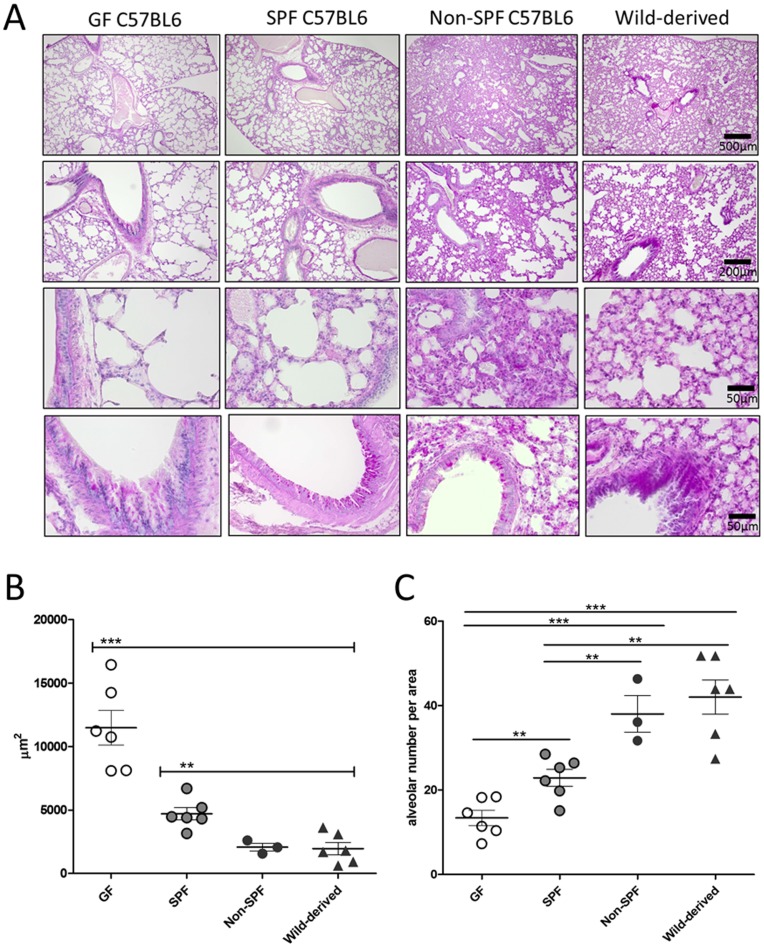
“The latter finding was supported by experiments in which the nasal cavities of germ-free mouse pups were colonized with Lactobacillus spp., after which the number of mature alveoli normalized5.”
From The microbiota of the respiratory tract: gatekeeper to respiratory health (2017) · cites this paper as [5]
Experimental — accuracy not yet measuredThe cited source says what the claim attributes to it.
In the citing paper
“The establishment of the respiratory microbiota is thought to have an effect on the morphogenesis of the respiratory tract.”
From The microbiota of the respiratory tract: gatekeeper to respiratory health (2017) · cites this paper as [5]
In the citing paper
“Indeed, germ-free rodents tend to have smaller lungs12 and a decreased number of mature alveoli5.”
From The microbiota of the respiratory tract: gatekeeper to respiratory health (2017) · cites this paper as [5]
Self-check
Percentages, sums and reported differences re-computed from the paper’s own numbers.
The self-check needs the paper’s full text.
Citations
Cites
Controlling the False Discovery Rate: A Practical and Powerful Approach to Multiple Testing
Benjamini, Y., & Hochberg, Y. (1995) · Journal of the Royal Statistical Society Series B: Statistical Methodology · doi:10.1111/j.2517-6161.1995.tb02031.x · Cited by 109,482 · cited 1×
“Statistical analysis of alpha diversity was performed using the Wilcoxon rank sum test followed by a correction for multiple testing [24].”
MethodQIIME allows analysis of high-throughput community sequencing data
Caporaso, J. G., Kuczynski, J., Stombaugh, J., Bittinger, K., Bushman, F. D., Costello, E. K., Fierer, N., Peña, A. G., Goodrich, J. K., Gordon, J. I., et al. (2010) · Nature Methods · doi:10.1038/nmeth.f.303 · Cited by 34,887 · cited 1×
“0 [18].”
UniFrac: a New Phylogenetic Method for Comparing Microbial Communities
Lozupone, C., & Knight, R. (2005) · Applied and Environmental Microbiology · doi:10.1128/aem.71.12.8228-8235.2005 · Cited by 8,227 · cited 1×
“Beta diversity analyses were performed using the Vegan R package [19] including the taxon (OTU)-based Bray-Curtis and Jaccard distances as well as the phylogenetic-based unweighted and weighted UniFrac distances [20].”
MethodVEGAN, a package of R functions for community ecology
Dixon, P. (2003) · Journal of Vegetation Science · doi:10.1111/j.1654-1103.2003.tb02228.x · Cited by 6,824 · cited 1×
“Beta diversity analyses were performed using the Vegan R package [19] including the taxon (OTU)-based Bray-Curtis and Jaccard distances as well as the phylogenetic-based unweighted and weighted UniFrac distances [20].”
MethodChanges of Intestinal Functions in Liver Cirrhosis
Fukui, H., & Wiest, R. (2016) · Inflammatory Intestinal Diseases · doi:10.1159/000444436 · Cited by 6,808
Turnbaugh, P. J., Ley, R. E., Hamady, M., Fraser-Liggett, C. M., Knight, R., & Gordon, J. I. (2007) · Nature · doi:10.1038/nature06244 · Cited by 6,091 · cited 1×
“To identify and compare the bacterial compositions in lower airway tissues of excised murine lungs, microbiological culture as well as culture-independent 16S rRNA gene sequencing was performed [15].”
BackgroundHost-Bacterial Mutualism in the Human Intestine
Bäckhed, F., Ley, R. E., Sonnenburg, J. L., Peterson, D. A., & Gordon, J. I. (2005) · Science · doi:10.1126/science.1104816 · Cited by 5,277
Interactions Between the Microbiota and the Immune System
Hooper, L. V., Littman, D. R., & Macpherson, A. J. (2012) · Science · doi:10.1126/science.1223490 · Cited by 4,173 · cited 1×
“Instruction of innate immune responses including epithelial defense function is also triggered by the presence of microbiota [31, 47].”
BackgroundEcological and Evolutionary Forces Shaping Microbial Diversity in the Human Intestine
Ley, R. E., Peterson, D. A., & Gordon, J. I. (2006) · Cell · doi:10.1016/j.cell.2006.02.017 · Cited by 3,358 · cited 1×
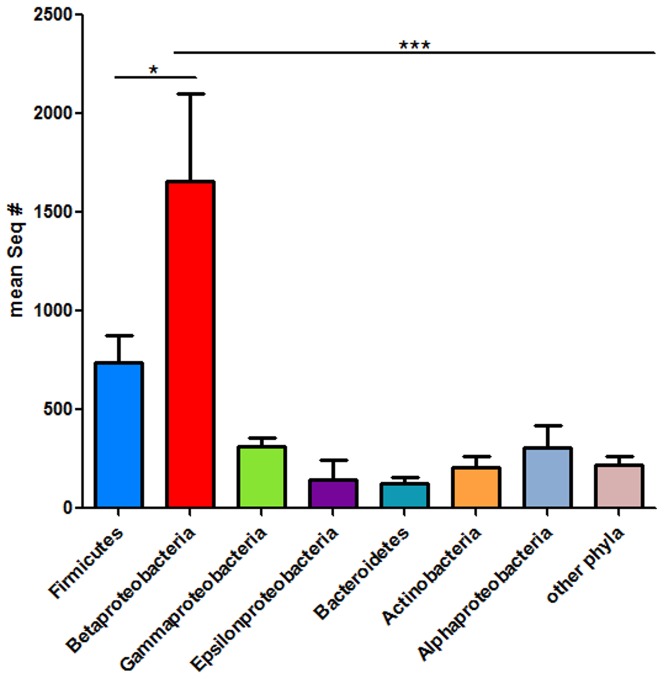
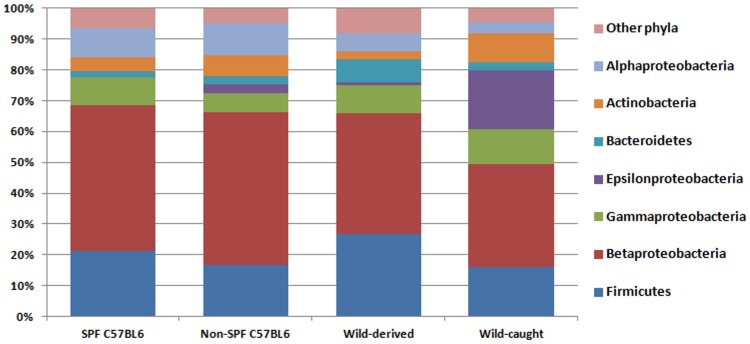
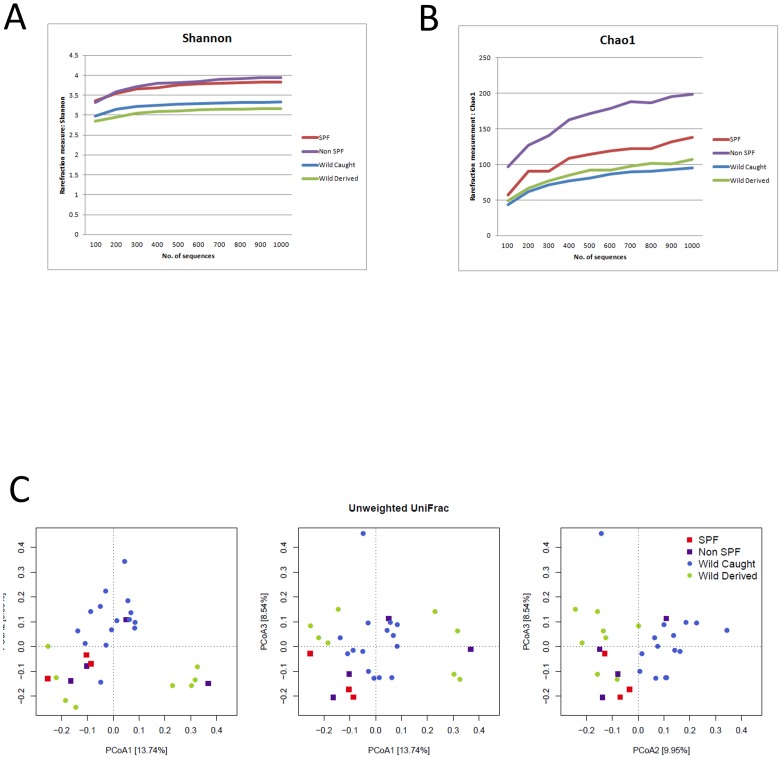
“Together, Firmicutes and Bacteroidetes represent 90–99% of the intestinal microbiota in humans and mice [36], but make up approximately 20% of the murine lung microbiota as determined by 454 sequencing (Figure 1).”
BackgroundNormal gut microbiota modulates brain development and behavior
Heijtz, R. D., Wang, S., Anuar, F., Qian, Y., Björkholm, B., Samuelsson, A., Hibberd, M. L., Forssberg, H., & Pettersson, S. (2011) · Proceedings of the National Academy of Sciences · doi:10.1073/pnas.1010529108 · Cited by 3,228 · cited 1×
“Effects of microbiota on organ development have recently been revealed for a number of tissues including the intestinal crypts, lymphoid tissue and the blood-brain barrier [45, 46].”
Background
Cited by
Items 101–167 of 167
Dickson, R. P., & Cox, M. J. (2019) · European Respiratory Society eBooks · doi:10.1183/2312508x.10015418 · Cited by 8
Dubowski, K., Kaali, S., Jack, D. W., Prah, R. K. D., Clemente, J. C., Tawiah, T. A. S., Mujtaba, M. N., Iddrisu, L. F., Carrión, D., Konadu, D. G., et al. (2021) · International Journal of Environmental Research and Public Health · doi:10.3390/ijerph18147276 · Cited by 6
Feng, L., Zhang, Y., Zhang, X., Li, C., Huang, K., Zhang, D., Ma, Z., Yan, C., Zhang, Q., Pu, M., et al. (2025) · Veterinary Sciences · doi:10.3390/vetsci12080741 · Cited by 5
“The lung, previously considered a sterile environment, is now recognized to harbor a complex microbiota intrinsically linked to pulmonary pathophysiological processes and lung architecture [43,44].”
Nikitashina, L., Chen, X., Radosa, L., Li, K., Straßburger, M., Seelbinder, B., Böhnke, W., Vielreicher, S., Nietzsche, S., Heinekamp, T., et al. (2025) · Cell Reports · doi:10.1016/j.celrep.2025.115442 · Cited by 6
Approaches to Sampling the Respiratory Microbiome
Dickson, R. P. (2022) · Respiratory medicine · doi:10.1007/978-3-030-87104-8_1 · Cited by 7
Gut and lung microbiome profiles in pregnant mice
Wiscovitch-Russo, R. A., Taal, A. M., Kuelbs, C., Oldfield, L. M., Ramar, M., Singh, H., Fedulov, A. V., & González-Juarbe, N. (2022) · Frontiers in Microbiology · doi:10.3389/fmicb.2022.946779 · Cited by 4
The Human Microbiome—A Physiologic Perspective
Yang, X. J., Louwies, T., Mars, R. A. T., & Kashyap, P. (2024) · Comprehensive physiology · doi:10.1002/cphy.c230013 · Cited by 15
Lung microbiome dynamics in health and lung cancer
Kanteres, T., Angelakopoulou, I. M., Angelakopoulou, E. A., Tsolaki, F., Tagarakis, G. I., Manika, Κ., Exindari, M., & Gioula, G. (2025) · Microbial Genomics · doi:10.1099/mgen.0.001509 · Cited by 5
“For instance, absence or low abundance of bacteria in mice has been causally linked to altered lung morphology (alveoli significantly reduced and of larger diameter) [23], reduced mucus production [23, 24] and a 2.5-fold increase in lung invariant natural killer T cells [25].”
InfluentialMoreno-León, A., Majó, N., & Lavín, J. L. (2026) · Scientific Reports · doi:10.1038/s41598-025-33989-2 · Cited by 3
“In contrast, microbiota studies in SPF-raised mice lungs showed lower bacterial load, reduced alpha diversity measures, and distinct patterns in beta diversity and composition, compared to non-SPF 75 .”
Le poumon est sensible aux effets locaux et à distance des microbiotes
Mathieu, E., Marquant, Q., Descamps, D., Riffault, S., Saint‐Criq, V., & Thomas, M. (2021) · Nutrition Clinique et Métabolisme · doi:10.1016/j.nupar.2021.04.002 · Cited by 6
Why is it worth remembering the lung microbiome in ICU patients?
Siwicka-Gieroba, D., Barud, M., & Dąbrowski, W. (2021) · Anaesthesiology Intensive Therapy · doi:10.5114/ait.2021.108646 · Cited by 3
Barfod, K. K., Lui, J. C., Hansen, S. S. K., Sengupta, S. R., Zachariassen, L. F., Hansen, A. K., & Sørli, J. B. (2023) · Frontiers in Microbiomes · doi:10.3389/frmbi.2023.1085508 · Cited by 3
“These mice showed enhanced mucus production and significant differences in alveolar diameter and numbers (Yun et al., 2014).”
BackgroundInfluentialNanomedicine at the Pulmonary Frontier: Immune-Centric Approaches for Respiratory Disease Treatment
Kaur, J. K., Sharma, A., Passi, G., Dey, P., Khajuria, A., Alajangi, H. K., Jaiswal, P. K., Barnwal, R. P., & Singh, G. (2024) · Immunological Investigations · doi:10.1080/08820139.2023.2298398 · Cited by 3
Dietary Iron Intake Impacts the Microbial Composition of the Murine Intestinal and Lung Microbiome
Essilfie, A., Smith, A., Watts, R. E., Maniam, P., Lamont, I. L., Frazer, D. M., Anderson, G. J., & Reid, D. W. (2025) · Nutrients · doi:10.3390/nu17162696 · Cited by 3
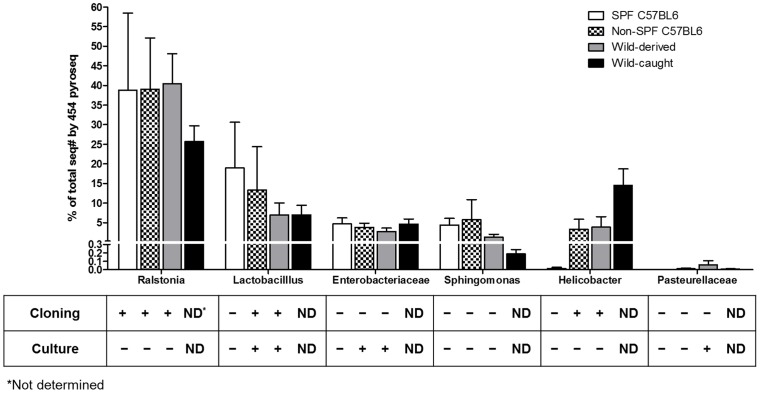
“Sequencing of lung tissue in C57BL/6J mice has demonstrated a microbiome dominated by Ralstonia , Lactobacillus , Enterobacteriaceae and Sphingomonas species [38].”
Antigen-Presenting Cells in the Airways: Moderating Asymptomatic Bacterial Carriage
Slimmen, L. J. M., Janssens, H. M., van Rossum, A. M. C., & Unger, W. W. J. (2021) · Pathogens · doi:10.3390/pathogens10080945 · Cited by 3
What Makes the Lung Unique – Tissue-Specific Immunity in the Respiratory Tract
Nobs, S. P. (2020) · European Medical Journal · doi:10.33590/emj/20-00089 · Cited by 4
Ibrahim, J. W., Garantziotis, S., & Savani, R. C. (2019) · Elsevier eBooks · doi:10.1016/b978-0-323-68353-1.00009-9 · Cited by 3
Tadee, P., Khaodang, P., Patchanee, P., Buddhasiri, S., Eiamsam-ang, T., Kittiwan, N., & Tadee, P. (2025) · Animals · doi:10.3390/ani15030410 · Cited by 2
NEC-Associated Bronchopulmonary Dysplasia and the Gut–Lung Axis in Preterm Infants
Jawale, N., Shenberger, J. S., Shetty, A. K., Gunasekaran, V., & Garg, P. M. (2026) · American Journal of Perinatology · doi:10.1055/a-2821-3458 · Cited by 2
Zhang, C., Sun, Z., Lin, Y., Long, W. F., Zhang, R., Huang, H., & Liang, W. (2026) · Microbiology Spectrum · doi:10.1128/spectrum.02295-25 · Cited by 2
Research status and prospects of indoor airborne microbiome based on respiratory health effects
Deng, Y. S., Duan, M., Guo, J., Hu, X., Zhang, S., & Liu, L. (2022) · Chinese Science Bulletin (Chinese Version) · doi:10.1360/tb-2022-0887 · Cited by 2
Onco-biome in pharmacotherapy for lung cancer: a narrative review
Tateishi, A., & Okuma, Y. (2022) · Translational Lung Cancer Research · doi:10.21037/tlcr-22-299 · Cited by 2
The early-life microbiome: the key to respiratory health?
de Koff, E. M., Pattaroni, C., Marsland, B. J., & Bogaert, D. (2019) · European Respiratory Society eBooks · doi:10.1183/2312508x.10015818 · Cited by 3
Visualization of Respiratory Commensal Bacteria in Context of Their Natural Host Environment
Bonifacio, J. P. P., & Schmolke, M. (2021) · Frontiers in Microbiology · doi:10.3389/fmicb.2021.678389 · Cited by 3
Buday, T., Brozmanová, M., Jakušová, J., Biringerová, Z., Martvon, L., & Plevková, J. (2025) · Respiratory Physiology & Neurobiology · doi:10.1016/j.resp.2025.104417 · Cited by 2
van Horik, C., Meyboom, J. A., Munck, A. B., Kempen, M. B., Eenjes, E., Edel, G. G., Kortekaas, D., Wijnen, R. M. H., van IJcken, W. F. J., Reiss, I. K. M., et al. (2025) · American Journal of Physiology-Lung Cellular and Molecular Physiology · doi:10.1152/ajplung.00391.2024 · Cited by 2
Lecomte-Thenot, Q., Perotin, J., Héry-Arnaud, G., Velo‐Suárez, L., Brisebarre, A., Clarenne, A., Gouriou, S., Dury, S., Deslée, G., Muggeo, A., et al. (2025) · Scientific Reports · doi:10.1038/s41598-025-14994-x · Cited by 2
Wilburn, A. N., Korkmaz, R. Ü., McAlees, J. W., Hargis, J. M., Shirdel, S., Lingel, I., Watanabe‐Chailland, M., Romick‐Rosendale, L. E., Schmudde, I., Bridges, J. P., et al. (2025) · Frontiers in Immunology · doi:10.3389/fimmu.2025.1715675 · Cited by 2
Germinal center responses at barrier organ sites
Foster, W. S., & Nowosad, C. R. (2026) · Current Opinion in Immunology · doi:10.1016/j.coi.2026.102807 · Cited by 1
The Gut–Lung Microbiome Axis in Alveolar Stem Cell Regeneration and Lung Repair
Liu, A., Ran, D., Shen, Z., Rojba, M., & Zhang, J. (2026) · Microorganisms · doi:10.3390/microorganisms14071572 · Cited by 1
“The lung microbiome has also been reported to influence lung development, as germ-free rodents show reduced lung parenchyma and less-developed alveoli [12].”
The “-Omics” of the New Bronchopulmonary Dysplasia
Lal, C. V., Ambalavanan, N., & Bhandari, V. (2019) · Elsevier eBooks · doi:10.1016/b978-0-323-54605-8.00004-0 · Cited by 2
Buday, T., Brozmanová, M., Jakušová, J., Owesie, A. A., Ertl, L. S., Mokrá, D., Hanusrichterová, J., Burjanivová, T., Biringerová, Z., & Plevková, J. (2024) · Respiratory Physiology & Neurobiology · doi:10.1016/j.resp.2024.104384 · Cited by 3
Role of Microbiome in Lung Injury
Viscardi, R. M., & Ambalavanan, N. (2019) · Elsevier eBooks · doi:10.1016/b978-0-323-54605-8.00005-2 · Cited by 2
Etiological issues of chronic tonsillitis
Nacharov, P. V., Konoplev, O. I., Preobrazhenskaya, Y. S., Дроздова, М. В., & Захарова, Г. П. (2021) · Zhurnal «Patologicheskaia fiziologiia i eksperimental`naia terapiia» · doi:10.25557/0031-2991.2021.03.91-97 · Cited by 1
Toulmin, S. A., Bhadiadra, C., Paris, A. J., Lin, J. H., Katzen, J. B., Basil, M. C., Morrisey, E. E., Worthen, G. S., & Eisenlohr, L. C. (2021) · bioRxiv (Cold Spring Harbor Laboratory) · doi:10.1101/2021.03.18.435984 · Cited by 1
Impact de souches commensales et probiotiques d'Escherichia coli sur la physiopathologie de l'hôte
Escribano-Vázquez, U. (2018) · theses.fr (ABES) · doi:10.70675/ae439ff5z4d13z4af2za21az2572e5749b15 · Cited by 1
Bernard, L. (2020) · theses.fr (ABES) · doi:10.70675/589a776dz18d9z4813z9d6fzd73632aa4df7 · Cited by 1
The Airway Microbiome and Bronchopulmonary Dysplasia
Lal, C. V., Dolma, K., & Ambalavanan, N. (2019) · Elsevier eBooks · doi:10.1016/b978-0-323-68353-1.00010-5
Lee, S. Y. (2020) · DR-NTU (Nanyang Technological University) · doi:10.32657/10356/136835
miRs – Mere hype or master regulators in the therapy of BPD?
Lal, C. V., Shukla, V. V., Ambalavanan, N., & Bhandari, V. (2020) · Elsevier eBooks · doi:10.1016/b978-0-12-818987-0.00010-2
Du, S., Zou, X., Deng, X., Shang, L., Sun, A., Mu, S., Zhao, J., Wang, Y., Feng, X., Li, B., et al. (2020) · Research Square · doi:10.21203/rs.3.rs-58643/v1
Chottin, C., Marquant, Q., Saint‐Criq, V., Thomas, M., Riffault, S., & Descamps, D. (2022) · Revue des Maladies Respiratoires · doi:10.1016/j.rmr.2022.01.012
Du, S., Zou, X., Deng, X., Shang, L., Sun, A., Mu, S., Zhao, J., Wang, Y., Feng, X., Li, B., et al. (2020) · Research Square · doi:10.21203/rs.2.21086/v1
Wiest, D. L., & Contreras, A. V. (2020) · Faculty Opinions – Post-Publication Peer Review of the Biomedical Literature · doi:10.3410/f.734991608.793573534
Vientós‐Plotts, A. I. (2022) · MOspace Institutional Repository (University of Missouri) · doi:10.32469/10355/91692
Changes in definition and pathogenesis of bronchopulmonary dysplasia in preterm infants: A review
Nguyễn, T. T., Dương, N. M., & Nguyễn, T. H. Y. (2022) · Science & Technology Development Journal - Health Sciences · doi:10.32508/stdjhs.v3i1.505
Optimization of lung tissue pre-treatment by bead homogenization for subsequent culturomicsPreprint
Anduni, L., MOLINA, H., Zazueta, A., CANCINO, J., Ponce, C. A., Chakoory, O., Comtet-Marre, S., Tapia, C. V., Peyret, P., Gotteland, M., et al. (2024) · Research Square · doi:10.21203/rs.3.rs-4207474/v1
Le microbiote pulmonaire, perspective d’innovation en microbiologie médicale
Héry-Arnaud, G. (2024) · Revue Francophone des Laboratoires · doi:10.1016/s1773-035x(24)76117-6
Optimization of lung tissue pre-treatment by bead homogenization for subsequent culturomics
Anduni, L., Molina, H., Zazueta, A., Cancino, J., Ponce, C. A., Chakoory, O., Comtet-Marre, S., Tapia, C. V., Peyret, P., Gotteland, M., et al. (2024) · Scientific Reports · doi:10.1038/s41598-024-69736-2
“The genus Lactobacillus was previously reported to be the most abundant bacterial genus in the mouse lung 30,31 .”
BackgroundDynamic microbiotal changes in the human lung
Zhang, C., Georgian, E. M., & Pinkerton, K. E. (2024) · Elsevier eBooks · doi:10.1016/b978-0-323-91824-4.00018-6
Daniel, S. (2020) · University of North Texas Digital Library (University of North Texas) · doi:10.12794/metadc1752346
Daniel, S., Phillippi, D., Schneider, L. J., Nguyen, K. N., Mirpuri, J., & Lund, A. K. (2021) · Figshare · doi:10.6084/m9.figshare.13549788
Baker, J. M., Hinkle, K. J., McDonald, R. A., Brown, C. A., Falkowski, N. R., Huffnagle, G. B., & Dickson, R. P. (2021) · Figshare · doi:10.6084/m9.figshare.14544991
Additional file 1 of Exploration of lung mycobiome in the patients with non-small-cell lung cancer
Zhao, Y., Yi, J., Xiang, J., Jia, W., Chen, A., Chen, L., Zheng, L., Zhou, W., Wu, M., Yu, Z., et al. (2023) · Figshare · doi:10.6084/m9.figshare.22619464
Drajac, C. (2018) · theses.fr (ABES) · doi:10.70675/d60e1c2bz42b4z4ea3z8b51z6099a730ffad · Cited by 2
Bingula, R. (2019) · theses.fr (ABES) · doi:10.70675/0634dca5z63c4z42bdza47azaf2d4eb69fd8 · Cited by 1
Rôle du microbiote dans les interactions hôte-pathogène dans la tuberculose
Dumas, A. (2018) · theses.fr (ABES) · doi:10.70675/6773a408zdb52z44bbzb51ez3998deaf3ded
The organoid revolution to assess mycobacterial pulmonary infections
Leon‐Icaza, S. A. (2022) · theses.fr (ABES) · doi:10.70675/6e135d5fzb953z4ffcz9041z2684784040ad
Cho, W., Thillaichidambaram, M., Jeon, S., Kim, G.-R., Lee, S.-U., Lee, S., Kim, Y.-J., Lee, E., Kim, Y., Kang, D., et al. (2026) · Medicina · doi:10.3390/medicina62040688
Stavart, C., Gohy, S., Lebeer, S., Bambeke, F. V., Crabbé, A., & Pilette, C. (2026) · Frontiers in Cellular and Infection Microbiology · doi:10.3389/fcimb.2026.1796523 · Cited by 1
“…exhibit impaired parenchymal and alveolar formation, resulting in fewer but larger alveoli, reduced capillary angiogenesis, and altered surfactant gene expression and function (Yun et al., 2014; Edwards et al., 2020; Schlosser-Brandenburg et al., 2021; Yang et al., 2022; Barfod et al., 2023).”
Zhao, Y., Gao, Y., Li, X., Georgian, E. M., Pinkerton, K. E., & Zhang, C. (2026) · Frontiers in Cellular and Infection Microbiology · doi:10.3389/fcimb.2026.1739520
“The lung microbiota is believed to in fl uence the maturation of alveolar morphology (Yun et al., 2014) and mucus production (Mathieu et al., 2018).”
Hajjar, C., Saint‐Criq, V., Thomas, M., Butel, M., Bazarbachi, A. A., & Abifadel, M. (2026) · Respiratory Medicine · doi:10.1016/j.rmed.2026.109004
Chen, S., Xiao, Q., Liu, X., Jiang, J., Lei, W., Zhang, S., Zeng, Y., Liu, J., Li, J., Xie, Y., et al. (2026) · Infection Genetics and Evolution · doi:10.1016/j.meegid.2026.106011
Metadata
- Authors
- Yun, Y., Srinivas, G., Kuenzel, S., Linnenbrink, M., Alnahas, S., Bruce, K. D., Steinhoff, U., Baines, J. F., & Schaible, U. E.
- Affiliations
- Research Center Borstel - Leibniz Lung Center (DE)
- Max Planck Institute for Evolutionary Biology (DE)
- Christian-Albrechts-Universität zu Kiel (DE)
- Philipps University of Marburg (DE)
- King's College London (GB)
- Corresponding author
- Schaible, Ulrich E.
- ORCID
- Venue
- PLoS ONE
- Publisher
- Public Library of Science (PLoS)
- Published
- 2014-12-03
- Volume
- 9
- Issue
- 12
- Pages
- e113466
- ISSN
- 1932-6203 (ISSN-L)
- PMC
- PMC4254600
- OpenAlex
- W2010481157
- Cited by
- 168
- References
- 49
- Citations by year
- 2026: 11 · 2025: 11 · 2024: 16 · 2023: 9 · 2022: 20 · 2021: 22 · 2020: 24 · 2019: 13 · 2018: 15 · 2017: 15 · 2016: 8 · 2015: 4
- FWCI
- 3.69
- Type
- journal article
- Language
- en
- Open access
- gold
- doi.org
- Locations
- PLoS ONE (publishedVersion, cc-by)
- PubMed Central (publishedVersion, cc-by)
- PubMed (publishedVersion)
- Research Portal (King's College London) (acceptedVersion, cc-by)
- DOAJ (DOAJ: Directory of Open Access Journals) (submittedVersion, cc-by-sa)
- Figshare (submittedVersion, cc-by)
- MPG.PuRe (Max Planck Society) (submittedVersion, other-oa)
- Topics
- Life Sciences › Biochemistry, Genetics and Molecular Biology › Molecular Biology › Gut microbiota and health
- Health Sciences › Dentistry › Periodontics › Oral microbiology and periodontitis research
- Physical Sciences › Environmental Science › Ecology › Microbial Community Ecology and Physiology
- Keywords
- lung microbiome, alveolar architecture, germ-free mice, wild mice, commensal bacteria, Ralstonia, Betaproteobacteria, species richness, alveolar epithelium, lung immunity
- MeSH terms
- Animals, Bacteria, Lung, Mice, Inbred C57BL, Molecular Sequence Data, Phylogeny, Pulmonary Alveoli, RNA, Ribosomal, 16S, Specific Pathogen-Free Organisms, Sequence Analysis, RNA, Mice, High-Throughput Nucleotide Sequencing, Microbiota
About these checks
Registry, retraction, Cites and statistics results are computed, not judged, with one exception: a printed reference that no index lists is read once by a model before it counts as a citation error. Claims are extracted by a model and kept only when their quote appears verbatim in the text; each cited source is then checked, with a model’s help, for whether it says what the claim relies on. Those verdicts can be wrong — read the claim’s quote and the cited source before relying on one.
Statistics and arithmetic are recomputed, not judged.
Confidence bands are shown only for fields calibrated on our annotated test set. None is calibrated yet, so no band is shown.
What counts as a claim ›How we measure confidence ›How we check this ›
Are you an author, or do you see a problem with this page? Request a review
Data sources
Bibliographic data: Semantic Scholar, OpenAlex, Crossref.
Contains information from the Semantic Scholar Academic Graph Datasets, made available under the ODC Attribution License (ODC-BY 1.0).
Semantic Scholar’s data is described in: Kinney, R., et al. (2023). The Semantic Scholar Open Data Platform. arXiv:2301.10140.
