

Overexpression of TFAM or Twinkle Increases mtDNA Copy Number and Facilitates Cardioprotection Associated with Limited Mitochondrial Oxidative Stress
Open accessThe DOI matches its Crossref record; 39 of the 40 references it cites were found in a registry or an index.
Abstract
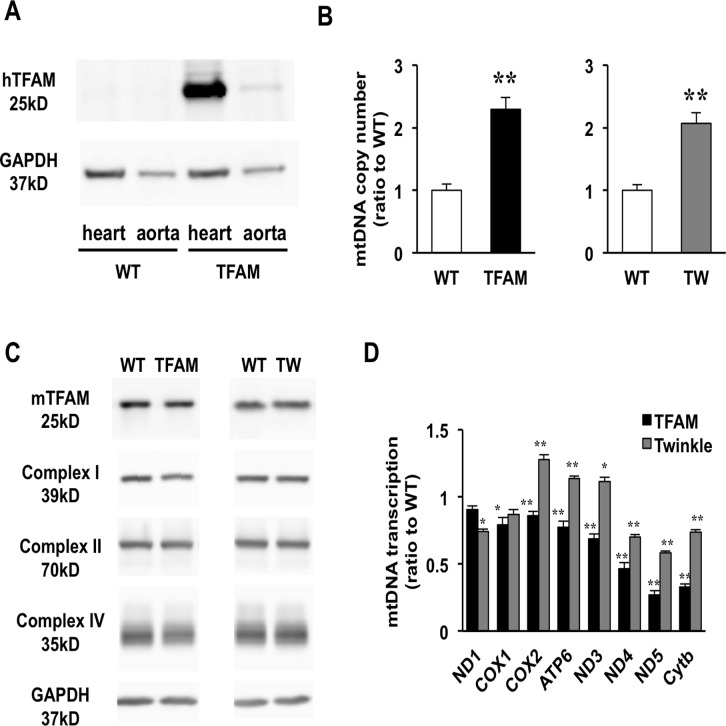
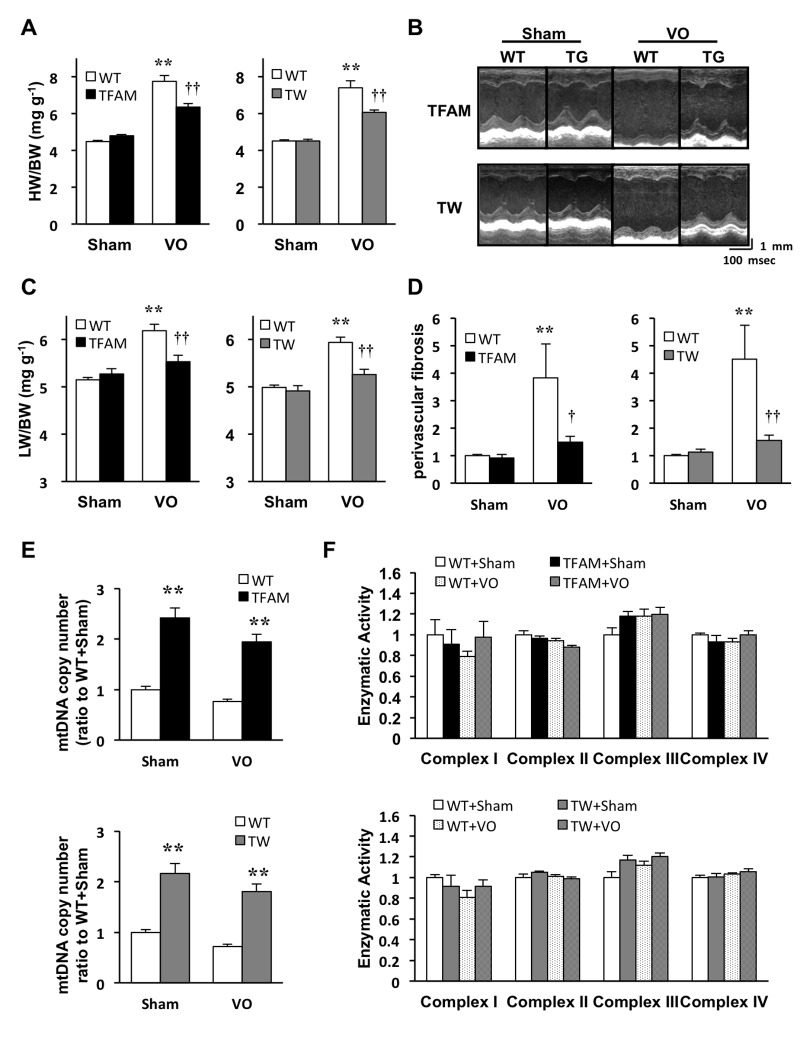
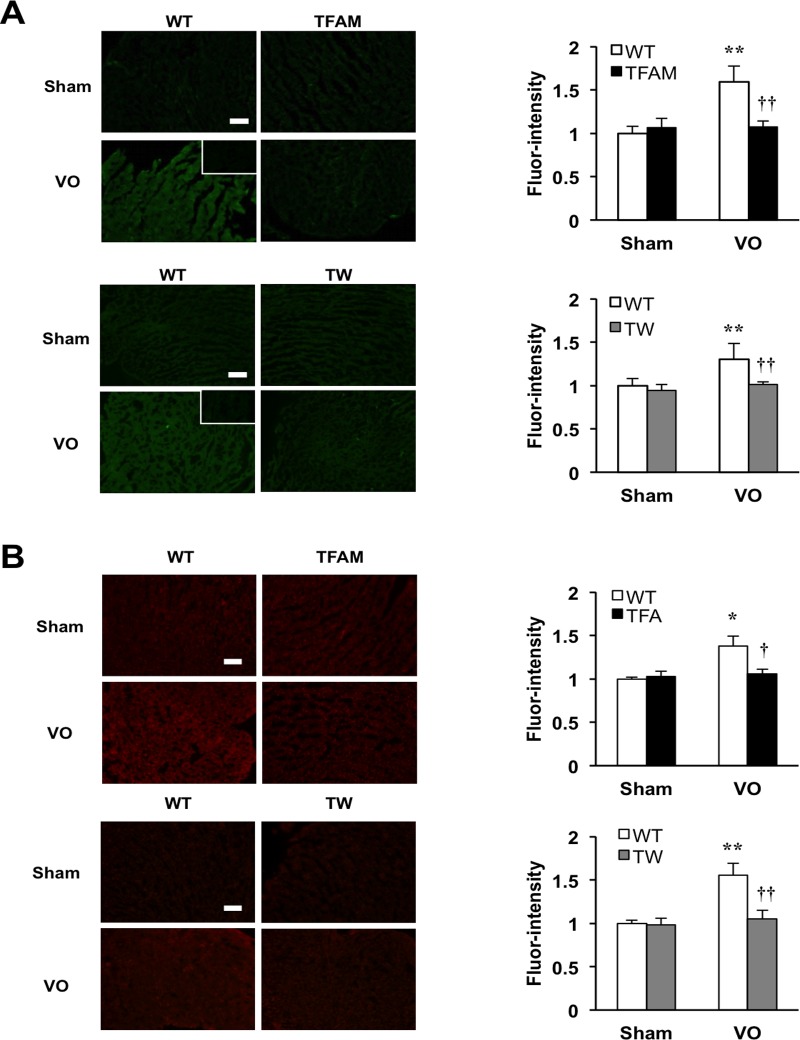
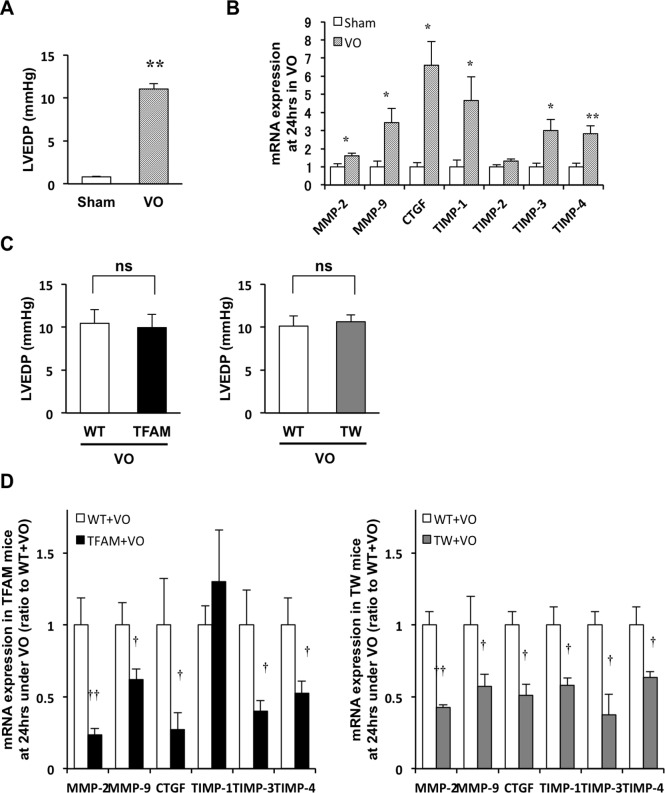
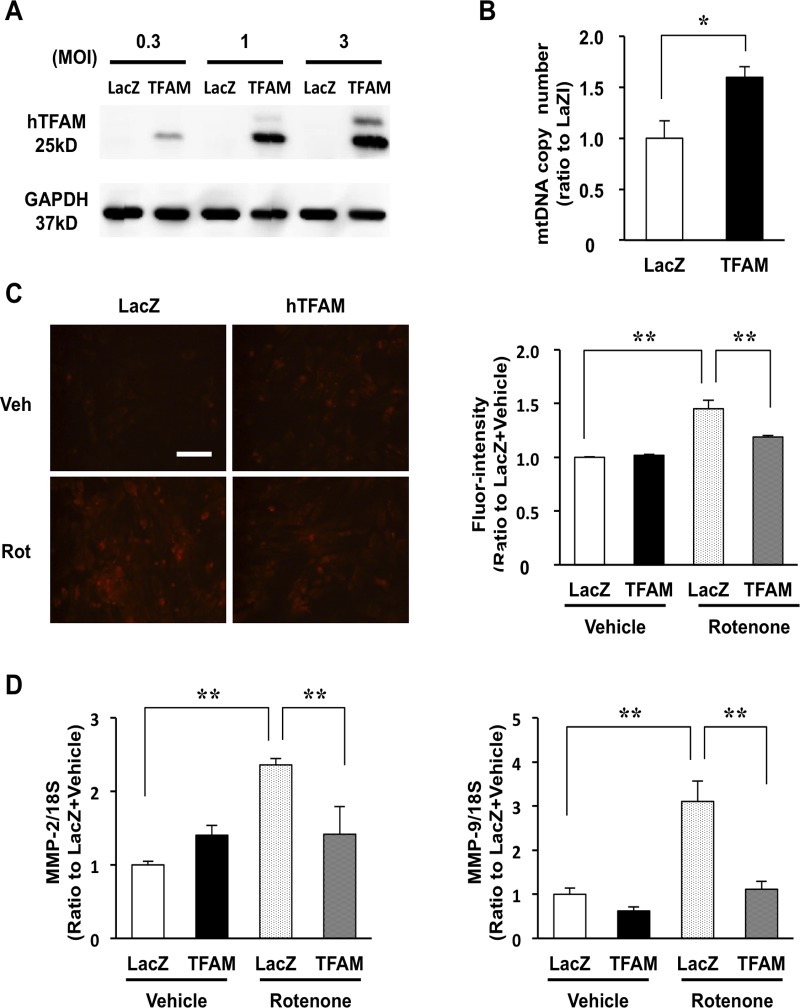
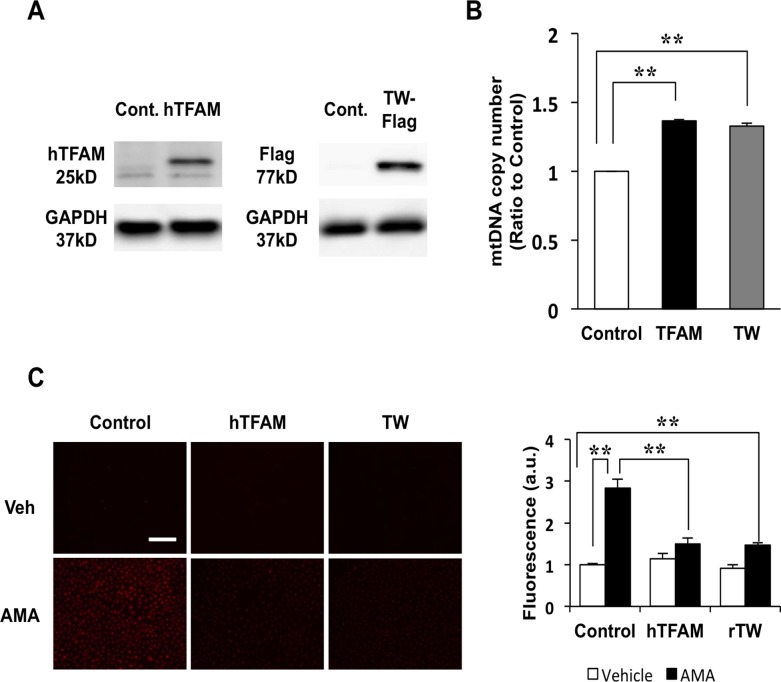
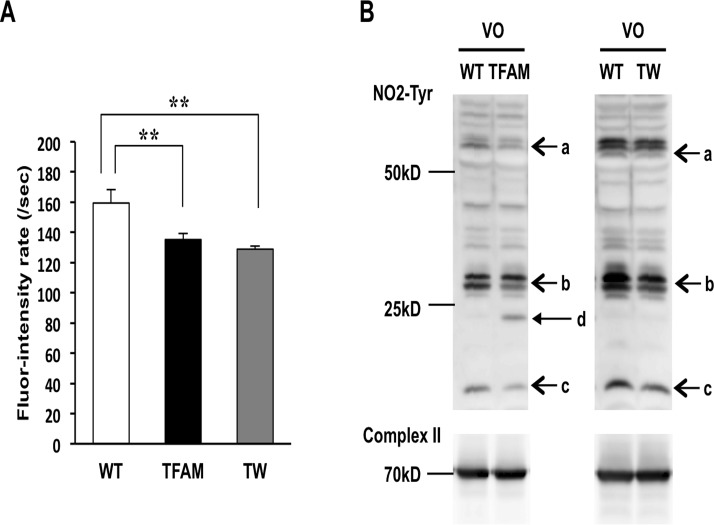
BACKGROUND: Mitochondrial DNA (mtDNA) copy number decreases in animal and human heart failure (HF), yet its role in cardiomyocytes remains to be elucidated. Thus, we investigated the cardioprotective function of increased mtDNA copy number resulting from the overexpression of human transcription factor A of mitochondria (TFAM) or Twinkle helicase in volume overload (VO)-induced HF. METHODS AND RESULTS: Two strains of transgenic (TG) mice, one overexpressing TFAM and the other overexpressing Twinkle helicase, exhibit an approximately 2-fold equivalent increase in mtDNA copy number in heart. These TG mice display similar attenuations in eccentric hypertrophy and improved cardiac function compared to wild-type (WT) mice without any deterioration of mitochondrial enzymatic activities in response to VO, which was accompanied by a reduction in matrix-metalloproteinase (MMP) activity and reactive oxygen species after 8 weeks of VO. Moreover, acute VO-induced MMP-2 and MMP-9 upregulation was also suppressed at 24 h in both TG mice. In isolated rat cardiomyocytes, mitochondrial reactive oxygen species (mitoROS) upregulated MMP-2 and MMP-9 expression, and human TFAM (hTFAM) overexpression suppressed mitoROS and their upregulation. Additionally, mitoROS were equally suppressed in H9c2 rat cardiomyoblasts that overexpress hTFAM or rat Twinkle, both of which exhibit increased mtDNA copy number. Furthermore, mitoROS and mitochondrial protein oxidation from both TG mice were suppressed compared to WT mice. CONCLUSIONS: The overexpression of TFAM or Twinkle results in increased mtDNA copy number and facilitates cardioprotection associated with limited mitochondrial oxidative stress. Our findings suggest that increasing mtDNA copy number could be a useful therapeutic strategy to target mitoROS in HF.
Overview
The claims and statistics of this paper haven’t been checked yet.
Free: it reads the open-access text and checks the first 5 claims that cite a source we can check. Create a free account to check every claim.
Integrity signals
Registry
Cites
Statistics
Figures
Verification
Claims the paper makes
The claims and statistics of this paper haven’t been checked yet.
Free: it reads the open-access text and checks the first 5 claims that cite a source we can check. Create a free account to check every claim.
Claims other papers make about this one
Each is checked against this paper’s own text: does it say what the citing paper says it does?
The source backs part of the claim, not all of it — or backs it for a different population, condition or comparison.
In the citing paper
“An ex vivo study demonstrated that overexpressing TFAM in cardiomyocytes decreased mtH2O2 (11).”
From TFAM Enhances Fat Oxidation and Attenuates High-Fat Diet–Induced Insulin Resistance in Skeletal Muscle (2019) · cites this paper as [11]
Experimental — accuracy not yet measuredThe cited source says what the claim attributes to it.
In the citing paper
“These effects are distinct from what has been reported in other tissues when TFAM is overexpressed (11,12) or PGC-1α is overexpressed in muscle (38).”
From TFAM Enhances Fat Oxidation and Attenuates High-Fat Diet–Induced Insulin Resistance in Skeletal Muscle (2019) · cites this paper as [11]
In the citing paper
“This mouse attenuates VO-induced eccentric hypertrophy and improves cardiac function while suppressing the production of mitochondrial ROS and subsequent redox-sensitive signals (Ikeda et al., 2015).”
From Role of the mitochondrial DNA replication machinery in mitochondrial DNA mutagenesis, aging and age-related diseases (2017) · cites this paper as Ikeda et al., 2015
Self-check
Percentages, sums and reported differences re-computed from the paper’s own numbers.
The self-check needs the paper’s full text.
Citations
Cites
Oxidative stress and heart failure
Tsutsui, H., Kinugawa, S., & Matsushima, S. (2011) · American Journal of Physiology-Heart and Circulatory Physiology · doi:10.1152/ajpheart.00554.2011 · Cited by 1,231
Spinale, F. G. (2007) · Physiological Reviews · doi:10.1152/physrev.00012.2007 · Cited by 1,120 · cited 5×
“In the heart, the expression of MMPs are regulated through various signals including endogenous hormones, cytokines, mechanical stretch, and ROS.”
BackgroundMethodInfluentialMitochondrial transcription factor A regulates mtDNA copy number in mammals
Ekstrand, M. I. (2004) · Human Molecular Genetics · doi:10.1093/hmg/ddh109 · Cited by 919 · cited 1×
“[3–7] Mitochondrial transcription factor A (TFAM), which was initially cloned as an mtDNA transcription factor, also plays an essential role in the maintenance of mtDNA and mitochondrial homeostasis.[8,9] Heart-specific TFAM knockout mice present with a critical depletion in mtDNA copy number, progressive respiratory…”
Backgroundp53-induced inhibition of Hif-1 causes cardiac dysfunction during pressure overload
Sano, M., Minamino, T., Toko, H., Miyauchi, H., Orimo, M., Qin, Y., Akazawa, H., Tateno, K., Kayama, Y., Harada, M., et al. (2007) · Nature · doi:10.1038/nature05602 · Cited by 905
Spelbrink, J. N., Li, F.-Y., Tiranti, V., Nikali, K., Yuan, Q.-P., Tariq, M., Wanrooij, S., Garrido, N., Comi, G., Morandi, L., et al. (2001) · Nature Genetics · doi:10.1038/90058 · Cited by 882
Self-citationMcMurray, J. J., & Pfeffer, M. A. (2005) · The Lancet · doi:10.1016/s0140-6736(05)66621-4 · Cited by 831
Ide, T., Tsutsui, H., Hayashidani, S., Kang, D., Suematsu, N., Nakamura, K.-I., Utsumi, H., Hamasaki, N., & Takeshita, A. (2001) · Circulation Research · doi:10.1161/01.res.88.5.529 · Cited by 731 · cited 1×
“[32] Other research groups as well as we have shown that mtDNA depletion is associated with HF in both humans and experimental animal models.[4,5,33,34] Using two TG mouse strains that possess increased mtDNA copy numbers through different mechanisms, this study demonstrates that TFAM or Twinkle overexpression increas…”
BackgroundSelf-citationIde, T., Tsutsui, H., Kinugawa, S., Utsumi, H., Kang, D., Hattori, N., Uchida, K., Arimura, K.-I., Egashira, K., & Takeshita, A. (1999) · Circulation Research · doi:10.1161/01.res.85.4.357 · Cited by 700 · cited 1×
“[3–7] Mitochondrial transcription factor A (TFAM), which was initially cloned as an mtDNA transcription factor, also plays an essential role in the maintenance of mtDNA and mitochondrial homeostasis.”
Self-citationAgo, T., Kuroda, J., Pain, J., Fu, C., Li, H., & Sadoshima, J. (2010) · Circulation Research · doi:10.1161/circresaha.109.213116 · Cited by 506 · cited 3×
“[32] Other research groups as well as we have shown that mtDNA depletion is associated with HF in both humans and experimental animal models.[4,5,33,34] Using two TG mouse strains that possess increased mtDNA copy numbers through different mechanisms, this study demonstrates that TFAM or Twinkle overexpression increas…”
BackgroundMethodMitochondrial transcription factor A (TFAM): Roles in maintenance of mtDNA and cellular functions
Kang, D., Kim, S. H., & Hamasaki, N. (2007) · Mitochondrion · doi:10.1016/j.mito.2006.11.017 · Cited by 446 · cited 1×
“that TFAM expression levels might correlate closely with mtDNA copy number.[22] As such, we compared the expression of endogenous murine TFAM (mTFAM) in the TG mice, and found that endogenous mTFAM was equally expressed in the TG mice compared to WT mice in each strain (Fig.”
BackgroundSelf-citation
Cited by
Items 101–151 of 151
Darbandi, S., Darbandi, M., Khorshid, H. R. K., Sadeghi, M. R., Al‐Hasani, S., Agarwal, A. K., Shirazi, A., Heidari, M., & Akhondi, M. M. (2016) · Mitochondrion · doi:10.1016/j.mito.2016.05.006 · Cited by 9
Shokri, F., Zarei, M., Komaki, A., Raoufi, S., & Ramezani‐Aliakbari, F. (2023) · Naunyn-Schmiedeberg s Archives of Pharmacology · doi:10.1007/s00210-023-02680-6 · Cited by 8
“Moreover TFAM knock-out or its decreased expression is associated with cardiac dysfunction, and in contrast, its increased expression is associated with an improvement in cardiac remodeling (Ikeda et al. 2015).”
Cardioprotective response and senescence in aged sEH null female mice exposed to LPS
Yousef, A., Sosnowski, D. K., Fang, L., Legaspi, R. J., Korodimas, J., Lee, A., Magor, K. E., & Seubert, J. M. (2024) · American Journal of Physiology-Heart and Circulatory Physiology · doi:10.1152/ajpheart.00706.2023 · Cited by 8
Validation of the diagnostic potential of mtDNA copy number derived from whole genome sequencing
Brockhage, R., Slone, J. D., Ma, Z., Hegde, M., Valencia, C. A., & Huang, T. (2018) · Journal of genetics and genomics/Journal of Genetics and Genomics · doi:10.1016/j.jgg.2018.06.001 · Cited by 7
Tewari, S. R., Kirk, G. D., Arking, D. E., Astemborski, J. A., Newcomb, C., Piggott, D. A., Mehta, S. H., Lucas, G. M., & Sun, J. (2023) · Scientific Reports · doi:10.1038/s41598-023-45404-9 · Cited by 6
iMPAQT reveals that adequate mitohormesis from TFAM overexpression leads to life extension in mice
Igami, K., Kittaka, H., Yagi, M., Gotoh, K., Matsushima, Y., Ide, T., Ikeda, M., Ueda, S., Nitta, S.-I., Hayakawa, M., et al. (2024) · Life Science Alliance · doi:10.26508/lsa.202302498 · Cited by 7
“Ikeda et al reported decreased mtDNA-encoded genes in the left ventricle and aorta of TFAM-overexpressing mice (Ikeda et al, 2015), whereas Matsushima et al reported that TFAM overexpression tends to cause transcriptional repression in Drosophila Schneider cells (Matsushima et al, 2010).”
Self-citationShahidi, ., Komaki, A., Salehi, I., Asl, S. S., Habibi, P., & Ramezani‐Aliakbari, F. (2024) · Rejuvenation Research · doi:10.1089/rej.2023.0061 · Cited by 6
“13 Thus, nuclear respiratory factor 2 (Nrf2)/PGC1-a / TFAM signaling pathway can be surveyed as a mitochondrial biogenesis pathway in the present study.”
Ziemann, M., Wu, W., Deng, X., & Du, X. (2022) · Frontiers in Genetics · doi:10.3389/fgene.2022.921610 · Cited by 7
“Genes of Mitochondrial DNA Replicome mtDNA is replicated by a nDNA-encoded protein complex forming the replisome, which consists of heterotrimer DNA polymerase γ complex encoded by Polg and Polg2 genes, TwinklemtDNAhelicase (Twnk), mitochondrial topoisomerase (TOPmt), and mitochondrial single-stranded DNA binding prot…”
BackgroundInfluentialTWNK gene pathogenic variant and Perrault syndrome
Li, H., Cao, C., & Lv, Y. (2025) · Gene · doi:10.1016/j.gene.2025.149667 · Cited by 5
Wang, Z., Wang, L. E., Ji, M., 娄杰, Yuan, Y., Cui, Y., Xiang, G., & Zhou, X. (2026) · Frontiers in Immunology · doi:10.3389/fimmu.2026.1734880 · Cited by 6
“…(VO) conditions, inhibited the production of mitochondrial reactive oxygen species (mitoROS), reduced the activity and abnormal upregulation of MMP-2/9, ultimately alleviating eccentric myocardial hypertrophy, improving cardiac function, and causing no damage to mitochondrial enzyme activity (155).”
Mitochondrial DNA Copy Number Variations in Gastrointestinal Tract Cancers: Potential Players
Alikhani, M., Touati, E., Karimipoor, M., Vosough, M., & Mohammadi, M. (2021) · Journal of Gastrointestinal Cancer · doi:10.1007/s12029-021-00707-w · Cited by 5
“Overexpression of TFAM increases the mtDNA-CN in a heart failure-induced transgenic mouse model [83] and cultured human cardiac myocytes [84], which may be considered as a defense mechanism to compensate for the deleterious effects of ROS [83, 84].”
BackgroundAssociation between mitochondrial DNA copy number and production traits in pigs
Molinero, E., Pena, R. N., Estany, J., & Ros‐Freixedes, R. (2024) · Journal of Animal Breeding and Genetics · doi:10.1111/jbg.12894 · Cited by 6
Nam, Y., Song, Y., Seo, S. J., Ko, G. R., Lee, S. H., Cha, E., Kwak, S. M., Kim, S., Shin, M., Jin, Y., et al. (2024) · MedComm · doi:10.1002/mco2.70005 · Cited by 7
Mitra, A., Vo, L., Soukar, I., Chaubal, A., Greenberg, M. L., & Pile, L. A. (2022) · Biochimica et Biophysica Acta (BBA) - Molecular Cell Research · doi:10.1016/j.bbamcr.2022.119322 · Cited by 5
Mitochondrial Mutations Affect the Cardiovascular System during Aging and Oxidative Stress
Poznyak, A. V., Sukhorukov, V. N., Popov, M. A., Chegodaev, Y. S., Postnov, A. Y., & Orekhov, A. N. (2023) · Gene Expression · doi:10.14218/ge.2023.00039 · Cited by 4
Rojas, V., Carrasco‐Gallardo, C., Tenorio, L., Olesen, M. A., Tapia, V., Carrasco, M., Araos, P. A., Quintanilla, R. A., & Ruíz, L. M. (2024) · Autism Research · doi:10.1002/aur.3277 · Cited by 6
“This improved organization and function of the ETC can lead to a more efficient proton gradient and, subsequently, higher ATP production through ATP synthase (Ikeda et al., 2015; Ikeuchi et al., 2005).”
Illuminating mitochondrial translation through mouse models
Hughes, L. A., Rackham, O., & Filipovska, A. (2024) · Human Molecular Genetics · doi:10.1093/hmg/ddae020 · Cited by 5
Ding, Y., Chen, J., Wang, Y., Gu, Z., Song, T., Ge, Y., Xuan, T., Tang, O., Shen, Q. X., & Cheng, K. (2026) · Food and Chemical Toxicology · doi:10.1016/j.fct.2026.115966 · Cited by 3
Wang, C., Deng, X., Li, L., & Li, M. (2024) · Pharmacogenomics and Personalized Medicine · doi:10.2147/pgpm.s436235 · Cited by 3
“44 Recent experimental studies indicated that decreased peripheral mtDNA copy number was associated with the risk of heart failure and long-term outcomes.”
BackgroundHu, B., Yang, M., Liao, Z., Wei, H., Zhao, C., Li, D., Hu, S., Jiang, X., Shi, M., Luo, Q., et al. (2020) · Frontiers in Cell and Developmental Biology · doi:10.3389/fcell.2020.00581 · Cited by 4
“Previous studies have reported that the overexpression of Twinkle increases the mtDNA copy number to alleviate the condition of several mammalian disorders, including genotoxic stress of cardiomyocytes caused by reactive oxygen species, cardiac rupture after myocardial infarction, and heart failure induced by volume o…”
BackgroundA novel genetic fluorescent reporter to visualize mitochondrial nucleoidsPreprint
David, J. O., Deng, J., Zaman, M., Swift, L. H., Shahhosseini, F., Sharma, A., Bureik, D., Padovani, F., Benedikt, A., Jaiswal, A. K., et al. (2023) · bioRxiv (Cold Spring Harbor Laboratory) · doi:10.1101/2023.10.23.563667 · Cited by 6
“Moreover, overexpression of nucleoid proteins can impact mtDNA regulation ( e.g. , TFAM 28,29 , TWINKLE 30,31 , M19 32 ).”
BackgroundEpigenetic Threads of Neurodegeneration: TFAM’s Intricate Role in Mitochondrial Transcription
M, A. B. H., Prabhakaran, P., Logesh, R., Beeraka, N. M., Mathew, B., & Ravanappa, P. K. B. (2025) · CNS & Neurological Disorders - Drug Targets · doi:10.2174/0118715273334342250108043032 · Cited by 3
Liu, X., Tang, L., Chen, B., & Jiang, W. (2016) · Neuroscience Letters · doi:10.1016/j.neulet.2016.10.045 · Cited by 2
Luo, Y., Zou, Y., Wu, J., Zhang, Z., Liu, F., Li, L., & Huang, O. (2019) · Annals of Human Genetics · doi:10.1111/ahg.12303 · Cited by 3
“Previous studies showed that the up-regulation of TFAM increased the mitochondrial copy number (Ikeda et al., 2015; Wen et al., 2016).”
BackgroundManipulating mitochondrial gene expression
Dahal, D., Cruz‐Zaragoza, L. D., & Rehling, P. (2025) · Biological Chemistry · doi:10.1515/hsz-2025-0170 · Cited by 1
“As POL γ synthesizes the new heavy strand, the TWINKLE helicase unwinds the double-stranded DNA ahead of the replication fork, enabling strand separation (Ikeda et al. 2015; Korhonen et al. 2003; Korhonen et al. 2008; Milenkovic et al. 2013; Tyynismaa et al. 2004).”
Turnover and Quality Control of Mitochondrial DNA
Kunz, W. S. (2025) · Biochemistry (Moscow) · doi:10.1134/s0006297925602485 · Cited by 1
“Overexpression of either Twinkle or TFAM in mice leads in mammals to a higher mtDNA amount and enhances recovery from ischemic heart damage [25-28] or delays of male infertility [29].”
Shi, N., & Li, X. (2026) · Frontiers in Aging · doi:10.3389/fragi.2026.1830839 · Cited by 1
Nutritional Genomics: Genes and Polymorphisms in Energy Metabolism: An Overview
Verdi, T. (2022) · Acta Scientifci Nutritional Health · doi:10.31080/asnh.2022.06.1003 · Cited by 1
Wang, W. T., Zhang, D. J., Liu, Z. G., Peng, F., Wang, L., Fu, B., Wu, S. H., Li, Z. Q., Guo, Z., & Liu, D. (2018) · Acta Agriculturae Scandinavica Section A – Animal Science · doi:10.1080/09064702.2019.1611912 · Cited by 1
“The encoded protein also functions in mitochondrial DNA replication and repair (Ikeda et al., 2015; Chandrasekaran et al., 2015; Tryon et al., 2015).”
BackgroundExercise preconditioning and TFAM overexpression diminish skeletal muscle atrophy.
Theilen, N. T. (2018) · ThinkIR: The University of Louisville's Institutional Repository (University of Louisville) · doi:10.18297/etd/2986 · Cited by 1
“Myocytes overexpressing human TFAM resulted in increased mtDNA copy number and a suppression of mitochondrial ROS and proteinase activity (51).”
BackgroundRegulation of Metabolism by Hepatic OXPHOS: A Dissertation
Akie, T. E. (2015) · The Journal of the American Medical Association (JAMA) Network (American Medical Association) · doi:10.13028/m2388v
“Interestingly, transgenic expression of TFAM was protective in two models of 129 heart failure (Ikeda et al., 2015; Ikeuchi et al., 2005), a disease which also exhibits reduced OXPHOS capacity (Rosca et al., 2008).”
BackgroundMitochondrial Transcription Factor A's role in heart failure.
Kunkel, G. H. (2017) · ThinkIR: The University of Louisville's Institutional Repository (University of Louisville) · doi:10.18297/etd/2777
Helicases and Their Relevance to Aging
Crouch, J. D., Banerjee, T., Awate, S., Bharti, S. K., & Brosh, R. M. (2018) · Elsevier eBooks · doi:10.1016/b978-0-12-811353-0.00072-5
Ribosome assembly, proteolysis and pathogenesis in human mitochondria
Waddington, C. L. (2018)
A brief introduction to the history of mitochondrial research in Japan
Koga, Y., & Tanaka, M. (2023) · Mitochondrial Communications · doi:10.1016/j.mitoco.2023.02.001
Rösch, A. (2023) · eDiss (Georg-August-Universität Göttingen) · doi:10.53846/goediss-10109
Metabolic immunity to infection is driven by mitochondrial one-carbon metabolismPreprint
Medeiros, T., Reato, S., Li, X., Garcia, B. M., Rais, I., Allmeroth, K., Hartman, M. D., Denzel, M. S., Purrio, M., Mesaros, A., et al. (2025) · bioRxiv (Cold Spring Harbor Laboratory) · doi:10.1101/2025.05.07.652698
“The mild overexpression of TFAM and TWNK are sufficient to increase mtDNA to levels similar to those we observed during infection ( 15, 22 ).”
Lorente, I. M. S., Yvert, T. P., Iturriaga, T., Sanchez-Barroso, L., Larrosa, M., Pérez, M., & Santiago, C. (2025) · European Journal of Applied Physiology · doi:10.1007/s00421-025-06016-5 · Cited by 1
“In addition, factors such as oxidative stress (Ikeda et al. 2015) or early life stress (Beck et al. 2025) can induce changes in mitochondrial biogenesis, contributing to the observed heterogeneity.”
Rossi, A., Assunto, A., Rosano, C. L., Tucci, S., Ruoppolo, M., Caterino, M., Pirozzi, F., Strisciuglio, P., Parenti, G., & Melis, D. (2023) · Figshare · doi:10.6084/m9.figshare.23305120
Rossi, A., Assunto, A., Rosano, C. L., Tucci, S., Ruoppolo, M., Caterino, M., Pirozzi, F., Strisciuglio, P., Parenti, G., & Melis, D. (2023) · Figshare · doi:10.6084/m9.figshare.23305111
Rossi, A., Assunto, A., Rosano, C. L., Tucci, S., Ruoppolo, M., Caterino, M., Pirozzi, F., Strisciuglio, P., Parenti, G., & Melis, D. (2023) · Figshare · doi:10.6084/m9.figshare.23305129
Rossi, A., Assunto, A., Rosano, C. L., Tucci, S., Ruoppolo, M., Caterino, M., Pirozzi, F., Strisciuglio, P., Parenti, G., & Melis, D. (2023) · Figshare · doi:10.6084/m9.figshare.23305117
Rossi, A., Assunto, A., Rosano, C. L., Tucci, S., Ruoppolo, M., Caterino, M., Pirozzi, F., Strisciuglio, P., Parenti, G., & Melis, D. (2023) · Figshare · doi:10.6084/m9.figshare.23305114
Rossi, A., Assunto, A., Rosano, C. L., Tucci, S., Ruoppolo, M., Caterino, M., Pirozzi, F., Strisciuglio, P., Parenti, G., & Melis, D. (2023) · Figshare · doi:10.6084/m9.figshare.23305126
Rossi, A., Assunto, A., Rosano, C. L., Tucci, S., Ruoppolo, M., Caterino, M., Pirozzi, F., Strisciuglio, P., Parenti, G., & Melis, D. (2023) · Figshare · doi:10.6084/m9.figshare.23305123
Zhang, S., Wang, H., Liu, G., Chen, H., & Hou, H. (2026) · Neurobiology of Disease · doi:10.1016/j.nbd.2026.107353
Mitochondrial DNA copy number in diabetic kidney disease: translational prospects and challenges
Lu, L., Cao, Y., Ma, L., & Kong, X. (2026) · Archives of Physiology and Biochemistry · doi:10.1080/13813455.2026.2702001 · Cited by 1
Aderibigbe, D. O., Ayantoye, J. O., Obianwuna, U. E., & Osaiyuwu, O. H. (2026) · Animal Genetics · doi:10.1002/age.70169
Xu, Y., Chen, J., Jiang, Y., Zhu, J., Jia, Q., Xia, Q., Wu, Z., Chen, L., Ge, Y., & Ding, Y. (2026) · Journal of the Science of Food and Agriculture · doi:10.1002/jsfa.70922
Metabolic regulation of mitochondrial DNA (mtDNA) homeostasis
Medeiros, T. C., & Calabrese, G. (2026) · Biochimica et Biophysica Acta (BBA) - Molecular Cell Research · doi:10.1016/j.bbamcr.2026.120220
Ye, S., Hashimoto, S., Yamanaka, M., Gamage, U. S. K., Inoue, Y., Iwata, H., Morimoto, Y., & 橘, 大. (2026) · Reproduction · doi:10.1093/reprod/xaag128
Metadata
- Authors
- Ikeda, M., Ide, T., Fujino, T., Arai, S., Saku, K., Kakino, T., Tyynismaa, H., Yamasaki, T., Yamada, K.-I., Kang, D., Suomalainen, A., & Sunagawa, K.
- Affiliations
- Kyushu University (JP)
- University of Helsinki (FI)
- Corresponding author
- Ide, Tomomi
- ORCID
- Venue
- PLOS ONE
- Publisher
- Public Library of Science (PLoS)
- Published
- 2015-03-30
- Volume
- 10
- Issue
- 3
- Pages
- e0119687
- ISSN
- 1932-6203 (ISSN-L)
- PMC
- PMC4379048
- OpenAlex
- W2061800289
- Cited by
- 152
- References
- 40
- Citations by year
- 2026: 8 · 2025: 10 · 2024: 17 · 2023: 21 · 2022: 15 · 2021: 13 · 2020: 13 · 2019: 9 · 2018: 20 · 2017: 12 · 2016: 13 · 2015: 1
- FWCI
- 6.66
- Type
- journal article
- Language
- en
- Open access
- gold
- doi.org
- Licence
- Locations
- PLoS ONE (publishedVersion, cc-by)
- PubMed Central (publishedVersion, cc-by)
- PubMed (publishedVersion)
- DOAJ (DOAJ: Directory of Open Access Journals) (submittedVersion, cc-by-sa)
- Figshare (submittedVersion, cc-by)
- Työväentutkimus Vuosikirja (submittedVersion)
- Funders
- Japan Society for the Promotion of Science (26860570, 23220013, 23591084, 50163043, 25253041)
- Topics
- Life Sciences › Biochemistry, Genetics and Molecular Biology › Molecular Biology › Mitochondrial Function and Pathology
- Health Sciences › Medicine › Cardiology and Cardiovascular Medicine › Cardiac Ischemia and Reperfusion
- Health Sciences › Medicine › Cardiology and Cardiovascular Medicine › Cardiovascular Function and Risk Factors
- Keywords
- TFAM, Twinkle helicase, mitochondrial DNA copy number, heart failure, cardioprotection, mitochondrial oxidative stress, reactive oxygen species, matrix metalloproteinases, MMP-2, MMP-9, fluid overload, cardiomyocyte hypertrophy, transgenic mice
- MeSH terms
- Animals, Cell Line, DNA Helicases, DNA-Binding Proteins, DNA, Mitochondrial, Heart Failure, Humans, Mice, Inbred C57BL, Mitochondria, Transcription Factors, Reactive Oxygen Species, Oxidative Stress, Gene Dosage, Matrix Metalloproteinases, Mitochondrial Proteins, Myocytes, Cardiac, Mice, Rats
About these checks
Registry, retraction, Cites and statistics results are computed, not judged, with one exception: a printed reference that no index lists is read once by a model before it counts as a citation error. Claims are extracted by a model and kept only when their quote appears verbatim in the text; each cited source is then checked, with a model’s help, for whether it says what the claim relies on. Those verdicts can be wrong — read the claim’s quote and the cited source before relying on one.
Statistics and arithmetic are recomputed, not judged.
Confidence bands are shown only for fields calibrated on our annotated test set. None is calibrated yet, so no band is shown.
What counts as a claim ›How we measure confidence ›How we check this ›
Are you an author, or do you see a problem with this page? Request a review
Data sources
Bibliographic data: Semantic Scholar, OpenAlex, Crossref.
Contains information from the Semantic Scholar Academic Graph Datasets, made available under the ODC Attribution License (ODC-BY 1.0).
Semantic Scholar’s data is described in: Kinney, R., et al. (2023). The Semantic Scholar Open Data Platform. arXiv:2301.10140.
