

Overexpression of TFAM or Twinkle Increases mtDNA Copy Number and Facilitates Cardioprotection Associated with Limited Mitochondrial Oxidative Stress
Open accessThe DOI matches its Crossref record; 39 of the 40 references it cites were found in a registry or an index.
Abstract
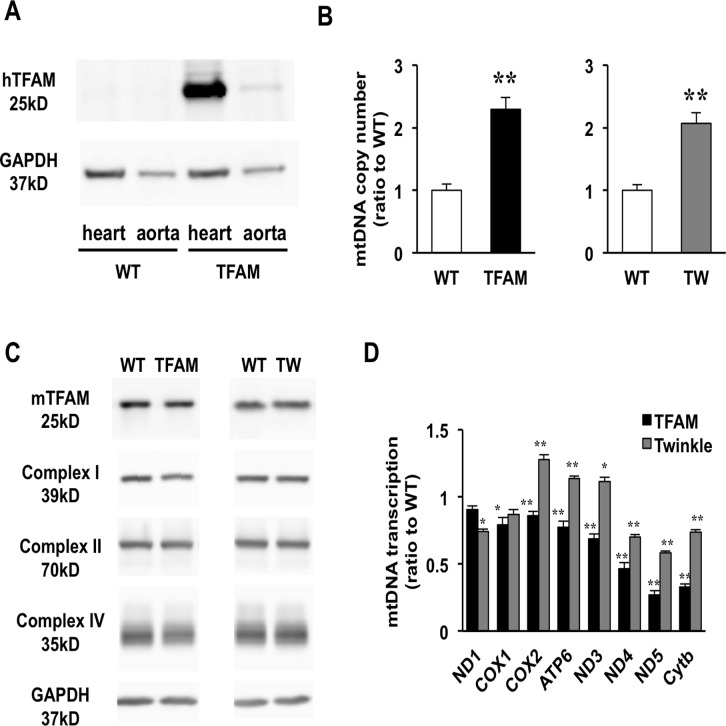
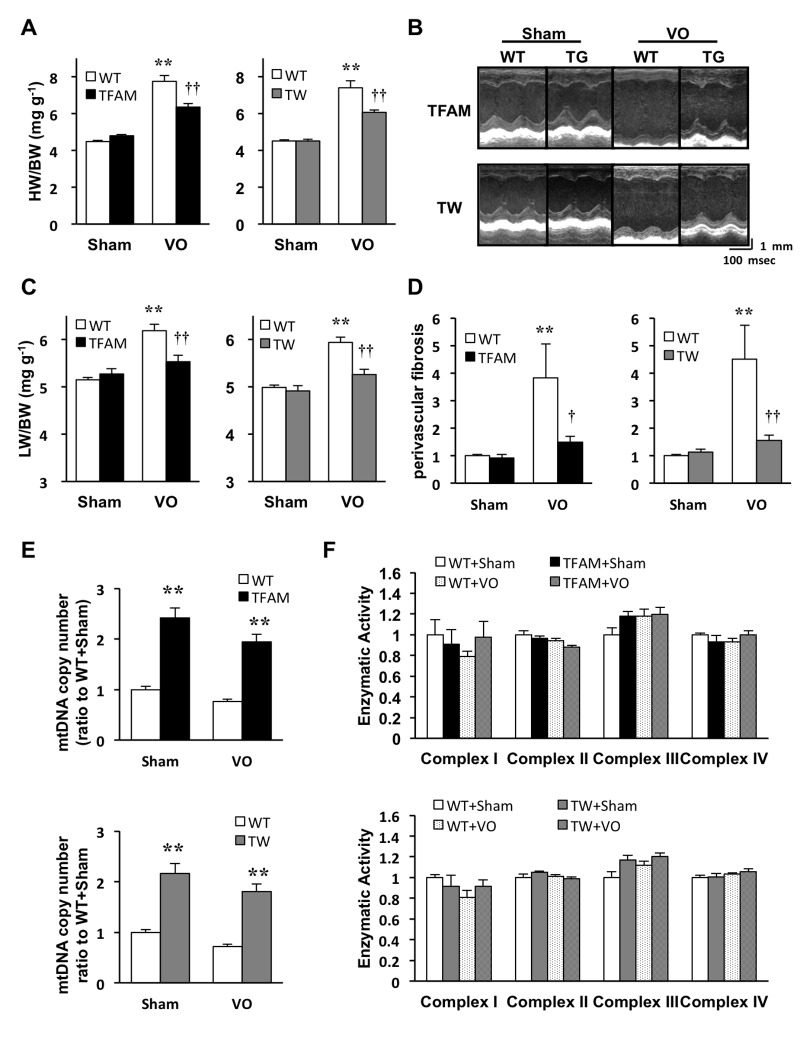
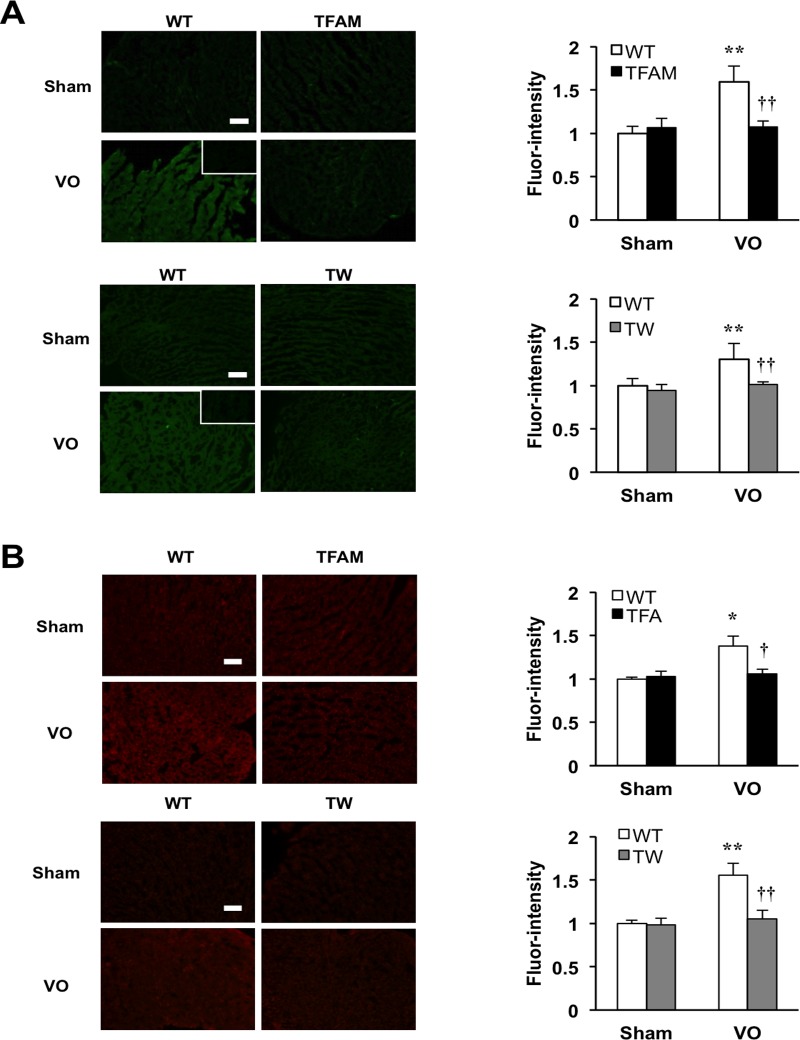
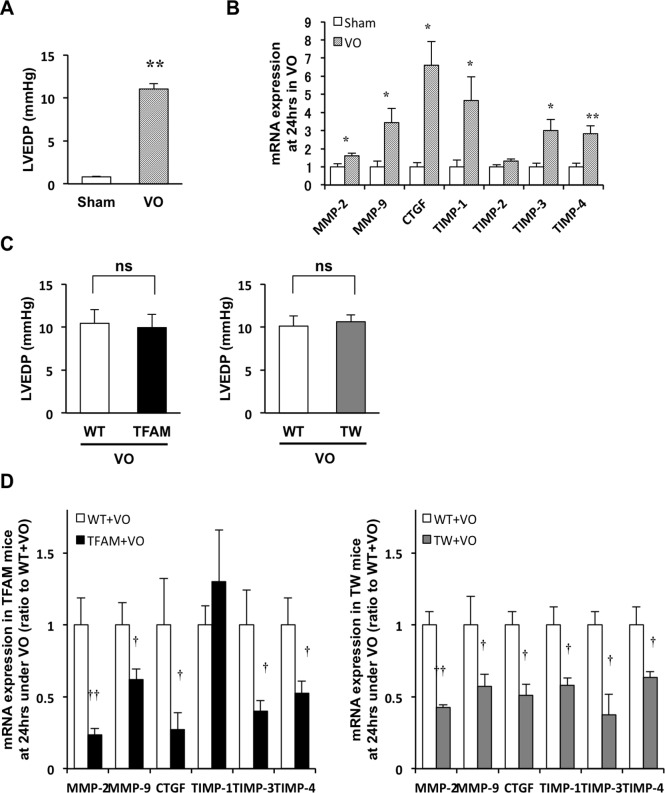
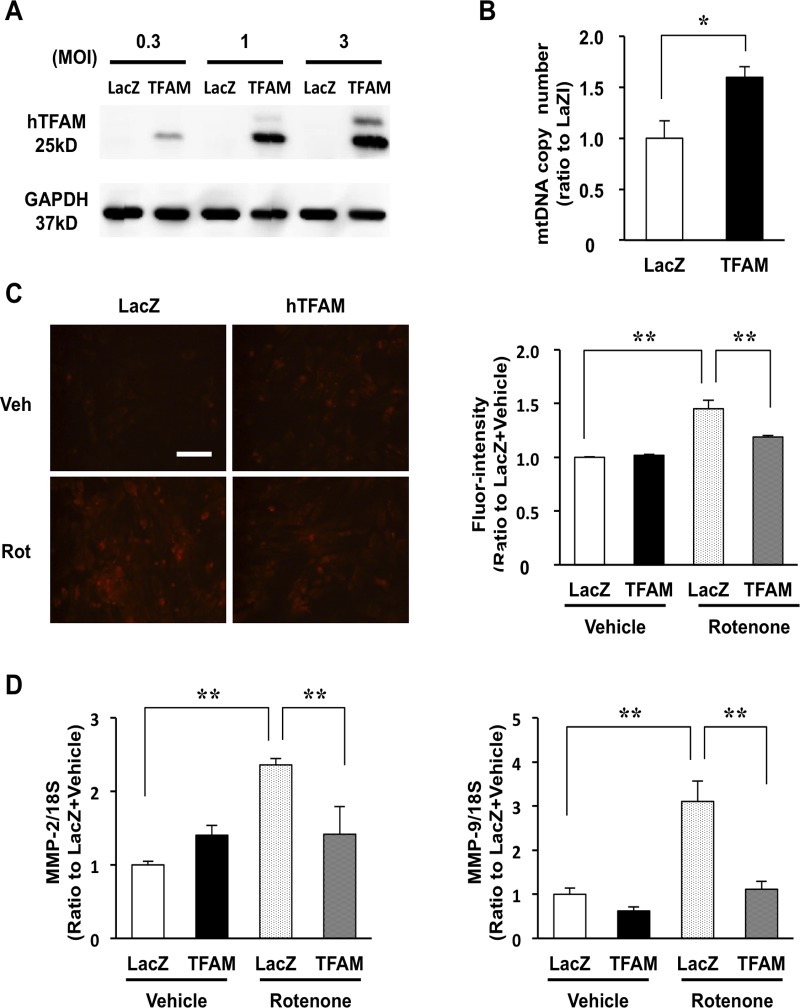
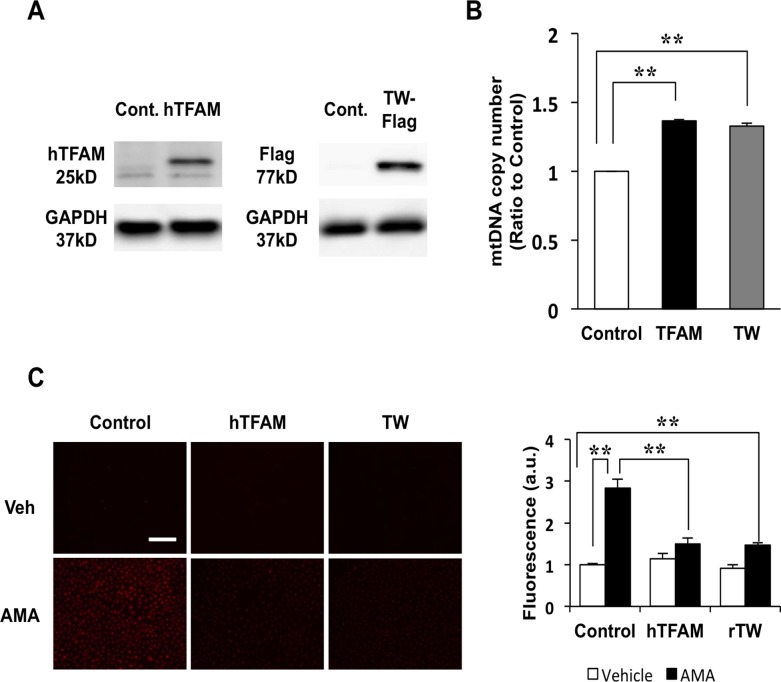
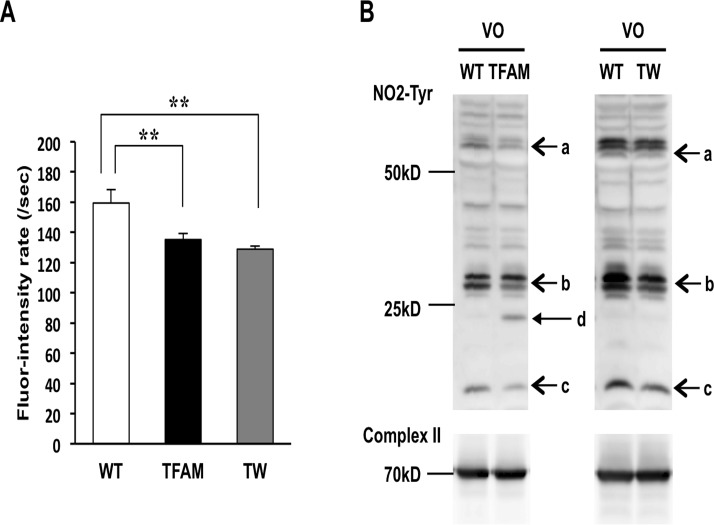
BACKGROUND: Mitochondrial DNA (mtDNA) copy number decreases in animal and human heart failure (HF), yet its role in cardiomyocytes remains to be elucidated. Thus, we investigated the cardioprotective function of increased mtDNA copy number resulting from the overexpression of human transcription factor A of mitochondria (TFAM) or Twinkle helicase in volume overload (VO)-induced HF. METHODS AND RESULTS: Two strains of transgenic (TG) mice, one overexpressing TFAM and the other overexpressing Twinkle helicase, exhibit an approximately 2-fold equivalent increase in mtDNA copy number in heart. These TG mice display similar attenuations in eccentric hypertrophy and improved cardiac function compared to wild-type (WT) mice without any deterioration of mitochondrial enzymatic activities in response to VO, which was accompanied by a reduction in matrix-metalloproteinase (MMP) activity and reactive oxygen species after 8 weeks of VO. Moreover, acute VO-induced MMP-2 and MMP-9 upregulation was also suppressed at 24 h in both TG mice. In isolated rat cardiomyocytes, mitochondrial reactive oxygen species (mitoROS) upregulated MMP-2 and MMP-9 expression, and human TFAM (hTFAM) overexpression suppressed mitoROS and their upregulation. Additionally, mitoROS were equally suppressed in H9c2 rat cardiomyoblasts that overexpress hTFAM or rat Twinkle, both of which exhibit increased mtDNA copy number. Furthermore, mitoROS and mitochondrial protein oxidation from both TG mice were suppressed compared to WT mice. CONCLUSIONS: The overexpression of TFAM or Twinkle results in increased mtDNA copy number and facilitates cardioprotection associated with limited mitochondrial oxidative stress. Our findings suggest that increasing mtDNA copy number could be a useful therapeutic strategy to target mitoROS in HF.
Overview
The claims and statistics of this paper haven’t been checked yet.
Free: it reads the open-access text and checks the first 5 claims that cite a source we can check. Create a free account to check every claim.
Integrity signals
Registry
Cites
Statistics
Figures
Verification
Claims the paper makes
The claims and statistics of this paper haven’t been checked yet.
Free: it reads the open-access text and checks the first 5 claims that cite a source we can check. Create a free account to check every claim.
Claims other papers make about this one
Each is checked against this paper’s own text: does it say what the citing paper says it does?
The source backs part of the claim, not all of it — or backs it for a different population, condition or comparison.
In the citing paper
“An ex vivo study demonstrated that overexpressing TFAM in cardiomyocytes decreased mtH2O2 (11).”
From TFAM Enhances Fat Oxidation and Attenuates High-Fat Diet–Induced Insulin Resistance in Skeletal Muscle (2019) · cites this paper as [11]
Experimental — accuracy not yet measuredThe cited source says what the claim attributes to it.
In the citing paper
“These effects are distinct from what has been reported in other tissues when TFAM is overexpressed (11,12) or PGC-1α is overexpressed in muscle (38).”
From TFAM Enhances Fat Oxidation and Attenuates High-Fat Diet–Induced Insulin Resistance in Skeletal Muscle (2019) · cites this paper as [11]
In the citing paper
“This mouse attenuates VO-induced eccentric hypertrophy and improves cardiac function while suppressing the production of mitochondrial ROS and subsequent redox-sensitive signals (Ikeda et al., 2015).”
From Role of the mitochondrial DNA replication machinery in mitochondrial DNA mutagenesis, aging and age-related diseases (2017) · cites this paper as Ikeda et al., 2015
Self-check
Percentages, sums and reported differences re-computed from the paper’s own numbers.
The self-check needs the paper’s full text.
Citations
Cites
Oxidative stress and heart failure
Tsutsui, H., Kinugawa, S., & Matsushima, S. (2011) · American Journal of Physiology-Heart and Circulatory Physiology · doi:10.1152/ajpheart.00554.2011 · Cited by 1,231
Spinale, F. G. (2007) · Physiological Reviews · doi:10.1152/physrev.00012.2007 · Cited by 1,120 · cited 5×
“In the heart, the expression of MMPs are regulated through various signals including endogenous hormones, cytokines, mechanical stretch, and ROS.”
BackgroundMethodInfluentialMitochondrial transcription factor A regulates mtDNA copy number in mammals
Ekstrand, M. I. (2004) · Human Molecular Genetics · doi:10.1093/hmg/ddh109 · Cited by 919 · cited 1×
“[3–7] Mitochondrial transcription factor A (TFAM), which was initially cloned as an mtDNA transcription factor, also plays an essential role in the maintenance of mtDNA and mitochondrial homeostasis.[8,9] Heart-specific TFAM knockout mice present with a critical depletion in mtDNA copy number, progressive respiratory…”
Backgroundp53-induced inhibition of Hif-1 causes cardiac dysfunction during pressure overload
Sano, M., Minamino, T., Toko, H., Miyauchi, H., Orimo, M., Qin, Y., Akazawa, H., Tateno, K., Kayama, Y., Harada, M., et al. (2007) · Nature · doi:10.1038/nature05602 · Cited by 905
Spelbrink, J. N., Li, F.-Y., Tiranti, V., Nikali, K., Yuan, Q.-P., Tariq, M., Wanrooij, S., Garrido, N., Comi, G., Morandi, L., et al. (2001) · Nature Genetics · doi:10.1038/90058 · Cited by 882
Self-citationMcMurray, J. J., & Pfeffer, M. A. (2005) · The Lancet · doi:10.1016/s0140-6736(05)66621-4 · Cited by 831
Ide, T., Tsutsui, H., Hayashidani, S., Kang, D., Suematsu, N., Nakamura, K.-I., Utsumi, H., Hamasaki, N., & Takeshita, A. (2001) · Circulation Research · doi:10.1161/01.res.88.5.529 · Cited by 731 · cited 1×
“[32] Other research groups as well as we have shown that mtDNA depletion is associated with HF in both humans and experimental animal models.[4,5,33,34] Using two TG mouse strains that possess increased mtDNA copy numbers through different mechanisms, this study demonstrates that TFAM or Twinkle overexpression increas…”
BackgroundSelf-citationIde, T., Tsutsui, H., Kinugawa, S., Utsumi, H., Kang, D., Hattori, N., Uchida, K., Arimura, K.-I., Egashira, K., & Takeshita, A. (1999) · Circulation Research · doi:10.1161/01.res.85.4.357 · Cited by 700 · cited 1×
“[3–7] Mitochondrial transcription factor A (TFAM), which was initially cloned as an mtDNA transcription factor, also plays an essential role in the maintenance of mtDNA and mitochondrial homeostasis.”
Self-citationAgo, T., Kuroda, J., Pain, J., Fu, C., Li, H., & Sadoshima, J. (2010) · Circulation Research · doi:10.1161/circresaha.109.213116 · Cited by 506 · cited 3×
“[32] Other research groups as well as we have shown that mtDNA depletion is associated with HF in both humans and experimental animal models.[4,5,33,34] Using two TG mouse strains that possess increased mtDNA copy numbers through different mechanisms, this study demonstrates that TFAM or Twinkle overexpression increas…”
BackgroundMethodMitochondrial transcription factor A (TFAM): Roles in maintenance of mtDNA and cellular functions
Kang, D., Kim, S. H., & Hamasaki, N. (2007) · Mitochondrion · doi:10.1016/j.mito.2006.11.017 · Cited by 446 · cited 1×
“that TFAM expression levels might correlate closely with mtDNA copy number.[22] As such, we compared the expression of endogenous murine TFAM (mTFAM) in the TG mice, and found that endogenous mTFAM was equally expressed in the TG mice compared to WT mice in each strain (Fig.”
BackgroundSelf-citation
Cited by
Maintenance and Expression of Mammalian Mitochondrial DNA
Gustafsson, C. M., Falkenberg, M., & Larsson, N.-G. (2016) · Annual Review of Biochemistry · doi:10.1146/annurev-biochem-060815-014402 · Cited by 700
Mitochondria-dependent ferroptosis plays a pivotal role in doxorubicin cardiotoxicity
Tadokoro, T., Ikeda, M., Ide, T., Deguchi, H., Ikeda, S., Okabe, K., Ishikita, A., Matsushima, S., Koumura, T., Yamada, K.-I., et al. (2020) · JCI Insight · doi:10.1172/jci.insight.132747 · Cited by 655
“Western blotting was performed as previously described (53, 54).”
Self-citationZhao, M., Liu, S., Wang, C., Wang, Y., Wan, M., Liu, F., Gong, M., Yuan, Y., Chen, Y., Cheng, J., et al. (2021) · ACS Nano · doi:10.1021/acsnano.0c08947 · Cited by 351
The mitochondrial transcription factor TFAM in neurodegeneration: emerging evidence and mechanisms
Kang, I., Chu, C. T., & Kaufman, B. A. (2018) · FEBS Letters · doi:10.1002/1873-3468.12989 · Cited by 324
The epigenetic landscape related to reactive oxygen species formation in the cardiovascular system
Kietzmann, T., Petry, A., Shvetsova, A., Gerhold, J. M., & Görlach, A. (2017) · British Journal of Pharmacology · doi:10.1111/bph.13792 · Cited by 253
“…recent findings in a mouse model that over-expression of TFAM or the mtDNA helicase Twinkle leads to increased mtDNA copy numbers and prevents increased ROS generation, thus acting cardio-protectively in mice that otherwise suffered from volume-overload-induced heart failure (Ikeda et al., 2015).”
BackgroundMitochondrial ROS-Modulated mtDNA: A Potential Target for Cardiac Aging
Quan, Y., Xin, Y., Tian, G., Zhou, J., & Liu, X. (2020) · Oxidative Medicine and Cellular Longevity · doi:10.1155/2020/9423593 · Cited by 216
“In pressure-overload-induced HF mice, increased mtDNA-CN induced by the overexpression of Twinkle or TFAM-alleviated fibrosis of the left ventricle, limited mitochondrial oxidative stress, and improved cardiac function [79, 80].”
BackgroundBlood mitochondrial DNA copy number: What are we counting?
Picard, M. (2021) · Mitochondrion · doi:10.1016/j.mito.2021.06.010 · Cited by 181
“And in the heart, transgenic overexpression of the mtDNA replication machinery can also double mtDNAcn without changing RC enzymatic activities (Ikeda et al., 2015), convincingly demonstrating the”
DeBalsi, K. L., Hoff, K. E., & Copeland, W. C. (2017) · Ageing Research Reviews · doi:10.1016/j.arr.2016.04.006 · Cited by 180
Sreekumar, P. G., Ishikawa, K., Spee, C., Mehta, H. H., Wan, J., Yen, K., Cohen, P., Kannan, R., & Hinton, D. R. (2016) · Investigative Opthalmology & Visual Science · doi:10.1167/iovs.15-17053 · Cited by 179
Yu, E. P. K., Reinhold, J., Yu, H., Starks, L., Uryga, A. K., Foote, K., Finigan, A., Figg, N., Pung, Y.-F., Logan, A., et al. (2017) · Arteriosclerosis, Thrombosis, and Vascular Biology · doi:10.1161/atvbaha.117.310042 · Cited by 170
Mitochondrial DNA replication in mammalian cells: overview of the pathway
Falkenberg, M. (2018) · Essays in Biochemistry · doi:10.1042/ebc20170100 · Cited by 166
Mitochondrial DNA as an inflammatory mediator in cardiovascular diseases
Nakayama, H., & Otsu, K. (2018) · Biochemical Journal · doi:10.1042/bcj20170714 · Cited by 160
Abe, K., Ikeda, M., Ide, T., Tadokoro, T., Miyamoto, H. D., Furusawa, S., Tsutsui, Y., Miyake, R., Ishimaru, K., Watanabe, M., et al. (2022) · Science Signaling · doi:10.1126/scisignal.abn8017 · Cited by 172
Self-citationThe Role of Exercise and TFAM in Preventing Skeletal Muscle Atrophy
Theilen, N. T., Kunkel, G. H., & Tyagi, S. C. (2017) · Journal of Cellular Physiology · doi:10.1002/jcp.25737 · Cited by 152
“Myocytes overexpressing human TFAM resulted in increased mtDNA copy number and a suppression of mitochondrial ROS and proteinase activity (Ikeda et al., 2015).”
BackgroundThe role of mitochondria in cardiac development and protection
Pohjoismäki, J., & Goffart, S. (2017) · Free Radical Biology and Medicine · doi:10.1016/j.freeradbiomed.2017.02.032 · Cited by 152
“As a rather puzzling observation, the overexpression of TFAM or Twinkle protects mouse cardiomyocytes against ischemia [112,113] as well as high levels of oxidative stress [28,114].”
BackgroundMiyamoto, H. D., Ikeda, M., Ide, T., Tadokoro, T., Furusawa, S., Abe, K., Ishimaru, K., Enzan, N., Sada, M., Yamamoto, T., et al. (2022) · JACC Basic to Translational Science · doi:10.1016/j.jacbts.2022.03.012 · Cited by 159
“Western blotting was performed as previously described.(29,30) Primary antibodies against the following proteins were used: GPx4 (ab125066, Abcam), acrolein (MAR-020n, JaICA; Shizuoka), and heme oxygenase-1 (HO-1) (43966, CST).”
MethodSelf-citationIngelsson, B., Söderberg, D., Strid, T., Söderberg, A., Bergh, A.-C., Loitto, V., Lotfi, K., Segelmark, M., Spyrou, G., & Rosén, A. (2018) · Proceedings of the National Academy of Sciences · doi:10.1073/pnas.1711950115 · Cited by 123
“High TFAM levels have been shown to correlate with increased mtDNA copy number (35, 49-51).”
Replication and Transcription of Human Mitochondrial DNA
Falkenberg, M., Larsson, N., & Gustafsson, C. M. (2024) · Annual Review of Biochemistry · doi:10.1146/annurev-biochem-052621-092014 · Cited by 147
Shen, Q., Ji, F., Guo, H., Su, X., Zhu, B., Yao, X., Wang, Y., Cao, A., Wang, H., & Wang, L. (2023) · Free Radical Biology and Medicine · doi:10.1016/j.freeradbiomed.2023.03.022 · Cited by 134
Exercise increases mitochondrial complex I activity and DRP1 expression in the brains of aged mice
Gusdon, A. M., Callio, J., Distefano, G., O'Doherty, R. M., Goodpaster, B. H., Coen, P. M., & Chu, C. T. (2017) · Experimental Gerontology · doi:10.1016/j.exger.2017.01.013 · Cited by 108
Ruan, D., Wang, W., Lin, C., Fouad, A. M., Chen, W., Xia, W., Wang, S., Luo, X., Zhang, W. H., Yan, S., et al. (2018) · animal · doi:10.1017/s1751731118000678 · Cited by 106
Mitochondrial pathways to cardiac recovery: TFAM
Kunkel, G. H., Chaturvedi, P., & Tyagi, S. C. (2016) · Heart Failure Reviews · doi:10.1007/s10741-016-9561-8 · Cited by 110
“TFAM overexpression reduced MMP activity and mtROS production [42].”
MicroRNA-709 Mediates Acute Tubular Injury through Effects on Mitochondrial Function
Guo, Y., Ni, J., Chen, S., Bai, M., Lin, J., Ding, G., Zhang, Y., Sun, P., Jia, Z., Huang, S., et al. (2017) · Journal of the American Society of Nephrology · doi:10.1681/asn.2017040381 · Cited by 106
Glutathione Metabolism and the Novel Role of Mitochondrial GSH in Retinal Degeneration
Sreekumar, P. G., Ferrington, D. A., & Kannan, R. (2021) · Antioxidants · doi:10.3390/antiox10050661 · Cited by 118
“mtTFA binds mitochondrial DNA and regulates mitochondrial transcription initiation, mtDNA copy number, packaging of mitochondrial DNA, and mitochondrial biogenesis [107,108].”
BackgroundKoh, J.-H., Johnson, M. L., Dasari, S., LeBrasseur, N. K., Vuckovic, I., Henderson, G. C., Cooper, S. A., Manjunatha, S., Ruegsegger, G. N., Shulman, G. I., et al. (2019) · Diabetes · doi:10.2337/db19-0088 · Cited by 92
“An ex vivo study demonstrated that overexpressing TFAM in cardiomyocytes decreased mtH2O2 (11).”
BackgroundKoklesová, L., Mazuráková, A., Samec, M., Kúdela, E., Biringer, K., Kubatka, P., & Golubnitschaja, O. (2022) · The EPMA Journal · doi:10.1007/s13167-022-00281-6 · Cited by 87
“Study with transgenic mice, one overexpressing TFAM and one overexpressing Twinkle helicase revealed that TFAM or Twinkle overexpression increased mtDNA copy number leading to facilitated cardioprotection and reduced mitochondrial oxidative stress [76].”
BackgroundMitochondrial p32/C1qbp Is a Critical Regulator of Dendritic Cell Metabolism and Maturation
Gotoh, K., Morisaki, T., Setoyama, D., Sasaki, K., Yagi, M., Igami, K., Mizuguchi, S., Uchiumi, T., Fukui, Y., & Kang, D. (2018) · Cell Reports · doi:10.1016/j.celrep.2018.10.057 · Cited by 80
Self-citationLiyanage, S. U., Hurren, R., Voisin, V., Bridon, G., Wang, X., Xu, C., MacLean, N., Siriwardena, T. P., Gronda, M., Yehudai, D., et al. (2017) · Blood · doi:10.1182/blood-2016-10-741207 · Cited by 82
Mitochondrial DNA release and sensing in innate immune responses
VanPortfliet, J. J., Chute, C., Lei, Y., Shutt, T. E., & West, A. P. (2024) · Human Molecular Genetics · doi:10.1093/hmg/ddae031 · Cited by 76
Pokrzywinski, K. L., Biel, T. G., Kryndushkin, D. S., & Rao, V. A. (2016) · PLoS ONE · doi:10.1371/journal.pone.0168283 · Cited by 70
The Multiple Levels of Mitonuclear Coregulation
Isaac, R. S., McShane, E., & Churchman, L. S. (2018) · Annual Review of Genetics · doi:10.1146/annurev-genet-120417-031709 · Cited by 65
“Several mitochondrial factors, including TFAM and the replicative helicase TWINKLE, have been implicated in the regulation of mtDNA copy number regulation (49, 68, 151).”
The little big genome the organization of mitochondrial DNA
Gilkerson, R. (2017) · Frontiers in bioscience · doi:10.2741/4511 · Cited by 67
“content, independent of changes in transcription (15-17).”
Gautam, S., Kumar, U., Kumar, M., Rana, D., & Dada, R. (2021) · Mitochondrion · doi:10.1016/j.mito.2021.03.004 · Cited by 62
Epigenetic regulation in heart failure
Kim, S. Y., Morales, C. R., Gillette, T. G., & Hill, J. A. (2016) · Current Opinion in Cardiology · doi:10.1097/hco.0000000000000276 · Cited by 52
Ishimaru, K., Ikeda, M., Miyamoto, H. D., Furusawa, S., Abe, K., Watanabe, M., Kanamura, T., Fujita, S., Nishimura, R., Toyohara, T., et al. (2023) · Journal of the American Heart Association · doi:10.1161/jaha.123.031219 · Cited by 47
“29,30 Briefly, the mice were anesthetized using 1% to 2% isoflurane, and M-mode images were obtained from the short-axis view at the level of the papillary muscles using a Vevo1100 ultrasonography system (FUJIFILM VisualSonics).”
MethodSelf-citationDostal, V., & Churchill, M. E. A. (2019) · Biochimica et Biophysica Acta (BBA) - Gene Regulatory Mechanisms · doi:10.1016/j.bbagrm.2019.01.006 · Cited by 50
“Additionally, TFAM is important for mtDNA maintenance [31], the mtDNA copy number [32, 33], as well as for coordinating mtDNA transcription with mtDNA replication (reviewed in [34]).”
BackgroundFranco, D. G., Moretti, I. F., & Marie, S. K. N. (2018) · Molecules · doi:10.3390/molecules23051129 · Cited by 49
“Still, the overexpression of TFAM inhibited mitochondrial ROS generation in HeLa cells [43] and prevented oxidative stress, facilitating cardioprotection [44].”
BackgroundIkeda, M., Ide, T., Tadokoro, T., Miyamoto, H. D., Ikeda, S., Okabe, K., Ishikita, A., Sato, M., Abe, K., Furusawa, S., et al. (2021) · Journal of the American Heart Association · doi:10.1161/jaha.121.020895 · Cited by 48
Self-citationSvaguša, T., Martinić, M., Martinić, M., Kovačević, L., Šepac, A., Miličić, D., Bulum, J., Starčević, B., Sirotković-Skerlev, M., Seiwerth, F., et al. (2020) · Croatian Medical Journal · doi:10.3325/cmj.2020.61.126 · Cited by 44
Dietary methionine restriction improves glucose metabolism in the skeletal muscle of obese mice
Luo, T., Yang, Y., Xu, Y., Gao, Q., Wu, G., Jiang, Y., Sun, J., Shi, Y., & Le, G. (2019) · Food & Function · doi:10.1039/c8fo02571a · Cited by 44
Visualizing, quantifying, and manipulating mitochondrial DNA in vivo
Prole, D. L., Chinnery, P. F., & Jones, N. S. (2020) · Journal of Biological Chemistry · doi:10.1074/jbc.rev120.015101 · Cited by 46
mtDNA in the Pathogenesis of Cardiovascular Diseases
Wang, L., Zhang, Q., Yuan, K., & Yuan, J. (2021) · Disease Markers · doi:10.1155/2021/7157109 · Cited by 44
“found that in mice overexpressing mtTFA and Twinkle helical protein, mtDNA copy number was increased by 2 times and myocardial damage in isolated cardiac hypertrophy was alleviated [5].”
BackgroundEstrogen signaling as a bridge between the nucleus and mitochondria in cardiovascular diseases
Guajardo-Correa, E., Silva-Agüero, J. F., Calle, X., Chiong, M., Henríquez, M., García‐Rivas, G., Latorre, M., & Parra, V. (2022) · Frontiers in Cell and Developmental Biology · doi:10.3389/fcell.2022.968373 · Cited by 47
“Of note, these results are consistent with similar studies of independent groups (Ikeda et al., 2015; Kunkel et al., 2019).”
ResultMitochondrial function, dynamics and quality control in the pathophysiology of HFpEF
del Campo, A., Perez, G., Castro, P., Parra, V., & Verdejo, H. (2021) · Biochimica et Biophysica Acta (BBA) - Molecular Basis of Disease · doi:10.1016/j.bbadis.2021.166208 · Cited by 41
Cho, Y., Tachibana, S., Lam, K., Arita, Y., Khosrowjerdi, S., Zhang, O. R., Liang, A., Li, R., Andreyev, A. Y., Murphy, A. N., et al. (2021) · Journal of Biological Chemistry · doi:10.1016/j.jbc.2021.100825 · Cited by 37
“By contrast, restoring mitochondrial function has beneficial effects on HF caused by I/R injury and MI (11, 12).”
BackgroundInfluentialGöke, A., Schrott, S., Mizrak, A., Belyy, V., Osman, C., & Walter, P. (2019) · Molecular Biology of the Cell · doi:10.1091/mbc.e19-08-0470 · Cited by 35
“Furthermore, increasing mtDNA copy number has been suggested to help cells ameliorate the effect of myocardial infarction in mice (Ikeda et al., 2015).”
BackgroundTFAM overexpression reduces pathological cardiac remodeling
Kunkel, G. H., Kunkel, C. J., Ozuna, H., Miralda, I., & Tyagi, S. C. (2018) · Molecular and Cellular Biochemistry · doi:10.1007/s11010-018-3459-9 · Cited by 33
Ovics, P., Regev, D., Baskin, P., Davidor, M., Shemer, Y., Neeman-Egozi, S., Ben‐Haim, Y., & Binah, O. (2020) · International Journal of Molecular Sciences · doi:10.3390/ijms21197320 · Cited by 36
“TFAM over-expression reduces the hypertrophic response elicited by volume overload and reduces oxidative responses in the heart [46].”
BackgroundTadokoro, T., Ikeda, M., Abe, K., Ide, T., Miyamoto, H. D., Furusawa, S., Ishimaru, K., Watanabe, M., Ishikita, A., Matsushima, S., et al. (2022) · Journal of Cardiovascular Pharmacology · doi:10.1097/fjc.0000000000001328 · Cited by 33
Self-citationPopov, D. V., Lysenko, E. A., Bokov, R. O., Volodina, M. A., Kurochkina, N. S., Makhnovskii, P. A., Vyssokikh, M. Y., & Виноградова, О. Л. (2018) · Physiological Reports · doi:10.14814/phy2.13868 · Cited by 33
“2000), whereas overexpression of TFAM in cardiac myocytes increases both mitochondrial DNA copy number and the amount of respiratory enzymes (Fujino et al. 2012; Ikeda et al. 2015).”
BackgroundInoue, T., Ikeda, M., Ide, T., Fujino, T., Matsuo, Y., Arai, S., Saku, K., & Sunagawa, K. (2016) · American Journal of Physiology-Heart and Circulatory Physiology · doi:10.1152/ajpheart.00044.2016 · Cited by 31
Self-citationMitochondria protect against an intracellular pathogen by restricting access to folate
Medeiros, T., Ovciarikova, J., Li, X., Krueger, P., Bartsch, T., Reato, S., Crow, J. C., Téllez-Sütterlin, M., Garcia, B. M., Rais, I., et al. (2025) · Science · doi:10.1126/science.adr6326 · Cited by 28
“1B) (17, 18).”
Srivastava, V., Zelmanovich, V., Shukla, V., Abergel, R., Cohen, I., Ben‐Sasson, S. A., & Gross, E. (2022) · Autophagy · doi:10.1080/15548627.2022.2078069 · Cited by 26
“At the same time, increased mtDNA copy number is associated with cellular health and protection against oxidative stress [62].”
BackgroundWatanabe, M., Ikeda, M., Abe, K., Furusawa, S., Ishimaru, K., Kanamura, T., Fujita, S., Miyamoto, H. D., Kozakura, E., Isayama, Y. S., et al. (2025) · Nature Cardiovascular Research · doi:10.1038/s44161-025-00687-1 · Cited by 23
“The enzymatic activities of mitochondrial complexes were measured as previously described, with several modifications 69 .”
Self-citationEffects of exposure to environmental pollutants on mitochondrial DNA copy number: a meta-analysis
Avilés-Ramírez, C., Moreno‐Godínez, M. E., Bonner, M. R., Parra‐Rojas, I., Flores‐Alfaro, E., Ramírez, M., Huerta‐Beristain, G., & Ramírez‐Vargas, M. A. (2022) · Environmental Science and Pollution Research · doi:10.1007/s11356-022-19967-5 · Cited by 23
“In addition, the increase of mtDNAcn by transfection of transcriptional mtDNA factors (such as TFAM or Twinkle) in mice does not change the levels of mitochondrial complexes (biomarkers of mitochondrial activity) (Ikeda et al. 2015).”
BackgroundMao, X. W., Nishiyama, N. C., Campbell-Beachler, M., Gifford, P., Haynes, K. E., Gridley, D. S., & Pecaut, M. J. (2017) · Radiation Research · doi:10.1667/rr14754.1 · Cited by 23
“Interestingly, a recently published study showed that mitochondrial ROS (mitoROS) upregulated MMP-9 expression (25).”
BackgroundFeng, Y., Huang, W. C., Paul, C., Liu, X., Sadayappan, S., Wang, Y., & Pauklin, S. (2021) · Basic Research in Cardiology · doi:10.1007/s00395-021-00889-1 · Cited by 22
Li, W. H., Weng, X., Yuan, L. F., Li, F., Yue, X., & Li, F. (2020) · Theriogenology · doi:10.1016/j.theriogenology.2020.10.014 · Cited by 20
Martínez-Bernabé, T., Sastre‐Serra, J., Ciobu, N., Oliver, J., Pons, D. G., & Roca, P. (2021) · Antioxidants · doi:10.3390/antiox10091371 · Cited by 22
“Twinkle is the mitochondrial helicase encoded by nuclear DNA that acts during mtDNA replication, and its overexpression has been shown to be related to increased mitochondrial biogenesis [54].”
BackgroundMitochondrial genomic integrity and the nuclear epigenome in health and disease
Morin, A. L., Win, P. W., Lin, A. Z., & Castellani, C. A. (2022) · Frontiers in Endocrinology · doi:10.3389/fendo.2022.1059085 · Cited by 21
“In a mouse model of heart failure, mtDNA-CN decreased by ~40% in failing myocardium after myocardial infarction (53).”
BackgroundTFAM overexpression diminishes skeletal muscle atrophy after hindlimb suspension in mice
Theilen, N. T., Jeremic, N. S., Weber, G. J., & Tyagi, S. C. (2018) · Archives of Biochemistry and Biophysics · doi:10.1016/j.abb.2018.12.015 · Cited by 20
“Other in vitro studies similarly reveal a cardiomyocyte protective role via TFAM overexpression (11, 13).”
BackgroundZhu, H., Ding, Y., Xu, X., Li, M., Fang, Y., Gao, B., Mao, H., Tong, G., Zhou, L., & Huang, J. (2017) · Europe PMC (PubMed Central) · Cited by 20
Vozáriková, V., Kunová, N., Bauer, J., Frankovský, J., Kotrasová, V., Procházková, K., Džugasová, V., Kutějová, E., Pevala, V., Nosek, J., et al. (2020) · Biomolecules · doi:10.3390/biom10081193 · Cited by 19
Schrott, S., & Osman, C. (2023) · Nucleic Acids Research · doi:10.1093/nar/gkad849 · Cited by 22
Mitochondria and Their Role in Human Reproduction
Zou, W., Slone, J. D., Cao, Y., & Huang, T. (2019) · DNA and Cell Biology · doi:10.1089/dna.2019.4807 · Cited by 23
Mitochondrial functional resilience after TFAM ablation in the adult heart
Ghazal, N., Peoples, J. N., Mohiuddin, T. A., & Kwong, J. Q. (2021) · American Journal of Physiology-Cell Physiology · doi:10.1152/ajpcell.00508.2020 · Cited by 21
Mitochondrial DNA Dysfunction in Cardiovascular Diseases: A Novel Therapeutic Target
Xiang, M., Yang, M., Zhang, L., Ouyang, X., Sarapultsev, A., Luo, S., & Hu, D. (2025) · Antioxidants · doi:10.3390/antiox14091138 · Cited by 25
“…of mtDNA impair mitochondrial biogenesis [10] Patients with heart failure exhibit reduced mtDNA content and mtDNA-encoded proteins [111] TFAM overexpression ameliorates mitochondrial deficiencies, increases mtDNA copy-number, and improves cardiac failure [27,28,179] Diabetic Cardiomyopathy”
InfluentialTechniques for investigating mitochondrial gene expression
Park, D., Lee, S., & Min, K. (2020) · BMB Reports · doi:10.5483/bmbrep.2020.53.1.272 · Cited by 17
“since TFAM overexpression increases the mt-DNA copy number and upregulates mitochondrial transcription (48, 49).”
BackgroundKammouni, W., Wood, H., & Jackson, A. C. (2017) · Journal of NeuroVirology · doi:10.1007/s13365-017-0550-z · Cited by 17
Mechanisms of TFAM-mediated cardiomyocyte protection
Kunkel, G. H., Chaturvedi, P., Thelian, N., .Nair, R. A., & Tyagi, S. C. (2017) · Canadian Journal of Physiology and Pharmacology · doi:10.1139/cjpp-2016-0718 · Cited by 21
Ikeda, M., Ide, T., Matsushima, S., Ikeda, S., Okabe, K., Ishikita, A., Tadokoro, T., Sada, M., Abe, K., Sato, M., et al. (2022) · Circulation Heart Failure · doi:10.1161/circheartfailure.122.009366 · Cited by 22
Self-citationMonserrat-Mesquida, M., Ferrer, M. D., Pons, A., Sureda, A., & Capó, X. (2024) · Mitochondrion · doi:10.1016/j.mito.2024.101869 · Cited by 20
Rodrigues, A. P., de Camargo, A. F., Andjelković, A., Jacobs, H. T., & Oliveira, M. T. (2018) · Scientific Reports · doi:10.1038/s41598-018-29150-x · Cited by 20
Cheng, Q., Liu, Q., & Lu, C. A. (2024) · Environmental Pollution · doi:10.1016/j.envpol.2024.123642 · Cited by 17
Li, X., Liu, X., Chen, X., Wang, Y., Wu, S., Li, F., Su, Y., Chen, L., Xiao, J., Ma, J., et al. (2024) · iScience · doi:10.1016/j.isci.2024.110522 · Cited by 18
Okamura, K., Nakagama, Y., Takeda, N., Soma, K., Sato, T., Isagawa, T., Kido, Y., Sakamoto, M., Manabe, I., Hirata, Y., et al. (2019) · Journal of Pharmacological Sciences · doi:10.1016/j.jphs.2019.09.005 · Cited by 15
Crouch, J. D., & Brosh, R. M. (2016) · Free Radical Biology and Medicine · doi:10.1016/j.freeradbiomed.2016.11.022 · Cited by 15
Mally, A., & Jarzina, S. (2022) · Frontiers in Toxicology · doi:10.3389/ftox.2022.863643 · Cited by 16
Overactive mitochondrial DNA replication disrupts perinatal cardiac maturation
Landoni, J. C., Erkul, S., Laalo, T., Goffart, S., Kivelä, R., Skube, K., Nieminen, A. I., Wickström, S. A., Stewart, J. B., & Suomalainen, A. (2024) · Nature Communications · doi:10.1038/s41467-024-52164-1 · Cited by 15
Self-citationSreekumar, P. G., Wang, M., Spee, C. K., Sadda, S. R., & Kannan, R. (2020) · Antioxidants · doi:10.3390/antiox9050411 · Cited by 15
“mTFA binds mitochondrial DNA and regulates mitochondrial transcription initiation, mtDNA copy number, packaging of mitochondrial DNA, and mitochondrial biogenesis [60,61].”
BackgroundSong, Y., Hussain, T. A., Wang, J., Liao, Y., Yue, R., Sabir, N., Zhao, D., & Zhou, X. (2019) · The Journal of Infectious Diseases · doi:10.1093/infdis/jiz461 · Cited by 15
Yang, Y., Qian, J., Li, B., Lu, M., Le, G., & Xie, Y. (2021) · Foods · doi:10.3390/foods10102439 · Cited by 13
“TFAM and PGC1-α are important regulators of mtDNA copy number [66].”
BackgroundWeikard, R., & Kuehn, C. (2018) · Molecular Biology Reports · doi:10.1007/s11033-018-4273-x · Cited by 13
Kelly, P. S., Miguez, A. A., Alves, C. S., & Barron, N. (2018) · Current Opinion in Chemical Engineering · doi:10.1016/j.coche.2018.08.009 · Cited by 15
Yang, Z., Zhang, Z., Zhao, J., He, Y., Yang, H., & Zhou, P. (2019) · RSC Advances · doi:10.1039/c8ra09482a · Cited by 15
Nomiyama, T., Setoyama, D., Yasukawa, T., & Kang, D. (2021) · The Journal of Biochemistry · doi:10.1093/jb/mvab136 · Cited by 13
Self-citationMitochondrial Diabetes Is Associated with the ND4 G11696A Mutation
Ding, Y., Zhang, S., Guo, Q., & Leng, J. (2023) · Biomolecules · doi:10.3390/biom13060907 · Cited by 12
Wang, X., Dong, W., Yuan, B., Yang, Y., Yang, D., LIN, X., Chen, C., & Zhang, W. (2016) · International Journal of Molecular Medicine · doi:10.3892/ijmm.2016.2543 · Cited by 14
Furusawa, S., Ikeda, M., Ide, T., Kanamura, T., Miyamoto, H. D., Abe, K., Ishimaru, K., Watanabe, M., Tsutsui, Y., Miyake, R., et al. (2023) · Circulation Heart Failure · doi:10.1161/circheartfailure.122.010347 · Cited by 14
Self-citationXia, Q., Lan, J., Pan, Y., Wang, Y., Song, T., Yang, Y., Tian, X., Chen, L., Gu, Z., & Ding, Y. (2024) · Journal of Agricultural and Food Chemistry · doi:10.1021/acs.jafc.3c09649 · Cited by 11
Building the case for mitochondrial transplantation as an anti-aging cardiovascular therapy
Headley, C. A., & Tsao, P. S. (2023) · Frontiers in Cardiovascular Medicine · doi:10.3389/fcvm.2023.1141124 · Cited by 11
“Several studies have also assessed whether directly modulating mtDNA is a viable therapeutic strategy (45, 76).”
BackgroundInfluentialCiesielski, G. L., Nadalutti, C. A., Oliveira, M. T., Jacobs, H. T., Griffith, J. D., & Kaguni, L. S. (2018) · Nucleic Acids Research · doi:10.1093/nar/gky094 · Cited by 14
“For example, an elevated level of mtDNA helicase appears to stabilize and protect mtDNA from oxidative damage induced by superoxide dismutase knockout in mouse cardiomyocytes (25), and to ameliorate cardiac fibrosis associated heart failure in a mouse model (26,27).”
BackgroundSouza, V. C. D. O., Mariano, C. G., Belizário, J. E., Krieger, J. E., Bressan, F. F., Roballo, K. C. S., Neto, P. F., Meirelles, F. V., Chiaratti, M. R., Concordet, J., et al. (2020) · PLoS ONE · doi:10.1371/journal.pone.0235856 · Cited by 11
“They observed that the overexpression of TFAM could increase the mtDNA copy number and facilitate cardioprotection associated with limited mitochondrial oxidative stress [35].”
BackgroundRossi, A., Assunto, A., Rosano, C. L., Tucci, S., Ruoppolo, M., Caterino, M., Pirozzi, F., Strisciuglio, P., Parenti, G., & Melis, D. (2023) · Genes & Nutrition · doi:10.1186/s12263-023-00729-y · Cited by 11
“Previous studies showed that the role of TFAM in regulating mitochondrial fuel metabolism and ROS emission is tissue specific [45, 46].”
BackgroundMitochondrial DNA maintenance in Drosophila melanogaster
Rodrigues, A. P., Novaes, A. C., Ciesielski, G. L., & Oliveira, M. T. (2022) · Bioscience Reports · doi:10.1042/bsr20211693 · Cited by 12
“This corroborates previously published data for mice [111,112], adult flies and cultured S2 cells [35,68], again suggesting that Twinkle is a limiting factor for mtDNA replication.”
Boovarahan, S. R., Balu, K., Prem, P. N., Sivakumar, B., & Kurian, G. A. (2023) · Functional & Integrative Genomics · doi:10.1007/s10142-023-01257-z · Cited by 9
“Similarly, overexpression of TFAM and hypermethylation of POLG have been shown to compromise mtDNA bio-genesis, and its transcription, that eventually dysfunctions the electron transport chain activity (Ikeda et al. 2015; Kowluru 2019).”
BackgroundUeda, S., Shimasaki, M., Ichiseki, T., Hirata, H., Kawahara, N., & Ueda, Y. (2020) · International Journal of Medical Sciences · doi:10.7150/ijms.45335 · Cited by 9
“In the heart failure model, inducing overexpression of cardiomyocyte TFAM has been reported to inhibit mitochondrial oxidative stress, and to improve cardiac function by suppressing pathologic cardiac hypertrophy [13,14].”
BackgroundMethodForrester, S. J., & Griendling, K. K. (2017) · Arteriosclerosis Thrombosis and Vascular Biology · doi:10.1161/atvbaha.117.310298 · Cited by 10
In vivo composition of the mitochondrial nucleoid in mice
García-Villegas, R., Odenthal, F., Giannoula, Y., Bonekamp, N. A., Kühl, I., Park, C. B., Spåhr, H., Motori, E., Levander, F., & Larsson, N. (2025) · Biochimica et Biophysica Acta (BBA) - Molecular Cell Research · doi:10.1016/j.bbamcr.2025.119955 · Cited by 9
Vidyadharan, V. A., Betancourt, A., Smith, C., Blesson, C. S., & Yallampalli, C. (2024) · International Journal of Molecular Sciences · doi:10.3390/ijms252312860 · Cited by 10
Metadata
- Authors
- Ikeda, M., Ide, T., Fujino, T., Arai, S., Saku, K., Kakino, T., Tyynismaa, H., Yamasaki, T., Yamada, K.-I., Kang, D., Suomalainen, A., & Sunagawa, K.
- Affiliations
- Kyushu University (JP)
- University of Helsinki (FI)
- Corresponding author
- Ide, Tomomi
- ORCID
- Venue
- PLOS ONE
- Publisher
- Public Library of Science (PLoS)
- Published
- 2015-03-30
- Volume
- 10
- Issue
- 3
- Pages
- e0119687
- ISSN
- 1932-6203 (ISSN-L)
- PMC
- PMC4379048
- OpenAlex
- W2061800289
- Cited by
- 152
- References
- 40
- Citations by year
- 2026: 8 · 2025: 10 · 2024: 17 · 2023: 21 · 2022: 15 · 2021: 13 · 2020: 13 · 2019: 9 · 2018: 20 · 2017: 12 · 2016: 13 · 2015: 1
- FWCI
- 6.66
- Type
- journal article
- Language
- en
- Open access
- gold
- doi.org
- Licence
- Locations
- PLoS ONE (publishedVersion, cc-by)
- PubMed Central (publishedVersion, cc-by)
- PubMed (publishedVersion)
- DOAJ (DOAJ: Directory of Open Access Journals) (submittedVersion, cc-by-sa)
- Figshare (submittedVersion, cc-by)
- Työväentutkimus Vuosikirja (submittedVersion)
- Funders
- Japan Society for the Promotion of Science (26860570, 23220013, 23591084, 50163043, 25253041)
- Topics
- Life Sciences › Biochemistry, Genetics and Molecular Biology › Molecular Biology › Mitochondrial Function and Pathology
- Health Sciences › Medicine › Cardiology and Cardiovascular Medicine › Cardiac Ischemia and Reperfusion
- Health Sciences › Medicine › Cardiology and Cardiovascular Medicine › Cardiovascular Function and Risk Factors
- Keywords
- TFAM, Twinkle helicase, mitochondrial DNA copy number, heart failure, cardioprotection, mitochondrial oxidative stress, reactive oxygen species, matrix metalloproteinases, MMP-2, MMP-9, fluid overload, cardiomyocyte hypertrophy, transgenic mice
- MeSH terms
- Animals, Cell Line, DNA Helicases, DNA-Binding Proteins, DNA, Mitochondrial, Heart Failure, Humans, Mice, Inbred C57BL, Mitochondria, Transcription Factors, Reactive Oxygen Species, Oxidative Stress, Gene Dosage, Matrix Metalloproteinases, Mitochondrial Proteins, Myocytes, Cardiac, Mice, Rats
About these checks
Registry, retraction, Cites and statistics results are computed, not judged, with one exception: a printed reference that no index lists is read once by a model before it counts as a citation error. Claims are extracted by a model and kept only when their quote appears verbatim in the text; each cited source is then checked, with a model’s help, for whether it says what the claim relies on. Those verdicts can be wrong — read the claim’s quote and the cited source before relying on one.
Statistics and arithmetic are recomputed, not judged.
Confidence bands are shown only for fields calibrated on our annotated test set. None is calibrated yet, so no band is shown.
What counts as a claim ›How we measure confidence ›How we check this ›
Are you an author, or do you see a problem with this page? Request a review
Data sources
Bibliographic data: Semantic Scholar, OpenAlex, Crossref.
Contains information from the Semantic Scholar Academic Graph Datasets, made available under the ODC Attribution License (ODC-BY 1.0).
Semantic Scholar’s data is described in: Kinney, R., et al. (2023). The Semantic Scholar Open Data Platform. arXiv:2301.10140.
