

Inhibition of Aspergillus fumigatus and Its Biofilm by Pseudomonas aeruginosa Is Dependent on the Source, Phenotype and Growth Conditions of the Bacterium
Open accessThe DOI matches its Crossref record; 73 of the 73 references it cites were found in a registry or an index.
Abstract
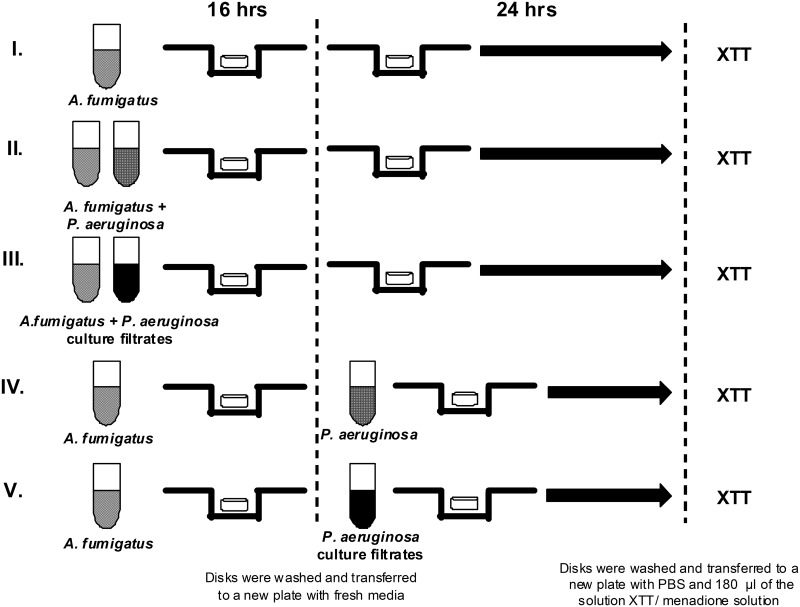
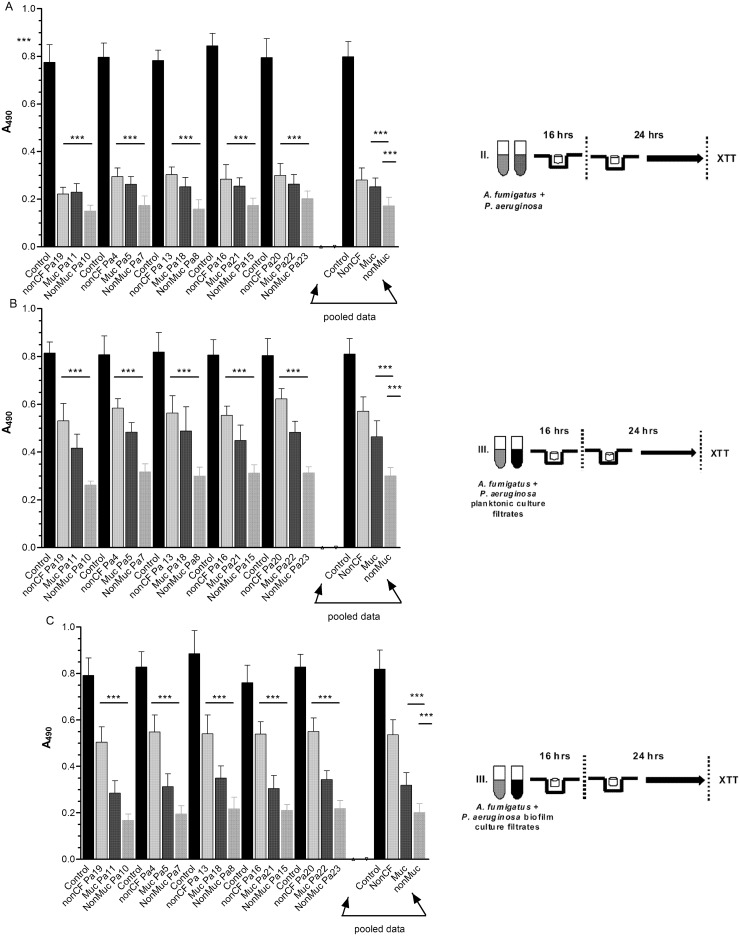
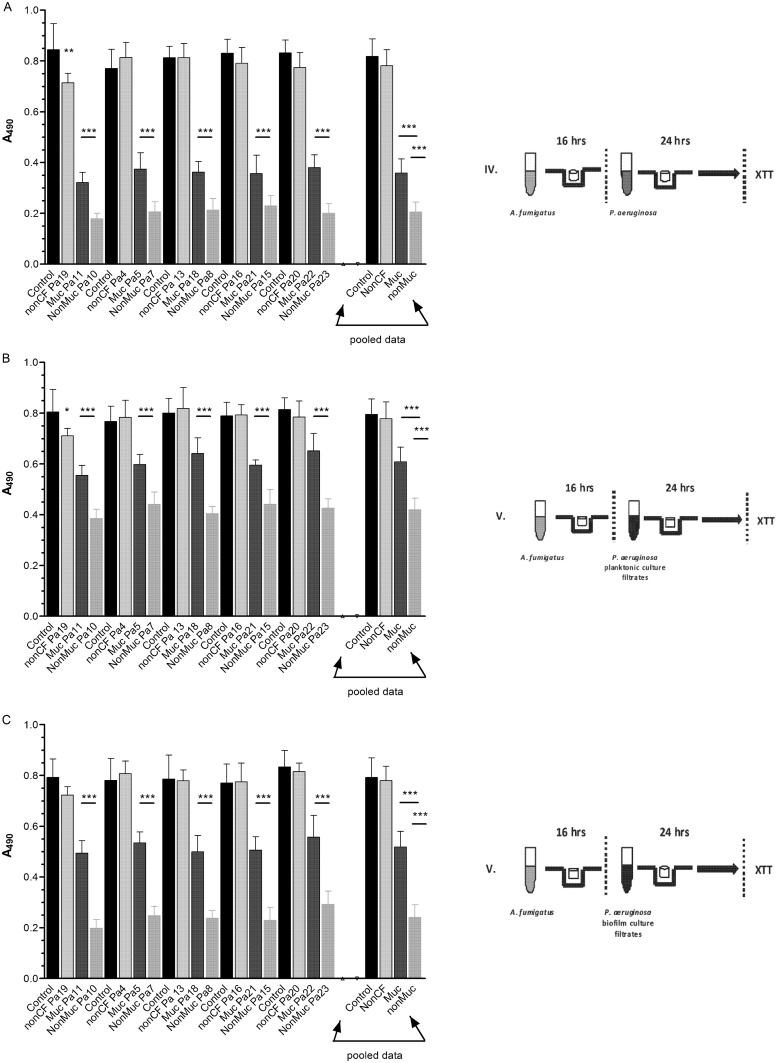
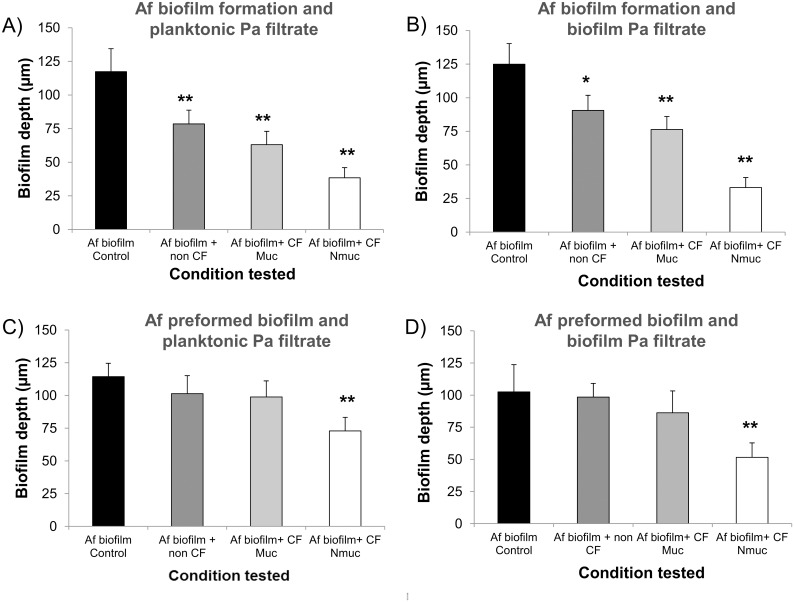
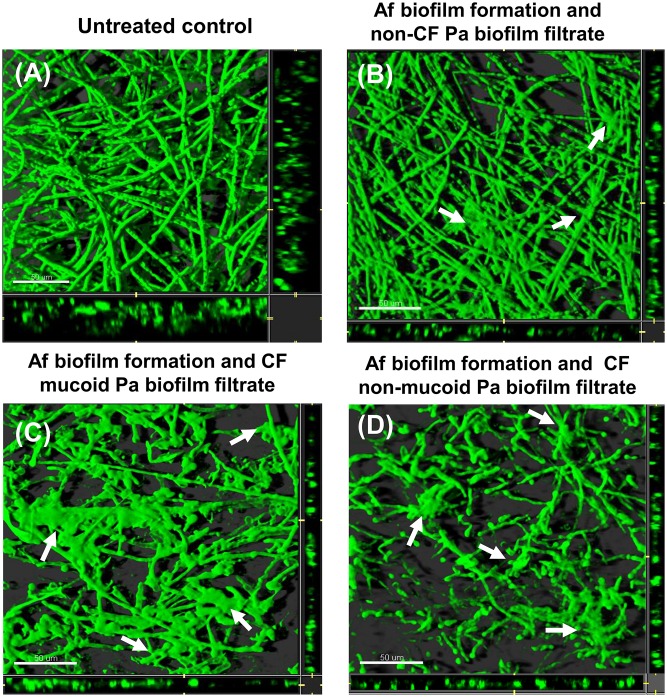
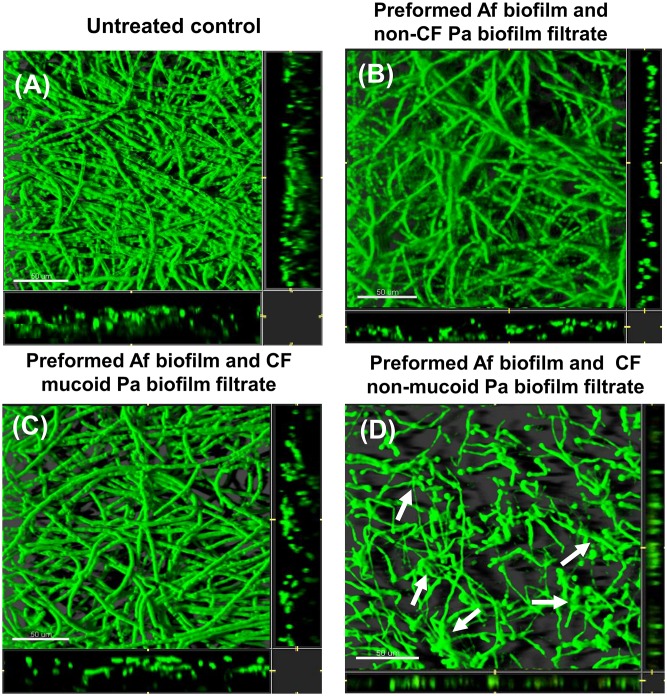
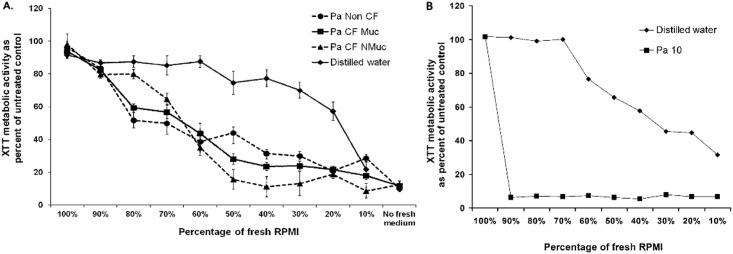
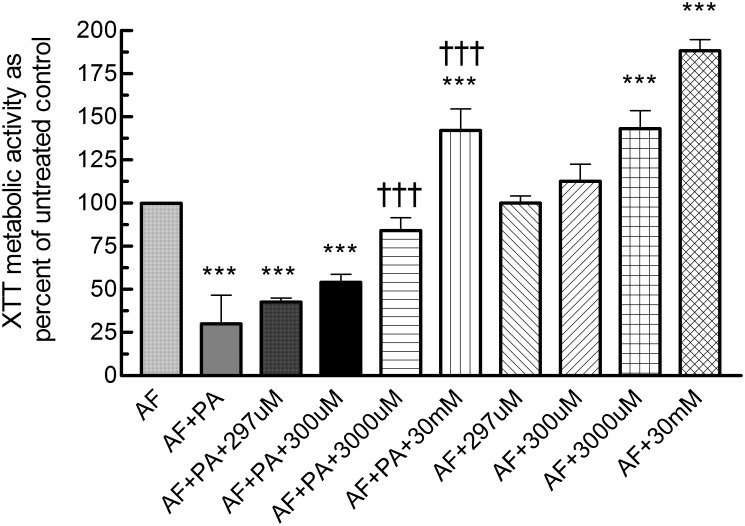
Aspergillus fumigatus (Af) and Pseudomonas aeruginosa (Pa) are leading fungal and bacterial pathogens, respectively, in many clinical situations. Relevant to this, their interface and co-existence has been studied. In some experiments in vitro, Pa products have been defined that are inhibitory to Af. In some clinical situations, both can be biofilm producers, and biofilm could alter their physiology and affect their interaction. That may be most relevant to airways in cystic fibrosis (CF), where both are often prominent residents. We have studied clinical Pa isolates from several sources for their effects on Af, including testing involving their biofilms. We show that the described inhibition of Af is related to the source and phenotype of the Pa isolate. Pa cells inhibited the growth and formation of Af biofilm from conidia, with CF isolates more inhibitory than non-CF isolates, and non-mucoid CF isolates most inhibitory. Inhibition did not require live Pa contact, as culture filtrates were also inhibitory, and again non-mucoid>mucoid CF>non-CF. Preformed Af biofilm was more resistant to Pa, and inhibition that occurred could be reproduced with filtrates. Inhibition of Af biofilm appears also dependent on bacterial growth conditions; filtrates from Pa grown as biofilm were more inhibitory than from Pa grown planktonically. The differences in Pa shown from these different sources are consistent with the extensive evolutionary Pa changes that have been described in association with chronic residence in CF airways, and may reflect adaptive changes to life in a polymicrobial environment.
Overview
The claims and statistics of this paper haven’t been checked yet.
Free: it reads the open-access text and checks the first 5 claims that cite a source we can check. Create a free account to check every claim.
Integrity signals
Registry
Cites
Statistics
Figures
Verification
Claims the paper makes
The claims and statistics of this paper haven’t been checked yet.
Free: it reads the open-access text and checks the first 5 claims that cite a source we can check. Create a free account to check every claim.
Claims other papers make about this one
Each is checked against this paper’s own text: does it say what the citing paper says it does?
In the citing paper
“Most studies have found that these bacterial molecules inhibit the fungal biofilm (573–576).”
From Aspergillus fumigatus and Aspergillosis in 2019 (2019) · cites this paper as [574]
Self-check
Percentages, sums and reported differences re-computed from the paper’s own numbers.
The self-check needs the paper’s full text.
Citations
Cites
Evolving concepts in biofilm infections
Hall-Stoodley, L., & Stoodley, P. (2009) · Cellular Microbiology · doi:10.1111/j.1462-5822.2009.01323.x · Cited by 1,136 · cited 1×
“Microbes in biofilms have altered metabolism compared to the same organisms growing planktonically, and biofilms provide microbes with protection from host defenses as well as tolerance to some antimicrobial drugs [21].”
BackgroundPierce, C. G., Uppuluri, P., Tristan, A. R., Wormley, F. L., Mowat, E., Ramage, G., & Lopez-Ribot, J. L. (2008) · Nature Protocols · doi:10.1038/nprot.2008.141 · Cited by 1,041
Pseudomonas aeruginosa biofilms in the respiratory tract of cystic fibrosis patients
Bjarnsholt, T., Jensen, P. Ø., Fiandaca, M. J., Pedersen, J., Hansen, C. R., Andersen, C. B., Pressler, T., Givskov, M., & Høiby, N. (2009) · Pediatric Pulmonology · doi:10.1002/ppul.21011 · Cited by 795
Stevens, D. A., Moss, R. B., Kurup, V. P., Knutsen, A. P., Greenberger, P., Judson, M. A., Denning, D. W., Crameri, R., Brody, A. S., Light, M., et al. (2003) · Clinical Infectious Diseases · doi:10.1086/376525 · Cited by 790 · cited 1×
“In addition to infection, Af can cause allergic bronchopulmonary aspergillosis in up to 15% of CF patients, a complication that causes repeated acute exacerbations, institution of immunosuppressive therapy, and accelerated decline in lung function [23].”
BackgroundSelf-citationAdaptation of Pseudomonas aeruginosa to the cystic fibrosis airway: an evolutionary perspective
Folkesson, A., Jelsbak, L., Yang, L., Johansen, H. K., Ciofu, O., Høiby, N., & Molin, S. (2012) · Nature Reviews Microbiology · doi:10.1038/nrmicro2907 · Cited by 715 · cited 4×
“Among the CF isolates, five were mucoid colony phenotype variants [2,8,9] and five were non-mucoid colony phenotype variants.”
BackgroundInfluentialAmin, R., Dupuis, A., Aaron, S. D., & Ratjen, F. (2010) · Chest · doi:10.1378/chest.09-1103 · Cited by 376 · cited 1×
“Infection with Pa or Af has been associated with a more rapid decline in CF pulmonary function [17,25–33], with the co-infected patients having the worst prognosis [32,34].”
BackgroundPseudomonas aeruginosa pyocyanin and 1-hydroxyphenazine inhibit fungal growth.
Kerr, J. R., Taylor, G. W., Rutman, A., Høiby, N., Cole, P. J., & Wilson, R. (1999) · Journal of Clinical Pathology · doi:10.1136/jcp.52.5.385 · Cited by 304
Pihet, M., Carrere, J., Cimon, B., Chabasse, D., Delhaes, L., Symoens, F., Bouchara, J.-P., Pihet, M., Carrere, J., Cimon, B., et al. (2009) · Medical Mycology · doi:10.1080/13693780802609604 · Cited by 303
Dekimpe, V., & Déziel, E. (2009) · Microbiology · doi:10.1099/mic.0.022764-0 · Cited by 294
Research works printed but not linked: 2
- Penner JC, Ferreira JAG, Secor PR, Sweere J, Clemons KV, Stevens DA, et al. Pseudomonas aeruginosa Pf4 phage is an inhibitor of Aspergillus fumigatus biofilm formation and development. Abstr. 54th Intersci. Conf. Antimicrob. Agents Chemother. Washington, DC, 2014, Abstract no. M-435.
- Clinical Laboratory Standards Institute. Reference method for broth dilution antifungal susceptibility testing of filamentous fungi; approved standard- second edition Document M38-A2. 2008 CLSI, Wayne, PA
Cited by
Aspergillus fumigatus and Aspergillosis in 2019
Latgé, J.-P., & Chamilos, G. (2019) · Clinical Microbiology Reviews · doi:10.1128/cmr.00140-18 · Cited by 1,400
Bacterial–fungal interactions: ecology, mechanisms and challenges
Deveau, A., Bonito, G., Uehling, J., Paoletti, M., Becker, M., Bindschedler, S., Hacquard, S., Hervé, V., Labbé, J., Lastovetsky, O. A., et al. (2018) · FEMS Microbiology Reviews · doi:10.1093/femsre/fuy008 · Cited by 794
Paulussen, C., Hallsworth, J. E., Álvarez‐Pérez, S., Nierman, W. C., Hamill, P. G., Blain, D., Rediers, H., & Lievens, B. (2017) · Microbial Biotechnology · doi:10.1111/1751-7915.12367 · Cited by 334
Fungal-Bacterial Interactions in Health and Disease
Krüger, W., Vielreicher, S., Kapitan, M., Jacobsen, I., & Niemiec, M. (2019) · Pathogens · doi:10.3390/pathogens8020070 · Cited by 227
“Of note, these e ff ects were depending on the isolation source and growth phenotype of the bacteria [271].”
Interdependence between iron acquisition and biofilm formation in Pseudomonas aeruginosa
Kang, D., & Kirienko, N. V. (2018) · Journal of Microbiology · doi:10.1007/s12275-018-8114-3 · Cited by 135
“aeruginosa inhibits Aspergillus fumigatus biofilm formation via Pf4-mediated iron sequestration (Ferreira et al., 2015; Penner et al., 2016).”
Sass, G., Nazik, H., Penner, J., Shah, H., Ansari, S. R., Clemons, K. V., Groleau, M.-C., Dietl, A.-M., Visca, P., Haas, H., et al. (2018) · Journal of Bacteriology · doi:10.1128/jb.00345-17 · Cited by 128
“aeruginosa isolates from CF patient respiratory cultures were obtained after written informed consent for biobanking and subsequent use of the patients’ specimens, approved by the Stanford Institutional Review Board, was obtained (29).”
BackgroundMethodSelf-citationO'Brien, S., & Fothergill, J. L. (2017) · FEMS Microbiology Letters · doi:10.1093/femsle/fnx128 · Cited by 119
“Infection tends to occur subsequent to P. aeruginosa colonisation, resulting in co-infections that trigger more severe clinical outcomes compared with P. aeruginosa or A. fumigatus alone (Amin et al. 2010; Ferreira et al. 2015; Reece et al. 2017).”
ResultReece, E., Doyle, S., Greally, P., Renwick, J. A. A., & McClean, S. (2018) · Frontiers in Microbiology · doi:10.3389/fmicb.2018.01205 · Cited by 104
Penner, J. C., Ferreira, J. A. G., Secor, P. R., Sweere, J. M., Birukova, M., Joubert, L., Haagensen, J. A. J., Garcia, O. S., Malkovskiy, A. V., Kaber, G., et al. (2016) · Microbiology · doi:10.1099/mic.0.000344 · Cited by 89
“The final conidia concentration in each well was 10(5) Af conidia ml 1 (Ferreira et al., 2015).”
BackgroundMethodResultSelf-citationZhao, Z., Song, J., Yang, C., Yang, L., Chen, J., Li, X., Wang, Y., & Feng, J. (2021) · Frontiers in Cellular and Infection Microbiology · doi:10.3389/fcimb.2021.749905 · Cited by 95
“Prior studies were mostly performed in vitro and in animal models, and the results typically demonstrated that bacteria had an inhibitory effect on fungi (Ferreira et al., 2015; Sass et al., 2018).”
ResultPseudomonas aeruginosa polymicrobial interactions during lung infection
Bisht, K., Baishya, J., & Wakeman, C. A. (2020) · Current Opinion in Microbiology · doi:10.1016/j.mib.2020.01.014 · Cited by 82
“fumigatus than non-CF isolates, indicating that the selective pressures at the host-pathogen interface are promoting competition between these microbes [43].”
BackgroundBriard, B., Mislin, G. L. A., Latgé, J.-P., & Beauvais, A. (2019) · Journal of Fungi · doi:10.3390/jof5020048 · Cited by 69
“fumigatus in the airways occurs later in CF disease [25].”
BackgroundNatural products as mediators of disease
Garg, N., Luzzatto‐Knaan, T., Melnik, A. V., Caraballo‐Rodríguez, A. M., Floros, D. J., Petras, D., Gregor, R., Dorrestein, P. C., & Phelan, V. V. (2017) · Natural Product Reports · doi:10.1039/c6np00063k · Cited by 76
Microbial Interactions in the Cystic Fibrosis Airway
Granchelli, A., Adler, F. R., Keogh, R. H., Kartsonaki, C., Cox, D. R., & Liou, T. G. (2018) · Journal of Clinical Microbiology · doi:10.1128/jcm.00354-18 · Cited by 74
“aeruginosa–Aspergillus interactions (29, 30, 37)”
Briard, B., Rasoldier, V., Bomme, P., ElAouad, N., Guerreiro, C., Chassagne, P., Muszkieta, L., Latgé, J.-P., Mulard, L., & Beauvais, A. (2017) · The ISME Journal · doi:10.1038/ismej.2017.32 · Cited by 66
“The cocolonization by A. fumigatus and P. aeruginosa is very deleterious for the patients, characterized by a high decline in cystic fibrosis pulmonary functions and the worst prognosis with no access to lung transplantations (Ferreira et al., 2015).”
BackgroundResultInfluentialSass, G., Ansari, S. R., Dietl, A., Déziel, É., Haas, H., & Stevens, D. A. (2019) · PLoS ONE · doi:10.1371/journal.pone.0216085 · Cited by 74
Self-citationRisk factors for persistent Aspergillus respiratory isolation in cystic fibrosis.
Hong, G., Psoter, K. J., Jennings, M. T., Merlo, C. A., Boyle, M. P., Hadjiliadis, D., Kawut, S. M., & Lechtzin, N. (2018) · Journal of Cystic Fibrosis · doi:10.1016/j.jcf.2018.01.008 · Cited by 59
Iron acquisition in the cystic fibrosis lung and potential for novel therapeutic strategies
Tyrrell, J., & Callaghan, M. (2016) · Microbiology · doi:10.1099/mic.0.000220 · Cited by 56
“aeruginosa isolates are more inhibitory to Aspergillus fumigatus growth and biofilm formation than non-CF isolates, and that non-mucoid isolates are the most inhibitory (Ferreira et al., 2015).”
BackgroundPathogenetic Impact of Bacterial–Fungal Interactions
Nogueira, F., Sharghi, S., Kuchler, K., & Lion, T. (2019) · Microorganisms · doi:10.3390/microorganisms7100459 · Cited by 69
Pathogenesis of Fungal Infections in Cystic Fibrosis
Williams, C., Ranjendran, R., & Ramage, G. (2016) · Current Fungal Infection Reports · doi:10.1007/s12281-016-0268-z · Cited by 62
“ways and may reflect adaptive changes to life in a polymicrobial environment [22].”
BackgroundCoinfection with Pseudomonas aeruginosa and Aspergillus fumigatus in cystic fibrosis
Keown, K., Reid, A. J. M., Moore, J. E., Taggart, C. C., & Downey, D. G. (2020) · European Respiratory Review · doi:10.1183/16000617.0011-2020 · Cited by 69
The myriad challenges of respiratory fungal infection in cystic fibrosis
Tracy, M. C., & Moss, R. B. (2018) · Pediatric Pulmonology · doi:10.1002/ppul.24126 · Cited by 62
“However, the degree of inhibition seen in vitro appears to be dependent on the source, phenotype, and growth conditions of the P aeruginosa.(31,32) P aeruginosa interactions with fungi are not limited to Aspergillus, with studies also showing inhibition of Scedosporium and Lomentospora spp.”
BackgroundSelf-citationKlebsiella pneumoniae prevents spore germination and hyphal development of Aspergillus species
Nogueira, F., Pereira, L., Jenull, S., Kuchler, K., & Lion, T. (2019) · Scientific Reports · doi:10.1038/s41598-018-36524-8 · Cited by 59
Shirazi, F., Ferreira, J. A. G., Stevens, D. A., Clemons, K. V., & Kontoyiannis, D. P. (2016) · PLOS ONE · doi:10.1371/journal.pone.0150155 · Cited by 48
Self-citationEffects of Iron Chelators on the Formation and Development of Aspergillus fumigatus Biofilm
Nazik, H., Penner, J. C., Ferreira, J. A., Haagensen, J. A. J., Cohen, K., Spormann, A. M., Martinez, M., Chen, V., Hsu, J. L., Clemons, K. V., et al. (2015) · Antimicrobial Agents and Chemotherapy · doi:10.1128/aac.01684-15 · Cited by 46
“fumigatus biofilm demonstrated in our previous studies (18).”
BackgroundSelf-citationPseudomonas phage inhibition of Candida albicans
Nazik, H., Joubert, L.-M., Secor, P. R., Sweere, J. M., Bollyky, P. L., Sass, G., Cegelski, L., & Stevens, D. A. (2017) · Microbiology · doi:10.1099/mic.0.000539 · Cited by 44
“11 On: Thu, 03 Jan 2019 08:27:28 To assess whether any differences could be seen with respect to the interactions with phage in the larger volumes that would be required for the electron microscopy studies (to be described), assays were also performed in the 8-well and 12well formats previously described [32].”
BackgroundSelf-citationAspergillus-Pseudomonas interaction, relevant to competition in airways
Sass, G., Nazik, H., Penner, J. C., Shah, H., Ansari, S. R., Clemons, K. V., Groleau, M., Dietl, A., Visca, P., Haas, H., et al. (2019) · Medical Mycology · doi:10.1093/mmy/myy087 · Cited by 48
Self-citationNazik, H., Sass, G., Ansari, S. R., Ertekin, R., Haas, H., Déziel, É., & Stevens, D. A. (2019) · Microbiology · doi:10.1099/mic.0.000858 · Cited by 47
Self-citationIron: an essential nutrient for Aspergillus fumigatus and a fulcrum for pathogenesis
Matthaiou, E. I., Sass, G., Stevens, D. A., & Hsu, J. L. (2018) · Current Opinion in Infectious Diseases · doi:10.1097/qco.0000000000000487 · Cited by 47
Self-citationChatterjee, P., Sass, G., Świętnicki, W., & Stevens, D. A. (2020) · Journal of Fungi · doi:10.3390/jof6020081 · Cited by 44
Self-citationLung Microbiome Participation in Local Immune Response Regulation in Respiratory Diseases
Lira-Lucio, J. A., Falfán‐Valencia, R., Ramírez‐Venegas, A., Buendía-Roldán, I., Rojas‐Serrano, J., Mejía, M. E., & Pérez-Rubio, G. (2020) · Microorganisms · doi:10.3390/microorganisms8071059 · Cited by 51
“The bacterial clearance function is given by the brushing function of microvilli and cilia; when their mobility is altered, an increase in the bacterial load is observed, producing infectious diseases, as occurs in mucociliary dyskinesia [30].”
BackgroundZhao, J., Cheng, W., He, X., & Liu, Y. (2018) · Microbial Pathogenesis · doi:10.1016/j.micpath.2018.09.010 · Cited by 39
Hong, G., Alby, K., Ng, S. C. W., Fleck, V., Kubrak, C., Rubenstein, R. C., Dorgan, D. J., Kawut, S. M., & Hadjiliadis, D. (2019) · Journal of Cystic Fibrosis · doi:10.1016/j.jcf.2019.08.008 · Cited by 40
Aspergillosis and the role of mucins in cystic fibrosis
Cowley, A. C., Thornton, D. J., Denning, D. W., & Horsley, A. R. (2016) · Pediatric Pulmonology · doi:10.1002/ppul.23618 · Cited by 40
“fumigatus biofilm formation.(61) Thus, elimination of bacterial infections may in some cases worsen the fungal burden within the CF lung, highlighting the complex nature of the interaction between host, bacteria, and fungi in the lower airways in CF.”
BackgroundJoubert, L., Ferreira, J. A. G., Stevens, D. A., Nazik, H., & Cegelski, L. (2016) · Journal of Microbiological Methods · doi:10.1016/j.mimet.2016.11.002 · Cited by 33
“…suspension was inoculated into 500 ml polystyrene tissue-culture flasks containing 100 ml of RPMI-1640 medium (final concentration 105 conidia/ml) and incubated at 30 °C for 96 h. Biofilms on disks were formed by using a modified in vitro model, described previously (Ferreira et al., 2009, 2015).”
MethodSelf-citationInteraction betweenPseudomonas aeruginosaandAspergillus fumigatusin cystic fibrosis
Zhao, J., & Yu, W. (2018) · PeerJ · doi:10.7717/peerj.5931 · Cited by 33
“fumigatus growth and biofilm formation in vitro than did materials isolated from non-CF patients (Ferreira et al., 2015).”
BackgroundReen, F. J., Phelan, J. P., Woods, D. F., Shanahan, R., Cano, R., Clarke, S., McGlacken, G. P., & O’Gara, F. (2016) · Frontiers in Microbiology · doi:10.3389/fmicb.2016.02074 · Cited by 28
“Interkingdom interactions between A. fumigatus and bacterial competitors has been described previously, with significant attention focused on the interaction with P. aeruginosa (McAlester et al., 2008; Mowat et al., 2010; Briard et al., 2015; Ferreira et al., 2015; Zheng et al., 2015).”
BackgroundMelloul, É., Roisin, L., Durieux, M.-F., Woerther, P., Jenot, D., Risco‐Castillo, V., Guillot, J., Dannaoui, É., Decousser, J., & Botterel, F. (2018) · Frontiers in Microbiology · doi:10.3389/fmicb.2018.02850 · Cited by 31
Advances in Pulmonary Drug Delivery Targeting Microbial Biofilms in Respiratory Diseases
Sharma, A., Kumar, D., Dahiya, K., Hawthorne, S. J., Jha, S. K., Jha, N. K., Nand, P., Samuel, G., Raj, S., Srivastava, R., et al. (2021) · Nanomedicine · doi:10.2217/nnm-2021-0057 · Cited by 26
“fumigatus grows as an aggregation of hyphae within an extracellular matrix embedded as seen in a biofilm [2,33].”
BackgroundSass, G., Nazik, H., Chatterjee, P., & Stevens, D. A. (2020) · Medical Mycology · doi:10.1093/mmy/myaa066 · Cited by 30
Self-citationEffect of acute predation with bacteriophage on intermicrobial aggression by Pseudomonas aeruginosa
Secor, P. R., Sass, G., Nazik, H., & Stevens, D. A. (2017) · PLoS ONE · doi:10.1371/journal.pone.0179659 · Cited by 25
Self-citationAnand, R., Clemons, K. V., & Stevens, D. A. (2017) · Archives of Microbiology · doi:10.1007/s00203-017-1362-5 · Cited by 25
“Then, PCF and BCF of Pa were prepared over 24 h as previously detailed (Ferreira et al. 2015), except that the harvest from the anaerobic plate was used to generate culture filtrates under anaerobic culture conditions, using the gas packs, and the harvests from the aerobic plates were cultured under aerobic conditions…”
BackgroundMethodResultSelf-citationAspergillus Is Inhibited by Pseudomonas aeruginosa Volatiles
Nazik, H., Sass, G., Déziel, É., & Stevens, D. A. (2020) · Journal of Fungi · doi:10.3390/jof6030118 · Cited by 29
“The latter studies indicated that pyoverdin was responsible for the inhibition differences described [40,45,52,53], at least in iron-limited settings.”
BackgroundMethodSelf-citationGothe, F., Schmautz, A., Häusler, K., Tran, N.-B., Kappler, M., & Griese, M. (2020) · The Journal of Allergy and Clinical Immunology In Practice · doi:10.1016/j.jaip.2020.02.031 · Cited by 26
Same Game, Different Players: Emerging Pathogens of the CF Lung
Gannon, A. D., & Darch, S. E. (2021) · mBio · doi:10.1128/mbio.01217-20 · Cited by 21
Bacterial Interactions with Aspergillus fumigatus in the Immunocompromised Lung
Margalit, A., Carolan, J. C., & Kavanagh, K. A. (2021) · Microorganisms · doi:10.3390/microorganisms9020435 · Cited by 22
Hughes, D. A., Archangelidi, O., Coates, M. S., Armstrong-James, D. P. H., Elborn, J. S., Carr, S. B., & Davies, J. C. (2021) · Journal of Cystic Fibrosis · doi:10.1016/j.jcf.2021.04.007 · Cited by 26
Margalit, A., Sheehan, D., Carolan, J. C., & Kavanagh, K. A. (2022) · Microbiology · doi:10.1099/mic.0.001164 · Cited by 21
Ostapska, H., Mauff, F. L., Gravelat, F. N., Snarr, B. D., Bamford, N. C., Loon, J. C. V., McKay, G. A., Nguyen, D. M., Howell, P. L., & Sheppard, D. C. (2022) · Journal of Fungi · doi:10.3390/jof8040336 · Cited by 22
Anand, R., Moss, R. B., Sass, G., Banaei, N., Clemons, K. V., Martinez, M., & Stevens, D. A. (2017) · Mycopathologia · doi:10.1007/s11046-017-0186-9 · Cited by 21
“fumigatus strain, utilized previously [12], but a recent study showed CF and non-CF A.”
BackgroundMethodSelf-citationBeswick, E., Amich, J., & Gago, S. (2020) · Pathogens · doi:10.3390/pathogens9080639 · Cited by 20
Polymycovirus Infection Sensitizes Aspergillus fumigatus for Antifungal Effects of Nikkomycin Z
Sass, G., Kotta‐Loizou, I., Martinez, M., Larwood, D. J., & Stevens, D. A. (2023) · Viruses · doi:10.3390/v15010197 · Cited by 20
“All experiments were evaluated by XTT metabolic assay as detailed previously [16,17].”
MethodSelf-citationThe Fungal and Bacterial Interface in the Respiratory Mycobiome with a Focus on Aspergillus spp.
Rozaliyani, A., Antariksa, B., Nurwidya, F., Zaini, J., Setianingrum, F., Hasan, F. N., Nugrahapraja, H., Yusva, H., Wibowo, H., Bowolaksono, A., et al. (2023) · Life · doi:10.3390/life13041017 · Cited by 22
The airway mycobiome and interactions with immunity in health and chronic lung disease
Katsoulis, O., Pitts, O. R., & Singanayagam, A. (2024) · Oxford Open Immunology · doi:10.1093/oxfimm/iqae009 · Cited by 21
Nazik, H., Moss, R. B., Karna, V., Clemons, K. V., Banaei, N., Cohen, K., Choudhary, V., & Stevens, D. A. (2016) · Mycopathologia · doi:10.1007/s11046-016-0087-3 · Cited by 17
“aeruginosa, Pa10, known to inhibit 10AF [1], was studied.”
BackgroundMethodSelf-citationVirus Infection of Aspergillus fumigatus Compromises the Fungus in Intermicrobial Competition
Nazik, H., Kotta‐Loizou, I., Sass, G., Coutts, R. H. A., & Stevens, D. A. (2021) · Viruses · doi:10.3390/v13040686 · Cited by 17
“aeruginosa supernatants were prepared as detailed previously [20].”
MethodSelf-citationMicrobiota and fungal-bacterial interactions in the cystic fibrosis lung
Santos-Fernandez, E., Martin–Souto, L., Antoran, A., Areitio, M., Aparicio-Fernandez, L., Bouchara, J., Schwarz, C., Rementería, A., Buldain, I., & Ramirez‐Garcia, A. (2023) · FEMS Microbiology Reviews · doi:10.1093/femsre/fuad029 · Cited by 17
An invisible threat? Aspergillus positive cultures and co-infecting bacteria in airway samples
Hughes, D. A., Rosenthal, M., Cuthbertson, L., Ramadan, N. A., Felton, I. C., Simmonds, N. J., Loebinger, M. R., Price, H., Armstrong-James, D. P. H., Elborn, J. S., et al. (2022) · Journal of Cystic Fibrosis · doi:10.1016/j.jcf.2022.07.009 · Cited by 15
Wurster, S., Sass, G., Albert, N. D., Nazik, H., Déziel, É., Stevens, D. A., & Kontoyiannis, D. P. (2020) · Virulence · doi:10.1080/21505594.2020.1827885 · Cited by 14
Self-citationKirchhoff, L., Weisner, A.-K., Schrepffer, M., Hain, A., Scharmann, U., Buer, J., Rath, P., & Steinmann, J. (2020) · Frontiers in Microbiology · doi:10.3389/fmicb.2020.00471 · Cited by 15
Antifungal Resistance in Pulmonary Aspergillosis
Verweij, P. E., Song, Y., Buil, J. B., Zhang, J., & Melchers, W. J. G. (2024) · Seminars in Respiratory and Critical Care Medicine · doi:10.1055/s-0043-1776997 · Cited by 14
“13,14 Laboratory studies indicate that the MIC required to kill or inhibit bio fi lm structures of A. fumigatus are much higher than those required to kill/inhibit plank-tonic forms.”
BackgroundThe Expanding Mycovirome of Aspergilli
Battersby, J. L., Stevens, D. A., Coutts, R. H. A., Havlíček, V., Hsu, J. L., Sass, G., & Kotta‐Loizou, I. (2024) · Journal of Fungi · doi:10.3390/jof10080585 · Cited by 13
“…recently, this phenotype has been quantified using XTT assays, which employ a tetrazolium salt (XTT), to measure fungal metabolism [120]. or mycelial biomass; more recently, phenotype has been quanti fi ed using XTT assays, which employ a tetrazolium salt XTT), to measure fungal metabolism [120].”
MethodSelf-citationDolan, S. K., Duong, A. T., & Whiteley, M. (2024) · Proceedings of the National Academy of Sciences · doi:10.1073/pnas.2304382121 · Cited by 11
Antifungal Activity of Brilacidin, a Nonpeptide Host Defense Molecule
Larwood, D. J., & Stevens, D. A. (2024) · Antibiotics · doi:10.3390/antibiotics13050405 · Cited by 11
“Testing against fungal biofilms may be more relevant than against planktonic growth for many clinical situations [34], and AMPs have been demonstrated to inhibit biofilms [1,8,13,26,35].”
BackgroundSelf-citationClinical characteristics of people with cystic fibrosis and frequent fungal infection
Poore, T. S., Meier, M. R., Towler, E., Martiniano, S. L., Brinton, J. T., DeBoer, E. M., Sagel, S. D., Wagner, B. D., & Zemanick, E. T. (2021) · Pediatric Pulmonology · doi:10.1002/ppul.25741 · Cited by 11
Singha, B., Arora, B., Karmaker, R., Richa, K., Longkumer, N., Almuqdadi, H. T. A., Abid, M., & Sinha, U. B. (2024) · ChemistrySelect · doi:10.1002/slct.202304761 · Cited by 9
Infection, Allergy, and Inflammation: The Role of Aspergillus fumigatus in Cystic Fibrosis
Poore, T. S., & Zemanick, E. T. (2023) · Microorganisms · doi:10.3390/microorganisms11082013 · Cited by 11
Sass, G., Marsh, J. J., Shrestha, P., Sabino, R., & Stevens, D. A. (2022) · Frontiers in Cellular and Infection Microbiology · doi:10.3389/fcimb.2022.817315 · Cited by 10
“variants, such as mucoid colony types, which are adapted to chronic residence there (Davis et al., 1967; Davies and Bilton, 2009; Folkesson et al., 2012; Ferreira et al., 2015).”
BackgroundMethodInfluentialSelf-citationPseudomonas aeruginosa : metabolic allies and adversaries in the world of polymicrobial infections
Sachdeva, C., Satyamoorthy, K., & Murali, T. S. (2024) · Critical Reviews in Microbiology · doi:10.1080/1040841x.2024.2397359 · Cited by 10
“Studies have also shown that PA isolates from cystic fibrosis patients exhibit higher inhibitory activity against A. fumigatus biofilms compared to non-cystic fibrosis isolates, indicating competition between the two species (Ferreira et al. 2015).”
Nevalainen, H. K. M., Kaur, J., Han, Z., Kautto, L., Ramsperger, M., Meyer, W., & Chen, S. C.-A. (2018) · Fungal Biology Reviews · doi:10.1016/j.fbr.2018.03.001 · Cited by 7
Debourgogne, A., Monpierre, L., Sy, K. A., Valsecchi, I., Decousser, J., & Botterel, F. (2023) · Journal of Fungi · doi:10.3390/jof9090900 · Cited by 7
Verapamil Inhibits Aspergillus Biofilm, but Antagonizes Voriconazole
Nazik, H., Choudhary, V., & Stevens, D. A. (2017) · Journal of Fungi · doi:10.3390/jof3030050 · Cited by 7
“At 16 h, a biofilm had formed, as noted previously [13].”
MethodSelf-citationPseudomonas aeruginosa Virulence Factors Support Voriconazole Effects on Aspergillus fumigatus
Sass, G., Shrestha, P., & Stevens, D. A. (2021) · Pathogens · doi:10.3390/pathogens10050519 · Cited by 8
Self-citationSimple method for quantification of anionic biosurfactants in aqueous solutions
Sass, G., Groleau, M., Déziel, É., & Stevens, D. A. (2023) · Frontiers in Bioengineering and Biotechnology · doi:10.3389/fbioe.2023.1253652 · Cited by 8
Self-citationMarques, A. D. J., Rollin‐Pinheiro, R., Xisto, M. I. D. D. S., dos Santos, A. L. S., Barreto‐Bergter, E., & Liporagi-Lopes, L. C. (2021) · Brazilian Journal of Microbiology · doi:10.1007/s42770-020-00415-w · Cited by 7
Mostofian, F., Alkadri, J., Tang, K., Thampi, N., & Radhakrishnan, D. (2019) · International Journal of Infectious Diseases · doi:10.1016/j.ijid.2019.05.026 · Cited by 5
Sass, G., Scherpe, L., Martinez, M., Marsh, J. J., & Stevens, D. A. (2022) · Journal of Fungi · doi:10.3390/jof8030240 · Cited by 6
“All biofilm assays were evaluated by an XTT metabolic assay, as detailed previously [5,23].”
MethodSelf-citationPolymicrobial Biofilms in Cystic Fibrosis Lung Infections: Effects on Antimicrobial Susceptibility
Galdino, A. C. M., Vaillancourt, M., Celedonio, D., & Jorth, P. A. (2022) · Springer series on biofilms · doi:10.1007/978-3-031-15349-5_7 · Cited by 5
Molecular and biological characterization of a partitivirus from Paecilomyces variotii
Hassan, S., Urayama, S., Shabeer, S., Wu, C.-F., Moriyama, H., Coutts, R. H. A., Kotta‐Loizou, I., & Jamal, A. (2023) · Journal of General Virology · doi:10.1099/jgv.0.001925 · Cited by 3
Molecular and biological characterization of a novel partitivirus from Talaromyces pinophilus
Hassan, S., Urayama, S., Shabeer, S., Kiran, T. A., Wu, C.-F., Moriyama, H., Coutts, R. H. A., Kotta‐Loizou, I., & Jamal, A. (2024) · Virus Research · doi:10.1016/j.virusres.2024.199351 · Cited by 3
“A 2,3-bis(2-methoxy-4-nitro-5-sulfophenyl)-5-carboxanilide-2H- tetrazolium (XTT) metabolic assay was performed as described previously (Scudiero et al., 1988; Ferreira et al., 2015) to compare the metabolic activity of virus-infected and virus-free isogenic lines.”
Galal, F. H., ElShammari, T., & Seufi, A. M. (2019) · Journal of Pure and Applied Microbiology · doi:10.22207/jpam.13.3.35 · Cited by 2
In Vitro, In Vivo, and Ex Vivo Models to Study Mixed Bacterial and Fungal Biofilms
Azevedo, A. S., Allkja, J., Kumar, S., Kumar, A., Brás, S., & Rodrigues, C. F. (2022) · Springer series on biofilms · doi:10.1007/978-3-031-15349-5_3 · Cited by 2
Dynamic optimization elucidates higher-level pathogenicity strategies of Pseudomonas aeruginosa
Dimitriew, W., & Schuster, S. (2025) · microLife · doi:10.1093/femsml/uqaf005 · Cited by 2
“Both of them cause other se v er e lung diseases (Emerson et al. 2002 , Agarwal et al. 2020 ), and ar e involv ed in a complex inter-play, whic h r anges fr om m utual suppr ession to cooper ation (Bri-ard et al. 2015 , Ferr eir a et al. 2015 , Reece et al. 2018 ).”
Ferreira, J. A. G., & Stevens, D. A. (2025) · Springer series on biofilms · doi:10.1007/978-3-031-93315-8_13 · Cited by 1
Self-citationSass, G., Kethineni, S., & Stevens, D. A. (2024) · Pathogens · doi:10.3390/pathogens13100875 · Cited by 1
“All experiments were evaluated by XTT metabolic assay as detailed previously [34,35].”
MethodSelf-citationTiew, P. Y. (2020) · DR-NTU (Nanyang Technological University) · doi:10.32657/10356/145518
Aspergillus and Pseudomonas lung infections: that's what friends are spore
Hughes, D. A., & Frost, F. J. (2025) · ERJ Open Research · doi:10.1183/23120541.00421-2025
Song, T., Zhu, C., Teng, H., Li, B., Zhong, S., Qin, Y., He, J., & Li, H. (2025) · Microorganisms · doi:10.3390/microorganisms13102398 · Cited by 1
“It can survive for extended periods in purified water and readily forms biofilms, with multidrug resistance making it a major challenge in clinical settings [36,37].”
Irere, H., San, Z. N., Mukaremera, L., & Dambuza, I. M. (2026) · bioRxiv (Cold Spring Harbor Laboratory) · doi:10.64898/2026.05.25.727575
Hong, G., Vesely, E. M., Memon, W., Walsh, J., Hsu, J. Y., O’Dea, A. L., Dezube, R., Goss, C. H., Gross, J. E., Nichols, D. P., et al. (2026) · Microbiology Spectrum · doi:10.1128/spectrum.00181-26
Bai, J., Feng, T., Liu, B., 王金燕, Wang, Z., Liu, F., & Zhu, J. (2026) · Frontiers in Cellular and Infection Microbiology · doi:10.3389/fcimb.2026.1967577
“Notably, isolates from cystic fi brosis patients were more inhibitory than non-CF isolates, and non-mucoid CF isolates showed the strongest activity (Ferreira et al., 2015).”
Metadata
- Authors
- Ferreira, J. A. G., Penner, J. C., Moss, R. B., Haagensen, J. A. J., Clemons, K. V., Spormann, A. M., Nazik, H., Cohen, K., Banaei, N., Carolino, E., & Stevens, D. A.
- Affiliations
- California Institute for Medical Research (US)
- Stanford Medicine (US)
- Stanford University (US)
- University of Lisbon (PT)
- Corresponding author
- Stevens, David A.
- ORCID
- Venue
- PLOS ONE
- Publisher
- Public Library of Science (PLoS)
- Published
- 2015-08-07
- Volume
- 10
- Issue
- 8
- Pages
- e0134692
- ISSN
- 1932-6203 (ISSN-L)
- PMC
- PMC4529298
- OpenAlex
- W1911767807
- Cited by
- 92
- References
- 73
- Citations by year
- 2026: 3 · 2025: 4 · 2024: 9 · 2023: 7 · 2022: 7 · 2021: 10 · 2020: 11 · 2019: 10 · 2018: 12 · 2017: 8 · 2016: 9 · 2015: 2
- FWCI
- 4.49
- Type
- journal article
- Language
- en
- Open access
- gold
- doi.org
- Licence
- Locations
- PLoS ONE (publishedVersion, cc-by)
- Europe PMC (PubMed Central) (publishedVersion, cc-by)
- PubMed Central (publishedVersion, cc-by)
- PubMed (publishedVersion)
- DOAJ (DOAJ: Directory of Open Access Journals) (submittedVersion, cc-by-sa)
- Portuguese National Funding Agency for Science, Research and Technology (RCAAP Project by FCT) (submittedVersion, other-oa)
- Funders
- Conselho Nacional de Desenvolvimento Científico e Tecnológico
- Türkiye Bilimsel ve Teknolojik Araştırma Kurumu
- Topics
- Life Sciences › Biochemistry, Genetics and Molecular Biology › Molecular Biology › Bacterial biofilms and quorum sensing
- Health Sciences › Medicine › Infectious Diseases › Antifungal resistance and susceptibility
- Health Sciences › Medicine › Pulmonary and Respiratory Medicine › Cystic Fibrosis Research Advances
- Keywords
- Aspergillus fumigatus, Pseudomonas aeruginosa, antibacterial activity, biofilm, cystic fibrosis, mucoid phenotype, culture filtrate, polymicrobial interactions, bacterial growth conditions, clinical isolates, fungal-bacterial co-infection
- MeSH terms
- Aspergillus fumigatus, Chlorides, Deoxyribonuclease I, Ferric Compounds, Humans, Iron, Molecular Weight, Phenotype, Plankton, Pseudomonas aeruginosa, Spores, Fungal, Temperature, Biofilms, Microscopy, Confocal, Endopeptidase K, Microbial Viability
About these checks
Registry, retraction, Cites and statistics results are computed, not judged, with one exception: a printed reference that no index lists is read once by a model before it counts as a citation error. Claims are extracted by a model and kept only when their quote appears verbatim in the text; each cited source is then checked, with a model’s help, for whether it says what the claim relies on. Those verdicts can be wrong — read the claim’s quote and the cited source before relying on one.
Statistics and arithmetic are recomputed, not judged.
Confidence bands are shown only for fields calibrated on our annotated test set. None is calibrated yet, so no band is shown.
What counts as a claim ›How we measure confidence ›How we check this ›
Are you an author, or do you see a problem with this page? Request a review
Data sources
Bibliographic data: Semantic Scholar, OpenAlex, Crossref.
Contains information from the Semantic Scholar Academic Graph Datasets, made available under the ODC Attribution License (ODC-BY 1.0).
Semantic Scholar’s data is described in: Kinney, R., et al. (2023). The Semantic Scholar Open Data Platform. arXiv:2301.10140.
