

The Cortisol Paradox of Trauma-Related Disorders: Lower Phasic Responses but Higher Tonic Levels of Cortisol Are Associated with Sexual Abuse in Childhood
Open accessThe DOI matches its Crossref record; 61 of the 62 references it cites were found in a registry or an index.
Abstract
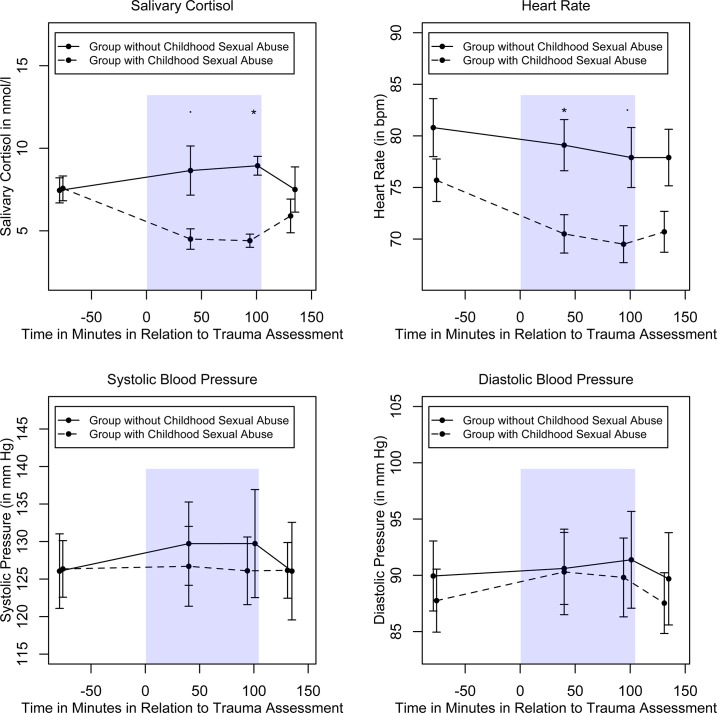
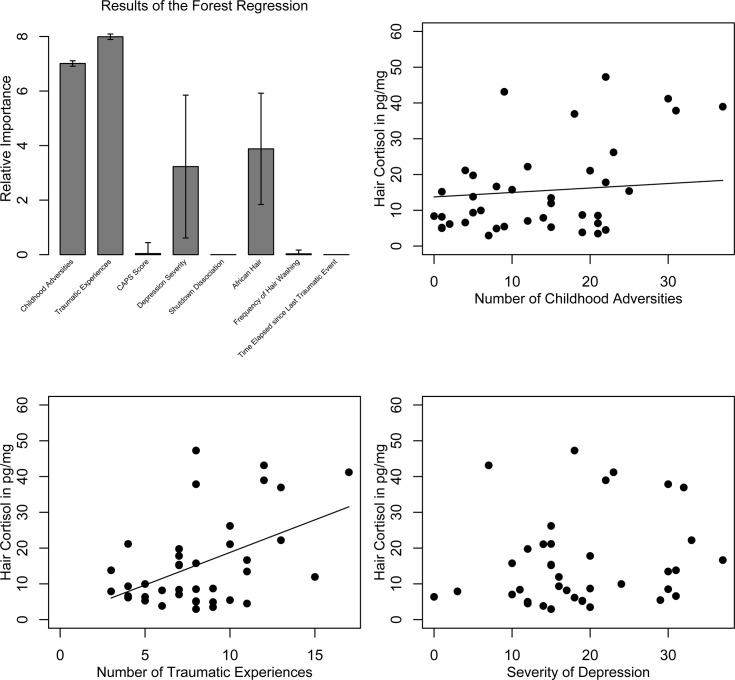
OBJECTIVES: Inconsistent findings exist for the activity of the hypothalamic-pituitary-adrenal (HPA) axis in patients with stress related disorders. Recent studies point towards early life stress as a potential modulator. METHODS: We investigated the impact of childhood sexual abuse on phasic (saliva cortisol reactivity) and tonic (hair cortisol) regulation. Furthermore, we assessed predictors on cortisol accumulation in hair. Women (N = 43) with stress-related disorders underwent a standardized assessment of idiographic adverse and traumatic experiences and psychopathology, while measuring salivary cortisol and, heart rate and blood pressure. RESULTS: Comparing women with and without childhood sexual abuse revealed lower rates of responders and distinct levels of salivary cortisol to the interview in conjunction with a lower heart rate for the abused group. Childhood adversities, traumatic experiences, and depression contributed to higher hair cortisol levels. CONCLUSIONS: Our finding of lower response rate and distinct salivary cortisol pattern in individuals with childhood sexual abuse compared to individuals without early sexual abuse supports the role of environmental programming for the HPA axis. Both, childhood adversities and traumatic stress emerge as crucial factors for long-term cortisol secretion. Lower or suppressed phasic cortisol responses to trauma-related stimuli may therefore be associated with higher tonic values. Thus, early exposure to adversities may result in a biological distinct phenotype in adult patients with stress-related disorders.
Overview
The claims and statistics of this paper haven’t been checked yet.
Free: it reads the open-access text and checks the first 5 claims that cite a source we can check. Create a free account to check every claim.
Integrity signals
Registry
Cites
Statistics
Figures
Verification
Claims the paper makes
The claims and statistics of this paper haven’t been checked yet.
Free: it reads the open-access text and checks the first 5 claims that cite a source we can check. Create a free account to check every claim.
Claims other papers make about this one
Each is checked against this paper’s own text: does it say what the citing paper says it does?
The source backs part of the claim, not all of it — or backs it for a different population, condition or comparison.
In the citing paper
“Thereby, several factors may have influenced study findings, such as the exact subtype and nature of trauma, sex, the timing and duration of exposure and the assessment of phasic (e.g., diurnal saliva cortisol, cortisol reactivity to challenge) vs. time-integrated cortisol values (e.g., hair cortisol) (94, 95).”
From Developmental Trajectories of Early Life Stress and Trauma: A Narrative Review on Neurobiological Aspects Beyond Stress System Dysregulation (2019) · cites this paper as [95]
Experimental — accuracy not yet measured
Self-check
Percentages, sums and reported differences re-computed from the paper’s own numbers.
The self-check needs the paper’s full text.
Citations
Cites
(1998) · The Journal of Clinical Psychiatry · Cited by 19,139
(1998) · PubMed · Cited by 10,216
Kirschbaum, C., Pirke, K.-M., & Hellhammer, D. H. (2008) · Neuropsychobiology · doi:10.1159/000119004 · Cited by 6,093 · cited 5×
“, the Trier Social Stress Test [55] elicits rates of responding above 80% [38], however the response rate was lower at 42.”
BackgroundInfluentialSelf-citationDickerson, S. S., & Kemeny, M. E. (2004) · Psychological Bulletin · doi:10.1037/0033-2909.130.3.355 · Cited by 5,881 · cited 2×
“The HPA axis is often considered as a general system that can be activated in response to a variety of negative situations including emotion-induction procedures [6].”
BackgroundThe mini international neuropsychiatric interview
Lecrubier, Y., Sheehan, D., Hergueta, T., & Weiller, E. (1998) · European Psychiatry · doi:10.1016/s0924-9338(99)80239-9 · Cited by 5,872
The development of a Clinician-Administered PTSD Scale
Blake, D. D., Weathers, F. W., Nagy, L. M., Kaloupek, D. G., Gusman, F. D., Charney, D. S., & Keane, T. M. (1995) · Journal of Traumatic Stress · doi:10.1002/jts.2490080106 · Cited by 5,024 · cited 1×
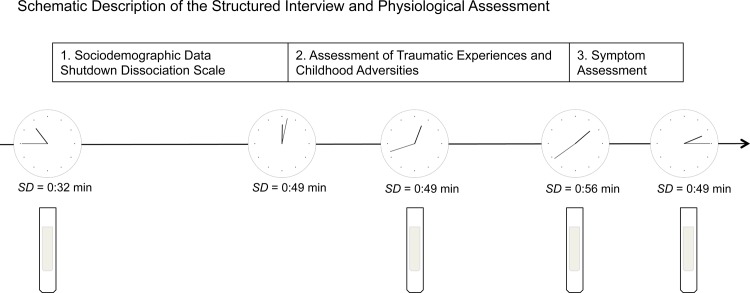
“In the third part of the interview, symptoms were assessed: Symptom severity and diagnosis of PTSD were recorded with the Clinician-Administered PTSD Scale (CAPS; [35]).”
MethodPruessner, J. C., Kirschbaum, C., Meinlschmid, G., & Hellhammer, D. H. (2003) · Psychoneuroendocrinology · doi:10.1016/s0306-4530(02)00108-7 · Cited by 3,638 · cited 2×
“The area under the curve with respect to ground (AUCG) as well as the area under the curve in respect to increase (AUCI) was calculated as a composite measure according to Pruessner and colleagues [39].”
MethodSelf-citationEpigenetic regulation of the glucocorticoid receptor in human brain associates with childhood abuse
McGowan, P. O., Sasaki, A., D'Alessio, A. C., Dymov, S., Labonté, B., Szyf, M., Turecki, G., & Meaney, M. J. (2009) · Nature Neuroscience · doi:10.1038/nn.2270 · Cited by 3,531 · cited 1×
“In postmortem brains of suicide victims, the reduced expression of the glucocorticoid receptor was also related to childhood adversities [12].”
BackgroundLecrubier, Y., Sheehan, D., Weiller, E., Amorim, P., Bonora, I., Sheehan, K. H., Janavs, J., & Dunbar, G. (1997) · European Psychiatry · doi:10.1016/s0924-9338(97)83296-8 · Cited by 3,513
Miller, G. E., Chen, E., & Zhou, E. S. (2007) · Psychological Bulletin · doi:10.1037/0033-2909.133.1.25 · Cited by 2,467
Research works printed but not linked: 1
- Wingenfeld K, Driessen M, Mensebach C, Rullkoetter N, Schaffrath C, Spitzer C, et al Die deutsche Version des „Early Trauma Inventory”(ETI). Diagnostica. 2011; 57: 27– 38.
Cited by
Stress-related and basic determinants of hair cortisol in humans: a meta-analysis
Stalder, T., Steudte-Schmiedgen, S., Alexander, N., Klucken, T., Vater, A., Wichmann, S., Kirschbaum, C., & Miller, R. (2017) · Psychoneuroendocrinology · doi:10.1016/j.psyneuen.2016.12.017 · Cited by 855
Self-citationAgorastos, A., Pervanidou, P., Chrousos, G. P., & Baker, D. G. (2019) · Frontiers in Psychiatry · doi:10.3389/fpsyt.2019.00118 · Cited by 385
Schalinski, I., Teicher, M. H., Nischk, D., Hinderer, E., Müller, O., & Rockstroh, B. (2016) · BMC Psychiatry · doi:10.1186/s12888-016-1004-5 · Cited by 327
“By supporting these periods of vulnerability and drawing attention to the particular sensitive for emotional and physical neglect, the present results encourage further research on the neuroendocrine mechanisms that might mediate ACE effects on brain function and structure [7, 8], hypothalamic-pituitary-adrenal-axis r…”
ResultSelf-citationThe association between adversity and hair cortisol levels in humans: A meta-analysis
Khoury, J. E., Bosquet Enlow, M., Plamondon, A., & Lyons-Ruth, K. (2019) · Psychoneuroendocrinology · doi:10.1016/j.psyneuen.2019.01.009 · Cited by 170
Steudte-Schmiedgen, S., Kirschbaum, C., Alexander, N., & Stalder, T. (2016) · Neuroscience & Biobehavioral Reviews · doi:10.1016/j.neubiorev.2016.07.015 · Cited by 166
“…evidence also concurs with findings that hydrocortisone treatment improves the trajectory of PTSD when given in the aftermath of trauma (Delahanty et al., 2013; Schelling et al., 2004; Zohar et al., 2011) and ameliorates PTSD symptoms in affected patients (Aerni et al., 2004; de Quervain, 2006).”
ResultSelf-citationThe social ecology of childhood and early life adversity
Lopez, M., Ruiz, M. O., Rovnaghi, C. R., Tam, G. K.-Y., Hiscox, J., Gotlib, I. H., Barr, D. A., Carrión, V. G., & Anand, K. J. S. (2021) · Pediatric Research · doi:10.1038/s41390-020-01264-x · Cited by 216
Early life stress and cortisol: A meta-analysis
Fogelman, N., & Canli, T. (2018) · Hormones and Behavior · doi:10.1016/j.yhbeh.2017.12.014 · Cited by 193
“Other studies have not found differences in nonstressed cortisol levels as a function of ELS when daily rhythms were captured (Janusek et al., 2017; Schalinski et al., 2015) or in the CAR (Peng et al., 2014).”
BackgroundAgorastos, A., Pervanidou, P., Chrousos, G. P., & Kolaitis, G. A. (2018) · HORMONES · doi:10.1007/s42000-018-0065-x · Cited by 157
Raymond, C., Marin, M.-F., Majeur, D., & Lupien, S. (2018) · Progress in Neuro-Psychopharmacology and Biological Psychiatry · doi:10.1016/j.pnpbp.2017.07.015 · Cited by 120
Hypothalamic-pituitary-adrenal axis, childhood adversity and adolescent nonsuicidal self-injury
Reichl, C., Heyer, A., Brunner, R. M., Parzer, P., Völker, J. M., Resch, F., & Kaess, M. (2016) · Psychoneuroendocrinology · doi:10.1016/j.psyneuen.2016.09.011 · Cited by 121
Hair cortisol concentrations in mental disorders: A systematic review
Koumantarou Malisiova, E., Mourikis, I., Darviri, C., Nicolaides, N. C., Zervas, I. M., Papageorgiou, C., & Chrousos, G. P. (2021) · Physiology & Behavior · doi:10.1016/j.physbeh.2020.113244 · Cited by 99
Kalliokoski, O., Jellestad, F. K., & Murison, R. C. C. (2019) · Scientific Reports · doi:10.1038/s41598-019-48517-2 · Cited by 111
“…Head (posterior vertex) No No Yes Milled LC-MS/MS Sauvé, 2007 Humans Saliva, urine and serum 19/20/0 Head (posterior vertex) No No No Cut ELISA Schalinski, 2015 Humans Saliva 0/28/0 Head (posterior vertex) Yes No Yes Unclear CLIA Steudte, 2011 Humans Saliva 0/27/0 Head (posterior vertex) Yes…”
BackgroundInfluentialBiological and perceived stress in motor functional neurological disorders
Apazoglou, K., Mazzola, V., Wegrzyk, J., Frasca Polara, G., & Aybek, S. (2017) · Psychoneuroendocrinology · doi:10.1016/j.psyneuen.2017.08.023 · Cited by 72
“As cortisol stress response following a social stressor is known to be dampened in sexually abused subjects (Schalinski et al., 2015), we repeated the analysis for subgroups of sexually abused (n= 8) or nonabused (n=8) defined by a cut-off>5 in the sexual abuse subscore.”
Schär, S., Mürner-Lavanchy, I., Schmidt, S. J., Koenig, J., & Kaess, M. (2022) · Frontiers in Neuroendocrinology · doi:10.1016/j.yfrne.2022.100987 · Cited by 71
do Prado, C. H., Grassi‐Oliveira, R., Daruy-Filho, L., Wieck, A., & Bauer, M. E. (2017) · Neuropsychopharmacology · doi:10.1038/npp.2017.137 · Cited by 75
“…and Gunnar, 2006) and a blunted stress response (Ouellet-Morin et al, 2011), whereas maltreated adults show contradictory results regarding cortisol or adrenocorticotropic hormone levels when short- or long-term assessment approaches are used (Carpenter et al, 2007; Schalinski et al, 2015).”
Mustonen, P., Karlsson, L., Scheinin, N. M., Kortesluoma, S., Coimbra, B., Rodrigues, A. J., & Karlsson, H. (2018) · Psychoneuroendocrinology · doi:10.1016/j.psyneuen.2018.03.019 · Cited by 83
Halevi, G., Djalovski, A., Kanat‐Maymon, Y., Yirmiya, K., Zagoory‐Sharon, O., Koren, L., & Feldman, R. (2017) · Journal of Abnormal Psychology · doi:10.1037/abn0000307 · Cited by 66
Hosseini‐Kamkar, N., Lowe, C. J., & Morton, J. B. (2021) · Neuroscience & Biobehavioral Reviews · doi:10.1016/j.neubiorev.2021.04.006 · Cited by 71
Koebach, A., Ruf‐Leuschner, M., & Elbert, T. R. (2018) · BMC Psychiatry · doi:10.1186/s12888-018-1757-0 · Cited by 64
“[21] found higher HCC in a sample of 42 traumatized refugees as well as Simmons et al.”
BackgroundSelf-citationFragkaki, I., Cima, M., & Granic, I. (2017) · Psychoneuroendocrinology · doi:10.1016/j.psyneuen.2017.11.005 · Cited by 57
Schalinski, I., Teicher, M. H., & Rockstroh, B. S. (2019) · Psychoneuroendocrinology · doi:10.1016/j.psyneuen.2019.06.007 · Cited by 54
Self-citationEarly Life Stress and Pediatric Posttraumatic Stress Disorder
Pervanidou, P., Makris, G., Chrousos, G. P., & Agorastos, A. (2020) · Brain Sciences · doi:10.3390/brainsci10030169 · Cited by 66
“Other studies found no differences as a consequence of ELS exposure in cortisol circadian rhythms [45] or in the CAR [46], and no correlation between ELS and HPA axis reactivity to either a psychological or physiological acute stressor [47].”
BackgroundPsychobiological Consequences of Childhood Sexual Abuse: Current Knowledge and Clinical Implications
Iacono, L. L., Trentini, C., & Carola, V. (2021) · Frontiers in Neuroscience · doi:10.3389/fnins.2021.771511 · Cited by 84
Correlations of hair level with salivary level in cortisol and cortisone
Zhang, Q., Chen, Z., Chen, S., Yu, T., Wang, J., Wang, W., & Deng, H. (2017) · Life Sciences · doi:10.1016/j.lfs.2017.11.037 · Cited by 54
Integrative Review of Early Life Adversity and Cortisol Regulation in Pregnancy
Epstein, C. M., Houfek, J. F., Rice, M. J., & Weiss, S. J. (2021) · Journal of Obstetric, Gynecologic & Neonatal Nursing · doi:10.1016/j.jogn.2020.12.006 · Cited by 47
Monteleone, A. M., Monteleone, P., Volpe, U., De Riso, F., Fico, G., Giugliano, R., Nigro, M., & Maj, M. (2018) · Psychological Medicine · doi:10.1017/s0033291717002409 · Cited by 38
“© Cambridge University Press 2017 doi:10.1017/S0033291717002409 ORIGINAL ARTICLE although not all the authors, suggesting a more dysregulated HPA axis functioning with increasing traumatic load (Gustafsson et al. 2010; Steudte et al. 2011; Michels et al. 2012; Schalinski et al. 2015).”
BackgroundInfluentialChildhood adversity and accelerated reproductive events: a systematic review and meta-analysis
Ding, W.-Q., Yuxiang, X., Kondracki, A. J., & Sun, Y. (2023) · American Journal of Obstetrics and Gynecology · doi:10.1016/j.ajog.2023.10.005 · Cited by 41
Doom, J. R., Peckins, M. K., Hein, T. C., Dotterer, H. L., Mitchell, C., Lopez‐Duran, N. L., Brooks-Gunn, J., McLanahan, S., Hyde, L. W., Abelson, J. L., et al. (2020) · Development and Psychopathology · doi:10.1017/s0954579420000954 · Cited by 37
“decreased overall cortisol output (Rietschel et al., 2016; Schalinski et al., 2015; Staufenbiel et al., 2013; White et al., 2017).”
Bossé, S., Stalder, T., & D'Antono, B. (2018) · Psychosomatic Medicine · doi:10.1097/psy.0000000000000569 · Cited by 33
“(47), for their part, observed significant associations between childhood trauma and HCC, albeit in opposite directions.”
BackgroundResultvan der Valk, E. S., Abawi, O., Mohseni, M., Abdelmoumen, A., Wester, V. L., van der Voorn, B., Iyer, A. M., van den Akker, E. L. T., Hoeks, S. E., van den Berg, S. A. A., et al. (2021) · Obesity Reviews · doi:10.1111/obr.13376 · Cited by 36
Schuurmans, A. A. T., Nijhof, K. S., Cima, M., Scholte, R. H. J., Popma, A., & Otten, R. (2021) · Stress · doi:10.1080/10253890.2021.1900108 · Cited by 45
“We found that traumatized adolescents had higher levels of hC than healthy controls, a finding that is consistent with results in adolescents and adults who experienced traumatic events (Schalinski et al., 2015; Simmons et al., 2016).”
ResultReichl, C., Brunner, R. M., Bender, N., Parzer, P., Koenig, J., Resch, F., & Kaess, M. (2019) · Psychoneuroendocrinology · doi:10.1016/j.psyneuen.2019.104460 · Cited by 34
Koenig, A. M., Ramo‐Fernández, L., Boeck, C., Umlauft, M., Pauly, M., Binder, E. B., Kirschbaum, C., Gündel, H., Karabatsiakis, A., & Kolassa, I. (2018) · Psychoneuroendocrinology · doi:10.1016/j.psyneuen.2018.04.002 · Cited by 38
Self-citationGinty, A. T., Masters, N. A., Nelson, E. B., Kaye, K. T., & Conklin, S. M. (2016) · Anxiety Stress & Coping · doi:10.1080/10615806.2016.1210791 · Cited by 33
“Evidence suggests that sexual abuse can lead to diminished biological responses to stress among women who have experienced significant trauma and subsequently developed trauma-related disorders (Schalinski et al., 2015).”
BackgroundSbisa, A. M., Madden, K., Toben, C. G., McFARLANE, A. C., Dell, L., & Lawrence‐Wood, E. (2022) · Psychoneuroendocrinology · doi:10.1016/j.psyneuen.2022.105954 · Cited by 32
Seng, J. S., Li, Y., Yang, J. J., King, A. P. J., Low, L. K., Sperlich, M. I., Rowe, H. J., Lee, H., Muzik, M., Ford, J. D., et al. (2017) · Journal of Obstetric, Gynecologic & Neonatal Nursing · doi:10.1016/j.jogn.2017.10.008 · Cited by 33
“…837 838 839 840 841 842 843 844 845 846 847 848 849 850 851 852 853 854 855 856 857 858 859 860 861 862 863 864 865 866 867 868 869 870 871 872 873 874 875 876 877 878 whether the usual blunted reactivity to stress in pregnancy is observed in this group (Schalinski et al., 2015; Zaba et al., 2015).”
Buchmüller, T., Lembcke, H., Busch, J., Kumsta, R., Wolf, O. T., & Leyendecker, B. (2020) · Stress · doi:10.1080/10253890.2020.1737008 · Cited by 31
“, 2014) or by affecting HPA axis reactivity (Schalinski et al., 2015).”
Backgroundvan Zuiden, M., Savas, M., Koch, S. B. J., Nawijn, L., Staufenbiel, S. M., Frijling, J. L., Veltman, D. J., van Rossum, E. F. C., & Olff, M. (2019) · Journal of Traumatic Stress · doi:10.1002/jts.22395 · Cited by 31
“Interestingly, however, in the only study to our knowledge that used similar immunoassays to those used in the current study (Russell et al., 2015), the observed mean HCC in individuals with PTSD was highly comparable to our observed mean HCC (Schalinski et al., 2015).”
ResultInfluentialvan Ockenburg, S. L., Schenk, H., van der Veen, A., van Rossum, E. F. C., Kema, I. P., & Rosmalen, J. G. M. (2016) · Psychoneuroendocrinology · doi:10.1016/j.psyneuen.2016.07.220 · Cited by 28
Kim, A. W., Adam, E. K., Bechayda, S. A., & Kuzawa, C. W. (2020) · American Journal of Physical Anthropology · doi:10.1002/ajpa.24105 · Cited by 28
Broeks, C. W., Molenaar, N. M., Brouwer, M. E., van den Akker, E. L. T., van Rossum, E. F. C., Van, R., van den Berg, S. A. A., Hillegers, M. H. J., Hoogendijk, W. J. G., Burger, H., et al. (2023) · Comprehensive Psychoneuroendocrinology · doi:10.1016/j.cpnec.2023.100167 · Cited by 23
“Other studies found a relationship between physical and sexual abuse and (adult) hair cortisol, mostly with increased values [56,57].”
BackgroundLight, A. E., Holt‐Lunstad, J., Porter, C. L., & Light, K. C. (2018) · International Journal of Psychophysiology · doi:10.1016/j.ijpsycho.2018.03.018 · Cited by 22
Adverse childhood experiences and reproductive strategies in a contemporary U.S. population
Holdsworth, E. A., & Appleton, A. A. (2019) · American Journal of Physical Anthropology · doi:10.1002/ajpa.23967 · Cited by 22
Hair Cortisol Concentration and Mental Disorder in Children With Chronic Physical Illness
Kornelsen, E., Buchan, M. C., González, A., & Ferro, M. A. (2019) · Chronic Stress · doi:10.1177/2470547019875116 · Cited by 24
Zimmerman, A., Halligan, S. L., Skeen, S., Morgan, B. E., Fraser, A., Fearon, P. R. M., & Tomlinson, M. (2020) · Psychoneuroendocrinology · doi:10.1016/j.psyneuen.2020.104846 · Cited by 22
Allostatic Perspectives in Women Veterans With a History of Childhood Sexual Assault
Groer, M. E., Kostas-Polston, E. A., Dillahunt-Aspillaga, C. J., Beckie, T. M., Johnson‐Mallard, V., Duffy, A., & Evans, M. E. (2016) · Biological Research For Nursing · doi:10.1177/1099800416638442 · Cited by 22
Trait mindfulness predicts the presence but not the magnitude of cortisol responses to acute stress
Manigault, A. W., Woody, A., Zoccola, P. M., & Dickerson, S. S. (2018) · Psychoneuroendocrinology · doi:10.1016/j.psyneuen.2018.01.022 · Cited by 22
Dobernecker, J., Spyridou, A., Elbert, T. R., Schauer, M., Garthus‐Niegel, S., Ruf‐Leuschner, M., & Schalinski, I. (2023) · Scientific Reports · doi:10.1038/s41598-023-28151-9 · Cited by 19
“It is recommended for future studies to use replicates of outlying values and test for the robustness of associations in more distal segments 11 .”
MethodResultSelf-citationCerda‐Molina, A. L., Borráz-León, J. I., Mayagoitia-Novales, L., & Río, A. T. G. D. (2017) · Revista Panamericana de Salud Pública · doi:10.26633/rpsp.2017.171 · Cited by 22
“(33) nmol/l M (SD) valor en Log C basal 40 min Fin test 1 Fin test 2 Sin abuso sexual 2,06 (0,4) 2,10 (0,61) 2,12 (0,6) 1,99 (0,53) Con abuso sexual b 2,08 (0,38) 1,65 (0,32) 1,63 (0,34) 1,78 (0,51)”
BackgroundInfluentialAttentional avoidance in peer victimized individuals with and without psychiatric disorders
Iffland, B., Weitkämper, A., Weitkämper, N. J., & Neuner, F. (2019) · BMC Psychology · doi:10.1186/s40359-019-0284-1 · Cited by 15
Stress in childhood, adolescence and early adulthood, and cortisol levels in older age
Harris, M. A., Cox, S. R., Brett, C. E., Deary, I. J., & MacLullich, A. M. J. (2017) · Stress · doi:10.1080/10253890.2017.1289168 · Cited by 19
“…sample – which did not have sufficient power to detect a standardized b coefficient of less than 0.2 – but significant associations have previously been observed in smaller samples (Flory et al., 2009 [63]; Luecken & Appelhans, 2006 [88]; Nicolson, 2004 [N¼ 57]; Schalinski et al., 2015 [43]).”
BackgroundResultInfluentialQuevedo, K. M., Doty, J. L., Roos, L. E., & Anker, J. J. (2017) · Psychoneuroendocrinology · doi:10.1016/j.psyneuen.2017.09.001 · Cited by 14
“In summary, there has been limited work examining the relationship between CNS functional activity during self-evaluation and HPA axis function to understand differences between maltreated vs. non-maltreated depressed youth.”
BackgroundInfluentialTaking the middle stance in the debate on the nature of traumatic memories
Mazzoni, G. A. L., Convertino, G., Marchetti, M., Mitaritonna, D., Stockner, M., & Talbot, J. (2025) · Legal and Criminological Psychology · doi:10.1111/lcrp.12273 · Cited by 13
Life adversity is associated with smoking relapse after a quit attempt
Lemieux, A., Olson, L., Nakajima, M., Schulberg, L., & Al’Absi, M. (2016) · Addictive Behaviors · doi:10.1016/j.addbeh.2016.03.017 · Cited by 13
Iffland, B., Wiggert, N., Neuner, F., & Blechert, J. (2018) · Biological Psychology · doi:10.1016/j.biopsycho.2018.10.005 · Cited by 13
Cassiers, L., Niemegeers, P., Fransén, E., Morrens, M., Boer, P. D., Nueten, L. V., Claes, S. J., Sabbe, B., & Eede, F. V. D. (2019) · Brain Sciences · doi:10.3390/brainsci9120375 · Cited by 13
Decoding the impact of adverse childhood experiences on the progression of schizophrenia
Hirt, V., Schalinski, I., & Rockstroh, B. S. (2019) · Mental Health & Prevention · doi:10.1016/j.mhp.2019.01.002 · Cited by 12
Self-citationLifetime exposure to violence and other life stressors and hair cortisol concentration in women
Lynch, R., Aspelund, T., Kormáksson, M., Flores‐Torres, M. H., Hauksdóttir, A., Arnberg, F. K., Lajous, M., Kirschbaum, C., & Valdimarsdóttir, U. A. (2022) · Stress · doi:10.1080/10253890.2021.2011204 · Cited by 14
“Hair cortisol measurements have been collected among adult victims of war and refugees in several studies, and most (Buchm € uller et al., 2020; Schalinski et al., 2015; Steudte et al., 2011), but not all (Mewes et al., 2017), studies have found a significant positive association between trauma…”
Self-citationMüller, S., Moser, D., Frach, L., Wimberger, P., Nitzsche, K. I., Li, S., Kirschbaum, C., & Alexander, N. (2022) · Translational Psychiatry · doi:10.1038/s41398-022-01828-x · Cited by 11
“Interestingly, these two markers are only poorly correlated and thus reflect different aspects of HPA-axis functioning [31, 32].”
BackgroundSelf-citationEpigenetic Biomarkers of Prenatal Maternal Stress
Serpeloni, F., Radtke, K. M., Hecker, T., & Elbert, T. R. (2016) · Epigenetics and human health · doi:10.1007/978-3-319-29901-3_8 · Cited by 10
Self-citationEarly life stress unravels epistatic genetic associations of cortisol pathway genes with depression
Pereira, S. C., Coeli‐Lacchini, F. B., Pereira, D. A., Ferezin, L. P., Menezes, I. C., Baes, C. V. W., Luizon, M. R., Juruena, M. F., Cleare, A. J., Young, A. H., et al. (2024) · Journal of Psychiatric Research · doi:10.1016/j.jpsychires.2024.05.032 · Cited by 8
Schalinski, I., Moran, J. K., Elbert, T. R., Reindl, V., & Wienbruch, C. (2017) · Journal of Affective Disorders · doi:10.1016/j.jad.2017.05.009 · Cited by 7
Self-citationThe Association of Lifestyle and Mood with Long-Term Levels of Cortisol: A Systematic Review
Jia, R., Carlisle, S., & Vedhara, K. (2022) · Cogent Psychology · doi:10.1080/23311908.2022.2036487 · Cited by 10
“The third study measured HCC using 3 cm hair samples and clinically assessed the severity of PTSD symptoms over an unclear period and did not find a significant association between the two variables (Schalinski et al., 2015).”
BackgroundMethodGrégoire, L., Caparos, S., Leblanc, C.-A., Brisson, B., & Blanchette, I. (2018) · Frontiers in Human Neuroscience · doi:10.3389/fnhum.2017.00655 · Cited by 9
“There are however different lines of evidence suggesting blunted physiological responses to stressful stimuli in relation to traumaexposure, particularly in relation to hormonal and autonomic responses (Depierro et al., 2013; Schalinski et al., 2015).”
BackgroundCrespo-Sanmiguel, I., Zapater‐Fajarí, M., Pulopulos, M. M., Hidalgo, V., & Salvador, A. (2021) · Frontiers in Psychology · doi:10.3389/fpsyg.2021.647265 · Cited by 8
Chen, Y., Künzel, R. G., Sánchez, S. E., Rondón, M. B., Pinto, N., Sánchez, E., Kirschbaum, C., Valeri, L., Koenen, K. C., & Gelaye, B. (2024) · European Journal of Epidemiology · doi:10.1007/s10654-024-01174-w · Cited by 6
“…of the mental exposure to traumatic stressors at data assessment as Steudte-Schmiedgen et al. [61] explained previous findings of Schalinski et al.[73] (reporting elevated HCC levels among traumatized participants) with the fact that most of the participants were still exposed to trauma-related…”
Self-citationKluczniok, D., Bertsch, K., Attar, C. H., Neukel, C., Fuchs, A. K., Jaite, C., Dittrich, K., Bödeker, K., Heinz, A., Winter, S., et al. (2020) · Psychoneuroendocrinology · doi:10.1016/j.psyneuen.2020.104791 · Cited by 7
Islas-Preciado, D., Celis, K. F., Gonzalez-Olvera, J. J., & Estrada-Camarena, E. M. (2021) · Salud Mental · doi:10.17711/sm.0185-3325.2021.019 · Cited by 7
Inflammatory parameters in sexually abused children
Serbulent, K., Kara, Ö., & Tutanç, M. (2017) · Saudi Medical Journal · doi:10.15537/smj.2017.12.21463 · Cited by 8
Cravedi, K., May, M. D., Abettan, J., Huckleberry, K. A., Trettel, S. G., Vuong, C. V., Altman, D. E., Gauchan, S., Shansky, R. M., Matson, L. M., et al. (2021) · Psychoneuroendocrinology · doi:10.1016/j.psyneuen.2021.105394 · Cited by 6
Hulme, P. A., Wegehaupt, M. S., Kupzyk, K. A., & French, J. A. (2022) · Archives of Psychiatric Nursing · doi:10.1016/j.apnu.2022.12.003 · Cited by 5
Salvat‐Pujol, N., Labad, J., Urretavizcaya, M., de Arriba‐Arnau, A., Segalàs, C., Real, E., Ferrer, Á., Crespo, J. M., Jiménez‐Múrcia, S., Soriano‐Mas, C., et al. (2021) · Brain Sciences · doi:10.3390/brainsci11040495 · Cited by 5
“Childhood maltreatment (CM) is thought to play a role in this variability, as it induces longlasting neurobiological changes that resemble the neuroendocrine features of MDD [19], including HPA axis abnormalities [20,21].”
BackgroundBérubé, A., Pearson, J., Blais, C., & Forget, H. (2024) · Development and Psychopathology · doi:10.1017/s095457942300158x · Cited by 4
“…situation (i.e., making an oral presentation to a less-than-receptive audience), adults who have been abused as children demonstrate a decrease in their cortisol levels, whereas TSST leads to an increase in cortisol levels in other participants (Carpenter et al., 2011; Schalinski et al., 2015).”
Consecuencias neurobiológicas del abuso sexual en la infancia: revisión de literatura
Lozano, L. C., Fernández, M. V. P., Muñoz-Otero, D. F., Becerra-González, N., Montero-Molina, D. S., & Luna-Samboní, D. S. (2022) · ENTRAMADO · doi:10.18041/1900-3803/entramado.2.7808 · Cited by 10
Ilg, L., Kirschbaum, C., Li, S., Wimberger, P., Nitzsche, K. I., Rosenlöcher, F., & Alexander, N. (2019) · The Journal of Clinical Endocrinology & Metabolism · doi:10.1210/clinem/dgz064 · Cited by 6
Self-citationRen, S., Sun, Z., & Yang, J. (2023) · Journal of Psychiatric Research · doi:10.1016/j.jpsychires.2023.01.004 · Cited by 4
Mayer, S. E. (2017) · Deep Blue (University of Michigan) · Cited by 7
Cassiers, L. L. M., Eede, F. V. D., Schruers, K. R. J., Gilles, A., Rompaey, V. V., & Sabbe, B. (2024) · Neuropsychobiology · doi:10.1159/000542066 · Cited by 3
“…appears to differentiate HPA-axis functioning in other chronic stress models (e.g., stress-related disorders such as PTSD and depressive disorder [19], CFS [20], and remitted recurrent major depressive disorder [MDD] [21]) with lower cortisol levels at baseline, after awakening or in response to…”
Hair hormone data from Syrian refugee children: Perspectives from a two-year longitudinal study
May, A. K., Smeeth, D. M., McEwen, F. S., Moghames, P., Karam, E. G., Rieder, M. J., Elzagallaai, A. A., Uum, S. H. M. V., & Pluess, M. (2024) · Comprehensive Psychoneuroendocrinology · doi:10.1016/j.cpnec.2024.100231 · Cited by 4
“Notwithstanding, our hormone measures still speak to important perturbations in hormone secretion, which is especially concerning during the developmentally sensitive periods of childhood and adolescence [28].”
BackgroundFrommelt, T., Bäumler, L., Rohleder, N., Schulte‐Körne, G., & Platt, B. (2023) · BMC Psychiatry · doi:10.1186/s12888-023-04803-y · Cited by 3
Stress and resilience: cortisol hypo-response to acute stress in non-resilient individuals
Riske, N. D., Schenk, C., Ahrens, K. F., Kollmann, B., Weichert, D., Steinbach, N., Burlage, J. F., Freudenberg, F., Lieb, K., Kalisch, R., et al. (2026) · Journal of Neural Transmission · doi:10.1007/s00702-026-03218-9 · Cited by 1
“A paradoxical relationship between salivary and hair cortisol was found in patients with stress-related mental disorders: those who experienced childhood abuse had lower salivary but higher hair cortisol reactivity (Schalinski et al. 2015) compared to those without childhood abuse.”
IMPACTO PSICOLÓGICO EN MENORES VÍCTIMAS DE ABUSO SEXUAL INTRAFAMILIAR: UNA REVISIÓN SISTEMÁTICA
García‐Alandete, J., & Rodríguez, Z. G. (2023) · Revista de Derecho Penal y Criminología · doi:10.5944/rdpc.junio.2023.36877 · Cited by 7
Linick, J. (2022) · Elsevier eBooks · doi:10.1016/b978-0-12-818954-2.00001-8 · Cited by 2
The Neurometric Correlates of Trauma Using the Brief Neurometric Battery (BNB)
Dybel, L. N. (2017) · W&M Publish (College of William & Mary) · Cited by 1
Goncharenko, S. (2019) · Digital Commons - URI (University of Rhode Island) · doi:10.23860/thesis-goncharenko-svetlana-2019
Noushad, S., & Ahmed, S. (2019) · Annals of Psychophysiology · doi:10.29052/2412-3188.v6.i1.2019.41-51
Violência, estressores e sinais iridológicos em mulheres com depressão: um estudo exploratório
Esteves, R. B. (2020) · Digital Library of Theses and Dissertations (Universidade de São Paulo) · doi:10.11606/t.22.2020.tde-18092020-091058
The Neurobıologıcal Bases of Addıctıon and Psychologıcal Impulse Control Dısorders
Aslan, G. I., & YILDIRIMER, K. Ş. (2025) · International Journal of Social Science and Human Research · doi:10.47191/ijsshr/v8-i12-95
Metadata
- Authors
- Schalinski, I., Elbert, T., Steudte-Schmiedgen, S., & Kirschbaum, C.
- Affiliations
- University of Konstanz (DE)
- Technische Universität Dresden (DE)
- Corresponding author
- Schalinski, Inga
- Venue
- PLOS ONE
- Publisher
- Public Library of Science (PLoS)
- Published
- 2015-08-28
- Volume
- 10
- Issue
- 8
- Pages
- e0136921
- ISSN
- 1932-6203 (ISSN-L)
- PMC
- PMC4552952
- OpenAlex
- W1921137873
- Cited by
- 88
- References
- 62
- Citations by year
- 2026: 1 · 2025: 1 · 2024: 5 · 2023: 7 · 2022: 7 · 2021: 11 · 2020: 8 · 2019: 14 · 2018: 10 · 2017: 16 · 2016: 8
- FWCI
- 5.89
- Type
- journal article
- Language
- en
- Open access
- gold
- doi.org
- Licence
- Locations
- PLoS ONE (publishedVersion, cc-by)
- Europe PMC (PubMed Central) (publishedVersion, cc-by)
- PubMed Central (publishedVersion, cc-by)
- PubMed (publishedVersion)
- KOPS (University of Konstanz) (submittedVersion, cc-by)
- DOAJ (DOAJ: Directory of Open Access Journals) (submittedVersion, cc-by-sa)
- Funders
- Deutsche Forschungsgemeinschaft
- Topics
- Life Sciences › Neuroscience › Behavioral Neuroscience › Stress Responses and Cortisol
- Social Sciences › Psychology › Clinical Psychology › Child Abuse and Trauma
- Social Sciences › Psychology › Clinical Psychology › Posttraumatic Stress Disorder Research
- Keywords
- child sexual abuse, cortisol, hypothalamic-pituitary-adrenal axis, hair cortisol, early life stress, stress-related disorders, trauma-related disorders, depression, heart rate, environmental programming
- MeSH terms
- Adolescent, Adult, Blood Pressure, Child, Child Abuse, Sexual, Female, Germany, Hair, Heart Rate, Humans, Hydrocortisone, Interview, Psychological, Middle Aged, Saliva, Stress, Psychological, Young Adult
About these checks
Registry, retraction, Cites and statistics results are computed, not judged, with one exception: a printed reference that no index lists is read once by a model before it counts as a citation error. Claims are extracted by a model and kept only when their quote appears verbatim in the text; each cited source is then checked, with a model’s help, for whether it says what the claim relies on. Those verdicts can be wrong — read the claim’s quote and the cited source before relying on one.
Statistics and arithmetic are recomputed, not judged.
Confidence bands are shown only for fields calibrated on our annotated test set. None is calibrated yet, so no band is shown.
What counts as a claim ›How we measure confidence ›How we check this ›
Are you an author, or do you see a problem with this page? Request a review
Data sources
Bibliographic data: Semantic Scholar, OpenAlex, Crossref.
Contains information from the Semantic Scholar Academic Graph Datasets, made available under the ODC Attribution License (ODC-BY 1.0).
Semantic Scholar’s data is described in: Kinney, R., et al. (2023). The Semantic Scholar Open Data Platform. arXiv:2301.10140.
