

Self-Organizing 3D Human Neural Tissue Derived from Induced Pluripotent Stem Cells Recapitulate Alzheimer’s Disease Phenotypes
Open accessThe DOI matches its Crossref record; 94 of the 94 references it cites were found in a registry or an index.
Abstract
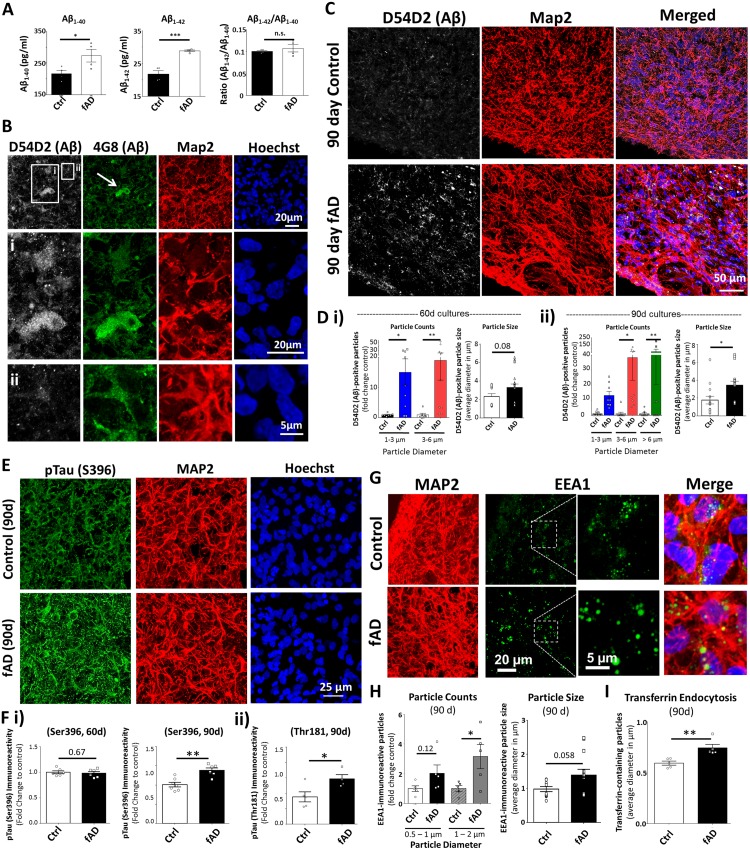
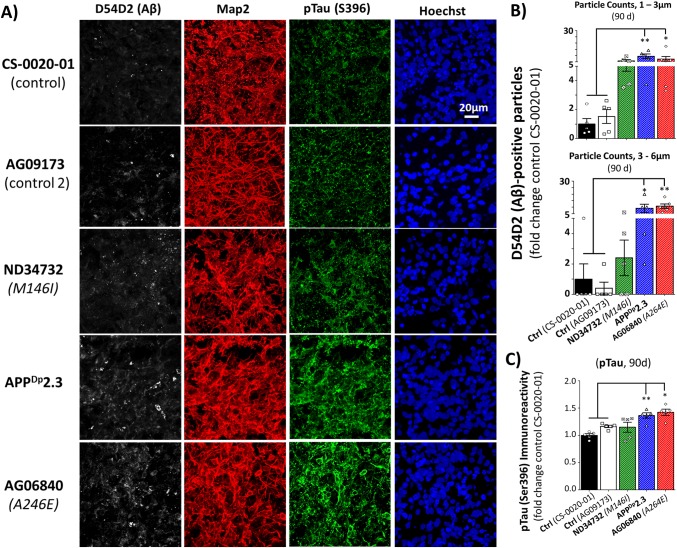
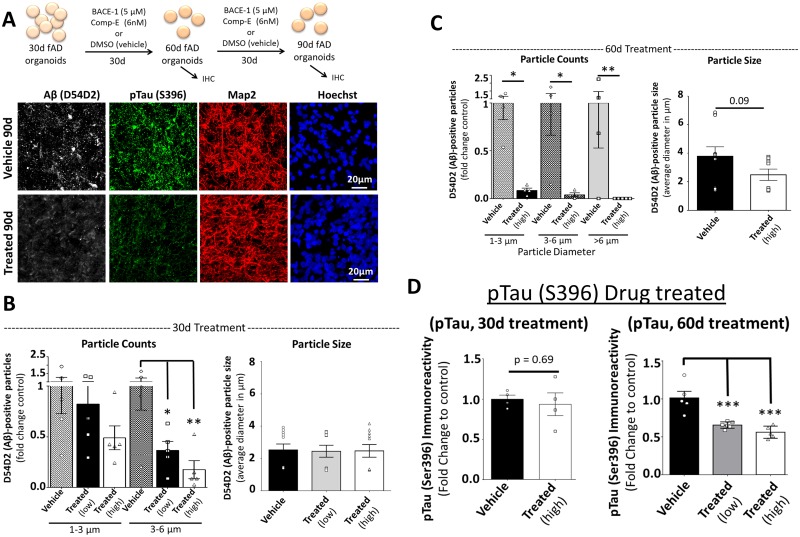
The dismal success rate of clinical trials for Alzheimer's disease (AD) motivates us to develop model systems of AD pathology that have higher predictive validity. The advent of induced pluripotent stem cells (iPSCs) allows us to model pathology and study disease mechanisms directly in human neural cells from healthy individual as well as AD patients. However, two-dimensional culture systems do not recapitulate the complexity of neural tissue, and phenotypes such as extracellular protein aggregation are difficult to observe. We report brain organoids that use pluripotent stem cells derived from AD patients and recapitulate AD-like pathologies such as amyloid aggregation, hyperphosphorylated tau protein, and endosome abnormalities. These pathologies are observed in an age-dependent manner in organoids derived from multiple familial AD (fAD) patients harboring amyloid precursor protein (APP) duplication or presenilin1 (PSEN1) mutation, compared to controls. The incidence of AD pathology was consistent amongst several fAD lines, which carried different mutations. Although these are complex assemblies of neural tissue, they are also highly amenable to experimental manipulation. We find that treatment of patient-derived organoids with β- and γ-secretase inhibitors significantly reduces amyloid and tau pathology. Moreover, these results show the potential of this model system to greatly increase the translatability of pre-clinical drug discovery in AD.
Overview
The claims and statistics of this paper haven’t been checked yet.
Free: it reads the open-access text and checks the first 5 claims that cite a source we can check. Create a free account to check every claim.
Integrity signals
Registry
Cites
Statistics
Figures
Verification
Claims the paper makes
The claims and statistics of this paper haven’t been checked yet.
Free: it reads the open-access text and checks the first 5 claims that cite a source we can check. Create a free account to check every claim.
Claims other papers make about this one
Each is checked against this paper’s own text: does it say what the citing paper says it does?
The source backs part of the claim, not all of it — or backs it for a different population, condition or comparison.
In the citing paper
“iPSC-derived neurons from individuals with AD exhibit increased production of Aβ42, active GSK-3β, phosphorylated tau, endosomal abnormalities, and oxidative stress (12–17)”
From Modeling late-onset Alzheimer’s disease neuropathology via direct neuronal reprogramming (2024) · cites this paper as [16]
Experimental — accuracy not yet measuredThe check wasn’t confident either way, so it gives no verdict — never disputed.
In the citing paper
“but late-stage neuropathological features, such as formation of insoluble tau and neurodegeneration have not been reported.”
From Modeling late-onset Alzheimer’s disease neuropathology via direct neuronal reprogramming (2024) · cites this paper as [16]
Experimental — accuracy not yet measuredIn the citing paper
“These findings were supported by another group using brain organoids derived from multiple patients with FAD: again, AD-like pathologies such as amyloid aggregation, hyperphosphorylated tau protein, and endosome abnormalities were seen86.”
From The use of brain organoids to investigate neural development and disease (2017) · cites this paper as [86]
Self-check
Percentages, sums and reported differences re-computed from the paper’s own numbers.
The self-check needs the paper’s full text.
Citations
Cites
Takahashi, K., & Yamanaka, S. (2006) · Cell · doi:10.1016/j.cell.2006.07.024 · Cited by 26,673
Induction of Pluripotent Stem Cells from Adult Human Fibroblasts by Defined Factors
Takahashi, K., Tanabe, K., Ohnuki, M., Narita, M., Ichisaka, T., Tomoda, K., & Yamanaka, S. (2007) · Cell · doi:10.1016/j.cell.2007.11.019 · Cited by 20,221
Neuropathological stageing of Alzheimer-related changes.
Braak, H., & Braak, E. (1991) · Acta Neuropathologica · doi:10.1007/bf00308809 · Cited by 16,123 · cited 1×
“The extent of tau pathology in human AD has been shown to correlate well to cognitive impairment [26].”
BackgroundGlenner, G. G., & Wong, C. W. (1984) · Biochemical and Biophysical Research Communications · doi:10.1016/s0006-291x(84)80190-4 · Cited by 5,404
Cerebral organoids model human brain development and microcephaly
Lancaster, M. A., Renner, M., Martin, C.-A., Wenzel, D., Bicknell, L. S., Hurles, M. E., Homfray, T., Penninger, J. M., Jackson, A. P., & Knoblich, J. A. (2013) · Nature · doi:10.1038/nature12517 · Cited by 5,372 · cited 1×
“The pioneering works that we drew our techniques from used the organoid system as a means to study neurodevelopment [53,64,66,67].”
MethodHypothetical model of dynamic biomarkers of the Alzheimer's pathological cascade
Jack, C. R., Knopman, D. S., Jagust, W. J., Shaw, L. M., Aisen, P. S., Weiner, M. W., Petersen, R. C., & Trojanowski, J. Q. (2010) · The Lancet Neurology · doi:10.1016/s1474-4422(09)70299-6 · Cited by 4,806
Goate, A., Chartier-Harlin, M.-C., Mullan, M., Brown, J., Crawford, F., Fidani, L., Giuffra, L., Haynes, A., Irving, N., James, L., et al. (1991) · Nature · doi:10.1038/349704a0 · Cited by 4,659
The precursor of Alzheimer's disease amyloid A4 protein resembles a cell-surface receptor
Kang, J., Lemaire, H.-G., Unterbeck, A., Salbaum, J. M., Masters, C. L., Grzeschik, K.-H., Multhaup, G., Beyreuther, K., & Müller-Hill, B. (1987) · Nature · doi:10.1038/325733a0 · Cited by 4,619
Jack, C. R., Knopman, D. S., Jagust, W. J., Petersen, R. C., Weiner, M. W., Aisen, P. S., Shaw, L. M., Vemuri, P., Wiste, H. J., Weigand, S. D., et al. (2013) · The Lancet Neurology · doi:10.1016/s1474-4422(12)70291-0 · Cited by 4,396
Meta-Analysis of 74,046 Individuals Identifies 11 New Susceptibility Loci for Alzheimer’s Disease
(EADI), E. A. D. I., Lambert, J.-C., (GERAD), G. A. E. R. I. A. D., Alzheimer's Disease Genetic Consortium (ADGC), (CHARGE), C. F. H. A. A. R. I. G. E., Ibrahim-Verbaas, C. A., Harold, D., Naj, A. C., Sims, R., Bellenguez, C., et al. (2013) · Nature Genetics · doi:10.1038/ng.2802 · Cited by 4,336 · cited 1×
“lines that carry disease-associatedcoding variants, both well-known (such as in the APOE gene, [76,77] or emerging (i.”
Background
Cited by
Items 201–300 of 576
Brain Organoids: Filling the Need for a Human Model of Neurological Disorder
Jalink, P., & Caiazzo, M. (2021) · Biology · doi:10.3390/biology10080740 · Cited by 33
“A study by Raja and colleagues [78] modeled the (AD) phenotype in an organoid induced from a patients’ iPSCs.”
BackgroundGeneration of advanced cerebellar organoids for neurogenesis and neuronal network development
Chen, Y., Bury, L. A. D., Fu, C. S., Aldinger, K. A., Miranda, H. C., & Wynshaw-Boris, A. J. (2023) · Human Molecular Genetics · doi:10.1093/hmg/ddad110 · Cited by 35
Chang, C.-Y., Ting, H.-C., Liu, C.-A., Su, H.-L., Chiou, T., Harn, H., & Lin, S. (2018) · Cell Transplantation · doi:10.1177/0963689718775406 · Cited by 33
Bejoy, J., Song, L., Wang, Z., Sang, Q. A., Zhou, Y., & Li, Y. (2018) · ACS Biomaterials Science & Engineering · doi:10.1021/acsbiomaterials.8b00021 · Cited by 32
Modeling Alzheimer’s disease using human cell derived brain organoids and 3D models
Fernandes, S., Revanna, J. S., Pratt, J. M., Hayes, N., Marchetto, M. C., & Gage, F. H. (2024) · Frontiers in Neuroscience · doi:10.3389/fnins.2024.1434945 · Cited by 46
Modelling APOE ɛ3/4 allele-associated sporadic Alzheimer’s disease in an induced neuron
Kim, H., Yoo, J., Shin, J., Chang, Y., Jung, J., Jo, D., Kim, J., Jang, W., Lengner, C. J., Kim, B., et al. (2017) · Brain · doi:10.1093/brain/awx144 · Cited by 30
García‐León, J. A., Vitórica, J., & Gutiérrez, A. (2019) · Future Medicinal Chemistry · doi:10.4155/fmc-2018-0520 · Cited by 32
Hebisch, M., Klostermeier, S., Wolf, K., Boccaccini, A. R., Wolf, S. E., Tanzi, R. E., & Kim, D. Y. (2023) · Advanced Science · doi:10.1002/advs.202205037 · Cited by 35
Human stem cell modeling in neurofibromatosis type 1 (NF1)
Wegscheid, M. L., Anastasaki, C., & Gutmann, D. H. (2017) · Experimental Neurology · doi:10.1016/j.expneurol.2017.04.001 · Cited by 35
“These types of studies will provide important insights into the impact of specific germline patient mutations on NF1 disease pathogenesis [81], as well as the effect of genomic differences in people that potentially contribute to clinical variability.”
BackgroundAdvances in Modeling Alzheimer's Disease In Vitro
Sharma, N. S., Karan, A., Lee, D.-H., Yan, Z., & Xie, J. (2021) · Advanced NanoBiomed Research · doi:10.1002/anbr.202100097 · Cited by 34
Zhu, W., Tao, M., Hong, Y., Wu, S., Chu, C., Zheng, Z., Han, X., Zhu, Q., Xu, M., Ewing, A. G., et al. (2022) · Chemical Science · doi:10.1039/d2sc00809b · Cited by 30
Paola, M. D., Pischiutta, F., Comolli, D., Mariani, A., Kelk, J., Lisi, I., Cerovic, M., Fumagalli, S., Forloni, G., & Zanier, E. R. (2023) · Journal of Cerebral Blood Flow & Metabolism · doi:10.1177/0271678x231152023 · Cited by 29
Benwood, C., Walters-Shumka, J. P., Scheck, K., & Willerth, S. M. (2023) · Bioelectronic Medicine · doi:10.1186/s42234-023-00112-7 · Cited by 32
Deciphering Cell Intrinsic Properties: A Key Issue for Robust Organoid Production
Picollet-D’hahan, N., Dolega, M. E., Freida, D., Martin, D. K., & Gidrol, X. (2017) · Trends in biotechnology · doi:10.1016/j.tibtech.2017.08.003 · Cited by 36
Modelling frontotemporal dementia using patient-derived induced pluripotent stem cells
Lines, G., Casey, J. M., Preza, E., & Wray, S. (2020) · Molecular and Cellular Neuroscience · doi:10.1016/j.mcn.2020.103553 · Cited by 29
A framework for translating tauopathy therapeutics: Drug discovery to clinical trials
Feldman, H., Cummings, J. L., Boxer, A. L., Staffaroni, A. M., Knopman, D. S., Rizzo, S. J. S., Territo, P. R., Arnold, S. E., Ballard, C. G., Beher, D., et al. (2024) · Alzheimer s & Dementia · doi:10.1002/alz.14250 · Cited by 28
Zhu, Z., Cheng, Y., Liu, X., Ding, W., Liu, J., Ling, Z., & Wu, L. (2025) · Cell Transplantation · doi:10.1177/09636897241303271 · Cited by 33
Astrocyte priming enhances microglial Aβ clearance and is compromised by APOE4
Lee, S. J., Yu, J. J., Lee, H. G., Kim, B., Jang, M. J., Jo, H., Kim, N. Y., Pak, M. E., Kim, J. K., Cho, S., et al. (2025) · Nature Communications · doi:10.1038/s41467-025-62995-1 · Cited by 34
“We then employed a cerebral organoid model carrying the APPswe mutation, which is known to elevate A β levels and promote A β aggregation 20 .”
Self-citationModeling the Human Brain With ex vivo Slices and in vitro Organoids for Translational Neuroscience
Nogueira, G. O., Garcez, P. P., Bardy, C., Cunningham, M. O., & Sebollela, A. S. (2022) · Frontiers in Neuroscience · doi:10.3389/fnins.2022.838594 · Cited by 32
Recent Advances in Brain Organoid Technology for Human Brain Research
Jeong, E., Choi, S., & Cho, S. (2022) · ACS Applied Materials & Interfaces · doi:10.1021/acsami.2c17467 · Cited by 29
The Breakthroughs and Caveats of Using Human Pluripotent Stem Cells in Modeling Alzheimer’s Disease
Bendtsen, K. M., & Hall, V. J. (2023) · Cells · doi:10.3390/cells12030420 · Cited by 33
Daviaud, N., Chen, E., Edwards, T., & Sadiq, S. A. (2023) · Biology Open · doi:10.1242/bio.059845 · Cited by 28
“It has also been used to model other neurodegenerative disorders such as Alzheimer ’ s disease (Raja et al., 2016) or Parkinson ’ s disease (Kim et al., 2019).”
Complexity of Sex Differences and Their Impact on Alzheimer’s Disease
Kadlecová, M., Freude, K., & Haukedal, H. (2023) · Biomedicines · doi:10.3390/biomedicines11051261 · Cited by 29
Wenzel, T. J., Desjarlais, J. D., & Mousseau, D. D. (2024) · Stem Cell Research & Therapy · doi:10.1186/s13287-024-03876-0 · Cited by 29
“BOs have been used to study a range of different diseases, from pediatric white matter diseases such as leukodys-trophies to adult neurodegenerative diseases such as AD [6, 51–53].”
BackgroundSenolytics rejuvenate aging cardiomyopathy in human cardiac organoids
Scalise, M., Cianflone, E., Quercia, C., Pagano, L., Chiefalo, A., Stincelli, A., Torella, A., Puccio, B., Santamaria, G., Guzzi, H. P., et al. (2025) · Mechanisms of Ageing and Development · doi:10.1016/j.mad.2024.112007 · Cited by 24
Breedam, E. V., & Ponsaerts, P. (2022) · International Journal of Molecular Sciences · doi:10.3390/ijms23137140 · Cited by 28
Interfacing brain organoids with precision medicine and machine learning
Zheng, H., Feng, Y., Tang, J., & Ma, S. (2022) · Cell Reports Physical Science · doi:10.1016/j.xcrp.2022.100974 · Cited by 28
Modeling Alzheimer’s Disease Using Human Brain Organoids
Karmirian, K., Holubiec, M. I., Goto‐Silva, L., Bessone, I. F., Vitória, G., Mello, B., Alloatti, M., Vanderborght, B., Falzone, T. L., & Rehen, S. K. (2022) · Methods in molecular biology · doi:10.1007/978-1-0716-2655-9_7 · Cited by 26
Brighi, C., Cordella, F., Chiriatti, L., Soloperto, A., & Angelantonio, S. D. (2020) · Frontiers in Neuroscience · doi:10.3389/fnins.2020.00655 · Cited by 26
Back to the origins: Human brain organoids to investigate neurodegeneration
Faravelli, I., Costamagna, G., Tamanini, S., & Corti, S. (2020) · Brain Research · doi:10.1016/j.brainres.2019.146561 · Cited by 25
Generation of human midbrain organoids from induced pluripotent stem cells
Mohamed, N., Mathur, M., da Silva, R. V., Thomas, R. A., Lépine, P., Beitel, L. K., Fon, E. A., & Durcan, T. M. (2019) · MNI Open Research · doi:10.12688/mniopenres.12816.1 · Cited by 28
“Treatment of the 3D cultures with drugs targeting either amyloid-beta aggregation or tau phosphorylation decreased the pathological markers 54,55 .”
The Use of Patient-Derived Induced Pluripotent Stem Cells for Alzheimer’s Disease Modeling
Lee, C., Willerth, S. M., & Nygaard, H. B. (2020) · Progress in Neurobiology · doi:10.1016/j.pneurobio.2020.101804 · Cited by 25
Brain Organoids: Studying Human Brain Development and Diseases in a Dish
Xu, J., & Wen, Z. (2021) · Stem Cells International · doi:10.1155/2021/5902824 · Cited by 30
“These pathologies were excluded from various control lines and occurred at consistent incidence among several fAD lines that carried different mutations [102, 103].”
Background3D models of neurodegeneration: implementation in drug discovery
Whitehouse, C. A., Corbett, N. J., & Brownlees, J. (2023) · Trends in Pharmacological Sciences · doi:10.1016/j.tips.2023.01.005 · Cited by 26
Comprehensive Bibliometric Analysis of Stem Cell Research in Alzheimer’s Disease from 2004 to 2022
Wang, R., Zhu, Y., Qin, L.-F., Xu, Z., Gao, X.-R., Liu, C., Xu, G., & Chen, Y. (2023) · Dementia and Geriatric Cognitive Disorders · doi:10.1159/000528886 · Cited by 26
Harnessing the Potential of Stem Cells for Disease Modeling: Progress and Promises
Argentati, C., Tortorella, I., Bazzucchi, M., Morena, F., & Martino, S. (2020) · Journal of Personalized Medicine · doi:10.3390/jpm10010008 · Cited by 25
Applications of multiphoton microscopy in imaging cerebral and retinal organoids
Lacin, M. E., & Yıldırım, M. (2024) · Frontiers in Neuroscience · doi:10.3389/fnins.2024.1360482 · Cited by 29
BACE2: A Promising Neuroprotective Candidate for Alzheimer’s Disease
Yeap, Y. J., Kandiah, N., Nižetić, D., & Lim, K. (2022) · Journal of Alzheimer s Disease · doi:10.3233/jad-220867 · Cited by 27
“Moreover, these AD-associated organoids also contained enlarged endosomes with abnormalities typical of those observed in mouse AD models and AD patients [55].”
McKay, T. B., Khawaja, Z. Q., Freedman, I. G., Turco, I., Wiredu, K., Colecchi, T., & Akeju, O. (2023) · Anesthesia & Analgesia · doi:10.1213/ane.0000000000006715 · Cited by 25
Engineering Human Brain Organoids: From Basic Research to Tissue Regeneration
Jeong, H., Jiménez-Pérez, Z. E., Mukhambetiyar, K., Seo, M., Choi, J.-W., & Park, T. (2020) · Tissue Engineering and Regenerative Medicine · doi:10.1007/s13770-020-00250-y · Cited by 24
Current Status and Challenges of Stem Cell Treatment for Alzheimer’s Disease
Pacheco‐Herrero, M., Soto-Rojas, L. O., Reyes-Sabater, H., Garcés‐Ramírez, L., de la Cruz‐López, F., Villanueva‐Fierro, I., & Luna‐Muñoz, J. (2021) · Journal of Alzheimer s Disease · doi:10.3233/jad-200863 · Cited by 23
Microfabricated disk technology: Rapid scale up in midbrain organoid generation
Mohamed, N., Lépine, P., Lacalle‐Aurioles, M., Sirois, J., Mathur, M., Reintsch, W., Beitel, L. K., Fon, E. A., & Durcan, T. M. (2021) · Methods · doi:10.1016/j.ymeth.2021.07.008 · Cited by 27
Seo, Y., Bang, S., Son, J., Kim, D., Jeong, Y., Kim, P., Yang, J.-H., Eom, J.-H., Choi, N., & Kim, H. N. (2021) · Bioactive Materials · doi:10.1016/j.bioactmat.2021.11.009 · Cited by 24
“In brain organoids, ELISA and microelectrode biosensors are both used to measure neurotransmitter concentrations [92,93].”
MethodQu, W., Canoll, P., & Hargus, G. (2023) · Neuroscience · doi:10.1016/j.neuroscience.2022.05.006 · Cited by 24
Ma, C., Seong, H., Li, X., Yu, X., Xu, S., & Li, Y. (2022) · Stem Cells International · doi:10.1155/2022/2150680 · Cited by 30
Mohamed, N., Larroquette, F., Beitel, L. K., Fon, E. A., & Durcan, T. M. (2019) · Journal of Parkinson s Disease · doi:10.3233/jpd-181515 · Cited by 27
Focusing on cellular biomarkers: The endo-lysosomal pathway in Down syndrome
Botté, A., & Potier, M. (2019) · Progress in brain research · doi:10.1016/bs.pbr.2019.10.002 · Cited by 25
Esmail, S., & Danter, W. R. (2021) · Frontiers in Aging Neuroscience · doi:10.3389/fnagi.2021.643889 · Cited by 23
“…to evaluate the performance of the AD simulations compared to the aiWBO (Romito-DiGiacomo et al., 2007; Santos et al., 2011; Raja et al., 2016; Arbor, 2017; Gerakis and Hetz, 2019; Madadi et al., 2019; Brighi et al., 2020; Papaspyropoulos et al., 2020; Ribeiro et al., 2020; Silva et al., 2020).”
Bioelectronic Interfaces and Sensors for Neural Organoids
Wang, Q., Dong, X., Jiang, D., Tian, S., Qiu, Y. L., Zhu, Y., Wu, J., Shang, S., Zhang, Y., Wang, P., et al. (2025) · Microsystems & Nanoengineering · doi:10.1038/s41378-025-01038-7 · Cited by 26
“Moreover, they can mimic part of the key structural and attributes of human organs 13,14 , which is crucial for advancing our understanding of disease progression 15,16 and facilitating drug screening 17,18 in the context of human neurological disorders.”
The iNs and Outs of Direct Reprogramming to Induced Neurons
Carter, J., Halmai, J. A. N. M., & Fink, K. D. (2020) · Frontiers in Genome Editing · doi:10.3389/fgeed.2020.00007 · Cited by 23
“These findings are consistent with previous reports of elevated Aß production in AD iPSC-derived neural progenitors and neurons (Israel et al., 2012; Choi et al., 2014; Muratore et al., 2014; Raja et al., 2016).”
ResultNeural Organoids, a Versatile Model for Neuroscience
Lee, J., & Sun, W. (2022) · Molecules and Cells · doi:10.14348/molcells.2022.2019 · Cited by 26
Stem Cell-Derived Neurons as Cellular Models of Sporadic Alzheimer’s Disease
Foveau, B., Correia, A. S., Hébert, S. S., Rainone, S., Potvin, O., Kergoat, M., Belleville, S., Duchesne, S., & LeBlanc, A. C. (2019) · Journal of Alzheimer s Disease · doi:10.3233/jad-180833 · Cited by 25
“Recently,threedimensionalculturesestablishedfrom mutant PSEN1-[18] or APP-iPSC-derived neurons or lentiviral-transfected normal human neural progenitor cells differentiated into neurons [19] showed increased secreted A (cid:2) , tau protein, and deposition of extracellular A (cid:2) .”
Fan, W., Yizheng, S., Shi, Z., Wang, H., & Deng, J. (2019) · Neuroscience Letters · doi:10.1016/j.neulet.2019.134433 · Cited by 23
Brain Organoids: Expanding Our Understanding of Human Development and Disease
Chuye, L. E. B., Dimitri, A. J., Desai, A., Handelmann, C. R., Bae, Y., Johari, P., Jornet, J. M., Klejbor, I., Stachowiak, M. K., & Stachowiak, E. K. (2018) · Results and problems in cell differentiation · doi:10.1007/978-3-319-93485-3_8 · Cited by 25
“…Parkinson ’ s patients and healthy subjects and observing changes in tissue structure or protein developmental expression could potentially reveal how certain individuals may be predisposed to the disease later in life and whether this predisposition comes from fetal development (Raja et al. 2016).”
Yan, Y., Bejoy, J., Marzano, M., & Li, Y. (2019) · Cells · doi:10.3390/cells8030242 · Cited by 22
“Lots of studies have shown the feasibility of the organoid methods to model AD pathogenesis [24,52,60,61].”
BackgroundMitochondrial vulnerability to oxidation in human brain organoids modelling Alzheimer's disease
Holubiec, M. I., Alloatti, M., Bianchelli, J., Greloni, F., Arnaiz, C., Gonzalez Prinz, M., Fernandez Bessone, I., Pozo Devoto, V., & Falzone, T. L. (2023) · Free Radical Biology and Medicine · doi:10.1016/j.freeradbiomed.2023.08.028 · Cited by 20
Microphysiological systems for human aging research
Park, S., Laskow, T. C., Chen, J., Guha, P., Dawn, B., & Kim, D. (2024) · Aging Cell · doi:10.1111/acel.14070 · Cited by 23
“Moreover, scaffold-free 3D neural organoids can promote the accumulation of amyloid aggregates and tauopathy, a phenomenon never seen in 2D cell cultures (Raja et al., 2016).”
BackgroundAging phenotype in AD brain organoids: Track to success and challenges
Hossain, M. K., Kim, H., & Chae, H. (2024) · Ageing Research Reviews · doi:10.1016/j.arr.2024.102256 · Cited by 27
“A group confirmed the formation of AD-related hallmarks in iPSC-derived brain organoids, which could be reversed using inhibitors(Raja et al., 2016).”
BackgroundXie, L., Sheehy, R. N., Muneer, A., Xiong, Y., Wrobel, J. A., Zhang, F., Park, K., Velez, J., Liu, J., Luo, Y., et al. (2025) · Nature Communications · doi:10.1038/s41467-025-59128-z · Cited by 20
Medicinal Biotechnology for Disease Modeling, Clinical Therapy, and Drug Discovery and Development
Duelen, R., Corvelyn, M., Tortorella, I., Leonardi, L., Chai, Y. C., & Sampaolesi, M. (2019) · Springer eBooks · doi:10.1007/978-3-030-22141-6_5 · Cited by 29
Modeling Down syndrome in cells: From stem cells to organoids
Gough, G., O’Brien, N. L., Alić, I., Goh, P. A., Yeap, Y. J., Groet, J., Nižetić, D., & Murray, A. (2019) · Progress in brain research · doi:10.1016/bs.pbr.2019.10.003 · Cited by 22
Neural In Vitro Models for Studying Substances Acting on the Central Nervous System
Fritsche, E., Tigges, J., Hartmann, J., Kapr, J., Serafini, M. M., & Viviani, B. (2020) · Handbook of experimental pharmacology · doi:10.1007/164_2020_367 · Cited by 21
Generation of Neural Organoids and Their Application in Disease Modeling and Regenerative Medicine
Huang, R., Gao, F., Yu, L., Chen, H., & Zhu, R. (2025) · Advanced Science · doi:10.1002/advs.202501198 · Cited by 23
A multimodal 3D neuro-microphysiological system with neurite-trapping microelectrodes
Molina-Martínez, B., Jentsch, L.-V., Ersoy, F., van der Moolen, M., Donato, S., Ness, T. V., Heutink, P., Jones, P. D., & Cesare, P. (2022) · Biofabrication · doi:10.1088/1758-5090/ac463b · Cited by 20
Patient-derived three-dimensional cortical neurospheres to model Parkinson’s disease
Raja, W. K., Neves, E., Burke, C., Jiang, X. J., Xu, P., Rhodes, K. J., Khurana, V., Scannevin, R. H., & Chung, C. Y. (2022) · PLoS ONE · doi:10.1371/journal.pone.0277532 · Cited by 20
“…engineering approach in which the neural cells are cultured in appropriate biocompatible 3D scaffolds such as Matrigel, or to culture aggregated stem cells as a suspension culture and differentiate them as organoids or spheroids, also known as neurospheres (Hopkins et al., 2015; Raja et al., 2016).”
BackgroundMethodSelf-citationSpitz, S., Ko, E. C., Ertl, P., & Kamm, R. D. (2023) · International Journal of Molecular Sciences · doi:10.3390/ijms24032171 · Cited by 20
“, for example, were able to mimic the critical hallmarks of this neurodegenerative disease, including aggregation of amyloid β, hyperphosphorylated tau, and abnormal endosomes [94].”
BackgroundIn Vitro Models for Peripheral Nerve Regeneration
Tusnim, J., Kutuzov, P., & Grasman, J. M. (2024) · Advanced Healthcare Materials · doi:10.1002/adhm.202401605 · Cited by 20
Brain Organoids: Tiny Mirrors of Human Neurodevelopment and Neurological Disorders
Yadav, A., Seth, B., & Chaturvedi, R. K. (2020) · The Neuroscientist · doi:10.1177/1073858420943192 · Cited by 19
Organoid Model in Idiopathic Pulmonary Fibrosis
Lee, J. Y., Kim, J.-H., Hong, S., & Yang, S. (2020) · International Journal of Stem Cells · doi:10.15283/ijsc20093 · Cited by 21
“Additionally, AD-patient-derived iPSC generated 3-D human neural organoids for AD modeling (36).”
BackgroundGenomics: New Light on Alzheimer’s Disease Research
Jung, Y. J., Kim, Y. H., Bhalla, M., Lee, S. B., & Seo, J. (2018) · International Journal of Molecular Sciences · doi:10.3390/ijms19123771 · Cited by 21
“Such studies have further demonstrated that inhibiting Aβ generation leads to a reduction of tau hyperphosphorylation in these cells [40].”
BackgroundSelf-citationDolciotti, C., Righi, M., Grecu, E., Trucas, M., Maxia, C., Murtas, D., & Diana, A. (2025) · Frontiers in Cellular Neuroscience · doi:10.3389/fncel.2025.1553642 · Cited by 19
Toward Studying Cognition in a Dish
Rouleau, N., Murugan, N. J., & Kaplan, D. L. (2021) · Trends in Cognitive Sciences · doi:10.1016/j.tics.2021.01.005 · Cited by 21
Cao, Y., Hu, D., Cai, C., Zhou, M., Dai, P., Lai, Q., Zhang, L., Fan, Y., & Gao, Z. (2023) · Environmental Pollution · doi:10.1016/j.envpol.2023.122624 · Cited by 23
Charles, S., Jackson, E., Sun, G., Zhou, Y., Siciliano, B., Niu, W., Han, H., Nikitina, A. A., Kemp, M. L., Wen, Z., et al. (2024) · Advanced Materials Technologies · doi:10.1002/admt.202400473 · Cited by 21
Alzheimer’s Disease: Current Perspectives and Advances in Physiological Modeling
Boder, E. J., & Banerjee, I. A. (2021) · Bioengineering · doi:10.3390/bioengineering8120211 · Cited by 18
“[92] later produced a scaffold-free 3D culture model of AD using fAD patient-derived iPSCs (Figure 3); this model developed Aβ deposition and NFT pathology after 100 days of culture without overexpressing fAD-linked mutations.”
MethodModifier pathways in polyglutamine (PolyQ) diseases: from genetic screens to drug targets
Costa, M. D., & Maciel, P. (2022) · Cellular and Molecular Life Sciences · doi:10.1007/s00018-022-04280-8 · Cited by 21
Generation of iPSC-Derived Brain Organoids for Drug Testing and Toxicological Evaluation
Nguyen, H. N. (2022) · Methods in molecular biology · doi:10.1007/978-1-0716-2213-1_10 · Cited by 14
Cell models for Down syndrome-Alzheimer’s disease research
Wu, Y., West, N. R., Bhattacharyya, A., & Wiseman, F. K. (2022) · Neuronal Signaling · doi:10.1042/ns20210054 · Cited by 17
Martinelli, I., Tayebati, S. K., Tomassoni, D., Nittari, G., Roy, P., & Amenta, F. (2022) · Cells · doi:10.3390/cells11071120 · Cited by 18
Wang, Z., Huang, C., Liu, H., Shi, Z., Han, X., Li, S., Huang, J. S., Wang, Z., Yan, Y., & Chen, Z. (2023) · Colloids and Surfaces B Biointerfaces · doi:10.1016/j.colsurfb.2023.113202 · Cited by 17
Optogenetic and chemogenetic approaches for modeling neurological disorders in vivo
Krut’, V. G., Kalinichenko, A. L., Maltsev, D. I., Jappy, D., Shevchenko, E. K., Podgorny, O. V., & Belousov, V. V. (2024) · Progress in Neurobiology · doi:10.1016/j.pneurobio.2024.102600 · Cited by 20
Baden, P., Yu, C., & Deleidi, M. (2019) · Neurobiology of Disease · doi:10.1016/j.nbd.2019.01.023 · Cited by 18
Hawkins, K., & Duchen, M. R. (2019) · World Journal of Stem Cells · doi:10.4252/wjsc.v11.i5.236 · Cited by 18
Wu, P.-C., Fann, M., Tran, T. T., Chen, S.-C., Devina, T., Cheng, I. H.-J., Lien, C., Kao, L., Wang, S., Fuh, J., et al. (2019) · Scientific Reports · doi:10.1038/s41598-019-55614-9 · Cited by 18
Human organoids to model the developing human neocortex in health and disease
Khakipoor, S., Crouch, E. E., & Mayer, S. (2020) · Brain Research · doi:10.1016/j.brainres.2020.146803 · Cited by 17
Endosomal trafficking and related genetic underpinnings as a hub in Alzheimer's disease
Limone, A., Veneruso, I., D’Argenio, V., & Sarnataro, D. (2022) · Journal of Cellular Physiology · doi:10.1002/jcp.30864 · Cited by 18
“…observed also in induced pluripotent stem cell‐derived neurons generated from sporadic LOAD patients (Israel et al., 2012) or from iPSC lines carrying APP and/or PSEN1 mutations (Kwart et al., 2019), as well as in neurons or organoids derived from autosomal‐dominant AD cases (Raja et al., 2016).”
BackgroundWenzel, T. J., Le, J., He, J., Alcorn, J., & Mousseau, D. D. (2022) · Journal of Neurochemistry · doi:10.1111/jnc.15741 · Cited by 19
“Nevertheless, organoids can also be used to study adult conditions (Gonzalez et al., 2018; Raja et al., 2016).”
BackgroundInfluentialModelling Alzheimer's disease using human brain organoids: current progress and challenges
Yanakiev, M., Soper, O., Berg, D. A., & Kang, E. (2022) · Expert Reviews in Molecular Medicine · doi:10.1017/erm.2022.40 · Cited by 18
Alam, K., Nair, L. S., Mukherjee, S., Kaur, K., Singh, M., Kaity, S., Ravichandiran, V., Banerjee, S., & Roy, S. (2024) · Bio-Design and Manufacturing · doi:10.1007/s42242-024-00282-6 · Cited by 19
Han, F., Liu, C., Huang, J., Chen, J., Wei, C., Geng, X., Liu, Y., Han, D., & Li, M. (2019) · Brain Science Advances · doi:10.1177/2096595819896178 · Cited by 19
“, 2016 APP dup PS1 M136I PS1 A264E Organoid Aβ aggregation, ↑pTau γ-secretase and β-secretase inhibitors reduces Aβ and pTau [96]”
BackgroundVignon, A., Salvador-Prince, L., Lehmann, S., Perrier, V., & Torrent, J. (2021) · International Journal of Molecular Sciences · doi:10.3390/ijms22168769 · Cited by 19
Bauersachs, H. G., Bengtson, C. P., Weiss, U. K., Hellwig, A., Vilela, C. G., Zaremba, B., Kaessmann, H., Pruunsild, P., & Bading, H. (2021) · Neuroscience · doi:10.1016/j.neuroscience.2021.12.026 · Cited by 17
Grekhnev, D. A., Kaznacheyeva, E. V., & Vigont, V. A. (2022) · International Journal of Molecular Sciences · doi:10.3390/ijms23020624 · Cited by 18
“Currently studied AD cellular models are 3D iPSCs-based neurons [46,48,99] and 2D cell cultures [37,97,100–104] including cortical neurons [105,106] and cholinergic neurons [107] as well as astrocytes [105,108], microglia [67,69], and endothelial cells [72,109] (Table 1).”
BackgroundLee, J., Lee, B., Lee, H., Kim, E. J. E., Kim, S. S., Kwon, H. C., Lee, H., Lee, G.-Y., Hong, W., Ham, S., et al. (2025) · Proceedings of the National Academy of Sciences · doi:10.1073/pnas.2505217122 · Cited by 17
“To further ask whether PELO influenced the progression of AD, we generated cerebral organoids ( 50 , 51 ) from iPSCs containing the Swedish mutation in the amyloid precursor protein (APP) gene ( APPswe ) ( 52 ) with or without the PELO knockout ( Fig.”
Self-citationBhargava, A., Sandoval-Castellanos, A. M., Shah, S. S., & Ning, K. (2022) · Interface Focus · doi:10.1098/rsfs.2022.0040 · Cited by 15
Takata, M., Nishimura, K., Harada, K., Iwasaki, R., Ando, M., Yamada, S., Ginhoux, F., & Takata, K. (2023) · Tissue and Cell · doi:10.1016/j.tice.2023.102023 · Cited by 18
Human brain organoid: trends, evolution, and remaining challenges
Li, M., Yuan, Y., Hou, Z., Hao, S., Jin, L., & Wang, B. (2023) · Neural Regeneration Research · doi:10.4103/1673-5374.390972 · Cited by 18
“Treatment of AD-like organoids with β-and γ-secretase inhibitors was found to significantly reduce amyloid and tau pathology (Raja et al., 2016).”
Human stem cell transplantation models of Alzheimer’s disease
Ifediora, N., Canoll, P., & Hargus, G. (2024) · Frontiers in Aging Neuroscience · doi:10.3389/fnagi.2024.1354164 · Cited by 19
Tackling neurodegeneration in vitro with omics: a path towards new targets and drugs
Carraro, C., Montgomery, J. V., Klimmt, J., Paquet, D., Schultze, J. L., & Beyer, M. (2024) · Frontiers in Molecular Neuroscience · doi:10.3389/fnmol.2024.1414886 · Cited by 20
Neurodegeneration in a dish: advancing human stem-cell-based models of Alzheimer’s disease
Klimmt, J., Dannert, A., & Paquet, D. (2020) · Current Opinion in Neurobiology · doi:10.1016/j.conb.2020.01.008 · Cited by 16
Metadata
- Authors
- Raja, W. K., Mungenast, A. E., Lin, Y.-T., Ko, T., Abdurrob, F., Seo, J., & Tsai, L.-H.
- Affiliations
- Massachusetts Institute of Technology (US)
- Corresponding author
- Tsai, Li-Huei
- Venue
- PLOS ONE
- Publisher
- Public Library of Science (PLoS)
- Published
- 2016-09-13
- Volume
- 11
- Issue
- 9
- Pages
- e0161969
- ISSN
- 1932-6203 (ISSN-L)
- PMC
- PMC5021368
- OpenAlex
- W2519209219
- Cited by
- 569
- References
- 94
- Citations by year
- 2026: 42 · 2025: 53 · 2024: 72 · 2023: 56 · 2022: 71 · 2021: 72 · 2020: 75 · 2019: 63 · 2018: 42 · 2017: 20 · 2016: 2
- FWCI
- 34.09
- Type
- journal article
- Language
- en
- Open access
- gold
- doi.org
- Licence
- Locations
- PLoS ONE (publishedVersion, cc-by)
- PubMed Central (publishedVersion, cc-by)
- PubMed (publishedVersion)
- DOAJ (DOAJ: Directory of Open Access Journals) (submittedVersion, cc-by-sa)
- DSpace@MIT (Massachusetts Institute of Technology) (submittedVersion, cc-by-nc)
- Figshare (submittedVersion, cc-by)
- Funders
- National Institutes of Health (US) (RF1AG042978, RF1AG048029)
- National Institutes of Health (R01NS051874)
- JPB Foundation
- Belfer Neurodegeneration Consortium
- Topics
- Life Sciences › Neuroscience › Cellular and Molecular Neuroscience › Alzheimer's disease research and treatments
- Life Sciences › Biochemistry, Genetics and Molecular Biology › Molecular Biology › Pluripotent Stem Cells Research
- Health Sciences › Medicine › Psychiatry and Mental health › Dementia and Cognitive Impairment Research
- Keywords
- Alzheimer's disease, brain organoids, induced pluripotent stem cells, familial Alzheimer's disease, amyloid fibril formation, hyperphosphorylated tau, PSEN1 mutations, secretase inhibitors, disease modeling, drug discovery
- MeSH terms
- Alzheimer Disease, Brain, Cell Line, Humans, Organoids, Phenotype, Phosphorylation, Endosomes, Amyloid beta-Peptides, tau Proteins, Tissue Scaffolds, Induced Pluripotent Stem Cells
About these checks
Registry, retraction, Cites and statistics results are computed, not judged, with one exception: a printed reference that no index lists is read once by a model before it counts as a citation error. Claims are extracted by a model and kept only when their quote appears verbatim in the text; each cited source is then checked, with a model’s help, for whether it says what the claim relies on. Those verdicts can be wrong — read the claim’s quote and the cited source before relying on one.
Statistics and arithmetic are recomputed, not judged.
Confidence bands are shown only for fields calibrated on our annotated test set. None is calibrated yet, so no band is shown.
What counts as a claim ›How we measure confidence ›How we check this ›
Are you an author, or do you see a problem with this page? Request a review
Data sources
Bibliographic data: Semantic Scholar, OpenAlex, Crossref.
Contains information from the Semantic Scholar Academic Graph Datasets, made available under the ODC Attribution License (ODC-BY 1.0).
Semantic Scholar’s data is described in: Kinney, R., et al. (2023). The Semantic Scholar Open Data Platform. arXiv:2301.10140.
