

Recognition of Aspergillus fumigatus Hyphae by Human Plasmacytoid Dendritic Cells Is Mediated by Dectin-2 and Results in Formation of Extracellular Traps
Open accessThe DOI matches its Crossref record; 65 of the 65 references it cites were found in a registry or an index.
Abstract
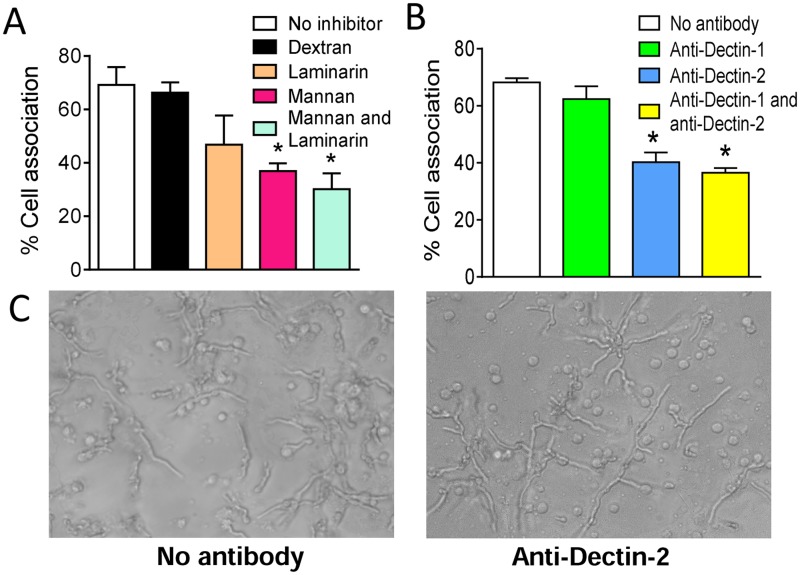
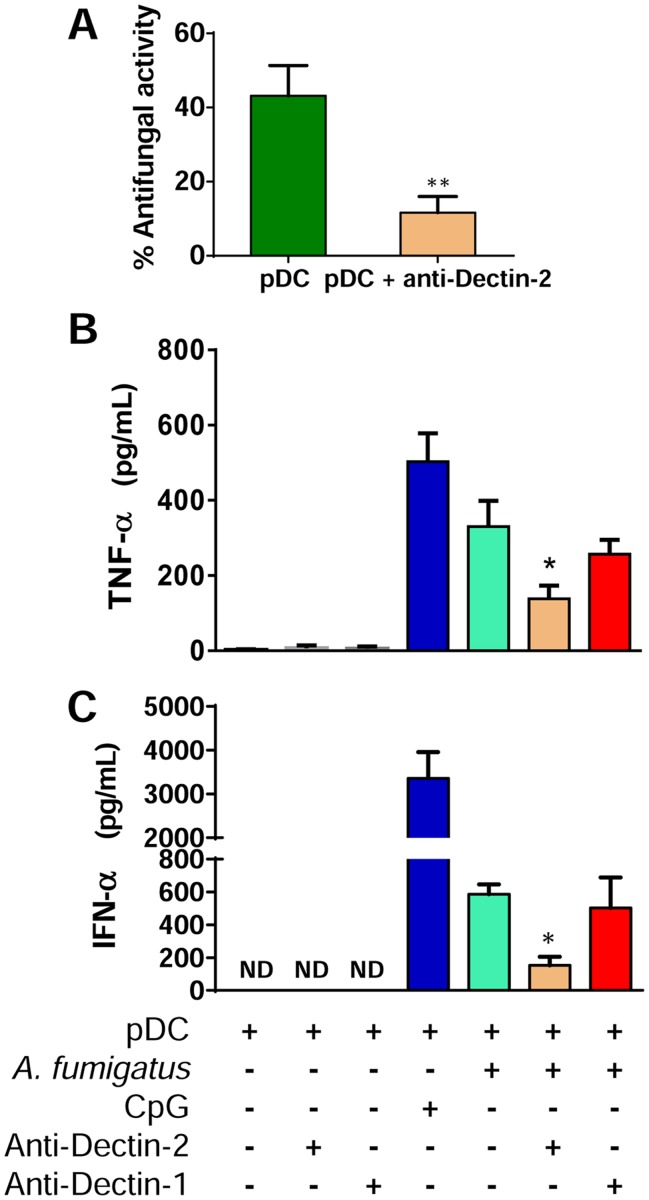
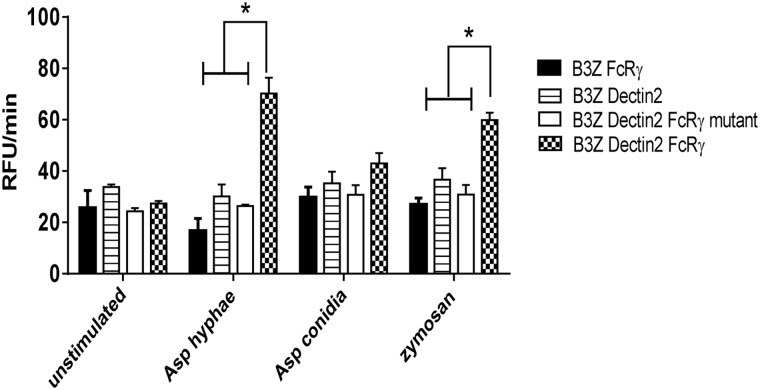
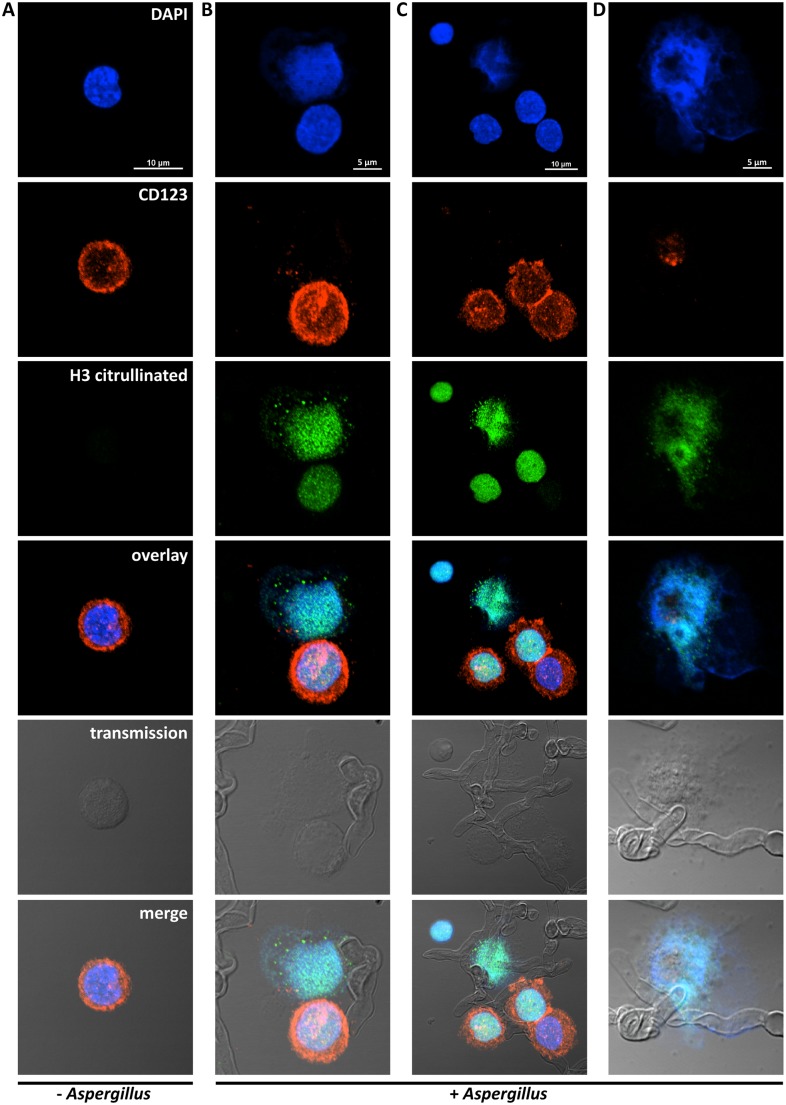
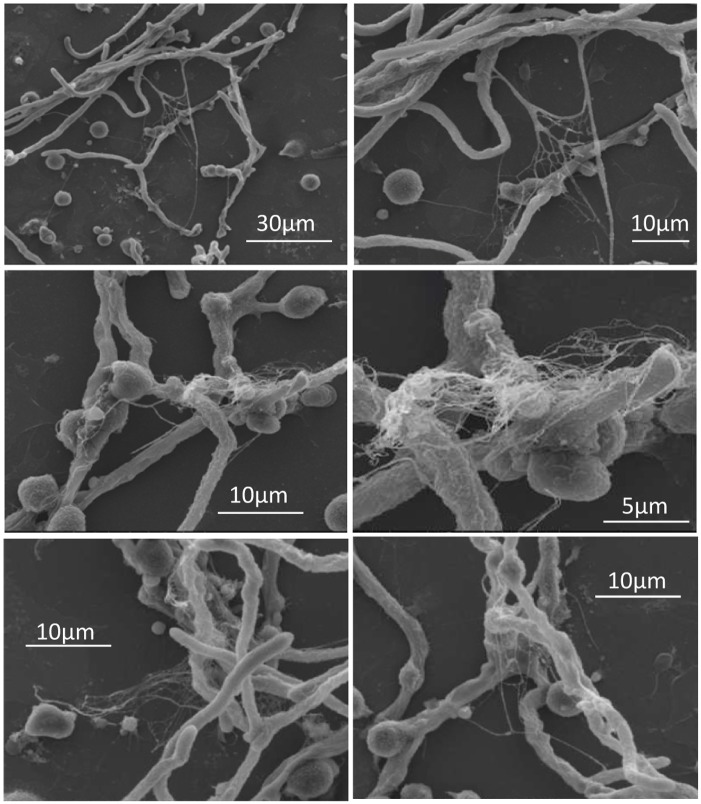
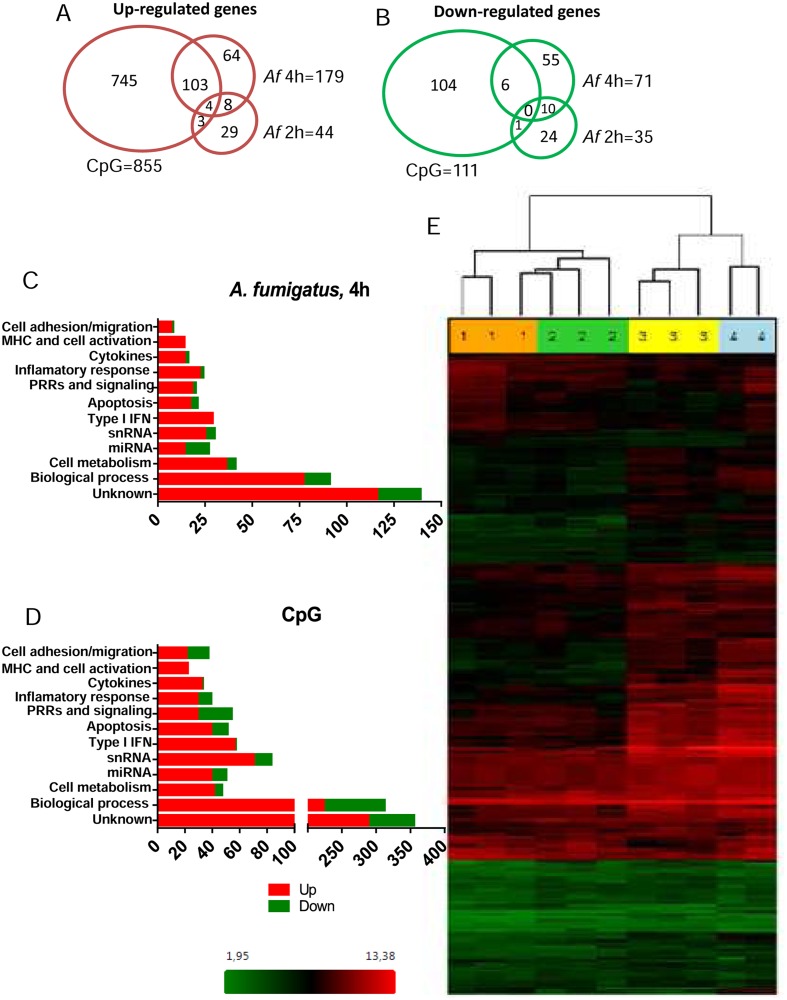
Plasmacytoid dendritic cells (pDCs) were initially considered as critical for innate immunity to viruses. However, our group has shown that pDCs bind to and inhibit the growth of Aspergillus fumigatus hyphae and that depletion of pDCs renders mice hypersusceptible to experimental aspergillosis. In this study, we examined pDC receptors contributing to hyphal recognition and downstream events in pDCs stimulated by A. fumigatus hyphae. Our data show that Dectin-2, but not Dectin-1, participates in A. fumigatus hyphal recognition, TNF-α and IFN-α release, and antifungal activity. Moreover, Dectin-2 acts in cooperation with the FcRγ chain to trigger signaling responses. In addition, using confocal and electron microscopy we demonstrated that the interaction between pDCs and A. fumigatus induced the formation of pDC extracellular traps (pETs) containing DNA and citrullinated histone H3. These structures closely resembled those of neutrophil extracellular traps (NETs). The microarray analysis of the pDC transcriptome upon A. fumigatus infection also demonstrated up-regulated expression of genes associated with apoptosis as well as type I interferon-induced genes. Thus, human pDCs directly recognize A. fumigatus hyphae via Dectin-2; this interaction results in cytokine release and antifungal activity. Moreover, hyphal stimulation of pDCs triggers a distinct pattern of pDC gene expression and leads to pET formation.
Overview
The claims and statistics of this paper haven’t been checked yet.
Free: it reads the open-access text and checks the first 5 claims that cite a source we can check. Create a free account to check every claim.
Integrity signals
Registry
Cites
Statistics
Figures
Verification
Claims the paper makes
The claims and statistics of this paper haven’t been checked yet.
Free: it reads the open-access text and checks the first 5 claims that cite a source we can check. Create a free account to check every claim.
Claims other papers make about this one
Each is checked against this paper’s own text: does it say what the citing paper says it does?
In the citing paper
“pDCs selectively attacked Aspergillus hyphae, inhibited fungal growth, and released cytokines (IFN-α and TNF) via a TLR7/TLR9-independent pathway mediated by Dectin-2 (289).”
From Aspergillus fumigatus and Aspergillosis in 2019 (2019) · cites this paper as [289]
In the citing paper
“pDCs selectively attacked Aspergillus hyphae, inhibited fungal growth, and released cytokines (IFN-α and TNF) via a TLR7/TLR9-independent pathway mediated by Dectin-2 (289).”
From Aspergillus fumigatus and Aspergillosis in 2019 (2019) · cites this paper as [289]
Self-check
Percentages, sums and reported differences re-computed from the paper’s own numbers.
The self-check needs the paper’s full text.
Citations
Cites
Neutrophil Extracellular Traps Kill Bacteria
Brinkmann, V., Reichard, U., Goosmann, C., Fauler, B., Uhlemann, Y., Weiss, D. S., Weinrauch, Y., & Zychlinsky, A. (2004) · Science · doi:10.1126/science.1092385 · Cited by 10,268 · cited 2×
“For immunostaining, specimens were treated as described previously [49].”
BackgroundMethodUrban, C. F., Ermert, D., Schmid, M., Abu-Abed, U., Goosmann, C., Nacken, W., Brinkmann, V., Jungblut, P. R., & Zychlinsky, A. (2009) · PLoS Pathogens · doi:10.1371/journal.ppat.1000639 · Cited by 1,673 · cited 5×
“The appearance of the observed structures is very similar to that described for NETs [29], [30], [31].”
MethodResultInfluentialSelf-citationIFI16 is an innate immune sensor for intracellular DNA
Unterholzner, L., Keating, S. E., Baran, M., Horan, K. A., Jensen, S. B., Sharma, S., Sirois, C. M., Jin, T., Latz, E., Xiao, T. S., et al. (2010) · Nature Immunology · doi:10.1038/ni.1932 · Cited by 1,643 · cited 1×
“Of interest, several genes that were initially described as being involved in viral infections or virus-induced leukemia [53], [54], [55], [56], [57] were up-regulated in pDCs both after CpG stimulation and A.”
BackgroundWang, Y., Li, M., Stadler, S., Correll, S., Li, P., Wang, D., Hayama, R., Leonelli, L., Han, H., Grigoryev, S. A., et al. (2009) · Journal of Cell Biology · doi:10.1083/jcb.200806072 · Cited by 1,521 · cited 1×
“mechanisms similar to that described for other types of immune cells, including chromatin decondensation mediated by histone citrullination [52].”
BackgroundViruses and interferon: a fight for supremacy
Katze, M. G., He, Y., & Gale, M. (2002) · Nature Reviews Immunology · doi:10.1038/nri888 · Cited by 1,419 · cited 1×
“Binding the promoter element leads to an increased expression of interferon-stimulated genes (ISGs) [37].”
BackgroundGenomic sequence of the pathogenic and allergenic filamentous fungus Aspergillus fumigatus
Nierman, W. C., Pain, A., Anderson, M. J., Wortman, J. R., Kim, H. S., Arroyo, J., Berriman, M., Abe, K., Archer, D. B., Bermejo, C., et al. (2005) · Nature · doi:10.1038/nature04332 · Cited by 1,391 · cited 1×
“fumigatus clinical isolate Af293 [61] was obtained from the Fungal Genetics Stock Center.”
MethodGarcia-Romo, G. S., Caielli, S., Vega, B., Connolly, J., Allantaz, F., Xu, Z., Punaro, M., Baisch, J., Guiducci, C., Coffman, R. L., et al. (2011) · Science Translational Medicine · doi:10.1126/scitranslmed.3001201 · Cited by 1,383 · cited 1×
“In addition, it was demonstrated that netting neutrophils are major inducers of type I IFN production [28].”
BackgroundGrouard, G., Rissoan, M.-C., Filgueira, L., Durand, I., Banchereau, J., & Liu, Y.-J. (1997) · The Journal of Experimental Medicine · doi:10.1084/jem.185.6.1101 · Cited by 1,189 · cited 1×
“In the absence of activating signals, pDCs reportedly undergo spontaneous apoptosis [46], [47].”
BackgroundBranzk, N., Lubojemska, A., Hardison, S. E., Wang, Q., Gutierrez, M. G., Brown, G. D., & Papayannopoulos, V. (2014) · Nature Immunology · doi:10.1038/ni.2987 · Cited by 1,037 · cited 5×
“extracellular aggregates ofMycobacterium bovis [27].”
BackgroundResultInfluentialNeutrophil extracellular traps capture and kill Candida albicans yeast and hyphal forms
Urban, C. F., Reichard, U., Brinkmann, V., & Zychlinsky, A. (2006) · Cellular Microbiology · doi:10.1111/j.1462-5822.2005.00659.x · Cited by 1,012 · cited 1×
“The dying cells form ETs composed of chromatin decorated with antimicrobial proteins that are able to trap and kill pathogens, including bacteria and fungi, and thus, contribute to extracellular anti-microbial host defense [49], [50], [51].”
BackgroundSelf-citation
Cited by
Neutrophil extracellular traps in immunity and disease
Papayannopoulos, V. (2018) · Nature Reviews Immunology · doi:10.1038/nri.2017.105 · Cited by 3,397
Aspergillus fumigatus and Aspergillosis in 2019
Latgé, J.-P., & Chamilos, G. (2019) · Clinical Microbiology Reviews · doi:10.1128/cmr.00140-18 · Cited by 1,400
The Fungal Cell Wall: Candida, Cryptococcus, and Aspergillus Species
Garcia-Rubio, R., de Oliveira, H. C., Rivera, J., & Trevijano-Contador, N. (2020) · Frontiers in Microbiology · doi:10.3389/fmicb.2019.02993 · Cited by 917
“Dectin2 is another receptor that recognizes α-mannans and has an important role in conidia and hyphae binding by THP-1 macrophages, leading to TNF-α and IFN-α release as well as enhanced antifungal activity by plasmacytoid dendritic cells (Loures et al., 2015).”
BackgroundC-type lectins in immunity and homeostasis
Brown, G. D., Willment, J. A., & Whitehead, L. (2018) · Nature Reviews Immunology · doi:10.1038/s41577-018-0004-8 · Cited by 744
Aspergillus fumigatus morphology and dynamic host interactions
van de Veerdonk, F. L., Gresnigt, M. S., Romani, L., Netea, M. G., & Latgé, J.-P. (2017) · Nature Reviews Microbiology · doi:10.1038/nrmicro.2017.90 · Cited by 490
Patente, T. A., Pinho, M. P., Oliveira, A. A., Evangelista, G. C. M., Bergami-Santos, P. C., & Barbuto, J. A. M. (2019) · Frontiers in Immunology · doi:10.3389/fimmu.2018.03176 · Cited by 392
“Indeed, human pDC were shown to secrete high levels of IFN-α/β in Aspergilus fumigatus infection in a Dectin-2-dependent manner (168).”
BackgroundPattern recognition receptors: function, regulation and therapeutic potential
Chen, R., Zou, J., Chen, J., Zhong, X., Kang, R., & Tang, D. (2025) · Signal Transduction and Targeted Therapy · doi:10.1038/s41392-025-02264-1 · Cited by 301
Chiang, C.-C., Cheng, W.-J., Korinek, M., Lin, C.-Y., & Hwang, T.-L. (2019) · Frontiers in Immunology · doi:10.3389/fimmu.2019.02376 · Cited by 289
“) through Dectin 2 and complement receptor 3 (CR3) (107), LPS (lipopolysaccharide) under special conditions described later in detail (108) or by monosodium urate crystals via receptor-interacting serine/threonine-protein kinase 1 (RIPK1) and RIPK3 pathway (109).”
BackgroundHuman dendritic cell subsets and function in health and disease
O’Keeffe, M., Mok, W. H., & Radford, K. J. (2015) · Cellular and Molecular Life Sciences · doi:10.1007/s00018-015-2005-0 · Cited by 203
Pathogenesis of Respiratory Viral and Fungal Coinfections
Salazar, F., Bignell, E., Brown, G. D., Cook, P. C., & Warris, A. (2021) · Clinical Microbiology Reviews · doi:10.1128/cmr.00094-21 · Cited by 178
Doron, I., Mesko, M., Li, X. V., Kusakabe, T., Leonardi, I., Shaw, D. G., Fiers, W. D., Lin, W.-Y., Bialt-DeCelie, M., Román, E., et al. (2021) · Nature Microbiology · doi:10.1038/s41564-021-00983-z · Cited by 149
Human blood monocytes are able to form extracellular traps
Granger, V., Faille, D., Marani, V., Noël, B., Gallais, Y., Szely, N., Flament, H., Pallardy, M., Chollet-Martin, S., & de Chaisemartin, L. (2017) · Journal of Leukocyte Biology · doi:10.1189/jlb.3ma0916-411r · Cited by 150
“There is also evidence that other myeloid immune cells may undergo a similar process, thus renamed “etosis,” which has been documented in human eosinophils [7], basophils [8], mast cells [9], macrophages [10], and plasmacytoid DCs [11].”
BackgroundThe Interaction of Human Pathogenic Fungi With C-Type Lectin Receptors
Goyal, S., Castrillón-Betancur, J. C., Klaile, E., & Slevogt, H. (2018) · Frontiers in Immunology · doi:10.3389/fimmu.2018.01261 · Cited by 138
“fumigatus hyphae via Dectin-2, resulting in cytokine release and extracellular trap (pET) formation (88).”
BackgroundHopke, A., Nicke, N., Hidu, E. E., Degani, G., Popolo, L., & Wheeler, R. T. (2016) · PLOS Pathogens · doi:10.1371/journal.ppat.1005644 · Cited by 131
Immune Interactions with Pathogenic and Commensal Fungi: A Two-Way Street
Underhill, D. M., & Pearlman, E. (2015) · Immunity · doi:10.1016/j.immuni.2015.10.023 · Cited by 130
The innate immune response to Aspergillus fumigatus at the alveolar surface
Margalit, A., & Kavanagh, K. A. (2015) · FEMS Microbiology Reviews · doi:10.1093/femsre/fuv018 · Cited by 159
“…form extracellular traps when stimulated by A. fumigatus hyphae and so-called pETs (pDC extracellular traps) were observed surrounding the hyphae (Loures et al. 2015). pDCs are major type I IFN producers and an in vivo role for IFNs against aspergillosis was suggested since IFN-α/βR−/− micewere…”
BackgroundInfluentialMyeloid C-type lectin receptors in innate immune recognition
Sousa, C. R. E., Yamasaki, S., & Brown, G. D. (2024) · Immunity · doi:10.1016/j.immuni.2024.03.005 · Cited by 144
Pathogenicity and virulence of Aspergillus fumigatus
Earle, K., Valero, C., Conn, D. P., Vere, G., Cook, P. C., Bromley, M., Bowyer, P., & Gago, S. (2023) · Virulence · doi:10.1080/21505594.2023.2172264 · Cited by 132
“There are several suggested mechanisms by which pDCs may induce protection, including direct fungicidal activity with pDCs spreading over hyphae and preventing their growth [301] and secretion of extracellular traps [300].”
BackgroundAntifungal Innate Immunity: A Perspective from the Last 10 Years
Salazar, F., & Brown, G. D. (2018) · Journal of Innate Immunity · doi:10.1159/000488539 · Cited by 108
Chemical Basis of Combination Therapy to Combat Antibiotic Resistance
Si, Z., Pethe, K., & Chan‐Park, M. B. E. (2023) · JACS Au · doi:10.1021/jacsau.2c00532 · Cited by 119
Immune Recognition of Fungal Polysaccharides
Snarr, B., Qureshi, S., & Sheppard, D. (2017) · Journal of Fungi · doi:10.3390/jof3030047 · Cited by 98
“The resulting T-helper cells were skewed to a type-2 phenotype, producing less IFN-γ, and more IL-4 [145].”
BackgroundInfluentialEmerging roles of protein mannosylation in inflammation and infection
Loke, I., Kolarich, D., Packer, N. H., & Thaysen‐Andersen, M. (2016) · Molecular Aspects of Medicine · doi:10.1016/j.mam.2016.04.004 · Cited by 110
Anti-Immune Strategies of Pathogenic Fungi
Marcos, C. M., de Oliveira, H. C., de Melo, W. D. C. M. A., da Silva, J. D. F., Assato, P. A., Scorzoni, L., Rossi, S. A., de Paula e Silva, A. C. A., Mendes-Giannini, M. J. S., & Fusco-Almeida, A. M. (2016) · Frontiers in Cellular and Infection Microbiology · doi:10.3389/fcimb.2016.00142 · Cited by 91
“…C. albicans mannan (N-linked) Netea et al., 2006 Mannose receptor C. neoformans mannoproteins Dan et al., 2008 Mannose receptor A. fumigatus mannan Loures et al., 2015 Mannose receptor P. brasiliensis gp43 Nakaira-Takahagi et al., 2011 Mincle C. albicans Unknown Wells et al.,…”
BackgroundGuo, Y., Kasahara, S., Jhingran, A., Tosini, N. L., Zhai, B., Aufiero, M. A., Mills, K. A. M., Gjonbalaj, M., Espinosa, V., Rivera, A., et al. (2020) · Cell Host & Microbe · doi:10.1016/j.chom.2020.05.002 · Cited by 92
Innate Immunity against Cryptococcus, from Recognition to Elimination
Campuzano, A., & Wormley, F. L. (2018) · Journal of Fungi · doi:10.3390/jof4010033 · Cited by 107
Guerra, E. S., Lee, C. K., Specht, C. A., Yadav, B., Huang, H., Akalin, A., Huh, J. R., Mueller, C., & Levitz, S. M. (2017) · PLOS Pathogens · doi:10.1371/journal.ppat.1006175 · Cited by 88
“AF293 was grown from frozen stocks on Sabouraud-dextrose agar (Remel) slants [59,60].”
BackgroundSelf-citationFisher, C. E., Hohl, T. M., Fan, W., Storer, B. E., Levine, D. M., Zhao, L. P., Martin, P. J., Warren, E. H., Boeckh, M., & Hansen, J. A. (2017) · Blood · doi:10.1182/blood-2016-10-743294 · Cited by 87
Doolin, T., Amir, H. M., Duong, L., Rosenzweig, R., Urban, L. A., Bosch, M., Pol, A., Gross, S. P., & Siryaporn, A. (2020) · Nature Communications · doi:10.1038/s41467-020-17699-z · Cited by 94
Victor, E. S., Karnam, A., Fontaine, T., Beauvais, A., Das, M., Hegde, P., Prakhar, P., Holla, S., Balaji, K. N., Kaveri, S. V., et al. (2017) · The Journal of Infectious Diseases · doi:10.1093/infdis/jix469 · Cited by 91
NETosis in Cancer – Platelet–Neutrophil Crosstalk Promotes Tumor-Associated Pathology
Olsson, A., & Cedervall, J. (2016) · Frontiers in Immunology · doi:10.3389/fimmu.2016.00373 · Cited by 98
Contact, Collaboration, and Conflict: Signal Integration of Syk-Coupled C-Type Lectin Receptors
Ostrop, J., & Lang, R. (2017) · The Journal of Immunology · doi:10.4049/jimmunol.1601665 · Cited by 94
First Line of Defense: Innate Cell-Mediated Control of Pulmonary Aspergillosis
Espinosa, V., & Rivera, A. (2016) · Frontiers in Microbiology · doi:10.3389/fmicb.2016.00272 · Cited by 77
“ROLES IN DEFENSE AGAINST”
BackgroundResultNew Perspectives on the Importance of Cell-Free DNA Biology
Bronkhorst, A. J., Ungerer, V., Oberhofer, A., Gabriel, S., Polatoglou, E., Randeu, H., Uhlig, C., Pfister, H., Mayer, Z., & Holdenrieder, S. (2022) · Diagnostics · doi:10.3390/diagnostics12092147 · Cited by 83
Xu, X., Xu, J.-F., Zheng, G., Lu, H.-W., Duan, J.-L., Rui, W., Guan, J.-H., Cheng, L.-Q., Yang, D.-D., Wang, M.-C., et al. (2018) · Nature Immunology · doi:10.1038/s41590-018-0112-4 · Cited by 73
Briard, B., Karki, R., Malireddi, R. K. S., Bhattacharya, A., Place, D. E., Mavuluri, J., Peters, J. L., Vogel, P., Yamamoto, M., & Kanneganti, T.-D. (2018) · Nature Microbiology · doi:10.1038/s41564-018-0298-0 · Cited by 72
Subramanian Vignesh, K., & Deepe, G. S. (2016) · Archives of Biochemistry and Biophysics · doi:10.1016/j.abb.2016.02.020 · Cited by 72
PAMPs of the Fungal Cell Wall and Mammalian PRRs
Hatinguais, R., Willment, J. A., & Brown, G. D. (2020) · Current topics in microbiology and immunology · doi:10.1007/82_2020_201 · Cited by 100
Plasmacytoid pre-dendritic cells (pDC): from molecular pathways to function and disease association
Alculumbre, S., Raieli, S., Hoffmann, C., Chelbi, R., Danlos, F.-X., & Soumelis, V. (2019) · Seminars in Cell & Developmental Biology · doi:10.1016/j.semcdb.2018.02.014 · Cited by 66
Huang, S. U.-S., & O’Sullivan, K. M. (2022) · International Journal of Molecular Sciences · doi:10.3390/ijms23073793 · Cited by 80
Lectin Receptors Expressed on Myeloid Cells
Brown, G. D., & Crocker, P. R. (2016) · Microbiology Spectrum · doi:10.1128/microbiolspec.mchd-0036-2016 · Cited by 76
“inflammasome activation, extracellular trap formation, the respiratory burst, and production of cysteinyl leukotrienes (238, 241, 251-254).”
BackgroundHuang, S. U.-S., & O’Sullivan, K. M. (2022) · doi:10.20944/preprints202203.0021.v1 · Cited by 65
The Immune System Throws Its Traps: Cells and Their Extracellular Traps in Disease and Protection
Conceição‐Silva, F., Reis, C. S. M., Luca, P. M. D., Leite-Silva, J., Santiago, M. A., Morrot, A., & Morgado, F. N. (2021) · Cells · doi:10.3390/cells10081891 · Cited by 74
Zhu, L., Luo, T.-M., Xu, X., Guo, Y., Zhao, X.-Q., Wang, T.-T., Tang, B., Jiang, Y.-Y., Xu, J., Lin, X., et al. (2016) · The Journal of Experimental Medicine · doi:10.1084/jem.20151932 · Cited by 63
“…that infection of A. fumigatus, another opportunistic fungus pathogen, induces CARD9dependent innate immune response (Jhingran et al., 2012), and human plasmacytoid DCs can directly recognize A. fumigatus hyphae via Dectin-2 to elicit cytokine release and antifungal activity (Loures et al., 2015).”
BackgroundFontaine, T., & Latgé, J. (2020) · Journal of Fungi · doi:10.3390/jof6040283 · Cited by 63
“The presence of α-1,2-mannoside sequence in the GM structure is in agreement with its interaction with the Dectin-2 [80].”
BackgroundInfluentialMenacing Mold: Recent Advances in Aspergillus Pathogenesis and Host Defense
Tischler, B. Y., & Hohl, T. M. (2019) · Journal of Molecular Biology · doi:10.1016/j.jmb.2019.03.027 · Cited by 60
“pDCs express Dectin-2 and are activated in response to Aspergillus antigens, though the pDC transcriptional response to appears distinct to that elicited by microbial nucleic acids, typically observed in viral infections [76].”
BackgroundBene, K., Kavanaugh, D. W., Leclaire, C., Gunning, A. P., MacKenzie, D. A., Wittmann, A., Young, I. D., Kawasaki, N., Rajnavölgyi, É., & Juge, N. (2017) · Frontiers in Microbiology · doi:10.3389/fmicb.2017.00321 · Cited by 66
“Previous studies on fungal pathogens showed that the activation of Dectin-2 but not Dectin-1, led to the secretion of IL-23 and IL-1β, supporting the polarization of Th17 cells (Gringhuis et al., 2011; Loures et al., 2015).”
BackgroundKottom, T. J., Hebrink, D. M., Jenson, P. E., Nandakumar, V., Wüthrich, M., Wang, H., Klein, B. S., Yamasaki, S., Lepenies, B., & LIMPER, A. H. (2017) · The Journal of Immunology · doi:10.4049/jimmunol.1600744 · Cited by 59
Neutrophil extracellular traps: New players in cancer research
Zhao, J., & Jin, J. (2022) · Frontiers in Immunology · doi:10.3389/fimmu.2022.937565 · Cited by 63
Argyropoulos, C. D., Skoulou, V. K., Efthimiou, G., & Michopoulos, A. K. (2022) · Air Quality Atmosphere & Health · doi:10.1007/s11869-022-01286-w · Cited by 66
Decout, A. C., Silva‐Gomes, S., Drocourt, D., Blattes, E., Rivière, M., Prandi, J., Larrouy-Maumus, G. J., Caminade, A., Hamasur, B., Källenius, G., et al. (2018) · Scientific Reports · doi:10.1038/s41598-018-35393-5 · Cited by 54
The “Self-Sacrifice” of ImmuneCells in Sepsis
Wen, X., Xie, B., Yuan, S., & Zhang, J. (2022) · Frontiers in Immunology · doi:10.3389/fimmu.2022.833479 · Cited by 58
“It has been shown that pETs acted mainly as an antibacterial agent (114).”
BackgroundExtracellular Trap by Blood Cells: Clinical Implications
Nija, R. J., Sanju, S., Sidharthan, N., & Mony, U. (2020) · Tissue Engineering and Regenerative Medicine · doi:10.1007/s13770-020-00241-z · Cited by 55
de Araújo, E. F., Medeiros, D. H., Galdino, N. A. D. L., Condino‐Neto, A., Calich, V. L. G., & Loures, F. V. (2016) · PLoS Pathogens · doi:10.1371/journal.ppat.1006115 · Cited by 52
Self-citationC-Type Lectin Receptors in Antifungal Immunity
Nikolakopoulou, C., Willment, J. A., & Brown, G. D. (2020) · Advances in experimental medicine and biology · doi:10.1007/978-981-15-1580-4_1 · Cited by 46
Ligation of Dectin-2 with a novel microbial ligand promotes adjuvant activity for vaccination
Wang, H., Lee, T.-J., Fites, J. S., Merkhofer, R. M., Żarnowski, R., Brandhorst, T. T., Galles, K., Klein, B. S., & Wüthrich, M. (2017) · PLoS Pathogens · doi:10.1371/journal.ppat.1006568 · Cited by 42
Fungal Pathogens in CF Airways: Leave or Treat?
Singh, A., Ralhan, A., Schwarz, C., Hartl, D., & Hector, A. (2017) · Mycopathologia · doi:10.1007/s11046-017-0184-y · Cited by 47
Hole, C. R., Wager, C. M. L., Mendiola, A. S., Wozniak, K. L., Campuzano, A., Lin, X., & Wormley, F. L. (2016) · Infection and Immunity · doi:10.1128/iai.00103-16 · Cited by 44
“treated with exogenous polysaccharides as described previously (24).”
BackgroundHuang, H., Li, F., Han, H., Lv, Q.-Z., Xu, X., Li, N., 王顺春, Xu, J., & Jia, X. (2018) · Frontiers in Immunology · doi:10.3389/fimmu.2018.01781 · Cited by 46
Karnam, A., Bonam, S. R., Rambabu, N., Wong, S. S. W., Aimanianda, V., & Bayry, J. (2021) · mBio · doi:10.1128/mbio.02824-21 · Cited by 41
Kottom, T. J., Hebrink, D. M., Jenson, P. E., Marsolek, P. L., Wüthrich, M., Wang, H., Klein, B. S., Yamasaki, S., & LIMPER, A. H. (2018) · American Journal of Respiratory Cell and Molecular Biology · doi:10.1165/rcmb.2016-0335oc · Cited by 43
Griffiths, J. S., Thompson, A., Stott, M. I., Benny, A., Lewis, N. A., Taylor, P. R., Forton, J. T., Herrick, S. E., Orr, S. J., & McGreal, E. P. (2018) · The FASEB Journal · doi:10.1096/fj.201701145r · Cited by 37
“fumigatus SC and hyphae-induced reactive oxygen species and/or cytokine production (14, 37).”
T cell responses to control fungal infection in an immunological memory lens
Sharma, J., Mudalagiriyappa, S., & Nanjappa, S. G. (2022) · Frontiers in Immunology · doi:10.3389/fimmu.2022.905867 · Cited by 42
“Dectin-2 and Mincle have been shown to be important for immunity against blastomycosis (48), aspergillosis (49), histoplasmosis (44), chromoblastomycosis (50), disseminated candidiasis (51, 52), and species-specific candidiasis (45).”
BackgroundPreite, N. W., Feriotti, C., de Lima, D. S., da Silva, B. B., Condino‐Neto, A., Pontillo, A., Calich, V. L. G., & Loures, F. V. (2018) · Frontiers in Immunology · doi:10.3389/fimmu.2018.00464 · Cited by 38
Self-citationImmune responses to invasive aspergillosis: new understanding and therapeutic opportunities
Hohl, T. M. (2017) · Current Opinion in Infectious Diseases · doi:10.1097/qco.0000000000000381 · Cited by 35
XTT Assay of Antifungal Activity
Loures, F., & Levitz, S. M. (2015) · BIO-PROTOCOL · doi:10.21769/bioprotoc.1543 · Cited by 33
“This approach was first established with human polymorphonuclear cells (PMN) by Meshulam et al. (1995) and then adapted to pDC by Ramirez-Ortiz et al. (2011) and Loures et al. (2015).”
MethodSelf-citationWang, X., Caffrey-Carr, A. K., Liu, K.-W., Espinosa, V., Croteau, W., Dhingra, S., Rivera, A., Cramer, R. A., & Obar, J. J. (2020) · The Journal of Immunology · doi:10.4049/jimmunol.2000802 · Cited by 35
The Neutrophil Secretome as a Crucial Link between Inflammation and Thrombosis
Blanch‐Ruiz, M. A., Ortega‐Luna, R., Martínez-Cuesta, M. Á., & Álvarez, Á. (2021) · International Journal of Molecular Sciences · doi:10.3390/ijms22084170 · Cited by 43
On the Origin of Neutrophil Extracellular Traps in COVID-19
Pastorek, M., Dúbrava, M., & Celec, P. (2022) · Frontiers in Immunology · doi:10.3389/fimmu.2022.821007 · Cited by 36
Barroso, M. V., Gropillo, I., Detoni, M. A. A., Thompson‐Souza, G. A., Muniz, V. S., Vasconcelos, C. R. I., Figueiredo, R. T., Melo, R. C. N., & Neves, J. S. (2021) · Frontiers in Microbiology · doi:10.3389/fmicb.2021.633696 · Cited by 38
“, 2010), dendritic cells (Ramirez-Ortiz et al., 2011; Loures et al., 2015) and basophils (Schorn et al.”
BackgroundExtracellular DNA Traps: Origin, Function and Implications for Anti-Cancer Therapies
Mamtimin, M., Pinarci, A., Han, C., Braun, A., Anders, H., Gudermann, T. W., & Mammadova‐Bach, E. (2022) · Frontiers in Oncology · doi:10.3389/fonc.2022.869706 · Cited by 39
Okamato, Y., Ghosh, T., Okamoto, T., Schuyler, R. P., Seifert, J. A., Charry, L. L., Visser, A., Feser, M. L., Fleischer, C. L., Pedrick, C., et al. (2020) · Journal of Autoimmunity · doi:10.1016/j.jaut.2020.102581 · Cited by 29
“In addition to neutrophils, monocytes [25], macrophages [26], eosinophils [27], mast cells [28], and plasmacytoid dendritic cells (pDCs) [29] can also release intracellular proteins and DNA with cit-H3 into extracellular trap-like structures, though their functions are less established.”
BackgroundNovel perception of neutrophil extracellular traps in gouty inflammation
Tan, H., Li, Z., Zhang, S., Zhang, J., & Jia, E. (2023) · International Immunopharmacology · doi:10.1016/j.intimp.2022.109642 · Cited by 34
Allergic Inflammation in Aspergillus fumigatus-Induced Fungal Asthma
Ghosh, S., Hoselton, S. A., & Schuh, J. M. (2015) · Current Allergy and Asthma Reports · doi:10.1007/s11882-015-0561-x · Cited by 33
The complement system in Aspergillus fumigatus infections and its crosstalk with pentraxins
Parente, R., Doni, A., Bottazzi, B., Garlanda, C., & Inforzato, A. (2020) · FEBS Letters · doi:10.1002/1873-3468.13744 · Cited by 36
Innate Lung Defense during Invasive Aspergillosis: New Mechanisms
Garth, J. M., & Steele, C. H. (2017) · Journal of Innate Immunity · doi:10.1159/000455125 · Cited by 33
Antifungal Mechanism of Natural Products Derived from Plants: A Review
Long, N., & Li, F. (2024) · Natural Product Communications · doi:10.1177/1934578x241271747 · Cited by 43
Mitochondrial Fragmentation in Aspergillus fumigatus as Early Marker of Granulocyte Killing Activity
Ruf, D., Brantl, V., & Wagener, J. (2018) · Frontiers in Cellular and Infection Microbiology · doi:10.3389/fcimb.2018.00128 · Cited by 32
“Alternative experimental approaches therefore primarily rely on measuring the metabolic activity after killing with colorimetric tetrazolium reduction assays (for example XTT or MTT assays) and comparing it to untreated controls (for example: Bianchi et al., 2009; Lee et al., 2015; Loures et al., 2015; Gazendam et al.…”
The C-Type Lectin Receptor Dectin-2 Is a Receptor for Aspergillus fumigatus Galactomannan
Reedy, J. L., Crossen, A. J., Negoro, P. E., Brown, H. E., Ward, R., Vargas-Blanco, D. A., Timmer, K. D., Reardon, C. M., Basham, K. J., Mansour, M. K., et al. (2023) · mBio · doi:10.1128/mbio.03184-22 · Cited by 30
Immunology of Fungal Infections
Bidula, S. M., & Brown, G. D. (2016) · Elsevier eBooks · doi:10.1016/b978-0-12-374279-7.13001-2 · Cited by 26
Fungal Hydrophobins and Their Self-Assembly into Functional Nanomaterials
Lo, V., Lai, J. I.-C., & Sunde, M. (2019) · Advances in experimental medicine and biology · doi:10.1007/978-981-13-9791-2_5 · Cited by 27
Islam, M. M., Watanabe, E., Salma, U., Ozaki, M., Irahara, T., Tanabe, S., Katsuki, R., Oishi, D., & Takeyama, N. (2024) · Frontiers in Immunology · doi:10.3389/fimmu.2024.1493214 · Cited by 32
How to invade a susceptible host: cellular aspects of aspergillosis
Krappmann, S. (2016) · Current Opinion in Microbiology · doi:10.1016/j.mib.2016.10.002 · Cited by 27
Carmona‐Sáez, P., Varela, N., Luque, M., Toro‐Domínguez, D., Martorell‐Marugán, J., Alarcón-Riquelme, M. E., & Marañón, C. (2017) · Bioinformatics · doi:10.1093/bioinformatics/btx502 · Cited by 27
Wang, F., Zhang, C., Jiang, Y., Kou, C., Kong, Q., Long, N., Lu, L., & Sang, H. (2017) · Journal of Medical Microbiology · doi:10.1099/jmm.0.000590 · Cited by 23
Riedelberger, M., Penninger, P., Tscherner, M., Hadriga, B., Brunnhofer, C., Jenull, S., Stoiber, A., Bourgeois, C., Petryshyn, A., Glaser, W., et al. (2020) · iScience · doi:10.1016/j.isci.2020.101121 · Cited by 23
“Finally, IFNs-I reveal double-edged functions in fungal infections with Aspergillus fumigatus (Espinosa et al., 2017; Gafa et al., 2010; Loures et al., 2015; Ramirez-Ortiz et al., 2011; Romani et al., 2006; Seyedmousavi et al., 2018), Cryptococcus neoformans (Biondo et al., 2008; Sato et al., 2015;…”
BackgroundIt takes a village: Phagocytes play a central role in fungal immunity
Feldman, M. B., Vyas, J. M., & Mansour, M. K. (2018) · Seminars in Cell and Developmental Biology · doi:10.1016/j.semcdb.2018.04.008 · Cited by 28
Phagocytes as central players in the defence against invasive fungal infection
Hünniger, K., & Kurzai, O. (2018) · Seminars in Cell and Developmental Biology · doi:10.1016/j.semcdb.2018.03.021 · Cited by 28
NLRX1 is a key regulator of immune signaling during invasive pulmonary aspergillosis
Kastelberg, B., Tubau‐Juni, N., Ayubi, T., Leung, A., Leber, A. J., Hontecillas, R., Bassaganya-Riera, J., & Kale, S. D. (2020) · PLoS Pathogens · doi:10.1371/journal.ppat.1008854 · Cited by 26
“Plasmocytoid DCs have been shown to play a critical non-redundant role during IPA via both fungal processing via secretion of extracellular traps as well as immune modulation [34, 35].”
BackgroundAntifungal Activity of Plasmacytoid Dendritic Cells and the Impact of Chronic HIV Infection
Maldonado, S., & Fitzgerald-Bocarsly, P. A. (2017) · Frontiers in Immunology · doi:10.3389/fimmu.2017.01705 · Cited by 27
“A later study by the same group indicated that pDCAspergillus interaction seemed to induce the production of pDC extracellular traps (pETs), similar to those extracellular traps laid by neutrophils (175).”
BackgroundFungal-mediated lung allergic airway disease: The critical role of macrophages and dendritic cells
Furlong-Silva, J., & Cook, P. C. (2022) · PLoS Pathogens · doi:10.1371/journal.ppat.1010608 · Cited by 25
“, Dectin-2) enables them to recognise Af and suppress hyphal growth through secretion of protective pro-inflammatory cytokines (IL-12, TNF-α, and IFN-α [95,96]) and release of extracellular traps [97].”
BackgroundA Human Dectin-2 Deficiency Associated With Invasive Aspergillosis
Griffiths, J. S., White, P. L., Czubala, M. A., Simonazzi, E., Bruno, M., Thompson, A., Rizkallah, P. J., Gurney, M., da Fonseca, D. M., Naglik, J. R., et al. (2021) · The Journal of Infectious Diseases · doi:10.1093/infdis/jiab145 · Cited by 21
“fumigatus [4], and mice deficient in Dectin-2 are susceptible to C.”
BackgroundInfluentialThe role of Aspergillus fumigatus polysaccharides in host–pathogen interactions
Zacharias, C. A., & Sheppard, D. C. (2019) · Current Opinion in Microbiology · doi:10.1016/j.mib.2019.04.006 · Cited by 21
Hefter, M., Lother, J., Weiß, E., Schmitt, A. L., Fließer, M., Einsele, H., & Loeffler, J. (2016) · Medical Mycology · doi:10.1093/mmy/myw105 · Cited by 20
Signaling C-Type Lectin Receptors in Antifungal Immunity
Höft, M. A., Hoving, J. C., & Brown, G. D. (2020) · Current topics in microbiology and immunology · doi:10.1007/82_2020_224 · Cited by 21
Paulovičová, E., Paulovičová, L., Hrubiško, M., Krylov, V. B., Argunov, D. A., & Nifantiev, N. E. (2017) · Frontiers in Immunology · doi:10.3389/fimmu.2017.01273 · Cited by 19
Extracellular traps involved in invertebrate immune mechanisms
Cubillo-Martínez, A. A., Pereyra, A., Garfias, Y., Guluarte, C., Zenteno, E., & Sánchez‐Salgado, J. L. (2022) · Fish & Shellfish Immunology · doi:10.1016/j.fsi.2022.01.024 · Cited by 16
Kitagori, K., Oku, T., Wakabayashi, M., Nakajima, T., Nakashima, R., Murakami, K., Hirayama, Y., Ishihama, Y., Ohmura, K., Morinobu, A., et al. (2023) · Arthritis Research & Therapy · doi:10.1186/s13075-023-03057-z · Cited by 16
“In recent years, similar reactions by eosinophils [30], pDCs [31], and lymphocytes [32] have been reported.”
BackgroundBrantl, V., Boysen, J. M., Yap, A., Golubtsov, E., Ruf, D., Heinekamp, T., Straßburger, M., Dichtl, K., Haas, H., Hillmann, F., et al. (2021) · mBio · doi:10.1128/mbio.00976-21 · Cited by 16
Yadav, B., Specht, C. A., Lee, C. K., Pokrovskii, M. V., Huh, J. R., Littman, D. R., & Levitz, S. M. (2021) · PLoS Pathogens · doi:10.1371/journal.ppat.1009891 · Cited by 15
“The murine acute pulmonary aspergillosis model was also as described [8, 58, 59].”
MethodSelf-citationObar, J. J., Hohl, T. M., & Cramer, R. A. (2016) · Cytokine · doi:10.1016/j.cyto.2016.05.015 · Cited by 18
“fumigatus germination exposes Dectin-2 ligands on germlings and hyphae, activating cytokine responses in cultured murine bone marrow DCs [56] and in human plasmacytoid DCs in vitro [72].”
Background
Metadata
- Authors
- Loures, F. V., Röhm, M., Lee, C. K., Santos, E., Wang, J. P., Specht, C. A., Calich, V. L. G., Urban, C. F., & Levitz, S. M.
- Affiliations
- University of Massachusetts Chan Medical School (US)
- Umeå Centre for Microbial Research (SE)
- Universidade de São Paulo (BR)
- Corresponding author
- Loures, Flávio V.
- Röhm, Marc
- Lee, Chrono K.
- Wang, Jennifer P.
- Specht, Charles A.
- Calich, Vera L. G.
- Urban, Constantin F.
- Levitz, Stuart M.
- ORCID
- Venue
- PLOS Pathogens
- Publisher
- Public Library of Science (PLoS)
- Published
- 2015-02-06
- Volume
- 11
- Issue
- 2
- Pages
- e1004643
- ISSN
- 1553-7366 (ISSN-L)
- 1553-7374
- PMC
- PMC4450068
- OpenAlex
- W1995969712
- Cited by
- 165
- References
- 65
- Citations by year
- 2026: 3 · 2025: 10 · 2024: 21 · 2023: 10 · 2022: 15 · 2021: 13 · 2020: 18 · 2019: 10 · 2018: 20 · 2017: 25 · 2016: 15 · 2015: 5
- FWCI
- 10.67
- Type
- journal article
- Language
- en
- Open access
- gold
- doi.org
- Licence
- Locations
- PLoS Pathogens (publishedVersion, cc-by)
- Europe PMC (PubMed Central) (publishedVersion, cc-by)
- PubMed Central (publishedVersion, cc-by)
- PubMed (publishedVersion)
- The Journal of the American Medical Association (JAMA) Network (American Medical Association) (submittedVersion, cc-by)
- DiVA at Umeå University (Umeå University) (submittedVersion, other-oa)
- DOAJ (DOAJ: Directory of Open Access Journals) (submittedVersion, cc-by-sa)
- Funders
- Kempe Foundation
- Fundação de Amparo à Pesquisa do Estado de São Paulo
- Conselho Nacional de Desenvolvimento Científico e Tecnológico
- National Institutes of Health
- National Heart, Lung, and Blood Institute (R01HL112671)
- National Institute of General Medical Sciences (T32GM107000)
- National Institute of Allergy and Infectious Diseases (R01AI025780, R01AI072195, T32AI095213)
- National Center for Research Resources (S10RR021043)
- Topics
- Life Sciences › Immunology and Microbiology › Immunology › Neutrophil, Myeloperoxidase and Oxidative Mechanisms
- Life Sciences › Immunology and Microbiology › Immunology › Immune Response and Inflammation
- Health Sciences › Medicine › Infectious Diseases › Antifungal resistance and susceptibility
- Keywords
- Aspergillus fumigatus, plasmacytoid dendritic cells, Dectin-2, Dectin-1, extracellular traps, FcRγ chain, TNF-α, interferon-alpha, antifungal activity, aspergillosis, citrullinated histone H3, type I interferon, apoptosis, innate immunity
- MeSH terms
- Aspergillosis, Aspergillus fumigatus, Cells, Cultured, Dendritic Cells, Enzyme-Linked Immunosorbent Assay, Gene Expression Regulation, Humans, Microscopy, Electron, Scanning, Microscopy, Confocal, Oligonucleotide Array Sequence Analysis, Hyphae, Lectins, C-Type, Extracellular Traps
About these checks
Registry, retraction, Cites and statistics results are computed, not judged, with one exception: a printed reference that no index lists is read once by a model before it counts as a citation error. Claims are extracted by a model and kept only when their quote appears verbatim in the text; each cited source is then checked, with a model’s help, for whether it says what the claim relies on. Those verdicts can be wrong — read the claim’s quote and the cited source before relying on one.
Statistics and arithmetic are recomputed, not judged.
Confidence bands are shown only for fields calibrated on our annotated test set. None is calibrated yet, so no band is shown.
What counts as a claim ›How we measure confidence ›How we check this ›
Are you an author, or do you see a problem with this page? Request a review
Data sources
Bibliographic data: Semantic Scholar, OpenAlex, Crossref.
Contains information from the Semantic Scholar Academic Graph Datasets, made available under the ODC Attribution License (ODC-BY 1.0).
Semantic Scholar’s data is described in: Kinney, R., et al. (2023). The Semantic Scholar Open Data Platform. arXiv:2301.10140.
