

Cryptococcus neoformans urease affects the outcome of intracellular pathogenesis by modulating phagolysosomal pH
Open accessThe DOI matches its Crossref record; 104 of the 105 references it cites were found in a registry or an index.
Abstract
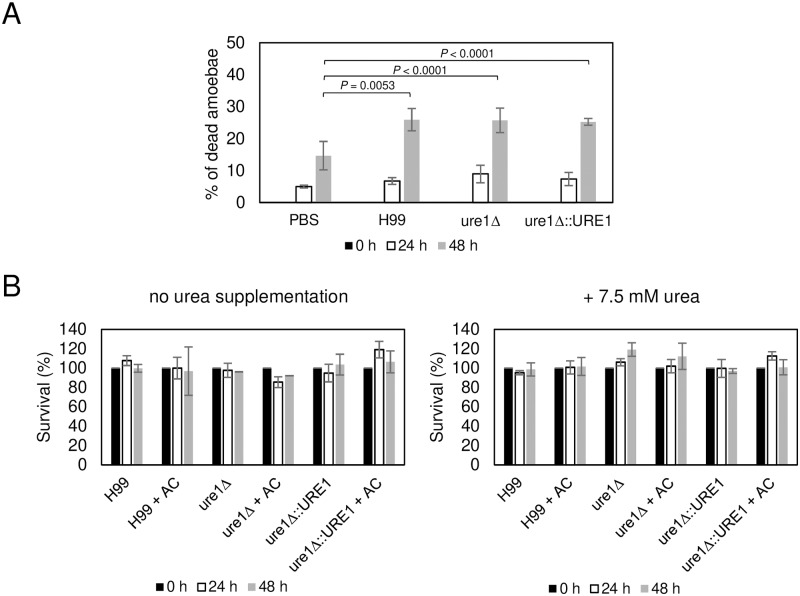
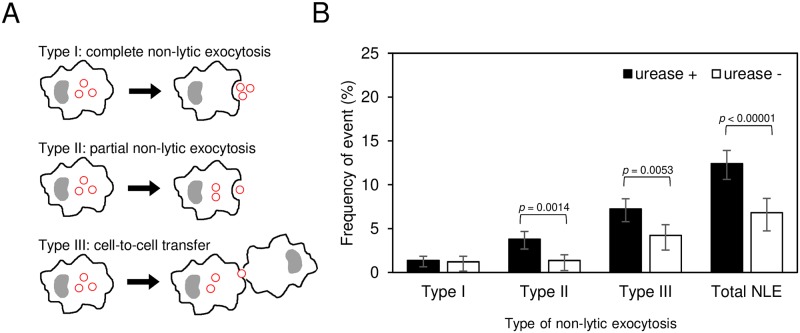
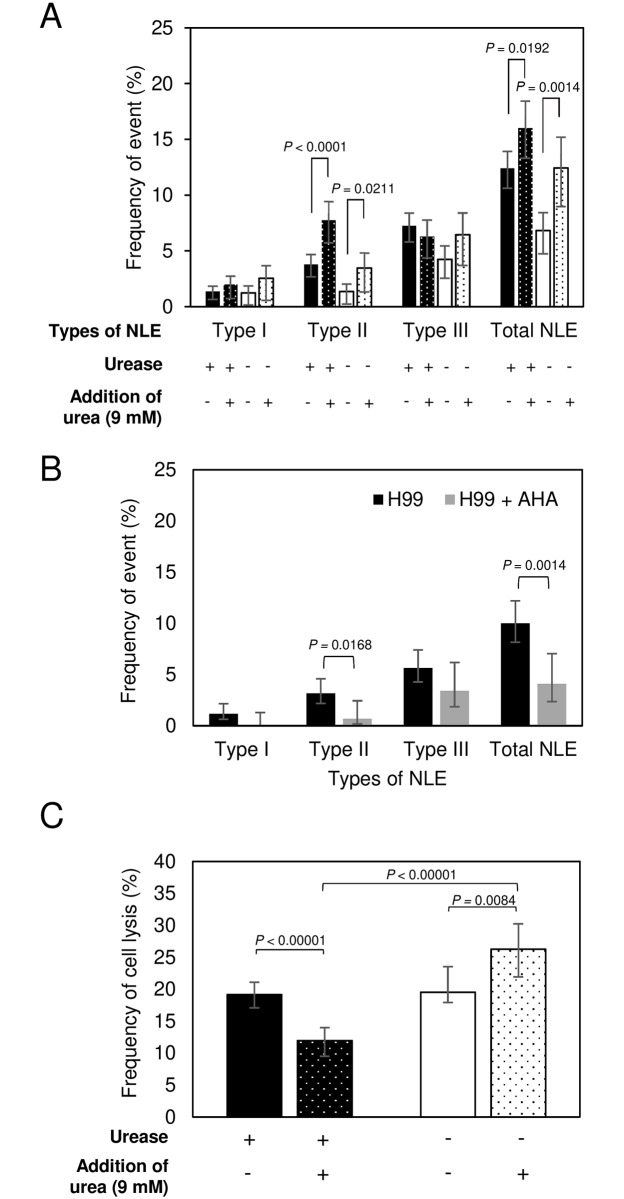
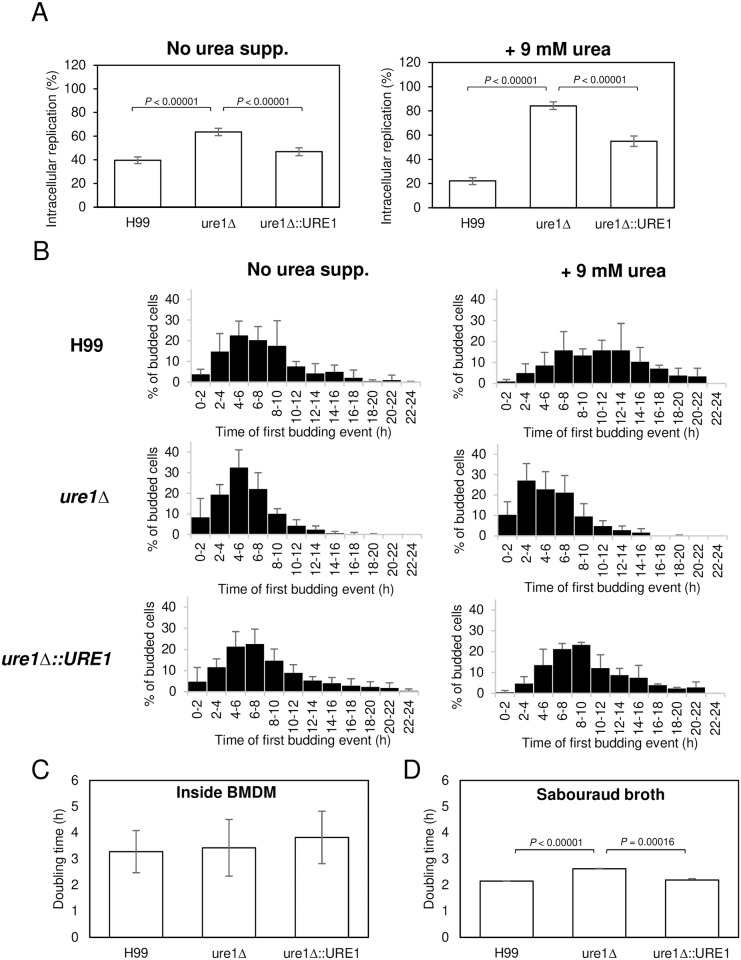
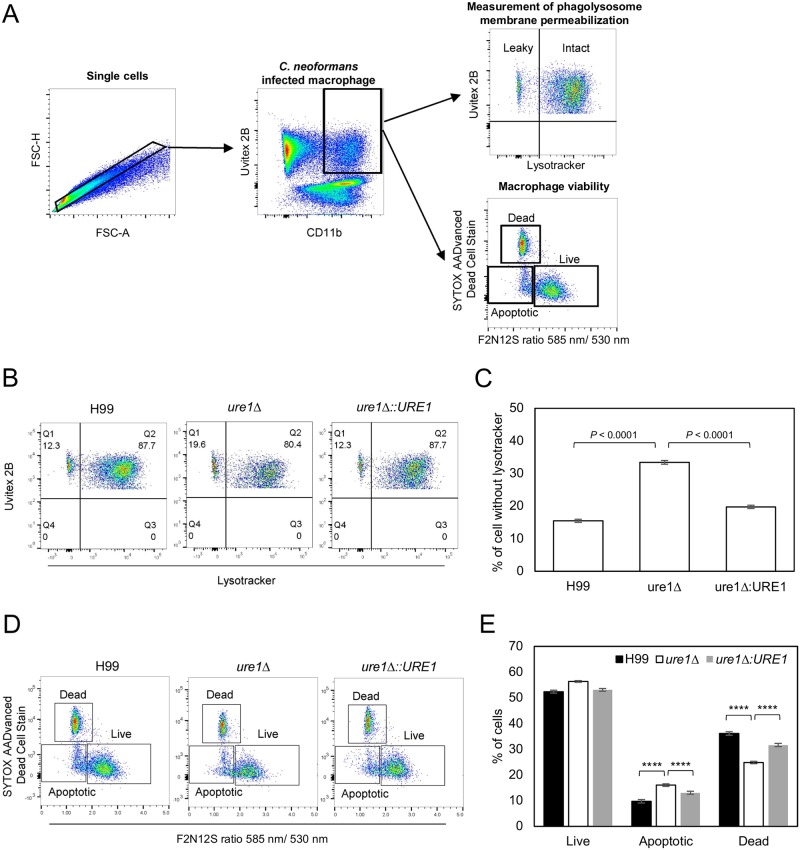
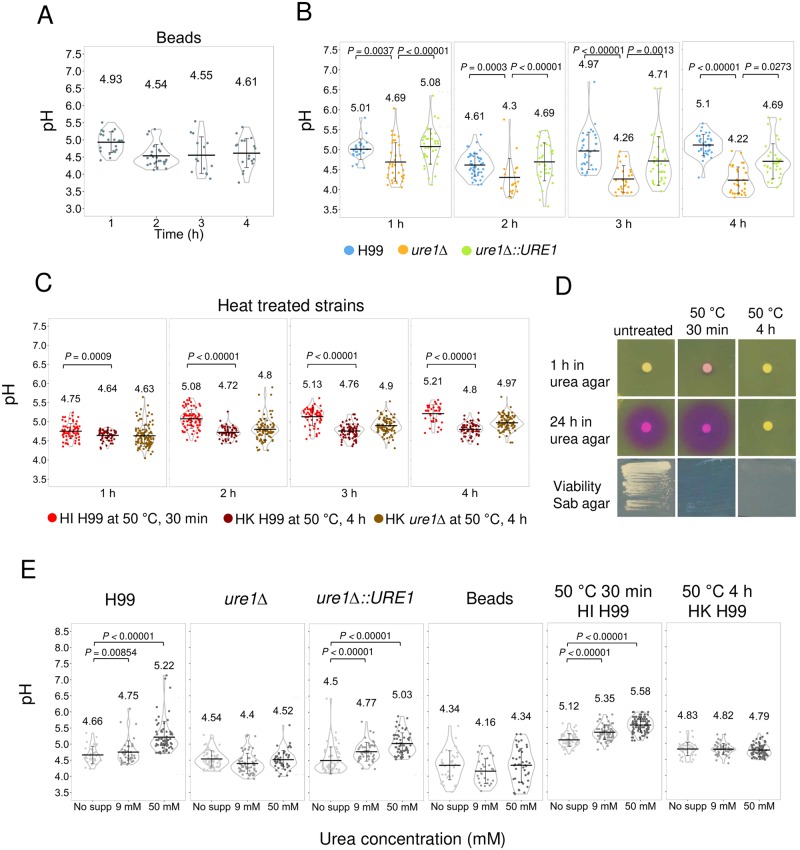
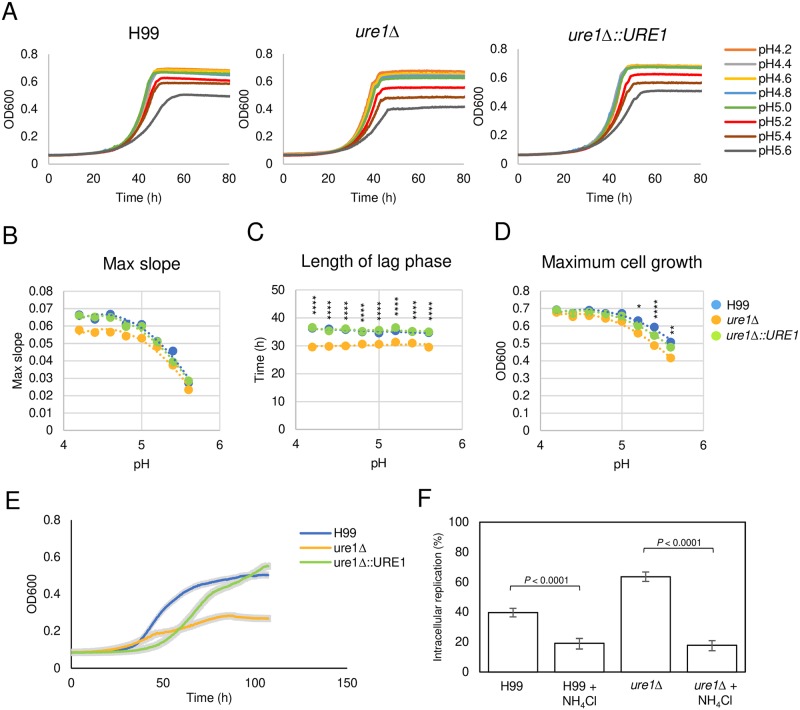
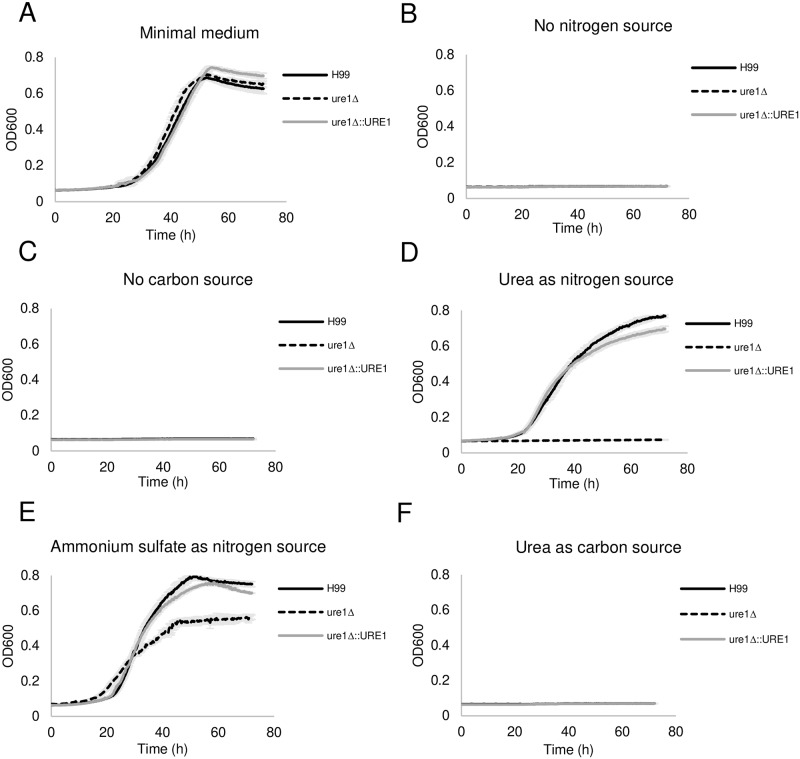
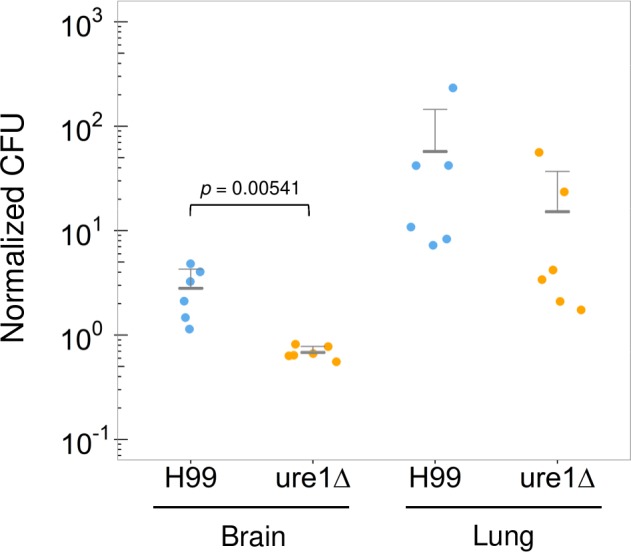
Cryptococcus neoformans is a facultative intracellular pathogen and its interaction with macrophages is a key event determining the outcome of infection. Urease is a major virulence factor in C. neoformans but its role during macrophage interaction has not been characterized. Consequently, we analyzed the effect of urease on fungal-macrophage interaction using wild-type, urease-deficient and urease-complemented strains of C. neoformans. The frequency of non-lytic exocytosis events was reduced in the absence of urease. Urease-positive C. neoformans manifested reduced and delayed intracellular replication with fewer macrophages displaying phagolysosomal membrane permeabilization. The production of urease was associated with increased phagolysosomal pH, which in turn reduced growth of urease-positive C. neoformans inside macrophages. Interestingly, the ure1 mutant strain grew slower in fungal growth medium which was buffered to neutral pH (pH 7.4). Mice inoculated with macrophages carrying urease-deficient C. neoformans had lower fungal burden in the brain than mice infected with macrophages carrying wild-type strain. In contrast, the absence of urease did not affect survival of yeast when interacting with amoebae. Because of the inability of the urease deletion mutant to grow on urea as a sole nitrogen source, we hypothesize urease plays a nutritional role involved in nitrogen acquisition in the environment. Taken together, our data demonstrate that urease affects fitness within the mammalian phagosome, promoting non-lytic exocytosis while delaying intracellular replication and thus reducing phagolysosomal membrane damage, events that could facilitate cryptococcal dissemination when transported inside macrophages. This system provides an example where an enzyme involved in nutrient acquisition modulates virulence during mammalian infection.
Overview
The claims and statistics of this paper haven’t been checked yet.
Free: it reads the open-access text and checks the first 5 claims that cite a source we can check. Create a free account to check every claim.
Integrity signals
Registry
Cites
Statistics
Figures
Verification
Claims the paper makes
The claims and statistics of this paper haven’t been checked yet.
Free: it reads the open-access text and checks the first 5 claims that cite a source we can check. Create a free account to check every claim.
Claims other papers make about this one
Each is checked against this paper’s own text: does it say what the citing paper says it does?
The source backs part of the claim, not all of it — or backs it for a different population, condition or comparison.
In the citing paper
“this increase in pH results in yeast entering into a quiescent state, in which intracellular replication is delayed [25, 49].”
From Mechanisms of fungal dissemination (2021) · cites this paper as [49]
Experimental — accuracy not yet measuredIn the citing paper
“C. neoformans promotes vomocytosis through its expression of urease [49].”
From Mechanisms of fungal dissemination (2021) · cites this paper as [49]
Self-check
Percentages, sums and reported differences re-computed from the paper’s own numbers.
The self-check needs the paper’s full text.
Citations
Cites
Global burden of disease of HIV-associated cryptococcal meningitis: an updated analysis
Rajasingham, R., Smith, R. M., Park, B. J., Jarvis, J. N., Govender, N. P., Chiller, T. M., Denning, D. W., Loyse, A., & Boulware, D. R. (2017) · The Lancet Infectious Diseases · doi:10.1016/s1473-3099(17)30243-8 · Cited by 1,861
Eaton, K. A., Brooks, C. L., Morgan, D. R., & Krakowka, S. (1991) · Infection and Immunity · doi:10.1128/iai.59.7.2470-2475.1991 · Cited by 691
The position of lysosomes within the cell determines their luminal pH
Johnson, D. E., Ostrowski, P., Jaumouillé, V., & Grinstein, S. (2016) · Journal of Cell Biology · doi:10.1083/jcb.201507112 · Cited by 590
Retro-orbital injections in mice
Yardeni, T., Eckhaus, M., Morris, H. D., Huizing, M., & Hoogstraten-Miller, S. (2011) · Lab Animal · doi:10.1038/laban0511-155 · Cited by 528
Urease as a Virulence Factor in Experimental Cryptococcosis
Cox, G. M., Mukherjee, J., Cole, G. T., Casadevall, A., & Perfect, J. R. (2000) · Infection and Immunity · doi:10.1128/iai.68.2.443-448.2000 · Cited by 522
Self-citationSteenbergen, J. N., Shuman, H. A., & Casadevall, A. (2001) · Proceedings of the National Academy of Sciences · doi:10.1073/pnas.261418798 · Cited by 511
Self-citationCryptococcus neoformans Is a Facultative Intracellular Pathogen in Murine Pulmonary Infection
Feldmesser, M., Kress, Y., Novikoff, P., & Casadevall, A. (2000) · Infection and Immunity · doi:10.1128/iai.68.7.4225-4237.2000 · Cited by 423
Self-citationPhagosome Extrusion and Host-Cell Survival after Cryptococcus neoformans Phagocytosis by Macrophages
Alvarez, M., & Casadevall, A. (2006) · Current Biology · doi:10.1016/j.cub.2006.09.061 · Cited by 414
Self-citationEvidence of a Role for Monocytes in Dissemination and Brain Invasion by Cryptococcus neoformans
Charlier, C., Nielsen, K., Daou, S., Brigitte, M., Chretien, F., & Dromer, F. (2009) · Infection and Immunity · doi:10.1128/iai.01065-08 · Cited by 362
Pathogen Cell-to-Cell Variability Drives Heterogeneity in Host Immune Responses
Avraham, R., Haseley, N., Brown, D., Penaranda, C., Jijon, H. B., Trombetta, J. J., Satija, R., Shalek, A. K., Xavier, R. J., Regev, A., et al. (2015) · Cell · doi:10.1016/j.cell.2015.08.027 · Cited by 335
Research works printed but not linked: 1
- Osterholzer JJ, Surana R, Milam JE, Montano GT, Chen G-H, Sonstein J, et al Cryptococcal Urease Promotes the Accumulation of Immature Dendritic Cells and a Non-Protective T2 Immune Response within the Lung. Am J Pathol. 2009; 174: 932– 943. doi: 10.2353/ajpath.2009.080673 19218345 PMC2665753 · DOI
Cited by
Immune responses to human fungal pathogens and therapeutic prospects
Lionakis, M. S., Drummond, R. A., & Hohl, T. M. (2023) · Nature Reviews Immunology · doi:10.1038/s41577-022-00826-w · Cited by 379
Basic principles of the virulence of Cryptococcus
Zaragoza, O. (2019) · Virulence · doi:10.1080/21505594.2019.1614383 · Cited by 249
“of this enzyme results in a fitness defect at slightly basic pH [54].”
BackgroundThe pathobiology of human fungal infections
Brown, G. D., Ballou, E. R., Bates, S., Bignell, E., Borman, A. M., Brand, A., Brown, A. J. P., Coelho, C., Cook, P. C., Farrer, R. A., et al. (2024) · Nature Reviews Microbiology · doi:10.1038/s41579-024-01062-w · Cited by 210
“Following uptake, C. neoformans , for example, can prevent acidification, calcium flux and protease activity within the phagosome and limit phagolysosome maturation 114 .”
Self-citationMechanisms of fungal dissemination
Strickland, A. B., & Shi, M. (2021) · Cellular and Molecular Life Sciences · doi:10.1007/s00018-020-03736-z · Cited by 127
Tugume, L., Ssebambulidde, K., Kasibante, J., Ellis, J. P., Wake, R. M., Gakuru, J., Lawrence, D. S., Abassi, M., Rajasingham, R., Meya, D. B., et al. (2023) · Nature Reviews Disease Primers · doi:10.1038/s41572-023-00472-z · Cited by 155
“Finally, ureases, which promote nitrogen acquisition from the environment, help increase the pH in phagolysosomes 105,106 .”
BackgroundGushiken, A. C., Saharia, K., & Baddley, J. W. (2021) · Infectious Disease Clinics of North America · doi:10.1016/j.idc.2021.03.012 · Cited by 144
Immunity to Invasive Fungal Diseases
Casadevall, A. (2022) · Annual Review of Immunology · doi:10.1146/annurev-immunol-101220-034306 · Cited by 111
Self-citationThe ‘Amoeboid Predator-Fungal Animal Virulence’ Hypothesis
Casadevall, A., Fu, M. S., Guimaraes, A. J., & Albuquerque, P. (2019) · Journal of Fungi · doi:10.3390/jof5010010 · Cited by 109
“For example, the major role for ure se in the environm t ppears to be nutrient acquisition, but in the ammalian host this enzyme affects brain invasion [40,41], as well as the macrophage response to infection by virtue of its ability to alkaline the local environment through the generation of ammonia [36].”
BackgroundSelf-citationThe Capsule of Cryptococcus neoformans Modulates Phagosomal pH through Its Acid-Base Properties
Leon-Rodriguez, C. M. D., Fu, M. S., Corbali, O., Cordero, R. J. B., & Casadevall, A. (2018) · mSphere · doi:10.1128/msphere.00437-18 · Cited by 68
“Oregon green 488 was first conjugated to monoclonal antibody 18B7 using Oregon green 488 protein labeling kit (Molecular Probes, Eugene, OR) as described previously (13).”
BackgroundMethodInfluentialSelf-citationRole of Nickel in Microbial Pathogenesis
Maier, R. J., & Benoit, S. L. (2019) · Inorganics · doi:10.3390/inorganics7070080 · Cited by 72
“Human fungi Cryptococcus neoformans Ure Virulence factor in experimental cryptococcosis [17] Required for microvascular sequestration and mouse brain invasion [18] Modulates phagolysosomal pH; important for mouse brain infection [19] Released via extracellular vesicles [20] Cryptococcus gattii Ure Virulence factor in…”
BackgroundRole of Amino Acid Metabolism in the Virulence of Human Pathogenic Fungi
Garbe, E., & Vylkova, S. (2019) · Current Clinical Microbiology Reports · doi:10.1007/s40588-019-00124-5 · Cited by 59
Nutrient and Stress Sensing in Pathogenic Yeasts
Rutherford, J. C., Bahn, Y., van den Berg, B., Heitman, J., & Xue, C. (2019) · Frontiers in Microbiology · doi:10.3389/fmicb.2019.00442 · Cited by 64
“Urease also modulates the pH of macrophage phagolysosomes (Fu et al., 2018).”
BackgroundFu, M. S., Liporagi-Lopes, L. C., dos Santos, S. R., Tenor, J. L., Perfect, J. R., Cuomo, C. A., & Casadevall, A. (2021) · mBio · doi:10.1128/mbio.00567-21 · Cited by 58
“Urease plays a nutritional role in nitrogen acquisition in the environment (20).”
BackgroundSelf-citationSmith, D. F. Q., & Casadevall, A. (2021) · Pathogens and Disease · doi:10.1093/femspd/ftab013 · Cited by 57
Self-citationMacrophage Mediated Immunomodulation During Cryptococcus Pulmonary Infection
Wang, Y., Pawar, S., Dutta, O., Wang, K., Rivera, A., & Xue, C. (2022) · Frontiers in Cellular and Infection Microbiology · doi:10.3389/fcimb.2022.859049 · Cited by 52
Macrophages use a bet-hedging strategy for antimicrobial activity in phagolysosomal acidification
Dragotakes, Q., Stouffer, K. M., Fu, M. S., Sella, Y., Youn, C., Yoon, O. I., Leon-Rodriguez, C. M. D., Freij, J. B., Bergman, A., & Casadevall, A. (2020) · Journal of Clinical Investigation · doi:10.1172/jci133938 · Cited by 39
Self-citationNormile, T. G., Bryan, A. M., & Poeta, M. D. (2020) · Frontiers in Immunology · doi:10.3389/fimmu.2020.581750 · Cited by 42
Dragotakes, Q., Fu, M. S., & Casadevall, A. (2019) · The Journal of Immunology · doi:10.4049/jimmunol.1801118 · Cited by 39
“However, we note nonlytic exocytosis occurs relatively early (,4 h) in macrophage infection (9), whereas the commencement of intracellular budding occurs later, peaking at 6–10 h (35).”
BackgroundSelf-citationHarnessing Macrophages for Controlled-Release Drug Delivery: Lessons From Microbes
Visser, J. G., Staden, A. D. P. V., & Smith, C. (2019) · Frontiers in Pharmacology · doi:10.3389/fphar.2019.00022 · Cited by 42
Reciprocal modulation of ammonia and melanin production has implications for cryptococcal virulence
Baker, R. P., & Casadevall, A. (2023) · Nature Communications · doi:10.1038/s41467-023-36552-7 · Cited by 42
Self-citationVomocytosis: What we know so far
Seoane, P. I., & May, R. C. (2019) · Cellular Microbiology · doi:10.1111/cmi.13145 · Cited by 39
“The link between phagolysosomal pH and vomocytosis was further exemplified in the case of the urease‐lacking ure1Δ Cryptococcus mutant, whereby lack of urease resulted in lower pH and lower vomocytosis occurrence (Fu et al., 2018).”
BackgroundThe virulence factor urease and its unexplored role in the metabolism of Cryptococcus neoformans
Toplis, B., Bosch, C., Schwartz, I. S., Kenyon, C. R., Boekhout, T., Perfect, J. R., & Botha, A. (2020) · FEMS Yeast Research · doi:10.1093/femsyr/foaa031 · Cited by 40
“In a more recent study, urease was found to increase phagolysosomal pH, which consequently enhanced the fitness of yeast cells within murine macrophages (Fu et al. 2018).”
BackgroundFungal factors involved in host immune evasion, modulation and exploitation during infection
König, A., Müller, R., Mogavero, S., & Hube, B. (2020) · Cellular Microbiology · doi:10.1111/cmi.13272 · Cited by 40
“…first 10 hr of infection depending on the host cell type), a process that requires actin, involves urease activity as well as autophagy mechanisms, and can still occur several hours after phagocytosis (Fu et al., 2018; Johnston & May, 2010; Ma, Croudace, Lammas, & May, 2006; Nicola et al., 2012).”
BackgroundDangerous Liaisons: Interactions of Cryptococcus neoformans with Host Phagocytes
Gaylord, E. A., Choy, H. L., & Doering, T. L. (2020) · Pathogens · doi:10.3390/pathogens9110891 · Cited by 33
“In addition, the virulence factor urease reduces membrane permeabilization, as macrophages containing urease-positive cryptococci sustained fewer phagolysosomal discontinuities compared to those containing urease-negative cryptococci [55].”
Fungal CNS Infections in Africa: The Neuroimmunology of Cryptococcal Meningitis
Mohamed, S. H., Nyazika, T. K., Ssebambulidde, K., Lionakis, M. S., Meya, D. B., & Drummond, R. A. (2022) · Frontiers in Immunology · doi:10.3389/fimmu.2022.804674 · Cited by 39
“Intra-vital microscopy experiments in mice showed that free yeast cells were able to cross capillary walls, a process that was dependent on fungal-expressed urease since blocking urease reduced transmigration into the brain (96), although it should be noted that urease also promotes intracellular survival within phago…”
BackgroundCryptococcal Titan Cells: When Yeast Cells Are All Grown up
García‐Rodas, R., de Oliveira, H. C., Trevijano‐Contador, N., & Zaragoza, Ó. (2018) · Current topics in microbiology and immunology · doi:10.1007/82_2018_145 · Cited by 42
Zamith‐Miranda, D., da Silva, R. P., Couvillion, S., Bredeweg, E., Burnet, M., Coelho, C., Camacho, E., Nimrichter, L., Puccia, R., de Almeida, I. C., et al. (2021) · Frontiers in Genetics · doi:10.3389/fgene.2021.648524 · Cited by 32
Self-citation“Under Pressure” – How fungi evade, exploit, and modulate cells of the innate immune system
Lange, T., Kasper, L., Gresnigt, M. S., Brunke, S., & Hube, B. (2023) · Seminars in Immunology · doi:10.1016/j.smim.2023.101738 · Cited by 36
Al-Huthaifi, A. M., Radman, B. A., Al-Alawi, A. A., Mahmood, F., & Liu, T. (2024) · Journal of Fungi · doi:10.3390/jof10080586 · Cited by 46
“In a recent investigation, it was shown that urease raises the pH of phagolysosomes, which helps C. neoformans survive and adapt within murine macrophages [89,173].”
BackgroundInfluentialManipulation of host phagocytosis by fungal pathogens and therapeutic opportunities
Jia, L., González, K., Orasch, T., Schmidt, F., & Brakhage, A. A. (2024) · Nature Microbiology · doi:10.1038/s41564-024-01780-0 · Cited by 47
“3) were shown to be required for inducing non-lytic expulsion by buffering the phagosomal pH 82,83 .”
Nanotechnology-Based Approaches for Voriconazole Delivery Applied to Invasive Fungal Infections
Campos, L. D. A., Fin, M. T., dos Santos, K. S., Gualque, M. W. D. L., Cabral, A. K. L. F., Khalil, N. M., Fusco‐Almeida, A. M., Mainardes, R. M., & Mendes‐Giannini, M. J. S. (2023) · Pharmaceutics · doi:10.3390/pharmaceutics15010266 · Cited by 33
“Furthermore, the secretion of enzymes, such as urease, has played a significant role in fungal metabolic pathways [119,120].”
BackgroundThe infant gut microbiota: in pursuit of non-protein nitrogen
Schimmel, P., Stahl, B., Knol, J., & Belzer, C. (2023) · Gut Microbes · doi:10.1080/19490976.2023.2211917 · Cited by 30
Thak, E. J., Lee, S.-B., Xu-Vanpala, S., Lee, D.-J., Chung, S. Y., Bahn, Y., Oh, D., Shinohara, M. L., & Kang, H. A. (2020) · mBio · doi:10.1128/mbio.00711-20 · Cited by 34
Breast milk urea as a nitrogen source for urease positiveBifidobacterium infantis
Schimmel, P., Kleinjans, L., Bongers, R. S., Knol, J., & Belzer, C. (2021) · FEMS Microbiology Ecology · doi:10.1093/femsec/fiab019 · Cited by 34
Laccase Affects the Rate of Cryptococcus neoformans Nonlytic Exocytosis from Macrophages
Frazão, S. D. O., de Sousa, H. R., da Silva, L. G., Folha, J. D. S., Gorgonha, K. C. D. M., de Oliveira, G. P., Felipe, M. S. S., Silva-Pereira, I., Casadevall, A., Nicola, A. M., et al. (2020) · mBio · doi:10.1128/mbio.02085-20 · Cited by 28
“Finally, our results corroborate the hypothesis that fungal attributes play a major role in nonlytic exocytosis regulation, as proposed previously (3), and that laccase can be added to the list of fungal attributes involved in this process, such as viability, the capsule, and production of phospholipase B and urease (…”
ResultSelf-citationMelanization of Candida auris Is Associated with Alteration of Extracellular pH
Smith, D. F. Q., Mudrak, N. J., Zamith‐Miranda, D., Honorato, L., Nimrichter, L., Chrissian, C., Smith, B., Gerfen, G. J., Stark, R. E., Nosanchuk, J. D., et al. (2022) · Journal of Fungi · doi:10.3390/jof8101068 · Cited by 30
“neoformans are known to produce ammonia to boost their persistence under pH stress [57,73,74].”
BackgroundSelf-citationBaker, P. G., & Haig, G. (1981) · PubMed · Cited by 32
Environmental Factors That Contribute to the Maintenance of Cryptococcus neoformans Pathogenesis
Maliehe, M., Ntoi, M. A., Lahiri, S., Folorunso, O. S., Ogundeji, A. O., Pohl, C. H., & Sebolai, O. M. (2020) · Microorganisms · doi:10.3390/microorganisms8020180 · Cited by 37
Cryptococcal Traits Mediating Adherence to Biotic and Abiotic Surfaces
Camacho, E., & Casadevall, A. (2018) · Journal of Fungi · doi:10.3390/jof4030088 · Cited by 28
“castellanii amoeba, such as the alpha mating locus [72] or urease activity [73].”
BackgroundSelf-citationDistel, J. S., Venanzio, G. D., Mackel, J. J., Rosen, D. A., & Feldman, M. F. (2023) · PLoS Pathogens · doi:10.1371/journal.ppat.1011173 · Cited by 25
“Other pathogens such as Cryptococcus neoformans or Helicobacter pylori can increase the phagolysosomal pH expressing a urease to produce ammonia [66,67].”
BackgroundVirulence factors released by extracellular vesicles from Cryptococcus neoformans
Xiao, W., Lu, H., Jiang, B., Zheng, Y., Chen, P., Liu, X., & Huang, J. (2025) · Frontiers in Cellular and Infection Microbiology · doi:10.3389/fcimb.2025.1572520 · Cited by 23
Momin, M., & Webb, G. (2021) · International Journal of Molecular Sciences · doi:10.3390/ijms22126302 · Cited by 25
“This effect could increase the dissemination of the yeast in the host [31].”
BackgroundElalouf, A., Elalouf, H., & Rosenfeld, A. (2023) · Frontiers in Immunology · doi:10.3389/fimmu.2023.1292625 · Cited by 24
“This pathogen utilizes vomocytosis (non-lytic expulsion) to escape from the phagolysosome in 10-27% of cases and within the initial 10 hours of infection (time varies between host types) (264).”
BackgroundRepositioning Antimicrobial Peptides Against WHO‐Priority Fungi
Roque‐Borda, C. A., Medina‐Alarcón, K. P., Pereira, J. P. S. G., Sevilhano, T. C. D. A., Aguilar‐Morón, B., Díaz‐Cárdenas, F., da Cruz, L. S., Júnior, F. H. X., Vicente, E. F., Perdigão, J., et al. (2025) · Advanced Science · doi:10.1002/advs.202509567 · Cited by 24
Diverse species in the genus Cryptococcus: Pathogens and their non‐pathogenic ancestors
Gupta, S., Paul, K., & Kaur, S. (2020) · IUBMB Life · doi:10.1002/iub.2377 · Cited by 23
“Ammonia produced in brain endothelial cells damages these cells and facilitates brain invasion.(38)”
BackgroundThe Dynamics of Cryptococcus neoformans Cell and Transcriptional Remodeling during Infection
de Freitas, G. J. C., Gouveia‐Eufrásio, L., Emídio, E. C. P., Carneiro, H. C. S., Baltazar, L. D. M., da Costa, M. C., Frasés, S., Araújo, G. R. D. S., da Paixão, T. A., Sossai, B. G., et al. (2022) · Cells · doi:10.3390/cells11233896 · Cited by 23
de Castro, R. J. A., Marina, C. L., Sturny-Leclère, A., Hoffmann, C., Bürgel, P. H., Wong, S. S. W., Aimanianda, V., Varet, H., Agrawal, R., Bocca, A. L., et al. (2023) · PLoS Pathogens · doi:10.1371/journal.ppat.1011841 · Cited by 22
Elements of dissemination in cryptococcosis
Bednarek, J. M., & Brown, J. C. S. (2024) · mBio · doi:10.1128/mbio.02155-23 · Cited by 22
“It produces an enzymatic virulence factor called urease that catalyzes the conversion of urea into carbon dioxide and ammonia (123, 124).”
Pathogenicity and virulence of Cryptococcus neoformans from an environmental perspective
Casadevall, A. (2025) · Virulence · doi:10.1080/21505594.2025.2547090 · Cited by 19
“Urea is abundant in tissues because of host nitrogen metabolism, and this molecule is hydrolyzed into carbon dioxide and ammonia by CN urease, with the latter altering phagosomal pH to promote survival in macrophages [79] and aid in brain invasion [191].”
Self-citationMuselius, B., Roux‐Dalvai, F., Droit, A., & Geddes‐McAlister, J. (2023) · Journal of the American Society for Mass Spectrometry · doi:10.1021/jasms.3c00114 · Cited by 19
Fungal mechanisms of intracellular survival: what can we learn from bacterial pathogens?
Stuckey, P. V., & Santiago-Tirado, F. H. (2023) · Infection and Immunity · doi:10.1128/iai.00434-22 · Cited by 22
Semisynthetic Glycoconjugate Vaccine Candidates against Cryptococcus neoformans
Crawford, C. J., Liporagi-Lopes, L., Coelho, C., dos Santos, S. R., Nicola, A. M., Wear, M. P., Vij, R., Oscarson, S., & Casadevall, A. (2024) · ACS Infectious Diseases · doi:10.1021/acsinfecdis.4c00094 · Cited by 17
Self-citationRecognition of Fungal Components by the Host Immune System
García-Carnero, L. C., Martínez-Álvarez, J. A., Salazar-García, L. M., Lozoya‐Pérez, N. E., González-Hernández, S. E., & Tamez-Castrellón, A. K. (2019) · Current Protein and Peptide Science · doi:10.2174/1389203721666191231105546 · Cited by 20
An overview of potential algae-derived bioactive compounds against urease-positive microorganisms
Oliyaei, N., Hashempur, M. H., Zomorodian, K., Tanideh, N., Noori, M., Abbasi, A. A., Mahdavi, M. R., & Iraji, A. (2023) · Algal Research · doi:10.1016/j.algal.2023.103372 · Cited by 18
Nonlytic exocytosis of Cryptococcus neoformans from neutrophils in the brain vasculature
Yang, X., Wang, H., Hu, F., Chen, X., & Zhang, M. (2019) · Cell Communication and Signaling · doi:10.1186/s12964-019-0429-0 · Cited by 18
Tharappel, A. M., Li, Z., Zhu, Y. C., Wu, X., Chaturvedi, S., Zhang, Q., & Li, H. (2022) · ACS Infectious Diseases · doi:10.1021/acsinfecdis.2c00137 · Cited by 15
Dragotakes, Q., Jacobs, E., Ramirez, L. S., Yoon, O. I., Perez-Stable, C. T., Eden, H. E., Pagnotta, J., Vij, R., Bergman, A., D’Alessio, F. R., et al. (2022) · PLoS Pathogens · doi:10.1371/journal.ppat.1010697 · Cited by 15
Self-citationFan, X., Xiao, X., Chen, D., Yu, B., He, J., Yu, J., Luo, J., Luo, Y., Wang, J., Yan, H., et al. (2021) · Journal of Animal Physiology and Animal Nutrition · doi:10.1111/jpn.13647 · Cited by 16
“We've got to get out”—Strategies of human pathogenic fungi to escape from phagocytes
Sonnberger, J., Kasper, L., Lange, T., Brunke, S., & Hube, B. (2023) · Molecular Microbiology · doi:10.1111/mmi.15149 · Cited by 17
Cryptococcal infection in haematologic malignancies and haematopoietic stem cell transplantation
Nematollahi, S., & Dioverti, M. V. (2020) · Mycoses · doi:10.1111/myc.13153 · Cited by 16
Pathogen and host genetics underpinning cryptococcal disease
Coelho, C., & Farrer, R. A. (2020) · Advances in genetics · doi:10.1016/bs.adgen.2020.02.001 · Cited by 16
Self-citationFerreira, M. D. S., Gonçalves, D. D. S., Medeiros, E. G., Peralta, J. M., & Guimaraes, A. J. (2021) · Current Tropical Medicine Reports · doi:10.1007/s40475-020-00220-3 · Cited by 15
Andriani, G. M., Spoladori, L. F. D. A., Fábris, M., Camargo, P. G., Pereira, P. M. L., Santos, J. P., Bartolomeu-Gonçalves, G., Alonso, L., Lancheros, C. A. C., Alonso, A., et al. (2023) · Frontiers in Microbiology · doi:10.3389/fmicb.2023.1040671 · Cited by 17
“neoformans within macrophages and their spread by these host cells (Fu et al., 2018).”
BackgroundDavis, M. J., Moyer, S., Hoke, E. S., Sionov, E., Barber, D. L., Barber, D. L., Cai, H., Jenkins, L. M. M., Walter, P. J., Chang, Y. C., et al. (2019) · mBio · doi:10.1128/mbio.00799-19 · Cited by 14
Vomocytosis: Too Much Booze, Base, or Calcium?
Cruz‐Acuña, M., Pacifici, N. J., & Lewis, J. S. (2019) · mBio · doi:10.1128/mbio.02526-19 · Cited by 14
“showed that production of urease was connected with increased phagolysosomal pH (74).”
BackgroundHuang, Y., Tao, X., Xu, D., Yu, Y., Teng, Y., Xie, W., & Fan, Y. (2021) · Experimental and Therapeutic Medicine · doi:10.3892/etm.2021.9907 · Cited by 11
“Urease may facilitate cell body transmigra‐ tion to the blood‐brain barrier by enhancing sequestration within microvascular beds (45) and promoting central nervous system (CNS) invasion (46).”
BackgroundAre macrophages the heroes or villains during cryptococcosis?
Rudman, J., Evans, R. J., & Johnston, S. A. (2019) · Fungal Genetics and Biology · doi:10.1016/j.fgb.2019.103261 · Cited by 13
Jung, E. H., Park, Y., Dragotakes, Q., Ramirez, L. S., Smith, D. F. Q., Reis, F. C. G., Dziedzic, A., Rodrigues, M. L., Baker, R. P., Williamson, P. R., et al. (2022) · microLife · doi:10.1093/femsml/uqac015 · Cited by 13
“We had previously associated capsule changes and urease production with capacity to manipulate phagolysosomal pH(De Leon-Rodriguez et al., 2018, p.; Fu et al., 2018).”
BackgroundMethodInfluentialSelf-citationSantiago-Burgos, E. J., Stuckey, P. V., & Santiago-Tirado, F. H. (2022) · Frontiers in Cellular and Infection Microbiology · doi:10.3389/fcimb.2022.967486 · Cited by 12
“Other results suggest it never, or partially, 65 acidifies (9-12).”
BackgroundVomocytosis of Cryptococcus neoformans cells from murine, bone marrow-derived dendritic cells
Pacifici, N. J., Cruz‐Acuña, M., Diener, A., Tu, A. B., Senthil, N., Han, H., & Lewis, J. S. (2023) · PLoS ONE · doi:10.1371/journal.pone.0280692 · Cited by 12
Loss of the scavenger receptor MARCO results in uncontrolled vomocytosis of fungi from macrophages
Onyishi, C. U., Jeon, Y., Fejér, G., Mukhopadhyay, S., Gordon, S., & May, R. C. (2024) · European Journal of Immunology · doi:10.1002/eji.202350771 · Cited by 11
Marina, C. L., de Castro, R. J. A., Bellozi, P. M. Q., Cruz, A. M., Bürgel, P. H., Potter, P. G. W., Beall, C., Tavares, A. H., Bem, A. F. D., Alanio, A., et al. (2024) · Infection and Immunity · doi:10.1128/iai.00487-24 · Cited by 11
Self-citationFábris, M., Nascimento-Júnior, N. M., Bispo, M. D. L. F., & Camargo, P. G. (2023) · Current Pharmaceutical Design · doi:10.2174/1381612829666230329122902 · Cited by 8
Host and fungal factors both contribute to cryptococcosis-associated hyperammonemia (cryptammonia)
Baker, R. P., Schachter, M. M., Phillips, S. E., Kandiah, S., Farrque, M., Casadevall, A., & Kandiah, P. (2024) · Microbiology Spectrum · doi:10.1128/spectrum.03902-23 · Cited by 8
“For instance, faster growth rates are associated with increased incidence of lytic release from phagocytes, while slower intracellular growth rates, which have been correlated with increased urease activity (16), prolong the persistence of cryptococcal cells within the phagosome.”
BackgroundResultSelf-citationSensing and responding to host-derived stress signals: lessons from fungal meningitis pathogen
Jung, K., Lee, S., Lee, K.-T., & Bahn, Y. (2024) · Current Opinion in Microbiology · doi:10.1016/j.mib.2024.102514 · Cited by 9
A link between urease and polyamine metabolism in Cryptococcus neoformans
Toplis, B., Bosch, C., Stander, M. A., Taylor, M. J. C., Perfect, J. R., & Botha, A. (2021) · Microbial Pathogenesis · doi:10.1016/j.micpath.2021.105076 · Cited by 8
Cryptococcal Pathogenicity and Morphogenesis
de Oliveira, H. C., Trevijano‐Contador, N., & García‐Rodas, R. (2019) · Current Fungal Infection Reports · doi:10.1007/s12281-019-00340-y · Cited by 8
Wykrętowicz, K., Czyżewska-Dors, E. B., Dors, A., Pomorska‐Mól, M., Augustyniak, A., & Łagowski, D. (2025) · Animals · doi:10.3390/ani15223299 · Cited by 9
“However, direct functional evidence for this genus is limited [56,161] Ammonia formation raises pH, which may neutralise acidic environments and favour yeast survival in host tissues (e.g., in the acidic pH of the skin or within the phagosomes of macrophages) [161,162].”
Haleva, L., Lopes, W., Barcellos, V. A., Schrank, A., & Vainstein, M. H. (2020) · Fungal Biology · doi:10.1016/j.funbio.2020.03.004 · Cited by 7
Szuplewska, M., Sentkowska, D., Lasek, R., Decewicz, P., Hałucha, M., Funk, Ł., Chmielowska, C., & Bartosik, D. (2024) · Frontiers in Microbiology · doi:10.3389/fmicb.2024.1483110 · Cited by 5
Mota, C., Kim, K., Son, Y. J., Thak, E. J., Lee, S., Kim, J.-E., Yoon, J., Kang, M., Hwang, H., Bahn, Y., et al. (2025) · eLife · doi:10.7554/elife.103729.3 · Cited by 8
Yan, Z., Deng, W.-F., Wang, Y., Liu, Y., Sun, H., Xia, R., Zeng, W., Geng, J., Gui, C., He, X., et al. (2021) · Frontiers in Medicine · doi:10.3389/fmed.2021.721145 · Cited by 5
“Once inhaled, Cryptococcus can disseminate to the whole body or colonize in host tissue through the bloodstream, resulting in diseases such as cryptococcal meningoencephalitis, pulmonary cryptococcosis and cryptococcal granuloma (2, 4, 5).”
BackgroundCould the Lung Be a Gateway for Amphotericin B to Attack the Army of Fungi?
Patricio, B. F. D. C., Pereira, J. O. D. S. L., Sarcinelli, M. A., de Moraes, B. P. T., Rocha, H. V. A., & Gonçalves-de-Albuquerque, C. F. (2022) · Pharmaceutics · doi:10.3390/pharmaceutics14122707 · Cited by 5
“In addition, the urease neutralizes the acidic pH of the phagolysosome and enables evasion [80,81].”
BackgroundJong, T., Stack, C. M., Moffitt, M. C., & Morton, C. O. (2025) · Pathogens · doi:10.3390/pathogens14040335 · Cited by 7
“The enzyme urease, produced by C. neoformans and A. fumigatus , can modulate the pH of phagolysosomes, preventing their acidification [60,61].”
de Castro, R. J. A., Rêgo, M. T. A. M., Brandão, F., Pérez, A. L. A., Marco, J. L. D., Poças-Fonseca, M. J., Nichols, C. B., Alspaugh, J. A., Felipe, M. S. S., Alanio, A., et al. (2022) · Microbiology Spectrum · doi:10.1128/spectrum.01504-22 · Cited by 4
Antifungal activity of 2,3-diphenyl-2,3-dihydro-1,3-thiaza-4-ones against two human pathogenic fungiPreprint
Liporagi-Lopes, L., Sobhi, H. F., Silverberg, L. J., Cordero, R. J. B., & Casadevall, A. (2020) · bioRxiv (Cold Spring Harbor Laboratory) · doi:10.1101/2020.06.27.175711 · Cited by 4
“Derivatives of 1,3-thiazolidin-4-one exhibit antibacterial, 58 antitubercular, anticancer, anti-inflammatory, analgesic, anticonvulsant, antidepressant, 59 antiviral and anti-HIV, trypanocidal (anti-epimastigote), antiarrhythmic, anti60 hyperlipidemic, cardiovascular and antidiabetic activities, as well as an agonist…”
BackgroundMethodSelf-citationScott, J., & Amich, J. (2021) · Elsevier eBooks · doi:10.1016/b978-0-12-818731-9.00059-8 · Cited by 5
Botha, A., & Toplis, B. (2024) · Elsevier eBooks · doi:10.1016/b978-0-323-91800-8.00002-3 · Cited by 4
Viana, R., Couceiro, D., Newton, W., Coutinho, L., Dias, Ó., Coelho, C., & Teixeira, M. C. (2025) · Computational and Structural Biotechnology Journal · doi:10.1016/j.csbj.2025.05.034 · Cited by 4
“Additionally, uric acid enhances the production of key cryptococcal virulence factors, including capsule and urease, an enzyme required for full fitness at mammalian pH and dissemination to the brain [86].”
Self-citationPhillips, S. M., Pouch, S. M., Lo, D. J., Kandiah, S., Lomashvili, K. A., Subramanian, R., Moran, P., Killian, A. J., & Kandiah, P. (2022) · Journal of Investigative Medicine High Impact Case Reports · doi:10.1177/23247096221129467 · Cited by 3
Paracoccidioides lutzii Formamidase Contributes to Fungal Survival in Macrophages
Silva, L. O. S., Moreira, T. R., Gonçales, R. A., Tomazett, M. V., Parente-Rocha, J. A., Mattos, K., Paccez, J. D., Ruiz, O. H., Pereira, M., Soares, C. M. D. A., et al. (2022) · Microorganisms · doi:10.3390/microorganisms10102011 · Cited by 4
“During infection, the ammonia released from urea hydrolysis can be a virulence determinant, causing damage to the host tissue or helping to counteract the acidic pH within phagosomes [43,51], or can be used as a nitrogen source [42,43].”
BackgroundA Multi-Fluorophore Staining Scheme for Identification and Quantification of Vomocytosis
Pacifici, N. J., Rojalin, T., Carney, R. P., & Lewis, J. S. (2023) · Chemical & Biomedical Imaging · doi:10.1021/cbmi.3c00050 · Cited by 3
Coelho, C. (2024) · mBio · doi:10.1128/mbio.00375-24 · Cited by 4
“Interestingly, these responses were decreased in the hypovirulent strains deleted for fungal urease, strains that show decreased growth at neutral pH and increased growth inside macrophage phagosome (9).”
BackgroundSelf-citationYi, J., Sang, J., Zhao, J., Gao, L., Yang, Y., Yan, L., Zhang, C., Pan, W., Wang, G., & Liao, W. (2020) · FEMS Yeast Research · doi:10.1093/femsyr/foaa015 · Cited by 5
RetractedFungal Infections of the Central Nervous System
de Oliveira, H. C., Castelli, R. F., Kuczera, D., de Souza, T. N., Marcos, C. M., Scorzoni, L., Nimrichter, L., & Rodrigues, M. L. (2020) · Elsevier eBooks · doi:10.1016/b978-0-12-809633-8.21019-4 · Cited by 5
Screening and Selection of Cryptococcus Neoformans Using Urease Activity and Temperature Range
Oghomwenakhin, E. A., & Eboigbe, L. (2020) · Nigerian Journal of Basic and Applied Sciences · doi:10.4314/njbas.v27i2.8 · Cited by 4
“Urease test is a routine test in the identification of C. neoformans, urease activity has also been linked with virulence in this fungus (Fu et al., 2018).”
BackgroundJulian, J., Adawıyah, R., & Wahdini, S. (2023) · African Journal of Infectious Diseases · doi:10.21010/ajidv18i1.3 · Cited by 5
Manipulation of macrophage phagocytosis - development of an endogenous delivery system
Visser, J. G. (2020) · SUNScholar (Stellenbosch University) · Cited by 2
Peroxisomes regulate virulence and cell density sensing in Cryptococcus neoformansPreprint
Jacobs, E., Dragotakes, Q., Santos, S. R. D., Smith, D. F. Q., Dziedzic, A., Jedlicka, A., Smith, B., Wolf, J. M., Coelho, C., & Casadevall, A. (2025) · bioRxiv (Cold Spring Harbor Laboratory) · doi:10.1101/2025.05.14.654083 · Cited by 3
Self-citationReddrop, C., Yarsley, E., Kelly-Bosma, M., & Malík, R. (2023) · Australian Veterinary Journal · doi:10.1111/avj.13273 · Cited by 1
Metadata
- Authors
- Fu, M. S., Coelho, C., De Leon-Rodriguez, C. M., Rossi, D. C. P., Camacho, E., Jung, E. H., Kulkarni, M., & Casadevall, A.
- Affiliations
- Johns Hopkins University (US)
- Albert Einstein College of Medicine (US)
- Corresponding author
- Casadevall, Arturo
- ORCID
- Venue
- PLOS Pathogens
- Publisher
- Public Library of Science (PLoS)
- Published
- 2018-06-15
- Volume
- 14
- Issue
- 6
- Pages
- e1007144
- ISSN
- 1553-7366 (ISSN-L)
- 1553-7374
- PMC
- PMC6021110
- OpenAlex
- W2807746956
- Cited by
- 138
- References
- 105
- Citations by year
- 2026: 14 · 2025: 17 · 2024: 18 · 2023: 21 · 2022: 18 · 2021: 13 · 2020: 19 · 2019: 14 · 2018: 3
- FWCI
- 9.55
- Type
- journal article
- Language
- en
- Update notices
- new_version (2018-06-27)
- Open access
- gold
- doi.org
- Licence
- Locations
- PLoS Pathogens (publishedVersion, cc-by)
- Europe PMC (PubMed Central) (publishedVersion, cc-by)
- PubMed Central (publishedVersion, cc-by)
- PubMed (publishedVersion)
- DOAJ (DOAJ: Directory of Open Access Journals) (submittedVersion, cc-by-sa)
- Figshare (submittedVersion, cc-by)
- Funders
- National Institutes of Health (5r01hl059842-23, 5r01ai052733-16, R01HL059842, 5R01AI052733, 5R37AI033142, 5r37ai033142-24)
- National Heart, Lung, and Blood Institute (R01-HL059842)
- National Institute of Allergy and Infectious Diseases (R37-AI033142, R01-AI052733, R01AI033774)
- Topics
- Health Sciences › Medicine › Infectious Diseases › Fungal Infections and Studies
- Life Sciences › Biochemistry, Genetics and Molecular Biology › Endocrinology › Legionella and Acanthamoeba research
- Life Sciences › Immunology and Microbiology › Microbiology › Bacterial Infections and Vaccines
- Keywords
- Cryptococcus neoformans, urease, macrophage interaction, intracellular pathogenesis, intracellular replication, fungal virulence, nitrogen acquisition, brain infection
- MeSH terms
- Animals, Brain, Cells, Cultured, Cryptococcosis, Cryptococcus neoformans, Female, Hydrogen-Ion Concentration, Macrophages, Mice, Inbred C57BL, Phagosomes, Urease, Virulence, Virulence Factors, Mice
About these checks
Registry, retraction, Cites and statistics results are computed, not judged, with one exception: a printed reference that no index lists is read once by a model before it counts as a citation error. Claims are extracted by a model and kept only when their quote appears verbatim in the text; each cited source is then checked, with a model’s help, for whether it says what the claim relies on. Those verdicts can be wrong — read the claim’s quote and the cited source before relying on one.
Statistics and arithmetic are recomputed, not judged.
Confidence bands are shown only for fields calibrated on our annotated test set. None is calibrated yet, so no band is shown.
What counts as a claim ›How we measure confidence ›How we check this ›
Are you an author, or do you see a problem with this page? Request a review
Data sources
Bibliographic data: Semantic Scholar, OpenAlex, Crossref.
Contains information from the Semantic Scholar Academic Graph Datasets, made available under the ODC Attribution License (ODC-BY 1.0).
Semantic Scholar’s data is described in: Kinney, R., et al. (2023). The Semantic Scholar Open Data Platform. arXiv:2301.10140.
