

Redundant Trojan horse and endothelial-circulatory mechanisms for host-mediated spread of Candida albicans yeast
Open accessPublished version of a preprint
The DOI matches its Crossref record; 89 of the 90 references it cites were found in a registry or an index.
Abstract
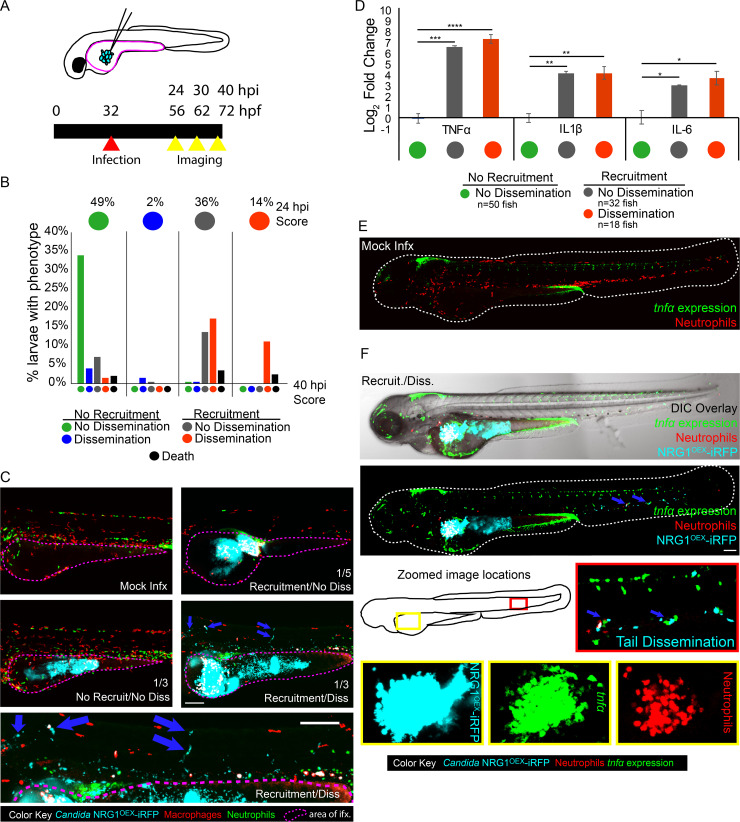
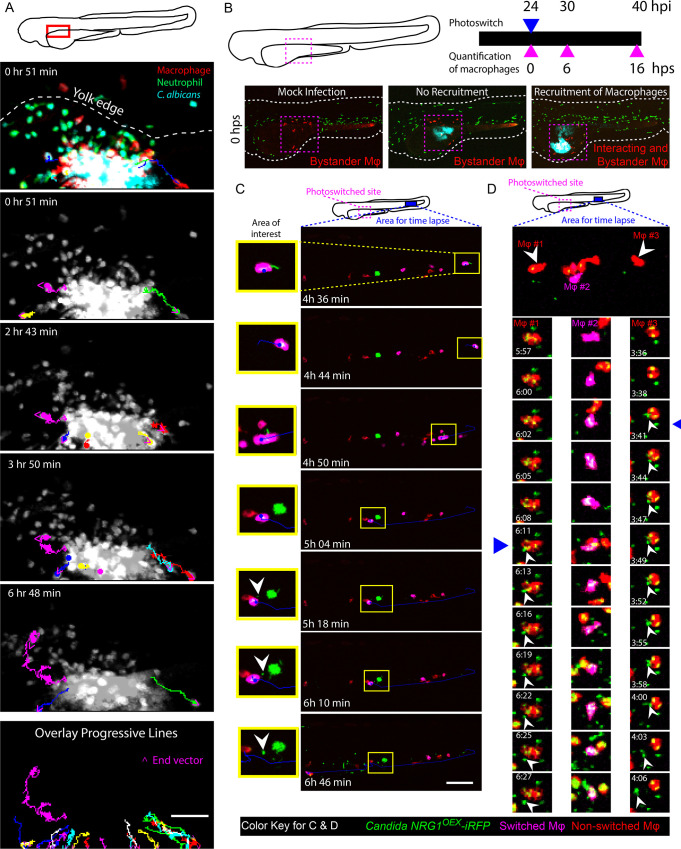
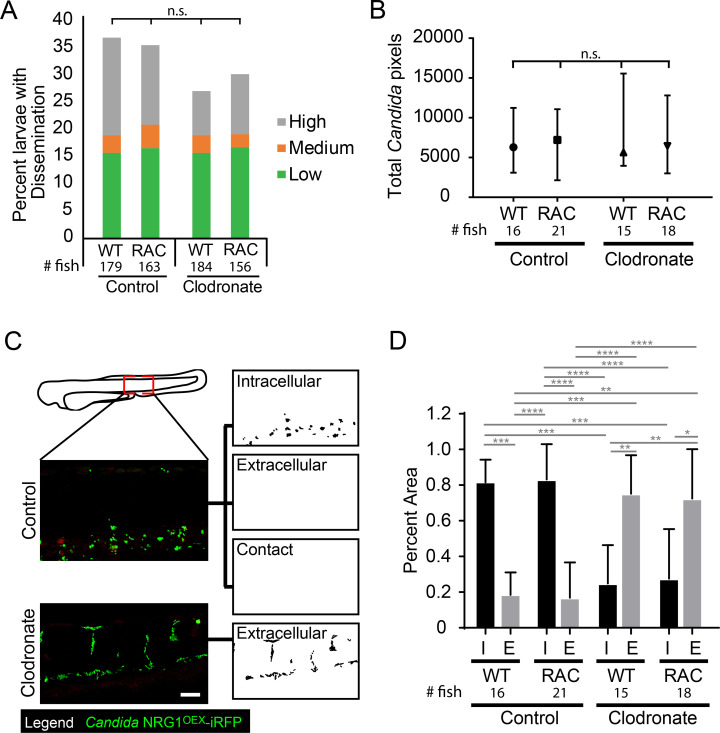
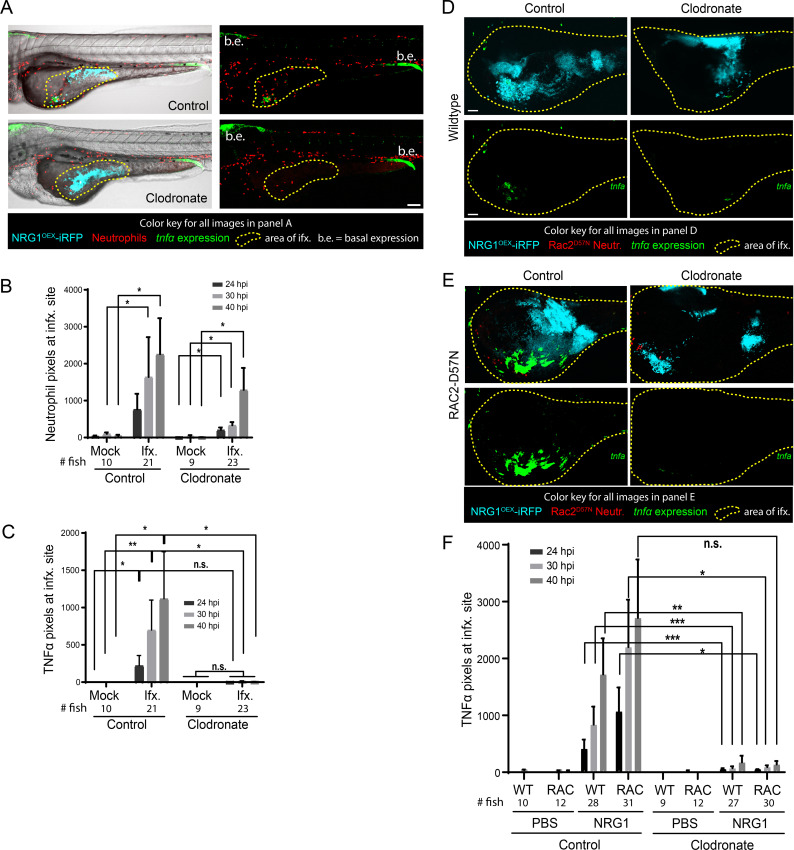
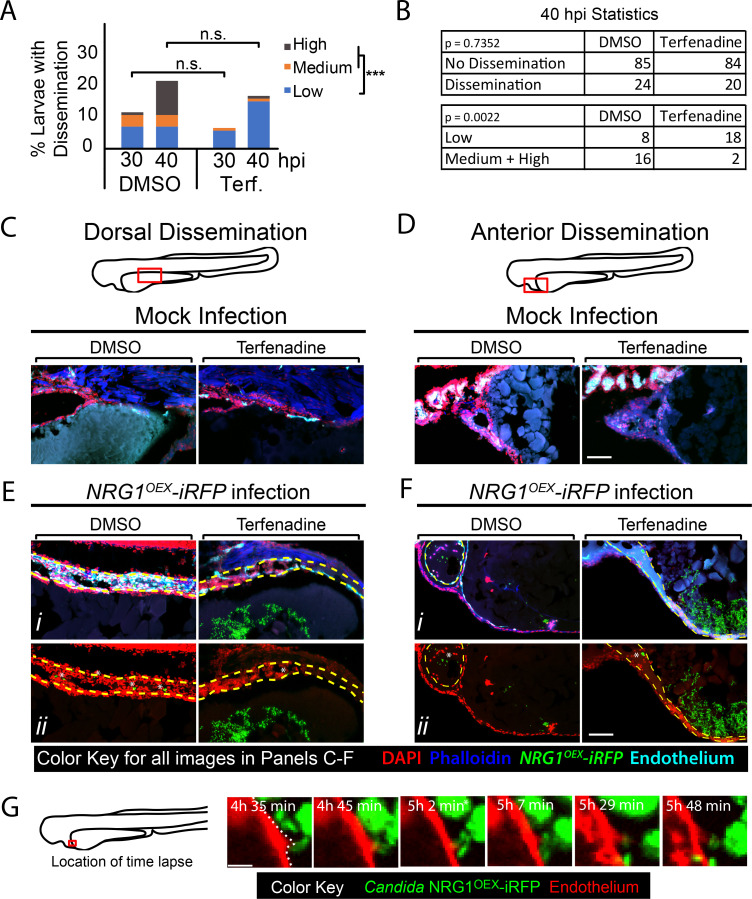
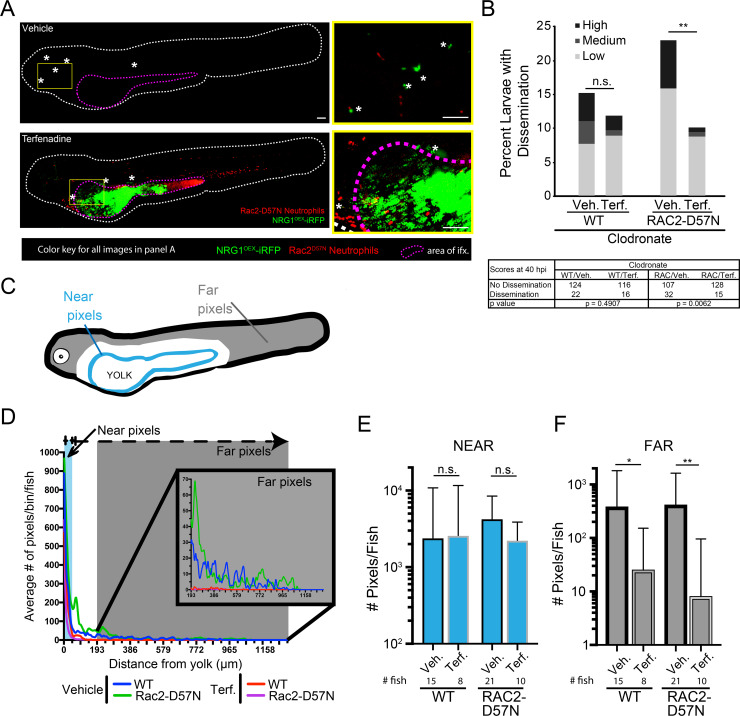
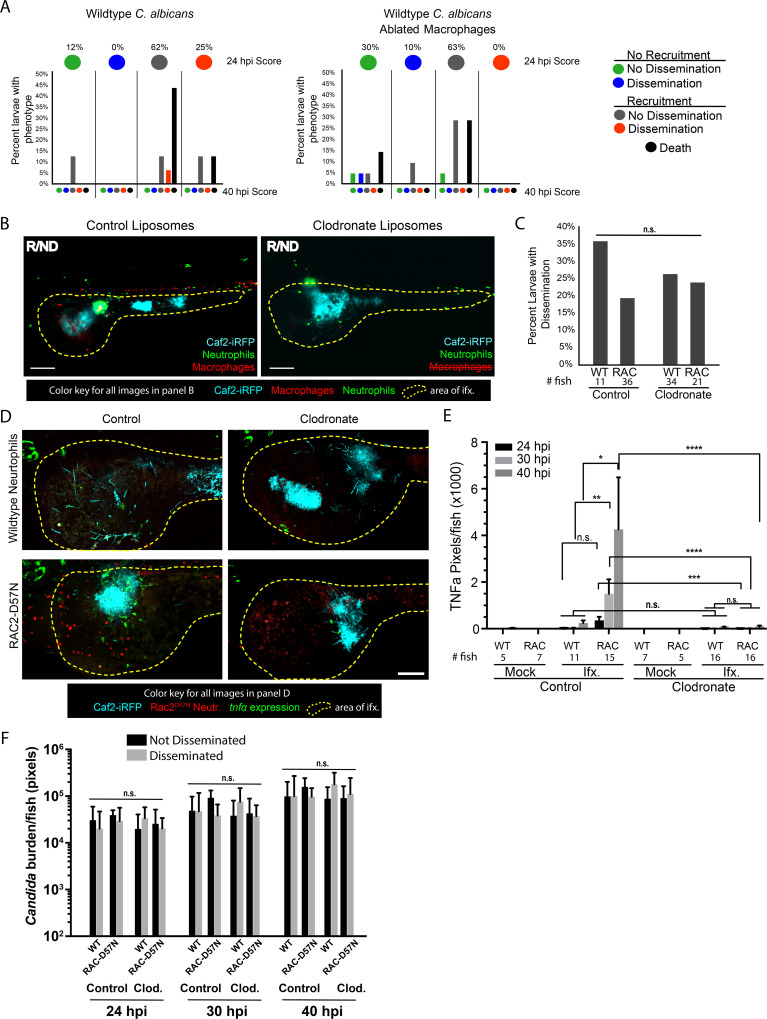
The host innate immune system has developed elegant processes for the detection and clearance of invasive fungal pathogens. These strategies may also aid in the spread of pathogens in vivo , although technical limitations have previously hindered our ability to view the host innate immune and endothelial cells to probe their roles in spreading disease. Here, we have leveraged zebrafish larvae as a model to view the interactions of these host processes with the fungal pathogen Candida albicans in vivo . We examined three potential host-mediated mechanisms of fungal spread: movement inside phagocytes in a “Trojan Horse” mechanism, inflammation-assisted spread, and endothelial barrier passage. Utilizing both chemical and genetic tools, we systematically tested the loss of neutrophils and macrophages and the loss of blood flow on yeast cell spread. Both neutrophils and macrophages respond to yeast-locked and wild type C. albicans in our model and time-lapse imaging revealed that macrophages can support yeast spread in a “Trojan Horse” mechanism. Surprisingly, loss of immune cells or inflammation does not alter dissemination dynamics. On the other hand, when blood flow is blocked, yeast can cross into blood vessels but they are limited in how far they travel. Blockade of both phagocytes and circulation reduces rates of dissemination and significantly limits fungal spread distance from the infection site. Together, this data suggests a redundant two-step process whereby (1) yeast cross the endothelium inside phagocytes or via direct uptake, and then (2) they utilize blood flow or phagocytes to travel to distant sites. Author summary Although Candida albicans is the most common cause of fungal bloodstream infection, we know little about how it spreads from one tissue to another. Host processes often inadvertently assist pathogens that can hijack immune cells or induce endothelial endocytosis. Here we have used transparent zebrafish to visualize how specific host cells and processes contribute to yeast spread in vivo. We find that Candida is a sophisticated pathogen that uses redundant strategies to disseminate in the host: it can either use host immune cells or cross into the circulatory system and use blood flow. These data suggest that both of these mechanisms must be targeted to limit Candida dissemination during infection.
Overview
The claims and statistics of this paper haven’t been checked yet.
Free: it reads the open-access text and checks the first 5 claims that cite a source we can check. Create a free account to check every claim.
Integrity signals
Registry
Cites
Statistics
Figures
Verification
Claims the paper makes
The claims and statistics of this paper haven’t been checked yet.
Free: it reads the open-access text and checks the first 5 claims that cite a source we can check. Create a free account to check every claim.
Claims other papers make about this one
Each is checked against this paper’s own text: does it say what the citing paper says it does?
In the citing paper
“In addition, a recent report indicates that C. albicans is also able to utilize phagocytes and the Trojan horse mechanism to disseminate throughout the host [209].”
From Mechanisms of fungal dissemination (2021) · cites this paper as [209]
Self-check
Percentages, sums and reported differences re-computed from the paper’s own numbers.
The self-check needs the paper’s full text.
Citations
Cites
Fiji: an open-source platform for biological-image analysis
Schindelin, J., Arganda-Carreras, I., Frise, E., Kaynig, V., Longair, M., Pietzsch, T., Preibisch, S., Rueden, C., Saalfeld, S., Schmid, B., et al. (2012) · Nature Methods · doi:10.1038/nmeth.2019 · Cited by 66,890 · cited 7×
“Individual fluorescent channels were compiled on Fluoview software before being transferred for compilation and analysis in Fiji-ImageJ [87].”
MethodInfluentialGuide for the Care and Use of Laboratory Animals: Eighth Edition
(2011) · doi:10.17226/12910 · Cited by 16,199
Stages of embryonic development of the zebrafish
Kimmel, C. B., Ballard, W. W., Kimmel, S. R., Ullmann, B., & Schilling, T. F. (1995) · Developmental Dynamics · doi:10.1002/aja.1002030302 · Cited by 12,037
In Vivo Imaging of Embryonic Vascular Development Using Transgenic Zebrafish
Lawson, N. D., & Weinstein, B. M. (2002) · Developmental Biology · doi:10.1006/dbio.2002.0711 · Cited by 2,151 · cited 1×
“Further, these high-resolution images show that yeast are clearly found within blood vessels with endothelial cells expressing the fli1:EGFP reporter, pseudocolored in cyan [44].”
BackgroundGuide for the Care and Use of Laboratory Animals (8th edn)
Albus, U. (2012) · Laboratory Animals · doi:10.1258/la.2012.150312 · Cited by 1,693
Neutrophil migration in infection and wound repair: going forward in reverse
de Oliveira, S., Rosowski, E. E., & Huttenlocher, A. (2016) · Nature Reviews Immunology · doi:10.1038/nri.2016.49 · Cited by 1,058
A transgenic zebrafish model of neutrophilic inflammation
Renshaw, S. A., Loynes, C. A., Trushell, D. M. I., Elworthy, S., Ingham, P. W., & Whyte, M. K. B. (2006) · Blood · doi:10.1182/blood-2006-05-024075 · Cited by 1,011
The role of adherens junctions and VE-cadherin in the control of vascular permeability
Dejana, E., Orsenigo, F., & Lampugnani, M. G. (2008) · Journal of Cell Science · doi:10.1242/jcs.017897 · Cited by 986
Candida albicans morphogenesis and host defence: discriminating invasion from colonization
Gow, N. A. R., van de Veerdonk, F. L., Brown, A. J. P., & Netea, M. G. (2012) · Nature Reviews Microbiology · doi:10.1038/nrmicro2711 · Cited by 888 · cited 1×
“albicans spreads via phagocyte-dependent or–independent mechanisms [6, 7].”
Zebrafish: a model system for the study of human disease
Dooley, K. (2000) · Current Opinion in Genetics & Development · doi:10.1016/s0959-437x(00)00074-5 · Cited by 745
Cited by
Candida albicans and Candida glabrata : global priority pathogens
Katsipoulaki, M., Stappers, M. H. T., Malavia-Jones, D., Brunke, S., Hube, B., & Gow, N. A. R. (2024) · Microbiology and Molecular Biology Reviews · doi:10.1128/mmbr.00021-23 · Cited by 180
“In a zebrafish infection model, yeast-locked C. albicans spp. have been shown to persist in macrophages up to 40 h and are able to spread in different tissues using the host cells as a Trojan horse (479).”
BackgroundThe pathobiology of human fungal infections
Brown, G. D., Ballou, E. R., Bates, S., Bignell, E., Borman, A. M., Brand, A., Brown, A. J. P., Coelho, C., Cook, P. C., Farrer, R. A., et al. (2024) · Nature Reviews Microbiology · doi:10.1038/s41579-024-01062-w · Cited by 210
Mechanisms of fungal dissemination
Strickland, A. B., & Shi, M. (2021) · Cellular and Molecular Life Sciences · doi:10.1007/s00018-020-03736-z · Cited by 127
Fungal biofilms in human health and disease
Ramage, G., Kean, R., Rautemaa-Richardson, R., Williams, C., & Lopez-Ribot, J. L. (2025) · Nature Reviews Microbiology · doi:10.1038/s41579-025-01147-0 · Cited by 72
Sprague, J. L., Kasper, L., & Hube, B. (2022) · Gut Microbes · doi:10.1080/19490976.2022.2154548 · Cited by 69
Metadata
- Authors
- Scherer, A. K., Blair, B. A., Park, J., Seman, B. G., Kelley, J. B., & Wheeler, R. T.
- Affiliations
- University of Maine (US)
- Duke University (US)
- Corresponding author
- Wheeler, Robert T.
- ORCID
- Venue
- PLOS Pathogens
- Publisher
- Public Library of Science (PLoS)
- Published
- 2020-08-10
- Volume
- 16
- Issue
- 8
- Pages
- e1008414
- ISSN
- 1553-7366 (ISSN-L)
- 1553-7374
- PMC
- PMC7447064
- OpenAlex
- W3048571821
- Cited by
- 30
- References
- 89
- Citations by year
- 2026: 5 · 2025: 7 · 2024: 4 · 2023: 4 · 2022: 6 · 2021: 4
- FWCI
- 0.46
- Type
- journal article
- Language
- en
- Update notices
- new_version (2020-08-25)
- Open access
- gold
- doi.org
- Licence
- Locations
- PLoS Pathogens (publishedVersion, cc-by)
- bioRxiv (Cold Spring Harbor Laboratory) (acceptedVersion, cc-by)
- PubMed Central (publishedVersion, cc-by)
- PubMed (publishedVersion)
- DOAJ (DOAJ: Directory of Open Access Journals) (submittedVersion, cc-by-sa)
- Funders
- National Institute of Allergy and Infectious Diseases (R15AI133415)
- Agricultural Research Service (ME0-21821)
- Burroughs Wellcome Fund (PATH Award)
- National Institute of Diabetes and Digestive and Kidney Diseases (1F31DK111137-01A1)
- Topics
- Health Sciences › Medicine › Infectious Diseases › Antifungal resistance and susceptibility
- Life Sciences › Biochemistry, Genetics and Molecular Biology › Molecular Biology › Fungal and yeast genetics research
- Health Sciences › Medicine › Infectious Diseases › Fungal Infections and Studies
- Keywords
- Candida albicans, fungal dispersal, Trojan horse mechanism, phagocytes, macrophages, neutrophils, endothelial barrier, blood flow, inflammation, innate immunity, zebrafish larvae, time-lapse imaging, host-pathogen interaction
- MeSH terms
- Animals, Candida albicans, Candidiasis, Larva, Macrophages, Neutrophils, Phagocytes, Zebrafish, Endothelial Cells, Host-Pathogen Interactions
About these checks
Registry, retraction, Cites and statistics results are computed, not judged, with one exception: a printed reference that no index lists is read once by a model before it counts as a citation error. Claims are extracted by a model and kept only when their quote appears verbatim in the text; each cited source is then checked, with a model’s help, for whether it says what the claim relies on. Those verdicts can be wrong — read the claim’s quote and the cited source before relying on one.
Statistics and arithmetic are recomputed, not judged.
Confidence bands are shown only for fields calibrated on our annotated test set. None is calibrated yet, so no band is shown.
What counts as a claim ›How we measure confidence ›How we check this ›
Are you an author, or do you see a problem with this page? Request a review
How to cite
Cite CoChat for the checks on this page, and the paper for its own findings.
- This page
- CoChat. (2026). Citation check: Redundant Trojan horse and endothelial-circulatory mechanisms for host-mediated spread of Candida albicans yeast. https://app.cochat.ai/papers/10.1371/journal.ppat.1008414
- The paper
- Scherer, A. K., Blair, B. A., Park, J., Seman, B. G., Kelley, J. B., & Wheeler, R. T. (2020). Redundant Trojan horse and endothelial-circulatory mechanisms for host-mediated spread of Candida albicans yeast. PLOS Pathogens. https://doi.org/10.1371/journal.ppat.1008414
Data sources
Bibliographic data: Semantic Scholar, OpenAlex, Crossref.
Contains information from the Semantic Scholar Academic Graph Datasets, made available under the ODC Attribution License (ODC-BY 1.0).
Semantic Scholar’s data is described in: Kinney, R., et al. (2023). The Semantic Scholar Open Data Platform. arXiv:2301.10140.
