

Redundant Trojan horse and endothelial-circulatory mechanisms for host-mediated spread of Candida albicans yeast
Open accessPublished version of a preprint
The DOI matches its Crossref record; 89 of the 90 references it cites were found in a registry or an index.
Abstract
The host innate immune system has developed elegant processes for the detection and clearance of invasive fungal pathogens. These strategies may also aid in the spread of pathogens in vivo , although technical limitations have previously hindered our ability to view the host innate immune and endothelial cells to probe their roles in spreading disease. Here, we have leveraged zebrafish larvae as a model to view the interactions of these host processes with the fungal pathogen Candida albicans in vivo . We examined three potential host-mediated mechanisms of fungal spread: movement inside phagocytes in a “Trojan Horse” mechanism, inflammation-assisted spread, and endothelial barrier passage. Utilizing both chemical and genetic tools, we systematically tested the loss of neutrophils and macrophages and the loss of blood flow on yeast cell spread. Both neutrophils and macrophages respond to yeast-locked and wild type C. albicans in our model and time-lapse imaging revealed that macrophages can support yeast spread in a “Trojan Horse” mechanism. Surprisingly, loss of immune cells or inflammation does not alter dissemination dynamics. On the other hand, when blood flow is blocked, yeast can cross into blood vessels but they are limited in how far they travel. Blockade of both phagocytes and circulation reduces rates of dissemination and significantly limits fungal spread distance from the infection site. Together, this data suggests a redundant two-step process whereby (1) yeast cross the endothelium inside phagocytes or via direct uptake, and then (2) they utilize blood flow or phagocytes to travel to distant sites. Author summary Although Candida albicans is the most common cause of fungal bloodstream infection, we know little about how it spreads from one tissue to another. Host processes often inadvertently assist pathogens that can hijack immune cells or induce endothelial endocytosis. Here we have used transparent zebrafish to visualize how specific host cells and processes contribute to yeast spread in vivo. We find that Candida is a sophisticated pathogen that uses redundant strategies to disseminate in the host: it can either use host immune cells or cross into the circulatory system and use blood flow. These data suggest that both of these mechanisms must be targeted to limit Candida dissemination during infection.
Overview
The claims and statistics of this paper haven’t been checked yet.
Free: it reads the open-access text and checks the first 5 claims that cite a source we can check. Create a free account to check every claim.
Integrity signals
Registry
Cites
Statistics
Figures
Verification
Claims the paper makes
The claims and statistics of this paper haven’t been checked yet.
Free: it reads the open-access text and checks the first 5 claims that cite a source we can check. Create a free account to check every claim.
Claims other papers make about this one
Each is checked against this paper’s own text: does it say what the citing paper says it does?
In the citing paper
“In addition, a recent report indicates that C. albicans is also able to utilize phagocytes and the Trojan horse mechanism to disseminate throughout the host [209].”
From Mechanisms of fungal dissemination (2021) · cites this paper as [209]
Self-check
Percentages, sums and reported differences re-computed from the paper’s own numbers.
The self-check needs the paper’s full text.
Citations
Cites
Fiji: an open-source platform for biological-image analysis
Schindelin, J., Arganda-Carreras, I., Frise, E., Kaynig, V., Longair, M., Pietzsch, T., Preibisch, S., Rueden, C., Saalfeld, S., Schmid, B., et al. (2012) · Nature Methods · doi:10.1038/nmeth.2019 · Cited by 66,890 · cited 7×
“Individual fluorescent channels were compiled on Fluoview software before being transferred for compilation and analysis in Fiji-ImageJ [87].”
MethodInfluentialGuide for the Care and Use of Laboratory Animals: Eighth Edition
(2011) · doi:10.17226/12910 · Cited by 16,199
Stages of embryonic development of the zebrafish
Kimmel, C. B., Ballard, W. W., Kimmel, S. R., Ullmann, B., & Schilling, T. F. (1995) · Developmental Dynamics · doi:10.1002/aja.1002030302 · Cited by 12,037
In Vivo Imaging of Embryonic Vascular Development Using Transgenic Zebrafish
Lawson, N. D., & Weinstein, B. M. (2002) · Developmental Biology · doi:10.1006/dbio.2002.0711 · Cited by 2,151 · cited 1×
“Further, these high-resolution images show that yeast are clearly found within blood vessels with endothelial cells expressing the fli1:EGFP reporter, pseudocolored in cyan [44].”
BackgroundGuide for the Care and Use of Laboratory Animals (8th edn)
Albus, U. (2012) · Laboratory Animals · doi:10.1258/la.2012.150312 · Cited by 1,693
Neutrophil migration in infection and wound repair: going forward in reverse
de Oliveira, S., Rosowski, E. E., & Huttenlocher, A. (2016) · Nature Reviews Immunology · doi:10.1038/nri.2016.49 · Cited by 1,058
A transgenic zebrafish model of neutrophilic inflammation
Renshaw, S. A., Loynes, C. A., Trushell, D. M. I., Elworthy, S., Ingham, P. W., & Whyte, M. K. B. (2006) · Blood · doi:10.1182/blood-2006-05-024075 · Cited by 1,011
The role of adherens junctions and VE-cadherin in the control of vascular permeability
Dejana, E., Orsenigo, F., & Lampugnani, M. G. (2008) · Journal of Cell Science · doi:10.1242/jcs.017897 · Cited by 986
Candida albicans morphogenesis and host defence: discriminating invasion from colonization
Gow, N. A. R., van de Veerdonk, F. L., Brown, A. J. P., & Netea, M. G. (2012) · Nature Reviews Microbiology · doi:10.1038/nrmicro2711 · Cited by 888 · cited 1×
“albicans spreads via phagocyte-dependent or–independent mechanisms [6, 7].”
Zebrafish: a model system for the study of human disease
Dooley, K. (2000) · Current Opinion in Genetics & Development · doi:10.1016/s0959-437x(00)00074-5 · Cited by 745
Wang, F., Graham, W. V., Wang, Y., Witkowski, E. D., Schwarz, B. T., & Turner, J. R. (2005) · The American Journal of Pathology · doi:10.1016/s0002-9440(10)62264-x · Cited by 696 · cited 1×
“Proinflammatory cytokines at the infection site likely promote vascular permeability that may enhance fungal spread to the bloodstream by endocytic, paracellular and/or Trojan-horse pathways [7, 22, 23, 47].”
BackgroundThe zebrafish lysozyme C promoter drives myeloid-specific expression in transgenic fish
Hall, C., Flores, M. V., Storm, T., Crosier, K., & Crosier, P. (2007) · BMC Developmental Biology · doi:10.1186/1471-213x-7-42 · Cited by 591
Mutations affecting the cardiovascular system and other internal organs in zebrafish
Chen, J.-N., Haffter, P., Odenthal, J., Vogelsang, E., Brand, M., Eeden, F. J. M. V., Furutani-Seiki, M., Granato, M., Hammerschmidt, M., Heisenberg, C.-P., et al. (1996) · Development · doi:10.1242/dev.123.1.293 · Cited by 444
Drugs That Induce Repolarization Abnormalities Cause Bradycardia in Zebrafish
Milan, D. J., Peterson, T. A., Ruskin, J. N., Peterson, R. T., & MacRae, C. A. (2003) · Circulation · doi:10.1161/01.cir.0000061912.88753.87 · Cited by 440
Davison, J. M., Akitake, C. M., Goll, M. G., Rhee, J. M., Gosse, N., Baier, H., Halpern, M. E., Leach, S. D., & Parsons, M. J. (2007) · Developmental Biology · doi:10.1016/j.ydbio.2007.01.033 · Cited by 426
Mycobacterium abscessus cording prevents phagocytosis and promotes abscess formation
Bernut, A., Herrmann, J.-L., Kissa, K., Dubremetz, J.-F., Gaillard, J.-L., Lutfalla, G., & Kremer, L. (2014) · Proceedings of the National Academy of Sciences · doi:10.1073/pnas.1321390111 · Cited by 376 · cited 2×
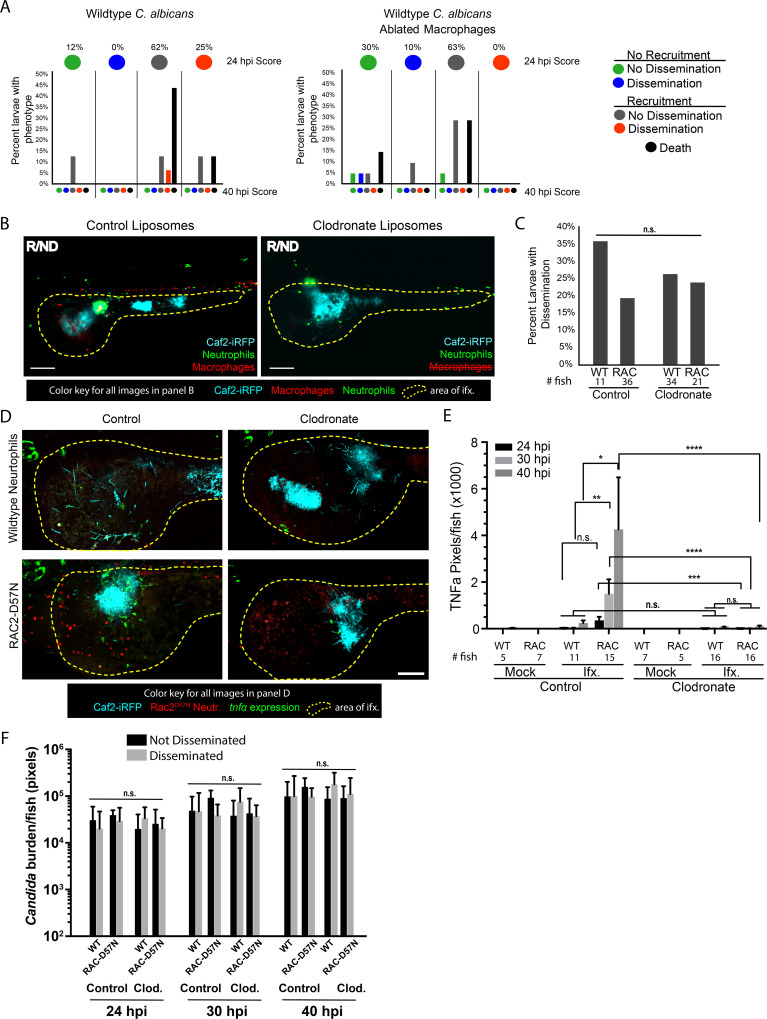
“We first investigated how much the ablation of macrophages alters yeast spread, eliminating macrophages either by injection of liposomal clodronate [9, 25, 30, 31] or by addition of metronidazole pro-toxin to larvae with nitroreductase-expressing macrophages [32–34].”
BackgroundMethodCellular and Molecular Mechanisms of Vascular Lumen Formation
Iruela-Arispe, M. L., & Davis, G. E. (2009) · Developmental Cell · doi:10.1016/j.devcel.2009.01.013 · Cited by 373
Cardiovascular development in the zebrafish I. Myocardial fate map and heart tube formation
Stainier, D. Y. R., Lee, R. K., & Fishman, M. C. (1993) · Development · doi:10.1242/dev.119.1.31 · Cited by 368
Evidence of a Role for Monocytes in Dissemination and Brain Invasion by Cryptococcus neoformans
Charlier, C., Nielsen, K., Daou, S., Brigitte, M., Chretien, F., & Dromer, F. (2009) · Infection and Immunity · doi:10.1128/iai.01065-08 · Cited by 362 · cited 1×
“We first investigated how much the ablation of macrophages alters yeast spread, eliminating macrophages either by injection of liposomal clodronate [9, 25, 30, 31] or by addition of metronidazole pro-toxin to larvae with nitroreductase-expressing macrophages [32–34].”
BackgroundMucosal damage and neutropenia are required for Candida albicans dissemination
Koh, A. Y., Köhler, J. R., Coggshall, K. T., Van Rooijen, N., & Pier, G. B. (2008) · PLoS Pathogens · doi:10.1371/journal.ppat.0040035 · Cited by 360
Zhai, B., Ola, M., Rolling, T., Tosini, N. L., Joshowitz, S., Littmann, E. R., Amoretti, L. A., Fontana, E., Wright, R. J., Miranda, E., et al. (2020) · Nature Medicine · doi:10.1038/s41591-019-0709-7 · Cited by 327
Are bloodstream leukocytes Trojan Horses for the metastasis of Staphylococcus aureus?
Thwaites, G. E., & Gant, V. (2011) · Nature Reviews Microbiology · doi:10.1038/nrmicro2508 · Cited by 320 · cited 1×
“dissemination into the bloodstream [12, 28, 36].”
Zebrafish assays for drug toxicity screening
Rubinstein, A. L. (2006) · Expert Opinion on Drug Metabolism & Toxicology · doi:10.1517/17425255.2.2.231 · Cited by 286 · cited 1×
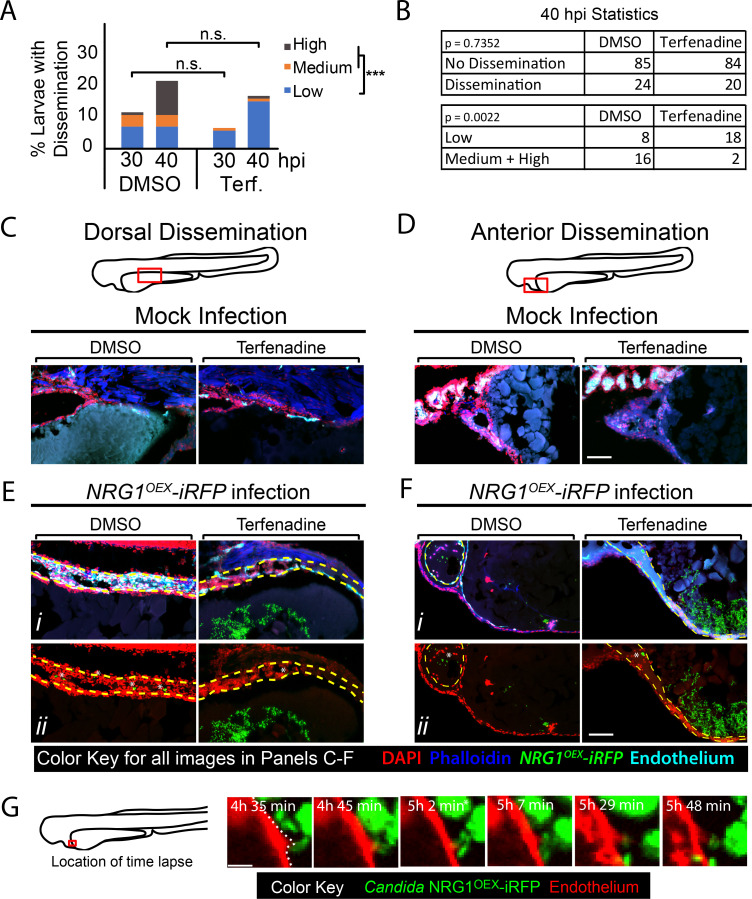
“We allowed for development until the time of infection to avoid disrupting normal hematopoiesis, then blocked blood flow using non-toxic doses of one of two previously characterized inhibitors of heart beat, terfenadine [40, 41] or valproic acid [42, 43].”
MethodZebrabow: multispectral cell labeling for cell tracing and lineage analysis in zebrafish
Pan, Y. A., Freundlich, T., Weissman, T. A., Schoppik, D., Wang, X. C., Zimmerman, S., Ciruna, B., Sanes, J. R., Lichtman, J. W., & Schier, A. F. (2013) · Development · doi:10.1242/dev.094631 · Cited by 285 · cited 1×
“Tracking the fate of individual phagocytes by adapting the Zebrabow fish line [58, 59] and/or imaging individually photoswitched yeast should allow single-cell quantification of these activities in the future.”
BackgroundCandida albicans interactions with epithelial cells and mucosal immunity
Naglik, J. R., Moyes, D. L., Wächtler, B., & Hube, B. (2011) · Microbes and Infection · doi:10.1016/j.micinf.2011.06.009 · Cited by 277 · cited 1×
“albicans can cause endothelial cell damage and stimulate endocytosis in vitro, suggesting one strategy for invasion through this barrier [3, 7, 14, 15].”
BackgroundWächtler, B., Citiulo, F., Jablonowski, N., Förster, S., Dalle, F., Schaller, M., Wilson, D., & Hube, B. (2012) · PLoS ONE · doi:10.1371/journal.pone.0036952 · Cited by 250 · cited 2×
“There are a number of candidate host receptors, as well as C. albicans adhesins and proteolytic enzymes that could participate in yeast translocation, including cadherins, EphA2, EGFR, ErbB2, secreted aspartyl proteases (SAPs), candidalysin, Als3p [7, 54, 55].”
BackgroundDichotomous Role of the Macrophage in Early Mycobacterium marinum Infection of the Zebrafish
Clay, H., Davis, J. M., Beery, D., Huttenlocher, A., Lyons, S. E., & Ramakrishnan, L. (2007) · Cell Host & Microbe · doi:10.1016/j.chom.2007.06.004 · Cited by 247 · cited 1×
“Translational blocking (CCTCCATT CTGTACGGATGCAGCAT) and splice blocking (GGTCTTTCTCCTTACCATGCTCTCC) MOs were co-injected into 1–2 cell stage embryos [10, 30].”
MethodThe blood–brain barrier endothelium: a target for pro-inflammatory cytokines
Rochfort, K. D., & Cummins, P. M. (2015) · Biochemical Society Transactions · doi:10.1042/bst20140319 · Cited by 245 · cited 1×
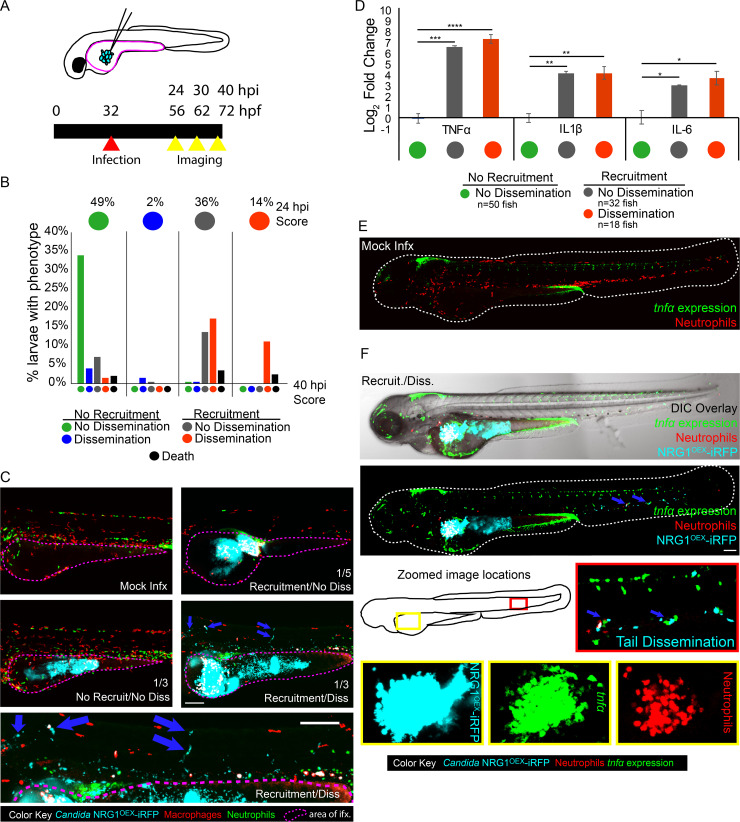
“These experiments demonstrated that recruitment of phagocytes tends to precede dissemination (Fig 1B and 1C), suggesting a role for phagocytes in the dissemination of yeast, either directly through the Trojan Horse mechanism, or indirectly through inflammation-mediated weakening of host vasculature [12, 18, 19].”
BackgroundTrojan Horse Transit Contributes to Blood-Brain Barrier Crossing of a Eukaryotic Pathogen
Santiago-Tirado, F. H., Onken, M. D., Cooper, J. A., Klein, R. S., & Doering, T. L. (2017) · mBio · doi:10.1128/mbio.02183-16 · Cited by 238 · cited 2×
“dissemination into the bloodstream [12, 28, 36].”
BackgroundTucey, T. M., Verma, J., Harrison, P. F., Snelgrove, S. L., Lo, T. L., Scherer, A. K., Barugahare, A. A., Powell, D. R., Wheeler, R. T., Hickey, M. J., et al. (2018) · Cell Metabolism · doi:10.1016/j.cmet.2018.03.019 · Cited by 226 · cited 2×
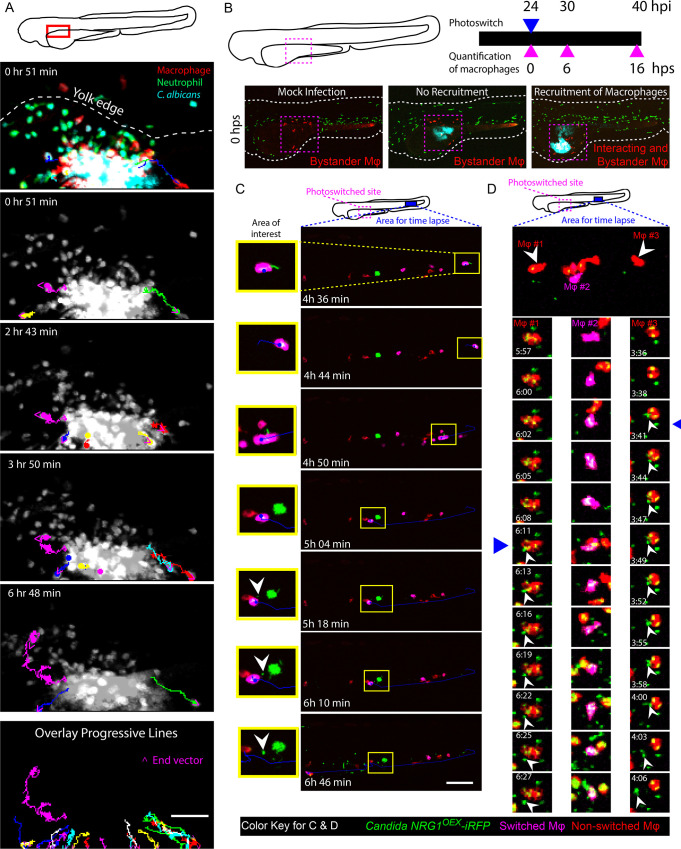
“Previous work with this photoconvertible transgenic line showed that macrophages that phagocytose fungi tend to die at the infection site rather than move away [29], but we found that a minority of macrophages with phagocytosed yeast remained viable and migrated from the infection site (Fig 2B).”
BackgroundSelf-citationInnate immunity and pathogen–host interaction
Basset, C., Holton, J., O’Mahony, R., & Roitt, I. M. (2003) · Vaccine · doi:10.1016/s0264-410x(03)00195-6 · Cited by 223
Candida albicans-Induced Epithelial Damage Mediates Translocation through Intestinal Barriers
Allert, S., Förster, T. M., Svensson, C.-M., Richardson, J. P., Pawlik, T., Hebecker, B., Rudolphi, S., Juraschitz, M., Schaller, M., Blagojevic, M., et al. (2018) · mBio · doi:10.1128/mbio.00915-18 · Cited by 208
Gray, C., Loynes, C., Whyte, M., Crossman, D., Renshaw, S., & Chico, T. (2011) · Thrombosis and Haemostasis · doi:10.1160/th10-08-0525 · Cited by 204
Hawkins, P., Morton, D. B., Burman, O., Dennison, N., Honess, P., Jennings, M., Lane, S., Middleton, V, Roughan, J. V., Wells, S., et al. (2011) · Laboratory Animals · doi:10.1258/la.2010.010031 · Cited by 204
Reverse Migration of Neutrophils: Where, When, How, and Why?
Nourshargh, S., Renshaw, S. A., & Imhof, B. A. (2016) · Trends in Immunology · doi:10.1016/j.it.2016.03.006 · Cited by 186
Epigenetic control of intestinal barrier function and inflammation in zebrafish
Marjoram, L., Alvers, A., Deerhake, M. E., Bagwell, J., Mankiewicz, J., Cocchiaro, J. L., Beerman, R. W., Willer, J., Sumigray, K. D., Katsanis, N., et al. (2015) · Proceedings of the National Academy of Sciences · doi:10.1073/pnas.1424089112 · Cited by 185 · cited 1×
“Proinflammatory cytokines at the infection site likely promote vascular permeability that may enhance fungal spread to the bloodstream by endocytic, paracellular and/or Trojan-horse pathways [7, 22, 23, 47].”
BackgroundMutations affecting pigmentation and shape of the adult zebrafish.
Haffter, P., Odenthal, J., Mullins, M. C., Lin, S., Farrell, M. J., Vogelsang, E., Haas, F., Brand, M., van Eeden, F. J. M., Furutani-Seiki, M., et al. (1996) · Development Genes and Evolution · doi:10.1007/s004270050051 · Cited by 175
Bojarczuk, A., Miller, K. A., Hotham, R., Lewis, A., Ogryzko, N. V., Kamuyango, A. A., Frost, H., Gibson, R. H., Stillman, E., May, R. C., et al. (2016) · Scientific Reports · doi:10.1038/srep21489 · Cited by 170
Interaction of pathogenic yeasts with phagocytes: survival, persistence and escape.
Seider, K., Heyken, A., Lüttich, A., Miramón, P., & Hube, B. (2010) · Current Opinion in Microbiology · doi:10.1016/j.mib.2010.05.001 · Cited by 167
Peters, B. M., Palmer, G. E., Nash, A. K., Lilly, E. A., Fidel, P. L., & Noverr, M. C. (2014) · Infection and Immunity · doi:10.1128/iai.01417-13 · Cited by 165 · cited 4×
“Larvae were kept at 28 ̊C for NRG1 yeast locked infections [83] or 21 ̊C for wild type Caf2 infections [5].”
MethodInfluentialTranscriptional Silencing and Reactivation in Transgenic Zebrafish
Goll, M. G., Anderson, R., Stainier, D. Y. R., Spradling, A. C., & Halpern, M. E. (2009) · Genetics · doi:10.1534/genetics.109.102079 · Cited by 155
Zebrafish as a model for the study of neutrophil biology
Henry, K. M., Loynes, C. A., Whyte, M. K. B., & Renshaw, S. A. (2013) · Journal of Leukocyte Biology · doi:10.1189/jlb.1112594 · Cited by 143
Dual Roles for Rac2 in Neutrophil Motility and Active Retention in Zebrafish Hematopoietic Tissue
Deng, Q., Yoo, S. K., Cavnar, P. J., Green, J. M., & Huttenlocher, A. (2011) · Developmental Cell · doi:10.1016/j.devcel.2011.07.013 · Cited by 142 · cited 1×
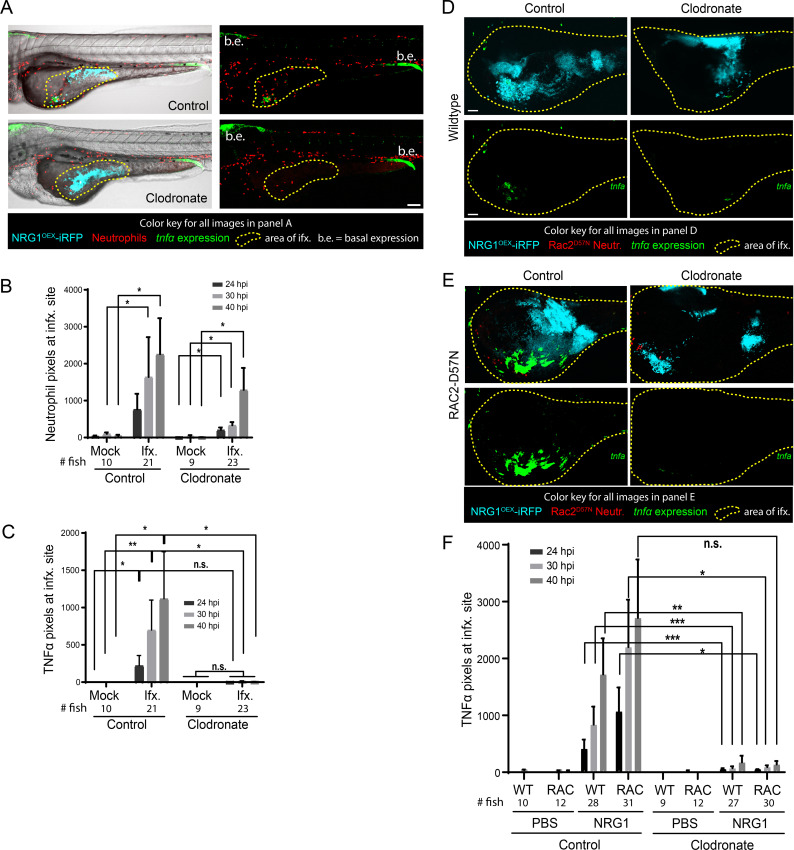
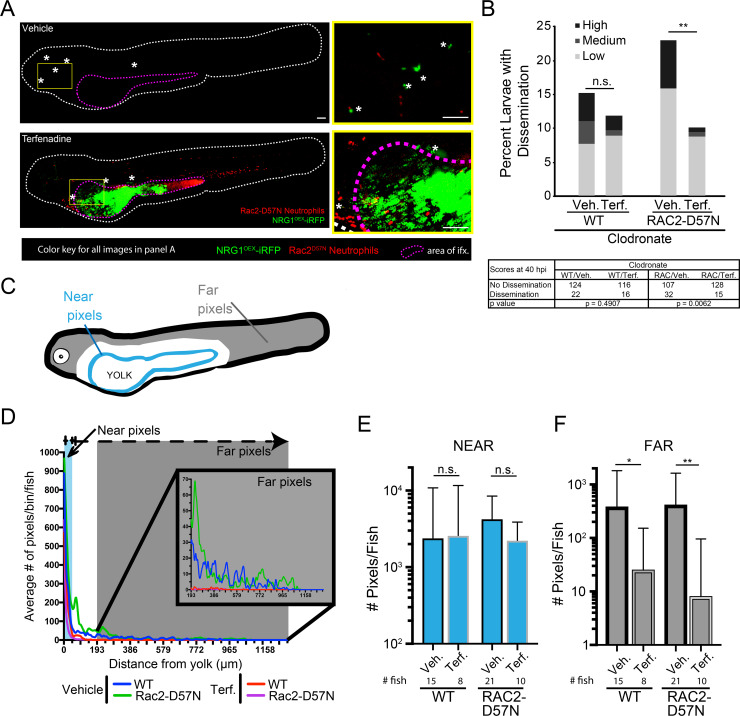
“We used Rac2-D57N larvae, with defective neutrophils that are unable to extravasate from the bloodstream [35], and eliminated macrophages with clodronate.”
MethodMacCallum, D. M., & Odds, F. C. (2005) · Mycoses · doi:10.1111/j.1439-0507.2005.01121.x · Cited by 140 · cited 1×
“Once fungi get into the bloodstream, they can be carried by the circulatory system throughout the host, a process that results in rapid and universal dispersion [16].”
BackgroundMucosal Immunity and Candida albicans Infection
Moyes, D. L., & Naglik, J. R. (2011) · Clinical and Developmental Immunology · doi:10.1155/2011/346307 · Cited by 138 · cited 1×
“albicans can cause endothelial cell damage and stimulate endocytosis in vitro, suggesting one strategy for invasion through this barrier [3, 7, 14, 15].”
BackgroundBrothers, K. M., Newman, Z. R., & Wheeler, R. T. (2011) · Eukaryotic Cell · doi:10.1128/ec.05005-11 · Cited by 134 · cited 4×
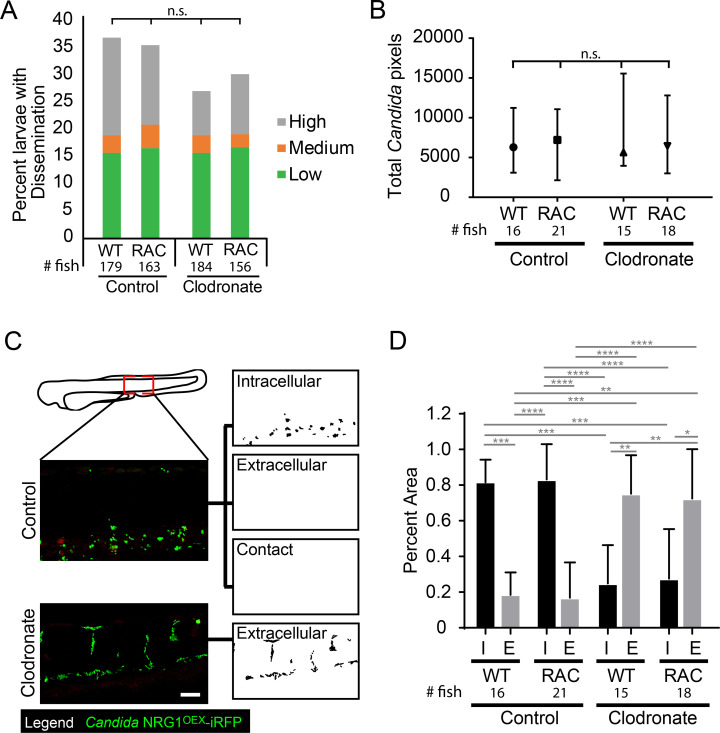
“used to trace over yeast scored as intra- and extracellular by methods previously described from our laboratory [5, 13].”
BackgroundMethodInfluentialSelf-citationImmunoPET/MR imaging allows specific detection of Aspergillus fumigatus lung infection in vivo
Rolle, A.-M., Hasenberg, M., Thornton, C. R., Solouk-Saran, D., Männ, L., Weski, J., Maurer, A., Fischer, E., Spycher, P. R., Schibli, R., et al. (2016) · Proceedings of the National Academy of Sciences · doi:10.1073/pnas.1518836113 · Cited by 134
Chandra, J., McCormick, T. S., Imamura, Y., Mukherjee, P. K., & Ghannoum, M. A. (2007) · Infection and Immunity · doi:10.1128/iai.01841-06 · Cited by 130
Murine Models of Candida Gastrointestinal Colonization and Dissemination
Koh, A. Y. (2013) · Eukaryotic Cell · doi:10.1128/ec.00196-13 · Cited by 125
Prajsnar, T. K., Hamilton, R., Garcı́a-Lara, J., McVicker, G., Williams, A., Boots, M., Foster, S. J., & Renshaw, S. A. (2012) · Cellular Microbiology · doi:10.1111/j.1462-5822.2012.01826.x · Cited by 112 · cited 1×
“Both in vitro and zebrafish disease models have been used to demonstrate how neutrophils [8] and macrophages [9–12] can be vehicles for dissemination for mycobacterium, Cryptococcus and Streptococcus.”
MethodHassel, D., Scholz, E. P., Trano, N., Friedrich, O., Just, S., Meder, B., Weiss, D. L., Zitron, E., Marquart, S., Vogel, B., et al. (2008) · Circulation · doi:10.1161/circulationaha.107.752220 · Cited by 110
Non-lytic expulsion/exocytosis of Candida albicans from macrophages
Bain, J. M., Lewis, L. E., Okai, B., Quinn, J., Gow, N. A. R., & Erwig, L.-P. (2012) · Fungal Genetics and Biology · doi:10.1016/j.fgb.2012.01.008 · Cited by 100 · cited 2×
“albicans in the absence of blood flow, and we know that macrophages are key for spread of other fungal and bacterial pathogens [24, 53].”
BackgroundBergeron, A. C., Seman, B. G., Hammond, J. H., Archambault, L. S., Hogan, D. A., & Wheeler, R. T. (2017) · Infection and Immunity · doi:10.1128/iai.00475-17 · Cited by 100
Self-citationInnate Immune Response to Streptococcus iniae Infection in Zebrafish Larvae
Harvie, E. A., Green, J. M., Neely, M. N., & Huttenlocher, A. (2013) · Infection and Immunity · doi:10.1128/iai.00642-12 · Cited by 99
Host response to Candida albicans bloodstream infection and sepsis
Duggan, S., Leonhardt, I., Hünniger, K., & Kurzai, O. (2015) · Virulence · doi:10.4161/21505594.2014.988096 · Cited by 97
Zebrafish: A See-Through Host and a Fluorescent Toolbox to Probe Host–Pathogen Interaction
Tobin, D. M., May, R. C., & Wheeler, R. T. (2012) · PLoS Pathogens · doi:10.1371/journal.ppat.1002349 · Cited by 97 · cited 1×
“albicans yeast and then kept in E3 media plus PTU and 10 mM metronidazole for the remainder of the experiment [34, 78, 87].”
MethodSelf-citationDoyle, T. C., Nawotka, K. A., Bellinger-Kawahara, C., Francis, K. P., & Contag, P. R. (2006) · Microbial Pathogenesis · doi:10.1016/j.micpath.2005.11.003 · Cited by 89
Lee, E. K. S., Gillrie, M. R., Li, L., Arnason, J. W., Kim, J. H., Babes, L., Lou, Y., Sanati-Nezhad, A., Kyei, S. K., Kelly, M. M., et al. (2018) · Cell Host & Microbe · doi:10.1016/j.chom.2017.11.009 · Cited by 89
Nitroreductase-Mediated Cell Ablation in Transgenic Zebrafish Embryos
Pisharath, H., & Parsons, M. J. (2009) · Methods in molecular biology · doi:10.1007/978-1-60327-977-2_9 · Cited by 88 · cited 1×
“albicans yeast and then kept in E3 media plus PTU and 10 mM metronidazole for the remainder of the experiment [34, 78, 87].”
MethodGrubb, S. E. W., Murdoch, C., Sudbery, P. E., Saville, S. P., Lopez-Ribot, J. L., & Thornhill, M. H. (2008) · Infection and Immunity · doi:10.1128/iai.00332-08 · Cited by 87 · cited 5×
“albicans spreads via phagocyte-dependent or–independent mechanisms [6, 7].”
BackgroundInfluentialMechanisms of the Proinflammatory Response of Endothelial Cells to Candida albicans Infection
Orozco, A. S., Zhou, X., & Filler, S. G. (2000) · Infection and Immunity · doi:10.1128/iai.68.3.1134-1141.2000 · Cited by 77 · cited 1×
“Proinflammatory cytokines at the infection site likely promote vascular permeability that may enhance fungal spread to the bloodstream by endocytic, paracellular and/or Trojan-horse pathways [7, 22, 23, 47].”
BackgroundJacobsen, I. D., Lüttich, A., Kurzai, O., Hube, B., & Brock, M. (2014) · Journal of Antimicrobial Chemotherapy · doi:10.1093/jac/dku198 · Cited by 73
Ellett, F. E., Pazhakh, V., Pase, L. B., Benard, E. L., Weerasinghe, H., Azabdaftari, D., Alasmari, S., Andrianopoulos, A., & Lieschke, G. J. (2018) · PLoS Pathogens · doi:10.1371/journal.ppat.1007063 · Cited by 71 · cited 2×
“albicans yeast and then kept in E3 media plus PTU and 10 mM metronidazole for the remainder of the experiment [34, 78, 87].”
BackgroundMethodGratacap, R. L., Rawls, J. F., & Wheeler, R. T. (2013) · Disease Models & Mechanisms · doi:10.1242/dmm.012039 · Cited by 70 · cited 4×
“1 S3 Fig Δura3::imm434/ URA3 pENO1-dTomato-NATR [84]”
MethodInfluentialSelf-citationThe blood-brain barrier internalises Cryptococcus neoformans via the EphA2-tyrosine kinase receptor
Aaron, P. A., Jamklang, M., Uhrig, J. P., & Gelli, A. (2018) · Cellular Microbiology · doi:10.1111/cmi.12811 · Cited by 70 · cited 1×
“dissemination into the bloodstream [12, 28, 36].”
Adhesion of Candida albicans to Endothelial Cells under Physiological Conditions of Flow
Grubb, S. E. W., Murdoch, C., Sudbery, P. E., Saville, S. P., Lopez-Ribot, J. L., & Thornhill, M. H. (2009) · Infection and Immunity · doi:10.1128/iai.00518-09 · Cited by 66 · cited 1×
“yeast, perhaps because of adherence to the vascular lumen [56, 57].”
BackgroundRosowski, E. E., Deng, Q., Keller, N. P., & Huttenlocher, A. (2016) · The Journal of Immunology · doi:10.4049/jimmunol.1600928 · Cited by 62
Perturbation of Defense Pathways by Low-Dose Arsenic Exposure in Zebrafish Embryos
Mattingly, C. J., Hampton, T. H., Brothers, K. M., Griffin, N. E., & Planchart, A. (2009) · Environmental Health Perspectives · doi:10.1289/ehp.0900555 · Cited by 61
Woth, G., Tökés‐Füzesi, M., Magyarlaki, T., Kovács, G. L., Vermes, I., & Mühl, D. (2012) · Annals of Clinical Biochemistry International Journal of Laboratory Medicine · doi:10.1258/acb.2012.011215 · Cited by 54
Vomocytosis of live pathogens from macrophages is regulated by the atypical MAP kinase ERK5
Gilbert, A. S., Seoane, P. I., Sephton-Clark, P., Bojarczuk, A., Hotham, R., Giurisato, E., Sarhan, A. R., Hillen, A., Velde, G. V., Gray, N. S., et al. (2017) · Science Advances · doi:10.1126/sciadv.1700898 · Cited by 54 · cited 2×
“albicans in the absence of blood flow, and we know that macrophages are key for spread of other fungal and bacterial pathogens [24, 53].”
BackgroundNeutrophil migration: moving from zebrafish models to human autoimmunity
Shelef, M. A., Tauzin, S., & Huttenlocher, A. (2013) · Immunological Reviews · doi:10.1111/imr.12124 · Cited by 53
Carrillo, S. A., Anguita‐Salinas, C., Peña, O. A., Morales, R. A., Muñoz‐Sánchez, S., Muñoz‐Montecinos, C., Paredes‐Zúñiga, S., Tapia, K., & Allende, M. L. (2016) · Journal of Cellular Biochemistry · doi:10.1002/jcb.25487 · Cited by 48 · cited 1×
“We first investigated how much the ablation of macrophages alters yeast spread, eliminating macrophages either by injection of liposomal clodronate [9, 25, 30, 31] or by addition of metronidazole pro-toxin to larvae with nitroreductase-expressing macrophages [32–34].”
BackgroundSeman, B. G., Moore, J. L., Scherer, A. K., Blair, B. A., Manandhar, S., Jones, J. M., & Wheeler, R. T. (2018) · Infection and Immunity · doi:10.1128/iai.00415-18 · Cited by 46 · cited 10×
“Consistent with previous work that showed no association of fungal burden with dissemination [5], we found no differences in fungal burden either between fish with and without PLOS PATHOGENS Mechanisms of Candida infection spread”
BackgroundMethodResultInfluentialSelf-citationDaniels, B. P., & Klein, R. S. (2015) · PLOS Pathogens · doi:10.1371/journal.ppat.1005096 · Cited by 42 · cited 1×
“These experiments demonstrated that recruitment of phagocytes tends to precede dissemination (Fig 1B and 1C), suggesting a role for phagocytes in the dissemination of yeast, either directly through the Trojan Horse mechanism, or indirectly through inflammation-mediated weakening of host vasculature [12, 18, 19].”
BackgroundHgc1 Mediates Dynamic Candida albicans-Endothelium Adhesion Events during Circulation
Wilson, D., & Hube, B. (2010) · Eukaryotic Cell · doi:10.1128/ec.00307-09 · Cited by 41 · cited 1×
“yeast, perhaps because of adherence to the vascular lumen [56, 57].”
BackgroundZhao, D., Qiu, G., Luo, Z., & Zhang, Y. (2015) · PLoS ONE · doi:10.1371/journal.pone.0123907 · Cited by 40
Zebrafish and Streptococcal Infections
Saralahti, A. K., & Rämet, M. (2015) · Scandinavian Journal of Immunology · doi:10.1111/sji.12320 · Cited by 38 · cited 1×
“albicans infection, we used a recently described zebrafish yolk infection model [5, 17].”
MethodLipids Affect the Cryptococcus neoformans-Macrophage Interaction and Promote Nonlytic Exocytosis
Nolan, S. J., Fu, M. S., Coppens, I., & Casadevall, A. (2017) · Infection and Immunity · doi:10.1128/iai.00564-17 · Cited by 35
MRI confirms loss of blood–brain barrier integrity in a mouse model of disseminated candidiasis
Navarathna, D. H. M. L. P., Munasinghe, J., Lizak, M. J., Nayak, D., McGavern, D. B., & Roberts, D. D. (2013) · NMR in Biomedicine · doi:10.1002/nbm.2926 · Cited by 34
Novel insights into host-fungal pathogen interactions derived from live-cell imaging
Bain, J. M., Gow, N. A. R., & Erwig, L. (2014) · Seminars in Immunopathology · doi:10.1007/s00281-014-0463-3 · Cited by 32
Li, L., Bonneton, F., Tohmé, M., Bernard, L., Chen, X., & Laudet, V. (2016) · PLoS ONE · doi:10.1371/journal.pone.0149497 · Cited by 32
Drift-Diffusion Analysis of Neutrophil Migration during Inflammation Resolution in a Zebrafish Model
Holmes, G. R., Dixon, G., Anderson, S., Reyes‐Aldasoro, C. C., Elks, P. M., Billings, S. A., Whyte, M. K. B., Kadirkamanathan, V., & Renshaw, S. A. (2012) · Advances in Hematology · doi:10.1155/2012/792163 · Cited by 30
Vanherp, L., Poelmans, J., Hillen, A., Govaerts, K., Belderbos, S., Buelens, T., Lagrou, K., Himmelreich, U., & Velde, G. V. (2018) · Scientific Reports · doi:10.1038/s41598-018-20545-4 · Cited by 25
Bahrami, N., & Childs, S. J. (2018) · Advances in experimental medicine and biology · doi:10.1007/978-3-030-02601-1_4 · Cited by 21
Archambault, L. S., Trzilova, D., Gonia, S., Gale, C. A., & Wheeler, R. T. (2019) · mBio · doi:10.1128/mbio.00266-19 · Cited by 21
Self-citationImaging morphogenesis of Candida albicans during infection in a live animal
Mitra, S., Dolan, K., Foster, T. H., & Wellington, M. A. (2010) · Journal of Biomedical Optics · doi:10.1117/1.3290243 · Cited by 17
Evolution of Cadherins and Associated Catenins
Hulpiau, P., Gül, I. S., & Roy, F. M. V. (2016) · Springer eBooks · doi:10.1007/978-4-431-56033-3_2 · Cited by 15
Using Zebrafish to Study Pathways that Regulate Hematopoietic Stem Cell Self-Renewal and Migration
Choudhuri, A., Fast, E. M., & Zon, L. I. (2017) · Stem Cell Reports · doi:10.1016/j.stemcr.2017.05.018 · Cited by 15 · cited 1×
“Tracking the fate of individual phagocytes by adapting the Zebrabow fish line [58, 59] and/or imaging individually photoswitched yeast should allow single-cell quantification of these activities in the future.”
BackgroundHall, C. J., Crosier, P. S., & Crosier, K. E. (2015) · Molecular Immunology · doi:10.1016/j.molimm.2015.10.020 · Cited by 14 · cited 1×
“Cytokine upregulation is a key step in innate immune response to an infectious threat, and this is the case in our infection model [45].”
BackgroundIn vitro models of hematogenously disseminated candidiasis
Filler, S. G. (2014) · Virulence · doi:10.4161/viru.27453 · Cited by 2 · cited 1×
“albicans can cause endothelial cell damage and stimulate endocytosis in vitro, suggesting one strategy for invasion through this barrier [3, 7, 14, 15].”
Background
Cited by
Candida albicans and Candida glabrata : global priority pathogens
Katsipoulaki, M., Stappers, M. H. T., Malavia-Jones, D., Brunke, S., Hube, B., & Gow, N. A. R. (2024) · Microbiology and Molecular Biology Reviews · doi:10.1128/mmbr.00021-23 · Cited by 180
“In a zebrafish infection model, yeast-locked C. albicans spp. have been shown to persist in macrophages up to 40 h and are able to spread in different tissues using the host cells as a Trojan horse (479).”
BackgroundThe pathobiology of human fungal infections
Brown, G. D., Ballou, E. R., Bates, S., Bignell, E., Borman, A. M., Brand, A., Brown, A. J. P., Coelho, C., Cook, P. C., Farrer, R. A., et al. (2024) · Nature Reviews Microbiology · doi:10.1038/s41579-024-01062-w · Cited by 210
Mechanisms of fungal dissemination
Strickland, A. B., & Shi, M. (2021) · Cellular and Molecular Life Sciences · doi:10.1007/s00018-020-03736-z · Cited by 127
Fungal biofilms in human health and disease
Ramage, G., Kean, R., Rautemaa-Richardson, R., Williams, C., & Lopez-Ribot, J. L. (2025) · Nature Reviews Microbiology · doi:10.1038/s41579-025-01147-0 · Cited by 72
Sprague, J. L., Kasper, L., & Hube, B. (2022) · Gut Microbes · doi:10.1080/19490976.2022.2154548 · Cited by 69
Metadata
- Authors
- Scherer, A. K., Blair, B. A., Park, J., Seman, B. G., Kelley, J. B., & Wheeler, R. T.
- Affiliations
- University of Maine (US)
- Duke University (US)
- Corresponding author
- Wheeler, Robert T.
- ORCID
- Venue
- PLOS Pathogens
- Publisher
- Public Library of Science (PLoS)
- Published
- 2020-08-10
- Volume
- 16
- Issue
- 8
- Pages
- e1008414
- ISSN
- 1553-7366 (ISSN-L)
- 1553-7374
- PMC
- PMC7447064
- OpenAlex
- W3048571821
- Cited by
- 30
- References
- 89
- Citations by year
- 2026: 5 · 2025: 7 · 2024: 4 · 2023: 4 · 2022: 6 · 2021: 4
- FWCI
- 0.46
- Type
- journal article
- Language
- en
- Update notices
- new_version (2020-08-25)
- Open access
- gold
- doi.org
- Licence
- Locations
- PLoS Pathogens (publishedVersion, cc-by)
- bioRxiv (Cold Spring Harbor Laboratory) (acceptedVersion, cc-by)
- PubMed Central (publishedVersion, cc-by)
- PubMed (publishedVersion)
- DOAJ (DOAJ: Directory of Open Access Journals) (submittedVersion, cc-by-sa)
- Funders
- National Institute of Allergy and Infectious Diseases (R15AI133415)
- Agricultural Research Service (ME0-21821)
- Burroughs Wellcome Fund (PATH Award)
- National Institute of Diabetes and Digestive and Kidney Diseases (1F31DK111137-01A1)
- Topics
- Health Sciences › Medicine › Infectious Diseases › Antifungal resistance and susceptibility
- Life Sciences › Biochemistry, Genetics and Molecular Biology › Molecular Biology › Fungal and yeast genetics research
- Health Sciences › Medicine › Infectious Diseases › Fungal Infections and Studies
- Keywords
- Candida albicans, fungal dispersal, Trojan horse mechanism, phagocytes, macrophages, neutrophils, endothelial barrier, blood flow, inflammation, innate immunity, zebrafish larvae, time-lapse imaging, host-pathogen interaction
- MeSH terms
- Animals, Candida albicans, Candidiasis, Larva, Macrophages, Neutrophils, Phagocytes, Zebrafish, Endothelial Cells, Host-Pathogen Interactions
About these checks
Registry, retraction, Cites and statistics results are computed, not judged, with one exception: a printed reference that no index lists is read once by a model before it counts as a citation error. Claims are extracted by a model and kept only when their quote appears verbatim in the text; each cited source is then checked, with a model’s help, for whether it says what the claim relies on. Those verdicts can be wrong — read the claim’s quote and the cited source before relying on one.
Statistics and arithmetic are recomputed, not judged.
Confidence bands are shown only for fields calibrated on our annotated test set. None is calibrated yet, so no band is shown.
What counts as a claim ›How we measure confidence ›How we check this ›
Are you an author, or do you see a problem with this page? Request a review
Data sources
Bibliographic data: Semantic Scholar, OpenAlex, Crossref.
Contains information from the Semantic Scholar Academic Graph Datasets, made available under the ODC Attribution License (ODC-BY 1.0).
Semantic Scholar’s data is described in: Kinney, R., et al. (2023). The Semantic Scholar Open Data Platform. arXiv:2301.10140.
