

The DOI matches its Crossref record; 2 of the 2 references it cites were found in a registry or an index; none of the 32 sources its claims cite is checked for support yet.
The Impact of the Mongol Conquests on Earthen Cities in Central Asia
Open accessAbstract
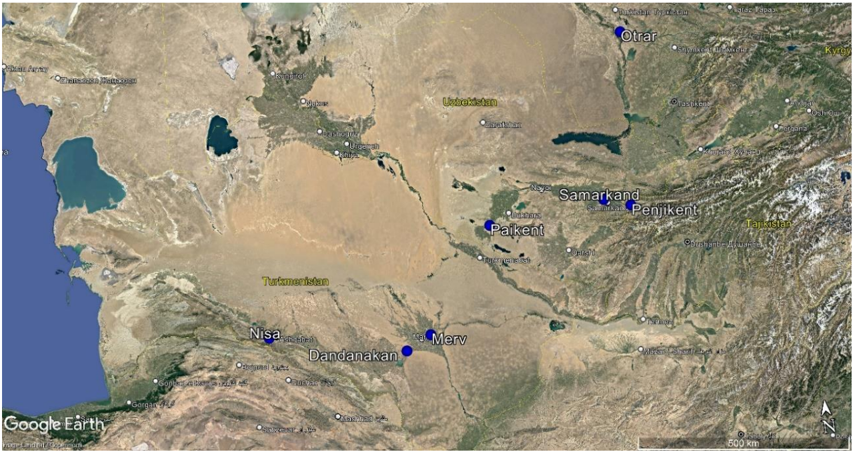
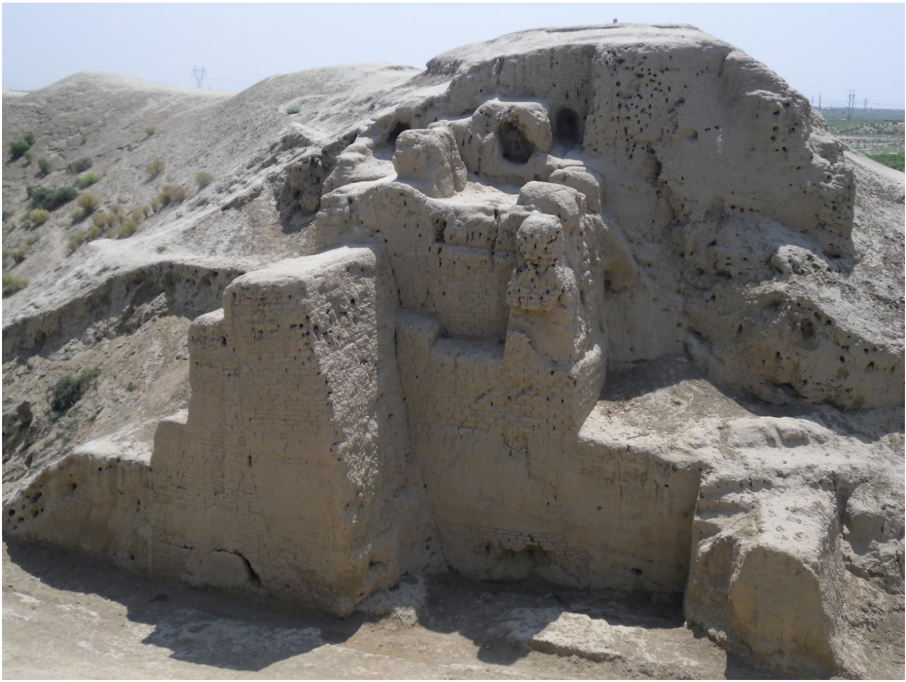
This article discusses the uses of mud in Central Asian cities with specific reference to this building material’s role in views on the Mongols’ westward conquests from 1219 to the 1250s. Outlining the patterns of construction, maintenance, and reconstruction of earthen architecture, I consider how the Mongol conquests would have impacted the urban occupation of cities that relied on this building material with a focus on examples from Merv, Turkmenistan, and Otrar, Kazakhstan. Given the need for continuous maintenance to mud-brick architecture to prevent decay, and the difficulties of reversing this process once it has begun, I argue that depopulation resulting from the Mongol conquest campaigns would have impacted the urban fabric more significantly than any deliberate demolition by invading Mongol armies. Based on archaeological analysis, I discuss the practicalities and difficulties of reusing mud as a building material to show that the abandonment of buildings and cities can be a conscious, pragmatic response to erosion or a shifting water supply rather than a catastrophic event. I conclude that thirteenth-century accounts describing the urban devastation and demolition of Central Asian cities should be reconsidered to include the collateral impact of the flight of populations and environmental change, as evidenced in the archaeological record.
Overview
CoChat Summary
Written by AI from the paper’s full text.
TL;DR
The article argues that in Central Asia’s earthen cities, the Mongol conquests’ main impact was depopulation and the disruption of maintenance cycles rather than literal wholesale demolition, because mudbrick architecture decays rapidly without constant care and is difficult to destroy by fire. Using Merv and Otrar, it contends that archaeological evidence shows abandonment, shrinkage, and later recovery more clearly than Mongol destruction.
Key findings
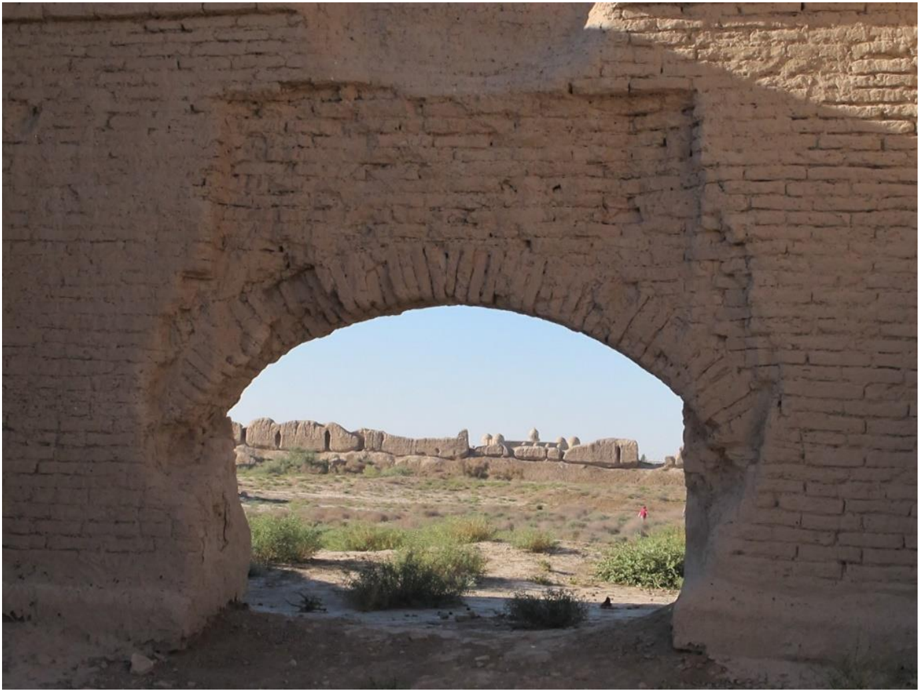
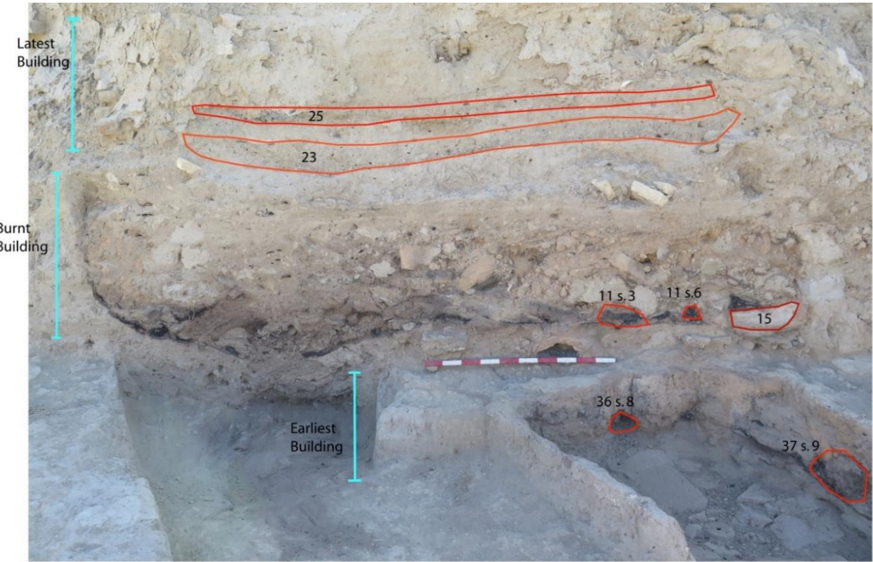
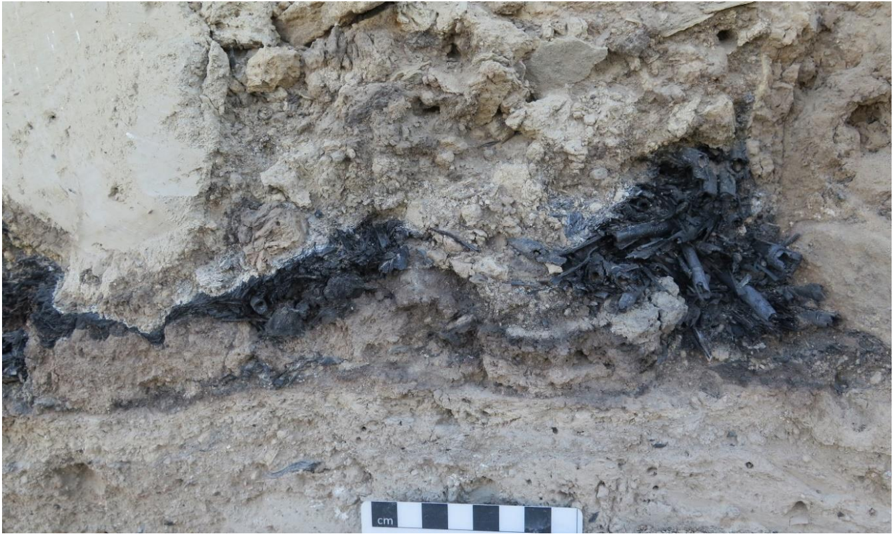
- No convincing archaeological evidence of Mongol-period destruction has been found at Merv or Otrar: citadels and defences remain visible, no fire damage was evident on the tomb of Sultan Sanjar before its 1990s restoration, and no mass graves have been convincingly found. Instead, Merv shows desertion—including ceramics workshops and houses abandoned with some haste—and continued occupation from the thirteenth to fourteenth centuries, while Otrar has abandonment deposits and radiocarbon dating suggests abandonment began more than fifty years before the Mongol armies arrived.
- Mudbrick is nonflammable, and demolishing mudbrick structures would have required significant manual labour, more than the fast-moving Mongol army would have had time or manpower for; historical accounts of razing and levelling should therefore be reconsidered alongside environmental impacts and the flight of populations.
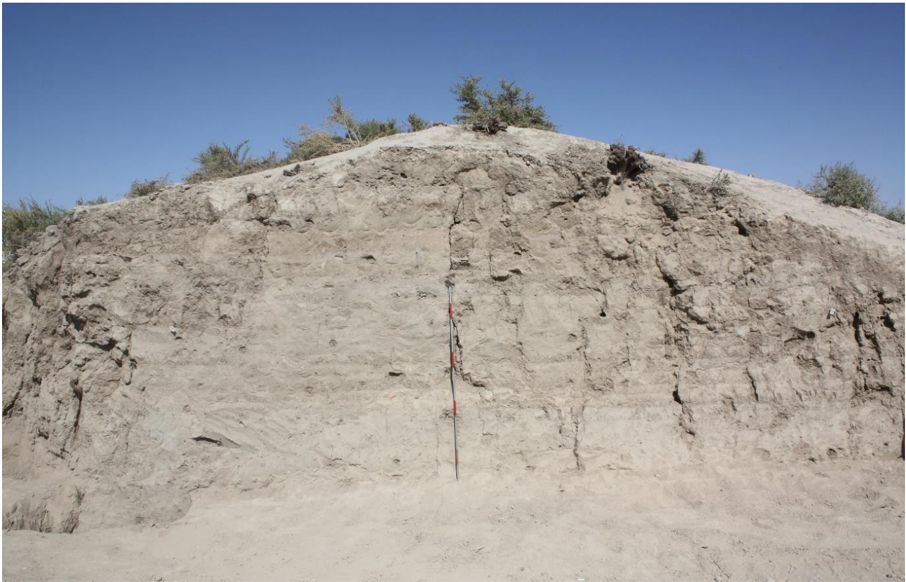
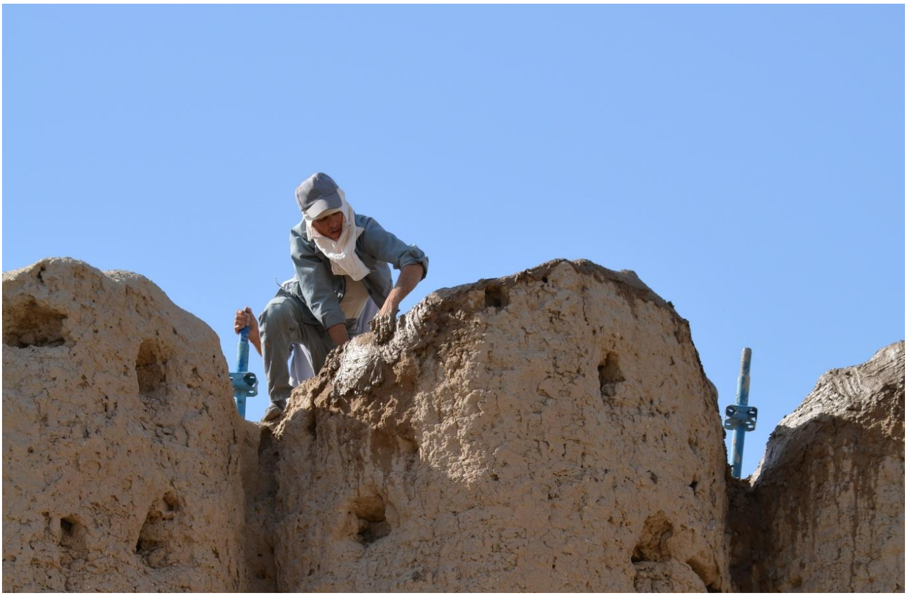
- Earthen buildings required continuous maintenance: ethnographic studies of mudbrick buildings in use in 1960s north-eastern Iran indicate a lifespan of fifty to one hundred years with proper maintenance; Otrar residential phases tend to last around a century, radiocarbon dating shows three overlying mudbrick house phases span a 150-year period, and a palatial structure at Merv was occupied from the mid-twelfth century into the fourteenth.
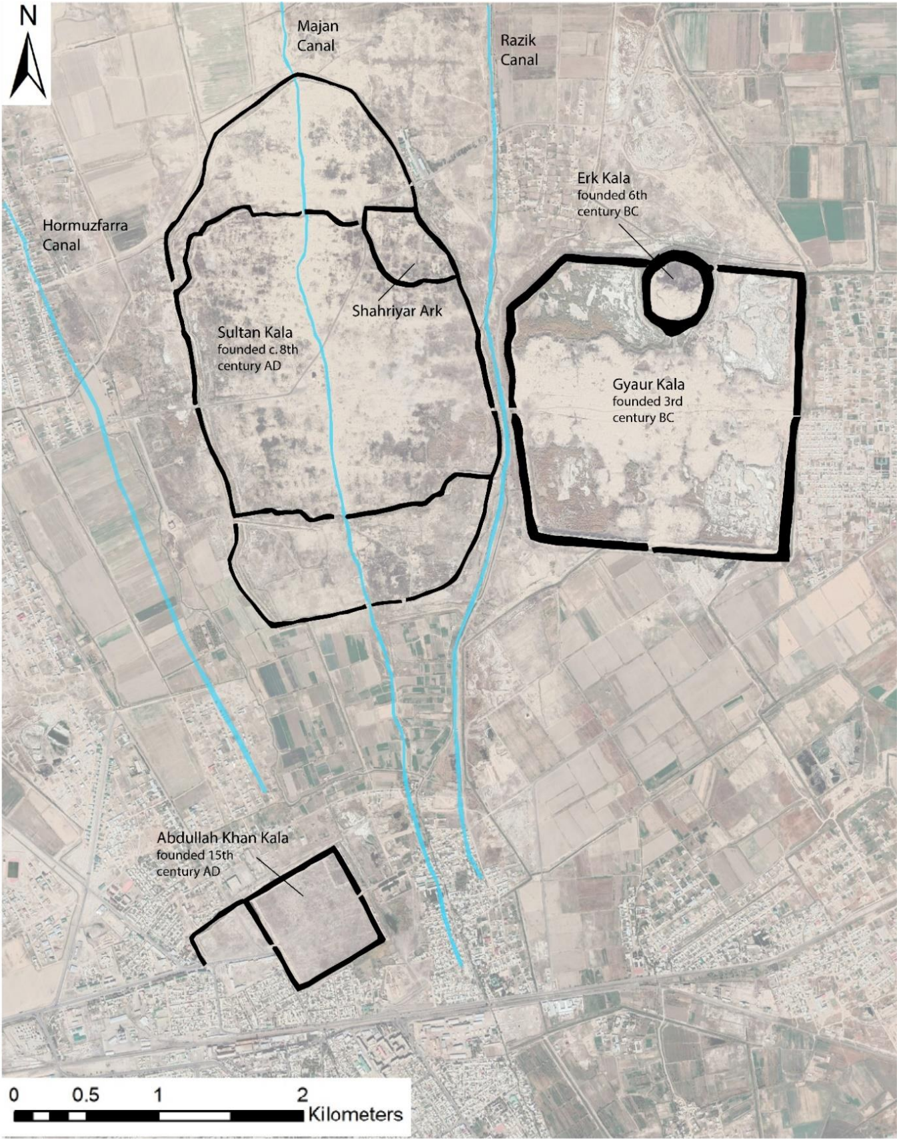
- Abandonment and city shifts can be pragmatic responses to erosion or water supply: Merv’s shift from Gyaur Kala to Sultan Kala began in the eighth century at least partly due to difficulties providing water, and later settlement moved to Abdullah Khan Kala nearly two centuries after Merv’s decline; Otrar recovered and flourished in the fourteenth and fifteenth centuries.
Methods
- Qualitative synthesis of archaeological, architectural, and historical evidence, focused on earthen construction techniques—mudbrick, pisé, and pakhsa—and urban occupation at Merv, Turkmenistan, and Otrar, Kazakhstan.
- Draws on prior excavations, radiocarbon dating, coins and pottery, microstratigraphic analysis, ethnographic studies, and medieval accounts such as Juvaini, Rashid al-Din, and Ibn al-Athir; the author states that a direct comparison across stone, fired brick, timber, and earthen architecture would require a larger dataset and more complex analysis than possible in this study.
Limitations
- The paper states that a detailed, direct comparison between stone, fired brick, timber, and earthen architecture would require a larger set of data and more complex analysis than is possible in this study.
- The paper notes that mudbrick structures are difficult to identify and excavate, especially across hundreds of hectares and metres of vertical stratigraphy, and that historical accounts are debated while archaeological evidence for destruction and victims is lacking.
- Evident from the text: the argument centers on two case studies, Merv and Otrar, so broader generalization across Central Asia is limited; it relies on existing excavation and historical sources rather than new systematic comparative data.
Model-written summary. Check it against the paper before relying on it.
Integrity signals
Registry
Cites
Statistics
Figures
Verification
Claims the paper makes
43 Own interpretation · 27 Sources not found · 3 No basis given · 1 Not checked yet · 1 Own result
A result the paper states — it cites no source for it, so there is none to check. The quote shows it is in the paper.
In the paper
“This is visible in the shrinking size of the walled urban area of Merv, which transforms from the large settlement of Sultan Kala to the much smaller Abdullah Khan Kala in this period (seen in Figure 8).”
§ The Impact of the Mongol Conquests on Earthen Cities in Central Asia > The Mongol Conquest and Earthen Cities
plainSingle case- Asserted: passes — The authors put it forward as true.
- Checkable: passes — It can be checked against evidence.
- Load-bearing: passes — The paper’s conclusions depend on it.
- Based: passes — The paper gives a reason why it holds.
In the paper
“At Merv, rather than destruction, archaeological investigations have found ample evidence of desertion, including at ceramics workshops and houses which were abandoned with some haste 59 .”
§ The Impact of the Mongol Conquests on Earthen Cities in Central Asia > The Mongol Conquest and Earthen Cities
What the sources say
- Not matchedcites [59]
Couldn’t be matched to a paper in Crossref, so it can’t be checked.
plainSingle case- Asserted: passes — The authors put it forward as true.
- Checkable: passes — It can be checked against evidence.
- Load-bearing: passes — The paper’s conclusions depend on it.
- Based: passes — The paper gives a reason why it holds.
- Not matched
In the paper
“However, recent radiocarbon dating suggests this abandonment began more than fifty years before the arrival of the Mongol armies 62 .”
§ The Impact of the Mongol Conquests on Earthen Cities in Central Asia > The Mongol Conquest and Earthen Cities
What the sources say
- Not matchedcites [62]
Couldn’t be matched to a paper in Crossref, so it can’t be checked.
hedgedSingle case- Asserted: passes — The authors put it forward as true.
- Checkable: passes — It can be checked against evidence.
- Load-bearing: passes — The paper’s conclusions depend on it.
- Based: passes — The paper gives a reason why it holds.
- Not matched
In the paper
“Ultimately, in cities that were subsequently ruled by and flourished under the Mongol Khans the defences were rebuilt, such as at Otrar which witnessed a significant programme of renovation in the fourteenth century 67 .”
§ The Impact of the Mongol Conquests on Earthen Cities in Central Asia > The Mongol Conquest and Earthen Cities
What the sources say
- Not matchedcites [67]
Couldn’t be matched to a paper in Crossref, so it can’t be checked.
plainstates an associationSingle case- Asserted: passes — The authors put it forward as true.
- Checkable: passes — It can be checked against evidence.
- Load-bearing: passes — The paper’s conclusions depend on it.
- Based: passes — The paper gives a reason why it holds.
- Not matched
In the paper
“At Otrar, burning appears to be incidental and confined to individual buildings and phases rather than malicious, widespread destruction of an entire neighbourhood 68 .”
§ The Impact of the Mongol Conquests on Earthen Cities in Central Asia > The Mongol Conquest and Earthen Cities
What the sources say
- Not matchedcites [68]
Couldn’t be matched to a paper in Crossref, so it can’t be checked.
hedgedSingle case- Asserted: passes — The authors put it forward as true.
- Checkable: passes — It can be checked against evidence.
- Load-bearing: passes — The paper’s conclusions depend on it.
- Based: passes — The paper gives a reason why it holds.
- Not matched
- It may state two separate claims as one. 28
- Probably not a substantial claim. 12
Create a free account to see these claims.
Create a free account to see these assumptions.
34 more claims
Create a free account to see all 75 claims and to verify the 1 reference still open.
Claims other papers make about this one
Each is checked against this paper’s own text: does it say what the citing paper says it does?
In the citing paper
“little evidence of the direct destruction described in historical accounts has been found during archaeological excavation in Central Asia”
From The Impact of the Mongol Conquests on Earthen Cities in Central Asia (2023) · cites this paper as [1]
Citations
Cites
A hydromorphic reevaluation of the forgotten river civilizations of Central Asia
Toonen, W. H. J., Macklin, M. G., Dawkes, G., Durcan, J. A., Leman, M., Nikolayev, Y., & Yegorov, A. (2020) · Proceedings of the National Academy of Sciences · doi:10.1073/pnas.2009553117 · Cited by 36
Che, P., & Lan, J. (2021) · Sustainability · doi:10.3390/su13052530 · Cited by 18
Research works printed but not linked: 1
- 2023, The Impact of the Mongol Conquests on Earthen Cities in Central Asia, International Journal of Islamic Architecture, 12, 393, 10.1386/ijia_00118_1
Cited by
Naseri, A., Fattahi, S. M., & Sarchami, A. (2026) · Scientific Reports · doi:10.1038/s41598-026-48329-1 · Cited by 9
Assanova, G., Seitov, E., Zholseitova, M., Kairullina, A., & Adiyet, K. (2026) · National Identities · doi:10.1080/14608944.2026.2618014
McCarthy, C., Hoshino, B., Phillips, S., Torguud, U., Sternberg, T., Konagaya, Y., & Enkhjargal, E. (2026) · Asian Archaeology · doi:10.1007/s41826-026-00124-7
Metadata
- Authors
- Campbell, K.
- Affiliations
- University of Cambridge (GB)
- Corresponding author
- Campbell, Katie
- Venue
- International Journal of Islamic Architecture
- Publisher
- Intellect
- Published
- 2023-07-01
- Volume
- 12
- Issue
- 2
- Pages
- 393-414
- ISSN
- 2045-5895 (ISSN-L)
- 2045-5909
- OpenAlex
- W4368407025
- Semantic Scholar
- e91135bdbbf8ec5b947e9d11d146dc41e935f4d2
- Cited by
- 3
- References
- 2
- Citations by year
- 2026: 3
- FWCI
- 9.32
- Type
- journal article
- Language
- en
- Open access
- Licence
- cc-by
- Locations
- International Journal of Islamic Architecture (publishedVersion)
- Apollo (University of Cambridge) (submittedVersion, cc-by)
- Apollo (cc-by)
- Funders
- the School of Archaeology at the University of Oxford
- King’s College at the University of Cambridge
- Brasenose College at the University of Oxford
- Topics
- Social Sciences › Arts and Humanities › History › Eurasian Exchange Networks
- Social Sciences › Arts and Humanities › Archeology (arts and humanities) › Architecture and Cultural Influences
- Social Sciences › Arts and Humanities › Archeology (arts and humanities) › Ancient and Medieval Archaeology Studies
- Keywords
- Mongol conquests, earthen architecture, Central Asian cities, Merv, urban depopulation, building abandonment, reuse of building materials, environmental change, water supply
About these checks
Registry, retraction, Cites and statistics results are computed, not judged, with one exception: a printed reference that no index lists is read once by a model before it counts as a citation error. Claims are extracted by a model and kept only when their quote appears verbatim in the text; each cited source is then checked, with a model’s help, for whether it says what the claim relies on. Those verdicts can be wrong — read the claim’s quote and the cited source before relying on one.
A language model drew the claims from the paper on 2026-11-12, under version 3 of the claim definition (model deepseek-v4.1-flash, prompt extract-v3).
A second model labelled each claim on 2026-11-12 (model jev-1.13-20260917, definition revision gold-guideline-v0.2).
Statistics and arithmetic are recomputed, not judged.
Confidence bands are shown only for fields calibrated on our annotated test set. None is calibrated yet, so no band is shown.
What counts as a claim ›How we measure confidence ›How we check this ›
Are you an author, or do you see a problem with this page? Request a review
How to cite
Cite CoChat for the checks on this page, and the paper for its own findings.
- This page
- CoChat. (2026). Citation check: The Impact of the Mongol Conquests on Earthen Cities in Central Asia. https://app.cochat.ai/papers/10.1386/ijia_00118_1
- The paper
- Campbell, K. (2023). The Impact of the Mongol Conquests on Earthen Cities in Central Asia. International Journal of Islamic Architecture. https://doi.org/10.1386/ijia_00118_1
