

The DOI matches its Crossref record; 55 of the 55 references it cites were found in a registry or an index.
‘The Mona Chronicle’: the archaeology of early religious encounter in the New World
Abstract
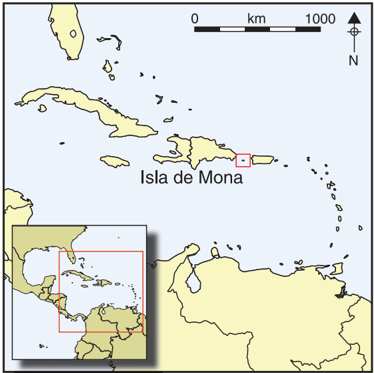
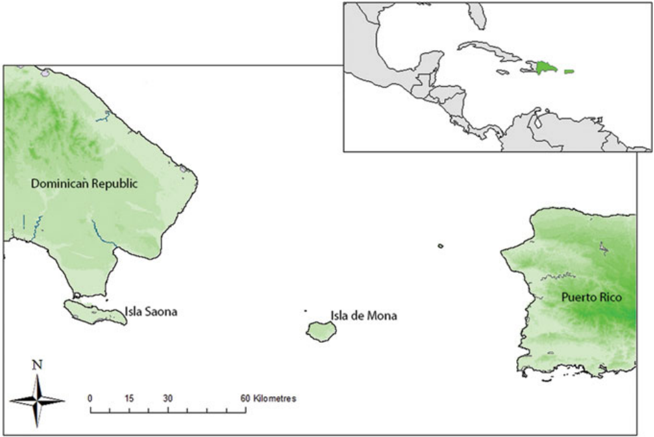
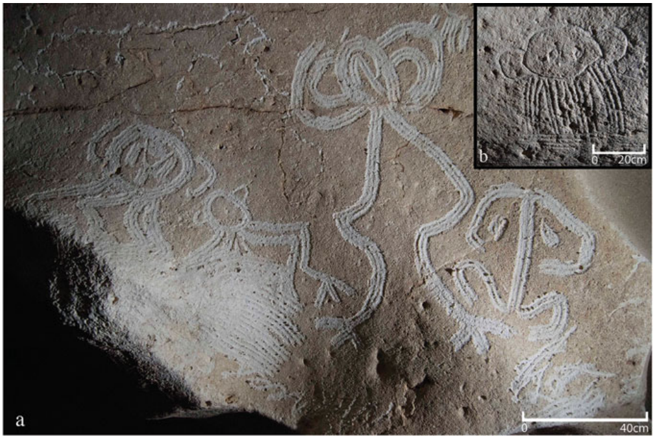
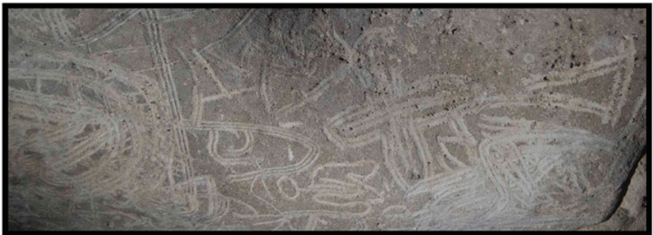
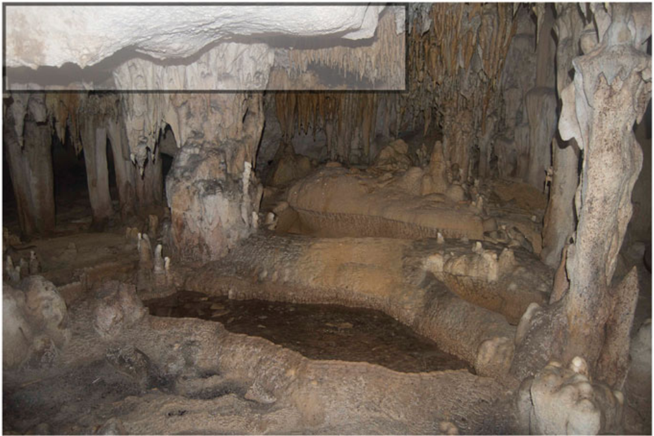
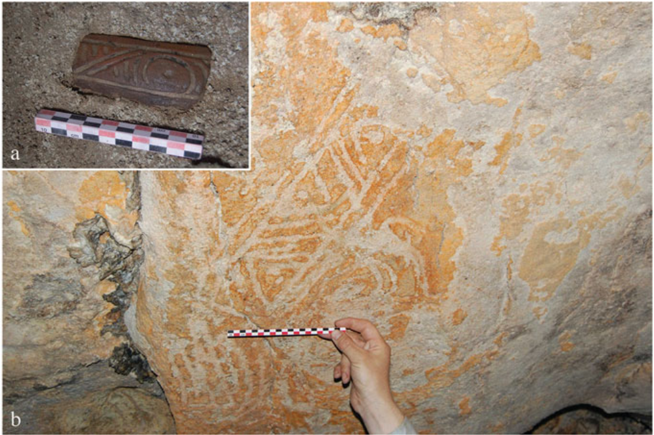
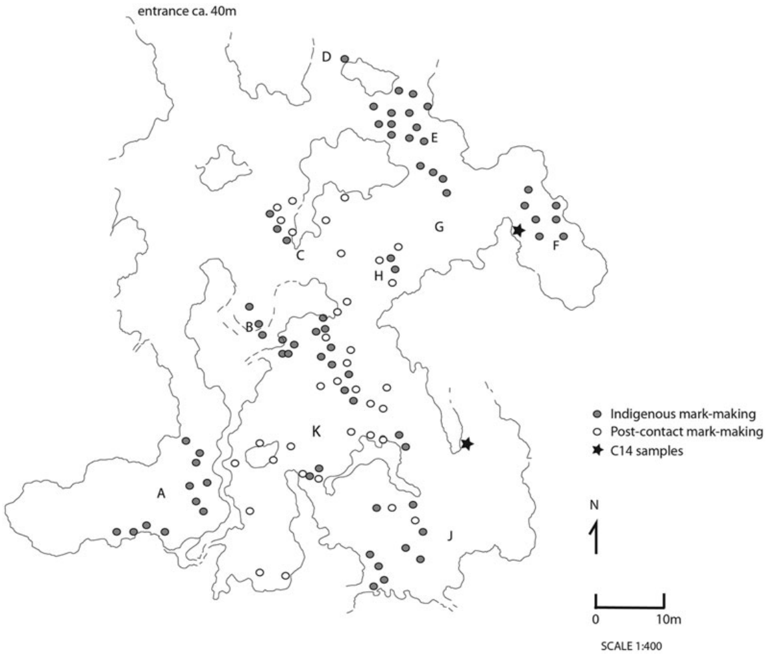
Abstract The Caribbean island of Mona, on a key Atlantic route from Europe to the Americas, was at the heart of sixteenth-century Spanish colonial projects. Communities on the island were exposed to the earliest waves of European impact during a critical period of transformation and the forging of new identities. One of many caves within an extensive subterranean world on the island was marked both by indigenous people and by the first generations of Europeans to arrive in the New World. This account of spiritual encounters provides a rare, personalised insight into intercultural religious dynamics in the early Americas.
Overview
The claims and statistics of this paper haven’t been checked yet.
Run the check — free, no account needed. It reads the open-access text and checks the sources it cites.
Integrity signals
Registry
Cites
Statistics
Figures
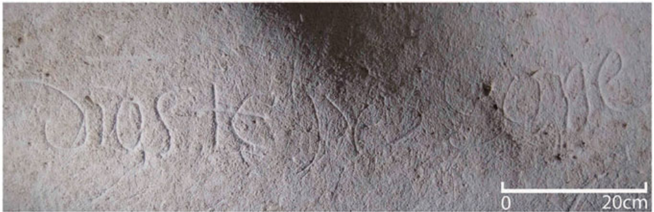
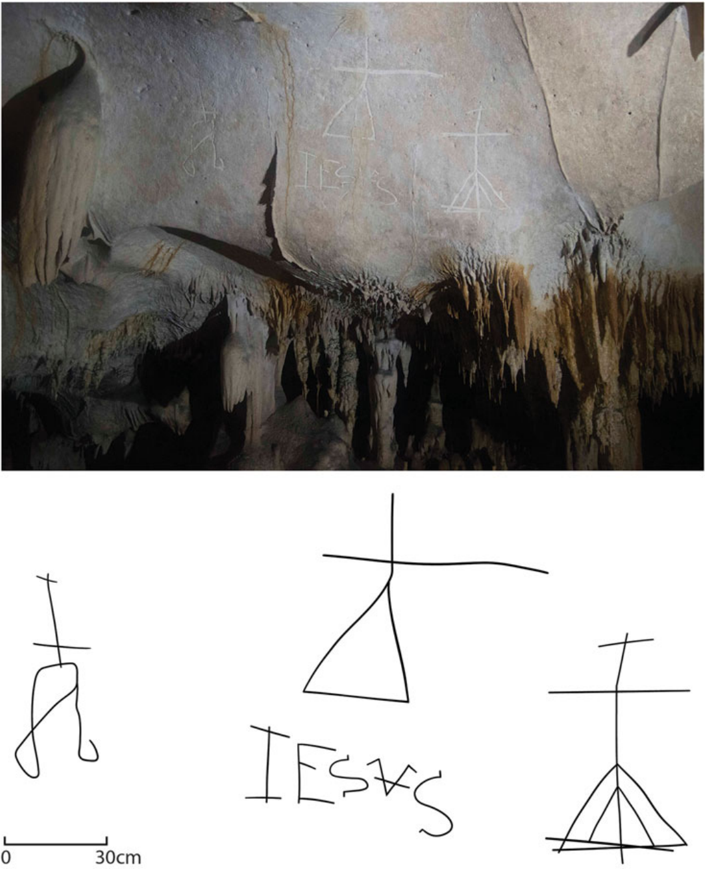
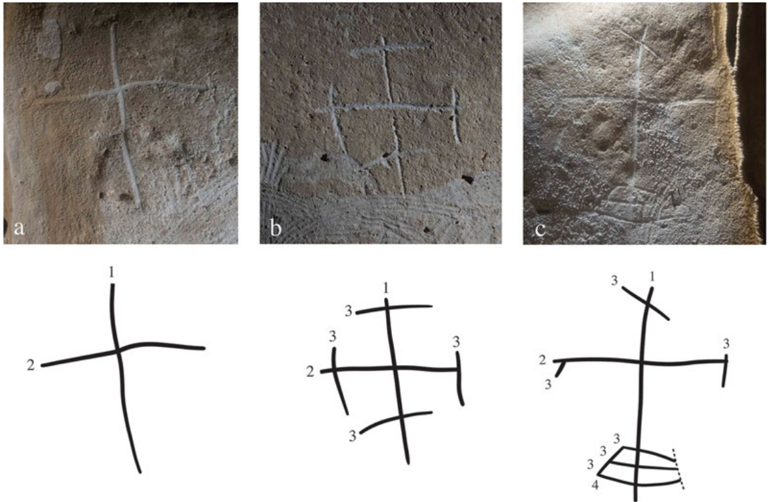
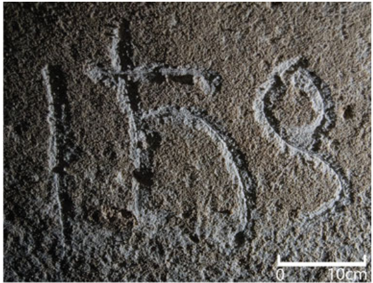

Verification
Claims the paper makes
The claims and statistics of this paper haven’t been checked yet.
Run the check — free, no account needed. It reads the open-access text and checks the sources it cites.
Claims other papers make about this one
Each is checked against this paper’s own text: does it say what the citing paper says it does?
The cited source says what the claim attributes to it.
In the citing paper
“In addition, Cooper et al. (2016) examine long-term cave use in the Mona Chanel, Puerto Rico, and found that cave sites provide spiritual insight into the intercultural religious dynamics of Europeans and Indigenous peoples during early colonial times.”
From Exploring Archaeological Sites and the Transformative Power of Local Practices of Heritage in the Caribbean: A Haitian Case (2024) · cites this paper as Cooper et al. (2016)
Self-check
Percentages, sums and reported differences re-computed from the paper’s own numbers.
The self-check needs the paper’s full text.
Citations
Cites
IntCal13 and Marine13 radiocarbon age calibration curves 0–50,000 years cal BP
Reimer, P. J., Bard, E., Bayliss, A., Beck, J. W., Blackwell, P. G., Ramsey, C. B., Buck, C. E., Cheng, H., Edwards, R. L., Friedrich, M., et al. (2013) · Radiocarbon · doi:10.2458/azu_js_rc.55.16947 · Cited by 14,591
Bayesian Analysis of Radiocarbon Dates
Bronk Ramsey, C. (2009) · Radiocarbon · doi:10.1017/s0033822200033865 · Cited by 8,725
IntCal13とMarine13放射性炭素年代較正曲線0-50,000年cal BP
Reimer, P. J., Bard, É., Bayliss, A., Warren, B. J., Blackwell, P. G., Bronk, R., Buck Caitlin, E., Cheng, H., Lawrence, E. R., Michael, F., et al. (2013) · Radiocarbon · Cited by 5,676
The Tainos: Rise and Decline of the People Who Greeted Columbus.
Sued-Badillo, J., & Rouse, I. (1994) · The American Historical Review · doi:10.2307/2166363 · Cited by 315
The Tainos: Rise and Decline of the People Who Greeted Columbus.
Bray, W., & Rouse, I. (1993) · Man · doi:10.2307/2804248 · Cited by 301
Culture Contact Studies: Redefining the Relationship between Prehistoric and Historical Archaeology
Lightfoot, K. G. (1995) · American Antiquity · doi:10.2307/282137 · Cited by 265
The Oxford Handbook of Caribbean Archaeology
(2013) · Oxford University Press eBooks · doi:10.1093/oxfordhb/9780195392302.001.0001 · Cited by 189
A requiem for hybridity? The problem with Frankensteins, purées, and mules
Silliman, S. W. (2015) · Journal of Social Archaeology · doi:10.1177/1469605315574791 · Cited by 172
Sacred darkness: a global perspective on the ritual use of caves
(2013) · Choice Reviews Online · doi:10.5860/choice.51-2168 · Cited by 170
Historia general y natural de las Indias, islas y tierra-firme del mar oceano
Fernández de Oviedo y Valdés, G., Amador de los Rios, J., & (Spain), R. A. D. L. H. (1851) · Biodiversity Heritage Library (Smithsonian Institution) · doi:10.5962/bhl.title.4343 · Cited by 158
Research works printed but not linked: 19
- Deagan, 1998, Studies in culture contact: interaction, culture change, and interaction, 23
- Murga Sanz, 1960, Puerto Rico en los manuscritos de Don Juan Bautista Muñoz
- Anderson-Córdova, 1990, Hispaniola and Puerto Rico: Indian acculturation and heterogeneity, 1492
- Kambesis, 2011, Documenting the caves of Isla de Mona, Espeleorevista Puerto Rico, 4, 4
- Moscoso, 2008, Caciques, aldeas y población Taína de Boriquén
- Stopford, 1999, Pilgrimage explored
- 1550, Informaciones de Oficio y Parte: Francisco Alegre, Alcalde Ordinario, Vecino de San Juan de Puerto Rico
- Cardona Bonet, 1985, Islotes de Borinquen: notas para su historia. Auspicia
- Cooper, 2008, Crossing the borders: new methods and techniques in the study of archaeological materials from the Caribbean, 34
- Voss, 2012, The archaeology of colonialism: intimate encounters and sexual effects
- Hostnig, 2004, Arte rupestre postcolombino de la provincia de Espinar, Cusco, Peru., Boletín Sociedad de Investigación del Arte Rupestre de Bolivia [SIARB], 18, 40
- Samson, 2015, Proceedings of the 25th International Congress for Caribbean Archaeology
- Dávila Dávila, 2003, Arqueología de la Isla de la Mona
- Barrera Maturana, 2011, Actes du XVIIe Colloque Internationale de Glyptographie de Cracovie, 27
- 10.5744/florida/9780813061566.001.0001 · doi:10.5744/florida/9780813061566.001.0001
- Gallardo, 1990, Jinetes sagrados en el desierto de Atacama: un estudio de arte rupestre andino, Boletín del Museo Chileno de Arte Precolombino, 4, 27
- Samson, 2013, Cavescapes in the pre-Columbian Caribbean, Antiquity, 87
- Siffre, 1964, Beyond time
- Moscoso, 2010, Los procesos de la colonización: raíces de las culturas Iberoamericanas, 805
Cited by
A Political Ecology of Water and Enslavement: Water Ways in Eighteenth-Century Caribbean Plantations
Hauser, M. W. (2017) · Current Anthropology · doi:10.1086/691053 · Cited by 32
Jean, J. S. (2024) · International Journal of Historical Archaeology · doi:10.1007/s10761-023-00719-1 · Cited by 5
Metadata
- Authors
- Cooper, J., Samson, A. V. M., Nieves, M. A., Lace, M. J., Caamaño-Dones, J., Cartwright, C., Kambesis, P. N., & Frese, L. D. O.
- Venue
- Antiquity
- Publisher
- Antiquity Publications
- Published
- 2016-07-19
- Volume
- 90
- Issue
- 352
- Pages
- 1054-1071
- ISSN
- 0003-598X
- 1745-1744
- Cited by
- 16
- References
- 55
- Language
- en
About these checks
Registry, retraction, Cites and statistics results are computed, not judged, with one exception: a printed reference that no index lists is read once by a model before it counts as a citation error. Claims are extracted by a model and kept only when their quote appears verbatim in the text; each cited source is then checked, with a model’s help, for whether it says what the claim relies on. Those verdicts can be wrong — read the claim’s quote and the cited source before relying on one.
Statistics and arithmetic are recomputed, not judged.
Confidence bands are shown only for fields calibrated on our annotated test set. None is calibrated yet, so no band is shown.
What counts as a claim ›How we measure confidence ›How we check this ›
Are you an author, or do you see a problem with this page? Request a review
Data sources
Bibliographic data: Semantic Scholar, OpenAlex, Crossref.
Contains information from the Semantic Scholar Academic Graph Datasets, made available under the ODC Attribution License (ODC-BY 1.0).
Semantic Scholar’s data is described in: Kinney, R., et al. (2023). The Semantic Scholar Open Data Platform. arXiv:2301.10140.
