

The DOI matches its Crossref record; 68 of the 68 references it cites were found in a registry or an index.
A Mouse Model of Tuberous Sclerosis: Neuronal Loss of Tsc1 Causes Dysplastic and Ectopic Neurons, Reduced Myelination, Seizure Activity, and Limited Survival
Open accessAbstract
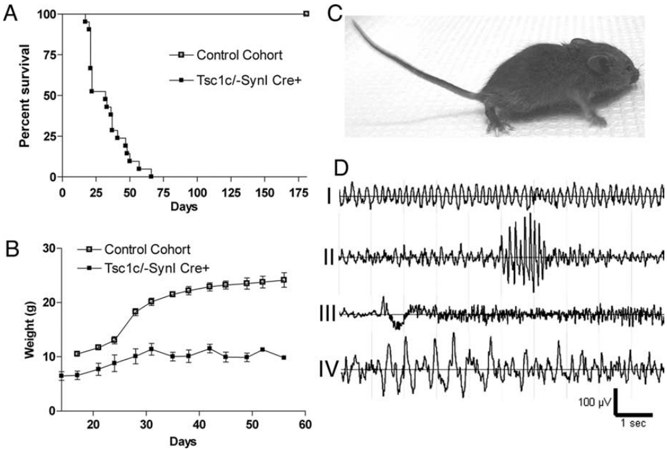
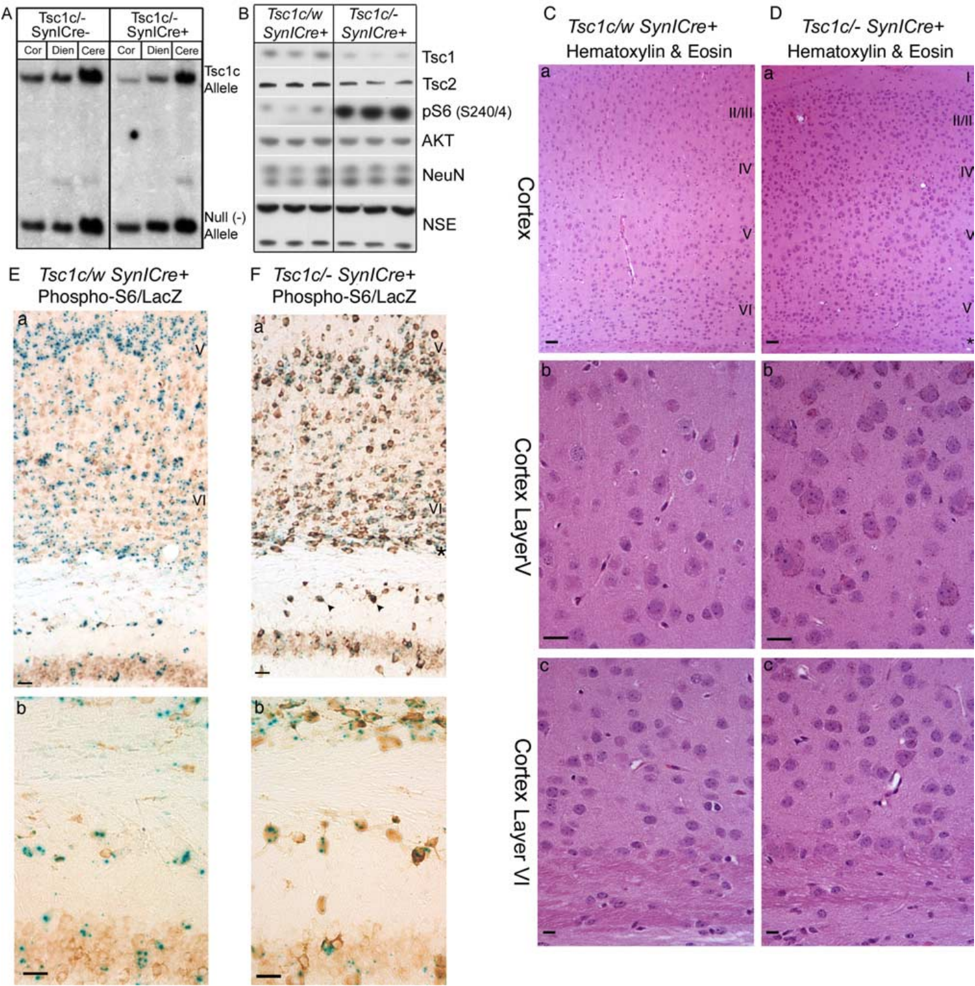
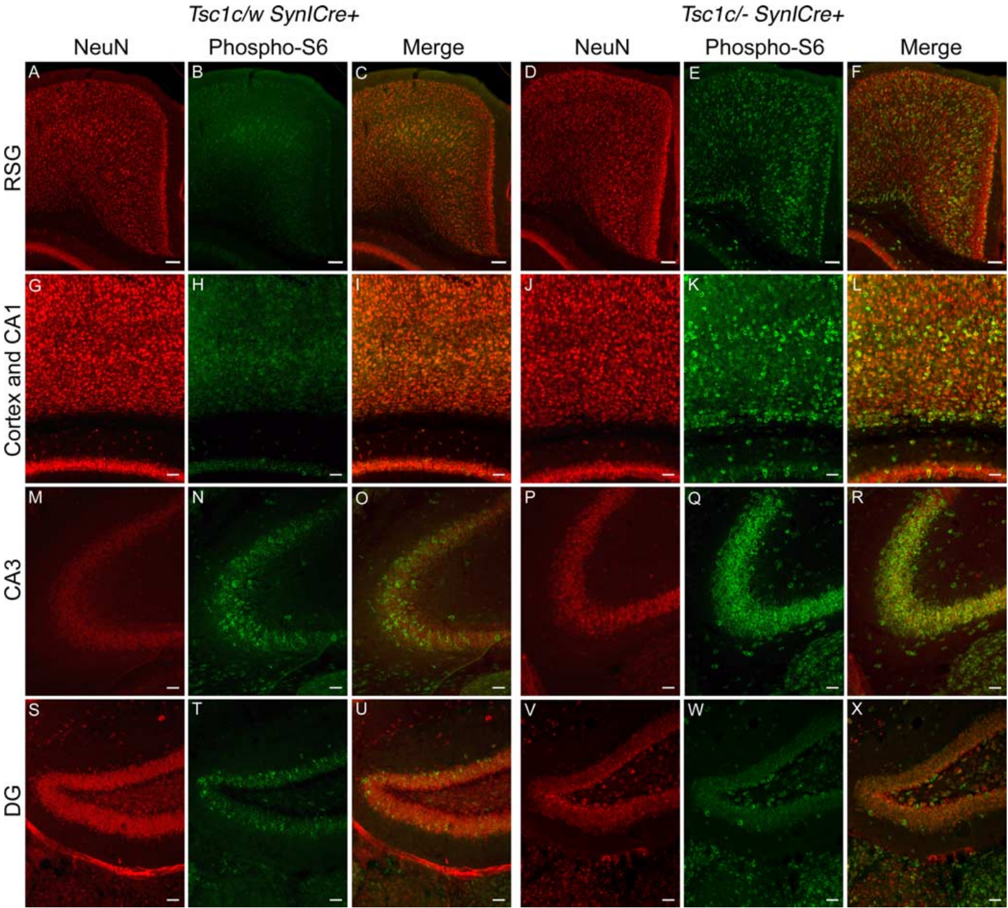
Tuberous sclerosis (TSC) is a hamartoma syndrome caused by mutations in TSC1 or TSC2 in which cerebral cortical tubers and seizures are major clinical issues. We have engineered mice in which most cortical neurons lose Tsc1 expression during embryonic development. These Tsc1 mutant mice display several neurological abnormalities beginning at postnatal day 5 with subsequent failure to thrive and median survival of 35 d. The mice also display clinical and electrographic seizures both spontaneously and with physical stimulation, and some seizures end in a fatal tonic phase. Many cortical and hippocampal neurons are enlarged and/or dysplastic in the Tsc1 mutant mice, strongly express phospho-S6, and are ectopic in multiple sites in the cortex and hippocampus. There is a striking delay in myelination in the mutant mice, which appears to be caused by an inductive neuronal defect. This new TSC brain model replicates several features of human TSC brain lesions and implicates an important function of Tsc1/Tsc2 in neuronal development.
Overview
The claims and statistics of this paper haven’t been checked yet.
Run the check — free, no account needed. It reads the open-access text and checks the sources it cites.
Integrity signals
Registry
Cites
Statistics
Figures
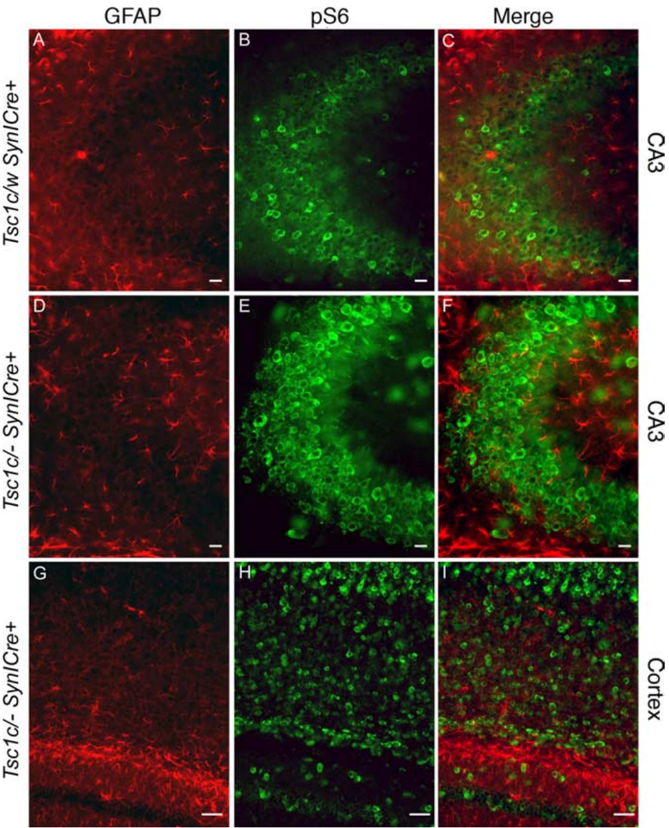
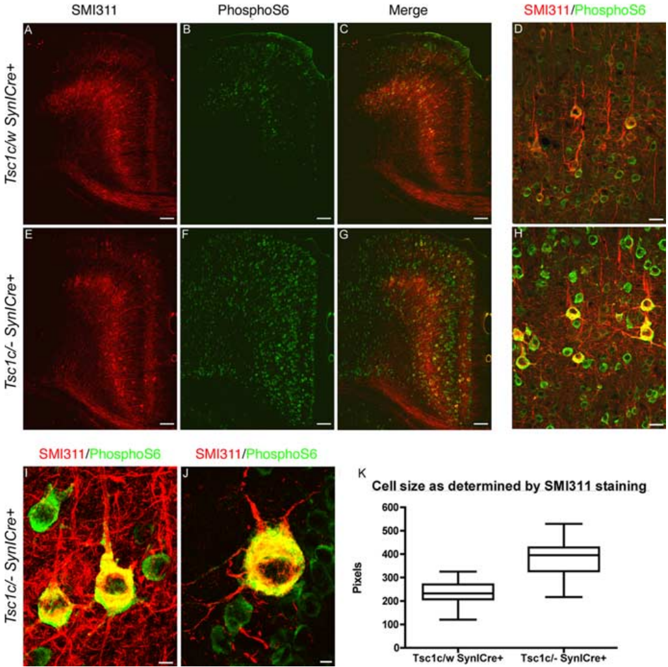
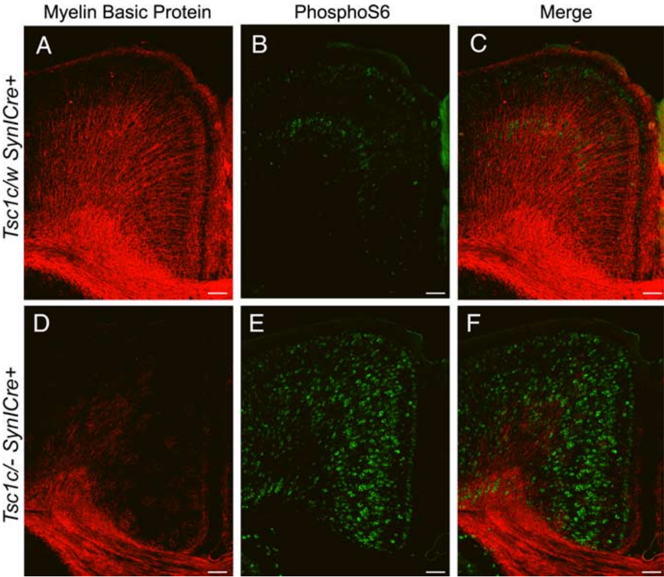
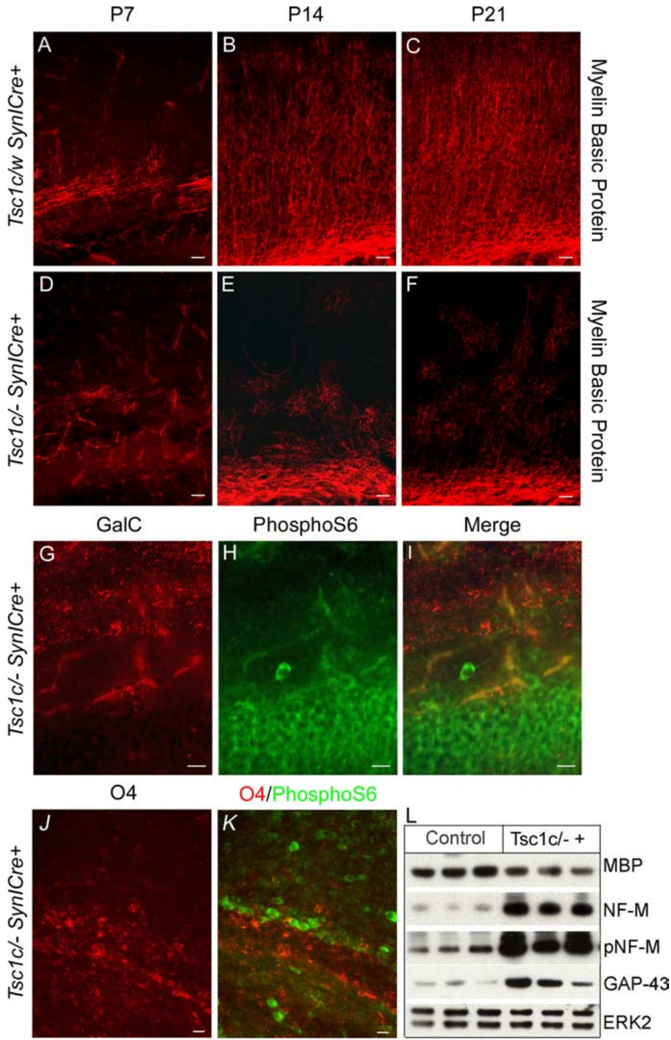
Verification
Claims the paper makes
The claims and statistics of this paper haven’t been checked yet.
Run the check — free, no account needed. It reads the open-access text and checks the sources it cites.
Claims other papers make about this one
Each is checked against this paper’s own text: does it say what the citing paper says it does?
The cited source says what the claim attributes to it.
In the citing paper
“In addition, whereas this work highlights astrocytes, we also observed transcriptomic changes in neurons, and considerable previous work has shown that TSC1–TSC2 loss affects neuronal development and properties11,13,35,55,56,57.”
From mTORC1 drives cell-autonomous astrocyte reactivity in tuberous sclerosis (2026) · cites this paper as [11]
The cited source says what the claim attributes to it.
In the citing paper
“Furthermore, mTOR hyperactivation accompanies epileptic activity across different seizure models including animal models of TLE, PTE, FCDII, Dravet syndrome, ASD, and TSC (Meikle et al., 2007; Zeng et al., 2008; Sha et al., 2012; Guo et al., 2013; Gheyara et al., 2014; Butler et al., 2015; Marsan and Baulac, 2018; Tai et al., 2020; Shao et al., 2022).”
From Tauopathy and Epilepsy Comorbidities and Underlying Mechanisms (2022) · cites this paper as Meikle et al., 2007
Self-check
Percentages, sums and reported differences re-computed from the paper’s own numbers.
The self-check needs the paper’s full text.
Citations
Cites
Liang, H., Liang, P., Xu, Y., Wu, J., Liang, T., & Xu, X. (2009) · Journal of Neurotrauma · doi:10.1089/neu.2008.0850 · Cited by 1,749
Growing roles for the mTOR pathway
Sarbassov, D. D., Ali, S. M., & Sabatini, D. M. (2005) · Current Opinion in Cell Biology · doi:10.1016/j.ceb.2005.09.009 · Cited by 1,590
GAP-43: an intrinsic determinant of neuronal development and plasticity
Benowitz, L. I., & Routtenberg, A. (1997) · Trends in Neurosciences · doi:10.1016/s0166-2236(96)10072-2 · Cited by 1,329
Hypothalamic mTOR Signaling Regulates Food Intake
Cota, D., Proulx, K., Smith, K. A. B., Kozma, S. C., Thomas, G., Woods, S. C., & Seeley, R. J. (2006) · Science · doi:10.1126/science.1124147 · Cited by 1,278
Holz, M. K., Ballif, B. A., Gygi, S. P., & Blenis, J. (2005) · Cell · doi:10.1016/j.cell.2005.10.024 · Cited by 1,262
Dysregulation of the TSC-mTOR pathway in human disease
Inoki, K., Corradetti, M. N., & Guan, K. (2004) · Nature Genetics · doi:10.1038/ng1494 · Cited by 980
Kwiatkowski, D. J. (2002) · Human Molecular Genetics · doi:10.1093/hmg/11.5.525 · Cited by 674
Self-citationFluoro-Jade C results in ultra high resolution and contrast labeling of degenerating neurons
Schmued, L. C., Stowers, C. C., Scallet, A. C., & Xu, L. (2005) · Brain Research · doi:10.1016/j.brainres.2004.11.054 · Cited by 633
Zhu, Y., Romero‐Ortega, M. I., Ghosh, P., Ye, Z., Charnay, P., Rushing, E. J., Marth, J. D., & Parada, L. F. (2001) · Genes & Development · doi:10.1101/gad.862101 · Cited by 606
Smalley, S. L., Tanguay, P. E., Smith, M., & Gutierrez, G. (1992) · Journal of Autism and Developmental Disorders · doi:10.1007/bf01048239 · Cited by 511
Regulation of neuronal morphology and function by the tumor suppressors Tsc1 and Tsc2
Tavazoie, S. F., Alvarez, V. A., Ridenour, D. A., Kwiatkowski, D. J., & Sabatini, B. L. (2005) · Nature Neuroscience · doi:10.1038/nn1566 · Cited by 497
Self-citationTuberin Regulates p70 S6 Kinase Activation and Ribosomal Protein S6 Phosphorylation
Goncharova, E., Goncharov, D. A., Eszterhas, A., Hunter, D., Glassberg, M., Yeung, R. S., Walker, C., Noonan, D., Kwiatkowski, D., Chou, M. M., et al. (2002) · Journal of Biological Chemistry · doi:10.1074/jbc.m202678200 · Cited by 433
Self-citationLocal translation of RhoA regulates growth cone collapse
Wu, K. Y., Hengst, U., Cox, L. J., Macosko, E. Z., Jeromin, A., Urquhart, E. R., & Jaffrey, S. R. (2005) · Nature · doi:10.1038/nature03885 · Cited by 423
Uhlmann, E. J., Wong, M., Baldwin, R. L., Bajenaru, M. L., Onda, H., Kwiatkowski, D. J., Yamada, K., & Gutmann, D. H. (2002) · Annals of Neurology · doi:10.1002/ana.10283 · Cited by 372
Self-citationAxonal Control of Oligodendrocyte Development
Barres, B. A., & Raff, M. C. (1999) · The Journal of Cell Biology · doi:10.1083/jcb.147.6.1123 · Cited by 360
Molecular genetic advances in tuberous sclerosis
Cheadle, J. P., Reeve, M. P., Sampson, J. R., & Kwiatkowski, D. J. (2000) · Human Genetics · doi:10.1007/s004390000348 · Cited by 350
Self-citationTuberous Sclerosis: from Tubers to mTOR
Kwiatkowski, D. J. (2003) · Annals of Human Genetics · doi:10.1046/j.1469-1809.2003.00012.x · Cited by 340
Self-citationImproved reporter strain for monitoring Cre recombinase-mediated DNA excisions in mice
Mao, X., Fujiwara, Y., & Orkin, S. H. (1999) · Proceedings of the National Academy of Sciences · doi:10.1073/pnas.96.9.5037 · Cited by 332
Tuberous sclerosis: a GAP at the crossroads of multiple signaling pathways
Kwiatkowski, D. J., & Manning, B. D. (2005) · Human Molecular Genetics · doi:10.1093/hmg/ddi260 · Cited by 332
Self-citationThe TSC1 tumour suppressor hamartin regulates cell adhesion through ERM proteins and the GTPase Rho
Lamb, R. F., Roy, C., Diefenbach, T. J., Vinters, H. V., Johnson, M. W., Jay, D. G., & Hall, A. (2000) · Nature Cell Biology · doi:10.1038/35010550 · Cited by 326
mTOR, translational control and human disease
Tee, A. R., & Blenis, J. (2005) · Seminars in Cell and Developmental Biology · doi:10.1016/j.semcdb.2004.11.005 · Cited by 325
Chan, J. A.-W., Zhang, H., Roberts, P. S., Jóźwiak, S., Grajkowska, W., Lewin‐Kowalik, J., Kotulska, K., & Kwiatkowski, D. J. (2004) · Journal of Neuropathology & Experimental Neurology · doi:10.1093/jnen/63.12.1236 · Cited by 259
Self-citationmTOR cascade activation distinguishes tubers from focal cortical dysplasia
Baybis, M., Yu, J., Lee, A., Golden, J. A., Weiner, H. L., McKhann, G. M., Aronica, E., & Crino, P. B. (2004) · Annals of Neurology · doi:10.1002/ana.20211 · Cited by 255
Benvenuto, G., Li, S., Brown, S. J., Braverman, R., Vass, W. C., Cheadle, J. P., Halley, D. J. J., Sampson, J. R., Wienecke, R., & DeClue, J. E. (2000) · Oncogene · doi:10.1038/sj.onc.1204009 · Cited by 253
Talos, D. M., Follett, P. L., Folkerth, R. D., Fishman, R. E., Trachtenberg, F. L., Volpe, J. J., & Jensen, F. E. (2006) · The Journal of Comparative Neurology · doi:10.1002/cne.20978 · Cited by 249
Self-citationTSC1 Stabilizes TSC2 by Inhibiting the Interaction between TSC2 and the HERC1 Ubiquitin Ligase
Chong-Kopera, H., Inoki, K., Li, Y., Zhu, T., Garcia-Gonzalo, F. R., Rosa, J. L., & Guan, K.-L. (2006) · Journal of Biological Chemistry · doi:10.1074/jbc.c500451200 · Cited by 234
Neuron-glia communication in the control of oligodendrocyte function and myelin biogenesis
Simons, M., & Trajković, K. (2006) · Journal of Cell Science · doi:10.1242/jcs.03242 · Cited by 233
Polito, A., & Reynolds, R. (2005) · Journal of Anatomy · doi:10.1111/j.1469-7580.2005.00454.x · Cited by 231
Managing Epilepsy in Tuberous Sclerosis Complex
Thiele, E. A. (2004) · Journal of Child Neurology · doi:10.1177/08830738040190090801 · Cited by 222
Wiznitzer, M. (2004) · Journal of Child Neurology · doi:10.1177/08830738040190090701 · Cited by 214
Tuberous sclerosis complex: linking growth and energy signaling pathways with human disease
Astrinidis, A., & Henske, E. P. (2005) · Oncogene · doi:10.1038/sj.onc.1209090 · Cited by 209
Niida, Y., Stemmer-Rachamimov, A. O., Logrip, M. L., Tapon, D., Perez, R., Kwiatkowski, D. J., Sims, K. B., MacCollin, M., Louis, D. N., & Ramesh, V. (2001) · The American Journal of Human Genetics · doi:10.1086/321972 · Cited by 205
Self-citationImpaired glial glutamate transport in a mouse tuberous sclerosis epilepsy model
Wong, M., Ess, K. C., Uhlmann, E. J., Jansen, L. A., Li, W., Crino, P. B., Mennerick, S. J., Yamada, K. A., & Gutmann, D. H. (2003) · Annals of Neurology · doi:10.1002/ana.10648 · Cited by 201
El-Hashemite, N., Zhang, H., Henske, E. P., & Kwiatkowski, D. J. (2003) · The Lancet · doi:10.1016/s0140-6736(03)13044-9 · Cited by 198
Self-citationKapfhammer, J. P., & Schwab, M. E. (1994) · The Journal of Comparative Neurology · doi:10.1002/cne.903400206 · Cited by 194
(1999) · doi:10.1093/oso/9780195122107.001.0001 · Cited by 179
Brain Abnormalities in Tuberous Sclerosis Complex
DiMario, F. J. (2004) · Journal of Child Neurology · doi:10.1177/08830738040190090401 · Cited by 166
Insulin signaling pathways in cortical dysplasia and TSC‐tubers: Tissue microarray analysis
Miyata, H., Chiang, A., & Vinters, H. V. (2004) · Annals of Neurology · doi:10.1002/ana.20234 · Cited by 152
Hsieh, S. H. ‐., Ferraro, G. B., & Fournier, A. E. (2006) · Journal of Neuroscience · doi:10.1523/jneurosci.2806-05.2006 · Cited by 151
Astrinidis, A., Cash, T. P., Hunter, D., Walker, C. L., Chernoff, J., & Henske, E. P. (2002) · Oncogene · doi:10.1038/sj.onc.1205962 · Cited by 151
Talos, D. M., Fishman, R. E., Park, H., Folkerth, R. D., Follett, P. L., Volpe, J. J., & Jensen, F. E. (2006) · The Journal of Comparative Neurology · doi:10.1002/cne.20972 · Cited by 145
Self-citationHirose, T., Scheithauer, B. W., Lopes, M. B. S., Gerber, H., Altermatt, H. J., Hukee, M. J., VandenBerg, S. R., & Charlesworth, J. C. (1995) · Acta Neuropathologica · doi:10.1007/bf00315012 · Cited by 144
Disruption of Interneuron Development
Levitt, P. R. (2005) · Epilepsia · doi:10.1111/j.1528-1167.2005.00305.x · Cited by 128
Wang, Y., Greenwood, J. S. F., Calcagnotto, M. E., Kirsch, H. E., Barbaro, N. M., & Baraban, S. C. (2007) · Annals of Neurology · doi:10.1002/ana.21058 · Cited by 127
Onda, H. (2002) · Molecular and Cellular Neuroscience · doi:10.1006/mcne.2002.1184 · Cited by 126
Self-citationTSC2 modulates actin cytoskeleton and focal adhesion through TSC1-binding domain and the Rac1 GTPase
Goncharova, E. A., Goncharov, D. A., Noonan, D. J., & Krymskaya, V. P. (2004) · The Journal of Cell Biology · doi:10.1083/jcb.200405130 · Cited by 114
de Vries, P., Humphrey, A., McCartney, D. L., Prather, P. A., Bolton, P., & Hunt, A. L. (2005) · European Child & Adolescent Psychiatry · doi:10.1007/s00787-005-0443-1 · Cited by 105
Ulfig, N., Nickel, J., & Böhl, J. (1998) · Cell and Tissue Research · doi:10.1007/s004410051013 · Cited by 103
Molecular Pathogenesis of Tuber Formation in Tuberous Sclerosis Complex
Crino, P. B. (2004) · Journal of Child Neurology · doi:10.1177/08830738040190091301 · Cited by 100
Subependymal astrocytic hamartomas in the Eker rat model of tuberous sclerosis.
Yeung, R. S. W., Katsetos, C. D., & Klein–Szanto, A. J. (1997) · Europe PMC (PubMed Central) · Cited by 93
Han, S., Santos, T. M., Puga, A. C., Roy, J., Thiele, E. A., McCollin, M., Stemmer-Rachamimov, A. O., & Ramesh, V. (2004) · Cancer Research · doi:10.1158/0008-5472.can-03-3277 · Cited by 84
Widespread anatomical abnormalities of grey and white matter structure in tuberous sclerosis
Ridler, K., Bullmore, E. T., de Vries, P. J., John Suckling, A., Barker, G. J., Meara, S. J. P., Williams, S., & Bolton, P. (2001) · Psychological Medicine · doi:10.1017/s0033291701004561 · Cited by 84
A mouse model of cardiac rhabdomyoma generated by loss of Tsc1 in ventricular myocytes
Meikle, L. M., McMullen, J. R., Sherwood, M. C., Lader, A. S., Walker, V., Chan, J. A.-W., & Kwiatkowski, D. J. (2004) · Human Molecular Genetics · doi:10.1093/hmg/ddi039 · Cited by 77
Self-citationFine structure of cortical tubers in tuberous sclerosis: A Golgi study
Huttenlocher, P. R., & Heydemann, P. T. (1984) · Annals of Neurology · doi:10.1002/ana.410160511 · Cited by 74
Erzurumlu, R. S., Jhaveri, S., & Benowitz, L. I. (1990) · The Journal of Comparative Neurology · doi:10.1002/cne.902920310 · Cited by 73
New Chronic EEG Electrode for Critical/Intensive Care Unit Monitoring
Ives, J. R. (2005) · Journal of Clinical Neurophysiology · doi:10.1097/01.wnp.0000152659.30753.47 · Cited by 69
Pathogenesis of hereditary tumors: beyond the “two‐hit” hypothesis
Tucker, T., & Friedman, J. M. (2002) · Clinical Genetics · doi:10.1034/j.1399-0004.2002.620501.x · Cited by 65
Tuberous Sclerosis Complex: from basic science to clinical phenotypes
Curatolo, P. (2007) · Developmental Medicine & Child Neurology · doi:10.1111/j.1469-8749.2005.tb01114.x · Cited by 65
Morphology of cerebral lesions in the Eker rat model of tuberous sclerosis
Wenzel, H. J., Patel, L. S., Robbins, C. A., Emmi, A., Yeung, R. S., & Schwartzkroin, P. A. (2004) · Acta Neuropathologica · doi:10.1007/s00401-004-0865-8 · Cited by 64
Dr., N. L. P., & Levine, C. C. (2004) · Springer eBooks · doi:10.1007/3-540-29668-9_2766 · Cited by 59
Developmental origin of subependymal giant cell astrocytoma in tuberous sclerosis complex
Ess, K. C., Kamp, C. A., Tu, B. P., & Gutmann, D. H. (2005) · Neurology · doi:10.1212/01.wnl.0000158653.81008.49 · Cited by 59
Boggs, J. M., Wang, H., Gao, W., Arvanitis, D. N., Gong, Y., & Min, W. (2004) · Glycoconjugate Journal · doi:10.1023/b:glyc.0000044842.34958.f8 · Cited by 43
Ess, K. C., Uhlmann, E. J., Li, W., Li, H., DeClue, J. E., Crino, P. B., & Gutmann, D. H. (2004) · Glia · doi:10.1002/glia.10324 · Cited by 40
Fine structure of atypical cells in tuberous sclerosis
Arseni, C., Alexianu, M., Horvat, L., Alexianu, D., & Petrovici, A. (1972) · Acta Neuropathologica · doi:10.1007/bf00688497 · Cited by 37
Myelin under construction—teamwork required
Boiko, T., & Winckler, B. (2006) · The Journal of Cell Biology · doi:10.1083/jcb.200602101 · Cited by 28
da Silva, A. V., Regondi, M. C., Cavalheiro, É. A., & Spreafico, R. (2005) · Epilepsia · doi:10.1111/j.1528-1167.2005.01003.x · Cited by 23
Magnetization transfer ratio measurements of the brain in children with tuberous sclerosis complex
Zikou, A. K., Ioannidou, M.-C., Tzoufi, M. S., Astrakas, L. G., & Argyropoulou, M. I. (2005) · Pediatric Radiology · doi:10.1007/s00247-005-1539-y · Cited by 15
Scheithauer, B. W., & Reagan, T. J. (1999) · doi:10.1093/oso/9780195122107.003.0009 · Cited by 11
Cited by
Sorted by citations
Promoting Axon Regeneration in the Adult CNS by Modulation of the PTEN/mTOR Pathway
Park, K. K., Liu, K., Hu, Y., Smith, P. D., Wang, C., Cai, B., Xu, B., Connolly, L., Kramvis, I., Sahin, M., et al. (2008) · Science · doi:10.1126/science.1161566 · Cited by 1,686
Autistic-like behaviour and cerebellar dysfunction in Purkinje cell Tsc1 mutant mice
Tsai, P. T., Hull, C., Chu, Y., Greene-Colozzi, E., Sadowski, A. R., Leech, J. M., Steinberg, J., Crawley, J. N., Regehr, W. G., & Sahin, M. (2012) · Nature · doi:10.1038/nature11310 · Cited by 888
Postsynaptic BDNF‐TrkB signaling in synapse maturation, plasticity, and disease
Yoshii, A., & Constantine‐Paton, M. (2010) · Developmental Neurobiology · doi:10.1002/dneu.20765 · Cited by 744
Lipton, J. O., & Şahin, M. (2014) · Neuron · doi:10.1016/j.neuron.2014.09.034 · Cited by 771
Disentangling the heterogeneity of autism spectrum disorder through genetic findings
Jeste, S. S., & Geschwind, D. H. (2014) · Nature Reviews Neurology · doi:10.1038/nrneurol.2013.278 · Cited by 644
Metadata
- Authors
- Meikle, L., Talos, D. M., Onda, H., Pollizzi, K., Rotenberg, A., Sahin, M., Jensen, F. E., & Kwiatkowski, D. J.
- Affiliations
- Brigham and Women's Hospital (US)
- Boston Children's Hospital (US)
- Corresponding author
- Jensen, Frances E.
- Venue
- The Journal of Neuroscience
- Publisher
- Society for Neuroscience
- Published
- 2007-05-23
- Volume
- 27
- Issue
- 21
- Pages
- 5546-5558
- ISSN
- 0270-6474 (ISSN-L)
- 1529-2401
- PMC
- PMC6672762
- OpenAlex
- W2024191529
- Cited by
- 462
- References
- 68
- Citations by year
- 2026: 9 · 2025: 17 · 2024: 14 · 2023: 14 · 2022: 20 · 2021: 27 · 2020: 23 · 2019: 22 · 2018: 29 · 2017: 23 · 2016: 25 · 2015: 37 · 2014: 31 · 2013: 35 · 2012: 50
- FWCI
- 12.30
- Type
- journal article
- Language
- en
- Open access
- hybrid
- doi.org
- Licence
- Locations
- Journal of Neuroscience (publishedVersion, cc-by-nc-sa)
- PubMed Central (publishedVersion)
- PubMed (publishedVersion)
- Funders
- Tuberous Sclerosis Alliance
- National Institutes of Health (DP1OD003347, NS31718, NS24279)
- National Institute of Neurological Disorders and Stroke (NS31718, R01NS031718, R56NS031718, P01NS024279, NS 24279)
- Topics
- Health Sciences › Medicine › Genetics (clinical) › Tuberous Sclerosis Complex Research
- Life Sciences › Biochemistry, Genetics and Molecular Biology › Molecular Biology › PI3K/AKT/mTOR signaling in cancer
- Health Sciences › Medicine › Clinical Neurology › Epilepsy research and treatment
- Keywords
- tuberous sclerosis complex, TSC1, TSC2, mouse model, cortical tubers, neuronal loss, ectopic neurons, seizures, hippocampus, phospho-S6, neuronal development, survival
- MeSH terms
- Tuberous Sclerosis Complex 1 Protein, Animals, Demyelinating Diseases, Disease Models, Animal, Female, Male, Mice, Inbred CBA, Mice, Inbred C57BL, Mice, Transgenic, Neurons, Seizures, Tuberous Sclerosis, Survival Rate, Tumor Suppressor Proteins, Mice
About these checks
Registry, retraction, Cites and statistics results are computed, not judged, with one exception: a printed reference that no index lists is read once by a model before it counts as a citation error. Claims are extracted by a model and kept only when their quote appears verbatim in the text; each cited source is then checked, with a model’s help, for whether it says what the claim relies on. Those verdicts can be wrong — read the claim’s quote and the cited source before relying on one.
Statistics and arithmetic are recomputed, not judged.
Confidence bands are shown only for fields calibrated on our annotated test set. None is calibrated yet, so no band is shown.
What counts as a claim ›How we measure confidence ›How we check this ›
Are you an author, or do you see a problem with this page? Request a review
