

Exogenous insulin antibody syndrome (EIAS): a clinical syndrome associated with insulin antibodies induced by exogenous insulin in diabetic patients
Open accessThe DOI matches its Crossref record; 76 of the 77 references it cites were found in a registry or an index, and 1 are not checked yet.
Abstract
Insulin has been used for diabetes therapy and has achieved significant therapeutic effect. In recent years, the use of purified and recombinant human insulin preparations has markedly reduced, but not completely suppressed, the incidence of insulin antibodies (IAs). IAs induced by exogenous insulin in diabetic patients is associated with clinical events, which is named exogenous insulin antibody syndrome (EIAS). The present review is based on our research and summarizes the characterization of IAs, the factors affecting IA development, the clinical significance of IAs and the treatments for EIAS.
Overview
The claims and statistics of this paper haven’t been checked yet.
Free: it reads the open-access text and checks the first 5 claims that cite a source we can check. Create a free account to check every claim.
Integrity signals
Registry
Cites
Statistics
Figures
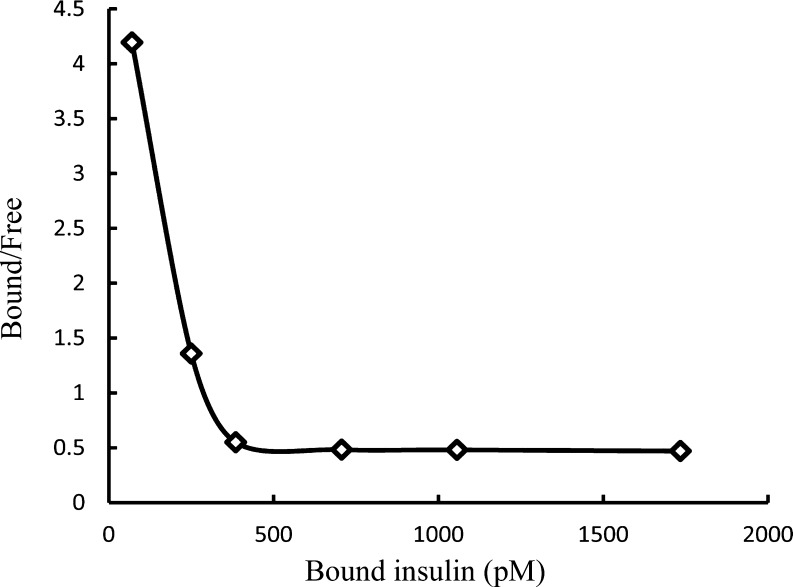
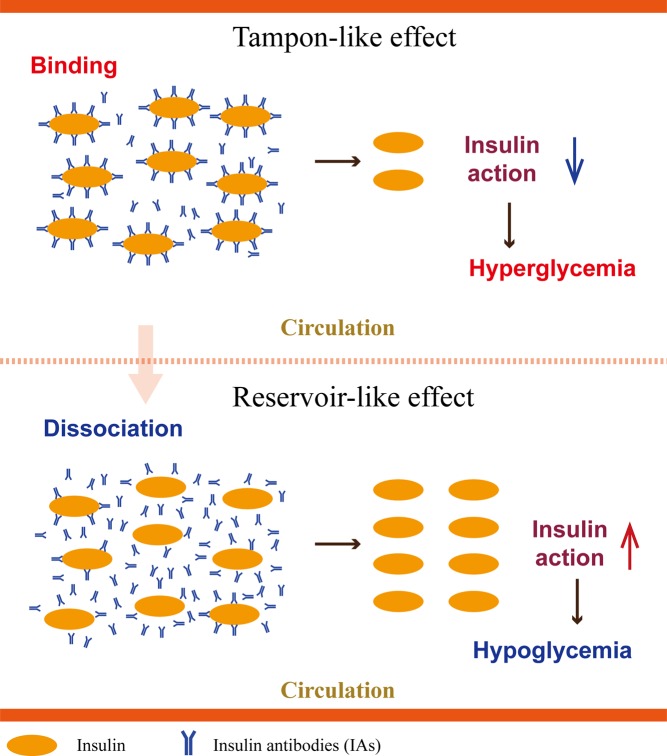
Verification
Claims the paper makes
The claims and statistics of this paper haven’t been checked yet.
Free: it reads the open-access text and checks the first 5 claims that cite a source we can check. Create a free account to check every claim.
Claims other papers make about this one
Each is checked against this paper’s own text: does it say what the citing paper says it does?
The source backs part of the claim, not all of it — or backs it for a different population, condition or comparison.
In the citing paper
“Given sufficiently sensitive techniques, insulin antibodies can be detected in any person being treated with exogenous insulin (518,519).”
From Guidelines and Recommendations for Laboratory Analysis in the Diagnosis and Management of Diabetes Mellitus (2023) · cites this paper as [519]
Experimental — accuracy not yet measuredThe source backs part of the claim, not all of it — or backs it for a different population, condition or comparison.
In the citing paper
“This clinical situation is quite rare and usually occurs in individuals with insulin-treated type 2 diabetes”
From Guidelines and Recommendations for Laboratory Analysis in the Diagnosis and Management of Diabetes Mellitus (2023) · cites this paper as [519]
Experimental — accuracy not yet measuredThe cited source says what the claim attributes to it.
In the citing paper
“In most of these individuals, the titer of insulin antibodies is low, particularly in those who were never treated with animal insulins”
From Guidelines and Recommendations for Laboratory Analysis in the Diagnosis and Management of Diabetes Mellitus (2023) · cites this paper as [519]
The cited source says what the claim attributes to it.
In the citing paper
“and their presence is of no clinical significance.”
From Guidelines and Recommendations for Laboratory Analysis in the Diagnosis and Management of Diabetes Mellitus (2023) · cites this paper as [519]
The cited source says what the claim attributes to it.
In the citing paper
“and the cause-and-effect relationships between the magnitude of the increase in insulin antibodies and the degree of insulin resistance are unclear (519).”
From Guidelines and Recommendations for Laboratory Analysis in the Diagnosis and Management of Diabetes Mellitus (2023) · cites this paper as [519]
1 more claim about this paper
Create a free account to see every claim other papers make about this one.
Self-check
Percentages, sums and reported differences re-computed from the paper’s own numbers.
The self-check needs the paper’s full text.
Citations
Cites
Berson, S. A., Yalow, R. S., Bauman, A., Rothschild, M. A., & Newerly, K. (1956) · Journal of Clinical Investigation · doi:10.1172/jci103262 · Cited by 836
Pieber, T. R., Eugène-Jolchine, I., & Derobert, E. (2000) · Diabetes Care · doi:10.2337/diacare.23.2.157 · Cited by 224
Immunological Responses to Exogenous Insulin
Fineberg, S. E., Kawabata, T. T., Finco-Kent, D., Fountaine, R. J., Finch, G. L., & Krasner, A. S. (2007) · Endocrine Reviews · doi:10.1210/er.2007-0002 · Cited by 209 · cited 6×
“Sporadic case reports have been published regarding individuals whose serum had high titre IAs while being treated with recombinant human insulin or human insulin analogues (1), especially in Asian populations (6, 7, 8, 9, 10, 11, 12).”
BackgroundInfluentialImmunological mechanism underlying the immune response to recombinant human protein therapeutics
Sauerborn, M., Brinks, V., Jiskoot, W., & Schellekens, H. (2010) · Trends in Pharmacological Sciences · doi:10.1016/j.tips.2009.11.001 · Cited by 207
Immunogenicity of recombinant DNA human insulin
Fineberg, S. E., Galloway, J. A., Fineberg, N. S., Rathbun, M. J., & Hufferd, S. (1983) · Diabetologia · doi:10.1007/bf00284452 · Cited by 161
Insulin Glulisine Provides Improved Glycemic Control in Patients With Type 2 Diabetes
Dailey, G., Rosenstock, J., Moses, R. G., & Ways, K. (2004) · Diabetes Care · doi:10.2337/diacare.27.10.2363 · Cited by 153
Fineberg, S. E., Kawabata, T., Finco‐Kent, D., Liu, C., & Krasner, A. S. (2005) · The Journal of Clinical Endocrinology & Metabolism · doi:10.1210/jc.2004-2229 · Cited by 147
Intensive Therapy With Inhaled Insulin via the AERx Insulin Diabetes Management System
Hermansen, K., Rönnemaa, T., Petersen, A. H., Bellaire, S., & Adamson, U. (2004) · Diabetes Care · doi:10.2337/diacare.27.1.162 · Cited by 123 · cited 1×
“In the AERxiDMS trials, IA levels increased in the inhaled insulin group but remained unchanged in the subcutaneous insulin group (51).”
BackgroundInsulin autoimmune syndrome (IAS, Hirata disease).
Uchigata, Y., & Hirata, Y. (1999) · PubMed · Cited by 111
Lindholm, A., Jensen, L. B., Home, P. D., Raskin, P., Boehm, B. O., Råstam, J., & Aspart, F. T. E. A. N. A. S. G. O. I. (2002) · Diabetes Care · doi:10.2337/diacare.25.5.876 · Cited by 107
Research works printed but not linked: 80
- 2004, Intensive therapy with inhaled insulin via the AERx insulin diabetes management system: a 12-week proof-of-concept trial in patients with type 2 diabetes, Diabetes Care, 27, 162, 10.2337/diacare.27.1.162 · DOI
- 2005, The effect of insulin antibodies on the metabolic action of inhaled and subcutaneous insulin: a prospective randomized pharmacodynamic study, Diabetes Care, 28, 2161, 10.2337/diacare.28.9.2161 · DOI
- 2013, Repeated hypoglycemia caused by the overproduction of anti-insulin antibodies and isolated ACTH deficiency in a type 2 diabetic patient receiving insulin therapy., Diabetes Care, 36, e22, 10.2337/dc12-1565 · DOI
- 2011, Diabetic ketosis caused by the insulin analog aspart-induced anti-insulin antibody: successful treatment with the newest insulin analog glulisine., Diabetes Care, 34, e108, 10.2337/dc11-0326 · DOI
- 1984, HLA phenotype and insulin antibody production, Clinical and Experimental Immunology, 57, 443
- 2003, Effect of long-term exposure to insulin lispro on the induction of antibody response in patients with type 1 or type 2 diabetes, Diabetes Care, 26, 89, 10.2337/diacare.26.1.89 · DOI · Paper page
- 2009, Severe insulin resistance due to anti-insulin antibodies: response to plasma exchange and immunosuppressive therapy, Diabetic Medicine, 26, 79, 10.1111/j.1464-5491.2008.02621.x · DOI
- 1984, Immunogenicity of monocomponent human and porcine insulin in newly diagnosed type 1 (insulin-dependent) diabetic children., Diabetologia, 27, 96, 10.1007/bf00275658 · DOI
- 2010, Animal insulin therapy induces a biased insulin antibody response that persists for years after introduction of human insulin, Acta Diabetologica, 47, 131, 10.1007/s00592-009-0135-2 · DOI
- 1995, Immunogenicity of intraperitoneal insulin infusion using programmable implantable devices, Diabetologia, 38, 577, 10.1007/bf00400727 · DOI
- 2010, Inhaled insulin: overview of a novel route of insulin administration, Vascular Health and Risk Management, 6, 47
- 2006, Dissociation of lung function changes with humoral immunity during inhaled human insulin therapy, American Journal of Respiratory and Critical Care Medicine, 173, 1194, 10.1164/rccm.200512-1861oc · DOI
- 1994, Insulin antibody responses after long-term intraperitoneal insulin administration via implantable programmable insulin delivery systems, Diabetes Care, 17, 169, 10.2337/diacare.17.3.169 · DOI · Paper page
- 2004, Diagnostic algorithm and management of immune-mediated complications associated with subcutaneous insulin therapy, Experimental and Clinical Endocrinology and Diabetes, 112, 416, 10.1055/s-2004-821186 · DOI
- Characteristics of the antibodies of two patients who developed daytime hyperglycemia and morning hypoglycemia because of insulin antibodies and https org, Diabetes Research Clinical Practice, 200984, 10.1016/j.diabres.2009.02.007 · DOI
- 2000, Antibody-mediated insulin resistance treated by cessation of insulin administration, Internal Medicine, 39, 143, 10.2169/internalmedicine.39.143 · DOI
- 1987, Specificity of immunoglobulin E and immunoglobulin G against human (recombinant DNA) insulin in human insulin allergy and resistance, Journal of Laboratory and Clinical Medicine, 109, 141
- 1990, Resistance and allergy to recombinant human insulin, Journal of Allergy and Clinical Immunology, 86, 45, 10.1016/s0091-6749(05)80122-8 · DOI
- Safety and efficacy of AIR inhaled insulin compared with subcutaneous insulin in patients having diabetes and asthma a month randomized noninferiority trial Technology and Therapeutics Supplement https org, Diabetes, 12, 35
- 1984, The antibody response to insulin therapy. A prospective study in HLA-typed insulin-dependent diabetic subjects, Diabetes, 33, 966, 10.2337/diab.33.10.966 · DOI
- 1990, The effects of insulin antibodies during diabetic pregnancy on newborn infants, Asia-Oceania Journal of Obstetrics and Gynaecology, 16, 115, 10.1111/j.1447-0756.1990.tb00012.x · DOI
- 2006, Acute liver dysfunction complicated with uncontrollable glycemia due to insulin antibody: successful treatment with glucocorticoid and lispro insulin, Internal Medicine, 45, 1225, 10.2169/internalmedicine.45.6009 · DOI
- 2002, Immune responses to insulin aspart and biphasic insulin aspart in people with type 1 and type 2 diabetes, Diabetes Care, 25, 876, 10.2337/diacare.25.5.876 · DOI · Paper page
- 2008, Insulin binding to antibodies is a risk factor for inexplicable severe hypoglycaemia in children with type-1 diabetes mellitus, Experimental and Clinical Endocrinology and Diabetes, 116, 293, 10.1055/s-2007-1004565 · DOI
- 2011, Immunogenicity of different brands of human insulin and rapid-acting insulin analogs in insulin-naive children with type 1 diabetes, Pediatric Diabetes, 12, 78, 10.1111/j.1399-5448.2010.00659.x · DOI
- 1978, Immunologic insulin resistance, Diabetes, 27, 307, 10.2337/diab.27.3.307 · DOI · Paper page
- Combination therapy with liraglutide and sulfonylurea for a type diabetic patient with high titer of anti - insulin antibodies produced by insulin therapy and https org, Diabetes Research Clinical Practice, 55
- 1997, A case of a non-insulin dependent diabetic patient with regular spontaneous hypoglycemic attacks, which were due to insulin-binding antibodies induced by human insulin therapy, Tohoku Journal of Experimental Medicine, 182, 163, 10.1620/tjem.182.163 · DOI
- 2012, The difference of blood glucose fluctuation in type 2 diabetes mellitus patients with positive and negative insulin autoantibodies, Chinese Journal of Multiple Organ Diseases in the Elderly, 11, 645
- 1982, Successful treatment of immune-mediated insulin resistance by human insulin (recombinant DNA), Diabetes Care, 5, 175, 10.2337/diacare.5.2.s175 · DOI
- 2013, Study about the immunogenicity of recombinant human insulin in treatment of type 2 diabetes mellitus, Chinese Journal of Clinicians, 7, 9081
- 1984, Disappearance rate of insulin antibodies after discontinuing insulin treatment in 42 type 2 (non-insulin-dependent) diabetic patients, Diabetologia, 27, 592, 10.1007/bf00276974 · DOI
- 1989, Influence of maternal metabolic control and insulin antibodies on neonatal complications and B cell function in infants of diabetic mothers, Diabetes Research and Clinical Practice, 7, 277, 10.1016/0168-8227(89)90016-8 · DOI
- Macleisha SA Wallacea S Madhuna ZR Hostoffer JA. Treatment of hypoglycemia with intramuscular immunoglobulin in insulin dependent-diabetics with insulin antibodies. Journal of Allergy and Clinical Immunology 2009 119 S18.
- 1966, Evidence for the existence of an IgM immuno-globulin to insulin, Irish Journal of Medical Science, 6, 507
- 2003, Insulin lispro reduces insulin antibodies in a patient with type 2 diabetes with immunological insulin resistance, Diabetes Research and Clinical Practice, 61, 89, 10.1016/s0168-8227(03)00105-0 · DOI
- 1969, Immunotherapy with antigen E, Journal of Allergy, 44, 82, 10.1016/0021-8707(69)90004-5 · DOI
- 2015, Insulin antibodies in patients with type 2 diabetic receiving recombinant human insulin injection: a report of 12 cases., Annales d’Endocrinologie, 76, 694, 10.1016/j.ando.2015.10.004 · DOI
- 1997, Insulin antibodies and hypoglycemia in diabetic patients. Can a quantitative analysis of antibody binding predict the risk of hypoglycemia?, Endocrine, 6, 285, 10.1007/bf02820505 · DOI
- 1997, Severe antibody-mediated human insulin resistance: successful treatment with the insulin analog lispro. A case report, Diabetes Care, 20, 71, 10.2337/diacare.20.1.71 · DOI
- American Medical Association. An inhaled insulin (Afrezza). JAMA 2015 313 2176– 2177. (10.1001/jama.2015.5634) 26034959 · DOI
- 1982, The immune response to insulin in man. Interaction of HLA alloantigens and the development of the immune response, Diabetes, 31, 716, 10.2337/diab.31.8.716 · DOI
- 2013, Hypoglycemia due to insulin binding antibodies in a patient with insulin-treated type 2 diabetes and Graves’ disease, Endocrine, 43, 236, 10.1007/s12020-012-9721-0 · DOI
- 2002, Comparison of antigenicity of Hoechst 21PH insulin using either implantable intraperitoneal pump or subcutaneous external pump infusion in type 1 diabetic patients, Diabetes Care, 25, 84, 10.2337/diacare.25.1.84 · DOI
- 1977, Anti-insulin IgE in diabetics, Journal of Clinical Endocrinology and Metabolism, 45, 1159, 10.1210/jcem-45-6-1159 · DOI
- Li F Wu Z Chi Q Qiao X Wang S. Study about the immunogenicity of recombinant human insulin in treatment of type 2 diabetes mellitus. Chinese Journal of Clinicians 2013 7 9081– 9085.
- 1992, Does age at initiation of insulin therapy determine who will develop an immune response., Diabetes, 41, 191A
- 1990, Insulin allergy: re-evaluation after two decades, Annals of Allergy, 64, 459
- 1994, Solid versus liquid phase assays in detection of insulin antibodies. Influence of iodination site on labelled insulin binding, Journal of Immunological Methods, 169, 241, 10.1016/0022-1759(94)90268-2 · DOI
- 2006, A case of slowly progressive type 1 diabetes with unstable glycemic control caused by unusual insulin antibody and successfully treated with steroid therapy, Diabetes Research and Clinical Practice, 72, 238, 10.1016/j.diabres.2005.10.018 · DOI
- 1988, Advantages and pitfalls of radioimmune and enzyme linked immunosorbent assays of insulin antibodies, Diabetologia, 31, 694, 10.1007/bf00278754 · DOI
- 1999, Insulin autoantibodies and insulin antibodies have similar binding characteristics, Proceedings of the Association of American Physicians, 111, 92, 10.1046/j.1525-1381.1999.09114.x · DOI
- 1971, Human anti-insulin antibodies, Journal of Immunology, 106, 1112, 10.4049/jimmunol.106.4.1112 · DOI
- 1983, Immunogenicity of recombinant DNA human insulin, Diabetologia, 25, 465
- 2005, Antibody response to inhaled insulin in patients with type 1 or type 2 diabetes. An analysis of initial phase II and III inhaled insulin (Exubera) trials and a two-year extension trial, Journal of Clinical Endocrinology and Metabolism, 90, 3287, 10.1210/jc.2004-2229 · DOI
- Fineberg N Fineberg S Galloway J. Does age at initiation of insulin therapy determine who will develop an immune response. Diabetes 1992 41 (Supplement 1) 191A.
- 2004, Diagnostic algorithm and management of immune-mediated complications associated with subcutaneous insulin therapy, Experimental and Clinical Endocrinology and Diabetes, 112, 416, 10.1055/s-2004-821186 · DOI
- 1971, Allergic reactions to insulin, JAMA, 215, 1106, 10.1001/jama.1971.03180200030006 · DOI
- 2016, Medical nutrition therapy is effective in the management of hypoglycemia caused by insulin antibodies: a case report and literature review., Journal of the American College of Nutrition, 35, 86, 10.1080/07315724.2014.976673 · DOI
- 1977, Insulin antibodies in the pathogenesis of insulin allergy and resistance, American Journal of Medicine, 63, 703, 10.1016/0002-9343(77)90155-3 · DOI
- 1983, Immunogenicity of human insulin (Novo) or pork monocomponent insulin in HLA-DR-typed insulin-dependent diabetic individuals, Diabetes Care, 6, 43
- 2000, Efficacy and safety of HOE 901 versus NPH insulin in patients with type 1 diabetes. The European Study Group of HOE 901 in type 1 diabetes, Diabetes Care, 23, 157, 10.2337/diacare.23.2.157 · DOI · Paper page
- He H Yang X Lv X Wang C Chen D Li X Ran X. The difference of blood glucose fluctuation in type 2 diabetes mellitus patients with positive and negative insulin autoantibodies. Chinese Journal of Multiple Organ Diseases in the Elderly 2012 11 645– 649.
- 1980, Serological analysis of human IgG and IgE anti-insulin antibodies by solid-phase radioimmunoassays, Journal of Laboratory and Clinical Medicine, 96, 1022
- 2005, Hypoglycemia and hyperglycemia due to insulin antibodies against therapeutic human insulin: treatment with double filtration plasmapheresis and prednisolone, American Journal of the Medical Sciences, 329, 259, 10.1097/00000441-200505000-00007 · DOI
- 2010, Frequent reoccurrence of hypoglycemia in a type 2 diabetic patient with insulin antibodies, Molecular Diagnosis and Therapy, 14, 237, 10.1007/bf03256379 · DOI
- 2015, Immunological hypoglycemia associated with insulin antibodies induced by exogenous insulin in 11 Chinese patients with diabetes, Journal of Diabetes Research, 2015, 746271
- 2007, Immunological responses to exogenous insulin, Endocrine Reviews, 28, 625, 10.1210/er.2007-0002 · DOI · Paper page
- 2009, Circulating insulin antibodies: influence of continuous subcutaneous or intraperitoneal insulin infusion, and impact on glucose control, Diabetes/Metabolism Research and Reviews, 25, 491, 10.1002/dmrr.961 · DOI
- 2005, A trial to assess the amount of insulin antibodies in diabetic patients by surface plasmon resonance, Internal Medicine, 44, 100, 10.2169/internalmedicine.44.100 · DOI
- 1976, Clinical significance of anti-insulin-antibodies, Acta Endocrinologica Supplementum, 205, 231
- 2004, Insulin glulisine provides improved glycemic control in patients with type 2 diabetes, Diabetes Care, 27, 2363, 10.2337/diacare.27.10.2363 · DOI · Paper page
- 1987, Evaluation of patients with local reactions to insulin with skin tests and in vitro techniques, Diabetes Care, 10, 330, 10.2337/diacare.10.3.330 · DOI
- Insulin glulisine may ameliorate nocturnal hypoglycemia related to insulin antibody a case report and discussion https org, Diabetes Research Clinical Practice, 53
- 2014, Development of insulin antibodies and changes in titers over a long-term period in patients with type 2 diabetes, Clinica Chimica Acta, 433, 135, 10.1016/j.cca.2014.03.008 · DOI
- 1956, Insulin-I131 metabolism in human subjects: demonstration of insulin binding globulin in the circulation of insulin treated subjects, Journal of Clinical Investigation, 35, 170, 10.1172/jci103262 · DOI · Paper page
- 1999, Insulin autoimmune syndrome (IAS, Hirata disease), Annales de Medecine Interne, 150, 245
- 2010, Immunological mechanism underlying the immune response to recombinant human protein therapeutics, Trends in Pharmacological Sciences, 31, 53, 10.1016/j.tips.2009.11.001 · DOI · Paper page
- 1987, Increase in insulin antibodies during continuous subcutaneous insulin infusion and multiple-injection therapy in contrast to conventional treatment, Diabetes, 36, 1, 10.2337/diab.36.1.1 · DOI · Paper page
- 2013, Characterization of insulin antibodies by Surface Plasmon Resonance in two clinical cases: brittle diabetes and insulin autoimmune syndrome., PLoS ONE, 8, e84099, 10.1371/journal.pone.0084099 · DOI
Cited by
Sacks, D. B., Arnold, M., Bakris, G. L., Bruns, D. E., Horvath, A. R., Lernmark, Å., Metzger, B. E., Nathan, D. M., & Kirkman, M. S. (2023) · Diabetes Care · doi:10.2337/dci23-0036 · Cited by 351
Sacks, D. B., Arnold, M. A., Bakris, G. L., Bruns, D. E., Horvath, A. R., Lernmark, Å., Metzger, B. E., Nathan, D. M., & Kirkman, M. S. (2023) · Clinical Chemistry · doi:10.1093/clinchem/hvad080 · Cited by 208
A gut microbial peptide and molecular mimicry in the pathogenesis of type 1 diabetes
Girdhar, K., Huang, Q., Chow, I., Vatanen, T., Brady, C., Raisingani, A., Autissier, P., Atkinson, M. A., Kwok, W. W., Kahn, C. R., et al. (2022) · Proceedings of the National Academy of Sciences · doi:10.1073/pnas.2120028119 · Cited by 113
Wołosowicz, M., Łukaszuk, B., & Chabowski, A. (2020) · International Journal of Environmental Research and Public Health · doi:10.3390/ijerph17228651 · Cited by 75
Smitka, K., Procházková, P., Roubalová, R., Dvořák, J., Papežová, H., Hill, M., Pokorny, J., Kittnar, O., Bilej, M., & Tlaskalová‐Hogenová, H. (2021) · Frontiers in Endocrinology · doi:10.3389/fendo.2021.613983 · Cited by 55
Szunerits, S., Melinte, S., Barras, A., Pagneux, Q., Voronova, A., Abderrahmani, A., & Boukherroub, R. (2021) · Chemical Society Reviews · doi:10.1039/c9cs00886a · Cited by 49
Rare causes of hypoglycemia in adults
Douillard, C., Jannin, A., & Vantyghem, M.-C. (2020) · Annales d'Endocrinologie · doi:10.1016/j.ando.2020.04.003 · Cited by 41
Talha, M., Mir, A. R., Habib, S., Abidi, M., Warsi, M. S., Islam, S., & Moinuddin, M. (2021) · Spectrochimica Acta Part A Molecular and Biomolecular Spectroscopy · doi:10.1016/j.saa.2021.119640 · Cited by 24
Hsieh, Y.-S., Yeh, M.-C., Lin, Y., Weng, S.-F., Hsu, C.-H., Huang, C., Lin, Y.-P., & Han, A.-Y. (2022) · Frontiers in Endocrinology · doi:10.3389/fendo.2022.1099805 · Cited by 21
“The antibody might affect glycemic control in T2DM patients because of the binding insulin (18).”
BackgroundAutoreactive antibodies control blood glucose by regulating insulin homeostasis
Amendt, T., Allies, G., Nicolò, A., Ayoubi, O. E., Young, M., Rőszer, T., Setz, C. S., Warnatz, K., & Jumaa, H. (2022) · Proceedings of the National Academy of Sciences · doi:10.1073/pnas.2115695119 · Cited by 22
Clark, A., Mohammed, A. S., Raut, A., Moore, S., Houlden, R. L., & Awad, S. (2020) · Canadian Journal of Diabetes · doi:10.1016/j.jcjd.2020.08.100 · Cited by 22
Liu, Y., Ping, F., Yu, J., Lv, L., Zhao, Y., Qi, M., Li, W., Xu, L., Yu, M., Li, M., et al. (2022) · The Journal of Clinical Endocrinology & Metabolism · doi:10.1210/clinem/dgac578 · Cited by 18
Huynh, T. (2020) · Clinical Biochemist Reviews · doi:10.33176/aacb-20-00008 · Cited by 22
Bolli, G. B., Porcellati, F., Lucidi, P., Fanelli, C. G., & Owens, D. R. (2021) · Metabolism · doi:10.1016/j.metabol.2021.154935 · Cited by 22
Li, Z., Yi, D., Zheng, L., Li, S., Fang, W., & Wang, C. (2021) · Diabetology & Metabolic Syndrome · doi:10.1186/s13098-021-00658-z · Cited by 17
“Some scholars named it exogenous insulin autoimmune syndrome (EIAS) as a nonclassic IAS [5].”
BackgroundMemory IgM protects endogenous insulin from autoimmune destruction
Amendt, T., & Jumaa, H. (2021) · The EMBO Journal · doi:10.15252/embj.2020107621 · Cited by 15
“Notably, the diabetes symptoms used as readout for the generation of anti-insulin antibodies are similar to exogenous insulin antibody syndrome (EIAS), which is a clinical syndrome associated with insulin antibodies induced by exogenous insulin in diabetic patients (Hu & Chen, 2018).”
InfluentialJerkins, T. W., & Bell, D. S. H. (2021) · Diabetes Therapy · doi:10.1007/s13300-021-01129-4 · Cited by 15
Zhu, J., Yuan, L., Ni, W.-J., Luo, Y. L., & Ma, J. (2019) · Journal of Diabetes Research · doi:10.1155/2019/7304140 · Cited by 17
“Administration of exogenous animal insulin for the treatment of diabetes often induces the production of insulin antibodies (IA) [1, 2].”
BackgroundMicrobial Endocrinology: Host metabolism and appetite hormones interaction with gut microbiome
Ashraf, A., & Hassan, M. I. (2024) · Molecular and Cellular Endocrinology · doi:10.1016/j.mce.2024.112281 · Cited by 13
Adaptive tolerance: Protection through self‐recognition
Amendt, T., & Jumaa, H. (2022) · BioEssays · doi:10.1002/bies.202100236 · Cited by 12
“[106] In accor- dance to molecular kinetics, it is conceivable that PR-IgM releases its respective autoantigen in a concentration dependent manner where the concentration of soluble autoantigen determines the dissociation constant (KD) of autoreactive PR-IgM.”
BackgroundInfluentialErythropoietin: A Personal Alice in Wonderland Trip in the Shadow of the Giants
Migliaccio, A. R. (2024) · Biomolecules · doi:10.3390/biom14040408 · Cited by 10
“…but did not eliminate the incidence of the development of antibodies against insulin in diabetic patients, making them resistant to the therapy [132] raised concern against the protein by contrast with to exposure to the production of alloantibodies recombinant EPO body would For many…”
BackgroundInsulin Therapy and Diabetic Pregnancy
Napoli, A. (2019) · American Journal of Therapeutics · doi:10.1097/mjt.0000000000001095 · Cited by 9
Teo, C. B., Tan, P. Y., Lee, S. X., Khoo, J. J. C., Tan, J. G., Ang, S. F., Tan, S. H., Tay, T. L., Tan, E. J. H., Lim, S. C., et al. (2022) · Frontiers in Endocrinology · doi:10.3389/fendo.2022.844040 · Cited by 9
“Thus, it is debatable whether the insulin-antibody complex-induced resistance was at the subcutaneous level (i.e. subcutaneous insulin resistance syndrome [SIR]) (18) or systemic circulation level (EIAS) (2) or both, none of which is easily differentiable.”
BackgroundResultInfluentialRobbins, D. J., Taylor, N. E., Narayanan, D., Hess, A. S., & Rose, W. N. (2020) · Journal of Clinical Apheresis · doi:10.1002/jca.21769 · Cited by 11
“Use of purified and recombinant human insulin corresponds with reduced incidence of EIAS.(2) Switching insulin formulations can ameliorate complications, as can smaller meals with slowly absorbable carbohydrates.”
BackgroundInfluentialExogenous Insulin Antibody Syndrome in Patients with Type 2 Diabetes
Han, C.-Y., Ye, X., Lu, J.-P., Jin, H., Xu, W., Wang, P., & Zhang, M. (2023) · Diabetes Metabolic Syndrome and Obesity · doi:10.2147/dmso.s410349 · Cited by 8
Takahashi, K., Anno, T., Takenouchi, H., Iwamoto, H., Horiya, M., Kimura, Y., Kawasaki, F., Kaku, K., Tomoda, K., & Kaneto, H. (2022) · Journal of Diabetes Investigation · doi:10.1111/jdi.13838 · Cited by 8
A Novel Type of Extreme Insulin Resistance: Nonhypoglycemic Insulin Autoimmune Syndrome
Liu, H., Liang, S., Li, Y., Fu, J., Chen, S., Li, M., Zhu, H., Pan, H., Wang, O., Yuan, T., et al. (2020) · The Journal of Clinical Endocrinology & Metabolism · doi:10.1210/clinem/dgaa911 · Cited by 7
Analysis of the clinical characteristics of insulin autoimmune syndrome induced by alpha‐lipoic acid
Li, Z., Su, Y., Yi, D., Wu, C., Fang, W., & Wang, C. (2021) · Journal of Clinical Pharmacy and Therapeutics · doi:10.1111/jcpt.13427 · Cited by 7
“7%) Hypoglycaemia disappearance time (days) (19)a Corticosteroids (13)a 58.”
BackgroundGeng, L., Diao, X., Han, H., Lin, Y., Liang, W. Y., & Xu, A. (2022) · Frontiers in Endocrinology · doi:10.3389/fendo.2022.1043301 · Cited by 7
“Frontiers in Endocrinology 02 Meanwhile, T1D patients receiving insulin therapy may generate antibodies against exogenous insulin or insulin analogs (12), causing dysglycaemia with intractable hypoglycaemia, which is named as exogenous insulin antibody syndrome (EIAS) (13).”
BackgroundInfluentialExogenous insulin antibody syndrome in a patient with diabetes secondary to total pancreatectomy
Obata, Y., Takayama, K., Nishikubo, H., Tobimatsu, A., Matsuda, I., Uehara, Y., Maruo, Y., Sho, H., Kosugi, M., & Yasuda, T. (2022) · Diabetology International · doi:10.1007/s13340-022-00611-z · Cited by 7
“Meanwhile, the bound insulin tends to dissociate during the night and early in the morning, due to its low affinity, resulting in an increase in free insulin and consequent hypoglycemia [3, 4].”
BackgroundInfluentialExogenous insulin autoimmune syndrome: A case report and review of literature
Xu, L., Chen, J., Cheng, J., & Luo, N. (2024) · World Journal of Clinical Cases · doi:10.12998/wjcc.v12.i9.1691 · Cited by 7
“However, in recent years, some scholars have also reported that HLA-DRB1 * 0415, HLA-DRB1 * 0404, and other genes may also be susceptibility genes for IAS[21,22].”
InfluentialZhuang, Y., Wei, X., Yu, Y., & Wang, D. (2021) · Journal of Clinical Apheresis · doi:10.1002/jca.21905 · Cited by 7
An, J., Choi, H., Choi, J., Lim, H., Huh, W., Oh, Y., Park, J. S., Han, J., Lim, S. K., Lim, C., et al. (2024) · Veterinary Medicine and Science · doi:10.1002/vms3.1454 · Cited by 7
Hua, K.-F., Zhang, M.-Y., Zhang, Y., Ren, B.-J., & Wu, Y.-H. (2022) · Diabetes Metabolic Syndrome and Obesity · doi:10.2147/dmso.s373475 · Cited by 7
Teoli, J., Chikh, K., Jouini-Bouhamri, R., Charrière, S., Fabien, N., & Raverot, V. (2024) · Heliyon · doi:10.1016/j.heliyon.2024.e34009 · Cited by 6
“The diagnosis of IAS, possibly induced by previous insulin analog intake (exogenous IAS [15] or non-classical form of IAS [6]), was thus very likely, although it could not be fully ascertained.”
BackgroundHyun, J., Park, M. H., Lee, Y. H., Lee, Y., Jeong, S. J., Choi, S. S., Khim, K. W., Eom, H. J., Hur, J., Park, C. Y., et al. (2021) · Journal of Ethnopharmacology · doi:10.1016/j.jep.2021.114238 · Cited by 6
Chuzho, N., Kumar, N., Mishra, N., Tandon, N., Kanga, U., Kaur, G., Singh, P., Mishra, G., Sharma, S., & Mehra, N. K. (2021) · Journal of Diabetes Research · doi:10.1155/2021/4012893 · Cited by 8
“Insulin autoantibody (IAA) was excluded as almost all the study participants were exposed to exogenous insulin at the time of sampling and insulin exposure could induce high titre of insulin autoantibodies in T1D patients [42].”
BackgroundFakhfakh, R., Kmiha, S., Tahri, S., Feki, S., Zouidi, F., Abida, O., Hachicha, M., Kammoun, T., & Masmoudi, H. (2022) · Journal of Diabetes Research · doi:10.1155/2022/2539871 · Cited by 7
“In light of the knowledge that the determination of IAA at the onset of T1D is often biased by the administration of exogenous insulin [21], ICA, GADA, and IA-2A measurements were used for the diagnostic support of T1D in our laboratory.”
MethodZhou, L., Luo, Y., Wang, Y., Cheng, Y., Zhang, R., Zhang, S., Gong, S., Han, X., & Ji, L. (2023) · Frontiers in Clinical Diabetes and Healthcare · doi:10.3389/fcdhc.2023.1172208 · Cited by 6
Wan, J., Geng, L., Fu, Y., Zhang, Q., Guan, G., Jiang, X., Xu, A., & Jin, P. (2025) · Diabetes Research and Clinical Practice · doi:10.1016/j.diabres.2025.112262 · Cited by 5
Tarigan, T. J. E., Dwijayanti, A., Setyowati, S., & Louisa, M. (2021) · Diabetes Metabolic Syndrome and Obesity · doi:10.2147/dmso.s279385 · Cited by 5
“Studies suggested that the development of IAA might not interfere with insulin action.(21) However, variable degrees of hypoglycemia might be associated with IAA.”
BackgroundChen, S., Chen, H., Yin, J., Zheng, X., Zhang, M., Yang, T., & Gu, Y. (2023) · Frontiers in Endocrinology · doi:10.3389/fendo.2023.1141414 · Cited by 5
Saba, L., Fatica, E. M., Orandi, A. B., Pittock, S. T., & Creo, A. L. (2023) · Hormone Research in Paediatrics · doi:10.1159/000531767 · Cited by 4
“Hyperglycemia tends to occur postprandially following insulin administration, while hypoglycemia is typically experienced overnight as the antibody complex dissociates [5].”
BackgroundSearching for the Culprit: When Diabetic Ketoacidosis Presents With Insulin Autoantibodies
Garcia-Avila, S. A., Samuel, A., Farooqi, I. N., Manickam, R., Ismail, M., Khaddash, S. I., & Gibiezaite, S. (2020) · AACE Clinical Case Reports · doi:10.1016/j.aace.2020.12.004 · Cited by 4
Insulinoma With Concomitant Insulin Antibodies
Iqbal, A., Broome, D. T., Makin, V., & Yogi-Morren, D. (2021) · AACE Clinical Case Reports · doi:10.1016/j.aace.2021.01.009 · Cited by 6
Biomarkers for Prediabetes, Type 2 Diabetes, and Associated Complications
Almheiri, A. M. A., Alhammadi, A., AlShehhi, F., Mohammad, A., Alshamsi, R., Zaman, K. A., Jabeen, S., & Haq, B. (2023) · American Journal of Health Medicine and Nursing Practice · doi:10.47672/ajhmn.1592 · Cited by 5
Harmonised Methods for Detection of Insulin Immunogenicity
Sathiya, V., & Kumar, V. (2024) · International Journal of Pharmaceutical Investigation · doi:10.5530/ijpi.14.2.38 · Cited by 4
A Case of Exogenous Insulin Autoimmune Syndrome: A Case Report
Wang, M., Jjiang, G., Meng, X., & Wang, L. (2024) · Cureus · doi:10.7759/cureus.72067 · Cited by 4
“…dose is minimal, it may be possible to discontinue insulin and switch to medications such as alpha-glucosidase inhibitors, dipeptidyl peptidase-4 (DPP-4) inhibitors, and glucagon-like peptide-1 receptor agonist (GLP-1RA)to manage blood sugar levels while also preventing hypoglycemia [21,22].”
Rajamohan, H. H., Boyer, P.-N., Davis, T. M. E., Lane, M., & Love, A. (2025) · JCEM Case Reports · doi:10.1210/jcemcr/luaf175 · Cited by 3
“Exogenous insulin antibody syndrome (EIAS) is a rare cause of extreme insulin resistance (EIR) in patients exposed to exogenous insulin [1].”
Analysis of Risk Factors for Insulin Antibodies in Type 2 Diabetes Patients
董, 小. (2020) · Advances in Clinical Medicine · doi:10.12677/acm.2020.106141 · Cited by 3
Yao, D., Zhu, Z., Chen, Z., Qiu, J., Feng, C., Zhu, X., Zhou, Q., & Chu, J. (2022) · International Journal of Diabetes in Developing Countries · doi:10.1007/s13410-022-01110-2 · Cited by 3
“Unfortunately, hyperinsulinemia has been proven to be a risk factor of wide glycemic fluctuation [2], increased blood pressure [3], and the occurrence of several tumors [4], Alzheimer’s disease [5] and”
BackgroundExogenous insulin-associated autoimmunity and the emergence of double diabetes in type 2 diabetes
Li, X., Qi, M., Li, X., & Ping, F. (2025) · World Journal of Diabetes · doi:10.4239/wjd.v16.i9.109130 · Cited by 2
Hu, Z., Huang, X., Pan, J. P., & Dong, H. (2025) · Frontiers in Endocrinology · doi:10.3389/fendo.2025.1676062 · Cited by 2
Miyaue, K., & Isono, H. (2025) · Journal of General and Family Medicine · doi:10.1002/jgf2.70085 · Cited by 2
“While successful in this case, some patients with severe EIAS may require additional interventions such as glucocorticoids or other immunosuppressive therapies to decrease antibody production or facilitate immune complex dissociation [2, 5].”
InfluentialCunningham, V. J., Lam, L., Hsiao, K., Ayers, R., Albert, B. B., & Jefferies, C. (2025) · JCEM Case Reports · doi:10.1210/jcemcr/luaf300 · Cited by 2
“In EIAS 2 populations of insulin antibodies have been demonstrated: the first with low affinity/high capacity (commonly associated with postprandial hyperglycemia and nocturnal hypoglycemia) and the second high affinity/low capacity (typically accompanied by severe insulin resistance) [2].”
Kong, Y., Zhang, Y., Li, C., Ling, C., & Hu, X. (2022) · Revista médica de Chile · doi:10.4067/s0034-98872022000100115 · Cited by 2
Self-citationJerkins, T. W., Stockham, K., & Bell, D. S. H. (2024) · Diabetes Therapy · doi:10.1007/s13300-024-01573-y · Cited by 3
“This may occur in persons with both T1DM and T2DM [1, 2].”
BackgroundÇakmak, R., Tekin, S., Hacışahinoğulları, H., Mutlu, Ü., Çaklılı, Ö. T., NASİFOVA, V. S., Ok, A. M., Sarıbeyliler, G., Araz, M., Yalın, G. Y., et al. (2025) · Medicine · doi:10.1097/md.0000000000043501 · Cited by 2
“[3,8,9] In recent years, reports have been published showing that cases of type B IRS have been treated with rituximab.”
Takeuchi, T., Hirota, Y., Nakagawa, Y., Matsuoka, A., Hamaguchi, T., Okada, Y., Sakaguchi, K., Ogawa, W., & Koga, M. (2021) · Diabetology International · doi:10.1007/s13340-021-00528-z · Cited by 2
Analysis of the Outcomes of 73 Patients with Exogenous Positive Insulin Anti-Body
Yao, D., Chu, J., & Chen, Z. (2022) · Diabetes Metabolic Syndrome and Obesity · doi:10.2147/dmso.s386436 · Cited by 2
“In particular, metformin and α glycosidase inhibitors can significantly reduce plasma IA concentrations.(12,29) Patients with IA positivity and obesity can be treated with GLP-1 analog and SGLT-2I.”
BackgroundHua, K.-F., Jing, B.-Y., & Wu, Y.-H. (2023) · Diabetes Metabolic Syndrome and Obesity · doi:10.2147/dmso.s404222 · Cited by 2
“The combination of the above characteristics manifests as exogenous insulin antibody syndrome (EIAS).(14) For the clinical diagnosis of EIAS, the positive serum insulin antibody test is the main diagnostic standard for exogenous insulin antibody syndrome.”
BackgroundPetrelli, A., Ravà, L., Mascali, A., Rapini, N., Massoud, M., Bitti, M. L. M., Cianfarani, S., & Manco, M. (2021) · Diabetes/Metabolism Research and Reviews · doi:10.1002/dmrr.3479 · Cited by 1
Chaudhary, S., Modgil, A., & Dogra, V. (2025) · Journal of Diabetology · doi:10.4103/jod.jod_187_24 · Cited by 1
Sanke, T., Matsuoka, Y., Kadoya, Y., Yamada, S., Tamagawa, E., & Fujita, A. (2025) · Diabetology · doi:10.3390/diabetology6110138 · Cited by 1
A case of intractable hyperglycemia
Romano, G. M., Cafiero, T., & ROBERTIS, E. D. (2020) · Minerva Anestesiologica · doi:10.23736/s0375-9393.20.14554-1 · Cited by 1
Iida, T., Yonemura, H., Nishiwaki, H., Miyazaki, T., Imai, H., Sugisawa, C., Koiwa, F., & Nagasaka, S. (2022) · The Showa University Journal of Medical Sciences · doi:10.15369/sujms.34.225 · Cited by 1
Untoward immune effects of modern medication
Chen, D. (2023) · Journal of Biomedical Research · doi:10.7555/jbr.37.20230071 · Cited by 2
Development and Characterization of Guinea Pig Anti-Insulin Polyclonal Antibody
Sathiya, V., Muruganandam, A., & Kumar, V. (2023) · Applied Biochemistry and Biotechnology · doi:10.1007/s12010-023-04670-z · Cited by 1
“Insulin antibodies (IAs) tend to affect a patient’s glycaemic control due to their variability in binding to insulin and/or releasing of insulin in the circulation [6].”
Hyperglycaemia converting to persistent hypoglycaemia
Chin, Y. A., & Gardner, D. S.-L. (2021) · Diabetic Medicine · doi:10.1111/dme.14519
Saqib, A., Man, Y. L., Ismail, R., & Kariyawasam, D. (2021) · BMJ Case Reports · doi:10.1136/bcr-2021-242960
Insulin/C-peptide molar ratio is not influenced by plasma glucose level in patients with EIASPreprint
Zhang, L., Yao, F., Lu, Z., Li, X., Li, X., & Chen, H. (2023) · Research Square · doi:10.21203/rs.3.rs-3350473/v1
(2022) · American Diabetes Association eBooks · doi:10.2337/9781580407700.ch03
Sanke, T., Tamagawa, E., Matsuoka, Y., Fujita, A., Kadoya, Y., & Yamada, S. (2025) · Diabetology International · doi:10.1007/s13340-025-00849-3
“AIA present in the blood includes autoantibodies found in insulin autoimmune syndrome [15, 16] with clinical symptoms (hypoglycemia) and antibodies found in exogenous insulin antibody syndrome (EIAS) [17] induced by the administration of animal insulin or insulin analogues.”
Morton, A., Raghunath, V., & He, J. (2026) · Obstetric Medicine · doi:10.1177/1753495x261418194
Ishihara, M., Hattori, N., Nishiyama, N., Adachi, T., Toyoda, N., & Saito, T. (2026) · Endocrine · doi:10.1007/s12020-025-04544-w
“Insulin antibodies seldom cause any clinical problems [7, 8 ], but uncontrollable hyperglycemia and/or hypogly - cemia due to the antibodies have been reported in some patients [7–16 ].”
Zhou, J., Li, J., Wang, Z., Dai, X., Zhang, N., Kong, L., Wu, S., Liu, J., Zhang, Y., & Han, T. (2026) · Diabetes Metabolic Syndrome and Obesity · doi:10.2147/dmso.s571981
“1,11,12 15 A recent case-control study revealed that EIAS is also associated with unique HLA-DR-DQ risk haplotypes and enhanced immunoinflammatory response, with remarkably elevated molar ratio of insulin to C-peptide and prone to glycemic variability.”
Zhang, L., Shen, X., Cui, L.-L., Zhang, Y., Yang, J., Liu, W., Wang, L., & Guo, S. (2026) · Frontiers in Endocrinology · doi:10.3389/fendo.2026.1770560
“Hu and Chen (2018) (6) fi rst systematically described the clinical characteristics of EIAS, but their study primarily focused on adult patients with type 2 diabetes.”
Nahar, S., Nahida, N., Setu, H. J., Aishi, A. S., Das, U., Rosy, D., & Andalib, A. S. (2026) · Disease-a-Month · doi:10.1016/j.disamonth.2026.102146 · Cited by 1
Zou, H., Zheng, X., Wu, S., Jiang, T., Ma, X., Bai, Y., Li, Y., Ma, Z., Zhu, Q., Yang, S., et al. (2026) · Diabetes & Metabolism · doi:10.1016/j.diabet.2026.101777
Wang, Y., Liu, Y., Yu, J., Xing, B., Ping, F., Li, W., Xu, L., Li, M., Zhang, H., & Li, Y. (2026) · Frontiers in Endocrinology · doi:10.3389/fendo.2026.1879250
“Exogenous insulin antibody syndrome (EIAS) is a condition occurs in patients previously exposed to exogenous insulin and share similar clinical and biochemical features with those of IAS (3).”
Wang, X.-P., Wu, Y., Wu, J., Liu, Y.-Z., & Jiang, H. (2026) · Medicine · doi:10.1097/md.0000000000050281
“[3,4] EIAS remains exceptionally uncommon, [5] with only one documented case following insulin therapy after total pancreatectomy.”
Wen, S., Chen, Z., Hu, Y., Zhang, F., Chen, R., Qiu, D., & Chen, D. (2026) · Frontiers in Endocrinology · doi:10.3389/fendo.2026.1962271
Metadata
- Authors
- Hu, X., & Chen, F.
- Affiliations
- Shanghai Jiao Tong University (CN)
- Corresponding author
- Chen, Fengling
- Venue
- Endocrine Connections
- Publisher
- Bioscientifica
- Published
- 2018-01
- Volume
- 7
- Issue
- 1
- Pages
- R47-R55
- ISSN
- 2049-3614 (ISSN-L)
- PMC
- PMC5776673
- OpenAlex
- W2772590196
- Semantic Scholar
- 621d703b4c042e1097e992460be73037a09db2b6
- Cited by
- 83
- References
- 77
- Citations by year
- 2026: 9 · 2025: 10 · 2024: 8 · 2023: 11 · 2022: 16 · 2021: 17 · 2020: 10 · 2019: 2
- FWCI
- 0.48
- Type
- journal article
- Language
- en
- Open access
- gold
- doi.org
- Licence
- Locations
- Endocrine Connections (publishedVersion, cc-by-nc)
- Europe PMC (PubMed Central) (publishedVersion, cc-by-nc)
- PubMed Central (publishedVersion, cc-by-nc)
- PubMed (publishedVersion)
- DOAJ (DOAJ: Directory of Open Access Journals) (submittedVersion, cc-by-sa)
- Funders
- National Natural Science Foundation of China (1508085SQH220, 81670735)
- Natural Science Foundation of Anhui Province (1508085SQH220)
- Topics
- Health Sciences › Medicine › Endocrinology, Diabetes and Metabolism › Diabetes Management and Research
- Life Sciences › Biochemistry, Genetics and Molecular Biology › Genetics › Diabetes and associated disorders
- Health Sciences › Medicine › Dermatology › Skin Diseases and Diabetes
- Keywords
- insulin antibodies, exogenous insulin, diabetes mellitus, insulin therapy, recombinant human insulin, insulin autoantibodies
About these checks
Registry, retraction, Cites and statistics results are computed, not judged, with one exception: a printed reference that no index lists is read once by a model before it counts as a citation error. Claims are extracted by a model and kept only when their quote appears verbatim in the text; each cited source is then checked, with a model’s help, for whether it says what the claim relies on. Those verdicts can be wrong — read the claim’s quote and the cited source before relying on one.
Statistics and arithmetic are recomputed, not judged.
Confidence bands are shown only for fields calibrated on our annotated test set. None is calibrated yet, so no band is shown.
What counts as a claim ›How we measure confidence ›How we check this ›
Are you an author, or do you see a problem with this page? Request a review
Data sources
Bibliographic data: Semantic Scholar, OpenAlex, Crossref.
Contains information from the Semantic Scholar Academic Graph Datasets, made available under the ODC Attribution License (ODC-BY 1.0).
Semantic Scholar’s data is described in: Kinney, R., et al. (2023). The Semantic Scholar Open Data Platform. arXiv:2301.10140.
