

The DOI matches its Crossref record; the references it cites are not checked yet.
Role of Acetic Acid Bacteria in Food and Beverages
Open accessAbstract
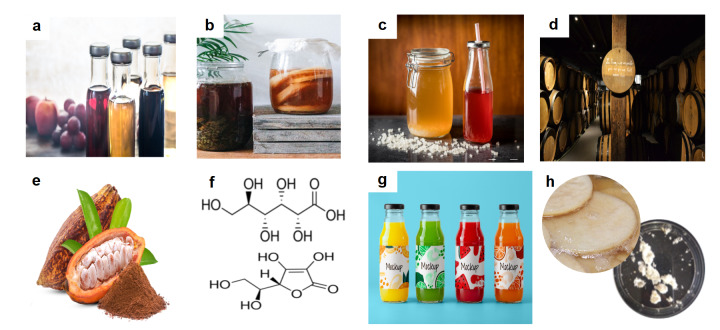
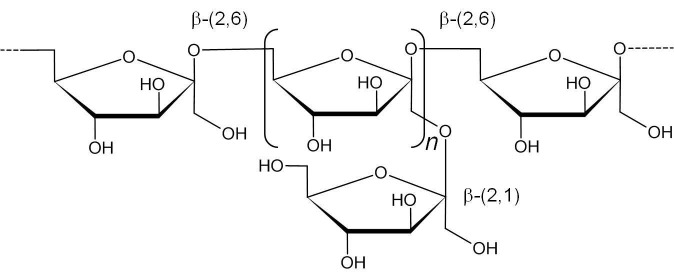
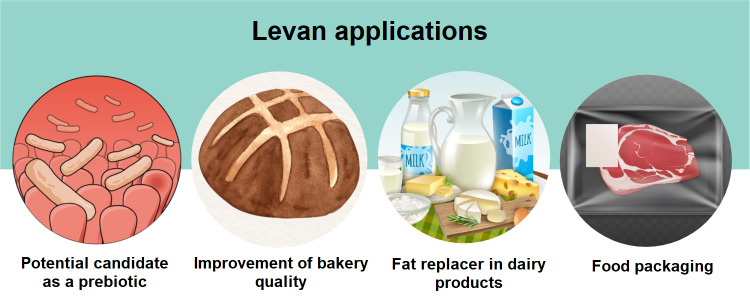
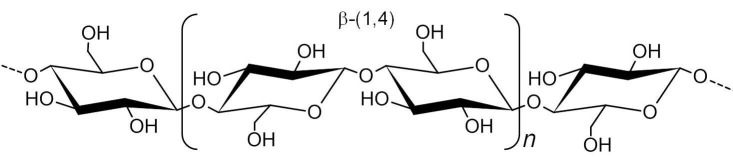
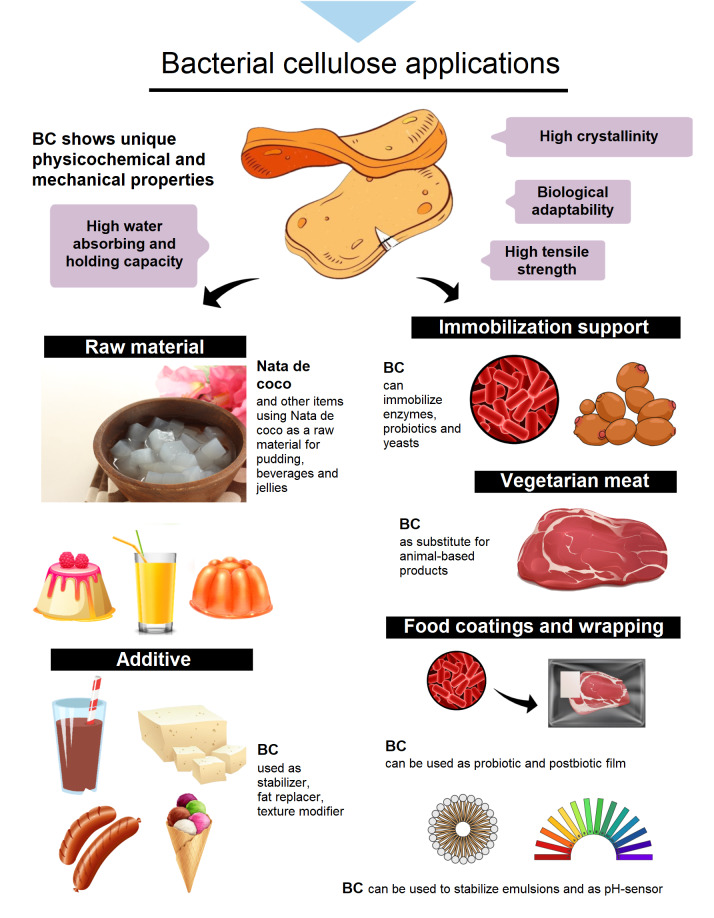
Acetic acid bacteria (AAB) are microorganisms widely distributed in nature. Although this group is involved in the spoilage of some foods, AAB are of great industrial interest, and their functionality is still poorly understood. AAB convert ethanol, sugars and polyols into various organic acids, aldehydes and ketones via oxidative fermentation. These metabolites are produced during a succession of biochemical reactions in various fermented foods and beverages, such as vinegar, kombucha, water kefir, lambic and cocoa. Furthermore, important products such as gluconic acid and ascorbic acid precursors can be produced industrially from their metabolism. The development of new AAB-fermented fruit drinks with healthy and functional properties is an interesting niche for research and the food industry to explore, as it can meet the needs of a wide range of consumers. Exopolysaccharides such as levan and bacterial cellulose have unique properties, but they need to be produced on a larger scale to expand their applications in this area. This work emphasizes the importance and applications of AAB during the fermentation of various foods, their role in the development of new beverages as well as numerous applications of levan and bacterial cellulose.
Overview
The claims and statistics of this paper haven’t been checked yet.
Run the check — free, no account needed. It reads the open-access text and checks the sources it cites.
Integrity signals
Registry
Cites
Statistics
Figures
Verification
Claims the paper makes
The claims and statistics of this paper haven’t been checked yet.
Run the check — free, no account needed. It reads the open-access text and checks the sources it cites.
Claims other papers make about this one
Each is checked against this paper’s own text: does it say what the citing paper says it does?
The source backs part of the claim, not all of it — or backs it for a different population, condition or comparison.
In the citing paper
“It encompasses both homopolysaccharides, such as levan and bacterial cellulose, and heteropolysaccharides, including xylan and glucan acetate.”
From The Metabolic Pathways of Yeast and Acetic Acid Bacteria During Fruit Vinegar Fermentation and Their Influence on Flavor Development (2025) · cites this paper as [66]
Experimental — accuracy not yet measuredThe source backs part of the claim, not all of it — or backs it for a different population, condition or comparison.
In the citing paper
“Notably, levan-type fructan and bacterial cellulose are the most widely utilized polysaccharides in industrial applications [66].”
From The Metabolic Pathways of Yeast and Acetic Acid Bacteria During Fruit Vinegar Fermentation and Their Influence on Flavor Development (2025) · cites this paper as [66]
Experimental — accuracy not yet measuredThe source backs part of the claim, not all of it — or backs it for a different population, condition or comparison.
In the citing paper
“The yeast fermentation process can produce a diverse array of esters, although its acetate-producing capability is relatively limited [27,66].”
From The Metabolic Pathways of Yeast and Acetic Acid Bacteria During Fruit Vinegar Fermentation and Their Influence on Flavor Development (2025) · cites this paper as [66]
Experimental — accuracy not yet measuredThe cited source says what the claim attributes to it.
In the citing paper
“In addition to acetic acid and some flavor components, some bioactive polysaccharides are also produced during the metabolism of acetobacter.”
From The Metabolic Pathways of Yeast and Acetic Acid Bacteria During Fruit Vinegar Fermentation and Their Influence on Flavor Development (2025) · cites this paper as [66]
The cited source says what the claim attributes to it.
In the citing paper
“This polysaccharide is primarily synthesized through the polymerization of sucrose catalyzed by levansucrase, an enzyme of microbial origin.”
From The Metabolic Pathways of Yeast and Acetic Acid Bacteria During Fruit Vinegar Fermentation and Their Influence on Flavor Development (2025) · cites this paper as [66]
1 more claim about this paper
Create a free account to see every claim other papers make about this one.
Self-check
Percentages, sums and reported differences re-computed from the paper’s own numbers.
The self-check needs the paper’s full text.
Citations
The citation lists haven’t been fetched yet
References 176 · Cited by 75
Research works printed but not linked: 171
- Sengun IY, Kilic G, Charoenyingcharoen P, Yukphan P, Yamada Y. Investigation of the microbiota associated with traditionally produced fruit vinegars with focus on acetic acid bacteria and lactic acid bacteria. Food Biosci. 2022;47:101636. https://doi.org/10.1016/j.fbio.2022.101636 · DOI
- Laureys D, Britton SJ, De Clippeleer J. Kombucha tea fermentation: a review. J Am Soc Brew Chem. 2020;78(3):165–74. https://doi.org/10.1080/03610470.2020.1734150 · DOI
- Lynch KM, Zannini E, Wilkinson S, Daenen L, Arendt EK. Physiology of acetic acid bacteria and their role in vinegar and fermented beverages. Compr Rev Food Sci Food Saf. 2019;18(3):587–625. https://doi.org/10.1111/1541-4337.12440 · DOI
- Es-Sbata I, Lakhlifi T, Yatim M, El-Abid H, Belhaj A, Hafidi M, et al. Screening and molecular characterization of new thermo- and ethanol-tolerant Acetobacter malorum strains isolated from two biomes Moroccan cactus fruits. Biotechnol Appl Biochem. 2021;68(3):476–85. https://doi.org/10.1002/bab.1941 · DOI
- Matsushita K, Azuma Y, Kosaka T, Yakushi T, Hoshida H, Akada R, et al. Genomic analyses of thermotolerant microorganisms used for high-temperature fermentations. Biosci Biotechnol Biochem. 2016;80(4):655–68. https://doi.org/10.1080/09168451.2015.1104235 · DOI
- Qiu X, Zhang Y, Hong H. Classification of acetic acid bacteria and their acid resistant mechanism. AMB Express. 2021;11:29. https://doi.org/10.1186/s13568-021-01189-6 · DOI
- Brandão PR, Crespo MTB, Nascimento FX. Phylogenomic and comparative analyses support the reclassification of several Komagataeibacter species as novel members of the Novacetimonas gen. nov. and bring new insights into the evolution of cellulose synthase genes. Int J Syst Evol Microbiol. 2022;72(2):005252. https://doi.org/10.1099/ijsem.0.005252 · DOI
- Gomes RJ, Borges M de F, Rosa M de F, Castro-Gómez RJH, Spinosa WA. Acetic acid bacteria in the food industry: Systematics, characteristics and applications. Food Technol Biotechnol. 2018;56(2):139–51. https://doi.org/10.17113/ftb.56.02.18.5593 · DOI
- Peng W, Meng D, Yue T, Wang Z, Gao Z. Effect of the apple cultivar on cloudy apple juice fermented by a mixture of Lactobacillus acidophilus, Lactobacillus plantarum, and Lactobacillus fermentum. Food Chem. 2021;340:127922. https://doi.org/10.1016/j.foodchem.2020.127922 · DOI
- Jakob F, Gebrande C, Bichler RM, Vogel RF. Insights into the pH-dependent, extracellular sucrose utilization and concomitant levan formation by Gluconobacter albidus TMW 2.1191. Antonie van Leeuwenhoek. 2020;113:863–73. https://doi.org/10.1007/s10482-020-01397-3 · DOI
- Moghadami F, Fooladi J, Hosseini R. Introducing a thermotolerant Gluconobacter japonicus strain, potentially useful for coenzyme Q10 production. Folia Microbiol (Praha). 2019;64:471–9. https://doi.org/10.1007/s12223-018-0666-4 · DOI
- da Silva GAR, Oliveira SS de S, Lima SF, do Nascimento RP, Baptista AR de S, Fiaux SB. The industrial versatility of Gluconobacter oxydans: Current applications and future perspectives. World J Microbiol Biotechnol. 2022;38:134. https://doi.org/10.1007/s11274-022-03310-8 · DOI
- La China S, Zanichelli G, De Vero L, Gullo M. Oxidative fermentations and exopolysaccharides production by acetic acid bacteria: a mini review. Biotechnol Lett. 2018;40:1289–302. https://doi.org/10.1007/s10529-018-2591-7 · DOI
- Mamlouk D, Gullo M. Acetic acid bacteria: physiology and carbon sources oxidation. Indian J Microbiol. 2013;53:377–84. https://doi.org/10.1007/s12088-013-0414-z · DOI
- Sebring RL, Duiker SW, Berghage RD, Regan JM, Lambert JD, Bryant RB. Gluconacetobacter diazotrophicus inoculation of two lettuce cultivars affects leaf and root growth under hydroponic conditions. Appl Sci. 2022;12(3):1585. https://doi.org/10.3390/app12031585 · DOI
- Bassene H, Niang EHA, Fenollar F, Doucoure S, Faye O, Raoult D, et al. Role of plants in the transmission of Asaia sp., which potentially inhibit the Plasmodium sporogenic cycle in Anopheles mosquitoes. Sci Rep. 2020;10:7144. https://doi.org/10.1038/s41598-020-64163-5 · DOI
- Spinosa WA, dos Santos Júnior V, Galvan D, Fiorio JL, Gomez RJHC. Vinegar rice (Oryza sativa L.) produced by a submerged fermentation process from alcoholic fermented rice. Food Sci Technol. 2015;35(1):196–201. https://doi.org/10.1590/1678-457X.6605 · DOI
- Ho CW, Lazim AM, Fazry S, Zaki UKHH, Lim SJ. Varieties, production, composition and health benefits of vinegars: A review. Food Chem. 2017;221:1621–30. https://doi.org/10.1016/j.foodchem.2016.10.128 · DOI · Paper page
- Ministry of Agriculture, Livestock and Supply (MAPA). Instrução Normativa n.° 6 de abril de 2012. Estabelece os padrões de identidade e qualidade e a classificação dos fermentados acéticos. Diário Oficial da União República Federativa do Brasil, Brasília, DF, Brasil; 2012 (in Portuguese). · DOI
- Matsushita K, Toyama H, Tonouchi N, Okamoto-Kainuma A, editors. Acetic acid bacteria. Ecology and physiology. Tokyo, Japan: Springer Japan; 2016. https://doi.org/10.1007/978-4-431-55933-7 · DOI
- Marič L, Cleenwerck I, Accetto T, Vandamme P, Trček J. Description of Komagataeibacter melaceti sp. nov. and Komagataeibacter melomenusus sp. nov. isolated from apple cider vinegar. Microorganisms. 2020;8(8):1178. https://doi.org/10.3390/microorganisms8081178 · DOI
- Cepec E, Trček J. Antimicrobial resistance of acetobacter and Komagataeibacter species originating from vinegars. Int J Environ Res Public Health. 2022;19(1):463. https://doi.org/10.3390/ijerph19010463 · DOI
- Greser AB, Avcioglu NH. Optimization and physicochemical characterization of bacterial cellulose by Komagataeibacter nataicola and Komagataeibacter maltaceti strains isolated from grape, thorn apple and apple vinegars. Arch Microbiol. 2022;204:465. https://doi.org/10.1007/s00203-022-03083-6 · DOI
- Buyukduman E, Kirtil HE, Metin B. Molecular Identification and technological properties of acetic acid bacteria isolated from malatya apricot and home-made fruit vinegars. Microbiol Biotechnol Lett. 2022;50(1):81–8. https://doi.org/10.48022/mbl.2109.09017 · DOI
- Milanović V, Osimani A, Garofalo C, De Filippis F, Ercolini D, Cardinali F, et al. Profiling white wine seed vinegar bacterial diversity through viable counting, metagenomic sequencing and PCR-DGGE. Int J Food Microbiol. 2018;286:66–74. https://doi.org/10.1016/j.ijfoodmicro.2018.07.022 · DOI
- Kim DH, Chon JW, Kim H, Seo KH. Development of a novel selective medium for the isolation and enumeration of acetic acid bacteria from various foods. Food Control. 2019;106:106717. https://doi.org/10.1016/j.foodcont.2019.106717 · DOI
- Peng MY, Zhang XJ, Huang T, Zhong XZ, Chai LJ, Lu ZM, et al. Komagataeibacter europaeus improves community stability and function in solid-state cereal vinegar fermentation ecosystem: Non-abundant species plays important role. Food Res Int. 2021;150(Part B):110815. https://doi.org/10.1016/j.foodres.2021.110815 · DOI
- Parrondo J, Herrero M, García LA, Díaz MA. Note - Production of vinegar from whey. J Inst Brew. 2003;109(4):356–8. https://doi.org/10.1002/j.2050-0416.2003.tb00610.x · DOI
- Lustrato G, Salimei E, Alfano G, Belli C, Fantuz F, Grazia L, et al. Cheese whey recycling in traditional dairy food chain: Effects of vinegar from whey in dairy cow nutrition. Acetic Acid Bact. 2013;2 s1:e8. https://doi.org/10.4081/aab.2013.s1.e8 · DOI
- Santana de Carvalho D, Trovatti Uetanabaro AP, Kato RB, Aburjaile FF, Jaiswal AK, Profeta R, et al. The space-exposed kombucha microbial community member Komagataeibacter oboediens showed only minor changes in its genome after reactivation on earth. Front Microbiol. 2022;13:782175. https://doi.org/10.3389/fmicb.2022.782175 · DOI
- Tran T, Grandvalet C, Winckler P, Verdier F, Martin A, Alexandre H, et al. Shedding light on the formation and structure of kombucha biofilm using two-photon fluorescence microscopy. Front Microbiol. 2021;12:725379. https://doi.org/10.3389/fmicb.2021.725379 · DOI
- Coton M, Pawtowski A, Taminiau B, Burgaud G, Deniel F, Coulloumme-Labarthe L, et al. Unraveling microbial ecology of industrial-scale Kombucha fermentations by metabarcoding and culture-based methods. FEMS Microbiol Ecol. 2017;93(5):fix048. https://doi.org/10.1093/femsec/fix048 · DOI · Paper page
- De Filippis F, Troise AD, Vitaglione P, Ercolini D. Different temperatures select distinctive acetic acid bacteria species and promotes organic acids production during Kombucha tea fermentation. Food Microbiol. 2018;73:11–6. https://doi.org/10.1016/j.fm.2018.01.008 · DOI
- Gaggìa F, Baffoni L, Galiano M, Nielsen DS, Jakobsen RR, Castro-Mejía JL, et al. Kombucha beverage from green, black and rooibos teas: A comparative study looking at microbiology, chemistry and antioxidant activity. Nutrients. 2019;11(1):1. https://doi.org/10.3390/nu11010001 · DOI
- La China S, De Vero L, Anguluri K, Brugnoli M, Mamlouk D, Gullo M. Kombucha tea as a reservoir of cellulose producing bacteria: Assessing diversity among Komagataeibacter isolates. Appl Sci (Basel). 2021;11(4):1595. https://doi.org/10.3390/app11041595 · DOI
- Patel S, Tan J, Zhang SJ, Priour S, Lima A, Ngom-bru C, et al. A temporal view of the water kefir microbiota and flavour attributes. 2022;80:103084. https://doi.org/10.1016/j.ifset.2022.103084 · DOI
- Bueno RS, Ressutte JB, Hata NNY, Henrique-Bana FC, Guergoletto KB, de Oliveira AG, et al. Quality and shelf life assessment of a new beverage produced from water kefir grains and red pitaya. Lebensm Wiss Technol. 2021;140:110770. https://doi.org/10.1016/j.lwt.2020.110770 · DOI
- Pendón MD, Bengoa AA, Iraporda C, Medrano M, Garrote GL, Abraham AG. Water kefir: Factors affecting grain growth and health-promoting properties of the fermented beverage. J Appl Microbiol. 2022;133(1):162–80. https://doi.org/10.1111/jam.15385 · DOI
- Bongaerts D, De Roos J, De Vuysta L. Technological and environmental features determine the uniqueness of the lambic beer microbiota and production process. Appl Environ Microbiol. 2021;87(18):e00612-21. https://doi.org/10.1128/AEM.00612-21 · DOI
- De Roos J, Verce M, Aerts M, Vandamme P, De Vuyst L. Temporal and spatial distribution of the acetic acid bacterium communities throughout the wooden casks used for the fermentation and maturation of lambic beer underlines their functional role. Appl Environ Microbiol. 2018;84(7):e02846–17. https://doi.org/10.1128/AEM.02846-17 · DOI
- De Roos J, Verce M, Weckx S, De Vuyst L. Temporal shotgun metagenomics revealed the potential metabolic capabilities of specific microorganisms during lambic beer production. Front Microbiol. 2020;11:1692. https://doi.org/10.3389/fmicb.2020.01692 · DOI
- Verce M, Schoonejans J, Hernandez Aguirre C, Molina-Bravo R, De Vuyst L, Weckx S. A Combined metagenomics and metatranscriptomics approach to unravel Costa Rican cocoa box fermentation processes reveals yet unreported microbial species and functionalities. Front Microbiol. 2021;12:641185. https://doi.org/10.3389/fmicb.2021.641185 · DOI
- Viesser JA, de Melo Pereira GV, de Carvalho Neto DP, Favero GR, de Carvalho JC, Goés-Neto A, et al. Global cocoa fermentation microbiome: revealing new taxa and microbial functions by next generation sequencing technologies. World J Microbiol Biotechnol. 2021;37:118. https://doi.org/10.1007/s11274-021-03079-2 · DOI
- Serra JL, Moura FG. Pereira GV d. M, Soccol CR, Rogez H, Darnet S. Determination of the microbial community in Amazonian cocoa bean fermentation by Illumina-based metagenomic sequencing. Lebensm Wiss Technol. 2019;106:229–39. https://doi.org/10.1016/j.lwt.2019.02.038 · DOI
- Agyirifo DS, Wamalwa M, Otwe EP, Galyuon I, Runo S, Takrama J, et al. Metagenomics analysis of cocoa bean fermentation microbiome identifying species diversity and putative functional capabilities. Heliyon. 2019;5(7):e02170. https://doi.org/10.1016/j.heliyon.2019.e02170 · DOI
- Ouattara HG, Niamké SL. Mapping the functional and strain diversity of the main microbiota involved in cocoa fermentation from Cote d’Ivoire. Food Microbiol. 2021;98:103767. https://doi.org/10.1016/j.fm.2021.103767 · DOI
- Gao L, Wu X, Zhu C, Jin Z, Wang W, Xia X. Metabolic engineering to improve the biomanufacturing efficiency of acetic acid bacteria: advances and prospects. Crit Rev Biotechnol. 2020;40(4):522–38. https://doi.org/10.1080/07388551.2020.1743231 · DOI
- Saichana N, Matsushita K, Adachi O, Frébort I, Frebortova J. Acetic acid bacteria: A group of bacteria with versatile biotechnological applications. Biotechnol Adv. 2015;33(6):1260–71. https://doi.org/10.1016/j.biotechadv.2014.12.001 · DOI
- Seo KI, Lee J, Choi RY, Lee HI, Lee JH, Jeong YK, et al. Anti-obesity and anti-insulin resistance effects of tomato vinegar beverage in diet-induced obese mice. Food Funct. 2014;5(7):1579–86. https://doi.org/10.1039/c4fo00135d · DOI
- Hornedo-Ortega R, Krisa S, Carmen García-Parrilla M, Richard T. Effects of gluconic and alcoholic fermentation on anthocyanin composition and antioxidant activity of beverages made from strawberry. Lebensm Wiss Technol. 2016;69:382–9. https://doi.org/10.1016/j.lwt.2016.01.070 · DOI
- Álvarez-Fernández MA, Hornedo-Ortega R, Cerezo AB, Troncoso AM, García-Parrilla MC. Determination of nonanthocyanin phenolic compounds using high-resolution mass spectrometry (UHPLC-Orbitrap-MS/MS) and impact of storage conditions in a beverage made from strawberry by fermentation. J Agric Food Chem. 2016;64(6):1367–76. https://doi.org/10.1021/acs.jafc.5b05617 · DOI
- Ua-Arak T, Jakob F, Vogel RF. Influence of levan-producing acetic acid bacteria on buckwheat-sourdough breads. Food Microbiol. 2017;65:95–104. https://doi.org/10.1016/j.fm.2017.02.002 · DOI
- Aramsangtienchai P, Kongmon T, Pechroj S, Srisook K. Enhanced production and immunomodulatory activity of levan from the acetic acid bacterium, Tanticharoenia sakaeratensis. Int J Biol Macromol. 2020;163:574–81. https://doi.org/10.1016/j.ijbiomac.2020.07.001 · DOI
- Hermann M, Petermeier H, Vogel RF. Development of novel sourdoughs with in situ formed exopolysaccharides from acetic acid bacteria. Eur Food Res Technol. 2015;241:185–97. https://doi.org/10.1007/s00217-015-2444-8 · DOI
- Idogawa N, Amamoto R, Murata K, Kawai S. Phosphate enhances levan production in the endophytic bacterium Gluconacetobacter diazotrophicus Pal5. Bioengineered. 2014;5(3):173–9. https://doi.org/10.4161/bioe.28792 · DOI
- Anguluri K, La China S, Brugnoli M, De Vero L, Pulvirenti A, Cassanelli S, et al. Candidate acetic acid bacteria strains for levan production. Polymers (Basel). 2022;14(10):2000. https://doi.org/10.3390/polym14102000 · DOI
- Vigentini I, Fabrizio V, Dellacà F, Rossi S, Azario I, Mondin C, et al. Set-up of bacterial cellulose production from the genus Komagataeibacter and its use in a gluten-free bakery product as a case study. Front Microbiol. 2019;10:1953. https://doi.org/10.3389/fmicb.2019.01953 · DOI
- Lin D, Liu Z, Shen R, Chen S, Yang X. Bacterial cellulose in food industry: Current research and future prospects. Int J Biol Macromol. 2020;158:1007–19. https://doi.org/10.1016/j.ijbiomac.2020.04.230 · DOI
- Cantadori E, Brugnoli M, Centola M, Effredi E, Colonello A, Gullo M. Date Fruits as raw material for vinegar and non-alcoholic fermented beverages. Foods. 2022;11(13):1972. https://doi.org/10.3390/foods11131972 · DOI
- Zhang Q, Fu C, Zhao C, Yang S, Zheng Y, Xia M, et al. Monitoring microbial succession and metabolic activity during manual and mechanical solid-state fermentation of Chinese cereal vinegar. Lebensm Wiss Technol. 2020;133:109868. https://doi.org/10.1016/j.lwt.2020.109868 · DOI
- Al-Dalali S, Zheng F, Xu B, Abughoush M, Li L, Sun B. Processing technologies and flavor analysis of Chinese cereal vinegar: A comprehensive review. Food Anal Methods. 2023;16:1–28. https://doi.org/10.1007/s12161-022-02328-w · DOI
- Plioni I, Bekatorou A, Terpou A, Mallouchos A, Plessas S, Koutinas AA, et al. Vinegar production from corinthian currants finishing side-stream: Development and comparison of methods based on immobilized acetic acid bacteria. Foods. 2021;10(12):3133. https://doi.org/10.3390/foods10123133 · DOI
- Matsumoto N, Osumi N, Matsutani M, Phathanathavorn T, Kataoka N, Theeragool G, et al. Thermal adaptation of acetic acid bacteria for practical high-temperature vinegar fermentation. Biosci Biotechnol Biochem. 2021;85(5):1243–51. https://doi.org/10.1093/bbb/zbab009 · DOI
- Taweecheep P, Naloka K, Matsutani M, Yakushi T, Matsushita K, Theeragool G. In vitro thermal and ethanol adaptations to improve vinegar fermentation at high temperature of Komagataeibacter oboediens MSKU 3. Appl Biochem Biotechnol. 2019;189:144–59. https://doi.org/10.1007/s12010-019-03003-3 · DOI
- Samad A, Azlan A, Ismail A. Therapeutic effects of vinegar: A review. Curr Opin Food Sci. 2016;8:56–61. https://doi.org/10.1016/j.cofs.2016.03.001 · DOI
- De Roos J, De Vuyst L. Acetic acid bacteria in fermented foods and beverages. Curr Opin Biotechnol. 2018;49:115–9. https://doi.org/10.1016/j.copbio.2017.08.007 · DOI
- Morales D. Biological activities of kombucha beverages: The need of clinical evidence. Trends Food Sci Technol. 2020;105:323–33. https://doi.org/10.1016/j.tifs.2020.09.025 · DOI
- Laavanya D, Shirkole S, Balasubramanian P. Current challenges, applications and future perspectives of SCOBY cellulose of Kombucha fermentation. J Clean Prod. 2021;295:126454. https://doi.org/10.1016/j.jclepro.2021.126454 · DOI
- Nyhan LM, Lynch KM, Sahin AW, Arendt EK. Advances in kombucha tea fermentation: A review. Appl Microbiol. 2022;2(1):73–103. https://doi.org/10.3390/applmicrobiol2010005 · DOI
- Villarreal-Soto SA, Beaufort S, Bouajila J, Souchard JP, Taillandier P. Understanding kombucha tea fermentation: A review. J Food Sci. 2018;83(3):580–8. https://doi.org/10.1111/1750-3841.14068 · DOI
- Lynch KM, Wilkinson S, Daenen L, Arendt EK. An update on water kefir: Microbiology, composition and production. Int J Food Microbiol. 2021;345:109128. https://doi.org/10.1016/j.ijfoodmicro.2021.109128 · DOI
- Fiorda FA, de Melo Pereira GV, Thomaz-Soccol V, Rakshit SK, Pagnoncelli MGB, Vandenberghe LP de S, et al. Microbiological, biochemical, and functional aspects of sugary kefir fermentation - A review. Food Microbiol. 2017;66:86–95. https://doi.org/10.1016/j.fm.2017.04.004 · DOI
- Guzel-Seydim ZB, Gökırmaklı Ç, Greene AK. A comparison of milk kefir and water kefir: Physical, chemical, microbiological and functional properties. Trends Food Sci Technol. 2021;113:42–53. https://doi.org/10.1016/j.tifs.2021.04.041 · DOI
- Waldherr FW, Doll VM, Meißner D, Vogel RF. Identification and characterization of a glucan-producing enzyme from Lactobacillus hilgardii TMW 1.828 involved in granule formation of water kefir. Food Microbiol. 2010;27(5):672–8. https://doi.org/10.1016/j.fm.2010.03.013 · DOI
- Rocha-Gomes A, Escobar A, Soares JS, Alves A, Silva D, Riul TR. Chemical composition and hypocholesterolemic effect of milk kefir and water kefir in Wistar rats. Rev Nutr. 2018;31(2):137–45. https://doi.org/10.1590/1678-98652018000200001 · DOI
- Ozcelik F, Akan E, Kinik O. Use of Cornelian cherry, hawthorn, red plum, roseship and pomegranate juices in the production of water kefir beverages. Food Biosci. 2021;42:101219. https://doi.org/10.1016/j.fbio.2021.101219 · DOI
- Darvishzadeh P, Orsat V, Martinez JL. Process optimization for development of a novel water kefir drink with high antioxidant activity and potential probiotic properties from Russian olive fruit (Elaeagnus angustifolia). Food Bioprocess Technol. 2021;14:248–61. https://doi.org/10.1007/s11947-020-02563-1 · DOI
- Destro TM, Prates D da F, Watanabe LS, Garcia S, Biz G, Spinosa WA. Organic brown sugar and jaboticaba pulp influence on water kefir fermentation. Cienc Agrotec. 2019;43:e005619. https://doi.org/10.1590/1413-7054201943005619 · DOI
- Spitaels F, Wieme AD, Janssens M, Aerts M, Van Landschoot A, De Vuyst L, et al. The microbial diversity of an industrially produced lambic beer shares members of a traditionally produced one and reveals a core microbiota for lambic beer fermentation. Food Microbiol. 2015;49:23–32. https://doi.org/10.1016/j.fm.2015.01.008 · DOI
- Thompson Witrick K, Duncan SE, Hurley KE, O’Keefe SF. Acid and volatiles of commercially available lambic beers. Beverages. 2017;3(4):51. https://doi.org/10.3390/beverages3040051 · DOI
- De Roos J, Vandamme P, De Vuyst L. Wort substrate consumption and metabolite production during lambic beer fermentation and maturation explain the successive growth of specific bacterial and yeast species. Front Microbiol. 2018;9:2763. https://doi.org/10.3389/fmicb.2018.02763 · DOI
- Spitaels F, Wieme AD, Janssens M, Aerts M, Daniel HM, Van Landschoot A, et al. The microbial diversity of traditional spontaneously fermented lambic beer. PLoS One. 2014;9(4):e95384. https://doi.org/10.1371/journal.pone.0095384 · DOI
- De Roos J, De Vuyst L. Microbial acidification, alcoholization, and aroma production during spontaneous lambic beer production. J Sci Food Agric. 2019;99(1):25–38. https://doi.org/10.1002/jsfa.9291 · DOI
- Serra Colomer M, Funch B, Forster J. The raise of Brettanomyces yeast species for beer production. Curr Opin Biotechnol. 2019;56:30–5. https://doi.org/10.1016/j.copbio.2018.07.009 · DOI
- Ho VTT, Fleet GH, Zhao J. Unraveling the contribution of lactic acid bacteria and acetic acid bacteria to cocoa fermentation using inoculated organisms. Int J Food Microbiol. 2018;279:43–56. https://doi.org/10.1016/j.ijfoodmicro.2018.04.040 · DOI
- Pacheco-Montealegre ME, Dávila-Mora LL, Botero-Rute LM, Reyes A, Caro-Quintero A. Fine resolution analysis of microbial communities provides insights into the variability of cocoa bean fermentation. Front Microbiol. 2020;11:650. https://doi.org/10.3389/fmicb.2020.00650 · DOI
- Papalexandratou Z, Kaasik K, Kauffmann LV, Skorstengaard A, Bouillon G, Espensen JL, et al. Linking cocoa varietals and microbial diversity of Nicaraguan fine cocoa bean fermentations and their impact on final cocoa quality appreciation. Int J Food Microbiol. 2019;304:106–18. https://doi.org/10.1016/j.ijfoodmicro.2019.05.012 · DOI
- Figueroa-Hernández C, Mota-Gutierrez J, Ferrocino I, Hernández-Estrada ZJ, González-Ríos O, Cocolin L, et al. The challenges and perspectives of the selection of starter cultures for fermented cocoa beans. Int J Food Microbiol. 2019;301:41–50. https://doi.org/10.1016/j.ijfoodmicro.2019.05.002 · DOI
- De Vuyst L, Leroy F. Functional role of yeasts, lactic acid bacteria and acetic acid bacteria in cocoa fermentation processes. FEMS Microbiol Rev. 2020;44(4):432–53. https://doi.org/10.1093/femsre/fuaa014 · DOI
- Almeida OGG, Pinto UM, Matos CB, Frazilio DA, Braga VF, von Zeska-Kress MR, et al. Does Quorum Sensing play a role in microbial shifts along spontaneous fermentation of cocoa beans? An in silico perspective. Food Res Int. 2020;131:109034. https://doi.org/10.1016/j.foodres.2020.109034 · DOI
- Salusjärvi T, Povelainen M, Hvorslev N, Eneyskaya EV, Kulminskaya AA, Shabalin KA, et al. Cloning of a gluconate/polyol dehydrogenase gene from Gluconobacter suboxydans IFO 12528, characterization of the enzyme and its use for the production of 5-ketogluconate in a recombinant Escherichia coli strain. Appl Microbiol Biotechnol. 2004;65:306–14. https://doi.org/10.1007/s00253-004-1594-6 · DOI
- Sengun IY, Karabiyikli S. Importance of acetic acid bacteria in food industry. Food Control. 2011;22(5):647–56. https://doi.org/10.1016/j.foodcont.2010.11.008 · DOI
- Donno D, Turrini F. Plant foods and underutilized fruits as source of functional food ingredients: Chemical composition, quality traits, and biological properties. Foods. 2020;9(10):1974. https://doi.org/10.3390/foods9101474 · DOI
- Fruit and vegetables – your dietary essentials. The international year of fruits and vegetables, 2021, background paper. Rome, Italy: Food and Agriculture Organization of the United Nations (FAO); 2020. Available from: https://doi.org/10.4060/cb2395en · DOI
- Ayed L, M’Hir S, Hamdi M. Microbiological, Biochemical, and functional aspects of fermented vegetable and fruit beverages. J Chem. 2020;2020:5790432. https://doi.org/10.1155/2020/5790432 · DOI
- Min M, Bunt CR, Mason SL, Hussain MA. Nondairy probiotic food products: An emerging group of functional foods. Crit Rev Food Sci Nutr. 2019;59(16):2626–41. https://doi.org/10.1080/10408398.2018.1462760 · DOI
- Marrero SC, Martínez-Rodríguez A, Pérez SEM, Moya SP. New trends and applications in fermented beverages. In: Grumezescu AM, Holban AM, editors. Fermented beverages: Volume 5: The science of beverages. Duxford, UK: Elsevier Inc.; 2019. pp. 531–66. https://doi.org/10.1016/B978-0-12-815271-3.00002-6 · DOI
- Kaprasob R, Kerdchoechuen O, Laohakunjit N, Somboonpanyakul P. B vitamins and prebiotic fructooligosaccharides of cashew apple fermented with probiotic strains Lactobacillus spp., Leuconostoc mesenteroides and Bifidobacterium longum. Process Biochem. 2018;70:9–19. https://doi.org/10.1016/j.procbio.2018.04.009 · DOI
- Yang X, Zhou J, Fan L, Qin Z, Chen Q, Zhao L. Antioxidant properties of a vegetable–fruit beverage fermented with two Lactobacillus plantarum strains. Food Sci Biotechnol. 2018;27(6):1719–26. https://doi.org/10.1007/s10068-018-0411-4 · DOI
- Mantzourani I, Kazakos S, Terpou A, Mallouchos A, Kimbaris A, Alexopoulos A, et al. Assessment of volatile compounds evolution, antioxidant activity, and total phenolics content during cold storage of pomegranate beverage fermented by Lactobacillus paracasei K5. Fermentation. 2018;4(4):95. https://doi.org/10.3390/fermentation4040095 · DOI
- Nandasiri R, Rupasinghe V. Inhibition of low density lipoprotein oxidation and angiotensin converting enzyme in vitro by functional fruit vinegar beverages. J Food Process Beverages. 2013;1(1):4. · DOI
- Park JE, Kim JY, Kim J, Kim YJ, Kim MJ, Kwon SW, et al. Pomegranate vinegar beverage reduces visceral fat accumulation in association with AMPK activation in overweight women: A double-blind, randomized, and placebo-controlled trial. J Funct Foods. 2014;8:274–81. https://doi.org/10.1016/j.jff.2014.03.028 · DOI · Paper page
- Chang J, Han SE, Paik SS, Kim YJ. Corrosive esophageal injury due to a commercial vinegar beverage in an adolescent. Clin Endosc. 2020;53(3):366–9. https://doi.org/10.5946/ce.2019.066 · DOI
- Álvarez-Fernández MA, Hornedo-Ortega R, Cerezo AB, Troncoso AM, García-Parrilla MC. Effects of the strawberry (Fragaria ananassa) purée elaboration process on nonanthocyanin phenolic composition and antioxidant activity. Food Chem. 2014;164:104–12. https://doi.org/10.1016/j.foodchem.2014.04.116 · DOI
- Hornedo-Ortega R, Álvarez-Fernández MA, Cerezo AB, Troncoso AM, García-Parrilla MC. Influence of storage conditions on the anthocyanin profile and color of an innovative beverage elaborated by gluconic fermentation of strawberry. J Funct Foods. 2016;23:198–209. https://doi.org/10.1016/j.jff.2016.02.014 · DOI
- Ordóñez JL, Sainz F, Callejón RM, Troncoso AM, Torija MJ, García-Parrilla MC. Impact of gluconic fermentation of strawberry using acetic acid bacteria on amino acids and biogenic amines profile. Food Chem. 2015;178:221–8. https://doi.org/10.1016/j.foodchem.2015.01.085 · DOI
- Cañete-Rodríguez AM, Santos-Dueñas IM, Jiménez-Hornero JE, Ehrenreich A, Liebl W, García-García I. Gluconic acid: Properties, production methods and applications—An excellent opportunity for agro-industrial byproducts and waste biovalorization. Process Biochem. 2016;51(12):1891–903. https://doi.org/10.1016/j.procbio.2016.08.028 · DOI
- Li R, Xu Y, Chen J, Wang F, Zou C, Yin J. Enhancing the proportion of gluconic acid with a microbial community reconstruction method to improve the taste quality of Kombucha. Lebensm Wiss Technol. 2022;155:112937. https://doi.org/10.1016/j.lwt.2021.112937 · DOI
- Roca C, Alves VD, Freitas F, Reis MAM. Exopolysaccharides enriched in rare sugars: Bacterial sources, production, and applications. Front Microbiol. 2015;6:288. https://doi.org/10.3389/fmicb.2015.00288 · DOI
- Brandt JU, Born FL, Jakob F, Vogel RF. Environmentally triggered genomic plasticity and capsular polysaccharide formation are involved in increased ethanol and acetic acid tolerance in Kozakia baliensis NBRC 16680. BMC Microbiol. 2017;17:172. https://doi.org/10.1186/s12866-017-1070-y · DOI
- Kornmann H, Valentinotti S, Duboc P, Marison I, Von Stockar U. Monitoring and control of Gluconacetobacter xylinus fed-batch cultures using in situ mid-IR spectroscopy. J Biotechnol. 2004;113(1–3):231–45. https://doi.org/10.1016/j.jbiotec.2004.03.029 · DOI
- Semino CE, Dankert MA. In vitro biosynthesis of acetan using electroporated Acetobacter xylinum cells as enzyme preparations. J Gen Microbiol. 1993;139(11):2745–56. https://doi.org/10.1099/00221287-139-11-2745 · DOI
- Mantovan J, Bersaneti GT, Faria-Tischer PCS, Celligoi MAPC, Mali S. Use of microbial levan in edible films based on cassava starch. Food Packag Shelf Life. 2018;18:31–6. https://doi.org/10.1016/j.fpsl.2018.08.003 · DOI
- Öner ET, Hernández L, Combie J. Review of Levan polysaccharide: From a century of past experiences to future prospects. Biotechnol Adv. 2016;34(5):827–44. https://doi.org/10.1016/j.biotechadv.2016.05.002 · DOI
- Srikanth R, Reddy CHSSS, Siddartha G, Ramaiah MJ, Uppuluri KB. Review on production, characterization and applications of microbial levan. Carbohydr Polym. 2015;120:102–14. https://doi.org/10.1016/j.carbpol.2014.12.003 · DOI
- Mutanda T, Mokoena MP, Olaniran AO, Wilhelmi BS, Whiteley CG. Microbial enzymatic production and applications of short-chain fructooligosaccharides and inulooligosaccharides: Recent advances and current perspectives. J Ind Microbiol Biotechnol. 2014;41(6):893–906. https://doi.org/10.1007/s10295-014-1452-1 · DOI
- Stojković B, Sretenovic S, Dogsa I, Poberaj I, Stopar D. Viscoelastic properties of levan-DNA mixtures important in microbial biofilm formation as determined by micro- and macrorheology. Biophys J. 2015;108(3):758–65. https://doi.org/10.1016/j.bpj.2014.10.072 · DOI
- Combie J. Properties of levan and potential medical uses. In: Marchessault RH, Ravenelle F, Zhu XX, editors. Polysaccharides for drug delivery and pharmaceutical applications (ACS Symposium), vol. 934. Washington, DC, USA: ACS Symposium Series; 2006. pp. 263-9. https://doi.org/10.1021/bk-2006-0934.ch013 · DOI
- Manandhar S, Vidhate S, D’Souza N. Water soluble levan polysaccharide biopolymer electrospun fibers. Carbohydr Polym. 2009;78(4):794–8. https://doi.org/10.1016/j.carbpol.2009.06.023 · DOI
- Xu W, Liu Q, Bai Y, Yu S, Zhang T, Jiang B, et al. Physicochemical properties of a high molecular weight levan from Brenneria sp. EniD312. Int J Biol Macromol. 2018;109:810–8. https://doi.org/10.1016/j.ijbiomac.2017.11.056 · DOI
- Benigar E, Dogsa I, Stopar D, Jamnik A, Cigić IK, Tomšič M. Structure and dynamics of a polysaccharide matrix: Aqueous solutions of bacterial levan. Langmuir. 2014;30(14):4172–82. https://doi.org/10.1021/la500830j · DOI
- Benigar E, Tomšič M, Sretenovic S, Stopar D, Jamnik A, Dogsa I. Evaluating SAXS results on aqueous solutions of various bacterial Levan utilizing the string-of-beads model. Acta Chim Slov. 2015;62(3):509–17. https://doi.org/10.17344/acsi.2015.1437 · DOI
- Majee SB, Avlani D, Biswas GR. Rheological behavior and pharmaceutical applications of bacterial exopolysaccharides. J Appl Pharm Sci. 2017;7(9):224–32. https://doi.org/10.7324/JAPS.2017.70931 · DOI
- Jakob F, Pfaff A, Novoa-carballal R, Rübsam H, Becker T, Vogel RF. Structural analysis of fructans produced by acetic acid bacteria reveals a relation to hydrocolloid function. Carbohydr Polym. 2013;92(2):1234–42. https://doi.org/10.1016/j.carbpol.2012.10.054 · DOI
- Adamberg K, Tomson K, Talve T, Pudova K, Puurand M, Visnapuu T, et al. Levan enhances associated growth of Bacteroides, Escherichia, Streptococcus and Faecalibacterium in fecal microbiota. PLoS ONE. 2015;10(12):e0144042. https://doi.org/10.1371/journal.pone.0144042 · DOI
- Adamberg S, Tomson K, Vija H, Puurand M, Kabanova N, Visnapuu T, et al. Degradation of fructans and production of propionic acid by bacteroides thetaiotaomicron are enhanced by the shortage of amino acids. Front Nutr. 2014;1:21. https://doi.org/10.3389/fnut.2014.00021 · DOI
- Porras-Domínguez JR, Ávila-Fernández Á, Rodríguez-Alegría ME, Miranda-Molina A, Escalante A, González-Cervantes R, et al. Levan-type FOS production using a Bacillus licheniformis endolevanase. Process Biochem. 2014;49(5):783–90. https://doi.org/10.1016/j.procbio.2014.02.005 · DOI
- Li J, Kim IH. Effects of levan-type fructan supplementation on growth performance, digestibility, blood profile, fecal microbiota, and immune responses after lipopolysaccharide challenge in growing pigs. J Anim Sci. 2013;91(11):5336–43. https://doi.org/10.2527/jas.2013-6665 · DOI
- Zhao PY, Wang JP, Kim IH. Effect of dietary levan fructan supplementation on growth performance, meat quality, relative organ weight, cecal microflora, and excreta noxious gas emission in broilers. J Anim Sci. 2013;91(11):5287–93. https://doi.org/10.2527/jas.2012-5464 · DOI
- Zhao PY, Wang JP, Kim IH. Evaluation of dietary fructan supplementation on growth performance, nutrient digestibility, meat quality, fecal microbial flora, and fecal noxious gas emission in finishing pigs. J Anim Sci. 2013;91(11):5280–6. https://doi.org/10.2527/jas.2012-5393 · DOI
- Cheng R, Cheng L, Zhao Y, Wang L, Wang S, Zhang J. Biosynthesis and prebiotic activity of a linear levan from a new Paenibacillus isolate. Appl Microbiol Biotechnol. 2021;105:769–87. https://doi.org/10.1007/s00253-020-11088-8 · DOI
- Jakob F, Steger S, Vogel RF. Influence of novel fructans produced by selected acetic acid bacteria on the volume and texture of wheat breads. Eur Food Res Technol. 2012;234:493–9. https://doi.org/10.1007/s00217-011-1658-7 · DOI
- Gan L, Jiang G, Yang Y, Zheng B, Zhang S, Li X, et al. Development and characterization of levan/pullulan/chitosan edible films enriched with ε-polylysine for active food packaging. Food Chem. 2022;388:132989. https://doi.org/10.1016/j.foodchem.2022.132989 · DOI
- Poddar MK, Dikshit PK. Recent development in bacterial cellulose production and synthesis of cellulose based conductive polymer nanocomposites. Nano Select. 2021;2(9):1605–28. https://doi.org/10.1002/nano.202100044 · DOI
- Ullah H, Santos HA, Khan T. Applications of bacterial cellulose in food, cosmetics and drug delivery. Cellulose. 2016;23:2291–314. https://doi.org/10.1007/s10570-016-0986-y · DOI
- Andriani D, Apriyana AY, Karina M. The optimization of bacterial cellulose production and its applications: A review. Cellulose. 2020;27:6747–66. https://doi.org/10.1007/s10570-020-03273-9 · DOI
- Marestoni LD, Barud H da S, Gomes RJ, Catarino RPF, Hata NNY, Ressutte JB, et al. Commercial and potential applications of bacterial cellulose in Brazil: Ten years review. Polímeros. 2021;30(4). https://doi.org/10.1590/0104-1428.09420 · DOI
- Shi Z, Zhang Y, Phillips GO, Yang G. Utilization of bacterial cellulose in food. Food Hydrocoll. 2014;35:539–45. https://doi.org/10.1016/j.foodhyd.2013.07.012 · DOI
- Iguchi M, Yamanaka S, Budhiono A. Bacterial cellulose - a masterpiece of nature’s arts. J Mater Sci. 2000;35:261–70. https://doi.org/10.1023/A:1004775229149 · DOI · Paper page
- Okiyama A, Motoki M, Yamanaka S. Bacterial cellulose IV. Application to processed foods. Top Catal. 1993;6(6):503–11. https://doi.org/10.1016/S0268-005X(09)80074-X · DOI
- Guo Y, Zhang X, Hao W, Xie Y, Chen L, Li Z, et al. Nanobacterial cellulose/soy protein isolate complex gel as fat substitutes in ice cream model. Carbohydr Polym. 2018;198:620–30. https://doi.org/10.1016/j.carbpol.2018.06.078 · DOI
- Lin S, Chen L, Chen H. Physical characteristics of surimi and bacterial cellulose composite gel. 2009;34(4):1363–79. https://doi.org/10.1111/j.1745-4530.2009.00533.x · DOI
- Karahan AG, Kart A, Akoǧlu A, Çakmakçi ML. Physicochemical properties of low-fat soft cheese Turkish Beyaz made with bacterial cellulose as fat mimetic. Int J Dairy Technol. 2011;64(4):502–8. https://doi.org/10.1111/j.1471-0307.2011.00718.x · DOI
- Lin KW, Lin HY. Quality characteristics of chinese-style meatball containing bacterial cellulose (nata). J Food Sci. 2004;69(3:SNQ107-SNQ111. https://doi.org/10.1111/j.1365-2621.2004.tb13378.x · DOI
- Yu SY, Lin KW. Influence of bacterial cellulose (nata) on the physicochemical and sensory properties of Frankfurter. J Food Sci. 2014;79(6):C1117–22. https://doi.org/10.1111/1750-3841.12494 · DOI
- Akoğlu A, Cakir I, Karahan AG, Cakmakci ML. Effects of bacterial cellulose as a fat replacer on some properties of fat-reduced mayonnaise. Rom Biotechnol Lett. 2017;23(3):13674–80.
- Purwadaria T, Gunawan L, Gunawan AW. The production of nata colored by Monascus purpureus J1 pigments as functional food. Microbiol Indones. 2010;4(1):2. https://doi.org/10.5454/mi.4.1.2 · DOI
- Wu SC, Lia YK. Application of bacterial cellulose pellets in enzyme immobilization. J Mol Catal, B Enzym. 2008;54(3–4):103–8. https://doi.org/10.1016/j.molcatb.2007.12.021 · DOI
- Drozd R, Rakoczy R, Wasak A, Junka A, Fijałkowski K. The application of magnetically modified bacterial cellulose for immobilization of laccase. Int J Biol Macromol. 2018;108:462–70. https://doi.org/10.1016/j.ijbiomac.2017.12.031 · DOI
- Chen L, Zou M, Hong FF. Evaluation of fungal laccase immobilized on natural nanostructured bacterial cellulose. Front Microbiol. 2015;6:1245. https://doi.org/10.3389/fmicb.2015.01245 · DOI
- Ton NMN, Nguyen MD, Pham TTH, Le VVM. Influence of initial pH and sulfur dioxide content in must on wine fermentation by immobilized yeast in bacterial cellulose. Int Food Res J. 2010;17:743–9.
- Nguyen DN, Ton NMN, Le VVM. Optimization of Saccharomyces cerevisiae immobilization in bacterial cellulose by ‘adsorption- incubation’ method. Int Food Res J. 2009;16:59–64.
- Ton NMN, Le VVM. Application of immobilized yeast in bacterial cellulose to the repeated batch fermentation in wine-making. Int Food Res J. 2011;18(3):983–7.
- Żywicka A, Peitler D, Rakoczy R, Junka AF, Fijałkowski K. Wet and dry forms of bacterial cellulose synthetized by different strains of Gluconacetobacter xylinus as carriers for yeast immobilization. Appl Biochem Biotechnol. 2016;180:805–16. https://doi.org/10.1007/s12010-016-2134-4 · DOI
- Jayani T, Sanjeev B, Marimuthu S, Uthandi S. Bacterial Cellulose Nano Fiber (BCNF) as carrier support for the immobilization of probiotic, Lactobacillus acidophilus 016. Carbohydr Polym. 2020;250:116965. https://doi.org/10.1016/j.carbpol.2020.116965 · DOI
- Fijałkowski K, Peitler D, Rakoczy R, Zywicka A. Survival of probiotic lactic acid bacteria immobilized in different forms of bacterial cellulose in simulated gastric juices and bile salt solution. Lebensm Wiss Technol. 2016;68:322–8. https://doi.org/10.1016/j.lwt.2015.12.038 · DOI
- Phromthep K, Leenanon B. Survivability of immobilized Lactobacillus plantarum cells within bacterial cellulose in mamao juice. Int Food Res J. 2017;24(3):939–49.
- Żywicka A, Wenelska K, Junka A, Chodaczek G, Szymczyk P, Fijałkowski K. Immobilization pattern of morphologically different microorganisms on bacterial cellulose membranes. World J Microbiol Biotechnol. 2019;35:11. https://doi.org/10.1007/s11274-018-2584-7 · DOI
- Oliveira-Alcântara AV, Abreu AAS, Gonçalves C, Fuciños P, Cerqueira MA, Gama FMP, et al. Bacterial cellulose/cashew gum films as probiotic carriers. Lebensm Wiss Technol. 2020;130:109699. https://doi.org/10.1016/j.lwt.2020.109699 · DOI
- Motalebi Moghanjougi Z, Rezazadeh Bari M, Alizadeh Khaledabad M, Almasi H, Amiri S. Biopreservation of white brined cheese (Feta) by using probiotic bacteria immobilized in bacterial cellulose: Optimization by response surface method and characterization. Lebensm Wiss Technol. 2020;117:108603. https://doi.org/10.1016/j.lwt.2019.108603 · DOI
- Rasouli Y, Moradi M, Tajik H, Molaei R. Fabrication of anti-Listeria film based on bacterial cellulose and Lactobacillus sakei-derived bioactive metabolites; application in meat packaging. Food Biosci. 2021;42:101218. https://doi.org/10.1016/j.fbio.2021.101218 · DOI
- Shafipour Yordshahi A, Moradi M, Tajik H, Molaei R. Design and preparation of antimicrobial meat wrapping nanopaper with bacterial cellulose and postbiotics of lactic acid bacteria. Int J Food Microbiol. 2020;321:108561. https://doi.org/10.1016/j.ijfoodmicro.2020.108561 P · DOI
- Cazón P, Vázquez M. Bacterial cellulose as a biodegradable food packaging material: A review. Food Hydrocoll. 2021;113:106530. https://doi.org/10.1016/j.foodhyd.2020.106530 · DOI
- Zhai X, Lin D, Liu D, Yang X. Emulsions stabilized by nanofibers from bacterial cellulose: New potential food-grade Pickering emulsions. Food Res Int. 2018;103:12–20. https://doi.org/10.1016/j.foodres.2017.10.030 · DOI
- Paximada P, Koutinas AA, Scholten E, Mandala IG. Effect of bacterial cellulose addition on physical properties of WPI emulsions. Comparison with common thickeners. Food Hydrocoll. 2016;54(Part B):245–54. https://doi.org/10.1016/j.foodhyd.2015.10.014 · DOI
- Yan H, Chen X, Song H, Li J, Feng Y, Shi Z, et al. Synthesis of bacterial cellulose and bacterial cellulose nanocrystals for their applications in the stabilization of olive oil pickering emulsion. Food Hydrocoll. 2017;72:127–35. https://doi.org/10.1016/j.foodhyd.2017.05.044 · DOI
- Moradi M, Tajik H, Almasi H, Forough M, Ezati P. A novel pH-sensing indicator based on bacterial cellulose nanofibers and black carrot anthocyanins for monitoring fish freshness. Carbohydr Polym. 2019;222:115030. https://doi.org/10.1016/j.carbpol.2019.115030 · DOI
- Kuswandi B, Asih NPN, Pratoko DK, Kristiningrum N, Moradi M. Edible pH sensor based on immobilized red cabbage anthocyanins into bacterial cellulose membrane for intelligent food packaging. Packag Technol Sci. 2020;33(8):321–32. https://doi.org/10.1002/pts.2507 · DOI
- Kuswandi B, Maryska C. Jayus, Abdullah A, Heng LY. Real time on-package freshness indicator for guavas packaging. J Food Meas Charact. 2013;7:29–39. https://doi.org/10.1007/s11694-013-9136-5 · DOI
- Mohammadalinejhad S, Almasi H, Moradi M. Immobilization of Echium amoenum anthocyanins into bacterial cellulose film: A novel colorimetric pH indicator for freshness/spoilage monitoring of shrimp. Food Control. 2020;113:107169. https://doi.org/10.1016/j.foodcont.2020.107169 · DOI
- Wen Y, Liu J, Jiang L, Zhu Z, He S, He S, et al. Development of intelligent/active food packaging film based on TEMPO-oxidized bacterial cellulose containing thymol and anthocyanin-rich purple potato extract for shelf life extension of shrimp. Food Packag Shelf Life. 2021;29:100709. https://doi.org/10.1016/j.fpsl.2021.100709 · DOI
Metadata
- Authors
- Yassunaka Hata, N. N., Surek, M., Sartori, D., Serrato, R. V., & Spinosa, W. A.
- Affiliations
- Departamento de Ciência e Tecnologia de Alimentos/Centro de Ciências Agrárias/Universidade Estadual de Londrina - UEL, Rodovia Celso Garcia Cid, km 380, 86057-970, Londrina, PR, Brazil
- Departamento de Análises Clínicas/Universidade Federal do Paraná – UFPR, Campus III – Sede Botânico, 80210-170, Curitiba, PR, Brazil
- Universidade Estadual de Londrina (BR)
- Universidade Federal do Paraná (BR)
- ORCID
- Venue
- Food Technology and Biotechnology
- Published
- 2022-11-16
- Volume
- 61
- Issue
- 1
- Pages
- 85-103
- ISSN
- 1330-9862 (ISSN-L)
- 1334-2606
- PMC
- PMC10187567
- OpenAlex
- W4309118441
- Cited by
- 75
- References
- 176
- Citations by year
- 2026: 29 · 2025: 27 · 2024: 15 · 2023: 4
- FWCI
- 1.20
- Type
- journal article
- Language
- en
- Open access
- diamond
- doi.org
- Locations
- Food Technology and Biotechnology (publishedVersion, cc-by)
- PubMed Central (publishedVersion, cc-by)
- PubMed (publishedVersion)
- University of Zagreb University Computing Centre (SRCE) (submittedVersion, cc-by)
- DOAJ (DOAJ: Directory of Open Access Journals) (submittedVersion, cc-by-sa)
- Funders
- Conselho Nacional de Desenvolvimento Científico e Tecnológico (142379/2017-4)
- Topics
- Life Sciences › Biochemistry, Genetics and Molecular Biology › Molecular Biology › Microbial metabolism and enzyme function
- Life Sciences › Agricultural and Biological Sciences › Food Science › Fermentation and Sensory Analysis
- Life Sciences › Agricultural and Biological Sciences › Food Science › Probiotics and Fermented Foods
- Keywords
- acetic acid bacteria, vinegar fermentation, kombucha, water kefir, lambic beer, cocoa fermentation, gluconic acid, functional beverages, levan, bacterial cellulose, exopolysaccharides, oxidative fermentation, food spoilage
About these checks
Registry, retraction, Cites and statistics results are computed, not judged, with one exception: a printed reference that no index lists is read once by a model before it counts as a citation error. Claims are extracted by a model and kept only when their quote appears verbatim in the text; each cited source is then checked, with a model’s help, for whether it says what the claim relies on. Those verdicts can be wrong — read the claim’s quote and the cited source before relying on one.
Statistics and arithmetic are recomputed, not judged.
Confidence bands are shown only for fields calibrated on our annotated test set. None is calibrated yet, so no band is shown.
What counts as a claim ›How we measure confidence ›How we check this ›
Are you an author, or do you see a problem with this page? Request a review
How to cite
Cite CoChat for the checks on this page, and the paper for its own findings.
- This page
- CoChat. (2026). Citation check: Role of Acetic Acid Bacteria in Food and Beverages. https://app.cochat.ai/papers/10.17113/ftb.61.01.23.7811
- The paper
- Yassunaka Hata, N. N., Surek, M., Sartori, D., Serrato, R. V., & Spinosa, W. A. (2023). Role of Acetic Acid Bacteria in Food and Beverages. Food Technology and Biotechnology. https://doi.org/10.17113/ftb.61.01.23.7811
Data sources
Bibliographic data: Semantic Scholar, OpenAlex, Crossref.
Contains information from the Semantic Scholar Academic Graph Datasets, made available under the ODC Attribution License (ODC-BY 1.0).
Semantic Scholar’s data is described in: Kinney, R., et al. (2023). The Semantic Scholar Open Data Platform. arXiv:2301.10140.
