

The DOI matches its Crossref record; 1 of the 1 references it cites were found in a registry or an index.
Leading anti-tick vaccine targets are variably conserved in cattle fever ticks
Open accessPreprint — published as 10.1186/s13071-025-06683-5 · Paper page
Abstract
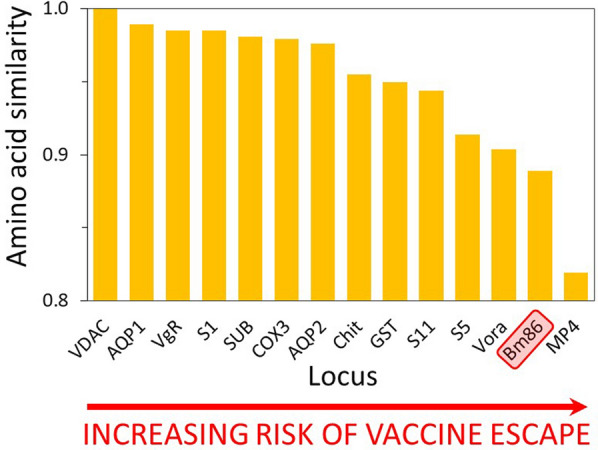
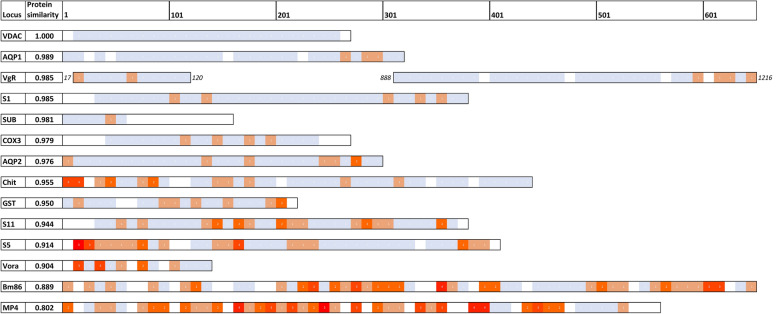
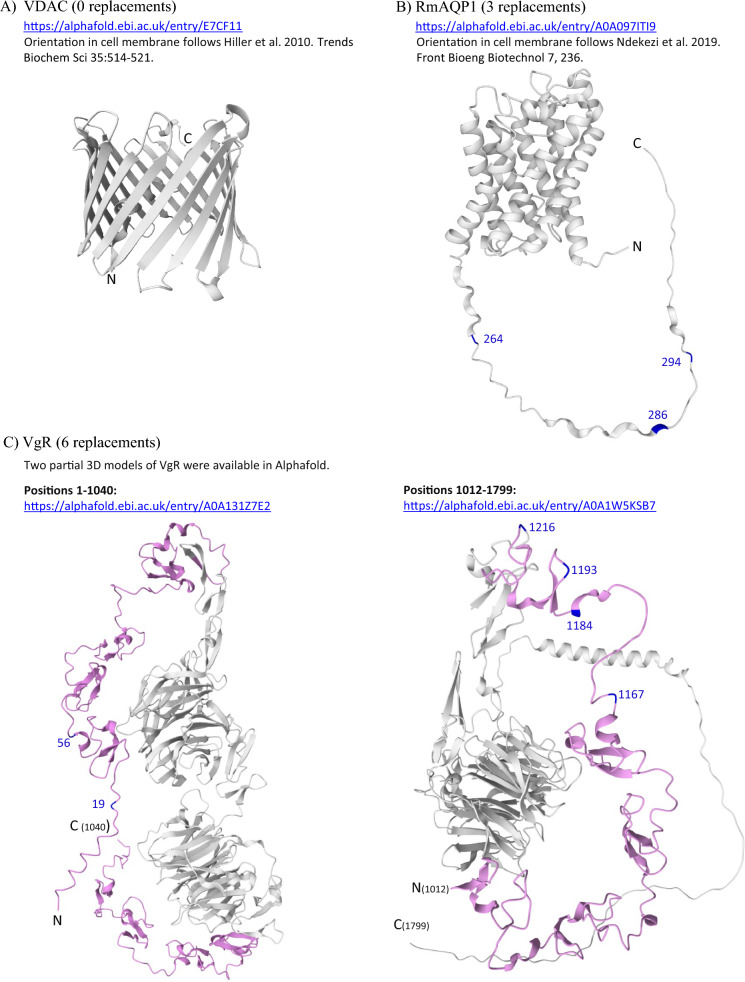
Background Rhipicephalus (Boophilus) microplus causes significant cattle production losses worldwide because it transmits Babesia bovis and B. bigemina causative agents of bovine babesiosis. Control of these ticks primarily has relied on treatment of cattle with chemical acaricides, but frequent use, exacerbated by the one-host life cycle of these ticks, has led to high-level resistance to multiple classes of acaricides. Consequently, new approaches for control, such as anti-tick vaccines, are critically important. Key to this approach is targeting highly conserved antigenic epitopes to reduce the risk of vaccine escape in heterologous tick populations. Methods We evaluated amino acid conservation within 14 tick proteins across 167 R. microplus collected from geographically diverse locations in the Americas and Pakistan using PCR amplicon sequencing and in silico translation of exons. Results We found that amino acid conservation varied considerably across these proteins. Only one target, the voltage-dependent anion channel, was fully conserved in all 167 R. microplus samples (protein similarity 1.0). Five other proteins were highly conserved: the aquaporin RmAQP1 (0.989), vitellogenin receptor (0.985), serpin-1 (0.985), and subolesin (0.981). In contrast, the glycoprotein protease Bm86 was one of the least conserved (0.889). The Bm86 sequence used in the original Australian TickGARD vaccine carried many amino acid replacements compared to the R. microplus populations examined here, supporting the hypothesis that this vaccine target is not optimal for use in the Americas. By mapping amino acid replacements onto predicted 3D protein models, we also identified amino acid changes within several small peptide vaccines targeting portions of the aquaporin RmAQP2, chitinase, and Bm86. Conclusions These findings emphasize the importance of thoroughly analyzing protein variation within anti-tick vaccine targets across diverse tick populations before selecting candidate vaccine antigens. When considering protein conservation alone, RmAQP1, vitellogenin receptor, serpin-1, subolesin, and especially the voltage-dependent anion channel rank as high priority anti-tick vaccine candidates for use in the Americas and perhaps globally.
Overview
The claims and statistics of this paper haven’t been checked yet.
Run the check — free, no account needed. It reads the open-access text and checks the sources it cites.
Integrity signals
Registry
Cites
Statistics
Figures
Verification
Claims the paper makes
The claims and statistics of this paper haven’t been checked yet.
Run the check — free, no account needed. It reads the open-access text and checks the sources it cites.
Self-check
Percentages, sums and reported differences re-computed from the paper’s own numbers.
The self-check needs the paper’s full text.
Citations
Cites
Highly accurate protein structure prediction with AlphaFold
Jumper, J., Evans, R., Pritzel, A., Green, T., Figurnov, M., Ronneberger, O., Tunyasuvunakool, K., Bates, R., Žídek, A., Potapenko, A., et al. (2021) · Nature · doi:10.1038/s41586-021-03819-2 · Cited by 43,764
Research works printed but not linked: 119
- de la Fuente J, Estrada-Pena A, Venzal JM, Kocan KM, Sonenshine DE. Overview: Ticks as vectors of pathogens that cause disease in humans and animals. Front Biosci. 2008;13:6938–46. · DOI · Paper page
- Jongejan F, Uilenberg G. The global importance of ticks. Parasitology. 2004;129 Suppl:S3-14. · DOI · Paper page
- Bock R, Jackson L, de Vos A, Jorgensen W. Babesiosis of cattle. Parasitology. 2004;129 Suppl:S247-69.
- Bram RA, George JE, Reichard RE, Tabachnick WJ. Threat of foreign arthropod-borne pathogens to livestock in the United States. Journal of Medical Entomology. 2002;39(3):405–16. · DOI
- Hurtado OJB, Giraldo-Ríos C. Economic and Health Impact of the Ticks in Production Animals. In: Perera MAaPK, editor. Ticks and Tick-Borne Pathogens. London, UK: IntechOpen, LTD; 2018. p. 133–52.
- Fernandez-Salas A, Rodriguez-Vivas RI, Alonso-Diaz MA. First report of a Rhipicephalus microplus tick population multi-resistant to acaricides and ivermectin in the Mexican tropics. Veterinary Parasitology. 2012;183(3–4):338–42. · DOI
- Klafke G, Webster A, Dall Agnol B, Pradel E, Silva J, de La Canal LH, et al. Multiple resistance to acaricides in field populations of Rhipicephalus microplus from Rio Grande do Sul state, Southern Brazil. Ticks Tick Borne Dis. 2017;8(1):73–80. · DOI
- Rodriguez-Vivas RI, Jonsson NN, Bhushan C. Strategies for the control of Rhipicephalus microplus ticks in a world of conventional acaricide and macrocyclic lactone resistance. Parasitol Res. 2018;117(1):3–29. · DOI · Paper page
- Stone NE, Olafson PU, Davey RB, Buckmeier G, Bodine D, Sidak-Loftis LC, et al. Multiple mutations in the para-sodium channel gene are associated with pyrethroid resistance in Rhipicephalus microplus from the United States and Mexico. Parasites & Vectors. 2014;7(1):456.
- Thomas DB, Klafke G, Busch JD, Olafson PU, Miller RA, Mosqueda J, et al. Tracking the increase of acaricide resistance in an invasive population of cattle fever ticks (Acari: Ixodidae) and implementation of real-time PCR assays to rapidly genotype resistance mutations. Annals of the Entomological Society of America. 2020;113(4):298–309. · DOI
- Reck J, Klafke GM, Webster A, Dall'Agnol B, Scheffer R, Souza UA, et al. First report of fluazuron resistance in Rhipicephalus microplus: a field tick population resistant to six classes of acaricides. Vet Parasitol. 2014;201(1–2):128–36. · DOI
- de Miranda Santos IK, Garcia GR, Oliveira PS, Veríssimo CJ, Katiki LM, Rodrigues L, et al. Acaricides: current status and sustainable alternatives for controlling the cattle tick, Rhipicephalus microplus, based on its ecology. Pests and vector-borne diseases in the livestock industry: Wageningen Academic Publishers; 2018. p. 925–38.
- Graf J, Gogolewski R, Leach-Bing N, Sabatini G, Molento M, Bordin E, et al. Tick control: an industry point of view. Parasitology. 2004;129(S1):S427-S42. · DOI
- Quadros DG, Johnson TL, Whitney TR, Oliver JD, Oliva Chavez AS. Plant-derived natural compounds for tick pest control in livestock and wildlife: Pragmatism or Utopia? Insects. 2020;11(8). · DOI
- Bhowmick B, Han Q. Understanding tick biology and its implications in anti-tick and transmission blocking vaccines against tick-borne pathogens. Front Vet Sci. 2020;7:319. · DOI
- Wikel SK, Bergman DK, Ramachandra RN. Immunological-based control of blood-feeding arthropods. In: Wikel SK, editor. The immunology of host-ectoparasitic arthropod relationships. Wallingford, UK: CAB International; 1996. p. 290–315.
- Allen JR, Humphreys SJ. Immunization of Guinea pigs and cattle against ticks. Nature. 1979;280(5722):491–3. · DOI
- Nuttall PA, Trimnell AR, Kazimirova M, Labuda M. Exposed and concealed antigens as vaccine targets for controlling ticks and tick-borne diseases. Parasite Immunol. 2006;28(4):155–63. · DOI
- Trager W. Acquired immunity to ticks. The Journal of parasitology. 1939;25(1):57–81. · DOI
- Trager W. Further observations on acquired immunity to the tick Dermacentor variabilis Say. The Journal of Parasitology. 1939;25(2):137–9. · DOI
- Galun R, editor Research into alternative arthropod control measures against livestock pests. Part 1. Workshop on the Ecology and Control of External Parasites of Economic Importance on Bovines in Latin America, August 25–30, 1975/[Kenneth C Thompson, editor]; 1978: Cali, Colombia: Centro International de Agricultura Tropical, 1978.
- Willadsen P, Riding GA, McKenna RV, Kemp DH, Tellam RL, Nielsen JN, et al. Immunologic control of a parasitic arthropod. Identification of a protective antigen from Boophilus microplus. J Immunol. 1989;143(4):1346–51. · DOI
- Abbas MN, Jmel MA, Mekki I, Dijkgraaf I, Kotsyfakis M. Recent advances in tick antigen discovery and anti-tick vaccine development. International Journal of Molecular Sciences. 2023;24(5):4969. · DOI
- Rodríguez-Durán A, Ullah S, Parizi LF, Ali A, da Silva Vaz Junior I. Rabbits as animal models for anti-tick vaccine development: A global scenario. Pathogens. 2023;12(9). · DOI
- Kay BH, Kemp DH. Vaccines against arthropods. Am J Trop Med Hyg. 1994;50(6 Suppl):87–96.
- Wharton RH, Norris KR. Control of Parasitic Arthropods. Veterinary Parasitology. 1980;6(1–3):135–64. · DOI
- Wikel SK. Immune responses to arthropods and their products. Annu Rev Entomol. 1982;27:21–48. · DOI
- Wikel SK, Allen JR. Immunological basis of host resistance to ticks. Physiology of ticks: Elsevier; 1982. p. 169–96.
- Willadsen P. Immunity to ticks. Adv Parasitol. 1980;18:293–311. · DOI
- Willadsen P. Immunological approaches to the control of ticks. Int J Parasitol. 1987;17(2):671–7. · DOI
- Willadsen P. Immunological control of ectoparasites: past achievements and future research priorities. Genet Anal. 1999;15(3–5):131–7. · DOI
- Willadsen P. Anti-tick vaccines. Parasitology. 2004;129(S1):S367-S87. · DOI
- Willadsen P. Vaccination against ectoparasites. Parasitology. 2006;133 Suppl:S9-S25. · DOI
- de la Fuente J, Almazan C, Canales M, Perez de la Lastra JM, Kocan KM, Willadsen P. A ten-year review of commercial vaccine performance for control of tick infestations on cattle. Anim Health Res Rev. 2007;8(1):23–8. · DOI
- de la Fuente J, Contreras M. Tick vaccines: current status and future directions. Expert Rev Vaccines. 2015;14(10):1367–76. · DOI
- Tellam RL, Smith D, Kemp DH, Willadsen P. Vaccination against ticks. In: Yong WK, editor. Animal Parasite Control Utilizing Biotechnology. Boca Raton: CRC Press; 1992. p. 303–31.
- Tabor AE. A Review of Australian Tick Vaccine Research. Vaccines-Basel. 2021;9(9).
- Bishop LJ, Stutzer C, Maritz-Olivier C. More than three decades of Bm86: What we know and where to go. Pathogens. 2023;12(9). · DOI
- Rodriguez-Mallon A. The Bm86 discovery: A revolution in the development of anti-tick vaccines. Pathogens. 2023;12(2). · DOI
- Muhanguzi D, Ndekezi C, Nkamwesiga J, Kalayou S, Ochwo S, Vuyani M, et al. Anti-tick vaccines: Current advances and future prospects. Methods Mol Biol. 2022;2411:253–67. · DOI
- Nepveu-Traversy ME, Fausther-Bovendo H, Babuadze GG. Human tick-borne diseases and advances in anti-tick vaccine approaches: A comprehensive review. Vaccines (Basel). 2024;12(2).
- Ndawula C, Jr., Tabor AE. Cocktail anti-tick vaccines: The unforeseen constraints and approaches toward enhanced efficacies. Vaccines (Basel). 2020;8(3).
- Ndawula C, Jr. From bench to field: A guide to formulating and evaluating anti-tick vaccines delving beyond efficacy to effectiveness. Vaccines (Basel). 2021;9(10).
- van Oosterwijk JG, Wikel SK. Resistance to ticks and the path to anti-tick and transmission blocking vaccines. Vaccines-Basel. 2021;9(7):725. · DOI
- van Oosterwijk JG. Anti-tick and pathogen transmission blocking vaccines. Parasite Immunology. 2021;43(5):e12831. · DOI
- Neelakanta G, Sultana H. Transmission-blocking vaccines: focus on anti-vector vaccines against tick-borne diseases. Arch Immunol Ther Exp (Warsz). 2015;63(3):169–79. · DOI
- Marconi RT, Garcia-Tapia D, Hoevers J, Honsberger N, King VL, Ritter D, et al. VANGUARD(R)crLyme: A next generation Lyme disease vaccine that prevents B. burgdorferi infection in dogs. Vaccine X. 2020;6:100079. · DOI
- Willadsen P, Bird P, Cobon GS, Hungerford J. Commercialization of a recombinant vaccine against Boophilus microplus. Parasitology. 1995;110:S43-S50. · DOI · Paper page
- Ali A, Parizi LF, Ferreira BR, Vaz Junior IdS. A revision of two distinct species of Rhipicephalus: R. microplus and R. australis. Ciência Rural. 2016;46:1240–8. · DOI
- Garcia-Garcia JC, Gonzalez IL, Gonzalez DM, Valdes M, Mendez L, Lamberti J, et al. Sequence variations in the Boophilus microplus Bm86 locus and implications for immunoprotection in cattle vaccinated with this antigen. Experimental and Applied Acarology. 1999;23(11):883–95. · DOI
- de La Fuente J, Rodriguez M, Garcia-Garcia JC. Immunological control of ticks through vaccination with Boophilus microplus gut antigens. Ann N Y Acad Sci. 2000;916:617–21. · DOI
- Pereira DFS, Ribeiro HS, Goncalves AAM, da Silva AV, Lair DF, de Oliveira DS, et al. Rhipicephalus microplus: An overview of vaccine antigens against the cattle tick. Ticks Tick Borne Dis. 2022;13(1):101828. · DOI
- Odongo D, Kamau L, Skilton R, Mwaura S, Nitsch C, Musoke A, et al. Vaccination of cattle with TickGARD induces cross-reactive antibodies binding to conserved linear peptides of Bm86 homologues in Boophilus decoloratus. Vaccine. 2007;25(7):1287–96. · DOI
- Patarroyo JH, Portela RW, De Castro RO, Pimentel JC, Guzman F, Patarroyo ME, et al. Immunization of cattle with synthetic peptides derived from the Boophilus microplus gut protein (Bm86). Vet Immunol Immunopathol. 2002;88(3–4):163–72. · DOI
- Parthasarathi BC, Kumar B, Nagar G, Manjunathachar HV, de la Fuente J, Ghosh S. Analysis of genetic diversity in Indian isolates of Rhipicephalus microplus based on Bm86 gene sequence. Vaccines (Basel). 2021;9(3).
- Freeman JM, Davey RB, Kappmeyer LS, Kammlah DM, Olafson PU. Bm86 midgut protein sequence variation in South Texas cattle fever ticks. Parasit Vectors. 2010;3:101. · DOI
- Martínez-Arzate SG, Sánchez-Bermúdez JC, Sotelo-Gómez S, Diaz-Albiter HM, Hegazy-Hassan W, Tenorio-Borroto E, et al. Genetic diversity of Bm86 sequences in Rhipicephalus (Boophilus) microplus ticks from Mexico: analysis of haplotype distribution patterns. BMC Genet. 2019;20(1):56. · DOI
- Canales M, de la Lastra JM, Naranjo V, Nijhof AM, Hope M, Jongejan F, et al. Expression of recombinant Rhipicephalus (Boophilus) microplus, R. annulatus and R. decoloratus Bm86 orthologs as secreted proteins in Pichia pastoris. BMC Biotechnol. 2008;8:14. · DOI
- Pérez-Soria MME, Hernández Silva DJ, Mosqueda Gualito J. Análisis de la variabilidad alélica de BmVDAC y Subolesina, dos candidatos vacunales contra Rhipicephalus microplus en aislados de México. Nova Scientia. 2019;11(2):126–42. · DOI
- Parthasarathi BC, Kumar B, Bhure SK, Sharma AK, Manisha, Nagar G, et al. Co-immunization efficacy of recombinant antigens against Rhipicephalus microplus and Hyalomma anatolicum tick infestations. Pathogens. 2023;12(3). · DOI
- Mitchell RD, III, Sonenshine DE, Perez de Leon AA. Vitellogenin receptor as a target for tick control: A mini-review. Front Physiol. 2019;10:618. · DOI
- Moreno-Cid JA, Perez de la Lastra JM, Villar M, Jimenez M, Pinal R, Estrada-Pena A, et al. Control of multiple arthropod vector infestations with subolesin/akirin vaccines. Vaccine. 2013;31(8):1187–96. · DOI
- Tsujimoto H, Metz HC, Smith AA, Sakamoto JM, Pal U, Rasgon JL. Function and evolution of the aquaporin IsAQP1 in the Lyme disease vector Ixodes scapularis. Insect Mol Biol. 2023;32(4):329–39. · DOI · Paper page
- Schetters T, Bishop R, Crampton M, Kopacek P, Lew-Tabor A, Maritz-Olivier C, et al. Cattle tick vaccine researchers join forces in CATVAC. Parasites & Vectors. 2016;9. · DOI
- Karim S, Budachetri K, Mukherjee N, Williams J, Kausar A, Hassan MJ, et al. A study of ticks and tick-borne livestock pathogens in Pakistan. PLoS Negl Trop Dis. 2017;11(6):e0005681. · DOI
- Stone NE, Ballard R, Bourgeois RM, Pemberton GL, McDonough RF, Ruby MC, et al. A mutation associated with resistance to synthetic pyrethroids is widespread in US populations of the tropical lineage of Rhipicephalus sanguineus s.l. Ticks Tick Borne Dis. 2024;15(4):102344. · DOI
- Barrero RA, Guerrero FD, Black M, McCooke J, Chapman B, Schilkey F, et al. Gene-enriched draft genome of the cattle tick Rhipicephalus microplus: assembly by the hybrid Pacific Biosciences/Illumina approach enabled analysis of the highly repetitive genome. Int J Parasitol. 2017;47(9):569–83. · DOI
- Guerrero FD, Ghaffari N, Bendele KG, Metz RP, Dickens CM, Blood PD, et al. Raw pacific biosciences and illumina sequencing reads and assembled genome data for the cattle ticks Rhipicephalus microplus and Rhipicephalus annulatus. Data Brief. 2021;35:106852. · DOI
- Hall TA. BioEdit: a user-friendly biological sequence alignment editor and analysis program for Widows 95/98/NT. Nucleic Acids Symposium Series. 1999;41:95 – 8.
- Varadi M, Anyango S, Deshpande M, Nair S, Natassia C, Yordanova G, et al. AlphaFold Protein Structure Database: massively expanding the structural coverage of protein-sequence space with high-accuracy models. Nucleic Acids Res. 2022;50(D1):D439-D44. (https://alphafold.ebi.ac.uk/). · DOI · Paper page
- Hiller S, Abramson J, Mannella C, Wagner G, Zeth K. The 3D structures of VDAC represent a native conformation. Trends Biochem Sci. 2010;35(9):514–21. · DOI
- Scoles GA, Hussein HE, Olds CL, Mason KL, Davis SK. Vaccination of cattle with synthetic peptides corresponding to predicted extracellular domains of Rhipicephalus (Boophilus) microplus aquaporin 2 reduced the number of ticks feeding to repletion. Parasites & Vectors. 2022;15(1):49. · DOI
- Pérez-Soria MME, Lopez-Diaz DG, Jimenez-Ocampo R, Aguilar-Tipacamu G, Ueti MW, Mosqueda J. Immunization of cattle with a Rhipicephalus microplus chitinase peptide containing predicted B-cell epitopes reduces tick biological fitness. Parasitology. 2024:1–10.
- Yang Z, Bielawski JP. Statistical methods for detecting molecular adaptation. Trends Ecol Evol. 2000;15(12):496–503. · DOI
- Jia N, Wang J, Shi W, Du L, Sun Y, Zhan W, et al. Large-scale comparative analyses of tick genomes elucidate their genetic diversity and vector capacities. Cell. 2020;182(5):1328–40 e13. · DOI · Paper page
- Shimizu S, Ide T, Yanagida T, Tsujimoto Y. Electrophysiological study of a novel large pore formed by Bax and the voltage-dependent anion channel that is permeable to cytochrome c. J Biol Chem. 2000;275(16):12321–5. · DOI · Paper page
- Ortega-Sánchez R, Camacho-Nuez M, Castaneda-Ortiz EJ, Martinez-Benitez MB, Hernandez-Silva DJ, Aguilar-Tipacamu G, et al. Vaccine efficacy of recombinant BmVDAC on Rhipicephalus microplus fed on Babesia bigemina-infected and uninfected cattle. Vaccine. 2020;38(19):3618–25. · DOI
- Rodríguez-Hernández E, Mosqueda J, Leon-Avila G, Castaneda-Ortiz EJ, Alvarez-Sanchez ME, Camacho AD, et al. BmVDAC upregulation in the midgut of Rhipicephalus microplus, during infection with Babesia bigemina. Vet Parasitol. 2015;212(3–4):368–74. · DOI
- Rodríguez-Hernández E, Mosqueda J, Alvarez-Sanchez ME, Neri AF, Mendoza-Hernandez G, Camacho-Nuez M. The identification of a VDAC-like protein involved in the interaction of Babesia bigemina sexual stages with Rhipicephalus microplus midgut cells. Vet Parasitol. 2012;187(3–4):538–41. · DOI
- Abascal F, Irisarri I, Zardoya R. Diversity and evolution of membrane intrinsic proteins. Biochim Biophys Acta. 2014;1840(5):1468–81. · DOI
- Bowman AS, Sauer JR. Tick salivary glands: function, physiology and future. Parasitology. 2004;129 Suppl:S67–81. · DOI
- Guerrero FD, Andreotti R, Bendele KG, Cunha RC, Miller RJ, Yeater K, et al. Rhipicephalus (Boophilus) microplus aquaporin as an effective vaccine antigen to protect against cattle tick infestations. Parasites & Vectors. 2014;7:475.
- Ndekezi C, Nkamwesiga J, Ochwo S, Kimuda MP, Mwiine FN, Tweyongyere R, et al. Identification of Ixodid tick-specific Aquaporin-1 potential anti-tick vaccine epitopes: An in-silico analysis. Front Bioeng Biotechnol. 2019;7:236. · DOI
- Seixas A, Alzugaray MF, Tirloni L, Parizi LF, Pinto AFM, Githaka NW, et al. Expression profile of Rhipicephalus microplus vitellogenin receptor during oogenesis. Ticks Tick Borne Dis. 2018;9(1):72–81. · DOI
- Raikhel AS, Dhadialla TS. Accumulation of yolk proteins in insect oocytes. Annu Rev Entomol. 1992;37:217–51. · DOI · Paper page
- Hussein HE, Johnson WC, Taus NS, Suarez CE, Scoles GA, Ueti MW. Silencing expression of the Rhipicephalus microplus vitellogenin receptor gene blocks Babesia bovis transmission and interferes with oocyte maturation. Parasit Vectors. 2019;12(1):7. · DOI
- Boldbaatar D, Battsetseg B, Matsuo T, Hatta T, Umemiya-Shirafuji R, Xuan X, et al. Tick vitellogenin receptor reveals critical role in oocyte development and transovarial transmission of Babesia parasite. Biochem Cell Biol. 2008;86(4):331–44. · DOI
- Spence MA, Mortimer MD, Buckle AM, Minh BQ, Jackson CJ. A comprehensive phylogenetic analysis of the serpin superfamily. Mol Biol Evol. 2021;38(7):2915–29. · DOI
- Abbas MN, Chlastakova A, Jmel MA, Iliaki-Giannakoudaki E, Chmelar J, Kotsyfakis M. Serpins in tick physiology and tick-host interaction. Front Cell Infect Microbiol. 2022;12:892770. · DOI
- Tirloni L, Seixas A, Mulenga A, Vaz ID, Termignoni C. A family of serine protease inhibitors (serpins) in the cattle tick Rhipicephalus (Boophilus) microplus. Experimental Parasitology. 2014;137:25–34. · DOI
- Tirloni L, Kim TK, Coutinho ML, Ali A, Seixas A, Termignoni C, et al. The putative role of Rhipicephalus microplus salivary serpins in the tick-host relationship. Insect Biochem Mol Biol. 2016;71:12–28. · DOI
- Imamura S, da Silva Vaz Junior I, Sugino M, Ohashi K, Onuma M. A serine protease inhibitor (serpin) from Haemaphysalis longicornis as an anti-tick vaccine. Vaccine. 2005;23(10):1301–11. · DOI
- Mulenga A, Sugino M, Nakajima M, Sugimoto C, Onuma M. Tick-encoded serine proteinase inhibitors (Serpins); Potential target antigens for tick vaccine development. Journal of Veterinary Medical Science. 2001;63(10):1063–9. · DOI
- Zhao X, Zhao J, Wang J, Liao C, Guan Q, Han Q. Immune protection of three serine protease inhibitors vaccine in mice against Rhipicephalus sanguineus. Sci Rep. 2024;14(1):7703. · DOI
- Parizi LF, Githaka NW, Logullo C, Zhou J, Onuma M, Termignoni C, et al. Universal tick vaccines: Candidates and remaining challenges. Animals (Basel). 2023;13(12).
- de la Fuente J, Moreno-Cid JA, Galindo RC, Almazan C, Kocan KM, Merino O, et al. Subolesin/Akirin vaccines for the control of arthropod vectors and vectorborne pathogens. Transbound Emerg Dis. 2013;60 Suppl 2:172–8. · DOI
- Lee SH, Li J, Moumouni PFA, Okado K, Zheng W, Liu M, et al. Subolesin vaccination inhibits blood feeding and reproduction of Haemaphysalis longicornis in rabbits. Parasit Vectors. 2020;13(1):478. · DOI
- de la Fuente J, Moreno-Cid JA, Canales M, Villar M, de la Lastra JM, Kocan KM, et al. Targeting arthropod subolesin/akirin for the development of a universal vaccine for control of vector infestations and pathogen transmission. Vet Parasitol. 2011;181(1):17–22. · DOI
- de la Fuente J, Almazan C, Blas-Machado U, Naranjo V, Mangold AJ, Blouin EF, et al. The tick protective antigen, 4D8, is a conserved protein involved in modulation of tick blood ingestion and reproduction. Vaccine. 2006;24(19):4082–95. · DOI
- Artigas-Jeronimo S, Villar M, Cabezas-Cruz A, Valdes JJ, Estrada-Pena A, Alberdi P, et al. Functional Evolution of Subolesin/Akirin. Front Physiol. 2018;9:1612. · DOI
- Mendoza-Martinez N, Alonso-Diaz MA, Merino O, Fernandez-Salas A, Lagunes-Quintanilla R. Protective efficacy of the peptide Subolesin antigen against the cattle tick Rhipicephalus microplus under natural infestation. Vet Parasitol. 2021;299:109577. · DOI
- Kabi F, Dhikusooka M, Matovu M, Mugerwa S, Kasaija P, Emudong P, et al. Monitoring the subolesin vaccine field trial for safer control of cattle ticks amidst increasing acaricide resistance in Uganda. Vaccines (Basel). 2022;10(10).
- Ndawula C, Jr., Sabadin GA, Parizi LF, da Silva Vaz I, Jr. Constituting a glutathione S-transferase-cocktail vaccine against tick infestation. Vaccine. 2019;37(14):1918–27. · DOI
- Parizi LF, Reck J, Jr., Oldiges DP, Guizzo MG, Seixas A, Logullo C, et al. Multi-antigenic vaccine against the cattle tick Rhipicephalus (Boophilus) microplus: a field evaluation. Vaccine. 2012;30(48):6912–7. · DOI
- Sabadin GA, Parizi LF, Kiio I, Xavier MA, da Silva Matos R, Camargo-Mathias MI, et al. Effect of recombinant glutathione S-transferase as vaccine antigen against Rhipicephalus appendiculatus and Rhipicephalus sanguineus infestation. Vaccine. 2017;35(48 Pt B):6649–56. · DOI
- Willadsen P, Kemp DH. Vaccination with 'concealed' antigens for tick control. Parasitol Today. 1988;4(7):196–8. · DOI
- Nuttall PA. Wonders of tick saliva. Ticks Tick Borne Dis. 2019;10(2):470–81. · DOI
- Tellam RL, Kemp D, Riding G, Briscoe S, Smith D, Sharp P, et al. Reduced oviposition of Boophilus microplus feeding on sheep vaccinated with vitellin. Veterinary Parasitology. 2002;103(1–2):141–56. · DOI
- Willadsen P. Antigen cocktails: valid hypothesis or unsubstantiated hope? Trends Parasitol. 2008;24(4):164–7. · DOI
- Olds CL, Mwaura S, Odongo DO, Scoles GA, Bishop R, Daubenberger C. Induction of humoral immune response to multiple recombinant Rhipicephalus appendiculatus antigens and their effect on tick feeding success and pathogen transmission. Parasit Vectors. 2016;9(1):484. · DOI
- Matias J, Kurokawa C, Sajid A, Narasimhan S, Arora G, Diktas H, et al. Tick immunity using mRNA, DNA and protein-based Salp14 delivery strategies. Vaccine. 2021;39(52):7661–8. · DOI
- Sajid A, Matias J, Arora G, Kurokawa C, DePonte K, Tang X, et al. mRNA vaccination induces tick resistance and prevents transmission of the Lyme disease agent. Sci Transl Med. 2021;13(620):eabj9827. · DOI
- Ibrahim Eel S, Gamal WM, Hassan AI, Mahdy Sel D, Hegazy AZ, Abdel-Atty MM. Comparative study on the immunopotentiator effect of ISA 201, ISA 61, ISA 50, ISA 206 used in trivalent foot and mouth disease vaccine. Vet World. 2015;8(10):1189–98. · DOI
- Dar P, Kalaivanan R, Sied N, Mamo B, Kishore S, Suryanarayana VV, et al. Montanide ISA 201 adjuvanted FMD vaccine induces improved immune responses and protection in cattle. Vaccine. 2013;31(33):3327–32. · DOI
- Walvekar P, Kumar P, Choonara YE. Long-acting vaccine delivery systems. Adv Drug Deliv Rev. 2023;198:114897. · DOI
- Lew-Tabor AE, Rodriguez Valle M. A review of reverse vaccinology approaches for the development of vaccines against ticks and tick borne diseases. Ticks Tick Borne Dis. 2016;7(4):573–85. · DOI
- Martínez-Arzate SG, Tenorio-Borroto E, Barbabosa Pliego A, Diaz-Albiter HM, Vázquez-Chagoyán JC, González-Díaz H. PTML model for proteome mining of B-cell epitopes and theoretical-experimental study of Bm86 protein sequences from Colima, Mexico. J Proteome Res. 2017;16(11):4093–103. · DOI
- Agrafiotis A, Neumeier D, Hong KL, Chowdhury T, Ehling R, Kuhn R, et al. Generation of a single-cell B cell atlas of antibody repertoires and transcriptomes to identify signatures associated with antigen specificity. iScience. 2023;26(3):106055. · DOI
- Ladner JT, Henson SN, Boyle AS, Engelbrektson AL, Fink ZW, Rahee F, et al. Epitope-resolved profiling of the SARS-CoV-2 antibody response identifies cross-reactivity with endemic human coronaviruses. Cell Rep Med. 2021;2(1):100189. · DOI
Metadata
- Authors
- Busch, J. D., Stone, N. E., Pemberton, G. L., Roberts, M. L., Turner, R. E., Thornton, N. B., Sahl, J. W., Lemmer, D., Buckmeier, G., Davis, S. K., Guerrero-Solorio, R. I., Karim, S., Klafke, G., Thomas, D. B., Olafson, P. U., Ueti, M., Mosqueda, J., Scoles, G. A., & Wagner, D. M.
- Affiliations
- Northern Arizona University (US)
- Translational Genomics Research Institute (US)
- Agricultural Research Service (US)
- Washington State University (US)
- Autonomous University of Queretaro (MX)
- University of Southern Mississippi (US)
- Instituto de Pesquisas Veterinarias Desidério Finamor
- Corresponding author
- Busch, Joseph D.
- ORCID
- Venue
- Parasites & Vectors
- Published
- 2024-08-28
- Volume
- 18
- Issue
- 1
- Pages
- 140-140
- ISSN
- 1756-3305 (ISSN-L)
- PMC
- PMC12001435
- OpenAlex
- W4409445452
- Cited by
- 4
- References
- 1
- Citations by year
- 2026: 2 · 2025: 2
- FWCI
- 3.56
- Type
- journal article
- Language
- en
- Open access
- gold
- doi.org
- Locations
- Parasites & Vectors (publishedVersion, cc-by)
- Research Square (acceptedVersion, cc-by)
- PubMed Central (publishedVersion, cc-by)
- PubMed (publishedVersion)
- Aquila Digital Community (University of Southern Mississippi) (submittedVersion)
- DOAJ (DOAJ: Directory of Open Access Journals) (submittedVersion, cc-by-sa)
- Funders
- U.S. Department of State (PGA-P21049)
- U.S. Department of Agriculture
- Texas Animal Health Commission
- Northern Arizona University
- National Institute of Food and Agriculture (2015-67015-23047)
- Agricultural Research Service (NACA 2021 58-2090-1-037)
- Animal and Plant Health Inspection Service
- Topics
- Life Sciences › Immunology and Microbiology › Parasitology › Vector-borne infectious diseases
- Life Sciences › Biochemistry, Genetics and Molecular Biology › Molecular Biology › vaccines and immunoinformatics approaches
- Life Sciences › Agricultural and Biological Sciences › Ecology, Evolution, Behavior and Systematics › Study of Mite Species
- Keywords
- Rhipicephalus microplus, cattle ticks, tick vaccine, amino acid sequence variation, voltage-dependent anion channel, vitellogenin receptor, subolesin, vaccine escape, bovine babesiosis, tick acaricide resistance, vaccine antigen selection
- MeSH terms
- Americas, Amino Acid Sequence, Animals, Epitopes, Babesiosis, Cattle, Cattle Diseases, Pakistan, Tick Infestations, Vaccines, Conserved Sequence, Rhipicephalus, Arthropod Proteins
About these checks
Registry, retraction, Cites and statistics results are computed, not judged, with one exception: a printed reference that no index lists is read once by a model before it counts as a citation error. Claims are extracted by a model and kept only when their quote appears verbatim in the text; each cited source is then checked, with a model’s help, for whether it says what the claim relies on. Those verdicts can be wrong — read the claim’s quote and the cited source before relying on one.
Statistics and arithmetic are recomputed, not judged.
Confidence bands are shown only for fields calibrated on our annotated test set. None is calibrated yet, so no band is shown.
What counts as a claim ›How we measure confidence ›How we check this ›
Are you an author, or do you see a problem with this page? Request a review
How to cite
Cite CoChat for the checks on this page, and the paper for its own findings.
- This page
- CoChat. (2026). Citation check: Leading anti-tick vaccine targets are variably conserved in cattle fever ticks. https://app.cochat.ai/papers/10.21203/rs.3.rs-4844765/v1
- The paper
- Busch, J. D., Stone, N. E., Pemberton, G. L., Roberts, M. L., Turner, R. E., Thornton, N. B., Sahl, J. W., Lemmer, D., Buckmeier, G., Davis, S. K., Guerrero-Solorio, R. I., Karim, S., Klafke, G., Thomas, D. B., Olafson, P. U., Ueti, M., Mosqueda, J., Scoles, G. A., & Wagner, D. M. (2024). Leading anti-tick vaccine targets are variably conserved in cattle fever ticks. Parasites & Vectors. https://doi.org/10.21203/rs.3.rs-4844765/v1
Data sources
Bibliographic data: Semantic Scholar, OpenAlex, Crossref.
Contains information from the Semantic Scholar Academic Graph Datasets, made available under the ODC Attribution License (ODC-BY 1.0).
Semantic Scholar’s data is described in: Kinney, R., et al. (2023). The Semantic Scholar Open Data Platform. arXiv:2301.10140.
