

Sensorimotor Alterations Induced by Novel Fentanyl Analogs in Mice: Possible Impact on Human Driving Performances
Open accessThe DOI matches its Crossref record; 85 of the 86 references it cites were found in a registry or an index.
Abstract
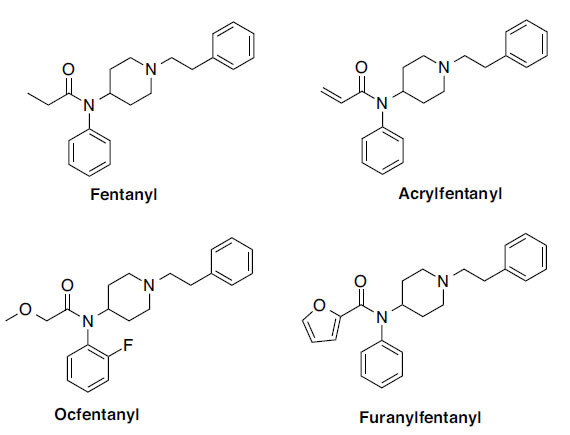
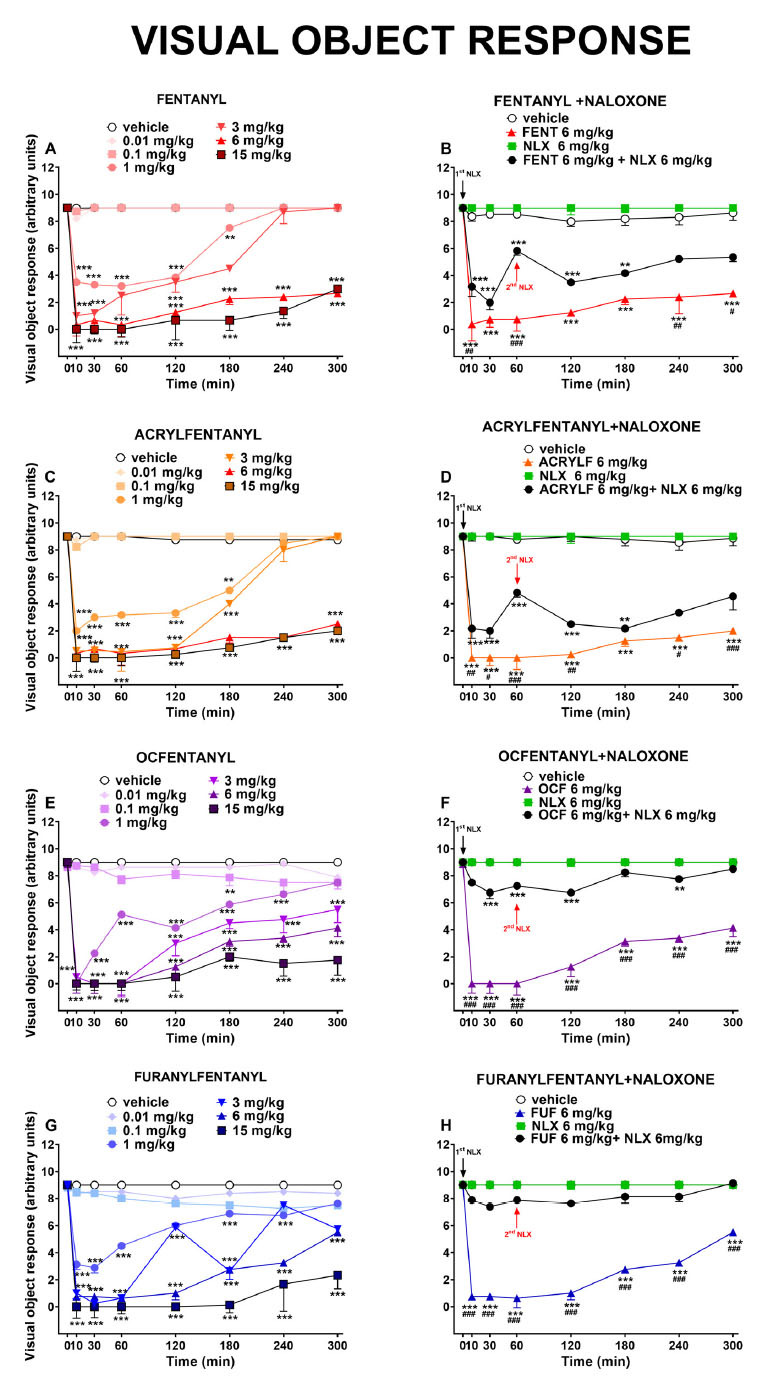
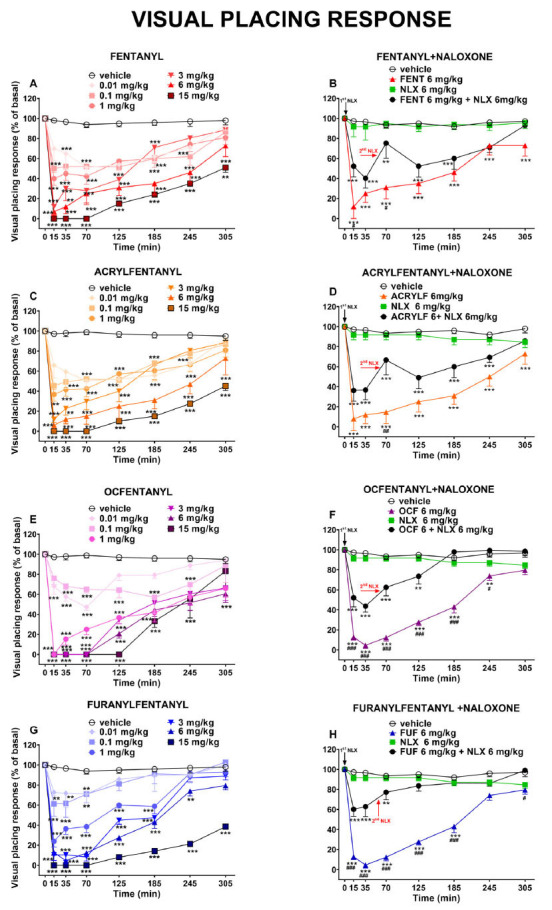
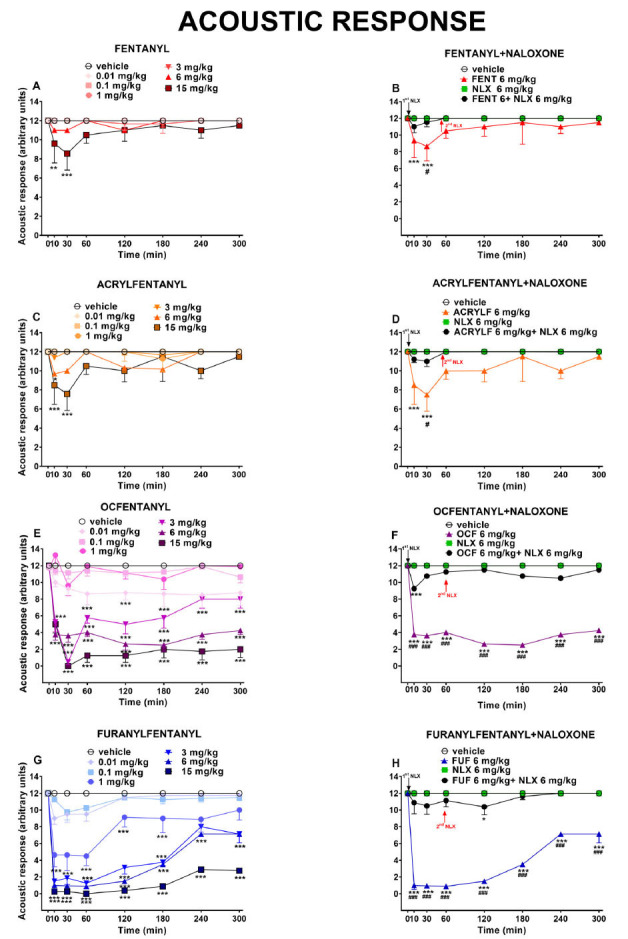
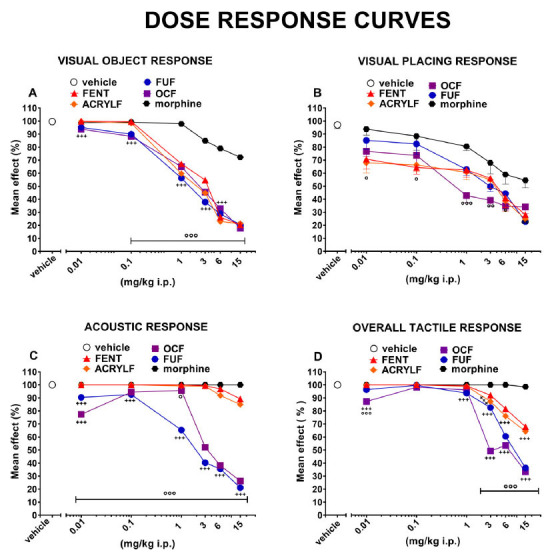
Operating a vehicle is a complex task that requires multiple cognitive functions and psychomotor skills to cooperate. Driving might be impaired by licit or illicit drugs, including novel psychoactive substances (NPS) and novel synthetic opioids (NSO), the effects of which are still yet to be elucidated in humans. In the present work, a revision of the literature regarding the psychomotor impairing effects of Fentanyl (FENT) and three analogues (Acrylfentanyl, Ocfentanyl and Furanylfentanyl) is presented, as emerged by experimental studies on humans, driving under the influence of a drug (DUID) and intoxication cases. An experimental study on a mouse model evaluated the sensorimotor alterations induced by FENT and the three fentalogs. Acute systemic administration of the four opioids (0.01-15 mg/kg i.p.) dose-dependently decreased the visual object and placing tests, the acoustic and the tactile responses of mice. The preclinical data are in accordance with the data that emerged from the revision of the literature regarding experimental data on humans, driving under the influence of drugs and intoxication cases, suggesting that novel synthetic opioids might affect the psychomotor performances on daily human tasks with a particular focus on driving.
Overview
The claims and statistics of this paper haven’t been checked yet.
Free: it reads the open-access text and checks the first 5 claims that cite a source we can check. Create a free account to check every claim.
Integrity signals
Registry
Cites
Statistics
Figures
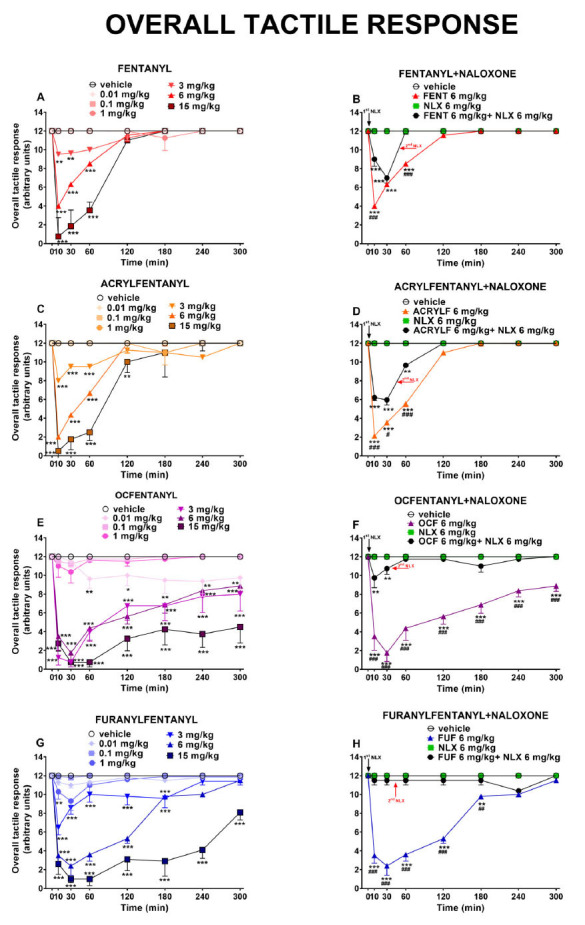
Verification
Claims the paper makes
The claims and statistics of this paper haven’t been checked yet.
Free: it reads the open-access text and checks the first 5 claims that cite a source we can check. Create a free account to check every claim.
Claims other papers make about this one
Each is checked against this paper’s own text: does it say what the citing paper says it does?
The source backs part of the claim, not all of it — or backs it for a different population, condition or comparison.
In the citing paper
“Hence, the potency and intrinsic efficacy of MOR agonists may influence the observed effects after naloxone pretreatment (Bilel et al., 2023; Dahan et al., 2010; Nakamura et al., 2020; van Lemmen et al., 2023; Volpe et al., 2011), as also seen with fentanyl analogues (Bilel et al., 2023, 2022; Varshneya et al., 2023).”
From Elucidating the harm potential of brorphine analogues as new synthetic opioids: Synthesis, in vitro, and in vivo characterization (2024) · cites this paper as Bilel et al., 2023
Experimental — accuracy not yet measured
Self-check
Percentages, sums and reported differences re-computed from the paper’s own numbers.
The self-check needs the paper’s full text.
Citations
Cites
The Reaction Level Scale (RLS 85): Manual and guidelines
Starmark, J. E., St�lhammar, D., & Holmgren, E. (1988) · Acta Neurochirurgica · doi:10.1007/bf01400521 · Cited by 290 · cited 1×
“Particularly, case #1 had dizziness, paresthesia and tremor but no alteration of the reaction level scale (RLS; [42]), while cases #2, #5, #6, #7 and #8 had a certain grade of CNS depression until unconsciousness even with lower serum levels and similar or even higher sampling time.”
Rats maintain an overhead binocular field at the expense of constant fusion
Wallace, D. J., Greenberg, D. S., Sawinski, J., Rulla, S., Notaro, G., & Kerr, J. N. D. (2013) · Nature · doi:10.1038/nature12153 · Cited by 288 · cited 1×
“Moreover, studies in freely moving mice [61] and also rats [62] have found that eye movement patterns in these animals are often non-conjugate and these movements were systematically coupled to changes in orientation of the animal’s head with respect to the horizontal plane (head tilt).”
Opioid Tolerance Development: A Pharmacokinetic/Pharmacodynamic Perspective
Dumas, E. O., & Pollack, G. M. (2008) · The AAPS Journal · doi:10.1208/s12248-008-9056-1 · Cited by 269 · cited 1×
“This is expected, given the well-described mechanisms of tolerance in opioids and FENT users [13, 14].”
Metabolic pathways and potencies of new fentanyl analogs
Wilde, M., Pichini, S., Pacifici, R., Tagliabracci, A., Busardò, F. P., Auwärter, V., & Solimini, R. (2019) · Frontiers in Pharmacology · doi:10.3389/fphar.2019.00238 · Cited by 164 · cited 2×
“The effect of OCF and FUF was more potent and persistent compared to FENT and ACRYLF, and these differences could be related to their chemical structures [73, 74].”
Developmental Expression of the μ, κ, and δ Opioid Receptor mRNAs in Mouse
Zhu, Y., Hsu, M.-S., & Pintar, J. E. (1998) · The Journal of Neuroscience · doi:10.1523/jneurosci.18-07-02538.1998 · Cited by 162 · cited 1×
“The results of the acute systemic administration of FENT, ACRYLF, OCF and FUF on the startle response to visual stimuli demonstrate that opioid receptors, in particular mu receptors, play an important role in modulating the visual responses of mice after opioid injections [57-59].”
Two Distinct Types of Eye-Head Coupling in Freely Moving Mice
Meyer, A. F., O’Keefe, J., & Poort, J. (2020) · Current Biology · doi:10.1016/j.cub.2020.04.042 · Cited by 162
MT-45, a new psychoactive substance associated with hearing loss and unconsciousness
Helander, A., Bäckberg, M., & Beck, O. (2014) · Clinical Toxicology · doi:10.3109/15563650.2014.943908 · Cited by 161 · cited 1×
“It has been reported that intoxication with opioids such as MT-45 and hydrocodone might cause gradual sensory deafness requiring a cochlear implant for the recovery of hearing [78, 79].”
Fishbain, D. A., Cutler, R. B., Rosomoff, H. L., & Rosomoff, R. S. (2003) · Journal of Pain and Symptom Management · doi:10.1016/s0885-3924(03)00176-3 · Cited by 160 · cited 1×
“Opioids, particularly in the setting of non-therapeutic consumption, have been reported to impair cognitive function, induce drowsiness, and increase crash risk [7]; however, little is known regarding the effects of NSO on drivers and psychomotor performances relevant for operating a vehicle.”
Helander, A., Bäckberg, M., & Beck, O. (2016) · Clinical Toxicology · doi:10.3109/15563650.2016.1139715 · Cited by 158 · cited 1×
“FUF was involved in one acute intoxication reported by the STRIDA Project [40], with very high concentrations compared to ACRYLF and with no psychomotor impairment observed (case #9 in Table 2).”
Neuropsychological effects of long-term opioid use in chronic pain patients
Jamison, R. N., Schein, J. R., Vallow, S., Ascher, S., Vorsanger, G., & Katz, N. P. (2003) · Journal of Pain and Symptom Management · doi:10.1016/s0885-3924(03)00310-5 · Cited by 155 · cited 2×
“, 2003 [21] FENT td Prospective, oxycodone-controlled, pretest-posttest 144 patients with low back pain (39.”
Sensory impairment and driving: the Blue Mountains Eye Study.
Ivers, R. Q., Mitchell, P., & Cumming, R. G. (1999) · American Journal of Public Health · doi:10.2105/ajph.89.1.85 · Cited by 149 · cited 1×
“Hearing impairment is associated with road accidents [86], while auditory advisory information seems to be linked to quicker driver responses [87], suggesting that acoustic cues are fundamental for drivers.”
Meyer, A. F., Poort, J., O’Keefe, J., Sahani, M., & Linden, J. F. (2018) · Neuron · doi:10.1016/j.neuron.2018.09.020 · Cited by 143
Fogarty, M. F., Papsun, D. M., & Logan, B. K. (2018) · Journal of Analytical Toxicology · doi:10.1093/jat/bky035 · Cited by 136
Gaffary, Y., & Lécuyer, A. (2018) · Frontiers in ICT · doi:10.3389/fict.2018.00005 · Cited by 122 · cited 1×
“Touch is less stimulated, compared to vision during driving and, for this reason, it has been targeted as a sense through which is possible to vehicolate feedback to the driver [88].”
Fentanyls continue to replace heroin in the drug arena: the cases of ocfentanil and carfentanil
Misailidi, N., Papoutsis, I., Nikolaou, P., Dona, A., Spiliopoulou, C., & Athanaselis, S. (2018) · Forensic Toxicology · doi:10.1007/s11419-017-0379-4 · Cited by 112 · cited 1×
“Moreover, it showed a lower tendency to accumulate in body tissues and fluids and a separation between hypnotic and analgesic ED50 values [24].”
Driving Ability Under Long-Term Treatment with Transdermal Fentanyl
Sabatowski, R., Schwalen, S., Rettig, K., Herberg, K. W., Sm, K., & Radbruch, L. (2003) · Journal of Pain and Symptom Management · doi:10.1016/s0885-3924(02)00539-0 · Cited by 104 · cited 3×
“Although demographic data was available in some studies [11, 12] the effect of sex/gender was not assessed.”
Inhalation Abuse of Fentanyl Patch
Marquardt, K., & Tharratt, R. S. (1994) · Journal of Toxicology Clinical Toxicology · doi:10.3109/15563659409000433 · Cited by 98
Helander, A., Bäckberg, M., Signell, P., & Beck, O. (2017) · Clinical Toxicology · doi:10.1080/15563650.2017.1303141 · Cited by 98 · cited 2×
“This pattern of effects, mainly leading to various grades of CNS depression was confirmed in 8 intoxications (9 considering one involving also chloroisobutyrfentanyl) reported by the STRIDA project [36] and by a number of deaths, in which signs of respiratory depression were noted [37-39].”
Canazza, I., Ossato, A., Trapella, C., Fantinati, A., Luca, M. A. D., Margiani, G., Vincenzi, F., Rimondo, C., Rosa, F. D., Gregori, A., et al. (2016) · Psychopharmacology · doi:10.1007/s00213-016-4402-y · Cited by 94 · cited 1×
“The effects of the three FENS were investigated using a battery of behavioural tests widely used in pharmacology safety studies for the preclinical characterization of new psychoactive substances in rodents [50-55].”
Novel halogenated derivates of JWH-018: behavioral and binding studies in mice
Vigolo, A., Ossato, A., Trapella, C., Vincenzi, F., Rimondo, C., Seri, C., Varani, K., Serpelloni, G., & Marti, M. (2015) · Neuropharmacology · doi:10.1016/j.neuropharm.2015.02.008 · Cited by 91 · cited 1×
“The effects of the three FENS were investigated using a battery of behavioural tests widely used in pharmacology safety studies for the preclinical characterization of new psychoactive substances in rodents [50-55].”
Self-citationSpatial characterization of the motor neuron columns supplying the rat forelimb
Tosolini, A. P., & Morris, R. (2011) · Neuroscience · doi:10.1016/j.neuroscience.2011.10.054 · Cited by 88
Ossato, A., Canazza, I., Trapella, C., Vincenzi, F., Luca, M. A. D., Rimondo, C., Varani, K., Borea, P. A., Serpelloni, G., & Marti, M. (2016) · Progress in Neuro-Psychopharmacology and Biological Psychiatry · doi:10.1016/j.pnpbp.2016.01.007 · Cited by 81 · cited 2×
“The effects of the three FENS were investigated using a battery of behavioural tests widely used in pharmacology safety studies for the preclinical characterization of new psychoactive substances in rodents [50-55].”
JWH-018 impairs sensorimotor functions in mice
Ossato, A., Vigolo, A., Trapella, C., Seri, C., Rimondo, C., Serpelloni, G., & Marti, M. (2015) · Neuroscience · doi:10.1016/j.neuroscience.2015.05.021 · Cited by 79 · cited 6×
“In particular, four acoustic stimuli of different intensities and frequencies were tested [51].”
InfluentialLogan, B. K., D’Orazio, A. L., Mohr, A. L. A., Limoges, J. F., Miles, A. K., Scarneo, C. E., Kerrigan, S., Liddicoat, L. J., Scott, K. S., & Huestis, M. A. (2018) · Journal of Analytical Toxicology · doi:10.1093/jat/bkx082 · Cited by 78
Busardò, F. P., Pichini, S., Pellegrini, M., Montana, A., Faro, A. F. L., Zaami, S., & Graziano, S. (2017) · Current Neuropharmacology · doi:10.2174/1570159x15666170828162057 · Cited by 76 · cited 17×
“No significant effect was seen on attention, reaction, visual orientation, motor co-ordination and vigilance [3, 12].”
InfluentialMenefee, L. A., Frank, E. D., Crerand, C., Jalali, S., Park, J., Sanschagrin, K., & Besser, M. (2004) · Pain Medicine · doi:10.1111/j.1526-4637.2004.04005.x · Cited by 75 · cited 6×
“Although demographic data was available in some studies [11, 12] the effect of sex/gender was not assessed.”
InfluentialThe hidden web and the fentanyl problem: Detection of ocfentanil as an adulterant in heroin
Quintana, P., Ventura, M., Grifell, M., Palma, Á., Galindo, L., Fornís, I., Gil, C., Carbón, X., Caudevilla, F., Farré, M., et al. (2016) · International Journal of Drug Policy · doi:10.1016/j.drugpo.2016.10.006 · Cited by 73
Subjective and behavioral responses to intravenous fentanyl in healthy volunteers
Zacny, J. P., Lichtor, J. L., Zaragoza, J. G., & de Wit, H. (1992) · Psychopharmacology · doi:10.1007/bf02245155 · Cited by 69 · cited 3×
“, 1992 [17] FENT iv Placebo-controlled, randomized, doubleblind, crossover design 13 healthy volunteers (10 M, 3 F) 0-0.”
Ocfentanil overdose fatality in the recreational drug scene
Coopman, V., Cordonnier, J. A. C. M., Leeuw, M. D., & Cirimele, V. (2016) · Forensic Science International · doi:10.1016/j.forsciint.2016.07.005 · Cited by 68
Payne, H. L., & Raymond, J. L. (2017) · eLife · doi:10.7554/elife.29222 · Cited by 67 · cited 1×
“Eye movements in freely moving mice constantly stabilize the animal’s visual field by counteracting head rotations through the vestibulo-ocular reflex (VOR; [64, 67]), maintaining the large panoramic overhead view [63].”
Respiratory depressant effects of fentanyl analogs are opioid receptor-mediated
Varshneya, N. B., Hassanien, S. H., Holt, M. C., Stevens, D. L., Layle, N. K., Bassman, J. R., Iula, D. M., & Beardsley, P. M. (2022) · Biochemical Pharmacology · doi:10.1016/j.bcp.2021.114805 · Cited by 62
Ghoneim, M. M., Mewaldt, S. P., & Thatcher, J. (1975) · Psychopharmacology · doi:10.1007/bf00421185 · Cited by 57
The presence of opioid receptors in rat inner ear
Jongkamonwiwat, N., Phansuwan‐Pujito, P., Sarapoke, P., Chetsawang, B., Casalotti, S. O., Forge, A., Dodson, H. C., & Govitrapong, P. (2003) · Hearing Research · doi:10.1016/s0378-5955(03)00175-8 · Cited by 56 · cited 1×
“In particular, mRNA for the mu-opioid receptor, deltaopioid receptor, and kappa-opioid receptor was detected in rat and guinea pig cochlea by RT‐PCR [75, 76].”
Auditory Feedback Influences Perceived Driving Speeds
Horswill, M. S., & Plooy, A. M. (2008) · Perception · doi:10.1068/p5736 · Cited by 54
An Acute Ocfentanil Fatality: A Case Report with Postmortem Concentrations
Dussy, F. E., Hangartner, S., Hamberg, C., Berchtold, C., Scherer, U., Schlotterbeck, G., Wyler, D., & Briellmann, T. A. (2016) · Journal of Analytical Toxicology · doi:10.1093/jat/bkw096 · Cited by 54 · cited 1×
“Even though cases of death due to OCF were reported [9, 22, 32, 46-48], deaths were non-witnessed and cannot provide a picture of the symptoms.”
Acrylfentanyl: Another new psychoactive drug with fatal consequences
Guerrieri, D., Rapp, E., Roman, M., Thelander, G., & Kronstrand, R. (2017) · Forensic Science International · doi:10.1016/j.forsciint.2017.05.010 · Cited by 51 · cited 1×
“This pattern of effects, mainly leading to various grades of CNS depression was confirmed in 8 intoxications (9 considering one involving also chloroisobutyrfentanyl) reported by the STRIDA project [36] and by a number of deaths, in which signs of respiratory depression were noted [37-39].”
Tosolini, A. P., Mohan, R., & Morris, R. (2013) · Frontiers in Neurology · doi:10.3389/fneur.2013.00058 · Cited by 50
The prevalence of alcohol and other drugs in fatal road crashes in Victoria, Australia
Schumann, J., Perkins, M., Dietze, P., Nambiar, D., Mitra, B., Gerostamoulos, D., Drummer, O. H., Cameron, P. A., Smith, K. L., & Beck, B. (2021) · Accident Analysis & Prevention · doi:10.1016/j.aap.2020.105905 · Cited by 49 · cited 1×
“3% of fatal road crashes in Australia, but the relative contribution of FENT and the concentration of the detected substance were unknown [25].”
Opiate binding sites in the retina: properties and distribution.
Howells, R., Groth, J., Hiller, J. M., & Simon, E. J. (1980) · Journal of Pharmacology and Experimental Therapeutics · doi:10.1016/s0022-3565(25)32254-8 · Cited by 48 · cited 1×
“The results of the acute systemic administration of FENT, ACRYLF, OCF and FUF on the startle response to visual stimuli demonstrate that opioid receptors, in particular mu receptors, play an important role in modulating the visual responses of mice after opioid injections [57-59].”
Incidence of Naloxone Redosing in the Age of the New Opioid Epidemic
Klebacher, R., Harris, M. I., Ariyaprakai, N., Tagore, A., Robbins, V., Dudley, L. S., Bauter, R., Koneru, S., Hill, R. D., Wasserman, E., et al. (2017) · Prehospital Emergency Care · doi:10.1080/10903127.2017.1335818 · Cited by 48 · cited 1×
“This is in line with preclinical [49] and clinical reports that suggest repeated administration of NLX dosing in cases of FENT intoxications, in order to avoid the reappearance of its effects [90].”
A 2017–2019 Update on Acute Intoxications and Fatalities from Illicit Fentanyl and Analogs
Brunetti, P., Pirani, F., Carlier, J., Giorgetti, R., Busardò, F. P., & Lo Faro, A. F. (2021) · Journal of Analytical Toxicology · doi:10.1093/jat/bkaa115 · Cited by 47
Ossato, A., Bilel, S., Gregori, A., Talarico, A., Trapella, C., Gaudio, R. M., De-Giorgio, F., Tagliaro, F., Neri, M., Fattore, L., et al. (2018) · Neuropharmacology · doi:10.1016/j.neuropharm.2018.08.017 · Cited by 46 · cited 1×
“The effects of the three FENS were investigated using a battery of behavioural tests widely used in pharmacology safety studies for the preclinical characterization of new psychoactive substances in rodents [50-55].”
Driving under the influence of drugs
Marillier, M., & Verstraete, A. (2019) · Wiley Interdisciplinary Reviews Forensic Science · doi:10.1002/wfs2.1326 · Cited by 46 · cited 3×
“The most reported effects in cases of DUID consist of impairments of psychomotor skills and cognitive functions critical to driving, including vigilance, time and distance perception and monitoring, visual acuity, cognition, judgement and risk-taking behavior, reaction time, divided attention, keeping co-ordination an…”
Early postnatal maturation in vestibulospinal pathways involved in neck and forelimb motor control
Lambert, F. M., Bras, H., Cardoit, L., Vinay, L., Coulon, P., & Glover, J. C. (2016) · Developmental Neurobiology · doi:10.1002/dneu.22375 · Cited by 43
A Framework for “Driving Under the Influence of Drugs” Policy for the Opioid Using Driver
Wilhelmi, B. G., & Cohen, S. P. (2012) · Pain Physician · doi:10.36076/ppj.2012/15/es215 · Cited by 42
Wilkins, L., Gray, R., Gaska, J., & Winterbottom, M. (2013) · Investigative Ophthalmology & Visual Science · doi:10.1167/iovs.13-12774 · Cited by 41
Direct excitatory opiate effects mediated by non-synaptic actions on rat medial vestibular neurons
Lin, Y., & Carpenter, D. O. (1994) · European Journal of Pharmacology · doi:10.1016/0014-2999(94)90032-9 · Cited by 36 · cited 1×
“Other studies on the mechanism of action of opioids in the medial vestibular nucleus have proved that opioids can induce direct excitatory actions after GABAergic inhibition [68] and this could explain the results of our study.”
Fentanyl Intoxication Caused by Abuse of Transdermal Fentanyl
Moon, J. M., & Chun, B. J. (2008) · Journal of Emergency Medicine · doi:10.1016/j.jemermed.2007.10.075 · Cited by 36 · cited 1×
“Motor weakness with as low as two patches was also reported among intoxication cases [34].”
Opiate receptors in the rabbit iris
Drago, F., Gorgone, G., Spina, F., Panissidi, G., Bello, A. D., Moro, F., & Scapagnini, U. (1980) · Naunyn-Schmiedeberg s Archives of Pharmacology · doi:10.1007/bf00504223 · Cited by 36 · cited 1×
“Muopioid receptors have been detected in the retina of rodents [69, 70].”
Three Cases of Fatal Acrylfentanyl Toxicity in the United States and a Review of Literature
Butler, D. C., Shanks, K. G., Behonick, G. S., Smith, D., Presnell, S. E., & Tormos, L. M. (2017) · Journal of Analytical Toxicology · doi:10.1093/jat/bkx083 · Cited by 36 · cited 1×
“This pattern of effects, mainly leading to various grades of CNS depression was confirmed in 8 intoxications (9 considering one involving also chloroisobutyrfentanyl) reported by the STRIDA project [36] and by a number of deaths, in which signs of respiratory depression were noted [37-39].”
Marti, M., Neri, M., Bilel, S., Paolo, M. D., Russa, R. L., Ossato, A., & Turillazzi, E. (2018) · Forensic Toxicology · doi:10.1007/s11419-018-0444-7 · Cited by 35
Bilel, S., Azevedo Neto, J., Arfè, R., Tirri, M., Gaudio, R. M., Fantinati, A., Bernardi, T., Boccuto, F., Marchetti, B., Corli, G., et al. (2022) · Neuropharmacology · doi:10.1016/j.neuropharm.2022.109020 · Cited by 34
Self-citationHow drivers respond to visual vs. auditory information in advisory traffic information systems
Wang, M., Liao, Y. J., Lyckvi, S. L., & Chen, F. (2019) · Behaviour and Information Technology · doi:10.1080/0144929x.2019.1667439 · Cited by 33 · cited 1×
“Hearing impairment is associated with road accidents [86], while auditory advisory information seems to be linked to quicker driver responses [87], suggesting that acoustic cues are fundamental for drivers.”
In vitro and in vivo pharmacological characterization of the synthetic opioid MT-45
Bilel, S., Azevedo, N., Arfè, R., Tirri, M., Gregori, A., Serpelloni, G., De-Giorgio, F., Frisoni, P., Neri, M., Calò, G., et al. (2020) · Neuropharmacology · doi:10.1016/j.neuropharm.2020.108110 · Cited by 32 · cited 5×
“Indeed, we have demonstrated in our previous study that the inhibitory effects of morphine and its analogue (MT-45) on the visual object and placing tests were totally prevented by the pretreatment with NLX [59].”
InfluentialImpaired Memory and Behavioral Performance with Fentanyl at Low Plasma Concentrations
Veselis, R. A., Reinsel, R. A., Feshchenko, V. A., Wroński, M., Dnistrian, A. M., Dutcher, S., & Wilson, R. S. (1994) · Anesthesia & Analgesia · doi:10.1213/00000539-199411000-00023 · Cited by 30 · cited 3×
“, 1994 [18] FENT iv Placebo-controlled, randomized, pretestposttest 9 healthy volunteers (5M, 4F) 1, 1.”
Two Cases of Sudden Sensorineural Hearing Loss After Methadone Overdose
Christenson, B. J., & Marjala, A. R. (2009) · Annals of Pharmacotherapy · doi:10.1345/aph.1m250 · Cited by 30 · cited 1×
“The temporary loss of hearing produced by methadone has also been reported [80, 81].”
Fentanyl novel derivative‐related deaths
Giorgetti, A., Centola, C., & Giorgetti, R. (2017) · Human Psychopharmacology Clinical and Experimental · doi:10.1002/hup.2605 · Cited by 28
Fentanyl and Driving Impairment
Rohrig, T. P., Nash, E., Osawa, K. A., Shan, X., Scarneo, C. E., Youso, K. B., Miller, R., & Tiscione, N. B. (2020) · Journal of Analytical Toxicology · doi:10.1093/jat/bkaa105 · Cited by 28 · cited 3×
“0 ng/mL to 16 ng/mL, thus 2 ng/mL was suggested as a starting level of impairment [28].”
Prescription Opioid and Benzodiazepine Use After Road Traffic Injury
Berecki‐Gisolf, J., Hassani‐Mahmooei, B., Collie, A., & McClure, R. (2015) · Pain Medicine · doi:10.1111/pme.12890 · Cited by 27 · cited 1×
“It is worthwhile of consideration that in many cases of a road crash, FENT could be administered in the hospital after the road injuries [31], thus making challenging the evaluation of the prevalence of the substance within DUID cases as well as the estimation of its impact on psychomotor performances.”
The existence of opioid receptors in the cochlea of guinea pigs
Jongkamonwiwat, N., Phansuwan‐Pujito, P., Casalotti, S. O., Forge, A., Dodson, H. C., & Govitrapong, P. (2006) · European Journal of Neuroscience · doi:10.1111/j.1460-9568.2006.04810.x · Cited by 27 · cited 1×
“In particular, mRNA for the mu-opioid receptor, deltaopioid receptor, and kappa-opioid receptor was detected in rat and guinea pig cochlea by RT‐PCR [75, 76].”
The involvement of prescribed drugs in road trauma
Drummer, O. H., & Yap, S. (2016) · Forensic Science International · doi:10.1016/j.forsciint.2015.12.050 · Cited by 27 · cited 1×
“Even though it was reported that the crash risk is not high for opioids, FENT included [30], among 20 cases of impaired driving with FENT-only intake reported by Rohrig et al.”
Ligand selectivity of cloned human and rat opioid mu receptors
Rothman, R. B., Xu, H., Wang, J. B., Partilla, J. S., Kayakiri, H., Rice, K. C., & Uhl, G. R. (1995) · Synapse · doi:10.1002/syn.890210109 · Cited by 26
Effects of Fentanyl and Low Doses of Alcohol on Neuropsychological Performance in Healthy Subjects
Schneider, U., Bevilacqua, C., Jacobs, R., Karst, M., Dietrich, D. E., Becker, H., Müller‐Vahl, K., Seeland, I., Gielsdorf, D., Schedlowski, M., et al. (1999) · Neuropsychobiology · doi:10.1159/000026558 · Cited by 26 · cited 3×
“, 1999 [20] FENT Placebo-controlled 24 healthy volunteers (M) 0.”
InfluentialPesavento, S., Bilel, S., Murari, M., Gottardo, R., Arfè, R., Tirri, M., Panato, A., Tagliaro, F., & Marti, M. (2022) · Medicine Science and the Law · doi:10.1177/00258024221074568 · Cited by 25
Mu-opioid receptor (MOR) expression in the human spiral ganglia
Nguyen, K. D., Mowlds, D. S., López, I. A., Hosokawa, S., Ishiyama, A., & Ishiyama, G. P. (2014) · Brain Research · doi:10.1016/j.brainres.2014.09.051 · Cited by 21 · cited 1×
“In the organ of Corti, muopioid receptors were expressed in inner hair cells (IHC) and outer hair cells (OHC), and the fibers underneath the IHC were also detected [77].”
Methadone Induced Sensorineural Hearing Loss
Saifan, C., Glass, D., Barakat, I., & El‐Sayegh, S. (2013) · Case Reports in Medicine · doi:10.1155/2013/242730 · Cited by 21 · cited 1×
“The temporary loss of hearing produced by methadone has also been reported [80, 81].”
Khan, S. I., Santina, C. C. D., & Migliaccio, A. A. (2019) · Journal of Neurophysiology · doi:10.1152/jn.00811.2018 · Cited by 21
Endogenous Opioid Signaling in the Mouse Retina Modulates Pupillary Light Reflex
Cleymaet, A. M., Berezin, C.-T., & Vígh, J. (2021) · International Journal of Molecular Sciences · doi:10.3390/ijms22020554 · Cited by 21 · cited 2×
“These findings also reveal that opioids can act directly with mu-opioid receptors of the retina and alter vision in mice [71, 72].”
Selbach, J. M., Buschnack, S. H., Steuhl, K., Kremmer, S., & Muth‐Selbach, U. (2005) · Journal of Anatomy · doi:10.1111/j.1469-7580.2005.00379.x · Cited by 20 · cited 1×
“Muopioid receptors have been detected in the retina of rodents [69, 70].”
μ-Opioid Receptor Activation Directly Modulates Intrinsically Photosensitive Retinal Ganglion Cells
Cleymaet, A. M., Gallagher, S. K., Tooker, R. E., Lipin, M. Y., Renna, J. M., Sodhi, P., Berg, D., Hartwick, A. T. E., Berson, D. M., & Vígh, J. (2019) · Neuroscience · doi:10.1016/j.neuroscience.2019.04.005 · Cited by 20 · cited 1×
“These findings also reveal that opioids can act directly with mu-opioid receptors of the retina and alter vision in mice [71, 72].”
11-Year Study of Fentanyl in Driving Under the Influence of Drugs Casework
Chan‐Hosokawa, A., & Bierly, J. J. (2021) · Journal of Analytical Toxicology · doi:10.1093/jat/bkab049 · Cited by 19 · cited 3×
“acetylfentanyl or butyrylfentanyl, were sometimes co-administered with FENT [29].”
Driving Ability After Intravenous Fentanyl or Diazepam
Stevenson, G. W., Pathria, M. N., Lamping, D. L., BUCK, L., & ROSENBLOOM, D. (1986) · Investigative Radiology · doi:10.1097/00004424-198609000-00008 · Cited by 18
Effects of GHB On Psychomotor and Driving Performance
Centola, C., Giorgetti, A., Zaami, S., & Giorgetti, R. (2018) · Current Drug Metabolism · doi:10.2174/1389200219666180124113802 · Cited by 16 · cited 1×
“Questionnaires and emergency departments evaluation might be only based on self-reported doses and symptoms, in the absence of forensic proof or analytical confirmation of consumption [8].”
Sudden Sensorineural Hearing Loss Due to Drug Abuse
López, I. A., Ishiyama, A., & Ishiyama, G. P. (2012) · Seminars in Hearing · doi:10.1055/s-0032-1315724 · Cited by 15 · cited 1×
“It has been reported that intoxication with opioids such as MT-45 and hydrocodone might cause gradual sensory deafness requiring a cochlear implant for the recovery of hearing [78, 79].”
Fantinati, A., Ossato, A., Bianco, S., Canazza, I., De‐Giorgio, F., Trapella, C., & Marti, M. (2017) · Human Psychopharmacology Clinical and Experimental · doi:10.1002/hup.2560 · Cited by 15 · cited 1×
“The effects of the three FENS were investigated using a battery of behavioural tests widely used in pharmacology safety studies for the preclinical characterization of new psychoactive substances in rodents [50-55].”
An ocfentanil‐related death case: UHPLC–MS/MS analysis of the drug
Casati, S., Minoli, M., Angeli, I., Ravelli, A., Crudele, G. D. L., & Orioli, M. (2018) · Drug Testing and Analysis · doi:10.1002/dta.2473 · Cited by 10 · cited 1×
“Even though cases of death due to OCF were reported [9, 22, 32, 46-48], deaths were non-witnessed and cannot provide a picture of the symptoms.”
Opioid modulation of cochlear auditory responses in the rat inner ear
Ramírez, T., Soto, E., & Vega, R. (2019) · Synapse · doi:10.1002/syn.22128 · Cited by 10 · cited 1×
“The fact that opioid receptors, in particular, mu ones are expressed in the inner ear of mice confirms their involvement in the acoustic alterations produced in mice after acute systemic administration of FENS and that could be related to temporary dysfunction of the cochlea, which was prevented by NLX pre-treatment i…”
Traumatic pedestrian and bicyclist injuries associated with intoxication
Tonellato, D., Ransohoff, J. R., Nash, C. J., Melanson, S. E. F., Petrides, A. K., Tolan, N. V., Goldberg, S. A., Boyer, E. W., Chai, P. R., & Erickson, T. B. (2020) · The American Journal of Emergency Medicine · doi:10.1016/j.ajem.2020.08.024 · Cited by 10 · cited 1×
“Fentanyl was the most commonly detected drug (around 40%) of pedestrian/bicycle traumas in 2017-2019 [27] and in the USA FENT positive-DUID cases rose from 1% in 2014 to 5% in 2018, being 3% in 2019 [28].”
Ocfentanil in France: Seven case reports (2016–2018)
Allibé, N., Billault, F., Moreau, C., Marchard, A., Gaillard, Y., Hoizey, G., Eysseric, H., & Milan, N. (2019) · Annales de Toxicologie Analytique · doi:10.1016/j.toxac.2018.12.003 · Cited by 9 · cited 2×
“(M) - Allibe et al., 2019 [41] Abbreviations: M: male; F: female.”
Abood, M. E., Noel, M. A., Carter, R. C., & Harris, L. S. (1995) · Biochemical Pharmacology · doi:10.1016/0006-2952(95)02007-y · Cited by 8 · cited 1×
“In addition, affinity values of a series of N-alkyl benzomorphans were obtained in cells expressing the mouse mu opioid receptor and compared to that of rat and monkey cortex showing again high levels of correlation [94].”
Hayley, A. C., Downey, L. A., Green, M. M., Shiferaw, B. A., Kenneally, M., Keane, M. J., Adams, M., & Shehabi, Y. (2019) · Journal of Clinical Psychopharmacology · doi:10.1097/jcp.0000000000001101 · Cited by 7 · cited 4×
“Cases of intoxication by ACRYLF, OCF or FUF are reported in Table 2.”
InfluentialDriving under the influence of new psychoactive substances
Soria, M. L. N. (2018) · Revista Española de Medicina Legal · doi:10.1016/j.remle.2017.11.008 · Cited by 5 · cited 1×
“Many NPS cannot be detected in road and toxicological tests and that could be a good reason for a driver to consume NPS rather than traditional compounds [5].”
In Vitro Effects of Ligand Bias on Primate Mu Opioid Receptor Downstream Signaling
Zhang, X., Hutchins, S., Blough, B. E., & Vallender, E. J. (2020) · International Journal of Molecular Sciences · doi:10.3390/ijms21113999 · Cited by 5 · cited 1×
“human [93] mu opioid receptors, demonstrated very high levels of correlation.”
Yang, H.-M., Zhan, L.-J., Lin, X., Chu, C., Qiu, D., & Lan, Y. (2020) · Frontiers in Systems Neuroscience · doi:10.3389/fnsys.2020.00051 · Cited by 5 · cited 1×
“However, a recent elegant study demonstrated that FENT inhibits the Air Puff-Evoked sensory information of mice, acting via mu receptors on cerebellar neurons, by reducing GABAergic responses in molecular layer interneurons (MLIs) and Purkinje cells (PCs), through the cAMP-PKA signaling pathway [83].”
Patient With Very High Opioid Tolerance Enrolled in Opioid Agonist Treatment: A Case Report
Wilson, P., & Lim, R. (2021) · Journal of Addiction Medicine · doi:10.1097/adm.0000000000000868 · Cited by 2 · cited 1×
“This is expected, given the well-described mechanisms of tolerance in opioids and FENT users [13, 14].”
Research works printed but not linked: 4
- United Nations Office on Drugs and Crime (UNDOC) World Drug report. 2019 Available from: https://wdr.unodc.org/wdr2019/
- Ebrahim Z. Shoenwald P. Grimes-Rice M. Damask M.C. Khairallah P.A. Multiple dose evaluation of the efficacy of ocfentanil HCl (A-3217) to produce postoperative analgesia. Anesth. Analg. 1991 72 S63 S64
- European Monitoring Centre for Drugs and Drug Addiction (EMCDDA) Trends and Developments. European Drug Report. Luxembourg Publications Office of the European Union 2017
- Wedinos Quarterly Newsletter.Synthetic opioids. PHILTRE Bull 6: 3. Available from: http://www.wedinos.org/resources/down loads/Philtre_Issue_6.pdf Available from: https://www.wedinos.org/resources/downloads/WN_Annual_Report_1415_final.pdf [Accessed 09 Nov 2016].
Cited by
Vandeputte, M. M., Bilel, S., Tirri, M., Corli, G., Bassi, M., Layle, N. K., Fantinati, A., Walther, D., Iula, D. M., Baumann, M. H., et al. (2024) · Neuropharmacology · doi:10.1016/j.neuropharm.2024.110113 · Cited by 19
Bassi, M., Bilel, S., Tirri, M., Corli, G., Rosa, F. D., Gregori, A., Alkilany, A. M., Rachid, O., Roda, E., Luca, F. D., et al. (2024) · NeuroToxicology · doi:10.1016/j.neuro.2024.06.014 · Cited by 22
Endogenous opiates and behavior: 2023
Bodnar, R. J. (2024) · Peptides · doi:10.1016/j.peptides.2024.171268 · Cited by 11
Canfield, J. R., & Sprague, J. E. (2023) · Drug Testing and Analysis · doi:10.1002/dta.3636 · Cited by 10
Bassi, M., Bilel, S., Tirri, M., Corli, G., Rosa, F. D., Gregori, A., Alkilany, A. M., Rachid, O., Roda, E., Zauli, G., et al. (2024) · Psychopharmacology · doi:10.1007/s00213-024-06526-8 · Cited by 9
Metadata
- Authors
- Marti, M., Bilel, S., Giorgetti, A., Tirri, M., Arfè, R., Cristofori, V., Marchetti, B., Corli, G., Caruso, L., Zauli, G., & Giorgetti, R.
- Affiliations
- University of Ferrara (IT)
- University of Bologna (IT)
- King Khaled Eye Specialist Hospital (SA)
- Marche Polytechnic University (IT)
- Corresponding author
- Marti, Matteo
- ORCID
- Venue
- Current Neuropharmacology
- Publisher
- Bentham Science Publishers Ltd.
- Published
- 2023-01
- Volume
- 21
- Issue
- 1
- Pages
- 87-104
- ISSN
- 1570-159X (ISSN-L)
- PMC
- PMC10193765
- OpenAlex
- W4309318852
- Semantic Scholar
- 64b53caa29ed31a816f453dbb544b4538b200778
- Cited by
- 11
- References
- 86
- Citations by year
- 2026: 2 · 2025: 3 · 2024: 4 · 2023: 2
- FWCI
- 1.54
- Type
- journal article
- Language
- en
- Open access
- hybrid
- doi.org
- Locations
- Current Neuropharmacology (publishedVersion, cc-by)
- PubMed Central (publishedVersion, cc-by)
- PubMed (publishedVersion)
- Archivio istituzionale della ricerca (Alma Mater Studiorum Università di Bologna) (submittedVersion, cc-by)
- Università Politecnica delle Marche (Università Politecnica delle Marche) (submittedVersion, cc-by)
- Institutional Research Information System University of Ferrara (University of Ferrara) (submittedVersion)
- Institutional Research Information System University of Ferrara (University of Ferrara) (submittedVersion, other-oa)
- Funders
- Università degli Studi di Ferrara (FAR 2021, (FAR2022))
- Topics
- Life Sciences › Pharmacology, Toxicology and Pharmaceutics › Toxicology › Forensic Toxicology and Drug Analysis
- Physical Sciences › Engineering › Safety, Risk, Reliability and Quality › Traffic and Road Safety
- Health Sciences › Medicine › Public Health, Environmental and Occupational Health › Opioid Use Disorder Treatment
- Keywords
- fentanyl analogs, novel synthetic opioids, new psychoactive substances, driving under the influence, psychomotor impairment, visual object recognition, acoustic startle response, tactile response, mouse model, drug poisoning
- MeSH terms
- Analgesics, Opioid, Animals, Fentanyl, Humans, Illicit Drugs, Substance Abuse Detection, Mice
About these checks
Registry, retraction, Cites and statistics results are computed, not judged, with one exception: a printed reference that no index lists is read once by a model before it counts as a citation error. Claims are extracted by a model and kept only when their quote appears verbatim in the text; each cited source is then checked, with a model’s help, for whether it says what the claim relies on. Those verdicts can be wrong — read the claim’s quote and the cited source before relying on one.
Statistics and arithmetic are recomputed, not judged.
Confidence bands are shown only for fields calibrated on our annotated test set. None is calibrated yet, so no band is shown.
What counts as a claim ›How we measure confidence ›How we check this ›
Are you an author, or do you see a problem with this page? Request a review
Data sources
Bibliographic data: Semantic Scholar, OpenAlex, Crossref.
Contains information from the Semantic Scholar Academic Graph Datasets, made available under the ODC Attribution License (ODC-BY 1.0).
Semantic Scholar’s data is described in: Kinney, R., et al. (2023). The Semantic Scholar Open Data Platform. arXiv:2301.10140.
