

Understanding How Virtual Reality Can Support Mindfulness Practice: Mixed Methods Study
Open accessPublished version of a preprint
The DOI matches its Crossref record; 66 of the 66 references it cites were found in a registry or an index; 7 of the 56 sources its claims cite were checked for support.
Abstract
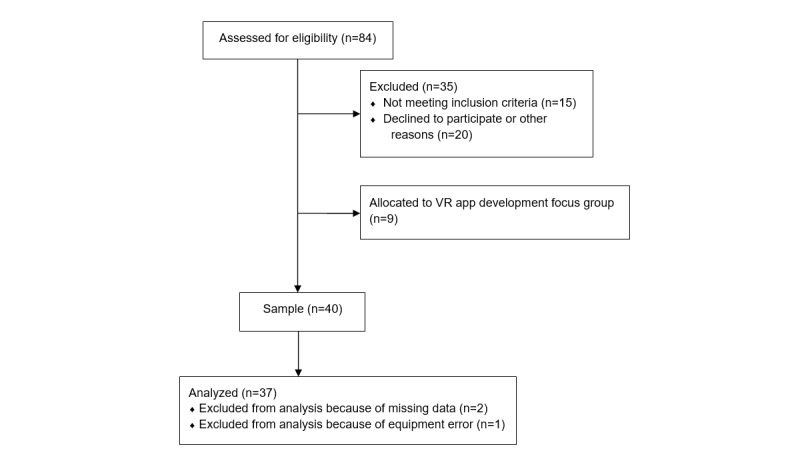
Background: Regular mindfulness practice has been demonstrated to be beneficial for mental health, but mindfulness can be challenging to adopt, with environmental and personal distractors often cited as challenges. Virtual reality (VR) may address these challenges by providing an immersive environment for practicing mindfulness and by supporting the user to orient attention to the present moment within a tailored virtual setting. However, there is currently a limited understanding of the ways in which VR can support or hinder mindfulness practice. Such an understanding is required to design effective VR apps while ensuring that VR-supported mindfulness is acceptable to end users. Objective: This study aimed to explore how VR can support mindfulness practice and to understand user experience issues that may affect the acceptability and efficacy of VR mindfulness for users in the general population. Methods: A sample of 37 participants from the general population trialed a VR mindfulness app in a controlled laboratory setting. The VR app presented users with an omnidirectional video of a peaceful forest environment with a guided mindfulness voiceover that was delivered by a male narrator. Scores on the State Mindfulness Scale, Simulator Sickness Questionnaire, and single-item measures of positive and negative emotion and arousal were measured pre- and post-VR for all participants. Qualitative feedback was collected through interviews with a subset of 19 participants. The interviews sought to understand the user experience of mindfulness practice in VR. Results: State mindfulness (P<.001; Cohen d=1.80) and positive affect (P=.006; r=.45) significantly increased after using the VR mindfulness app. No notable changes in negative emotion, subjective arousal, or symptoms of simulator sickness were observed across the sample. Participants described the user experience as relaxing, calming, and peaceful. Participants suggested that the use of VR helped them to focus on the present moment by using visual and auditory elements of VR as attentional anchors. The sense of presence in the virtual environment (VE) was identified by participants as being helpful to practicing mindfulness. Interruptions to presence acted as distractors. Some uncomfortable experiences were discussed, primarily in relation to video fidelity and the weight of the VR headset, although these were infrequent and minor. Conclusions: This study suggests that an appropriately designed VR app can support mindfulness practice by enhancing state mindfulness and inducing positive affect. VR may help address the challenges of practicing mindfulness by creating a sense of presence in a tailored VE; by allowing users to attend to visual and auditory anchors of their choice; and by reducing the scope of the content in users’ mind-wandering. VR has the unique capability to combine guided mindfulness practice with tailored VEs that lend themselves to support individuals to focus attention on the present moment.
Overview
CoChat Summary
## TL;DR
This mixed methods pilot study found that a 15-minute VR mindfulness app significantly increased state mindfulness and positive affect in 37 general-population participants, while not increasing negative emotion, arousal, or simulator sickness. Qualitative data suggested VR can support mindfulness by creating presence, offering attention anchors, and allowing personalization, but lower video fidelity, headset discomfort, and interruptions to presence could distract users.
## Key findings
- State mindfulness increased significantly from pre- to post-VR use: t36 = -10.97, P < .001, Cohen d = 1.80.
- Positive emotion also increased significantly: median 4.00 pre-VR to 5.00 post-VR, Z = -2.75, P = .006, r = .45.
- There were no significant changes in negative emotion (P = .06) or arousal (P = .36), and no significant pre- to post-VR changes in simulator sickness items (all P > .003).
- Among 37 participants, most rated the app as engaging (22/37, 60% very; 10/37, 27% extremely), intuitive (19/37, 51% very; 13/37, 35% extremely), easy to use (16/37, 43% very; 19/37, 51% extremely), and not risky (35/37, 95% not at all).
- Qualitative themes indicated VR helped by providing presence, attentional anchors, and agency/personalization, while video fidelity, voiceover timing, and headset weight/discomfort could hinder practice.
## Methods
- Mixed methods pilot study in a controlled laboratory setting with 37 participants from the general population; 19 also completed semistructured interviews.
- Participants used a 15-minute VR mindfulness app featuring an omnidirectional video of a peaceful forest, ambient audio, and a guided mindfulness voiceover on an Oculus Go headset.
- Quantitative pre/post measures included state mindfulness, emotion/arousal, and simulator sickness; qualitative interviews were analyzed using a general inductive approach.
## Limitations
- The paper states that findings are limited to state-based change after a single session in a lab, so they cannot be generalized to repeated use in the real world or to long-term outcomes such as trait mindfulness or emotion regulation.
- The paper states that without a comparison or control group, it is unclear whether the changes in mindfulness and emotion were caused primarily by the VR app.
- The paper states that the sample size limited examination of moderators such as prior mindfulness experience; additionally, the evident limitation is that the sample was small (n=37) and drawn from a general-population convenience sample, which limits broader inference.
Model-written summary. Check it against the paper before relying on it.
Integrity signals
Registry
Cites
Statistics
Figures

Verification
Claims the paper makes
5 Valid · 1 Not valid · 31 Not checked · 86 Own results and interpretations
The cited sources support only part of this claim — read each source’s verdict below.
In the paper
“VR technologies may pragmatically address the challenges related to environmental distraction by providing an immersive, engaging, and controlled (ie, predictable) visual and auditory sandbox in which one could rehearse mindfulness skills [12,24,25], shifting attention away from the real-world environment.”
§ Understanding How Virtual Reality Can Support Mindfulness Practice: Mixed Methods Study > Introduction > Background
What the sources say
- Supportedcites [12] source
The Introduction (p. 1-2) states the rationale the claim paraphrases: VR stimulates the visual and auditory cortices with computer-generated images and digitized nature sounds, 'uses up a lot of attentional resources, making it less likely that attention will drift to sights and sounds in the real world,' and creates a 'virtual world specifically designed for eliciting mindfulness' in which trainees practice (rehearse) DBT mindfulness skills. The Discussion adds that VR 'blocks patients view of distracting information in the real world environment,' and the Abstract frames it as 'by limiting distractions from the real world, increasing sense of presence and giving people an interesting place to go to practice mindfulness, Virtual Reality may facilitate mindfulness practice.' The claim's hedged 'may pragmatically address' matches the source's own hedged 'may' framing; the 'controlled (predictable)' gloss is carried by the paper's description of a computer-controlled, deliberately matched multisensory environment (Study procedures). (LLM, conf=0.88)
- Not checked yetcites [24] source
- Partly supportedcites [25] sourceExperimental — accuracy not yet measured
Our copy clearly supports the 'immersive, controlled visual and auditory sandbox for rehearsing mindfulness' part: the Introduction states that the 'sense of "total immersion" created by virtual reality (VR) is an emerging technology that may entirely replace mainstream videoconferencing techniques', and ReCoVR System Design describes VR environments and 360-degree nature videos with selectable music and natural sounds (birds, wind, waves) in which an instructor- or program-controlled 8-week mindfulness course was delivered. However, no passage frames VR as addressing environmental distraction or as shifting attention away from the real-world environment; the paper's stated rationales are anonymity, presence, remote/home/workplace access and tele-supervision, and its attention-related discussion (Introduction; Discussion on head motion and attentional focus) concerns mindfulness/attention training mechanisms rather than blocking distracting real-world surroundings. Also, as a feasibility protocol with four employees and four TBI patients, it reports design and feasibility, not a demonstrated pragmatic benefit against distraction. (LLM, conf=0.70)
hedgedstates a possible cause- Asserted: passes — The authors put it forward as true.
- Checkable: passes — It can be checked against evidence.
- Load-bearing: passes — The paper’s conclusions depend on it.
- Based: passes — The paper gives a reason why it holds.
- Supported
The cited sources support only part of this claim — read each source’s verdict below.
In the paper
“Although these delivery platforms improve the accessibility of mindfulness-based interventions, research has shown that adherence with Web and mobile programs is often low [18]”
§ Understanding How Virtual Reality Can Support Mindfulness Practice: Mixed Methods Study > Introduction > Background
What the sources say
- Partly supportedcites [18] sourceExperimental — accuracy not yet measured
The Discussion (Principal Findings; page unavailable) reports that only 30%–69% of participants completed every session in the reviewed Web-based mindfulness interventions, supporting the concern about adherence. The Introduction (Web-Based Interventions; page unavailable) says mindfulness-based mobile apps had not been studied, so the paper does not establish that adherence to mobile programs is often low. (LLM, conf=0.83)
plain- Asserted: passes — The authors put it forward as true.
- Checkable: passes — It can be checked against evidence.
- Load-bearing: passes — The paper’s conclusions depend on it.
- Based: passes — The paper gives a reason why it holds.
- Partly supported
The cited sources support only part of this claim — read each source’s verdict below.
In the paper
“VR mindfulness interventions can lead to increased state mindfulness in both new and experienced meditator samples [12,22,24].”
§ Understanding How Virtual Reality Can Support Mindfulness Practice: Mixed Methods Study > Introduction > Background
What the sources say
- Partly supportedcites [12] sourceExperimental — accuracy not yet measured
The Results ('Effects of VR to practice mindfulness') confirm the outcome half of the claim: participants reported significantly higher state mindfulness after the VR mindfulness intervention (t(42) = 4.431; p < .001; d = .75), measured with a shortened MAAS state-mindfulness adaptation (Materials and methods > Assessments). However, the population is experienced meditators only — 44 attendees of a mindfulness conference, 77.3% of whom meditated daily or 3-4 times per week (Materials and methods > Participants; Results > Meditation data and experience using VR systems at baseline). The Discussion explicitly states that 'Future research exploring responsiveness to VR DBT mindfulness skills training for experts vs. non-expert meditators is needed,' so the 'new meditator samples' part of the claim is not supported by this source. (LLM, conf=0.85)
- Not checked yetcites [22] Damen, KH, 2018, Entertainment Computing – ICEC 2018 source
- Not checked yetcites [24] source
plainstates a cause- Asserted: passes — The authors put it forward as true.
- Checkable: passes — It can be checked against evidence.
- Load-bearing: unclear — It is unclear whether the paper’s conclusions depend on it.
- Based: passes — The paper gives a reason why it holds.
- Partly supported
A result the paper reports from its own data — it cites no other source for it, so there is none to check. The quote shows it is in the paper.
In the paper
“These increases were related to discomfort, concentration, and fatigue”
§ Understanding How Virtual Reality Can Support Mindfulness Practice: Mixed Methods Study > Discussion > Principal Findings
plainstates an association- Asserted: passes — The authors put it forward as true.
- Checkable: passes — It can be checked against evidence.
- Load-bearing: unclear — It is unclear whether the paper’s conclusions depend on it.
- Based: passes — The paper gives a reason why it holds.
A result the paper reports from its own data — it cites no other source for it, so there is none to check. The quote shows it is in the paper.
In the paper
“Some participants linked their sense of presence to feeling that their real-world concerns were reduced:”
§ Understanding How Virtual Reality Can Support Mindfulness Practice: Mixed Methods Study > Results > Qualitative Findings
plainstates an association- Asserted: passes — The authors put it forward as true.
- Checkable: passes — It can be checked against evidence.
- Load-bearing: passes — The paper’s conclusions depend on it.
- Based: passes — The paper gives a reason why it holds.
65 more claims
Create a free account to see all 123 claims and to verify the 49 references still open.
- Probably not a substantial claim. 31
- It may state two separate claims as one. 27
Claims other papers make about this one
Each is checked against this paper’s own text: does it say what the citing paper says it does?
The source backs part of the claim, not all of it — or backs it for a different population, condition or comparison.
In the citing paper
“Recent studies have reported that for mindfulness practices to bring about optimum mental health benefits, they need to be conducted regularly (Chiam et al. 2020; Seabrook et al. 2020).”
From The Effect of Mindfulness-Based and Acceptance Commitment Therapy-Based Interventions to Improve the Mental Well-Being Among Parents of Children with Developmental Disabilities: A Systematic Review and Meta-Analysis. (2022) · cites this paper as Seabrook et al. 2020
Experimental — accuracy not yet measuredThe source backs part of the claim, not all of it — or backs it for a different population, condition or comparison.
In the citing paper
“Various types of technology, such as web-based and virtual reality, have been proven to be effective in delivering mindfulness-based interventions (Seabrook et al. 2020; Sevilla-Llewellyn-Jones et al. 2018)”
From The Effect of Mindfulness-Based and Acceptance Commitment Therapy-Based Interventions to Improve the Mental Well-Being Among Parents of Children with Developmental Disabilities: A Systematic Review and Meta-Analysis. (2022) · cites this paper as Seabrook et al. 2020
Experimental — accuracy not yet measuredThe source backs part of the claim, not all of it — or backs it for a different population, condition or comparison.
In the citing paper
“Although limited in scope, past research demonstrates that MBIs that were delivered via VR can help enhance person's attention and support their sense of presence in the mindfulness experience and increase state of mindfulness and psychological well-being.58,60”
From Nursing Implications of Mindfulness-Informed Interventions for Stroke Survivors and Their Families. (2022) · cites this paper as [60]
Experimental — accuracy not yet measuredThe source backs part of the claim, not all of it — or backs it for a different population, condition or comparison.
In the citing paper
“However, this research is at the very early stages with predominantly single case studies and typically involves populations of adults without a mental health condition.”
From A Virtual Reality–Based Cognitive Defusion Application for Youth Depression and Anxiety: Mixed Methods Experimental Study. (2025) · cites this paper as [32]
Experimental — accuracy not yet measuredThe cited source says what the claim attributes to it.
In the citing paper
“VEs are highly engaging, immersive, and interactive, which may facilitate concentration during mindfulness practice [21,22].”
From Examining the Use of Virtual Reality to Support Mindfulness Skills Practice in Mood and Anxiety Disorders: Mixed Methods Study (2024) · cites this paper as [21]
1 more claim about this paper
Create a free account to see every claim other papers make about this one.
Citations
Cites
Ryan, R. M., & Deci, E. L. (2000) · American Psychologist · doi:10.1037//0003-066x.55.1.68 · Cited by 54,599 · cited 1×
“Peters et al [50] argue that designing (digital) interventions with the intention of satisfying basic psychological needs (self-determination: autonomy, competence, and relatedness) [51] at the point of use (ie, the interface) may greatly improve motivation, engagement, and general well-being.”
BackgroundRussell, J. A. (1980) · Journal of Personality and Social Psychology · doi:10.1037/h0077714 · Cited by 16,334 · cited 1×
“Emotion was measured dimensionally pre-and postapp use via 3 items—1 (Positive or pleasant), 2 (Negative or unpleasant), and 3 (Active or alert)—drawn from the circumplex model of emotion [41].”
MethodLovibond, P. F., & Lovibond, S. H. (1995) · Behaviour Research and Therapy · doi:10.1016/0005-7967(94)00075-u · Cited by 14,523 · cited 3×
“Participant baseline general mental health distress was assessed using the short-form Depression Anxiety and Stress Scale (DASS-21) [39].”
MethodInfluentialA General Inductive Approach for Analyzing Qualitative Evaluation Data
Thomas, D. R. (2006) · American Journal of Evaluation · doi:10.1177/1098214005283748 · Cited by 10,858 · cited 2×
“These codes were subsequently compared, discussed, and developed into a final set of 9 themes that characterized participants’ experiences [45].”
BackgroundMethod(2008) · Medical Entomology and Zoology · Cited by 7,477
Mindfulness: A proposed operational definition.
Bishop, S. R., Lau, M., Shapiro, S., Carlson, L., Anderson, N. D., Carmody, J., Segal, Z. V., Abbey, S., Speca, M., Velting, D., et al. (2004) · Clinical Psychology: Science and Practice · doi:10.1093/clipsy.bph077 · Cited by 7,234 · cited 1×
“Originating in Buddhist traditions, mindfulness involves an individual focusing his or her attention on the present moment and approaching experiences with a nonjudgmental, nonreactive, and accepting attitude [1,2].”
BackgroundEmotion-regulation strategies across psychopathology: A meta-analytic review
Aldao, A., Nolen-Hoeksema, S., & Schweizer, S. (2010) · Clinical Psychology Review · doi:10.1016/j.cpr.2009.11.004 · Cited by 6,686 · cited 1×
“Mindfulness practice has been demonstrated to be beneficial for mental health by helping people strengthen attention flexibility and adopt an orientation toward experiences that reduces the reliance on automatic thoughts or maladaptive emotion regulation strategies [2,4-6].”
BackgroundMeasuring Presence in Virtual Environments: A Presence Questionnaire
Witmer, B. G., & Singer, M. J. (1998) · Presence: Teleoperators and Virtual Environments · doi:10.1162/105474698565686 · Cited by 6,371 · cited 2×
“0 [29,43], which was shortened to reduce participant burden and remove items related to haptic senses and object manipulation, which were not features of the current system.”
BackgroundStress recovery during exposure to natural and urban environments
Ulrich, R. S., Simons, R. F., Losito, B. D., Fiorito, E., Miles, M. A., & Zelson, M. (1991) · Journal of Environmental Psychology · doi:10.1016/s0272-4944(05)80184-7 · Cited by 5,990 · cited 1×
“Natural spaces have been shown to provide individuals with well-being benefits [47], and this effect has been observed in the use of VR and other nonimmersive platforms (ie, computer screens) [48,49].”
BackgroundDefining virtual reality: Dimensions determining telepresence
Steuer, J. (1992) · Journal of Communication · doi:10.1111/j.1460-2466.1992.tb00812.x · Cited by 5,459 · cited 1×
“VR refers to the use of a headset with a display that projects an interactive, audiovisual 360-degree virtual environment (VE) to the user [26-28].”
Background
Research works printed but not linked: 1
- Cohen, J, 1988, Statistical Power Analysis for the Behavioral Sciences. Second Edition
Cited by
Items 101–200 of 261
A Qualitative Study of Virtual Reality and Mindfulness for Substance Use Disorders
Holley, R., Moldow, E., Chaudhary, S., Gaumond, G., Hacker, R. L., Kahn, P., Boeldt, D. L., & Hubley, S. H. (2022) · Journal of Technology in Behavioral Science · doi:10.1007/s41347-022-00284-0 · Cited by 6
“Our study expands the qualitative findings of Seabrook et al. (2020) to a real-world clinical setting.”
BackgroundMethodResultInfluentialChoe, E. Y., Jørgensen, A., & Sheffield, D. (2021) · Urban forestry & urban greening · doi:10.1016/j.ufug.2021.127414 · Cited by 6
Time travel of older people through virtual reality: a qualitative study
Muslu, L., Karakuş, Z. N., Asï, E., Bayindir, R., & Özer, Z. (2025) · BMC Geriatrics · doi:10.1186/s12877-025-05699-x · Cited by 11
Meditating Together: Practices, Benefits and Challenges of Meditation on Social Virtual Reality
Liu, L. H., Lu, X., Chiang, P.-C., Epstein, D. A., & Squire, K. D. (2025) · CHI Conference on Human Factors in Computing Systems · doi:10.1145/3706598.3713172 · Cited by 7
“Aligning with literature on XR meditation, our fndings highlight the role of natural, relaxing environments [41, 103] and virtual objects [110] in facilitating mindfulness and enriching participants’ meditation experiences.”
Guerra-Tamez, C. R. (2025) · Frontiers in Education · doi:10.3389/feduc.2025.1618968 · Cited by 6
Castanho, L., Martinho, D. V., Saial, A. C., de Gouveia, B. R. F. O., Gouveia, É. R., & Ribeiro, F. (2025) · Applied Psychophysiology and Biofeedback · doi:10.1007/s10484-025-09730-0 · Cited by 12
Kruk, D., Plencler, I., Walecki, P. K., Daren, A., Stankiewicz, P., Proniewska, K. K., Nowak, A., Cechnicki, A., & Siwek, M. (2021) · Psychiatria Polska · doi:10.12740/pp/onlinefirst/142992 · Cited by 7
“On the other hand, it is relatively common to use VR in the form of 360° videos in relaxation training, including, among others, mindfulness [17–19].”
MGP: a monitoring-based VR interactive mode to support guided practice
Wang, Y., Luan, H., Wang, L., Song, S., Bian, Y., Bao, X., Liu, R., Gai, W., Lv, G., & Yang, C. (2023) · The Visual Computer · doi:10.1007/s00371-023-02950-7 · Cited by 6
“In system prompt-based VR interactive mode, some VR teaching and training systems [12, 21] are guided by adding text, sound and other information.”
BackgroundMurray, G., & Shmidheiser, M. (2024) · Brain Injury · doi:10.1080/02699052.2024.2311334 · Cited by 7
“…with TBI (e.g., diminished concentration, increased distractibility, etc.) – by creating a ‘sense of presence’ within a TBI-friendly tailored virtual environment, allowing users to attend to visual/auditory anchors of their choice, and by diminishing mind-wandering due to extraneous stimuli (16).”
BackgroundResultInfluentialFeeling low: How social media influences employees' knowledge hidings and innovative behavior
Chen, Y., Pitafi, A. H., Saher, L., & Wang, G. (2024) · Acta Psychologica · doi:10.1016/j.actpsy.2024.104261 · Cited by 8
Syiem, B. V., Kelly, R., Dingler, T., Gonçalves, J., & Velloso, E. (2024) · International Journal of Human-Computer Studies · doi:10.1016/j.ijhcs.2024.103324 · Cited by 8
Self-citationMahmud, A. A., ZAKARIA, R. H., Yusoff, M. Z. M., TNB Integrated Learning Solution (ILSAS), M., Jaafar, N. R. N., Baharudin, A., & Tamil, A. M. (2022) · ALPHA PSYCHIATRY · doi:10.5152/alphapsychiatry.2022.21781 · Cited by 8
“Years of working,a median (min-max) 3 (1-18) 6 (1-18) 14 (1-39) .”
Virtual Reality as an Innovative Tool for Youth Mental Health
Blondell, V. J., & Thomson, N. D. (2025) · Encyclopedia · doi:10.3390/encyclopedia5040215 · Cited by 6
“As a result, VR programs have adopted mindfulness and meditation-based techniques, leveraging the high level of immersion offered through VR to enhance their effectiveness [55,56].”
InfluentialWilliams, M. S., Ordonez, K., King, D., Solomon, J., Ardito, S., Polo, J., Weiss, S., & Hajizadeh, N. (2024) · OBM Integrative and Complementary Medicine · doi:10.21926/obm.icm.2404060 · Cited by 5
Designing a Smartphone-Based Virtual Reality App for Relaxation: Qualitative Crossover Study
Verstegen, A., Daele, T. V., Bonroy, B., Debard, G., Sels, R., van Loo, M., & Bernaerts, S. (2024) · JMIR Formative Research · doi:10.2196/62663 · Cited by 8
“In summary, the 2 studies showed that users generally have a positive opinion of VR relaxation apps [19,43].”
Virtual reality relaxation for student wellbeing: a systematic review
Sunthararajah, S., Valmaggia, L., Uddin, T., & Riches, S. (2025) · Mental Health and Digital Technologies · doi:10.1108/mhdt-12-2024-0035 · Cited by 6
Bramanti, A., Pessolano, C., Garofano, M., Maglio, A., Ciccarelli, M., Budaci, L., Calabrese, M., Marino, A., Loria, F., Corallo, F., et al. (2025) · Bioengineering · doi:10.3390/bioengineering12090931 · Cited by 12
Milasi, C., Bonanno, M., Bernardelli, L., Maggio, M. G., Perrotti, G., Barbuto, P., Barberio, M., Albertini, A., Tallarico, N., Catalano, L. M., et al. (2025) · Mindfulness · doi:10.1007/s12671-025-02710-9 · Cited by 8
“Similar critiques have been echoed in recent scoping and systematic reviews (e.g., Seabrook et al., 2020; Seymour et al., 2025), which emphasize the challenges of heterogeneity and limited replication in VR-MBI research.”
Poulos, C., Zamani, A., Pillemer, D. B., Leichtman, M. D., Kalina Christoff, A., & Mills, C. (2023) · Psychological Research · doi:10.1007/s00426-023-01814-y · Cited by 11
“VR is emerging as an advantageous methodological tool due to its immersive nature, with previous research suggesting that VR may assist in practicing mindfulness (Seabrook et al., 2020) as well as treating conditions such as posttraumatic stress disorder (PTSD) (Gonçalves et al.”
BackgroundMultimodal interactive VR mindfulness experience
Mancini, M., Chirico, A., Niewiadomski, R., Varni, G., Palombi, T., Alivernini, F., & Lucidi, F. (2024) · International Conference on Advanced Visual Interfaces (AVI) · doi:10.1145/3656650.3656753 · Cited by 5
“Among several techniques, mindfulness, i.e., orienting “attention on the present moment and approaches experiences with a non-judgmental, non-reactive, and accepting attitude” [9], is becoming increasingly popular.”
BackgroundCarrasco, M., Dimanche, S., Fouladian, J. E., Neff, M., Scaramutti, C., Moloney, M., Blanc, J., & Seixas, A. A. (2024) · Frontiers in Psychiatry · doi:10.3389/fpsyt.2024.1481453 · Cited by 6
Desai, S., Athalye‐Jape, G., Bottcher, S., Campbell, C., Chiffings, D., Nathan, E., Fardinpour, A., Kinnaird, L., Bulsara, M. K., & Rao, S. C. (2025) · Nursing in Critical Care · doi:10.1111/nicc.13249 · Cited by 7
Marocco, S., Vitale, V., Grossi, E., Presaghi, F., & Talamo, A. (2025) · Frontiers in Psychology · doi:10.3389/fpsyg.2025.1637669 · Cited by 5
Baydoun, M., Gajtani, Z., Patton, M., McLennan, A., Cartwright, S., & Carlson, L. E. (2024) · Frontiers in Pain Research · doi:10.3389/fpain.2024.1291374 · Cited by 11
“…can help participants self-initiate and continue mindfulness practice, as well as maintain conscious and cognitive efforts required for effective practice, all of which have previously been identi fi ed as barriers to mindfulness meditation practice, particularly among novice meditators (30, 33).”
BackgroundFradette, M.-J., Azrak, J., Cousineau, F., Désilets, M., & Dumais, A. (2025) · BioMedInformatics · doi:10.3390/biomedinformatics5030048 · Cited by 8
“Future research on real-time adaptive VRET should prioritize large, multi-site trials comparing biofeedback-enhanced, fully adaptive, and hybrid systems and use mixed-methods to capture both the outcomes and users’ experiences [76–78].”
Impact of Vibrotactile Triggers on Mental Well-Being Through ASMR Experience in VR
Peng, D., Person, T., Shen, X., Pai, Y. S., Barbareschi, G., Li, S., & Minamizawa, K. (2024) · Lecture notes in computer science · doi:10.1007/978-3-031-70061-3_32 · Cited by 4
VRZM: Exploring the Psycho-physiological Benefits of Zen Meditation in Immersive Environments
Kumar, A., Sankhyan, S., Tripathi, K. M., Rao, A. K., Bhavsar, A. V., & Dutt, V. (2024) · IEEE International Symposium on Mixed and Augmented Reality Adjunct (ISMAR-Adjunct) · doi:10.1109/ismar-adjunct64951.2024.00063 · Cited by 4
“For example, Navarro-Haro et al. and Seabrook et al. found that VR can enhance mindfulness and induce positive effects, with the latter study highlighting the importance of a tailored virtual environment [6,7].”
InfluentialOng, J., Doshi, K., Chew, K.-H., Tay, J., & Foo, J. J. (2024) · Mental Health and Digital Technologies · doi:10.1108/mhdt-10-2024-0026 · Cited by 3
Modrego‐Alarcón, M., del Hoyo, Y. L., Beltrán-Ruiz, M., García‐Campayo, J., & Montero‐Marín, J. (2025) · Virtual Reality · doi:10.1007/s10055-025-01218-w · Cited by 4
“…to consider when evaluating the effectiveness of mindfulness interventions supplemented with VR. Similar to other studies (Navarro-Haro et al. 2017; Seabrook et al. 2020; Yildirim and O’Grady 2020 ), signifi - cant increases in state mindfulness were observed in all the VR sessions, except for the…”
State Mindfulness Scale: Psychometric Properties of the Chinese Version
Zhang, X., Wang, Y., Wang, J., & Luo, F. (2023) · Mindfulness · doi:10.1007/s12671-023-02153-0 · Cited by 5
MindfulBloom: Spatial Finger Painting for Mindfulness Intervention in Augmented Reality
Liu, S., Zhao, E., Renouf, A. A. J. A., & El-Zanfaly, D. (2023) · ACM International Conference on Interactive Surfaces and Spaces (ISS) · doi:10.1145/3626485.3626548 · Cited by 4
“Example techniques include: embodiment of virtual avatars and body ownership [10, 24], engagement in multi-sensory scenes [21, 25], visualization of biofeedback [15, 17], and sharing of virtual environments [13].”
Trueba, A. F., Crespo‐Andrade, C., Garcés, M. S., Merino, C. A., Alvarez-Frank, N. A., Ren, B., Cray, H. V., Kimball, J. E., Dickinson, R., & Vahia, I. V. (2024) · Psychiatric Research and Clinical Practice · doi:10.1176/appi.prcp.20230054 · Cited by 7
“It is possible that this finding represents the effect of more sustained attention to mindfulness tasks, as reported in studies in younger adults (22–25).”
Enhancing Brain Health and Well-Being in Older Adults: Innovations in Lifestyle Interventions
Beyer, J. L., Dix, E., Husain-Krautter, S., & Kyomen, H. H. (2024) · Current Psychiatry Reports · doi:10.1007/s11920-024-01513-4 · Cited by 7
“There are web-based MBIs with patient-to-expert communication or internet psychoeducation or therapy, mobile based MBIs delivered via mobile phones, digital MBIs on computers, tablets, other devices without face-to-face interactions, and virtual reality [60–62].”
Translating performative mediated art into virtual reality: A case study
Sansom, M., & See, Z. S. (2021) · Virtual Creativity · doi:10.1386/vcr_00042_1 · Cited by 4
A Comparison of Interfaces for Learning How to Play a Mixed Reality Handpan
Gosling, G., Catovic, I.-T., Bangash, G., MacCormick, D., & Zaman, L. (2023) · IEEE Gaming, Entertainment, and Media Conference (GEM) · doi:10.1109/gem59776.2023.10390457 · Cited by 4
“A study by Seabrook et al. [31] indicates that a well-designed VR application has the potential to bolster mindfulness practice through amplifying state mindfulness and evoking positive emotions.”
BackgroundBell, I. H., Li, C., Thompson, A., Ellinghaus, C., O’Sullivan, S., Reynolds, K. A., Wadley, G., Liu, Y., Bendall, S., Gleeson, J., et al. (2025) · JMIR Mental Health · doi:10.2196/70160 · Cited by 3
Self-citationVRZM: Exploring the Effect of Zen Meditation on EEG Patterns in Immersive Environments
Kumar, A., Sankhyan, S., Tripathi, K. M., Thakur, S., Bhavsar, A. V., & Dutt, V. (2024) · Conference proceedings/Conference proceedings - IEEE International Conference on Systems, Man, and Cybernetics · doi:10.1109/smc54092.2024.10831479 · Cited by 3
“Utilizing VR in meditation and mindfulness exercises presents a highly compelling approach to mental health intervention [7].”
Cechnicki, A., Chrobak, A. A., Plencler, I., Stankiewicz, P., Kalisz, A., Błądziński, P., Kruk, D., Radoń, S., Szewczyk, B., Faron‐Górecka, A., et al. (2025) · Annals of General Psychiatry · doi:10.1186/s12991-025-00587-5 · Cited by 3
“This method supports such an intervention by enabling a fuller focus on the therapeutic process [25], increasing participants’ involvement [26] and adherence [27].”
Rafiei, S., Santa, K., Honey, N., Tully, D., & Mezes, B. (2025) · Frontiers in Psychiatry · doi:10.3389/fpsyt.2025.1669287 · Cited by 4
A systematic review on mindfulness-based immersive interventions in depressive disorders
Tan, P., Wu, Y., Chen, X., Chen, J., Guo, Z., Lu, X., Chen, J., & Zhang, H. (2026) · npj Mental Health Research · doi:10.1038/s44184-026-00205-6 · Cited by 3
“Seabrook et al. 124 compared VR-based mindfulness (VBM) with a VR control intervention.”
InfluentialChen, J., Wu, J., Xie, X., Wu, S., Yang, J., Bi, Z., Qiu, Y., & Chen, J. (2025) · Supportive Care in Cancer · doi:10.1007/s00520-025-09182-6 · Cited by 5
“These issues have also been mentioned by researchers in other VR studies [36, 37].”
Baets, J. F.-D., Besnard, J., Banville, F., Cassereau, J., & Allain, P. (2025) · Contemporary Clinical Trials · doi:10.1016/j.cct.2025.107876 · Cited by 3
Jimenez, R., Zuniga‐Hernandez, M., Suen, M. Y., Feng, R., Pinedo, K., Arshad, F., Collins, F., Ganesan, A., Jackson, C., Wang, E., et al. (2025) · Journal of Patient Experience · doi:10.1177/23743735251326671 · Cited by 3
“10,34 VR-guided mindfulness effectively reduces caregiver anxiety, which has important implications for addressing caregiver mental health while caring for their hospitalized children.”
Thaker, S., Heitmayer, M., & Hanley, T. (2025) · ACM International Conference on Interactive Media Experiences · doi:10.1145/3706370.3731932 · Cited by 3
“Previous research on XR-based mental health interventions focuses primarily on exposure therapy, cognitive behavioural applications, and mindfulness [18, 46].”
On the usability of digital sleep interventions in sports
Klier, K., Seiler, K., & Wagner, M. O. (2021) · German Journal of Exercise and Sport Research · doi:10.1007/s12662-021-00771-1 · Cited by 5
A pilot study of virtual reality for inpatients with opioid use disorder
Greenwald, H. J., Berger, A. F., Wilson, R. L. H., Greenwald, D. J., Lannon, E., Johnson‐Smith, P., Bergman, B. G., & Wilens, T. E. (2024) · American Journal on Addictions · doi:10.1111/ajad.13526 · Cited by 5
Exploring User Preferences of VR Relaxation Experiences: A Comparative Mixed-Methods Study
Wrońska, G., Sterna, R., Łukawski, G., & Igraś-Cybulska, M. (2024) · IEEE Conference on Virtual Reality and 3D User Interfaces Abstracts and Workshops (VRW) · doi:10.1109/vrw62533.2024.00235 · Cited by 3
“Virtual Reality (VR) can be an effective tool for the purpose of relaxation [1] and mindfulness [7], at the same time offering a safe and controlled environment where individuals can practice their speeches and learn to manage their anxiety under various speaking conditions [6].”
BackgroundCavallo, F., Campbell, F., Brubaker, H., & Smith, K. (2024) · NeuroRegulation · doi:10.15540/nr.11.4.379 · Cited by 4
Kuo, H. J., Newbutt, N. A., George, S., & Laird, M. (2025) · Computers & Education X Reality · doi:10.1016/j.cexr.2025.100093 · Cited by 3
Ma, J., Yang, J., Zhao, D., & Xu, N. (2021) · doi:10.2196/preprints.36051 · Cited by 3
Virtual reality hypnotherapy for healthcare students: a feasibility trial
O’Brien, A. A., Hutchinson, J., Fauzi, N. B., Abbott, M., Railton, J., Bell, D., White, S., Smith, J. N., & Riches, S. (2024) · Mental Health and Digital Technologies · doi:10.1108/mhdt-01-2024-0005 · Cited by 3
Deconstructive meditations and psychotherapy: Transforming the perception of the self
Lamas-Morales, P., Hijar-Aguinaga, R., & García‐Campayo, J. (2025) · World Journal of Psychiatry · doi:10.5498/wjp.v15.i6.107505 · Cited by 7
Shankar, R., Bundele, A., Yap, A. E., & Mukhopadhyay, A. (2025) · BMJ Open · doi:10.1136/bmjopen-2024-094876 · Cited by 4
“Seabrook et al 24 found a brief VR mindfulness intervention reduced experimentally induced negative affect in healthy participants more effectively than audio-only training and control conditions.”
Sadowski, I., Gagnon-Mailhot, M., Seu, J., Batcho, C. S., Laberge, M., Khoury, B., Tremblay, G., Dubé, O., Goyette, C., Rheault, A., et al. (2026) · Frontiers in Pain Research · doi:10.3389/fpain.2026.1734386 · Cited by 3
Liang, Y., Hong, X., Cai, Y., Chen, X., & Chen, F. (2026) · International Journal of Nursing Sciences · doi:10.1016/j.ijnss.2026.02.013 · Cited by 2
“It has also been demonstrated in broader populations that VR can enhance mindfulness [24].”
Eun, Z. K. Y., Koh, C., Yang, H., Goh, A. Y. H., Hu, M., Kasturiratna, K. T. A. S., & Hartanto, A. (2026) · JMIR XR and spatial computing. · doi:10.2196/84239 · Cited by 2
“VR and MR technologies provide avenues for enriching mindfulness practices by offering immersive environments that foster greater focus and engagement [66-68].”
InfluentialEffects of virtual reality mindfulness interventions on depression and anxiety: a meta-analysis
He, X., Ren, Y., Bian, Q., Wang, Y., & Wang, X. (2026) · European Journal of Psychotraumatology · doi:10.1080/20008066.2026.2664277 · Cited by 2
“…features, content, and user tolerance – immersive devices increase presence but carry a higher risk of motion sickness in approximately 15% of elderly users, while semi-immersive devices showed no significant difference in outcomes with a lower risk of motion sickness (Seabrook et al., 2020).”
Sanal gerçeklik uygulamalarıyla mindfulness temelli stres azaltma programının hemşirelikte kullanımı
Özsezer, G., & Ataç, M. (2021) · Journal of Awareness · doi:10.26809/joa.6.3.04 · Cited by 3
Design and Evaluation of a Loving Kindness Virtual Reality Meditation Experience
Quirós-Ramírez, M. A., VAHLENKAMP, P., & Streuber, S. (2022) · Journal of Japan Society for Fuzzy Theory and Intelligent Informatics · doi:10.3156/jsoft.34.4_697 · Cited by 3
Chen, Y., Wang, T., Tan, Y., & Li, D. (2024) · Digital Health · doi:10.1177/20552076241249869 · Cited by 3
“…which can be challenging to maintain for novice meditators who have already spent more cognitive resources to control their self-mediation skills 8,9 summarized the empirical challenges that may be encountered during positive thinking training, including emotional demands such as cognitive…”
BackgroundVirtual Reality in Transitional Care: 360º videos for stress management in transition to home care
Reppou, S. E., Ntakakis, G., Kiosses, V., Plomariti, C. S., & Bamidis, P. D. (2024) · International Conference on PErvasive Technologies Related to Assistive Environments (PETRA) · doi:10.1145/3652037.3663921 · Cited by 3
“The short-term impacts of stress, rather than the act of caregiving itself, can elevate the risk of health deterioration among older caregivers [6, 28].”
BackgroundFuture Directions in Coaching and Communication Research
Kayyali, M. (2025) · IGI Global eBooks · doi:10.4018/979-8-3693-7959-2.ch005 · Cited by 2
The Use of Mindfulness in the Metaverse: A Scoping Review
Seymour, L. M., Seymour, S., Sharpe, B. T., Nandy, M., Lodh, S., & Banerjee, M. (2025) · Mindfulness · doi:10.1007/s12671-025-02608-6 · Cited by 3
“Completion of pre-intervention measures was notably high, ranging from 93% to 100%, with only four studies experiencing less than 100% completion, none of which involved single sessions (e.g. Goldenhersch et al., 2020; Lacey et al., 2023).”
InfluentialVerification of healing effect by VR pet in VR space
Choi, W. (2022) · Journal of Digital Contents Society · doi:10.9728/dcs.2022.23.9.1795 · Cited by 2
Designing and developing a compacted immersive virtual therapy environment: RelaXRoom
Taçgın, Z. (2023) · Acibadem Universitesi Saglik Bilimleri Dergisi · doi:10.31067/acusaglik.1084616 · Cited by 2
“According to the study by Seabrook, Kelly (22), VR is a supportive tool for formal therapy sessions and an effective material for self-guided concepts like meditation.”
BackgroundFostering Interactive Mindfulness Experiences in VR
Chirico, A., Palombi, T., Varni, G., Niewiadomski, R., Li, Y., Lucidi, F., & Mancini, M. (2024) · Lecture notes in computer science · doi:10.1007/978-3-031-71704-8_15 · Cited by 1
Adaptive Virtual Reality Meditation for Adults with ADHD
Zhagufarova, A., Banakou, D., & Salam, H. (2025) · Lecture notes of the Institute for Computer Sciences, Social Informatics and Telecommunications Engineering · doi:10.1007/978-3-031-97257-7_8 · Cited by 1
Efficacy of Wearable AI Driven Mindfulness Practices in the Management of Stress
Ghosh, S., Chanda, D., & Mukhopadhyay, C. (2025) · Advances in computational intelligence and robotics book series · doi:10.4018/979-8-3373-0467-0.ch004 · Cited by 1
Huang, H., & Liu, J. (2025) · International Conference on Intelligent Computing and Robotics (ICICR) · doi:10.1109/icicr65456.2025.00134 · Cited by 1
“Mental health issues, such as stress and anxiety, have become global concerns, with the World Health Organization (WHO) reporting that stress-related disorders affect more than 70% of the global population annually [3].”
Hitching, R., Kluge, M. G., Walker, F. R., Gordon, C. J., & Lampe, L. A. (2025) · International Journal of Clinical and Health Psychology · doi:10.1016/j.ijchp.2025.100624 · Cited by 3
“…VR,Australia, available from www.liminalvr.com) ( Barton et al., 2020a), Place (Mental Health Online, Australia, available from www.mentalhealthonline.org.au/) ( Jo et al., 2024; Seabrook et al., 2020), and Tripp VR (Tripp Inc., 2019, USA, available from www.tripp.com) ( Housand et al., 2024).”
Newbutt, N. A., Sheerman, L., Kuo, H. J., Myburgh, A., Yeomans, M., & George, S. (2025) · Disability and Rehabilitation Assistive Technology · doi:10.1080/17483107.2025.2579821 · Cited by 3
“…engage with the virtual space. this ability to tailor the experience reinforced a sense of control that may be lacking in their everyday work environment. assigned, flexible access arrangements for VR meditations within the workplace could further enhance these feelings of control and freedom [48].”
Cohen, L., Suberry, A., Sun, P. C., Ulitsa, N., Roy, S., & Ayalon, L. (2025) · Sage Open Aging · doi:10.1177/30495334251406040 · Cited by 1
“Reported drawbacks, such as mild simulator sickness or headset discomfort, are generally rare and minor (Kennedy et al., 1993; Ma et al., 2023; Seabrook et al., 2020).”
InfluentialKarger, A., Holsteg, S., Fehm, T. N., Gattermann, N., Sage, S., Dinger, U., Schaal, N. K., & Ernsten, L. (2025) · PPmP - Psychotherapie · Psychosomatik · Medizinische Psychologie · doi:10.1055/a-2748-3269 · Cited by 1
“Dabei zeigte sich bereits, dass psychologische Interventionen während der unmit-telbaren Verabreichung einer Chemotherapie wirksam die Belas-tung bei Patient*innen reduzieren und Nebenwirkungen abschwä-chen können [6, 7].”
Sabo‐Brants, H. M., Ariel, B., & Bushman, B. J. (2026) · Aggressive Behavior · doi:10.1002/ab.70057 · Cited by 1
“Clinically, research has demonstrated that VR‐Mindfulness, for example, can enhance emotion regulation, mood, and behavioral manifestations more effectively than traditional approaches (Seabrook et al. 2020; Ma et al. 2023; Wieczorek et al. 2024).”
Effects of Mindfulness Practice on Owner-Reported Dog Behavior and Relationship
Pinelli, C., Scandurra, A., Lucrezia, A. D., Vaira, A., Regazzi, E., & D’Aniello, B. (2026) · Animals · doi:10.3390/ani16040542 · Cited by 1
Seethaler, M., Güntner, L., Lütt, A., & Just, S. A. (2026) · Translational Psychiatry · doi:10.1038/s41398-026-03955-1 · Cited by 2
“Unlike GI, VR can place users directly into a virtual calming space, enhancing presence, as “ being there ” in this virtual environment, and focus [20, 21].”
Bodyfulness VR: Exploring Virtual Reality as a Medium for Somatic Meditative Practices
Yoon, S., Ahn, D. D., Choi, Y., Hong, S., & Lim, H. (2026) · CHI Conference on Human Factors in Computing Systems · doi:10.1145/3772318.3791456 · Cited by 1
“Second, VR’s capacity for embodied interaction and multisensory immersion can facilitate the sustained attention and bodily awareness central to meditative practice [60, 74]—affordances difficult to replicate through audio guidance alone.”
Can’t See Nature for the Trees: A Literature Review about Virtual Nature for Well-Being
Khan, B. A., Spors, V., Cameron, A., Pirkkalainen, H., & Hamari, J. (2026) · CHI Conference on Human Factors in Computing Systems · doi:10.1145/3772318.3790367 · Cited by 2
The Psychological Reconstruction of Mindfulness: From Buddhist Origins to Modern Operationalization
Barker, S. A. (2026) · Human Arenas · doi:10.1007/s42087-026-00617-y · Cited by 2
“Immersive technologies make this logic especially visible because they are well-suited to generating states of calm, presence, and attentional focus through perceptual and environmental control (Pascual et al., 2022; Seabrook et al., 2020 ).”
InfluentialHolsteg, S., Korbanka, T. A., Karger, A., Giel, K., Dinger, U., & Behrens, S. C. (2026) · PPmP - Psychotherapie · Psychosomatik · Medizinische Psychologie · doi:10.1055/a-2862-9035 · Cited by 1
Alanazi, M. O. (2026) · Frontiers in Psychiatry · doi:10.3389/fpsyt.2026.1859945 · Cited by 1
“…nature-based stimuli and ambient soundscapes serves as a “ digital restorative environment, ” theoretically activating parasympathetic responses similar to those observed in traditional mindfulness or nature-exposure therapies, but within a timeframe feasible for a busy academic schedule (18, 19).”
Rasmussen, K., Arnfred, B. T., Jørgensen, G., Clemmensen, L., Turgut, L., Thomsen, C. P., Midtgaard, J., & Glenthøj, L. B. (2026) · BMJ Open · doi:10.1136/bmjopen-2025-114385 · Cited by 1
Pallavicini, F., Orena, E. F., Achille, F., Stefanini, S., Caragnano, C., Vuolato, C., Pepe, A., Ranieri, P., Santo, S. G. D., Greci, L., et al. (2022) · Lecture notes in computer science · doi:10.1007/978-3-031-21707-4_12 · Cited by 1
Virtual Reality for Social-Emotional Learning: A Review
Hamzah, I., Salwana, E., Billinghurst, M., Baghaei, N., Ahmad, M. N., Rosdi, F., & Arsad, A. (2023) · Lecture notes in computer science · doi:10.1007/978-981-99-7339-2_11 · Cited by 3
Burbano, J., Pillco, J., Genovez, S., & Ortega-Chasi, P. (2024) · IEEE International Conference on Artificial Intelligence and eXtended and Virtual Reality (AIxVR) · doi:10.1109/aixvr59861.2024.00063 · Cited by 1
“This is especially relevant for the environments intended for therapeutic experiences, such as VR-based mental health interventions [2], where the feeling of immersion, satisfaction, and overall experience has been reported as supportive [3].”
BackgroundHolsteg, S., Ernsten, L., Schaal, N. K., Keßling, L. M., Schmutzler, N., Fehm, T. N., Friebe, V., Gattermann, N., Ruckhäberle, E., & Karger, A. (2025) · BMJ Open · doi:10.1136/bmjopen-2024-094040 · Cited by 1
“Table 1 Open access presents a comparative overview of the VR and the music intervention.”
Kampa, M., & Klucken, T. (2022) · doi:10.31234/osf.io/xqupz · Cited by 1
Stairway to Heaven: breathing mindfulness into virtual reality
Miner, N. (2022) · Digital Repository Service (Northeastern University) · doi:10.17760/d20471083 · Cited by 14
Mills, H. (2023) · Open Access Victoria University of Wellington | Te Herenga Waka (Figshare) · doi:10.26686/wgtn.24190137 · Cited by 2
Burca, O. C., Pekarik, M., & Bemman, B. (2021) · Lecture notes of the Institute for Computer Sciences, Social Informatics and Telecommunications Engineering · doi:10.1007/978-3-030-73426-8_16
Rattan, M. K., Sood, M., & Singh, G. (2022) · International Journal of Health Sciences · doi:10.53730/ijhs.v6ns3.6459 · Cited by 2
“Interventions through wildflower Smartphone app wildflower has long term benefits for attention control[25],virtual reality support the mindfulness and also to understand closer experience issues in general population [26],mindfulness helpful during COVID -19 pandemic according to mental health professionals.”
MethodBaydoun, M., Gajtani, Z., Birnie, K. A., Patton, M., Green, C., Szewczyk, P., McLennan, A., Cartwright, S., & Carlson, L. E. (2022) · JMIR Research Protocols · doi:10.2196/38198
Theron, F. H., Rosenstein, D. A., & McCoubrey, D. (2022) · Elsevier eBooks · doi:10.1016/b978-0-323-91709-4.00004-4
Mancini, A., & Fabbo, A. (2023) · Springer eBooks · doi:10.1007/978-3-031-27968-3_33
Sari, E. K., Yusuf, M., Supratiwi, M., Wiliyanto, D. A., & Nugraha, R. A. (2024) · SPEED Journal Journal of Special Education · doi:10.31537/speed.v7i2.1566
Further Directions in Mindfulness‐Based Interventions for Tic Disorders
Yu, T., Shan, D., & Chen, D. (2024) · Movement Disorders · doi:10.1002/mds.29986
Developing a Mindfulness-Based Intervention for Entrepreneurial Stress Reduction
Pandey, A., Mittal, S., & Nghiem, X. (2024) · Advances in psychology, mental health, and behavioral studies (APMHBS) book series · doi:10.4018/979-8-3693-3673-1.ch007
Usability Evaluation of Intuitive Interactions in Virtual Environments
Kini, V. G., & Kini, N. G. (2024) · Lecture notes in networks and systems · doi:10.1007/978-981-97-6995-7_14
Baker, L., & Jones, C. W. (2025) · Wiley eBooks · doi:10.1002/9781394278480.ch13
Bai, D. L., Yu-Hua, W. A. N. G., Lin, Y.-F., & Liu, M. F. (2025) · doi:10.2196/preprints.71319
Metadata
- Authors
- Seabrook, E., Kelly, R., Foley, F., Theiler, S., Thomas, N., Wadley, G., & Nedeljkovic, M.
- Affiliations
- Swinburne University of Technology (AU)
- The University of Melbourne (AU)
- Corresponding author
- Seabrook, Elizabeth
- ORCID
- Venue
- Journal of Medical Internet Research
- Publisher
- JMIR Publications Inc.
- Published
- 2020-03-18
- Volume
- 22
- Issue
- 3
- Pages
- e16106
- ISSN
- 1438-8871 (ISSN-L)
- PMC
- PMC7113800
- OpenAlex
- W2998309229
- Semantic Scholar
- 4c3b53645de34e5b7bac3fbaff255e753f381741
- Cited by
- 262
- References
- 66
- Citations by year
- 2026: 51 · 2025: 70 · 2024: 47 · 2023: 30 · 2022: 36 · 2021: 25 · 2020: 3
- FWCI
- 15.14
- Type
- journal article
- Language
- en
- Open access
- gold
- doi.org
- Licence
- cc-by
- Locations
- Journal of Medical Internet Research (publishedVersion, cc-by)
- PubMed Central (publishedVersion, cc-by)
- PubMed (publishedVersion)
- Minerva Access (University of Melbourne) (submittedVersion, cc-by)
- DOAJ (DOAJ: Directory of Open Access Journals) (submittedVersion, cc-by-sa)
- Swinburne figshare (Swinburne University of Technology) (submittedVersion)
- Topics
- Physical Sciences › Computer Science › Human-Computer Interaction › Virtual Reality Applications and Impacts
- Social Sciences › Psychology › Clinical Psychology › Mindfulness and Compassion Interventions
- Social Sciences › Psychology › Applied Psychology › Digital Mental Health Interventions
- Keywords
- virtual reality, mindfulness practice, state mindfulness, positive affect, presence, virtual worlds, simulator sickness, user experience, mind wandering, distraction, guided meditation, mental health, attentional control, self-regulation, stress reduction
- MeSH terms
- Virtual Reality, Adult, Emotions, Female, Humans, Male, Mindfulness
About these checks
Registry, retraction, Cites and statistics results are computed, not judged, with one exception: a printed reference that no index lists is read once by a model before it counts as a citation error. Claims are extracted by a model and kept only when their quote appears verbatim in the text; each cited source is then checked, with a model’s help, for whether it says what the claim relies on. Those verdicts can be wrong — read the claim’s quote and the cited source before relying on one.
The claim verdicts this report counts are experimental: their accuracy is not yet measured.
A language model drew the claims from the paper on 2026-10-11, under version 3 of the claim definition (model deepseek-v4.1-flash, prompt extract-v3).
A second model labelled each claim on 2026-10-11 (model jev-1.13-20260917, definition revision gold-guideline-v0.2).
Cited sources are checked with a language model’s help (qwen3.8-omni-flash and gpt-6-sol).
Statistics and arithmetic are recomputed, not judged.
Confidence bands are shown only for fields calibrated on our annotated test set. None is calibrated yet, so no band is shown.
What counts as a claim ›How we measure confidence ›How we check this ›
Are you an author, or do you see a problem with this page? Request a review
Data sources
Bibliographic data: Semantic Scholar, OpenAlex, Crossref.
Contains information from the Semantic Scholar Academic Graph Datasets, made available under the ODC Attribution License (ODC-BY 1.0).
Semantic Scholar’s data is described in: Kinney, R., et al. (2023). The Semantic Scholar Open Data Platform. arXiv:2301.10140.
