

Skin pH: From Basic SciencE to Basic Skin Care
Open accessThe DOI matches its Crossref record; 88 of the 90 references it cites were found in a registry or an index.
Abstract
The "acid mantle" is a topic not only of historical interest, but also of clinical significance and has recently been linked to vital stratum corneum function. Despite compelling basic science evidence placing skin pH as a key factor in barrier homeostasis, stratum corneum integrity, and antimicrobial defense, application of the acid mantle concept in clinical care is lacking. We review recent basic science investigations into skin pH, discuss skin disorders characterized by aberrant pH, and finally discuss practical application for preservation of the acid mantle. Recognizing factors that alter skin pH and selecting products that preserve the acid mantle is of prime importance in treating dermatologic patients.
Overview
The claims and statistics of this paper haven’t been checked yet.
Free: it reads the open-access text and checks the first 5 claims that cite a source we can check. Create a free account to check every claim.
Integrity signals
Registry
Cites
Statistics
Figures
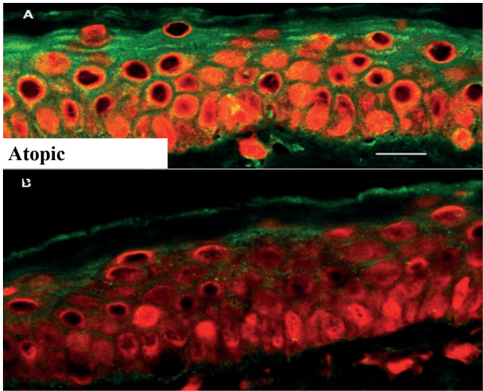
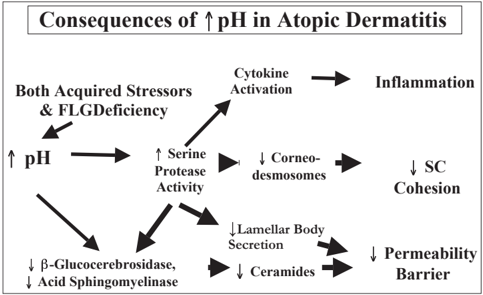
Verification
Claims the paper makes
The claims and statistics of this paper haven’t been checked yet.
Free: it reads the open-access text and checks the first 5 claims that cite a source we can check. Create a free account to check every claim.
Claims other papers make about this one
Each is checked against this paper’s own text: does it say what the citing paper says it does?
The source backs part of the claim, not all of it — or backs it for a different population, condition or comparison.
In the citing paper
“Patients with AD frequently exhibit dysbiosis, manifested by a decrease in microbial diversity, with a skin environment that favors the growth of S. aureus, associated to an increase in skin pH and antimicrobial component deficiencies.97, 98, 99, 100, 101, 102”
From Update on the pathogenesis of atopic dermatitis. (2024) · cites this paper as [99]
Experimental — accuracy not yet measured
Self-check
Percentages, sums and reported differences re-computed from the paper’s own numbers.
The self-check needs the paper’s full text.
Citations
Cites
Odds, F. C. (1979) · Medical Entomology and Zoology · Cited by 1,297
Imokawa, G., Abe, A., Jin, K., Higaki, Y., Kawashima, M., & Hidano, A. (1991) · Journal of Investigative Dermatology · doi:10.1111/1523-1747.ep12470233 · Cited by 1,041
Structural and Lipid Biochemical Correlates of the Epidermal Permeability Barrier
ELIAS, P. M., & MENON, G. K. (1991) · Advances in Lipid Research · doi:10.1016/b978-0-12-024924-4.50005-5 · Cited by 678
Proteinase-Activated Receptor-2 Mediates Itch: A Novel Pathway for Pruritus in Human Skin
Steinhoff, M., Neisius, U., Ikoma, A., Fartasch, M., Heyer, G., Skov, P. S., Luger, T. A., & Schmelz, M. (2003) · The Journal of Neuroscience · doi:10.1523/jneurosci.23-15-06176.2003 · Cited by 653
Hachem, J.-P., Crumrine, D., Fluhr, J., Brown, B. E., Feingold, K. R., & Elias, P. M. (2003) · Journal of Investigative Dermatology · doi:10.1046/j.1523-1747.2003.12365.x · Cited by 530
Frosch, P. J., & Kligman, A. M. (1979) · Journal of the American Academy of Dermatology · doi:10.1016/s0190-9622(79)70001-6 · Cited by 376
Ananthapadmanabhan, K. P., Moore, D. J., Subramanyan, K., Misra, M., & Meyer, F. (2004) · Dermatologic Therapy · doi:10.1111/j.1396-0296.2004.04s1002.x · Cited by 375
Fluhr, J. W., Kao, J., Ahn, S. K., Feingold, K. R., Elias, P. M., & Jain, M. (2001) · Journal of Investigative Dermatology · doi:10.1046/j.0022-202x.2001.01399.x · Cited by 362
Seidenari, S., & Giusti, G. (1995) · Acta Dermato-Venereologica · doi:10.2340/0001555575429433 · Cited by 344
Hachem, J.-P., Man, M.-Q., Crumrine, D., Uchida, Y., Brown, B. E., Rogiers, V., Roseeuw, D., Feingold, K. R., & Elias, P. M. (2005) · Journal of Investigative Dermatology · doi:10.1111/j.0022-202x.2005.23838.x · Cited by 314
Research works printed but not linked: 12
- [10]10. Yosipovitch G, Maibach HI. Skin surface pH: a protective acid mantle. Cosmet Toiletries 1996; 111: 101-102.
- [17]17. Fluhr JW, Darlenski r, lachmann N, Baudouin C, Msika P, De Belilovsky C, Hachem JP. Infant epidermal skin- physiology: Adaptation after birth. Br J Dermatol 2012; 166: 483-490.
- [18]18. laufer A, Dikstein S. objective measurement and self- assessment of skin-care treatments. Cosmet Toiletries 1996; 111: 91-98.
- [21]21. Braun-Falco o, korting HC. Der normale pH-Wert der Haut. Hautarzt 1986; 37: 126-129.
- [22]22. korting HC, lucacs A, Braun-Falco o. Mikrobielle Flora und Geruch der menschlichen Haut. Hautarzt 1988; 39: 564-568.
- [27]27. Friberg SE. Micelles, microemulsions, liquid crystals, and the structure of stratum corneum lipids. J Soc Cosmet Chem 1990; 41: 155-171.
- [35]35. Ekholm E, Brattsand M, Egelrud T. Stratum corneum tryptic enzyme in normal epidermis: A missing link in the desquamation process? J Invest Dermatol 2000; 114: 56-63.
- [39]39. Schittek B, Hipfel r, Sauer B, Bauer J, kalbacher H, Steva- novic S, et al. Dermicidin: a novel human antibiotic peptide secreted by sweat glands. Nat Immunol 2001; 2: 1133-1137.
- [68]68. Seidenari S, Francomano M, Mantovani l. Baseline biop- hysical parameters in subjects with sensative skin. Contact Dermatitis 1998; 38: 311-315.
- [69]69. Wilhelm kP, Maibach HI. Susceptibility to irritant dermati- tis induced by sodium lauryl sulphate. J Am Acad Dermatol 1990; 23: 123-124.
- [79]79. Simion FA. Human in vivo methods for assessing the irritation potential of cleansing systems. In: MM riger, lD rhein, editors. Surfactants in Cosmetics. Surfactant Science Series, Vol. 68. New York, NY: Marcel Dekker, 1997: 519-532.
- [90]90. Fluhr, JW, Bankova l, Dikstein S. Skin surface pH, me- chanism, measurement, importance. In: Handbook of Non Invasive Methods and the Skin, second edn. Ed. Serup J, Jemec G, Grove l, editors. Taylor & Francis Boca raton 2006: p. 411-420.
Cited by
Items 201–300 of 756
Survey of neonatal nurses' practices and beliefs in relation to skin health
Liversedge, H. L., Bader, D. L., Schoonhoven, L., & Worsley, P. R. (2017) · Journal of Neonatal Nursing · doi:10.1016/j.jnn.2017.07.007 · Cited by 25
“In addition, neonates, including those born at term, have a neutral skin pH, in contrast to the “acid mantle” of older children and adults (Ali and Yosipovitch, 2013; Visscher and Narendran, 2014).”
ResultFirooz, A., Yazdanparast, T., Yazdani, K., Humbert, P. G., Khatami, A., Nasrollahi, S. A., & Firouzabadi, L. I. (2019) · Indian Journal of Dermatology · doi:10.4103/ijd.ijd_464_17 · Cited by 24
“This finding has been previously reported and attributed to several factors such as reduced free amino acids and urocanic acids, deficient filaggrin, and reduced sweat secretions.[24] So Schmid–Wendtner believed that the application of synthetic detergents with a pH of about 5.”
BackgroundKenaf (Hibiscus cannabinus L.) seed oil: Application as cosmetic product ingredients
Chu, C. C., & Nyam, K. L. (2020) · Industrial Crops and Products · doi:10.1016/j.indcrop.2020.112871 · Cited by 24
Novel drug-loaded film forming patch based on gelatin and snail slime
Filippo, M. F. D., Albertini, B., Dolci, L. S., Bonvicini, F., Bigi, A., Gentilomi, G. A., Passerini, N., & Panzavolta, S. (2021) · International Journal of Pharmaceutics · doi:10.1016/j.ijpharm.2021.120408 · Cited by 23
Nurwaini, S., & Saputri, I. D. (2018) · Talenta Conference Series Tropical Medicine (TM) · doi:10.32734/tm.v1i3.266 · Cited by 22
Amar, Y., Schneider, E., Köberle, M., Seeholzer, T., Musiol, S., Hölge, I. M., Gschwendtner, S., Krappmann, D., Steiger, K., Biedermann, T., et al. (2022) · Journal of the European Academy of Dermatology and Venereology · doi:10.1111/jdv.17911 · Cited by 25
Wilson, H. J. E., Avşar, P., Patton, D., Budri, A., & Moore, Z. E. H. (2022) · International Wound Journal · doi:10.1111/iwj.13934 · Cited by 25
“Maintenance of a normal skin barrier is dependent upon an acidic pH level, whereby a deviation in PH results in an abnormal permeability, reduced barrier integrity and inhibits optimal microbiome function.(8) A disruption to this functional network would therefore contribute to inflammation, loss of hydration and alte…”
BackgroundRahimnia, S. M., Saeedi, M., Morteza‐Semnani, K., Âkbari, J., Ghasemi, M., Abootorabi, S., Negarandeh, R., Eghbali, M., Jafarkhani, B., Boskabadi, M., et al. (2023) · Pharmaceutical Sciences · doi:10.34172/ps.2023.23 · Cited by 25
Tangsongcharoen, W., Punyamoonwongsa, P., & Chaiyasat, P. (2018) · Polymer International · doi:10.1002/pi.5757 · Cited by 22
Schulte to Brinke, A., Mehlich, A., Doberenz, C., & Janssens-Böcker, C. (2021) · Journal of Cosmetics, Dermatological Sciences and Applications · doi:10.4236/jcdsa.2021.111005 · Cited by 21
“Especially in the stratum corneum, the pH value is of great importance for the physical, chemical and microbiological barrier function [2] [3] [4] [5].”
BackgroundKhan, Z. U., Khan, T., Mannan, A., Ali, A., & Ni, J. (2022) · Biomedicines · doi:10.3390/biomedicines10092266 · Cited by 24
“Skin pH ranges 4–6 and its low pH is necessary for its normal physiology [77], in pathological conditions like dermatitis, acne it exceeds than normal range [78].”
BackgroundAcid mantle: What we need to know
Kumar, P., & Das, A. (2023) · Indian Journal of Dermatology Venereology and Leprology · doi:10.25259/ijdvl_153_2022 · Cited by 24
“1 Hence, daily hand washing with soaps has an etiological role in the initiation, maintenance, aggravation and progression of hand eczema.”
InfluentialThe long‐term use of soap does not affect the pH ‐maintenance mechanism of human skin
Takagi, Y., Kaneda, K., Miyaki, M., Matsuo, K., Kawada, H., & Hosokawa, H. (2014) · Skin Research and Technology · doi:10.1111/srt.12170 · Cited by 21
“Many factors, such as age, ethnic differences, sebum, sweat, detergents, cosmetics, and irritation, affect the pH of the skin (8, 9).”
BackgroundSanthanam, R. K., Akhtar, M. T., Ahmad, S., Abas, F., Ismail, I. S., Rukayadi, Y., & Shaari, K. (2016) · Industrial Crops and Products · doi:10.1016/j.indcrop.2016.11.058 · Cited by 26
Ali, A. M., Hill, H. J., Elkhouly, G. E., Bakkar, M. R., Raya, N. R., Stamataki, Z., & Abo‐zeid, Y. (2022) · Antibiotics · doi:10.3390/antibiotics11111556 · Cited by 22
“43; this is consistent with the acceptable pH range (4–7) recommended for skin application [50,51] and is not likely to induce any skin irritation, as previously reported [6,23,52–54].”
BackgroundHassaninejad Farahani, F., Moraffah, F., Samadi, N., Sharifzadeh, M., Motasadizadeh, H., & Vatanara, A. (2023) · International Journal of Pharmaceutics · doi:10.1016/j.ijpharm.2023.122800 · Cited by 20
Intertrigo: causes, prevention and management
Voegeli, D. (2020) · British Journal of Nursing · doi:10.12968/bjon.2020.29.12.s16 · Cited by 24
Matus, C. E., Ehrenfeld, P., & Figueroa, C. D. (2022) · American Journal of Physiology-Cell Physiology · doi:10.1152/ajpcell.00012.2022 · Cited by 21
Aleemardani, M., Trikić, M. Z., Green, N. H., & Claeyssens, F. (2022) · Biomaterials Science · doi:10.1039/d2bm01335e · Cited by 20
Importance of tryptophan nitration of carbonic anhydrase III for the morbidity of atopic dermatitis
Kawasaki, H., Tominaga, M., Shigenaga, A., Kamo, A., Kamata, Y., Iizumi, K., Kimura, U., Ogawa, H., Takamori, K., & Yamakura, F. (2014) · Free Radical Biology and Medicine · doi:10.1016/j.freeradbiomed.2014.04.034 · Cited by 20
Arisandi, D., Ogai, K., Urai, T., Aoki, M., Minematsu, T., Okamoto, S., Sanada, H., Nakatani, T., & Sugama, J. (2020) · Journal of Wound Care · doi:10.12968/jowc.2020.29.sup4.s14 · Cited by 22
Variation of biophysical parameters of the skin with age, gender, and lifestyles
Zhao, C., Wang, X., Mao, Y., Xu, Z., Sun, Y., Mei, X., & Shi, W. (2020) · Journal of Cosmetic Dermatology · doi:10.1111/jocd.13453 · Cited by 22
Montero‐Vílchez, T., Martínez‐López, A., Cuenca‐Barrales, C., Quiñones-Vico, M. I., Sierra-Sánchez, Á., Molina‐Leyva, A., Gonçalo, M., Martín, J. C., & Arias‐Santiago, S. (2021) · Contact Dermatitis · doi:10.1111/cod.14034 · Cited by 20
“pH increase observed in the water and soap group may be explained by the alkaline pH of soap, or related to stratum corneum swelling, lipid rigidity, and skin irritation.(33) TAC decreased in all groups, for both fast antioxidants and slow antioxidants.”
BackgroundFalloon, S. S., Abbas, S., Stridfeldt, C., & Cottenden, A. M. (2018) · Journal of Wound Ostomy and Continence Nursing · doi:10.1097/won.0000000000000449 · Cited by 20
Batory, M., Namieciński, P., & Rotsztejn, H. (2018) · International Journal of Dermatology · doi:10.1111/ijd.14198 · Cited by 22
Pereira, A. P. D., Antunes, P., Bierge, P., Willems, R. J. L., Corander, J., Coque, T. M., Pich, Ò. Q., Peixe, L. M. S. V., Freitas, A. R., Novais, C., et al. (2023) · Microbiology Spectrum · doi:10.1128/spectrum.02324-23 · Cited by 22
Feng, G., Zhang, H., Liu, H., Zhang, X., Jiang, H., Liao, S., Luo, X., Yao, H., Xiang, B., Liu, S., et al. (2024) · Research · doi:10.34133/research.0464 · Cited by 20
Ohkubo, T., Matsumoto, Y., Ogasawara, Y., & Sugita, T. (2021) · Biochemical and Biophysical Research Communications · doi:10.1016/j.bbrc.2021.12.053 · Cited by 21
Kottner, J., Beeckman, D., Vogt, A., & Blume‐Peytavi, U. (2019) · Elsevier eBooks · doi:10.1016/b978-0-12-815028-3.00011-0 · Cited by 24
Khat‐udomkiri, N., Gatnawa, G., Boonlerd, N., & Myo, H. (2023) · Waste and Biomass Valorization · doi:10.1007/s12649-023-02148-x · Cited by 18
“After considering the pH range of the skin of 4–6 [36], the gel containing 5% MAEG extract formulation is applicable in skincare and pharmaceutical applications as previously reported by Salem et al. (2022) [37].”
Ferrante, M., Álvarez, V. A., Gende, L. B., Guerrieri, D., Chuluyán, E., & González, J. S. (2024) · Colloid & Polymer Science · doi:10.1007/s00396-024-05261-y · Cited by 19
“This pH was chosen to mimic the conditions of the skin, which typically ranges between pH 4 and 6, making it relevant for topical applications [27].”
Lewicka, K., Smola-Dmochowska, A., Dobrzyński, P., Śmigiel-Gac, N., Jelonek, K., Musiał‐Kulik, M., & Rychter, P. (2024) · Polymers · doi:10.3390/polym16131815 · Cited by 20
“The studies were carried out in a Franz Cell system with a diffusion area of 1.767 cm 2 and a capacity of 7 mL for the receptor medium buffered to pH 5 (average physiologic skin pH value) [48].”
MethodInfluentialBliss, D. Z., Bland, P., Wiltzen, K. R., Gannon, A., Wilhems, A., Mathiason, M. A., & Turnbaugh, R. (2017) · Journal of Wound Ostomy and Continence Nursing · doi:10.1097/won.0000000000000362 · Cited by 19
Sroczyk, E. A., Bryant, J. A., de Cogan, F., Knapczyk‐Korczak, J., Marzec, M. M., Szewczyk, P. K., Banzhaf, M., & Stachewicz, U. (2022) · Applied Surface Science · doi:10.1016/j.apsusc.2022.153302 · Cited by 18
Szekalska, M., Sosnowska, K., Wróblewska, M., Basa, A., & Winnicka, K. (2022) · International Journal of Molecular Sciences · doi:10.3390/ijms23126775 · Cited by 18
“0) is the most beneficial for topical administration [19].”
BackgroundGil, V. S. B., Gil, C. S. B., Goulart, G. A. C., & Oréfice, R. L. (2019) · International Journal of Biological Macromolecules · doi:10.1016/j.ijbiomac.2019.08.056 · Cited by 18
Agaricus blazei Murrill from Brazil: an ingredient for nutraceutical and cosmeceutical applications
Taofiq, O., Rodrigues, F., Barros, L., Peralta, R. M., Barreiro, M. F., Ferreira, I. C. F. R., & Oliveira, M. B. P. P. (2019) · Food & Function · doi:10.1039/c8fo02461h · Cited by 17
Forest-Lalande, L. (2023) · Journal of Wound Ostomy and Continence Nursing · doi:10.1097/won.0000000000001001 · Cited by 19
Insights from Traditional Chinese Medicine for Restoring Skin Barrier Functions
Yang, J., Guo, J., Tang, P. L., Yan, S., Wang, X., Li, H., Xie, J., Deng, J., Hou, X., Du, Z., et al. (2024) · Pharmaceuticals · doi:10.3390/ph17091176 · Cited by 19
Acceleration of Collagen Breakdown by Extracellular Basic pH in Human Dermal Fibroblasts
Park, G., Oh, D., Kim, Y., & Park, M.-K. (2016) · Skin Pharmacology and Physiology · doi:10.1159/000447016 · Cited by 17
Binder, L., Klang, V., Rezaei, S. S., Neuer, O., Zhang, Z., Lunter, D. J., Wolzt, M., & Valenta, C. (2019) · International Journal of Pharmaceutics · doi:10.1016/j.ijpharm.2019.118694 · Cited by 17
2CS-CHX T Operon Signature of Chlorhexidine Tolerance among Enterococcus faecium Isolates
Duarte, B., Pereira, A. P. D., Freitas, A. R., Coque, T. M., Hammerum, A. M., Hasman, H., Antunes, P., Peixe, L. M. S. V., & Novais, C. (2019) · Applied and Environmental Microbiology · doi:10.1128/aem.01589-19 · Cited by 18
“As the skin pH ranges between 4 and 6 (33), we also performed a modified microdilution assay using Mueller-Hinton broth adjusted to a pH of 5 (chlorhexidine gluconate concentration range, 2 to 512 mg/ liter) to evaluate if a more acidic pH than that used in standard conditions (7.”
MethodOne-step extrusion of concentrated lidocaine lipid nanocarrier (LNC) dispersions
Guo, M., Wei, Y., Lee, H., Maia, J. M., & Morrison, E. D. (2020) · International Journal of Pharmaceutics · doi:10.1016/j.ijpharm.2020.119817 · Cited by 17
Moussaoui, S. E., Abo-Horan, I., Halbaut, L., Alonso, C., Coderch, L., Garduño-Ramírez, M. L., Clares, B., Soriano-Ruiz, J. L., Calpena, A. C., Fernández-Campos, F., et al. (2021) · Pharmaceutics · doi:10.3390/pharmaceutics13111784 · Cited by 17
“The pH of the external aqueous phase of the KT-NPs as well as of the KT-CTS gel were within the pH range of the healthy skin so the formulations are not expected to cause any disorder [45,46].”
BackgroundMarks, H. L., Cook, K., Roussakis, E., Cascales, J. P., Korunes-Miller, J. T., Grinstaff, M. W., & Evans, C. L. (2022) · Advanced Healthcare Materials · doi:10.1002/adhm.202101605 · Cited by 17
Acanthamoeba mauritaniensis genotype T4D: An environmental isolate displays pathogenic behavior
Coronado‐Velázquez, D., Silva-Olivares, A., Castro‐Muñozledo, F., Lares‐Jiménez, L. F., Rodríguez-Anaya, L. Z., Shibayama, M., & Serrano‐Luna, J. (2019) · Parasitology International · doi:10.1016/j.parint.2019.102002 · Cited by 17
Ferguson, D., Harwood, P. J., Allgar, V. L., Roy, A., Foster, P., Taylor, M., Moulder, E., & Sharma, H. (2021) · The Bone & Joint Journal · doi:10.1302/0301-620x.103b2.bjj-2020-0680.r1 · Cited by 16
Budama‐Kilinc, Y., Gök, B., Kecel‐Gunduz, S., & Altuntaş, E. (2022) · Arabian Journal of Chemistry · doi:10.1016/j.arabjc.2022.104362 · Cited by 17
Lin, N., Ding, N., Meza‐Wilson, E., Devasurendra, A. M., Godwin, C., Park, S. K., & Batterman, S. (2023) · Environmental Science & Technology · doi:10.1021/acs.est.3c02862 · Cited by 16
Electrochemical pH Sensor Incorporated Wearables for State-of-the-Art Wound Care
Li, Y., Song, S., Song, J., Gong, R., & Abbas, G. (2025) · ACS Sensors · doi:10.1021/acssensors.4c03408 · Cited by 18
Chalyk, N. E., Bandaletova, T. Y., Kyle, N., & Petyaev, I. M. (2016) · Skin Research and Technology · doi:10.1111/srt.12321 · Cited by 16
“SC) of the skin has an acidic pH between 4 and 6, attributed to the presence of a thin semi-liquid layer of substance called the ‘acid mantle’, which is now recognised as a key factor in barrier homeostasis, SC integrity and renewal as well as antimicrobial defence (14, 15).”
BackgroundHuman brain activity reflecting facial attractiveness from skin reflection
SAKANO, Y., Wada, A., Ikeda, H., Saheki, Y., Tagai, K., & Ando, H. (2021) · Scientific Reports · doi:10.1038/s41598-021-82601-w · Cited by 18
Mojumdar, E. H., Madsen, L. B., Hansson, H., Taavoniku, I., Kristensen, K., Persson, C., Morén, A. K., Mokso, R., Schmidtchen, A., Ruzgas, T. A., et al. (2021) · Biomedicines · doi:10.3390/biomedicines9040360 · Cited by 16
“1 was recorded on day 14 and onwards when the wound surfaces were dry, which was in agreement with skin surface pH values reported in the literature [47,48].”
ResultPrevention and management of moisture-associated skin damage
Voegeli, D., & Hillery, S. (2021) · British Journal of Nursing · doi:10.12968/bjon.2021.30.15.s40 · Cited by 16
Skin microbiome considerations for long haul space flights
Caswell, G. M., & Eshelby, B. (2022) · Frontiers in Cell and Developmental Biology · doi:10.3389/fcell.2022.956432 · Cited by 17
“…astronaut health which may become cardinal to ensuring successful missions is maintenance of a healthy skin microbiome within the microgravity environment (Horneck and Comet, 2006; Stewart et al., 2007; Taddeo et al., 2008; Skardal et al., 2012; Saba, 2013; Tottoli et al., 2020; Paul et al., 2021).”
BackgroundMartinović, L. S., Birkić, N., Miletić, V., Antolović, R., Štanfel, D., & Wittine, K. (2023) · International Journal of Molecular Sciences · doi:10.3390/ijms24021410 · Cited by 17
Back, P. I., Furtado, L. R., Nemitz, M. C., Balestrin, L. A., Fachel, F. N. S., Gomes, H. M., Schuh, R. S., Moreira, J. C. F., von Poser, G. L., & Teixeira, H. F. (2018) · AAPS PharmSciTech · doi:10.1208/s12249-018-1133-x · Cited by 17
Applicability of Nanoemulsions for the Incorporation of Bioactive Compounds in Cosmetics: A Review
de Souza, A. C., Sípoli, C. C., Aranha, A. C. R., Samulewski, R. B., da Silva, G. N., Defendi, R. O., Gomes, M. C. S., & Suzuki, R. M. (2026) · ACS Omega · doi:10.1021/acsomega.5c08224 · Cited by 18
Bahmani, S., Khajavi, R., Ehsani, M., Rahimi, M. K., & Kalaee, M. (2023) · AAPS Open · doi:10.1186/s41120-023-00074-9 · Cited by 15
“2003; Proksch 2018; Ali and Yosipovitch 2013).”
BackgroundAleemardani, M., Johnson, L. D. V., Trikić, M. Z., Green, N. H., & Claeyssens, F. (2023) · Materials Today Advances · doi:10.1016/j.mtadv.2023.100410 · Cited by 17
Ma, L., Zhang, H., Jia, Q., Bai, T., Yang, S., Wang, M., Li, Y., & Shao, L. (2024) · Clinical Cosmetic and Investigational Dermatology · doi:10.2147/ccid.s447412 · Cited by 18
Natural anthocyanin-based wearable colorimetric pH indicator with high color fastness
Zhu, W., Ma, Z., Zhang, L., Yang, C., Xu, F., & Yu, J. (2025) · Dyes and Pigments · doi:10.1016/j.dyepig.2025.112789 · Cited by 15
Stimuli-responsive hydrogels for enhanced skin wound Healing: Mechanisms, applications, and advances
Liu, Z., Ma, Z., & Hu, P. (2025) · Journal of Drug Delivery Science and Technology · doi:10.1016/j.jddst.2025.107308 · Cited by 20
A Review on the Potential Use of Chitosan-Based Delivery System in Mild Facial Cleansing Formulation
Mahmud, T., Aziz, A. A., & Muda, R. (2014) · International Journal of Polymeric Materials · doi:10.1080/00914037.2014.958832 · Cited by 15
Nadiratuzzahra, S., & Tristantini, D. (2020) · AIP conference proceedings · doi:10.1063/5.0005117 · Cited by 17
Pengembangan Formula Hidrogel Balutan Luka Menggunakan Kombinasi Polimer Galaktomanan dan PVP
Brawijaya, U., rahayuningdyah, D. W., Lyrawati, D., Brawijaya, U., Widodo, F., & Brawijaya, U. (2020) · Pharmaceutical Journal of Indonesia · doi:10.21776/ub.pji.2020.005.02.8 · Cited by 15
Pinto, N. D. C. C., Maciel, M. D. S. F., Rezende, N. D. S., Duque, A. P. D. N., Mendes, R. D. F., da Silva, J. B., Evangelista, M. D. R., Monteiro, L. C., da Silva, J. M., da Costa, J. D. C., et al. (2020) · Journal of Pharmacy and Pharmacology · doi:10.1111/jphp.13357 · Cited by 15
Bullón, J., Márquez, L., Fernández, J. A., Scorzza, C., Scorza, J. V., Rodríguez, J., Cordero, A., Véjar, F., Koteich-Khatib, S., & Forgiarini, A. (2021) · Cosmetics · doi:10.3390/cosmetics8040115 · Cited by 18
“The topical cream pH was between 6 and 7, which is considered a compatible value with the pH of skin, sometimes referred to as an optimal pH [87,88].”
BackgroundButkevičiūtė, A., Ramanauskienė, K., & Janulis, V. (2022) · Antioxidants · doi:10.3390/antiox11020373 · Cited by 15
“Semi-solid preparations with an alkaline pH may cause swelling of the skin, may affect the lipid barrier of the skin and may increase the risk of skin diseases, such as candidiasis, atopic dermatitis or acne [36].”
BackgroundInfluentialSolis-Arevalo, K. K., González, M. T. G., López-Calderón, H. D., Solís-Rojas, C., & Arévalo‐Niño, K. (2019) · IEEE Transactions on NanoBioscience · doi:10.1109/tnb.2019.2924166 · Cited by 15
“Acetates buffer was used in both assays since the skin’s pH is an average of 5 [15].”
MethodMugita, Y., Nakagami, G., Minematsu, T., Kitamura, A., & Sanada, H. (2020) · International Wound Journal · doi:10.1111/iwj.13422 · Cited by 15
“The skin surface is normally acidic, with a pH ranging from 4 to 6.(11,12) This acidic pH helps prevent colonisation by pathogenic bacteria.”
BackgroundAbe, M., Masuda, M., Mizukami, Y., Inoue, S., & Mizutani, Y. (2024) · Journal of Biological Chemistry · doi:10.1016/j.jbc.2024.107449 · Cited by 14
“The exocytosis of lamellar bodies maintains the pH at 4.5 to 5.0 in the lower part of SC (44).”
BackgroundInfluentialQbD-Based Investigation of Dermal Semisolid in situ Film-Forming Systems for Local Anaesthesia
Kovács, A., Kis, N., Budai-Szűcs, M., Gácsi, A., Csányi, E., Csóka, I., & Berkó, S. (2020) · Drug Design Development and Therapy · doi:10.2147/dddt.s279727 · Cited by 15
Kim, B. J., Lee, N. R., Lee, C. H., Lee, Y. B., Choe, S. J., Lee, S., Hwang, H. J., Kim, E., Lavery, G. G., Shin, K., et al. (2021) · International Journal of Molecular Sciences · doi:10.3390/ijms22115750 · Cited by 16
“Increased active GC levels reportedly deteriorate the skin barrier function by inhibiting keratinocyte differentiation and proliferation [41,42], lipid synthesis [9], and serine protease activation via an increase in the skin surface pH [43,44].”
BackgroundRydzik, Ł., Ambroży, T., Obmiński, Z., Błach, W., & Ouergui, I. (2021) · International Journal of Environmental Research and Public Health · doi:10.3390/ijerph182111625 · Cited by 17
“An acidic pH helps to keep the number of microorganisms at an appropriate level, increases the activity of bactericidal proteins and lipids, and facilitates proper skin keratinization and exfoliation, and wound healing [30].”
BackgroundRincón, M., Silva-Abreu, M., Espinoza, L. C., Sosa, L., Calpena, A. C., Rodríguez-Lagunas, M. J., & Colom, H. (2021) · Pharmaceuticals · doi:10.3390/ph15010022 · Cited by 16
“5, which is biocompatible with the skin [22].”
BackgroundApplication of artificial intelligence in the analysis of the facial skin health condition
Alagic, A., Alihodžić, S., Alispahić, N., Bečić, E., Smajović, A., Bečić, F., Bećirović, L. S., Pokvić, L. G., & Badnjević, A. (2022) · IFAC-PapersOnLine · doi:10.1016/j.ifacol.2022.06.005 · Cited by 14
Escalante, A., & Serra‐Baldrich, E. (2023) · European Journal of Dermatology · doi:10.1684/ejd.2023.4514 · Cited by 16
“This environment leads to activating endogenous skin proteases, keratinocyte PAR2 receptors and, hence, the non-histaminergic itch pathway [38].”
Ha, N. G., Kim, S. L., Lee, S. H., & Lee, W. J. (2023) · Skin Research and Technology · doi:10.1111/srt.13499 · Cited by 15
Costa, G. M. D., & Campos, P. M. B. G. M. (2024) · Cosmetics · doi:10.3390/cosmetics11030068 · Cited by 14
Technological features of advanced skin protectants and an examination of the evidence base
Woo, K. Y., Hill, R., LeBlanc, K. A., Schultz, G., Swanson, T., Weir, D., & Mayer, D. (2019) · Journal of Wound Care · doi:10.12968/jowc.2019.28.2.110 · Cited by 14
Stimuli-responsive smart nanocarriers for skin drug delivery
Abdoh, A., Imran, M., AL-Smadi, K., Kaur, H., Ali, M., Kumeria, T., & Mohammed, Y. (2025) · International Journal of Pharmaceutics · doi:10.1016/j.ijpharm.2025.126534 · Cited by 23
Almeida, C. J., Roque, R., Vieira, J., Júlio, A. L. G., Saraiva, N., Pereira‐Leite, C., & Rosado, C. (2024) · International Journal of Pharmaceutics · doi:10.1016/j.ijpharm.2024.124929 · Cited by 16
BATHING, MAKE-UP, AND SUNSCREEN: WHICH PRODUCTS DO CHILDREN USE?
Melo, T. G. D., Rosvailer, M. S. C., & Carvalho, V. O. (2020) · Revista Paulista de Pediatria · doi:10.1590/1984-0462/2020/38/2018319 · Cited by 15
Formulasi dan Evaluasi Bedak Tabur Daging Labu Kuning (Cucurbita maxima D.)
Erwiyani, A. R., Wulandini, R. P. R., Zakinah, T. D., & Sunnah, I. (2022) · Majalah Farmasetika · doi:10.24198/mfarmasetika.v7i4.39149 · Cited by 13
“Nilai pH kulit yang cenderung asam secara fisiologis berfungsi sebagai pelindung kulit dari paparan mikroorganisme patogen (23).”
BackgroundAbels, C., Reich, H., Knie, U., Werdier, D., & Lemmnitz, G. (2014) · Journal of Cosmetic Dermatology · doi:10.1111/jocd.12086 · Cited by 17
Formulation Characterization and Evaluation of Meloxicam Nanoemulgel to be Used Topically
Drais, H. K., & Hussein, A. A. (2017) · Iraqi Journal of Pharmaceutical Sciences · doi:10.31351/vol26iss1pp9-16 · Cited by 13
Bayramov, D. F., Li, Z., Patel, E., Izadjoo, M. J., Kim, H., & Neff, J. A. (2018) · Military Medicine · doi:10.1093/milmed/usx135 · Cited by 13
Proksch, E., Soeberdt, M., Neumann, C., Kilić, A., Reich, H., & Abels, C. (2019) · Skin Pharmacology and Physiology · doi:10.1159/000501976 · Cited by 13
Hydrogel-Based Technologies for the Diagnosis of Skin Pathology
Wiraja, C., Ning, X., Cui, M., & Xu, C. (2020) · Technologies · doi:10.3390/technologies8030047 · Cited by 13
Ordoñez-Toro, A., Montero‐Vílchez, T., Muñoz-Baeza, J., la Torre, R. S.-D., Buendía‐Eisman, A., & Arias‐Santiago, S. (2022) · International Journal of Environmental Research and Public Health · doi:10.3390/ijerph192416678 · Cited by 12
“Some research suggests that deacidification of SC comprised barrier homeostasis and its integrity and excipients do not alter this beneficial property of the skin [12].”
BackgroundInfluentialSmart pH-Responsive Conductive Polyurethane Fibers: Doping Strategies for Advanced Wound Care
Du, Q., Zhang, Y., Tang, J., Fang, W., Lei, X., Zhang, J., Mu, B., Li, Y., Zuo, Y., & Li, Y. (2025) · ACS Applied Materials & Interfaces · doi:10.1021/acsami.5c07297 · Cited by 12
Formulation Development and Characterization of Bigels Containing Curcumin for Topical Skin Delivery
Liston, L. S., Phanapithakkun, S., Pimsarn, N., Dangkaokhia, N., Nakasan, T., Yoon, A. S., Todo, H., Srichana, T., Sawatdee, S., See, G. L., et al. (2025) · AAPS PharmSciTech · doi:10.1208/s12249-025-03166-9 · Cited by 14
“Although BG50 and BG30 have pH values slightly above the physiological skin surface range, they are still within the acceptable limits for topical formulations and are unlikely to cause irritation [42].”
Gaetano, V., Gagliardi, A., Giuliano, E., Longo, E., & Cosco, D. (2025) · Pharmaceutics · doi:10.3390/pharmaceutics17081068 · Cited by 15
“The protonated amino groups under physiological pH confer a positive charge that promotes strong electrostatic interactions with the negatively charged components of the stratum corneum, such as lipids and proteins [148,149].”
Phenethyl Isothiocyanate-Containing Carbomer Gel for Use against Squamous Cell Carcinoma
Osipitan, O. O., Shi, Y., & Pasqua, A. J. D. (2021) · Pharmaceutics · doi:10.3390/pharmaceutics13010106 · Cited by 14
“values are appropriate for the topical application to the skin [28].”
BackgroundInfluentialZhang, Z., Wang, X., Li, P., Bai, M., & Qi, W. (2021) · Journal of Biomaterials Science Polymer Edition · doi:10.1080/09205063.2021.1877065 · Cited by 13
“which comply with the acceptable range of normal skin pH values [61].”
BackgroundVerma, S., & Utreja, P. (2021) · Micro and Nanosystems · doi:10.2174/1876402913666210406163452 · Cited by 14
Aidoo, O., Kuntworbe, N., Owusu, F. W. A., & Kuevi, D. N. O. (2021) · Journal of Tropical Medicine · doi:10.1155/2021/5567063 · Cited by 12
“&e pH of the formulation was determined in order to be certain that the formulation can be used without the risk of irritancy to the skin [16].”
BackgroundCompositional Variations between Adult and Infant Skin Microbiome: An Update
Murphy, B., Hoptroff, M., Arnold, D. S., Cawley, A., Smith, E., Adams, S. E., Mitchell, A., Horsburgh, M. J., Hunt, J., Dasgupta, B. R., et al. (2023) · Microorganisms · doi:10.3390/microorganisms11061484 · Cited by 12
“The acidity of the skin surface influences the cutaneous bacterial composition [11–13] that acts as an important defense mechanism against pathogens [9,14].”
BackgroundGarcía‐Villegas, A., Fernández‐Ochoa, Á., Alañón, M. E., Rojas-García, A., Arraéz-Román, D., Cádiz‐Gurrea, M. D. L. L., & Segura‐Carretero, A. (2024) · International Journal of Molecular Sciences · doi:10.3390/ijms25073723 · Cited by 13
“Numerous studies report varying skin pH values, with a pH range from 4 to 7, although the natural pH of the skin surface is estimated to be 4.7 [85–87].”
BackgroundInfluential
Metadata
- Authors
- Ali, S., & Yosipovitch, G.
- Affiliations
- Wake Forest University Health Sciences (US)
- ORCID
- Yosipovitch, G
- Venue
- Acta Dermato Venereologica
- Published
- 2013
- Volume
- 93
- Issue
- 3
- Pages
- 261-267
- ISSN
- 0001-5555 (ISSN-L)
- OpenAlex
- W2160068319
- Semantic Scholar
- 8f94686302db22ab5a98a669f24af948bd6b192d
- Cited by
- 690
- References
- 90
- Citations by year
- 2026: 47 · 2025: 69 · 2024: 82 · 2023: 65 · 2022: 77 · 2021: 81 · 2020: 74 · 2019: 50 · 2018: 41 · 2017: 39 · 2016: 28 · 2015: 19 · 2014: 13 · 2013: 4
- FWCI
- 3.52
- Type
- journal article
- Language
- en
- Open access
- gold
- doi.org
- Licence
- cc-by-nc
- Locations
- Acta Dermato Venereologica (publishedVersion, cc-by-nc)
- PubMed (publishedVersion)
- Topics
- Health Sciences › Medicine › Dermatology › Dermatology and Skin Diseases
- Health Sciences › Medicine › Dermatology › Contact Dermatitis and Allergies
- Life Sciences › Pharmacology, Toxicology and Pharmaceutics › Pharmaceutical Science › Advancements in Transdermal Drug Delivery
- Keywords
- skin pH, acid mantle, stratum corneum, skin barrier function, antimicrobial defense, skin diseases, skin care products
- MeSH terms
- Animals, Homeostasis, Humans, Hydrogen-Ion Concentration, Skin, Skin Diseases, Skin Care, Translational Research, Biomedical
About these checks
Registry, retraction, Cites and statistics results are computed, not judged, with one exception: a printed reference that no index lists is read once by a model before it counts as a citation error. Claims are extracted by a model and kept only when their quote appears verbatim in the text; each cited source is then checked, with a model’s help, for whether it says what the claim relies on. Those verdicts can be wrong — read the claim’s quote and the cited source before relying on one.
Statistics and arithmetic are recomputed, not judged.
Confidence bands are shown only for fields calibrated on our annotated test set. None is calibrated yet, so no band is shown.
What counts as a claim ›How we measure confidence ›How we check this ›
Are you an author, or do you see a problem with this page? Request a review
Data sources
Bibliographic data: Semantic Scholar, OpenAlex, Crossref.
Contains information from the Semantic Scholar Academic Graph Datasets, made available under the ODC Attribution License (ODC-BY 1.0).
Semantic Scholar’s data is described in: Kinney, R., et al. (2023). The Semantic Scholar Open Data Platform. arXiv:2301.10140.
