

Novel insights into genetics and clinics of the HNF1A-MODY
Open accessThe DOI matches its Crossref record; 205 of the 205 references it cites were found in a registry or an index.
Abstract
MODY (Maturity Onset Diabetes of the Young) is a type of diabetes resulting from a pathogenic effect of gene mutations. Up to date, 13 MODY genes are known. Gene HNF1A is one of the most common causes of MODY diabetes (HNF1A-MODY; MODY3). This gene is polymorphic and more than 1200 pathogenic and non-pathogenic HNF1A variants were described in its UTRs, exons and introns. For HNF1A-MODY, not just gene but also phenotype heterogeneity is typical. Although there are some clinical instructions, HNF1A-MODY patients often do not meet every diagnostic criteria or they are still misdiagnosed as type 1 and type 2 diabetics. There is a constant effort to find suitable biomarkers to help with in distinguishing of MODY3 from Type 1 Diabetes (T1D) and Type 2 Diabetes (T2D). DNA sequencing is still necessary for unambiguous confirmation of clinical suspicion of MODY. NGS (Next Generation Sequencing) methods brought discoveries of multiple new gene variants and new instructions for their pathogenicity classification were required. The most actual problem is classification of variants with uncertain significance (VUS) which is a stumbling-block for clinical interpretation. Since MODY is a hereditary disease, DNA analysis of family members is helpful or even crucial. This review is updated summary about HNF1A-MODY genetics, pathophysiology, clinics functional studies and variant classification.
Overview
The claims and statistics of this paper haven’t been checked yet.
Free: it reads the open-access text and checks the first 5 claims that cite a source we can check. Create a free account to check every claim.
Integrity signals
Registry
Cites
Statistics
Figures
Verification
Claims the paper makes
The claims and statistics of this paper haven’t been checked yet.
Free: it reads the open-access text and checks the first 5 claims that cite a source we can check. Create a free account to check every claim.
Claims other papers make about this one
Each is checked against this paper’s own text: does it say what the citing paper says it does?
The source backs part of the claim, not all of it — or backs it for a different population, condition or comparison.
In the citing paper
“It is inherited in an autosomal dominant pattern with abnormalities in at least 13 genes on different chromosomes identi fi ed to date (162).”
From 2. Diagnosis and Classification of Diabetes: Standards of Care in Diabetes—2024 (2024) · cites this paper as [162]
Experimental — accuracy not yet measured
Self-check
Percentages, sums and reported differences re-computed from the paper’s own numbers.
The self-check needs the paper’s full text.
Citations
Cites
Richards, S., Aziz, N., Bale, S., Bick, D., Das, S., Gastier-Foster, J., Grody, W. W., Hegde, M., Lyon, E., Spector, E., et al. (2015) · Genetics in Medicine · doi:10.1038/gim.2015.30 · Cited by 32,594 · cited 2×
“Therefore, based on the instructions of American College of Medical Genetics and Genomics (ACMG), the more appropriate term is “variant” and it can be classified as pathogenic (class 5), likely pathogenic (class 4), variant with uncertain significance (class 3), likely benign (class 2) and benign (class 1) (Richards e…”
BackgroundMethodAnalysis of protein-coding genetic variation in 60,706 humans
Exome Aggregation Consortium, Lek, M., Karczewski, K. J., Minikel, E. V., Samocha, K. E., Banks, E., Fennell, T., O’Donnell-Luria, A. H., Ware, J. S., Hill, A. J., et al. (2016) · Nature · doi:10.1038/nature19057 · Cited by 9,587 · cited 2×
“…variants, ExAC database presents 894 variants and GnomAD 1231 variants spanning from the HNF1A promoter to 3´UTR region, including missense, frame shift, nonsense, splicing mutations, in-frame amino acid deletions, insertions, duplications or partial and whole-gene deletions (Lek et al. 2016).”
BackgroundSzklarczyk, D., Morris, J. H., Cook, H., Kuhn, M., Wyder, S., Simonovic, M., Santos, A., Doncheva, N. T., Roth, A., Bork, P., et al. (2017) · Nucleic Acids Research · doi:10.1093/nar/gkw937 · Cited by 6,980 · cited 1×
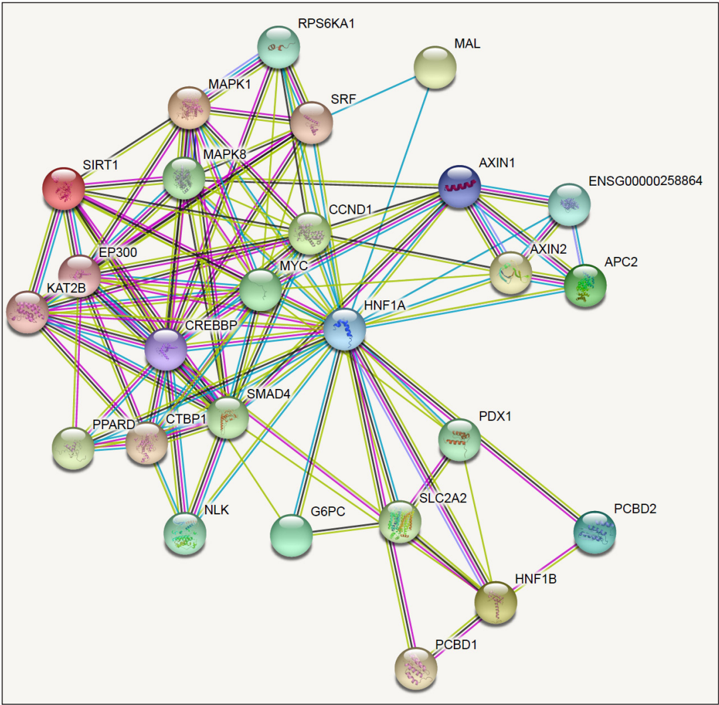
“They stem from computational prediction, from knowledge transfer between organisms, and from interactions aggregated from other (primary) databases (Szklarczyk et al. 2017).”
BackgroundO'Leary, N. A., Wright, M. W., Brister, J. R., Ciufo, S., Haddad, D., McVeigh, R., Rajput, B., Robbertse, B., Smith-White, B., Ako-Adjei, D., et al. (2016) · Nucleic Acids Research · doi:10.1093/nar/gkv1189 · Cited by 6,357 · cited 1×
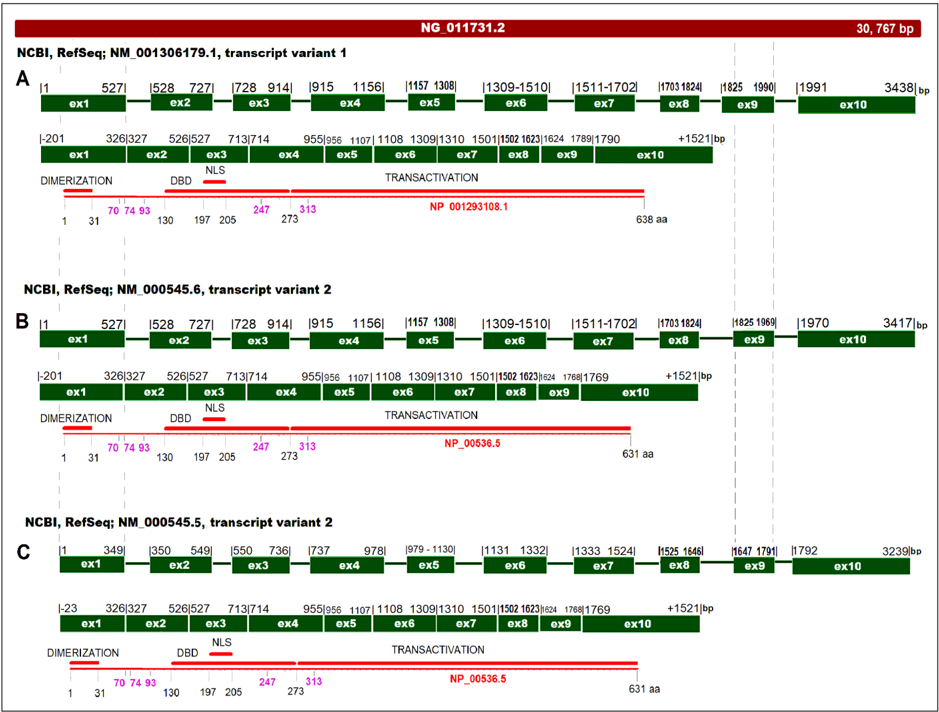
“The exact genomic position varies depending on genome assembly version, chr12:121,41,549-121,442,315 (30,767 bp) in GRCh37/hg19 assembly and chr12:120,973,746121,004,512 (30, 767 bp) in GRCh38/hg38 assembly (O’Leary et al. 2016).”
BackgroundFagerberg, L., Hallström, B. M., Oksvold, P., Kampf, C., Djureinovic, D., Odeberg, J., Habuka, M., Tahmasebpoor, S., Danielsson, A., Edlund, K., et al. (2014) · Molecular & Cellular Proteomics · doi:10.1074/mcp.m113.035600 · Cited by 3,665 · cited 3×
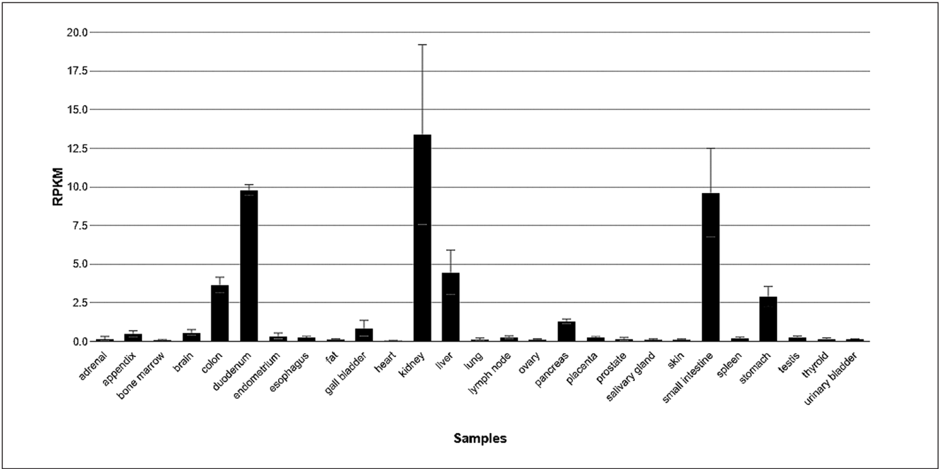
“RPKM (Reads Per Kilobase Million) indicates the transcript abundance (Geer et al. 2009; Fagerberg et al. 2014).”
BackgroundC-reactive protein: a critical update
Pepys, M. B., & Hirschfield, G. M. (2003) · Journal of Clinical Investigation · doi:10.1172/jci18921 · Cited by 3,503 · cited 1×
“This attribute of CRP is commonly used for detection of infection and inflammation since its expression rises during that time (Pepys and Hirschfield 2003; Armendariz and Krauss 2009).”
BackgroundA role for ghrelin in the central regulation of feeding
Nakazato, M., Murakami, N., Date, Y., Kojima, M., Matsuo, H., Kangawa, K., & Matsukura, S. (2001) · Nature · doi:10.1038/35051587 · Cited by 3,443 · cited 1×
“Despite that it was confirmed also by an animal studies, ghrelin is not sufficient discriminator of diabetes subtypes (Nakazato et al. 2001; Lussier et al. 2010; Brial et al. 2013; Nowak et al. 2015).”
ResultC-reactive protein: a critical update
Pepys, M. B., & Hirschfield, G. M. (2003) · Journal of Clinical Investigation · doi:10.1172/jci200318921 · Cited by 3,436
The new NHGRI-EBI Catalog of published genome-wide association studies (GWAS Catalog)
MacArthur, J., Bowler, E., Cerezo, M., Gil, L., Hall, P., Hastings, E., Junkins, H., McMahon, A., Milano, A., Morales, J., et al. (2017) · Nucleic Acids Research · doi:10.1093/nar/gkw1133 · Cited by 2,161 · cited 2×
“Study information are manually extracted from the literature and entered into the GWAS Catalogue (MacArthur et al. 2017).”
BackgroundMethodAmiGO: online access to ontology and annotation data
Carbon, S., Ireland, A., Mungall, C. J., Shu, S., Marshall, B., Lewis, S., Hub, T. A., & the Web Presence Working Group (2009) · Bioinformatics · doi:10.1093/bioinformatics/btn615 · Cited by 1,952 · cited 2×
“Gene ontology database is combination of automatically assigned electronic annotations: IEA (Inferred from Electronic annotation) and curator-assigned annotations: IDA (Inferred from direct assay), IGI (Inferred from Genetic Interactions) and IMP (Inferred from Mutant Phenotype) (Carbon et al. 2009).”
Method
Research works printed but not linked: 1
- Owen K, Thanabalasingham G, Juszczak A. Biomarkers for MODY subtypes [internet]. Diapedia 4104526113 rev. no. 29, 2014. Available from: https://doi.org/10.14496/dia.4104526113. · doi:10.14496/dia.4104526113
Cited by
2. Classification and Diagnosis of Diabetes: Standards of Medical Care in Diabetes—2022
American Diabetes Association Professional Practice Committee (2022) · Diabetes Care · doi:10.2337/dc22-s002 · Cited by 4,792
2. Classification and Diagnosis of Diabetes:Standards of Care in Diabetes—2023
ElSayed, N. A., Aleppo, G., Aroda, V. R., Bannuru, R. R., Brown, F. M., Bruemmer, D., Collins, B. S., Gaglia, J. L., Hilliard, M. E., Isaacs, D., et al. (2023) · Diabetes Care · doi:10.2337/dc23-s002 · Cited by 2,433
“It is inherited in an autosomal dominant pattern with abnormalities in at least 13 genes on different chromosomes identi fi ed to date (177).”
Background2. Diagnosis and Classification of Diabetes: Standards of Care in Diabetes—2024
American Diabetes Association Professional Practice Committee, ElSayed, N. A., Aleppo, G., Bannuru, R. R., Bruemmer, D., Collins, B. S., Ekhlaspour, L., Gaglia, J. L., Hilliard, M. E., Johnson, E. L., et al. (2024) · Diabetes Care · doi:10.2337/dc24-s002 · Cited by 2,086
Nkonge, K. M., Nkonge, D. K., & Nkonge, T. N. (2020) · Clinical Diabetes and Endocrinology · doi:10.1186/s40842-020-00112-5 · Cited by 178
Treatment options for MODY patients: a systematic review of literature
Delvecchio, M., Pastore, C., & Giordano, P. (2020) · Diabetes Therapy · doi:10.1007/s13300-020-00864-4 · Cited by 172
Lehtiö, J., Arslan, T., Siavelis, I., Pan, Y., Socciarelli, F., Berkovska, O., Umer, H. M., Mermelekas, G., Pirmoradian, M., Jönsson, M., et al. (2021) · Nature Cancer · doi:10.1038/s43018-021-00259-9 · Cited by 131
Update on clinical screening of maturity-onset diabetes of the young (MODY)
Peixoto-Barbosa, R., Reis, A. F., & Giuffrida, F. M. A. (2020) · Diabetology & Metabolic Syndrome · doi:10.1186/s13098-020-00557-9 · Cited by 116
“This treatment is usually effective for several decades, but in a case of severe decrease in beta-cell insulin production, insulin therapy is needed [48].”
BackgroundSingle cell multiomic analysis reveals diabetes-associated β-cell heterogeneity driven by HNF1A
Weng, C., Gu, A., Zhang, S., Lu, L., Ke, L., Gao, P., Liu, X., Wang, Y., Hu, P., Plummer, D., et al. (2023) · Nature Communications · doi:10.1038/s41467-023-41228-3 · Cited by 75
“Notable downregulated TFs include HNF1A/B and RFX6 , which have known diabetes association and/or play important roles in β -cell function 31 – 35 .”
InfluentialRole of Pharmacogenetics in Adverse Drug Reactions: An Update towards Personalized Medicine
Micaglio, E., Locati, E. H., Monasky, M. M., Romani, F., Heilbron, F., & Pappone, C. (2021) · Frontiers in Pharmacology · doi:10.3389/fphar.2021.651720 · Cited by 97
miRNAs as Biomarkers in Diabetes: Moving towards Precision Medicine
Angelescu, M. A., Andronic, O., Dima, S., Popescu, I., Meivar‐Levy, I., Ferber, S., & Lixandru, D. (2022) · International Journal of Molecular Sciences · doi:10.3390/ijms232112843 · Cited by 58
“On the other hand, mutations within the dimerization domain will end up affecting protein synthesis [23].”
BackgroundCujba, A.-M., Fallas, M. E. A., Pedraza‐Arévalo, S., Laddach, A., Shepherd, M. H., Hattersley, A. T., Watt, F. M., & Sancho, R. (2022) · Cell Reports · doi:10.1016/j.celrep.2022.110425 · Cited by 44
“Mutations in the DNA-binding homeodomain are related to several diseases besides MODY3 (Valkovicova et al., 2019).”
BackgroundMaturity Onset Diabetes of the Young—New Approaches for Disease Modelling
Skoczek, D., Dulak, J., & Kachamakova‐Trojanowska, N. (2021) · International Journal of Molecular Sciences · doi:10.3390/ijms22147553 · Cited by 48
“In humans, biallelic deletions of HNF1A are not observed because of its impact on development and homeostasis [40,41].”
BackgroundA Glimpse into Milestones of Insulin Resistance and an Updated Review of Its Management
Aedh, A. I., Alshahrani, M. S., Huneif, M. A., Pryme, I. F., & Oruch, R. (2023) · Nutrients · doi:10.3390/nu15040921 · Cited by 38
Antal, Z. (2021) · Endocrines · doi:10.3390/endocrines2040043 · Cited by 29
“Earlier age of diabetes onset is associated with maternal gene inheritance and exposure to diabetes in utero [5].”
BackgroundMaturity-Onset Diabetes of the Young: Mutations, Physiological Consequences, and Treatment Options
Younis, H., Ha, S. E., Jorgensen, B. G., Verma, A., & Ro, S. (2022) · Journal of Personalized Medicine · doi:10.3390/jpm12111762 · Cited by 31
Hu, M., Cherkaoui, I., Misra, S., & Rutter, G. A. (2020) · Frontiers in Endocrinology · doi:10.3389/fendo.2020.576632 · Cited by 27
“HNF4A and HNF1A regulate more than a dozen genes in human islets.”
BackgroundInfluentialHe, J., Du, C., Peng, X., Hong, W., Qiu, D., Qiu, X., Zhang, X., Qin, Y., & Zhang, Q. (2022) · Genes & Diseases · doi:10.1016/j.gendis.2022.05.029 · Cited by 20
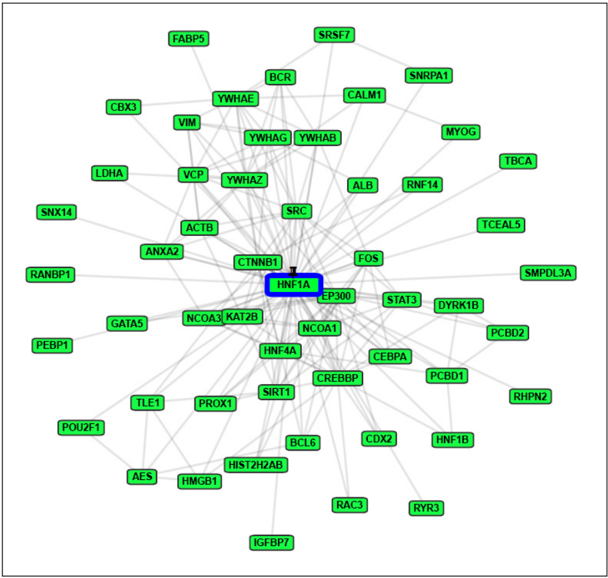
“To address this possibility, we performed a literature search and found that online proteineprotein interaction (PPI) databases such as GPS-Prot and Integration Interactions Database (IID) show 54 and 56 HNF1A interaction partners: both included the E3 ubiquitineprotein ligase Ring Finger Protein 14 (RNF14).(40,41) Mo…”
MethodUpdate on Monogenic Diabetes in Korea
Yang, Y., Kwak, S. H., & Park, K. S. (2020) · Diabetes & Metabolism Journal · doi:10.4093/dmj.2020.0214 · Cited by 19
“HNF1A is a polymorphic gene without any specified mutation hot-spot [39], and more than 400 different variants have been identified [40].”
BackgroundDiagnosis and Treatment of MODY: An Updated Mini Review
Tshivhase, A. M., Matsha, T. E., & Raghubeer, S. (2021) · Applied Sciences · doi:10.3390/app11209436 · Cited by 22
Yalcintepe, S. A., Çömlek, F. Ö., Gürkan, H., Demır, S., Atlı, E. İ., Atlı, E., Eker, D., & Tütüncüler, F. (2021) · Journal of Clinical Research in Pediatric Endocrinology · doi:10.4274/jcrpe.galenos.2021.2020.0285 · Cited by 16
Monogenic diabetes: An evidence-based clinical approach
Bhattacharya, S., Fernandez, C. J., Kamrul-Hasan, A. B. M., & Pappachan, J. M. (2025) · World Journal of Diabetes · doi:10.4239/wjd.v16.i5.104787 · Cited by 19
“Mutations in HNF4A, HNF1A, and HNF1B genes manifest as progressive β -cell failure, with a risk of macrovascular as well as microvascular complications similar to T2DM[38,41,65].”
InfluentialPancreatic β-Cell Identity Change through the Lens of Single-Cell Omics Research
Leenders, F., de Koning, E. J. P., & Carlotti, F. (2024) · International Journal of Molecular Sciences · doi:10.3390/ijms25094720 · Cited by 19
“Heterozygous mutations in HNF1A are sufficient to cause the most frequent form of the maturity onset diabetes of the young (MODY) [53].”
BackgroundBazzazzadehgan, S., Shariat‐Madar, Z., & Mahdi, F. (2025) · Biomolecules · doi:10.3390/biom15030414 · Cited by 21
Molecular mechanisms of β-cell dysfunction and death in monogenic forms of diabetes
Caballero, L. S., Gorgogietas, V. A., Arroyo, M. N., & Igoillo‐Esteve, M. (2021) · International review of cytology · doi:10.1016/bs.ircmb.2021.02.005 · Cited by 17
Patouni, K., Cinek, O., Průhová, Š., Elblová, L., Xatzipsalti, M., Sertedaki, A., & Vazeou, A. (2021) · European Journal of Medical Genetics · doi:10.1016/j.ejmg.2021.104264 · Cited by 14
Liu, M., Liu, L., Guo, H., Fan, X., Liu, T., Xu, C., Zhao, H., Song, Y., Gao, L., Shao, S., et al. (2023) · iScience · doi:10.1016/j.isci.2023.108018 · Cited by 14
“The geneHNF1A is composedof ten exons, encoding a transcription factor of 631-amino acid protein that contains three functional domains: anN-terminal dimerization domain (1–32), a homeoboxDNAbinding domain (82–281) and a transactivation domain (282–631).(5) HNF1a plays a critical role in controlling the expression of…”
Gaál, Z., Szücs, Z., Kántor, I., Luczay, A., Tóth‐Heyn, P., Benn, O., Felszeghy, E., Karádi, Z., Madar, L., & Balogh, I. (2021) · Life · doi:10.3390/life11080755 · Cited by 14
“This gene is considered to be polymorphic; mutations have been described in every domain of the gene, with no mutational hot-spots [17].”
BackgroundInfluentialWhere to for precision treatment of HNF1A-MODY?
Bonner, C., & Saponaro, C. (2022) · Diabetologia · doi:10.1007/s00125-022-05696-4 · Cited by 11
“Sulfonylureas are the first-line therapy for HNF1A-MODY patients [34].”
BackgroundMeta-analysis of HNF1A-MODY3 variants among human population
Behl, R., Malhotra, N., Joshi, V., Poojary, S., Middha, S., Gupta, S., Olaonipekun, A. B., Okoye, I., Wagh, B., Biswas, D., et al. (2022) · Journal of Diabetes & Metabolic Disorders · doi:10.1007/s40200-022-00975-8 · Cited by 10
“Given the abundance of primary research articles and the functional roles of the HNF1A gene in regulating gene expression for several other genes involved in glucose metabolism, including insulin (INS), glucose transporter (GLUT) 1 and 2, and sodium/glucose co-transporter 2 (SGLT2) [24], we performed a meta-analysis t…”
MethodKavitha, B., Ranganathan, S., Gopi, S., Vetrivel, U., Nagarajan, H., Mohan, V., & Venkatesan, R. (2023) · Frontiers in Endocrinology · doi:10.3389/fendo.2023.1177268 · Cited by 12
“Analyses of these variants have demonstrated that some of them render the protein unstable and poorly expressed (17, 18).”
BackgroundAteş, E. A., Üstay, Ö., Polat, H., Apaydın, T., Elbasan, O., Yıldırım, Ö., & Güney, A. İ. (2021) · Balkan Medical Journal · doi:10.5152/balkanmedj.2021.20155 · Cited by 10
Differential expression of HNF1A and HNF1A‐AS1 in colon cancer cells
Sepehri, Z., Banerjee, A., Vizeacoumar, F. S., Freywald, A., Vizeacoumar, F. J., Dolinsky, V. W., & Davie, J. (2022) · IUBMB Life · doi:10.1002/iub.2609 · Cited by 8
“The hepatic nuclear factor-1A (HNF1A) gene codes for a transcription factor that regulates the expression of genes in the liver, intestine, pancreas, and kidney.(9,10) Transcription of the lncRNA, HNF1A-AS1 (HNF1A – antisense RNA 1), initiates within the first intron of the HNF1A gene.”
BackgroundDoğan, M., Eröz, R., Bolu, S., Yüce, H., Gezdirici, A., Arslanoğlu, İ., & Teralı, K. (2022) · Molecular Biology Reports · doi:10.1007/s11033-022-07552-5 · Cited by 11
Wang, M., Shu, H., Xie, J., Huang, Y., Wang, K., Feng, R., Yu, X., Guan, J., Feng, W., & Liu, M. R. (2022) · Molecular and Cellular Endocrinology · doi:10.1016/j.mce.2022.111575 · Cited by 7
Biomarkers: Tools for Discriminating MODY from Other Diabetic Subtypes
Firdous, P., Nissar, K., Masoodi, S. R., & Ganai, B. A. (2022) · Indian Journal of Endocrinology and Metabolism · doi:10.4103/ijem.ijem_266_21 · Cited by 10
Moalla, M., Safi, W., Mansour, M. B., Kacem, M. H., Mahfood, M., Abid, M., Kammoun, T., Hachicha, M., Mnif‐Feki, M., Kacem, F. H., et al. (2021) · Frontiers in Endocrinology · doi:10.3389/fendo.2021.684018 · Cited by 8
“MODY3 patients are prone to cardiovascular and microvascular diabetes complications (64, 76).”
BackgroundA Systematic Review of the use of Precision Diagnostics in Monogenic DiabetesPreprint
Murphy, R., Colclough, K., Pollin, T., Ikle, J. M., Svalastoga, P., Maloney, K. A., Saint-Martin, C., Molnes, J., Misra, S., Aukrust, I., et al. (2023) · medRxiv · doi:10.1101/2023.04.15.23288269 · Cited by 3
Integrated bioinformatic analysis of HNF1A in human cancers
Zhang, E., Huang, X., & He, J. (2021) · Journal of International Medical Research · doi:10.1177/0300060521997326 · Cited by 10
“Studies revealed that HNF1A gene mutations are closely related to maturity-onset diabetes of the young type 3, type 2 diabetes, pancreatic cancer, and obesity.(23) Our results revealed the wide existence of HNF1A mutations in human cancers.”
BackgroundLiu, J., Yang, A., Lei, G., Yu, M., Peng, Y., & Le, A. (2022) · Frontiers in Endocrinology · doi:10.3389/fendo.2022.1059641 · Cited by 6
Huang, J., & Chen, Y.-L. (2025) · World Journal of Diabetes · doi:10.4239/wjd.v16.i5.100574 · Cited by 7
Rabby, M. G., Rahman, M. H., Islam, M. N., Kamal, M. M., Biswas, M., Bonny, M., & Hasan, M. M. (2023) · PLoS ONE · doi:10.1371/journal.pone.0294399 · Cited by 5
Targeting FGFR4 abrogates HNF1A-driven metastasis in pancreatic ductal adenocarcinoma
Crawford, K. J., Humphrey, K. S., Gomez, E. C., Wang, J., Kumarasamy, V. M., Wan, Y., Long, M. D., Feigin, M. E., Witkiewicz, A. K., Mann, K. M., et al. (2025) · Molecular Cancer · doi:10.1186/s12943-025-02408-5 · Cited by 7
“Hepatocyte nuclear factor 1 α (HNF1A) is a gastro-intestinal lineage transcription factor that controls the differentiation of liver and pancreatic cells [3–5].”
Trhanint, S., Bouguenouch, L., Abourazzak, S., Ouahabi, H. E., Latrech, H., Benyakhlef, S., Bennani, B., Bouchikhi, I. E., Moufid, F. Z., Ouldim, K., et al. (2021) · International Journal of Pediatrics and Adolescent Medicine · doi:10.1016/j.ijpam.2021.03.006 · Cited by 6
Genome Editing and Human Pluripotent Stem Cell Technologies for in vitro Monogenic Diabetes Modeling
Dabi, Y. T., & Degechisa, S. T. (2022) · Diabetes Metabolic Syndrome and Obesity · doi:10.2147/dmso.s366967 · Cited by 4
Bombonato, M., Beccuti, G., Benso, A. S., Giannone, B., Bertaina, S., Broglio, F., & Bioletto, F. (2025) · HORMONES · doi:10.1007/s42000-025-00632-8 · Cited by 7
“Patients with this form of diabetes respond well to low-dose sulfonylureas [2 , 4], at least in the first few years after diagnosis.”
InfluentialUnraveling the genetic basis of MODY: insights from next-generation sequencing
Eser, M., Hekimoğlu, G., & Dursun, F. (2024) · Journal of Applied Genetics · doi:10.1007/s13353-024-00907-7 · Cited by 3
“The HNF1A gene has been mapped to the chromosomal region 12q24, which has 10 exons and encodes a transcription factor unique to a particular tissue that is essential for the preservation of pancreatic islet cell activities (Valkovicova et al. 2019).”
Maturity Onset Diabetes of the Young: The Indian Scenario
Sarkar, A., & Rajamani, J. I. (2022) · Indian Journal of Pharmacy Practice · doi:10.5530/ijopp.15.1.2 · Cited by 3
Komazec, J., Ristivojević, B., Zukić, B., Zdravković, V., Karan-Djurašević, T., Pavlović, S., & Ugrin, M. (2020) · Molecular Biology Reports · doi:10.1007/s11033-020-05734-7 · Cited by 3
Álvarez, M., Rincón, O., Alvarado, A., & Puentes, F. (2022) · Endocrinology Diabetes and Metabolism Case Reports · doi:10.1530/edm-21-0166 · Cited by 3
Diagnosis and Treatment of Monogenic Forms of Diabetes Mellitus: Focus on Mody-Diabetes
Айтбаев, К. А., Murkamilov, I. T., Абдилалимовна, М. Ж., Fomin, V. V., Kudaibergenova, I., & Yusupov, F. A. (2022) · The Russian Archives of Internal Medicine · doi:10.20514/2226-6704-2022-12-6-430-437 · Cited by 4
De novo HNF1A mutation of young maturity-onset diabetes 3 of a young girl—Case report
Peng, H., Li, J., & Wang, Z. (2023) · BMC Endocrine Disorders · doi:10.1186/s12902-023-01293-7 · Cited by 3
“5% [11] (about one-third of patients were advised non-drug treatment).”
BackgroundInfluentialDIABETES OF THE YOUNG MODY – MOLECULAR BACKGROUND, CLINICAL FEATURES AND TREATMENT
Pacholczyk, M., Krawczyk‐Rusiecka, K., & Ferenc, T. (2023) · Postepy Biologii Komorki · doi:10.59674/pbk8 · Cited by 2
Aldharee, H., & Hamdan, H. Z. (2025) · International Journal of Molecular Sciences · doi:10.3390/ijms26083768 · Cited by 3
Diagnosis and Management of Monogenic Diabetes in Pregnancy
Jones, O., Chakera, A. J., & Edensor, S. (2022) · Current Diabetes Reviews · doi:10.2174/1573399818666220514153021 · Cited by 4
Maturity-Onset Diabetes of the Young (MODY)
Giuffrida, F. M. A., & Moisés, R. S. (2026) · Contemporary Endocrinology · doi:10.1007/978-3-032-17036-1_8 · Cited by 1
Lysine 117 Residue Is Essential for the Function of the Hepatocyte Nuclear Factor 1α
Chu, Y., Zhao, L., Liu, X., Chen, H., Zhao, C., Chen, S., Xiang, S., Lu, J., Wang, X., Wan, Y., et al. (2023) · Diabetes · doi:10.2337/db22-0672 · Cited by 1
Autoimmune Diseases in Animals
Alonazi, N. A., Alanazi, M., Aloraini, G. S., & Anazi, A. A. (2024) · BENTHAM SCIENCE PUBLISHERS eBooks · doi:10.2174/9789815196382124010006 · Cited by 2
Freitas, G. B. L. D., EIGENHEER, A. D. V., GUIMARÃES, C. H. C. D. C., Rodrigues, G. W. A., CAPÓSSOLI, L. M., DANTAS, M. H. A. D. S., BRAGA, T. R. D. S. A., & Vascão, E. (2024) · doi:10.59290/978-65-6029-126-3
Decoding MODY: exploring genetic roots and clinical pathways
Phadnis, A., Chawla, D., Alex, J., & Jha, P. (2025) · Diabetology International · doi:10.1007/s13340-025-00809-x · Cited by 2
“Insulin (INS), glucose transporters 1 and 2, and sodium/glucose cotransporter 2 are all transcribed separately in response to the HNF1A protein, which is a nuclear transcription factor associated with the homeodo-main-containing superfamily [15] [13].”
Ran, C.-Q., Su, Y., Wang, X., Chen, X., Zeng, Z.-X., Dong, K., Liu, Z., Hu, S.-H., Yang, Y., Yu, X.-F., et al. (2025) · Current Medical Science · doi:10.1007/s11596-025-00092-6 · Cited by 1
“MODY3 is characterized by transient neonatal hyperinsulinemic hypoglycemia and progressive hyperglycemia [20], with most patients being diagnosed before age 25 [21].”
Schnedl, W. J., Holasek, S. J., Schenk, M., Enko, D., & Mangge, H. (2020) · Wiener klinische Wochenschrift · doi:10.1007/s00508-020-01770-2 · Cited by 1
HNF1A-MODY Mutations in Nuclear Localization Signal Impair HNF1A-Import Receptor KPNA6 Interactions
Asaad, F., Korulu, Ş., Özbil, M., & Çapan, Ö. Y. (2021) · The Protein Journal · doi:10.1007/s10930-020-09959-0 · Cited by 1
“Up to date, more than 300 pathologic variants were identified in different functional domains of HNF1A protein [10].”
BackgroundStankutė, I., Dobrovolskienė, R., Danytė, E., Steponavičiūtė, R., Schwitzgebel, V., & Verkauskienė, R. (2022) · Pediatric Diabetes · doi:10.1111/pedi.13404 · Cited by 1
“Even this relatively small group of disorders can manifest in different phenotypes.(1,4) The precise molecular diagnosis could lead to targeted individualized treatment, well demonstrated in patients with neonatal KCNJ11 diabetes successfully treated with high-dose sulfonylureas.”
BackgroundClinical Characteristics and Gene Mutations of Two Families with MODY 3 in Inner Mongolia
Ren, X.-Y., Xue, M.-R., Yan, Z.-L., Zhang, S., Liu, M., & Li, A.-Z. (2022) · Pharmacogenomics and Personalized Medicine · doi:10.2147/pgpm.s371141 · Cited by 1
“To date, 450 species of HNF1α gene mutations have been found.(4) The condition is characterized by strong clinical heterogeneity, early age of onset, autosomal dominant inheritance, and high penetrance.”
BackgroundToama, E. A., & Jasim, H. A. (2023) · Bionatura · doi:10.21931/rb/css/2023.08.02.10
“Also, mutations found in HNF1A could cause maturity-onset diabetes in youth type 3, primarily through impaired insulin secretion 23 .”
BackgroundHeterozygous Hnf1a Mutation in Mice Reveals Multiple Pathogenic Mechanisms of HNF1A-MODYPreprint
Bonner, C., Acosta-Montalvo, A., Louvet, I., Saponaro, C., Moreno-Lopez, M., Thévenet, J., Delalleau, N., Gmyr, V., Giacobini, P., Espiard, S., et al. (2025) · Research Square · doi:10.21203/rs.3.rs-6369014/v1 · Cited by 1
Chauhan, A., Naga, K. S., & Hasija, Y. (2021) · International Conference on Computing, Communication and Networking Technologies (ICCCNT) · doi:10.1109/icccnt51525.2021.9579679 · Cited by 1
Karakılıç, E., Saygılı, E. S., Sılan, F., Öndüç, G. G., & Agcaoglu, U. (2021) · International Journal of Diabetes in Developing Countries · doi:10.1007/s13410-021-01027-2
“HNF1A mutations cause the frequently encountered MODY type 3 [19].”
BackgroundDIABETES MELLITUS TYPE 2 IN COMBINATION WITH ISCHEMIC HEART DISEASE: ROLE OF HNF1A GENE RS2464196
Maksimov, V. N., Ложкина, Н. Г., Толмачева, А. А., Bezruchko, V. V., Muttakhirova, F. O., & Ryzhikh, A. M. (2022) · Global problems of modernity · doi:10.26787/nydha-2713-2048-2022-3-1-49-53
A Case Report of a New Locus of Maturity-Onset Diabetes of the Young Type 3 (MODY3)
邝, 楠. (2022) · Advances in Clinical Medicine · doi:10.12677/acm.2022.1281072
Chitturi, N., Sunkara, S., Pemmasani, S. K., & Acharya, A. (2023) · Research Square · doi:10.21203/rs.3.rs-2744482/v1
Pollack-Schreiber, N., Nwosu, B. U., & Salemi, P. (2023) · Frontiers in Endocrinology · doi:10.3389/fendo.2023.1173471 · Cited by 2
“With a higher or rising HbA1c, the next useful treatment is sulfonylurea derivatives (5).”
BackgroundMethodInfluentialPRECISION MEDICINE AND MONOGENIC DIABETES: ADVANCES, CHALLENGES, AND FUTURE PERSPECTIVES
Souza, K. M., Bernabé, A. C. P., Vieira, C. G., Pereira, M. D. O. A., Paiva, G. C., Tiosso, J. V., Antes, R. B., Duarte, L. B. B., Michelon, T. B., Waihrich, G. P., et al. (2023) · International Journal of Health Science · doi:10.22533/at.ed.1593492303075 · Cited by 1
Abbasi, M. Z. I., Unnikrishnan, A., & Radha, V. (2024) · Elsevier eBooks · doi:10.1016/b978-0-443-22106-4.00003-6
Chinese carrier of the HNF1A p.Gln444fs variant exhibits enhanced response to sulfonylureas
Wang, X., Cheng, W., Wang, Z., Liu, C., Deng, A., & Li, J. (2024) · Heliyon · doi:10.1016/j.heliyon.2024.e35112
“A deficiency in insulin secretion is the main clinical feature of MODY3 [30], which often leads to the misdiagnosis of type 1 or type 2 diabetes [31].”
BackgroundAnalysis of the Clinical Characteristics of the Maturity Onset Diabetes of the Young
杨, 鹏. (2025) · Advances in Clinical Medicine · doi:10.12677/acm.2025.1551549
Non-ST Elevation Myocardial Infarction in Young Women with Diabetic Ketoacidosis
Rahmawati, N., Prasetya, I., & Prastya, A. (2025) · Jurnal Klinik dan Riset Kesehatan · doi:10.11594/jk-risk.04.3.8
Non-type 1 and non-type 2 diabetes in a young man due to novel mutation in HNF1A
Liu, Y.-C., Su, S., Kuo, F.-C., Hung, Y., & Chen, Y. (2025) · BMJ Case Reports · doi:10.1136/bcr-2025-265503
Wang, M., Huang, H., Liu, H., Tian, H., Hou, X., Chen, L., Tian, M., & Wang, L. (2026) · Frontiers in Endocrinology · doi:10.3389/fendo.2026.1735596 · Cited by 1
Wang, N., Dong, S., Hu, L., Hong, C., Hu, B., Chen, S., Du, J., Wang, D., Jin, M., Ding, X., et al. (2026) · Endocrine · doi:10.1007/s12020-026-04556-0
Chatchomchuan, W., Thewjitcharoen, Y., Nakasatien, S., Himathongkam, T., Lim, C. K. P., & Chan, J. C. N. (2026) · JCEM Case Reports · doi:10.1210/jcemcr/luag001
“Genetic, environmental, and lifestyle factors underlie the heterogeneity in clinical course and treatment response in MODY [3-5].”
Progressive HNF1A-MODY pathophysiology revealed by a translational mouse model
Louvet, I., Acosta-Montalvo, A., Saponaro, C., Moreno-Lopez, M., Douffi, S., Karchaoui, A. E., Pasquetti, G., Thévenet, J., Delalleau, N., Gmyr, V., et al. (2026) · JCI Insight · doi:10.1172/jci.insight.198095
CRISPR/Cas9-based repair of a heterozygous HNF1A mutation in patient-derived hiPSCs
Skoczek, D., Hohendorff, J., Malecki, M., Roig‐Merino, A., Bak, R. O., & Kachamakova‐Trojanowska, N. (2026) · Human Genetics · doi:10.1007/s00439-026-02863-0 · Cited by 1
Diabetes Mellitus: Review of the Common, Rare, and Uncommon (Conceptual and Metaphorical) Types
Pliszka, M., & Szablewski, L. (2026) · International Journal of Molecular Sciences · doi:10.3390/ijms27219611
Metadata
- Authors
- Valkovicova, T., Skopkova, M., Stanik, J., & Gasperikova, D.
- Affiliations
- Slovak Academy of Sciences (SK)
- Diabgene Laboratory , Institute of Experimental Endocrinology, Biomedical Research Center, Slovak Academy of Sciences , Bratislava , Slovakia
- Venue
- Endocrine Regulations
- Publisher
- Walter de Gruyter GmbH
- Published
- 2019-04-01
- Volume
- 53
- Issue
- 2
- Pages
- 110-134
- ISSN
- 1210-0668 (ISSN-L)
- 1336-0329
- OpenAlex
- W2945188063
- Cited by
- 84
- References
- 205
- Citations by year
- 2026: 7 · 2025: 12 · 2024: 6 · 2023: 14 · 2022: 21 · 2021: 17 · 2020: 7
- FWCI
- 1.51
- Type
- journal article
- Language
- en
- Open access
- diamond
- doi.org
- Licence
- Locations
- Endocrine Regulations (publishedVersion, cc-by-nc-nd)
- PubMed (publishedVersion)
- DOAJ (DOAJ: Directory of Open Access Journals) (submittedVersion, cc-by-sa)
- Funders
- Agentúra na Podporu Výskumu a Vývoja (APVV-17-0296, 17-0296)
- Vedecká Grantová Agentúra MŠVVaŠ SR a SAV (1/0211/18)
- European Regional Development Fund
- Topics
- Life Sciences › Biochemistry, Genetics and Molecular Biology › Genetics › Diabetes and associated disorders
- Life Sciences › Biochemistry, Genetics and Molecular Biology › Genetics › Genomics and Rare Diseases
- Health Sciences › Medicine › Endocrinology, Diabetes and Metabolism › Pancreatic function and diabetes
- Keywords
- HNF1A-MODY, MODY3, maturity-onset diabetes of the young, genetic variants, variant interpretation, variants of uncertain significance, pathogenicity classification, biomarkers, misdiagnosis, type 1 diabetes, type 2 diabetes, hereditary diabetes, family screening, pathophysiology
- MeSH terms
- Diabetes Mellitus, Type 2, Diagnosis, Differential, DNA Mutational Analysis, Humans, Mutation, Phenotype, Biomarkers, Hepatocyte Nuclear Factor 1-alpha
About these checks
Registry, retraction, Cites and statistics results are computed, not judged, with one exception: a printed reference that no index lists is read once by a model before it counts as a citation error. Claims are extracted by a model and kept only when their quote appears verbatim in the text; each cited source is then checked, with a model’s help, for whether it says what the claim relies on. Those verdicts can be wrong — read the claim’s quote and the cited source before relying on one.
Statistics and arithmetic are recomputed, not judged.
Confidence bands are shown only for fields calibrated on our annotated test set. None is calibrated yet, so no band is shown.
What counts as a claim ›How we measure confidence ›How we check this ›
Are you an author, or do you see a problem with this page? Request a review
Data sources
Bibliographic data: Semantic Scholar, OpenAlex, Crossref.
Contains information from the Semantic Scholar Academic Graph Datasets, made available under the ODC Attribution License (ODC-BY 1.0).
Semantic Scholar’s data is described in: Kinney, R., et al. (2023). The Semantic Scholar Open Data Platform. arXiv:2301.10140.
