

Health Impacts of Workplace Heat Exposure: An Epidemiological Review
Open accessThe DOI matches its Crossref record; 77 of the 77 references it cites were found in a registry or an index.
Abstract
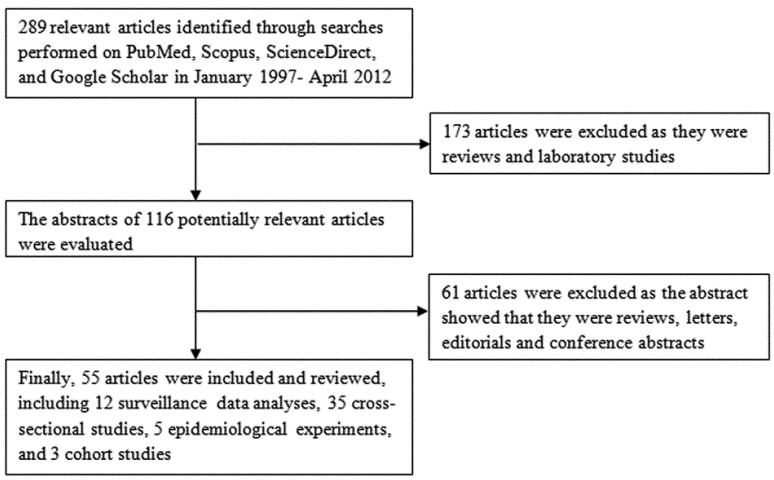
With predicted increasing frequency and intensity of extremely hot weather due to changing climate, workplace heat exposure is presenting an increasing challenge to occupational health and safety. This article aims to review the characteristics of workplace heat exposure in selected relatively high risk occupations, to summarize findings from published studies, and ultimately to provide suggestions for workplace heat exposure reduction, adaptations, and further research directions. All published epidemiological studies in the field of health impacts of workplace heat exposure for the period of January 1997 to April 2012 were reviewed. Finally, 55 original articles were identified. Manual workers who are exposed to extreme heat or work in hot environments may be at risk of heat stress, especially those in low-middle income countries in tropical regions. At risk workers include farmers, construction workers, fire-fighters, miners, soldiers, and manufacturing workers working around process-generated heat. The potential impacts of workplace heat exposure are to some extent underestimated due to the underreporting of heat illnesses. More studies are needed to quantify the extent to which high-risk manual workers are physiologically and psychologically affected by or behaviourally adapt to workplace heat exposure exacerbated by climate change.
Overview
The claims and statistics of this paper haven’t been checked yet.
Free: it reads the open-access text and checks the first 5 claims that cite a source we can check. Create a free account to check every claim.
Integrity signals
Registry
Cites
Statistics
Figures
Verification
Claims the paper makes
The claims and statistics of this paper haven’t been checked yet.
Free: it reads the open-access text and checks the first 5 claims that cite a source we can check. Create a free account to check every claim.
Claims other papers make about this one
Each is checked against this paper’s own text: does it say what the citing paper says it does?
The source backs part of the claim, not all of it — or backs it for a different population, condition or comparison.
In the citing paper
“Construction workers in the southern United States, the Middle East, Asia, Latin America, and Africa are regularly exposed to extremely high temperatures with long working hours, yet may have limited or no access to shade or water [2].”
From Assessing Heat Stress and Health among Construction Workers in a Changing Climate: A Review (2018) · cites this paper as [2]
Experimental — accuracy not yet measuredThe source backs part of the claim, not all of it — or backs it for a different population, condition or comparison.
In the citing paper
“In spite of the availability of a large number of heat stress indices for many decades, practical field studies quantifying the relationship between heat stress indices and occupational illnesses/injuries are lacking.”
From Occupational heat stress assessment and protective strategies in the context of climate change (2018) · cites this paper as Xiang et al. 2014
Experimental — accuracy not yet measuredThe source backs part of the claim, not all of it — or backs it for a different population, condition or comparison.
In the citing paper
“Most of the studies were purely descriptive and used air temperature as the only heat stress parameter (Xiang et al. 2014; Havenith and Fiala 2016).”
From Occupational heat stress assessment and protective strategies in the context of climate change (2018) · cites this paper as Xiang et al. 2014
Experimental — accuracy not yet measuredThe cited source says what the claim attributes to it.
In the citing paper
“Projected increases in extreme heat due to changing climate, along with other factors, are expected to increase the vulnerability of construction workers to heat stress [2].”
From Assessing Heat Stress and Health among Construction Workers in a Changing Climate: A Review (2018) · cites this paper as [2]
Self-check
Percentages, sums and reported differences re-computed from the paper’s own numbers.
The self-check needs the paper’s full text.
Citations
Cites
Cardiovascular function in the heat‐stressed human
Crandall, C. G., & González‐Alonso, J. (2010) · Acta Physiologica · doi:10.1111/j.1748-1716.2010.02119.x · Cited by 315
Health Issues of Migrant and Seasonal Farmworkers
HANSEN, E., & DONOHOE, M. (2003) · Journal of Health Care for the Poor and Underserved · doi:10.1177/1049208903014002001 · Cited by 285
Epidemiology of Hospitalizations and Deaths from Heat Illness in Soldiers
CARTER, R., CHEUVRONT, S. N., WILLIAMS, J. O., KOLKA, M. A., STEPHENSON, L. A., SAWKA, M. N., & AMOROSO, P. J. (2005) · Medicine & Science in Sports & Exercise · doi:10.1249/01.mss.0000174895.19639.ed · Cited by 243
Bi, P., Williams, S., Loughnan, M., Lloyd, G., Hansen, A., Kjellstrom, T., Dear, K., & Saniotis, A. (2011) · Asia Pacific Journal of Public Health · doi:10.1177/1010539510391644 · Cited by 230
Self-citationPreventing Heat-Related Illness Among Agricultural Workers
Jackson, L. L., & Rosenberg, H. R. (2010) · Journal of Agromedicine · doi:10.1080/1059924x.2010.487021 · Cited by 208
Climate Change and Occupational Safety and Health: Establishing a Preliminary Framework
Schulte, P. A., & Chun, H. (2009) · Journal of Occupational and Environmental Hygiene · doi:10.1080/15459620903066008 · Cited by 206
Heat exhaustion in a deep underground metalliferous mine
Donoghue, A. M., Sinclair, M. J., & Bates, G. P. (2000) · Occupational and Environmental Medicine · doi:10.1136/oem.57.3.165 · Cited by 173
Climate Change and Rising Heat: Population Health Implications for Working People in Australia
Hanna, E. G., Kjellstrom, T., Bennett, C., & Dear, K. (2011) · Asia Pacific Journal of Public Health · doi:10.1177/1010539510391457 · Cited by 160
Kjellstrom, T., Gabrysch, S., Lemke, B., & Dear, K. (2009) · Global Health Action · doi:10.3402/gha.v2i0.2082 · Cited by 149
Tawatsupa, B., Lim, L.-Y., Kjellstrom, T., Seubsman, S.-A., Sleigh, A., & The Thai Cohort Study team (2010) · Global Health Action · doi:10.3402/gha.v3i0.5034 · Cited by 143
Research works printed but not linked: 1
- World Health Organization (WHO) (1969) Health factors in workers under conditions of heat stress. WHO Technical Report Series 412, Geneva. 4979147
Cited by
Items 101–200 of 392
Workplace Intervention for Heat Stress: Essential Elements of Design, Implementation, and Assessment
Glaser, J. R., Wegman, D. H., Arias-Monge, E., Pacheco-Zenteno, F., Prince, H., Chavarría, D., Martinez-Cuadra, W. J., Jakobsson, K., Hansson, E., Lucas, R. A. I., et al. (2022) · International Journal of Environmental Research and Public Health · doi:10.3390/ijerph19073779 · Cited by 46
Mitchell, D. C., Castro, J., Armitage, T. L., Vega‐Arroyo, A. J., Moyce, S. C., Tancredi, D. J., Bennett, D. H., Jones, J. H., Kjellstrom, T. E., & Schenker, M. B. (2017) · Journal of Occupational and Environmental Medicine · doi:10.1097/jom.0000000000000988 · Cited by 46
“Both mortality and morbidity from HRI are likely to be greatly underestimated(3) because HRI outcomes are often non-specific or are designated ‘‘contributory’’ rather than as the underlying cause.(4) HRI poses a major health risk for California farmworkers, estimated to number over half a million in 2014.”
Yao, R., Li, Y., Du, C., & Li, B. (2018) · Building and Environment · doi:10.1016/j.buildenv.2018.03.014 · Cited by 38
Climate Change–Related Heat Stress and Subjective Well-Being in Australia
Zander, K. K., Moss, S. A., & Garnett, S. T. (2019) · Weather Climate and Society · doi:10.1175/wcas-d-18-0074.1 · Cited by 44
“However, heat also reduces opportunities for recreation and affects productivity of healthy people in the society andworkforce (Xiang et al. 2014; Zander et al. 2015; Hatvani-Kovacs et al. 2016; Kjellstrom et al. 2016) as there are clear andabsolute limits to the amount of heat exposure an individual can tolerate (Kov…”
BackgroundOccupational health hazards and risks in the wind industry
Karanikas, N., Steele, S. E., Bruschi, K., Robertson, C., Kass, J., Popovich, A., & MacFadyen, C. (2021) · Energy Reports · doi:10.1016/j.egyr.2021.06.066 · Cited by 80
Sulzer, M., Christen, A., & Matzarakis, A. (2022) · Sensors · doi:10.3390/s22051828 · Cited by 45
“This causes new challenges for the health, safety, and wellbeing of workers [8,12].”
BackgroundEffects of Temperatures and Heatwaves on Occupational Injuries in the Agricultural Sector in Italy
Blasi, C. D., Marinaccio, A., Gariazzo, C., Taiano, L., Bonafede, M., Leva, A., Morabito, M., Michelozzi, P., de'Donato, F. K., & on behalf of the Worklimate Collaborative Group (2023) · International Journal of Environmental Research and Public Health · doi:10.3390/ijerph20042781 · Cited by 51
Heat stress and the labour force
Dasgupta, S., ROBINSON, E. J. Z., Shayegh, S., Bosello, F., Park, R. J., & Gosling, S. N. (2024) · Nature Reviews Earth & Environment · doi:10.1038/s43017-024-00606-1 · Cited by 63
“Any such heat-related injuries also have corresponding compensation, medical and rehabilitation costs 100,129,131 , with workers increasingly claiming compensation for medical expenses, lost wages and, in extreme cases, disability or impairment benefits.”
InfluentialDrivers of self-reported heat stress in the Australian labour force
Zander, K. K., Moss, S. A., & Garnett, S. T. (2016) · Environmental Research · doi:10.1016/j.envres.2016.10.029 · Cited by 41
Barthwal, V., Jain, S., Babuta, A., Jamir, C., Sharma, A. K., & Mohan, A. (2022) · Environmental Science and Pollution Research · doi:10.1007/s11356-022-18886-9 · Cited by 36
Christidis, N., Mitchell, D., & Stott, P. A. (2023) · npj Climate and Atmospheric Science · doi:10.1038/s41612-023-00377-4 · Cited by 45
Varghese, B. M., Barnett, A. G., Hansen, A. L., Bi, P., Heyworth, J. S., Sim, M. R., Hanson‐Easey, S., Nitschke, M., Rowett, S., & Pisaniello, D. (2019) · The Science of The Total Environment · doi:10.1016/j.scitotenv.2019.06.098 · Cited by 33
“(14-18) In addition to 87 heat-induced illnesses, work stress, physical discomfort and losses in work capacity and 88 productivity, cumulative exposure to hot and cold temperatures at the workplace can place 89 workers at risk of accidents/injuries.”
BackgroundSelf-citationEpidemiological evidence from south Indian working population—the heat exposures and health linkage
Venugopal, V., Latha, P. K., Shanmugam, R., Krishnamoorthy, M., Omprashanth, R., Lennqvist, R., & Johnson, P. (2020) · Journal of Exposure Science & Environmental Epidemiology · doi:10.1038/s41370-020-00261-w · Cited by 41
Fang, Z., Mao, Y., Zhu, Y., Lu, J., Zheng, Z., & Chen, X. (2023) · The Science of The Total Environment · doi:10.1016/j.scitotenv.2023.162779 · Cited by 36
“Additionally, rising temperatures and heatwaves have had and continue to have detrimental impacts on human health, ranging from heat rashes and minor discomfort to life-threatening heat strokes (Xiang et al., 2014a; Xiang et al., 2014b; Song et al., 2017).”
Grélot, L., Koulibaly, F., Maugey, N., Janvier, F., Foissaud, V., Aletti, M., Savini, H., Cotté, J., Dampierre, H., Granier, H., et al. (2015) · The Journal of Infectious Diseases · doi:10.1093/infdis/jiv585 · Cited by 34
“as in firefighters, miners or soldiers [8].”
Thermal Exposure and Heat Illness Symptoms among Workers in Mara Gold Mine, Tanzania
Meshi, E. B., Kishinhi, S. S., Mamuya, S., & Rusibamayila, M. (2018) · Annals of Global Health · doi:10.29024/aogh.2318 · Cited by 33
“Workers in the mining industry encounter are exposed to several hazards, heat stress being among them [3].”
BackgroundSchwarz, L., Malig, B. J., Guzman‐Morales, J., Guirguis, K. J., Ilango, S. D., Sheridan, P. E., Gershunov, A., Basu, R., & Benmarhnia, T. (2020) · Environmental Research Letters · doi:10.1088/1748-9326/ab7f0e · Cited by 43
Matsumoto, K., Tachiiri, K., & Su, X. (2021) · Environmental Research Communications · doi:10.1088/2515-7620/ac3e14 · Cited by 39
Roy, S., Mishra, D. P., Bhattacharjee, R. M., & Agrawal, H. (2022) · Mining Metallurgy & Exploration · doi:10.1007/s42461-021-00532-6 · Cited by 57
“made an attempt to formulate the guidelines on selfspacing; however, more studies in this area are needed [118].”
BackgroundRother, H., John, J., Wright, C. Y., Irlam, J., Oosthuizen, R., & Garland, R. M. (2019) · Atmosphere · doi:10.3390/atmos11010037 · Cited by 35
“In addition, chronic heat exposure in the workplace has been linked to long-term health effects, including chronic kidney disease, mental health problems, and cardiovascular diseases [5,10].”
BackgroundPsychological Climate for Caring and Work Outcomes: A Virtuous Cycle
Węziak‐Białowolska, D., Białowolski, P., Leon, C., Koosed, T., & McNeely, E. (2020) · International Journal of Environmental Research and Public Health · doi:10.3390/ijerph17197035 · Cited by 56
Heat-related injuries in Australian workplaces: Perspectives from health and safety representatives
Varghese, B. M., Hansen, A. L., Williams, S. S., Bi, P., Hanson‐Easey, S., Barnett, A. G., Heyworth, J. S., Sim, M. R., Rowett, S., Nitschke, M., et al. (2020) · Safety Science · doi:10.1016/j.ssci.2020.104651 · Cited by 37
Self-citationLusambili, A. M., Kovats, S. R., Nakstad, B., Filippi, V., Khaemba, P., Roos, N., Part, C., Luchters, S. M. F., Chersich, M., Hess, J. J., et al. (2024) · BMC Pediatrics · doi:10.1186/s12887-023-04517-w · Cited by 30
“High temperatures are associated with increased anxiety [16], lack of sleep [17, 18] and irritability [19], which might have a repercussion on mothers and how they take care of their Infants.”
BackgroundKotani, K., Ueda, K., Seposo, X., Yasukochi, S., Matsumoto, H., Ono, M., Honda, A., & Takano, H. (2018) · Global Health Action · doi:10.1080/16549716.2018.1437882 · Cited by 34
“Younger people may be engaged in physically demanding or outdoor work, for example in agriculture and construction sector, making them more vulnerable to high temperatures [49].”
BackgroundBarriers to occupational heat stress risk adaptation of mining workers in Ghana
Nunfam, V. F., Adusei‐Asante, K., Frimpong, K., van Etten, E. J. B., & Oosthuizen, J. (2020) · International Journal of Biometeorology · doi:10.1007/s00484-020-01882-4 · Cited by 31
Short- and Long-Term Health Challenges of Transportation Workforce due to Extreme Weather Conditions
Karthick, S., Kermanshachi, S., Rouhanizadeh, B., & Namian, M. (2021) · Tran-SET Conference: Transportation Consortium of South-Central States (Tran-SET) · doi:10.1061/9780784483787.005 · Cited by 37
Rajak, R., Chattopadhyay, A., & Maurya, P. (2021) · International Journal of Occupational Safety and Ergonomics · doi:10.1080/10803548.2021.2012021 · Cited by 36
“These findings correlate with other studies [7,12,31].”
Impact of climate change on occupational health and safety: A review of methodological approaches
Ferrari, G. N., Leal, G. C. L., de Souza, R. C. T., & Galdámez, E. V. C. (2022) · Work · doi:10.3233/wor-211303 · Cited by 43
“…latter category, all 21 studies were literature reviews, with well-defined objectives, a methodology with clear information regarding the search engines used and the selection criteria applied, as well as the information extraction process for the selected papers [23, 28, 187–196, 29, 197, 180–186].”
Li, J., Wu, L., & Chen, H. (2023) · Case Studies in Thermal Engineering · doi:10.1016/j.csite.2023.102826 · Cited by 28
Shi, Y., Ren, C., Luo, M., Ching, J. K. S., Li, X., Bilal, M., Fang, X., & Ren, Z. (2021) · Urban Climate · doi:10.1016/j.uclim.2021.100797 · Cited by 29
Arjona, R. H., Piñeiros, J., Ayabaca, M., & Harari, F. (2016) · Annali dell Istituto Superiore di Sanità · doi:10.4415/ann_16_03_08 · Cited by 31
“A number of authors have evaluated some of the consequences of heat stress in agricultural workers in several countries and report an increased rate of heat stress-related morbidity and mortality among agricultural workers as compared with non-agricultural workers [4, 6].”
Nunfam, V. F., Adusei‐Asante, K., van Etten, E. J. B., Oosthuizen, J., Adams, S., & Frimpong, K. (2019) · International Journal of Biometeorology · doi:10.1007/s00484-019-01775-1 · Cited by 35
The impact of climate change on population urbanization: Evidence from china
Chai, K.-C., Ma, X.-R., Yang, Y., Lu, Y.-J., & Chang, K. (2022) · Frontiers in Environmental Science · doi:10.3389/fenvs.2022.945968 · Cited by 37
“At the micro level, climate change will impact the health and mentality of the individual labor force, thus affecting working hours and efficiency (Xiang et al., 2014; Li et al., 2016).”
BackgroundZhao, J., Yang, F., Guo, Y., & Ren, X. (2023) · Environmental Science and Pollution Research · doi:10.1007/s11356-023-25207-1 · Cited by 27
Chen, X., & Zhang, Z. (2024) · Building and Environment · doi:10.1016/j.buildenv.2024.111276 · Cited by 28
Heat exposure and productivity loss among construction workers: a meta-analysis
Han, S., Dong, L., Weng, Y., & Xiang, J. (2024) · BMC Public Health · doi:10.1186/s12889-024-20744-x · Cited by 58
Self-citationSabrin, S., Zech, W. C., Nazari, R., & Karimi, M. E. (2021) · International Archives of Occupational and Environmental Health · doi:10.1007/s00420-021-01711-0 · Cited by 32
Bendak, S., Jouaret, R., & Rashid, H. S. (2022) · Journal of Safety Research · doi:10.1016/j.jsr.2022.02.011 · Cited by 27
Worker’s well-being. Evidence from the apparel industry in Mexico
Węziak‐Białowolska, D., Białowolski, P., & McNeely, E. (2019) · Intelligent Buildings International · doi:10.1080/17508975.2019.1618785 · Cited by 38
“These factors may significantly influence health, productivity and performance (Parsons 2000; Kjellstrom, Holmer, and Lemke 2009; Akbari et al. 2013; Xiang et al. 2014), however there is also some – though considerably limited – evidence that they may not be influential for happiness (Loscocco and…”
BackgroundIdentifying predictors of personal exposure to air temperature in peri-urban India
Milà, C., Curto, A., Dimitrova, A., Sreekanth, V., Kinra, S., Marshall, J. D., & Tonne, C. C. (2019) · The Science of The Total Environment · doi:10.1016/j.scitotenv.2019.136114 · Cited by 25
General and reproductive health outcomes among female greenhouse workers: a comparative study
Rahimi, T., Rafati, F., Sharifi, H. P., & Seyedi, F. (2020) · BMC Women s Health · doi:10.1186/s12905-020-00966-y · Cited by 32
Association between Exposure to Extreme Temperature and Injury at the Workplace
Lee, J., Lee, W., Choi, W.-J., Kang, S., & Ham, S. (2019) · International Journal of Environmental Research and Public Health · doi:10.3390/ijerph16244955 · Cited by 26
“These factors are reported to be associated with the occurrence of injury [21,24].”
BackgroundWet-bulb globe temperature index estimation using meteorological data from São Paulo State, Brazil
Maia, P. A., Ruas, Á. C., & Bitencourt, D. P. (2015) · International Journal of Biometeorology · doi:10.1007/s00484-014-0949-7 · Cited by 32
Roscani, R. C., Bitencourt, D. P., Maia, P. A., & Ruas, Á. C. (2017) · Cadernos de Saúde Pública · doi:10.1590/0102-311x00211415 · Cited by 38
Venugopal, V., Krishnamoorthy, M., Venkatesan, V., Jaganathan, V., Shanmugam, R., Kanagaraj, K., & Paul, S. F. D. (2019) · Temperature · doi:10.1080/23328940.2019.1632144 · Cited by 30
“Workers in high-heat industries such as iron and steel, foundries, smelters, brick-firing and ceramic, glass and rubber, bakeries, commercial kitchens, and mining are already subjected to high heat exposures on a day-to-day basis and have high potential for heat-related illnesses like heat exhaustion, heat stroke, and…”
BackgroundTachiiri, K., Su, X., & Matsumoto, K. (2021) · Progress in Earth and Planetary Science · doi:10.1186/s40645-021-00418-7 · Cited by 30
Statistically Validated Urban Heat Island Risk Indicators for UHI Susceptibility Assessment
Thanvisitthpon, N. T. (2023) · International Journal of Environmental Research and Public Health · doi:10.3390/ijerph20021172 · Cited by 31
Hospitalised heat-related acute kidney injury in indoor and outdoor workers in the USA
Shi, D. S., Weaver, V. M., Hodgson, M. J., & Tustin, A. W. (2021) · Occupational and Environmental Medicine · doi:10.1136/oemed-2021-107933 · Cited by 29
Amnuaylojaroen, T., Limsakul, A., Kirtsaeng, S., Parasin, N., & Surapipith, V. (2022) · Atmosphere · doi:10.3390/atmos13020325 · Cited by 32
Hansen, A. L., Pisaniello, D., Varghese, B. M., Rowett, S., Hanson‐Easey, S., Bi, P., & Nitschke, M. (2018) · International Journal of Environmental Research and Public Health · doi:10.3390/ijerph15030459 · Cited by 25
“This is in contrast to a considerable body of literature identifying outdoor workers amongst those vulnerable during extreme heat [18,23,24].”
BackgroundResultSelf-citationExploring Heat Stress Relief Measures among the Australian Labour Force
Zander, K. K., Mathew, S., & Garnett, S. T. (2018) · International Journal of Environmental Research and Public Health · doi:10.3390/ijerph15030401 · Cited by 28
“Workers in heat-affected sectors and occupations have been identified as being vulnerable to heat stress [1] and have been researched increasingly in the last decade [2–8].”
BackgroundHeat-Related Illnesses among Pesticide Applicators in North-Eastern Italy (2017)
Riccò, M., Vezzosi, L., Bragazzi, N. L., & Balzarini, F. (2019) · Journal of Agromedicine · doi:10.1080/1059924x.2019.1606745 · Cited by 22
“Moreover, available estimates suggest that future climate will be even warmer, with extreme events such as heat waves becoming even more intense, longer lasting, and more frequent.(5,11,12,15) Unfortunately, while specifically tailored preventive measures have been only irregularly put in place,(1,3,16) available repo…”
BackgroundRisk factors associated with heat-related illness among sugarcane farmers in Thailand
Kiatkitroj, K., Arphorn, S., Tangtong, C., Maruo, S. J., & Ishimaru, T. (2021) · Industrial Health · doi:10.2486/indhealth.2021-0161 · Cited by 22
Riccò, M., Vezzosi, L., Balzarini, F., Odone, A., & Signorelli, C. (2019) · Industrial Health · doi:10.2486/indhealth.2018-0268 · Cited by 25
Heat Stress-Related Symptoms among Bakery Workers in Lebanon: A National Cross-Sectional Study
Habib, R. R., El-Haddad, N. W., Halwani, D. A., Elzein, K., & Hojeij, S. (2021) · INQUIRY The Journal of Health Care Organization Provision and Financing · doi:10.1177/0046958021990517 · Cited by 30
Nunfam, V. F. (2021) · Heliyon · doi:10.1016/j.heliyon.2021.e06918 · Cited by 33
Karthick, S., Kermanshachi, S., & Namian, M. (2022) · ASCE Construction Research Congress (CRC) · doi:10.1061/9780784483985.074 · Cited by 33
Wang, L., Li, H., Yao, Y., Han, D., Yu, C., Lyu, W., & Wu, H. (2023) · Advanced Engineering Informatics · doi:10.1016/j.aei.2023.102134 · Cited by 28
Matin, A., Zare, S., Ravandi, M. R. G., & Jahani, Y. (2020) · Urban Climate · doi:10.1016/j.uclim.2020.100587 · Cited by 21
Influence of occupational exposure on hyperuricemia in steelworkers: a nested case–control study
Chen, Y., Yang, Y., Zheng, Z., Wang, H., Wang, X., Si, Z., Meng, R., Wang, G., & Wu, J. (2022) · BMC Public Health · doi:10.1186/s12889-022-13935-x · Cited by 20
“Heat is among the main occupational hazards for workers in steel companies, and high workplace temperatures can place a burden of disease on occupational groups [36, 37].”
BackgroundTaylor, N. A. S., Lee, J., Kim, S., & Notley, S. R. (2021) · Journal of Thermal Biology · doi:10.1016/j.jtherbio.2021.102858 · Cited by 21
Fatima, S. H., Rothmore, P., Giles, L. C., & Bi, P. (2022) · The Science of The Total Environment · doi:10.1016/j.scitotenv.2022.153945 · Cited by 18
Self-citationHeart rate increase from rest as an early sign of heat-related illness risk in construction workers
Kakamu, T., Endo, S., Tsutsui, Y., Hidaka, T., Masuishi, Y., Kasuga, H., & Fukushima, T. (2022) · International Journal of Industrial Ergonomics · doi:10.1016/j.ergon.2022.103282 · Cited by 23
A Framework of Industrialized Building Assessment in China Based on the Structural Equation Model
Lei, J., Li, Z., Li, L., Li, T., & Gao, Y. (2018) · International Journal of Environmental Research and Public Health · doi:10.3390/ijerph15081687 · Cited by 21
“Employment in the construction industry is generally unsafe, because working high above the ground in multifaceted environments [61] may lead to injury and sickness [62], earlier retirement [63], musculoskeletal grievances, and chronic infections [64].”
BackgroundClimate Change and Occupational Heat Strain Among Women Workers: A Systematic Review
Habibi, P., Heydari, A., Dehghan, H., Moradi, A., & Moradi, G. (2024) · Indian Journal of Occupational and Environmental Medicine · doi:10.4103/ijoem.ijoem_320_21 · Cited by 27
“2014 [21] ) Risk factors related to facilities include poor or no air‑conditioning or fans, large distances from cool restrooms, poor access to safe drinking water or large distances from drinking water location, [10] and absence of trees and vegetation in urban areas.”
Rising compound hot-dry extremes engendering more inequality in human exposure risks
Guo, J., Wang, F., Wen, Y., Wang, X., Hao, Z., Zheng, H., Fan, Y., & Shen, C. (2025) · npj natural hazards. · doi:10.1038/s44304-025-00119-x · Cited by 25
Seposo, X., Đăng, T. N., & Honda, Y. (2017) · Global Health Action · doi:10.1080/16549716.2017.1368969 · Cited by 20
“activity under the sun, are vulnerable to heat stress during hot days [38].”
BackgroundWilliams, A. A., Allen, J. G., Catalano, P. J., Buonocore, J. J., & Spengler, J. D. (2020) · American Journal of Public Health · doi:10.2105/ajph.2019.305563 · Cited by 24
Health-related quality of life in Chinese workers: a systematic review and meta-analysis
Su, Y., Liu, M.-S., Silva, P. V. D., Østbye, T., & Jin, K. (2021) · Global Health Research and Policy · doi:10.1186/s41256-021-00209-z · Cited by 22
Clusiault, D., Avery, T., Stephens, A., Vigna, C., & Fischer, S. L. (2022) · Applied Ergonomics · doi:10.1016/j.apergo.2022.103704 · Cited by 20
Teimori-Boghsani, G., Monazzam, M. R., Nassiri, P., Golbabaei, F., Dehghan, S. F., Ghanadzadeh, M. J., & Asghari, M. (2020) · Urban Climate · doi:10.1016/j.uclim.2020.100609 · Cited by 19
A Study on Assessing the Awareness of Heat-Related Illnesses in the Construction Industry
Song, S., & Zhang, F. (2022) · ASCE Construction Research Congress (CRC) · doi:10.1061/9780784483985.044 · Cited by 17
Catarinucci, L., Colella, R., Corcione, C. E., Ingrosso, C., Greco, A., Ferrari, F., Curri, M. L., Leo, C. G., Mandriota, G., Molinaro, V., et al. (2022) · Journal of Cleaner Production · doi:10.1016/j.jclepro.2022.132132 · Cited by 17
Somogyi, T., & Nagy, R. (2022) · Insights into Regional Development · doi:10.9770/ird.2022.4.4(1 · Cited by 25
Towards real-time thermal stress prediction systems for workers
Saïdi, A., & Gauvin, C. (2022) · Journal of Thermal Biology · doi:10.1016/j.jtherbio.2022.103405 · Cited by 21
Ojha, A., Shayesteh, S., Sharifironizi, A., Liu, Y., & Jebelli, H. (2024) · Automation in Construction · doi:10.1016/j.autcon.2024.105670 · Cited by 22
Role of work uniform in alleviating perceptual strain among construction workers
Yang, Y., & Chan, A. P. C. (2016) · Industrial Health · doi:10.2486/indhealth.2016-0023 · Cited by 19
Gough, H., Faulknall-Mills, S., King, M., & Luo, Z. (2019) · International Journal of Environmental Research and Public Health · doi:10.3390/ijerph16183347 · Cited by 17
Managing Climate Change Risks in Food Systems
Pingali, P., Aiyar, A., Abraham, M. P., & Rahman, A. (2019) · Palgrave studies in agricultural economics and food policy · doi:10.1007/978-3-030-14409-8_10 · Cited by 21
Olimat, H., Alwashah, Z., Abudayyeh, O. Y., & Liu, H. (2025) · Buildings · doi:10.3390/buildings15101680 · Cited by 16
Ojha, A., Shakerian, S., Habibnezhad, M., Jebelli, H., Lee, S. H., & Fardhosseini, M. S. (2020) · Creative Construction e-Conference · doi:10.3311/ccc2020-004 · Cited by 23
“Frequently done in scorching and unmonitored environments without enough of a break to recover physiologically from overexertion, tasks are often performed with limited or lack of shade or water [4], and workers can suffer dehydration, as well as heat stress.”
BackgroundThe Influence of Extreme Heat on Police and Fire Department Services in 23 U.S. Cities
Williams, A. A., McDonogh‐Wong, L., & Spengler, J. D. (2020) · GeoHealth · doi:10.1029/2020gh000282 · Cited by 30
“In addition to planning for increased personnel and financial resources, local emergency services departments should also work to ensure occupational safety to heat stress forfirst responders, which has been found to increase on hot days (Xiang et al., 2014).”
BackgroundThe metabolic upper critical temperature of the human thermoneutral zone
Henderson, M. E., & Halsey, L. G. (2022) · Journal of Thermal Biology · doi:10.1016/j.jtherbio.2022.103380 · Cited by 22
Guo, T., Yang, J., Fan, Y., Zhao, Y., Liu, J., & Fang, Z. (2025) · Building and Environment · doi:10.1016/j.buildenv.2025.112918 · Cited by 22
An IoT-aware smart system to detect thermal comfort in industrial environments
Sergi, I., Catarinucci, L., Montanaro, T., Colella, R., Shumba, A. T., Ferraro, S. D., Lenzuni, P., & Patrono, L. (2021) · International Conference on Smart and Sustainable Technologies (SpliTech) · doi:10.23919/splitech52315.2021.9566378 · Cited by 16
Yang, Y., Bai, Y., Zhang, R., & Zhu, X. (2022) · Indoor and Built Environment · doi:10.1177/1420326x221086193 · Cited by 16
Ferrari, G. N., Ossani, P. C., de Souza, R. C. T., Leal, G. C. L., & Galdámez, E. V. C. (2022) · Safety Science · doi:10.1016/j.ssci.2023.106078 · Cited by 20
Working in heat: Contrasting heat management approaches among outdoor employees and contractors
Goodman, J. R., Humphrys, E., & Newman, F. (2023) · Safety Science · doi:10.1016/j.ssci.2023.106185 · Cited by 22
A 3-D virtual human model for simulating heat and cold stress
Gulati, T., Hatwar, R., Unnikrishnan, G. U., Rubio, J. E., & Reifman, J. (2022) · Journal of Applied Physiology · doi:10.1152/japplphysiol.00089.2022 · Cited by 21
“Heat-and cold-related injuries pose a signi fi cant threat to the health and safety of civilians (1, 2) and military personnel (3, 4).”
Health and safety in high-risk work environments: A study of fuel service stations in Ghana
Monney, I., Dramani, J. B., Aruna, A., Tenkorang, A., & OseiPoku, F. (2015) · Journal of Environmental and Occupational Science · doi:10.5455/jeos.20150903100137 · Cited by 20
“Studies [19-21] have shown that, when the body fails to compensate and cool itself, exposure to environmental heat can lead to heat stress and heat strain which result in adverse mental and physical effects such as anger, depression, dizziness and reduced performance.”
BackgroundEdirisinghe, R. K., & Andamon, M. M. (2018) · Green energy and technology · doi:10.1007/978-981-10-7880-4_3 · Cited by 17
Correlates of Occupational Heat-Induced Illness Costs: Case Study of South Australia 2000 to 2014
Xiang, J., Hansen, A. L., Pisaniello, D., Dear, K. B. G., & Bi, P. (2018) · Journal of Occupational and Environmental Medicine · doi:10.1097/jom.0000000000001395 · Cited by 15
Self-citationNunfam, V. F., Afrifa‐Yamoah, E., Adusei‐Asante, K., van Etten, E. J. B., Frimpong, K., Mensah, I. A., & Oosthuizen, J. (2021) · The Science of The Total Environment · doi:10.1016/j.scitotenv.2020.144911 · Cited by 17
Narocki, C. (2022) · SSRN Electronic Journal · doi:10.2139/ssrn.4013353 · Cited by 20
Huang, Q., Xu, C., Su, M., Gu, Z., Jiang, W., Cui, Z., Duan, S., & Yang, Z. (2025) · Sustainable Cities and Society · doi:10.1016/j.scs.2025.106534 · Cited by 18
Yoon, J., Lee, W., Yoon, M. J., & Lee, W. (2021) · GeoHealth · doi:10.1029/2021gh000516 · Cited by 17
“Some studies have highlighted the vulnerability of heat-related diseases among workers, including deaths, accidents or injuries, diseases of the urinary and reproductive systems, and psychological effects (Hamerezaee et al., 2018; J. Lee et al., 2021; Schulte et al., 2016; Spector et al., 2016; Xiang et al., 2014).”
BackgroundNäyhä, S., Rintamäki, H., Donaldson, G. C., Hassi, J., Jousilahti, P., Laatikainen, T. K., Jaakkola, J. J. K., & Ikäheimo, T. M. (2016) · International Journal of Biometeorology · doi:10.1007/s00484-016-1243-7 · Cited by 13
“Agricultural workers frequently suffer from heat-related symptoms (Mirabelli et al. 2010; Kravchenko et al. 2013) and have high heat mortality (Gronlund 2014; Xiang et al. 2014).”
BackgroundRiccò, M., Razio, B., Poletti, L., Panato, C., Balzarini, F., Mezzoiuso, A. G., & Vezzosi, L. (2017) · Journal of preventive medicine and hygiene · doi:10.15167/2421-4248/jpmh2020.61.1.727 · Cited by 15
“Actually, we oversampled male workers, and not only male sex was associated with a general underestimation of the risk perception, but also in previous studies women usually did perceive risks more than men [1, 3, 44].”
MethodResultHeat exposure effect on Ghanaian mining workers: A mediated-moderation approach
Nunfam, V. F., & Afrifa‐Yamoah, E. (2021) · The Science of The Total Environment · doi:10.1016/j.scitotenv.2021.147843 · Cited by 14
Metadata
- Authors
- XIANG, J., BI, P., PISANIELLO, D., & HANSEN, A.
- Affiliations
- The University of Adelaide (AU)
- Corresponding author
- BI, Peng
- Venue
- Industrial Health
- Published
- 2014
- Volume
- 52
- Issue
- 2
- Pages
- 91-101
- ISSN
- 0019-8366 (ISSN-L)
- 1880-8026
- PMC
- PMC4202759
- OpenAlex
- W2149789556
- Cited by
- 393
- References
- 77
- Citations by year
- 2026: 29 · 2025: 35 · 2024: 37 · 2023: 37 · 2022: 44 · 2021: 49 · 2020: 39 · 2019: 32 · 2018: 31 · 2017: 24 · 2016: 19 · 2015: 14 · 2014: 3
- FWCI
- 1.32
- Type
- journal article
- Language
- en
- Open access
- bronze
- doi.org
- Locations
- Industrial Health (publishedVersion)
- Europe PMC (PubMed Central) (publishedVersion, cc-by-nc-nd)
- PubMed Central (publishedVersion, cc-by-nc-nd)
- PubMed (publishedVersion)
- Topics
- Health Sciences › Medicine › Physiology (medical) › Thermoregulation and physiological responses
- Health Sciences › Medicine › Public Health, Environmental and Occupational Health › Occupational Health and Safety in Workplaces
- Physical Sciences › Environmental Science › Health, Toxicology and Mutagenesis › Climate Change and Health Impacts
- Keywords
- heat stress, occupational heat illness, climate change, blue-collar workers, hot environment, heat adaptation, occupational health and safety, farmers, construction workers, firefighters, miners, military personnel, industrial workers
- MeSH terms
- Agriculture, Hot Temperature, Humans, Military Personnel, Mining, Occupational Exposure, Workplace, Heat Stress Disorders, Construction Industry, Firefighters, Manufacturing Industry
About these checks
Registry, retraction, Cites and statistics results are computed, not judged, with one exception: a printed reference that no index lists is read once by a model before it counts as a citation error. Claims are extracted by a model and kept only when their quote appears verbatim in the text; each cited source is then checked, with a model’s help, for whether it says what the claim relies on. Those verdicts can be wrong — read the claim’s quote and the cited source before relying on one.
Statistics and arithmetic are recomputed, not judged.
Confidence bands are shown only for fields calibrated on our annotated test set. None is calibrated yet, so no band is shown.
What counts as a claim ›How we measure confidence ›How we check this ›
Are you an author, or do you see a problem with this page? Request a review
Data sources
Bibliographic data: Semantic Scholar, OpenAlex, Crossref.
Contains information from the Semantic Scholar Academic Graph Datasets, made available under the ODC Attribution License (ODC-BY 1.0).
Semantic Scholar’s data is described in: Kinney, R., et al. (2023). The Semantic Scholar Open Data Platform. arXiv:2301.10140.
