

The DOI matches its Crossref record; 123 of the 124 references it cites were found in a registry or an index.
Toxicological evaluation of proteins introduced into food crops
Open accessAbstract
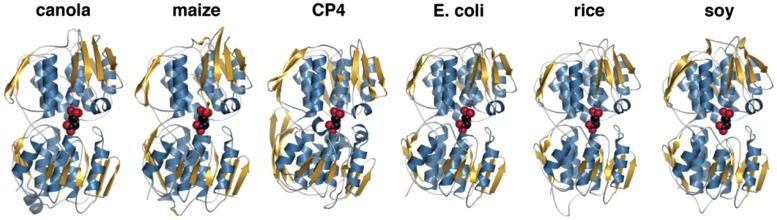
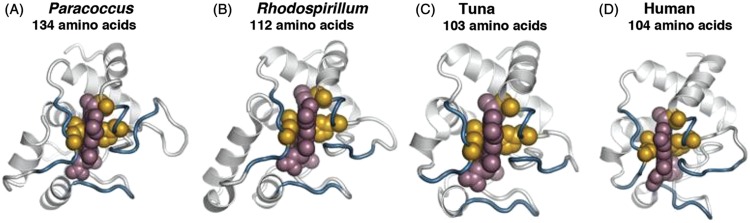
This manuscript focuses on the toxicological evaluation of proteins introduced into GM crops to impart desired traits. In many cases, introduced proteins can be shown to have a history of safe use. Where modifications have been made to proteins, experience has shown that it is highly unlikely that modification of amino acid sequences can make a non-toxic protein toxic. Moreover, if the modified protein still retains its biological function, and this function is found in related proteins that have a history of safe use (HOSU) in food, and the exposure level is similar to functionally related proteins, then the modified protein could also be considered to be "as-safe-as" those that have a HOSU. Within nature, there can be considerable evolutionary changes in the amino acid sequence of proteins within the same family, yet these proteins share the same biological function. In general, food crops such as maize, soy, rice, canola etc. are subjected to a variety of processing conditions to generate different food products. Processing conditions such as cooking, modification of pH conditions, and mechanical shearing can often denature proteins in these crops resulting in a loss of functional activity. These same processing conditions can also markedly lower human dietary exposure to (functionally active) proteins. Safety testing of an introduced protein could be indicated if its biological function was not adequately characterized and/or it was shown to be structurally/functionally related to proteins that are known to be toxic to mammals.
Overview
The claims and statistics of this paper haven’t been checked yet.
Run the check — free, no account needed. It reads the open-access text and checks the sources it cites.
Integrity signals
Registry
Cites
Statistics
Figures
Verification
Claims the paper makes
The claims and statistics of this paper haven’t been checked yet.
Run the check — free, no account needed. It reads the open-access text and checks the sources it cites.
Claims other papers make about this one
Each is checked against this paper’s own text: does it say what the citing paper says it does?
In the citing paper
“Several groups reviewing the evidence for health hazards of genetic modification have found no evidence for harms;130-134 however, methods for such evaluation remain heterogeneous.135-139”
From Dietary and Policy Priorities for Cardiovascular Disease, Diabetes, and Obesity: A Comprehensive Review (2016) · cites this paper as [136]
Self-check
Percentages, sums and reported differences re-computed from the paper’s own numbers.
The self-check needs the paper’s full text.
Citations
Cites
The Pfam Protein Families Database
Bateman, A. G. (2002) · Nucleic Acids Research · doi:10.1093/nar/30.1.276 · Cited by 14,075
The Pfam protein families database
Punta, M., Coggill, P. C., Eberhardt, R. Y., Mistry, J., Tate, J., Boursnell, C., Pang, N., Forslund, K., Ceric, G., Clements, J., et al. (2012) · Nucleic Acids Research · doi:10.1093/nar/gkr1065 · Cited by 3,719
Proteins: Structures and Molecular Properties
Creighton, T. E. (1986) · Medical Entomology and Zoology · Cited by 2,645
Introduction to Protein Structure
Brändén, C.-I., & Tooze, J. (2012) · Garland Science eBooks · doi:10.1201/9781136969898 · Cited by 2,398
Implications of antinutritional components in soybean foods
Liener, I. E. (1994) · Critical Reviews in Food Science and Nutrition · doi:10.1080/10408399409527649 · Cited by 946
Textbook of Biochemistry with Clinical Correlations
(1983) · Biochemical Education · doi:10.1016/0307-4412(83)90121-8 · Cited by 918
Biophysical Chemistry: Part II: Techniques for the Study of Biological Structure and Function
Cantor, C. R., & SCHIMMEL, P. R. (1980) · Cited by 861
Kroes, R., Renwick, A. G. C., Cheeseman, M. A., Kleiner, J., Mangelsdorf, I., Piersma, A. H., Schilter, B., Schlatter, J. R., van Schothorst, F., Vos, J. G., et al. (2003) · Food and Chemical Toxicology · doi:10.1016/j.fct.2003.08.006 · Cited by 810
Proteins: Structures and molecular properties
Rb, F. (1985) · Trends in Biochemical Sciences · doi:10.1016/0968-0004(85)90239-7 · Cited by 669
Physiology and pathophysiology of intestinal absorption
Caspary, W. (1992) · American Journal of Clinical Nutrition · doi:10.1093/ajcn/55.1.299s · Cited by 612
Panel), E. P. O. G. M. O. (. (2010) · EFSA Journal · doi:10.2903/j.efsa.2010.1700 · Cited by 611
A review on the beneficial aspects of food processing
van Boekel, M., Fogliano, V., Pellegrini, N., Stanton, C., Scholz, G., Lalljie, S. P. D., Somoza, V., Knorr, D., Jasti, P. R., & Eisenbrand, G. (2010) · Molecular Nutrition & Food Research · doi:10.1002/mnfr.200900608 · Cited by 594
Renwick, A. G. C. (2005) · Toxicology and Applied Pharmacology · doi:10.1016/j.taap.2005.01.034 · Cited by 587
Illergård, K., Ardell, D. H., & Elofsson, A. (2009) · Proteins Structure Function and Bioinformatics · doi:10.1002/prot.22458 · Cited by 580
Insect resistance management in GM crops: past present and future
Bates, S. L., Zhao, J.-Z., Roush, R. T., & Shelton, A. M. (2005) · Nature Biotechnology · doi:10.1038/nbt1056 · Cited by 577
Challenges for the oral delivery of macromolecules
Goldberg, M. F., & Gómez-Orellana, I. (2003) · Nature Reviews Drug Discovery · doi:10.1038/nrd1067 · Cited by 545
Oral Delivery of Peptide Drugs
Hamman, J. H., Enslin, G. M., & Kotz, A. F. (2005) · BioDrugs · doi:10.2165/00063030-200519030-00003 · Cited by 504
In the light of directed evolution: Pathways of adaptive protein evolution
Bloom, J. D., & Arnold, F. H. (2009) · Proceedings of the National Academy of Sciences · doi:10.1073/pnas.0901522106 · Cited by 479
Safety and Advantages of Bacillus thuringiensis-Protected Plants to Control Insect Pests
Betz, F. S., Hammond, B. G., & Fuchs, R. L. (2000) · Regulatory Toxicology and Pharmacology · doi:10.1006/rtph.2000.1426 · Cited by 477
Self-citationContribution of Hydrophobic Interactions to Protein Stability
Pace, C. N., Fu, H., Fryar, K. L., Landua, J. D., Trevino, S. R., Shirley, B. A., McNutt, M., Iimura, S., Gajiwala, K. S., Scholtz, J. M., et al. (2011) · Journal of Molecular Biology · doi:10.1016/j.jmb.2011.02.053 · Cited by 460
The cystine knot motif in toxins and implications for drug design
Craik, D. J., Daly, N. L., & Waine, C. (2001) · Toxicon · doi:10.1016/s0041-0101(00)00160-4 · Cited by 454
Hofmann, C., Vanderbruggen, H., Höfte, H., Rie, J. V., Jansens, S., & Mellaert, H. V. (1988) · Proceedings of the National Academy of Sciences · doi:10.1073/pnas.85.21.7844 · Cited by 433
Corn: Chemistry and Technology
White, P. J., & Johnson, L. A. (2003) · Medical Entomology and Zoology · Cited by 392
Mendelsohn, M., Kough, J. L., Vaituzis, Z., & Matthews, K. A. (2003) · Nature Biotechnology · doi:10.1038/nbt0903-1003 · Cited by 386
Self-citationRie, J. V., Jansens, S., Höfte, H., Degheele, D., & Mellaert, H. V. (1990) · Applied and Environmental Microbiology · doi:10.1128/aem.56.5.1378-1385.1990 · Cited by 355
Glycolipids as Receptors for Bacillus thuringiensis Crystal Toxin
Griffitts, J. S., Haslam, S. M., Yang, T., Garczynski, S. F., Mulloy, B., Morris, H. R., Cremer, P. S., Dell, A., Adang, M. J., & Aroian, R. V. (2005) · Science · doi:10.1126/science.1104444 · Cited by 352
Specificity of Bacillus thuringiensisδ‐endotoxins
Rie, J. V., Jansens, S., Höfte, H., Degheele, D., & Mellaert, H. V. (1989) · European Journal of Biochemistry · doi:10.1111/j.1432-1033.1989.tb15201.x · Cited by 343
Introduction to Protein Structure
Vella, F. (1992) · Biochemical Education · doi:10.1016/0307-4412(92)90132-6 · Cited by 289
HOFMANN, C., Lüthy, P., Hütter, R., & Pliška, V. (1988) · European Journal of Biochemistry · doi:10.1111/j.1432-1033.1988.tb13970.x · Cited by 247
Pariza, M. W., & Johnson, E. A. (2001) · Regulatory Toxicology and Pharmacology · doi:10.1006/rtph.2001.1466 · Cited by 237
(2008) · Food and Chemical Toxicology · doi:10.1016/j.fct.2008.02.008 · Cited by 230
Arrangements in the modular evolution of proteins
Moore, A. D., Björklund, Å. K., Ekman, D. S., Bornberg‐Bauer, E., & Elofsson, A. (2008) · Trends in Biochemical Sciences · doi:10.1016/j.tibs.2008.05.008 · Cited by 226
The Mammalian Safety of Bacillus thuringiensis- Based Insecticides
Siegel, J. P. (2001) · Journal of Invertebrate Pathology · doi:10.1006/jipa.2000.5000 · Cited by 225
Biological and physiological factors in soybeans
Rackis, J. J. (1974) · Journal of the American Oil Chemists Society · doi:10.1007/bf02542123 · Cited by 219
Mills, E. N. C., Jenkins, J., Alcocer, M., & Shewry, P. (2004) · Critical reviews in food science and nutrition · doi:10.1080/10408690490489224 · Cited by 211
Allergenicity assessment of genetically modified crops—what makes sense?
Goodman, R., Vieths, S., Sampson, H., Hill, D., Ebisawa, M., Taylor, S., & van Ree, R. (2008) · Nature Biotechnology · doi:10.1038/nbt1343 · Cited by 210
(EFSA), E. F. S. A. (2008) · EFSA Journal · doi:10.2903/j.efsa.2008.1057 · Cited by 198
Thomas, K., Hérouet-Guicheney, C., Ladics, G. S., Bannon, G. A., Cockburn, A., Crevel, R., Fitzpatrick, J. L., Mills, E. N. C., Privalle, L., & Vieths, S. (2007) · Food and Chemical Toxicology · doi:10.1016/j.fct.2006.12.016 · Cited by 192
Hérouet-Guicheney, C., Esdaile, D. J., Mallyon, B. A., Debruyne, E., Schulz, A., Currier, T. C., Hendrickx, K., van der Klis, R.-J., & Rouan, D. (2005) · Regulatory Toxicology and Pharmacology · doi:10.1016/j.yrtph.2004.11.002 · Cited by 191
Protein folds, functions and evolution
Thornton, J. M., Orengo, C. A., Todd, A. E., & Pearl, F. M. G. (1999) · Journal of Molecular Biology · doi:10.1006/jmbi.1999.3054 · Cited by 183
A comparative review of the mammalian toxicity of Bacillus thuringiensis‐based pesticides
McClintock, J. T., Schaffer, C. R., & Sjoblad, R. D. (1995) · Pesticide Science · doi:10.1002/ps.2780450202 · Cited by 178
Evaluation of protein safety in the context of agricultural biotechnology
Delaney, B., Astwood, J. D., CUNNY, H. C., Conn, R. E., Hérouet-Guicheney, C., Macintosh, S. C., Meyer, L. S., Privalle, L., Gao, Y., Mattsson, J. L., et al. (2008) · Food and Chemical Toxicology · doi:10.1016/j.fct.2008.01.045 · Cited by 177
Gastrointestinal Absorption of Intact Proteins
Gardner, M. L. G. (1988) · Annual Review of Nutrition · doi:10.1146/annurev.nu.08.070188.001553 · Cited by 176
Protein folding--what's the question?
Lattman, E. E., & Rose, G. D. (1993) · Proceedings of the National Academy of Sciences · doi:10.1073/pnas.90.2.439 · Cited by 172
Heick, J., Fischer, M. J., & Pöpping, B. (2010) · Journal of Chromatography A · doi:10.1016/j.chroma.2010.12.067 · Cited by 165
Taylor, S. L., Moneret‐Vautrin, D. A., Crevel, R., Sheffield, D., Morisset, M., Dumont, P., Remington, B. C., & Baumert, J. L. (2009) · Food and Chemical Toxicology · doi:10.1016/j.fct.2009.12.013 · Cited by 153
Lambert, B., Buysse, L., Decock, C., Jansens, S., Piens, C., Saey, B., Seurinck, J., Audenhove, K. V., Rie, J. V., Vliet, A. V., et al. (1996) · Applied and Environmental Microbiology · doi:10.1128/aem.62.1.80-86.1996 · Cited by 148
Andersson, C., Bartsch, D. K., Buhk, H.-J., Davies, H. V., Loose, M. D., Gasson, M. J., Hendriksen, N. B., Hill, C., Kärenlampi, S. O., Kryspin-Sørensen, I., et al. (2004) · Cited by 145
Food Uses of Whole Corn and Dry-Milled Fractions
Serna-Saldivar, S. O., & Pérez‐Carrillo, E. (2018) · Elsevier eBooks · doi:10.1016/b978-0-12-811971-6.00016-4 · Cited by 143
The Impact of Processing on the Nutritional Quality of Food Proteins
Meade, S. J., Reid, E. A., & Gerrard, J. A. (2005) · Journal of AOAC International · doi:10.1093/jaoac/88.3.904 · Cited by 142
Sacchi, V. F., Parenti, P., Hanozet, G. M., Giordana, B., Lüthy, P., & Wolfersberger, M. G. (1986) · FEBS Letters · doi:10.1016/0014-5793(86)80814-6 · Cited by 132
Constable, A., Jonas, D. A., Cockburn, A., Davi, A., Edwards, G., Hepburn, P., Hérouet-Guicheney, C., Knowles, M., Moseley, B. E. B., Oberdörfer, R., et al. (2007) · Food and Chemical Toxicology · doi:10.1016/j.fct.2007.05.028 · Cited by 127
The evolution of protein domain families
Buljan, M., & Bateman, A. G. (2009) · Biochemical Society Transactions · doi:10.1042/bst0370751 · Cited by 124
Determining the Safety of Enzymes Used in Food Processing
Pariza, M. W., & Foster, E. M. (1983) · Journal of Food Protection · doi:10.4315/0362-028x-46.5.453 · Cited by 122
Pusztai, A. J., & Bardócz, S. (1995) · CRC Press eBooks · doi:10.1201/9781482272550 · Cited by 115
Effects of temperature on food proteins and its implications on functional properties
Kilara, A., Sharkasi, T., & Morr, C. V. (1986) · C R C Critical Reviews in Food Science and Nutrition · doi:10.1080/10408398609527429 · Cited by 110
Application of NMR in Structural Proteomics
Rehm, T., Huber, R., & Holak, T. A. (2002) · Structure · doi:10.1016/s0969-2126(02)00894-8 · Cited by 102
Determining the safety of enzymes used in animal feed
Pariza, M. W., & Cook, M. (2009) · Regulatory Toxicology and Pharmacology · doi:10.1016/j.yrtph.2009.10.005 · Cited by 102
Parrott, W. A., Chassy, B. M., Ligon, J., Meyer, L. S., Petrick, J. S., Zhou, J., Herman, R. A., Delaney, B., & Levine, M. J. (2010) · Food and Chemical Toxicology · doi:10.1016/j.fct.2010.04.017 · Cited by 102
Behe, M. J., Lattman, E. E., & Rose, G. D. (1991) · Proceedings of the National Academy of Sciences · doi:10.1073/pnas.88.10.4195 · Cited by 101
Oral Delivery of Proteins: Progress and Prognostication
Shah, R. B., Ahsan, F., & Khan, M. A. (2002) · Critical Reviews in Therapeutic Drug Carrier Systems · doi:10.1615/critrevtherdrugcarriersyst.v19.i2.20 · Cited by 100
Immunoassay as an Analytical Tool in Agricultural Biotechnology
Grothaus, G. D., Bandla, M., Currier, T. C., Giroux, R. W., Jenkins, G. R., Lipp, M., Shan, G., Stave, J. W., & Pantella, V. (2006) · Journal of AOAC International · doi:10.1093/jaoac/89.4.913 · Cited by 99
Duke, S. O. (1991) · CRC Press eBooks · doi:10.1201/noe0824706326.ch151 · Cited by 99
[6] Searching through sequence databases
Doolittle, R. F. (1990) · Methods in enzymology on CD-ROM/Methods in enzymology · doi:10.1016/0076-6879(90)83008-w · Cited by 92
Intestinal and Peripheral Immune Response to MON810 Maize Ingestion in Weaning and Old Mice
Finamore, A., Roselli, M., Britti, M. S., Monastra, G., Ambra, R., Turrini, A., & Mengheri, E. (2008) · Journal of Agricultural and Food Chemistry · doi:10.1021/jf802059w · Cited by 91
Ladics, G. S., Cressman, R. F., Hérouet-Guicheney, C., Herman, R. A., Privalle, L., Song, P., Ward, J., & McClain, S. (2011) · Regulatory Toxicology and Pharmacology · doi:10.1016/j.yrtph.2011.02.004 · Cited by 90
Groten, J. P., Schoen, E. D., Vanbladeren, P. J., Kuper, C. F., Vanzorge, J. A., & Feron, V. J. (1997) · Fundamental and Applied Toxicology · doi:10.1006/faat.1996.2281 · Cited by 90
Toxicological considerations for protein components of biological pesticide products
Sjoblad, R. D., McClintock, J. T., & Engler, R. (1992) · Regulatory Toxicology and Pharmacology · doi:10.1016/0273-2300(92)90078-n · Cited by 83
Genetically modified crops safety assessments: present limits and possible improvements
Séralini, G.-E., Mesnage, R., Clair, E., Gress, S., de Vendômois, J. S., & Cellier, D. (2011) · Environmental Sciences Europe · doi:10.1186/2190-4715-23-10 · Cited by 82
Chemical Mixtures: Current Risk Assessment Methodologies and Future Directions
Seed, J. G., Brown, R. P., Olin, S. S., & Foran, J. A. (1995) · Regulatory Toxicology and Pharmacology · doi:10.1006/rtph.1995.1071 · Cited by 81
Weber, N., Halpin, C., Hannah, L. C., Jez, J. M., Kough, J., & Parrott, W. (2012) · Plant Physiology · doi:10.1104/pp.112.204271 · Cited by 78
Self-citationProtein folding: Predicting predicting
Rose, G. D., & Creamer, T. P. (1994) · Proteins Structure Function and Bioinformatics · doi:10.1002/prot.340190102 · Cited by 76
Terry, C., Harris, N., & Parkes, H. (2002) · Journal of AOAC International · doi:10.1093/jaoac/85.3.768 · Cited by 76
Noteborn, H. P. J. M., Bienenmann-Ploum, M. E., van den Berg, J. H. J., Alink, G. M., Zolla, L., Reynaerts, A., Pensa, M., & Kuiper, H. A. (1995) · ACS symposium series · doi:10.1021/bk-1995-0605.ch012 · Cited by 74
Hammond, B. G., & Jez, J. M. (2010) · Food and Chemical Toxicology · doi:10.1016/j.fct.2010.12.009 · Cited by 73
Self-citationGuidebook to protein toxins and their use in cell biology
(1998) · Choice Reviews Online · doi:10.5860/choice.35-5050 · Cited by 71
Protein and Enzyme Stability: Structural, Thermodynamic, and Experimental Aspects
Kristjánsson, M. M., & Kinsella, J. E. (1991) · Advances in food and nutrition research · doi:10.1016/s1043-4526(08)60066-2 · Cited by 69
Venktesh, A., & Prakash, V. (1993) · Journal of Agricultural and Food Chemistry · doi:10.1021/jf00025a005 · Cited by 69
Kroghsbo, S., Madsen, C. B., Poulsen, M., Schrøder, M., Kvist, P. H., Taylor, M. A., Gatehouse, A. M. R., Shu, Q., & Knudsen, I. (2007) · Toxicology · doi:10.1016/j.tox.2007.12.005 · Cited by 66
Greenfield, N. J., Huang, Y. J., Palm, T., Swapna, G. V. T., Monleón, D., Montelione, G. T., & Hitchcock‐DeGregori, S. E. (2001) · Journal of Molecular Biology · doi:10.1006/jmbi.2001.4982 · Cited by 63
Thermal denaturation of whey proteins
Jelen, P., & Rattray, W. (1995) · Bulletin. International Dairy Federation · Cited by 62
Detection of BT transgenic maize in foodstuffs
Margarit, E., Reggiardo, M. I., Vallejos, R. H., & Permingeat, H. R. (2005) · Food Research International · doi:10.1016/j.foodres.2005.07.013 · Cited by 61
Moreno‐Fierros, L., García-Hernández, N., Gutiérrez, R., López‐Revilla, R., & Vázquez-Padrón, R. I. (2000) · Microbes and Infection · doi:10.1016/s1286-4579(00)00398-1 · Cited by 59
Immunological and Metabolomic Impacts of Administration of Cry1Ab Protein and MON 810 Maize in Mouse
Adel‐Patient, K., Guimarães, V., Paris, A., Drumare, M.-F., Ah-Leung, S., Lamourette, P., Nevers, M., Canlet, C., Molina, J., Bernard, H., et al. (2011) · PLoS ONE · doi:10.1371/journal.pone.0016346 · Cited by 58
Evaluation of transgenic event Bt11 hybrid corn in broiler chickens
Brake, J., Faust, M. A., & Stein, J. (2003) · Poultry Science · doi:10.1093/ps/82.4.551 · Cited by 58
Juberg, D. R., Herman, R. A., Thomas, J., Brooks, K. J., & Delaney, B. (2009) · Regulatory Toxicology and Pharmacology · doi:10.1016/j.yrtph.2009.03.008 · Cited by 58
Long term feeding of Bt-corn – a ten-generation study with quails
Flachowsky, G., Halle, I., & Aulrich, K. (2005) · Archives of Animal Nutrition · doi:10.1080/17450390500353549 · Cited by 55
Food Safety of Proteins in Agricultural Biotechnology
Hammond, B. G. (2007) · CRC Press eBooks · doi:10.1201/9781420005738 · Cited by 52
Self-citationAcid-induced unfolding kinetics in simulated gastric digestion of proteins
Herman, R. A., Gao, Y., & Storer, N. P. (2006) · Regulatory Toxicology and Pharmacology · doi:10.1016/j.yrtph.2006.05.010 · Cited by 52
Bogani, P., Minunni, M., Spiriti, M. M., Zavaglia, M., Tombelli, S., Buiatti, M., & Mascini, M. (2008) · Food Chemistry · doi:10.1016/j.foodchem.2008.07.056 · Cited by 50
Vázquez-Padrón, R. I., Moreno‐Fierros, L., Neri‐Bazan, L., Martínez‐Gil, A. F., de la Riva, G., & López‐Revilla, R. (2000) · Brazilian Journal of Medical and Biological Research · doi:10.1590/s0100-879x2000000200002 · Cited by 49
Delaney, B., Zhang, J., Carlson, G., Schmidt, J., Stagg, B., Comstock, B., Babb, A., Finlay, C., Cressman, R. F., Ladics, G. S., et al. (2007) · Toxicological Sciences · doi:10.1093/toxsci/kfm304 · Cited by 49
Intestinal absorption of proteins and macromolecules and the immunological response.
O’Hagan, D. T., Palin, K. J., & Ss, D. (1988) · PubMed · Cited by 48
Review: Biosafety of E. coli β-glucuronidase (GUS) in plants
Gilissen, L. J. W., Metz, P. L. J., Stiekema, W. J., & Nap, J. (1998) · Transgenic Research · doi:10.1023/a:1008832711805 · Cited by 48
Randhawa, G., Singh, M., & Grover, M. (2010) · Food and Chemical Toxicology · doi:10.1016/j.fct.2010.11.008 · Cited by 47
Steiner, H.-Y., Halpin, C., Jez, J. M., Kough, J., Parrott, W., Underhill, L., Weber, N., & Hannah, L. C. (2013) · Plant Physiology · doi:10.1104/pp.112.209817 · Cited by 46
Self-citationAlbillos, S. M., Menhart, N., & Fu, T. (2009) · Journal of Agricultural and Food Chemistry · doi:10.1021/jf803977z · Cited by 43
Mathesius, C. A., Barnett, J. F., Cressman, R. F., Ding, J., Carpenter, C., Ladics, G. S., Schmidt, J., Layton, R. J., Zhang, J. X. Q., Appenzeller, L. M., et al. (2009) · Regulatory Toxicology and Pharmacology · doi:10.1016/j.yrtph.2009.08.003 · Cited by 41
Taylor, M. L., Hartnell, G. F., Nemeth, M. A., Karunanandaa, K., & GEORGE, B. A. (2005) · Poultry Science · doi:10.1093/ps/84.12.1893 · Cited by 37
McNaughton, J. L., Roberts, M., Rice, D. W., Smith, B., Hinds, M., Schmidt, J., Locke, M., Bryant, A., Rood, T., Layton, R. J., et al. (2006) · Animal Feed Science and Technology · doi:10.1016/j.anifeedsci.2006.03.021 · Cited by 35
Thomas, K., MacIntosh, S., Bannon, G. A., Hérouet-Guicheney, C., Holsapple, M. P., Ladics, G. S., McClain, S., Vieths, S., Woolhiser, M. R., & Privalle, L. (2009) · Food and Chemical Toxicology · doi:10.1016/j.fct.2009.02.001 · Cited by 34
Hérouet-Guicheney, C., Rouquié, D., Freyssinet, M., Currier, T. C., Martone, A., Zhou, J., Bates, E. E. M., Ferullo, J., Hendrickx, K., & Rouan, D. (2009) · Regulatory Toxicology and Pharmacology · doi:10.1016/j.yrtph.2009.03.005 · Cited by 33
Alderborn, A., Sundström, J. F., Soeria‐Atmadja, D., Sandberg, M., Andersson, H. C., & Hammerling, U. (2009) · Food and Chemical Toxicology · doi:10.1016/j.fct.2009.10.049 · Cited by 32
Kier, L. D., & Petrick, J. S. (2008) · Food and Chemical Toxicology · doi:10.1016/j.fct.2008.05.025 · Cited by 26
Engel1, K.-H., Takeoka, G. R., & Teranishi3, R. (1995) · ACS symposium series · doi:10.1021/bk-1995-0605 · Cited by 25
Privalle, L., Bannon, G. A., Herman, R. A., Ladics, G. S., McClain, S., Stagg, N. J., Ward, J., & Hérouet-Guicheney, C. (2011) · Regulatory Toxicology and Pharmacology · doi:10.1016/j.yrtph.2011.08.009 · Cited by 25
Mezzomo, B. P. (2013) · Journal of Hematology & Thromboembolic Diseases · doi:10.4172/2329-8790.1000104 · Cited by 25
Immunochemical detection of Cry1A(b) protein in model processed foods made with transgenic maize
de Luis, R., Lavilla, M., Sánchez, L., Calvo, M., & Pérez, M. D. (2009) · European Food Research and Technology · doi:10.1007/s00217-009-1021-4 · Cited by 24
Stagg, N. J., Thomas, J., Herman, R. A., & Juberg, D. R. (2011) · Regulatory Toxicology and Pharmacology · doi:10.1016/j.yrtph.2011.10.018 · Cited by 21
Proteins I: Composition and Structure
Schultz, R. M., Liebman, M., & Angstadt, C. N. (2002) · John Wiley & Sons, Inc. eBooks · doi:10.1002/0471254959.dev003 · Cited by 20
Publication, E. (2010) · Cited by 20
Safety Assessment Of Bacillus Thuringiensis And Bt Crops Used In Insect Control
Siegel, J. P., & Federici, B. A. (2007) · Food science and technology · doi:10.1201/9781420005738.ch3 · Cited by 18
A Review of the Food Safety of Bt Crops
Hammond, B. G., & Koch, M. S. (2012) · Springer eBooks · doi:10.1007/978-94-007-3021-2_16 · Cited by 17
Self-citationAndersson, H. C., Bartsch, D. K., Buhk, H.-J., Davies, H. V., Loose, M. D., Gasson, M. J., Hendriksen, N. B., Kärenlampi, S. O., Kryspin-Sørensen, I., Kuiper, H. A., et al. (2005) · doi:10.2903/j.efsa.2005.255 · Cited by 17
Scheideler, S. E., Rice, D., Smith, B., Dana, G., & Sauber, T. (2008) · The Journal of Applied Poultry Research · doi:10.3382/japr.2007-00080 · Cited by 15
Hammond, B. G. (2007) · CRC Press eBooks · doi:10.1201/9781420005738-16 · Cited by 14
Self-citationTaylor, M. L., Hartnell, G. F., Nemeth, M. A., Lucas, D. M., & Davis, S. (2007) · Poultry Science · doi:10.1093/ps/86.9.1972 · Cited by 13
A risk-based classification scheme for genetically modified foods I: Conceptual development
Chao, E. S. M., & Krewski, D. R. (2008) · Regulatory Toxicology and Pharmacology · doi:10.1016/j.yrtph.2008.08.006 · Cited by 11
Stagg, N. J., Ghantous, H. N., Ladics, G. S., House, R. V., Gendel, S. M., & Hastings, K. L. (2013) · International Journal of Toxicology · doi:10.1177/1091581812471864 · Cited by 7
Andreassen, Å. K., Brandtzæg, P., Holck, A. L., Junttila, O., Konestabo, H. S., Meadow, R., Nielsen, K. N., Vikse, R., & Sorteberg, H.-G. O. (2014) · BIBSYS Brage (BIBSYS (Norway)) · Cited by 7
Signaling pathways in phagocytosis
Kwiatkowska (1999) · doi:10.1002/(sici)1521-1878(199905)21:5
Research works printed but not linked: 22
- Concon JM, 1988, Food toxicology, part a. principles and concepts, 405
- European Food Safety Authority (EFSA), 2005, EFSA J, 251, 1
- EFSA, 2005, EFSA J, 255, 1
- EFSA, 2005, EFSA J, 256, 1
- EFSA, 2005, EFSA J, 182, 1
- EFSA, 2006, EFSA J, 9, 1
- EFSA, 2007, EFSA J, 470, 1
- EFSA, 2007, EFSA J, 541, 1
- EFSA, 2008, Food Chem Toxicol, 46, S2
- EFSA, 2009, EFSA Sci Rep, 293, 1
- EFSA, 2009, EFSA J, 1074, 1
- EFSA, 2009, EFSA J, 1050, 1
- EFSA, 2009, EFSA J, 1137, 1
- EFSA, 2010, EFSA J, 8, 1564
- Hammond B, 2008, Food Safety of Proteins in Agricultural Biotechnology, 259
- ILSI, 2007, Sampling and Detection Methods for Products of Modern Agricultural Biotechnology in NAFTA Countries. ILSI International Food Biotechnology Committee (IFBiC) Workshop, October 11–12, 2007
- IPCS (International Programme on Chemical Safety), 1999, Environmental Health Criteria, 217, Microbial Pest Control Agent Bacillus thuringiensis
- O’Hagan DT, 1988, Crit Rev Ther Drug Carrier Syst, 4, 197
- Pearce RJ, 1989, Bull Int Dairy Fed, 238, 17
- Pyler EJ, 2009, Baking science & technology Vol. II: formulation and production
- US EPA, 2009, Position Paper on Scientific Issues Associated with the Data Required to Register Plant-Incorporated Protectants
- US EPA, 2010, Biopesticides Registration Action Document: Modified Cry3A Protein and the Genetic Material Necessary for its Production (Via Elements of pZM26) in Event MIR604 Corn SYN-IR604–8
Cited by
Sorted by citations
Mozaffarian, D. (2016) · Circulation · doi:10.1161/circulationaha.115.018585 · Cited by 2,216
The food and environmental safety of Bt crops
Koch, M. S., Ward, J., Levine, S. L., Baum, J. A., Vicini, J. L., & Hammond, B. G. (2015) · Frontiers in Plant Science · doi:10.3389/fpls.2015.00283 · Cited by 229
Self-citationGenetic basis and detection of unintended effects in genetically modified crop plants
Ladics, G. S., Bartholomaeus, A., Bregitzer, P., Doerrer, N. G., Gray, A. J., Holzhauser, T., Jordan, M. C., Keese, P. K., Kok, E. J., Macdonald, P., et al. (2015) · Transgenic Research · doi:10.1007/s11248-015-9867-7 · Cited by 153
Abbas, M. S. T. (2018) · Egyptian Journal of Biological Pest Control · doi:10.1186/s41938-018-0051-2 · Cited by 133
Yu, I. K. M., Tsang, D. C. W., Chen, S. S., Wang, L., Hunt, A. J., Sherwood, J. R., Vigier, K. D. O., Jérôme, F., Ok, Y. S., & Poon, C. S. (2017) · Bioresource Technology · doi:10.1016/j.biortech.2017.08.170 · Cited by 96
Metadata
- Authors
- Hammond, B., Kough, J., Herouet-Guicheney, C., Jez, J. M., & on behalf of the ILSI International Food Biotechnology Committee Task Force on the Use of Mammalian Toxicology Studies in the Safety Assessment of GM Foods
- Affiliations
- Monsanto (United States) (US)
- Environmental Protection Agency (US)
- Washington University in St. Louis (US)
- Corresponding author
- Hammond, Bruce
- ORCID
- Jez, Joseph M.
- Venue
- Critical Reviews in Toxicology
- Publisher
- Informa UK Limited
- Published
- 2013-10-28
- Volume
- 43
- Issue
- sup2
- Pages
- 25-42
- ISSN
- 0045-6446 (ISSN-L)
- 1040-8444
- 1547-6898
- PMC
- PMC3835160
- OpenAlex
- W2101621051
- Cited by
- 110
- References
- 124
- Citations by year
- 2026: 4 · 2025: 9 · 2024: 4 · 2023: 3 · 2022: 8 · 2021: 7 · 2020: 8 · 2019: 16 · 2018: 13 · 2017: 11 · 2016: 13 · 2015: 9 · 2014: 5
- FWCI
- 0.96
- Type
- journal article
- Language
- en
- Open access
- bronze
- doi.org
- Locations
- Critical Reviews in Toxicology (publishedVersion)
- Europe PMC (PubMed Central) (publishedVersion, cc-by-nc)
- PubMed Central (publishedVersion, cc-by-nc)
- PubMed (publishedVersion)
- Funders
- PepsiCo
- Daegu Haany University
- Universität Wien
- Chinese Center for Disease Control and Prevention
- Medizinische Universität Wien
- Novus International
- University of Illinois at Urbana-Champaign
- Topics
- Life Sciences › Agricultural and Biological Sciences › Plant Science › Genetically Modified Organisms Research
- Life Sciences › Agricultural and Biological Sciences › Food Science › Agricultural safety and regulations
- Life Sciences › Biochemistry, Genetics and Molecular Biology › Cancer Research › Carcinogens and Genotoxicity Assessment
- Keywords
- genetically modified crops, food safety, protein modification, protein denaturation, food processing, dietary exposure, toxicological evaluation
- MeSH terms
- Amino Acid Sequence, Animals, Humans, Plant Proteins, Proteins, Risk Assessment, Toxicity Tests, Plants, Genetically Modified, Food, Genetically Modified, Food Safety
About these checks
Registry, retraction, Cites and statistics results are computed, not judged, with one exception: a printed reference that no index lists is read once by a model before it counts as a citation error. Claims are extracted by a model and kept only when their quote appears verbatim in the text; each cited source is then checked, with a model’s help, for whether it says what the claim relies on. Those verdicts can be wrong — read the claim’s quote and the cited source before relying on one.
Statistics and arithmetic are recomputed, not judged.
Confidence bands are shown only for fields calibrated on our annotated test set. None is calibrated yet, so no band is shown.
What counts as a claim ›How we measure confidence ›How we check this ›
Are you an author, or do you see a problem with this page? Request a review
