

The DOI matches its Crossref record; 13 of the 13 references it cites were found in a registry or an index.
Advancing Multilingual Abstract Classification: A Comparative Analysis of Feature Extraction Models in Systematic Reviews
Abstract
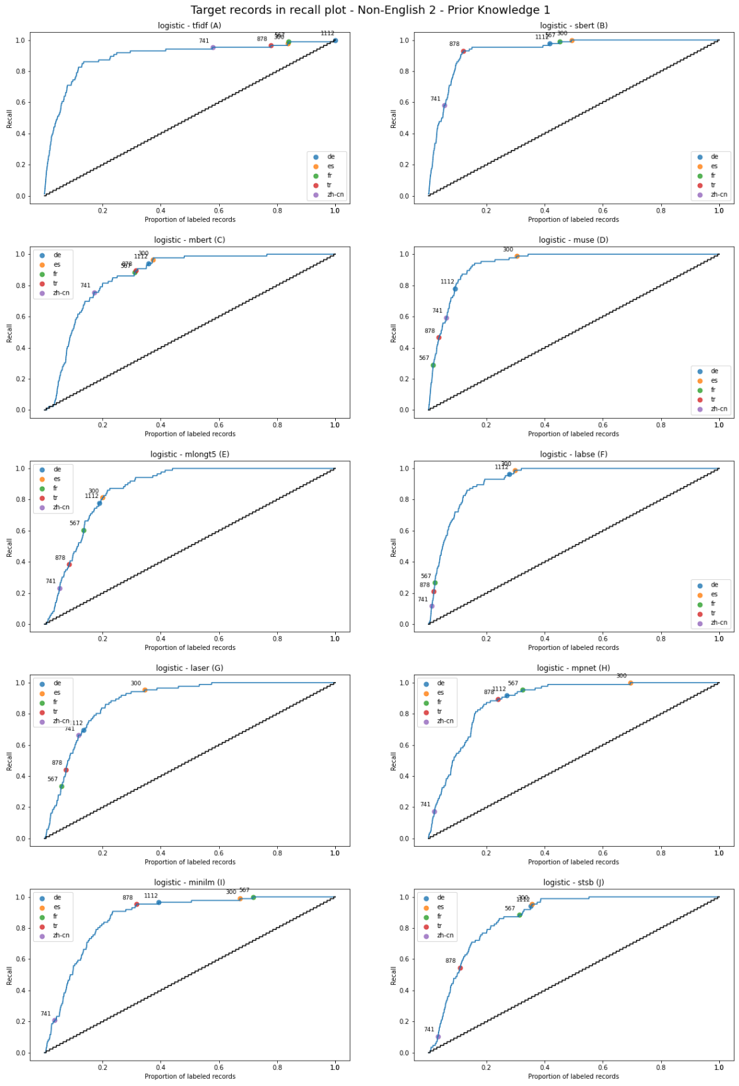
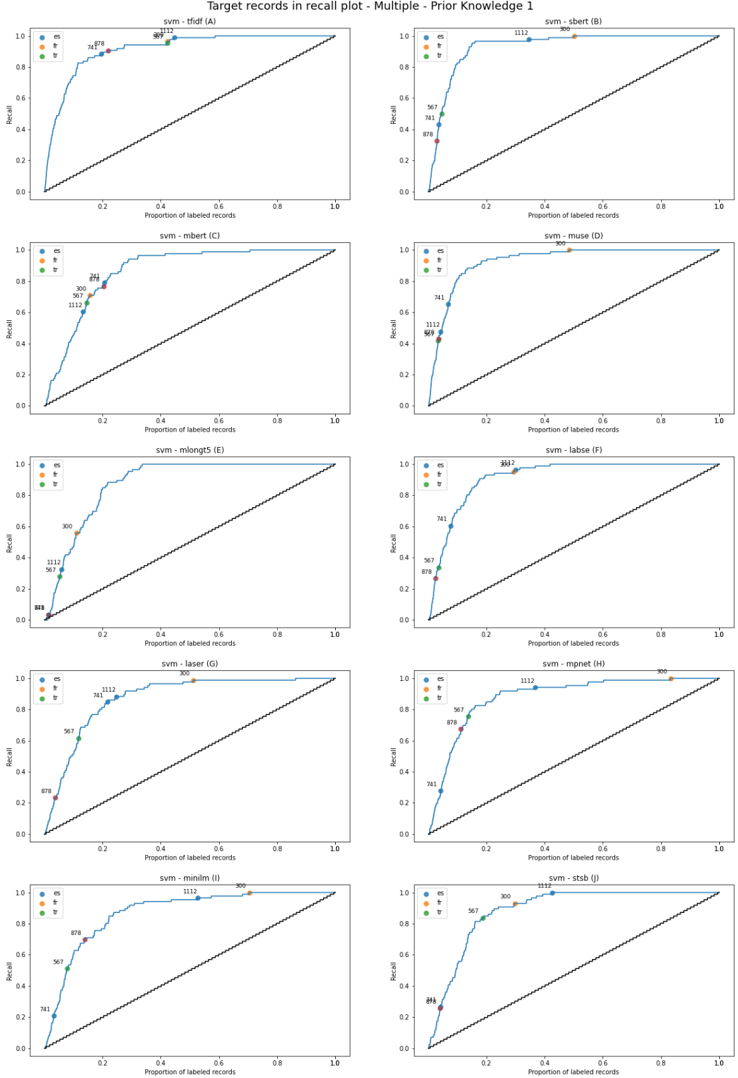
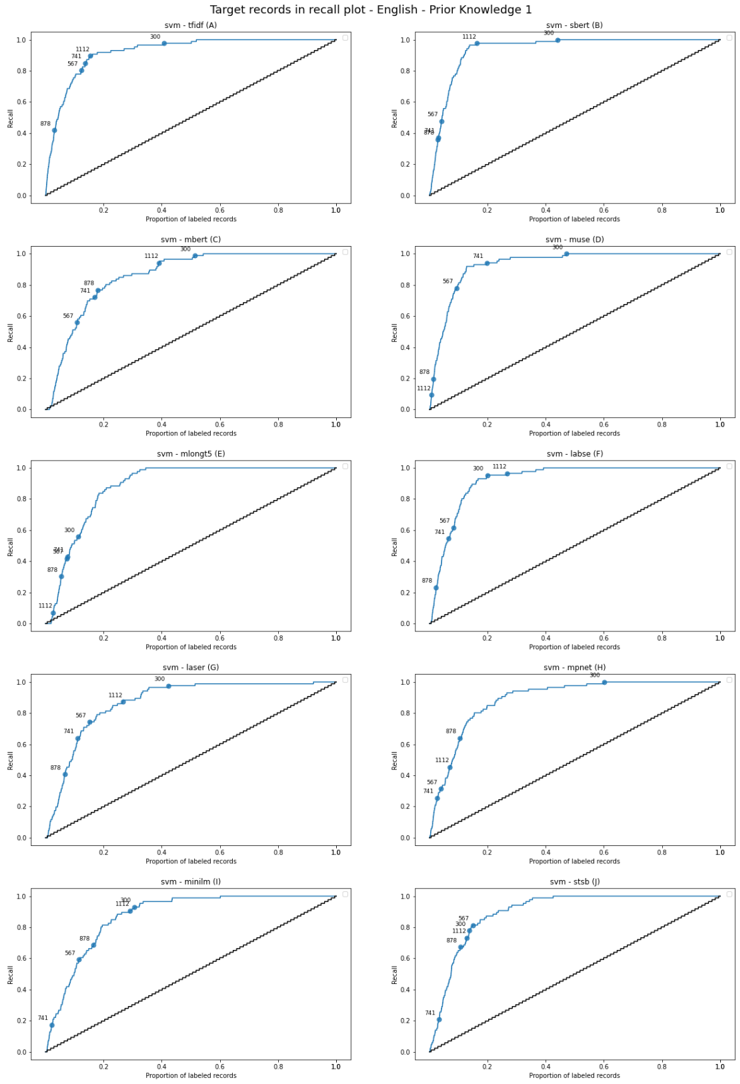
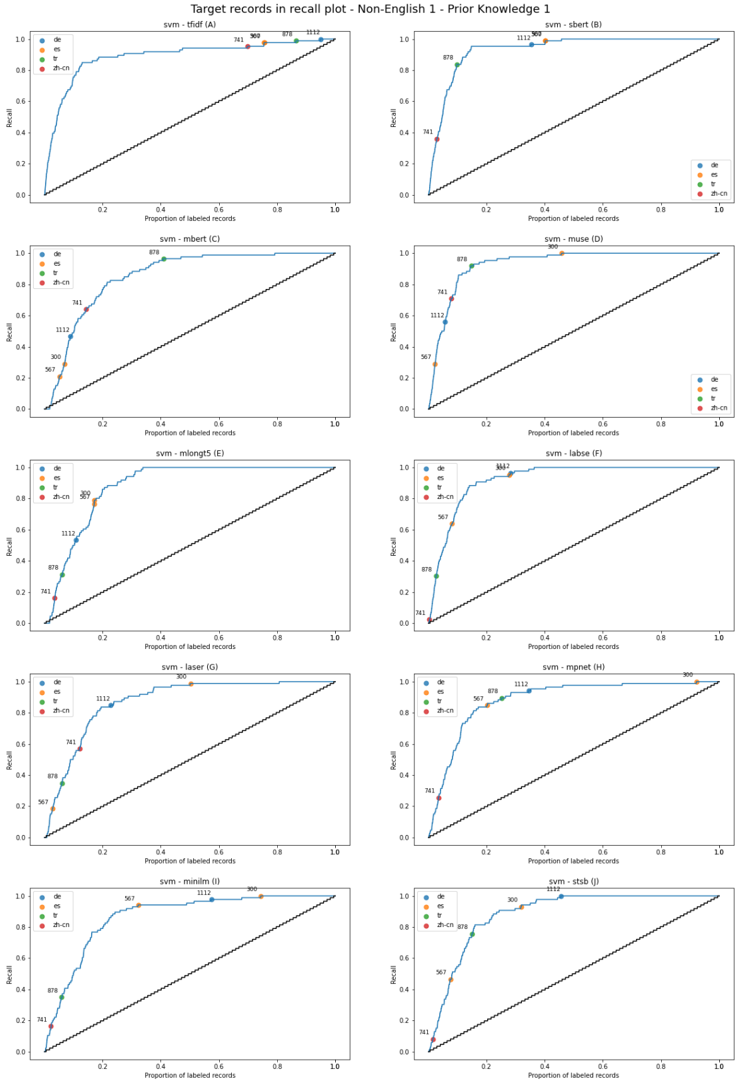
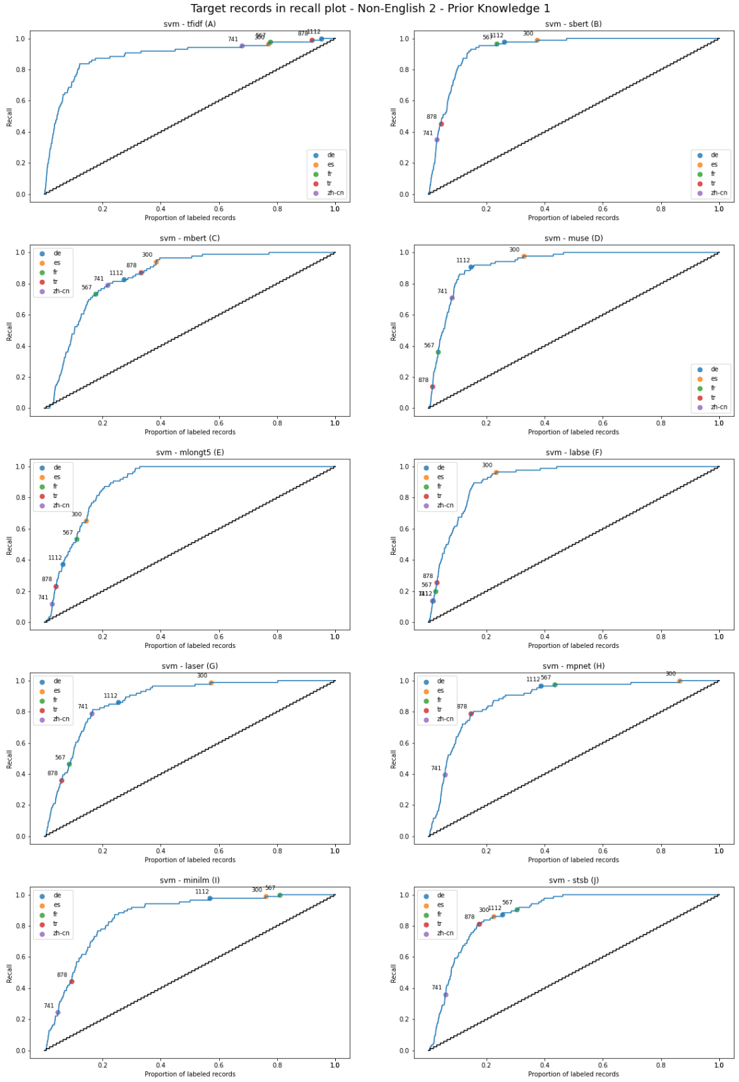
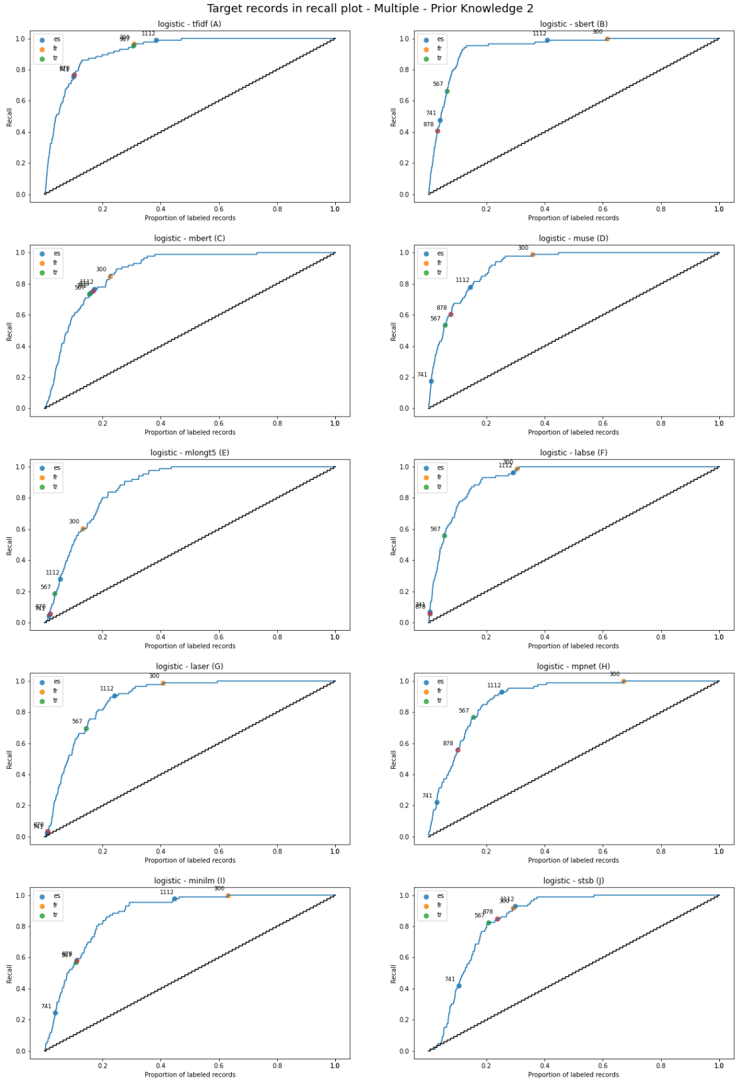
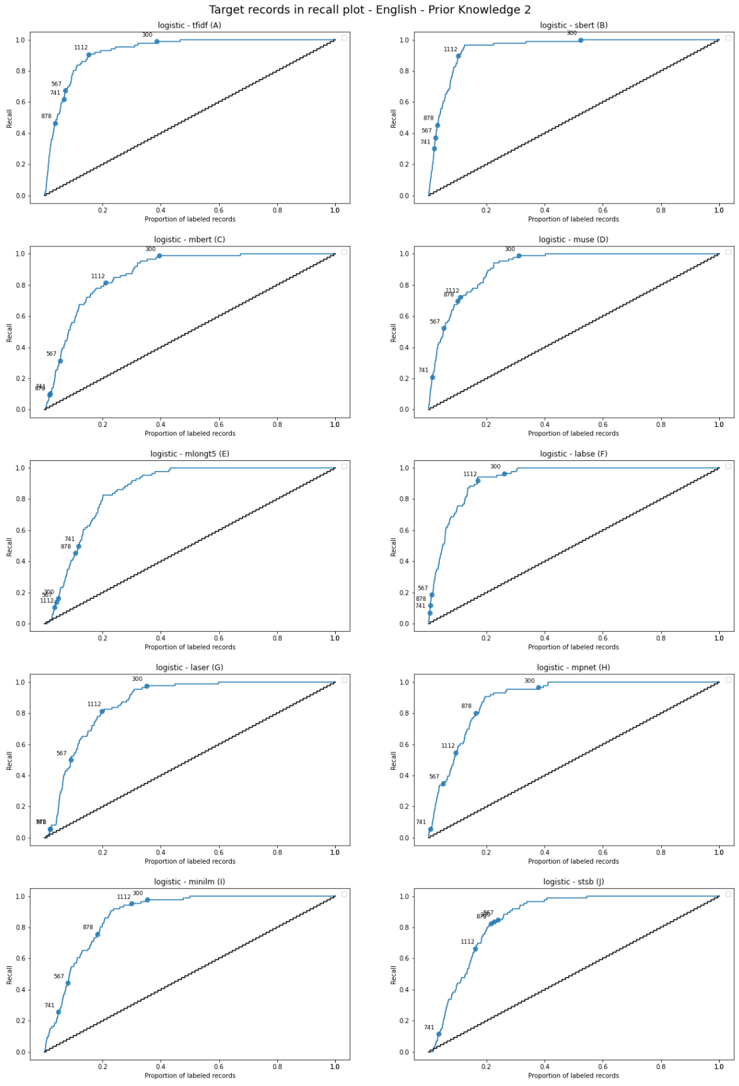
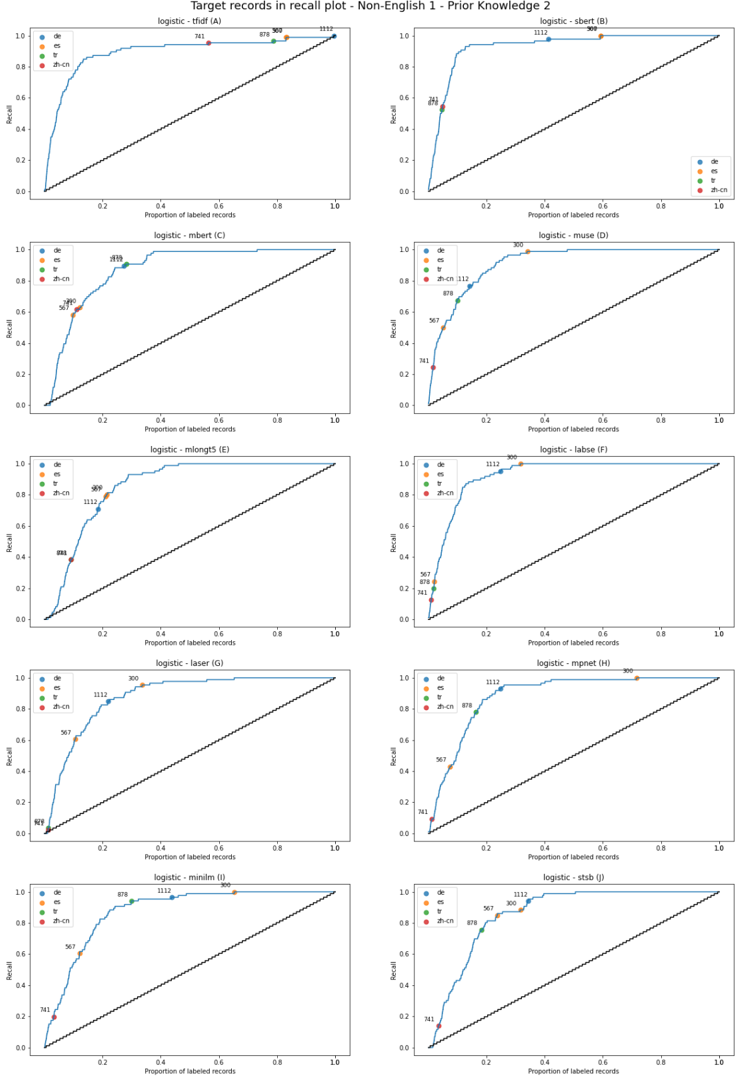
Screening prioritization via active learning plays a vital role in streamlining the systematic review process. However, most existing software implementations are primarily designed for English texts, limiting their effectiveness in handling multilingual abstracts. This study aims to evaluate eight feature extraction models explicitly engineered for multilingual tasks, comparing their performance with two commonly used models, TFiDF and SBERT. Using a simulation-based approach, the models are assessed across four datasets, considering two classification algorithms and two prior knowledge conditions. The results highlight the superiority of models specifically designed for multilingual tasks, such as mLongT5, LaBSE, and MUSE, in classifying multilingual abstracts. These models exhibit faster identification of relevant papers, outperforming traditional models like TFiDF, which struggles to handle non-English papers. The choice of classification algorithm and prior knowledge conditions showed minimal impact on performance. This finding challenges the common reliance on TFiDF in active learning-based tools and emphasizes the need for more effective multilingual models. The study also reveals variations in model performance based on the language composition of datasets. Thus, the generalizability of findings may be limited to the specific dataset used. This emphasizes the importance of consciously addressing language diversity in systematic reviews. By adopting more effective multilingual models, researchers can enhance the efficiency and accuracy of automated abstract screening, overcoming language barriers in scientific research. Future research should explore diverse datasets and evaluate the trade-off between model performance and computational resources. Overall, this study contributes valuable insights for researchers and developers in selecting suitable feature extraction models for multilingual abstract screening tasks.
Overview
The claims and statistics of this paper haven’t been checked yet.
Run the check — free, no account needed. It reads the open-access text and checks the sources it cites.
Integrity signals
Registry
Cites
Statistics
Figures
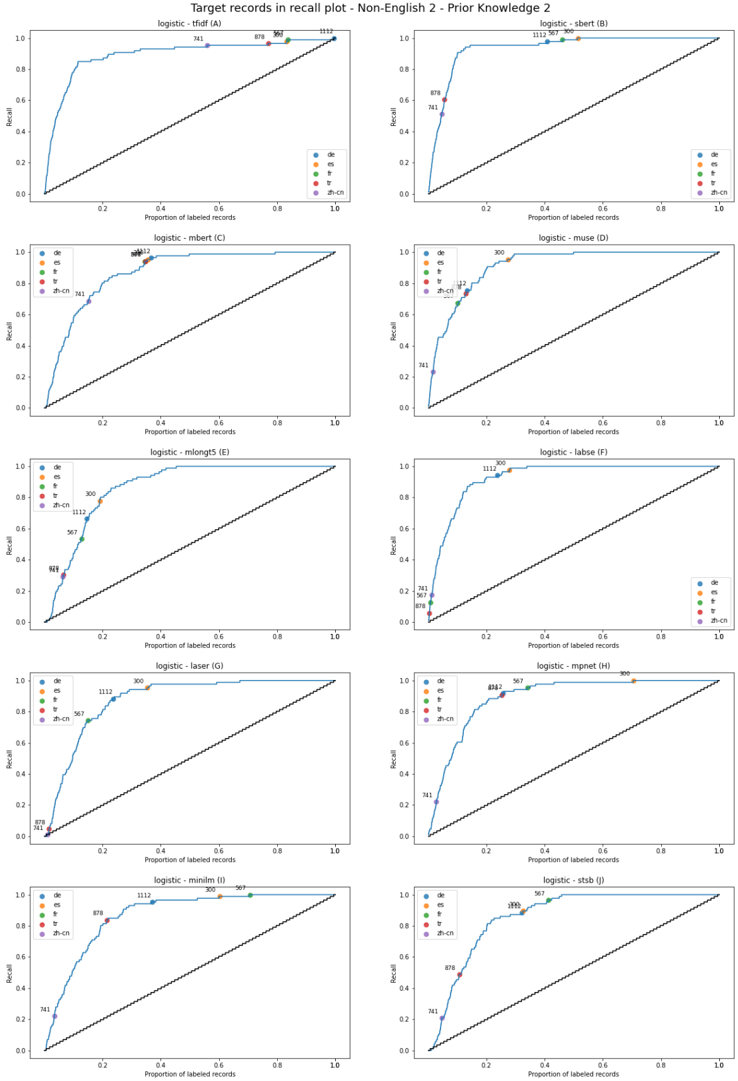
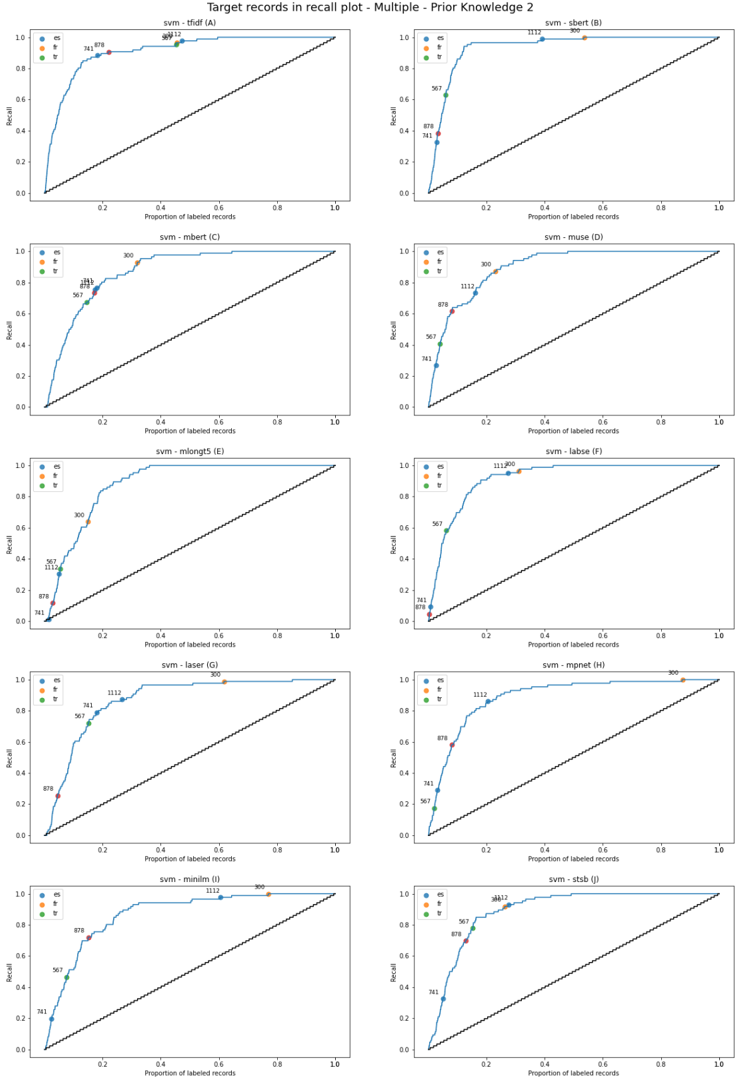
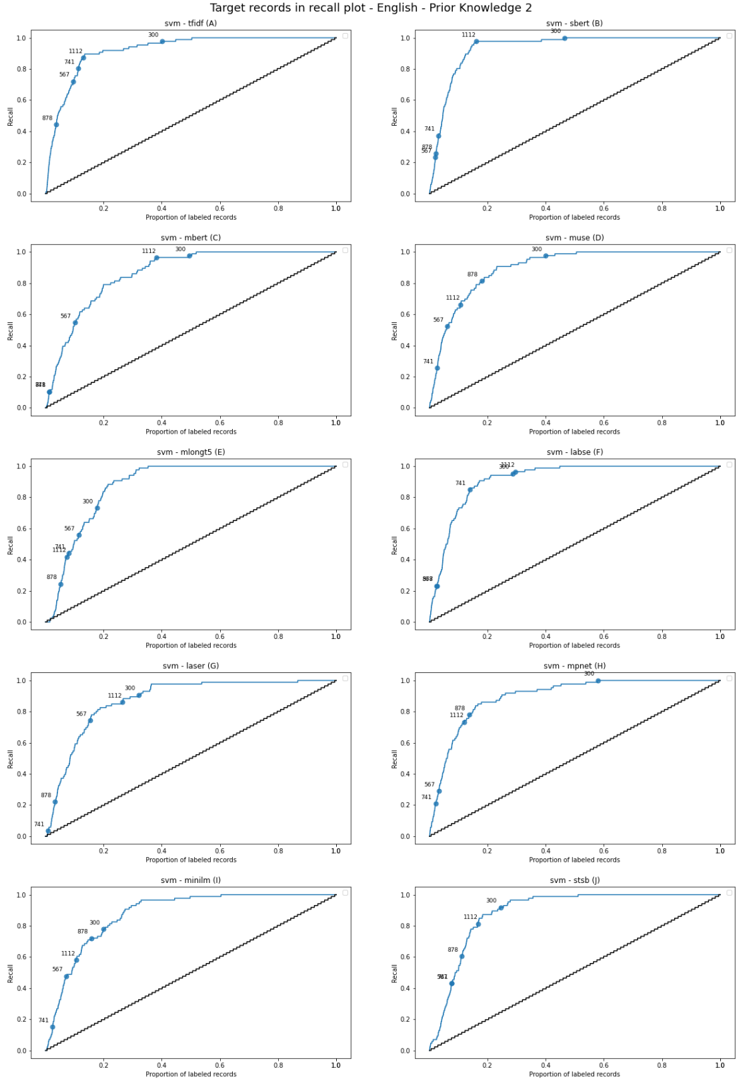
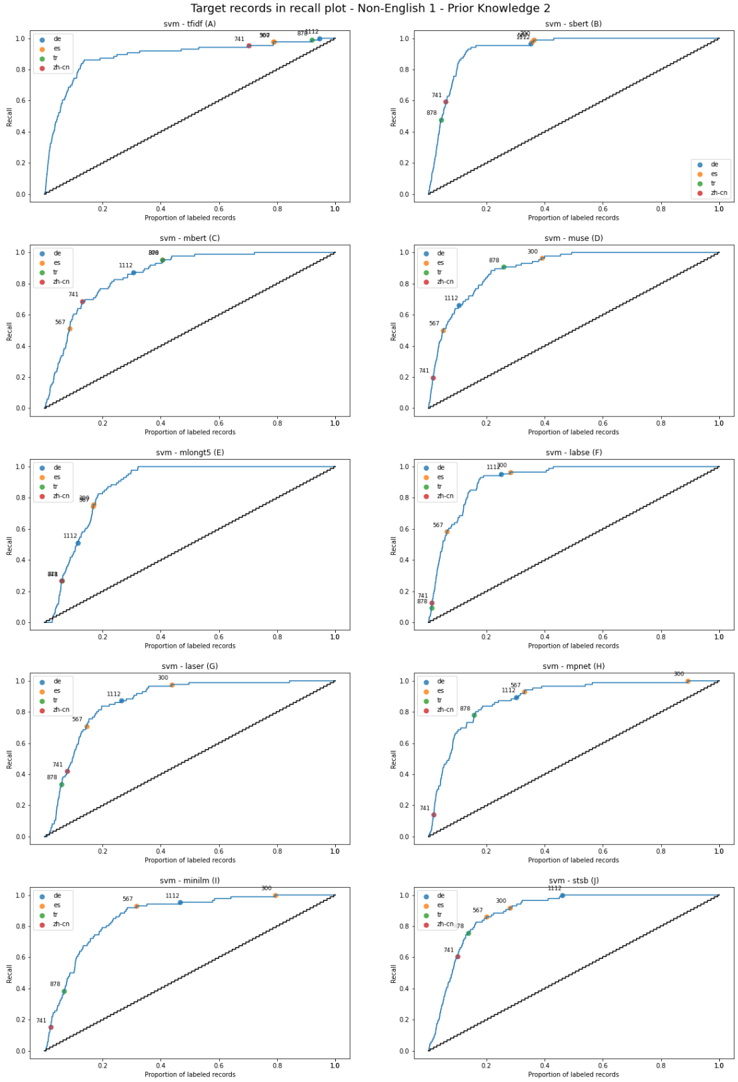
Verification
Claims the paper makes
The claims and statistics of this paper haven’t been checked yet.
Run the check — free, no account needed. It reads the open-access text and checks the sources it cites.
Claims other papers make about this one
Each is checked against this paper’s own text: does it say what the citing paper says it does?
In the citing paper
“Third, as shown in Boer et al.,34 relevant texts written in non-English languages might be less optimally retrieved.”
From ASReview LAB v.2: Open-source text screening with multiple agents and a crowd of experts (2025) · cites this paper as [34]
Self-check
Percentages, sums and reported differences re-computed from the paper’s own numbers.
The self-check needs the paper’s full text.
Citations
Cites
BERT: Pre-training of Deep Bidirectional Transformers for Language Understanding
Devlin, J., Chang, M.-W., Lee, K., & Toutanova, K. (2018) · arXiv · doi:10.48550/arxiv.1810.04805 · Cited by 73,173
Exploring the Limits of Transfer Learning with a Unified Text-to-Text Transformer
Raffel, C., Shazeer, N., Roberts, A., Lee, K., Narang, S., Matena, M., Zhou, Y., Li, W., & Liu, P. J. (2019) · arXiv · doi:10.48550/arxiv.1910.10683 · Cited by 10,929
Morrison, A., Polisena, J., Husereau, D., Moulton, K., Clark, M., Fiander, M., Mierzwinski-Urban, M., Clifford, T., Hutton, B., & Rabb, D. (2012) · International Journal of Technology Assessment in Health Care · doi:10.1017/s0266462312000086 · Cited by 1,257
Language-agnostic BERT Sentence Embedding
Feng, F., Yang, Y., Cer, D., Arivazhagan, N., & Wang, W. (2022) · Proceedings of the 60th Annual Meeting of the Association for Computational Linguistics (Volume 1: Long Papers) · doi:10.18653/v1/2022.acl-long.62 · Cited by 758
MTEB: Massive Text Embedding Benchmark
Muennighoff, N., Tazi, N., Magne, L., & Reimers, N. (2023) · Proceedings of the 17th Conference of the European Chapter of the Association for Computational Linguistics · doi:10.18653/v1/2023.eacl-main.148 · Cited by 548
Reducing Workload in Systematic Review Preparation Using Automated Citation Classification
Cohen, A. M., Hersh, W. R., Peterson, K., & Yen, P.-Y. (2006) · Journal of the American Medical Informatics Association · doi:10.1197/jamia.m1929 · Cited by 411
Greenland, S. (2001) · Biostatistics · doi:10.1093/biostatistics/2.4.463 · Cited by 359
Error rates of human reviewers during abstract screening in systematic reviews
Wang, Z., Nayfeh, T., Tetzlaff, J., O’Blenis, P., & Murad, M. H. (2020) · PLOS ONE · doi:10.1371/journal.pone.0227742 · Cited by 217
Howard, B. E., Phillips, J., Tandon, A., Maharana, A., Elmore, R., Mav, D., Sedykh, A., Thayer, K., Merrick, B. A., Walker, V., et al. (2020) · Environment International · doi:10.1016/j.envint.2020.105623 · Cited by 157
Prioritising references for systematic reviews with RobotAnalyst: A user study
Przybyła, P., Brockmeier, A. J., Kontonatsios, G., Le Pogam, M., McNaught, J., von Elm, E., Nolan, K., & Ananiadou, S. (2018) · Research Synthesis Methods · doi:10.1002/jrsm.1311 · Cited by 148
Research works printed but not linked: 14
- Lefebvre, C., E. Manheimer, and J. Glanville, Searching for Studies, in Cochrane Handbook for Systematic Reviews of Interventions, J.P.T. Higgins and S. Green, Editors. 2008, John Wiley & Sons, Ltd: Chichester, UK. p. 95-150.
- Stone, J., et al., Stratification by quality induced selection bias in a meta-analysis of clinical trials. Journal of Clinical Epidemiology, 2019. 107: p. 51-59.
- Higgins, J.P., et al., Cochrane handbook for systematic reviews of interventions. 2019: John Wiley & Sons.
- Pieper, D. and L. Puljak, Language restrictions in systematic reviews should not be imposed in the search strategy but in the eligibility criteria if necessary. Journal of Clinical Epidemiology, 2021. 132: p. 146-147.
- Klassen, T.P., M.L. Lawson, and D. Moher, Language of publication restrictions in systematic reviews gave different results depending on whether the intervention was conventional or complementary. Journal of clinical epidemiology, 2005. 58(8): p. 769-776. e2.
- Teijema, J.J., et al., Simulation-based Active Learning for Systematic Reviews: A Systematic Review of the Literature. 2023.
- Wallace, B.C., et al., Deploying an interactive machine learning system in an evidence-based practice center: abstrackr. Proceedings of the ACM International Health Informatics Symposium (IHI), 2012: p. 819-824.
- Artetxe, M. and H. Schwenk, Massively multilingual sentence embeddings for zero-shot cross- lingual transfer and beyond. Transactions of the Association for Computational Linguistics, 2019. 7: p. 597-610.
- Ainslie, J., et al., ETC: Encoding long and structured inputs in transformers. arXiv preprint arXiv:2004.08483, 2020. · arXiv
- Zaheer, M., et al., Big bird: Transformers for longer sequences. Advances in neural information processing systems, 2020. 33: p. 17283-17297.
- Beltagy, I., M.E. Peters, and A. Cohan, Longformer: The long-document transformer. arXiv preprint arXiv:2004.05150, 2020. · arXiv
- Tay, Y., et al., Long range arena: A benchmark for efficient transformers. arXiv preprint arXiv:2011.04006, 2020. · arXiv
- Kaplan, J., et al., Scaling laws for neural language models. arXiv preprint arXiv:2001.08361, 2020. · arXiv
- Dobrescu, A., et al., Restricting evidence syntheses of interventions to English-language publications is a viable methodological shortcut for most medical topics: a systematic review. Journal of Clinical Epidemiology, 2021. 137: p. 209-217.
Cited by
ASReview LAB v.2: Open-source text screening with multiple agents and a crowd of experts
de Bruin, J., Lombaers, P., Kaandorp, C., Teijema, J., van der Kuil, T., Yazan, B., Dong, A., & van de Schoot, R. (2025) · Patterns · doi:10.1016/j.patter.2025.101318 · Cited by 27
Self-citation
Metadata
- Authors
- Boer, R. D., Hofstee, L., Leenaars, C., Bagheri, A., Teijema, J. J., & van de Schoot, R.
- Publisher
- Center for Open Science
- Published
- 2024-01-26
- Cited by
- 1
- References
- 13
- Type
- Preprint
About these checks
Registry, retraction, Cites and statistics results are computed, not judged, with one exception: a printed reference that no index lists is read once by a model before it counts as a citation error. Claims are extracted by a model and kept only when their quote appears verbatim in the text; each cited source is then checked, with a model’s help, for whether it says what the claim relies on. Those verdicts can be wrong — read the claim’s quote and the cited source before relying on one.
Statistics and arithmetic are recomputed, not judged.
Confidence bands are shown only for fields calibrated on our annotated test set. None is calibrated yet, so no band is shown.
What counts as a claim ›How we measure confidence ›How we check this ›
Are you an author, or do you see a problem with this page? Request a review
Data sources
Bibliographic data: Semantic Scholar, OpenAlex, Crossref.
Contains information from the Semantic Scholar Academic Graph Datasets, made available under the ODC Attribution License (ODC-BY 1.0).
Semantic Scholar’s data is described in: Kinney, R., et al. (2023). The Semantic Scholar Open Data Platform. arXiv:2301.10140.
