

The DOI matches its Crossref record; 136 of the 136 references it cites were found in a registry or an index.
Effects of Aerobic Exercise Training on Systemic Biomarkers and Cognition in Late Middle-Aged Adults at Risk for Alzheimer’s Disease
Open accessAbstract
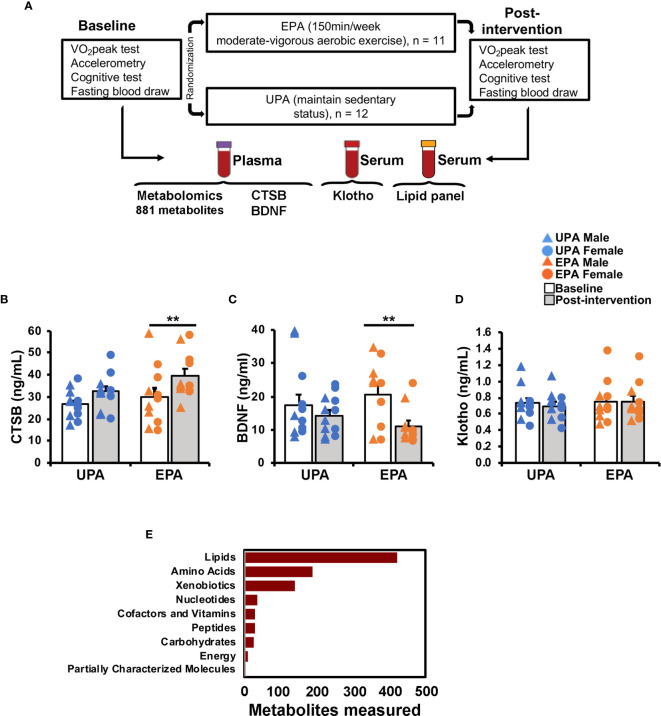
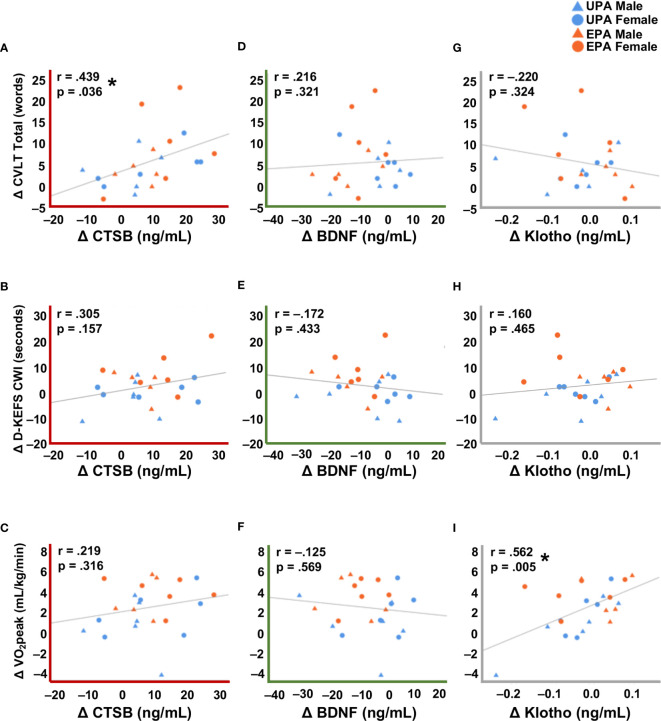
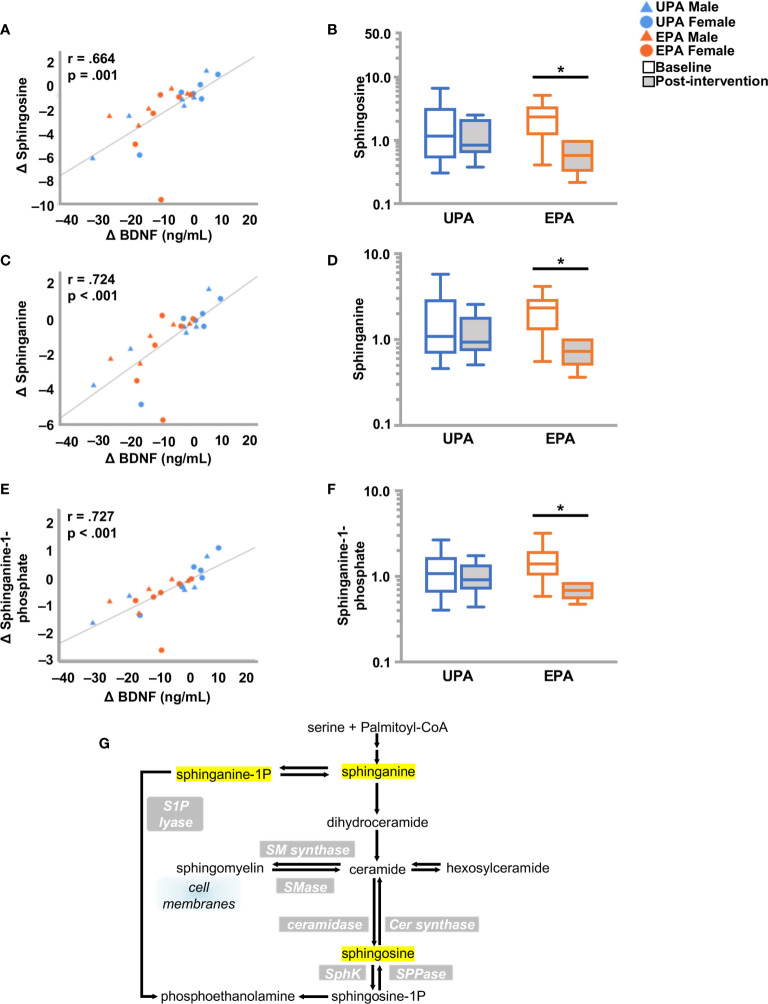
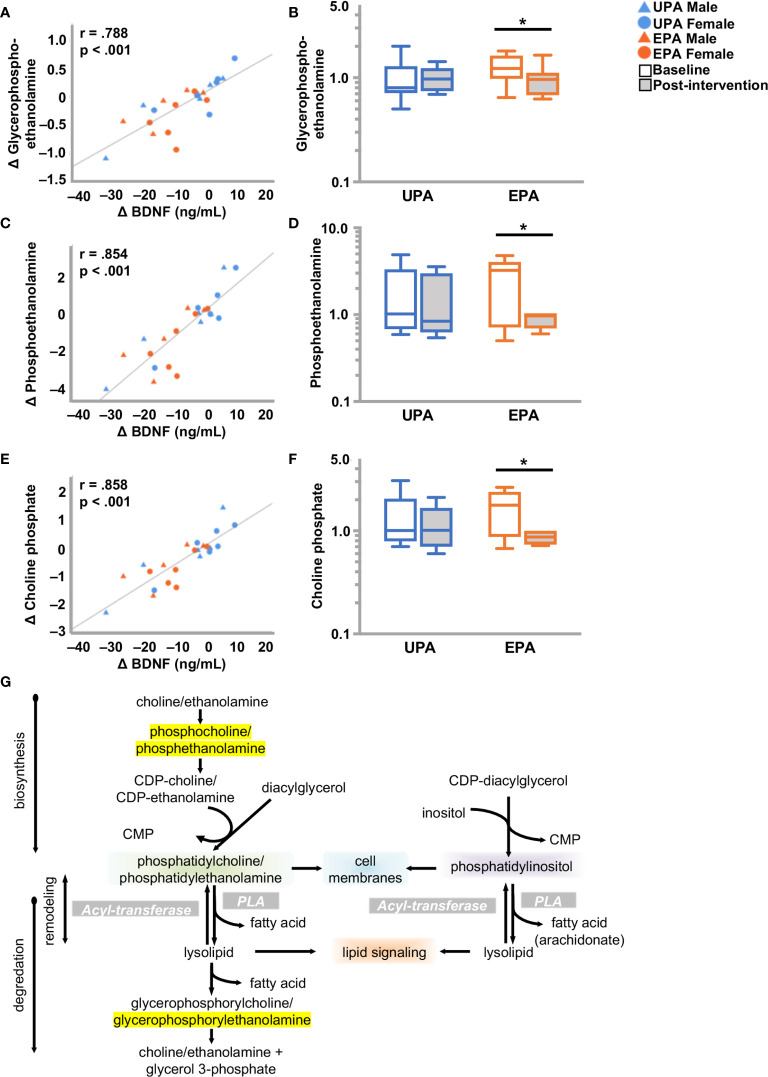
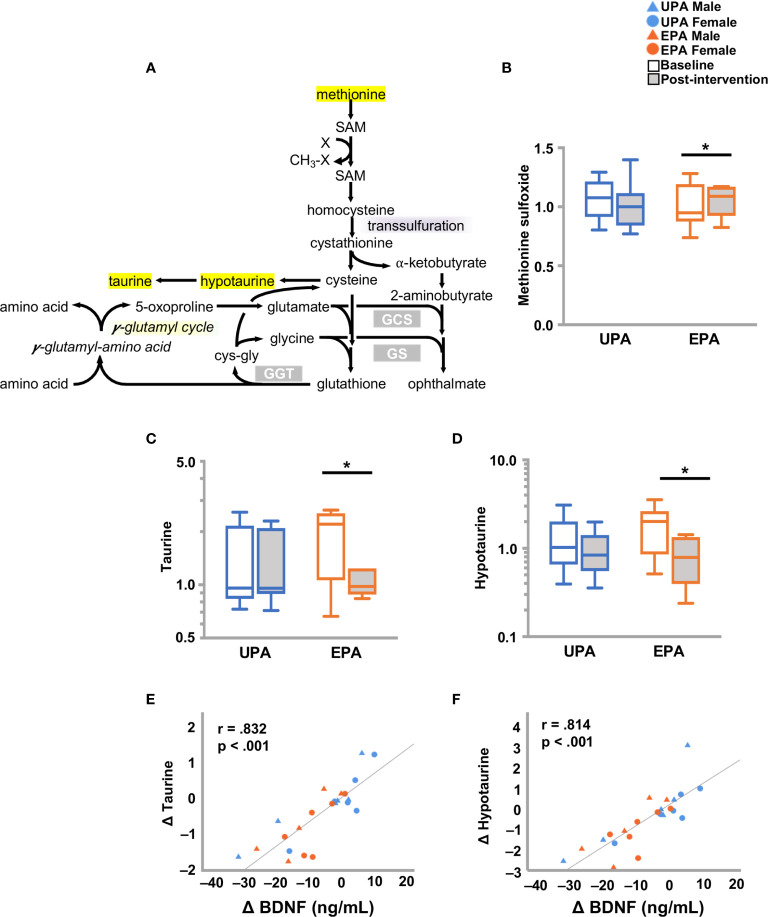
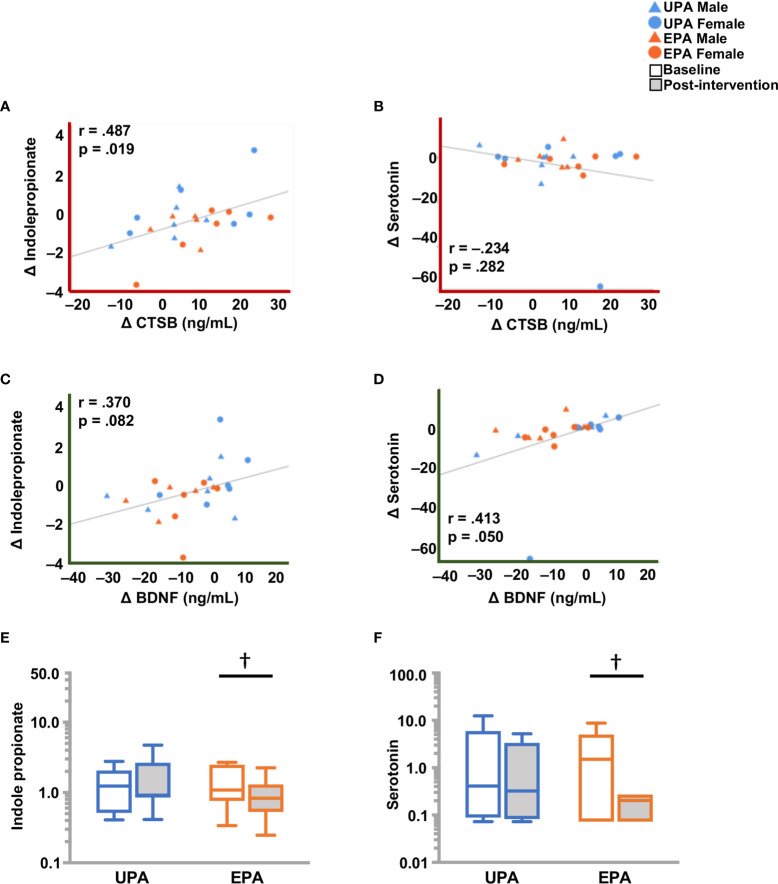
Increasing evidence indicates that physical activity and exercise training may delay or prevent the onset of Alzheimer’s disease (AD). However, systemic biomarkers that can measure exercise effects on brain function and that link to relevant metabolic responses are lacking. To begin to address this issue, we utilized blood samples of 23 asymptomatic late middle-aged adults, with familial and genetic risk for AD (mean age 65 years old, 50% female) who underwent 26 weeks of supervised treadmill training. Systemic biomarkers implicated in learning and memory, including the myokine Cathepsin B (CTSB), brain-derived neurotrophic factor (BDNF), and klotho, as well as metabolomics were evaluated. Here we show that aerobic exercise training increases plasma CTSB and that changes in CTSB, but not BDNF or klotho, correlate with cognitive performance. BDNF levels decreased with exercise training. Klotho levels were unchanged by training, but closely associated with change in VO 2 peak. Metabolomic analysis revealed increased levels of polyunsaturated free fatty acids (PUFAs), reductions in ceramides, sphingo- and phospholipids, as well as changes in gut microbiome metabolites and redox homeostasis, with exercise. Multiple metabolites (~30%) correlated with changes in BDNF, but not CSTB or klotho. The positive association between CTSB and cognition, and the modulation of lipid metabolites implicated in dementia, support the beneficial effects of exercise training on brain function. Overall, our analyses indicate metabolic regulation of exercise-induced plasma BDNF changes and provide evidence that CTSB is a marker of cognitive changes in late middle-aged adults at risk for dementia.
Overview
The claims and statistics of this paper haven’t been checked yet.
Run the check — free, no account needed. It reads the open-access text and checks the sources it cites.
Integrity signals
Registry
Cites
Statistics
Figures
Verification
Claims the paper makes
The claims and statistics of this paper haven’t been checked yet.
Run the check — free, no account needed. It reads the open-access text and checks the sources it cites.
Claims other papers make about this one
Each is checked against this paper’s own text: does it say what the citing paper says it does?
In the citing paper
“although chronic exercise does increase plasma levels of cathepsin B145,157.”
From Exerkines in health, resilience and disease (2022) · cites this paper as [145]
In the citing paper
“In both animal models and humans, plasma levels of cathepsin B, a lysosomal thiol proteinase produced by muscle, is positively associated with hippocampus-dependent memory145,157.”
From Exerkines in health, resilience and disease (2022) · cites this paper as [145]
In the citing paper
“whereas chronic exercise training has been shown to not alter140, increase or even decrease plasma levels of BDNF140,145.”
From Exerkines in health, resilience and disease (2022) · cites this paper as [145]
Self-check
Percentages, sums and reported differences re-computed from the paper’s own numbers.
The self-check needs the paper’s full text.
Citations
Cites
Folstein, M. F., Folstein, S. E., & McHugh, P. R. (1975) · Journal of Psychiatric Research · doi:10.1016/0022-3956(75)90026-6 · Cited by 88,282
Hirono, N., Mori, E., Ikejiri, Y., Imamura, T., Shimomura, T., Hashimoto, M., Yamashita, H., & Ikeda, M. (1997) · PubMed · Cited by 21,012
Kok, J. S., Berg, I. J., & Scherder, E. J. A. (2013) · Dementia and Geriatric Cognitive Disorders Extra · doi:10.1159/000353441 · Cited by 20,589
Older Adults' Reasons for Using Technology while Aging in Place
Peek, S. T. M., Luijkx, K. G., Rijnaard, M. D., Nieboer, M. E., van der Voort, C. S., Aarts, S., van Hoof, J., Vrijhoef, H. J., & Wouters, E. (2015) · Gerontology · doi:10.1159/000430949 · Cited by 19,852
Sensitivity and False Alarm Rate of a Fall Sensor in Long-Term Fall Detection in the Elderly
Kangas, M., Korpelainen, R., Vikman, I., Nyberg, L., & Jämsä, T. J. (2014) · Gerontology · doi:10.1159/000362720 · Cited by 19,007
Exercise training increases size of hippocampus and improves memory
Erickson, K. I., Voss, M. W., Prakash, R. S., Basak, C., Szabo, A., Chaddock, L., Kim, J. S., Heo, S., Alves, H., White, S. M., et al. (2011) · Proceedings of the National Academy of Sciences · doi:10.1073/pnas.1015950108 · Cited by 4,855
Indigenous bacteria from the gut microbiota regulate host serotonin biosynthesis
Yano, J. M., Yu, K., Donaldson, G. P., Shastri, G. G., Ann, P., Ma, L., Nagler, C. R., Ismagilov, R. F., Mazmanian, S. K., & Hsiao, E. Y. (2015) · Cell · doi:10.1016/j.cell.2015.02.047 · Cited by 3,614
A Neurotrophic Model for Stress-Related Mood Disorders
Duman, R. S., & Monteggia, L. M. (2006) · Biological Psychiatry · doi:10.1016/j.biopsych.2006.02.013 · Cited by 3,375
Delis-Kaplan Executive Function System
Delis, D. C., Kaplan, E., & Kramer, J. H. (2012) · PsycTESTS Dataset · doi:10.1037/t15082-000 · Cited by 2,683
Muscle as an Endocrine Organ: Focus on Muscle-Derived Interleukin-6
Pedersen, B. K., & Febbraio, M. A. (2008) · Physiological Reviews · doi:10.1152/physrev.90100.2007 · Cited by 2,388
Research works printed but not linked: 1
- 2018, Acsm’s Guidelines for Exercise Testing and Prescription
Cited by
Sorted by citations
Exerkines in health, resilience and disease
Chow, L. S., Gerszten, R. E., Taylor, J. M., Pedersen, B. K., van Praag, H., Trappe, S., Febbraio, M. A., Galis, Z. S., Gao, Y., Haus, J. M., et al. (2022) · Nature Reviews Endocrinology · doi:10.1038/s41574-022-00641-2 · Cited by 927
Brain-Derived Neurotrophic Factor in Alzheimer’s Disease and Its Pharmaceutical Potential
Gao, L., Zhang, Y., Sterling, K., & Song, W. (2022) · Translational Neurodegeneration · doi:10.1186/s40035-022-00279-0 · Cited by 606
Marzia Perluigi, A., Domenico, F. D., & Butterfield, D. A. (2023) · Physiological Reviews · doi:10.1152/physrev.00030.2022 · Cited by 322
From Synaptic Plasticity to Neurodegeneration: BDNF as a Transformative Target in Medicine
Toader, C., Șerban, M., Munteanu, O., Covache-Busuioc, R.-A., Enyedi, M., Ciurea, A. V., & Tătaru, C. P. (2025) · International Journal of Molecular Sciences · doi:10.3390/ijms26094271 · Cited by 161
Choi, J.-W., Jo, S.-W., Kim, D., Paik, I., & Balakrishnan, R. (2024) · Redox Biology · doi:10.1016/j.redox.2024.103101 · Cited by 148
Can exercise training teach us how to treat Alzheimer's disease?
Huuha, A. M., Norevik, C. S., Moreira, J. B. N., Kobro-Flatmoen, A., Scrimgeour, N., Kivipelto, M., Van Praag, H., Ziaei, M., Sando, S. B., Wisløff, U., et al. (2022) · Ageing Research Reviews · doi:10.1016/j.arr.2022.101559 · Cited by 79
Yuan, S., Yang, J., Jian, Y., Lei, Y., Yao, S., Hu, Z., Liu, X., Tang, C., & Liu, W. (2022) · Nutrients · doi:10.3390/nu14194134 · Cited by 76
Physical activity and lifestyle modifications in the treatment of neurodegenerative diseases
Santiago, J. A., & Potashkin, J. A. (2023) · Frontiers in Aging Neuroscience · doi:10.3389/fnagi.2023.1185671 · Cited by 75
Festa, F., Medori, S., & Macrì, M. (2023) · Biomedicines · doi:10.3390/biomedicines11061765 · Cited by 85
The Influence of Intestinal Microbiota on BDNF Levels
Molska, M., Mruczyk, K., Cisek-Woźniak, A., Prokopowicz, W., Szydełko, P., Jakuszewska, Z., Marzec, K., & Trocholepsza, M. (2024) · Nutrients · doi:10.3390/nu16172891 · Cited by 64
From Recognition to Remedy: The Significance of Biomarkers in Neurodegenerative Disease Pathology
Toader, C., Dobrin, N., Brehar, F.-M., Popa, C., Covache-Busuioc, R.-A., Glavan, L.-A., Costin, H. P., Bratu, B.-G., Corlatescu, A.-D., Popa, A. A., et al. (2023) · International Journal of Molecular Sciences · doi:10.3390/ijms242216119 · Cited by 63
Muscle–brain crosstalk mediated by exercise-induced myokines - insights from experimental studies
Kostka, M., Morys, J., Małecki, A., & Nowacka-Chmielewska, M. M. (2024) · Frontiers in Physiology · doi:10.3389/fphys.2024.1488375 · Cited by 75
Major Depressive Disorder and Gut Microbiota: Role of Physical Exercise
de Souza, P. B., Borba, L. A., de Jesus, L. C., Valverde, A. P., Gil‐Mohapel, J., & Rodrigues, A. L. S. (2023) · International Journal of Molecular Sciences · doi:10.3390/ijms242316870 · Cited by 68
Garavito, A. R., Martínez, V. D., Cortés, E. J., Negrete‐Díaz, J. V., & Rodríguez, L. M. M. (2025) · Frontiers in Neurology · doi:10.3389/fneur.2024.1505879 · Cited by 73
Myokine-mediated muscle-organ interactions: Molecular mechanisms and clinical significance
Yi, J., Chen, J., Yao, X., Zhao, Z., Niu, X., Li, X., Sun, J., Ji, Y., Shang, T., Gong, L., et al. (2025) · Biochemical Pharmacology · doi:10.1016/j.bcp.2025.117326 · Cited by 68
Liu, W., Zhang, J., Wang, Y., Li, J., Chang, J., & Jia, Q. (2022) · Frontiers in Psychiatry · doi:10.3389/fpsyt.2022.927128 · Cited by 50
Xue, B., Waseem, S. M. A., Zhu, Z., Alshahrani, M. A., Nazam, N., Anjum, F., Habib, A. H., Rafeeq, M. M., Nazam, F., & Sharma, M. (2022) · Frontiers in Neuroscience · doi:10.3389/fnins.2022.925991 · Cited by 52
Azevedo, C. V., Hashiguchi, D., Campos, H. C., Figueiredo, E. V., Otaviano, S. F. S. D., Penitente, A. R., Arida, R. M., & Longo, B. M. (2023) · Frontiers in Neuroscience · doi:10.3389/fnins.2023.1131214 · Cited by 55
Exercise and exerkines: Mechanisms and roles in anti-aging and disease prevention
Lu, X., Chen, Y., Shi, Y., Shi, Y., Su, X., Chen, P., Wu, D., & Shi, H. (2025) · Experimental Gerontology · doi:10.1016/j.exger.2025.112685 · Cited by 50
Reparaz-Escudero, I., Izquierdo, M., Bischoff-Ferrari, H. A., Martínez-Lage, P., & Sáez de Asteasu, M. L. (2024) · Ageing Research Reviews · doi:10.1016/j.arr.2024.102463 · Cited by 45
Gao, X., Chen, Y., & Cheng, P. (2024) · Frontiers in Physiology · doi:10.3389/fphys.2024.1338875 · Cited by 41
Wang, M., Xie, K., Zhao, S., Jia, N., Zong, Y., Gu, W., & Cai, Y. (2023) · Molecular Medicine · doi:10.1186/s10020-023-00727-1 · Cited by 40
Aerobic exercise, an effective prevention and treatment for mild cognitive impairment
Huang, B., Chen, K., & Li, Y. (2023) · Frontiers in Aging Neuroscience · doi:10.3389/fnagi.2023.1194559 · Cited by 49
Mazo, C. E., Miranda, E. R., Shadiow, J., Vesia, M., & Haus, J. M. (2022) · Brain Plasticity · doi:10.3233/bpl-220137 · Cited by 30
Zeng, Y., Wang, J., Cai, X., Zhang, X., Zhang, J., Peng, M., Xiao, D., Ouyang, H., & Yan, F. (2023) · Geriatric Nursing · doi:10.1016/j.gerinurse.2023.04.012 · Cited by 33
Gulej, R., Patai, R., Ungvari, A., Kállai, A., Tarantini, S., Yabluchanskiy, A., Huffman, D. M., Conboy, M. J., Conboy, I. M., Mika Kivimaki, B., et al. (2025) · GeroScience · doi:10.1007/s11357-025-01657-y · Cited by 29
Campos, H. C., Ribeiro, D. E., Hashiguchi, D., Glaser, T., Milanis, M. D. S., Gimenes, C., Suchecki, D., Arida, R. M., Ulrich, H., & Longo, B. M. (2023) · Frontiers in Neuroscience · doi:10.3389/fnins.2023.1132825 · Cited by 30
Soldan, A., Alfini, A. J., Pettigrew, C. A., Faria, A. V., Hou, X., Lim, C., Lu, H., Spira, A. P., Zipunnikov, V., & Albert, M. (2022) · Neurobiology of Aging · doi:10.1016/j.neurobiolaging.2022.04.006 · Cited by 31
Bacanoiu, M. V., Dănoiu, M., Rusu, L., & Marin, M. I. (2023) · Antioxidants · doi:10.3390/antiox12051008 · Cited by 27
Current Perspectives: Obesity and Neurodegeneration - Links and Risks
Kueck, P. J., Morris, J. K., & Stanford, J. A. (2024) · Degenerative Neurological and Neuromuscular Disease · doi:10.2147/dnnd.s388579 · Cited by 30
Caruso, M. G., Nicolas, S., Lucassen, P. J., Mul, J. D., O’Leary, O. F., & Nolan, Y. M. (2024) · Brain Plasticity · doi:10.3233/bpl-230157 · Cited by 25
Exercise and the organ-brain axis: Regulation of neurological disorders by emerging exerkines
Dai, Y., Dou, X., Nie, B., Sun, Y., Chen, P., Fu, C., Zhang, X., Chu, Y., Gao, Q., Ge, Y., et al. (2025) · Pharmacological Research · doi:10.1016/j.phrs.2025.107913 · Cited by 27
Bangen, K. J., Calcetas, A. T., Thomas, K. R., Wierenga, C. E., Smith, C. N., Bordyug, M., Brenner, E. K., Wing, D., Chen, C., Liu, T. T., et al. (2023) · Journal of the International Neuropsychological Society · doi:10.1017/s1355617723000140 · Cited by 23
Vints, W. A. J., Gökçe, E., Langeard, A., Павлова, Ю., Çevik, Ö. S., Ziaaldini, M. M., Todri, J., Lena, O., Sakkas, G. K., Jak, S., et al. (2023) · Frontiers in Aging Neuroscience · doi:10.3389/fnagi.2023.1213057 · Cited by 29
Martín-Vírgala, J., Martín-Carro, B., Fernández-Villabrille, S., Ruiz-Torres, M., Gómez‐Alonso, C., Rodríguez-García, M., Martín, J. L. F., Alonso‐Montes, C., Panizo, S., Cannata-Andía, J. B., et al. (2024) · International Journal of Molecular Sciences · doi:10.3390/ijms25031843 · Cited by 24
Klotho: An Emerging Factor With Ergogenic Potential
Arroyo, E., Troutman, A. D., Moorthi, R. N., Avin, K. G., Coggan, A. R., & Lim, K. J. (2022) · Frontiers in Rehabilitation Sciences · doi:10.3389/fresc.2021.807123 · Cited by 26
Muscle fiber type-dependence effect of exercise on genomic networks in aged mice models
Lee, S. M., Lee, M. C., Bae, W. R., Yoon, K. J., & Moon, H. Y. (2022) · Aging · doi:10.18632/aging.204024 · Cited by 23
Self-citationMulti-omics studies reveal ameliorating effects of physical exercise on neurodegenerative diseases
Guo, Y., Wang, S., Chao, X., Li, D., Wang, Y., Guo, Q., & Chen, T. (2022) · Frontiers in Aging Neuroscience · doi:10.3389/fnagi.2022.1026688 · Cited by 26
Wei, C., Wu, X., Li, C., Zhang, Y., Yuan, Q., & Huang, R. (2025) · The FASEB Journal · doi:10.1096/fj.202402572r · Cited by 20
Increasing the health span: unique role for exercise
Gaesser, G. A., Hall, S. E., Angadi, S. S., Poole, D. C., & Racette, S. B. (2025) · Journal of Applied Physiology · doi:10.1152/japplphysiol.00049.2025 · Cited by 22
The Relationship Between Exercise, Cathepsin B, and Cognitive Functions: Systematic Review
Gökçe, E., & Gün, N. (2023) · Perceptual and Motor Skills · doi:10.1177/00315125231176980 · Cited by 20
Physical activity, cathepsin B, and cognitive health
Yu, Q., Zhang, Z., Herold, F., Ludyga, S., Kuang, J., Chen, Y., Liu, Z., Erickson, K. I., Goodpaster, B. H., Cheval, B., et al. (2025) · Trends in Molecular Medicine · doi:10.1016/j.molmed.2024.12.010 · Cited by 17
Self-citationExercise Delays Brain Ageing Through Muscle‐Brain Crosstalk
Pourteymour, S., Majhi, R. K., Norheim, F., & Drevon, C. A. (2025) · Cell Proliferation · doi:10.1111/cpr.70026 · Cited by 21
de Almeida, M. F., Farizatto, K. L. G., Almeida, R. S., & Bahr, B. A. (2023) · Ageing Research Reviews · doi:10.1016/j.arr.2023.102162 · Cited by 17
Li, J., Liu, T., Xian, M., Zhou, K., & Wei, J. (2025) · Journal of Advanced Research · doi:10.1016/j.jare.2025.03.001 · Cited by 20
Recent evidence and progress for developing precision nursing in symptomatology: A scoping review
Liu, Q., Wang, F., Wang, G., Liu, L., & Hu, X. (2023) · International Nursing Review · doi:10.1111/inr.12816 · Cited by 16
Lisi, V., Senesi, G., & Balbi, C. (2023) · Free Radical Biology and Medicine · doi:10.1016/j.freeradbiomed.2023.09.021 · Cited by 18
Lim, G., Lee, H., & Lim, Y. (2022) · Biomedicines · doi:10.3390/biomedicines10102529 · Cited by 16
Moghadasi, M., Akbari, F., & Najafi, P. (2024) · Molecular Biology Reports · doi:10.1007/s11033-023-09197-4 · Cited by 15
Wang, N., Zhu, S., Chen, S., Zou, J., Zeng, P., & Tan, S. (2025) · Reviews in the Neurosciences · doi:10.1515/revneuro-2024-0147 · Cited by 12
Liquid biopsy in neurodegenerative disease: A minimally invasive approach for early diagnosis
Udayakumar, S., Girigoswami, A., & Girigoswami, K. (2025) · Clinica Chimica Acta · doi:10.1016/j.cca.2025.120517 · Cited by 12
Peripheral immune and metabolic regulation of Aβ and Tau by exercise in Alzheimer’s disease
Yu, Y., & Chen, K. (2025) · Frontiers in Immunology · doi:10.3389/fimmu.2025.1678526 · Cited by 14
Fasting, a Potential Intervention in Alzheimer's Disease
Zeng, Z., Zhang, H., Wang, X., Shen, J., & Chen, D. (2024) · Journal of Integrative Neuroscience · doi:10.31083/j.jin2303050 · Cited by 12
Synbiotics in Alzheimer’s disease: mechanisms, clinical evidence, and therapeutic prospects
Lin, Y., Weng, R., Pan, H., Hou, Y., Sun, Y., & Wen, J. (2025) · Journal of Translational Medicine · doi:10.1186/s12967-025-07064-3 · Cited by 16
Running throughout Middle-Age Keeps Old Adult-Born Neurons Wired
Vivar, C., Peterson, B., Pinto, A., Janke, E., & van Praag, H. (2023) · eNeuro · doi:10.1523/eneuro.0084-23.2023 · Cited by 14
Metabolomic and proteomic applications to exercise biomedicine
Wilkinson, D. J., Crossland, H., & Atherton, P. J. (2024) · Translational Exercise Biomedicine · doi:10.1515/teb-2024-2006 · Cited by 13
Xie, G., Xu, Z., Li, F., Kong, M., Wang, P., & Shao, Y. (2024) · Neurochemical Research · doi:10.1007/s11064-024-04164-2 · Cited by 12
Cathepsin B and Muscular Strength are Independently Associated with Cognitive Control
Kim, J., McKenna, C. F., Salvador, A. F., Scaroni, S. E., Askow, A. T., Cerna, J., Cannavale, C. N., Paluska, S. A., Lisio, M. D., Petruzzello, S. J., et al. (2022) · Brain Plasticity · doi:10.3233/bpl-210136 · Cited by 11
Chang, Y., Erickson, K. I., Aghjayan, S. L., Chen, F., Li, R., Shih, J.-R., Chang, S.-H., Huang, C., & Chu, C. (2022) · Frontiers in Aging Neuroscience · doi:10.3389/fnagi.2022.929789 · Cited by 10
Jin-li, H., Yang, W., Zhang, Q., Feng, H., Wang, X., Li, H., Zhou, S., & Xiao, S. (2023) · Nutrients · doi:10.3390/nu15071694 · Cited by 11
Hao, Z., Liu, K., Zhou, L., & Chen, P. (2023) · Frontiers in Physiology · doi:10.3389/fphys.2023.1193031 · Cited by 10
Grzelak, N., Kaczmarek, D., & Mrówczyński, W. (2023) · Frontiers in Physiology · doi:10.3389/fphys.2023.1268648 · Cited by 10
Guo, Y., Huang, L., Kuang, J., Sun, T., Zhang, X., Tian, H., Xie, F., Chen, T., & Guo, Q. (2024) · CNS Neuroscience & Therapeutics · doi:10.1111/cns.14921 · Cited by 10
Exercise-mediated circulating metabolites for brain health
Wang, M., Nasb, M., Wu, T., Jia, M., & So, K. (2024) · Advanced Exercise and Health Science · doi:10.1016/j.aehs.2024.11.001 · Cited by 11
Ding, L., Lou, L., Zhang, M., & Zhang, X. (2025) · Experimental Gerontology · doi:10.1016/j.exger.2024.112652 · Cited by 11
The Anti-Inflammatory Actions of Soluble Klotho in Brain Aging and Its Main Associated Diseases
López-Valdés, H. E., Hernández-Lucas, M., Rodríguez-Fabián, G. D. J., Esteban-Román, N. F., Gutiérrez-Juárez, R., Arrieta‐Cruz, I., & Martínez‐Coria, H. (2025) · International Journal of Molecular Sciences · doi:10.3390/ijms26178551 · Cited by 10
Exercise attenuates the hallmarks of aging: Novel perspectives
Qiu, Y., Fernández‐Garcia, B., Lehmann, H. I., Li, G., Kroemer, G., López-Otín, C., & Xiao, J. (2025) · Journal of sport and health science/Journal of Sport and Health Science · doi:10.1016/j.jshs.2025.101108 · Cited by 16
Zhang, Y., Wei, R., Zhang, M., Zhang, K.-X., Zhang, J.-Y., Fang, S., Ge, Y., Kong, X.-Y., Chen, G.-H., & Li, X. (2023) · Frontiers in Behavioral Neuroscience · doi:10.3389/fnbeh.2023.1271653 · Cited by 10
Pinto, A., Haytural, H., Loss, C. M., Álvarez, C., Ertas, A., Curtis, O., Williams, A. R., Murphy, G., Salleng, K. J., Gografe, S., et al. (2025) · Aging Cell · doi:10.1111/acel.70242 · Cited by 10
Muscle-brain crosstalk as a driver of brain health in aging
McNeish, B. L., Miljkovic, I., Liu-Ambrose, T. Y. L., Ambrosio, F., Esser, K. A., Fahnestock, M. L., & Rosano, C. (2025) · GeroScience · doi:10.1007/s11357-025-01833-0 · Cited by 10
Kim, Y., Jamrasi, P., Li, X., Ahn, S., Sung, Y., Ahn, S., Kang, Y., & Song, W. J. (2024) · Journal of Alzheimer s Disease · doi:10.3233/jad-230946 · Cited by 7
Téglás, T., & Radak, Z. O. (2025) · Frontiers in Nutrition · doi:10.3389/fnut.2025.1572687 · Cited by 10
Lipoproteins and metabolites in diagnosing and predicting Alzheimer’s disease using machine learning
Wang, F., Wang, A., Huang, Y., Gao, W., Xu, Y., Zhang, W., Guo, G., Song, W., Kong, Y., Wang, Q., et al. (2024) · Lipids in Health and Disease · doi:10.1186/s12944-024-02141-w · Cited by 7
Potential Role of Extracellular Vesicles in Mediating Effects of Exercise on Brain Function
Moon, H. Y., & van Praag, H. (2025) · Advances in neurobiology · doi:10.1007/978-981-95-0066-6_8 · Cited by 7
Self-citationWang, Y., Sun, X., He, B., Yu, S., & Yu, Y. (2025) · CNS Neuroscience & Therapeutics · doi:10.1111/cns.70620 · Cited by 7
Effects of Exercise-Induced Changes in Myokine Expression on the Tumor Microenvironment
Gunasekara, N., Clauss, D., & Bloch, W. (2024) · Sports Medicine International Open · doi:10.1055/a-2283-1663 · Cited by 6
Effects of moderate intensity exercise on liver metabolism in mice based on multi-omics analysis
Wang, F., Wu, W., He, X.-J., Qian, P., Chang, J.-H., Lu, Z.-X., Guo, J., Bao, Y., Guan, H., & Zhang, T. (2024) · Scientific Reports · doi:10.1038/s41598-024-82150-y · Cited by 8
Li, J., Zhang, F., Zhao, L., & Dong, C. (2023) · Reviews in the Neurosciences · doi:10.1515/revneuro-2023-0006 · Cited by 6
Zhou, J., Zhang, X., Yin, S., Xue, S., He, Q., Chen, S., & Xue, X. (2026) · Translational Neurodegeneration · doi:10.1186/s40035-026-00537-5 · Cited by 5
Mruczyk, K., Molska, M., Wójciak, R. W., Śliwicka, E., & Cisek-Woźniak, A. (2024) · Experimental Gerontology · doi:10.1016/j.exger.2024.112449 · Cited by 5
Yang, L., Li, P., Huang, X., Wang, C., Zeng, Y., Wang, J., Yao, X., & Meng, J. (2025) · Genes · doi:10.3390/genes16020197 · Cited by 5
An exercise infusion benefits brain function
Pinto, A., & van Praag, H. (2022) · Cell Research · doi:10.1038/s41422-022-00621-1 · Cited by 5
Exercise-induced Brain-derived neurotrophic factor regulation in the brain dysfunctions
Rezaee, Z., Marandi, S. M., Alaei, H., & Esfarjani, F. (2023) · Science & Sports · doi:10.1016/j.scispo.2022.08.003 · Cited by 5
Logue, E. M., Hilsabeck, R. C., & Melamed, E. (2024) · The Clinical Neuropsychologist · doi:10.1080/13854046.2024.2335115 · Cited by 5
Ayed, I. B., Ammar, A., Aouichaoui, C., Naija, S., Amor, S. B., Glenn, J. M., Chtourou, H., Jahrami, H., Trabelsi, K., Trabelsi, Y., et al. (2024) · Journal of Alzheimer s Disease Reports · doi:10.3233/adr-249003 · Cited by 5
Niu, J., Li, Y., Zhou, Q., Liu, X., Yu, P., Gao, F., Gao, X., & Wang, Q. (2024) · Aging Clinical and Experimental Research · doi:10.1007/s40520-024-02846-z · Cited by 5
Lingling, S., Chen, H., Li, X., Jichen, C., Li, C., & Chuhuai, W. (2025) · Frontiers in Physiology · doi:10.3389/fphys.2025.1581481 · Cited by 4
Ramoneda, M., Medina-Casanovas, J., Aquino, M. B. N., & Guerra-Balic, M. (2024) · Sports Medicine and Health Science · doi:10.1016/j.smhs.2024.06.004 · Cited by 5
He, Y., Liu, B., Yang, F., Yang, Q., Xu, B., Liu, L., & Chen, Y. (2024) · Aging Cell · doi:10.1111/acel.14244 · Cited by 3
Relationship of Klotho with cognition and dementia: A systematic review and meta-analysis
Liu, Y., Huang, J., & Xu, B. (2025) · Asian Journal of Psychiatry · doi:10.1016/j.ajp.2025.104417 · Cited by 3
Break free from cognitive impairment: The magic of exercise-induced molecules
Liu, W., Zhang, H., Zeng, Q., Cai, W., Rui, Y., & Sun, J. (2025) · Brain Behavior & Immunity - Health · doi:10.1016/j.bbih.2025.101117 · Cited by 4
Yuan, S., Lin, L., Liu, J., Lin, Q., Wang, S., Wu, J., Xu, D., Liu, Y., Lee, J. Y., & Qiu, L. (2026) · Life Sciences · doi:10.1016/j.lfs.2026.124500 · Cited by 3
Phan, J. M.-P., Yi, J., Foote, J. H. A., Ayabe, A. R. K., Guan, K., Garland, T., & Parfitt, K. D. (2024) · Restorative Neurology and Neuroscience · doi:10.1177/09226028241290400 · Cited by 3
Grabowska, K., Grabowski, M., Morys, J., Olakowska, E., Małecki, A., Barski, J. J., & Nowacka-Chmielewska, M. M. (2025) · Scientific Reports · doi:10.1038/s41598-025-10014-0 · Cited by 3
Barnes, J. N., Burns, J. M., Bamman, M. M., Billinger, S. A., Bodine, S. C., Booth, F. W., Brassard, P., Clemons, T. A., Fadel, P. J., Geiger, P. C., et al. (2022) · Brain Plasticity · doi:10.3233/bpl-220146 · Cited by 4
Combined Exercise and Vitamin D on Brain-Derived Neurotrophic Factor
Hoseini, R., Hoseini, Z., & Bahmani, E. (2023) · Biochemistry · doi:10.5772/intechopen.112021 · Cited by 3
Special Issue: Peripheral Factors and Neural Plasticity
van Praag, H., & Wrann, C. D. (2022) · Brain Plasticity · doi:10.3233/bpl-229001 · Cited by 3
(2023) · Nature Biomedical Engineering · doi:10.1038/s41551-023-01126-x · Cited by 3
Global multi-omics analysis of exerkines in progressive treadmill-exercised rodentsPreprint
Taha, H. B. (2024) · bioRxiv (Cold Spring Harbor Laboratory) · doi:10.1101/2024.12.08.627439 · Cited by 3
Zhou, Z., Yu, X., Tian, E., Guo, Z., Chen, J., Guo, J., Shi, S., Xu, W., Zhai, N., Qiao, C., et al. (2026) · CNS Neuroscience & Therapeutics · doi:10.1002/cns.70773 · Cited by 2
Metadata
- Authors
- Gaitán, J. M., Moon, H. Y., Stremlau, M., Dubal, D. B., Cook, D. B., Okonkwo, O. C., & van Praag, H.
- Affiliations
- University of Wisconsin–Madison (US)
- Seoul National University (KR)
- National Institute on Aging (US)
- University of California, San Francisco (US)
- Corresponding author
- Okonkwo, Ozioma C.
- Venue
- Frontiers in Endocrinology
- Publisher
- Frontiers Media SA
- Published
- 2021-05-20
- Volume
- 12
- Pages
- 660181-660181
- ISSN
- 1664-2392 (ISSN-L)
- PMC
- PMC8173166
- OpenAlex
- W3161410779
- Cited by
- 160
- References
- 136
- Citations by year
- 2026: 39 · 2025: 33 · 2024: 32 · 2023: 34 · 2022: 20 · 2021: 2
- FWCI
- 15.77
- Type
- journal article
- Language
- en
- Open access
- gold
- doi.org
- Licence
- Locations
- Frontiers in Endocrinology (publishedVersion, cc-by)
- PubMed Central (publishedVersion, cc-by)
- PubMed (publishedVersion)
- DOAJ (DOAJ: Directory of Open Access Journals) (submittedVersion, cc-by-sa)
- Seoul National University Open Repository (Seoul National University) (submittedVersion)
- Funders
- Alzheimer's Association
- Extendicare Foundation
- National Institutes of Health
- Florida Department of Health
- National Institute on Aging
- Topics
- Health Sciences › Medicine › Psychiatry and Mental health › Dementia and Cognitive Impairment Research
- Health Sciences › Medicine › Public Health, Environmental and Occupational Health › Physical Activity and Health
- Life Sciences › Neuroscience › Cellular and Molecular Neuroscience › Alzheimer's disease research and treatments
- Keywords
- aerobic exercise training, Alzheimer's disease risk, systemic biomarkers, cathepsin B, brain-derived neurotrophic factor, Klotho, cognitive performance, metabolomics, lipid metabolism, polyunsaturated fatty acids, ceramide, gut microbiota metabolites, redox homeostasis, peak oxygen uptake, treadmill training, middle-aged adults, dementia prevention
- MeSH terms
- Gastrointestinal Microbiome, Klotho Proteins, Aged, Aged, 80 and over, Alzheimer Disease, Cathepsin B, Cognition, Female, Humans, Hydroxyproline, Male, Middle Aged, Proline, Risk Factors, Biomarkers, Exercise, Fatty Acids, Omega-3, Brain-Derived Neurotrophic Factor, Lipid Metabolism, Metabolomics
About these checks
Registry, retraction, Cites and statistics results are computed, not judged, with one exception: a printed reference that no index lists is read once by a model before it counts as a citation error. Claims are extracted by a model and kept only when their quote appears verbatim in the text; each cited source is then checked, with a model’s help, for whether it says what the claim relies on. Those verdicts can be wrong — read the claim’s quote and the cited source before relying on one.
Statistics and arithmetic are recomputed, not judged.
Confidence bands are shown only for fields calibrated on our annotated test set. None is calibrated yet, so no band is shown.
What counts as a claim ›How we measure confidence ›How we check this ›
Are you an author, or do you see a problem with this page? Request a review
