

The DOI matches its Crossref record; 136 of the 136 references it cites were found in a registry or an index.
Effects of Aerobic Exercise Training on Systemic Biomarkers and Cognition in Late Middle-Aged Adults at Risk for Alzheimer’s Disease
Open accessAbstract
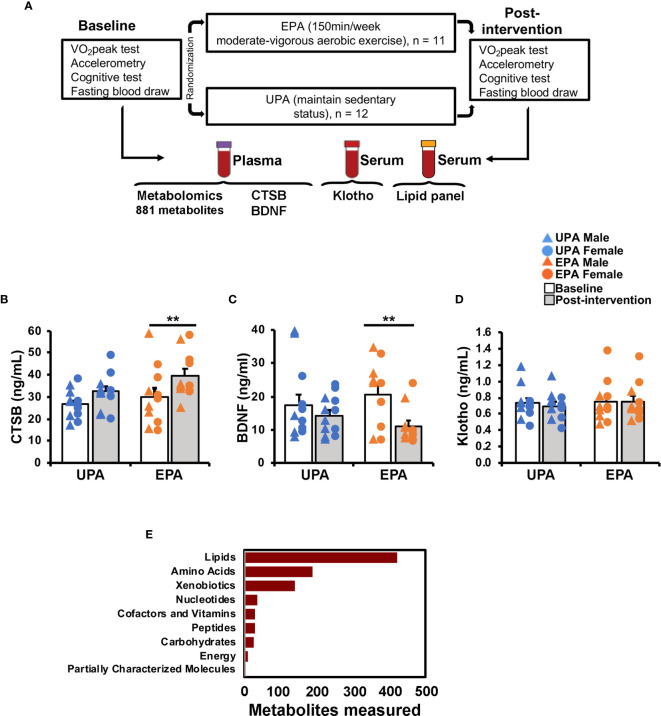
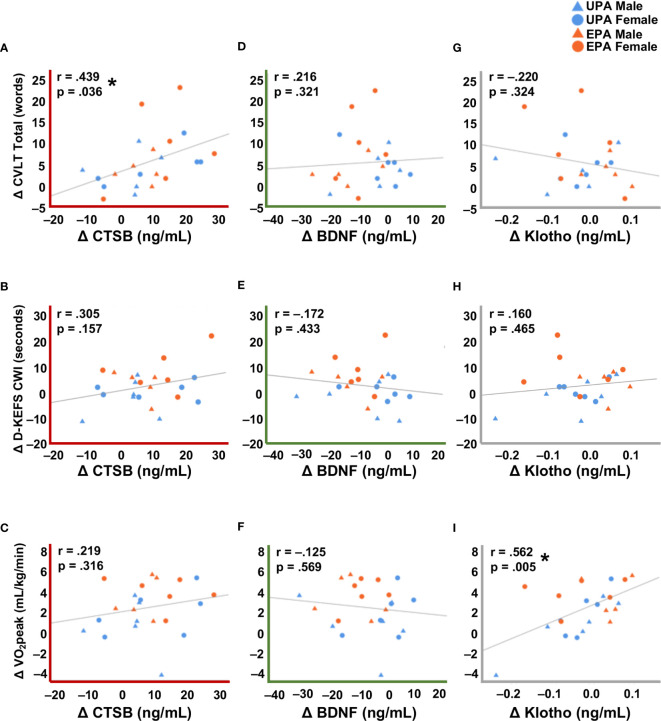
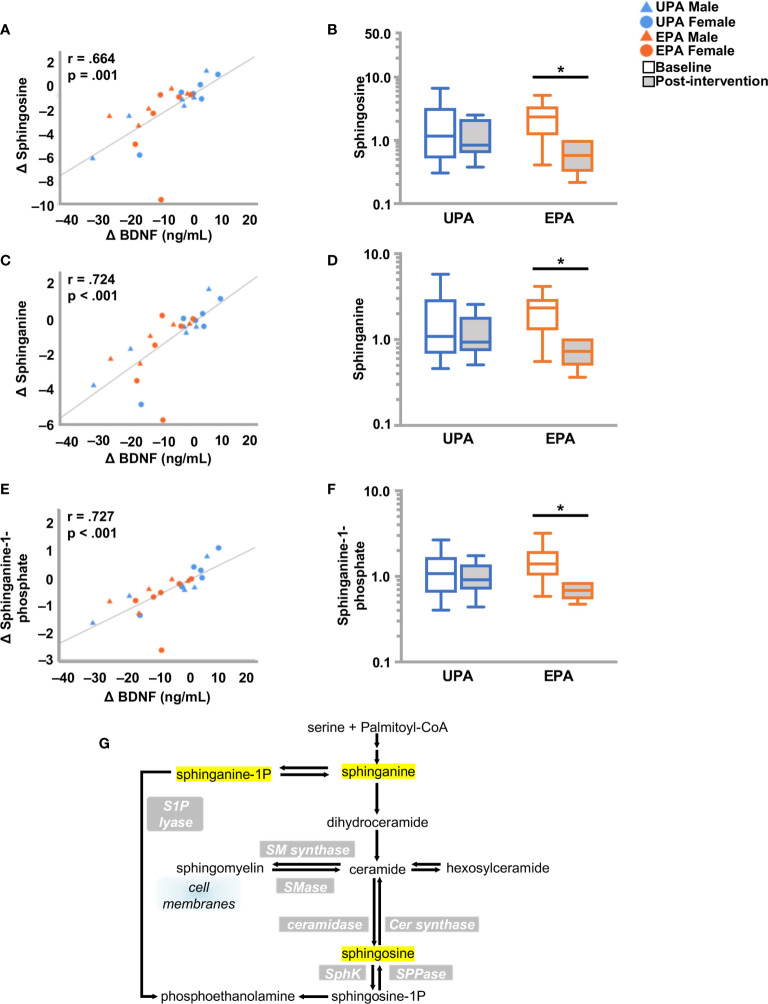
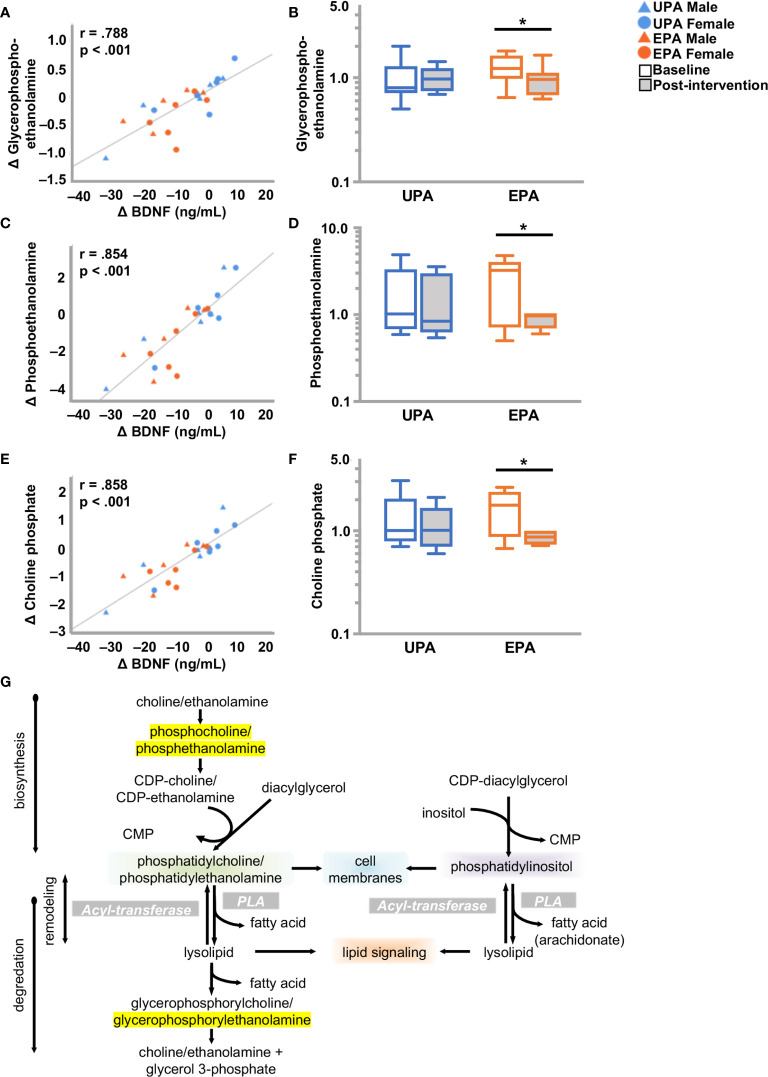
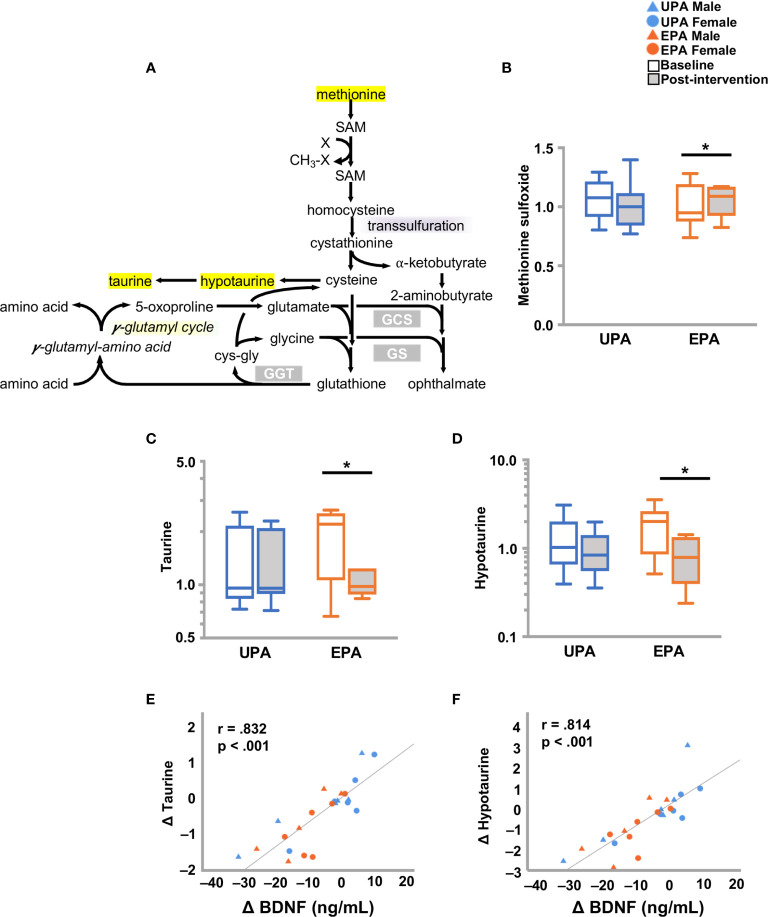
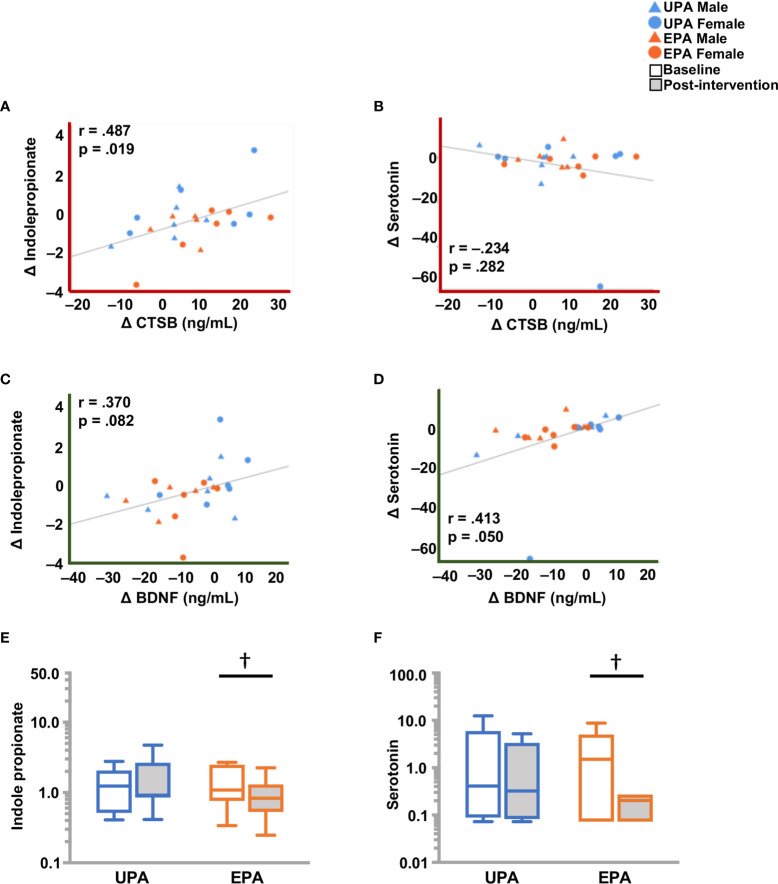
Increasing evidence indicates that physical activity and exercise training may delay or prevent the onset of Alzheimer’s disease (AD). However, systemic biomarkers that can measure exercise effects on brain function and that link to relevant metabolic responses are lacking. To begin to address this issue, we utilized blood samples of 23 asymptomatic late middle-aged adults, with familial and genetic risk for AD (mean age 65 years old, 50% female) who underwent 26 weeks of supervised treadmill training. Systemic biomarkers implicated in learning and memory, including the myokine Cathepsin B (CTSB), brain-derived neurotrophic factor (BDNF), and klotho, as well as metabolomics were evaluated. Here we show that aerobic exercise training increases plasma CTSB and that changes in CTSB, but not BDNF or klotho, correlate with cognitive performance. BDNF levels decreased with exercise training. Klotho levels were unchanged by training, but closely associated with change in VO 2 peak. Metabolomic analysis revealed increased levels of polyunsaturated free fatty acids (PUFAs), reductions in ceramides, sphingo- and phospholipids, as well as changes in gut microbiome metabolites and redox homeostasis, with exercise. Multiple metabolites (~30%) correlated with changes in BDNF, but not CSTB or klotho. The positive association between CTSB and cognition, and the modulation of lipid metabolites implicated in dementia, support the beneficial effects of exercise training on brain function. Overall, our analyses indicate metabolic regulation of exercise-induced plasma BDNF changes and provide evidence that CTSB is a marker of cognitive changes in late middle-aged adults at risk for dementia.
Overview
The claims and statistics of this paper haven’t been checked yet.
Run the check — free, no account needed. It reads the open-access text and checks the sources it cites.
Integrity signals
Registry
Cites
Statistics
Figures
Verification
Claims the paper makes
The claims and statistics of this paper haven’t been checked yet.
Run the check — free, no account needed. It reads the open-access text and checks the sources it cites.
Claims other papers make about this one
Each is checked against this paper’s own text: does it say what the citing paper says it does?
In the citing paper
“although chronic exercise does increase plasma levels of cathepsin B145,157.”
From Exerkines in health, resilience and disease (2022) · cites this paper as [145]
In the citing paper
“In both animal models and humans, plasma levels of cathepsin B, a lysosomal thiol proteinase produced by muscle, is positively associated with hippocampus-dependent memory145,157.”
From Exerkines in health, resilience and disease (2022) · cites this paper as [145]
In the citing paper
“whereas chronic exercise training has been shown to not alter140, increase or even decrease plasma levels of BDNF140,145.”
From Exerkines in health, resilience and disease (2022) · cites this paper as [145]
Self-check
Percentages, sums and reported differences re-computed from the paper’s own numbers.
The self-check needs the paper’s full text.
Citations
Cites
Folstein, M. F., Folstein, S. E., & McHugh, P. R. (1975) · Journal of Psychiatric Research · doi:10.1016/0022-3956(75)90026-6 · Cited by 88,282
Hirono, N., Mori, E., Ikejiri, Y., Imamura, T., Shimomura, T., Hashimoto, M., Yamashita, H., & Ikeda, M. (1997) · PubMed · Cited by 21,012
Kok, J. S., Berg, I. J., & Scherder, E. J. A. (2013) · Dementia and Geriatric Cognitive Disorders Extra · doi:10.1159/000353441 · Cited by 20,589
Older Adults' Reasons for Using Technology while Aging in Place
Peek, S. T. M., Luijkx, K. G., Rijnaard, M. D., Nieboer, M. E., van der Voort, C. S., Aarts, S., van Hoof, J., Vrijhoef, H. J., & Wouters, E. (2015) · Gerontology · doi:10.1159/000430949 · Cited by 19,852
Sensitivity and False Alarm Rate of a Fall Sensor in Long-Term Fall Detection in the Elderly
Kangas, M., Korpelainen, R., Vikman, I., Nyberg, L., & Jämsä, T. J. (2014) · Gerontology · doi:10.1159/000362720 · Cited by 19,007
Exercise training increases size of hippocampus and improves memory
Erickson, K. I., Voss, M. W., Prakash, R. S., Basak, C., Szabo, A., Chaddock, L., Kim, J. S., Heo, S., Alves, H., White, S. M., et al. (2011) · Proceedings of the National Academy of Sciences · doi:10.1073/pnas.1015950108 · Cited by 4,855
Indigenous bacteria from the gut microbiota regulate host serotonin biosynthesis
Yano, J. M., Yu, K., Donaldson, G. P., Shastri, G. G., Ann, P., Ma, L., Nagler, C. R., Ismagilov, R. F., Mazmanian, S. K., & Hsiao, E. Y. (2015) · Cell · doi:10.1016/j.cell.2015.02.047 · Cited by 3,614
A Neurotrophic Model for Stress-Related Mood Disorders
Duman, R. S., & Monteggia, L. M. (2006) · Biological Psychiatry · doi:10.1016/j.biopsych.2006.02.013 · Cited by 3,375
Delis-Kaplan Executive Function System
Delis, D. C., Kaplan, E., & Kramer, J. H. (2012) · PsycTESTS Dataset · doi:10.1037/t15082-000 · Cited by 2,683
Muscle as an Endocrine Organ: Focus on Muscle-Derived Interleukin-6
Pedersen, B. K., & Febbraio, M. A. (2008) · Physiological Reviews · doi:10.1152/physrev.90100.2007 · Cited by 2,388
Research works printed but not linked: 1
- 2018, Acsm’s Guidelines for Exercise Testing and Prescription
Cited by
Sorted by citations
Exerkines in health, resilience and disease
Chow, L. S., Gerszten, R. E., Taylor, J. M., Pedersen, B. K., van Praag, H., Trappe, S., Febbraio, M. A., Galis, Z. S., Gao, Y., Haus, J. M., et al. (2022) · Nature Reviews Endocrinology · doi:10.1038/s41574-022-00641-2 · Cited by 927
Brain-Derived Neurotrophic Factor in Alzheimer’s Disease and Its Pharmaceutical Potential
Gao, L., Zhang, Y., Sterling, K., & Song, W. (2022) · Translational Neurodegeneration · doi:10.1186/s40035-022-00279-0 · Cited by 606
Marzia Perluigi, A., Domenico, F. D., & Butterfield, D. A. (2023) · Physiological Reviews · doi:10.1152/physrev.00030.2022 · Cited by 322
From Synaptic Plasticity to Neurodegeneration: BDNF as a Transformative Target in Medicine
Toader, C., Șerban, M., Munteanu, O., Covache-Busuioc, R.-A., Enyedi, M., Ciurea, A. V., & Tătaru, C. P. (2025) · International Journal of Molecular Sciences · doi:10.3390/ijms26094271 · Cited by 161
Choi, J.-W., Jo, S.-W., Kim, D., Paik, I., & Balakrishnan, R. (2024) · Redox Biology · doi:10.1016/j.redox.2024.103101 · Cited by 148
Metadata
- Authors
- Gaitán, J. M., Moon, H. Y., Stremlau, M., Dubal, D. B., Cook, D. B., Okonkwo, O. C., & van Praag, H.
- Affiliations
- University of Wisconsin–Madison (US)
- Seoul National University (KR)
- National Institute on Aging (US)
- University of California, San Francisco (US)
- Corresponding author
- Okonkwo, Ozioma C.
- Venue
- Frontiers in Endocrinology
- Publisher
- Frontiers Media SA
- Published
- 2021-05-20
- Volume
- 12
- Pages
- 660181-660181
- ISSN
- 1664-2392 (ISSN-L)
- PMC
- PMC8173166
- OpenAlex
- W3161410779
- Cited by
- 160
- References
- 136
- Citations by year
- 2026: 39 · 2025: 33 · 2024: 32 · 2023: 34 · 2022: 20 · 2021: 2
- FWCI
- 15.77
- Type
- journal article
- Language
- en
- Open access
- gold
- doi.org
- Licence
- Locations
- Frontiers in Endocrinology (publishedVersion, cc-by)
- PubMed Central (publishedVersion, cc-by)
- PubMed (publishedVersion)
- DOAJ (DOAJ: Directory of Open Access Journals) (submittedVersion, cc-by-sa)
- Seoul National University Open Repository (Seoul National University) (submittedVersion)
- Funders
- Alzheimer's Association
- Extendicare Foundation
- National Institutes of Health
- Florida Department of Health
- National Institute on Aging
- Topics
- Health Sciences › Medicine › Psychiatry and Mental health › Dementia and Cognitive Impairment Research
- Health Sciences › Medicine › Public Health, Environmental and Occupational Health › Physical Activity and Health
- Life Sciences › Neuroscience › Cellular and Molecular Neuroscience › Alzheimer's disease research and treatments
- Keywords
- aerobic exercise training, Alzheimer's disease risk, systemic biomarkers, cathepsin B, brain-derived neurotrophic factor, Klotho, cognitive performance, metabolomics, lipid metabolism, polyunsaturated fatty acids, ceramide, gut microbiota metabolites, redox homeostasis, peak oxygen uptake, treadmill training, middle-aged adults, dementia prevention
- MeSH terms
- Gastrointestinal Microbiome, Klotho Proteins, Aged, Aged, 80 and over, Alzheimer Disease, Cathepsin B, Cognition, Female, Humans, Hydroxyproline, Male, Middle Aged, Proline, Risk Factors, Biomarkers, Exercise, Fatty Acids, Omega-3, Brain-Derived Neurotrophic Factor, Lipid Metabolism, Metabolomics
About these checks
Registry, retraction, Cites and statistics results are computed, not judged, with one exception: a printed reference that no index lists is read once by a model before it counts as a citation error. Claims are extracted by a model and kept only when their quote appears verbatim in the text; each cited source is then checked, with a model’s help, for whether it says what the claim relies on. Those verdicts can be wrong — read the claim’s quote and the cited source before relying on one.
Statistics and arithmetic are recomputed, not judged.
Confidence bands are shown only for fields calibrated on our annotated test set. None is calibrated yet, so no band is shown.
What counts as a claim ›How we measure confidence ›How we check this ›
Are you an author, or do you see a problem with this page? Request a review
