

Insulin resistance, autophagy and apoptosis in patients with polycystic ovary syndrome: Association with PI3K signaling pathway
Open accessThe DOI matches its Crossref record; 83 of the 84 references it cites were found in a registry or an index.
Abstract
Polycystic ovary syndrome (PCOS) is a disease in which endocrine metabolic abnormalities coexist with reproductive system abnormalities, with the main clinical manifestations including abnormal menstruation, hirsutism, acne, infertility, and obesity, and it is also a high risk for the development of many pregnancy complications, gynecological malignancies and other diseases. Therefore, timely intervention to prevent the progression of PCOS is of great significance for improving the quality of life of most female patients. Insulin resistance (IR) is one of the most common endocrine disorders in PCOS patients, with approximately 75% of PCOS patients experiencing varying degrees of IR. It is now believed that it is mainly related to the PI3K signaling pathway. The role of autophagy and apoptosis of ovarian granulosa cells (GCs) in the pathogenesis of PCOS has also been gradually verified in recent years. Coincidentally, it also seems to be associated with the PI3K signaling pathway. Our aim is to review these relevant studies, to explore the association between the IR, cellular autophagy and apoptosis in PCOS patients and the PI3K pathway. We summarize some of the drug studies that have improved PCOS as well. We have also found that proteomics holds great promise in exploring the pathogenesis of PCOS, and we have published our views on this.
Overview
The claims and statistics of this paper haven’t been checked yet.
Free: it reads the open-access text and checks the first 5 claims that cite a source we can check. Create a free account to check every claim.
Integrity signals
Registry
Cites
Statistics
Figures
Verification
Claims the paper makes
The claims and statistics of this paper haven’t been checked yet.
Free: it reads the open-access text and checks the first 5 claims that cite a source we can check. Create a free account to check every claim.
Self-check
Percentages, sums and reported differences re-computed from the paper’s own numbers.
The self-check needs the paper’s full text.
Citations
Cites
1 retracted
Xu, F., Na, L., Li, Y., & Chen, L. (2020) · Cell & Bioscience · doi:10.1186/s13578-020-00416-0 · Cited by 539
RetractedmTOR Signaling in Growth, Metabolism, and Disease
Saxton, R. A., & Sabatini, D. M. (2017) · Cell · doi:10.1016/j.cell.2017.02.004 · Cited by 7,555
The Rotterdam ESHRE/ASRM-sponsored PCOS consensus workshop group (2004) · Human Reproduction · doi:10.1093/humrep/deh098 · Cited by 6,138
Mechanisms linking obesity to insulin resistance and type 2 diabetes
Kahn, S. E., Hull, R. L., & Utzschneider, K. M. (2006) · Nature · doi:10.1038/nature05482 · Cited by 5,448 · cited 1×
“IR is a complex metabolic disorder that is a key risk factor for many diseases such as cardiovascular disease, and can lead to obesity and type 2 diabetes (19), etc.”
BackgroundCell death: a review of the major forms of apoptosis, necrosis and autophagy
D’Arcy, M. S. (2019) · Cell Biology International · doi:10.1002/cbin.11137 · Cited by 2,307
mTOR Signaling in Growth, Metabolism, and Disease
Saxton, R. A., & Sabatini, D. M. (2017) · Cell · doi:10.1016/j.cell.2017.03.035 · Cited by 2,070 · cited 3×
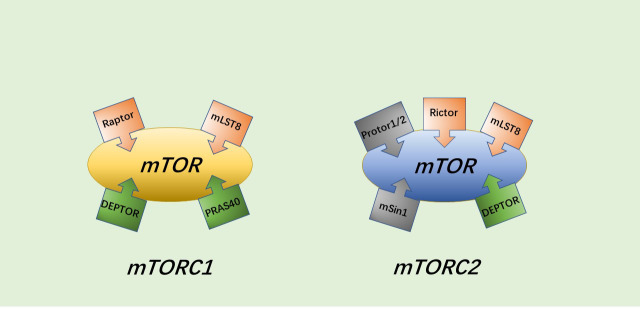
“The PI3K/AKT/mTOR pathway can be activated by multiple types of stimuli to play a role in inhibiting apoptosis and autophagy, and promoting cell growth, with AKT, a serine/threonine kinase, being the core of the entire PI3K/AKT/mTOR pathway. mTORC1 and mTORC2 are two different protein complexes formed by the target of…”
BackgroundFauser, B. C. J. M., Tarlatzis, B. C., Rebar, R. W., Legro, R. S., Balen, A. H., Lobo, R., Carmina, E., Chang, J., Yildiz, B. O., Laven, J. S. E., et al. (2012) · Fertility and Sterility · doi:10.1016/j.fertnstert.2011.09.024 · Cited by 1,976
The PI3K/AKT Pathway in Obesity and Type 2 Diabetes
Huang, X., Liu, G., Guo, J., & Su, Z. (2018) · International Journal of Biological Sciences · doi:10.7150/ijbs.27173 · Cited by 1,673 · cited 1×
“In addition to endocrine metabolic abnormalities (30), disorders of this pathway are also associated with various malignancies, leukemia, schizophrenia, coronary heart disease, heart failure, osteoarthritis and other diseases (31–36).”
BackgroundDoherty, J., & Baehrecke, E. H. (2018) · Nature Cell Biology · doi:10.1038/s41556-018-0201-5 · Cited by 624 · cited 1×
“Autophagy affects cell survival by maintaining cellular bioenergy and removing proteins and damaged organelles (22).”
BackgroundNestler, J. E., Jakubowicz, D. J., Falcon de Vargas, A., Brik, C., Quintero, N., & Medina, F. (1998) · The Journal of Clinical Endocrinology & Metabolism · doi:10.1210/jcem.83.6.4886 · Cited by 617 · cited 1×
“There is evidence that IR exacerbates hyperandrogenemia, causes disturbances in the regulation of the hypothalamic-pituitary-ovarian axis, and accelerates the progression of PCOS (44).”
BackgroundThe Role of PI3K/Akt and ERK in Neurodegenerative Disorders
Rai, S. N., Dilnashin, H., Birla, H., Singh, S. S., Zahra, W., Rathore, A. S., Singh, B. K., & Singh, S. P. (2019) · Neurotoxicity Research · doi:10.1007/s12640-019-0003-y · Cited by 478
Insulin signaling in health and disease
Saltiel, A. R. (2021) · Journal of Clinical Investigation · doi:10.1172/jci142241 · Cited by 446 · cited 2×
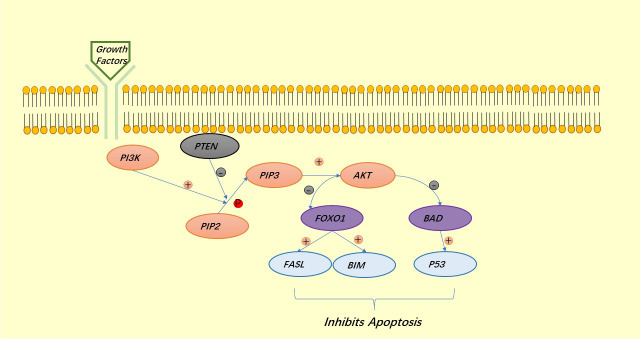
“AKT inhibits apoptosis either directly by inhibiting pro-apoptotic proteins (BAD) or by inhibiting pro-apoptotic signals generated by FOXO1, of which the downstream signals are p53 for the former and FASL and BIM for the latter (40) (Figure 4).”
BackgroundThe Apaf-1 apoptosome: a large caspase-activating complex
Cain, K., Bratton, S. B., & Cohen, G. M. (2002) · Biochimie · doi:10.1016/s0300-9084(02)01376-7 · Cited by 439
Molecular machinery and interplay of apoptosis and autophagy in coronary heart disease
Dong, Y., Chen, H., Gao, J., Liu, Y., Li, J., & Wang, J. (2019) · Journal of Molecular and Cellular Cardiology · doi:10.1016/j.yjmcc.2019.09.001 · Cited by 438 · cited 1×
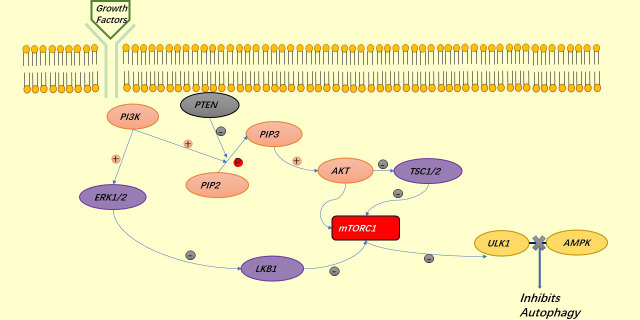
“TSC1/2 is an upstream inhibitor of mTORC1, which is also a negative regulator of autophagy and is regulated by AKT, thus exerting a role in the inhibition of autophagy by mTORC1:mTORC1 blocks the binding of ULK1 to AMPK (34).”
BackgroundCartilage-specific deletion of mTOR upregulates autophagy and protects mice from osteoarthritis
Zhang, Y., Vasheghani, F., Li, Y.-H., Blati, M., Simeone, K., Fahmi, H., Lussier, B., Roughley, P., Lagares, D., Pelletier, J.-P., et al. (2015) · Annals of the Rheumatic Diseases · doi:10.1136/annrheumdis-2013-204599 · Cited by 412 · cited 1×
“AKT can also directly regulate mTORC1 to prevent autophagy (42, 43) (Figure 3).”
BackgroundRegulation of Autophagy by mTOR Signaling Pathway
Wang, Y., & Zhang, H. (2019) · Advances in Experimental Medicine and Biology · doi:10.1007/978-981-15-0602-4_3 · Cited by 354 · cited 1×
“AKT can also directly regulate mTORC1 to prevent autophagy (42, 43) (Figure 3).”
BackgroundGenetics of Insulin Resistance and the Metabolic Syndrome
Brown, A. E., & Walker, M. (2016) · Current Cardiology Reports · doi:10.1007/s11886-016-0755-4 · Cited by 348
PI3K/Akt signaling in osteosarcoma
Zhang, J., Yu, X.-H., Yan, Y.-G., Wang, C., & Wang, W.-J. (2015) · Clinica Chimica Acta · doi:10.1016/j.cca.2014.12.041 · Cited by 327 · cited 1×
“The PI3K pathway is not only involved in regulating cell growth, proliferation, and metabolism (47), but is also implicated in the development of some tumors, such as non-small cell lung cancer (48), bladder cancer (49), and osteosarcoma (50).”
BackgroundPI3k/AKT signaling pathway: Erythropoiesis and beyond
Jafari, M., Ghadami, E., Dadkhah, T., & Akhavan‐Niaki, H. (2019) · Journal of Cellular Physiology · doi:10.1002/jcp.27262 · Cited by 324
Yang, H., Wen, Y., Zhang, M., Liu, Q., Zhang, H., Zhang, J., Lu, L., Ye, T., Bai, X., Xiao, G., et al. (2020) · Autophagy · doi:10.1080/15548627.2019.1606647 · Cited by 301
Insulin signaling pathway and related molecules: Role in neurodegeneration and Alzheimer's disease
Akhtar, A., & Sah, S. P. (2020) · Neurochemistry International · doi:10.1016/j.neuint.2020.104707 · Cited by 279
Association of metabolic and inflammatory markers with polycystic ovarian syndrome (PCOS): an update
Abraham Gnanadass, S., Divakar Prabhu, Y., & Valsala Gopalakrishnan, A. (2021) · Archives of Gynecology and Obstetrics · doi:10.1007/s00404-020-05951-2 · Cited by 272
Joham, A. E., Teede, H. J., Ranasinha, S., Zoungas, S., & Boyle, J. (2015) · Journal of Women's Health · doi:10.1089/jwh.2014.5000 · Cited by 258
Gong, Y., Luo, S., Fan, P., Zhu, H., Li, Y., & Huang, W. (2020) · Reproductive Biology and Endocrinology · doi:10.1186/s12958-020-00677-x · Cited by 240
Depression, anxiety and perceived stress in women with and without PCOS: a community-based study
Damone, A. L., Joham, A. E., Loxton, D., Earnest, A., Teede, H. J., & Moran, L. J. (2019) · Psychological Medicine · doi:10.1017/s0033291718002076 · Cited by 230
Gao, G., Chen, W., Yan, M., Liu, J., Luo, H., Wang, C., & Yang, P. (2019) · International Journal of Molecular Medicine · doi:10.3892/ijmm.2019.4407 · Cited by 219
Shen, M., Jiang, Y., Guan, Z., Cao, Y., Li, L., Liu, H., & Sun, S.-C. (2017) · Autophagy · doi:10.1080/15548627.2017.1327941 · Cited by 218
Insulin resistance and PCOS: chicken or egg?
Moghetti, P., & Tosi, F. (2021) · Journal of Endocrinological Investigation · doi:10.1007/s40618-020-01351-0 · Cited by 209 · cited 2×
“According to statistics, about 75% of PCOS patients develop IR, with a higher percentage of PCOS patients with obesity, and the development of PCOS is also inseparable from IR (3).”
BackgroundYu, X., Long, Y. C., & Shen, H.-M. (2015) · Autophagy · doi:10.1080/15548627.2015.1043076 · Cited by 205
Gandhi, G. R., Jothi, G., Antony, P. J., Balakrishna, K., Paulraj, M. G., Ignacimuthu, S., Stalin, A., & Al-Dhabi, N. A. (2014) · European Journal of Pharmacology · doi:10.1016/j.ejphar.2014.10.044 · Cited by 204 · cited 1×
“Gallic acid has been shown to have a similar effect of enhancing glucose uptake via the PI3K/Akt signaling pathway in animal models (57).”
BackgroundLi, J., Smith, L. S., & Zhu, H. (2021) · Drug Discovery Today Technologies · doi:10.1016/j.ddtec.2021.06.006 · Cited by 188
The effects of metformin on autophagy
Lu, G., Wu, Z., Shang, J., Xie, Z., Chen, C., & zhang, C. (2021) · Biomedicine & Pharmacotherapy · doi:10.1016/j.biopha.2021.111286 · Cited by 173 · cited 1×
“The role of metformin in improving hyperglycemia, restoring insulin sensitivity and improving hyperandrogenemia in patients with PCOS is now well established (75), however, it has also been found to improve ovarian function in patients, possibly through a P13K/AKT/ mTOR pathway that resists cellular autophagy (76).”
BackgroundZhang, N., Liu, X., Zhuang, L., Liu, X., Zhao, H., Shan, Y., Liu, Z., Li, F., Wang, Y., & Fang, J. (2019) · Regulatory Toxicology and Pharmacology · doi:10.1016/j.yrtph.2019.104544 · Cited by 164
Zhao, Y., Zhang, C., Huang, Y., Yu, Y., Li, R., Li, M., Liu, N., Liu, P., & Qiao, J. (2015) · The Journal of Clinical Endocrinology & Metabolism · doi:10.1210/jc.2014-2419 · Cited by 154 · cited 1×
“It has been demonstrated that the regulation of PI3K/Akt signaling pathway is associated with inflammation and oxidative stress in granulosa cells of PCOS patients (15).”
BackgroundSelf-citationInositol in Polycystic Ovary Syndrome: Restoring Fertility through a Pathophysiology-Based Approach
Laganà, A. S., Garzon, S., Casarin, J., Franchi, M., & Ghezzi, F. (2018) · Trends in Endocrinology & Metabolism · doi:10.1016/j.tem.2018.09.001 · Cited by 149
Autophagy Differentially Regulates Insulin Production and Insulin Sensitivity
Yamamoto, S., Kuramoto, K., Wang, N., Situ, X., Priyadarshini, M., Zhang, W., Cordoba-Chacon, J., Layden, B. T., & He, C. (2018) · Cell Reports · doi:10.1016/j.celrep.2018.05.032 · Cited by 144 · cited 2×
“In skeletal muscle and liver, autophagy stimulates INS pathway activity, while in the pancreas, autophagy destroys pancreatic b-cells to induce insulin resistance, thus suggesting that autophagy can regulate the role of INS (26).”
BackgroundLi, S., Chen, H., Wang, J., Wang, X., Hu, B., & Lv, F.-N. (2015) · International Journal of Biological Macromolecules · doi:10.1016/j.ijbiomac.2015.09.037 · Cited by 142 · cited 1×
“The hypoglycemic effect of tea polysaccharide is achieved by enhancing the expression of PI3Kp85-p-Akt-GLUT4 (61).”
BackgroundHu, C., Cowan, R. G., Harman, R. M., & Quirk, S. M. (2003) · Molecular Endocrinology · doi:10.1210/me.2003-0178 · Cited by 139 · cited 1×
“The PI3K pathway is not only involved in regulating cell growth, proliferation, and metabolism (47), but is also implicated in the development of some tumors, such as non-small cell lung cancer (48), bladder cancer (49), and osteosarcoma (50).”
BackgroundChoi, J., Jo, M., Lee, E., & Choi, D. (2014) · Reproduction · doi:10.1530/rep-13-0386 · Cited by 133
Sharma, B. R., Kim, H. J., & Rhyu, D. Y. (2015) · Journal of Translational Medicine · doi:10.1186/s12967-015-0412-5 · Cited by 125
Qiu, Z., Dong, J., Xue, C. B., Li, X., Liu, K., Liu, B., Cheng, J., & Huang, F. (2019) · Journal of Ethnopharmacology · doi:10.1016/j.jep.2019.111965 · Cited by 109 · cited 1×
“Liu Wei Di Huang Wan (A tablet made from six traditional Chinese medicines) can reduce insulin resistance in PCOS rats by improving dual regulation of PI3K/ AKT and MAPK pathways (60).”
BackgroundAutophagy is activated in the ovarian tissue of polycystic ovary syndrome
Li, D., You, Y., Bi, F., Zhang, T., Jiao, J., Wang, T.-R., Zhou, Y., Shen, Z., Wang, X., & Yang, Q. (2017) · Reproduction · doi:10.1530/rep-17-0499 · Cited by 103 · cited 1×
“Recently, clinical studies have demonstrated significant autophagy in ovarian granulosa cells (GCS) of PCOS patients (66).”
BackgroundLiu, M., Zhu, H., Zhu, Y., & Hu, X. (2021) · Journal of Ethnopharmacology · doi:10.1016/j.jep.2021.113821 · Cited by 103 · cited 1×
“This drug can inhibit GCs cell autophagy and promote follicle development to alleviate ovulation disorders in PCOS combined with IR rats, which is associated with the activation of PI3K/AKT/mTOR signaling pathway by the drug (74).”
BackgroundCross-Dysregulation of O-GlcNAcylation and PI3K/AKT/mTOR Axis in Human Chronic Diseases
Very, N., Vercoutter‐Edouart, A., Lefebvre, T., Hardivillé, S., & Yazidi‐Belkoura, I. E. (2018) · Frontiers in Endocrinology · doi:10.3389/fendo.2018.00602 · Cited by 101
AbuelEzz, N. Z., Shabana, M. E.-A., Abdel-Mageed, H. M., Rashed, L. A., & Morcos, G. N. B. (2020) · Life Sciences · doi:10.1016/j.lfs.2020.118003 · Cited by 100
HMGB1‐induced aberrant autophagy contributes to insulin resistance in granulosa cells in PCOS
Zhang, C., Hu, J., Wang, W., Sun, Y., & Sun, K. (2020) · The FASEB Journal · doi:10.1096/fj.202000605rr · Cited by 93 · cited 1×
“In the ovary, oocytes cannot develop without autophagy (24), and when follicle cell autophagy is defective, it can lead to female infertility (25).”
BackgroundMatà, R., Palladino, C., Nicolosi, M. L., Presti, A. R. L., Malaguarnera, R., Ragusa, M., Sciortino, D., Morrione, A., Maggiolini, M., Vella, V., et al. (2015) · Oncotarget · doi:10.18632/oncotarget.6524 · Cited by 88 · cited 1×
“It has been demonstrated that the P13K/AKT pathway underlies the development of endometrial malignant lesions in patients with PCOS combined with IR (54).”
BackgroundSong, L., Li, D., Gu, Y., Wen, Z., Jie, J., Zhao, D., & Peng, L. (2016) · Clinical Lung Cancer · doi:10.1016/j.cllc.2016.03.012 · Cited by 88 · cited 1×
“The PI3K pathway is not only involved in regulating cell growth, proliferation, and metabolism (47), but is also implicated in the development of some tumors, such as non-small cell lung cancer (48), bladder cancer (49), and osteosarcoma (50).”
BackgroundThe role of androgen in autophagy of granulosa cells from PCOS
Li, X., Qi, J., Zhu, Q., He, Y., Wang, Y., Lu, Y., Wu, H., & Sun, Y. W. (2019) · Gynecological Endocrinology · doi:10.1080/09513590.2018.1540567 · Cited by 86 · cited 1×
“In the ovary, oocytes cannot develop without autophagy (24), and when follicle cell autophagy is defective, it can lead to female infertility (25).”
BackgroundXu, B., Dai, W., Liu, L., Han, H., Zhang, J., Du, X., Pei, X., & Fu, X. (2022) · Endocrine Journal · doi:10.1507/endocrj.ej21-0480 · Cited by 85
Melatonin ameliorates ovarian dysfunction by regulating autophagy in PCOS via the PI3K-Akt pathway
Xie, F., Zhang, J., Zhai, M., Liu, Y., Hu, H., Yu, Z., Zhang, J., Lin, S., Liang, D., & Cao, Y. (2021) · Reproduction · doi:10.1530/rep-20-0643 · Cited by 80
The role of mTOR in ovarian Neoplasms, polycystic ovary syndrome, and ovarian aging
Liu, J., Wu, D., Qu, L., Liao, H., & Li, M. (2018) · Clinical Anatomy · doi:10.1002/ca.23211 · Cited by 67 · cited 1×
“The role of metformin in improving hyperglycemia, restoring insulin sensitivity and improving hyperandrogenemia in patients with PCOS is now well established (75), however, it has also been found to improve ovarian function in patients, possibly through a P13K/AKT/ mTOR pathway that resists cellular autophagy (76).”
BackgroundTakemura, G., Kanamori, H., Okada, H., Miyazaki, N., Watanabe, T., Tsujimoto, A., Goto, K., Maruyama, R., Fujiwara, T., & Fujiwara, H. (2018) · Heart Failure Reviews · doi:10.1007/s10741-018-9708-x · Cited by 67 · cited 1×
“Frontiers in Endocrinology 06 energy production to keep the body alive (64), and this process can be initiated by a variety of stressors and is a mechanism for killing stress cells and maintaining homeostasis in the body’s internal environment (27).”
BackgroundChen, X., Tang, H., Liang, Y., Wu, P., Xie, L., Ding, Y., Yang, P., Long, B., & Lin, J. (2021) · Biomedicine & Pharmacotherapy · doi:10.1016/j.biopha.2021.112288 · Cited by 64 · cited 1×
“After acupuncture treatment, the ovarian morphology of 90% of the rats in the experimental group was significantly improved, and the expression of PI3K, AKT, mTOR, and LncMEG3 in the ovarian granulosa cells of the rats was found to be decreased after acupuncture, while the expression of follicle stimulating hormone re…”
BackgroundMoreno, M., Ordoñez, P., Alonso, A., Díaz, F., Tolivia, J., & González, C. (2009) · AGE · doi:10.1007/s11357-009-9095-2 · Cited by 63
The role of autophagy during murine primordial follicle assembly
Sun, Y.-C., Wang, Y.-Y., Sun, X., Cheng, S., Li, L., Zhao, Y. M., Shen, W., & Chen, H. (2018) · Aging · doi:10.18632/aging.101376 · Cited by 62 · cited 1×
“found that follicle-stimulating hormone (FSH) can inhibit autophagy in GCs caused by oxidative stress, however, it is predicated on the activation of the PI3K-AKT-mTOR signaling pathway and, one study found that blocking this pathway after administration of mTOR blockers induced autophagy (70).”
BackgroundSong, X., Shen, Q., Fan, L., Yu, Q., Jia, X., Sun, Y., Bai, W., & Kang, J. (2018) · Oncotarget · doi:10.18632/oncotarget.24190 · Cited by 59
Tang, Z., Xia, N., Yuan, X., Zhu, X., Xu, G., Cui, S., Zhang, T., Zhang, W., Zhao, Y., Wang, S., et al. (2015) · Biochemical and Biophysical Research Communications · doi:10.1016/j.bbrc.2015.08.008 · Cited by 58 · cited 1×
“In an in vitro study of HEPG2 cells induced by sodium palmitate to develop insulin resistance, experiments found that insulin sensitivity was significantly enhanced after knockdown of PRDX1 expression by siRNA, while insulin sensitivity of the cells was significantly reduced when PRDX1 was overexpressed, and they foun…”
BackgroundDiamanti-Kandarakis, E., Papalou, O., Kandaraki, E. A., & Kassi, G. (2017) · European Journal of Endocrinology · doi:10.1530/eje-16-0616 · Cited by 55
McArdle, A. J., & Menikou, S. (2020) · Archives of Disease in Childhood Education & Practice · doi:10.1136/archdischild-2019-317434 · Cited by 55 · cited 1×
“Proteomics is an emerging technique based on liquid chromatography-tandem mass spectrometry (LCMS/MS) that provides direct information about proteins rather than RNA, and therefore offers advantages over transcriptomics (79).”
MethodMayrhofer, D., Hager, M., Walch, K., Ghobrial, S., Rogenhofer, N., Marculescu, R., Seemann, R., & Ott, J. (2020) · Journal of Clinical Medicine · doi:10.3390/jcm9092700 · Cited by 55
Combination of Rapamycin and Resveratrol for Treatment of Bladder Cancer
Alayev, A., Salamon, R. S., Schwartz, N. S., Berman, A. Y., Wiener, S. L., & Holz, M. K. (2016) · Journal of Cellular Physiology · doi:10.1002/jcp.25443 · Cited by 52 · cited 1×
“The PI3K pathway is not only involved in regulating cell growth, proliferation, and metabolism (47), but is also implicated in the development of some tumors, such as non-small cell lung cancer (48), bladder cancer (49), and osteosarcoma (50).”
BackgroundLong, M., Zhou, J., Li, D., Lü, Z., Xu, Z., & Zhou, S. (2015) · PLoS ONE · doi:10.1371/journal.pone.0126714 · Cited by 47 · cited 1×
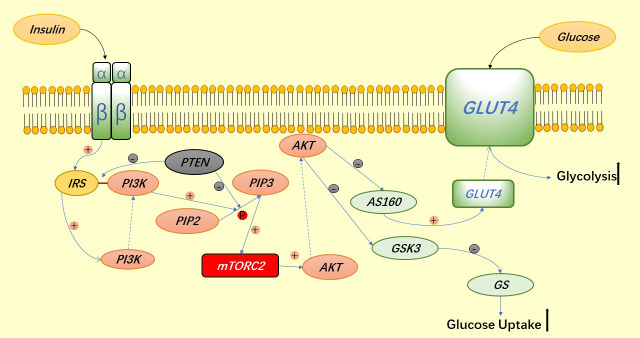
“The results revealed reduced expression of pGSK3a and pGSK3b in their PI3K/Akt signaling pathway, suggesting that IR is related to the PI3K/ Akt signaling path (52).”
BackgroundWu, Y., Li, P., Zhang, D., & Sun, Y. (2017) · Experimental and Therapeutic Medicine · doi:10.3892/etm.2017.5650 · Cited by 43 · cited 1×
“Further studies on metformin revealed that its mechanism of action, in addition to being an adenosine monophosphate-activated protein kinase activator (62), can benefit PCOS patients by improving the PI3K pathway (63).”
BackgroundSelf-citationThe Role of Autophagy in Systemic Metabolism and Human-Type Diabetes.
Kim, J., Lim, Y.-M., & Lee, M. (2018) · PubMed · doi:10.14348/molcells.2018.2228 · Cited by 43 · cited 1×
“A study reveals the important role of cellular autophagy in regulating cellular metabolism after knocking out autophagy-related genes in mice (23).”
BackgroundWu, J., Li, J., Li, W., Sun, B., Xie, J., Cheng, W., & Zhang, Q. (2018) · Journal of Ethnopharmacology · doi:10.1016/j.jep.2018.04.025 · Cited by 40 · cited 1×
“Berberine is a compound prepared by extracting the active ingredients from various plants and has been used in traditional Chinese medicine for many years to treat endocrine disorders and infertility (58).”
BackgroundPan, H., Xian, P., Yang, D., Zhang, C., Tang, H., He, X., Lin, H., Wen, X., Ma, H., & Lai, M. (2021) · Endocrine · doi:10.1007/s12020-021-02886-9 · Cited by 39
Guo, R., Zheng, H., Li, Q., Qiu, X., Zhang, J., & Cheng, Z. (2022) · Reproductive Biology · doi:10.1016/j.repbio.2021.100594 · Cited by 37 · cited 1×
“Melatonin significantly upregulated the expression of insulin receptor substrate 1 (IRS-1) and glucose transporter protein 4 (GLUT4), improved glucose uptake in PCOS patients, increased p-PI3K and p-Akt levels, and reduced IR in human ovarian granulosa cells (GCs) and palmitic acid (PA)-induced cells through the PI3K/…”
BackgroundSchneider, D. L., Gonzalez, J. R., Yamamoto, M. P., Yang, J., & Lo, J. C.-M. (2019) · Journal of Pregnancy · doi:10.1155/2019/9847057 · Cited by 37
Yu, Y., Tan, P., Zhuang, Z., Wang, Z., Zhu, L., Qiu, R., & Xu, H. (2021) · BMC Medical Genomics · doi:10.1186/s12920-021-00962-7 · Cited by 35 · cited 1×
“Frontiers in Endocrinology 07 PRDX1was one of the up-regulated proteins with a large area under the ROC curve, suggesting that it has a good diagnostic value for PCOS (81).”
BackgroundSelf-citationStožer, A., Hojs, R., & Dolenšek, J. (2019) · The Nephron journals/Nephron journals · doi:10.1159/000495665 · Cited by 34 · cited 1×
“It is now generally accepted that there is an association between the presence of reduced insulin sensitivity and pancreatic islet beta cells (21).”
BackgroundJiang, X., Yuan, Y.-Z., Shi, M., Zhang, S., Sui, M., & Zhou, H. (2021) · Journal of Ethnopharmacology · doi:10.1016/j.jep.2021.114862 · Cited by 31
Pan, M.-L., Chen, L.-R., & Chen, K.-H. (2021) · International Journal of Environmental Research and Public Health · doi:10.3390/ijerph18168253 · Cited by 27
El-Khayat, W. M., Moety, G. A. F. A., Almohamady, M., & Hamed, D. (2015) · International Journal of Gynecology & Obstetrics · doi:10.1016/j.ijgo.2015.06.063 · Cited by 26 · cited 1×
“Further studies on metformin revealed that its mechanism of action, in addition to being an adenosine monophosphate-activated protein kinase activator (62), can benefit PCOS patients by improving the PI3K pathway (63).”
BackgroundZhou, S., Ji, Y., & Wang, H. (2021) · BMC Pregnancy and Childbirth · doi:10.1186/s12884-021-03808-3 · Cited by 26
Li, Y., Jiang, J., Yang, J., Xiao, L., Hua, Q., & Zou, Y. (2021) · BMC Ophthalmology · doi:10.1186/s12886-021-01946-y · Cited by 26 · cited 5×
“Melatonin significantly upregulated the expression of insulin receptor substrate 1 (IRS-1) and glucose transporter protein 4 (GLUT4), improved glucose uptake in PCOS patients, increased p-PI3K and p-Akt levels, and reduced IR in human ovarian granulosa cells (GCs) and palmitic acid (PA)-induced cells through the PI3K/…”
BackgroundInfluentialEilertsen, T., Vanky, E., & Carlsen, S. M. (2011) · BJOG An International Journal of Obstetrics & Gynaecology · doi:10.1111/j.1471-0528.2011.03206.x · Cited by 24
Tian, W., Zhang, H., Zhang, Y., Wang, Y., Zhang, Y., Xue, F., Song, X., & Zhang, H. (2019) · Gynecological Endocrinology · doi:10.1080/09513590.2019.1650340 · Cited by 15 · cited 1×
“Visfatin mediates malignant transformation of endometrium in PCOS patients through PI3K-Akt and MAPK-ERK signaling pathways (17), which leads to a higher prevalence of endometrial cancer in PCOS patients compared to other women in reproductive age.”
BackgroundAghahoseini, M., Alyasin, A., Rashidi, S., Nouroozi, A. S., Saeidabadi, H. S., & Nashtaei, M. S. (2020) · Minerva Obstetrics and Gynecology · doi:10.23736/s0026-4784.20.04467-6 · Cited by 15
Polycystic ovary syndrome and preterm birth—what’s going on?
Robinson, S. L., & Yeung, E. H. (2020) · Fertility and Sterility · doi:10.1016/j.fertnstert.2020.09.169 · Cited by 12
Li, Y., Li, X., Yang, E.-H., & Shi, M. (2019) · PubMed · doi:10.19746/j.cnki.issn.1009-2137.2019.04.059 · Cited by 11
Mujawar, S. A., Kurude, V. N., Gaikwad, H. A., & Patil, V. W. (2018) · JOURNAL OF CLINICAL AND DIAGNOSTIC RESEARCH · doi:10.7860/jcdr/2018/36048.12120 · Cited by 7 · cited 1×
“Meanwhile, many studies have found that PCOS may also be closely related to the development of certain common gynecological tumors such as ovarian cancer, breast cancer and endometrial cancer (16).”
Background[Progress of correlation study between gut microbiome and polycystic ovary syndrome].
Chen, X., & Liu, A. X. (2022) · PubMed · doi:10.3760/cma.j.cn112141-20211014-00590 · Cited by 1
Cited by
Ovarian ferroptosis induced by androgen is involved in pathogenesis of PCOS
Li, X., Lin, Y., Cheng, X.-Y., Yao, G., Yao, J., Hu, S., Zhu, Q., Wang, Y., Ding, Y., Lu, Y., et al. (2024) · Human Reproduction Open · doi:10.1093/hropen/hoae013 · Cited by 85
“…cell death (including apoptosis and Potential link between ferroptosis and androgen in PCOS | 11 autophagy) in the ovaries from women with PCOS or PCOS animal models (Matsuda et al. , 2012; Li et al. , 2019; Liu et al. , 2020; Wang et al. , 2020; Tong et al. , 2022; Stringer et al. , 2023).”
BackgroundRecent advances in the effect of adipose tissue inflammation on insulin resistance
Yan, K. (2024) · Cellular Signalling · doi:10.1016/j.cellsig.2024.111229 · Cited by 70
Polycystic ovary syndrome and its management: In view of oxidative stress
Bhattacharya, K., Dey, R., Sen, D., Paul, N., Basak, A. K., Purkait, M. P., Shukla, N., Chaudhuri, G. R., Bhattacharya, A., Maiti, R., et al. (2024) · BioMolecular Concepts · doi:10.1515/bmc-2022-0038 · Cited by 67
“Adipocytes and serum from PCOS individuals may contain an increased quantity of active extracellular signal-regulated protein kinases 1 and 2, along with decreased levels of the insulin receptor, GLUT4, and PI3K [115,116].”
BackgroundmTOR Dysregulation, Insulin Resistance, and Hypertension
Stanciu, S. M., Jinga, M., Miricescu, D., Ștefani, C., Nica, R. I., Stănescu-Spînu, I.-I., Văcăroiu, I. A., Greabu, M., & Nica, S. (2024) · Biomedicines · doi:10.3390/biomedicines12081802 · Cited by 52
“The incidence of IR in the Western population is around 25–35%, usually associated with obesity and obesity-related complications, being a risk factor for CVD, T2D, infertility, nonalcoholic fatty liver (NAFLD), certain types of cancer [58,59] and kidney dysfunction [60].”
BackgroundYe, C., Li, Y., Shi, J., He, L., Shi, X., Yang, W., Lei, W., Quan, S., Lan, X., & Liu, S. (2024) · Journal of Ethnopharmacology · doi:10.1016/j.jep.2024.118898 · Cited by 45
Metadata
- Authors
- Tong, C., Wu, Y., Zhang, L., & Yu, Y.
- Affiliations
- Zhejiang Chinese Medical University (CN)
- Corresponding author
- Yu, Ying
- Venue
- Frontiers in Endocrinology
- Publisher
- Frontiers Media SA
- Published
- 2022-12-16
- Volume
- 13
- Pages
- 1091147-1091147
- ISSN
- 1664-2392 (ISSN-L)
- PMC
- PMC9800521
- OpenAlex
- W4311597393
- Cited by
- 157
- References
- 84
- Citations by year
- 2026: 41 · 2025: 52 · 2024: 49 · 2023: 15
- FWCI
- 4.70
- Type
- journal article
- Language
- en
- Open access
- gold
- doi.org
- Licence
- Locations
- Frontiers in Endocrinology (publishedVersion, cc-by)
- PubMed Central (publishedVersion, cc-by)
- PubMed (publishedVersion)
- DOAJ (DOAJ: Directory of Open Access Journals) (submittedVersion, cc-by-sa)
- Topics
- Health Sciences › Medicine › Reproductive Medicine › Ovarian function and disorders
- Health Sciences › Medicine › Reproductive Medicine › Reproductive Biology and Fertility
- Life Sciences › Biochemistry, Genetics and Molecular Biology › Genetics › Genetic and Kidney Cyst Diseases
- Keywords
- polycystic ovary syndrome, insulin resistance, autophagy, apoptosis, PI3K signaling, granulosa cells, PCOS pathogenesis, PCOS treatment, proteomics
- MeSH terms
- Autophagy, Female, Humans, Insulin Resistance, Polycystic Ovary Syndrome, Quality of Life, Signal Transduction, Apoptosis, Phosphatidylinositol 3-Kinases
About these checks
Registry, retraction, Cites and statistics results are computed, not judged, with one exception: a printed reference that no index lists is read once by a model before it counts as a citation error. Claims are extracted by a model and kept only when their quote appears verbatim in the text; each cited source is then checked, with a model’s help, for whether it says what the claim relies on. Those verdicts can be wrong — read the claim’s quote and the cited source before relying on one.
Statistics and arithmetic are recomputed, not judged.
Confidence bands are shown only for fields calibrated on our annotated test set. None is calibrated yet, so no band is shown.
What counts as a claim ›How we measure confidence ›How we check this ›
Are you an author, or do you see a problem with this page? Request a review
Data sources
Bibliographic data: Semantic Scholar, OpenAlex, Crossref.
Contains information from the Semantic Scholar Academic Graph Datasets, made available under the ODC Attribution License (ODC-BY 1.0).
Semantic Scholar’s data is described in: Kinney, R., et al. (2023). The Semantic Scholar Open Data Platform. arXiv:2301.10140.
