

Insulin resistance, autophagy and apoptosis in patients with polycystic ovary syndrome: Association with PI3K signaling pathway
Open accessThe DOI matches its Crossref record; 83 of the 84 references it cites were found in a registry or an index.
Abstract
Polycystic ovary syndrome (PCOS) is a disease in which endocrine metabolic abnormalities coexist with reproductive system abnormalities, with the main clinical manifestations including abnormal menstruation, hirsutism, acne, infertility, and obesity, and it is also a high risk for the development of many pregnancy complications, gynecological malignancies and other diseases. Therefore, timely intervention to prevent the progression of PCOS is of great significance for improving the quality of life of most female patients. Insulin resistance (IR) is one of the most common endocrine disorders in PCOS patients, with approximately 75% of PCOS patients experiencing varying degrees of IR. It is now believed that it is mainly related to the PI3K signaling pathway. The role of autophagy and apoptosis of ovarian granulosa cells (GCs) in the pathogenesis of PCOS has also been gradually verified in recent years. Coincidentally, it also seems to be associated with the PI3K signaling pathway. Our aim is to review these relevant studies, to explore the association between the IR, cellular autophagy and apoptosis in PCOS patients and the PI3K pathway. We summarize some of the drug studies that have improved PCOS as well. We have also found that proteomics holds great promise in exploring the pathogenesis of PCOS, and we have published our views on this.
Overview
The claims and statistics of this paper haven’t been checked yet.
Free: it reads the open-access text and checks the first 5 claims that cite a source we can check. Create a free account to check every claim.
Integrity signals
Registry
Cites
Statistics
Figures
Verification
Claims the paper makes
The claims and statistics of this paper haven’t been checked yet.
Free: it reads the open-access text and checks the first 5 claims that cite a source we can check. Create a free account to check every claim.
Self-check
Percentages, sums and reported differences re-computed from the paper’s own numbers.
The self-check needs the paper’s full text.
Citations
Cites
1 retracted
Xu, F., Na, L., Li, Y., & Chen, L. (2020) · Cell & Bioscience · doi:10.1186/s13578-020-00416-0 · Cited by 539
RetractedmTOR Signaling in Growth, Metabolism, and Disease
Saxton, R. A., & Sabatini, D. M. (2017) · Cell · doi:10.1016/j.cell.2017.02.004 · Cited by 7,555
The Rotterdam ESHRE/ASRM-sponsored PCOS consensus workshop group (2004) · Human Reproduction · doi:10.1093/humrep/deh098 · Cited by 6,138
Mechanisms linking obesity to insulin resistance and type 2 diabetes
Kahn, S. E., Hull, R. L., & Utzschneider, K. M. (2006) · Nature · doi:10.1038/nature05482 · Cited by 5,448 · cited 1×
“IR is a complex metabolic disorder that is a key risk factor for many diseases such as cardiovascular disease, and can lead to obesity and type 2 diabetes (19), etc.”
BackgroundCell death: a review of the major forms of apoptosis, necrosis and autophagy
D’Arcy, M. S. (2019) · Cell Biology International · doi:10.1002/cbin.11137 · Cited by 2,307
mTOR Signaling in Growth, Metabolism, and Disease
Saxton, R. A., & Sabatini, D. M. (2017) · Cell · doi:10.1016/j.cell.2017.03.035 · Cited by 2,070 · cited 3×
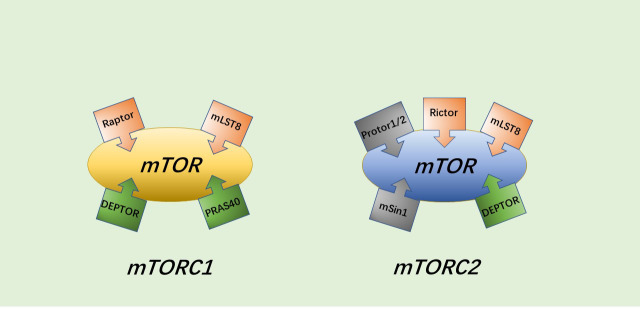
“The PI3K/AKT/mTOR pathway can be activated by multiple types of stimuli to play a role in inhibiting apoptosis and autophagy, and promoting cell growth, with AKT, a serine/threonine kinase, being the core of the entire PI3K/AKT/mTOR pathway. mTORC1 and mTORC2 are two different protein complexes formed by the target of…”
BackgroundFauser, B. C. J. M., Tarlatzis, B. C., Rebar, R. W., Legro, R. S., Balen, A. H., Lobo, R., Carmina, E., Chang, J., Yildiz, B. O., Laven, J. S. E., et al. (2012) · Fertility and Sterility · doi:10.1016/j.fertnstert.2011.09.024 · Cited by 1,976
The PI3K/AKT Pathway in Obesity and Type 2 Diabetes
Huang, X., Liu, G., Guo, J., & Su, Z. (2018) · International Journal of Biological Sciences · doi:10.7150/ijbs.27173 · Cited by 1,673 · cited 1×
“In addition to endocrine metabolic abnormalities (30), disorders of this pathway are also associated with various malignancies, leukemia, schizophrenia, coronary heart disease, heart failure, osteoarthritis and other diseases (31–36).”
BackgroundDoherty, J., & Baehrecke, E. H. (2018) · Nature Cell Biology · doi:10.1038/s41556-018-0201-5 · Cited by 624 · cited 1×
“Autophagy affects cell survival by maintaining cellular bioenergy and removing proteins and damaged organelles (22).”
BackgroundNestler, J. E., Jakubowicz, D. J., Falcon de Vargas, A., Brik, C., Quintero, N., & Medina, F. (1998) · The Journal of Clinical Endocrinology & Metabolism · doi:10.1210/jcem.83.6.4886 · Cited by 617 · cited 1×
“There is evidence that IR exacerbates hyperandrogenemia, causes disturbances in the regulation of the hypothalamic-pituitary-ovarian axis, and accelerates the progression of PCOS (44).”
Background
Cited by
Ovarian ferroptosis induced by androgen is involved in pathogenesis of PCOS
Li, X., Lin, Y., Cheng, X.-Y., Yao, G., Yao, J., Hu, S., Zhu, Q., Wang, Y., Ding, Y., Lu, Y., et al. (2024) · Human Reproduction Open · doi:10.1093/hropen/hoae013 · Cited by 85
“…cell death (including apoptosis and Potential link between ferroptosis and androgen in PCOS | 11 autophagy) in the ovaries from women with PCOS or PCOS animal models (Matsuda et al. , 2012; Li et al. , 2019; Liu et al. , 2020; Wang et al. , 2020; Tong et al. , 2022; Stringer et al. , 2023).”
BackgroundRecent advances in the effect of adipose tissue inflammation on insulin resistance
Yan, K. (2024) · Cellular Signalling · doi:10.1016/j.cellsig.2024.111229 · Cited by 70
Polycystic ovary syndrome and its management: In view of oxidative stress
Bhattacharya, K., Dey, R., Sen, D., Paul, N., Basak, A. K., Purkait, M. P., Shukla, N., Chaudhuri, G. R., Bhattacharya, A., Maiti, R., et al. (2024) · BioMolecular Concepts · doi:10.1515/bmc-2022-0038 · Cited by 67
“Adipocytes and serum from PCOS individuals may contain an increased quantity of active extracellular signal-regulated protein kinases 1 and 2, along with decreased levels of the insulin receptor, GLUT4, and PI3K [115,116].”
BackgroundmTOR Dysregulation, Insulin Resistance, and Hypertension
Stanciu, S. M., Jinga, M., Miricescu, D., Ștefani, C., Nica, R. I., Stănescu-Spînu, I.-I., Văcăroiu, I. A., Greabu, M., & Nica, S. (2024) · Biomedicines · doi:10.3390/biomedicines12081802 · Cited by 52
“The incidence of IR in the Western population is around 25–35%, usually associated with obesity and obesity-related complications, being a risk factor for CVD, T2D, infertility, nonalcoholic fatty liver (NAFLD), certain types of cancer [58,59] and kidney dysfunction [60].”
BackgroundYe, C., Li, Y., Shi, J., He, L., Shi, X., Yang, W., Lei, W., Quan, S., Lan, X., & Liu, S. (2024) · Journal of Ethnopharmacology · doi:10.1016/j.jep.2024.118898 · Cited by 45
Zhang, Z., Shi, C., & Wang, Z. (2023) · Nutrients · doi:10.3390/nu15132833 · Cited by 38
Bisphenol F and bisphenol S induce metabolic perturbations in human ovarian granulosa cells
Cheng, S., Huang, M., Liu, S., & Yang, M. (2024) · Arabian Journal of Chemistry · doi:10.1016/j.arabjc.2024.105904 · Cited by 31
Progress on the mechanism of natural products alleviating androgenetic alopecia
Wu, S., Kou, X., Niu, Y., Liu, Y., Zheng, B., Ma, J., Liu, M., & Xue, Z. (2023) · European Journal of Medicinal Chemistry · doi:10.1016/j.ejmech.2023.116022 · Cited by 27
Li, X., Hé, Y., Yan, Q., Kuai, D., Zhang, H., Wang, Y., Wang, K., & Tian, W. (2024) · Toxicology · doi:10.1016/j.tox.2024.153958 · Cited by 23
Dutta, S., Sengupta, P., Rao, S., Elgarawany, G. E., Samrot, A. V., Rosas, I. M., & Roychoudhury, S. (2025) · Pharmaceuticals · doi:10.3390/ph18101575 · Cited by 20
“At the molecular level, IR in PCOS is characterized by impaired insulin receptor substrate-1 (IRS-1) phosphorylation and dysregulated phosphatidylinositol 3-kinase (PI3K)/protein kinase B (AKT) signaling, leading to reduced glucose uptake and compromised metabolic insulin actions [12].”
Sun, Q., Yang, R., Chen, T., Li, S., Wang, H., Kong, D., Zhang, W., Duan, J., Zheng, H., Shen, Z., et al. (2024) · International Immunopharmacology · doi:10.1016/j.intimp.2024.112533 · Cited by 24
Liu, W.-J., Li, L., Lan, M., Shang, J., Zhang, J., Xiong, W.-J., Lai, X., & Duan, X. (2024) · Journal of Ovarian Research · doi:10.1186/s13048-024-01442-z · Cited by 31
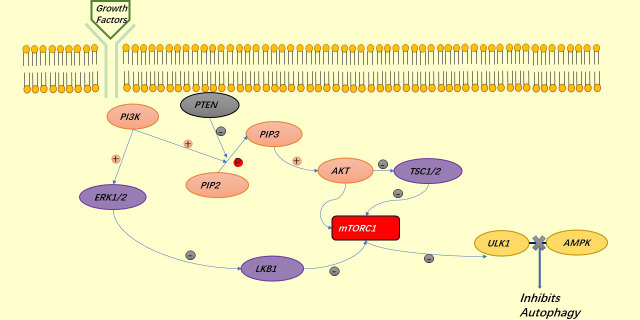
“Inhibition of the PI3K/AKT/mTOR pathway stimulates the occurrence of autophagy accompanied by apoptosis results in the degeneration of GCs (granulosa cells), which subsequently trigger follicular atresia [18, 19].”
BackgroundYuan, H., Xu, G., Liu, J., Yan, Y., Zhao, S., Cai, F., Yu, X., Wang, Y., & Li, M. (2024) · Journal of Traditional and Complementary Medicine · doi:10.1016/j.jtcme.2024.05.007 · Cited by 23
“35 Modulation of the PI3K/AKT pathway become a promising approach for the management of T2DM.”
Ma, Y., Yu-qin, M., Li, P., Ma, F., Yu, M., Xu, J., & Yang, Y. (2024) · Cellular Signalling · doi:10.1016/j.cellsig.2024.111575 · Cited by 24
The role of mitochondrial dysfunction in ovarian granulosa cells in polycystic ovary syndrome
Yan, X., Ma, D., Li, R., Xu, J., Zou, Y., & He, M. (2025) · Endocrine Connections · doi:10.1530/ec-25-0186 · Cited by 29
“Elevated ROS levels cause DNA damage, mitochondrial fragmentation, and the activation of caspase-mediated apoptosis (97, 143).”
Li, S., Li, Y., Sun, Y., Feng, G., Yang, Z., Yan, X., Gao, X., Jiang, Y., Du, Y., Zhao, S., et al. (2024) · Reproductive Biology and Endocrinology · doi:10.1186/s12958-024-01195-w · Cited by 23
“The PI3K-Akt pathway disturbance is complicated and multi-faceted [26, 29, 30], which could lead to insulin resistance [26], abnormal follicle apoptosis and proliferation [31], and the formation of ovarian cysts [32].”
BackgroundTian, Y., Pan, P., Luo, X., Sun, Y., Yang, X., Gao, H., & Yang, Y. (2025) · Chemico-Biological Interactions · doi:10.1016/j.cbi.2025.111450 · Cited by 20
Anbar, H. S., Vahora, N. Y., Shah, H. L., Azam, M. M., Islam, T., Hersi, F., Omar, H. A., Döhle, W., Potter, B. V. L., & El-Gamal, M. I. (2023) · European Journal of Pharmacology · doi:10.1016/j.ejphar.2023.176119 · Cited by 21
Dilimulati, D., Shao, X., Wang, L., Cai, M., Zhang, Y., Lu, J., Wang, Y., Liu, H., Kuang, M., Chen, H., et al. (2024) · Journal of Medical Internet Research · doi:10.2196/55883 · Cited by 17
“One of the most prevalent endocrine disorders among patients with PCOS is insulin resistance, with variable degrees of insulin resistance present in approximately 75% of patients with PCOS [3].”
Guo, S., Li, X., Liu, M., Feng, M., Wang, X., Xue, H., & Zhang, L. (2025) · Drug Design Development and Therapy · doi:10.2147/dddt.s522730 · Cited by 20
“51 Autophagy is activated after inhibiting the PI3K/AKT/mTOR pathway, leading to degeneration and apoptosis of GCs cells, which in turn triggers follicular atresia.”
Self-citationZhang, H., Jiang, Y., Zhu, S., Wei, L., Zhou, X., Gao, P., Zhang, J., Chen, Y., Du, Y., Fang, C., et al. (2024) · Placenta · doi:10.1016/j.placenta.2024.01.011 · Cited by 18
Guo, Z., Zhang, J., Li, M., Xing, Z., Li, X., Qing, J., Zhang, Y., Zhu, L., Qi, M., & Zou, X. (2024) · Frontiers in Medicine · doi:10.3389/fmed.2024.1442071 · Cited by 19
“Additionally, Phosphatidylinositol 3-kinase (PI3K) serves as a critical signal in autophagy regulation within eukaryotes (22).”
BackgroundYang, Y., Luo, L., Li, Y., Shi, X., Li, C., Chai, J., Jiang, S., & Zheng, R. (2024) · Nutrients · doi:10.3390/nu16223828 · Cited by 19
Song, G., Liu, N., He, J., Tang, S., Yu, Y., & Song, L.-H. (2025) · Molecular Biology Reports · doi:10.1007/s11033-025-10553-9 · Cited by 18
Self-citationA Review of the Relationship Between Insulin and Bone Health
Ravindran, S., Wong, S. K., Mohamad, N.-V., & Chin, K. (2025) · Biomedicines · doi:10.3390/biomedicines13061504 · Cited by 18
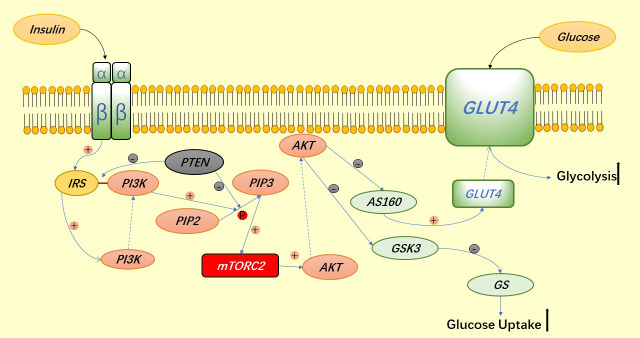
“When GSK3 β is inactivated, it leads to the phosphorylation of glycogen synthase, promoting glycogen synthesis and contributing to overall glucose homeostasis [37,65].”
Zhao, B., Fan, L., Liu, M., Wu, H., Zhang, Y., Shen, Q., & Kang, J. (2025) · Antioxidants · doi:10.3390/antiox14101235 · Cited by 16
“In the pathogenesis of PCOS, multiple factors contribute to the apoptosis of GCs, including hyperandrogenism, abnormal metabolic byproducts [6–8], exosomes [9–11], etc.”
Ramírez‐Manent, J. I., López‐González, Á. A., Tomás-Gil, P., Sbert, P. R., Garrido-Sepulveda, L., & Vicente-Herrero, M. T. (2023) · Diagnostics · doi:10.3390/diagnostics13213356 · Cited by 16
“[25].”
Weng, L., Zhu, Q., Xiang, Y., Cao, T., Cai, J., Liang, N., Hong, X., Xue, M., & Ge, H. (2024) · International Immunopharmacology · doi:10.1016/j.intimp.2024.113327 · Cited by 16
Feng, Y., Li, M., Li, X., Tang, Q., Li, X., Ji, X., Tian, W., & Zhang, H. (2024) · Reproductive Sciences · doi:10.1007/s43032-024-01532-9 · Cited by 27
“IR is at the core of the metabolic disorders that occur in PCOS patients, and approximately 75% of PCOS patients have various degrees of IR [2].”
Bila, J. S., Dotlić, J., Andjić, M., Ivanović, K., Micić, J., Tulić, L., Pupovac, M., Stojnić, J., Vuković, I., & Ivanovic, S. (2025) · Journal of Clinical Medicine · doi:10.3390/jcm14165642 · Cited by 25
“Abdominal obesity and insulin resistance stimulate ovarian and adrenal androgen synthesis, potentially leading to further abdominal obesity and inflammation, hence making a vicious cycle [6,36].”
The Roles of Autophagy in the Genesis and Development of Polycystic Ovary Syndrome
Cheng, D., Zheng, B., Sheng, Y., Zeng, Z., & Mo, Z. (2023) · Reproductive Sciences · doi:10.1007/s43032-023-01255-3 · Cited by 14
“Study shows that IR and autophagy in PCOS can be improved by directly increasing the activity of the PI3K pathway or improving the antioxidant capacity of cells [112]; improving obesity; correcting hyperandrogenism, ovulation, and hyperinsulinemia; and optimizing metabolic homeostasis.”
BackgroundPolycystic Ovary Syndrome and Eating Disorders—A Literature Review
Góral, A., Żywot, K., Zalewski, W., Jagodziński, A., & Murawski, M. (2024) · Journal of Clinical Medicine · doi:10.3390/jcm14010027 · Cited by 16
Wang, M., An, K., Huang, J., Mprah, R., & Ding, H. (2023) · Frontiers in Endocrinology · doi:10.3389/fendo.2023.1193992 · Cited by 17
“PI3K/AKT-mediated insulin signaling pathway was closely associated with metabolic abnormalities and reproductive disorders in PCOS (43).”
BackgroundHai, B., Zhang, Y., Huang, J., Mprah, R., & Wang, M. (2025) · Annals of Medicine · doi:10.1080/07853890.2025.2503921 · Cited by 17
“In the current study, the core targets STAT3 and TP53 are both common key genes involved in apoptosis, while the enriched PI3K-AKT is a significant signaling pathway that regulates cell growth and apoptosis [32,33].”
Gu, R., Dai, F., Xiang, C., Chen, J., Yang, D., Tan, W., Wang, Z., Liu, H., & Cheng, Y. (2023) · The Journal of Steroid Biochemistry and Molecular Biology · doi:10.1016/j.jsbmb.2023.106410 · Cited by 13
Zhang, X., Ji, D., Zhang, Y., Du, C., Liang, L., Ahmad, A., Feng, Y.-H., & Ye, G. (2025) · Gynecological Endocrinology · doi:10.1080/09513590.2025.2462068 · Cited by 12
“The PI3K/AKT signaling pathway is an important intracellular signaling pathway that plays a key role in cell growth, proliferation, metabolism, and survival [21.”
Gadhave, P. V., Sutar, G., Sajane, S. J., Redasani, V. K., Das, K., Dharani Prasad, P., Alobid, S. E., Almoteer, A. I., Rabbani, S. I., Yasmin, F., et al. (2024) · Saudi Pharmaceutical Journal · doi:10.1016/j.jsps.2024.101953 · Cited by 11
Pan, Y., Chen, M., Pan, L., Tong, Q., Cheng, Z., Lin, S., Pan, R., Chen, M., & Zhi, Y. (2024) · Neuropsychiatric Disease and Treatment · doi:10.2147/ndt.s476969 · Cited by 10
Huang, Y., Zhu, M., Zhang, Z., Liu, Z., Li, F., Hu, R., Geng, Y., Song, Y., Ma, W., Dong, H., et al. (2025) · Journal of Ethnopharmacology · doi:10.1016/j.jep.2025.120057 · Cited by 11
Jin, X., Wuyun, T., Zhang, Y., Wang, X., & Zhao, L. (2025) · Journal of Nanobiotechnology · doi:10.1186/s12951-025-03456-1 · Cited by 16
“Aberrant activation of this pathway is a key mechanism in the occurrence and progression of various cancers, including NSCLC [23–25].”
Polycystic ovary syndrome and related inflammation in radiomics; relationship with patient outcome
Zheng, C.-Y., Yu, Y., & Bai, X. (2023) · Seminars in Cell and Developmental Biology · doi:10.1016/j.semcdb.2023.02.013 · Cited by 10
Self-citationZhao, Y., Zhao, X., Jiang, T., Xi, H., Jiang, Y., & Feng, X. (2024) · Hormone and Metabolic Research · doi:10.1055/a-2280-7130 · Cited by 9
“Studies in recent years have found that some pathological changes in PCOS seem to be related to the disruption of this balance [9].”
BackgroundmiR-34a-5p modulation of polycystic ovary syndrome via targeting the NOTCH signaling pathway
Zhang, K., Wang, X., Liu, F., Lin, H., Wang, Y., Zhao, M., Wang, X., Chu, Y., & Xu, L. (2025) · Journal of Ovarian Research · doi:10.1186/s13048-025-01623-4 · Cited by 10
“Conversely, apoptosis and degeneration of GCs often result in follicular atresia, contributing to the development of PCOS [11, 12]. microRNAs (miRNAs) are endogenous short-stranded RNAs with roughly 20–24 nucleotides.”
Transcriptomic analysis of theca cells in a PCOS rat model: insights into follicular development
Yuanyuan, C., Sun, N., Lu, L., Zhang, W., Kai, L., Li, Y., Junlan, H., Xiang, C., Zhou, J., Hua, Y., et al. (2025) · Journal of Ovarian Research · doi:10.1186/s13048-025-01663-w · Cited by 10
“The MAPK signaling pathway plays a crucial role in biological processes such as cell proliferation, differentiation, and apoptosis [29], while the PI3K-Akt signaling pathway is widely involved in cell proliferation, survival, and metabolism [33].”
Li, W., Bai, E., & Wang, Q. (2024) · Frontiers in Endocrinology · doi:10.3389/fendo.2024.1400880 · Cited by 13
Akbar-Abad, M. S., Majidpour, M., Sargazi, S., Ghasemi, M., & Saravani, R. (2025) · Reproductive Sciences · doi:10.1007/s43032-025-01806-w · Cited by 8
“Recent studies have gradually demonstrated the role of autophagy and apoptosis of ovarian granulosa cells (GCs) in developing PCOS [ 15].”
Li, J., Li, W., Wang, S., Zheng, H., Bao, J., Wang, Y., & Jin, H. (2025) · Journal of Ethnopharmacology · doi:10.1016/j.jep.2025.119916 · Cited by 8
Cai, R., Li, C., Shi, W., Xie, F., Fan, M., Zhang, H., Liu, Z., Chen, Y., & Hong, Q. (2025) · Cellular and Molecular Life Sciences · doi:10.1007/s00018-025-05797-4 · Cited by 7
“In vertebrates, the PI3K/AKT signaling pathway is a highly conserved network, which is implicated in the regulation of cell activity, death, autophagy, senescence and tumorigenesis [17 ].”
Lv, M., Zhai, Y., Yu, H., Cheng, J., Wei, Y., Zhang, Y., Zhang, Y., & Feng, H. (2025) · Biochimica et Biophysica Acta (BBA) - Molecular and Cell Biology of Lipids · doi:10.1016/j.bbalip.2025.159666 · Cited by 8
Guo, J., Lin, B., Niu, R., Lü, W., He, C., Zhang, M., Huang, Y., Chen, X., & Liu, C. (2023) · Endocrine · doi:10.1007/s12020-023-03591-5 · Cited by 9
“IR is an aggravating factor for many diseases, such as cardio-vascular disease, impaired glucose tolerance, type 2 diabetes, and obesity [32, 33].”
Xuan, F., Ren, Y., Lu, J., Zhou, W., Jin, R., Chen, A., & Ye, Y. (2024) · Molecular Reproduction and Development · doi:10.1002/mrd.23741 · Cited by 7
“In recent years, studies have shown that apoptosis and autophagy of ovarian GCs are related to the pathophysiology of PCOS (Tong et al., 2022).”
BackgroundThe Relationship between Thyroid Hormones and Insulin Resistance in Polycystic Ovary Syndrome Women
Hao, X., Ma, J., Zhang, L., Meng, T., & Ma, Q. (2024) · Gynecologic and Obstetric Investigation · doi:10.1159/000539361 · Cited by 7
Self-citationPolycystic ovary syndrome and organochlorine pesticides: exploring potential links and mechanisms
Yin, S., Yang, W., Lin, F., Jia, M., Feng, Y., Chen, Y., Bai, X., Dong, Y., Mao, S., Hayat, K., et al. (2025) · Frontiers in Reproductive Health · doi:10.3389/frph.2025.1563414 · Cited by 7
“Increased serine phosphorylation and decreased tyrosine phosphorylation of the insulin receptor and IRS terminate insulin action, leading to insulin dysfunction in women with PCOS (100, 101).”
Programmed cell death 4: A novel player in the pathogenesis of polycystic ovary syndrome
Zarezadeh, R., Abbasi, K., Beilankouhi, E. A. V., Navali, N., Hakimi, P., Fattahi, A., & Farzadi, L. (2023) · Cell Biochemistry and Function · doi:10.1002/cbf.3905 · Cited by 6
“71 – 73 Furthermore, PCOS might drive GCs into death through apoptosis by downregulating Bcl ‐ 2 expression, as well as through ferroptosis by lowering the expression of glutathione peroxidase 4, SLC7A11, and Nrf2.”
BackgroundJia, J.-J., Lai, H.-J., Sun, B.-W., Lu, J., & Zeng, Y. (2025) · Scientific Reports · doi:10.1038/s41598-025-92526-3 · Cited by 9
“Under the influence of modulation of related genes, autophagy, and apoptosis can play complex dual roles in the survival and death of tumor cells and influence the occurrence, development, and prognosis of various diseases 22 .”
Peng, H., Ren, J., Zhao, Y., Fang, X., Wang, X., Liu, C., & Wan, Z. (2025) · Diabetes Research and Clinical Practice · doi:10.1016/j.diabres.2025.112235 · Cited by 7
Genetic–epigenetic targets for PCOS-associated diabesity
Sharma, A. K., Mukherjee, M., Akhtar, M. S., Orayj, K. M., Farooqui, S., & Khan, A. (2025) · Drug Discovery Today · doi:10.1016/j.drudis.2025.104373 · Cited by 5
Ding, Z., Liao, K., Liang, K., Zhang, S., Pei, Z., Zhang, F., Zhou, L., & Xu, C. (2025) · Frontiers in Endocrinology · doi:10.3389/fendo.2025.1629837 · Cited by 6
“IR and compensatory hyperinsulinemia are prevalent in approximately 75% of PCOS patients (10).”
Ma, S., Sun, C., Wang, Y., Zhang, X., & Kuang, H. (2026) · Journal of Ovarian Research · doi:10.1186/s13048-026-02054-5 · Cited by 7
“This further amplifies the local inflammatory response via the ROS–NLRP3 inflammasome axis, thereby interfering with granulosa cell–oocyte communication and promoting follicular arrest rather than rapid atresia [50].”
InfluentialRole of TRPC6 in apoptosis of skeletal muscle ischemia/reperfusion injury
Xie, D.-G., Li, J.-H., Zhong, Y., Han, H., Zhang, J.-J., Zhang, Z.-Q., & Li, S.-T. (2024) · Cellular Signalling · doi:10.1016/j.cellsig.2024.111289 · Cited by 5
Ogunlakin, A. D., Ojo, O. A., Gyebi, G. A., Alabi, G. O., Elbasyouni, A., Adebodun, S. A., Ogunlakin, B., Olanrewaju, A. A., & Sonibare, M. A. (2024) · Journal of Molecular Structure · doi:10.1016/j.molstruc.2024.139275 · Cited by 6
Developmental exposure to perfluorooctane sulfonate(PFOS) impairs the endometrial receptivity
Ren, R., Zhou, X., Jia, T., Wang, B., Liu, A., Gao, M., Song, J., Wang, L., Jing, Y.-X., Yu, L., et al. (2025) · Scientific Reports · doi:10.1038/s41598-024-84732-2 · Cited by 5
Ju, W., Pan, K., Zhang, Q., Wang, Y., Zhao, S., Zhang, J., & Lian, F. (2025) · Reproductive BioMedicine Online · doi:10.1016/j.rbmo.2025.105027 · Cited by 5
Wang, D., Nan, N., Bing, H., & He, B. (2023) · Frontiers in Endocrinology · doi:10.3389/fendo.2023.1241734 · Cited by 9
Alageel, A. A., Alshammary, A. F., & Khan, I. A. (2023) · Frontiers in Endocrinology · doi:10.3389/fendo.2023.1303747 · Cited by 7
“IR appears to be a key factor PCOS development, with the ovary being only one among several organs affected (11).”
BackgroundMeliani-Rodríguez, A., Cutillas-Tolín, A., Mendiola, J., Sánchez-Ferrer, M. L., Sánchez, E. D. L. C., Vioqué, J., & Torres-Cantero, A. M. (2024) · Nutrients · doi:10.3390/nu16142238 · Cited by 5
“One such pathway involves the regulation of phosphatidylinositol 3-kinase (PI3K) [26].”
BackgroundWang, J., Luo, Y., Liu, Y., Tang, X., Gu, J., Huang, Z., Lv, T., Luo, J. P., & Fang, G. (2025) · Journal of Ovarian Research · doi:10.1186/s13048-025-01685-4 · Cited by 5
“In turn, this promotes the translocation and membrane insertion of glucose transporter 4 (GLUT4), allowing glucose to enter the cell and undergo complete glycolysis [26].”
Zhang, Y., Hu, Z., Cai, Z., Lai, J., & Zeng, H. (2025) · Reproductive Sciences · doi:10.1007/s43032-025-01917-4 · Cited by 4
“Recent studies suggest that excessive apoptosis and adhesion instability of GCs contribute to follicular arrest in PCOS [5].”
In Silico and Experimental Evaluation of Myricetin in Insulin Resistance‐Associated PCOS in Rats
Aswal, P., Jangwan, N. S., Dobhal, S., Bisht, S., & Singh, M. F. (2025) · Chemistry & Biodiversity · doi:10.1002/cbdv.202502165 · Cited by 4
“PubChem ID Binding affinity (kcal/mol) 1A) and was further screened for its binding efficacy against PI3K and NF-κ B target proteins, which are implicated as intermediate or regulatory proteins in the pathophysiology of IR in PCOS [41, 42].”
Recent advances in reprogramming lactate metabolism in polycystic ovary syndrome
Xu, J., Chen, W., Huang, M.-N., Zheng, L., Huang, S.-Y., Lin, S., & Shi, Q. (2025) · Journal of Ovarian Research · doi:10.1186/s13048-025-01797-x · Cited by 6
“Impaired cellular autophagy has been observed in both IR and PCOS [33].”
Mohanty, A., Bashir, B., Kolekar, K. A., Acharya, A., Gulati, M., Chaitanya, M., Gupta, M., Patle, D., Gupta, G., & Singh, S. K. (2025) · Inflammopharmacology · doi:10.1007/s10787-025-02015-2 · Cited by 4
“Multiple essential signaling mechanisms that contribute to its development have been discovered by contemporary studies (Tong et al. 2022).”
Li, Y., Liu, Z., Tan, Y., Chen, Y., Huang, Z., & Chen, Y. (2025) · Journal of Ovarian Research · doi:10.1186/s13048-025-01779-z · Cited by 7
“Polycystic ovary syndrome is associated with abnormal follicle formation [25].”
Jiao, B., Chen, R., Chen, S. X., Zhang, J., Wang, P., Zhou, H., & Zhao, W. (2024) · Frontiers in Pharmacology · doi:10.3389/fphar.2024.1458621 · Cited by 5
“This highlights the importance of a multidisciplinary approach in managing PCOS, involving collaboration between neurologists, endocrinologists, and gynecologists (Wu et al., 2022).”
BackgroundResultEffects of melatonin in polycystic ovary syndrome: is there Hippo pathway crosstalk?
Wang, L., Jin, Y., Zhi, Y., Li, Z., Wang, M., Wang, B., & Wang, X. (2025) · Journal of Ovarian Research · doi:10.1186/s13048-025-01642-1 · Cited by 6
“Women with PCOS may experience symptoms such as infertility, metabolic dysfunction, and insulin resistance, with an increased risk of cardiovascular disease, mood disorders, and endometrial cancer in post-menopause [2].”
Effects of melatonin and metformin on the ovaries of rats with polycystic ovary syndrome
Lombardi, L. A., Mattos, L. S., Espíndula, A. P., Simões, R. S., Sasso, G. R. D. S., Simões, M. D. J., Soares, J. M., & Florencio‐Silva, R. (2024) · F&S Science · doi:10.1016/j.xfss.2024.03.001 · Cited by 5
Zhao, H., & Guo, Y. (2024) · Gynecologic and Obstetric Investigation · doi:10.1159/000539039 · Cited by 4
“These changes include the addition or deletion of chemical components on DNA or histone [19 – 21].”
Li, C., Zhou, L., Zhang, Y., Li, Y., & Zhao, L. (2024) · Journal of obstetrics and gynaecology research · doi:10.1111/jog.16076 · Cited by 4
“These findings corroborates other studies which confirmed a low expression of the P3IK/ AKT pathway and a high expression of MAPK/ERK pathway in PCOS [28 – 30].”
He, Y., Luo, J., & Xie, H. (2025) · Biochemical and Biophysical Research Communications · doi:10.1016/j.bbrc.2025.151657 · Cited by 4
Ogunlakin, A. D., Ojo, O. A., Onu-Boms, C. D., Afolayan, O. S., Ayeni, P. O., Akinwumi, I. A., Akinmurele, O. J., Alabi, G. O., Ayokunle, D. I., Ambali, O. A., et al. (2024) · OBM Genetics · doi:10.21926/obm.genet.2401213 · Cited by 5
de Hevia, J. O., López‐González, Á. A., Ramírez‐Manent, J. I., Paublini, H., López, P. J. T., Sánchez, C. M., & Sbert, P. R. (2025) · Healthcare · doi:10.3390/healthcare13080921 · Cited by 4
“The insulin receptor substrate (IRS)-phosphatidylinositol 3-kinase (PI3K)-Akt pathway is crucial for mediating insulin’s metabolic effects [39].”
Wang, H., Xiao, J., Fu, C., Ma, J., & Jiang, Z. (2025) · Scientific Reports · doi:10.1038/s41598-025-15227-x · Cited by 3
Sun, N., Sun, P., Sun, L., Sun, P., Qi, D., & Ma, H.-G. (2026) · PLoS ONE · doi:10.1371/journal.pone.0342158 · Cited by 3
“Thus, our data further confirm the reliability of the PCOS-IR model and support the critical involvement of metabolic disorders in PCOS pathogenesis [18–20].”
Liu, M., Xiong, Y., Zhang, S., Yuan, J., & Cheng, Z. (2025) · Journal of Multidisciplinary Healthcare · doi:10.2147/jmdh.s536122 · Cited by 4
Curcumin and selenium synergistically mitigate oxidative stress in white-feathered broilers
He, Z., Lin, Z., Yan, Y., Wang, J., Zhang, S., Zheng, B., & Huang, X. (2025) · Frontiers in Veterinary Science · doi:10.3389/fvets.2025.1600466 · Cited by 3
“…growth factor 1 (IGF-1)/Phosphatidylinositol-3-kinase (PI3K)/Protein kinase B (AKT)/Mammalian target of rapamycin (mTOR) signaling pathway is critical in various vital life functions such as antioxidation (36, 37), cell growth (38), proliferation (39), differentiation (40) and apoptosis (41, 42).”
Liang, L., Lv, J., Li, W., Song, C., Chen, Y., & Wei, H. (2025) · Hereditas · doi:10.1186/s41065-025-00498-1 · Cited by 4
“Additionally, as a negative regulator of the PI3K/Akt pathway, PTEN plays a central role in insulin resistance [33].”
Yu, L., Peng, Q., Ma, C., Ouyang, J., Ma, H., Fan, S., Sun, M., Ma, H., Du, X., Zhu, X., et al. (2025) · Scientific Reports · doi:10.1038/s41598-025-20174-8 · Cited by 2
“The PI3K/AKT signaling pathway is a critical intracellular pathway that plays a pivotal role in cellular growth, proliferation, and metabolism 39 .”
Ma, S., Wei, Y., Li, Y., Dong, W., Mu, H., Zhou, S., Zhang, X., Chen, L., Yang, Y., & Yu, S. (2026) · Materials Today Bio · doi:10.1016/j.mtbio.2026.103111 · Cited by 2
Molecular Mechanisms Underlying Reproductive Dysfunction in Polycystic Ovary Syndrome
Kobayashi, H., Shigetomi, H., Nishio, M., Umetani, M., Imanaka, S., & Hashimoto, H. (2026) · Reproductive Sciences · doi:10.1007/s43032-026-02097-5 · Cited by 5
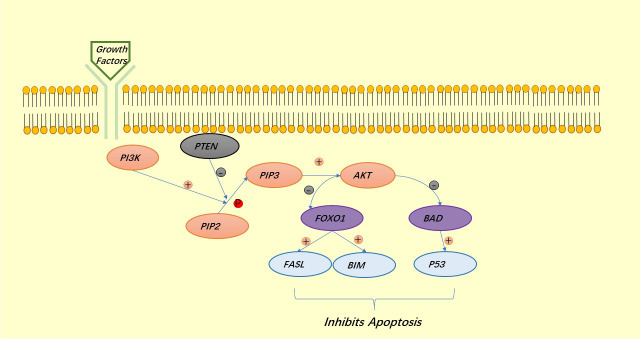
“By inhibiting Bcl-2-associated death promoter (Bad) and caspase-9, insulin also promotes cell survival [139, 140], and regulates autophagy via the mTOR–ULK1 (UNC-51-like kinases 1) axis [ 141].”
InfluentialSong, Z., Yuan, Q., Fang, Y., Zhai, B., Geng, J., Li, M., Wang, C., & Wang, D. (2026) · Bioresources and Bioprocessing · doi:10.1186/s40643-026-01074-9 · Cited by 3
“…of the PI3K/AKT/mTOR signaling pathway leads to increased sebum secretion and abnormal follicular keratinization, resulting in follicular blockage and creating conditions conducive to the proliferation of Cutibacterium acnes , which subsequently triggers an inflammatory response (Tong et al. 2022).”
Combining proteomic markers to construct a logistic regression model for polycystic ovary syndrome
Tong, C., Wu, Y., Zhuang, Z., Wang, Z., & Yu, Y. (2023) · Frontiers in Endocrinology · doi:10.3389/fendo.2023.1227252 · Cited by 2
“Previous studies on HIST1H4A or histone modi fi cations have focused on the correlation between various malignancies and chronic in fl ammation, while recent reviews have described the pathogenesis of PCOS as being closely related to the in fl ammatory response and apoptosis (27).”
BackgroundSelf-citationLi, X., Cao, S., Zi, X., Yu, H., & Mao, C. (2024) · Nephrology · doi:10.1111/nep.14404 · Cited by 3
“24,25 Targeting PIK3CD has also been correlated with increased insulin resistance in hepatocytes.”
Zhao, Y., Liu, L., Hao, J., Wang, H., Cao, Y., Lan, Y., & Ji, L. (2024) · Medicine · doi:10.1097/md.0000000000040229 · Cited by 2
“[59] Functional enrichment analysis showed that the above genes were significantly enriched in nucleic acid metabolism, copper metabolism, and the HIF signaling pathway.”
BackgroundS100A11 promotes lipid metabolism and activates the apoptosis in polycystic ovary syndrome
Yang, X., Li, M., Xu, Z., Jiang, Q., Du, Y., Lv, H., & Yan, L. (2024) · Reproduction · doi:10.1530/rep-24-0232 · Cited by 2
Risk of Insulin Resistance: Comparison of the Commerce vs. Industry Sector and Associated Variables
Vicioso, M. P. F.-F., Sbert, P. R., López‐González, Á. A., Ramírez‐Manent, J. I., Fernández, J. L. D. B., & Herrero, M. T. V. (2025) · Diseases · doi:10.3390/diseases13050150 · Cited by 3
Li, N., Yu, K., Huang, D., Guo, H., Zhu, X., & Lin, Z. (2024) · Current Medicinal Chemistry · doi:10.2174/0109298673337033241010072529 · Cited by 2
Yan, S., Zeng, X., & Lü, X. (2025) · Journal of Endocrinological Investigation · doi:10.1007/s40618-025-02648-8 · Cited by 1
Issa, S. M., Thabet, E. H., Dief, A. E., Omar, W. E., Saleh, S. R., Essawy, M. M., & Eter, E. A. E. (2025) · Reproductive Biology · doi:10.1016/j.repbio.2025.101081 · Cited by 3
Feng, Y., Wu, L., & Liu, J. (2025) · Naunyn-Schmiedeberg s Archives of Pharmacology · doi:10.1007/s00210-025-04667-x · Cited by 2
Xie, M., Qing, X., Huang, H., Xie, B., & Zhang, J. (2025) · Journal of Health Population and Nutrition · doi:10.1186/s41043-025-01167-9 · Cited by 3
“A core pathophysiological feature, IR, affects about 75% of patients and represents a critical treatment target [11, 12].”
Vitamin B6 promotes the activation of primordial follicles through the PI3K/Akt signaling pathway
Wen, J., Li, W., Wang, Z., Zhang, L., Huang, Y., Weng, M., Chen, Y., Hou, Z., Zhang, M., & Chen, Y. (2025) · Journal of Ovarian Research · doi:10.1186/s13048-025-01882-1 · Cited by 1
“This is consistent with previous studies that VB6 activates the PI3K/Akt pathway to improve insulin sensitivity in insulin-resistant mice and extend Rex rabbit hair follicle growth [26, 27].”
Self-citation
Metadata
- Authors
- Tong, C., Wu, Y., Zhang, L., & Yu, Y.
- Affiliations
- Zhejiang Chinese Medical University (CN)
- Corresponding author
- Yu, Ying
- Venue
- Frontiers in Endocrinology
- Publisher
- Frontiers Media SA
- Published
- 2022-12-16
- Volume
- 13
- Pages
- 1091147-1091147
- ISSN
- 1664-2392 (ISSN-L)
- PMC
- PMC9800521
- OpenAlex
- W4311597393
- Cited by
- 157
- References
- 84
- Citations by year
- 2026: 41 · 2025: 52 · 2024: 49 · 2023: 15
- FWCI
- 4.70
- Type
- journal article
- Language
- en
- Open access
- gold
- doi.org
- Licence
- Locations
- Frontiers in Endocrinology (publishedVersion, cc-by)
- PubMed Central (publishedVersion, cc-by)
- PubMed (publishedVersion)
- DOAJ (DOAJ: Directory of Open Access Journals) (submittedVersion, cc-by-sa)
- Topics
- Health Sciences › Medicine › Reproductive Medicine › Ovarian function and disorders
- Health Sciences › Medicine › Reproductive Medicine › Reproductive Biology and Fertility
- Life Sciences › Biochemistry, Genetics and Molecular Biology › Genetics › Genetic and Kidney Cyst Diseases
- Keywords
- polycystic ovary syndrome, insulin resistance, autophagy, apoptosis, PI3K signaling, granulosa cells, PCOS pathogenesis, PCOS treatment, proteomics
- MeSH terms
- Autophagy, Female, Humans, Insulin Resistance, Polycystic Ovary Syndrome, Quality of Life, Signal Transduction, Apoptosis, Phosphatidylinositol 3-Kinases
About these checks
Registry, retraction, Cites and statistics results are computed, not judged, with one exception: a printed reference that no index lists is read once by a model before it counts as a citation error. Claims are extracted by a model and kept only when their quote appears verbatim in the text; each cited source is then checked, with a model’s help, for whether it says what the claim relies on. Those verdicts can be wrong — read the claim’s quote and the cited source before relying on one.
Statistics and arithmetic are recomputed, not judged.
Confidence bands are shown only for fields calibrated on our annotated test set. None is calibrated yet, so no band is shown.
What counts as a claim ›How we measure confidence ›How we check this ›
Are you an author, or do you see a problem with this page? Request a review
Data sources
Bibliographic data: Semantic Scholar, OpenAlex, Crossref.
Contains information from the Semantic Scholar Academic Graph Datasets, made available under the ODC Attribution License (ODC-BY 1.0).
Semantic Scholar’s data is described in: Kinney, R., et al. (2023). The Semantic Scholar Open Data Platform. arXiv:2301.10140.
