

Neuroinflammation in Huntington’s disease: From animal models to clinical therapeutics
Open accessThe DOI matches its Crossref record; 118 of the 118 references it cites were found in a registry or an index.
Abstract
Huntington’s disease (HD) is a progressive neurodegenerative disease characterized by preferential loss of neurons in the striatum in patients, which leads to motor and cognitive impairments and death that often occurs 10-15 years after the onset of symptoms. The expansion of a glutamine repeat (>36 glutamines) in the N-terminal region of huntingtin (HTT) has been defined as the cause of HD, but the mechanism underlying neuronal death remains unclear. Multiple mechanisms, including inflammation, may jointly contribute to HD pathogenesis. Altered inflammation response is evident even before the onset of classical symptoms of HD. In this review, we summarize the current evidence on immune and inflammatory changes, from HD animal models to clinical phenomenon of patients with HD. The understanding of the impact of inflammation on HD would help develop novel strategies to treat HD.
Overview
The claims and statistics of this paper haven’t been checked yet.
Free: it reads the open-access text and checks the first 5 claims that cite a source we can check. Create a free account to check every claim.
Integrity signals
Registry
Cites
Statistics
Figures
Verification
Claims the paper makes
The claims and statistics of this paper haven’t been checked yet.
Free: it reads the open-access text and checks the first 5 claims that cite a source we can check. Create a free account to check every claim.
Claims other papers make about this one
Each is checked against this paper’s own text: does it say what the citing paper says it does?
The cited source says what the claim attributes to it.
In the citing paper
“In addition to direct neuronal toxicity, HD pathogenesis is accompanied by significant neuroinflammation [192]. Brains impacted with HD exhibit increased microglial activation and elevated pro-inflammatory cytokine levels, including IL-6 and TNF-α [193,194].”
From The Impact of Neurotoxin Proteins Trafficked by Primary Cilia and Extracellular Vesicles in Neurodegenerative Diseases (2025) · cites this paper as [194]
Self-check
Percentages, sums and reported differences re-computed from the paper’s own numbers.
The self-check needs the paper’s full text.
Citations
Cites
MACDONALD, M. (1993) · Cell · doi:10.1016/0092-8674(93)90585-e · Cited by 8,366 · cited 1×
“Expansions varying from 36 to 39 CAG repeats may also result in HD, but with incomplete penetrance (1).”
BackgroundThe TNF and TNF Receptor Superfamilies
Locksley, R. M., Killeen, N., & Lenardo, M. J. (2001) · Cell · doi:10.1016/s0092-8674(01)00237-9 · Cited by 3,650
Mangiarini, L., Sathasivam, K., Seller, M., Cozens, B., Harper, A., Hetherington, C., Lawton, M., Trottier, Y., Lehrach, H., Davies, S. W., et al. (1996) · Cell · doi:10.1016/s0092-8674(00)81369-0 · Cited by 3,073 · cited 2×
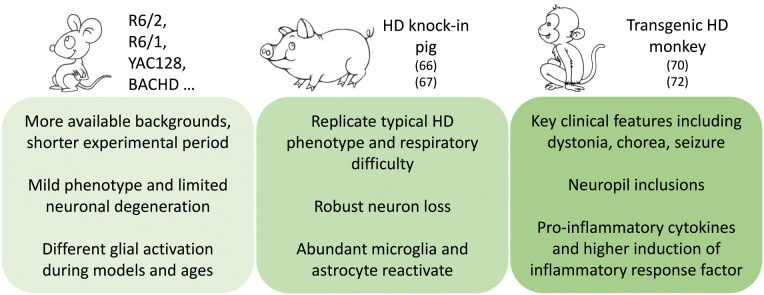
“The R6/1 and R6/2 transgenic mice were the first transgenic model developed to study HD, which express exon 1 of the human HD gene with around 115 and 150 CAG repeats respectively (16).”
BackgroundGlutamine Repeats and Neurodegeneration
Zoghbi, H. Y., & Orr, H. T. (2000) · Annual Review of Neuroscience · doi:10.1146/annurev.neuro.23.1.217 · Cited by 1,309 · cited 1×
“The CAG repeat expansion encodes an expanded polyglutamine (polyQ) tract in mutant HTT that elicits neuronal loss in HD (4).”
BackgroundHistone deacetylase inhibitors arrest polyglutamine-dependent neurodegeneration in Drosophila
Steffan, J. S., Bodai, L., Pallos, J., Poelman, M., McCampbell, A., Apostol, B. L., Kazantsev, A., Schmidt, E., Zhu, Y.-Z., Greenwald, M., et al. (2001) · Nature · doi:10.1038/35099568 · Cited by 1,228 · cited 1×
“In vivo experiments have revealed that the ectopic overexpression of mutant human HTT (exon 1 with expanded CAG repeats) in the neural tissue of transgenic flies causes neurodegeneration (12, 13).”
BackgroundHarrison, J. K., Jiang, Y., Chen, S., Xia, Y., Maciejewski, D., McNamara, R. K., Streit, W. J., Salafranca, M. N., Adhikari, S., Thompson, D. A., et al. (1998) · Proceedings of the National Academy of Sciences · doi:10.1073/pnas.95.18.10896 · Cited by 1,176 · cited 6×
“Furthermore, administering CX3CL1 protein was able to rescue R6/1 mice from long-term depression.”
BackgroundInfluentialDown-Regulation of the Macrophage Lineage Through Interaction with OX2 (CD200)
Hoek, R. M., Ruuls, S. R., Murphy, C. A., Wright, G. J., Goddard, R., Zurawski, S. M., Blom, B., Homola, M. E., Streit, W. J., Brown, M. H., et al. (2000) · Science · doi:10.1126/science.290.5497.1768 · Cited by 1,022 · cited 1×
“Neuroinflammation can be modulated by neuron-glial signaling through various soluble factors, such as cluster of differentiation CD22 (80), CD47 (81), CD200 (82, 83), the family of CD300 receptors (84) and CX3CL1 (85).”
BackgroundCarter, R. J., Lione, L. A., Humby, T., Mangiarini, L., Mahal, A., Bates, G. P., Dunnett, S. B., & Morton, A. J. (1999) · The Journal of Neuroscience · doi:10.1523/jneurosci.19-08-03248.1999 · Cited by 947
Selective striatal neuronal loss in a YAC128 mouse model of Huntington disease
Slow, E. J. (2003) · Human Molecular Genetics · doi:10.1093/hmg/ddg169 · Cited by 800 · cited 2×
“Secondly, full-length transgenic mouse models carry mutant HTT in a yeast artificial chromosome (YAC) or bacterial artificial chromosome (BAC), which present a slow progression of the disease with comparable neuropathology and motor-related behavior changes (17, 18).”
BackgroundBjörkqvist, M., Wild, E. J., Thiele, J., Silvestroni, A., Andre, R., Lahiri, N., Raibon, E., Lee, R. V., Benn, C. L., Soulet, D., et al. (2008) · The Journal of Experimental Medicine · doi:10.1084/jem.20080178 · Cited by 650 · cited 7×
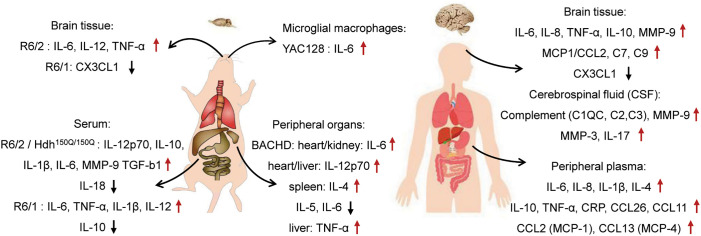
“The altered immune system function, not only in the CNS but also peripherally, has been implicated in HD pathogenesis (6, 37).”
BackgroundInfluential
Cited by
Adamu, A., Li, S., Gao, F., & Xue, G. (2024) · Frontiers in Aging Neuroscience · doi:10.3389/fnagi.2024.1347987 · Cited by 564
Self-citationIron imbalance in neurodegeneration
Levi, S., Ripamonti, M., Moro, A. S., & Cozzi, A. (2024) · Molecular Psychiatry · doi:10.1038/s41380-023-02399-z · Cited by 203
STAT3 Signaling Pathway in Health and Disease
Samad, M. A., Ahmad, I., Hasan, A., Alhashmi, M. H., Ayub, A., Al-Abbasi, F. A., Kumer, A., & Tabrez, S. S. M. (2025) · MedComm · doi:10.1002/mco2.70152 · Cited by 171
“Persistent STAT3 activation in HD has been associated withincreasedneuroinflammation,ahallmarkofthedisease[131, 144].”
Innate immune activation in neurodegenerative diseases
Castro-Gomez, S., & Heneka, M. T. (2024) · Immunity · doi:10.1016/j.immuni.2024.03.010 · Cited by 162
The impact of interleukin-6 (IL-6) and mesenchymal stem cell-derived IL-6 on neurological conditions
Kerkis, I., da Silva, Á. R. D. B. P., & Araldi, R. P. (2024) · Frontiers in Immunology · doi:10.3389/fimmu.2024.1400533 · Cited by 114
Mitochondrial dysfunction in cellular senescence: a bridge to neurodegenerative disease
Hruby, A. J., & Higuchi‐Sanabria, R. (2025) · npj Aging · doi:10.1038/s41514-025-00291-4 · Cited by 63
“As with AD and PD, neuroin fl ammation characterizes HD 362 , with recent fi ndings suggesting a potential role for mitochondrial DAMPs in promoting in fl ammation. cGAS, phosphorylated STING, and cGAS-dependent in fl ammatory genes are upregulated in striatal cells of HD patients 363 .”
Inflammasomes in neurodegenerative diseases
Wang, Q., Yang, S., Zhang, X., Zhang, S., Chen, L., Wang, W., Chen, N., & Yan, J. (2024) · Translational Neurodegeneration · doi:10.1186/s40035-024-00459-0 · Cited by 52
“Another study found that inhibition of TNF-α in the R6/2 HD transgenic mouse model could modulate neuroinflammation, caspase activation, mHTT aggregate burden, and motor dysfunction [115].”
Neuroinflammation: A Critical Factor in Neurodegenerative Disorders
Khoury, Z. S., Sohail, F., Wang, J., Mendoza, M., Raake, M., Silat, M. T., Bathinapattla, M. R., Sadeghzadegan, A., Meghana, P., & Paul, J. (2024) · Cureus · doi:10.7759/cureus.62310 · Cited by 44
“…on the region analyzed, the neuroinflammation factors vary; nevertheless, studies show that the main factors are the accumulation of mHTT; interleukins such as IL-6, IL-8, IL-10; cytokines such as TGF-β and TNF-α ; chemokines; the presence of ROS and MMP; and proteins such as clustering [34].”
BackgroundA review on polyamines as promising next-generation neuroprotective and anti-aging therapy
Arthur, R., Jamwal, S., & Kumar, P. (2024) · European Journal of Pharmacology · doi:10.1016/j.ejphar.2024.176804 · Cited by 39
Huntington’s Disease: Latest Frontiers in Therapeutics
Saade, J., & Mestre, T. (2024) · Current Neurology and Neuroscience Reports · doi:10.1007/s11910-024-01345-y · Cited by 38
“This event leads to a chronic synaptic accumulation of pro-inflammatory cytokines and progressive neuronal loss [42, 43]. mHTT is believed to affect glial cell function [31], even in the early stages of the disease, by impairing myelination [44].”
Li, X., Tong, H., Xu, S., Zhou, G., Yang, T., Yin, S., Yang, S., Li, X., & Li, S. (2024) · International Journal of Molecular Sciences · doi:10.3390/ijms252111787 · Cited by 36
“Given that neuroimmune inflammation is a key feature of HD and is often detectable in preclinical stages [138], targeted therapy early in the disease may be feasible (Table 1 and Figure 2).”
BackgroundInfluentialSelf-citationSzukiewicz, D. (2024) · International Journal of Molecular Sciences · doi:10.3390/ijms25189859 · Cited by 36
Rodent Models of Huntington’s Disease: An Overview
Nittari, G., Roy, P., Martinelli, I., Bellitto, V., Tomassoni, D., Traini, E., Tayebati, S. K., & Amenta, F. (2023) · Biomedicines · doi:10.3390/biomedicines11123331 · Cited by 35
“HD is caused by a gene called huntingtin (HTT) [1,2], which was discovered 17 years ago.”
BackgroundRahman, M. A., Khatun, M. T., Mim, A. K., Khandocar, M. P., Rahman, A., Hasan, M. H., Shimki, A. I., Hossain, M. S., Shoily, M. S. A., Faraque, A., et al. (2025) · Cell Biochemistry and Biophysics · doi:10.1007/s12013-025-01845-9 · Cited by 32
Effects of exercise on neuroinflammation in age-related neurodegenerative disorders
Su, Y., & Su, Z. (2025) · European journal of medical research · doi:10.1186/s40001-025-03165-3 · Cited by 26
Akyüz, E., Aslan, F. Ş., Gokce, E., Ilmaz, O., Topcu, F., & Kakac, S. (2024) · European Journal of Neuroscience · doi:10.1111/ejn.16541 · Cited by 26
“Patients pass away about 10 – 15 years after the onset of symptoms (Jia et al., 2022).”
Jadhav, V. S., & Khatri, D. K. (2025) · Ageing Research Reviews · doi:10.1016/j.arr.2025.102872 · Cited by 24
Cheon, J., Kwon, S.-Y., & Kim, M. (2024) · Alzheimer s & Dementia · doi:10.1002/alz.14432 · Cited by 22
“15 Inflammation has been identified as a significant factor influencing AD through various cytokines.”
Tremendous Fidelity of Vitamin D3 in Age-related Neurological Disorders
Skv, M., Abraham, S. M., Eshwari, O., Golla, K., Jhelum, P., Maity, S., & Komal, P. (2024) · Molecular Neurobiology · doi:10.1007/s12035-024-03989-w · Cited by 20
Emerging pharmacological approaches for Huntington's disease
Singh, K., Jain, D., Sethi, P., Gupta, J. K., Tripathi, A. K., Kumar, S., Sarker, S. D., Nahar, L., & Guru, A. (2024) · European Journal of Pharmacology · doi:10.1016/j.ejphar.2024.176873 · Cited by 18
Neuroinflammation in Huntington's disease: Causes, consequences, and treatment strategies
Blusch, A., & Björkqvist, M. (2025) · Journal of Huntington s Disease · doi:10.1177/18796397251338207 · Cited by 17
Wei, J., Liu, C., Qin, D., Ren, F., Duan, J., Chen, T., & Wu, A. (2024) · Ageing Research Reviews · doi:10.1016/j.arr.2024.102544 · Cited by 15
Targeting autophagy in astrocytes: a potential for neurodegenerative disease intervention
Potokar, M., & Jorgačevski, J. (2025) · Frontiers in Cellular Neuroscience · doi:10.3389/fncel.2025.1584767 · Cited by 15
“…as Alzheimer’s disease, Parkinson’s disease (PD), multiple sclerosis and Huntington’s disease (HD), but may precede and even contribute to the formation of protein aggregates commonly associated with neurodegeneration (Matthews, 2019; Leng and Edison, 2021; Jia et al., 2022; Tansey et al., 2022).”
Goleij, P., Amini, A., Sanaye, P. M., Heidari, M. M., Tabari, M. A. K., Aschner, M., Larsen, D. S., Khan, H., & Daglia, M. (2025) · Inflammopharmacology · doi:10.1007/s10787-025-01901-z · Cited by 14
“Direct studies on IL-35 in HD do not exist, but owing to the inflammatory environment in HD, IL-35 may play a part in regulating excessive proinflammatory cytokine activity (Jia et al. 2022; Rocha, Furr-Stimming et al. 2025) (Table 1).”
Skv, M., Abraham, S. M., Poornima, R., Chaturvedi, R. K., Maity, S., & Komal, P. (2023) · IBRO Neuroscience Reports · doi:10.1016/j.ibneur.2023.07.001 · Cited by 13
“A significant enhancement in the levels of pro-inflammatory cytokines like tumor necrosis factor-α (TNF-α ) and interleukin 6 (IL-6) is known to precede striatal neurodegeneration in HD (Chambon et al., 2023; Jia et al., 2022).”
BackgroundResearch advances in huntingtin-associated protein 1 and its application prospects in diseases
Wu, Y., Wang, Y., Lu, Y., Yan, J., Zhao, H., Yang, R., & Pan, J. (2024) · Frontiers in Neuroscience · doi:10.3389/fnins.2024.1402996 · Cited by 13
“An imbalance between neuronal excitation and inhibition due to failures in neurotransmission is widely recognized as an etiological factor in epilepsy (Li et al., 2022).”
BackgroundGoleij, P., Amini, A., Tabari, M. A. K., Hadipour, M., Rezaee, A., Daglia, M., Aschner, M., Sanaye, P. M., Kumar, A. P., & Khan, H. Z. (2025) · International Immunopharmacology · doi:10.1016/j.intimp.2025.114399 · Cited by 11
Chiu, C., Weng, Y.-H., Yeh, T., Chen, W.-S., Liu, S.-Y., Chiu, T.-J., Li, A. H.-L., & Wang, H. (2025) · Life Sciences · doi:10.1016/j.lfs.2025.123789 · Cited by 9
Functional and Structural Evidence of Neurofluid Circuit Aberrations in Huntington Disease
Hett, K., Dubois, A., Leguizamon, M., Song, A. K., Trujillo, P., McKnight, C. D., Considine, C. M., Donahue, M. J., & Claassen, D. O. (2026) · Annals of Clinical and Translational Neurology · doi:10.1002/acn3.70328 · Cited by 10
“In HD, the pathological progression might be influenced by neuroinflammatory processes [54, 55].”
Humanized rodent models of neurodegenerative diseases and other brain disorders
Zhang, X., Wang, J., Zhang, J., Jiang, C., Liu, X., Wang, S., Zhang, Z., Rastegar‐Kashkooli, Y., Dialameh, F., Peng, Q., et al. (2025) · Neuroscience & Biobehavioral Reviews · doi:10.1016/j.neubiorev.2025.106112 · Cited by 8
Iyer, K. A., Tenchov, R., Sasso, J. M., Ralhan, K., Jotshi, J., Polshakov, D. A., Maind, A., & Zhou, Q. A. (2025) · Biochemistry · doi:10.1021/acs.biochem.4c00722 · Cited by 8
Jing, Y., Dogan, I., Reetz, K., & Romanzetti, S. (2024) · Neurobiology of Disease · doi:10.1016/j.nbd.2024.106574 · Cited by 7
Tyler, S. E. B., & Tyler, L. D. K. (2023) · Brain Disorders · doi:10.1016/j.dscb.2023.100094 · Cited by 7
Peripheral and central elevation of IL-8 in patients with Huntington’s disease
Fung, J. N., Lee, J. D., Adam, R. J., O’Sullivan, J. D., & Woodruff, T. M. (2025) · Molecular Immunology · doi:10.1016/j.molimm.2025.02.003 · Cited by 6
Trends in Nanoparticle-based Strategies for the Management of Neuroinflammation
Rana, A., Malviya, R., Rajput, S., Sridhar, S. B., & Wadhwa, T. (2025) · CNS & Neurological Disorders - Drug Targets · doi:10.2174/0118715273373041250707012835 · Cited by 6
Pinto, J. R. D., Neto, B. F., Fernandes, J. M. S., Kerkis, I., & Araldi, R. P. (2024) · Frontiers in Genetics · doi:10.3389/fgene.2024.1377237 · Cited by 7
Upadhayay, S. (2026) · Molecular Neurobiology · doi:10.1007/s12035-026-05772-5 · Cited by 6
Rimkus, S. A., Ganetzky, B., & Wassarman, D. A. (2025) · PLoS ONE · doi:10.1371/journal.pone.0332333 · Cited by 4
Xu, Z., Liu, K., Zhang, G., Yang, F., He, Y., Nan, W., Li, Y., & Lin, J. (2025) · Genomics · doi:10.1016/j.ygeno.2025.111033 · Cited by 4
Emerging anti-inflammatory nanosystems targeted to the brain
Mahanta, A. K., Gothwal, A., Chaulagain, B., Muolokwu, C. E., Tagoe, B., Lamsal, B., Belin, M. A. F., & Singh, J. (2025) · Nanomedicine · doi:10.1080/17435889.2025.2552103 · Cited by 4
Exploring the skin as an open window onto neurodegenerative diseases
Lozzi, F., Camera, E., Cardinali, G., & Nardo, A. D. (2025) · Translational Neurodegeneration · doi:10.1186/s40035-025-00522-4 · Cited by 4
“Increased levels of IL-6, IL-8 and TNF-α indicative of CNS inflammatory response can also be observed in peripheral tissues [175].”
Pinto, J. R. D., Neto, B. F., Munhoz, L., Kerkis, I., & Araldi, R. P. (2025) · Cells · doi:10.3390/cells14130976 · Cited by 4
Investigating Neuron Degeneration in Huntington’s Disease Using RNA-Seq Based Transcriptome Study
Sneha, N. P., Dharshini, S. A. P., Taguchi, Y., & Gromiha, M. M. (2023) · Genes · doi:10.3390/genes14091801 · Cited by 4
“Studies are performed on Huntington’s disease and other neurodegenerative diseases [157–160] to implement modulation of neuroin fl ammation in disease models.”
MethodThe Potential Therapeutic Role of Bruton Tyrosine Kinase Inhibition in Neurodegenerative Diseases
D’Egidio, F., Kacem, H., Lombardozzi, G., d’Angelo, M., Cimini, A., & Castelli, V. (2025) · Applied Sciences · doi:10.3390/app15158239 · Cited by 3
Dontiboina, H. R., Yadava, S., Nakka, V. P., Dumala, N., Viswanadh, M. K., Guntupalli, C., Nalluri, B. N., Malothu, N., Yadagiri, G., Gujjari, L., et al. (2026) · Molecular Neurobiology · doi:10.1007/s12035-026-05967-w · Cited by 3
“Moreover, systemic immune activation, along with neuroinflammation, is also evident with elevated circulating cytokines and chemokines detected in HD patients [155–158].”
Chongtham, A., & Agrawal, N. (2024) · Dose-Response · doi:10.1177/15593258241291652 · Cited by 3
Lucena, A. M. M., Lucena, E. E. D. S., Neto, S. P. D., Nobre, L. T. D. B., Rocha, H. A. O., & Câmara, R. B. G. (2024) · Frontiers in Neuroanatomy · doi:10.3389/fnana.2024.1465421 · Cited by 3
A Pilot Proteomic Analysis of Huntington’s Disease by Functional Capacity
McGarry, A. J., & Moaddel, R. (2025) · Brain Sciences · doi:10.3390/brainsci15010076 · Cited by 3
Danna, R., Kondle, S., Amar, O., Mabourakh, M., Chen, G., Fadol, W. B., & Mohieldin, A. M. (2025) · Biology · doi:10.3390/biology14121787 · Cited by 2
“Brains impacted with HD exhibit increased microglial activation and elevated pro-inflammatory cytokine levels, including IL-6 and TNF-α [193,194].”
Neurotrophins as Potential Gene Therapy Targets for Huntington's Disease
Roy, S. K., Barman, A., Sarkar, K. L., Richard, S. A., & Lacmane, B. A. (2025) · Current Gene Therapy · doi:10.2174/0115665232348486241025084202 · Cited by 2
Soloniuk, L. J., Jones, J. S., Baker, C., Bishawi, M., Pasca, I. F., & Sinha, A. C. (2025) · A&A Practice · doi:10.1213/xaa.0000000000001926 · Cited by 2
Lu, Q., Di, X., & Guo, X. (2026) · Endocrine Metabolic & Immune Disorders - Drug Targets · doi:10.2174/0118715303393082251027072838 · Cited by 2
Pelzel, R. J., Herbst, M., Rozema, N. B., Solem, M. A., & Gómez‐Pastor, R. (2026) · Neurotherapeutics · doi:10.1016/j.neurot.2026.e00859 · Cited by 2
“Death of MSNs in the striatum leads to striatal tissue loss and progressive motor and cognitive impairments [3], although the mechanism behind the preferential loss of MSNs in HD is not well understood [4].”
Ayllón, M. D., Garcia‐Gorro, C., Rodríguez‐Dechicha, N., Vaquer, I., Calopa, M., de Diego‐Balaguer, R., & Càmara, E. (2025) · NeuroImage Clinical · doi:10.1016/j.nicl.2025.103866 · Cited by 1
Wang, Y., Tan, M., Chen, W., & Li, J. (2025) · Molecular Neurobiology · doi:10.1007/s12035-025-05460-w · Cited by 1
Eciroglu, H., Yıldız, F., Koçancı, F. G., Çelik, P. A., & Derya-Andeden, M. (2026) · Journal of Biochemical and Molecular Toxicology · doi:10.1002/jbt.70774 · Cited by 1
Interleukin-6 trans-signalling as a selectively targetable driver of neurodegeneration
Risby-Jones, G., Lee, J. D., & Fung, J. N. (2026) · Trends in Neurosciences · doi:10.1016/j.tins.2026.07.002 · Cited by 1
Brain Aging and Cellular Senescence Trigger Neuroimmunological Dysregulation and Neurodegeneration
Vega-García, A., Apolinar, L. M., Feria-Romero, I. A., Campos‐Bedolla, P., Alberto, G.-G. C., Luna‐Munguía, H., Sofía, R.-H., & Orozco-Suárez, S. A. (2026) · Brain Sciences · doi:10.3390/brainsci16101019 · Cited by 1
“…establish that misfolded α -SYN can activate microglia to release IL-6 and that IL-6 trans-signaling promotes iron sequestration (increased uptake and reduced export), leading to intracellular iron accumulation and oxidative stress that damage dopaminergic neurons in the substantia nigra [323].”
Inflammation Biomarkers in Huntington’s Disease
Björkqvist, M. (2023) · Contemporary clinical neuroscience · doi:10.1007/978-3-031-32815-2_11 · Cited by 1
Gall-Duncan, T., Ko, S. Y., Quick, I. K., Khan, M., Feng, K., Kelley, C. P., Coleman, A., Touzé, A., Tang, S., Mehkary, M., et al. (2025) · bioRxiv (Cold Spring Harbor Laboratory) · doi:10.1101/2025.04.25.650652 · Cited by 1
Proteomics in Huntington’s Disease Biomarker Discovery
Červenka, J., Budkova, K., Suchá, R., Vodička, P., & Voukali, E. (2023) · Contemporary clinical neuroscience · doi:10.1007/978-3-031-32815-2_9
Immunobiology and Immunotherapies in Huntington's Disease
Pal, A., Kumari, G., & Kumar, S. (2024) · BENTHAM SCIENCE PUBLISHERS eBooks · doi:10.2174/9789815238754124010007
Cognitive Disability and Inflammation in Huntington’s Disease
Alkanlı, S. S., Alkanlı, N., & Ay, A. (2025) · Springer eBooks · doi:10.1007/978-3-031-40858-8_564-1
Bétuing, S., Pinchaud, K., Arrieta, M., Héry, C., Xue, W., Corre, L. L., Mendoza, C., Friedrichs, S., Bergh, S., Gilles, J.-F., et al. (2025) · Research Square · doi:10.21203/rs.3.rs-8155849/v1
Shah, A., & Doshi, G. (2025) · Acta Neurologica Belgica · doi:10.1007/s13760-025-02967-w
Ludlam, A. (2023) · Aston Publications Explorer (Aston University) · doi:10.48780/publications.aston.ac.uk.00046007
Nguyen, K. Q., Rymar, V. V., & Sadikot, A. F. (2026) · International Journal of Molecular Sciences · doi:10.3390/ijms27010494
Mishra, P. (2025) · Mspace (University of Manitoba)
Neurotrophins and Galectin-3: Hidden Keys in Neuroinflammation—A Narrative Review
Marković, B. S., Corovic, I. F., Mitrović, M. M., Jovicic, N. U., Selaković, D., Sreckovic, M. J., & Rosic, G. L. (2026) · International Journal of Molecular Sciences · doi:10.3390/ijms27093742
“In addition, alterations in peripheral immune cells, including hyper-reactive monocytes and macrophages, further support the presence of systemic immune activation in HD [188,189].”
Ferguson, M. W., Scheepers, S., Palpagama, T. H., Singh‐Bains, M. K., Laighneach, A., Morris, D. W., TURNER, C., Tippett, L. J., Waldvogel, H. J., Faull, R. L. M., et al. (2026) · Communications Medicine · doi:10.1038/s43856-026-01526-5
Yéfimova, M., Cantereau, A., Penaud, N., Barthelemy, A., Berkati, A.-K., Béré, E., Meunier, A.-C., Cosquer, B., Messaddeq, N., Decraene, C., et al. (2026) · Brain Behavior and Immunity · doi:10.1016/j.bbi.2026.106872
Cortistatin as a modulator of inflammatory and mitochondrial dysfunction in Huntington´s disease
González‐García, P., Serrano-Martínez, I., Barriocanal‐Casado, E., Cuenca-Martagón, A., Vargas-Rodríguez, P., Adán, N., Forte‐Lago, I., Morales, J. C., Gómez‐Suaga, P., Bonet-Freixinet, J., et al. (2026) · Journal of Neuroinflammation · doi:10.1186/s12974-026-03947-4
Nanocarrier-Based Delivery of Biological Molecules for Neurodegenerative Disease Treatment
Takahashi, M. M., Scharf, P. R. D. S., & Farsky, S. H. P. (2026) · ACS Nano Medicine · doi:10.1021/acsnanomed.6c00054
Efficient genome editing in the non-human primate brain using programmable extracellular vesiclesPreprint
Liang, X., Zhou, H., Nizamudeen, Z. A., Kyriakopoulou, E., Evans, A. E., Roudi, S., Estupiñan, H. Y., Rädler, J., Hou, V., Daniel, C. D. W., et al. (2026) · bioRxiv (Cold Spring Harbor Laboratory) · doi:10.64898/2026.08.05.741964
Frank, M., Barthélémy, C., Dufour, A., Rivera, S., & Baranger, K. (2026) · The Enzymes · doi:10.1016/bs.enz.2026.07.004
Extracellular vesicles in neurodegenerative diseases: A new frontier in diagnosis and therapy
Mohammad, S. I., Vasudevan, A., Oriquat, G., Gajjar, T. B., Hanumanthayya, M., Shukla, S. K., Tailor, N. K., Baig, M. R., Fadaam, O., & Abdul, A. S. (2026) · Behavioural Brain Research · doi:10.1016/j.bbr.2026.116455
Gene therapy in Huntington’s disease (HD)
Tirgar, F., Hosseini, M., Alijanpour, S., Aghanoori, M.-R., Alijanpour, S., & Mahdavinataj, H. (2026) · Elsevier eBooks · doi:10.1016/b978-0-443-40467-2.00011-7
Kumari, R., Gupta, V., Devi, K., Chand, D., Dhanasekaran, M., & Agarwal, S. (2026) · Molecular Neurobiology · doi:10.1007/s12035-026-06274-0
Metadata
- Authors
- Jia, Q., Li, S., Li, X.-J., & Yin, P.
- Affiliations
- Jinan University (CN)
- Corresponding author
- Li, Xiao-Jiang
- Yin, Peng
- Venue
- Frontiers in Immunology
- Publisher
- Frontiers Media SA
- Published
- 2022-12-22
- Volume
- 13
- Pages
- 1088124-1088124
- ISSN
- 1664-3224 (ISSN-L)
- PMC
- PMC9815700
- OpenAlex
- W4312188108
- Cited by
- 70
- References
- 118
- Citations by year
- 2026: 15 · 2025: 28 · 2024: 21 · 2023: 6
- FWCI
- 1.97
- Type
- journal article
- Language
- en
- Open access
- gold
- doi.org
- Licence
- Locations
- Frontiers in Immunology (publishedVersion, cc-by)
- PubMed Central (publishedVersion, cc-by)
- PubMed (publishedVersion)
- DOAJ (DOAJ: Directory of Open Access Journals) (submittedVersion, cc-by-sa)
- Funders
- National Natural Science Foundation of China (2021ZT09Y007, 32270564, 81830032, 202007030008, 31872779, 2018B030337001)
- Guangdong Science and Technology Department (202007030008, 81830032, 31872779, 2018B030337001, 2021ZT09Y007)
- Fundamental Research Funds for the Central Universities (21622113)
- Topics
- Life Sciences › Neuroscience › Cellular and Molecular Neuroscience › Genetic Neurodegenerative Diseases
- Life Sciences › Neuroscience › Neurology › Neuroinflammation and Neurodegeneration Mechanisms
- Life Sciences › Biochemistry, Genetics and Molecular Biology › Molecular Biology › Prion Diseases and Protein Misfolding
- Keywords
- Huntington's disease, neuroinflammation, huntingtin, CAG repeat expansion, striatal degeneration, neurodegeneration mechanisms, immune response, clinical therapeutics
- MeSH terms
- Neuroinflammatory Diseases, Animals, Disease Models, Animal, Huntington Disease, Inflammation, Neurodegenerative Diseases
About these checks
Registry, retraction, Cites and statistics results are computed, not judged, with one exception: a printed reference that no index lists is read once by a model before it counts as a citation error. Claims are extracted by a model and kept only when their quote appears verbatim in the text; each cited source is then checked, with a model’s help, for whether it says what the claim relies on. Those verdicts can be wrong — read the claim’s quote and the cited source before relying on one.
Statistics and arithmetic are recomputed, not judged.
Confidence bands are shown only for fields calibrated on our annotated test set. None is calibrated yet, so no band is shown.
What counts as a claim ›How we measure confidence ›How we check this ›
Are you an author, or do you see a problem with this page? Request a review
Data sources
Bibliographic data: Semantic Scholar, OpenAlex, Crossref.
Contains information from the Semantic Scholar Academic Graph Datasets, made available under the ODC Attribution License (ODC-BY 1.0).
Semantic Scholar’s data is described in: Kinney, R., et al. (2023). The Semantic Scholar Open Data Platform. arXiv:2301.10140.
