

Interferon therapy and its association with depressive disorders – A review
Open accessThe DOI matches its Crossref record; 101 of the 102 references it cites were found in a registry or an index.
Abstract
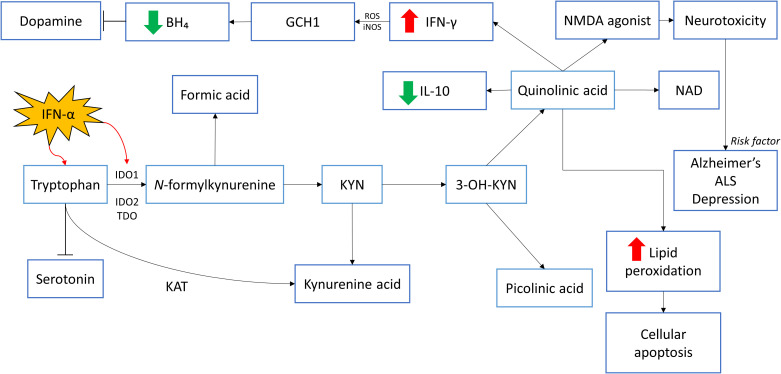
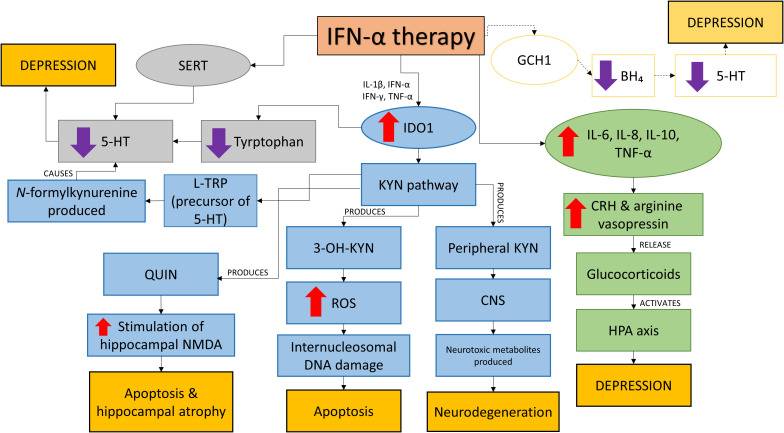
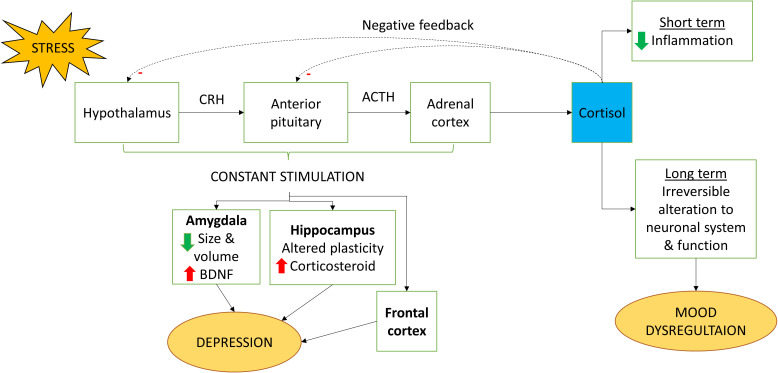
Interferons (IFNs) are important in controlling the innate immune response to viral infections. Besides that, studies have found that IFNs also have antimicrobial, antiproliferative/antitumor and immunomodulatory effects. IFNs are divided into Type I, II and III. Type I IFNs, in particular IFN-α, is an approved treatment for hepatitis C. However, patients developed neuropsychological disorders during treatment. IFN-α induces proinflammatory cytokines, indoleamine 2,3-dioxygenase (IDO), oxidative and nitrative stress that intensifies the body’s inflammatory response in the treatment of chronic inflammatory disease. The severity of the immune response is related to behavioral changes in both animal models and humans. Reactive oxygen species (ROS) is important for synaptic plasticity and long-term potentiation (LTP) in the hippocampus. However, excess ROS will generate highly reactive free radicals which may lead to neuronal damage and neurodegeneration. The limbic system regulates memory and emotional response, damage of neurons in this region is correlated with mood disorders. Due to the drawbacks of the treatment, often patients will not complete the treatment sessions, and this affects their recovery process. However, with proper management, this could be avoided. This review briefly describes the different types of IFNs and its pharmacological and clinical usages and a focus on IFN-α and its implications on depression.
Overview
The claims and statistics of this paper haven’t been checked yet.
Free: it reads the open-access text and checks the first 5 claims that cite a source we can check. Create a free account to check every claim.
Integrity signals
Registry
Cites
Statistics
Figures
Verification
Claims the paper makes
The claims and statistics of this paper haven’t been checked yet.
Free: it reads the open-access text and checks the first 5 claims that cite a source we can check. Create a free account to check every claim.
Claims other papers make about this one
Each is checked against this paper’s own text: does it say what the citing paper says it does?
The source backs part of the claim, not all of it — or backs it for a different population, condition or comparison.
In the citing paper
“One specific cytokine, IL-1β, activates the kynurenine pathway in human hippocampal progenitor cells and contributes to the reduction of neurogenesis.”
From Chronic Stress-Associated Depressive Disorders: The Impact of HPA Axis Dysregulation and Neuroinflammation on the Hippocampus—A Mini Review (2025) · cites this paper as [55]
Experimental — accuracy not yet measuredThe source backs part of the claim, not all of it — or backs it for a different population, condition or comparison.
In the citing paper
“TNF-α, a pro-inflammatory cytokine, induces excitotoxic damage to surrounding neurons by activating microglia, which in turn promote the release of glutamate.”
From Chronic Stress-Associated Depressive Disorders: The Impact of HPA Axis Dysregulation and Neuroinflammation on the Hippocampus—A Mini Review (2025) · cites this paper as [55]
Experimental — accuracy not yet measuredThe source backs part of the claim, not all of it — or backs it for a different population, condition or comparison.
In the citing paper
“Persistent potentiation in hippocampal neurons, which are responsible for memory storage, will lead to their damage by type I interferons, leading to depressive-like behaviour [55,56].”
From Chronic Stress-Associated Depressive Disorders: The Impact of HPA Axis Dysregulation and Neuroinflammation on the Hippocampus—A Mini Review (2025) · cites this paper as [55]
Experimental — accuracy not yet measuredThe check wasn’t confident either way, so it gives no verdict — never disputed.
In the citing paper
“TNF-α can reduce tight junction protein expression, resulting in the increase of the permeability of the blood–brain barrier (BBB) and leading to larger gaps between the endothelial cells and a consequent loss of BBB integrity.”
From Chronic Stress-Associated Depressive Disorders: The Impact of HPA Axis Dysregulation and Neuroinflammation on the Hippocampus—A Mini Review (2025) · cites this paper as [55]
Experimental — accuracy not yet measured
Self-check
Percentages, sums and reported differences re-computed from the paper’s own numbers.
The self-check needs the paper’s full text.
Citations
Cites
Miranda, M., Morici, J. F., Zanoni, M. B., & Bekinschtein, P. (2019) · Frontiers in Cellular Neuroscience · doi:10.3389/fncel.2019.00363 · Cited by 1,416
Maes, M., Galecki, P., Chang, Y. S., & Berk, M. (2011) · Progress in Neuro-Psychopharmacology and Biological Psychiatry · doi:10.1016/j.pnpbp.2010.05.004 · Cited by 1,140
Shared and Distinct Functions of Type I and Type III Interferons
Lazear, H. M., Schoggins, J. W., & Diamond, M. S. (2019) · Immunity · doi:10.1016/j.immuni.2019.03.025 · Cited by 1,138
Glutamate as a neurotransmitter in the healthy brain
Zhou, Y., & Danbolt, N. C. (2014) · Journal of Neural Transmission · doi:10.1007/s00702-014-1180-8 · Cited by 979
A Controlled Trial of Interferon Gamma to Prevent Infection in Chronic Granulomatous Disease
The International Chronic Granulomatous Disease Cooperative Study Group* (1991) · New England Journal of Medicine · doi:10.1056/nejm199102213240801 · Cited by 830
Chronic stress, cognitive functioning and mental health
Marin, M.-F., Lord, C., Andrews, J., Juster, R.-P., Sindi, S., Arsenault-Lapierre, G., Fiocco, A. J., & Lupien, S. J. (2011) · Neurobiology of Learning and Memory · doi:10.1016/j.nlm.2011.02.016 · Cited by 654
Interferon-gamma (IFN-γ): Exploring its implications in infectious diseases
Kak, G., Raza, M., & Tiwari, B. K. (2018) · Biomolecular Concepts · doi:10.1515/bmc-2018-0007 · Cited by 617
Complex modulation of cell type-specific signaling in response to type I interferons
van Boxel-Dezaire, A. H. H., Rani, M. R. S., & Stark, G. R. (2006) · Immunity · doi:10.1016/j.immuni.2006.08.014 · Cited by 530
Interferon-alpha–induced changes in tryptophan metabolism
Capuron, L., Neurauter, G., Musselman, D. L., Lawson, D. H., Nemeroff, C. B., Fuchs, D., & Miller, A. H. (2003) · Biological Psychiatry · doi:10.1016/s0006-3223(03)00173-2 · Cited by 493
Mikulska, J., Juszczyk, G., Gawrońska-Grzywacz, M., & Herbet, M. (2021) · Brain Sciences · doi:10.3390/brainsci11101298 · Cited by 450
Research works printed but not linked: 1
- Thau L Gandhi J Sharma S. Physiology, cortisol. Treasure Island, Florida (FL): StatPearls Publishing (2022). Available at: https://www.ncbi.nlm.nih.gov/books/NBK538239/. 30855827
Cited by
Lei, A. A., Phang, V. W. X., Lee, Y. Z., Kow, A. S. F., Tham, C. L., Ho, Y.-C., & Lee, M. T. (2025) · International Journal of Molecular Sciences · doi:10.3390/ijms26072940 · Cited by 207
“Persistent potentiation in hippocampal neurons, which are responsible for memory storage, will lead to their damage by type I interferons, leading to depressive-like behaviour [55,56].”
Self-citationLiang, G., Kow, A. S. F., Yusof, R., Tham, C. L., Ho, Y.-C., & Lee, M. T. (2024) · Biomedicines · doi:10.3390/biomedicines12010184 · Cited by 68
“Several hypotheses have been proposed regarding the underlying mechanisms of depression, including the monoamine hypothesis, neuroinflammation and oxidative damage, HPA axis abnormalities, and the neurogenesis hypothesis [2–4].”
BackgroundSelf-citationInnate immunity and interferon in SARS-CoV-2 infection outcome
Savan, R., & Gale, M. (2023) · Immunity · doi:10.1016/j.immuni.2023.06.018 · Cited by 55
Neuroimmune modulation in liver pathophysiology
Zou, J., Li, J., Wang, X., Tang, D., & Chen, R. (2024) · Journal of Neuroinflammation · doi:10.1186/s12974-024-03181-w · Cited by 45
“Interferons (IFNs), as a highly beneficial therapy in hepatitis C and B, also bring about many neuropsychological disorders such as depression, anxiety, and other symptoms that affect the patient’s quality of life [222].”
BackgroundPalepu, M. S. K., Bhalerao, H. A., Sonti, R., & Dandekar, M. P. (2024) · European Journal of Pharmacology · doi:10.1016/j.ejphar.2024.176960 · Cited by 39
Structure–function of type I and III interferons
de Weerd, N. A., Kurowska, A. K., Mendoza, J. L., & Schreiber, G. (2024) · Current Opinion in Immunology · doi:10.1016/j.coi.2024.102413 · Cited by 33
Interferons—Implications in the Immune Response to Respiratory Viruses
Bergeron, H. C., Hansen, M. R., & Tripp, R. A. (2023) · Microorganisms · doi:10.3390/microorganisms11092179 · Cited by 26
Cytokines as Neuromodulators: Insights From Experimental Studies With Humans and Nonhuman Primates
Martins, D., & Harrison, N. A. (2025) · Biological Psychiatry · doi:10.1016/j.biopsych.2025.06.037 · Cited by 24
Kinderlehrer, D. A. (2025) · Neuropsychiatric Disease and Treatment · doi:10.2147/ndt.s500337 · Cited by 18
“24 ● There are an extensive number of microbes including bacteria, fungi, viruses and protozoa that are causally linked to mental illness.”
The role of interferon signaling in neurodegeneration and neuropsychiatric disorders
Sirkis, D. W., Oddi, A. P., Jonson, C., Bonham, L. W., Hoang, P. T., & Yokoyama, J. S. (2024) · Frontiers in Psychiatry · doi:10.3389/fpsyt.2024.1480438 · Cited by 17
“Interestingly, an additional modulator of clinical symptoms has been hypothesized in neurodegenerative diseases – IFN indirectly promotes NMDA receptor activation, a possible driver of neurotoxicity and worsening symptoms (123).”
BackgroundLow, C. E., Ge, G., Yeong, T. J. J., Rana, S., Loke, S., Kow, W. C. A., Lee, A. R. Y. B., & Ho, C. S. H. (2025) · Frontiers in Psychiatry · doi:10.3389/fpsyt.2025.1546545 · Cited by 16
Type I Interferonopathies in Childhood
Haşlak, F., Könte, E. K., Aslan, E., Şahin, S., & Kasapçopur, Ö. (2023) · Balkan Medical Journal · doi:10.4274/balkanmedj.galenos.2023.2023-4-78 · Cited by 16
Zang, J. C. S., Hohoff, C., Assche, E. V., Lange, P., Kraft, M., Sandmann, S., Varghese, J., Jörgens, S., Knight, M. J., & Baune, B. T. (2023) · Progress in Neuro-Psychopharmacology and Biological Psychiatry · doi:10.1016/j.pnpbp.2023.110826 · Cited by 16
Is There such a Thing as Post-Viral Depression?: Implications for Precision Medicine
Park, E., Shin, C. Y., Jeon, S. J., & Ham, B. (2024) · Biomolecules & Therapeutics · doi:10.4062/biomolther.2024.170 · Cited by 14
“In HCV infected patients, interferon alpha can induce proinflammatory status resulting in depressive symptoms, which can be avoided by prophylactic use of anti-depressant (Udina et al ., 2014; Pinto and Andrade, 2016; Islam et al ., 2023; Lai et al ., 2023).”
BackgroundInterferon Lambda: The Next Frontier in Antiviral Therapy?
Chronopoulou, S., & Tsochantaridis, I. (2025) · Pharmaceuticals · doi:10.3390/ph18060785 · Cited by 12
Sun, J., Fu, X., Liu, Y., Wang, T., Zhao, X., Cui, R., & Yang, W. (2025) · Journal of Cellular and Molecular Medicine · doi:10.1111/jcmm.70630 · Cited by 9
“…peroxidation, protein dysfunction and genetic mutations, thereby impairing normal neuronal function and causing neuronal damage and apoptosis in brain regions [36] involved in regulating mood, cognition and memory, such as the HIP and PFC areas, which are relevant to depression formation [37, 38].”
Alternative Splicing as a Modulator of the Interferon-Gamma Pathway
Suri, P., Badalov, A., & Ruggiu, M. (2025) · Cancers · doi:10.3390/cancers17040594 · Cited by 7
“While the role of alternative splicing has been extensively characterized in malignant cells [195–197], its biological role in immune cell populations and its therapeutic potential in the context of IFN-γ immunotherapy remains relatively underexplored [198].”
Halawa, M., ElSayed, R. M. R., Aderibigbe, T., Newman, P. M., Reid, B. E., & Carabetta, V. J. (2025) · Pharmaceutics · doi:10.3390/pharmaceutics17050581 · Cited by 6
“These distinct IFN-β is in the , like chronic hepatitis B and C infections [41,42], particularly when used in conjunction with ribavirin, an antiviral agent [43]. regarded as a curative outcome for hepatitis C infections in numerous patients.”
Liang, J., Cheng, Z., Shan, F., Cao, Y., & Xia, Q. (2024) · Psychopharmacology · doi:10.1007/s00213-024-06542-8 · Cited by 5
“When the body experiences inflammation or stress, it triggers an increase in pro-inflammatory cytokines like IFN-α, IFN-γ (Fatokun et al. 2013; Hughes et al. 2016), and TNF-α (Lai et al. 2023), leading to the over-activation of IDO in extrahepatic tissues of depressed patients (Ogyu et al. 2018).”
Wiśniowski, T., Bryda, J., Domosud, J., & Wątroba, S. (2024) · Annals of Agricultural and Environmental Medicine · doi:10.26444/aaem/192555 · Cited by 4
“MMP-9 expression is reduced by interleukin-4 (IL-4), interleukin-10 (IL-10), interferon-β (IFN-β), glucocorticoids (GCs) and retinoids [49, 50, 51, 52].”
BackgroundLiang, G., Kow, A. S. F., Lee, Y. Z., Yusof, R., Tham, C. L., Ho, Y., & Lee, M. T. (2024) · Biochemical and Biophysical Research Communications · doi:10.1016/j.bbrc.2024.150443 · Cited by 4
Self-citationPsychopharmacological Treatment of Depression and Anxiety and their Different Drug Delivery Targets
Sharma, A., Alam, M. A., Kaur, A., Sharma, S., & Yadav, S. (2024) · Current Psychiatry Research and Reviews · doi:10.2174/2666082219666230822140902 · Cited by 3
Fang, H., Ye, S., Hussein, A. B., Chen, S., Xu, Q., Zhang, P., & Amin, N. (2025) · Behavioural Brain Research · doi:10.1016/j.bbr.2025.115821 · Cited by 3
Ao, S., Liang, L., Peng, L., Yang, R., Chen, Z., & Deng, T. (2025) · Discover Oncology · doi:10.1007/s12672-025-01987-5 · Cited by 3
“It has been reported that I_IFN can play a role in anti-viral infection by inducing a variety of antiviral genes, and can participate in the treatment of hepatitis C [45].”
Mental Ill-Health in young people with systemic autoinflammatory disease – a scoping review
Clarke, A., McDowell, C., & Badcock, P. B. (2025) · Rheumatology International · doi:10.1007/s00296-025-05864-w · Cited by 3
Neurobehavioral mechanisms of fear and anxiety in multiple sclerosis
Meyer‐Arndt, L., Rust, R., Bellmann–Strobl, J., Schmitz‐Hübsch, T., Markó, L., Forslund, S. K., Scheel, M., Gold, S. M., Hetzer, S., Paul, F., et al. (2025) · Communications Medicine · doi:10.1038/s43856-025-01085-1 · Cited by 2
“…PwMSNA included:Averageratingtime(tocontrolforinformationprocessingspeed), log-transformedvolumeofhyperintenselesionsinFLAIRscans,disease duration,diseasetype(i.e.,relapsingremittingvs.secondaryprogressive MS),age,sex,useofinterferon β (y/n; due to their ability to induce depression and anxiety 34”
Plant Systems as Platforms for the Production of Interferon Alpha and its Application
Ovcharenko, O. O., Nm, Z., Rudas, V. A., & Кучук, М. В. (2025) · Cytology and Genetics · doi:10.3103/s0095452725060088 · Cited by 2
“…effects such as fatigue, influenza-like illness, anemia, neutropenia, thrombocytopenia and psychiatric symptoms, that can necessitate discontinuation of therapy or dose modification (Fried, 2002; Bagheri et al., 2004; Morisco et al., 2004; Hindi and Saleh, 2018; Ye et al., 2021; Lai et al., 2023).”
Mechanisms and management of pegylated interferon-α toxicity in chronic hepatitis B
Zhu, L., Peng, F., Pi, D., & Lu, J. (2026) · Frontiers in Immunology · doi:10.3389/fimmu.2026.1801043 · Cited by 2
Ramundo, F., Rossi, E., Peris, K., Pontecorvi, A., Sani, G., Betti, S., Marietta, M., & Stefano, V. D. (2025) · Current Medical Research and Opinion · doi:10.1080/03007995.2025.2458531 · Cited by 2
“…IFN induces these disorders are multifaceted: a) reduction of tryptophan levels, a precursor of serotonin; b) production of neuroactive metabolites such as 3-hydroxykynurenine and quinolinic acid, which have neurotoxic effects; and c) dysregulation of the hypothalamic-pituitary-adrenal axis 29 .”
Loginova, N. A., Loseva, E. V., Sarkisova, K. Y., & Кудрин, В. С. (2023) · Journal of Evolutionary Biochemistry and Physiology · doi:10.1134/s0022093023060108 · Cited by 2
Marcotulli, D., Salvalaggio, A., Zardini, A., & Vitiello, B. (2025) · Springer eBooks · doi:10.1007/978-3-031-81802-8_12 · Cited by 2
Comorbid symptoms in cancer patients and caring for the caregiver
Strander, S. M., Chiu, D., Temel, J. S., Jacobs, J. M., & Forst, D. A. (2025) · Journal of Clinical and Experimental Neuropsychology · doi:10.1080/13803395.2025.2542245 · Cited by 1
“…systemic therapies (such as steroids, androgen depriving agents, and interferons) as well as localized therapies (most notably, radiation affecting the brain), have been shown to negatively affect mood (Kramkowski & Hebert, 2022; Lai et al., 2023; Niedzwiedz et al., 2019; Pitman et al., 2018).”
A single glucocorticoid response element regulates sociability in a sex-specific manner
Corbett, B. F., Arner, J., Luz, S., Yan, J. H., Castro-Vildosola, J., Hala, T. J., Taylor, D. M., & Bhatnagar, S. (2025) · Molecular Psychiatry · doi:10.1038/s41380-025-03158-y · Cited by 1
“Cytokine-based treatments for hepatitis and cancer increase symptoms of depression [24 – 26].”
Association between influenza A virus and SARS-CoV-2 infections and mood disorders
Xiang, Y., Wang, W., Zhu, J., Chen, Z., & Huang, W. (2026) · Brain Behavior & Immunity - Health · doi:10.1016/j.bbih.2026.101182 · Cited by 1
Francis, A., & Dwivedi, Y. (2026) · Psychiatry and Clinical Neurosciences · doi:10.1111/pcn.70090 · Cited by 1
“36 The enrichment observed here suggests that in non-suicide MDD, miRNA-linked regulation may converge on immune signaling pathways that shape microglial activity, cytokine responses, and neuroimmune crosstalk in dlPFC.”
Zhang, Q., Wei, C., Li, J., Wei, Y., Huang, J., Pan, M., Xu, Y., & Qi, Z. (2026) · Fishes · doi:10.3390/fishes11070376 · Cited by 1
Unraveling fear of relapse in multiple sclerosis: beyond perfectionism and uncertainty
Messina, C. (2026) · Neurological Sciences · doi:10.1007/s10072-025-08757-9 · Cited by 1
“symptoms that can compromise quality of life [2, 3].”
Chen, H.-H., Chu, W., & Chao, W. (2025) · Clinical Rheumatology · doi:10.1007/s10067-025-07383-2 · Cited by 1
Preliminary Report on PEG-Interferon-Induced Depressive- and Anxiety-like Responses in Mice
Ho, J. X., Lai, J. Y., Kow, A. S. F., Tham, C. L., Ho, Y., & Lee, M. T. (2023) · Current Trends in Biotechnology and Pharmacy · doi:10.5530/ctbp.2023.4s.101 · Cited by 1
Self-citationInterferons in human papillomavirus infection: antiviral effectors or immunopathogenic role?
Fracella, M., Bugani, G., Maddaloni, L., Frasca, F., D’Auria, A., Santinelli, L., Pierangeli, A., d’Ettorre, G., & Scagnolari, C. (2024) · Elsevier eBooks · doi:10.1016/b978-0-443-23932-8.00011-x
Pathogens Driving Central Nervous System Immunopathology
Drevets, D. A., Laman, J. D., & Leenen, P. J. M. (2024) · Elsevier eBooks · doi:10.1016/b978-0-128-24465-4.00073-9
Neuropsychiatric Disorders and Their Relations to Host Immunological PathwaysPreprint
Hu, W. (2025) · Preprints.org · doi:10.20944/preprints202509.2232.v1
Deng, A., Womack, J., & Espiridion, E. D. (2025) · The Open Rheumatology Journal · doi:10.2174/0118743129413429250925105156
Hu, Z. (2023) · DuEPublico (University of Duisburg-Essen) · doi:10.17185/duepublico/81245
Mittal, P., & Mondal, A. (2026) · doi:10.22541/au.177089772.21988858/v1
Καραφυλλάκη, Δ. Ι. (2023) · University of Thessaly Institutional Repository (University of Thessaly)
Sigma-1R–CD36 axis in myeloid cells contributes to the alleviation of depression-like behaviors
Liang, M., Wang, Z., Li, G., Du, C., Chen, J., Lu, J., Sun, M., Lyu, Y., Huang, M., Sun, J., et al. (2026) · Journal of Translational Medicine · doi:10.1186/s12967-026-08297-6
“FLAG was immunoprecipitated, and ubiquitination or K48-linked polyubiquitin was examined using WB. Input lysates are shown diseases and proinflammatory treatments, such as interferon therapy [66, 67].”
(7082), Y. L., Lai, X., Song, W., (301752), K. Z., Shi, D., & Zhang, Z. (2026) · Aging and Disease · doi:10.14336/ad.2026.0305
Serum levels of IFN-γ and NGF as potential biomarkers of depressive disorders
Yi, L., Liu, C., Lin, W., & Duan, N. (2026) · Acta Neuropsychiatrica · doi:10.1017/neu.2026.10079
“Proinflammatory cytokines such as interferon-gamma (IFN-γ ) have been shown to disrupt neurotransmitter metabolism, neuroendocrine function, and neuroplasticity, contributing to the onset and persistence of depressive symptoms (Lai et al ., 2023).”
Tamer, S. A., Köse, F., Budak, Ö., Aydın, S., & Eskiler, G. G. (2026) · Molecular Biology Reports · doi:10.1007/s11033-026-12193-z
Investigating NF-κB as a biomarker for suicidal ideation in depression in a pilot case-control study
Sarmast, K., Rahmani, M., Rostami, R., Kazemi, R., & Hashemian, F. (2026) · Discover Mental Health · doi:10.1007/s44192-026-00507-3
“Depressive symptoms and SI have also been observed in patients receiving pro-inflammatory immunotherapies such as interferon-alpha (IFN-α), which can activate inflammatory pathways and has been clinically associated with mood disturbances and heightened suicide risk [18, 19].”
Muzammal, S., Song, C.-R., Jiang-nan, P., Wang, Y., & Chen, E. (2026) · Frontiers in Public Health · doi:10.3389/fpubh.2026.1865911
“More significantly, interferon therapy is notorious for inducing neuropsychiatric effects, including major depression, irritability, and emotional lability in 3–42.4% of patients (38, 47, 48).”
InfluentialMo, X., Sun, D., Li, F., Wang, D., Deng, Y., & Liao, Y. (2026) · Psychiatry Research · doi:10.1016/j.psychres.2026.117451
Metadata
- Authors
- Lai, J. Y., Ho, J. X., Kow, A. S. F., Liang, G., Tham, C. L., Ho, Y.-C., & Lee, M. T.
- Affiliations
- UCSI University (MY)
- Universiti Putra Malaysia (MY)
- I-Shou University (TW)
- Corresponding author
- Ho, Yu-Cheng
- Lee, Ming Tatt
- Venue
- Frontiers in Immunology
- Publisher
- Frontiers Media SA
- Published
- 2023-02-22
- Volume
- 14
- Pages
- 1048592-1048592
- ISSN
- 1664-3224 (ISSN-L)
- PMC
- PMC9992192
- OpenAlex
- W4321498954
- Semantic Scholar
- d76ad389ebcd6bb5a9d0263eae5526170b6b1e05
- Cited by
- 46
- References
- 102
- Citations by year
- 2026: 9 · 2025: 19 · 2024: 10 · 2023: 8
- FWCI
- 0.89
- Type
- journal article
- Language
- en
- Open access
- gold
- doi.org
- Licence
- Locations
- Frontiers in Immunology (publishedVersion, cc-by)
- PubMed Central (publishedVersion, cc-by)
- PubMed (publishedVersion)
- DOAJ (DOAJ: Directory of Open Access Journals) (submittedVersion, cc-by-sa)
- Funders
- Ministry of Higher Education, Malaysia (FRGS/1/2021/WAB13/UCSI/02/1)
- Topics
- Life Sciences › Neuroscience › Biological Psychiatry › Tryptophan and brain disorders
- Health Sciences › Medicine › Pharmacology (medical) › Treatment of Major Depression
- Life Sciences › Neuroscience › Behavioral Neuroscience › Stress Responses and Cortisol
- Keywords
- interferon therapy, interferon-alpha, depressive disorders, hepatitis C treatment, neuropsychiatric adverse effects, oxidative stress, reactive oxygen species, neuroinflammation, indoleamine 2,3-dioxygenase, limbic system, medication adherence, mood disorders
- MeSH terms
- Animals, Depressive Disorder, Humans, Interferon Type I, Cytokines, Interferon-alpha, Reactive Oxygen Species
About these checks
Registry, retraction, Cites and statistics results are computed, not judged, with one exception: a printed reference that no index lists is read once by a model before it counts as a citation error. Claims are extracted by a model and kept only when their quote appears verbatim in the text; each cited source is then checked, with a model’s help, for whether it says what the claim relies on. Those verdicts can be wrong — read the claim’s quote and the cited source before relying on one.
Statistics and arithmetic are recomputed, not judged.
Confidence bands are shown only for fields calibrated on our annotated test set. None is calibrated yet, so no band is shown.
What counts as a claim ›How we measure confidence ›How we check this ›
Are you an author, or do you see a problem with this page? Request a review
Data sources
Bibliographic data: Semantic Scholar, OpenAlex, Crossref.
Contains information from the Semantic Scholar Academic Graph Datasets, made available under the ODC Attribution License (ODC-BY 1.0).
Semantic Scholar’s data is described in: Kinney, R., et al. (2023). The Semantic Scholar Open Data Platform. arXiv:2301.10140.
