

HDAC6 inhibition: a significant potential regulator and therapeutic option to translate into clinical practice in renal transplantation
Open accessThe DOI matches its Crossref record; 158 of the 159 references it cites were found in a registry or an index.
Abstract
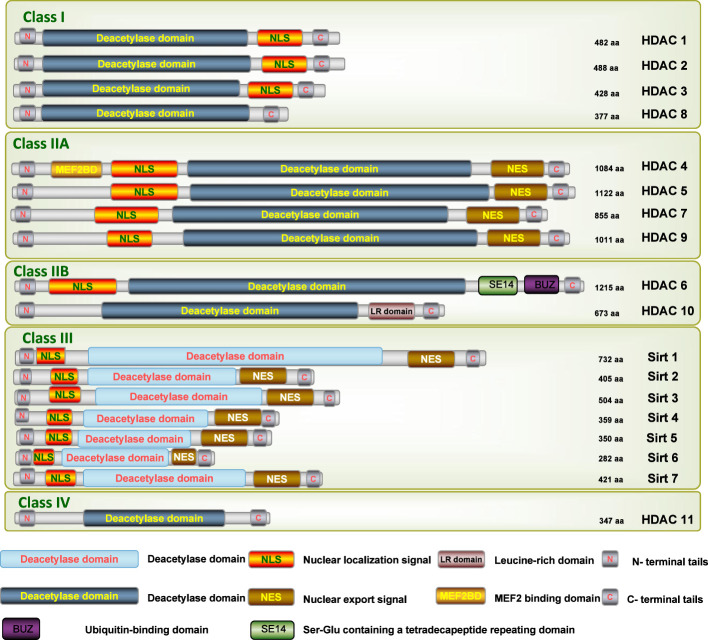
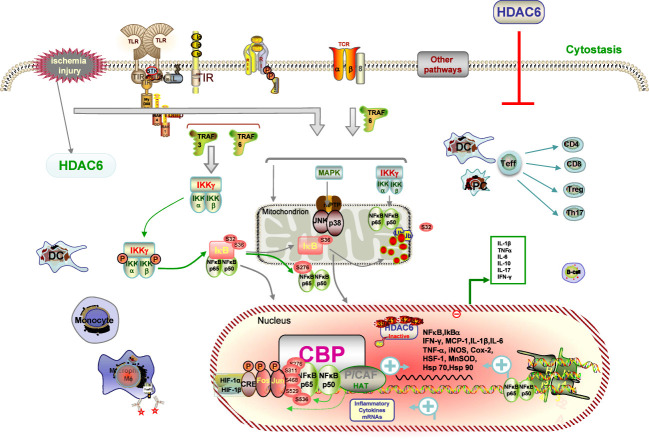
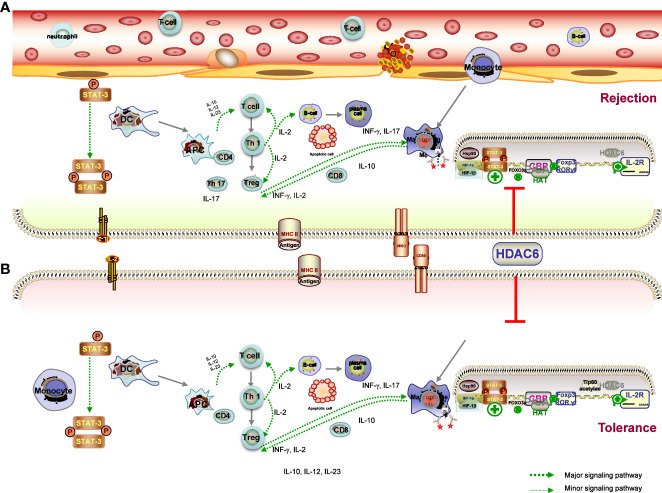
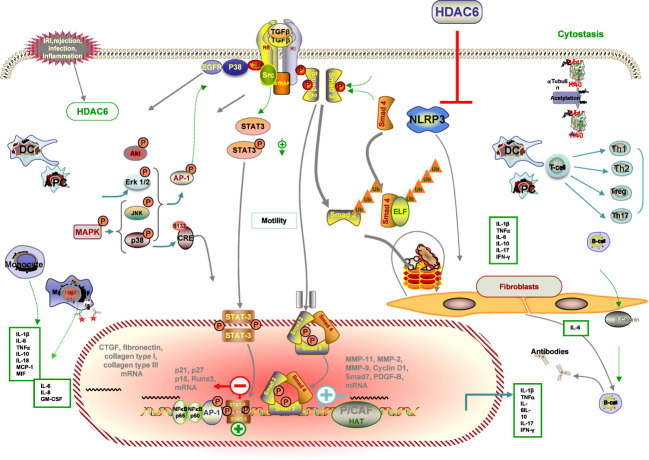
Histone deacetylase 6 (HDAC6), an almost exclusively cytoplasmic enzyme, plays an essential role in many biological processes and exerts its deacetylation-dependent/independent effects on a variety of target molecules, which has contributed to the flourishing growth of relatively isoform-specific enzyme inhibitors. Renal transplantation (RT) is one of the alternatively preferred treatments and the most cost-effective treatment approaches for the great majority of patients with end-stage renal disease (ESRD). HDAC6 expression and activity have recently been shown to be increased in kidney disease in a number of studies. To date, a substantial amount of validated studies has identified HDAC6 as a pivotal modulator of innate and adaptive immunity, and HDAC6 inhibitors (HDAC6i) are being developed and investigated for use in arrays of immune-related diseases, making HDAC6i a promising therapeutic candidate for the management of a variety of renal diseases. Based on accumulating evidence, HDAC6i markedly open up new avenues for therapeutic intervention to protect against oxidative stress–induced damage, tip the balance in favor of the generation of tolerance-related immune cells, and attenuate fibrosis by inhibiting multiple activations of cell profibrotic signaling pathways. Taken together, we have a point of view that targeting HDAC6 may be a novel approach for the therapeutic strategy of RT-related complications, including consequences of ischemia-reperfusion injury, induction of immune tolerance in transplantation, equilibrium of rejection, and improvement of chronic renal graft interstitial fibrosis after transplantation in patients. Herein, we will elaborate on the unique function of HDAC6, which focuses on therapeutical mechanism of action related to immunological events with a general account of the tantalizing potential to the clinic.
Overview
The claims and statistics of this paper haven’t been checked yet.
Free: it reads the open-access text and checks the first 5 claims that cite a source we can check. Create a free account to check every claim.
Integrity signals
Registry
Cites
Statistics
Figures
Verification
Claims the paper makes
The claims and statistics of this paper haven’t been checked yet.
Free: it reads the open-access text and checks the first 5 claims that cite a source we can check. Create a free account to check every claim.
Claims other papers make about this one
Each is checked against this paper’s own text: does it say what the citing paper says it does?
The source backs part of the claim, not all of it — or backs it for a different population, condition or comparison.
In the citing paper
“Among them, HDAC6 has two catalytic domains and a C-terminal zinc finger domain, interacts with tau and α-tubulin, and is involved in the degradation of protein aggregates, mitochondrial transport, and cognitive memory,506–509 making it relevant to AD pathology.”
From Recent advances in Alzheimer's disease: Mechanisms, clinical trials and new drug development strategies. (2024) · cites this paper as [507]
Experimental — accuracy not yet measuredThe cited source says what the claim attributes to it.
In the citing paper
“Their selectivity often involves strong hydrophobic interactions between the cap group and a large surface area on HDAC6, known as the “L1 loop pocket”.507,512”
From Recent advances in Alzheimer's disease: Mechanisms, clinical trials and new drug development strategies. (2024) · cites this paper as [507]
Self-check
Percentages, sums and reported differences re-computed from the paper’s own numbers.
The self-check needs the paper’s full text.
Citations
Cites
Kornberg, R. D. (1974) · Science · doi:10.1126/science.184.4139.868 · Cited by 2,650 · cited 7×
“…balance the acetylating activities of HAT in chromatin remodeling, HDACs remove acetyl groups from hyperacetylated histones, thereby balancing HATs where the positive charge on the surface of the recombinant lysine increases the binding af fi nity to the negatively charged surface of DNA (14, 15).”
BackgroundInfluentialIL‐6: Regulator of Treg/Th17 balance
Kimura, A., & Kishimoto, T. (2010) · European Journal of Immunology · doi:10.1002/eji.201040391 · Cited by 1,595
An overview of the immune system
Parkin, J., & Cohen, B. (2001) · The Lancet · doi:10.1016/s0140-6736(00)04904-7 · Cited by 1,460 · cited 4×
“…cells, and complement system members, and mediators of in fl ammation, are among the different cell types involved in the innate immune system (67), which acts on most immunological events following RT with an important role and recognize immune antigens that are fast and lasting through…”
BackgroundInfluentialRegulatory T Cells and Human Disease
Sakaguchi, S., Mikami, N., Wing, J. B., Tanaka, A., Ichiyama, K., & Ohkura, N. (2020) · Annual Review of Immunology · doi:10.1146/annurev-immunol-042718-041717 · Cited by 1,120 · cited 2×
“Nevertheless, a crucial issue related to Treg therapy is to ensure that the administration of Tregs is precarious and that there may be a decline in the suppressive effect in the body over time (120).”
BackgroundMacrophages: versatile players in renal inflammation and fibrosis
Tang, P. M.-K., Nikolic-Paterson, D. J., & Lan, H.-Y. (2019) · Nature Reviews Nephrology · doi:10.1038/s41581-019-0110-2 · Cited by 1,033
Hypoxia-Inducible Factor 1 (HIF-1) Pathway
Semenza, G. L. (2007) · Science's STKE · doi:10.1126/stke.4072007cm8 · Cited by 945 · cited 2×
“It has been reported that HIF-1, the transcription factor in response to hypoxia (137), actually regulates the balance of TH17/Treg (138).”
BackgroundMethodYang, X.-J., & Seto, E. (2007) · Oncogene · doi:10.1038/sj.onc.1210599 · Cited by 940 · cited 1×
“…cells, histone acetyltransferases (HATs) and histone deacetylases (HDACs) are key enzymes that play an essential role in modifying chromatin structure and thereby modulate gene expression levels, although their possible potential roles in determining cell fate has yet to be fully elucidated (13).”
BackgroundRational Design and Simple Chemistry Yield a Superior, Neuroprotective HDAC6 Inhibitor, Tubastatin A
Butler, K. V., Kalin, J., Brochier, C., Vistoli, G., Langley, B., & Kozikowski, A. P. (2010) · Journal of the American Chemical Society · doi:10.1021/ja102758v · Cited by 801 · cited 1×
“Meanwhile,withan IC50of15nMagainstHDAC6, TAwas found tohave anti-HDAC6 function (49).”
BackgroundThirty Years of HDAC Inhibitors: 2020 Insight and Hindsight
Ho, T. C. S., Chan, A. H. Y., & Ganesan, A. (2020) · Journal of Medicinal Chemistry · doi:10.1021/acs.jmedchem.0c00830 · Cited by 795
HDAC6 Modulates Cell Motility by Altering the Acetylation Level of Cortactin
Zhang, X., Yuan, Z., Zhang, Y., Yong, S., Salas-Burgos, A., Koomen, J., Olashaw, N., Parsons, J. T., Yang, X.-J., Dent, S. R., et al. (2007) · Molecular Cell · doi:10.1016/j.molcel.2007.05.033 · Cited by 722 · cited 2×
“Various studies have since shown that HDAC6 activity regulation, which is expressed in both the nucleus and the cytoplasm, have identi fi ed a signi fi cantly critical role for the behavior in innate and adaptive immunity (76), together with modulating the in fl ammatory genes (24, 28).”
Background
Research works printed but not linked: 11
- 70. Zhao T Li Y Liu B Pan B Cheng X Georgoff P. Inhibition of histone deacetylase 6 restores innate immune cells in the bone marrow in a lethal septic model. J Trauma Acute Care Surg (2016) 80(1): 34– 40; discussion 40-1. doi: 10.1097/TA.0000000000000897 26491797 PMC4688101 · DOI
- 78. Savoye E Legeai C Branchereau J Gay S Riou B Gaudez F. Optimal donation of kidney transplants after controlled circulatory death. Am J Transplant (2021) 21(7): 2424–36. doi: 10.1111/ajt.16425 36576341 · DOI
- 89. Yan B Xie S Liu Y Liu W Li D Liu M. Histone deacetylase 6 modulates macrophage infiltration during inflammation. Theranostics (2018) 8(11): 2927–38. doi: 10.7150/thno.25317 PMC5996364 29896294 · DOI
- 93. Ledezma DK Balakrishnan PB Cano-Mejia J Sweeney EE Hadley M Bollard CM. Indocyanine green-nexturastat a-PLGA nanoparticles combine photothermal and epigenetic therapy for melanoma. Nanomater (Basel) (2020) 10(1): 161. doi: 10.3390/nano10010161 PMC7022377 31963449 · DOI
- 114. Tsuji G Okiyama N Villarroel VA Katz SI. Histone deacetylase 6 inhibition impairs effector CD8 T-cell functions during skin inflammation. J Allergy Clin Immunol (2015) 135(5): 1228–39. doi: 10.1016/j.jaci.2014.10.002 PMC4426217 25458911 · DOI
- 125. Beier UH Wang L Han R Akimova T Liu Y Hancock WW. Histone deacetylases 6 and 9 and sirtuin-1 control Foxp3+ regulatory T cell function through shared and isoform-specific mechanisms. Sci Signal (2012) 5(229): ra45. doi: 10.1126/scisignal.2002873 22715468 PMC3603571 · DOI · Paper page
- 129. Qiu W Wang B Gao Y Tian Y Tian M Chen Y. Targeting histone deacetylase 6 reprograms interleukin-17-Producing helper T cell pathogenicity and facilitates immunotherapies for hepatocellular carcinoma. Hepatology (2020) 71(6): 1967–87. doi: 10.1002/hep.30960 31539182 · DOI
- 140. Ellis JS Braley-Mullen H. Mechanisms by which b cells and regulatory T cells influence development of murine organ-specific autoimmune diseases. J Clin Med (2017) 6(2): 13. doi: 10.3390/jcm6020013 28134752 PMC5332917 · DOI
- 144. Ganguly S Home T Yacoub A Kambhampati S Shi H Dandawate P. Targeting HSF1 disrupts HSP90 chaperone function in chronic lymphocytic leukemia. Oncotarget (2015) 6(31): 31767–79. doi: 10.18632/oncotarget.5167 PMC4741638 26397138 · DOI
- 150. Cheng X Liu Z Liu B Zhao T Li Y Alam HB. Selective histone deacetylase 6 inhibition prolongs survival in a lethal two-hit model. J Surg Res (2015) 197(1): 39– 44. doi: 10.1016/j.jss.2015.02.070 25837686 PMC4606460 · DOI
- 156. Osko JD Christianson DW. Methods for the expression, purification, and crystallization of histone deacetylase 6-inhibitor complexes. Methods Enzymol (2019) 626: 447–74. doi: 10.1016/bs.mie.2019.06.028 PMC6941440 31606087 · DOI
Cited by
Zhang, J., Zhang, Y., Wang, J., Xia, Y., Zhang, J., & Chen, L. (2024) · Signal Transduction and Targeted Therapy · doi:10.1038/s41392-024-01911-3 · Cited by 1,138
Epigenetic regulation of human FOXP3+ Tregs: from homeostasis maintenance to pathogen defense
Yue, Y., Ren, Y., Lu, C., Li, P., & Zhang, G. (2024) · Frontiers in Immunology · doi:10.3389/fimmu.2024.1444533 · Cited by 57
Role of Histone Deacetylase 6 and Histone Deacetylase 6 Inhibition in Colorectal Cancer
Vuletić, A. M., Martinović, K. M., & Spasić, J. (2023) · Pharmaceutics · doi:10.3390/pharmaceutics16010054 · Cited by 24
“In this sense, after stimulation of macrophages with lipopolysaccharide (LPS), HDAC6 was shown to translocate to the cell periphery where it induced cortactin deacetylation and the formation of invadopodia protrusions that increase cell mobility and enable infiltration into tissues [142].”
BackgroundRole of Histone Modifications in Kidney Fibrosis
Pan, S., Yuan, T., Xia, Y., Yu, W., Zhou, X., & Fan, C. (2024) · Medicina · doi:10.3390/medicina60060888 · Cited by 20
“HDAC6, a class IIb HDAC expressed in the cytoplasm, is highly expressed in a variety of renal diseases and plays an important role in regulating inflammation, pro-fibrotic signaling pathways, and oxidative stress [116].”
BackgroundZinc-Dependent Histone Deacetylases in Lung Endothelial Pathobiology
Patil, R. S., Maloney, M. E., Lucas, R., Fulton, D. J., Patel, V. S., Bagi, Z. A., Kovács‐Kása, A., Kovács, L., Su, Y., & Verin, A. D. (2024) · Biomolecules · doi:10.3390/biom14020140 · Cited by 17
“The involvement of HDAC6 in EC barrier regulation is well documented due, at least in part, to the discovery of HDAC6-specific inhibitors (reviewed by Zhang et al., [171]).”
BackgroundHDAC6 inhibition disrupts HDAC6-P300 interaction reshaping the cancer chromatin landscape
Zamperla, M. G., Illi, B., Barbi, V., Cencioni, C., Santoni, D., Gagliardi, S., Garofalo, M., Zingale, G. A., Pandino, I., Sbardella, D., et al. (2024) · Clinical Epigenetics · doi:10.1186/s13148-024-01725-8 · Cited by 17
“These analyses focused on how HDAC6 loss affects gene expression patterns and chromatin accessibility, offering valuable insights into the molecular processes occurring within cancer cells [44].”
BackgroundHistone deacetylase 6: A new player in oxidative stress‑associated disorders and cancers (Review)
Qu, F., Zhao, Q., & Jin, Y. (2025) · International Journal of Molecular Medicine · doi:10.3892/ijmm.2025.5578 · Cited by 12
“The absence of predictive biomarkers complicates patient stratification and limits the ability to tailor treatment to specific genetic profiles or disease stages (153,160,161).”
Liu, M., Zhang, Y., Zhan, P., Sun, W., Dong, C., Liu, X., Yang, Y., Wang, X., Xie, Y., Gao, C., et al. (2023) · Pharmacological Research · doi:10.1016/j.phrs.2023.107009 · Cited by 13
Ferreira‐Silva, G. Á., Rodrigues, D. A., Pressete, C. G., Caixeta, E. S., Castro‐Gamero, A. M., Miyazawa, M., Hanemann, J. A. C., Fraga, C. A. M., Aissa, A. F., & Ionta, M. (2024) · Toxicology in Vitro · doi:10.1016/j.tiv.2024.105884 · Cited by 7
Histone Deacetylase 6 (HDAC6) in Ciliopathies: Emerging Insights and Therapeutic Implications
Wang, Z., Zhu, X., Huang, Z., Ren, K., Ran, J., & Yang, Y. (2025) · Advanced Science · doi:10.1002/advs.202412921 · Cited by 8
The role of HDAC6 in fibrosis: a novel and effective therapy strategy
Zheng, L., Zhu, X., Du, J., & Liu, Y. (2025) · European journal of medical research · doi:10.1186/s40001-025-02840-9 · Cited by 6
“Pharmacological inhibition of HDAC6, using compounds, such as ACY-1215, has demonstrated efficacy in attenuating renal fibrosis by suppressing multiple pro-fibrotic signaling pathways, including TGFβ1/Smad3, EGFR/AKT, STAT3, and NF-κB [6, 33, 81].”
Liang, S. H. (2025) · ACS Medicinal Chemistry Letters · doi:10.1021/acsmedchemlett.5c00344 · Cited by 5
Acetylation-Mediated Epigenetic Consequences for Biological Control and Cancer
Fritz, A. J., McKay, K. T., Greenyer, H. W., Pacht, E., Toor, R. H., Ullah, R., Porto, J. R. D., Person, A. G., Korzec, S. J., Bright, K. M., et al. (2025) · Results and problems in cell differentiation · doi:10.1007/978-3-031-91459-1_2 · Cited by 5
Acetylation in renal physiology and pathophysiology
Zhang, J., Wu, J., Chen, Z., Liu, S., Li, P., & Chen, D. (2025) · Frontiers in Pharmacology · doi:10.3389/fphar.2025.1660109 · Cited by 4
“However, the de fi ciency of SIRT2 counteracts the protective effects of canagli fl ozin on hypertensive renal injury in vitro and vivo (Wang Z. et al., 2023; Zhang et al., 2023d).”
InfluentialKassab, S. E. (2025) · Computers in Biology and Medicine · doi:10.1016/j.compbiomed.2025.110169 · Cited by 2
Mao, K., Lin, F., Pan, Y., Li, J., & Ye, J. (2024) · Transplant Immunology · doi:10.1016/j.trim.2024.102114 · Cited by 2
Duan, S., Zhou, Q., Shi, Y., Ye, Y., Hua, H., Liu, D., Xue, Y., Zhang, C., Yuan, Y., Xing, C., et al. (2026) · International Journal of Molecular Sciences · doi:10.3390/ijms27114696 · Cited by 1
“While pharmacological inhibition alleviates DKD in models [25], its exact therapeutic efficacy requires prospective validation [29].”
The Role of α-Tubulin Acetyltransferase (αTAT1) in Glioblastoma Cellular Responses to Radiotherapy
Khalilian, S. (2024) · theses.fr (ABES) · doi:10.70675/c231f089z5eaaz4a1azbaa6z5efcb63c119d
Zhang, Y., Jin, L., Fan, C., Fu, G., Huang, H., & Yan, J. (2026) · Toxicology and Industrial Health · doi:10.1177/07482337261444574
“…and HDAC6 KO exacerbated lung epithelial barrier injury caused by PM 2.5 exposure HDAC6-selective inhibitors, such as tubastatin A and CAY10603, are recognized as protective agents in ameliorating tissue injury, cancer, and neurodegenerative diseases (Biersack et al., 2024; Zhang et al., 2023).”
InfluentialHuang, S., Yu, S., Zhang, M., Huang, Y., Tian, B., Yang, L., & Lu, J. (2026) · Frontiers in Cell and Developmental Biology · doi:10.3389/fcell.2026.1835561
“Notably, different HDAC isoforms play opposing roles in T cell differentiation: inhibiting HDAC6 promotes FOXP3 expression and Treg function, whereas inhibiting HDAC9 enhances Teff responses (Zhang et al., 2023; von Knethen et al., 2020).”
Broadening horizons: Pathogenesis and therapeutics of renal ciliopathies
Zhang, Q., Xue, S., Gao, Z., Shi, P., Wang, L., Feng, Q., Kong, X., & Zhu, X. (2026) · Journal of Cell Communication and Signaling · doi:10.1002/ccs3.70102
Self-citationPrimary cilia as regulators of fibrosis and potential therapeutic targets
Teves, M. E., & Varga, J. (2026) · Nature Reviews Rheumatology · doi:10.1038/s41584-026-01442-x
Poonam, Rana, R., Thakur, M., Sharma, A., Pannu, S., Sharma, S., Naman, S., Rani, S., Devi, D., Kumar, V., et al. (2026) · Frontiers in Oncology · doi:10.3389/fonc.2026.1908830
Metadata
- Authors
- Zhang, Q.-Q., Zhang, W.-J., & Chang, S.
- Affiliations
- Chinese Academy of Medical Sciences & Peking Union Medical College (CN)
- Corresponding author
- Chang, Sheng
- ORCID
- Chang, Sheng
- Venue
- Frontiers in Immunology
- Publisher
- Frontiers Media SA
- Published
- 2023-07-21
- Volume
- 14
- Pages
- 1168848-1168848
- ISSN
- 1664-3224 (ISSN-L)
- PMC
- PMC10401441
- OpenAlex
- W4385116382
- Cited by
- 24
- References
- 159
- Citations by year
- 2026: 6 · 2025: 7 · 2024: 9 · 2023: 2
- FWCI
- 0.63
- Type
- journal article
- Language
- en
- Open access
- gold
- doi.org
- Licence
- Locations
- Frontiers in Immunology (publishedVersion, cc-by)
- PubMed Central (publishedVersion, cc-by)
- PubMed (publishedVersion)
- DOAJ (DOAJ: Directory of Open Access Journals) (submittedVersion, cc-by-sa)
- Topics
- Life Sciences › Biochemistry, Genetics and Molecular Biology › Molecular Biology › Histone Deacetylase Inhibitors Research
- Health Sciences › Medicine › Transplantation › Renal Transplantation Outcomes and Treatments
- Health Sciences › Medicine › Geriatrics and Gerontology › Sirtuins and Resveratrol in Medicine
- Keywords
- HDAC6, HDAC6 inhibitors, kidney transplantation, end-stage renal disease, immune tolerance, graft rejection, ischemia-reperfusion injury, interstitial fibrosis, oxidative stress, histone deacetylase, immunomodulation
- MeSH terms
- Histone Deacetylase 6, Fibrosis, Humans, Kidney Diseases, Signal Transduction, Kidney Transplantation
About these checks
Registry, retraction, Cites and statistics results are computed, not judged, with one exception: a printed reference that no index lists is read once by a model before it counts as a citation error. Claims are extracted by a model and kept only when their quote appears verbatim in the text; each cited source is then checked, with a model’s help, for whether it says what the claim relies on. Those verdicts can be wrong — read the claim’s quote and the cited source before relying on one.
Statistics and arithmetic are recomputed, not judged.
Confidence bands are shown only for fields calibrated on our annotated test set. None is calibrated yet, so no band is shown.
What counts as a claim ›How we measure confidence ›How we check this ›
Are you an author, or do you see a problem with this page? Request a review
Data sources
Bibliographic data: Semantic Scholar, OpenAlex, Crossref.
Contains information from the Semantic Scholar Academic Graph Datasets, made available under the ODC Attribution License (ODC-BY 1.0).
Semantic Scholar’s data is described in: Kinney, R., et al. (2023). The Semantic Scholar Open Data Platform. arXiv:2301.10140.
