

HDAC6 inhibition: a significant potential regulator and therapeutic option to translate into clinical practice in renal transplantation
Open accessThe DOI matches its Crossref record; 158 of the 159 references it cites were found in a registry or an index.
Abstract
Histone deacetylase 6 (HDAC6), an almost exclusively cytoplasmic enzyme, plays an essential role in many biological processes and exerts its deacetylation-dependent/independent effects on a variety of target molecules, which has contributed to the flourishing growth of relatively isoform-specific enzyme inhibitors. Renal transplantation (RT) is one of the alternatively preferred treatments and the most cost-effective treatment approaches for the great majority of patients with end-stage renal disease (ESRD). HDAC6 expression and activity have recently been shown to be increased in kidney disease in a number of studies. To date, a substantial amount of validated studies has identified HDAC6 as a pivotal modulator of innate and adaptive immunity, and HDAC6 inhibitors (HDAC6i) are being developed and investigated for use in arrays of immune-related diseases, making HDAC6i a promising therapeutic candidate for the management of a variety of renal diseases. Based on accumulating evidence, HDAC6i markedly open up new avenues for therapeutic intervention to protect against oxidative stress–induced damage, tip the balance in favor of the generation of tolerance-related immune cells, and attenuate fibrosis by inhibiting multiple activations of cell profibrotic signaling pathways. Taken together, we have a point of view that targeting HDAC6 may be a novel approach for the therapeutic strategy of RT-related complications, including consequences of ischemia-reperfusion injury, induction of immune tolerance in transplantation, equilibrium of rejection, and improvement of chronic renal graft interstitial fibrosis after transplantation in patients. Herein, we will elaborate on the unique function of HDAC6, which focuses on therapeutical mechanism of action related to immunological events with a general account of the tantalizing potential to the clinic.
Overview
The claims and statistics of this paper haven’t been checked yet.
Free: it reads the open-access text and checks the first 5 claims that cite a source we can check. Create a free account to check every claim.
Integrity signals
Registry
Cites
Statistics
Figures
Verification
Claims the paper makes
The claims and statistics of this paper haven’t been checked yet.
Free: it reads the open-access text and checks the first 5 claims that cite a source we can check. Create a free account to check every claim.
Claims other papers make about this one
Each is checked against this paper’s own text: does it say what the citing paper says it does?
The source backs part of the claim, not all of it — or backs it for a different population, condition or comparison.
In the citing paper
“Among them, HDAC6 has two catalytic domains and a C-terminal zinc finger domain, interacts with tau and α-tubulin, and is involved in the degradation of protein aggregates, mitochondrial transport, and cognitive memory,506–509 making it relevant to AD pathology.”
From Recent advances in Alzheimer's disease: Mechanisms, clinical trials and new drug development strategies. (2024) · cites this paper as [507]
Experimental — accuracy not yet measuredThe cited source says what the claim attributes to it.
In the citing paper
“Their selectivity often involves strong hydrophobic interactions between the cap group and a large surface area on HDAC6, known as the “L1 loop pocket”.507,512”
From Recent advances in Alzheimer's disease: Mechanisms, clinical trials and new drug development strategies. (2024) · cites this paper as [507]
Self-check
Percentages, sums and reported differences re-computed from the paper’s own numbers.
The self-check needs the paper’s full text.
Citations
Cites
Kornberg, R. D. (1974) · Science · doi:10.1126/science.184.4139.868 · Cited by 2,650 · cited 7×
“…balance the acetylating activities of HAT in chromatin remodeling, HDACs remove acetyl groups from hyperacetylated histones, thereby balancing HATs where the positive charge on the surface of the recombinant lysine increases the binding af fi nity to the negatively charged surface of DNA (14, 15).”
BackgroundInfluentialIL‐6: Regulator of Treg/Th17 balance
Kimura, A., & Kishimoto, T. (2010) · European Journal of Immunology · doi:10.1002/eji.201040391 · Cited by 1,595
An overview of the immune system
Parkin, J., & Cohen, B. (2001) · The Lancet · doi:10.1016/s0140-6736(00)04904-7 · Cited by 1,460 · cited 4×
“…cells, and complement system members, and mediators of in fl ammation, are among the different cell types involved in the innate immune system (67), which acts on most immunological events following RT with an important role and recognize immune antigens that are fast and lasting through…”
BackgroundInfluentialRegulatory T Cells and Human Disease
Sakaguchi, S., Mikami, N., Wing, J. B., Tanaka, A., Ichiyama, K., & Ohkura, N. (2020) · Annual Review of Immunology · doi:10.1146/annurev-immunol-042718-041717 · Cited by 1,120 · cited 2×
“Nevertheless, a crucial issue related to Treg therapy is to ensure that the administration of Tregs is precarious and that there may be a decline in the suppressive effect in the body over time (120).”
BackgroundMacrophages: versatile players in renal inflammation and fibrosis
Tang, P. M.-K., Nikolic-Paterson, D. J., & Lan, H.-Y. (2019) · Nature Reviews Nephrology · doi:10.1038/s41581-019-0110-2 · Cited by 1,033
Hypoxia-Inducible Factor 1 (HIF-1) Pathway
Semenza, G. L. (2007) · Science's STKE · doi:10.1126/stke.4072007cm8 · Cited by 945 · cited 2×
“It has been reported that HIF-1, the transcription factor in response to hypoxia (137), actually regulates the balance of TH17/Treg (138).”
BackgroundMethodYang, X.-J., & Seto, E. (2007) · Oncogene · doi:10.1038/sj.onc.1210599 · Cited by 940 · cited 1×
“…cells, histone acetyltransferases (HATs) and histone deacetylases (HDACs) are key enzymes that play an essential role in modifying chromatin structure and thereby modulate gene expression levels, although their possible potential roles in determining cell fate has yet to be fully elucidated (13).”
BackgroundRational Design and Simple Chemistry Yield a Superior, Neuroprotective HDAC6 Inhibitor, Tubastatin A
Butler, K. V., Kalin, J., Brochier, C., Vistoli, G., Langley, B., & Kozikowski, A. P. (2010) · Journal of the American Chemical Society · doi:10.1021/ja102758v · Cited by 801 · cited 1×
“Meanwhile,withan IC50of15nMagainstHDAC6, TAwas found tohave anti-HDAC6 function (49).”
BackgroundThirty Years of HDAC Inhibitors: 2020 Insight and Hindsight
Ho, T. C. S., Chan, A. H. Y., & Ganesan, A. (2020) · Journal of Medicinal Chemistry · doi:10.1021/acs.jmedchem.0c00830 · Cited by 795
HDAC6 Modulates Cell Motility by Altering the Acetylation Level of Cortactin
Zhang, X., Yuan, Z., Zhang, Y., Yong, S., Salas-Burgos, A., Koomen, J., Olashaw, N., Parsons, J. T., Yang, X.-J., Dent, S. R., et al. (2007) · Molecular Cell · doi:10.1016/j.molcel.2007.05.033 · Cited by 722 · cited 2×
“Various studies have since shown that HDAC6 activity regulation, which is expressed in both the nucleus and the cytoplasm, have identi fi ed a signi fi cantly critical role for the behavior in innate and adaptive immunity (76), together with modulating the in fl ammatory genes (24, 28).”
BackgroundAmide Bond Bioisosteres: Strategies, Synthesis, and Successes
Kumari, S., Carmona, A. V., Tiwari, A. K., & Trippier, P. C. (2020) · Journal of Medicinal Chemistry · doi:10.1021/acs.jmedchem.0c00530 · Cited by 654
Santo, L., Hideshima, T., Kung, A. L., Tseng, J.-C., Tamang, D., Yang, M., Jarpe, M., van Duzer, J. H., Mazitschek, R., Ogier, W. C., et al. (2012) · Blood · doi:10.1182/blood-2011-10-387365 · Cited by 616 · cited 9×
“Currently, the most widely investigated inhibitors of selective small molecule HDAC6 mainly include Rocilinostat (ACY-1215), Citarinostat (ACY-241), Tubacin, CKD-506, Tubastatin A(TA), BML-281, and LTB2 (46).”
BackgroundInfluentialThe pathogenicity of Th17 cells in autoimmune diseases
Yasuda, K., Takeuchi, Y., & Hirota, K. (2019) · Seminars in Immunopathology · doi:10.1007/s00281-019-00733-8 · Cited by 555 · cited 1×
“Th17 cells, a subset of T lymphocytes, are known to be involved in the pathogenesis of many autoimmune diseases through the production of proin fl ammatory cytokines such as IL-17, which is known to regulate many in fl ammatory diseases (130, 131).”
BackgroundGrozinger, C. M., & Schreiber, S. L. (2002) · Chemistry & Biology · doi:10.1016/s1074-5521(02)00092-3 · Cited by 537
HDAC6: a key regulator of cytoskeleton, cell migration and cell–cell interactions
Valenzuela-Fernández, A., Cabrero, J. R., Serrador, J. M., & Sánchez-Madrid, F. (2008) · Trends in Cell Biology · doi:10.1016/j.tcb.2008.04.003 · Cited by 505 · cited 1×
“HDAC6 (Rheumatoid Arthritis, RA) (60) 1.”
Transcriptional regulation of Th1/Th2 polarization
Rengarajan, J., Szabo, S. J., & Glimcher, L. H. (2000) · Immunology Today · doi:10.1016/s0167-5699(00)01712-6 · Cited by 433 · cited 1×
“The immune system falls into two general types, which are innate and adaptive (66).”
BackgroundHDAC6 mediates an aggresome-like mechanism for NLRP3 and pyrin inflammasome activation
Magupalli, V. G., Negro, R., Tian, Y., Hauenstein, A. V., Di Caprio, G., Skillern, W., Deng, Q., Orning, P., Alam, H. B., Maliga, Z., et al. (2020) · Science · doi:10.1126/science.aas8995 · Cited by 382
Ischemia-Reperfusion Injury Reduces Long Term Renal Graft Survival: Mechanism and Beyond
Zhao, H., Alam, A., Soo, A. P., George, A. J. T., & Ma, D. (2018) · EBioMedicine · doi:10.1016/j.ebiom.2018.01.025 · Cited by 360
Ischemia and Reperfusion Injury in Kidney Transplantation: Relevant Mechanisms in Injury and Repair
Nieuwenhuijs-Moeke, G. J., Pischke, S. E., Berger, S. P., Sanders, J. S. F., Pol, R. A., Struys, M. M. R. F., Ploeg, R. J., & Leuvenink, H. G. D. (2020) · Journal of Clinical Medicine · doi:10.3390/jcm9010253 · Cited by 328
Histone acetyl transferases as emerging drug targets
Dekker, F. J., & Haisma, H. J. (2009) · Drug Discovery Today · doi:10.1016/j.drudis.2009.06.008 · Cited by 315 · cited 1×
“Within the chemical classes of HDAC-inhibiting agents, some HDAC-inhibiting agents act against most HDAC isoforms non-speci fi cally, while others act selectively against a speci fi c HDAC class or isoform (17).”
BackgroundInside HDACs with more selective HDAC inhibitors
Roche, J., & Bertrand, P. (2016) · European Journal of Medicinal Chemistry · doi:10.1016/j.ejmech.2016.05.047 · Cited by 312 · cited 3×
“…– selective inhibitors with fewer adverse effects compared with Pan HDAC inhibitors could be applicable to treat chronic conditions; the evolving trend is the identi fi cation of HDAC isoenzyme – selective inhibitors with immunomodulatory function, as well as an elevated safety pro fi le (22).”
BackgroundInfluentialHistone Deacetylase 6 and Heat Shock Protein 90 Control the Functions of Foxp3 + T-Regulatory Cells
de Zoeten, E. F., Wang, L., Butler, K., Beier, U. H., Akimova, T., Sai, H., Bradner, J. E., Mazitschek, R., Kozikowski, A. P., Matthias, P., et al. (2011) · Molecular and Cellular Biology · doi:10.1128/mcb.05155-11 · Cited by 258
Tubulin acetylation: responsible enzymes, biological functions and human diseases
Li, L., & Yang, X.-J. (2015) · Cellular and Molecular Life Sciences · doi:10.1007/s00018-015-2000-5 · Cited by 256 · cited 1×
“Importantly, HDAC6 not only displays a variety of non-histone substrates such as alpha-tubulin (26), heat shock protein 90 (HSP90) (27) and cortactin (28), Ku70 (29), RIG-I (30), p53 (31), STAT3 (32), NF-k B (33), FoxO1 (34), and b -catenin (35), as well as regulate protein degradation, but also…”
BackgroundRegulation of protein turnover by acetyltransferases and deacetylases
Sadoul, K., Boyault, C., Pabion, M., & Khochbin, S. (2008) · Biochimie · doi:10.1016/j.biochi.2007.06.009 · Cited by 222 · cited 6×
“Nevertheless, deacetylation is associated with gene silencing; to facilitate histone deacetylation and balance the acetylating activities of HAT in chromatin remodeling, HDACs remove acetyl groups from hyperacetylated histones, thereby balancing HATs where the positive charge on the surface of the recombinant lysine i…”
BackgroundInfluentialKidney Transplantation: Mechanisms of Rejection and Acceptance
Cornell, L. D., Smith, R. N., & Colvin, R. B. (2008) · Annual Review of Pathology: Mechanisms of Disease · doi:10.1146/annurev.pathmechdis.3.121806.151508 · Cited by 220
A Brief Journey through the Immune System
Yatim, K. M., & Lakkis, F. G. (2015) · Clinical Journal of the American Society of Nephrology · doi:10.2215/cjn.10031014 · Cited by 206 · cited 1×
“Rapid response of innate immune cells develop an immunological memory, whereas a delayed response is seen in adaptive immune cells and can be days away from full development (73).”
BackgroundBeier, U. H., Wang, L., Han, R., Akimova, T., Liu, Y., & Hancock, W. W. (2012) · Science Signaling · doi:10.1126/scisignal.2002873 · Cited by 205
Namdar, M., Perez, G., Ngo, L., & Marks, P. A. (2010) · Proceedings of the National Academy of Sciences · doi:10.1073/pnas.1013754107 · Cited by 203
Bergman, J. A., Woan, K., Perez-Villarroel, P., Villagra, A., Sotomayor, E. M., & Kozikowski, A. P. (2012) · Journal of Medicinal Chemistry · doi:10.1021/jm301098e · Cited by 195
Knox, T., Sahakian, E., Banik, D., Hadley, M., Palmer, E., Noonepalle, S., Kim, J., Powers, J., Gracia-Hernandez, M., Oliveira, V., et al. (2019) · Scientific Reports · doi:10.1038/s41598-019-42237-3 · Cited by 170 · cited 2×
“Among these, more obvious data indicated that HDAC6 is a crucial regulator of macrophages (88).”
BackgroundYoun, G. S., Lee, K., Choi, S. Y., & Park, J. (2016) · Free Radical Biology and Medicine · doi:10.1016/j.freeradbiomed.2016.05.014 · Cited by 163 · cited 4×
“Frontiers in Immunology 13 pharmaceutical HDAC6i with TA (99).”
BackgroundMethodInfluentialValmori, D., Raffin, C., Raimbaud, I., & Ayyoub, M. (2010) · Proceedings of the National Academy of Sciences · doi:10.1073/pnas.1008247107 · Cited by 160
Role of the Tetradecapeptide Repeat Domain of Human Histone Deacetylase 6 in Cytoplasmic Retention
Bertos, N. R., Gilquin, B., Chan, G. K. T., Yen, T. J., Khochbin, S., & Yang, X.-J. (2004) · Journal of Biological Chemistry · doi:10.1074/jbc.m408583200 · Cited by 160
Characterization of the two catalytic domains in histone deacetylase 6
Zou, H., Wu, Y., Navre, M., & Sang, B. (2006) · Biochemical and Biophysical Research Communications · doi:10.1016/j.bbrc.2005.12.144 · Cited by 160 · cited 1×
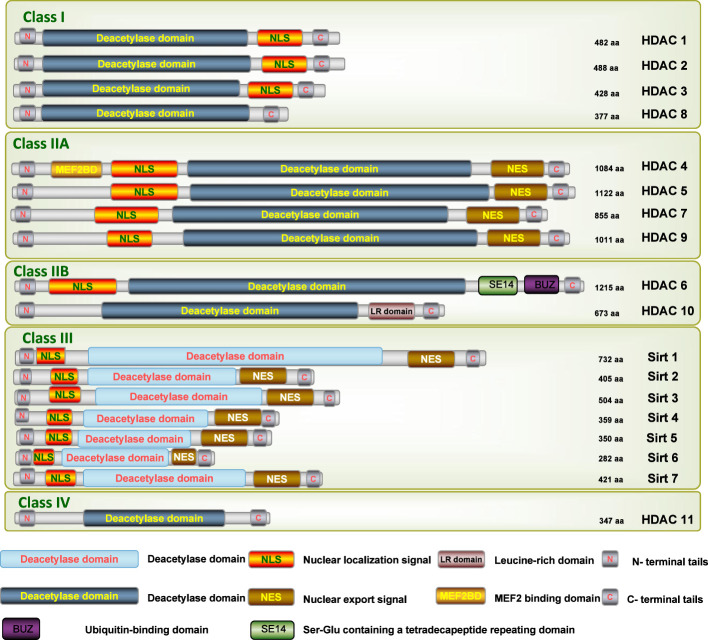
“DD2 is in charge of its deacetylation activity on histones and a-tubulin, according to experimental data using purified HDAC6 (37).”
BackgroundEnd-Stage Renal Disease: Medical Management.
Wouk, N. (2021) · PubMed · Cited by 159
Zhang, X.-H., Qin-Ma, Wu, H.-P., Khamis, M. Y., Li, Y.-H., Ma, L.-Y., & Liu, H.-M. (2021) · Journal of Medicinal Chemistry · doi:10.1021/acs.jmedchem.0c01782 · Cited by 143
Development of a histone deacetylase 6 inhibitor and its biological effects
Lee, J.-H., Mahendran, A., Yao, Y., Ngo, L., Venta-Perez, G., Choy, M. L., Kim, N., Ham, W.-S., Breslow, R., & Marks, P. A. (2013) · Proceedings of the National Academy of Sciences · doi:10.1073/pnas.1313893110 · Cited by 141 · cited 3×
“Additionally, depending on their acetylation status, HDAC6 shuttle between the cytoplasm and the nucleus, allowing them to interact with miscel laneous cytoplasmic proteins and polyubiquitins, thereby having an influence on cell migration and proliferation, and, together with misfolded proteins, induced cell stress, a…”
BackgroundTreg therapy in transplantation: a general overview
Romano, M., Tung, S. L., Smyth, L. A., & Lombardi, G. (2017) · Transplant International · doi:10.1111/tri.12909 · Cited by 132 · cited 2×
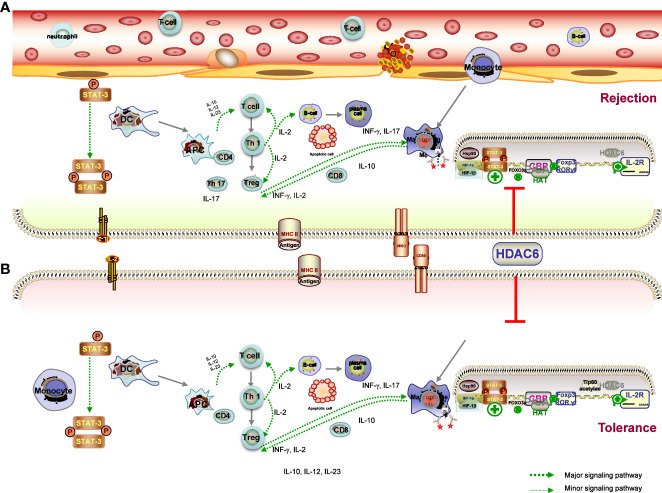
“In a recent study of a cardiac allograft model, the presence or absence of the HDAC6 molecule alone could determine acute rejection or long-term engraftment (121).”
BackgroundSelective HDAC inhibition by ACY-241 enhances the activity of paclitaxel in solid tumor models
Huang, P., Almeciga-Pinto, I., Jarpe, M., van Duzer, J. H., Mazitschek, R., Yang, M., Jones, S. S., & Quayle, S. N. (2017) · Oncotarget · doi:10.18632/oncotarget.13738 · Cited by 130 · cited 3×
“Currently, the most widely investigated inhibitors of selective small molecule HDAC6 mainly include Rocilinostat (ACY-1215), Citarinostat (ACY-241), Tubacin, CKD-506, Tubastatin A(TA), BML-281, and LTB2 (46).”
BackgroundTubastatin ameliorates pulmonary fibrosis by targeting the TGFβ-PI3K-Akt pathway
Saito, S., Zhuang, Y., Shan, B., Danchuk, S. D., Luo, F., Korfei, M., Günther, A., & Lasky, J. A. (2017) · PLoS ONE · doi:10.1371/journal.pone.0186615 · Cited by 127
Vishwakarma, S., Iyer, L. R., Muley, M. M., Singh, P., Shastry, A., Saxena, A., Kulathingal, J., Vijaykanth, G., Raghul, J., Rajesh, N., et al. (2013) · International Immunopharmacology · doi:10.1016/j.intimp.2013.03.016 · Cited by 124 · cited 3×
“Previous studies have mentioned that inhibition of HDAC6 by TA and M808 gave rise to effective alleviation of expression of multiple cytokines and chemokines, as well as elevated macrophage migration and infiltration into the injured kidney in a murine rheumatoid arthritis (RA) model and a monocyte (monocytic cell lin…”
BackgroundThe Biology of HDAC in Cancer: The Nuclear and Epigenetic Components
Hagelkrüys, A., Sawicka, A., Rennmayr, M., & Seiser, C. (2011) · Handbook of experimental pharmacology · doi:10.1007/978-3-642-21631-2_2 · Cited by 123 · cited 1×
“Pan HDACis have demonstrated prominent ef fi cacy in treating allergy (18), cancer (19), and in fl ammatory and autoimmune diseases (20).”
BackgroundTargeting HDAC6 attenuates nicotine-induced macrophage pyroptosis via NF-κB/NLRP3 pathway
Xu, S., Chen, H., Ni, H., & Dai, Q. (2020) · Atherosclerosis · doi:10.1016/j.atherosclerosis.2020.11.021 · Cited by 121
Knox, T., Sahakian, E., Banik, D., Hadley, M., Palmer, E., Noonepalle, S., Kim, J., Powers, J., Gracia-Hernandez, M., Oliveira, V., et al. (2019) · Scientific Reports · doi:10.1038/s41598-019-51403-6 · Cited by 118
HDAC6: A Novel Histone Deacetylase Implicated in Pulmonary Arterial Hypertension
Boucherat, O., Chabot, S., Paulin, R., Trinh, I., Bourgeois, A., Potus, F., Lampron, M.-C., Lambert, C., Breuils‐Bonnet, S., Nadeau, V., et al. (2017) · Scientific Reports · doi:10.1038/s41598-017-04874-4 · Cited by 113
The innate immune response to allotransplants: mechanisms and therapeutic potentials
Ochando, J., Ordikhani, F., Boros, P., & Jordan, S. (2019) · Cellular and Molecular Immunology · doi:10.1038/s41423-019-0216-2 · Cited by 111 · cited 1×
“In clinical RT, activation of the innate immune response can be triggered by certain elements (77).”
BackgroundKalin, J. H., Butler, K. V., Akimova, T., Hancock, W. W., & Kozikowski, A. P. (2012) · Journal of Medicinal Chemistry · doi:10.1021/jm200773h · Cited by 106
Cheng, F., Lienlaf, M., Wang, H.-W., Perez-Villarroel, P., Lee, C., Woan, K., Rock-Klotz, J., Sahakian, E., Woods, D., Pinilla-Ibarz, J., et al. (2014) · The Journal of Immunology · doi:10.4049/jimmunol.1302778 · Cited by 106
Fan, S.-J., Huang, F.-I., Liou, J.-P., & Yang, C.-R. (2018) · Cell Death & Disease · doi:10.1038/s41419-018-0688-5 · Cited by 100 · cited 1×
“291 mM HDAC6 (Alzheimer's disease, AD) (54) Not reported so far Not reported so far.”
BackgroundCabrero, J. R., Serrador, J. M., Barreiro, O., Mittelbrunn, M., Naranjo-Suárez, S., Martín-Cófreces, N., Vicente-Manzanares, M., Mazitschek, R., Bradner, J. E., Ávila, J., et al. (2006) · Molecular Biology of the Cell · doi:10.1091/mbc.e06-01-0008 · Cited by 95
Inflammaging and Complement System: A Link Between Acute Kidney Injury and Chronic Graft Damage
Franzin, R., Stasi, A., Fiorentino, M., Stallone, G., Cantaluppi, V., Gesualdo, L., & Castellano, G. (2020) · Frontiers in Immunology · doi:10.3389/fimmu.2020.00734 · Cited by 93
Zhang, W., Yang, F., Wang, Y., Jiao, F., Zhang, H., Wang, L.-W., & Gong, Z. (2019) · Biomedicine & Pharmacotherapy · doi:10.1016/j.biopha.2019.109166 · Cited by 92
Self-citationHypoxia stimulus: An adaptive immune response during dendritic cell maturation
Rama, I., Brüne, B., Torrás, J., Koehl, R., Cruzado, J. M., Bestard, O., Franquesa, M., Lloberas, N., Weigert, A., Herrero, I., et al. (2008) · Kidney International · doi:10.1038/sj.ki.5002792 · Cited by 91 · cited 1×
“Current studies tend to suggest that HIF-1 a triggers the maturation of DCs and subsequently damages renal function (92).”
BackgroundFEATURES OF ACUTE REJECTION THAT INCREASE RISK FOR CHRONIC REJECTION1
Humar, A., Kerr, S., Gillingham, K. J., & Matas, A. J. (1999) · Transplantation · doi:10.1097/00007890-199910270-00023 · Cited by 90 · cited 2×
“Despite undeniable advances in RT techniques and IS, immunological rejection is the major cause of graft dysfunction and ultimately graft loss (104).”
BackgroundChoi, S. Y., Ryu, Y., Kee, H. J., Cho, S., Kim, G. R., Cho, J. Y., Kim, H.-S., Kim, I., & Jeong, M. H. (2015) · Vascular Pharmacology · doi:10.1016/j.vph.2015.04.006 · Cited by 87 · cited 2×
“…as the speci fi c cytoplasmic localization and the wide range of protein substrates, together with aberrant HDAC6 activity in increased fi brosis (42) and in fl ammation (43) of kidney, HDAC6 inhibitors have indeed effectively mitigated the progression of immune-related complications in the…”
BackgroundInhibition of histone deacetylase 6 activity reduces cyst growth in polycystic kidney disease
Cebotaru, L., Liu, Q., Yanda, M. K., Boinot, C., Outeda, P., Huso, D. L., Watnick, T. J., Guggino, W. B., & Cebotaru, V. (2016) · Kidney International · doi:10.1016/j.kint.2016.01.026 · Cited by 86 · cited 1×
“Meanwhile, the elevated expression and activity of HDAC6 have confirmation of participating in various kidney diseases including acute kidney injury (AKI) (38), polycystic kidney disease (39), lupus nephritis (40), renal cancer (41), and hypertensive nephropathy (42).”
BackgroundHistone Deacetylase Inhibitors and Diabetic Kidney Disease
Hadden, M. J., & Advani, A. (2018) · International Journal of Molecular Sciences · doi:10.3390/ijms19092630 · Cited by 84
The therapeutic hope for HDAC6 inhibitors in malignancy and chronic disease
Batchu, S. N., Brijmohan, A. S., & Advani, A. (2016) · Clinical Science · doi:10.1042/cs20160084 · Cited by 83 · cited 9×
“Upon activation, macrophages release proteolytic enzymes and in fl ammatory cytokines such as TNF-a , TGF-b , IL-1 b , and IFN-g (71).”
BackgroundMethodInfluentialBenoy, V., Vanden Berghe, P., Jarpe, M., Van Damme, P., Robberecht, W., & Van Den Bosch, L. (2017) · Neurotherapeutics · doi:10.1007/s13311-016-0501-z · Cited by 83
HDAC6 selective inhibition of melanoma patient T-cells augments anti-tumor characteristics
Laino, A. S., Betts, B. C., Veerapathran, A., Dolgalev, I., Sarnaik, A., Quayle, S. N., Jones, S. S., Weber, J. S., & Woods, D. M. (2019) · Journal for ImmunoTherapy of Cancer · doi:10.1186/s40425-019-0517-0 · Cited by 83
Role of Th17 cells and IL-17 in lung transplant rejection
Shilling, R. A., & Wilkes, D. S. (2011) · Seminars in Immunopathology · doi:10.1007/s00281-011-0257-9 · Cited by 82
HDAC6 deacetylates p53 at lysines 381/382 and differentially coordinates p53-induced apoptosis
Ryu, H.-W., Shin, D.-H., Lee, D. H., Choi, J., Han, G., Lee, K. Y., & Kwon, S. H. (2017) · Cancer Letters · doi:10.1016/j.canlet.2017.01.033 · Cited by 82 · cited 1×
“…a variety of non-histone substrates such as alpha-tubulin (26), heat shock protein 90 (HSP90) (27) and cortactin (28), Ku70 (29), RIG-I (30), p53 (31), STAT3 (32), NF-k B (33), FoxO1 (34), and b -catenin (35), as well as regulate protein degradation, but also plays its mutual effect with several…”
BackgroundTreg cell therapy: How cell heterogeneity can make the difference
Giganti, G., Atif, M., Mohseni, Y., Mastronicola, D., Grageda, N., Povoleri, G. A., Miyara, M., & Scottà, C. (2021) · European Journal of Immunology · doi:10.1002/eji.201948131 · Cited by 82
Inhibition of HDAC6 protects against rhabdomyolysis-induced acute kidney injury
Shi, Y., Xu, L., Tang, J., Fang, L., Ma, S., Ma, X., Nie, J., Pi, X., Qiu, A., Zhuang, S., et al. (2017) · American Journal of Physiology-Renal Physiology · doi:10.1152/ajprenal.00546.2016 · Cited by 81 · cited 14×
“MCP-1, TNF-a, and IL-6 by monocytes in rhabdomyolysis-induced AKI (52, 53).”
BackgroundInfluentialLevine, M. H., Wang, Z., Bhatti, T. R., Wang, Y., Aufhauser, D. D., McNeal, S., Liu, Y., Cheraghlou, S., Han, R., Wang, L.-S., et al. (2015) · American Journal of Transplantation · doi:10.1111/ajt.13106 · Cited by 78 · cited 1×
“Based on a comprehensive analysis of previous studies, it is more advisable that the HDAC subtype may represent a novel therapeutic target for RT, with many isoform-selective HDAC inhibitors showing positive efficiency (10).”
MethodOsko, J. D., & Christianson, D. W. (2019) · Biochemistry · doi:10.1021/acs.biochem.9b00934 · Cited by 77 · cited 1×
“Uniquely, the HDAC6 isoform displays two functional deacetylase domains in tandem, designated DAC1 and DAC2, respectively, DD1 and DD2, along with a C-terminus hydrolase– like zinc finger domain with conserved regions rich in cysteine and histidine for ubiquitin binding (ZnF-UBP), which is specifically binded to mono-…”
BackgroundRegulatory T Cells and Kidney Transplantation
Martín-Moreno, P. L., Tripathi, S., & Chandraker, A. K. (2018) · Clinical Journal of the American Society of Nephrology · doi:10.2215/cjn.01750218 · Cited by 76 · cited 2×
“On another level, established autoimmune diseases can be reversed or even cured by Tregs therapies, which may be effective in controlling autoimmune diseases in animal models (118).”
BackgroundXu, K., Yang, W. Y., Nanayakkara, G. K., Shao, Y., Yang, F., Hu, W., Choi, E. T., Wang, H., & Yang, X. (2018) · Frontiers in Immunology · doi:10.3389/fimmu.2018.00045 · Cited by 75
Impact of Innate and Adaptive Immunity on Rejection and Tolerance
Kim, I. K., Bedi, D. S., Denecke, C., Ge, X., & Tullius, S. G. (2008) · Transplantation · doi:10.1097/tp.0b013e318186ac4a · Cited by 73 · cited 1×
“Directional regulation of Th cell subset differentiation and induction of immune deviation is beneficial for inhibition of graft rejection and the induction of transplant tolerance (111).”
BackgroundHDAC6 promotes cell proliferation and confers resistance to gefitinib in lung adenocarcinoma
Wang, Z., TANG, F., Hu, P., Wang, Y., Gong, J., Sun, S., & Xie, C. (2016) · Oncology Reports · doi:10.3892/or.2016.4811 · Cited by 71
The Evolving Roles of Macrophages in Organ Transplantation
Li, J., Li, C., Zhuang, Q., Peng, B., Zhu, Y., Ye, Q., & Ming, Y. (2019) · Journal of Immunology Research · doi:10.1155/2019/5763430 · Cited by 70 · cited 2×
“After IRI, monocytes in fi ltrate the renal interstitial space and differentiate into proin fl ammatory macrophages, known as M1, in response to the initial kidney injury, and subsequently switch to a form called M2, which promotes renal repair (71, 72, 89).”
BackgroundHistone deacetylase 6 inhibition impairs effector CD8 T-cell functions during skin inflammation
Tsuji, G., Okiyama, N., Villarroel, V. A., & Katz, S. I. (2014) · Journal of Allergy and Clinical Immunology · doi:10.1016/j.jaci.2014.10.002 · Cited by 69 · cited 1×
“Another preliminary work has shown that HDAC6 participated in genotoxic stress induced by DNA damage agents (101).”
BackgroundTGF-β in Renal Fibrosis: Triumphs and Challenges
Gu, Y.-Y., Liu, X., Huang, X., Yu, X., & Lan, H. Y. (2020) · Future Medicinal Chemistry · doi:10.4155/fmc-2020-0005 · Cited by 69
Long-Term Kidney Transplant Outcomes: Role of Prolonged-Release Tacrolimus
Banas, B., Krämer, B. K., Krüger, B., Kamar, N., & Undre, N. A. (2019) · Transplantation Proceedings · doi:10.1016/j.transproceed.2019.11.003 · Cited by 68
Choi, E. W., Song, J. W., Ha, N., Choi, Y. I., & Kim, S. (2018) · Scientific Reports · doi:10.1038/s41598-018-35602-1 · Cited by 67 · cited 2×
“Analysis of the master regulator of Th1 and Th2 by CD4 cells indicated that the CKD506 group was less prone to express the Th1 differentiation factor T-bet and showed decreased levels of the Th1 cytokine IL-2 in a mouse model of systemic lupus erythematosus (61).”
BackgroundHDAC inhibitors in kidney development and disease
Brilli, L. L., Swanhart, L. M., de Caestecker, M. P., & Hukriede, N. A. (2012) · Pediatric Nephrology · doi:10.1007/s00467-012-2320-8 · Cited by 66 · cited 1×
“As a large family of transcriptional repressors, HDACs play an extremely important role in the epigenetic regulation of a wide range of cellular processes, chromatin structure, gene expression, and physiological functions in various renal diseases (16).”
BackgroundInhibition of histone deacetylase 6 improves long-term survival in a lethal septic model
Li, Y., Zhao, T., Liu, B., Halaweish, I. F., Mazitschek, R., Duan, X., & Alam, H. B. (2015) · The Journal of Trauma: Injury, Infection, and Critical Care · doi:10.1097/ta.0000000000000510 · Cited by 65 · cited 2×
“For example, TA improved long-term survival in a lethal sepsis model (86) and ameliorated stroke-related brain infarction and functional deficits (87).”
BackgroundJia, Y., Liu, Z., Wang, W. G., Sun, C., Wei, P., Yang, Y., You, M. J., Yu, B. H., Li, X. Q., & Zhou, X. (2017) · Leukemia · doi:10.1038/leu.2017.299 · Cited by 63
Tubacin suppresses proliferation and induces apoptosis of acute lymphoblastic leukemia cells
Aldana-Masangkay, G. I., Rodríguez-González, A., Lin, T. L., Ikeda, A. K., Hsieh, Y., Kim, Y., Lomenick, B., Okemoto, K., Landaw, E. M., Wang, D., et al. (2011) · Leukemia & lymphoma/Leukemia and lymphoma · doi:10.3109/10428194.2011.570821 · Cited by 60 · cited 1×
“As mentioned in a previous work, phenotypic analyses of the effector T-cell (Teff) indicated an increased apoptosis of T-acute lymphoblastic leukemia (ALL) cells, following reduced Notch3 expression in the HDAC6 silencing group by specific short hairpin ribonucleic acid vector (shRNA) (116).”
ResultHDAC Inhibitors Exert Anti-Myeloma Effects through Multiple Modes of Action
Imai, Y., Hirano, M., Kobayashi, M., Futami, M., & Tojo, A. (2019) · Cancers · doi:10.3390/cancers11040475 · Cited by 60 · cited 11×
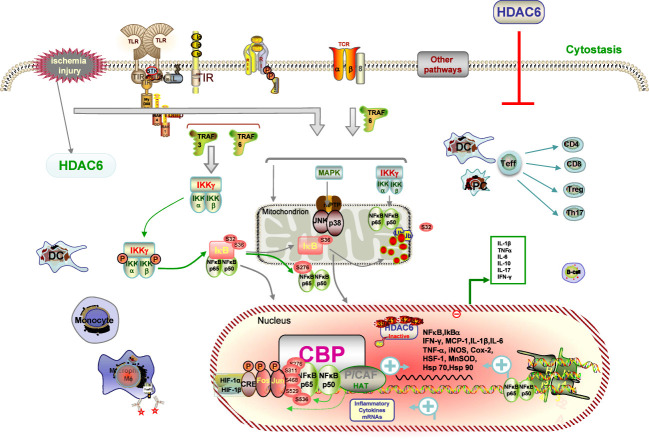
“IRI-generated ROS promotes activation of the NF-kB and AP-1 signaling pathways with subsequent transcription and production of inflammatory cytokines signaling mechanisms and transcriptional regulatory pathways.”
BackgroundInfluentialVergani, B., Sandrone, G., Marchini, M., Ripamonti, C., Cellupica, E., Galbiati, E., Caprini, G., Pavich, G., Porro, G., Rocchio, I., et al. (2019) · Journal of Medicinal Chemistry · doi:10.1021/acs.jmedchem.9b01194 · Cited by 60
Innate and adaptive immune responses subsequent to ischemia-reperfusion injury in the kidney
Denecke, C., & Tullius, S. G. (2014) · The French Journal of Urology · doi:10.1016/s1166-7087(14)70058-2 · Cited by 55 · cited 4×
“…adaptive immune cells such as neutrophils, including DCs, macrophages, and lymphocyte subsets, have been shown to be involved in the pathological processes of IRI, resulting in the release of potent cytokines and chemokines, not least certain subpopulations involved in the repair process (82, 83).”
BackgroundInfluentialIslam, R., Dash, D., & Singh, R. (2021) · Cytokine · doi:10.1016/j.cyto.2021.155720 · Cited by 55 · cited 1×
“Pan HDACis have demonstrated prominent ef fi cacy in treating allergy (18), cancer (19), and in fl ammatory and autoimmune diseases (20).”
BackgroundSpecific HDAC6 inhibition by ACY-738 reduces SLE pathogenesis in NZB/W mice
Regna, N. L., Vieson, M. D., Luo, X., Chafin, C. B., Puthiyaveetil, A. G., Hammond, S. E., Caudell, D. L., Jarpe, M. B., & Reilly, C. M. (2015) · Clinical Immunology · doi:10.1016/j.clim.2015.11.007 · Cited by 54 · cited 1×
“Furthermore, ACY-738 treatment restored early pre-B-cell proportions but reduced late pre-B-cell proportions in the bone marrow during SLE in NZB/W mice (57).”
BackgroundRole of the HDAC6/STAT3 pathway in regulating PD-L1 expression in osteosarcoma cell lines
Keremu, A., Aimaiti, A., Liang, Z., & Zou, X. (2018) · Cancer Chemotherapy and Pharmacology · doi:10.1007/s00280-018-3721-6 · Cited by 54 · cited 4×
“Importantly, HDAC6 not only displays a variety of non-histone substrates such as alpha-tubulin (26), heat shock protein 90 (HSP90) (27) and cortactin (28), Ku70 (29), RIG-I (30), p53 (31), STAT3 (32), NF-k B (33), FoxO1 (34), and b -catenin (35), as well as regulate protein degradation, but also plays its mutual effec…”
BackgroundInfluentialHistone Deacetylases in Kidney Physiology and Acute Kidney Injury
Hyndman, K. A. (2020) · Seminars in Nephrology · doi:10.1016/j.semnephrol.2020.01.005 · Cited by 53 · cited 8×
“Studies in mouse models of in fl ammation have implicated the overexpression of HDAC6 in the abnormal activation of in fl ammatory signaling pathways, including the NF-k B pathway, in cisplatin-induced AKI (53, 95).”
BackgroundInfluentialDo, A., Reid, R. C., Lohman, R., Sweet, M. J., Fairlie, D. P., & Iyer, A. (2016) · Journal of Pharmacology and Experimental Therapeutics · doi:10.1124/jpet.116.236711 · Cited by 51 · cited 1×
“There were pieces of evidence showing that abnormal B-cell differentiation was associated with a less severe form of kidney disease, which could be corrected by selective HDAC6 inhibition (81).”
BackgroundIschemia and reperfusion injury in renal transplantation: hemodynamic and immunological paradigms
Requião‐Moura, L., Durão, M. D. S., de Matos, A. C. C., & Pacheco‐Silva, Á. (2015) · Einstein (São Paulo) · doi:10.1590/s1679-45082015rw3161 · Cited by 50
Chen, X., Yu, C., Hou, X., Li, J., Li, T., Qiu, A., Liu, N., & Zhuang, S. (2020) · American Journal of Physiology-Renal Physiology · doi:10.1152/ajprenal.00261.2020 · Cited by 49 · cited 1×
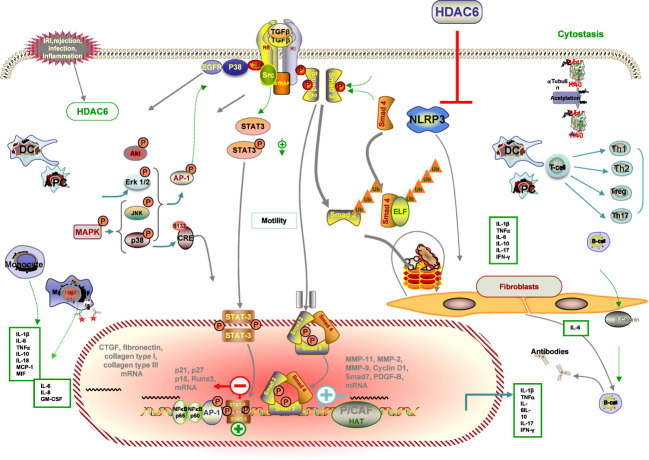
“Mechanistically, HDAC6 is shown to influence epigenetic histone modification, leading to renal fibrosis and TGF-b1-dependent nuclear accumulation of Smad3-dependent fibrotic genes, and inhibition of HDAC6 attenuated renal fibrosis and inflammation (58).”
BackgroundHistone deacetylase 6 modulates macrophage infiltration during inflammation
Yan, B., Xie, S., Liu, Y., Liu, W., Li, D., Liu, M., Luo, H. R., & Zhou, J. (2018) · Theranostics · doi:10.7150/thno.25317 · Cited by 48
Ren, J., Catalina, M. D., Eden, K. B., Liao, X., Read, K. A., Luo, X., McMillan, R. P., Hulver, M. W., Jarpe, M. B., Bachali, P., et al. (2019) · Frontiers in Immunology · doi:10.3389/fimmu.2019.02512 · Cited by 46
HDAC6 regulates the dynamics of lytic granules in cytotoxic T lymphocytes
Núñez‐Andrade, N., Iborra, S., Trullo, A., Moreno-Gonzalo, O., Calvo, E., Catalán, E., Ménasché, G., Sancho, D., Vázquez, J., Yao, T., et al. (2016) · Journal of Cell Science · doi:10.1242/jcs.180885 · Cited by 44 · cited 1×
“A previous study reported that HDAC6 affects the activation of antigen-dependent CD4 T cells (67), and another revealed that HDAC6 plays a role in CD8 T-cell cytotoxic function (79).”
BackgroundCellular defence or viral assist: the dilemma of HDAC6
Zheng, K., Jiang, Y., He, Z., Kitazato, K., & Wang, Y. (2016) · Journal of General Virology · doi:10.1099/jgv.0.000679 · Cited by 43
Inhibition of HDAC6 activity in kidney diseases: a new perspective
Ke, B., Chen, Y., Tu, W., Ye, T., Fang, X., & Yang, L. (2018) · Molecular Medicine · doi:10.1186/s10020-018-0027-4 · Cited by 43
B cells as antigen-presenting cells in transplantation rejection and tolerance
Chong, A. S. (2020) · Cellular Immunology · doi:10.1016/j.cellimm.2020.104061 · Cited by 43 · cited 1×
“B cells also evolve into antibody-secreting cells in which the antibodies act as opsonins to facilitate activation of DCs and T-cell responses, which can also produce IL-10 and TGF-b to induce Treg differentiation, thereby reducing the severity of in fl ammatory diseases (140, 141).”
BackgroundHistone deacetylases as targets in autoimmune and autoinflammatory diseases
Hamminger, P., Rîca, R., & Ellmeier, W. (2020) · Advances in immunology · doi:10.1016/bs.ai.2020.06.001 · Cited by 43 · cited 1×
“PanHDACis have demonstrated prominent efficacy in treating allergy (18), cancer (19), and inflammatory and autoimmune diseases (20).”
BackgroundDu, Y., Yang, X. M., Li, Z., Le, W., Hao, Y., Song, Y., Wang, F., & Guan, Y. (2021) · Neurochemistry International · doi:10.1016/j.neuint.2021.105141 · Cited by 43 · cited 4×
“Importantly, HDAC6 not only displays a variety of non-histone substrates such as alpha-tubulin (26), heat shock protein 90 (HSP90) (27) and cortactin (28), Ku70 (29), RIG-I (30), p53 (31), STAT3 (32), NF-k B (33), FoxO1 (34), and b -catenin (35), as well as regulate protein degradation, but also plays its mutual effec…”
BackgroundInfluentialLedezma, D. K., Balakrishnan, P. B., Cano‐Mejia, J., Sweeney, E. E., Hadley, M. M., Bollard, C. M., Villagra, A., & Fernandes, R. (2020) · Nanomaterials · doi:10.3390/nano10010161 · Cited by 41 · cited 2×
“It is important to note that the development and function of CD4 and CD8 T cells were invested to be normal in CD4-speci fi c Hdac6 knockout mice (80).”
BackgroundQiu, W., Wang, B., Gao, Y., Tian, Y., Tian, M., Chen, Y., Xu, L. M., Yao, T., Li, P., & Yang, P. (2020) · Hepatology · doi:10.1002/hep.30960 · Cited by 40 · cited 2×
“Importantly, HDAC6 not only displays a variety of non-histone substrates such as alpha-tubulin (26), heat shock protein 90 (HSP90) (27) and cortactin (28), Ku70 (29), RIG-I (30), p53 (31), STAT3 (32), NF-k B (33), FoxO1 (34), and b -catenin (35), as well as regulate protein degradation, but also plays its mutual effec…”
BackgroundPark, J. K., Shon, S. H., Yoo, H. J., Suh, D., Bae, D., Shin, J., Jun, J. H., Ha, N., Song, H., Choi, Y. I., et al. (2021) · Arthritis Research & Therapy · doi:10.1186/s13075-021-02561-4 · Cited by 40
Mithraprabhu, S., Khong, T., Jones, S. S., & Spencer, A. (2013) · British Journal of Haematology · doi:10.1111/bjh.12388 · Cited by 39
Targeting HSF1 disrupts HSP90 chaperone function in chronic lymphocytic leukemia
Ganguly, S., Home, T., Yacoub, A., Kambhampati, S., Shi, H., Dandawate, P. R., Padhyé, S., Saluja, A. K., McGuirk, J. P., & Rao, R. (2015) · Oncotarget · doi:10.18632/oncotarget.5167 · Cited by 39
Lee, J. W., Lee, S.-M., Chun, J., Im, J. P., Seo, S., Ha, N., Choi, Y. I., & Kim, J. S. (2020) · Inflammatory Bowel Diseases · doi:10.1093/ibd/izz317 · Cited by 39 · cited 5×
“It has been observed that TubA could reduce the increased expression and localization of connective tissue growth factor (CTGF), a well-known pro-fibrotic factor, in kidney tissue sections after ANG treatment (98).”
BackgroundInfluentialLee, J., Hong, E., Jeong, H., Hwang, J. W., Kim, H., Bae, E., Ahn, J. K., Choi, Y., Han, J., Cha, H., et al. (2014) · International Journal of Rheumatic Diseases · doi:10.1111/1756-185x.12501 · Cited by 38
HDAC6 regulates IL-17 expression in T lymphocytes: implications for HDAC6-targeted therapies
Yan, B., Liu, Y., Bai, H., Chen, M., Xie, S., Li, D., Liu, M., & Zhou, J. (2017) · Theranostics · doi:10.7150/thno.17615 · Cited by 38
The Critical Role of Innate Immunity in Kidney Transplantation
Cucchiari, D., Podestà, M. A., & Ponticelli, C. E. (2016) · The Nephron journals/Nephron journals · doi:10.1159/000444267 · Cited by 37 · cited 1×
“…of in fl ammation, are among the different cell types involved in the innate immune system (67), which acts on most immunological events following RT with an important role and recognize immune antigens that are fast and lasting through pattern-recognition receptorsin a very short time frame (68).”
BackgroundLi, Z., Li, Q., Chen, L., Chen, B.-D., Zhang, C., Wang, X., & Li, W. (2016) · Neurochemistry International · doi:10.1016/j.neuint.2016.08.004 · Cited by 37
Yanda, M. K., Liu, Q., & Cebotaru, L. (2017) · American Journal of Physiology-Renal Physiology · doi:10.1152/ajprenal.00186.2017 · Cited by 37
Shi, L., Song, Z., Li, C., Deng, F., Xia, Y., Huang, J., Wu, X., & Zhu, J. (2022) · Cells · doi:10.3390/cells11243951 · Cited by 37 · cited 4×
“MCP-1, TNF-a, and IL-6 by monocytes in rhabdomyolysis-induced AKI (52, 53).”
BackgroundInfluentialZhou, W., Zhou, X., Gaowa, S., Meng, Q., Zhan, Z., Liu, J., Li, J., Fan, H., & Liu, Z. (2015) · Transplantation · doi:10.1097/tp.0000000000000526 · Cited by 36
HIF-1α- and hypoxia-dependent immune responses in human CD4+CD25high T cells and T helper 17 cells
Bollinger, T., Gies, S. E., Naujoks, J., Feldhoff, L., Bollinger, A., Solbach, W., & Rupp, J. (2014) · Journal of Leukocyte Biology · doi:10.1189/jlb.3a0813-426rr · Cited by 36
Current state of organ transplant tolerance
Rickert, C. G., & Markmann, J. F. (2019) · Current Opinion in Organ Transplantation · doi:10.1097/mot.0000000000000670 · Cited by 36 · cited 3×
“Frontiers in Immunology 02 therapy in this field, including ongoing consequences of ischemia reperfusion injury (IRI) (3), ideal goal of immune tolerance (4), equilibrium of rejection (5), and improvement of chronic interstitial fibrosis (6) in patients after transplantation.”
BackgroundDendritic Cells: Versatile Players in Renal Transplantation
Lin, J., Wang, H., Liu, C., Cheng, A., Deng, Q., Zhu, H., & Chen, J. (2021) · Frontiers in Immunology · doi:10.3389/fimmu.2021.654540 · Cited by 36
Protective Effect of Tubastatin A in CLP-Induced Lethal Sepsis
Deng, Q., Zhao, T., Pan, B., Dennahy, I. S., Duan, X., Williams, A. M., Liu, B., Lin, N., Bhatti, U. F., Chen, E., et al. (2018) · Inflammation · doi:10.1007/s10753-018-0853-0 · Cited by 35 · cited 3×
“It has long been known that the expression level in B cells and splenic B cells was signi fi cantly increased in diseased MRL/MpJ-Faslpr (MRL/lpr) mice (84, 142).”
BackgroundDendritic Cells in Transplantation and Immune-Based Therapies
Young, J. W., Mérad, M., & Hart, D. N. J. (2007) · Transplantation and Cellular Therapy · doi:10.1016/j.bbmt.2006.10.023 · Cited by 34 · cited 2×
“chronic allograft rejection is induced by DC–lymphocyte interaction with the assistance of other immune cells (109).”
BackgroundInhibitors selective for HDAC6 in enzymes and cells
Gupta, P. K., Reid, R. C., Liu, L., Lucke, A. J., Broomfield, S., Andrews, M. R., Sweet, M. J., & Fairlie, D. P. (2010) · Bioorganic & Medicinal Chemistry Letters · doi:10.1016/j.bmcl.2010.09.100 · Cited by 33 · cited 3×
“(24, 25, 75), which ultimately has an impact on cell function.”
BackgroundZheng, Y., Chen, Y., Lu, X., Weng, Q., Dai, G., Yu, Y., Yu, K., & Gao, W. (2020) · American Journal Of Pathology · doi:10.1016/j.ajpath.2020.08.013 · Cited by 32 · cited 1×
“As described earlier, the renal protection elicited by HDAC6 blockage is associated with the restraint of inflammation and the decreased oxidative stress (96).”
BackgroundThe roles of histone deacetylases in kidney development and disease
Liu, H. (2021) · Clinical and Experimental Nephrology · doi:10.1007/s10157-020-01995-5 · Cited by 32 · cited 1×
“Therefore, therapeutic candidates needed to mitigate the development of these clinical dilemmas are under investigation, and histone deacetylase inhibitors (HDACis) may be identi fi ed as such important therapeutic applications (10 – 12).”
BackgroundDeacetylase inhibitors as a novel modality in the treatment of multiple myeloma
Richardson, P. G. G., Moreau, P., Laubach, J. P., Maglio, M. E., Lonial, S., & Miguel, J. F. S. (2016) · Pharmacological Research · doi:10.1016/j.phrs.2016.11.020 · Cited by 31 · cited 1×
“6 nM HDAC6 (MM) (63) Not reported so far.”
BackgroundRen, J., Liao, X., Vieson, M. D., Chen, M., Scott, E. R., Kazmierczak, J., Luo, X., & Reilly, C. M. (2017) · Clinical & Experimental Immunology · doi:10.1111/cei.13046 · Cited by 31 · cited 1×
“Various studies have since shown that HDAC6 activity regulation, which is expressed in both the nucleus and the cytoplasm, have identified a significantly critical role for the behavior in innate and adaptive immunity (76), together with modulating the inflammatory genes (24, 28).”
BackgroundOptimal donation of kidney transplants after controlled circulatory death
Savoye, É., Legeai, C., Branchereau, J., Gay, S., Riou, B., Gaudez, F., Veber, B., Bruyère, F., Cheisson, G., Kerforne, T., et al. (2020) · American Journal of Transplantation · doi:10.1111/ajt.16425 · Cited by 31 · cited 1×
“02nM HDAC6 (MM) (62) Not reported so far.”
HDAC6 serves as a biomarker for the prognosis of patients with renal cell carcinoma
Zhang, Z., Cao, Y., Zhao, W., Guo, L., & Liu, W. (2017) · Cancer Biomarkers · doi:10.3233/cbm-160298 · Cited by 28 · cited 1×
“Meanwhile, the elevated expression and activity of HDAC6 have con fi rmation of participating in various kidney diseases including acute kidney injury (AKI) (38), polycystic kidney disease (39), lupus nephritis (40), renal cancer (41), and hypertensive nephropathy (42).”
BackgroundOsko, J. D., & Christianson, D. W. (2019) · Methods in enzymology on CD-ROM/Methods in enzymology · doi:10.1016/bs.mie.2019.06.028 · Cited by 28
Ellis, J. S., & Braley‐Mullen, H. (2017) · Journal of Clinical Medicine · doi:10.3390/jcm6020013 · Cited by 27
Tavares, M. T., Shen, S., Knox, T., Hadley, M., Kutil, Z., Bařinka, C., Villagra, A., & Kozikowski, A. P. (2017) · ACS Medicinal Chemistry Letters · doi:10.1021/acsmedchemlett.7b00223 · Cited by 27
Zhou, W., Yang, J., Saren, G., Zhao, H., Cao, K., Fu, S., Pan, X., Zhang, H., Wang, A., & Chen, X. (2020) · Theranostics · doi:10.7150/thno.44961 · Cited by 27
Modern renal transplantation: present challenges and future prospects
Galliford, J. W., & Game, D. S. (2009) · Postgraduate Medical Journal · doi:10.1136/pgmj.2008.070862 · Cited by 26 · cited 2×
“Playing an essential role in the immunological response, B cells can promote rejection through the production of antibodies, proin fl ammatory cytokine expression, and presenting antigens to T-cells, which leads to the activation and differentiation of T cells (105).”
BackgroundWang, J., Zhao, L., Wei, Z., Zhang, X., Wang, Y., Li, D., Fu, Y., & Liu, B. (2018) · International Immunopharmacology · doi:10.1016/j.intimp.2018.01.039 · Cited by 26 · cited 1×
“Taken together, HDAC6i markedly protects against oxidative stress–induced damage, which is of particular importance for immune cells exposed to high ROS concentrations (99, 102).”
BackgroundBae, D., Lee, J., Ha, N., Park, J., Baek, J., Suh, D., Lim, H. S., Ko, S. M., Kim, T., Jeong, D. S., et al. (2021) · Scientific Reports · doi:10.1038/s41598-021-93232-6 · Cited by 26
Selective histone deacetylase 6 inhibition prolongs survival in a lethal two-hit model
Cheng, X. M., Liu, Z., Liu, B., Zhao, T., Li, Y., & Alam, H. B. (2015) · Journal of Surgical Research · doi:10.1016/j.jss.2015.02.070 · Cited by 25
Trichostatin A Promotes the Generation and Suppressive Functions of Regulatory T Cells
Doñas, C., Fritz, M., Manríquez, V., Tejón, G., Bono, M. R., Loyola, A., & Rosemblatt, M. S. (2013) · Clinical and Developmental Immunology · doi:10.1155/2013/679804 · Cited by 25
Pisarello, M. J. L., Masyuk, T. V., Gradilone, S. A., Masyuk, A. I., Ding, J., Lee, P. Y., & LaRusso, N. F. (2018) · American Journal Of Pathology · doi:10.1016/j.ajpath.2017.12.016 · Cited by 25
Youn, G. S., Park, J. K., Lee, C. Y., Jang, J. H., Yun, S. H., Kwon, H. Y., Choi, S. Y., & Park, J. (2020) · BMB Reports · doi:10.5483/bmbrep.2020.53.4.209 · Cited by 23
Tsun, A., Chen, Z., & Li, B. (2011) · Protein & Cell · doi:10.1007/s13238-011-1114-2 · Cited by 22
Kidney allograft fibrosis: what we learned from latest translational research studies
Granata, S., Benedetti, C., Gambaro, G., & Zaza, G. (2020) · Journal of Nephrology · doi:10.1007/s40620-020-00726-z · Cited by 22
Lee, J. H., Kim, H. S., Jang, S. W., & Lee, G. R. (2022) · Scientific Reports · doi:10.1038/s41598-022-27230-7 · Cited by 22 · cited 1×
“…active participants in the regulation of immune system homeostasis, and alteration of their phenotype is involved in the process of tolerance induction by suppressing naive and subsequent T cell responses, producing TGF-b or inhibiting Teff cells, thereby preventing allograft rejection (118, 119).”
BackgroundRegulation of Ku70-Bax Complex in Cells
Hada, M., & Kwok, R. P. S. (2014) · Journal of Cell Death · doi:10.4137/jcd.s13695 · Cited by 21 · cited 2×
“Importantly, HDAC6 not only displays a variety of non-histone substrates such as alpha-tubulin (26), heat shock protein 90 (HSP90) (27) and cortactin (28), Ku70 (29), RIG-I (30), p53 (31), STAT3 (32), NF-k B (33), FoxO1 (34), and b -catenin (35), as well as regulate protein degradation, but also plays its mutual effec…”
BackgroundLi, J., Zhao, Y., Shi, J., Ren, Z., Chen, F., & Tang, W. (2019) · Animal Cells and Systems · doi:10.1080/19768354.2019.1601132 · Cited by 21 · cited 1×
“For example, TA improved long-term survival in a lethal sepsis model (86) and ameliorated stroke-related brain infarction and functional deficits (87).”
BackgroundTreatment with a selective histone deacetylase 6 inhibitor decreases lupus nephritis in NZB/W mice.
Vieson, M. D., Gojmerac, A. M., Khan, D., Dai, R., van Duzer, J. V., Mazitschek, R., Caudell, D., Liao, X.-F., Luo, X. M., & Reilly, C. (2017) · Histology and Histopathology · doi:10.14670/hh-11-885 · Cited by 20 · cited 2×
“Meanwhile, the elevated expression and activity of HDAC6 have con fi rmation of participating in various kidney diseases including acute kidney injury (AKI) (38), polycystic kidney disease (39), lupus nephritis (40), renal cancer (41), and hypertensive nephropathy (42).”
BackgroundZhao, T., Li, Y., Liu, B., Pan, B., Cheng, X. M., Georgoff, P. E., & Alam, H. B. (2015) · The Journal of Trauma: Injury, Infection, and Critical Care · doi:10.1097/ta.0000000000000897 · Cited by 19 · cited 1×
“7nM HDAC6 (Multiple myeloma, MM) (55) 1.”
Yan, H., Guo, F., Huang, Z., Feng, Y., Xia, Z., Liu, J., Li, L., Huang, R., Lin, L., Ma, L., et al. (2020) · Bioscience Reports · doi:10.1042/bsr20191538 · Cited by 19
Yan, X., Qu, X., Liu, B., Zhao, Y., Xu, L., Yu, S., Wang, J., Wang, L., & Su, J. (2021) · Frontiers in Oncology · doi:10.3389/fonc.2021.742460 · Cited by 19 · cited 1×
“Frontiers in Immunology 04 such as alpha-tubulin (26), heat shock protein 90 (HSP90) (27) and cortactin (28), Ku70 (29), RIG-I (30), p53 (31), STAT3 (32), NF-kB (33), FoxO1 (34), and b-catenin (35), as well as regulate protein degradation, but also plays its mutual effect with several proteins that modulate its deacet…”
BackgroundZhang, M., Xu, M. Q., Wang, R. C., Li, L., & Zhao, J. (2021) · Journal of Cardiovascular Pharmacology · doi:10.1097/fjc.0000000000001007 · Cited by 18
Zhang, F., Yu, S., Chai, Q., Wang, J., Wu, T., Liu, R., Liu, Y., Liu, C. H., & Pang, Y. (2021) · The FASEB Journal · doi:10.1096/fj.202100614r · Cited by 18
Ellis, J. D., Neil, D., Inston, N. G., Jenkinson, E. J., Drayson, M. T., Hampson, P., Shuttleworth, S. J., Ready, A. R., & Cobbold, M. (2016) · Transplantation · doi:10.1097/tp.0000000000001208 · Cited by 17 · cited 3×
“Another considerable phenomenon associated with transplant models is that a strong determinant of Treg-dependent resistance is the presence or absence of HDAC6 within Tregs to allograft rejection, underscoring the significance of HDAC6 as a treatment strategy for Treg modulation (108).”
BackgroundChang, Q., Yin, D., Li, H., Du, X., Wang, Z., Liu, Y., & Zhang, J. (2022) · Molecular Immunology · doi:10.1016/j.molimm.2022.05.004 · Cited by 17
Mito-xenophagic killing of bacteria is coordinated by a metabolic switch in dendritic cells
Radomski, N., Kägebein, D., Liebler–Tenorio, E., Karger, A., Rufer, E., Tews, B. A., Nagel, S., Einenkel, R., Müller, A., Rebbig, A., et al. (2017) · Scientific Reports · doi:10.1038/s41598-017-04142-5 · Cited by 16 · cited 1×
“The heterogeneity of the DCs and the states of their activation provides researchers with a greater range of options to de fi ne and manipulate the immune response researchers with a greater range of options to de fi ne and manipulate the immune response through these specialized leukocytes (110).”
BackgroundA1AR-mediated renal protection against ischemia/reperfusion injury is dependent on HSP27 induction
Xiong, B., Li, M., Xiang, S., & Lin, H. (2018) · International Urology and Nephrology · doi:10.1007/s11255-018-1797-x · Cited by 15 · cited 1×
“These targets including Hsp70, Hsp90, and heat shock factor protein-1 (HSF-1), known elements and highly expressed during IRI, were acetylated during stress situation, leading to the nuclear translocation and induction of several genes (84, 85).”
BackgroundLinking innate immunity and chronic antibody-mediated allograft rejection
Gill, R. G., & Lin, C. M. (2019) · Current Opinion in Organ Transplantation · doi:10.1097/mot.0000000000000708 · Cited by 15 · cited 3×
“Furthermore, DCs are thought to have important implications in the early pathophysiology of IRI development within the first 24 h after IRI (74).”
BackgroundThe Immune Cell Landscape in Renal Allografts
Lü, J., Zhang, Y., Sun, J., Huang, S., Wu, W., & Tan, M. J. (2021) · Cell Transplantation · doi:10.1177/0963689721995458 · Cited by 14 · cited 1×
“All these posttransplant conditions are related to the prominent function of the immune system and are responsible for the fate of the renal graft (7).”
BackgroundCurrent status of tolerance in kidney transplantation
Chandran, S., & Feng, S. (2016) · Current Opinion in Nephrology & Hypertension · doi:10.1097/mnh.0000000000000269 · Cited by 13 · cited 1×
“The ultimate goal of transplantation is to achieve donor-specific tolerance, where recipients would enjoy long-term graft survival without the need for lifelong immunosuppressive drugs (103).”
BackgroundThe long-term outcome of renal transplantation. A 10-year follow-up of 765 recipients
Foroncewicz, B., Mucha, K., Florczak, M., Szymańska, A., Ciszek, M., Durlik, M., Górski, A., Kieszek, R., Kosieradzki, M., Nazarewski, S., et al. (2019) · Polskie Archiwum Medycyny Wewnętrznej · doi:10.20452/pamw.14914 · Cited by 11 · cited 1×
“of RT, with much effort being conducted (8).”
BackgroundCarbajal, A., Chesta, M. E., Bisig, C. G., & Arce, C. A. (2013) · Biochemical Journal · doi:10.1042/bj20121439 · Cited by 10 · cited 1×
“1 Tubacin 4nM HDAC6 (Anticancer) (51) 1.”
Patient Selection for Kidney Transplant
Marroquin, C. E. (2018) · Surgical Clinics of North America · doi:10.1016/j.suc.2018.09.002 · Cited by 9 · cited 1×
“The preferred therapy and the most cost-effective treatment approach for the majority of patients with ESRD are actually renal transplantation (RT) (2).”
BackgroundOpinion on Immune Tolerance Therapeutic Development
Radi, Z. A., & Wynn, T. A. (2020) · Toxicologic Pathology · doi:10.1177/0192623320948805 · Cited by 8 · cited 1×
“Many efforts have been made to achieve graft tolerance, and researchers have attempted numerous approaches to induce immune tolerance toward the donor graft in transplant recipients (4, 106).”
BackgroundParira, T., Figueroa, G., Granado, S., Napuri, J., Castillo-Chabeco, B., Nair, M., & Agudelo, M. (2018) · Journal of Alcoholism and Drug Dependence · doi:10.4172/2329-6488.1000316 · Cited by 5 · cited 8×
“IRI-generated ROS promotes activation of the NF-k B and AP-1 signaling pathways with subsequent transcription and production of in fl ammatory cytokines signaling mechanisms and transcriptional regulatory pathways.”
BackgroundInfluentialSelf-Centered Function of Adaptive Immunity in Regulation of Immune Responses and in Tolerance
Balzar, S. (2021) · Journal of Immunology Research · doi:10.1155/2021/7507459 · Cited by 5 · cited 1×
“In the periphery, the goal of tolerance is to inhibit mature alloreactive T and B cells through mechanisms such as deletion, anergy, and regulation (112).”
Background[Diagnosis and management of renal allograft rejection].
Erpicum, P., Bonvoisin, C., Grosch, S., Bovy, C., Coelho, T. P., Detry, O., Jouret, F., Weekers, L. E., & Bouquegneau, A. (2022) · PubMed · Cited by 1
Research works printed but not linked: 11
- 70. Zhao T Li Y Liu B Pan B Cheng X Georgoff P. Inhibition of histone deacetylase 6 restores innate immune cells in the bone marrow in a lethal septic model. J Trauma Acute Care Surg (2016) 80(1): 34– 40; discussion 40-1. doi: 10.1097/TA.0000000000000897 26491797 PMC4688101 · DOI
- 78. Savoye E Legeai C Branchereau J Gay S Riou B Gaudez F. Optimal donation of kidney transplants after controlled circulatory death. Am J Transplant (2021) 21(7): 2424–36. doi: 10.1111/ajt.16425 36576341 · DOI
- 89. Yan B Xie S Liu Y Liu W Li D Liu M. Histone deacetylase 6 modulates macrophage infiltration during inflammation. Theranostics (2018) 8(11): 2927–38. doi: 10.7150/thno.25317 PMC5996364 29896294 · DOI
- 93. Ledezma DK Balakrishnan PB Cano-Mejia J Sweeney EE Hadley M Bollard CM. Indocyanine green-nexturastat a-PLGA nanoparticles combine photothermal and epigenetic therapy for melanoma. Nanomater (Basel) (2020) 10(1): 161. doi: 10.3390/nano10010161 PMC7022377 31963449 · DOI
- 114. Tsuji G Okiyama N Villarroel VA Katz SI. Histone deacetylase 6 inhibition impairs effector CD8 T-cell functions during skin inflammation. J Allergy Clin Immunol (2015) 135(5): 1228–39. doi: 10.1016/j.jaci.2014.10.002 PMC4426217 25458911 · DOI
- 125. Beier UH Wang L Han R Akimova T Liu Y Hancock WW. Histone deacetylases 6 and 9 and sirtuin-1 control Foxp3+ regulatory T cell function through shared and isoform-specific mechanisms. Sci Signal (2012) 5(229): ra45. doi: 10.1126/scisignal.2002873 22715468 PMC3603571 · DOI · Paper page
- 129. Qiu W Wang B Gao Y Tian Y Tian M Chen Y. Targeting histone deacetylase 6 reprograms interleukin-17-Producing helper T cell pathogenicity and facilitates immunotherapies for hepatocellular carcinoma. Hepatology (2020) 71(6): 1967–87. doi: 10.1002/hep.30960 31539182 · DOI
- 140. Ellis JS Braley-Mullen H. Mechanisms by which b cells and regulatory T cells influence development of murine organ-specific autoimmune diseases. J Clin Med (2017) 6(2): 13. doi: 10.3390/jcm6020013 28134752 PMC5332917 · DOI
- 144. Ganguly S Home T Yacoub A Kambhampati S Shi H Dandawate P. Targeting HSF1 disrupts HSP90 chaperone function in chronic lymphocytic leukemia. Oncotarget (2015) 6(31): 31767–79. doi: 10.18632/oncotarget.5167 PMC4741638 26397138 · DOI
- 150. Cheng X Liu Z Liu B Zhao T Li Y Alam HB. Selective histone deacetylase 6 inhibition prolongs survival in a lethal two-hit model. J Surg Res (2015) 197(1): 39– 44. doi: 10.1016/j.jss.2015.02.070 25837686 PMC4606460 · DOI
- 156. Osko JD Christianson DW. Methods for the expression, purification, and crystallization of histone deacetylase 6-inhibitor complexes. Methods Enzymol (2019) 626: 447–74. doi: 10.1016/bs.mie.2019.06.028 PMC6941440 31606087 · DOI
Cited by
Zhang, J., Zhang, Y., Wang, J., Xia, Y., Zhang, J., & Chen, L. (2024) · Signal Transduction and Targeted Therapy · doi:10.1038/s41392-024-01911-3 · Cited by 1,138
Epigenetic regulation of human FOXP3+ Tregs: from homeostasis maintenance to pathogen defense
Yue, Y., Ren, Y., Lu, C., Li, P., & Zhang, G. (2024) · Frontiers in Immunology · doi:10.3389/fimmu.2024.1444533 · Cited by 57
Role of Histone Deacetylase 6 and Histone Deacetylase 6 Inhibition in Colorectal Cancer
Vuletić, A. M., Martinović, K. M., & Spasić, J. (2023) · Pharmaceutics · doi:10.3390/pharmaceutics16010054 · Cited by 24
“In this sense, after stimulation of macrophages with lipopolysaccharide (LPS), HDAC6 was shown to translocate to the cell periphery where it induced cortactin deacetylation and the formation of invadopodia protrusions that increase cell mobility and enable infiltration into tissues [142].”
BackgroundRole of Histone Modifications in Kidney Fibrosis
Pan, S., Yuan, T., Xia, Y., Yu, W., Zhou, X., & Fan, C. (2024) · Medicina · doi:10.3390/medicina60060888 · Cited by 20
“HDAC6, a class IIb HDAC expressed in the cytoplasm, is highly expressed in a variety of renal diseases and plays an important role in regulating inflammation, pro-fibrotic signaling pathways, and oxidative stress [116].”
BackgroundZinc-Dependent Histone Deacetylases in Lung Endothelial Pathobiology
Patil, R. S., Maloney, M. E., Lucas, R., Fulton, D. J., Patel, V. S., Bagi, Z. A., Kovács‐Kása, A., Kovács, L., Su, Y., & Verin, A. D. (2024) · Biomolecules · doi:10.3390/biom14020140 · Cited by 17
“The involvement of HDAC6 in EC barrier regulation is well documented due, at least in part, to the discovery of HDAC6-specific inhibitors (reviewed by Zhang et al., [171]).”
Background
Metadata
- Authors
- Zhang, Q.-Q., Zhang, W.-J., & Chang, S.
- Affiliations
- Chinese Academy of Medical Sciences & Peking Union Medical College (CN)
- Corresponding author
- Chang, Sheng
- ORCID
- Chang, Sheng
- Venue
- Frontiers in Immunology
- Publisher
- Frontiers Media SA
- Published
- 2023-07-21
- Volume
- 14
- Pages
- 1168848-1168848
- ISSN
- 1664-3224 (ISSN-L)
- PMC
- PMC10401441
- OpenAlex
- W4385116382
- Cited by
- 24
- References
- 159
- Citations by year
- 2026: 6 · 2025: 7 · 2024: 9 · 2023: 2
- FWCI
- 0.63
- Type
- journal article
- Language
- en
- Open access
- gold
- doi.org
- Licence
- Locations
- Frontiers in Immunology (publishedVersion, cc-by)
- PubMed Central (publishedVersion, cc-by)
- PubMed (publishedVersion)
- DOAJ (DOAJ: Directory of Open Access Journals) (submittedVersion, cc-by-sa)
- Topics
- Life Sciences › Biochemistry, Genetics and Molecular Biology › Molecular Biology › Histone Deacetylase Inhibitors Research
- Health Sciences › Medicine › Transplantation › Renal Transplantation Outcomes and Treatments
- Health Sciences › Medicine › Geriatrics and Gerontology › Sirtuins and Resveratrol in Medicine
- Keywords
- HDAC6, HDAC6 inhibitors, kidney transplantation, end-stage renal disease, immune tolerance, graft rejection, ischemia-reperfusion injury, interstitial fibrosis, oxidative stress, histone deacetylase, immunomodulation
- MeSH terms
- Histone Deacetylase 6, Fibrosis, Humans, Kidney Diseases, Signal Transduction, Kidney Transplantation
About these checks
Registry, retraction, Cites and statistics results are computed, not judged, with one exception: a printed reference that no index lists is read once by a model before it counts as a citation error. Claims are extracted by a model and kept only when their quote appears verbatim in the text; each cited source is then checked, with a model’s help, for whether it says what the claim relies on. Those verdicts can be wrong — read the claim’s quote and the cited source before relying on one.
Statistics and arithmetic are recomputed, not judged.
Confidence bands are shown only for fields calibrated on our annotated test set. None is calibrated yet, so no band is shown.
What counts as a claim ›How we measure confidence ›How we check this ›
Are you an author, or do you see a problem with this page? Request a review
Data sources
Bibliographic data: Semantic Scholar, OpenAlex, Crossref.
Contains information from the Semantic Scholar Academic Graph Datasets, made available under the ODC Attribution License (ODC-BY 1.0).
Semantic Scholar’s data is described in: Kinney, R., et al. (2023). The Semantic Scholar Open Data Platform. arXiv:2301.10140.
