

The DOI matches its Crossref record; 9 of the 9 references it cites were found in a registry or an index.
Immunotherapies targeting tumor vasculature: challenges and opportunities
Abstract
Angiogenesis is a hallmark of cancer biology, and neoadjuvant therapies targeting either tumor vasculature or VEGF signaling have been developed to treat solid malignant tumors. However, these therapies induce complete vascular depletion leading to hypoxic niche, drug resistance, and tumor recurrence rate or leading to impaired delivery of chemo drugs and immune cell infiltration at the tumor site. Achieving a balance between oxygenation and tumor growth inhibition requires determining vascular normalization after treatment with a low dose of antiangiogenic agents. However, monotherapy within the approved antiangiogenic agents’ benefits only some tumors and their efficacy improvement could be achieved using immunotherapy and emerging nanocarriers as a clinical tool to optimize subsequent therapeutic regimens and reduce the need for a high dosage of chemo agents. More importantly, combined immunotherapies and nano-based delivery systems can prolong the normalization window while providing the advantages to address the current treatment challenges within antiangiogenic agents. This review summarizes the approved therapies targeting tumor angiogenesis, highlights the challenges and limitations of current therapies, and discusses how vascular normalization, immunotherapies, and nanomedicine could introduce the theranostic potentials to improve tumor management in future clinical settings.
Overview
The claims and statistics of this paper haven’t been checked yet.
Run the check — free, no account needed. It reads the open-access text and checks the sources it cites.
Integrity signals
Registry
Cites
Statistics
Figures
Verification
Claims the paper makes
The claims and statistics of this paper haven’t been checked yet.
Run the check — free, no account needed. It reads the open-access text and checks the sources it cites.
Claims other papers make about this one
Each is checked against this paper’s own text: does it say what the citing paper says it does?
In the citing paper
“Beyond these specific formulations, multiple studies have shown that partial vascular pruning and pericyte reinforcement, achieved with diverse TKIs, antibodies, and genetic modulators, can similarly normalize perfusion and enhance nanomedicine delivery across a range of tumor models [54, 55].”
From Overcoming tumor microenvironment barriers: transformable and bioinspired nanomedicine strategies for deep tumor penetration (2026) · cites this paper as [55]
Self-check
Percentages, sums and reported differences re-computed from the paper’s own numbers.
The self-check needs the paper’s full text.
Citations
Cites
Atezolizumab for First-Line Treatment of Metastatic Nonsquamous NSCLC
Socinski, M. A., Jotte, R. M., Cappuzzo, F., Orlandi, F., Stroyakovskiy, D., Nogami, N., Rodríguez-Abreu, D., Moro-Sibilot, D., Thomas, C. A., Barlesi, F., et al. (2018) · New England Journal of Medicine · doi:10.1056/nejmoa1716948 · Cited by 3,733
Pembrolizumab plus axitinib versus sunitinib for advanced renal-cell carcinoma
Rini, B. I., Plimack, E. R., Stus, V., Gafanov, R., Hawkins, R., Nosov, D., Pouliot, F., Alekseev, B., Soulières, D., Melichar, B., et al. (2019) · New England Journal of Medicine · doi:10.1056/nejmoa1816714 · Cited by 3,403
Sequist, L. V., Yang, J. C.-H., Yamamoto, N., O'Byrne, K., Hirsh, V., Mok, T., Geater, S. L., Orlov, S., Tsai, C.-M., Boyer, M., et al. (2013) · Journal of Clinical Oncology · doi:10.1200/jco.2012.44.2806 · Cited by 3,228
Microenvironmental regulation of tumour angiogenesis
De Palma, M., Biziato, D., & Petrova, T. V. (2017) · Nature Reviews Cancer · doi:10.1038/nrc.2017.51 · Cited by 1,847 · cited 1×
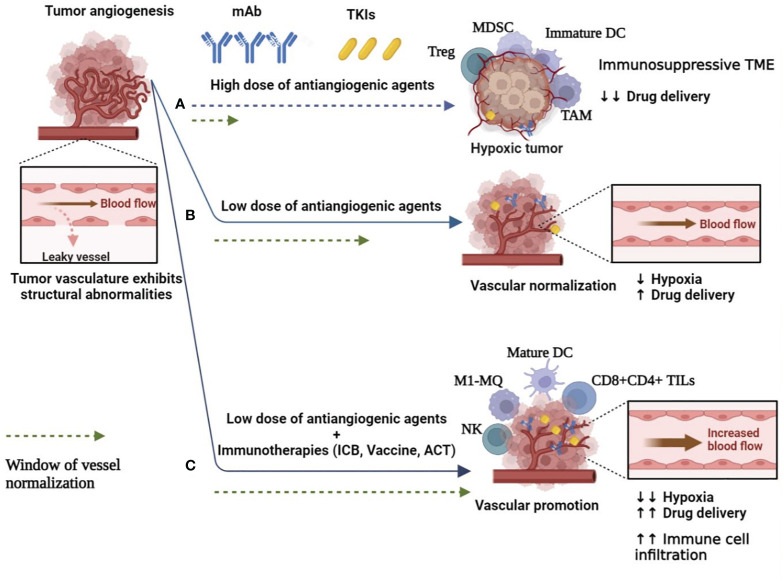
“, immature dendritic cells (DCs), regulatory T cells (Tregs), myeloid-derived suppressor cells (MDSCs), and tumor-associated macrophages (TAM)], and stromal cells also secrete the various cytokines and proangiogenic factors that support tumor angiogenesis (3).”
Combined antiangiogenic and anti–PD-L1 therapy stimulates tumor immunity through HEV formation
Allen, E., Jabouille, A., Rivera, L. B., Lodewijckx, I., Missiaen, R., Steri, V., Feyen, K., Tawney, J., Hanahan, D., Michael, I. P., et al. (2017) · Science Translational Medicine · doi:10.1126/scitranslmed.aak9679 · Cited by 820
Schmittnaegel, M., Rigamonti, N., Kadioglu, E., Cassará, A., Wyser Rmili, C., Kiialainen, A., Kienast, Y., Mueller, H.-J., Ooi, C.-H., Laoui, D., et al. (2017) · Science Translational Medicine · doi:10.1126/scitranslmed.aak9670 · Cited by 582
Kloepper, J., Riedemann, L., Amoozgar, Z., Seano, G., Susek, K., Yu, V., Dalvie, N., Amelung, R. L., Datta, M., Song, J. W., et al. (2016) · Proceedings of the National Academy of Sciences · doi:10.1073/pnas.1525360113 · Cited by 357
Rahbari, N. N., Kedrin, D., Incio, J., Liu, H., Ho, W. W., Nia, H. T., Edrich, C. M., Jung, K., Daubriac, J., Chen, I., et al. (2016) · Science Translational Medicine · doi:10.1126/scitranslmed.aaf5219 · Cited by 258
Imatinib and the long tail of targeted drug development
Carlisle, B. G., Zheng, T., & Kimmelman, J. (2020) · Nature Reviews Clinical Oncology · doi:10.1038/s41571-019-0287-0 · Cited by 39
Research works printed but not linked: 99
- Blouw, 2003, The hypoxic response of tumors is dependent on their microenvironment, Cancer Cell, 4, 10.1016/S1535-6108(03)00194-6 · DOI · Paper page
- De Bock, 2011, Vessel abnorMalization: another hallmark of cancer?: molecular mechanisms and therapeutic implications, Curr Opin Genet Dev, 21, 10.1016/j.gde.2010.10.008 · DOI
- Yang, 2018, Targeting VEGF/VEGFR to modulate antitumor immunity, Front Immunol, 9, 10.3389/fimmu.2018.00978 · DOI · Paper page
- Raphael, 2017, Antiangiogenic therapy in advanced non–small-cell lung cancer: a meta-analysis of phase III randomized trials, Clin Lung cancer, 18, 345, 10.1016/j.cllc.2017.01.004 · DOI
- Dianat-Moghadam, 2022, Immune evader cancer stem cells direct the perspective approaches to cancer immunotherapy, Stem Cell Res Ther, 13, 1, 10.1186/s13287-022-02829-9 · DOI
- Marofi, 2022, Hurdles to breakthrough in CAR T cell therapy of solid tumors, Stem Cell Res Ther, 13, 1, 10.1186/s13287-022-02819-x · DOI · Paper page
- Fukumura, 2018, Enhancing cancer immunotherapy using antiangiogenics: opportunities and challenges, Nat Rev Clin Oncol, 15, 10.1038/nrclinonc.2018.29 · DOI · Paper page
- Jain, 2013, NorMalizing tumor microenvironment to treat cancer: bench to bedside to biomarkers, J Clin Oncol, 31, 2205, 10.1200/JCO.2012.46.3653 · DOI · Paper page
- Mahase, 2017, Hypoxia-mediated mechanisms associated with antiangiogenic treatment resistance in glioblastomas, Am J pathol, 187, 10.1016/j.ajpath.2017.01.010 · DOI
- Kerbel, 2006, Antiangiogenic therapy: a universal chemosensitization strategy for cancer, Science, 312, 10.1126/science.1125950 · DOI
- Lee, 2000, Anti-vascular endothelial growth factor treatment augments tumor radiation response under normoxic or hypoxic conditions, Cancer Res, 60
- Garcia, 2020, Bevacizumab (Avastin®) in cancer treatment: A review of 15 years of clinical experience and future outlook, Cancer Treat Rev, 86, 102017, 10.1016/j.ctrv.2020.102017 · DOI · Paper page
- Tiwari, 2016, Ramucirumab: boon or bane, J Egyptian Natl Cancer Institute, 28, 10.1016/j.jnci.2016.03.001 · DOI
- Heinemann, 2014, FOLFIRI plus cetuximab versus FOLFIRI plus bevacizumab as first-line treatment for patients with metastatic colorectal cancer (FIRE-3): a randomised, open-label, phase 3 trial, Lancet Oncol, 15, 10.1016/S1470-2045(14)70330-4 · DOI · Paper page
- Price, 2014, Panitumumab versus cetuximab in patients with chemotherapy-refractory wild-type KRAS exon 2 metastatic colorectal cancer (ASPECCT): a randomised, multicentre, open-label, non-inferiority phase 3 study, Lancet Oncol, 15, 10.1016/S1470-2045(14)70118-4 · DOI · Paper page
- Mahmoudi, 2021, Recombinant immunotoxins development for HER2-based targeted cancer therapies, Cancer Cell Int, 21, 1, 10.1186/s12935-021-02182-6 · DOI
- Breitkreutz, 2008, Thalidomide in multiple myeloma–clinical trials and aspects of drug metabolism and toxicity, Expert Opin Drug Metab Toxicol, 4, 10.1517/17425255.4.7.973 · DOI
- Pulte, 2018, FDA approval summary: lenalidomide as maintenance therapy after autologous stem cell transplant in newly diagnosed multiple myeloma, Oncologist, 23, 10.1634/theoncologist.2017-0440 · DOI
- Thatcher, 2015, Necitumumab plus gemcitabine and cisplatin versus gemcitabine and cisplatin alone as first-line therapy in patients with stage IV squamous non-small-cell lung cancer (SQUIRE): an open-label, randomised, controlled phase 3 trial, Lancet Oncol, 16, 10.1016/S1470-2045(15)00021-2 · DOI
- Chang, 2022, FDA approval summary: tivozanib for relapsed or refractory renal cell carcinoma, Clin Cancer Res, 28, 10.1158/1078-0432.CCR-21-2334 · DOI
- Goodman, 2007, Approval summary: sunitinib for the treatment of imatinib refractory or intolerant gastrointestinal stromal tumors and advanced renal cell carcinoma, Clin Cancer Res, 13, 10.1158/1078-0432.CCR-06-2328 · DOI
- Bukowski, 2010, Pazopanib, Nat Rev Drug Discov, 9, 10.1038/nrd3073 · DOI
- Kim, 2008, Gefitinib versus docetaxel in previously treated non-small-cell lung cancer (INTEREST): a randomised phase III trial, Lancet, 372, 10.1016/S0140-6736(08)61758-4 · DOI
- Martin, 2017, Neratinib after trastuzumab-based adjuvant therapy in HER2-positive breast cancer (ExteNET): 5-year analysis of a randomised, double-blind, placebo-controlled, phase 3 trial, Lancet Oncol, 18, 10.1016/S1470-2045(17)30717-9 · DOI
- Baselga, 2012, Lapatinib with trastuzumab for HER2-positive early breast cancer (NeoALTTO): a randomised, open-label, multicentre, phase 3 trial, Lancet, 379, 10.1016/S0140-6736(11)61847-3 · DOI
- Moore, 2007, Erlotinib plus gemcitabine compared with gemcitabine alone in patients with advanced pancreatic cancer: a phase III trial of the National Cancer Institute of Canada Clinical Trials Group, J Clin Oncol, 25, 10.1200/JCO.2006.07.9525 · DOI · Paper page
- de Gramont, 2012, Bevacizumab plus oxaliplatin-based chemotherapy as adjuvant treatment for colon cancer (AVANT): a phase 3 randomised controlled trial, Lancet Oncol, 13, 10.1016/S1470-2045(12)70509-0 · DOI · Paper page
- Bonner, 2006, Radiotherapy plus cetuximab for squamous-cell carcinoma of the head and neck, New Engl J Med, 354, 10.1056/NEJMoa053422 · DOI
- Hurwitz, 2004, Bevacizumab plus irinotecan, fluorouracil, and leucovorin for metastatic colorectal cancer, New Engl J Med, 350, 10.1056/NEJMoa032691 · DOI · Paper page
- Stintzing, 2017, Impact of BRAF and RAS mutations on first-line efficacy of FOLFIRI plus cetuximab versus FOLFIRI plus bevacizumab: analysis of the FIRE-3 (AIO KRK-0306) study, Eur J Cancer, 79, 50, 10.1016/j.ejca.2017.03.023 · DOI
- Dudley, 2023, Pathological angiogenesis: mechanisms and therapeutic strategies, Angiogenesis, 26, 1, 10.1007/s10456-023-09876-7 · DOI
- Dianat-Moghadam, 2019, Implications of fibroblast growth factors (FGFs) in cancer: from prognostic to therapeutic applications, Curr Drug targets, 20, 10.2174/1389450120666190112145409 · DOI
- Guo, 2003, Platelet-derived growth factor-B enhances glioma angiogenesis by stimulating vascular endothelial growth factor expression in tumor endothelia and by promoting pericyte recruitment, Am J pathol, 162, 10.1016/S0002-9440(10)63905-3 · DOI
- Kiss, 2019, Anti-angiogenic targets: angiopoietin and angiopoietin receptors, Tumor angiogenesis: key target Cancer Ther, 10.1007/978-3-319-33673-2_4 · DOI
- Amoozgar, 2021, Targeting Treg cells with GITR activation alleviates resistance to immunotherapy in murine glioblastomas, Nat Commun, 12, 2582, 10.1038/s41467-021-22885-8 · DOI
- Sitohy, 2011, Tumor-surrogate blood vessel subtypes exhibit differential susceptibility to anti-VEGF therapyAflibercept (VEGF trap)-resistant tumor-surrogate blood vessels, Cancer Res, 71, 10.1158/0008-5472.CAN-11-1693 · DOI
- Zhang, 2022, Tertiary lymphoid structures are critical for cancer prognosis and therapeutic response, Front Immunol, 13, 10.3389/fimmu.2022.1063711 · DOI
- Moccia, 2015, Endothelial progenitor cells support tumour growth and metastatisation: implications for the resistance to anti-angiogenic therapy, Tumor Biol, 36, 10.1007/s13277-015-3823-2 · DOI
- Fraineau, 2017, Epigenetic activation of pro-angiogenic signaling pathways in human endothelial progenitors increases vasculogenesis, Stem Cell Rep, 9, 10.1016/j.stemcr.2017.09.009 · DOI
- Rivera, 2015, Intratumoral myeloid cells regulate responsiveness and resistance to antiangiogenic therapy, Cell Rep, 11, 10.1016/j.celrep.2015.03.055 · DOI
- Wang, 2019, Cancer−associated fibroblast regulation of tumor neo−angiogenesis as a therapeutic target in cancer, Oncol letters, 17, 10.3892/ol.2019.9973 · DOI · Paper page
- Conley, 2012, Antiangiogenic agents increase breast cancer stem cells via the generation of tumor hypoxia, Proc Natl Acad Sci, 109, 10.1073/pnas.1018866109 · DOI · Paper page
- Easwaran, 2014, Cancer epigenetics: tumor heterogeneity, plasticity of stem-like states, and drug resistance, Mol Cell, 54, 10.1016/j.molcel.2014.05.015 · DOI · Paper page
- Angara, 2017, Vascular mimicry: a novel neovascularization mechanism driving anti-angiogenic therapy (AAT) resistance in glioblastoma, Trans Oncol, 10, 10.1016/j.tranon.2017.04.007 · DOI
- Loizzi, 2017, Biological pathways involved in tumor angiogenesis and bevacizumab based anti-angiogenic therapy with special references to ovarian cancer, Int J Mol Sci, 18, 1967, 10.3390/ijms18091967 · DOI
- Fogli, 2018, Clinical pharmacology of intravitreal anti-VEGF drugs, Eye, 32, 10.1038/s41433-018-0021-7 · DOI
- Zhao, 2023, Cardiovascular toxicity associated with the multitargeted tyrosine kinase inhibitor anlotinib, Tumori J, 109, 10.1177/03008916221084362 · DOI
- Formica, 2021, Biological drug therapy for ocular angiogenesis: Anti-VEGF agents and novel strategies based on nanotechnology, Pharmacol Res Perspectives, 9, e00723, 10.1002/prp2.723 · DOI
- Shen, 2022, Anti-angiogenic nano-delivery system promotes tumor vascular norMalizing and micro-environment reprogramming in solid tumor, J Controlled Release, 349, 10.1016/j.jconrel.2022.07.015 · DOI
- Khan, 2018, Improving immunotherapy outcomes with anti-angiogenic treatments and vice versa, Nat Rev Clin Oncol, 15, 10.1038/nrclinonc.2018.9 · DOI
- Huang, 2012, Vascular norMalizing doses of antiangiogenic treatment reprogram the immunosuppressive tumor microenvironment and enhance immunotherapy, Proc Natl Acad Sci, 109, 10.1073/pnas.1215397109 · DOI · Paper page
- Amoozgar, 2022, Combined blockade of VEGF, Angiopoietin-2, and PD1 reprograms glioblastoma endothelial cells into quasi-antigen-presenting cells, bioRxiv, 2022, 09, 10.1101/2022.09.03.506476 · DOI
- Johansson, 2012, Tumor-targeted TNFα stabilizes tumor vessels and enhances active immunotherapy, Proc Natl Acad Sci, 109, 10.1073/pnas.1118296109 · DOI
- Peterson, 2016, Dual inhibition of Ang-2 and VEGF receptors norMalizes tumor vasculature and prolongs survival in glioblastoma by altering macrophages, Proc Natl Acad Sci, 113, 10.1073/pnas.1525349113 · DOI · Paper page
- Majewska, 2021, Endothelial cells as tools to model tissue microenvironment in hypoxia-dependent pathologies, Int J Mol Sci, 22, 520, 10.3390/ijms22020520 · DOI
- Shigeta, 2020, Regorafenib combined with PD1 blockade increases CD8 T-cell infiltration by inducing CXCL10 expression in hepatocellular carcinoma, J Immunother Cancer, 8, 10.1136/jitc-2020-001435 · DOI
- Hajari Taheri, 2019, T cell engineered with a novel nanobody-based chimeric antigen receptor against VEGFR2 as a candidate for tumor immunotherapy, IUBMB Life, 71, 10.1002/iub.2019 · DOI
- Cagnoni, 2021, Galectin-1 fosters an immunosuppressive microenvironment in colorectal cancer by reprogramming CD8+ regulatory T cells, Proc Natl Acad Sci, 118, 10.1073/pnas.2102950118 · DOI
- Motzer, 2019, Avelumab plus axitinib versus sunitinib for advanced renal-cell carcinoma, New Engl J Med, 380, 10.1056/NEJMoa1816047 · DOI
- Loriot, 2020, Phase III study of first-line pembrolizumab (pembro) plus lenvatinib (len) in patients (pts) with advanced urothelial carcinoma (UC) ineligible for platinum-based chemotherapy: LEAP-011, Am Soc Clin Oncology, 10.1200/JCO.2020.38.6_suppl.TPS597 · DOI
- Ducreux, 2021, IMbrave150: Exploratory analysis to examine the association between treatment response and overall survival (OS) in patients (pts) with unresectable hepatocellular carcinoma (HCC) treated with atezolizumab (atezo)+ bevacizumab (bev) versus sorafenib (sor), Wolters Kluwer Health, 10.1200/JCO.2021.39.15_suppl.4071 · DOI
- Advani, 2019, Ongoing and future directions in the management of metastatic colorectal cancer: Update on clinical trials, J Surg Oncol, 119, 10.1002/jso.25441 · DOI
- Sostelly, 2018, Leveraging tumor size and time to death from bevacizumab (BEV) historical data to predict overall survival in ovarian cancer patients treated with vanucizumab (VAN), Cancer Res, 78, 1643, 10.1158/1538-7445.AM2018-1643 · DOI
- Wu, 2016, VEGF neutralization plus CTLA-4 blockade alters soluble and cellular factors associated with enhancing lymphocyte infiltration and humoral recognition in melanomaIpilimumab plus anti-VEGF augments tumor immune recognition, Cancer Immunol Res, 4, 10.1158/2326-6066.CIR-16-0084 · DOI
- Lindskog, 2020, A randomized phase II study with ilixadencel, a cell-based immune primer, plus sunitinib versus sunitinib alone in synchronous metastatic renal cell carcinoma, Am Soc Clin Oncology, 10.1200/JCO.2020.38.5_suppl.11 · DOI
- Amin, 2015, Survival with AGS-003, an autologous dendritic cell–based immunotherapy, in combination with sunitinib in unfavorable risk patients with advanced renal cell carcinoma (RCC): phase 2 study results, J Immunother Cancer, 3, 1, 10.1186/s40425-015-0055-3 · DOI · Paper page
- ShriMali, 2010, Antiangiogenic agents can increase lymphocyte infiltration into tumor and enhance the effectiveness of adoptive immunotherapy of cancerAdoptive cell therapy and antiangiogenesis, Cancer Res, 70, 10.1158/0008-5472.CAN-10-0153 · DOI · Paper page
- Gabrilovich, 1999, Antibodies to vascular endothelial growth factor enhance the efficacy of cancer immunotherapy by improving endogenous dendritic cell function, Clin Cancer Res, 5
- Shi, 2013, Combining antiangiogenic therapy with adoptive cell immunotherapy exerts better antitumor effects in non-small cell lung cancer models, PloS One, 8, 10.1371/journal.pone.0065757 · DOI
- Bocca, 2018, Bevacizumab-mediated tumor vasculature remodelling improves tumor infiltration and antitumor efficacy of GD2-CAR T cells in a human neuroblastoma preclinical model, Oncoimmunology, 7, e1378843, 10.1080/2162402X.2017.1378843 · DOI
- Yin, 2020, Nanoengineered targeting strategy for cancer immunotherapy, Acta Pharmacologica Sinica, 41, 10.1038/s41401-020-0417-3 · DOI
- Bloch, 2017, ATIM-14. Alliance A071101: A phase II randomized trial comparing the efficacy of heat shock protein peptide complex-96 (HSPPC-96) vaccine given with bevacizumab versus bevacizumab alone in the treatment of surgically resectable recurrent glioblastoma, Neuro-Oncology, 19, 10.1093/neuonc/nox168.110 · DOI
- Autio, 2023, First-in-human, phase 1 study of PF-06753512, a vaccine-based immunotherapy regimen (VBIR), in non-metastatic hormone-sensitive biochemical recurrence and metastatic castration-resistant prostate cancer (mCRPC), J Immunother Cancer, 11, 10.1136/jitc-2022-005702 · DOI
- Rini, 2016, IMA901, a multipeptide cancer vaccine, plus sunitinib versus sunitinib alone, as first-line therapy for advanced or metastatic renal cell carcinoma (IMPRINT): a multicentre, open-label, randomised, controlled, phase 3 trial, Lancet Oncol, 17, 10.1016/S1470-2045(16)30408-9 · DOI
- Bose, 2011, Sunitinib facilitates the activation and recruitment of therapeutic anti-tumor immunity in concert with specific vaccination, Int J Cancer, 129, 10.1002/ijc.25863 · DOI
- Renner, 2016, Improved treatment efficacy of antiangiogenic therapy when combined with picornavirus vaccination in the GL261 glioma model, Neurotherapeutics, 13, 10.1007/s13311-015-0407-1 · DOI
- Li, 2006, Vascular endothelial growth factor blockade reduces intratumoral regulatory T cells and enhances the efficacy of a GM-CSF–secreting cancer immunotherapy, Clin Cancer Res, 12, 10.1158/1078-0432.CCR-06-1558 · DOI
- Farsaci, 2012, Consequence of dose scheduling of sunitinib on host immune response elements and vaccine combination therapy, Int J Cancer, 130, 10.1002/ijc.26219 · DOI
- Mougel, 2019, Therapeutic cancer vaccine and combinations with antiangiogenic therapies and immune checkpoint blockade, Front Immunol, 10, 10.3389/fimmu.2019.00467 · DOI
- Liang, 2021, Monotherapy and combination therapy using anti-angiogenic nanoagents to fight cancer, Advanced Mater, 33, 2005155, 10.1002/adma.202005155 · DOI
- Huo, 2017, Tumor-targeted delivery of sunitinib base enhances vaccine therapy for advanced melanoma by remodeling the tumor microenvironment, J Controlled Release, 245, 81, 10.1016/j.jconrel.2016.11.013 · DOI
- Wu, 2018, Tumor angiogenesis targeting and imaging using gold nanoparticle probe with directly conjugated cyclic NGR, RSC Advances, 8, 10.1039/C7RA10155D · DOI
- Matsuda, 2018, Safety and efficacy of panitumumab plus neoadjuvant chemotherapy in patients with primary HER2-negative inflammatory breast cancer, JAMA Oncol, 4, 10.1001/jamaoncol.2018.1436 · DOI
- Azizi, 2020, Interactions between tumor biology and targeted nanoplatforms for imaging applications, Advanced Funct Mater, 30, 1910402, 10.1002/adfm.201910402 · DOI
- Li, 2016, Gold nanoparticle–mediated targeted delivery of recombinant human endostatin norMalizes tumour vasculature and improves cancer therapy, Sci Rep, 6, 30619, 10.1038/srep30619 · DOI
- Huang, 2020, Gold nanoparticles induce tumor vessel norMalization and impair metastasis by inhibiting endothelial Smad2/3 signaling, ACS Nano, 14, 10.1021/acsnano.9b08460 · DOI
- Yu, 2014, The use of pH-sensitive functional selenium nanoparticles shows enhanced in vivo VEGF-siRNA silencing and fluorescence imaging, Nanoscale, 6, 10.1039/C4NR02423K · DOI
- Gu, 2014, PEG-PLA nanoparticles modified with APTEDB peptide for enhanced anti-angiogenic and anti-glioma therapy, Biomaterials, 35, 10.1016/j.biomaterials.2014.06.022 · DOI
- Song, 2016, Enhanced nanodrug delivery to solid tumors based on a tumor vasculature-targeted strategy, Advanced Funct Mater, 26, 10.1002/adfm.201600417 · DOI
- Yang, 2018, Near-infrared light-activated IR780-loaded liposomes for anti-tumor angiogenesis and Photothermal therapy, Nanomed: Nanotechnol Biol Med, 14, 10.1016/j.nano.2018.06.011 · DOI
- Sun, 2015, Remotely controlled red blood cell carriers for cancer targeting and near-infrared light-triggered drug release in combined photothermal–chemotherapy, Advanced Funct Mater, 25, 10.1002/adfm.201500061 · DOI
- Sung, 2019, Delivery of nitric oxide with a nanocarrier promotes tumour vessel norMalization and potentiates anti-cancer therapies, Nat Nanotechnol, 14, 10.1038/s41565-019-0570-3 · DOI
- Kosmides, 2017, Dual targeting nanoparticle stimulates the immune system to inhibit tumor growth, ACS Nano, 11, 10.1021/acsnano.6b08152 · DOI
- Palazón, 2011, Agonist anti-CD137 mAb act on tumor endothelial cells to enhance recruitment of activated T lymphocytes, Cancer Res, 71, 10.1158/0008-5472.CAN-10-1733 · DOI
- Li, 2021, Disrupting tumour vasculature and recruitment of aPDL1-loaded platelets control tumour metastasis, Nat Commun, 12, 2773, 10.1038/s41467-021-22674-3 · DOI
- Azizi, 2020, Synthesis of self-targeted carbon dot with ultrahigh quantum yield for detection and therapy of cancer, ACS Omega, 5, 10.1021/acsomega.0c03215 · DOI
- Ryu, 2013, Non-invasive optical imaging of matrix metalloproteinase activity with albumin-based fluorogenic nanoprobes during angiogenesis in a mouse hindlimb ischemia model, Biomaterials, 34, 10.1016/j.biomaterials.2013.05.074 · DOI
- Lu, 2017, Tri-stimuli-responsive biodegradable theranostics for mild hyperthermia enhanced chemotherapy, Biomaterials, 126, 39, 10.1016/j.biomaterials.2017.02.025 · DOI
- Luo, 2022, A theranostic metallodrug modulates immunovascular crosstalk to combat immunosuppressive liver cancer, Acta Biomaterialia, 154, 10.1016/j.actbio.2022.10.032 · DOI
Cited by
Sorted by citations
Sheng, J., Yuan, W., Zhang, M., Chen, Z., Qi, Y., Zhao, Y., & Zhang, S. (2026) · Journal of Nanobiotechnology · doi:10.1186/s12951-026-04028-7 · Cited by 35
Metadata
- Authors
- Dianat-Moghadam, H., Nedaeinia, R., Keshavarz, M., Azizi, M., Kazemi, M., & Salehi, R.
- Venue
- Frontiers in Immunology
- Publisher
- Frontiers Media SA
- Published
- 2023-09-01
- Volume
- 14
- ISSN
- 1664-3224
- PMC
- PMC10506263
- Cited by
- 36
- References
- 9
About these checks
Registry, retraction, Cites and statistics results are computed, not judged, with one exception: a printed reference that no index lists is read once by a model before it counts as a citation error. Claims are extracted by a model and kept only when their quote appears verbatim in the text; each cited source is then checked, with a model’s help, for whether it says what the claim relies on. Those verdicts can be wrong — read the claim’s quote and the cited source before relying on one.
Statistics and arithmetic are recomputed, not judged.
Confidence bands are shown only for fields calibrated on our annotated test set. None is calibrated yet, so no band is shown.
What counts as a claim ›How we measure confidence ›How we check this ›
Are you an author, or do you see a problem with this page? Request a review
