

Role of MCP-1 as an inflammatory biomarker in nephropathy
Open accessThe DOI matches its Crossref record; 81 of the 81 references it cites were found in a registry or an index.
Abstract
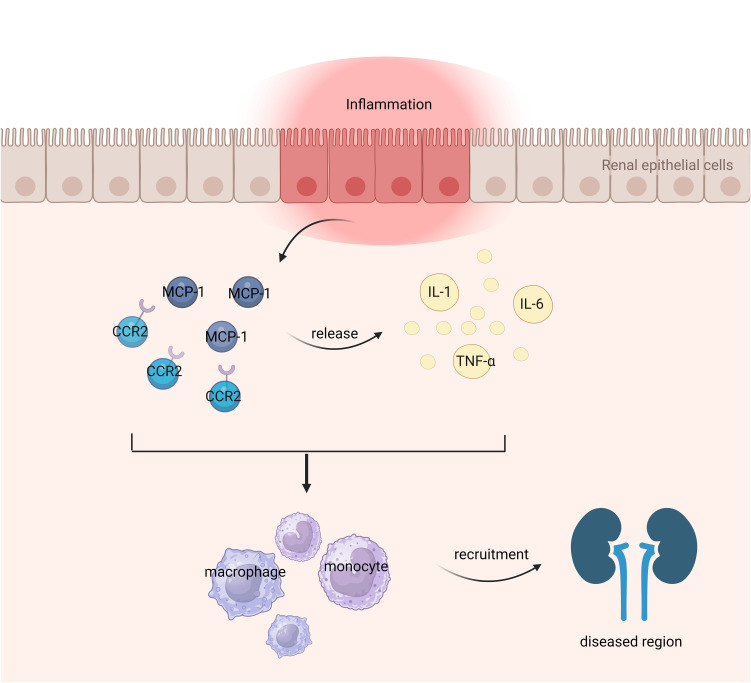
The Monocyte chemoattractant protein-1 (MCP-1), also referred to as chemokine ligand 2 (CCL2), belongs to the extensive chemokine family and serves as a crucial mediator of innate immunity and tissue inflammation. It has a notable impact on inflammatory conditions affecting the kidneys. Upon binding to its receptor, MCP-1 can induce lymphocytes and NK cells’ homing, migration, activation, differentiation, and development while promoting monocytes’ and macrophages’ infiltration, thereby facilitating kidney disease-related inflammation. As a biomarker for kidney disease, MCP-1 has made notable advancements in primary kidney diseases such as crescentic glomerulonephritis, chronic glomerulonephritis, primary glomerulopathy, idiopathic proteinuria glomerulopathy, acute kidney injury; secondary kidney diseases like diabetic nephropathy and lupus nephritis; hereditary kidney diseases including autosomal dominant polycystic kidney disease and sickle cell kidney disease. MCP-1 not only predicts the occurrence, progression, prognosis of the disease but is also closely associated with the severity and stage of nephropathy. When renal tissue is stimulated or experiences significant damage, the expression of MCP-1 increases, demonstrating a direct correlation with the severity of renal injury.
Overview
The claims and statistics of this paper haven’t been checked yet.
Free: it reads the open-access text and checks the first 5 claims that cite a source we can check. Create a free account to check every claim.
Integrity signals
Registry
Cites
Statistics
Figures
Verification
Claims the paper makes
The claims and statistics of this paper haven’t been checked yet.
Free: it reads the open-access text and checks the first 5 claims that cite a source we can check. Create a free account to check every claim.
Self-check
Percentages, sums and reported differences re-computed from the paper’s own numbers.
The self-check needs the paper’s full text.
Citations
Cites
A guide to chemokines and their receptors
Hughes, C. E., & Nibbs, R. J. B. (2018) · The FEBS Journal · doi:10.1111/febs.14466 · Cited by 1,412 · cited 1×
“They play a crucial role in the migration of innate and adaptive immune cells and are closely associated with the initiation and maintenance of in fl ammatory response (2).”
BackgroundMCP-1: Function, regulation, and involvement in disease
Singh, S., Anshita, D., & Ravichandiran, V. (2021) · International Immunopharmacology · doi:10.1016/j.intimp.2021.107598 · Cited by 883 · cited 2×
“Within its primary structure, there are two crucial regions for biological activity: amino acids 10 to 13 and amino acids 34 to 35 (3).”
BackgroundLv, W., Booz, G. W., Wang, Y., Fan, F., & Roman, R. J. (2018) · European Journal of Pharmacology · doi:10.1016/j.ejphar.2017.12.016 · Cited by 338
Pathophysiologic Mechanisms and Potential Biomarkers in Diabetic Kidney Disease
Jung, C.-Y., & Yoo, T.-H. (2022) · Diabetes & Metabolism Journal · doi:10.4093/dmj.2021.0329 · Cited by 262
Chemokines from a Structural Perspective
Miller, M., & Mayo, K. (2017) · International Journal of Molecular Sciences · doi:10.3390/ijms18102088 · Cited by 235 · cited 1×
“Four conserved cysteine residues can be found at positions 11, 12, 36, and 52 within the MCP-1 protein molecule (20).”
BackgroundMonocyte chemoattractant protein-1 and the kidney
Haller, H., Bertram, A., Nadrowitz, F., & Menne, J. (2016) · Current Opinion in Nephrology and Hypertension · doi:10.1097/mnh.0000000000000186 · Cited by 184
The Promise of Tubule Biomarkers in Kidney Disease: A Review
Ix, J. H., & Shlipak, M. G. (2021) · American Journal of Kidney Diseases · doi:10.1053/j.ajkd.2021.03.026 · Cited by 180 · cited 2×
“The evaluation of interstitial fi brosis and tubular atrophy (IFTA) necessitates invasive and delayed renal biopsy, which hampers the ability to continuously monitor disease progression (12, 13).”
BackgroundSchrauben, S. J., Shou, H., Zhang, X., Anderson, A. H., Bonventre, J. V., Chen, J., Coca, S. G., Furth, S. L., Greenberg, J. H., Gutiérrez, O. M., et al. (2020) · Journal of the American Society of Nephrology · doi:10.1681/asn.2020040487 · Cited by 164
Role of the CCL2-CCR2 axis in cardiovascular disease: Pathogenesis and clinical implications
Zhang, H., Yang, K., Chen, F., Liu, Q., Ni, J., Cao, W., Hua, Y., He, F., Liu, Z., Li, L., et al. (2022) · Frontiers in Immunology · doi:10.3389/fimmu.2022.975367 · Cited by 134
Role of Macrophages and Related Cytokines in Kidney Disease
Cantero‐Navarro, E., Rayego‐Mateos, S., Orejudo, M., Tejedor-Santamaria, L., Tejera‐Muñoz, A., Sanz, A. B., Márquez‐Expósito, L., Marchant, V. A., Santos‐Sanchez, L., Egido, J., et al. (2021) · Frontiers in Medicine · doi:10.3389/fmed.2021.688060 · Cited by 129
Cited by
Alobaidi, S. A. (2025) · Diagnostics · doi:10.3390/diagnostics15101225 · Cited by 114
“Recent studies have demonstrated that PENK strongly correlates with measured GFR, supporting its potential role as an early predictor of CKD progression [70].”
Lupus Nephritis from Pathogenesis to New Therapies: An Update
Roveta, A., Parodi, E. L., Brezzi, B., Tunesi, F., Zanetti, V., Merlotti, G., Francese, A., Maconi, A., & Quaglia, M. (2024) · International Journal of Molecular Sciences · doi:10.3390/ijms25168981 · Cited by 89
“MCP-1 can induce migration and infiltration of lymphocytes, NK cells, and monocytes [155].”
BackgroundRen, Y., Chen, Y., Zheng, W., Kong, W., Liao, Y., Zhang, J., Wang, M., & Zeng, T. (2025) · Diabetes, Obesity and Metabolism · doi:10.1111/dom.16366 · Cited by 59
Role of Uremic Toxins in Vascular Inflammation Associated with Chronic Kidney Disease
Chermiti, R., Burtey, S., & Dou, L. (2024) · Journal of Clinical Medicine · doi:10.3390/jcm13237149 · Cited by 44
Lin, Q., Song, S., Pei, J., Zhang, L., Chen, X., & Jin, H. (2024) · Food Bioscience · doi:10.1016/j.fbio.2024.104647 · Cited by 24
Wang, J., Shi, H., Yang, Y. S., & Gong, X. (2025) · Frontiers in Immunology · doi:10.3389/fimmu.2025.1505794 · Cited by 30
Role of chemokines in aging and age-related diseases
Chaudhary, J. K., Danga, A. K., Kumari, A., Bhardwaj, A., & Rath, P. C. (2024) · Mechanisms of Ageing and Development · doi:10.1016/j.mad.2024.112009 · Cited by 30
Personalized Care in CKD: Moving Beyond Traditional Biomarkers
McDonnell, T., Banks, R. E., Taal, M. W., Vuilleumier, N., & Kalra, P. A. (2025) · The Nephron journals/Nephron journals · doi:10.1159/000543640 · Cited by 22
“Plasma MCP-1 also predicts adverse renal and cardio-vascular outcomes, particularly in advanced stages of DKD [49, 57].”
Li, Y., Zhou, F., You, J., & Gong, X. (2024) · CNS Neuroscience & Therapeutics · doi:10.1111/cns.70173 · Cited by 20
Self-citationOmics Studies in CKD: Diagnostic Opportunities and Therapeutic Potential
Rroji, M., & Spasovski, G. B. (2024) · PROTEOMICS · doi:10.1002/pmic.202400151 · Cited by 24
Udomkarnjananun, S., Chuaypen, N., Metta, K., Dissayabutra, T., Sodsai, P., Kittiskulnam, P., & Tangkijvanich, P. (2025) · Scientific Reports · doi:10.1038/s41598-025-20266-5 · Cited by 16
“MCP-1 is a critical inflammatory chemokine in the development of renal fibrosis, predicting severity and disease progression across various nephropathy 50,51 .”
Li, Z., Tan, D., Lin, J., Zhang, T., Liu, B., Zhao, B., Liang, D., Li, L., Wei, X., Lv, Z., et al. (2025) · Journal of Advanced Research · doi:10.1016/j.jare.2025.07.013 · Cited by 16
Wu, J., Cheng, A. S., Weimbs, T., Harris, P. C., Zhou, J. X., & Li, X. (2025) · The FASEB Journal · doi:10.1096/fj.202501605r · Cited by 15
“Cytokines, such as TNF-α and MCP-1, play crucial roles in the recruitment of macrophages and renal inflammation in cystic kidneys [41, 43].”
Chemokines and chemokine receptors: Potential therapeutic targets in systemic lupus erythematosus
Duan, L., Yao, Y.-X., Kong, H.-Y., Zhou, Y.-F., & Cui, D. (2024) · Cytokine · doi:10.1016/j.cyto.2024.156770 · Cited by 11
Nanomotors as Therapeutic Agents: Advancing Treatment Strategies for Inflammation‐Related Diseases
Luo, M., Zhao, F., Wang, Y., & Luo, Y. (2024) · The Chemical Record · doi:10.1002/tcr.202400162 · Cited by 11
Braudeau, J., Souchet, B., & Streel, E. (2025) · NeuroMarkers. · doi:10.1016/j.neumar.2025.100107 · Cited by 12
Muffová, B., Kauerová, S., Paukner, K., Bartušková, H., Poledne, R., & Lesná, I. K. (2025) · Scientific Reports · doi:10.1038/s41598-025-02418-9 · Cited by 10
“This may be due to MCP-1’s broad role in monocyte recruitment, driven by both pro-and anti-inflammatory cytokines 42 .”
Wang, Y., Shu, H., Cheng, G., Zhou, X. C., Gao, H., Qi, Z., Ma, X., Zhang, W., & Wang, J. (2025) · Nanomedicine Nanotechnology Biology and Medicine · doi:10.1016/j.nano.2025.102856 · Cited by 10
Acute kidney injury: Detection, risk stratification, and predictive biomarkers
Bithi, N., Daniel, E. J. P., & Devaraj, S. (2026) · Clinica Chimica Acta · doi:10.1016/j.cca.2026.120830 · Cited by 12
A Review on Biosensors for Quantification of MCP ‐1 as a Potential Biomarker in Diseases
Bahaabadi, Z. J., Javid‐Naderi, M. J., Kesharwani, P., Karav, S., & Sahebkar, A. (2025) · Immunology · doi:10.1111/imm.13944 · Cited by 8
“Additionally, growth factors like transforming growth factor (TGF)- β and immune complexes can induce MCP-1 production [73].”
Gheorghe-Milea, A., Stănoiu-Pînzariu, O., & Georgescu, C. E. (2025) · Frontiers in Immunology · doi:10.3389/fimmu.2025.1563967 · Cited by 9
Unraveling the immune mechanisms and therapeutic targets in lung adenosquamous transformation
Xu, H., Yang, Y., Wang, P., Lin, S., Zhang, X., Ni, H., & Xu, Z. (2025) · Frontiers in Immunology · doi:10.3389/fimmu.2025.1542526 · Cited by 9
Liang, F., Guo, F., Liu, R., & Wang, X. (2025) · Frontiers in Immunology · doi:10.3389/fimmu.2025.1651003 · Cited by 8
Carbajal, C., Rodriguez, M., Owens, F., Stone, N., Veeragoni, D., Fan, R. Z., Tieu, K., & El‐Hage, N. (2025) · Pharmaceutics · doi:10.3390/pharmaceutics17030365 · Cited by 7
“Elevated levels of MCP-1 are strongly associated with increased inflammation and possible disease progression [80,81].”
Wang, Y., Zhou, X., Jiang, Y., Jiang, L., Gao, L., Liu, X., Wang, X., Sun, C., & Wu, Y. (2025) · Renal Failure · doi:10.1080/0886022x.2025.2525467 · Cited by 9
“Previous research has confirmed the role of inflammation and immune activation in the pathogenesis of dKd by implicating chemokines, such as monocyte chemoat-tractant protein-1 (MCP-1) and inflammatory cytokines, including tumor necrosis factor-alpha (tNF-α) [40,46].”
Inhibition of IL-33 in Diabetic Kidney Disease: A Randomized, Placebo-Controlled Phase 2b Trial
Hofherr, A., Maki-Petaja, K. M., Selvarajah, V., Grice, D., Bartesaghi, S., Jiménez, E., Pecoits‐Filho, R., & Heerspink, H. J. L. (2025) · Journal of the American Society of Nephrology · doi:10.1681/asn.0000000966 · Cited by 6
“16,26,27 It remains uncertain whether the use of an anti-ST2 antibody in preclinical experiments versus the human-speci fi c anti-IL-33 antibody in FRON-TIER-1 contributed to the difference in the UACR outcomes.”
Biomarkers Detecting the Activity of ANCA‐Associated Vasculitis: A Systematic Literature Review
Baas, L., Krol, R. M., Hagen, E. C., Spierings, J., Teng, Y. K. O., Koelman, C. A., & Remmelts, H. H. F. (2025) · International Journal of Nephrology · doi:10.1155/ijne/3133057 · Cited by 6
“Besides the role of MCP-1 in infammatory cell recruitment, MCP-1 is also involved in tissue repair and can directly start a fbrotic response in glomerular mesangial cells [18, 42, 43].”
Kidney transplantation in Lupus Nephritis: a comprehensive review of challenges and strategies
Jiang, K., Pan, Y., Pu, D., Shi, L., Xu, X., Bai, M., Gong, X., Guo, J., & Li, M. (2025) · BMC Surgery · doi:10.1186/s12893-025-02832-w · Cited by 6
“More specific urinary markers, such as monocyte chemoattractant protein-1 (MCP-1) [33–36], B-cell activating factor (BAFF) [37] and matrix metallo-proteinase-7 (MMP-7) [38, 39], have shown strong correlation with disease activity and renal function, offering better predictive value than traditional…”
Šoša, I., Labinac-Peteh, L., & Perković, M. (2025) · International Journal of Molecular Sciences · doi:10.3390/ijms26072837 · Cited by 6
“This suggests that a similar mechanism may occur in the liver [39,40].”
Urinary Biomarkers for Radiation Cystitis: Current Insights and Future Directions
Mahyoob, R., & Zwaans, B. M. M. (2026) · International Journal of Molecular Sciences · doi:10.3390/ijms27020565 · Cited by 6
Enhancing therapeutic strategies and drug development for patients with kidney disease
Tsang, Y. P., Aryeh, K. S., Wang, K., Himmelfarb, J., Yeung, C. K., & Kelly, E. J. (2025) · Expert Opinion on Drug Safety · doi:10.1080/14740338.2025.2525970 · Cited by 4
Tourula, E. N., Hite, M. J., Heikkinen, M., Hess, H. W., Amorim, F. T., Mickleborough, T. D., Johnson, B. D., Hostler, D. P., & Schlader, Z. J. (2025) · American Journal of Physiology-Renal Physiology · doi:10.1152/ajprenal.00234.2025 · Cited by 4
Pillai, S. S., Morrell, C. H., dos Santos, C. R., Lakhani, H. V., Gonçalves, B. D. S., Pereira, D. G., Thakur, A., Thompson, E. A., Wei, W., Nayyar, A., et al. (2025) · American Journal of Physiology-Heart and Circulatory Physiology · doi:10.1152/ajpheart.00617.2025 · Cited by 4
Tang, C., Yuan, L., Xie, Y., Yang, Y., Zhou, Y., Wang, J., Yang, H., Peng, R., Xu, J., Yu, W., et al. (2026) · MedComm · doi:10.1002/mco2.70614 · Cited by 4
“MCP-1, a pivotal chemokine, binds to its receptor CCR2 to activate monocytes and other immune cells, directing leukocyte infiltration and modulating T-cell proliferation and functionality [ 28–31 ].”
Unveiling the immune microenvironment in diabetic nephropathy: from mechanisms to therapeutics
Jiang, T., Chen, R., Chang, J., Duan, J., Wang, Y., Sun, Y., Chen, X., Ma, Y., Zhang, L., Jiang, H., et al. (2026) · Frontiers in Immunology · doi:10.3389/fimmu.2026.1750484 · Cited by 5
Buoli, M., Dozio, E., Caldiroli, L., Armelloni, S., Vianello, E., Romanelli, M. M. C., Castellano, G., & Vettoretti, S. (2024) · Geriatrics · doi:10.3390/geriatrics9040099 · Cited by 5
“This latter hypothesis is supported by the fact that patients with CKD usually experience increased MCP-1 plasma levels [75] proportionally to renal damage [76], so this molecule could subsequently concentrate in brain tissue concomitantly with the development of depressive symptoms [77].”
BackgroundDuan, Y., Wang, Q., Chen, X., Deng, G., Huang, K., Sun, F., Zhu, J., & Jiang, K. (2024) · Biochemical and Biophysical Research Communications · doi:10.1016/j.bbrc.2024.150912 · Cited by 4
Chang, H., Lv, J., Zheng, Y., Li, D., & Li, Y. (2025) · International Journal of General Medicine · doi:10.2147/ijgm.s508220 · Cited by 4
“Liu et al 17 suggested that MCP-1 could serve as a biomarker of inflammatory kidney diseases, with increased expression directly correlating with the severity of kidney damage.”
Self-citationAbdelnaby, M., Sallam, M. Y., Helmy, M. M., El‐Gowelli, H. M., & El‐Mas, M. M. (2025) · Pharmaceuticals · doi:10.3390/ph18060882 · Cited by 3
Lai, L., Wu, C., Li, X., Rong, Y., Huang, Y., & Wang, B. (2025) · PLoS ONE · doi:10.1371/journal.pone.0323334 · Cited by 3
“…biomarkers to diagnose and predict the activity of LN. Recently, an increasing number of international studies have reported that substances detectable in serum or urine samples have the potential to serve as biomarkers for the clinical diagnosis and prognostic prediction of LN [12–15].”
Lopes, B., Sousa, A. C., Sousa, P., Moreira, A. D. S., Coelho, A. F., Atayde, L. M., Salgado, A. J., Geuna, S., Alvites, R., & Maurício, A. C. (2025) · Frontiers in Cell and Developmental Biology · doi:10.3389/fcell.2025.1528213 · Cited by 3
“P7 exhibited enhanced immune recruitment capabilities, as evidenced by higher levels of MCP-1 (Caseiro et al., 2019; Liu et al., 2023).”
Wang, J., Li, X., Zhang, Y., & Zhou, L. (2025) · Frontiers in Endocrinology · doi:10.3389/fendo.2025.1438695 · Cited by 4
Guo, J., Rohokale, R., Kundu, S., & Guo, Z. (2025) · JACS Au · doi:10.1021/jacsau.5c00187 · Cited by 3
“…MCP-1 modulates monocyte, macrophage, DC, memory T lymphocyte, and NK cell migration and infiltration to the site of inflammation in infection, etc. 109,110 GM-CSF is expressed by several cell types, e.g., macrophages and T, mast, and NK cells, to boost cell proliferation, maturation, and survival.”
Traditional Chinese medicine for lupus nephritis: modulation of autoimmune pathogenesis
Huang, Z., Li, X., Zhu, Q., Zhu, M., Fan, Y., & Zhao, T. (2025) · Frontiers in Pharmacology · doi:10.3389/fphar.2025.1523272 · Cited by 3
Yan, Y., Wang, W., Chen, Y., Zhao, K., Zhan, T., Song, X., Yang, J., Liu, P., Yu, R., & Wang, G. (2025) · Frontiers in Physiology · doi:10.3389/fphys.2025.1723762 · Cited by 2
“Within the diabetic renal microenvironment, these infiltrated macrophages become activated, releasing a cascade of proinflammatory cytokines and chemokines that drive progressive renal tissue damage and functional decline (Liu et al., 2023; Li et al., 2022).”
Berberine in diabetic nephropathy: mechanistic overview
Yanru, Y., Cui, J., & Yan, Y. (2025) · Diabetology International · doi:10.1007/s13340-025-00859-1 · Cited by 4
“This inflammatory imbalance is closely associated with structure and function changes in the kidneys, the rate of disease progression, and long-term renal prognosis [7, 25, 26].”
Toyama, T., Kagimura, T., Tanabe, K., Iwata, Y., Wada, T., & Narita, I. (2025) · BMC Nephrology · doi:10.1186/s12882-025-04633-y · Cited by 2
“Additionally, population-based studies have identified MCP-1 as a predictor of cardiovascular mortality [11], with an association between elevated MCP-1 levels and increased mortality risk [12, 13].”
InfluentialLiu, Y., Shayo, S., Su, S., Bao, W., Zhong, H., Murakhovskaya, I., Lobo, C. A., An, X., Manwani, D. G., Shi, P. A., et al. (2026) · Blood · doi:10.1182/blood.2025031060 · Cited by 2
Self-citationPantaleo, V., Furlanello, T., Ventura, L., & Solano‐Gallego, L. (2024) · Parasites & Vectors · doi:10.1186/s13071-024-06432-0 · Cited by 2
“To date, the role of serum MCP-1 as renal marker remains to be defined, as shown by the review by Liu et al. in which only few studies evaluated plasma or serum MCP-1 in human kidney diseases as a marker of risk of acute kidney injury or progression of kidney disease [80].”
BackgroundAcute Kidney Injury Biomarkers in Perioperative Care: A Scoping Review of Clinical Implementation
Zuzda, K., Walczak-Wieteska, P., Andruszkiewicz, P., & Małyszko, J. (2025) · Diagnostics · doi:10.3390/diagnostics16010094 · Cited by 7
“Stimulation of renal tissue results in a pronounced upregulation of MCP-1 expression, which corelates strongly with the severity of kidney injury [112].”
Bondi, C. D., Hartman, H. L., Rush, B. M., & Tan, R. J. (2024) · International Journal of Molecular Sciences · doi:10.3390/ijms25094987 · Cited by 2
Complement-Mediated Hemolytic Uremic Syndrome Due to MCP/CD46 Mutation: A Case Report
ABDEEN, A. M., Al‐Nusair, J., Samardali, M., Alshal, M., Al-Astal, A., & Khitan, Z. J. (2025) · Journal of Investigative Medicine High Impact Case Reports · doi:10.1177/23247096251316364 · Cited by 2
Wang, Y., Cheng, G., Wang, G., Zhou, X., Ma, M., & Wang, J. (2025) · Pakistan Journal of Medical Sciences · doi:10.12669/pjms.41.7.12283 · Cited by 2
“Liu et al. 22 demonstrated the increase in the expression of MIF in stimulated or damaged renal tissue, indicating a direct correlation with the severity of renal injury.”
Martin, I. V., Dippel, C., Buhl, E. M., Göllinger, R., Ermert, K., Floege, J., Stamellou, E., Raffetseder, U., Kramann, R., & Ostendorf, T. (2025) · Experimental and Molecular Pathology · doi:10.1016/j.yexmp.2025.104994 · Cited by 1
Dissecting causal relationships between immune cells, blood metabolites, and diabetic nephropathy
Zheng, S., Wang, S., Chen, X., Wang, C., Wang, J., Xu, G., Chen, X., Tang, C., & Hong, H. (2025) · Diabetology & Metabolic Syndrome · doi:10.1186/s13098-025-02054-3 · Cited by 1
“Yanlong Liu et al. findings suggest that NK cell homing, migration, activation, differentiation, and development promote monocyte and macrophage infiltration, thus contributing to nephropathy [29].”
Macula densa-specific NOS1 knockout determines susceptibility to ischemic acute kidney injury
Li, M. X., Lopez, J. B., Ni, R., Wei, J., Dhanireddy, K. K., Subramanian, V., Wang, L., Williams, K., Hall, N., Zheleznova, N. N., et al. (2026) · Clinical Science · doi:10.1042/cs20258807 · Cited by 1
Tore, G. D., Desantiago, M., Stapleton, H. M., Obeid, W., Parikh, C. R., Kuiper, J. R., Valenzuela, M., Ferreccio, C., Fazen, L. E., Dickerson, A. S., et al. (2026) · International Journal of Hygiene and Environmental Health · doi:10.1016/j.ijheh.2026.114791 · Cited by 1
Biomarkers of inflammation and risk of adverse events in patients with cirrhosis
Puthumana, J., Belcher, J. M., García–Tsao, G., Ix, J. H., Obeid, W., Sanyal, A. J., & Parikh, C. R. (2026) · Liver Transplantation · doi:10.1097/lvt.0000000000000862 · Cited by 1
Lupus nephritis and kidney transplantation: A narrative review of patient and graft outcomes
Elahi, T., Ahmed, S., & Mubarak, M. (2026) · World Journal of Nephrology · doi:10.5527/wjn.v15.i2.117073 · Cited by 1
Dapagliflozin in Patients with Homozygous β-Thalassemia and Albuminuria
Tsiotsios, K., Vamvakas, S. M., Labropoulou, V., Lazaris, V., Davoulou, P., Kalavrizioti, D., Bratsiakou, A., Paraskevas, T., Kourakli, A., Goumenos, D. S., et al. (2026) · Acta Haematologica · doi:10.1159/000552285 · Cited by 1
Georgopoulos, C., Stamellou, E., Duni, Α., Dova, L., Vartholomatos, G., Siomou, E. C., Milionis, H. J., & Dounousi, E. C. (2026) · International Journal of Molecular Sciences · doi:10.3390/ijms27167233 · Cited by 1
Choque, P. N. B., Porter, M. H. M., Teixeira, M. D. S., Dellê, H., Elias, R. M., Durante, B. G., Dutra, M. R. H., Metz, C. N., Pavlov, V. A., & Consolim‐Colombo, F. M. (2024) · Pharmaceuticals · doi:10.3390/ph17050547 · Cited by 2
“Upon stimulation, or severe damage to renal tissue, MCP-1 expression increases, showing a direct association with the severity of renal injury [40].”
BackgroundChronic Kidney Disease in Diabetes: Biomarkers for Early Detection and Management
Ma, X., & Wu, H. (2024) · International Journal of Biology and Life Sciences · doi:10.54097/enny5f15 · Cited by 1
“After binding to its receptor, MCP-1 can induce homing, migration, activation, differentiation, and development of lymphocytes and NK cells, while promoting infiltration of monocytes and macrophages, thereby promoting inflammation associated with kidney disease [33].”
BackgroundOrekhov, A. N., Nikiforov, N. G., Zhuravlev, A. D., Verkhova, S. S., Omelchenko, A. V., Borodko, D. D., Sukhorukov, V. N., Sinyov, V. V., & Sobenin, I. A. (2024) · Current Medicinal Chemistry · doi:10.2174/0109298673303008240829075444 · Cited by 2
Mahmoud, A. M., Ahmed, M. M., & Said, N. M. (2025) · International Journal of Biological Macromolecules · doi:10.1016/j.ijbiomac.2025.147014 · Cited by 2
Babu, N. A., Nedunchezhian, A. M., Rajesh, E., & Mathangi, R. (2025) · Biomedical and Biotechnology Research Journal (BBRJ) · doi:10.4103/bbrj.bbrj_212_25 · Cited by 1
Wang, B., Han, L., Wang, N., Chen, H., Song, Z., Li, Y., Chen, Y., Li, X., Su, C., & Liu, L. (2024) · Research Square · doi:10.21203/rs.3.rs-4865235/v1
Self-citationLuo, C., Wei, C., He, Z., & Feng, R. (2024) · Journal of Interferon & Cytokine Research · doi:10.1089/jir.2024.0165
“MCP-1 is known as an in fl ammatory biomarker for renal function progression in nephropathy, whereas Growth Differentiation Factor-15, part of the TGF b superfamily, predicts pMN progression by indicating in fl ammation, fi brosis, and kidney damage (Ham et al., 2018; Liu et al., 2024).”
Risinger, W. B., Matheson, P. J., Franklin, M. E., Hammond, V. R., Lakshmanan, J., Pushpakumar, S. B., Li, Y., Volk, E. E., Harbrecht, B. G., & Smith, J. W. (2025) · Shock · doi:10.1097/shk.0000000000002563
“Beyond implications for AKI, studies have noted the relationship between long-term elevations in urinary levels of MCP-1 and progression to chronic kidney disease (32).”
Self-citationHiremath, S. S., Ganesh, R. N., & Viswanathan, P. (2025) · Urolithiasis · doi:10.1007/s00240-025-01744-x · Cited by 1
(2025) · Biointerface Research in Applied Chemistry · doi:10.33263/briac152.017
Brandão, A. R. J., Guerra, J. A. D. O., Ortiz, J. V., de Sousa, D. R. T., Alencar, G. M., Derze, N. K. M., de Queiroz, J. V. C., BRANDÃO, J. B. S., de Silva, L. I. O., Araújo, C. C. D. O., et al. (2026) · PLoS ONE · doi:10.1371/journal.pone.0353749
“Its elevated levels correlate with kidney damage and may accelerate diabetic nephropathy, also linked to renal insufficiency in type 2 DM [46].”
MCP-1 AND VITAMIN D PROFILES IN ESRD ON HEMODIALYSIS: A CASE-CONTROL STUDY IN AL-BASRAH CITY
Fadhil, H. H., Salman, R. D., & Hasan, J. (2025) · Journal of Medical Genetics and Clinical Biology · doi:10.61796/jmgcb.v2i6.1340
“Increased MCP-1 levels are found in the plasma and urine of CKD patients, corresponding with diminished kidney function, heightened albuminuria, and augmented interstitial macrophage infiltration, all linked to adverse clinical outcomes and the advancement of renal injury [10,11].”
Pantaleo, V., Furlanello, T., Ventura, L., & Solano‐Gallego, L. (2024) · Figshare · doi:10.6084/m9.figshare.26944236
Еволюція ураження нирок у хворих, які перенесли коронавірусну хворобу
Горбан, Б. В., & Horban, B. V. (2024) · DSpace BSMU
Research Advances on Novel Biomarkers for Diagnosis and Prognosis of Abdominal Aortic Aneurysms
时, 彧. (2025) · Advances in Clinical Medicine · doi:10.12677/acm.2025.15123637
Chen, J., Xiao, W., Ye, H., Xu, Z., Chen, R., & Yang, H. (2025) · Journal of Ophthalmology · doi:10.1155/joph/4175012
Bachalakuri, S., Yadla, M., Kumar, B. V., Burri, S., & srinivas, P. (2025) · Journal of Renal Nutrition and Metabolism · doi:10.4103/jrnm.jrnm_3_25
Fauzi, A., Titisari, N., Noor, M. H. M., Azlan, A., & Hamzah, H. B. (2025) · Journal of Applied Animal Research · doi:10.1080/09712119.2025.2603112
Mohammed, S. B., Ali, H. H., & Hussein, A. J. (2026) · Baghdad Journal of Biochemistry and Applied Biological Sciences · doi:10.47419/bjbabs.v7i1.420
Kondoh, T., Ando, T., Matsumoto, Y., Kaneko, M., Hasegawa, H., Yamada, T., Kumagai, N., Nikolic-Paterson, D. J., & Ikezumi, Y. (2026) · Pediatric Nephrology · doi:10.1007/s00467-026-07160-6
Novel Biomarkers for Early Detection and Risk Stratification in Chronic Kidney Disease
Shankar, H., Krishnasamy, L., Doley, N., Gupta, N., Kumar, Y., & Ganeshbala, A. (2026) · KIDNEYS · doi:10.65327/kidneys.v15i1.628
Bondi, C. D., Hartman, H. L., Gilbert, J. L., Stewart, J. A., Clayton, D. R., & Tan, R. J. (2026) · International Journal of Molecular Sciences · doi:10.3390/ijms27052432
Molecular Insights into the Immunogenetic Pathways of Diabetic Kidney Disease
Yu, C., Xiong, C., Xie, K., Chen, Z., Liu, E., Wang, L., & Gao, J. (2026) · The Nephron journals/Nephron journals · doi:10.1159/000551516
“Chemokine ligand 2 (CCL2), also known as monocyte chemotactic protein 1 (MCP-1), attracts monocytes and is upregulated in patients with DKD [169].”
Ghasemzadeh, I., Javadi, M., Kenari, P. B., Emadzadeh, A., Mehr, M. Z., Ahmadipour, E., Mardanparvar, H., & Javadi, S. A. (2025) · Journal of Nephropharmacology · doi:10.34172/npj.2025.12789
“Their upregulation reflects the endothelial dysfunction associated with CKD, leading to increased leukocyte infiltration and tissue damage (27).”
Wang, P., Wang, Y., Zhang, Y., Chu, T., & Shao, F. (2026) · Journal of Molecular Modeling · doi:10.1007/s00894-026-06742-3
“MCP-1 is critical for recruiting monocytes and macrophages to inflamed renal tissue, amplifying local immune responses, and promoting chronic inflammation [4].”
Günzel, A. (2025) · Qucosa (Saxon State and University Library Dresden)
Urinary fluorogenic reporters for noninvasive detection and staging of kidney fibrosis
Lin, Z., He, F., Deng, W., Zhou, Y., Jiang, Y., Du, X., & Huang, J. (2026) · Science Translational Medicine · doi:10.1126/scitranslmed.adz6929
Cai, D., Cheng, S., Lan, T., Zhang, X., Zhang, X., Ma, X., Jin, H., Abliz, Z., & Wang, Z. (2026) · Free Radical Biology and Medicine · doi:10.1016/j.freeradbiomed.2026.05.328
Chiu, Y., Lai, S., Wu, S., Lai, H.-F., Wu, Y., & Tsai, T. Z. (2026) · Biomedicines · doi:10.3390/biomedicines14061285
“The MCP-1/CCL2-CCR2 axis is therefore recognized as an indispensable driver of macrophage-induced tissue destruction in a spectrum of conditions ranging from obesity-induced metabolic dysfunction to progressive renal injury [12,13].”
Skinner, M. J., Kedzierski, Ł., Purcell, R. A., Mayo, M. J., Middleton, B. F., Allen, L. F., Hagen, R. R., Hinchcliff, A., Clark, M., Kent, C., et al. (2026) · Nature Communications · doi:10.1038/s41467-026-73988-z
“MCP-1 is a mediator of in fl ammatory conditions including kidney disease, and a potent activator, triggering NK differentiation, enhancing cytotoxicity and promoting cell migration to sites of in fl ammation or infection 43 – 45 .”
Tourula, E. N., Heikkinen, M., Regester, A., Owen, M., Hess, H. W., Spence, L., Mickleborough, T. D., Johnson, B. D., Gletsu-Miller, N. A., & Schlader, Z. J. (2026) · American Journal of Physiology-Regulatory, Integrative and Comparative Physiology · doi:10.1152/ajpregu.00047.2026
Wang, Y., Gao, Q., Hu, B., Hu, M., & Chen, C. (2026) · Indian Journal of Pharmacology · doi:10.4103/ijp.ijp_975_25
“[39,40] In the setting of septic AKI, GM‑CSF promotes monocyte and macrophage survival, which sustains inflammation and contributes to tissue injury.”
Tan, H., Li, Y. L., Li, Y. L., Chen, J. Z., & Yuan, W. (2026) · Genes & Genomics · doi:10.1007/s13258-026-01774-8
Self-citationDietary anthocyanins and the MAPK signaling pathway: from food sources to molecular mechanisms
Luo, J., Luo, J., Han, B., & Xu, B. (2026) · Food Research International · doi:10.1016/j.foodres.2026.119932
Lipska, D., Suvitaival, T., Kienle, S. M., von Scholten, B. J., Ripa, R. S., Zobel, E. H., Størling, J., Blond, M. B., Ahluwalia, T. S., Hansen, T. W., et al. (2026) · medRxiv · doi:10.64898/2026.07.22.26358565
de Ponte, M. C., Angulo, V. M. D., da Silva, L. B., & Thieme, K. (2026) · Pflügers Archiv - European Journal of Physiology · doi:10.1007/s00424-026-03195-8
Exploring NLRP3, NLRC4, AIM 2 and their inflammatory cytokines in UTI of Basrah province, Iraq
Eidan, Z. A., Shani, W. S., & Almazini, M. A. A. M. A.-I. (2026) · Siberian Journal of Life Sciences and Agriculture · doi:10.12731/2658-6649-2026-18-1-1247
Elahi, T., Ahmed, S., & Mubarak, M. (2026) · World Journal of Nephrology · doi:10.5527/wjn.123149
Urinary extracellular vesicles detect altered renal circulation in human obesity
Saeedi, M. H. A., Zhang, L., Denic, A., Jordan, K. L., Yuan, F., Zhu, X., Xue, A., Tang, H., Eirin, A., Lerman, A., et al. (2026) · Metabolism and Target Organ Damage · doi:10.20517/mtod.2026.02
Metadata
- Authors
- Liu, Y., Xu, K., Xiang, Y., Ma, B., Li, H., Li, Y., Shi, Y., Li, S., & Bai, Y.
- Affiliations
- Health Commission of Heilongjiang Province (CN)
- Heilongjiang University of Chinese Medicine (CN)
- First Affiliated Hospital of Harbin Medical University (CN)
- Corresponding author
- Li, Shuju
- Bai, Yan
- Venue
- Frontiers in Immunology
- Publisher
- Frontiers Media SA
- Published
- 2024-01-04
- Volume
- 14
- Pages
- 1303076-1303076
- ISSN
- 1664-3224 (ISSN-L)
- PMC
- PMC10794684
- OpenAlex
- W4390584046
- Cited by
- 93
- References
- 81
- Citations by year
- 2026: 31 · 2025: 45 · 2024: 17
- FWCI
- 6.12
- Type
- journal article
- Language
- en
- Open access
- gold
- doi.org
- Licence
- Locations
- Frontiers in Immunology (publishedVersion, cc-by)
- PubMed Central (publishedVersion, cc-by)
- PubMed (publishedVersion)
- DOAJ (DOAJ: Directory of Open Access Journals) (submittedVersion, cc-by-sa)
- Topics
- Health Sciences › Medicine › Nephrology › Renal Diseases and Glomerulopathies
- Health Sciences › Medicine › Nephrology › Chronic Kidney Disease and Diabetes
- Health Sciences › Medicine › Oncology › Chemokine receptors and signaling
- Keywords
- MCP-1, chemokines, renal inflammation, kidney disease, inflammatory markers, crescentic glomerulonephritis, chronic glomerulonephritis, diabetic nephropathy, lupus nephritis, polycystic kidney disease, sickle cell nephropathy, acute kidney injury, proteinuria, disease severity
- MeSH terms
- Diabetic Nephropathies, Glomerulonephritis, Humans, Inflammation, Lupus Nephritis, Biomarkers, Chemokine CCL2
About these checks
Registry, retraction, Cites and statistics results are computed, not judged, with one exception: a printed reference that no index lists is read once by a model before it counts as a citation error. Claims are extracted by a model and kept only when their quote appears verbatim in the text; each cited source is then checked, with a model’s help, for whether it says what the claim relies on. Those verdicts can be wrong — read the claim’s quote and the cited source before relying on one.
Statistics and arithmetic are recomputed, not judged.
Confidence bands are shown only for fields calibrated on our annotated test set. None is calibrated yet, so no band is shown.
What counts as a claim ›How we measure confidence ›How we check this ›
Are you an author, or do you see a problem with this page? Request a review
Data sources
Bibliographic data: Semantic Scholar, OpenAlex, Crossref.
Contains information from the Semantic Scholar Academic Graph Datasets, made available under the ODC Attribution License (ODC-BY 1.0).
Semantic Scholar’s data is described in: Kinney, R., et al. (2023). The Semantic Scholar Open Data Platform. arXiv:2301.10140.
