

Research progress on HIV-1 structural proteins and antiviral therapies
Open accessThe DOI matches its Crossref record; 139 of the 139 references it cites were found in a registry or an index; 64 of the 83 sources its claims cite were checked for support.
Abstract
Human Immunodeficiency Virus (HIV), including HIV-1 and HIV-2, is a retrovirus that causes Acquired Immunodeficiency Syndrome (AIDS). HIV primarily targets the human immune system, especially CD4 + T lymphocytes, leading to progressive immune system dysfunction and rendering patients susceptible to severe opportunistic infections and malignancies. HIV-1 accounts for the majority of global HIV infections, and most structural, mechanistic, and therapeutic studies have been conducted in HIV-1 systems. The structural proteins Gag, Pol, and Env of HIV-1 play a pivotal role in the viral life cycle, making their functional mechanisms and inhibitor development key to advancing anti-AIDS drug research. This article provides a narrative review of recent advances in antiviral drug development targeting these proteins and discusses future design strategies. It offers critical insights for accelerating next-generation anti-HIV drug development and advancing global AIDS control efforts.
Overview
CoChat Summary
## TL;DR
This is a narrative review of HIV-1 structural proteins Gag, Pol, and Env, emphasizing how their functions make them key targets for antiviral drug development. It also reviews current therapies and future cure strategies, especially long-acting drugs, latency-reversal/silencing approaches, and gene-based interventions.
## Key findings
- Gag, Pol, and Env are presented as indispensable for the HIV-1 replication cycle: Gag drives assembly and budding, Pol provides protease/reverse transcriptase/integrase functions, and Env mediates cell entry via CD4 and CCR5/CXCR4 interactions.
- The review notes specific inhibitor progress: lenacapavir received FDA approval and allows subcutaneous dosing every 6 months; ibalizumab was FDA-approved in March 2018 for multidrug-resistant HIV-1; fostemsavir was approved in 2020 for heavily treatment-experienced adults with multidrug-resistant HIV-1.
- For reverse transcriptase inhibitors, the paper states that 8 NRTIs and 6 NNRTIs have been clinically approved; it also names common resistance pathways, including M184V/I, K65R, and NNRTI-associated K103N, Y181C, E138K, K101E, and L100I.
- The paper highlights long-acting regimen data: cabotegravir plus rilpivirine showed durable efficacy through 96 and 152 weeks in ATLAS-2M, and lenacapavir showed sustained antiviral activity in heavily treatment-experienced individuals with multidrug-resistant HIV-1 when combined with an optimized background regimen.
## Methods
- Narrative review of recent literature on HIV-1 structural proteins and antiviral therapies, with a focus on HIV-1 rather than HIV-2.
- No original sample, cohort, or experimental dataset is reported; the paper synthesizes published structural, mechanistic, clinical, and drug-development findings.
- The analysis is qualitative and thematic, organizing evidence by protein target (Gag, Pol, Env), inhibitor class, clinical use, resistance, and future therapeutic directions.
## Limitations
- The paper itself states it is a narrative review, so it does not present a systematic search protocol, meta-analysis, or new primary data; this limits the strength of any conclusions drawn from the paper itself.
- It explicitly notes that clinical evidence for some HIV-2 applications is limited, including ibalizumab and maraviroc in HIV-2 settings.
- Evident from the text: many claims about inhibitors, resistance, and future strategies are summarizations of prior studies rather than directly tested within this paper.
Model-written summary. Check it against the paper before relying on it.
Integrity signals
Registry
Cites
Statistics
Figures
Verification
Claims the paper makes
42 Valid · 2 Not valid · 3 Not checked · 5 Own results and interpretations
Every source the paper cites for this claim was checked and supports it.
In the paper
“NNRTIs inhibit HIV-1 reverse transcriptase (RT) by binding to a specific, non-catalytic hydrophobic pocket known as the non-nucleoside inhibitor binding pocket (NNIBP). This binding site is located approximately 10 Å from the polymerase active site. The interaction induces conformational changes in RT that disrupt its enzymatic function, thereby inhibiting viral DNA synthesis (40, 45).”
§ Research progress on HIV-1 structural proteins and antiviral therapies > Research advances in molecular mechanisms and signaling pathways of HIV-1 protein inhibitors > Pol inhibitors
What the sources say
- Supportedcites [40] Cilento M Kirby K Sarafianos S. Avoiding drug resistance in HIV reverse transcriptase. Chem Rev. (2021) 121: 3271–96. doi: 10.1021/acs.chemrev.0c00967. PMID: 33507067 PMC8149104 source
Section 3.2 states that NNRTIs bind a hydrophobic NNIBP about 10 Å from the polymerase active site. It explains that binding causes structural changes that perturb the primer grip, affect primer alignment, and ultimately inhibit chemical synthesis. (LLM, conf=0.94)
- Supportedcites [45] Wang Z Rumrill S Kang D Guma S Feng D De Clercq E. Development of enhanced HIV-1 non-nucleoside reverse transcriptase inhibitors with improved resistance and pharmacokinetic profiles. Sci Adv. (2025) 11: eadt8916. doi: 10.1126/sciadv.adt8916. PMID: 40446037 PMC12124364 source
The Introduction states that NNRTIs bind an allosteric NNIBP about 10 Å from the polymerase active site, distorting the catalytic site and inhibiting reverse transcription. This supports the claimed binding location and inhibitory mechanism. (LLM, conf=0.94)
plainstates a cause- Asserted: passes — The authors put it forward as true.
- Checkable: passes — It can be checked against evidence.
- Load-bearing: unclear — It is unclear whether the paper’s conclusions depend on it.
- Based: passes — The paper gives a reason why it holds.
- Supported
Every source the paper cites for this claim was checked and supports it.
In the paper
“It sequentially cleaves the Gag and Gag-Pol precursors, thereby processing them into mature, functional viral proteins (22).”
§ Research progress on HIV-1 structural proteins and antiviral therapies > Structural and functional roles of HIV-1 structural proteins > Pol protein
What the sources say
- Supportedcites [22] Harrison J Passos D Bruhn J Bauman J Tuberty L DeStefano J. Cryo-EM structure of the HIV-1 Pol polyprotein provides insights into virion maturation. Sci Adv. (2022) 8: eabn9874. doi: 10.1126/sciadv.abn9874. PMID: 35857464 PMC9258950 source
The Introduction states that viral PR cleaves both Gag and Gag-Pol during maturation, yielding mature structural proteins and enzymes. The Discussion describes successive stages of PR activity and processing, supporting the sequential aspect. Page numbers are not available in our copy. (LLM, conf=0.92)
plainstates a cause- Asserted: passes — The authors put it forward as true.
- Checkable: passes — It can be checked against evidence.
- Load-bearing: passes — The paper’s conclusions depend on it.
- Based: passes — The paper gives a reason why it holds.
- Supported
The cited sources support only part of this claim — read each source’s verdict below.
In the paper
“However, its development was discontinued after the emergence of pre-existing CA-SP1 resistance mutations in a subset of patients during clinical trials (36).”
§ Research progress on HIV-1 structural proteins and antiviral therapies > Research advances in molecular mechanisms and signaling pathways of HIV-1 protein inhibitors > Gag inhibitors
What the sources say
- Partly supportedcites [36] Morales-Ramirez J Bogner J Molina J Lombaard J Dicker I Stock D. Safety, efficacy, and dose response of the maturation inhibitor GSK3532795 (formerly known as BMS-955176) plus tenofovir/emtricitabine once daily in treatment-naive HIV-1-infected adults: Week 24 primary analysis from a randomized Phase IIb trial. PloS One. (2018) 13: e0205368. doi: 10.1371/journal.pone.0205368. PMID: 30352054 PMC6198970 sourceExperimental — accuracy not yet measured
The Introduction says bevirimat ceased clinical development because it lacked activity against naturally occurring Gag polymorphisms near the capsid–spacer peptide 1 cleavage site, present in approximately 50% of participants. It does not say those pre-existing variants emerged during treatment; the treatment-emergent Gag substitutions reported in the Results concern GSK3532795, not bevirimat. (LLM, conf=0.87)
plainstates a cause- Asserted: passes — The authors put it forward as true.
- Checkable: passes — It can be checked against evidence.
- Load-bearing: unclear — It is unclear whether the paper’s conclusions depend on it.
- Based: passes — The paper gives a reason why it holds.
- Partly supported
The cited sources support only part of this claim — read each source’s verdict below.
In the paper
“Beyond its structural role, CA participates in multiple stages of the viral replication cycle, including reverse transcription (RT), cytoplasmic transport via microtubules, uncoating of the viral pre-integration complex, nuclear import, integration, and viral assembly (12, 13).”
§ Research progress on HIV-1 structural proteins and antiviral therapies > Structural and functional roles of HIV-1 structural proteins > Gag protein
What the sources say
- Partly supportedcites [12] Dharan A Bachmann N Talley S Zwikelmaier V Campbell E. Nuclear pore blockade reveals that HIV-1 completes reverse transcription and uncoating in the nucleus. Nat Microbiol. (2020) 5: 1088–95. doi: 10.1038/s41564-020-0735-8. PMID: 32483230 PMC9286700 sourceExperimental — accuracy not yet measured
The Abstract (page not provided) describes CA-mediated nuclear import, capsid uncoating, and a functional role for assembled CA after nuclear entry; it also says CA influences integration-site selection. It discusses reverse transcription in relation to the capsid core, but does not establish every role in the list. Our copy does not substantiate CA-mediated cytoplasmic transport via microtubules or viral assembly. (LLM, conf=0.86)
- Supportedcites [13] Toccafondi E Lener D Negroni M. HIV-1 capsid core: A bullet to the heart of the target cell. Front Microbiol. (2021) 12: 652486. doi: 10.3389/fmicb.2021.652486. PMID: 33868211 PMC8046902 source
The Structural Bases section describes CA’s role in viral assembly, while Turning Cell Proteins Into Viral Cofactors describes capsid-core trafficking toward the nucleus via a microtubule-associated adaptor, uncoating, nuclear import, and selection of integration sites. The Nuclear Disassembly section also discusses reverse transcription within an intact or partly assembled capsid core. Together, these passages support the broad claim that CA participates in the listed stages; the supplied copy gives no page numbers. (LLM, conf=0.90)
plainstates a cause- Asserted: passes — The authors put it forward as true.
- Checkable: passes — It can be checked against evidence.
- Load-bearing: unclear — It is unclear whether the paper’s conclusions depend on it.
- Based: passes — The paper gives a reason why it holds.
- Partly supported
The cited sources support only part of this claim — read each source’s verdict below.
In the paper
“p6 domain contains PTAP and YPXL protein interaction motifs, which recruit the host endosomal sorting complex required for transport (ESCRT) to facilitate the budding of immature virions from the host cell (17).”
§ Research progress on HIV-1 structural proteins and antiviral therapies > Structural and functional roles of HIV-1 structural proteins > Gag protein
What the sources say
- Partly supportedcites [17] Bernacchi S. Visualization of retroviral Gag-genomic RNA cellular interactions leading to genome encapsidation and viral assembly: An overview. Viruses. (2022) 14(2): 324. doi: 10.3390/v14020324. PMID: 35215917 PMC8876502 sourceExperimental — accuracy not yet measured
Section 2 (Retroviral Gag Precursors; page unavailable) says HIV-1 Gag’s p6 domain contains late-domain motifs that recruit ESCRT machinery at budding sites and regulate budding of nascent virions. Our copy does not identify those motifs as PTAP and YPXL, so it does not support that specific part of the claim. (LLM, conf=0.88)
plainstates a cause- Asserted: passes — The authors put it forward as true.
- Checkable: passes — It can be checked against evidence.
- Load-bearing: unclear — It is unclear whether the paper’s conclusions depend on it.
- Based: passes — The paper gives a reason why it holds.
- Partly supported
17 more claims · 13 with their cited sources checked
Create a free account to see all 52 claims and to verify the 11 references still open.
- It may state two separate claims as one. 29
- Probably not a substantial claim. 3
Self-check
Percentages, sums and reported differences re-computed from the paper’s own numbers.
Each contradiction between two passages listed here was confirmed by an independent check.
Rated minor: it would not touch a result — a value no result rests on, a p-value that stays on the same side of the significance level, or a conflict that is clerical, resolved elsewhere in the paper, or outside its own findings.
In the paper
§ Research progress on HIV-1 structural proteins and antiviral therapies > Research advances in molecular mechanisms and signaling pathways of HIV-1 protein inhibitors > Env inhibitors
“Another class is represented by fostemsavir (BMS-663068), a prodrug of the active attachment inhibitor temsavir, which binds directly to gp120 near the CD4-binding site and prevents the conformational changes required for viral attachment. Fostemsavir was approved in 2020 for heavily treatment-experienced adults with multidrug-resistant HIV-1 (38, 64).”
§ Research progress on HIV-1 structural proteins and antiviral therapies > Research advances in molecular mechanisms and signaling pathways of HIV-1 protein inhibitors > Env inhibitors
“Another class, represented by BMS analogs such as BMS-663068 (approved in 2018 for multidrug-resistant HIV-1), binds to a pocket near the CD4-binding site and blocks gp120 conformational changes required for viral attachment (38, 65, 66).”
Cited works that were retracted
Works this paper cites that were later retracted, from the retraction notices publishers deposit. Major when the notice came out before this paper was published.
Rated major: it would touch a result — a value a result rests on, reported and recomputed p-values on opposite sides of the significance level, two passages that conflict with no sign which is right, or a cited work retracted before this paper was published.
In the paper
“Collectively, these advances are propelling HIV-1 gene therapy from proof-of-concept towards potential clinical translation (119).”
Cited work 10.1182/blood.2020006372 · retracted 2026-02-24 · notice 10.1182/blood.2026033814 · this paper published 2026-06-03
Citations
Cites
1 retracted
Rust, B. J., Kean, L. S., Colonna, L., Brandenstein, K. E., Poole, N. H., Obenza, W., Enstrom, M. R., Maldini, C. R., Ellis, G. I., Fennessey, C. M., et al. (2020) · Blood · doi:10.1182/blood.2020006372 · Cited by 58 · cited 1×
“Collectively, these advances are propelling HIV-1 gene therapy from proof-of-concept towards potential clinical translation (119).”
RetractedTwice-Yearly Lenacapavir or Daily F/TAF for HIV Prevention in Cisgender Women
Bekker, L.-G., Das, M., Abdool Karim, Q., Ahmed, K., Batting, J., Brumskine, W., Gill, K., Harkoo, I., Jaggernath, M., Kigozi, G., et al. (2024) · New England Journal of Medicine · doi:10.1056/nejmoa2407001 · Cited by 523 · cited 1×
“In these cells, the integrated provirus remains transcriptionally silent, does not produce viral proteins, and thereby evades immune detection, allowing the infected cells to persist long-term (85 – 88).”
Research priorities for an HIV cure: International AIDS Society Global Scientific Strategy 2021
Deeks, S. G., Archin, N., Cannon, P., Collins, S., Jones, R. B., de Jong, M. A. W. P., Lambotte, O., Lamplough, R., Ndung’u, T., Sugarman, J., et al. (2021) · Nature Medicine · doi:10.1038/s41591-021-01590-5 · Cited by 377
Capsid Inhibition with Lenacapavir in Multidrug-Resistant HIV-1 Infection
Segal-Maurer, S., DeJesus, E., Stellbrink, H.-J., Castagna, A., Richmond, G. J., Sinclair, G. I., Siripassorn, K., Ruane, P. J., Berhe, M., Wang, H., et al. (2022) · New England Journal of Medicine · doi:10.1056/nejmoa2115542 · Cited by 331 · cited 2×
“Lenacapavir, a long-acting capsid inhibitor administered every 6 months, has also shown sustained antiviral activity in heavily treatment-experienced individuals with multidrug-resistant HIV-1 when combined with an optimized background regimen (75, 76).”
Self-citationTwice-Yearly Lenacapavir for HIV Prevention in Men and Gender-Diverse Persons
Kelley, C. F., Acevedo-Quiñones, M., Agwu, A. L., Avihingsanon, A., Benson, P., Blumenthal, J., Brinson, C., Brites, C., Cahn, P., Cantos, V. D., et al. (2025) · New England Journal of Medicine · doi:10.1056/nejmoa2411858 · Cited by 296 · cited 1×
“In parallel, vaccine-related approaches remain an important area of future development and are discussed further in the following section, particularly in the context of next-generation immunogen design and mRNA-based platforms (76, 125 – 127).”
Gandhi, R. T., Landovitz, R. J., Sax, P. E., Smith, D. M., Springer, S. A., Günthard, H. F., Thompson, M. A., Bedimo, R. J., Benson, C. A., Buchbinder, S. P., et al. (2025) · JAMA · doi:10.1001/jama.2024.24543 · Cited by 265 · cited 1×
“…active antiretroviral therapy, which typically combines multiple drug classes, including nucleoside reverse transcriptase inhibitors (Tenofovir, Lamivudine, Abacavir), non-nucleoside reverse transcriptase inhibitors (Rilpivirine), and integrase strand transfer inhibitors (Dolutegravir) (71, 72).”
Dharan, A., Bachmann, N., Talley, S., Zwikelmaier, V., & Campbell, E. M. (2020) · Nature Microbiology · doi:10.1038/s41564-020-0735-8 · Cited by 223 · cited 1×
“Beyond its structural role, CA participates in multiple stages of the viral replication cycle, including reverse transcription (RT), cytoplasmic transport via microtubules, uncoating of the viral pre-integration complex, nuclear import, integration, and viral assembly (12, 13).”
Fostemsavir in Adults with Multidrug-Resistant HIV-1 Infection
Kozal, M., Aberg, J., Pialoux, G., Cahn, P., Thompson, M., Molina, J.-M., Grinsztejn, B., Diaz, R., Castagna, A., Kumar, P., et al. (2020) · New England Journal of Medicine · doi:10.1056/nejmoa1902493 · Cited by 181
Curing HIV: Seeking to Target and Clear Persistent Infection
Margolis, D. M., Archin, N. M., Cohen, M. S., Eron, J. J., Ferrari, G., Garcia, J. V., Gay, C. L., Goonetilleke, N., Joseph, S. B., Swanstrom, R., et al. (2020) · Cell · doi:10.1016/j.cell.2020.03.005 · Cited by 178 · cited 1×
“Conversely, another approach is durable proviral silencing, which seeks to maintain deep latency or long-term viral silencing using epigenetic modi fi ers such as dCA, thereby maintaining the provirus in a transcriptionally inactive state and preventing future reactivation (96, 97).”
Jensen, B.-E. O., Knops, E., Cords, L., Lübke, N., Salgado, M., Busman-Sahay, K., Estes, J. D., Huyveneers, L. E. P., Perdomo-Celis, F., Wittner, M., et al. (2023) · Nature Medicine · doi:10.1038/s41591-023-02213-x · Cited by 158
Overton, E. T., Richmond, G., Rizzardini, G., Thalme, A., Girard, P.-M., Wong, A., Porteiro, N., Swindells, S., Reynes, J., Noe, S., et al. (2023) · Clinical Infectious Diseases · doi:10.1093/cid/ciad020 · Cited by 145
Jaeger, H., Overton, E. T., Richmond, G., Rizzardini, G., Andrade-Villanueva, J. F., Mngqibisa, R., Hermida, A. O., Thalme, A., Belonosova, E., Ajana, F., et al. (2021) · The Lancet HIV · doi:10.1016/s2352-3018(21)00185-5 · Cited by 142 · cited 1×
“Cabotegravir plus rilpivirine provides a maintenance option for virologically suppressed individuals and has shown durable ef fi cacy through 96 and 152 weeks in ATLAS-2M (73, 74).”
Priddy, F. H., Lewis, D. J. M., Gelderblom, H. C., Hassanin, H., Streatfield, C., LaBranche, C., Hare, J., Cox, J. H., Dally, L., Bendel, D., et al. (2019) · The Lancet HIV · doi:10.1016/s2352-3018(19)30003-7 · Cited by 131
Avoiding drug resistance in HIV reverse transcriptase
Cilento, M. E., Kirby, K. A., & Sarafianos, S. G. (2021) · Chemical Reviews · doi:10.1021/acs.chemrev.0c00967 · Cited by 106
Liu, B., Zhang, W., Xia, B., Jing, S., Du, Y., Zou, F., Li, R., Lu, L., Chen, S., Li, Y., et al. (2021) · Journal of Clinical Investigation · doi:10.1172/jci150211 · Cited by 106
CRISPR based editing of SIV proviral DNA in ART treated non-human primates
Mancuso, P., Chen, C., Kaminski, R., Gordon, J., Liao, S., Robinson, J. A., Smith, M. D., Liu, H., Sariyer, I. K., Sariyer, R., et al. (2020) · Nature Communications · doi:10.1038/s41467-020-19821-7 · Cited by 103
The Conformational States of the HIV-1 Envelope Glycoproteins
Wang, Q., Finzi, A., & Sodroski, J. (2020) · Trends in Microbiology · doi:10.1016/j.tim.2020.03.007 · Cited by 95 · cited 1×
“The formation of the gp41 six-helix bundle structure represents a critical step in HIV-1 infection (58, 59) This mechanism has enabled the development of several peptide-based inhibitors.”
Ibalizumab: A Review in Multidrug-Resistant HIV-1 Infection
Blair, H. A. (2020) · Drugs · doi:10.1007/s40265-020-01258-3 · Cited by 82
Targeting CCR5 as a Component of an HIV-1 Therapeutic Strategy
Mohamed, H., Gurrola, T., Berman, R., Collins, M., Sariyer, I. K., Nonnemacher, M. R., & Wigdahl, B. (2022) · Frontiers in Immunology · doi:10.3389/fimmu.2021.816515 · Cited by 81
Dash, P. K., Chen, C., Kaminski, R., Su, H., Mancuso, P., Sillman, B., Zhang, C., Liao, S., Sravanam, S., Liu, H., et al. (2023) · Proceedings of the National Academy of Sciences · doi:10.1073/pnas.2217887120 · Cited by 77
Mao, Y., Liao, Q., Zhu, Y., Bi, M., Zou, J., Zheng, N., Zhu, L., Zhao, C., Liu, Q., Liu, L., et al. (2024) · Cell Discovery · doi:10.1038/s41421-024-00658-z · Cited by 75
Identification of the initial nucleocapsid recognition element in the HIV-1 RNA packaging signal
Ding, P., Kharytonchyk, S., Waller, A., Mbaekwe, U., Basappa, S., Kuo, N., Frank, H. M., Quasney, C., Kidane, A., Swanson, C., et al. (2020) · Proceedings of the National Academy of Sciences · doi:10.1073/pnas.2008519117 · Cited by 69
CRISPR-Cas9 Mediated Exonic Disruption for HIV-1 Elimination
Herskovitz, J., Hasan, M., Patel, M., Blomberg, W. R., Cohen, J. D., Machhi, J., Stein, D., Schroder, E. A., McMillan, J., Gurumurthy, C. B., et al. (2021) · EBioMedicine · doi:10.1016/j.ebiom.2021.103678 · Cited by 69
Immune targeting of HIV-1 reservoir cells: a path to elimination strategies and cure
Armani-Tourret, M., Bone, B., Tan, T. S., Sun, W., Bellefroid, M., Struyve, T., Louella, M., Yu, X. G., & Lichterfeld, M. (2024) · Nature Reviews Microbiology · doi:10.1038/s41579-024-01010-8 · Cited by 67
Eßer, S., Brunetta, J., Inciarte, A., Levy, I., Monforte, A. D., Lambert, J. S., van Welzen, B. J., Teruya, K., Boffito, M., Liu, C.-E., et al. (2023) · HIV Medicine · doi:10.1111/hiv.13593 · Cited by 63
Su, B., Cheng, Y., Zhao, Q., Cai, W., Wang, M., Lu, H., Chen, Y., Liu, L., Wang, H., He, Y., et al. (2020) · Chinese Medical Journal · doi:10.1097/cm9.0000000000001273 · Cited by 59
Self-citationSingh, A. K., & Das, K. (2022) · Viruses · doi:10.3390/v14051027 · Cited by 58 · cited 1×
“The second includes nucleotide analogs like tenofovir (TFV), which are usually given as prodrugs to improve cellular uptake (25).”
Sáez-Cirión, A., Mamez, A.-C., Avettand-Fenoel, V., Nabergoj, M., Passaes, C., Thoueille, P., Decosterd, L., Hentzien, M., Perdomo-Celis, F., Salgado, M., et al. (2024) · Nature Medicine · doi:10.1038/s41591-024-03277-z · Cited by 57 · cited 1×
“It is ineffective against CXCR4-tropic viruses and carries signi fi cant risks associated with allogeneic hematopoietic stem cell transplantation (HSCT) and prolonged immunosuppression, precluding its wide-spread use (102 – 105).”
Anthony-Gonda, K., Ray, A. K., Su, H., Wang, Y., Xiong, Y., Lee, D. M., Block, A., Chilunda, V., Weiselberg, J., Zemelko, L., et al. (2022) · JCI Insight · doi:10.1172/jci.insight.161698 · Cited by 55
Vaccination induces broadly neutralizing antibody precursors to HIV gp41
Schiffner, T., Phung, I., Ray, R., Irimia, A., Tian, M., Swanson, O., Lee, J. H., Lee, C.-C. D., Marina-Zárate, E., Cho, S. Y., et al. (2024) · Nature Immunology · doi:10.1038/s41590-024-01833-w · Cited by 53 · cited 1×
“The membrane-proximal external region (MPER) of gp41 is a conserved epitope recognized by broadly neutralizing antibodies such as 2F5, 4E10, Z13e1, 10E8 and DH511 (68).”
HIV-1 uncoating requires long double-stranded reverse transcription products
Burdick, R. C., Morse, M., Rouzina, I. F., Williams, M. C., Hu, W.-S., & Pathak, V. K. (2024) · Science Advances · doi:10.1126/sciadv.adn7033 · Cited by 52 · cited 1×
“The capsid encloses viral RNA and core proteins, shielding them from antiviral factors and cellular sensors of innate immunity (10, 11).”
Intermediate conformations of CD4-bound HIV-1 Env heterotrimers
Dam, K.-M. A., Fan, C., Yang, Z., & Bjorkman, P. J. (2023) · Nature · doi:10.1038/s41586-023-06639-8 · Cited by 50 · cited 3×
“Heterodimers of gp120 and gp41 assemble into a trimeric complex, forming the functional unit for infectivity on the surface of the virion (31, 32).”
InfluentialEron, J. J., Little, S. J., Crofoot, G., Cook, P., Ruane, P. J., Jayaweera, D., VanderVeen, L. A., DeJesus, E., Zheng, Y., Mills, A., et al. (2024) · The Lancet HIV · doi:10.1016/s2352-3018(23)00293-x · Cited by 49 · cited 1×
“Investigational regimens combining lenacapavir with broadly neutralizing antibodies have also shown promise, although they remain under clinical evaluation (77).”
HIV-1 matrix-tRNA complex structure reveals basis for host control of Gag localization
Bou-Nader, C., Muecksch, F., Brown, J. B., Gordon, J. M., York, A., Peng, C., Ghirlando, R., Summers, M. F., Bieniasz, P. D., & Zhang, J. (2021) · Cell Host & Microbe · doi:10.1016/j.chom.2021.07.006 · Cited by 48 · cited 1×
“The key resistance mechanisms involve either excision, where a mutated RT removes an incorporated NRTI, or discrimination, where mutations alter the dNTP-binding pocket to selectively block NRTI-triphosphate incorporation (4, 40).”
Troyano-Hernáez, P., Reinosa, R., & Holguín, Á. (2022) · Frontiers in Microbiology · doi:10.3389/fmicb.2022.854974 · Cited by 48
Morales-Ramirez, J., Bogner, J. R., Molina, J.-M., Lombaard, J., Dicker, I. B., Stock, D. A., DeGrosky, M., Gartland, M., Pene Dumitrescu, T., Min, S., et al. (2018) · PLOS ONE · doi:10.1371/journal.pone.0205368 · Cited by 44
Ogbuagu, O., Molina, J.-M., Chetchotisakd, P., Ramgopal, M. N., Sanchez, W., Brunetta, J., Castelli, F., Crofoot, G. E., Hung, C.-C., Ronot-Bregigeon, S., et al. (2025) · Clinical Infectious Diseases · doi:10.1093/cid/ciae423 · Cited by 44
Self-citationThe HIV-1 Viral Protease Is Activated during Assembly and Budding Prior to Particle Release
Tabler, C. O., Wegman, S. J., Chen, J., Shroff, H., Alhusaini, N., & Tilton, J. C. (2022) · Journal of Virology · doi:10.1128/jvi.02198-21 · Cited by 43
Saquinavir: From HIV to COVID-19 and Cancer Treatment
Pereira, M., & Vale, N. (2022) · Biomolecules · doi:10.3390/biom12070944 · Cited by 43
Lenacapavir: A novel injectable HIV-1 capsid inhibitor
Hitchcock, A. M., Kufel, W. D., Dwyer, K. A. M., & Sidman, E. F. (2024) · International Journal of Antimicrobial Agents · doi:10.1016/j.ijantimicag.2023.107009 · Cited by 43
HIV Reservoirs and Treatment Strategies toward Curing HIV Infection
Matsuda, K., & Maeda, K. (2024) · International Journal of Molecular Sciences · doi:10.3390/ijms25052621 · Cited by 43 · cited 1×
“Subsequently, budding occurs, releasing mature HIV-1 virus particles. ability of current LRAs to reduce the reservoir in vivo remains limited (94, 95).”
Patel, R. R., Hoover, K. W., Lale, A., Cabrales, J., Byrd, K. M., & Kourtis, A. P. (2025) · MMWR Morbidity and Mortality Weekly Report · doi:10.15585/mmwr.mm7435a1 · Cited by 39
Jette, C. A., Barnes, C. O., Kirk, S. M., Melillo, B., Smith, A. B., & Bjorkman, P. J. (2021) · Nature Communications · doi:10.1038/s41467-021-21816-x · Cited by 38 · cited 1×
“Approved by the FDA in March 2018 for multidrug-resistant (MDR) HIV-1, its Phase III trials demonstrated signi fi cant ef fi cacy (55).”
HIV-1 fusion inhibitors targeting the membrane-proximal external region of Env spikes
Xiao, T., Frey, G., Fu, Q., Lavine, C. L., Scott, D. A., Seaman, M. S., Chou, J. J., & Chen, B. (2020) · Nature Chemical Biology · doi:10.1038/s41589-020-0496-y · Cited by 38 · cited 3×
“These fi ndings highlight the potential of MPER-targeting compounds as novel fusion inhibitors (69).”
InfluentialEfficient mRNA delivery to resting T cells to reverse HIV latency
Cevaal, P. M., Kan, S., Fisher, B. M., Moso, M. A., Tan, A., Liu, H., Ali, A., Tanaka, K., Shepherd, R. A., Kim, Y., et al. (2025) · Nature Communications · doi:10.1038/s41467-025-60001-2 · Cited by 38
Moranguinho, I., Taveira, N., & Bártolo, I. (2023) · International Journal of Molecular Sciences · doi:10.3390/ijms24065905 · Cited by 37 · cited 3×
“This difference is thought to result from natural sequence variation in the gp41 heptad-repeat target region, which can weaken inhibitor-target interactions and reduce the ability of T-20 to block six-helix bundle formation (2).”
Stelzle, D., Rangaraj, A., Jarvis, J. N., Razakasoa, N. H., Perrin, G., Low-Beer, D., Doherty, M., Ford, N., & Dalal, S. (2025) · The Lancet Global Health · doi:10.1016/s2214-109x(24)00538-2 · Cited by 35
Ha, B., Larsen, K. P., Zhang, J., Fu, Z., Montabana, E., Jackson, L. N., Chen, D.-H., & Puglisi, E. V. (2021) · Nature Communications · doi:10.1038/s41467-021-22628-9 · Cited by 35
DeJesus, E., Harward, S., Jewell, R. C., Johnson, M., Dumont, E., Wilches, V., Halliday, F. C., Talarico, C. L., Jeffrey, J., Gan, J., et al. (2019) · Clinical Infectious Diseases · doi:10.1093/cid/ciz938 · Cited by 33
HIV-1 Capsid Core: A Bullet to the Heart of the Target Cell
Toccafondi, E., Lener, D., & Negroni, M. (2021) · Frontiers in Microbiology · doi:10.3389/fmicb.2021.652486 · Cited by 33 · cited 1×
“Beyond its structural role, CA participates in multiple stages of the viral replication cycle, including reverse transcription (RT), cytoplasmic transport via microtubules, uncoating of the viral pre-integration complex, nuclear import, integration, and viral assembly (12, 13).”
A combinatorial CRISPR-Cas12a attack on HIV DNA
Fan, M., Berkhout, B., & Herrera-Carrillo, E. (2022) · Molecular Therapy — Methods & Clinical Development · doi:10.1016/j.omtm.2022.02.010 · Cited by 32
Matthews, G., Jacoby, S., Borok, M., Eriobu, N., Kaplan, R., Kumarasamy, N., Bennet, J. A., Avihingsanon, A., Chetchotisakd, P., Wagner Cardoso, S., et al. (2024) · The Lancet HIV · doi:10.1016/s2352-3018(24)00089-4 · Cited by 31
Cryo-EM structure of the HIV-1 Pol polyprotein provides insights into virion maturation
Harrison, J. J. E. K., Passos, D. O., Bruhn, J. F., Bauman, J. D., Tuberty, L., DeStefano, J. J., Ruiz, F. X., Lyumkis, D., & Arnold, E. (2022) · Science Advances · doi:10.1126/sciadv.abn9874 · Cited by 31 · cited 3×
“It sequentially cleaves the Gag and Gag-Pol precursors, thereby processing them into mature, functional viral proteins (22).”
Temsavir blocks the immunomodulatory activities of HIV-1 soluble gp120
Richard, J., Prévost, J., Bourassa, C., Brassard, N., Boutin, M., Benlarbi, M., Goyette, G., Medjahed, H., Gendron‐Lepage, G., Gaudette, F., et al. (2023) · Cell chemical biology · doi:10.1016/j.chembiol.2023.03.003 · Cited by 31 · cited 1×
“Another class, represented by BMS analogs such as BMS-663068 (approved in 2018 for multidrug-resistant HIV-1), binds to a pocket near the CD4-binding site and blocks gp120 conformational changes required for viral attachment (38, 65, 66).”
The Interplay between HIV-1 Gag Binding to the Plasma Membrane and Env Incorporation
Murphy, R. E., & Saad, J. S. (2020) · Viruses · doi:10.3390/v12050548 · Cited by 30 · cited 1×
“The second signal involves electrostatic interactions between basic residues (HBR) in MA and negatively charged PIP2 in the plasma membrane (5).”
Recent advances in HIV-1 Gag inhibitor design and development
Dick, A., & Cocklin, S. (2020) · Molecules · doi:10.3390/molecules25071687 · Cited by 28 · cited 1×
“Among these, Lenacapavir has received FDA approval for clinical use (37) (Table 1).”
Janssens, J., De Wit, F., Parveen, N., & Debyser, Z. (2022) · mBio · doi:10.1128/mbio.00007-22 · Cited by 28 · cited 2×
“Furthermore, disruption of the IN-LEDGF/p75 interaction — either through LEDGF/p75 depletion or via small-molecule inhibitors known as LEDGINs — results in a shift of integration sites toward more inner nuclear compartments (49).”
Structural basis of HIV-1 maturation inhibitor binding and activity
Sarkar, S., Zadrozny, K. K., Zadorozhnyi, R., Russell, R. W., Quinn, C. M., Kleinpeter, A., Ablan, S., Meshkin, H., Perilla, J. R., Freed, E. O., et al. (2023) · Nature Communications · doi:10.1038/s41467-023-36569-y · Cited by 28 · cited 1×
“This interaction stabilizes the immature Gag lattice, thereby inhibiting the maturation of viral particles (35).”
Multivalency of nucleosome recognition by LEDGF
Koutná, E., Lux, V., Kouba, T., Škerlová, J., Nováček, J., Srb, P., Hexnerova, R., Šváchová, H., Kukačka, Z., Novák, P., et al. (2023) · Nucleic Acids Research · doi:10.1093/nar/gkad674 · Cited by 26 · cited 1×
“LEDGF/p75 contains an IN-binding domain at its C-terminus, while its N-terminal PWWP domain recognizes histone H3 lysine 36 trimethylation (H3K36me3) to mediate chromatin association (50, 51).”
Non-suppressible viraemia during HIV-1 therapy: a challenge for clinicians
Esteban-Cantos, A., Montejano, R., Pinto-Martínez, A., Rodríguez-Centeno, J., Pulido, F., & Arribas, J. R. (2024) · The Lancet HIV · doi:10.1016/s2352-3018(24)00063-8 · Cited by 26 · cited 1×
“By contrast, non-suppressible viraemia may arise from clonally expanded infected cells without evidence of ongoing viral evolution (81).”
Colson, A. E., Crofoot, G. E., Ruane, P. J., Ramgopal, M. N., Dretler, A. W., Nahass, R., Sinclair, G. I., Berhe, M., Roberts, A. D., Applin, S., et al. (2025) · Annals of Internal Medicine · doi:10.7326/annals-25-01939 · Cited by 26
Atomic view of the HIV-1 matrix lattice; implications on virus assembly and envelope incorporation
Samal, A. B., Green, T. J., & Saad, J. S. (2022) · Proceedings of the National Academy of Sciences · doi:10.1073/pnas.2200794119 · Cited by 24
Transcription of HIV-1 at sites of intact latent provirus integration
Teixeira, A. R., Bittar, C., Santos, G. S. S., Oliveira, T. Y., Huang, A. S., Linden, N., Ferreira, I. A. T. M., Murdza, T., Muecksch, F., Jones, R. B., et al. (2024) · The Journal of Experimental Medicine · doi:10.1084/jem.20240391 · Cited by 23
Lei, X., Gonçalves-Carneiro, D., Zang, T. M., & Bieniasz, P. D. (2023) · eLife · doi:10.7554/elife.83548 · Cited by 22 · cited 3×
“Functionally, MA directs Gag-Pol and PR55Gag to the plasma membrane (3).”
Bird, G. H., Patten, J. J., Zavadoski, W., Barucci, N., Godes, M., Moyer, B. M., Owen, C. D., DaSilva-Jardine, P., Neuberg, D. S., Bowen, R. A., et al. (2024) · Nature Communications · doi:10.1038/s41467-023-44361-1 · Cited by 22
Monteiro, A., Yu, K. O. A., & Hicar, M. D. (2021) · Current HIV Research · doi:10.2174/1570162x19666210908115231 · Cited by 21 · cited 1×
“ADS-J1, identi fi ed via computational docking, shows inhibitory activity at low micromolar levels (67).”
Guan, M., Lim, L., Holguin, L., Han, T., Vyas, V., Urak, R., Miller, A., Browning, D. L., Echavarria, L., Li, S., et al. (2022) · Molecular Therapy - Methods & Clinical Development · doi:10.1016/j.omtm.2022.04.007 · Cited by 21
HIV reservoirs are dominated by genetically younger and clonally enriched proviruses
Kinloch, N. N., Shahid, A., Dong, W., Kirkby, D., Jones, B. R., Beelen, C. J., MacMillan, D., Lee, G. Q., Mota, T. M., Sudderuddin, H., et al. (2023) · mBio · doi:10.1128/mbio.02417-23 · Cited by 21
The “basics” of HIV-1 assembly
Sumner, C. A., & Ono, A. (2024) · PLoS Pathogens · doi:10.1371/journal.ppat.1011937 · Cited by 21
Transcription of HIV-1 at sites of intact latent provirus integration
Teixeira, A. R., Bittar, C., Silva Santos, G. S., Oliveira, T. Y., Huang, A. S., Linden, N., Ferreira, I. A. T. M., Murdza, T., Muecksch, F., Jones, R. B., et al. (2024) · doi:10.1101/2024.04.26.591331 · Cited by 21 · cited 1×
“In these cells, the integrated provirus remains transcriptionally silent, does not produce viral proteins, and thereby evades immune detection, allowing the infected cells to persist long-term (85 – 88).”
Pan, H., Yang, X., Wang, J., Liang, H., Jiang, Z., Zhao, L., Wang, Y., Liang, Z., Shen, X., Lin, Q., et al. (2023) · Virologica Sinica · doi:10.1016/j.virs.2023.01.003 · Cited by 20
Fernandes, L. D. R., Lopes, J. R., Bonjorno, A. F., Prates, J. L. B., Scarim, C. B., & dos Santos, J. L. (2023) · Viruses · doi:10.3390/v15112234 · Cited by 20
Cell-free assays reveal that the HIV-1 capsid protects reverse transcripts from cGAS immune sensing
Scott, T. M., Arnold, L. M., Powers, J. A., McCann, D., Rowe, A. B., Christensen, D. E., Pereira, M. J. B., Zhou, W., Torrez, R. M., Iwasa, J., et al. (2025) · PLoS Pathogens · doi:10.1371/journal.ppat.1012206 · Cited by 20 · cited 1×
“The capsid encloses viral RNA and core proteins, shielding them from antiviral factors and cellular sensors of innate immunity (10, 11).”
Latency Reversing Agents and the Road to an HIV Cure
Tioka, L., Diez, R. C., Sönnerborg, A., & van de Klundert, M. (2025) · Pathogens · doi:10.3390/pathogens14030232 · Cited by 20 · cited 1×
“Subsequently, budding occurs, releasing mature HIV-1 virus particles. ability of current LRAs to reduce the reservoir in vivo remains limited (94, 95).”
Managing low-level HIV viraemia in antiretroviral therapy: a systematic review and meta-analysis
Zaçe, D., Rindi, L. V., Compagno, M., Colagrossi, L., Santoro, M. M., Andreoni, M., Perno, C. F., & Sarmati, L. (2024) · Sexually Transmitted Infections · doi:10.1136/sextrans-2024-056198 · Cited by 19 · cited 1×
“Persistent low-level viraemia should not be overlooked because it may indicate emerging resistance or adherence problems (80).”
Nguyen, H. T., Wang, Q., Anang, S., & Sodroski, J. G. (2023) · Journal of Virology · doi:10.1128/jvi.01857-22 · Cited by 19
Dudek, A. M., Feist, W. N., Sasu, E. J., Luna, S. E., Ben-Efraim, K., Bak, R. O., Cepika, A.-M., & Porteus, M. H. (2024) · Cell Stem Cell · doi:10.1016/j.stem.2024.03.002 · Cited by 19 · cited 1×
“It is ineffective against CXCR4-tropic viruses and carries signi fi cant risks associated with allogeneic hematopoietic stem cell transplantation (HSCT) and prolonged immunosuppression, precluding its wide-spread use (102 – 105).”
The translational landscape of HIV-1 infected cells reveals key gene regulatory principles
Kibe, A., Buck, S., Gribling-Burrer, A.-S., Gilmer, O., Bohn, P., Koch, T., Mireisz, C. N.-M., Schlosser, A., Erhard, F., Smyth, R. P., et al. (2025) · Nature Structural & Molecular Biology · doi:10.1038/s41594-024-01468-3 · Cited by 19 · cited 14×
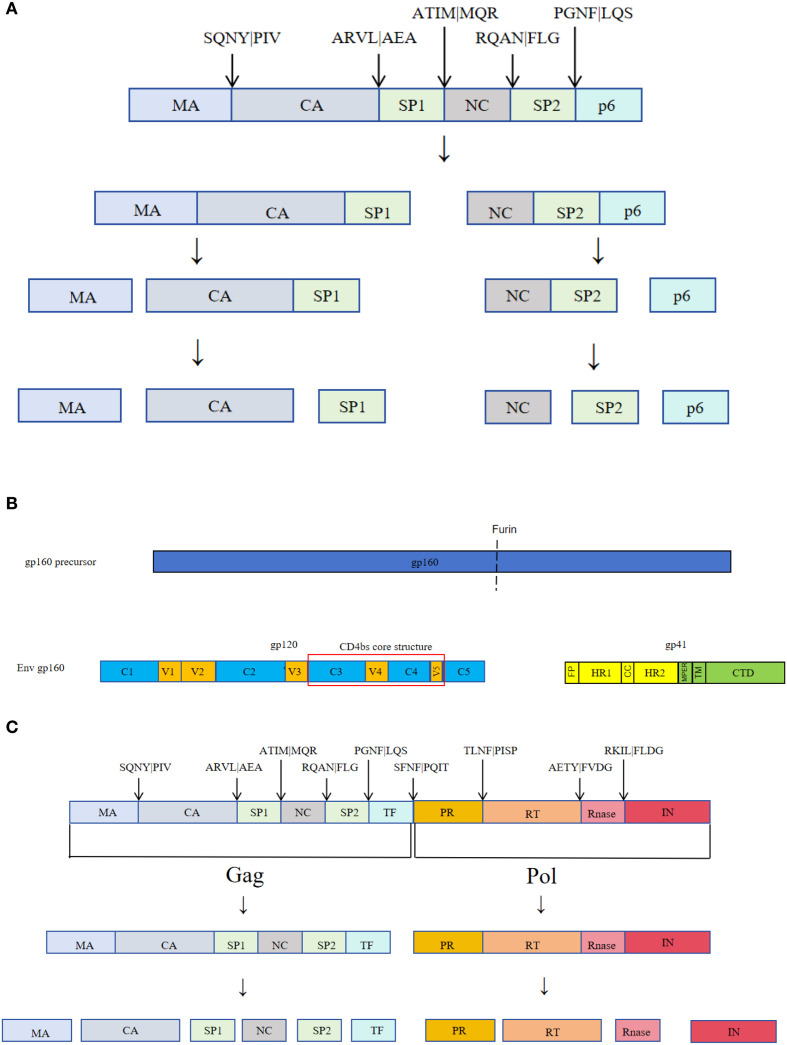
“The Gag precursor (p55) consists of the matrix protein (MA/p17), capsid protein (CA/p24), nucleo-capsid protein (NC/p7), and the p6 domain, each of which performs distinct functions (3) (Figure 1A).”
InfluentialBrenner, B. G., Oliveira, M., Ibanescu, R.-I., Routy, J.-P., & Thomas, R. (2023) · Journal of Antimicrobial Chemotherapy · doi:10.1093/jac/dkad184 · Cited by 18 · cited 1×
“Newer NNRTIs such as doravirine retain improved activity against some common NNRTI-resistant variants, but cross-resistance may still emerge in selected settings, particularly after extensive prior NNRTI exposure (47, 48).”
Two-Metal Ion-Dependent Enzymes as Potential Antiviral Targets in Human Herpesviruses
DiScipio, K. A., Weerasooriya, S., Szczepaniak, R., Hazeen, A., Wright, L. R., Wright, D. L., & Weller, S. K. (2022) · mBio · doi:10.1128/mbio.03226-21 · Cited by 18 · cited 1×
“These metal ions participate in activating the nucleophile and stabilizing the reaction transition state, a catalytic mechanism that is highly conserved within the polynucleotidyl transferase superfamily (27, 30).”
B-to-A transition in target DNA during retroviral integration
Jozwik, I. K., Li, W., Zhang, D., Wong, D., Grawenhoff, J., Ballandras-Colas, A., Aiyer, S., Cherepanov, P., Engelman, A., & Lyumkis, D. (2022) · Nucleic Acids Research · doi:10.1093/nar/gkac644 · Cited by 18 · cited 1×
“OH groups to cleave the host DNA via an SN2-type mechanism and covalently link the viral DNA ends, resulting in the characteristic 5-base pair duplication of host DNA fl anking the integrated provirus (29).”
Li, M., Yang, R., Chen, X., Wang, H., Ghirlando, R., Dimitriadis, E. K., & Craigie, R. (2024) · Journal of Molecular Biology · doi:10.1016/j.jmb.2024.168557 · Cited by 18 · cited 1×
“RT exhibits the canonical “ hand ” architecture, composed of fi ngers (residues 1-85, 118-155), palm ( 86-117 86-117 , 156-236 156-236 IN is a polynucleotidyl transferase that catalyzes two sequential enzymatic reactions essential for integration: 3 ’ -processing and strand transfer (26).”
Self-citationLanz, C., Meier, J., Stöckle, M., Furrer, H., Calmy, A., Cavassini, M., Bernasconi, E., Schmid, P., Braun, D. L., Kouyos, R. D., et al. (2025) · Clinical Infectious Diseases · doi:10.1093/cid/ciae569 · Cited by 18 · cited 1×
“While combination antiretroviral therapy (cART) effectively suppresses plasma viral loads below detection limits, its principal limitation is rapid viral rebound upon treatment cessation (120 – 122).”
Vellas, C., Nayrac, M., Collercandy, N., Requena, M., Jeanne, N., Latour, J., Dimeglio, C., Cazabat, M., Barange, K., Alric, L., et al. (2024) · eBioMedicine · doi:10.1016/j.ebiom.2023.104954 · Cited by 17 · cited 1×
“These latently infected cells, residing in tissues such as the central nervous system and gut-associated lymphoid tissue, constitute a stable reservoir that is not eliminated by current antiretroviral therapy and is considered the primary barrier to an HIV-1 cure (89 – 91).”
Campagna, R., Nonne, C., Antonelli, G., & Turriziani, O. (2024) · Viruses · doi:10.3390/v16111697 · Cited by 17
Jing, T., Shan, Z., Dinh, T., Biswas, A., Jang, S., Greenwood, J., Li, M., Zhang, Z., Gray, G., Shin, H. J., et al. (2025) · Nature Communications · doi:10.1038/s41467-025-64479-8 · Cited by 17 · cited 1×
“LEDGF/p75 contains an IN-binding domain at its C-terminus, while its N-terminal PWWP domain recognizes histone H3 lysine 36 trimethylation (H3K36me3) to mediate chromatin association (50, 51).”
Samsudin, F., Gan, S. K.-E., & Bond, P. J. (2021) · Computational and Structural Biotechnology Journal · doi:10.1016/j.csbj.2020.12.022 · Cited by 16
Davids, B.-O., Balasubramaniam, M., Sapp, N., Prakash, P., Ingram, S., Li, M., Craigie, R., Hollis, T., Pandhare, J., & Dash, C. (2021) · Journal of Virology · doi:10.1128/jvi.00555-21 · Cited by 16 · cited 1×
“It is noteworthy that processing mechanisms can vary among different retroviruses, with some viruses capable of integration without symmetrical processing at both ends (28).”
Murakami, T., & Ono, A. (2021) · Current Opinion in Virology · doi:10.1016/j.coviro.2021.07.005 · Cited by 16 · cited 1×
“These changes result in the insertion of the gp41 N-terminal fusion peptide into the target cell membrane (33).”
Claiborne, D. T., Detwiler, Z., Docken, S. S., Borland, T. D., Cromer, D., Simkhovich, A., Ophinni, Y., Okawa, K., Bateson, T., Chen, T., et al. (2025) · Nature Communications · doi:10.1038/s41467-025-55873-3 · Cited by 16 · cited 1×
“Editing the CCR5 gene using tools like CRISPR-Cas9 aims to disrupt this coreceptor and block viral entry into host cells (96, 100, 101).”
Colasanti, J. A., Aldredge, A., Niles-Carnes, L., Ochieng, E., Pareek, P., Robinson, V., Anderson, E., Castaneda, M., Spralling, H., Smith, B. L., et al. (2025) · Clinical Infectious Diseases · doi:10.1093/cid/ciaf425 · Cited by 16
Sustained HIV-1 remission after heterozygous CCR5Δ32 stem cell transplantation
Gaebler, C., Kor, S., Allers, K., Perotti, M., Mwangi, D., Meixenberger, K., Hanke, K., Trenkner, T., Kraus, T., Sha, Y., et al. (2026) · Nature · doi:10.1038/s41586-025-09893-0 · Cited by 16
Moore, K., Thakkar, N., Magee, M., Sevinsky, H., Vakkalagadda, B., Lubin, S., Llamoso, C., & Ackerman, P. (2022) · Antimicrobial Agents and Chemotherapy · doi:10.1128/aac.02251-21 · Cited by 15 · cited 1×
“Fostemsavir was approved in 2020 for heavily treatment-experienced adults with multidrug-resistant HIV-1 (38, 64).”
Identification of clickable HIV-1 capsid-targeting probes for viral replication inhibition
McFadden, W. M., Casey, M. C., Bare, G. A. L., Kirby, K. A., Wen, X. R., Li, G., Wang, H., Slack, R. L., Snyder, A. A., Lorson, Z. C., et al. (2024) · Cell chemical biology · doi:10.1016/j.chembiol.2024.02.012 · Cited by 15
Self-citationCunningham, C. K., McFarland, E. J., Muresan, P., Capparelli, E. V., Perlowski, C., Johnston, B., Bone, F., Purdue, L., Yin, D. E., Moye, J., et al. (2025) · Journal of the Pediatric Infectious Diseases Society · doi:10.1093/jpids/piaf002 · Cited by 15
The conserved HIV-1 spacer peptide 2 triggers matrix lattice maturation
(2025) · doi:10.1038/s41586-025-08624-9 · Cited by 14
Analysis of the effect of HDAC inhibitors on the formation of the HIV reservoir
Ling, L., Kim, M., Soper, A., Kovarova, M., Spagnuolo, R. A., Begum, N., Kirchherr, J., Archin, N., Battaglia, D., Cleveland, D., et al. (2024) · mBio · doi:10.1128/mbio.01632-24 · Cited by 14 · cited 1×
“Representative LRA classes include histone deacetylase inhibitors (HDACis), such as vorinostat and panobinostat, and protein kinase C (PKC) agonists, such as bryostatin and ingenol-derived compounds, which promote HIV transcription through distinct epigenetic or signaling mechanisms (92, 93).”
Andreatta, K. N., Sax, P. E., Wohl, D., D’Antoni, M. L., Liu, H., Hindman, J. T., & Callebaut, C. (2024) · Journal of Antimicrobial Chemotherapy · doi:10.1093/jac/dkae407 · Cited by 14
Ibalizumab shows in-vitro activity against group A and group B HIV-2 clinical isolates
Hingrat, Q. L., Collin, G., Bachelard, A., Ghosn, J., Chalal, S., Pacanowski, J., Peytavin, G., Weinheimer, S., Marsolais, C., Damond, F., et al. (2022) · AIDS · doi:10.1097/qad.0000000000003218 · Cited by 13
Singh, P., Li, W., Bedwell, G., Fadel, H., Poeschla, E., & Engelman, A. (2022) · Viruses · doi:10.3390/v14091883 · Cited by 13
New latency-promoting agents for a block-and-lock functional cure strategy
Pellaers, E., Denis, A., & Debyser, Z. (2024) · Current Opinion in HIV and AIDS · doi:10.1097/coh.0000000000000844 · Cited by 13
Su, H., Mueller, A., & Goldstein, H. (2024) · Current Opinion in HIV and AIDS · doi:10.1097/coh.0000000000000858 · Cited by 13
Mimtsoudis, I., Tsachouridou, O., Akinosoglou, K., & Metallidis, S. (2024) · Viruses · doi:10.3390/v16091392 · Cited by 13 · cited 1×
“…resistance to lamivudine and emtricitabine, K65R is commonly selected under tenofovir pressure and confers reduced susceptibility to tenofovir, and accumulated thymidine analogue mutations can further compromise NRTI susceptibility when combined with other reverse transcriptase mutations (42 – 44).”
Ma, Y., Wei, W., Yang, Z., Zhou, Y., Dong, T., Wang, T., Xia, X., Ma, Y., Zhou, M., Gao, Y., et al. (2025) · Molecular Therapy · doi:10.1016/j.ymthe.2025.11.012 · Cited by 13 · cited 1×
“However, this approach faces significant challenges related to target speci fi city, sequence heterogeneity of the virus, and potential off-target effects (110 – 114).”
Gallego-Cortés, A., Sánchez-Gaona, N., Mancebo-Pérez, C., Ruiz-Isant, O., Benítez-Martínez, A., Landolfi, S., Castellví, J., Pumarola, F., Ortiz, N., Llano, I., et al. (2025) · Nature Communications · doi:10.1038/s41467-025-65288-9 · Cited by 12
HIV-1 Gag release from yeast reveals ESCRT interaction with the Gag N-terminal protein region
Meusser, B., Purfürst, B., & Luft, F. C. (2020) · Journal of Biological Chemistry · doi:10.1074/jbc.ra120.014710 · Cited by 12 · cited 2×
“The four PTAP residues contact the N-terminal ubiquitin E2 variant (UEV) domain of TSG101 (19).”
Prévost, J., Chen, Y., Zhou, F., Tolbert, W. D., Gasser, R., Medjahed, H., Nayrac, M., Nguyen, D. N. P., Gottumukkala, S., Hessell, A. J., et al. (2023) · Nature Communications · doi:10.1038/s41467-023-42500-2 · Cited by 12 · cited 1×
“Another class, represented by BMS analogs such as BMS-663068 (approved in 2018 for multidrug-resistant HIV-1), binds to a pocket near the CD4-binding site and blocks gp120 conformational changes required for viral attachment (38, 65, 66).”
Buzón, L., Francisco, C. N.-S., Fernández-Regueras, M., & Gómez, L. S. (2024) · Journal of Antimicrobial Chemotherapy · doi:10.1093/jac/dkae085 · Cited by 12 · cited 1×
“…and N155 pathways, whereas second-generation agents, including dolutegravir, bictegravir, and cabotegravir, generally retain a higher genetic barrier, although mutations such as R263K, G118R, or Q148-pathway variants with accessory substitutions may still emerge under treatment pressure (53, 54).”
Li, M., Li, Z., Chen, X., Cui, Y., Engelman, A. N., & Craigie, R. (2024) · Viruses · doi:10.3390/v16071166 · Cited by 12 · cited 2×
“…which binds Zn² + via an HHCC zinc fi nger motif (involving His and Cys residues) to form a three-helix bundle; the catalytic core domain (CCD), which adopts an RNase H-like fold and contains the conserved DDE catalytic triad; and the C-terminal domain (CTD), which exhibits an SH3-like fold (27).”
Edupuganti, S., Hurt, C. B., Stephenson, K. E., Huang, Y., Paez, C. A., Yu, C., Yen, C., Hanscom, B. S., He, Z., Miner, M. D., et al. (2024) · The Lancet HIV · doi:10.1016/s2352-3018(24)00247-9 · Cited by 12
Wu, R. L., Houser, K. V., Gaudinski, M. R., Widge, A. T., Awan, S. F., Carter, C., Holman, L. A., Saunders, J. G., Hendel, C. S., Eshun, A. M., et al. (2025) · The Lancet HIV · doi:10.1016/s2352-3018(25)00041-4 · Cited by 11
Predictors of treatment-emergent resistance to dolutegravir
McCluskey, S. M., & Gandhi, M. (2025) · The Lancet HIV · doi:10.1016/s2352-3018(25)00127-4 · Cited by 10 · cited 1×
“Furthermore, optimized combination regimens (Tenofovir + Lamivudine + Dolutegravir) help overcome cross-resistance and minimize the accumulation of resistance mutations (123, 124).”
Awan, S. F., Pegu, A., Strom, L., Carter, C., Hendel, C. S., Holman, L. A., Costner, P. J. M., Trofymenko, O., Dyer, R., Gordon, I. J., et al. (2024) · JCI Insight · doi:10.1172/jci.insight.175375 · Cited by 9
Target product profile for cell-based and gene-based therapies to achieve a cure for HIV
Lewin, S. R., Bansbach, C., Kemps, D., Mathae, L., Das, K. T., McCune, J. M., Deeks, S. G., & Ndung'u, T. (2025) · The Lancet HIV · doi:10.1016/s2352-3018(24)00277-7 · Cited by 9
Bernacchi, S. (2022) · Viruses · doi:10.3390/v14020324 · Cited by 8
A Narrative Review of Novel Agents for Managing Heavily Treatment-Experienced People Living With HIV
Beran, C., Duggan, J. M., & Sahloff, E. G. (2024) · Journal of Pharmacy Technology · doi:10.1177/87551225241259894 · Cited by 8
Chatterjee, D., Niu, L., Medjahed, H., Ding, S., Benlarbi, M., Bélanger, É., Prévost, J., Chen, H.-C., Tolbert, W. D., Smith, A. B., et al. (2025) · Journal of Virology · doi:10.1128/jvi.02267-24 · Cited by 8 · cited 1×
“The formation of the gp41 six-helix bundle structure represents a critical step in HIV-1 infection (58, 59) This mechanism has enabled the development of several peptide-based inhibitors.”
Wang, Z., Rumrill, S., Kang, D., Guma, S. D., Feng, D., De Clercq, E., Pannecouque, C., Chen, C. H., Arnold, E., Ruiz, F. X., et al. (2025) · Science Advances · doi:10.1126/sciadv.adt8916 · Cited by 7
Peterson, J. J., Chandel, S., James, K., Bennett, E. S., Wu, V., White, C. H., Allard, B., Clohosey, M., Whitaker, T., Baker, C., et al. (2026) · Journal of Clinical Investigation · doi:10.1172/jci196536 · Cited by 7
Ferrer, P., Ramos, V., Durán, M., Maureira, D., Beltrán, C., & Afani, A. (2025) · Journal of Virus Eradication · doi:10.1016/j.jve.2025.100608 · Cited by 7 · cited 1×
“…and N155 pathways, whereas second-generation agents, including dolutegravir, bictegravir, and cabotegravir, generally retain a higher genetic barrier, although mutations such as R263K, G118R, or Q148-pathway variants with accessory substitutions may still emerge under treatment pressure (53, 54).”
Moyle, G., Assoumou, L., de Castro, N., Post, F. A., Curran, A., Rusconi, S., De Wit, S., Stephan, C., Raffi, F., Johnson, M., et al. (2024) · The Lancet HIV · doi:10.1016/s2352-3018(23)00292-8 · Cited by 6
Wang, Y., Guo, C., Wang, X., Xu, L., Li, R., & Wang, J. (2021) · Viruses · doi:10.3390/v13101922 · Cited by 6
Seaton, K. E., Paez, C. A., Yu, C., Karuna, S., Gamble, T., Miner, M. D., Heptinstall, J., Zhang, L., Gao, F., Yacovone, M. A., et al. (2025) · The Lancet HIV · doi:10.1016/s2352-3018(25)00012-8 · Cited by 6
The role of analytical treatment interruptions in shaping HIV-specific immunity and HIV cure
Weerasuria, M., McMahon, J. H., Lewin, S. R., & Lau, J. S. Y. (2025) · Current Opinion in HIV and AIDS · doi:10.1097/coh.0000000000000973 · Cited by 6
Chiliveri, S. C., Louis, J. M., Best, R. B., & Bax, A. (2022) · Journal of Molecular Biology · doi:10.1016/j.jmb.2022.167683 · Cited by 5 · cited 1×
“This structural transition provides the driving force required for bringing the viral and cellular membranes into close proximity, thereby facilitating their fusion and completing the critical entry step of the viral life cycle (34).”
Bachelard, A., Hingrat, Q. L., Ferré, V.-M., Lê, M., Peytavin, G., Damond, F., Charpentier, C., Frémont-Goudot, G., de Bouillé, J. G., Lariven, S., et al. (2023) · Clinical Infectious Diseases · doi:10.1093/cid/ciad695 · Cited by 5
Byun, H., Papathanasopoulos, M. A., Steegen, K., & Basson, A. E. (2024) · Viruses · doi:10.3390/v16121888 · Cited by 5
Viral and Immune Risk Factors of HIV Rebound After Interruption of Antiretroviral Therapy
Gianella, S., Yu, T., Wang, R., Ignacio, C., Schanz, M., Kouyos, R. D., Caballero, G., Gaitan, N. C., Rawlings, S., Kuster, H., et al. (2025) · The Journal of Infectious Diseases · doi:10.1093/infdis/jiae585 · Cited by 5
Activating PKC-ε induces HIV expression with improved tolerability
Irrinki, A. M., Kaur, J., Randhawa, B., McFadden, R., Snyder, C., Truong, H., Soohoo, D., Hu, E., Yu, H., Murray, B. P., et al. (2025) · PLOS Pathogens · doi:10.1371/journal.ppat.1012874 · Cited by 5
Murciano‐Calles, J., Martínez, A. R., Palencia, A., Andújar‐Sánchez, M., Iglesias-Bexiga, M., Corbi‐Verge, C., Buzón, P., Ruiz‐Sanz, J., Martínez, J. C., Pérez‐Sánchez, H., et al. (2024) · International Journal of Biological Macromolecules · doi:10.1016/j.ijbiomac.2024.133233 · Cited by 4
Mori, L. P., Corley, M. J., McAuley, A. T., Pang, A., Venables, T., Ndhlovu, L. C., Pipkin, M. E., & Valente, S. T. (2024) · Life Science Alliance · doi:10.26508/lsa.202402653 · Cited by 4 · cited 1×
“A representative agent in this context is the Tat inhibitor didehydro-cortistatin A (dCA), which suppresses Tat-dependent transcription and promotes a more stable silencing state, thereby reducing the likelihood of future viral reactivation (98, 99).”
Do we need routine integrase resistance testing before starting antiretroviral therapy?
Kantor, R., Pau, A. K., Kozal, M. J., & Hyle, E. P. (2025) · The Lancet HIV · doi:10.1016/s2352-3018(25)00108-0 · Cited by 4 · cited 1×
“Baseline genotypic resistance testing remains important for identifying transmitted resistance, while resistance testing at virologic failure is essential for distinguishing true resistance from suboptimal adherence and for guiding regimen modi fi cation (78, 79).”
Joshi, S. R., Masiá, M., Mitha, E., Castagna, A., Córdova, E., Ramgopal, M. N., Gaudion, A., Karthika, S., Oyee, J., Bainbridge, V., et al. (2025) · EClinicalMedicine · doi:10.1016/j.eclinm.2025.103566 · Cited by 4
Exploring the druggability of the UEV domain of human TSG101 in search for broad‐spectrum antivirals
Montero, F., Parra‐López, M., Martínez, A. R., Murciano‐Calles, J., Buzón, P., Han, Z., Lin, L., Ramos, M. C., Ruiz‐Sanz, J., Martínez, J. C., et al. (2024) · Protein Science · doi:10.1002/pro.70005 · Cited by 3 · cited 1×
“Thus, p6 can be regarded as a viral mimic that recruits cellular ESCRT-I machinery in HIV-1 (20).”
Nutt, C. T., Lessells, R. J., Muyindike, W. R., Johnson, L. S., Kouyos, R. D., Loosli, T., Ombajo, L. A., Brijkumar, J., Hyle, E. P., Moosa, M. S., et al. (2025) · Clinical Infectious Diseases · doi:10.1093/cid/ciaf444 · Cited by 3 · cited 1×
“Baseline genotypic resistance testing remains important for identifying transmitted resistance, while resistance testing at virologic failure is essential for distinguishing true resistance from suboptimal adherence and for guiding regimen modi fi cation (78, 79).”
Targeting the Structural Maturation Pathway of HIV-1 Reverse Transcriptase
Kirby, T. W., Gabel, S. A., DeRose, E. F., Perera, L., Krahn, J. M., Pedersen, L. C., & London, R. E. (2023) · Biomolecules · doi:10.3390/biom13111603 · Cited by 2
Persistence of CMV-specific anti-HIV CAR T cells after adoptive immunotherapy
Wu, C., Johnson, N. M., Yu, S., Lo, A. S., Sahu, G. K., Marx, P. A., von Laer, D., Skowron, G., Geleziunas, R., Shaw, G. M., et al. (2025) · Journal of Virology · doi:10.1128/jvi.01933-24 · Cited by 2
Cecchini, D., Cassetti, I., Scarnato, F., Fiori, A., Nuevo, J., Villaverde, C., Sucari, A., Torroija, M. C., Bissio, E., Bugarin, G., et al. (2025) · Viruses · doi:10.3390/v17050731 · Cited by 2 · cited 1×
“Newer NNRTIs such as doravirine retain improved activity against some common NNRTI-resistant variants, but cross-resistance may still emerge in selected settings, particularly after extensive prior NNRTI exposure (47, 48).”
Boopathy, A. V., D'Antoni, M. L., Andreatta, K., Chang, S., Hindman, J. T., & Callebaut, C. (2025) · JAIDS Journal of Acquired Immune Deficiency Syndromes · doi:10.1097/qai.0000000000003742 · Cited by 1
Cited by
Kumar, A. S., Sanober, M., & Mamidala, E. (2026) · Research Square · doi:10.21203/rs.3.rs-10950316/v1
Metadata
- Authors
- Wang, H., Yuan, J., & Wang, H.
- Affiliations
- First Hospital of Jilin University (CN)
- Corresponding author
- Wang, Hong
- ORCID
- Wang, Huihan
- Venue
- Frontiers in Immunology
- Publisher
- Frontiers Media SA
- Published
- 2026-06-03
- Volume
- 17
- Pages
- 1805597-1805597
- ISSN
- 1664-3224 (ISSN-L)
- PMC
- PMC13272464
- OpenAlex
- W7163380950
- Semantic Scholar
- a3a446c173a0f5799280d79129cb592dee5c79ad
- Cited by
- 2
- References
- 139
- Citations by year
- 2026: 2
- FWCI
- 2.78
- Type
- journal article
- Language
- en
- Open access
- gold
- doi.org
- Licence
- Locations
- Frontiers in Immunology (publishedVersion, cc-by)
- PubMed (publishedVersion)
- PubMed Central (publishedVersion, cc-by)
- DOAJ (DOAJ: Directory of Open Access Journals) (submittedVersion, cc-by-sa)
- Topics
- Health Sciences › Medicine › Infectious Diseases › HIV/AIDS drug development and treatment
- Life Sciences › Immunology and Microbiology › Virology › HIV Research and Treatment
- Health Sciences › Medicine › Infectious Diseases › HIV/AIDS Research and Interventions
- Keywords
- HIV-1, structural proteins, Gag, pol, Env, antiviral drug discovery, HIV-1 life cycle, CD4+ T cells, AIDS, HIV-2, drug design strategies
- MeSH terms
- Animals, Humans, HIV-1, HIV Infections, Anti-HIV Agents, gag Gene Products, Human Immunodeficiency Virus
About these checks
Registry, retraction, Cites and statistics results are computed, not judged, with one exception: a printed reference that no index lists is read once by a model before it counts as a citation error. Claims are extracted by a model and kept only when their quote appears verbatim in the text; each cited source is then checked, with a model’s help, for whether it says what the claim relies on. Those verdicts can be wrong — read the claim’s quote and the cited source before relying on one.
The claim verdicts this report counts are experimental: their accuracy is not yet measured.
A language model drew the claims from the paper on 2026-10-10, under version 3 of the claim definition (model deepseek-v4.1-flash, prompt extract-v3).
A second model labelled each claim on 2026-10-10 (model jev-1.13-20260917, definition revision gold-guideline-v0.2).
Cited sources are checked with a language model’s help (gpt-6-sol).
Statistics and arithmetic are recomputed, not judged.
Confidence bands are shown only for fields calibrated on our annotated test set. None is calibrated yet, so no band is shown.
What counts as a claim ›How we measure confidence ›How we check this ›
Are you an author, or do you see a problem with this page? Request a review
Data sources
Bibliographic data: Semantic Scholar, OpenAlex, Crossref.
Contains information from the Semantic Scholar Academic Graph Datasets, made available under the ODC Attribution License (ODC-BY 1.0).
Semantic Scholar’s data is described in: Kinney, R., et al. (2023). The Semantic Scholar Open Data Platform. arXiv:2301.10140.
