

The DOI matches its Crossref record; 1 of the 1 references it cites were found in a registry or an index.
Genome-Wide Identification of Genes Involved in General Acid Stress and Fluoride Toxicity in Saccharomyces cerevisiae
Overview
The claims and statistics of this paper haven’t been checked yet.
Run the check — free, no account needed. It reads the open-access text and checks the sources it cites.
Integrity signals
Registry
Cites
Statistics
Figures
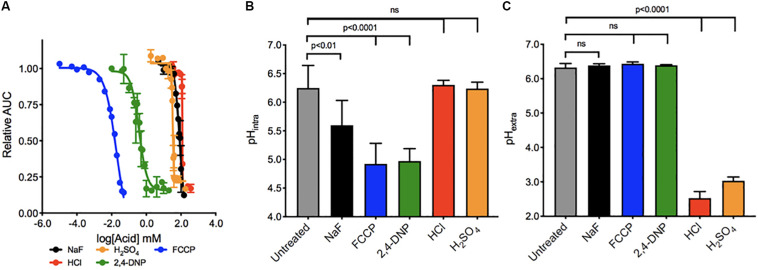
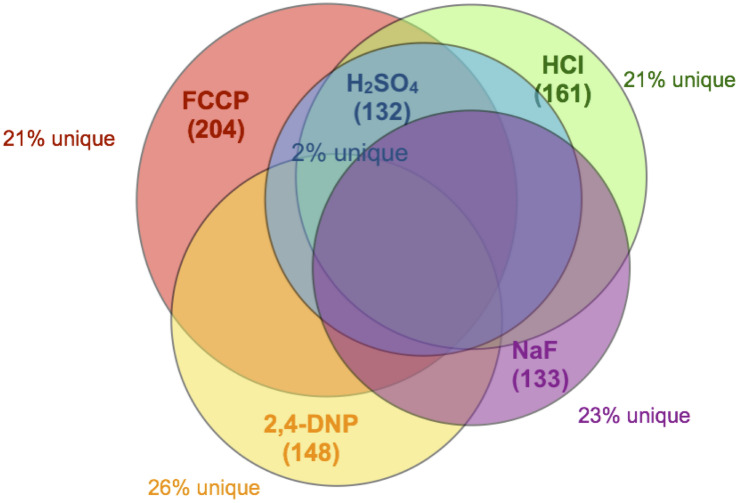
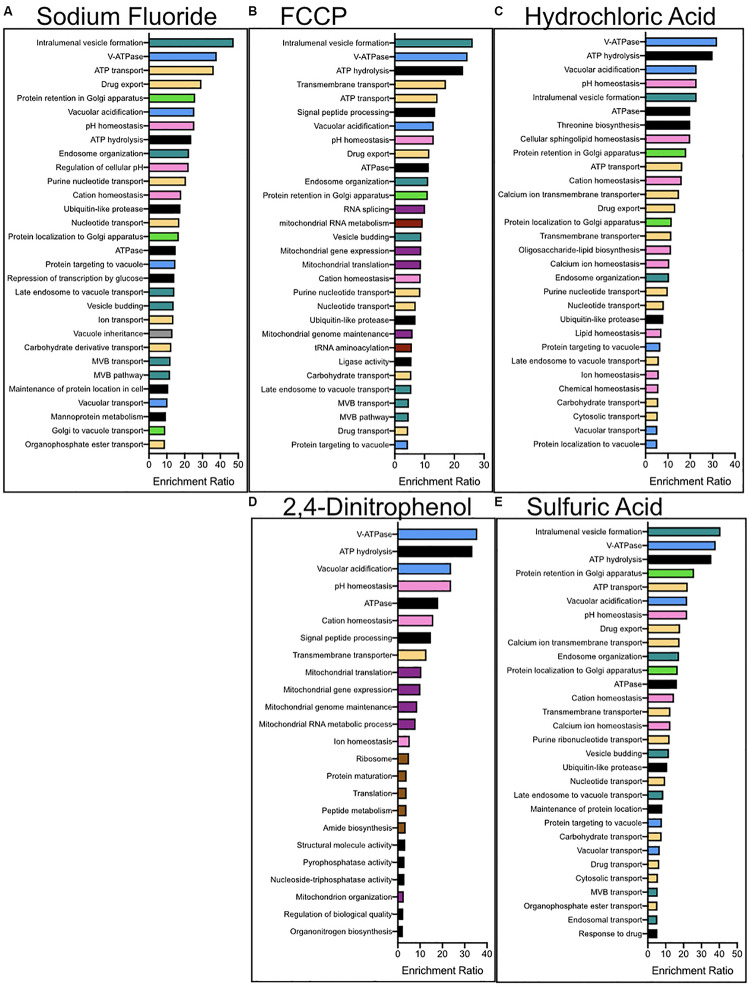
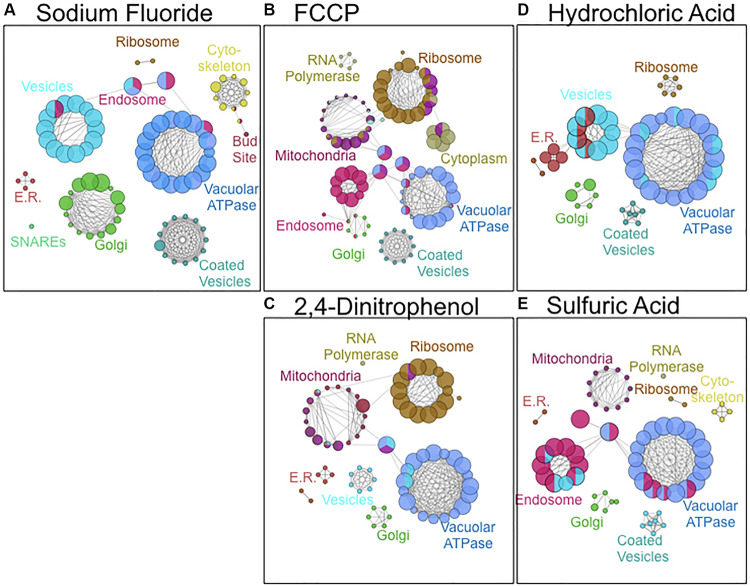
Verification
Claims the paper makes
The claims and statistics of this paper haven’t been checked yet.
Run the check — free, no account needed. It reads the open-access text and checks the sources it cites.
Claims other papers make about this one
Each is checked against this paper’s own text: does it say what the citing paper says it does?
The source backs part of the claim, not all of it — or backs it for a different population, condition or comparison.
In the citing paper
“As a result, maintaining pH homeostasis is important for fluoride resistance in microorganisms, and acid stress-response pathways are commonly upregulated in response to fluoride88,93.”
From The link between ancient microbial fluoride resistance mechanisms and bioengineering organofluorine degradation or synthesis (2024) · cites this paper as [93]
Experimental — accuracy not yet measured
Self-check
Percentages, sums and reported differences re-computed from the paper’s own numbers.
The self-check needs the paper’s full text.
Citations
Cites
Geisler, J. G. (2019) · Cells · doi:10.3390/cells8030280 · Cited by 104
Research works printed but not linked: 71
- Adamek, 2005, In vitro and in vivo effects of fluoride ions on enzyme activity., Ann. Acad. Med. Stetin., 51, 69
- Agalakova, 2011, Molecular mechanisms of cytotoxicity and apoptosis induced by inorganic fluoride., Int. Sch. Res. Not., 2012, 10.5402/2012/403835 · DOI
- Antonescu, 2014, Reciprocal regulation of endocytosis and metabolism., CSH Persp., 6, 10.1101/cshperspect.a016964 · DOI · Paper page
- Back, 2004, Fluoride causes reversible dispersal of golgi cisternae and matrix in neuroendocrine cells., Eur. J. Cell Biol., 83, 389, 10.1078/0171-9335-00405 · DOI
- Barbier, 2010, Molecular mechanisms of fluoride toxicity., Chem. Biol. Interac., 188, 319, 10.1016/j.cbi.2010.07.011 · DOI · Paper page
- Ben-Dov, 2013, Proton-induced endocytosis is dependent on cell membrane fluidity, lipid-phase order and the membrane resting potential., Biochim. Biophys. Acta, 1828, 2672, 10.1016/j.bbamem.2013.07.027 · DOI
- Benz, 1983, The molecular mechanism of action of the proton ionophore FCCP (carbonylcyanide p-trifluoromethoxyphenylhydrazone)., Biophys. J., 41, 381, 10.1016/s0006-3495(83)84449-x · DOI
- Berezhnov, 2016, Intracellular pH modulates autophagy and mitophagy., JBC, 291, 8701, 10.1074/jbc.M115.691774 · DOI
- Brandao, 2014, Investigating acid stress response in different saccharomyces strains., J. Mycol., 2014, 10.1155/2014/178274 · DOI
- Brennan, 2006, Mitochondrial uncoupling, with low concentration FCCP, induces ROS-dependent cardioprotection independent of KATP channel activation., Card Res., 72, 313, 10.1016/j.cardiores.2006.07.019 · DOI · Paper page
- Brett, 2011, Genome-wide analysis reveals the vacuolar pH-stat of Saccharomyces cerevisiae., PLoS One, 6, 10.1371/journal.pone.0017619 · DOI
- Carmelo, 1996, Activity of plasma membrane H+-ATPase and expression of PMA1 and PMA2 genes in Saccharomyces cerevisiae cells grown at optimal and low pH., Arch. Microbiol., 166, 315, 10.1007/s002030050389 · DOI
- Charoenbhakdi, 2016, Vacuolar H-ATPase protects Saccharomyces cerevisiae cells against ethanol-induced oxidative and cell wall stresses., Appl. Environ. Microbiol., 82, 3121, 10.1128/AEM.00376-16 · DOI
- Diab, 2013, Loss of vacuolar H+-ATPase (V-ATPase) activity in yeast generates an iron deprivation signal that is moderated by induction of the peroxiredoxin TSA2., JBC, 288, 11366, 10.1074/jbc.M112.419259 · DOI
- Ding, 2013, Acetic acid inhibits nutrient uptake in Saccharomyces cerevisiae: auxotrophy confounds the use of yeast deletion libraries for strain improvement., Appl. Microbiol. Biotechnol., 97, 7405, 10.1007/s00253-013-5071-y · DOI
- Feig, 1971, Energy metabolism in human erythrocytes: I. Effects of sodium fluoride., J. Clin. Invest., 50, 1731, 10.1172/JCI106662 · DOI
- Fina, 2014, Fluoride increases superoxide production and impairs the respiratory chain in ROS 17/2.8 osteoblastic cells., PLoS One, 9, 10.1371/journal.pone.0100768 · DOI
- Finazzi, 1994, Aluminum fluoride acts on the reversibility of ARF1-dependent coat protein binding to Golgi membrane., JBC, 269, 13325, 10.1016/S0021-9258(17)36836-9 · DOI
- Geyer, 2002, Subunit H of the V-ATPase involved in endocytosis shows homology to β-adaptins., MBoC, 13, 2045, 10.1091/mbc.02-02-0026 · DOI
- Giaever, 2014, The yeast deletion collection: a decade of functional genomics., Genetics, 197, 451, 10.1534/genetics.114.161620 · DOI
- Godinho, 2018, Pdr18 is involved in yeast response to acetic acid stress counteracting the decrease of plasma membrane ergosterol content and order., Nat. Sci. Rep., 8, 10.1038/s41598-018-26128-7 · DOI
- Goode, 2015, Actin and endocytosis in budding yeast., Genetics, 199, 315, 10.1534/genetics.112.145540 · DOI
- Grant, 2009, Pathways and mechanisms of endocytic recycling., Nat. Rev. Mol. Cell Biol., 10, 597, 10.1038/nrm2755 · DOI · Paper page
- Guo, 2018, Changes in lipid metabolism convey acid tolerance in Saccharomyces cerevisiae., Biotech. Biofuels, 11, 10.1186/s13068-018-1295-5 · DOI
- Guo, 2016, Physiological responses to acid stress by Saccharomyces cerevisiae when applying high initial cell density., FEMS Yeast Res., 16, 10.1093/femsyr/fow072 · DOI
- Hamilton, 1990, Biochemical effects of fluoride on oral bacteria., J. Dent. Res., 69, 660, 10.1177/00220345900690s128 · DOI · Paper page
- Hardesty, 1973, The Effect of Sodium Fluoride, Edeine, and Cycloheximide on Peptide Synthesis with Reticulocyte Ribosomes. Gene Expression and Its Regulation., 10.1007/978-1-4684-0877-5_30 · DOI
- Hardewig, 1991, The role of phosphofructokinase in glycolytic control in the facultative anaerobe Sipunculus nudus., J. Comp. Phys., 161, 581, 10.1007/BF00260748 · DOI
- He, 2006, DNA damage, apoptosis, and cell cycle changes induced by fluoride in rat oral mucosal cells and hepatocytes., World J. Gastroenterol., 12, 1144, 10.3748/wjg.v12.i7.1144 · DOI
- Henriques, 2017, Genome-wide search for candidate genes for yeast robustness improvement against formic acid reveals novel susceptibility (Trk1 and positive regulators) and resistance (Haa1-regulon) determinants., Biotech. Biofuels, 10, 10.1186/s13068-017-0781-5 · DOI
- Hinze, 2018, Endocytosis in proliferating, quiescent and terminally differentiated cells., J. Cell Sci., 131, 10.1242/jcs.216804 · DOI
- Huynh, 2007, Regulation of vacuolar pH and its modulation by some microbial species., Microbiol. Mol. Biol. Rev., 71, 452, 10.1128/MMBR.00003-07 · DOI
- Johnston, 2019, Nitrate and phosphate transporters rescue fluoride toxicity in yeast., ACS Res. Tox., 32, 2305, 10.1021/acs.chemrestox.9b00315 · DOI · Paper page
- Jones, 2012, Regulation of membrane protein degradation by starvation response pathways., Traffic, 13, 468, 10.1111/j.1600-0854.2011.01314.x · DOI
- Kane, 2016, Proton transport and pH control in fungi., Adv. Exp. Med. Biol., 892, 33, 10.1007/978-3-319-25304-6_3 · DOI · Paper page
- Kawase, 1989, Fluoride-induced cytoplasmic acidification: possible role of protein kinase C in BCECF-loaded L929 cells., Pharm. Toxicol., 64, 426, 10.1111/j.1600-0773.1989.tb00680.x · DOI
- Kenwood, 2014, Identification of a novel mitochondrial uncoupler that does not depolarize the plasma membrane., Mol. Metab., 3, 114, 10.1016/j.molmet.2013.11.005 · DOI · Paper page
- Kitanovic, 2012, Acetic acid treatment in S. cerevisiae creates significant energy deficiency and nutrient starvation that is dependent on the activity of the mitochondrial transcriptional complex Hap2-3-4-5., Front. Oncol., 2, 10.3389/fonc.2012.00118 · DOI
- Lafourcade, 2008, Regulation of the V-ATPase along the endocytic pathway occurs through reversible subunit association and membrane localization., PLoS One, 3, 10.1371/journal.pone.0002758 · DOI
- Lang, 2014, Glucose starvation inhibits autophagy via vacuolar hydrolysis and induces plasma membrane internalization by down-regulating recycling., JBC, 289, 16736, 10.1074/jbc.M113.525782 · DOI
- Lanoix, 2001, Sorting of Golgi resident proteins into different subpopulations of COPI vesicles: a role for ArfGAP1., J. Cell. Biol., 155, 1199, 10.1083/jcb.200108017 · DOI
- Lev, 2017, Pho4 is essential for dissemination of Cryptococcus neoformans to the host brain by promoting phosphate uptake and growth at alkaline pH., mSphere, 2, 10.1128/mSphere.00381-16 · DOI
- Li, 2013, Eukaryotic resistance to fluoride toxicity mediated by a widespread family of fluoride export proteins., PNAS, 110, 19018, 10.1073/pnas.1310439110 · DOI · Paper page
- Liu, 2015, Effect of initial pH on growth characteristics and fermentation properties of Saccharomyces cerevisiae., J. Food Sci., 80, M800, 10.1111/1750-3841.12813 · DOI
- Liu, 2012, Toxicity mechanism of formic acid is directly linked to ROS burst and oxidative damage in yeast Saccharomyces cerevisiae., Adv. Mater. Res., 1060, 10.4028/www.scientific.net/amr.550-553.1060 · DOI
- Loomis, 1948, Reversible inhibition of the coupling between phosphorylation and oxidation., JBC, 173, 807, 10.1016/S0021-9258(18)57455-X · DOI
- Martínez-Muñoz, 2008, Vacuolar and plasma membrane proton pumps collaborate to achieve cytosolic pH homeostasis in yeast., J. Biol. Chem., 283, 20309, 10.1074/jbc.M710470200 · DOI · Paper page
- Marquis, 1995, Antimicrobial actions of fluoride on oral bacteria., Can. J. Microbiol., 41, 955, 10.1139/m95-133 · DOI
- Matsuo, 1998, Mechanism of toxic action of fluoride in dental fluorosis: whether trimeric G proteins participate in the disturbance of intracellular transport of secretory ameloblast exposed to fluoride., Arch. Toxicol., 72, 798, 10.1007/s002040050576 · DOI
- Maxson, 2014, The vacuolar-type H+-ATPase at a glance – more than a proton pump., J. Cell Sci., 127, 4987, 10.1242/jcs.158550 · DOI
- Milgrom, 2007, Loss of vacuolar proton-translocating ATPase activity in yeast results in chronic oxidative stress., JBC, 282, 7125, 10.1074/jbc.m608293200 · DOI
- Mira, 2009, The RIM101 pathway has a role in Saccharomyces cerevisiae adaptive response and resistance to propionic acid and other weak acids., FEMS Yeast Res., 9, 202, 10.1111/j.1567-1364.2008.00473.x · DOI
- Mira, Genome-wide identification of Saccharomyces cerevisiae genes required for tolerance to acetic acid., Microb. Cell Fact., 9, 10.1186/1475-2859-9-7 · DOI
- Mira, Adaptive response and tolerance to weak acids in Saccharomyces cerevisiae: a genome-wide view., OMICS, 14, 525, 10.1089/omi.2010.0072 · DOI
- Mollapour, 2004, Screening the yeast deletant mutant collection for hypersensitivity and hyper−resistance to sorbate, a weak organic acid food preservative., Yeast, 21, 927, 10.1002/yea.1141 · DOI
- Mollapour, 2006, Weak acid and alkali stress regulate phosphatidylinositol bisphosphate synthesis in Saccharomyces cerevisiae., Biochem. J., 395, 73, 10.1042/bj20051765 · DOI
- Narendranath, 2005, Relationship between pH and medium dissolved solids in terms of growth and metabolism of Lactobacilli and Saccharomyces cerevisiae during ethanol production., Appl. Environ. Microbiol., 71, 2239, 10.1128/AEM.71.5.2239-2243.2005 · DOI
- Nguyen, 2019, Isolated Saccharomyces cerevisiae vacuoles contain low-molecular-mass transition-metal polyphosphate complexes., Metallomics, 7, 1298, 10.1039/c9mt00104b · DOI
- Nishikawa, 2016, Roles of vacuolar H+-ATPase in the oxidative stress response of Candida glabrata., FEMS Yeast Res., 16, 10.1093/femsyr/fow054 · DOI
- Palma, 2018, Adaptive response and tolerance to acetic acid in Saccharomyces cerevisiae and Zygosaccharomyces bailii: A physiological genomics perspective., Front. Microb., 9, 10.3389/fmicb.2018.00274 · DOI
- Pereira, 2012, Endocytosis inhibition during H2O2-induced apoptosis in yeast., FEMS Yeast Res, 12, 755, 10.1111/j.1567-1364.2012.00825.x · DOI
- Ravel, 1966, NaF inhibition of the initial binding of aminoacyl-sRNA to reticulocyte ribosomes., PNAS, 56, 701, 10.1073/pnas.56.2.701 · DOI
- Russell, 2003, Food preservatives., 10.1007/978-0-387-30042-9 · DOI
- Sandvig, 1987, Acidification of the cytosol inhibits endocytosis from coated pits., JCB, 105, 679, 10.1083/jcb.105.2.679 · DOI
- Shenton, 2006, Global translational responses to oxidative stress impact upon multiple levels of protein synthesis., JBC, 281, 29011, 10.1074/jbc.m601545200 · DOI
- Sousa, 2012, Stress and cell death in yeast induced by acetic acid, Cell Metabolism - Cell Homeostasis and Stress Response, 73
- Stow, 1998, Vesicle budding on Golgi membranes: regulation by G proteins and myosin motors., Biochim. Biophys. Acta, 1404, 161, 10.1016/s0167-4889(98)00055-x · DOI
- Stratford, 2020, The preservative sorbic acid targets respiration, explaining the resistance of fermentative spoilage-yeast species., bioRxiv, 10.1101/2020.04.09.034074 · DOI
- Taraschi, 2001, Vesicle-mediated trafficking of parasite proteins to the host cell cytosol and erythrocyte surface membrane in Plasmodium falciparum infected erythrocytes., Int. J. Parasitol., 31, 1381, 10.1016/s0020-7519(01)00256-9 · DOI
- Vesco, 1970, Effect of sodium fluoride on protein synthesis in HeLa cells: inhibition of ribosome dissociation., JMB, 47, 335, 10.1016/0022-2836(70)90306-2 · DOI
- Yan, 2008, Yeast barcoders: a chemogenomic application of a universal donor-strain collection carrying bar-code identifiers., Nat. Methods, 5, 719, 10.1038/NMETH.1231 · DOI
Cited by
Sorted by citations
Stockbridge, R. B., & Wackett, L. P. (2024) · Nature Communications · doi:10.1038/s41467-024-49018-1 · Cited by 80
Metadata
- Authors
- Johnston, N. R., Nallur, S., Gordon, P. B., Smith, K. D., & Strobel, S. A.
- Venue
- Frontiers in Microbiology
- Publisher
- Frontiers Media SA
- Published
- 2020-06-25
- Volume
- 11
- ISSN
- 1664-302X
- PMC
- PMC7329995
- Cited by
- 18
- References
- 1
- Funders
- National Institutes of Health
About these checks
Registry, retraction, Cites and statistics results are computed, not judged, with one exception: a printed reference that no index lists is read once by a model before it counts as a citation error. Claims are extracted by a model and kept only when their quote appears verbatim in the text; each cited source is then checked, with a model’s help, for whether it says what the claim relies on. Those verdicts can be wrong — read the claim’s quote and the cited source before relying on one.
Statistics and arithmetic are recomputed, not judged.
Confidence bands are shown only for fields calibrated on our annotated test set. None is calibrated yet, so no band is shown.
What counts as a claim ›How we measure confidence ›How we check this ›
Are you an author, or do you see a problem with this page? Request a review
How to cite
Cite CoChat for the checks on this page, and the paper for its own findings.
- This page
- CoChat. (2026). Citation check: Genome-Wide Identification of Genes Involved in General Acid Stress and Fluoride Toxicity in Saccharomyces cerevisiae. https://app.cochat.ai/papers/10.3389/fmicb.2020.01410
- The paper
- Johnston, N. R., Nallur, S., Gordon, P. B., Smith, K. D., & Strobel, S. A. (2020). Genome-Wide Identification of Genes Involved in General Acid Stress and Fluoride Toxicity in Saccharomyces cerevisiae. Frontiers in Microbiology. https://doi.org/10.3389/fmicb.2020.01410
