

The DOI matches its Crossref record; 140 of the 142 references it cites were found in a registry or an index.
Understanding health behavior change by motivation and reward mechanisms: a review of the literature
Open accessAbstract
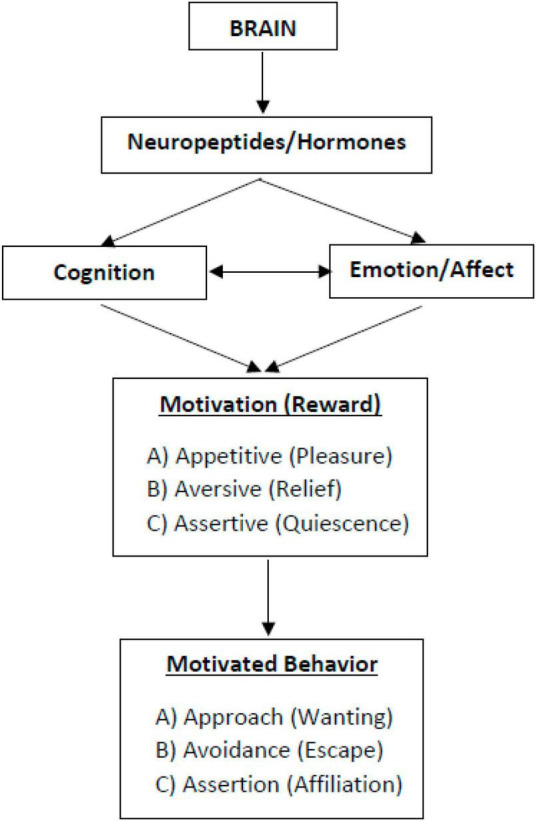
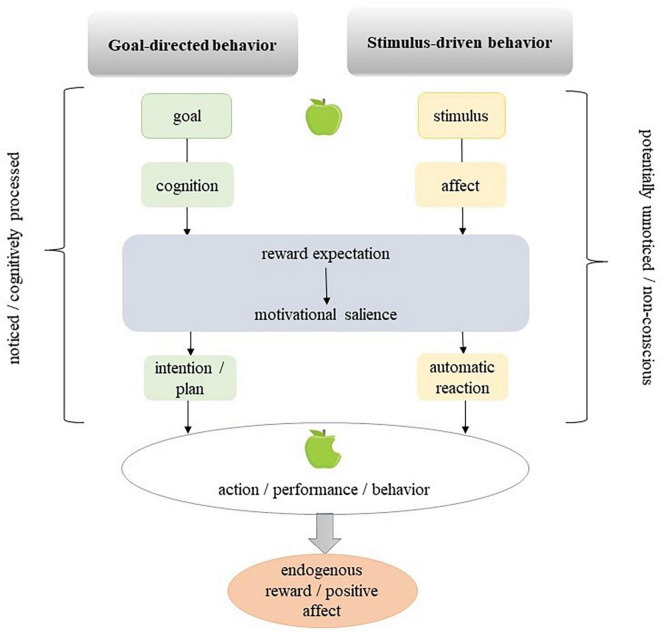
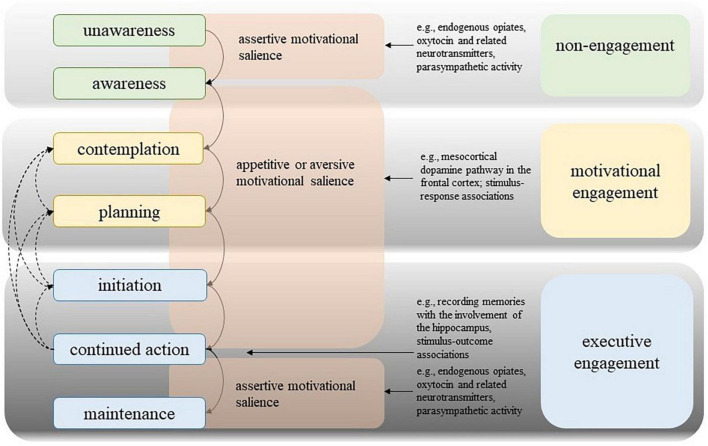
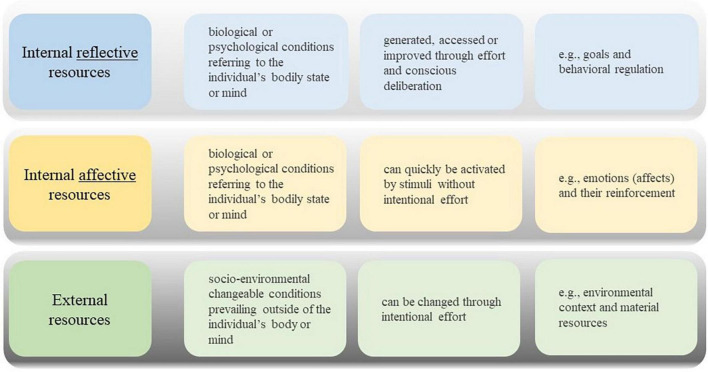
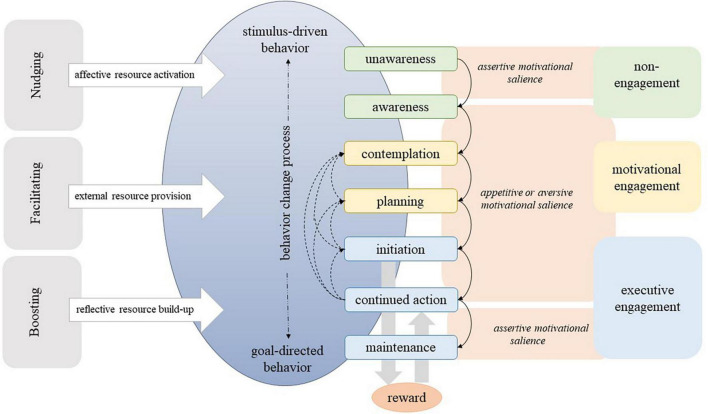
The global rise of lifestyle-related chronic diseases has engendered growing interest among various stakeholders including policymakers, scientists, healthcare professionals, and patients, regarding the effective management of health behavior change and the development of interventions that facilitate lifestyle modification. Consequently, a plethora of health behavior change theories has been developed with the intention of elucidating the mechanisms underlying health behavior change and identifying key domains that enhance the likelihood of successful outcomes. Until now, only few studies have taken into account neurobiological correlates underlying health behavior change processes. Recent progress in the neuroscience of motivation and reward systems has provided further insights into the relevance of such domains. The aim of this contribution is to review the latest explanations of health behavior change initiation and maintenance based on novel insights into motivation and reward mechanisms. Based on a systematic literature search in PubMed, PsycInfo, and Google Scholar, four articles were reviewed. As a result, a description of motivation and reward systems (approach/wanting = pleasure; aversion/avoiding = relief; assertion/non-wanting = quiescence) and their role in health behavior change processes is presented. Three central findings are discussed: (1) motivation and reward processes allow to distinguish between goal-oriented and stimulus-driven behavior, (2) approach motivation is the key driver of the individual process of behavior change until a new behavior is maintained and assertion motivation takes over, (3) behavior change techniques can be clustered based on motivation and reward processes according to their functional mechanisms into facilitating (= providing external resources), boosting (= strengthening internal reflective resources) and nudging (= activating internal affective resources). The strengths and limitations of these advances for intervention planning are highlighted and an agenda for testing the models as well as future research is proposed.
Overview
The claims and statistics of this paper haven’t been checked yet.
Run the check — free, no account needed. It reads the open-access text and checks the sources it cites.
Integrity signals
Registry
Cites
Statistics
Figures
Verification
Claims the paper makes
The claims and statistics of this paper haven’t been checked yet.
Run the check — free, no account needed. It reads the open-access text and checks the sources it cites.
Claims other papers make about this one
Each is checked against this paper’s own text: does it say what the citing paper says it does?
The check wasn’t confident either way, so it gives no verdict — never disputed.
In the citing paper
“Research suggests that many adults experience optimal sleep at bedroom temperatures between 15-20 °C, a range that facilitates the body's natural cooling signals and promotes faster sleep onset [62].”
From Pre-Sleep Anxiety: Mechanisms and Therapeutic Approaches in Clinical Practice. (2026) · cites this paper as [62]
Experimental — accuracy not yet measured
Self-check
Percentages, sums and reported differences re-computed from the paper’s own numbers.
The self-check needs the paper’s full text.
Citations
Cites
Ryan, R. M., & Deci, E. L. (2000) · American Psychologist · doi:10.1037//0003-066x.55.1.68 · Cited by 54,599
Generalized expectancies for internal versus external control of reinforcement.
Rotter, J. B. (1966) · Psychological Monographs: General and Applied · doi:10.1037/h0092976 · Cited by 21,937
Reduction in the incidence of type 2 diabetes with lifestyle intervention or metformin
(2002) · New England Journal of Medicine · doi:10.1056/nejmoa012512 · Cited by 19,011 · cited 1×
“…the positive impact of increased exercise, healthier nutrition, reduced alcohol intake, smoking cessation, and relaxation techniques on a range of chronic conditions (Ornish et al., 1990; Knowler et al., 2002; Savoye et al., 2007; Alert et al., 2013; Cramer et al., 2014; Morris et al., 2019).”
BackgroundMichie, S., van Stralen, M. M., & West, R. (2011) · Implementation Science · doi:10.1186/1748-5908-6-42 · Cited by 13,697
Nudge: improving decisions about health, wealth, and happiness
(2008) · Choice Reviews Online · doi:10.5860/choice.46-0977 · Cited by 11,624
Michie, S., Richardson, M., Johnston, M., Abraham, C., Francis, J., Hardeman, W., Eccles, M. P., Cane, J., & Wood, C. E. (2013) · Annals of Behavioral Medicine · doi:10.1007/s12160-013-9486-6 · Cited by 7,629
Carver, C. S., & White, T. L. (1994) · Journal of Personality and Social Psychology · doi:10.1037/0022-3514.67.2.319 · Cited by 7,306
Self-determination theory: A macrotheory of human motivation, development, and health
Deci, E. L., & Ryan, R. M. (2008) · Canadian Psychology / Psychologie canadienne · doi:10.1037/a0012801 · Cited by 6,664
Chaiken, S. (1980) · Journal of Personality and Social Psychology · doi:10.1037//0022-3514.39.5.752 · Cited by 5,516
Implementation intentions: Strong effects of simple plans.
Gollwitzer, P. M. (1999) · American Psychologist · doi:10.1037/0003-066x.54.7.493 · Cited by 5,478
Research works printed but not linked: 10
- Esch, 2018, OpenNotes, patient narratives, and their transformative effects on patient-centered care. NEJM (Catalyst).
- Evans, 2018, Dual process theory: Perspectives and problems, Dual process theory 2.0, 137
- 2013, IDF diabetes
- 2021, IDF diabetes
- Nestler, 2001, Molecular basis of neuropharmacology.
- Prochaska, 2008, The transtheoretical model and stages of change, Health behavior and health education: Theory, research, and practice, 97
- 2022, Data - Life expectancy at birth.
- Weinstein, 2002, The precaution adoption process model and its application, Emerging Theories in Health Promotion Practice and Research, 16
- Fact sheets - noncommunicable diseases.
- Fact sheets - aging and health.
Cited by
Sorted by citations
From Reward to Anhedonia-Dopamine Function in the Global Mental Health Context
Dresp, B. (2023) · Biomedicines · doi:10.3390/biomedicines11092469 · Cited by 86
“This connectivity may explain why addicts relapse without any conscious decision to use again, as the addictive behavior is triggered more or less automatically by certain stimuli beyond individual conscious awareness [25–27].”
BackgroundA Behavioral Perspective for Improving Exercise Adherence
André, N., Grousset, M., & Audiffren, M. F. (2024) · Sports Medicine - Open · doi:10.1186/s40798-024-00714-8 · Cited by 41
“In a similar vein, a recent systematic review on behavioral change domains carried out by Michaelsen and Esch [31] led them to develop a resource model of behavioral change based on the functional mechanisms of BCTs, which include facilitating, boosting and nudging mechanisms.”
BackgroundWang, X., Wuji, S., Liu, Y., Luo, R., & Qiu, C. (2024) · Information Processing & Management · doi:10.1016/j.ipm.2024.103674 · Cited by 38
Fritz, M. K., Grimm, M., Hạnh, H. T. M., Koot, J. A. R., Nguyen, G. H., Nguyen, T.-P.-L., Probandari, A. N., Widyaningsih, V., & Lensink, R. (2024) · BMJ Global Health · doi:10.1136/bmjgh-2024-015053 · Cited by 19
Lǚ, Z., Yu, L., Fan, K., Hu, T., Liu, L., Li, S., & Zhou, Y. (2024) · BMC Public Health · doi:10.1186/s12889-024-20070-2 · Cited by 18
“2 Mediation analysis of self-efficacy and peer relationships in the relationship between social support and proactive health behaviours Note: * P 0.05 ** P 0.01 *** P 0.001 and has sufficient motivation to continue, it is possible to implement and sustain the behaviour [50].”
BackgroundInfluentialLiu, T., Luo, Y. T., & Pang, P. C. (2025) · Frontiers in Public Health · doi:10.3389/fpubh.2025.1627983 · Cited by 19
“Feedback mechanisms are equally critical in sustaining learning, as positive reinforcement following successful health management operations helps establish long-term usage habits (28).”
InfluentialZhao, L., Ju, W.-M., Wang, L.-L., Ye, Y.-B., Liu, Z., Cavender, G., Sun, Y.-J., & Sun, S.-Q. (2025) · Foods · doi:10.3390/foods14173141 · Cited by 19
“Health motivation can be defined as the internal force prompting consumers to adopt preventive health behaviors [172].”
Impact of Oral Health Chatbot With and Without Toothbrushing Training on Childhood Caries
Hunsrisakhun, J., Naorungroj, S., Tangkuptanon, W., Wattanasit, P., Pupong, K., & Pithpornchaiyakul, S. (2024) · International Dental Journal · doi:10.1016/j.identj.2024.09.028 · Cited by 21
“45 46-49 Habit formation theory states that behaviours require ongoing reinforcement through repeated performance to become ingrained habits.”
The role of β-hydroxybutyrate testing in ketogenic metabolic therapies
Fante, C., Spritzler, F., Calabrese, L. V., Laurent, N., Roberts, C. G. P., & Deloudi, S. (2025) · Frontiers in Nutrition · doi:10.3389/fnut.2025.1629921 · Cited by 18
“We speculate that this real-time feedback serves as a form of contingent reinforcement, where the measurable and immediate knowledge of BHB levels informs timely decisions, reinforces behaviors, and supports motivation and accountability, resulting in adherence to the KMT (135, 136).”
InfluentialIlan, Y. (2024) · Integrative Psychological and Behavioral Science · doi:10.1007/s12124-024-09853-9 · Cited by 17
Health Neuroscience—How the Brain/Mind and Body Affect our Health Behavior and Outcomes
Tang, Y., & Tang, R. (2024) · Journal of Integrative Neuroscience · doi:10.31083/j.jin2304069 · Cited by 12
“Specifically, the medial prefrontal cortex (mPFC) and striatum are actively involved [3,16].”
BackgroundA scoping review of interventions to optimize medication adherence in hypertension comorbidity
Kwakye, A. O., Hutton-Nyameaye, A., Cobbold, C. C., Boachie‐Ansah, P., & Kretchy, I. A. (2025) · Research in Social and Administrative Pharmacy · doi:10.1016/j.sapharm.2025.01.008 · Cited by 15
Exploration of the Motivational Factors that Influence the Maintenance of Health
Choudry, M., & Ganti, L. (2024) · Health Psychology Research · doi:10.52965/001c.115356 · Cited by 9
Ge, Y., Zheng, C., Wang, X., & Liu, T. (2024) · Frontiers in Psychology · doi:10.3389/fpsyg.2024.1279816 · Cited by 8
“Even though we are aware that altering health-related behaviors is crucial to preventing and managing chronic illness, we still lack a thorough understanding of the motivations underlying these modifications (Michaelsen and Esch, 2023).”
Using Large Language Models to Embed Relational Cues in the Dialogue of Collaborating Digital Twins
Salman, S., & Richards, D. (2025) · Systems · doi:10.3390/systems13050353 · Cited by 7
Promoting Behavioral Change and Public Awareness for Sustainable Clean Air
Thompson, O. P., Breitenstein, R. S., Barnes, B. R., & Glory, R. (2024) · The handbook of environmental chemistry · doi:10.1007/698_2024_1171 · Cited by 7
Dong, M., Cao, D., & Liu, T. (2025) · Frontiers in Psychology · doi:10.3389/fpsyg.2025.1552963 · Cited by 5
“Positive perceptions activate approach motivation, while negative perceptions evoke avoidance motivation (Michaelsen and Esch, 2023).”
Lin, R. S. Y., Bartels, S. L., Baťalík, L., & Su, J. J. (2025) · International Journal of Geriatric Psychiatry · doi:10.1002/gps.70130 · Cited by 5
“At high levels, fear can impair an individual's ability to reframe threats constructively and trigger a “flight” or “freeze” response that leads to avoidance behaviors, and this reaction often reflects an attempt to distance oneself from perceived unpleasant conditions [35].”
Yilmaz, Y. N. (2025) · Frontiers in Pharmacology · doi:10.3389/fphar.2025.1615809 · Cited by 5
Cai, X., Li, W., Shi, W., Cai, Y., & Zhou, J. (2026) · Journal of Medical Internet Research · doi:10.2196/82170 · Cited by 8
“Conversely, the reward-based strategy was less effective, likely due to insufficient incentives or limited reach, which hindered meaningful behavior change at the population level [50].”
Co-designing a Vaping Cessation Program for Australian Young Adults: A Conceptual Model
Rahman, N., Sebar, B., & Sofija, E. (2024) · Nicotine & Tobacco Research · doi:10.1093/ntr/ntae222 · Cited by 5
“33 For example, reward has been demonstrated to be an important factor in health behavior change theory, 35 and suggested by participants as a strategy for facilitating cessation.”
Zhao, X., Zhao, Y., Li, J., Wang, Z., & Tong, R. (2025) · Journal of Loss Prevention in the Process Industries · doi:10.1016/j.jlp.2025.105713 · Cited by 3
Yao, Q., Li, G.-P., Dong, Z.-L., Liu, K., & Dong, X. (2025) · Frontiers in Psychiatry · doi:10.3389/fpsyt.2025.1600287 · Cited by 3
Chan, F., Lam, K., Lai, D., Tong, C., Lum, C., & Woo, J. (2025) · Health Science Reports · doi:10.1002/hsr2.70983 · Cited by 3
“The Behavior Change Resource Model in adopting healthy behavioral change [13] seems to fit well to interpret the results.”
Sekizawa, Y. (2024) · Public Health · doi:10.1016/j.puhe.2024.04.024 · Cited by 5
Schiek, H., Esch, T., Michaelsen, M. M., & Hoetger, C. (2024) · Addiction Science & Clinical Practice · doi:10.1186/s13722-024-00483-5 · Cited by 5
“Nudging interventions do not rely on cognitive skills or the provision of exter-nal resources to be effective, but rather function through affective components of human motivation and reward processes [28, 59].”
BackgroundMethodInfluentialSelf-citationMattli, R., Weber, M., Raab, A., Haas, K., Vorster, A., & Schmitt, K.-U. (2025) · International Journal of Public Health · doi:10.3389/ijph.2025.1608014 · Cited by 4
“This increased awareness of a lifestyle behaviour may change the type of motivation and lead to behaviour change [71, 72].”
Behavior Modification after a Heart Attack: Insights from Patients and Healthcare Professionals
Yaqoob, A., Barolia, R., Ladak, L., & Khan, A. (2024) · doi:10.48047/hom.10.2.2024.1724-1743 · Cited by 2
Consumers knowledge and awareness to willingly consume functional foods in the Gambia
Dabo, A. S., & Charles, A. L. (2025) · Cleaner and Responsible Consumption · doi:10.1016/j.clrc.2025.100300 · Cited by 3
Mesarič, K. K., Kodrič, J., Bogataj, Š., Pernat, A. M., Kuzmanovski, A., Zakrajšek, B. L., & Pajek, J. (2025) · Journal of Behavioral Medicine · doi:10.1007/s10865-025-00583-w · Cited by 3
“However, immediate rewards and positive consequences often stem from unhealthy habits, making it challenging to overcome unhealthy behavioral patterns (Michaelsen & Esch, 2023; Zhang et al., 2021 ).”
Shami, M., Azodi, P., Mahmoodi, M., Tajik, F., & Jahanpour, F. (2025) · BMC Public Health · doi:10.1186/s12889-025-23551-0 · Cited by 2
Toward a roadmap for addressing today's health dilemma–The 101-statement consensus report
Wirnitzer, K., Motevalli, M. S., Tanous, D., Drenowatz, C. J., Moser, M., Cramer, H., Rosemann, T. J., Wagner, K., Michalsen, A., Knechtle, B., et al. (2025) · Frontiers in Nutrition · doi:10.3389/fnut.2025.1676080 · Cited by 3
Cáceres, N. A., Steger, F. L., Salvy, S., Jamshed, H., Warriner, A. H., Martin, C. K., & Peterson, C. M. (2025) · Journal of Human Nutrition and Dietetics · doi:10.1111/jhn.70180 · Cited by 2
Khairat, S., Kent, E. E., Geracitano, J., Mendis, K., Zhou, Z., Bailey, C., & Wood, W. A. (2026) · JMIR Cancer · doi:10.2196/78968 · Cited by 4
“Prior research reported similar findings that using self-monitoring tools can negatively impact participants’ motivation [41,42].”
Chen, D.-T., Nien, J., Chen, H., Gill, D. L., Yang, Y.-R., Hsieh, W.-L., Hung, T., & Chang, Y. (2026) · Mindfulness · doi:10.1007/s12671-026-02842-6 · Cited by 2
“Mindfulness training has been shown to facilitate motivation (Li et al., 2023), possibly by increasing awareness and then enhancing the perceived reward value without requiring excessive reflective processing (Michaelsen & Esch, 2023).”
Zhang, H., & Li, X. (2026) · JMIR Serious Games · doi:10.2196/85673 · Cited by 2
“This finding supports Michaelsen and Esch’s [64] conclusion that “short-term rewards can spark motivation, but long-term treatment adherence depends on cultivating intrinsic motivation.””
Aini, R. N., Fevriasanty, F. I., & Windarwati, H. D. (2023) · Sawwa Jurnal Studi Gender · doi:10.21580/sa.v18i2.18730 · Cited by 2
Uhl, J., Schönfeld, S., Meyer, L., Reus, A., Neumann, C., Langer, L., Michaelsen, M. M., & Esch, T. (2025) · Das Gesundheitswesen · doi:10.1055/a-2517-8263 · Cited by 2
Self-citationThe role of primary caregivers’ knowledge, attitudes, and practices in paediatric medication safety
Weerasinghe, T., Dassanayake, R., Senapathy, M., Thennakoon, R., & Dayasiri, K. C. (2025) · BMC Research Notes · doi:10.1186/s13104-025-07144-z · Cited by 2
“Studies show that knowledge retention is often better than sustained behaviour change, emphasizing the need for hands-on training and community reinforcement [13].”
Obeid, C., Oenema, A., Aoun, A., Awad, L., Kremers, S., & Gubbels, J. S. (2025) · Journal of Human Nutrition and Dietetics · doi:10.1111/jhn.70053 · Cited by 2
Sjöwall, D., Stålhand, F., Schettini, G., Gustavsson, P. J., & Hirvikoski, T. (2024) · PLoS ONE · doi:10.1371/journal.pone.0315565 · Cited by 1
Wong, S. Y. W., Abidin, U. F. U. Z., Mahyudin, N. A., & Ho, J. A. (2025) · British Food Journal · doi:10.1108/bfj-11-2023-0979 · Cited by 1
Danielsen, Y. S., Woodfin, V. I., & Stige, S. H. (2025) · Qualitative Health Research · doi:10.1177/10497323251342217 · Cited by 1
“The behavioral lifestyle interventions aim at helping the participants improve diet quality and eating habits and be more physically active by reducing stimulus-driven behavior and promoting goal-directed intentional behaviors (Michaelsen & Esch, 2023).”
Cerjak, M., Antoniak, M. A., Šálková, D., Pepliński, B., Białowąs, S., & Mesić, Ž. (2025) · PLoS ONE · doi:10.1371/journal.pone.0325607 · Cited by 1
“However, health motivation (HM), which appears in the Health Belief Model (HBM), emerged as a significant factor in our study, consistent with other research [83,84].”
Collins, R. A., Burrows, T. L., Hutchesson, M., Adam, M., Clarke, E. D., & Collins, C. E. (2025) · Journal of Human Nutrition and Dietetics · doi:10.1111/jhn.70118 · Cited by 1
Liu, C., Chu, J., Hughes, T., Follis, C., & Kan, K. M. (2025) · Journal of Pediatric Health Care · doi:10.1016/j.pedhc.2025.09.005 · Cited by 1
Chen, L., Li, A., Chen, W., Wang, H., Zhou, J., & Sun, M. (2025) · Frontiers in Public Health · doi:10.3389/fpubh.2025.1672415 · Cited by 1
“This trend is consistent with the motivation–reward neural circuit theory proposed by Michaelsen and Esch (31), which posits that high-frequency positive reinforcement facilitates the formation of exercise habit circuits.”
Impulsivity and antisocial behavior in sports: the moderating role of self-control
congsheng, L., & Bing, S. (2025) · Physiology & Behavior · doi:10.1016/j.physbeh.2025.115158 · Cited by 3
Patientenedukation und Adhärenz in der Prähabilitation
Maatouk, I., & Löffler, C. (2026) · Die Onkologie · doi:10.1007/s00761-025-01889-9 · Cited by 1
Zhang, Z., Xu, Y., Wang, J., Wang, Y., Tian, Y., Sun, S., & Liu, L. (2026) · BMC Psychology · doi:10.1186/s40359-026-04078-4 · Cited by 1
“…assessment tools focus on specific health behaviors (such as motivation for smoking cessation [15], motivation for healthy eating [16], and motivation for physical exercise [17]), a measure that makes it difficult to analyse differences in the degree of internalisation of motivation types [18].”
Slowing Down to Move Forward? Minimalist Slow Travel as a Pathway to Resilience and Growth
Yoo, D. Y., & Zhou, M. Z. (2026) · International Journal of Tourism Research · doi:10.1002/jtr.70328 · Cited by 1
Koehler, F., Danso, A., Ansani, A., Luck, G., & Saarikallio, S. H. (2026) · PeerJ · doi:10.7717/peerj.21286 · Cited by 1
Kemp, A. M., Love, K. R., & O’Brien, K. H. (2024) · Journal of Head Trauma Rehabilitation · doi:10.1097/htr.0000000000001006 · Cited by 1
“Behavior change theories often emphasize cognitive or relational aspects of behavior changes processes 49 ; however, these results highlight the role that emotional-affective or motivational processes may have a more prominent role in behavior change processes for fall prevention.”
Pre-Sleep Anxiety: Mechanisms and Therapeutic Approaches in Clinical Practice.
Song, S., Irfan, M., Tahir, Z., Garrison, K. A., & Ziskind, S. (2026) · Current Sleep Medicine Reports · doi:10.1007/s40675-026-00370-2
The Physiological Basis of Mind-Body Medicine
Figura, M., & Esch, T. (2023) · THE MIND - Bulletin on Mind-Body Medicine Research · doi:10.61936/themind/202307021
Self-citationThe BERN Framework of Mind-Body Medicine
Esch, T., & Stefano, G. B. (2023) · THE MIND - Bulletin on Mind-Body Medicine Research · doi:10.61936/themind/202307023
Self-citationPrasodjo, R. A., & Farapti, F. (2024) · Media Gizi Kesmas · doi:10.20473/mgk.v13i1.2024.521-529
Health behavior change and habit formation
Tang, Y., & Tang, R. (2024) · Elsevier eBooks · doi:10.1016/b978-0-443-15602-1.00007-0
Tang, Y., & Tang, R. (2024) · Elsevier eBooks · doi:10.1016/b978-0-443-15602-1.00012-4
Hidayati, T., Indrayanti, I., Pratiwi, A. A., Akrom, A., & Andiyanti, K. (2024) · BIO Web of Conferences · doi:10.1051/bioconf/202413702011
“Behavior change theory is an approach or conceptual framework used to understand and explain the processes behind changes in individual behavior (12).”
Adejumo, O. A., & Fornili, K. S. (2025) · Journal of Doctoral Nursing Practice · doi:10.1891/jdnp-2024-0038
Ai, M., Thovinakere, N., Walker, C. S., Ordway, C., Quinoñez, E., Melsky, E., D’Agostino, F., Tobias, C., Whitfield, S., Phillips, S. M., et al. (2025) · medRxiv · doi:10.1101/2025.02.18.25322482
Stages of Change Model: How to Deliver Nutrition Education to Adult Burn Survivors
Zagzoog, A. M., Thomas, D. T., & Page, C. G. (2025) · Current Developments in Nutrition · doi:10.1016/j.cdnut.2025.104584
“Internal factors include motivation, self-ef fi cacy, emotions such as anxiety and depression, and the awareness of the importance of nutrition [28,29].”
Kwon, R. H., & Jung, M. (2025) · 보건교육·건강증진학회지 · doi:10.14367/kjhep.2025.42.1.83
Gal, C., & Ryder, C. H. (2025) · International Social Science Journal · doi:10.1111/issj.12581
Shi, Y. J. (2025) · International Journal of Human-Computer Interaction · doi:10.1080/10447318.2025.2531290
“Motivation describes any external or internal stimulus that compels an individual to exert effort or engage in actions directed toward achieving desired goals or outcomes (Michaelsen & Esch, 2023).”
Understanding personal health thresholds: a conceptual framework for health education
Li, S. (2025) · Health Education · doi:10.1108/he-03-2025-0034
Kowalski, L., Finnes, A., Koch, S., & Bujacz, A. (2025) · doi:10.2196/preprints.83753
Ibrahim, D., Harnett, J., Krass, I., Allman-Farinelli, M. A., & Gelissen, I. C. (2025) · International Journal of Pharmacy Practice · doi:10.1093/ijpp/riaf099
Termannsen, A., Bjerre, N., Hansen, G. S., Jalking, L., Færch, K., Hempler, N. F., Quist, J. S., & Varming, A. R. (2025) · Pilot and Feasibility Studies · doi:10.1186/s40814-025-01715-4
“We acknowledge that changing habits takes time, and the TRE intervention should incorporate a variety of activities and practical strategies to support participants in adopting the new behaviour and be transferable to practice afterward to make the intervention clinically relevant [19, 20].”
Chen, X., & Shao, Y. (2025) · International Journal of Human-Computer Interaction · doi:10.1080/10447318.2025.2582769
“At this time, people may pay more attention to the risk of failure rather than the possibility of success (Michaelsen & Esch, 2023).”
Korshakova, E., & Kleinberg, S. (2025) · JMIR Formative Research · doi:10.2196/80090
“Our results align with previous research suggesting that individuals are more likely to engage in a behavior when they understand its relevance and how it impacts their overall well-being [25].”
The risk of occupational anaphylaxis in beekeepers: an educational public health intervention
Močnik, T., Zidarn, M., Frelih, N., & Ličen, S. (2025) · Frontiers in Public Health · doi:10.3389/fpubh.2025.1693834
“The belief that the educational content is important can enhance individuals’ motivation, which is a key factor in the success of health education programs (65, 66).”
Stubbs, M. A., Figeys, M., Russell-Hurst, N., Lethbridge, L., Taylor, C., Porteous, B., & Hutton, A. E. (2025) · Journal of Public Health · doi:10.1093/pubmed/fdaf159
“52 Also, the motivation to modify health behaviors may be influenced more by external factors, such as medical advice or immediate health concerns, rather than an individual’s perceived importance of health.”
Reda, M., Ottemöller, F. G., & Mustafa, M. (2026) · Frontiers in Oral Health · doi:10.3389/froh.2025.1726535 · Cited by 1
“Additionally, external reminders can also support the maintenance of behavioral change (36, 37).”
Apriyanto, A. E., Hafidulloh, H., & Haryati, E. (2026) · BALANCE Economic Business Management and Accounting Journal · doi:10.30651/blc.v23i1.26568
“These results support Michaelsen and Esch (2023) and Mathis et al. (2017), who argue that motivation is a primary internal force shaping behavior consistent with organizational goals.”
Libera, K. C., Parmley, E. J., Clow, K. M., Grant, L. E., Weese, J. S., & Jardine, C. M. (2026) · PLoS ONE · doi:10.1371/journal.pone.0340404
“Although health experts and organizations often possess strong scientific knowledge of zoonotic diseases, their engagement in protective actions may still be influenced by subjective risk perceptions [24–26].”
Patimah, S., Thamrin, H., Yasin, Y. K., Nurhayati, Asmuni, Arundhana, A. I., & Rachmat, M. (2026) · International Journal of Adolescent Medicine and Health · doi:10.1515/ijamh-2025-0243
“Community-based nutrition education programs and family involvement have been shown to be among the most e ff ective interventions, improving BMI, dietary behaviors, and other health indicators [36, 45].”
Mohamed, A. H., Alsaqri, S., Shaban, M., Razek, R. A. A., Grande, R. A. N., Berdida, D. J. E., & Sayed, Y. M. (2026) · Journal of Pediatric Nursing · doi:10.1016/j.pedn.2026.03.049 · Cited by 2
Broche‐Pérez, Y., Fernández-Fleites, Z., Díaz‐Guerra, D. D., Hernández-Lugo, M. D. L. C., & Ramos-Galarza, C. (2026) · Brain and Behavior · doi:10.1002/brb3.71358
“These findings are in line with previous research highlighting the critical role of accessible and clear information in motivating health behavior changes (Matthews et al. 2024 ; Michaelsen and Esch 2023 ).”
Naqvi, I. A., Fisher, K., Strobino, K., Arcia, A., Bassile, C. C., Patel, S. R., Cheung, K., Stein, J., Williams, O. A., Elkind, M. S. V., et al. (2026) · medRxiv · doi:10.64898/2026.04.28.26352004
(2026) · Wiley eBooks · doi:10.1002/9781394461691.refs
Between acceptance and change – a qualitative study about how leaders deal with bureaucracy
Uhl, J., Michaelsen, M. M., Hertzberg, J., Kriegesmann, M., Wallkamm, M., & Esch, T. (2026) · Frontiers in Psychology · doi:10.3389/fpsyg.2026.1739144
“…others acceptance without judgment (Kabat-Zinn, 1998) has been confirmed in numerous studies (e.g., Jayewardene et al., 2017; Khoury et al., 2015; Michaelsen et al., 2023), the extent to which acceptance can lead to positive health outcomes, even in cases of negative evaluation, requires further…”
Self-citationÖZER, E., & YILMAZ, N. (2026) · Süleyman Demirel Üniversitesi Vizyoner Dergisi · doi:10.21076/vizyoner.1673397
Sun, H., Ko, P., Barker, F., Gašević, D., Stone, J., & Freak‐Poli, R. (2026) · PLoS ONE · doi:10.1371/journal.pone.0349934
“In occupational health, there is an increasing dependence on individuals’ capacity for self-regulation to achieve and sustain physical activity gains [1–3].”
Behavioral eco-wellness: Definition, conceptual framework, and research agenda
Barrett, B., Cornwall, K. J., Grabow, M., & Goldberg, S. B. (2026) · Journal of Environmental Psychology · doi:10.1016/j.jenvp.2026.103095
Hareru, H. E., Abebe, M., Debela, B. G., Mamo, T. T., & Wondimagegne, Y. A. (2026) · BioMed Research International · doi:10.1155/bmri/3904968
Lucas‐Thompson, R. G., Moran, M. J., Krause, J. T., Rzonca, A. J., Rigsby, B. A., Grossklaus, O., Najman, J. I., & Prince, M. A. (2026) · Psychological Reports · doi:10.1177/00332941261464056
Lu, Y., Wu, Y. X., Ji, M., Deng, Y., Zhang, L. J., Chen, Y., & Guo, Y. (2026) · BMC Psychology · doi:10.1186/s40359-026-05114-z
“As a central determinant in behavior change theories, motivation is widely recognized as a key driver of goal-directed behaviors [1, 2].”
Brindal, E., Brooker, P. G., & Hendrie, G. A. (2026) · BMC Public Health · doi:10.1186/s12889-026-28368-z
“Motivational theories are evolving to include broader constructs [24] and better real-world application [33].”
Feng, A., Fan, L., Li, Y., & Zhao, Z. (2026) · International Journal of Human-Computer Interaction · doi:10.1080/10447318.2026.2695443
Chung, Y.-I., Ash, G. I., Jeon, S., Ramachandran, R., Stults-Kolehmainen, M. A., Spanakis, E., & Fucito, L. (2026) · Human Factors in Healthcare · doi:10.1016/j.hfh.2026.100154
“Moreover, sustainable health-promoting behavior change requires not only initial motivation but also ongoing reinforcement (Kwasnicka et al., 2016; Michaelsen & Esch, 2023).”
Consumer Preferences for Packaging in Food Service: Evidence from a Behavioral Intervention
Svidroňová, M. M., & Muthová, N. J. (2026) · Food and Humanity · doi:10.1016/j.foohum.2026.101428
Lam, T. Y. T., To, Z., Wang, Z. J., Mo, P. K. H., Lau, W. M., Yi, Y., Tang, S. Y. R., Hu, Y., Wu, X., Dong, D., et al. (2026) · Clinical Gastroenterology and Hepatology · doi:10.1016/j.cgh.2026.08.006
An action-oriented framework for well-being
Pinto, J., & Alves, J. L. C. D. C. (2026) · Journal of Workplace Behavioral Health · doi:10.1080/15555240.2026.2712360
“Observation should explicitly distinguish wanting signals (anticipatory excitement, restlessness) from liking signals (pleasure, contentment) and meaning signals (purpose, value alignment) (Michaelsen & Esch, 2023).”
InfluentialZhang, Z., Kong, L., & Qi, C. (2026) · Behavioral Sciences · doi:10.3390/bs16081450
“…behavioral change process involves three motivational states (approach motivation, avoidance motivation, and certainty motivation), where avoidance motivation refers to physiological and behavioral changes generated by individuals to escape punishment or potential harm (Michaelsen & Esch, 2023).”
Knowledge–practice concordance and discrepancies in very old adults
Schönenberg, A., Ruttloff, J. M., Heimrich, K. G., & Prell, T. (2026) · Frontiers in Medicine · doi:10.3389/fmed.2026.1891660
Lyeo, J. S., & Williams, A. (2026) · Frontiers in Public Health · doi:10.3389/fpubh.2026.1913334
“The notion that population health outcomes can be bolstered in this manner has already been recognized by a burgeoning body of health promotion literature (12).”
Levet-Bourtayre, J., Brinkman, C., Pacheco, G., Levy, E., Baez, S., & Blue, M. N. M. (2026) · Journal of Technology in Behavioral Science · doi:10.1007/s41347-026-00703-6
Lei, Y., Wagner, M. L., Jin, Y., & Reinson, M. (2026) · Currents in Pharmacy Teaching and Learning · doi:10.1016/j.cptl.2026.102776
Metadata
- Authors
- Michaelsen, M. M., & Esch, T.
- Affiliations
- Witten/Herdecke University (DE)
- Corresponding author
- Michaelsen, Maren M.
- Venue
- Frontiers in Behavioral Neuroscience
- Publisher
- Frontiers Media SA
- Published
- 2023-06-19
- Volume
- 17
- Pages
- 1151918-1151918
- ISSN
- 1662-5153 (ISSN-L)
- PMC
- PMC10317209
- OpenAlex
- W4381166137
- Cited by
- 114
- References
- 142
- Citations by year
- 2026: 49 · 2025: 41 · 2024: 20 · 2023: 4
- FWCI
- 3.84
- Type
- journal article
- Language
- en
- Open access
- gold
- doi.org
- Licence
- Locations
- Frontiers in Behavioral Neuroscience (publishedVersion, cc-by)
- PubMed Central (publishedVersion, cc-by)
- PubMed (publishedVersion)
- DOAJ (DOAJ: Directory of Open Access Journals) (submittedVersion, cc-by-sa)
- Topics
- Social Sciences › Psychology › Applied Psychology › Behavioral Health and Interventions
- Social Sciences › Psychology › Developmental and Educational Psychology › Behavioral and Psychological Studies
- Life Sciences › Neuroscience › Cellular and Molecular Neuroscience › Neurotransmitter Receptor Influence on Behavior
- Keywords
- health behavior change, motivation, reward systems, approach motivation, quiescence, behavior maintenance, behaviour change techniques, lifestyle modification, chronic disease prevention, nudging, intervention planning
About these checks
Registry, retraction, Cites and statistics results are computed, not judged, with one exception: a printed reference that no index lists is read once by a model before it counts as a citation error. Claims are extracted by a model and kept only when their quote appears verbatim in the text; each cited source is then checked, with a model’s help, for whether it says what the claim relies on. Those verdicts can be wrong — read the claim’s quote and the cited source before relying on one.
Statistics and arithmetic are recomputed, not judged.
Confidence bands are shown only for fields calibrated on our annotated test set. None is calibrated yet, so no band is shown.
What counts as a claim ›How we measure confidence ›How we check this ›
Are you an author, or do you see a problem with this page? Request a review
