

The DOI matches its Crossref record; 87 of the 88 references it cites were found in a registry or an index.
GSK3β and tau protein in Alzheimer's disease and epilepsy
Open accessAbstract
Alzheimer's disease (AD) is the most common form of dementia present in older adults; its etiology involves genetic and environmental factors. In recent years, epidemiological studies have shown a correlation between AD and chronic epilepsy since a considerable number of patients with AD may present seizures later on. Although the pathophysiology of seizures in AD is not completely understood, it could represent the result of several molecular mechanisms linked to amyloid beta-peptide (Aβ) accumulation and the hyperphosphorylation of tau protein, which may induce an imbalance in the release and recapture of excitatory and inhibitory neurotransmitters, structural alterations of the neuronal cytoskeleton, synaptic loss, and neuroinflammation. These changes could favor the recurrent development of hypersynchronous discharges and epileptogenesis, which, in a chronic state, favor the neurodegenerative process and influence the cognitive decline observed in AD. Supporting this correlation, histopathological studies in the brain tissue of temporal lobe epilepsy (TLE) patients have revealed the presence of Aβ deposits and the accumulation of tau protein in the neurofibrillary tangles (NFTs), accompanied by an increase of glycogen synthase kinase-3 beta (GSK3β) activity that may lead to an imminent alteration in posttranslational modifications of some microtubule-associated proteins (MAPs), mainly tau. The present review is focused on understanding the pathological aspects of GSK3β and tau in the development of TLE and AD.
Overview
The claims and statistics of this paper haven’t been checked yet.
Run the check — free, no account needed. It reads the open-access text and checks the sources it cites.
Integrity signals
Registry
Cites
Statistics
Figures
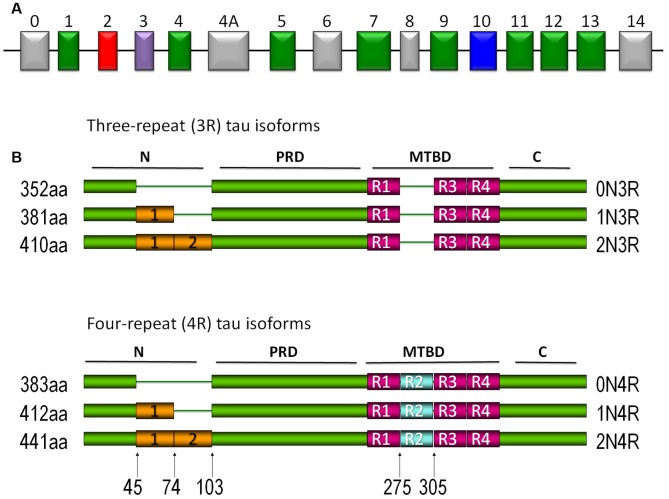
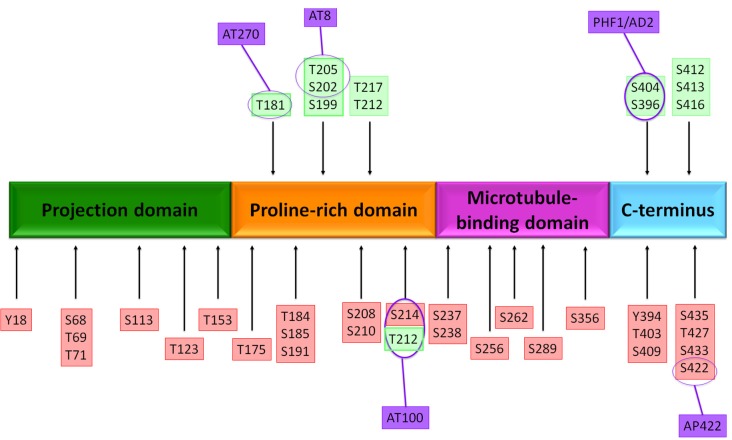
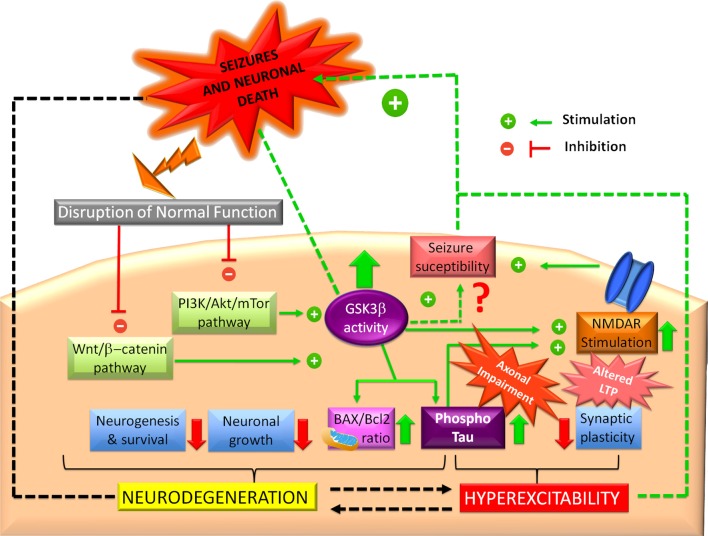
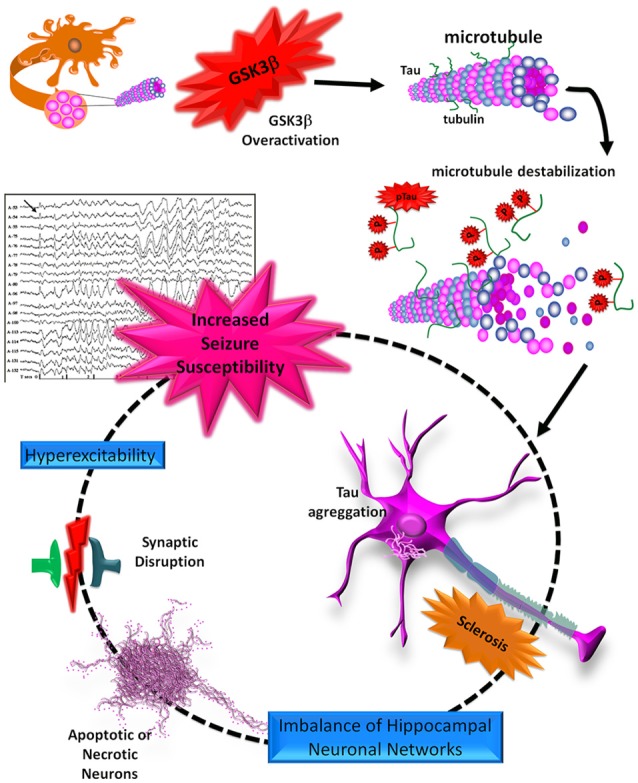
Verification
Claims the paper makes
The claims and statistics of this paper haven’t been checked yet.
Run the check — free, no account needed. It reads the open-access text and checks the sources it cites.
Claims other papers make about this one
Each is checked against this paper’s own text: does it say what the citing paper says it does?
The source backs part of the claim, not all of it — or backs it for a different population, condition or comparison.
In the citing paper
“Both GSK-3β and CDK5 play a role in neuronal excitability through involvement in GABAergic and glutamatergic neurotransmission, and inhibiting their activity can affect network activity through various mechanisms (Sen et al., 2008; Jaworski, 2020; Toral-Rios et al., 2020; Banerjee et al., 2021).”
From Tauopathy and Epilepsy Comorbidities and Underlying Mechanisms (2022) · cites this paper as Toral-Rios et al., 2020
Experimental — accuracy not yet measuredThe cited source says what the claim attributes to it.
In the citing paper
“One relevant kinase responsible for tau phosphorylation is glycogen synthase kinase-3β (GSK-3β) (Toral-Rios et al., 2020).”
From Tauopathy and Epilepsy Comorbidities and Underlying Mechanisms (2022) · cites this paper as Toral-Rios et al., 2020
In the citing paper
“Furthermore, increased GSK-3β activity also induces Aβ deposition extracellularly (Griebel et al., 2019;Toral-Rios et al., 2020).”
From Multi-target neuroprotective effects of herbal medicines for Alzheimer's disease (2022) · cites this paper as Toral-Rios et al., 2020
Self-check
Percentages, sums and reported differences re-computed from the paper’s own numbers.
The self-check needs the paper’s full text.
Citations
Cites
Amyloid oligomers exacerbate tau pathology in a mouse model of tauopathy
Selenica, M.-L. B., Brownlow, M., Jimenez, J. P., Lee, D. C., Pena, G., Dickey, C. A., Gordon, M. N., & Morgan, D. (2013) · Neurodegenerative Diseases · doi:10.1159/000337230 · Cited by 10,359
Buée, L., Bussière, T., Buée‐Scherrer, V., Delacourte, A., & Hof, P. R. (2000) · Brain Research Reviews · doi:10.1016/s0165-0173(00)00019-9 · Cited by 2,142
Reducing Endogenous Tau Ameliorates Amyloid ß-Induced Deficits in an Alzheimer's Disease Mouse Model
Roberson, E. D., Scearce-Levie, K., Palop, J. J., Yan, F., Cheng, I. H., Wu, T., Gerstein, H., Yu, G.-Q., & Mucke, L. (2007) · Science · doi:10.1126/science.1141736 · Cited by 1,892
Microtubule-associated protein tau. A component of Alzheimer paired helical filaments.
Grundke, I., Iqbal, K., Quinlan, M., Tung, Y. C., Zaidi, M. S., & Wisniewski, H. M. (1986) · Journal of Biological Chemistry · doi:10.1016/s0021-9258(17)38495-8 · Cited by 1,780
The GSK3 hypothesis of Alzheimer’s disease
Hooper, C., Killick, R., & Lovestone, S. (2008) · Journal of Neurochemistry · doi:10.1111/j.1471-4159.2007.05194.x · Cited by 1,191
Differential Regulation of Dynein and Kinesin Motor Proteins by Tau
Dixit, R., Ross, J. L., Goldman, Y. E., & Holzbaur, E. L. F. (2008) · Science · doi:10.1126/science.1152993 · Cited by 1,012
Tau phosphorylation: the therapeutic challenge for neurodegenerative disease
Hanger, D. P., Anderton, B. H., & Noble, W. (2009) · Trends in Molecular Medicine · doi:10.1016/j.molmed.2009.01.003 · Cited by 965
Morris, M., Maeda, S., Vossel, K., & Mucke, L. (2011) · Neuron · doi:10.1016/j.neuron.2011.04.009 · Cited by 899
Alonso, A. D. C., Grundke-Iqbal, I., & Iqbal, K. (1996) · Nature Medicine · doi:10.1038/nm0796-783 · Cited by 859
Wood, J. G., Mirra, S. S., Pollock, N. J., & Binder, L. I. (1986) · Proceedings of the National Academy of Sciences · doi:10.1073/pnas.83.11.4040 · Cited by 763
Cited by
Sorted by citations
Mitochondrial Dysfunction and Oxidative Stress in Alzheimer’s Disease
Misrani, A., Tabassum, S., & Yang, L. (2021) · Frontiers in Aging Neuroscience · doi:10.3389/fnagi.2021.617588 · Cited by 654
Apoptosis in Alzheimer’s disease: Insight into the signaling pathways and therapeutic avenues
Kumari, S., Dhapola, R., & Reddy, D. H. (2023) · Apoptosis · doi:10.1007/s10495-023-01848-y · Cited by 324
Jurcău, M. C., Andronie-Cioara, F. L., Jurcău, A., Marcu, F., Ţiț, D. M., Pașcalău, N., & Nistor-Cseppentö, D. C. (2022) · Antioxidants · doi:10.3390/antiox11112167 · Cited by 226
Zebrafish as a model organism for neurodegenerative disease
Chia, K., Klingseisen, A., Sieger, D., & Priller, J. (2022) · Frontiers in Molecular Neuroscience · doi:10.3389/fnmol.2022.940484 · Cited by 138
Wdowiak, K., Walkowiak, J., Pietrzak, R., Bazan‐Wozniak, A., & Cielecka‐Piontek, J. (2022) · Nutrients · doi:10.3390/nu14132647 · Cited by 124
Heterocyclic Compounds: Pharmacology of Pyrazole Analogs From Rational Structural Considerations
Costa, R. F., Turones, L. C., Cavalcante, K. V. N., Júnior, I. A. R., Xavier, C. H., Rosseto, L. P., Napolitano, H. B., Castro, P. F. D. S., Neto, M. L. F., Galvão, G. M., et al. (2021) · Frontiers in Pharmacology · doi:10.3389/fphar.2021.666725 · Cited by 118
BACE1 Inhibitors for Alzheimer’s Disease: The Past, Present and Any Future?
Bazzari, F. H., & Bazzari, A. H. (2022) · Molecules · doi:10.3390/molecules27248823 · Cited by 121
Modulation of Brain Hyperexcitability: Potential New Therapeutic Approaches in Alzheimer’s Disease
Toniolo, S., Sen, A., & Husain, M. (2020) · International Journal of Molecular Sciences · doi:10.3390/ijms21239318 · Cited by 97
Calabrese, G., Molzahn, C. M., & Mayor, T. (2022) · Journal of Biological Chemistry · doi:10.1016/j.jbc.2022.102062 · Cited by 92
Cognitive disorder and dementia in type 2 diabetes mellitus
Ortíz, G. G., Huerta, M., González-Usigli, H., Torres-Sánchez, E. D., Delgado-Lara, D. L. C., Pacheco-Moisés, F. P., Mireles-Ramírez, M. A., Torres-Mendoza, B. M., Moreno-Cih, R. I., & Velázquez-Brizuela, I. E. (2022) · World Journal of Diabetes · doi:10.4239/wjd.v13.i4.319 · Cited by 93
Oxidative stress–mediated neuroinflammation in Alzheimer’s disease
Firdous, S. M., Khan, S. A., & Maity, A. (2024) · Naunyn-Schmiedeberg s Archives of Pharmacology · doi:10.1007/s00210-024-03188-3 · Cited by 90
Meng, K., Jia, H., Hou, X., Zhu, Z., Lu, Y., Feng, Y., Feng, J., Xia, Y., Tan, R., Cui, F., et al. (2025) · Biomedicines · doi:10.3390/biomedicines13020327 · Cited by 82
Role of GSK-3β Inhibitors: New Promises and Opportunities for Alzheimer’s Disease
Shri, S. R., Manandhar, S., Nayak, Y., & Pai, K. S. R. (2023) · Advanced Pharmaceutical Bulletin · doi:10.34172/apb.2023.071 · Cited by 71
A review of the mechanisms underlying selected comorbidities in Alzheimer’s disease
Maciejewska, K., Czarnecka, K., & Szymański, P. (2021) · Pharmacological Reports · doi:10.1007/s43440-021-00293-5 · Cited by 64
Glycogen synthase kinase-3: A potential target for diabetes
Teli, D., & Gajjar, A. K. (2023) · Bioorganic & Medicinal Chemistry · doi:10.1016/j.bmc.2023.117406 · Cited by 66
Lim, D. W., Lee, J., Lee, C.-H., & Kim, Y. T. (2024) · International Journal of Molecular Sciences · doi:10.3390/ijms252011223 · Cited by 70
Limantoro, J., de Liyis, B. G., & Sutedja, J. C. (2023) · The Egyptian Journal of Neurology Psychiatry and Neurosurgery · doi:10.1186/s41983-023-00751-2 · Cited by 64
RETRACTED: Decrypting the potential role of α-lipoic acid in Alzheimer's disease
Kaur, D., Behl, T., Sehgal, A., Singh, S., Sharma, N., Chigurupati, S., Alhowail, A., Abdeen, A., Ibrahim, S. F., Vargas-De-La-Cruz, C. B., et al. (2021) · Life Sciences · doi:10.1016/j.lfs.2021.119899 · Cited by 57
RetractedShehata, M. K., Ismail, A. A., & Kamel, M. A. (2023) · International Journal of Nanomedicine · doi:10.2147/ijn.s417928 · Cited by 55
Baek, H., Sanjay, S., Park, M., & Lee, H. (2023) · Journal of Neuroinflammation · doi:10.1186/s12974-023-02950-3 · Cited by 59
Contemporary mTOR inhibitor scaffolds to diseases breakdown: A patent review (2015–2021)
Olekšák, P., Nepovimová, E., Chrienová, Ž., Musílek, K., Patočka, J., & Kuča, K. (2022) · European Journal of Medicinal Chemistry · doi:10.1016/j.ejmech.2022.114498 · Cited by 53
Recent Progress in the Development of New Antiepileptic Drugs with Novel Targets
Belete, T. M. (2023) · Annals of Neurosciences · doi:10.1177/09727531231185991 · Cited by 49
Nature's toolbox against tau aggregation: An updated review of current research
Khan, S., Hassan, M. I., Shahid, M., & Islam, A. (2023) · Ageing Research Reviews · doi:10.1016/j.arr.2023.101924 · Cited by 50
Multi-target neuroprotective effects of herbal medicines for Alzheimer's disease
Fernandes, F., Barroso, M. F., De Simone, A., Emriková, E., Dias-Teixeira, M., Pereira, J. P., Chlebek, J., Fernandes, V. C., Rodrigues, F., Andrisano, V., et al. (2022) · Journal of Ethnopharmacology · doi:10.1016/j.jep.2022.115107 · Cited by 45
Melatonin: Regulation of Biomolecular Condensates in Neurodegenerative Disorders
Loh, D., & Reiter, R. J. (2021) · Antioxidants · doi:10.3390/antiox10091483 · Cited by 45
Current research status of blood biomarkers in Alzheimer’s disease: Diagnosis and prognosis
Feng, L., Li, J., & Zhang, R. (2021) · Ageing Research Reviews · doi:10.1016/j.arr.2021.101492 · Cited by 45
Abbas, K., Mustafa, M., Alam, M., Habib, S., Ahmad, W., Adnan, M., Hassan, M. I., & Usmani, N. (2025) · Neurogenetics · doi:10.1007/s10048-025-00821-y · Cited by 48
Tauopathy and Epilepsy Comorbidities and Underlying Mechanisms
Hwang, K., Vaknalli, R. N., Addo-Osafo, K., Vicente, M., & Vossel, K. (2022) · Frontiers in Aging Neuroscience · doi:10.3389/fnagi.2022.903973 · Cited by 35
Wang, S., & Qi, X. (2022) · Frontiers in Pharmacology · doi:10.3389/fphar.2022.916653 · Cited by 39
Role of aluminum exposure on Alzheimer’s disease and related glycogen synthase kinase pathway
Sanajou, S., Erkekoğlu, P., Şahin, G., & Baydar, T. (2022) · Drug and Chemical Toxicology · doi:10.1080/01480545.2022.2065291 · Cited by 36
Advanced nano delivery system for stem cell therapy for Alzheimer's disease
Pan, Y., Li, L., Cao, N., Liao, J., Chen, H., & Zhang, M. (2024) · Biomaterials · doi:10.1016/j.biomaterials.2024.122852 · Cited by 33
Sighencea, M. G., Popescu, R. Ș., & Trifu, S. C. (2024) · International Journal of Molecular Sciences · doi:10.3390/ijms252212311 · Cited by 33
Dave, B. P., Shah, Y. B., Maheshwari, K. G., Mansuri, M. K. A., Prajapati, B., Postwala, H. I., & Chorawala, M. R. (2023) · Cellular and Molecular Neurobiology · doi:10.1007/s10571-023-01408-7 · Cited by 33
Guo, K., Huang, W., Chen, K.-H.-Y., Huang, P., Peng, W., Shi, R.-Q., He, T., Zhang, M., Wang, H., Hu, J., et al. (2023) · Aging Cell · doi:10.1111/acel.13937 · Cited by 26
Ye, X., Zhang, M., Gong, Z., Jiao, W., Li, L., Dong, M., Xiang, T., Feng, N., & Wu, Q. (2024) · Phytomedicine · doi:10.1016/j.phymed.2024.155589 · Cited by 30
GSK-3β dysregulation in aging: Implications for tau pathology and Alzheimer's disease progression
Rekha, A., Afzal, M., Babu, M. A., Menon, S. V., Nathiya, D., Supriya, S., Mishra, S. B., Gupta, S., Goyal, K., Rana, M., et al. (2025) · Molecular and Cellular Neuroscience · doi:10.1016/j.mcn.2025.104005 · Cited by 34
The Inflammatory Bridge Between Type 2 Diabetes and Neurodegeneration: A Molecular Perspective
Kacem, H., d’Angelo, M., Qosja, E., Topi, S., Castelli, V., & Cimini, A. (2025) · International Journal of Molecular Sciences · doi:10.3390/ijms26157566 · Cited by 35
Psychobiotics for Mitigation of Neuro‐Degenerative Diseases: Recent Advancements
Dhyani, P., Goyal, C., Dhull, S. B., Chauhan, A. K., Saharan, B. S., Harshita, Duhan, J. S., & Gökşen, G. (2023) · Molecular Nutrition & Food Research · doi:10.1002/mnfr.202300461 · Cited by 30
Aβ1-42 promotes microglial activation and apoptosis in the progression of AD by binding to TLR4
Dou, R.-X., Zhang, Y., Hu, X., Gao, F.-L., Zhang, L., Liang, Y.-H., Zhang, Y.-Y., Yao, Y.-P., Li, Y., Zhang, Y., et al. (2024) · Redox Biology · doi:10.1016/j.redox.2024.103428 · Cited by 32
Ghimire, A., Rehman, S. A., Subhani, A., Khan, M. A., Rahman, Z., Iqubal, M. K., & Iqubal, A. (2025) · hLife · doi:10.1016/j.hlife.2024.11.006 · Cited by 32
On the relationships between epilepsy, sleep, and Alzheimer’s disease: A narrative review
Hanke, J.-M., Schindler, K. A., & Seiler, A. (2022) · Epilepsy & Behavior · doi:10.1016/j.yebeh.2022.108609 · Cited by 28
Boiangiu, R. Ş., Mihăşan, M., Gorgan, L., Stache, A. B., Petre, B. A., & Hriţcu, L. (2020) · Antioxidants · doi:10.3390/antiox9080768 · Cited by 27
de la Monte, S. M. (2023) · Journal of Alzheimer s Disease · doi:10.3233/jad-230555 · Cited by 28
Neuroprotective Role of Omega-3 Fatty Acids: Fighting Alzheimer’s Disease
Chávez-Castillo, M., Gotera, M. P., Durán, P., Diaz, M. P., Nava, M., Cano, C., Díaz-Camargo, E. A., Cano, G., Cano, R., Rivera-Porras, D., et al. (2025) · Molecules · doi:10.3390/molecules30153057 · Cited by 33
Han, H. J., Park, S. K., Kang, J. Y., Kim, J. M., Yoo, S. K., Kim, D., Kim, G., & Heo, H. J. (2021) · Marine Drugs · doi:10.3390/md19080434 · Cited by 28
Redox Imbalance as a Common Pathogenic Factor Linking Hearing Loss and Cognitive Decline
Paciello, F., Ripoli, C., Fetoni, A. R., & Grassi, C. (2023) · Antioxidants · doi:10.3390/antiox12020332 · Cited by 27
Evolving targets for anti-epileptic drug discovery
Raut, D., & Bhatt, L. K. (2020) · European Journal of Pharmacology · doi:10.1016/j.ejphar.2020.173582 · Cited by 25
Protein Homeostasis Networks and the Use of Yeast to Guide Interventions in Alzheimer’s Disease
Dhakal, S., & Macreadie, I. G. (2020) · International Journal of Molecular Sciences · doi:10.3390/ijms21218014 · Cited by 26
Munteanu, C., Iordan, D. A., Hoteteu, M., Popescu, C., POSTOIU, R. L., Onu, I., & Onose, G. (2023) · International Journal of Molecular Sciences · doi:10.3390/ijms242015481 · Cited by 23
What is the Role of Lithium in Epilepsy?
Rao, C. M., Bojja, S. L., Singh, N., & Kolathur, K. K. (2022) · Current Neuropharmacology · doi:10.2174/1570159x20666220411081728 · Cited by 23
Gao, D., Li, P., Gao, F., Feng, Y., Li, X., Li, D., Li, Y., & Xiao, Y. (2022) · Oxidative Medicine and Cellular Longevity · doi:10.1155/2022/9466166 · Cited by 23
RetractedCáceres, C., Heusser, B., Garnham, A., & Moczko, E. (2023) · Cells · doi:10.3390/cells12232669 · Cited by 26
The Cardiac Dysfunction Caused by Metabolic Alterations in Alzheimer's Disease
Murphy, J., Le, T. N. V., Fedorova, J., Yang, Y., Krause‐Hauch, M., Davitt, K., Zoungrana, L. I., Fatmi, M. K., Lesnefsky, E. J., Li, J., et al. (2022) · Frontiers in Cardiovascular Medicine · doi:10.3389/fcvm.2022.850538 · Cited by 23
Beltagy, D. M., Nawar, N. F., Mohamed, T. M., Tousson, E., & El-Keey, M. M. (2023) · Prostaglandins & Other Lipid Mediators · doi:10.1016/j.prostaglandins.2023.106791 · Cited by 24
Kalyvas, A.-C., Dimitriou, M., Ioannidis, P., Grigoriadis, N., & Afrantou, T. (2024) · Journal of Clinical Medicine · doi:10.3390/jcm13133879 · Cited by 20
Targeting lncRNA NEAT1 Hampers Alzheimer’s Disease Progression
Li, Y., Fan, H., Ni, M., Zhang, W., Fang, F., Sun, J., Lyu, P., & Ma, P. (2023) · Neuroscience · doi:10.1016/j.neuroscience.2023.02.016 · Cited by 19
Abu‐Elfotuh, K., Hussein, F. H., Abbas, A. N., Al-Rekabi, M. D., Barghash, S. S., Zaghlool, S. S., & El‐Emam, S. Z. (2022) · NeuroToxicology · doi:10.1016/j.neuro.2022.05.002 · Cited by 20
Involvement of inflammasomes in the pathogenesis of Alzheimer's disease
Beder, N., Belkhelfa, M., & Leklou, H. (2024) · Journal of Alzheimer s Disease · doi:10.1177/13872877241283677 · Cited by 20
Tangles and Plaques: A deep dive into the pathological hallmarks of Alzheimer’s disease
Vanya, Kumari, S., Bagri, K., & Deshmukh, R. R. (2025) · Neuroscience · doi:10.1016/j.neuroscience.2025.10.050 · Cited by 18
Zhu, B., Parsons, T., Stensen, W., Svendsen, J. S. M., Fugelli, A., & Hodge, J. J. L. (2022) · Frontiers in Pharmacology · doi:10.3389/fphar.2022.881385 · Cited by 18
Protective effects of apigenin in neurodegeneration: An update on the potential mechanisms
Mohammadkhanizadeh, A., Sheibani, M., Taherkhani, S., Nourabadi, D., Mohamadi-Zarch, S.-M., Nikbakht, F., & Azizi, Y. (2025) · Brain Disorders · doi:10.1016/j.dscb.2025.100189 · Cited by 18
Khayachi, A., Schorova, L., Alda, M., Rouleau, G. A., & Milnerwood, A. J. (2021) · Neuroscience & Biobehavioral Reviews · doi:10.1016/j.neubiorev.2021.05.002 · Cited by 15
Nootropic foods in neurodegenerative diseases: mechanisms, challenges, and future
Nguyen, L. A. M., Simons, C. W., & Thomas, R. (2025) · Translational Neurodegeneration · doi:10.1186/s40035-025-00476-7 · Cited by 18
Analysis of Shared Genetic Regulatory Networks for Alzheimer’s Disease and Epilepsy
Wang, X., Liu, S., Lu, H. J., Guan, Y., Wu, H., & Ji, Y. (2021) · BioMed Research International · doi:10.1155/2021/6692974 · Cited by 15
Shukla, M., Wongchitrat, P., & Govitrapong, P. (2022) · Neurochemical Research · doi:10.1007/s11064-022-03530-2 · Cited by 12
Tau and GSK-3β are Critical Contributors to α-Synuclein-Mediated Post-Stroke Brain Damage
Mehta, S. L., Kim, T., Chelluboina, B., & Vemuganti, R. (2022) · NeuroMolecular Medicine · doi:10.1007/s12017-022-08731-0 · Cited by 16
A Mutual Nexus Between Epilepsy and α-Synuclein: A Puzzle Pathway
Ali, N. H., Al-Kuraishy, H. M., Al-Gareeb, A. I., Alnaaim, S. A., Hetta, H. F., Saad, H. M., & Batiha, G. E. (2024) · Molecular Neurobiology · doi:10.1007/s12035-024-04204-6 · Cited by 17
Gavrilovici, C., Jiang, Y., Kiroski, I., Sterley, T.-L., Vandal, M., Bains, J. S., Park, S. K., Rho, J. M., Teskey, G. C., & Nguyen, M. D. (2021) · Cerebral Cortex Communications · doi:10.1093/texcom/tgaa096 · Cited by 15
Anwar, M. M., & Mabrouk, A. A. (2023) · Inflammopharmacology · doi:10.1007/s10787-023-01202-3 · Cited by 14
Rocha, N. K. R., Themoteo, R. M., Brentani, H., Forlenza, O. V., & de Paula, V. D. J. R. (2020) · Frontiers in Neuroscience · doi:10.3389/fnins.2020.579984 · Cited by 14
Lee, Y., Yoon, S., Hong, H., Kim, H. Y., Jung, D., Moon, B.-S., Park, W., Lee, S., Kwon, H., Park, J., et al. (2022) · Molecules · doi:10.3390/molecules27123825 · Cited by 13
Oat Extract Avenanthramide-C Reverses Hippocampal Long-Term Potentiation Decline in Tg2576 Mice
Lee, Y., Wang, M., Son, Y., Yang, E. J., Kang, M.-S., Kim, H., Kim, H., & Jo, J. (2021) · Molecules · doi:10.3390/molecules26206105 · Cited by 12
Espinosa-Jiménez, T., Cano, A. C., Sánchez‐López, E., Olloquequi, J., Folch, J., Bulló, M., Verdaguer, E., Auladell, C., Pont, C., Muñoz‐Torrero, D., et al. (2023) · Cell & Bioscience · doi:10.1186/s13578-023-01000-y · Cited by 13
Xiao, L., Xiang, S., Chen, C., Zhu, H., Zhou, M., Tang, Y., Feng, L., & Hu, S. (2024) · Psychiatry and Clinical Neurosciences · doi:10.1111/pcn.13682 · Cited by 13
Mechanisms of Phytoremediation by Resveratrol against Cadmium Toxicity
Mognetti, B., Franco, F., Castrignano, C., Bovolin, P., & Berta, G. N. (2024) · Antioxidants · doi:10.3390/antiox13070782 · Cited by 14
The Inflammation-Induced Dysregulation of Reelin Homeostasis Hypothesis of Alzheimer’s Disease
Reive, B. S., Lau, V. Z., Sánchez-Lafuente, C. L., Henri‐Bhargava, A., Kalynchuk, L. E., Tremblay, M., & Caruncho, H. J. (2024) · Journal of Alzheimer s Disease · doi:10.3233/jad-240088 · Cited by 15
Chang, C., Li, H., Tsou, S., Hung, H., Liu, G., Короленко, Т. А., Lai, T., Ho, Y., & Lin, C. (2020) · Cells · doi:10.3390/cells9061339 · Cited by 13
Xu, L., & Wang, Q. (2023) · Brain and Behavior · doi:10.1002/brb3.3221 · Cited by 12
Nawar, N. F., Beltagy, D. M., Mohamed, T. M., Tousson, E., & El-Keey, M. M. (2024) · Toxicology Research · doi:10.1093/toxres/tfae054 · Cited by 11
Londhe, S. G., Walhekar, V. S., Mangala, S. S., Kini, S. G., Scotti, M. T., Scotti, L., & Kumar, D. (2024) · Pharmaceutics · doi:10.3390/pharmaceutics16080991 · Cited by 11
Mitochondria-targeting by small molecules against Alzheimer's disease: A mechanistic perspective
Pal, C. (2024) · Biochimica et Biophysica Acta (BBA) - Molecular Basis of Disease · doi:10.1016/j.bbadis.2024.167617 · Cited by 12
RhoA/ROCK/GSK3β Signaling: A Keystone in Understanding Alzheimer’s Disease
Medd, M. M., Yon, J. E., & Dong, H. (2025) · Current Issues in Molecular Biology · doi:10.3390/cimb47020124 · Cited by 11
Griñán‐Ferré, C., Jarné‐Ferrer, J., Bellver‐Sanchís, A., Ribalta‐Vilella, M., Barroso, E., Salvador, J. M., Jurado-Aguilar, J., Palomer, X., Vázquez‐Carrera, M., & Pallàs, M. (2024) · International Journal of Molecular Sciences · doi:10.3390/ijms25052595 · Cited by 10
mRNA and circRNA mislocalization to synapses are key features of Alzheimer’s disease
Smukowski, S. N., Danyko, C., Somberg, J., Kaufman, E. J., Course, M. M., Postupna, N. O., Barker‐Haliski, M. L., Keene, C. D., & Valdmanis, P. N. (2024) · PLoS Genetics · doi:10.1371/journal.pgen.1011359 · Cited by 11
Zebrafish metabolomics: a comprehensive approach to understanding health and disease
Vivekaa, A., Nellore, J., & Sunkar, S. (2025) · Functional & Integrative Genomics · doi:10.1007/s10142-025-01621-1 · Cited by 11
Investigation of Potential Drug Targets for Cholesterol Regulation to Treat Alzheimer’s Disease
Passero, M., Zhai, T., & Huang, Z. J. (2023) · International Journal of Environmental Research and Public Health · doi:10.3390/ijerph20136217 · Cited by 10
The Association Between Alzheimer's Disease and Epilepsy: A Narrative Review
Purushotham, M., Tashrifwala, F. A. A., Jena, R., Vudugula, S. A., Patil, R. S., & Agrawal, A. (2022) · Cureus · doi:10.7759/cureus.30195 · Cited by 9
Dendrobine Ameliorates Alzheimer’s Disease-like Pathology and Cognitive Decline in 3 × Tg-AD Mice
Zhang, W., Huang, J., & Shi, J. (2024) · Brain Sciences · doi:10.3390/brainsci14030231 · Cited by 9
Niharika, D. G., Salaria, P., & Amarendar Reddy, M. (2024) · Molecular Diversity · doi:10.1007/s11030-024-11026-0 · Cited by 12
Aref, S., Habib, M. Z., Eid, D., Eltantawy, E. H. B., Taeimah, M., Hassan, F. E., El‐Gabry, D. A., ElShahawi, H. H., Mohamad, M. I., Abdel-Tawab, A. M., et al. (2025) · Progress in Neuro-Psychopharmacology and Biological Psychiatry · doi:10.1016/j.pnpbp.2025.111503 · Cited by 9
Neuronal insulin signaling and resistance: a balancing act of kinases and phosphatases
Sharma, M., Yadav, Y., & Dey, C. S. (2023) · Journal of Endocrinology · doi:10.1530/joe-23-0151 · Cited by 11
Nwadiugwu, M. C., Onwuekwe, I. O., Ezeanolue, E. E., & Deng, H. (2024) · International Journal of Molecular Sciences · doi:10.3390/ijms25052646 · Cited by 9
Molecular and Biochemical Pathways Encompassing Diabetes Mellitus and Dementia
Behl, T., Arora, A., Sehgal, A., Singh, S., Sharma, N., Bhatia, S., Al‐Harrasi, A., BUNGAU, S. G., & Mostafavi, E. (2021) · CNS & Neurological Disorders - Drug Targets · doi:10.2174/1871527320666211110115257 · Cited by 9
Huang, X., Li, T., Zhou, L., Liu, T., Xiong, L., & Yu, C. (2021) · Ibrain · doi:10.1002/j.2769-2795.2021.tb00060.x · Cited by 11
GSK3 Is a Central Player in Retinal Degenerative Diseases but a Challenging Therapeutic Target
Hottin, C., Perron, M., & Roger, J. E. (2022) · Cells · doi:10.3390/cells11182898 · Cited by 9
Tauopathies: Emerging discoveries on tau protein, with a special focus on Alzheimer's disease
Hattiholi, A., Hegde, H., & Shetty, S. K. (2025) · Neuropeptides · doi:10.1016/j.npep.2025.102536 · Cited by 11
Regulation of eukaryotic protein kinases by Pin1, a peptidyl-prolyl isomerase
Chen, X., & Igumenova, T. I. (2022) · Advances in Biological Regulation · doi:10.1016/j.jbior.2022.100938 · Cited by 11
Pragati, & Sarkar, S. (2023) · Molecular Neurobiology · doi:10.1007/s12035-023-03599-y · Cited by 8
Althobaiti, N. A., Al-Abbas, N. S., Alsharif, I., Albalawi, A. E., Almars, . I., Basabrain, A. A., Jafer, A., Ellatif, S. A. A., Bauthman, N. M., Almohaimeed, H. M., et al. (2024) · Biochimica et Biophysica Acta (BBA) - Molecular Basis of Disease · doi:10.1016/j.bbadis.2024.167353 · Cited by 7
Masand, V. H., Al‐Hussain, S. A., Masand, G. S., Samad, A., Gawali, R. G., Jadhav, S., & Zaki, M. E. A. (2024) · Computational Biology and Chemistry · doi:10.1016/j.compbiolchem.2024.108324 · Cited by 7
Metadata
- Authors
- Toral-Rios, D., Pichardo-Rojas, P. S., Alonso-Vanegas, M., & Campos-Peña, V.
- Affiliations
- Universidad Autónoma de Baja California (MX)
- Venue
- Frontiers in Cellular Neuroscience
- Publisher
- Frontiers Media SA
- Published
- 2020-03-17
- Volume
- 14
- Pages
- 19-19
- ISSN
- 1662-5102 (ISSN-L)
- PMC
- PMC7089874
- OpenAlex
- W3012558556
- Cited by
- 158
- References
- 88
- Citations by year
- 2026: 18 · 2025: 28 · 2024: 35 · 2023: 31 · 2022: 25 · 2021: 15 · 2020: 6
- FWCI
- 11.73
- Type
- journal article
- Language
- en
- Open access
- gold
- doi.org
- Licence
- Locations
- Frontiers in Cellular Neuroscience (publishedVersion, cc-by)
- Europe PMC (PubMed Central) (publishedVersion, cc-by)
- PubMed Central (publishedVersion, cc-by)
- PubMed (publishedVersion)
- DOAJ (DOAJ: Directory of Open Access Journals) (submittedVersion, cc-by-sa)
- Greater South Information System
- Funders
- Consejo Nacional de Ciencia y Tecnología (S0008)
- Topics
- Life Sciences › Neuroscience › Cellular and Molecular Neuroscience › Alzheimer's disease research and treatments
- Health Sciences › Medicine › Clinical Neurology › Epilepsy research and treatment
- Health Sciences › Medicine › Psychiatry and Mental health › Dementia and Cognitive Impairment Research
- Keywords
- Alzheimer's disease, epilepsy, temporal lobe epilepsy, GSK3β, tau protein, tau hyperphosphorylation, amyloid-beta, neurofibrillary tangles, epileptogenesis, seizures, neuroinflammation, synaptic loss, cognitive decline, microtubule-associated proteins
About these checks
Registry, retraction, Cites and statistics results are computed, not judged, with one exception: a printed reference that no index lists is read once by a model before it counts as a citation error. Claims are extracted by a model and kept only when their quote appears verbatim in the text; each cited source is then checked, with a model’s help, for whether it says what the claim relies on. Those verdicts can be wrong — read the claim’s quote and the cited source before relying on one.
Statistics and arithmetic are recomputed, not judged.
Confidence bands are shown only for fields calibrated on our annotated test set. None is calibrated yet, so no band is shown.
What counts as a claim ›How we measure confidence ›How we check this ›
Are you an author, or do you see a problem with this page? Request a review
