

The DOI matches its Crossref record; 87 of the 87 references it cites were found in a registry or an index.
Obstructive Sleep Apnea Syndrome, Objectively Measured Physical Activity and Exercise Training Interventions: A Systematic Review and Meta-Analysis
Open accessAbstract
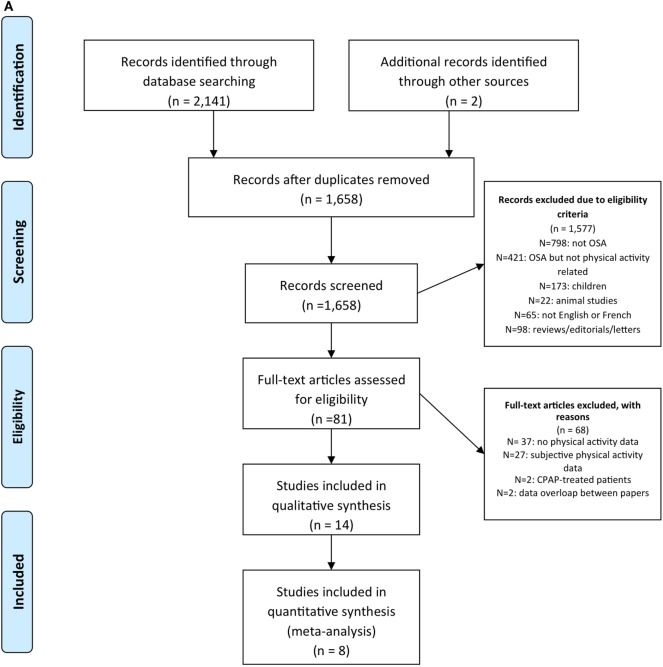
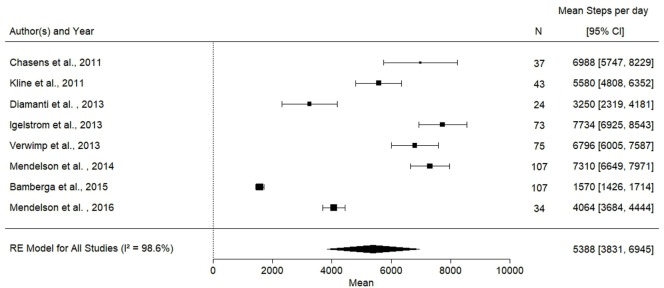
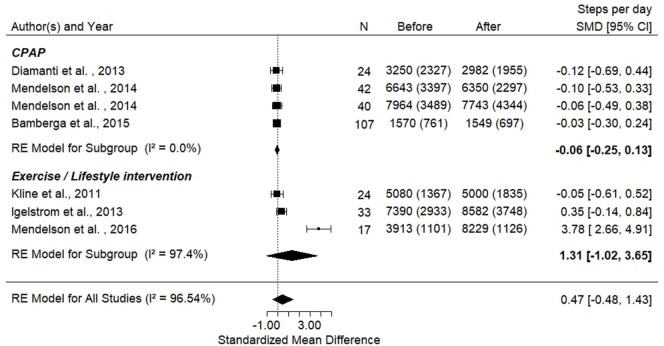
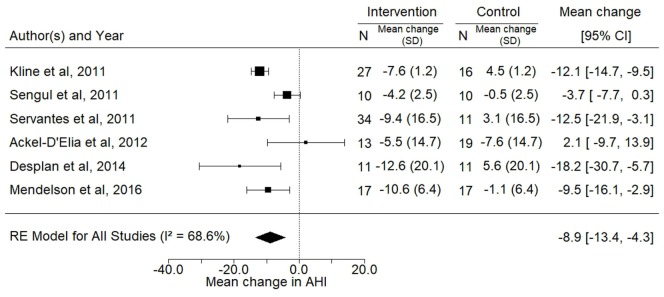
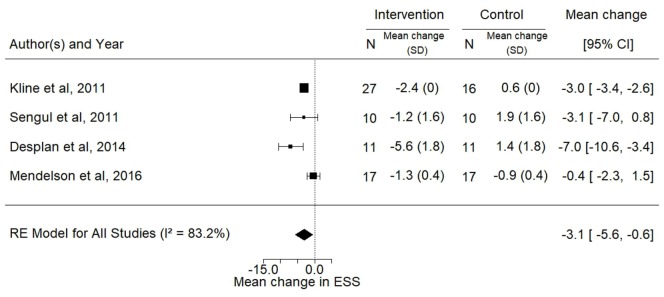
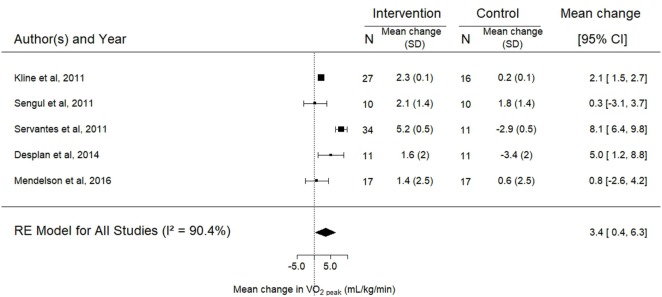
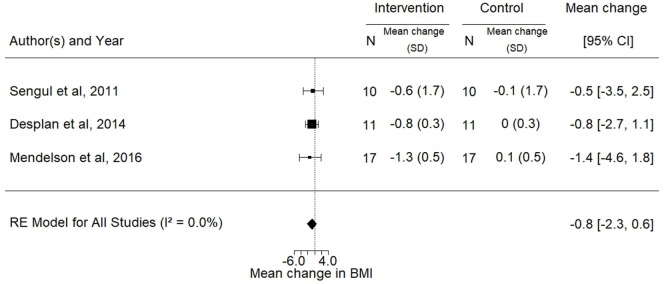
A systematic review of English and French articles using Pubmed/Medline and Embase included studies assessing objectively-measured physical activity levels of OSA patients and exploring the effects of exercise training on OSA severity, body mass index, sleepiness and cardiorespiratory fitness (VO2peak). Two independent reviewers analysed the studies, extracted the data and assessed the quality of evidence. For objectively-measured physical activity levels, 8 studies were included. The mean number of steps per day across studies was 5,388 (95% CI: 3,831 to 6,945; p<0.001), which was by far lower than the recommended threshold of 10,000 steps per day. For exercise training, 6 randomized trials were included. There was a significant decrease in apnea-hypopnea-index following exercise training (mean decrease of 8.9 events/h; 95% CI: -13.4 to -4.3; p<0.01), which was accompanied by a reduction in subjective sleepiness, an increase in VO2peak and no change in BMI. OSA patients present low levels of physical activity and exercise training is associated with improved outcomes. Future interventions (including exercise training) focusing on increasing physical activity levels may have important clinical impacts on both OSA severity and the burden of associated co-morbidities. Objective measurement of physical activity in routine OSA management and well-designed clinical trials are recommended.
Overview
The claims and statistics of this paper haven’t been checked yet.
Run the check — free, no account needed. It reads the open-access text and checks the sources it cites.
Integrity signals
Registry
Cites
Statistics
Figures
Verification
Claims the paper makes
The claims and statistics of this paper haven’t been checked yet.
Run the check — free, no account needed. It reads the open-access text and checks the sources it cites.
Claims other papers make about this one
Each is checked against this paper’s own text: does it say what the citing paper says it does?
The cited source says what the claim attributes to it.
In the citing paper
“Finally, self-reported physical activity or exercise interventions may have potential beneficial effects to lower the incidence of depression20 and lower the severity of obstructive sleep apnea and associated comorbidities21.”
From Association of step counts over time with the risk of chronic disease in the All of Us Research Program (2022) · cites this paper as [21]
Self-check
Percentages, sums and reported differences re-computed from the paper’s own numbers.
The self-check needs the paper’s full text.
Citations
Cites
Measuring inconsistency in meta-analyses
Higgins, J. P. T., Thompson, S. G., Deeks, J. J., & Altman, D. G. (2003) · BMJ · doi:10.1136/bmj.327.7414.557 · Cited by 63,139 · cited 1×
“An I2 index higher than 60% reflects increasing heterogeneity (28).”
BackgroundToprak, Ö., Kurt, H., Sarı, Y., Şarkış, C., Us, H., & Kırık, A. (2017) · Kidney & Blood Pressure Research · doi:10.1159/000468530 · Cited by 29,772
Liberati, A., Altman, D. G., Tetzlaff, J., Mulrow, C., Gøtzsche, P. C., Ioannidis, J. P. A., Clarke, M., Devereaux, P. J., Kleijnen, J., & Moher, D. (2009) · PLoS Medicine · doi:10.1371/journal.pmed.1000100 · Cited by 28,164
Conducting Meta-Analyses in R with the metafor Package
Viechtbauer, W. (2010) · Journal of Statistical Software · doi:10.18637/jss.v036.i03 · Cited by 20,464
Liberati, A., Altman, D. G., Tetzlaff, J., Mulrow, C., Gotzsche, P. C., Ioannidis, J. P. A., Clarke, M., Devereaux, P. J., Kleijnen, J., & Moher, D. (2009) · BMJ · doi:10.1136/bmj.b2700 · Cited by 17,648
Assessing the quality of reports of randomized clinical trials: Is blinding necessary?
Jadad, A. R., Moore, R. A., Carroll, D., Jenkinson, C., Reynolds, D. J. M., Gavaghan, D. J., & McQuay, H. J. (1996) · Controlled Clinical Trials · doi:10.1016/0197-2456(95)00134-4 · Cited by 17,582 · cited 2×
“methodological Quality assessment The quality of the studies was peer-reviewed by Monique Mendelson and Mathieu Marillier using a modified version of the Newcastle-Ottawa Scale (NOS) for observational studies (23) and the Jadad scale for randomized trials (24).”
MethodChobanian, A. V., Bakris, G. L., Black, H. R., Cushman, W. C., Green, L. A., Izzo, J. L., Jones, D. W., Materson, B. J., Oparil, S., Wright, J. T., et al. (2003) · Hypertension · doi:10.1161/01.hyp.0000107251.49515.c2 · Cited by 13,271 · cited 1×
“9 reduction in diastolic blood pressure in hypertensive patients (72).”
BackgroundZhang, Q., Wang, C., Zheng, M., Li, Y., Li, J., Zhang, L., Shang, X., & Yan, C. (2014) · Cerebrovascular Diseases · doi:10.1159/000369778 · Cited by 11,609
(1985) · Europe PMC (PubMed Central) · Cited by 9,143
(2007) · Circulation · doi:10.1161/circulationaha.107.185649 · Cited by 6,545 · cited 1×
“Spontaneous Physical activity and OSa Based on a systematic review and meta-analysis of the reported findings, OSA patients present low levels of objectively measured physical activity when compared with public health physical activity guidelines (15, 34).”
Result
Research works printed but not linked: 2
- 2006, ACSM’s Metabolic Calculations Handbook
- 2008, Physical Activity Guidelines Advisory Committee Report
Cited by
Sorted by citations
Dauvilliers, Y. A., Verbraecken, J. A., Partinen, M., Hedner, J. A., Saaresranta, T., Georgiev, O. B., Tiholov, R., Lecomte, I., Tamisier, R., Levy, P. A., et al. (2020) · American Journal of Respiratory and Critical Care Medicine · doi:10.1164/rccm.201907-1284oc · Cited by 273
Self-citationMaster, H., Annis, J., Huang, S., Beckman, J. A., Ratsimbazafy, F., Marginean, K., Carroll, R., Natarajan, K., Harrell, F. E., Roden, D. M., et al. (2022) · Nature Medicine · doi:10.1038/s41591-022-02012-w · Cited by 220
Kline, C. E., Hillman, C. H., Sheppard, B. B., Tennant, B., Conroy, D. E., Macko, R. F., Márquez, D. X., Petruzzello, S. J., Powell, K. E., & Erickson, K. I. (2021) · Sleep Medicine Reviews · doi:10.1016/j.smrv.2021.101489 · Cited by 157
Muscle quality index is associated with trouble sleeping: a cross-sectional population based study
You, Y., Chen, Y., Zhang, Q., Yan, N., Ning, Y., & Cao, Q. (2023) · BMC Public Health · doi:10.1186/s12889-023-15411-6 · Cited by 122
“Sleep duration was assessed by interview and was categorized into three groups: < 7 h for short duration, [7, 9) hours for normal duration, and ≥ 9 h for long duration.”
BackgroundMethodMultimodal Remote Monitoring of High Cardiovascular Risk Patients With OSA Initiating CPAP
Pépin, J., Jullian‐Desayes, I., Sapène, M., Treptow, E. C., Joyeux‐Faure, M., Benmerad, M., Bailly, S., Grillet, Y., Stach, B., Richard, P., et al. (2018) · CHEST Journal · doi:10.1016/j.chest.2018.11.007 · Cited by 86
Self-citationWouters, E. F. �., Posthuma, R., Koopman, M., Liu, W.-Y., Sillen, M. J. H., Hajian, B., Sastry, M., Spruit, M. A., & Franssen, F. M. E. (2020) · Expert Review of Respiratory Medicine · doi:10.1080/17476348.2020.1700796 · Cited by 82
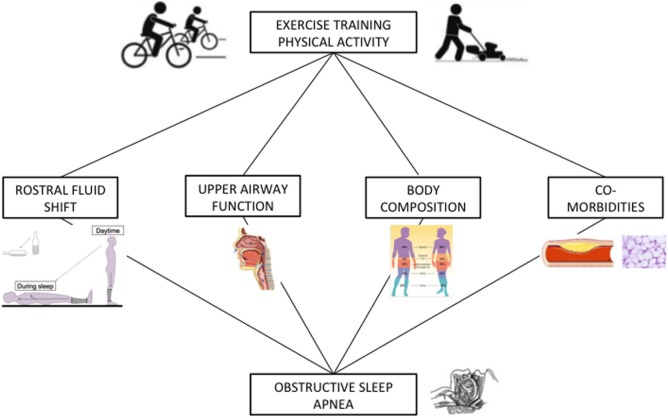
“Rostral fluid shift from the lower body, improvement in upper airway function and improvement of body composition have been suggested as causal factors [198].”
BackgroundLegault, J., Thompson, C., Martineau‐Dussault, M., André, C., Baril, A., Villar, G. M., Carrier, J., & Gosselin, N. (2021) · Brain Sciences · doi:10.3390/brainsci11060706 · Cited by 76
“A systematic review of physical activity and OSA suggests that apneic patients often display low levels of physical activity, possibly due to the fatigue and daytime sleepiness characteristics of OSA [81].”
BackgroundChee, M. W. L., Baumert, M., Scott, H., Cellini, N., Goldstein, C. A., Baron, K. G., Imtiaz, S. A., Penzel, T., & Kushida, C. A. (2025) · Sleep Medicine · doi:10.1016/j.sleep.2025.106506 · Cited by 77
Amiri, S., Hasani, J., & Satkin, M. (2021) · Sleep Medicine · doi:10.1016/j.sleep.2021.05.013 · Cited by 69
Novel avenues to approach non-CPAP therapy and implement comprehensive obstructive sleep apnoea care
Pépin, J., Eastwood, P. R., & Eckert, D. J. (2021) · European Respiratory Journal · doi:10.1183/13993003.01788-2021 · Cited by 70
Self-citationMendelson, M., Marillier, M., Bailly, S., Flore, P., Borel, J., Vivodtzev, I., Doutreleau, S., Tamisier, R., Pépin, J., & Vergès, S. (2018) · European Respiratory Journal · doi:10.1183/13993003.02697-2017 · Cited by 61
Self-citationThe Sleep Revolution project: the concept and objectives
Arnardóttir, E. S., Íslind, A. S., Óskarsdóttir, M., Olafsdottir, K. A., August, E., Jónasdóttir, L., Hrubos‐Strøm, H., Saavedra, J. M., Grote, L., Hedner, J. A., et al. (2022) · Journal of Sleep Research · doi:10.1111/jsr.13630 · Cited by 58
“, 2020, 2021) and 12 other studies (Mendelson et al., 2018) have shown that the AHI improves after intervention with these exercise programmes.”
BackgroundMethodInfluentialEffects of Exercise on Patients with Obstructive Sleep Apnea: A Systematic Review and Meta-Analysis
Peng, J., Yuan, Y., Zhao, Y., & Ren, H. C. (2022) · International Journal of Environmental Research and Public Health · doi:10.3390/ijerph191710845 · Cited by 55
“95, slightly lower than the results of previous meta-analyses [21,35].”
ResultLins-Filho, O., Pedrosa, R. P., Gomes, J. M. D. L., de Moraes, S. L. D., Vasconcelos, B. C. D. E., Lemos, C. A. A., & Pellizzer, E. P. (2020) · Sleep Medicine · doi:10.1016/j.sleep.2019.12.022 · Cited by 52
Hadjiyannakis, S., Ibrahim, Q. I., Li, J., Ball, G. D. C., Buchholz, A., Hamilton, J. K., Zenlea, I. S., Ho, J., Legault, L., Laberge, A., et al. (2019) · The Lancet Child & Adolescent Health · doi:10.1016/s2352-4642(19)30056-2 · Cited by 49
Torres‐Castro, R., Vilaró, J., Martí, J.-D., Garmendia, O., Gimeno‐Santos, E., Romano‐Andrioni, B., Embid, C., & Montserrat, J. M. (2019) · Journal of Clinical Medicine · doi:10.3390/jcm8030361 · Cited by 34
“The literature describes the diminution of IAH independent of the reduction of weight [15,16].”
BackgroundLiu, Y., Yang, L., Stampfer, M. J., Redline, S. S., Tworoger, S. S., & Huang, T. (2021) · European Respiratory Journal · doi:10.1183/13993003.00606-2021 · Cited by 38
Obstructive sleep apnoea-hypopnoea syndrome: state of the art
Tondo, P., Fanfulla, F., Sabato, R., Scioscia, G., Barbaro, M. P. F., & Lacedonia, D. (2022) · Minerva Medica · doi:10.23736/s0026-4806.22.08190-3 · Cited by 32
Berger, M., Kline, C. E., Cepeda, F. X., Rizzi, C. F., Chapelle, C., Laporte, S., Hupin, D., Raffin, J., Costes, F., Hargens, T. A., et al. (2019) · Sleep Medicine Reviews · doi:10.1016/j.smrv.2019.03.002 · Cited by 32
Obstructive Sleep Apnea Syndrome: The Effect of Acute and Chronic Responses of Exercise
Stavrou, V. T., Astara, K., Tourlakopoulos, K. N., Papayianni, E., Boutlas, S., Vavougios, G. D., Daniil, Z. D., & Gourgoulianis, K. I. (2021) · Frontiers in Medicine · doi:10.3389/fmed.2021.806924 · Cited by 30
Frange, C., Franco, A. M., Brasil, E. L., Hirata, R. P., Lino, J. A., Mortari, D. M., Ykeda, D. S., Leocádio-Miguel, M. A., D’Aurea, C. V. R., Silva, L. O. E., et al. (2022) · Sleep Science · doi:10.5935/1984-0063.20220083 · Cited by 34
Bughin, F., Desplan, M., Mestejanot, C., Picot, M., Roubille, F., Jaffuel, D., Mercier, J. G., Jaussent, I., & Dauvilliers, Y. A. (2020) · Sleep Medicine · doi:10.1016/j.sleep.2020.02.008 · Cited by 28
Effects of Exercise in Patients with Obstructive Sleep Apnoea
Torres‐Castro, R., Vasconcello‐Castillo, L., Homero Puppo, G., Cabrera-Aguilera, I., Otto‐Yáñez, M., Rosales‐Fuentes, J., & Vilaró, J. (2021) · Clocks & Sleep · doi:10.3390/clockssleep3010013 · Cited by 29
“The potential mechanisms are (1) rostral fluid shift, (2) increased strength and fatigue resistance of the upper airway dilators, decreased nasal resistance, and increased respiratory stability through deeper sleep, (3) body composition modification and changes in fat mass distribution, and (4) changes in sleep effici…”
BackgroundInfluentialJurado-García, A., Molina‐Recio, G., Collado, N. F., Palomares-Muriana, A., Gómez-González, A. M., Márquez-Pérez, F. L., & Gámez, B. J. (2020) · International Journal of Environmental Research and Public Health · doi:10.3390/ijerph17176334 · Cited by 30
“The average number of steps per day was similar to the 5388 average steps described in a meta-analysis involving subjects with OSAS and a walking program [22], ranging from the 7734 steps per day reported by Mendelson et al.”
ResultExercise capacity and comorbidities in patients with obstructive sleep apnea
Vitacca, M., Paneroni, M., Braghiroli, A., Balbi, B., Aliani, M., Guido, P., Fanfulla, F., Pertosa, M., Ceriana, P., Zampogna, E., et al. (2020) · Journal of Clinical Sleep Medicine · doi:10.5664/jcsm.8258 · Cited by 27
An Update on Obstructive Sleep Apnea for Atherosclerosis: Mechanism, Diagnosis, and Treatment
Chen, J., Lin, S., & Zeng, Y. (2021) · Frontiers in Cardiovascular Medicine · doi:10.3389/fcvm.2021.647071 · Cited by 29
Lins-Filho, O., Aguiar, J. L. P., de Almeida, J. R. V., Germano-Soares, A. H., Ritti‐Dias, R. M., da Silva, M. J., & Pedrosa, R. P. (2021) · Sleep Medicine · doi:10.1016/j.sleep.2021.08.027 · Cited by 25
“This reduction is smaller than that observed in studies using CPAP[52] 328 and similar to that in studies using exercise training [11, 53].”
Júnior, J. C. N. N., de Andrade, A. D., de Andrade, E. A. M., Andrade, M. D. A., Ribeiro, A. S. V., Pedrosa, R. P., Ferreira, A. P. D. L., & de Lima, A. M. J. (2020) · Nature and Science of Sleep · doi:10.2147/nss.s269360 · Cited by 21
“In turn, fluid accumulation in the intravascular and interstitial spaces during the day is minimized which consequently reduces liquid displacement during sleep.(5) Furthermore, another possible cause for decreasing the severity of the disease associated with exercise can be explained by Table 1 Characteristics of the…”
Backgroundde Azeredo, L. M., de Souza, L. C., Guimarães, B., Puga, F. P., Behrens, N., & Lugon, J. R. (2022) · Brazilian Journal of Medical and Biological Research · doi:10.1590/1414-431x2022e12331 · Cited by 20
“When assessing aspects related to daily sleepiness, we identified a statistically significant reduction in ESS scores in CPAP users who were not trained, a finding that can be attributed to the CPAP therapy itself (11,26).”
BackgroundUnfolding the role of exercise in the management of sleep disorders
Giannaki, C. D., Sakkas, G. K., Hadjigeorgiou, G. M., Manconi, M., & Bargiotas, P. (2024) · European Journal of Applied Physiology · doi:10.1007/s00421-024-05556-6 · Cited by 23
“Second, exercise can result in improved cardiovascular health and respiratory function, enhancing sleep stability (i.e. regularity in sleep duration, timing, and quality) and respiration (Mendelson et al. 2018).”
BackgroundMethodLi, J., Sawaragi, T., & Horiguchi, Y. (2021) · SICE Journal of Control Measurement and System Integration · doi:10.1080/18824889.2021.1894040 · Cited by 20
Lin, C.-F. J., Ho, N., Hsu, W.-L., Lin, C.-H., Wang, Y., & Wang, Y. (2024) · Journal of Clinical Sleep Medicine · doi:10.5664/jcsm.11310 · Cited by 22
“15,32,33,36,61 Among the studies enrolled in our analysis, 3 reported significant BMI reduction after exercise 17,25,27 , whereas 5 did not.”
InfluentialPaolucci, T., Ferrillo, M., Pezzi, L., Agostini, F., Matteo, A. D., Prosperi, P., Mangone, M., Bernetti, A., Spacone, A., & Alessandro de, S. I. R. E. (2023) · Journal of Oral Rehabilitation · doi:10.1111/joor.13456 · Cited by 19
Preventive medicine in obstructive sleep apnea—a systematic review and a call to action
Correa, E. J., Conti, D. M., Gozal, D., & O’Connor-Reina, C. (2024) · SLEEP · doi:10.1093/sleep/zsae164 · Cited by 16
Larsson, S. C., Hållström, E., Michaëlsson, K., & Titova, O. E. (2025) · Scientific Reports · doi:10.1038/s41598-025-10991-2 · Cited by 17
Update on obstructive sleep apnea for neuro-ophthalmology
Fraser, C. L. (2018) · Current Opinion in Neurology · doi:10.1097/wco.0000000000000630 · Cited by 14
Mendelson, M., Inami, T., Lyons, O. D., Alshaer, H., Marzolini, S., OH, P. I., & Bradley, T. D. (2020) · Journal of Clinical Sleep Medicine · doi:10.5664/jcsm.8124 · Cited by 14
Self-citationTang, R., Pan, J., Huang, Y., & Ren, X. (2024) · Sleep Medicine · doi:10.1016/j.sleep.2024.10.026 · Cited by 13
Exercise Intolerance in Untreated OSA
Elbehairy, A. F., Geneidy, N. M., Hoshy, M. S. E., El-Sanhoury, D., Elfeky, M. K., Elhameed, A. A., Horsley, A. R., O’Donnell, D. E., Abd-Elwahab, N. H., & Mahmoud, M. I. (2022) · CHEST Journal · doi:10.1016/j.chest.2022.09.027 · Cited by 13
Ozcan, B., Blachot‐Minassian, B., Paradis, S., Mazière, L., Chambion-Diaz, M., Bouyon, S., Pépin, J., Pialoux, V., Arnaud, C., Moinard, C., et al. (2022) · Antioxidants · doi:10.3390/antiox11122326 · Cited by 14
Self-citationFitton, J., Nguyen, D. P., Lechat, B., Scott, H., Toson, B., Manners, J., Dunbar, C., Sansom, K., Pinilla, L., Hudson, A. L., et al. (2025) · Communications Medicine · doi:10.1038/s43856-025-01226-6 · Cited by 13
“We also used the WSA to derive the nightly apnoea-hypopnoeaindex(AHI)toconsiderobstructivesleepapnoeaseverityinour analysesasapotentiallyimportantsleepconfounder 60,61 .”
Berger, M., Barthélemy, J., Garet, M., Raffin, J., Labeix, P., Roche, F., & Hupin, D. (2021) · Scandinavian Journal of Medicine and Science in Sports · doi:10.1111/sms.13961 · Cited by 14
Torres‐Lopez, L. V., Cadenas‐Sánchez, C., Migueles, J. H., Adelantado‐Renau, M., Plaza‐Florido, A., Solis‐Urra, P., Molina‐García, P., & Ortega, F. B. (2020) · Journal of Clinical Medicine · doi:10.3390/jcm9051544 · Cited by 13
“Indeed, low physical activity (PA) levels [33] and exercise capacity [34] have been associated to OSA.”
BackgroundFigard, C., Messaoud, R. B., Baillieul, S., Joyeux‐Faure, M., Destors, M., Tamisier, R., Khouri, C., & Pépin, J. (2025) · EClinicalMedicine · doi:10.1016/j.eclinm.2025.103529 · Cited by 14
“20 These discrepancies highlight the need for future studies to control for physical activity when examining BMI-related outcomes in OSA management.”
Self-citationGupta, A., Kaur, J., Shukla, G., Bhullar, K. K., Lamo, P., Biju, K., Agarwal, A., Srivastava, A. K., & Sharma, G. (2023) · Sleep Medicine · doi:10.1016/j.sleep.2023.04.020 · Cited by 14
Cardiorespiratory fitness and long‐term risk of sleep apnea: A national cohort study
Crump, C., Sundquist, J., Winkleby, M. A., & Sundquist, K. (2019) · Journal of Sleep Research · doi:10.1111/jsr.12851 · Cited by 11
“Self‐ reported high physical activity or exercise has been associated with improved symptoms and outcomes in patients with existing OSA, irrespective of weight loss (Aiello et al., 2016; Iftikhar, Kline, & Youngstedt, 2014; Mendelson et al., 2018).”
BackgroundDobrosielski, D. A., Kubitz, K. A., Park, H.-J., Patil, S. P., & Papandreou, C. (2021) · Translational Sports Medicine · doi:10.1002/tsm2.254 · Cited by 11
Chen, J., Chen, J., & Wang, Y.-C. (2024) · Journal of science and medicine in sport · doi:10.1016/j.jsams.2024.01.012 · Cited by 11
Pépin, J., Attias, D., Baillieul, S., Messaoud, R. B., Béquignon, É., Gagnadoux, F., Gentina, T., Heinzer, R. C., Patout, M., Perrin, C., et al. (2025) · Sleep Medicine · doi:10.1016/j.sleep.2025.106522 · Cited by 11
Self-citationSloan, R. A., Kim, Y., Sawada, S. S., Asakawa, A., Blair, S. N., & Finkelstein, E. A. (2020) · International Journal of Environmental Research and Public Health · doi:10.3390/ijerph17041337 · Cited by 10
“Correspondingly, recent meta-analyses of RCTs in sleep apnea patients showed that exercise training concomitantly improves CRF and reduces sleep apnea severity and improves SQ without significant changes in BMI in adults who get low amounts of MVPA [31,32].”
Influence of Regular Physical Activity on Sleep
McGranahan, M. J., & O’Connor, P. J. (2024) · Current topics in behavioral neurosciences · doi:10.1007/7854_2024_503 · Cited by 11
Brupbacher, G., Gerger, H., Wechsler, M., Zander-Schellenberg, T., Straus, D., Porschke, H., Gerber, M., von Känel, R., & Schmidt‐Trucksäss, A. (2019) · Systematic Reviews · doi:10.1186/s13643-019-1018-4 · Cited by 11
Costa, I. O. M., da Cunha, M. O., Bussi, M. T., Cassettari, A. J., Zancanella, E., & Bagarollo, M. F. (2024) · Sleep And Breathing · doi:10.1007/s11325-024-03034-z · Cited by 8
Relationship Between Obstructive Sleep Apnea and Sports—Systematic Review and Meta-Analysis
Revuelta, L. M., Fraile, J. F., Zubizarreta‐Macho, Á., Galindo, A. B. L., & Blanco, P. A. (2024) · Journal of Clinical Medicine · doi:10.3390/jcm13226814 · Cited by 8
Ferreira, S. T. B. P., Brasileiro-Santos, M. D. S., Teixeira, J. B., Rabello, M. C. D. S., de Lorena, V. M. B., Farah, B. Q., Silva, T. N. S., & de Lima, A. M. J. (2021) · Sleep And Breathing · doi:10.1007/s11325-021-02364-6 · Cited by 8
“However, physical training is a low-cost and easy-to-adopt supplementary therapeutic option to treat patients with sleep disorders [3, 4].”
BackgroundSilva, H., Mantoani, L. C., Aguiar, W. F., Gonçalves, A. F. L., Silva, T. G., Zamboti, C. L., Ribeiro, M. S. M., Probst, V. S., Pitta, F. D. O., & Camillo, C. A. (2023) · Physiotherapy Theory and Practice · doi:10.1080/09593985.2022.2160679 · Cited by 9
“Studies in different populations have already shown that subjects with obstructive sleep apnea pre-sent low levels of PADL (Mendelson et al., 2018).”
BackgroundBlack, J. K., Phillips, A. C., Tahrani, A. A., & Balanos, G. M. (2020) · BMC Sports Science Medicine and Rehabilitation · doi:10.1186/s13102-020-00195-8 · Cited by 8
Rhodes, S., Waters, D. L., Brockway, B., & Skinner, M. (2020) · Journal of Primary Health Care · doi:10.1071/hc19102 · Cited by 8
What should the recommendations be for lifestyle factors in obstructive sleep apnea?
Huang, T. (2022) · Expert Review of Respiratory Medicine · doi:10.1080/17476348.2022.2099377 · Cited by 8
Pawar, M., Venkatesan, P., Mysore, S., & Bhat, G. (2025) · European Archives of Oto-Rhino-Laryngology · doi:10.1007/s00405-025-09436-3 · Cited by 6
“In the current standpoint, different forms of exercise training involving aerobic exercises and resisted exercises, are emphasized as an adjunct to the traditional CPAP treat-ment for OSA [14].”
Justribó-Manion, C., Romero, E. A. S., Cuenca-Zaldívar, J.-N., Cerdà-Ribó, A., Felipe-Spada, N., Aliberas, J. T., & Padrós-Augé, J. (2025) · Sleep Medicine · doi:10.1016/j.sleep.2025.108665 · Cited by 10
Spörndly-Nees, S., Åsenlöf, P., Lindberg, E., Emtner, M., & Igelström, H. (2020) · Journal of Clinical Sleep Medicine · doi:10.5664/jcsm.8322 · Cited by 6
“For example, Mendelson et al 9 highlight the need to include analysis of patients with OSA who are the most likely to succeed with the exercise training.”
Łoboda, D., Stepanik, M., Gołba, A., Dzierzawa, M., Szajerska-Kurasiewicz, A., Simionescu, K., Turski, M., Kucia-Kuzma, S., Durmała, J., & Golba, K. S. (2020) · Journal of Clinical Sleep Medicine · doi:10.5664/jcsm.8900 · Cited by 7
“In all these analyses, 19 – 22 AHI reduction was accompanied by an improvement in terms of daytime sleepiness, sleep ef fi ciency, and/or quality of life, which is an added value to the exercise program.”
Physical activity: the key to cardiometabolic risk reduction in obstructive sleep apnoea
Mendelson, M., & Flore, P. (2018) · European Respiratory Journal · doi:10.1183/13993003.01775-2018 · Cited by 6
Self-citationHou, Y., Cui, E., Lim, K. O., Chow, L. S., Howell, M. J., Ikramuddin, S., & Zhang, R. (2026) · Communications Medicine · doi:10.1038/s43856-025-01372-x · Cited by 5
Harding, C. D., Holloway, B. M., DeYoung, P. N., Kwan, C., Djonlagic, I. E., Ancoli‐Israel, S., Banks, S. J., & Malhotra, A. (2025) · Journal of Clinical Sleep Medicine · doi:10.5664/jcsm.11648 · Cited by 4
“For example, day-time sleepiness in apneic patients can affect physical activity, 45 which is a protective factor against cognitive decline.”
Bughin, F., Mendelson, M., Jaffuel, D., Pépin, J., Gagnadoux, F., Goutorbe, F., Abril, B., Ayoub, B., Aranda, A., Alagha, K., et al. (2023) · Digital Health · doi:10.1177/20552076231167009 · Cited by 5
“21 Exercise training reduces the severity of OSAS and improves daytime sleepiness 22,23 while weight loss interventions improve BP, insulin resistance, hypertriglyceridemia and in fl ammation in obese patients with severe OSAS.”
BackgroundSelf-citationLatrille, C., Chapel, B., Héraud, N., Bughin, F., Hayot, M., & Boiché, J. (2023) · Digital Health · doi:10.1177/20552076221150744 · Cited by 6
“This limited number of studies integrating the outcome of PA is surprising insofar as CPAP, as the first-line treatment of OSA, has a limited impact on cardiometabolic risk factors, whereas exercise training has a well-documented effect on numerous cardiometabolic risk factors.(11) In individuals with chronic disease,…”
BackgroundInfluentialToward Patient-Centric Digital Monitoring of Obstructive Sleep Apnea: Mixed Methods Study
Timmis, J. K., Schorr, K. A., Yüksel, R., van den Broek, T., Overeem, S., Smid, D. J., van den Brink, W. J., & Haring, N. L. (2025) · Journal of Medical Internet Research · doi:10.2196/82460 · Cited by 4
Obstruktive Schlafapnoe – Einfluss auf kardiovaskuläres System und Kognition
Schneider, G. (2023) · Laryngo-Rhino-Otologie · doi:10.1055/a-1963-9957 · Cited by 7
“In OSA patients, the negative effects add up through a cycle of daytime sleepiness, fatigue, and reduction in physical activity and weight gain [109].”
BackgroundTkáčová, R. (2018) · Medical Hypotheses · doi:10.1016/j.mehy.2018.08.012 · Cited by 4
Kubitz, K. A., Park, H.-J., Patil, S. P., Papandreou, C., & Dobrosielski, D. A. (2022) · Sleep and Biological Rhythms · doi:10.1007/s41105-022-00433-1 · Cited by 5
“, sleep fragmentation and hypoxemia) are improved with exercise training [14].”
BackgroundKnowlden, A. P., Winchester, L. J., MacDonald, H. V., Geyer, J. D., & Higginbotham, J. C. (2024) · JMIR Formative Research · doi:10.2196/54792 · Cited by 4
Exploring Exercise Interventions for Obstructive Sleep Apnea: A Scoping Review
Themistocleous, I.-C., Hadjisavvas, S., Papamichael, E., Michailidou, C., Efstathiou, M. A., & Stefanakis, M. (2025) · Journal of Functional Morphology and Kinesiology · doi:10.3390/jfmk10030253 · Cited by 4
“The therapeutic exercise section included 14 studies, involving RCTs [65–70], single-arm studies [71], non-RCT studies [72], and meta-analyses [64,73–77].”
Sleep and obesity—known interactions and open questions
Schmickl, C. N., Gomez, R., Sunwoo, B. Y., Mesarwi, O. A., Kumar, A., & Malhotra, A. (2026) · Journal of Clinical Sleep Medicine · doi:10.1007/s44470-026-00130-7 · Cited by 3
“Recent meta-analyses showed that exercise training can significantly improve OSA severity, with reductions in apnea–hypopnea index (AHI) by 5.2 to 8.9 events per hour despite no improvement in BMI [101, 102].”
InfluentialActivités physiques et réadaptation respiratoire
Chéhère, B., Pernot, J., & Costes, F. (2021) · Revue des Maladies Respiratoires · doi:10.1016/j.rmr.2021.09.004 · Cited by 5
Obstructive sleep apnea and its relation with temporomandibular disorders: A narrative review
Ab‐Ghani, Z., Zwiri, A. M. A., Husein, A., Phaik, K. S., Kassim, N. K., Zainal, S. A., & Samsudin, A. (2020) · Journal of international oral health · doi:10.4103/jioh.jioh_246_19 · Cited by 3
“Journal of International Oral Health ¦ Volume 12 ¦ Issue 1 ¦ January‐February 2020 11 and enhances the ventilation drive.[37,38] Although CPAP is considered as the gold standard treatment option for the patients with OSA,[39] a major drawback is the interface, that is, mask and inadequate adherence of the equipment.”
BackgroundBeatty, C., Landry, S. A., Lee, J., Joosten, S. A., Turton, A., O’Driscoll, D. M., Wong, A., Thomson, L. D. J., Edwards, B. A., & Hamilton, G. S. (2020) · Sleep and Biological Rhythms · doi:10.1007/s41105-020-00291-9 · Cited by 3
Lifestyle Behaviour and Obstructive Sleep Apnea (OSA): An Association Study Among Young Adults
Jyothi, R. K., Mathangi, D. C., & Chellaiyan, V. G. (2022) · National Journal of Community Medicine · doi:10.55489/njcm.13062022628 · Cited by 3
Karkala, A., Baxevanidis, A., Chasiotou, A., Siopi, D., Mameletzi, D. N., Kouidi, E. J., Chloros, D. A., Pitsiou, G., & Boutou, A. (2024) · Sleep And Breathing · doi:10.1007/s11325-024-03148-4 · Cited by 3
“However, on a recent meta-analysis on OSAS patients, CPAP use did not exert any effect on their physical activity [ 20].”
da Fonseca, M. A., Moreira, A. K. S., Lima, R. B. D. S., Oliveira, M. D. A., Santos‐de‐Araújo, A. D., Rêgo, A. S., Penha, L. R. L. N., Ferreira, P. R., Gonçalves, M. C., & Dibai, D. B. (2021) · Revista da Associação Médica Brasileira · doi:10.1590/1806-9282.20210232 · Cited by 3
Obstructive sleep apnoea and exercise functional capacity: time to move?
Farré, N., & Lorenzi‐Filho, G. (2018) · European Respiratory Journal · doi:10.1183/13993003.01031-2018 · Cited by 3
Hnatiak, J., Galkova, L. Z., Winnige, P., Baťalík, L., Dosbaba, F., Ludka, O., & Krejčí, J. (2023) · Biomedical Papers · doi:10.5507/bp.2023.022 · Cited by 3
Olagunju, A., Yamani, N., Unzek, S., Lee‐Iannotti, J. K., Mookadam, F., & Mookadam, M. (2022) · Journal of Clinical Exercise Physiology · doi:10.31189/2165-6193-11.3.80 · Cited by 2
González-Devesa, D., Sánchez-Lastra, M. A., Pérez-Fernández, P., Diz-Gómez, J. C., & Ayán, C. (2024) · Sleep And Breathing · doi:10.1007/s11325-024-03176-0 · Cited by 3
“…On a final note, it’s worth noting that none of the reviewed studies explored the effects of exercise on individ - uals with diabetes who also have obstructive sleep apnea—a syndrome linked to insulin resistance and glucose intolerance, for which exercise is considered an effective therapy [44].”
Kline, C. E. (2019) · Elsevier eBooks · doi:10.1016/b978-0-12-815373-4.00020-4 · Cited by 2
Participation in physical activity is associated with reduced nocturnal hypoxaemia in males
Stevens, D. J., Appleton, S., Melaku, Y. A., Martin, S., Adams, R., & Wittert, G. (2021) · ERJ Open Research · doi:10.1183/23120541.00852-2020 · Cited by 2
Katsagoni, C. N., Kokkinos, P. F., & Sidossis, L. S. (2023) · Wiley eBooks · doi:10.1002/9781119833475.ch19 · Cited by 2
Latrille, C., Hayot, M., Bosselut, G., Bughin, F., & Boiché, J. C. S. (2024) · Journal of Behavioral Medicine · doi:10.1007/s10865-024-00474-6 · Cited by 1
“Regarding BMI, results in the literature seem to support a negative relationship with PA (Mendelson et al., 2018a, 2018b) but these results are based on populations of obese people without an OSA diagnosis (DeLany et al., 2013).”
InfluentialMessaoud, R. B., Baillieul, S., Tamisier, R., Terrail, R., Bailly, S., Joyeux‐Faure, M., & Pépin, J. (2024) · BMC Digital Health · doi:10.1186/s44247-024-00077-w · Cited by 1
Self-citationKrzykawski, K., Maciejczyk, T., Mól, P., Sadowski, J., Zabawa, B., Dołęga, J., Papież, Ł. S., Hudzińska, P., Sieńko, A., & Łabuś, M. (2024) · Quality in Sport · doi:10.12775/qs.2024.36.56515 · Cited by 1
Physical activity phenotypes in obstructive sleep apnea: real-world data
Mendelson, M., Baillieul, S., Tondo, P., Louis, R., Wang, K.-P., Tamisier, R., Pépin, J., & Bailly, S. (2026) · Annals of the American Thoracic Society · doi:10.1093/annalsats/aaoag004 · Cited by 1
Self-citationFank, F., Artismo, R. S., da Rocha, A. G. R., Santana, M. G., Esteves, A. M., Lins-Filho, O., Matte, D. L., & Mazo, G. Z. (2026) · Sleep Medicine · doi:10.1016/j.sleep.2026.108967 · Cited by 1
Tkáčová, R., Paraničová, I., Timkova, E., Vonkova, D., & Joppa, P. (2018) · Journal of Health Psychology · doi:10.1177/1359105318788695 · Cited by 1
“…CPAP alone has prompted researchers and clinicians to seek strategies to promote weight loss in overweight and obese patients with OSA (Abuzaid et al., 2017; Barbé et al., 2012; Bratton et al., 2014; Drager et al., 2015; McEvoy et al., 2016; Mendelson et al., 2018; Shechter, 2016; Yu et al., 2017).”
BackgroundEuropean Respiratory Society International Congress 2020: highlights from best-abstract awardees
Britton, N., Elbehairy, A. F., Mensink‐Bout, S. M., Blondeel, A., Liu, Y., Cruz, J., & Brandt, J. D. (2020) · Breathe · doi:10.1183/20734735.0270-2020 · Cited by 1
“In patients with OSA, a combined treatment strategy is needed, including physical activity and exercise training, aiming to also address the cardiovascular and metabolic risk [24].”
BackgroundBerger, M., Bayon, V., Hirotsu, C., Haba‐Rubio, J., Barthélemy, J., Roche, F., & Heinzer, R. C. (2020) · Médecine du Sommeil · doi:10.1016/j.msom.2019.11.006 · Cited by 1
Kızılırmak, D., Karadoğan, D., Yıldırım, H., Akyıl, F. T., Eyüboğlu, T. Ş., Emiralioğlu, N., Sertçelik, Ü. Ö., Günaydın, F. E., Ataoğlu, Ö., Oguz, M. S., et al. (2022) · Turkish Thoracic Journal · doi:10.5152/turkthoracj.2022.21081 · Cited by 1
Hou, Y., Cui, E., Ikramuddin, S., & Zhang, R. (2024) · medRxiv · doi:10.1101/2024.11.11.24317124 · Cited by 1
Zhang, R., Hou, Y., Cui, E., Lim, K. O., Chow, L. S., Howell, M. J., & Ikramuddin, S. (2025) · Research Square · doi:10.21203/rs.3.rs-6263507/v1 · Cited by 1
The benefits of cardiac rehabilitation for patients with sleep apnea.
Komasi, S. (2018) · Europe PMC (PubMed Central) · doi:10.22122/arya.v14i4.1798
Metadata
- Authors
- Mendelson, M., Bailly, S., Marillier, M., Flore, P., Borel, J. C., Vivodtzev, I., Doutreleau, S., Verges, S., Tamisier, R., & Pépin, J.-L.
- Affiliations
- Inserm (FR)
- Corresponding author
- Mendelson, Monique
- ORCID
- Venue
- Frontiers in Neurology
- Publisher
- Frontiers Media SA
- Published
- 2018-02-22
- Volume
- 9
- Pages
- 73-73
- ISSN
- 1664-2295 (ISSN-L)
- PMC
- PMC5827163
- OpenAlex
- W2791102933
- Cited by
- 134
- References
- 87
- Citations by year
- 2026: 11 · 2025: 17 · 2024: 18 · 2023: 14 · 2022: 15 · 2021: 20 · 2020: 22 · 2019: 7 · 2018: 9
- FWCI
- 1.90
- Type
- journal article
- Language
- en
- Open access
- gold
- doi.org
- Locations
- Frontiers in Neurology (publishedVersion, cc-by)
- PubMed Central (publishedVersion, cc-by)
- PubMed (publishedVersion)
- HAL (submittedVersion)
- DOAJ (DOAJ: Directory of Open Access Journals) (submittedVersion, cc-by-sa)
- Funders
- Fondation Air Liquide
- ResMed
- Agence Nationale de la Recherche (IDEX-02, ANR‐15‐IDEX‐02, ANR-15-IDEX-0002, 15-IDEX-02)
- Agir pour les Maladies Chroniques
- Topics
- Health Sciences › Medicine › Physiology (medical) › Obstructive Sleep Apnea Research
- Social Sciences › Psychology › Experimental and Cognitive Psychology › Sleep and related disorders
- Health Sciences › Medicine › Public Health, Environmental and Occupational Health › Physical Activity and Health
- Keywords
- obstructive sleep apnea, physical activity, exercise training, step count, apnea-hypopnea index, daytime sleepiness, cardiorespiratory fitness, body mass index, OSA severity
About these checks
Registry, retraction, Cites and statistics results are computed, not judged, with one exception: a printed reference that no index lists is read once by a model before it counts as a citation error. Claims are extracted by a model and kept only when their quote appears verbatim in the text; each cited source is then checked, with a model’s help, for whether it says what the claim relies on. Those verdicts can be wrong — read the claim’s quote and the cited source before relying on one.
Statistics and arithmetic are recomputed, not judged.
Confidence bands are shown only for fields calibrated on our annotated test set. None is calibrated yet, so no band is shown.
What counts as a claim ›How we measure confidence ›How we check this ›
Are you an author, or do you see a problem with this page? Request a review
