

The DOI matches its Crossref record; 87 of the 87 references it cites were found in a registry or an index.
Obstructive Sleep Apnea Syndrome, Objectively Measured Physical Activity and Exercise Training Interventions: A Systematic Review and Meta-Analysis
Open accessAbstract
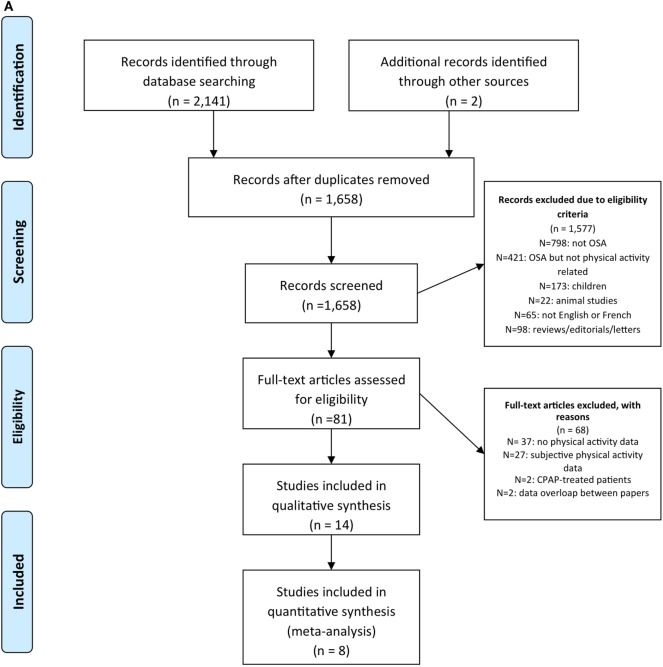
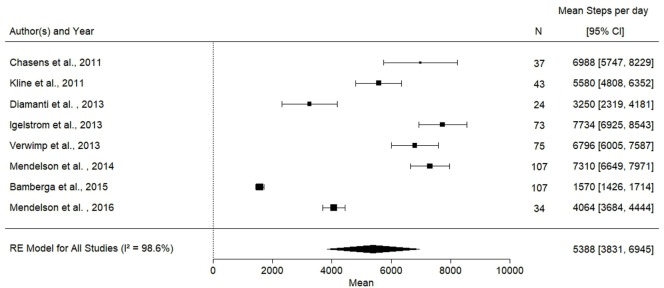
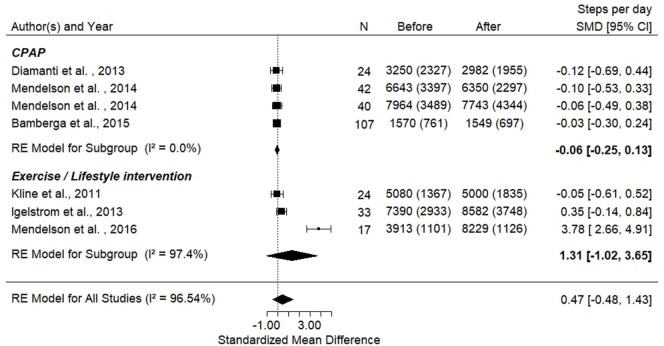
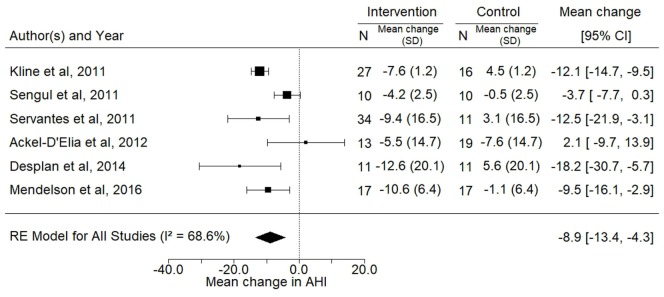
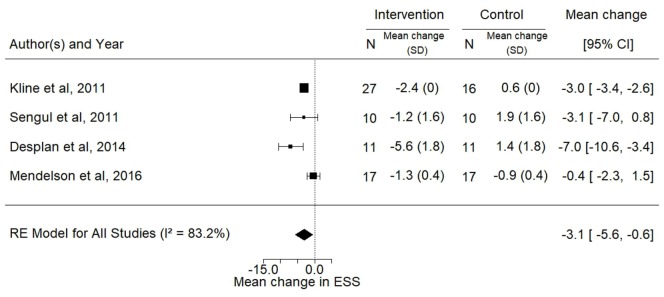
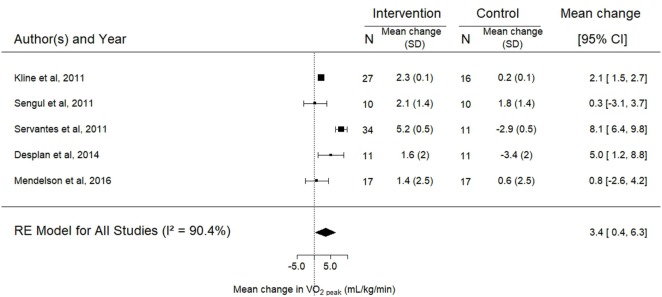
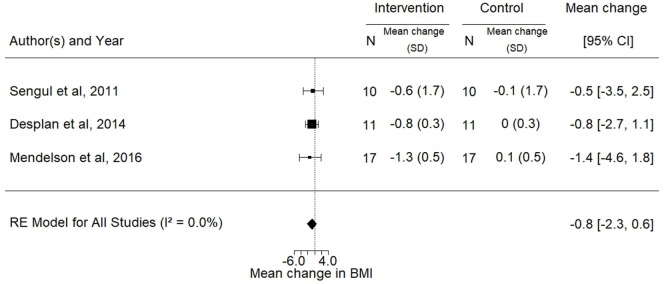
A systematic review of English and French articles using Pubmed/Medline and Embase included studies assessing objectively-measured physical activity levels of OSA patients and exploring the effects of exercise training on OSA severity, body mass index, sleepiness and cardiorespiratory fitness (VO2peak). Two independent reviewers analysed the studies, extracted the data and assessed the quality of evidence. For objectively-measured physical activity levels, 8 studies were included. The mean number of steps per day across studies was 5,388 (95% CI: 3,831 to 6,945; p<0.001), which was by far lower than the recommended threshold of 10,000 steps per day. For exercise training, 6 randomized trials were included. There was a significant decrease in apnea-hypopnea-index following exercise training (mean decrease of 8.9 events/h; 95% CI: -13.4 to -4.3; p<0.01), which was accompanied by a reduction in subjective sleepiness, an increase in VO2peak and no change in BMI. OSA patients present low levels of physical activity and exercise training is associated with improved outcomes. Future interventions (including exercise training) focusing on increasing physical activity levels may have important clinical impacts on both OSA severity and the burden of associated co-morbidities. Objective measurement of physical activity in routine OSA management and well-designed clinical trials are recommended.
Overview
The claims and statistics of this paper haven’t been checked yet.
Run the check — free, no account needed. It reads the open-access text and checks the sources it cites.
Integrity signals
Registry
Cites
Statistics
Figures
Verification
Claims the paper makes
The claims and statistics of this paper haven’t been checked yet.
Run the check — free, no account needed. It reads the open-access text and checks the sources it cites.
Claims other papers make about this one
Each is checked against this paper’s own text: does it say what the citing paper says it does?
The cited source says what the claim attributes to it.
In the citing paper
“Finally, self-reported physical activity or exercise interventions may have potential beneficial effects to lower the incidence of depression20 and lower the severity of obstructive sleep apnea and associated comorbidities21.”
From Association of step counts over time with the risk of chronic disease in the All of Us Research Program (2022) · cites this paper as [21]
Self-check
Percentages, sums and reported differences re-computed from the paper’s own numbers.
The self-check needs the paper’s full text.
Citations
Cites
Measuring inconsistency in meta-analyses
Higgins, J. P. T., Thompson, S. G., Deeks, J. J., & Altman, D. G. (2003) · BMJ · doi:10.1136/bmj.327.7414.557 · Cited by 63,139 · cited 1×
“An I2 index higher than 60% reflects increasing heterogeneity (28).”
BackgroundToprak, Ö., Kurt, H., Sarı, Y., Şarkış, C., Us, H., & Kırık, A. (2017) · Kidney & Blood Pressure Research · doi:10.1159/000468530 · Cited by 29,772
Liberati, A., Altman, D. G., Tetzlaff, J., Mulrow, C., Gøtzsche, P. C., Ioannidis, J. P. A., Clarke, M., Devereaux, P. J., Kleijnen, J., & Moher, D. (2009) · PLoS Medicine · doi:10.1371/journal.pmed.1000100 · Cited by 28,164
Conducting Meta-Analyses in R with the metafor Package
Viechtbauer, W. (2010) · Journal of Statistical Software · doi:10.18637/jss.v036.i03 · Cited by 20,464
Liberati, A., Altman, D. G., Tetzlaff, J., Mulrow, C., Gotzsche, P. C., Ioannidis, J. P. A., Clarke, M., Devereaux, P. J., Kleijnen, J., & Moher, D. (2009) · BMJ · doi:10.1136/bmj.b2700 · Cited by 17,648
Assessing the quality of reports of randomized clinical trials: Is blinding necessary?
Jadad, A. R., Moore, R. A., Carroll, D., Jenkinson, C., Reynolds, D. J. M., Gavaghan, D. J., & McQuay, H. J. (1996) · Controlled Clinical Trials · doi:10.1016/0197-2456(95)00134-4 · Cited by 17,582 · cited 2×
“methodological Quality assessment The quality of the studies was peer-reviewed by Monique Mendelson and Mathieu Marillier using a modified version of the Newcastle-Ottawa Scale (NOS) for observational studies (23) and the Jadad scale for randomized trials (24).”
MethodChobanian, A. V., Bakris, G. L., Black, H. R., Cushman, W. C., Green, L. A., Izzo, J. L., Jones, D. W., Materson, B. J., Oparil, S., Wright, J. T., et al. (2003) · Hypertension · doi:10.1161/01.hyp.0000107251.49515.c2 · Cited by 13,271 · cited 1×
“9 reduction in diastolic blood pressure in hypertensive patients (72).”
BackgroundZhang, Q., Wang, C., Zheng, M., Li, Y., Li, J., Zhang, L., Shang, X., & Yan, C. (2014) · Cerebrovascular Diseases · doi:10.1159/000369778 · Cited by 11,609
(1985) · Europe PMC (PubMed Central) · Cited by 9,143
(2007) · Circulation · doi:10.1161/circulationaha.107.185649 · Cited by 6,545 · cited 1×
“Spontaneous Physical activity and OSa Based on a systematic review and meta-analysis of the reported findings, OSA patients present low levels of objectively measured physical activity when compared with public health physical activity guidelines (15, 34).”
ResultIncreased Prevalence of Sleep-Disordered Breathing in Adults
Peppard, P. E., Young, T., Barnet, J. H., Palta, M., Hagen, E. W., & Hla, K. M. (2013) · American Journal of Epidemiology · doi:10.1093/aje/kws342 · Cited by 4,618 · cited 2×
“For instance, adults with OSA are less likely to be active than adults without sleep apnea (7) and longitudinal and cross-sectional data suggest a reduced prevalence and incidence of OSA in those who exercise regularly (8).”
BackgroundMethodDong, Y., Hao, L., Shi, Z., Wang, G., Zhang, Z., & Han, C. (2013) · Urologia Internationalis · doi:10.1159/000351405 · Cited by 4,557
Kodama, S. (2009) · JAMA · doi:10.1001/jama.2009.681 · Cited by 3,035 · cited 1×
“This improvement is noteworthy as it is associated with a significant survival benefit (66).”
BackgroundDONNELLY, J. E., BLAIR, S. N., JAKICIC, J. M., MANORE, M. M., RANKIN, J. W., & SMITH, B. K. (2009) · Medicine & Science in Sports & Exercise · doi:10.1249/mss.0b013e3181949333 · Cited by 2,658 · cited 3×
“Regular physical activity has been associated with body weight maintenance (11), with reductions in blood pressure (12), and with the prevention of cardiovascular disease (13), therefore it may constitute a useful means to reduce cardiovascular and metabolic risk factors and co-morbidities associated with OSA.”
BackgroundRandom-effects model for meta-analysis of clinical trials: An update
DerSimonian, R., & Kacker, R. (2007) · Contemporary Clinical Trials · doi:10.1016/j.cct.2006.04.004 · Cited by 2,374 · cited 1×
“org February 2018 | Volume 9 | Article 73 meta-analysis model was used in each case to combine weighted mean differences (27).”
MethodEckel, R. H., Jakicic, J. M., Ard, J. D., de Jesus, J. M., Miller, N. H., Hubbard, V. S., Lee, I.-M., Lichtenstein, A. H., Loria, C. M., Millen, B. E., et al. (2014) · Circulation · doi:10.1161/01.cir.0000437740.48606.d1 · Cited by 2,261 · cited 1×
“Regular exercise is considered a cornerstone in the prevention and management of hypertension and cardiovascular disease (71).”
BackgroundEstimating effect sizes from pretest-posttest-control group designs
Morris, S. B. (2008) · Organizational Research Methods · doi:10.1177/1094428106291059 · Cited by 2,133 · cited 1×
“Lastly, we calculated the mean exercise traininginduced change in AHI, Epworth sleepiness scale, VO2peak, and BMI in the intervention group compared with the control group (26).”
MethodCPAP for Prevention of Cardiovascular Events in Obstructive Sleep Apnea
McEvoy, R. D., Antic, N. A., Heeley, E., Luo, Y., Ou, Q., Zhang, X., Mediano, O., Chen, R., Drager, L. F., Liu, Z., et al. (2016) · New England Journal of Medicine · doi:10.1056/nejmoa1606599 · Cited by 2,101 · cited 1×
“This result is clinically significant since CPAP does not prevent cardiovascular events in patients with moderateto-severe OSA and established cardiovascular disease (68) and emphasizes the potential role of exercise as an adjunct treatment to CPAP.”
BackgroundThe Hazards of Scoring the Quality of Clinical Trials for Meta-analysis
Jüni, P. (1999) · JAMA · doi:10.1001/jama.282.11.1054 · Cited by 1,981 · cited 1×
“Studies with scores above the median were classified as highquality studies (25).”
BackgroundBoulé, N. G., Haddad, E., Kenny, G. P., Wells, G. A., & Sigal, R. J. (2001) · JAMA · doi:10.1001/jama.286.10.1218 · Cited by 1,889
Obstructive sleep apnoea syndrome
Lévy, P., Kohler, M., McNicholas, W. T., Barbé, F., McEvoy, R. D., Somers, V. K., Lavie, L., & Pépin, J.-L. (2015) · Nature Reviews Disease Primers · doi:10.1038/nrdp.2015.15 · Cited by 1,235
Self-citationThe Technology of Accelerometry-Based Activity Monitors: Current and Future
CHEN, K. Y., & BASSETT, D. R. (2005) · Medicine & Science in Sports & Exercise · doi:10.1249/01.mss.0000185571.49104.82 · Cited by 996 · cited 1×
“Therefore, these data are not always comparable between devices (55).”
BackgroundWarren, J. M., Ekelund, U., Besson, H., Mezzani, A., Geladas, N., & Vanhees, L. (2010) · European Journal of Cardiovascular Prevention & Rehabilitation · doi:10.1097/hjr.0b013e32832ed875 · Cited by 587 · cited 1×
“The signal obtained can then be transformed into an estimate of energy expenditure, summarized as activity counts, or expressed as steps per day (54).”
BackgroundRevisiting "How Many Steps Are Enough?"
Tudor-Locke, C. E., Hatano, Y., Pangrazi, R. P., & Kang, M. (2008) · Medicine & Science in Sports & Exercise · doi:10.1249/mss.0b013e31817c7133 · Cited by 510 · cited 3×
“The number of steps per day of OSA patients was compared with a threshold value of 10,000 steps per day (15).”
BackgroundMethodResultHow many days of monitoring predict physical activity and sedentary behaviour in older adults?
Hart, T. L., Swartz, A. M., Cashin, S. E., & Strath, S. J. (2011) · International Journal of Behavioral Nutrition and Physical Activity · doi:10.1186/1479-5868-8-62 · Cited by 469 · cited 1×
“While it has been shown that at least 3 days is sufficient in the elderly (57), it seems that in younger patients a full week of monitoring is advisable due to variations in weekly patterns.”
BackgroundIncreasing Physical Activity With Mobile Devices: A Meta-Analysis
Fanning, J., Mullen, S. P., & McAuley, E. (2012) · Journal of Medical Internet Research · doi:10.2196/jmir.2171 · Cited by 457 · cited 1×
“Recent data on the use of mobile devices for increasing physical activity has shown that these platforms are effective means for influencing physical activity behavior (83).”
BackgroundCornelissen, V. A., & Fagard, R. H. (2005) · Journal of Hypertension · doi:10.1097/00004872-200502000-00003 · Cited by 439 · cited 1×
“Regular physical activity has been associated with body weight maintenance (11), with reductions in blood pressure (12), and with the prevention of cardiovascular disease (13), therefore it may constitute a useful means to reduce cardiovascular and metabolic risk factors and co-morbidities associated with OSA.”
BackgroundINTERSALT study findings. Public health and medical care implications
Stamler, J., Rose, G., Stamler, R., Elliott, P., Dyer, A., & Marmot, M. (1989) · Hypertension · doi:10.1161/01.hyp.14.5.570 · Cited by 426 · cited 1×
“A reduction of this magnitude in blood pressure is clinically relevant since a 5 mmHg reduction in population average resting systolic blood pressure can reduce all-cause mortality by approximately 7% (73).”
BackgroundA Meta-Analysis of Pedometer-Based Walking Interventions and Weight Loss
Richardson, C. R., Newton, T. L., Abraham, J. J., Sen, A., Jimbo, M., & Swartz, A. M. (2008) · The Annals of Family Medicine · doi:10.1370/afm.761 · Cited by 421 · cited 1×
“New generations of physical activity monitors have the potential to provide direct feedback to the patient, which has yielded encouraging results when used in combination with goal setting in various patient populations, such as COPD (84) and obesity (85).”
BackgroundMyofunctional Therapy to Treat Obstructive Sleep Apnea: A Systematic Review and Meta-analysis
Camacho, M., Certal, V., Abdullatif, J. D., Zaghi, S., Ruoff, C. M., Capasso, R., & Kushida, C. A. (2015) · SLEEP · doi:10.5665/sleep.4652 · Cited by 420 · cited 1×
“The AHI reduction observed following exercise training in the present study is lower than results obtained in previous meta-analyses examining the effects of weight loss (61), bariatric surgery (62), oropharyngeal exercises (63), oral mandibular appliances and CPAP (64) on OSA severity.”
ResultEffects of Surgical Weight Loss on Measures of Obstructive Sleep Apnea: A Meta-Analysis
Greenburg, D. L., Lettieri, C. J., & Eliasson, A. H. (2009) · The American Journal of Medicine · doi:10.1016/j.amjmed.2008.10.037 · Cited by 399 · cited 1×
“The AHI reduction observed following exercise training in the present study is lower than results obtained in previous meta-analyses examining the effects of weight loss (61), bariatric surgery (62), oropharyngeal exercises (63), oral mandibular appliances and CPAP (64) on OSA severity.”
ResultSleep Apnea and Cardiovascular Disease
Kasai, T., Floras, J. S., & Bradley, T. D. (2012) · Circulation · doi:10.1161/circulationaha.111.070813 · Cited by 391
Kline, C. E., Crowley, E., Ewing, G. B., Burch, J. B., Blair, S. N., Durstine, J. L., Davis, J. M., & Youngstedt, S. D. (2011) · SLEEP · doi:10.5665/sleep.1422 · Cited by 383 · cited 2×
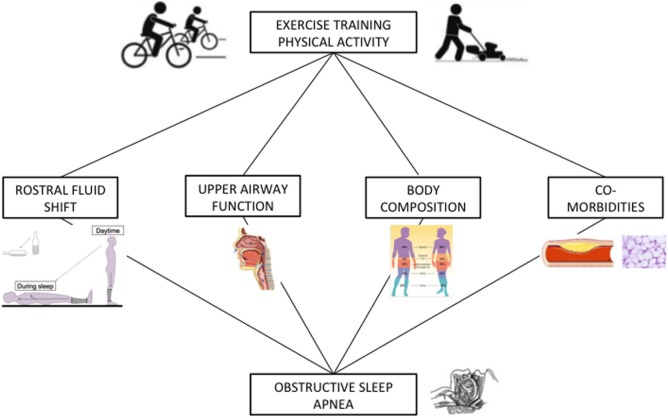
“Other potential mechanisms which have been suggested to explain the observed decrease in OSA severity following exercise training include increased strength and fatigue resistance of the upper airway dilators, decreased nasal resistance, and increased respiratory stability through deeper sleep (16).”
BackgroundKline, C. E. (2014) · American Journal of Lifestyle Medicine · doi:10.1177/1559827614544437 · Cited by 364 · cited 2×
“It has been associated with improved sleep and a bidirectional relationship between sleep and physical activity has been assumed (5).”
BackgroundMethodDaily physical activity assessment with accelerometers: new insights and validation studies
Plasqui, G., Bonomi, A. G., & Westerterp, K. R. (2013) · Obesity Reviews · doi:10.1111/obr.12021 · Cited by 345 · cited 1×
“, as close as possible to the center of mass) (56).”
BackgroundPatient-centered activity monitoring in the self-management of chronic health conditions
Chiauzzi, E. J., Rodarte, C., & DasMahapatra, P. (2015) · BMC Medicine · doi:10.1186/s12916-015-0319-2 · Cited by 342
Tamisier, R., Pépin, J. L., Rémy, J., Baguet, J. P., Taylor, J. A., Weiss, J. W., & Lévy, P. (2011) · European Respiratory Journal · doi:10.1183/09031936.00204209 · Cited by 323 · cited 5×
“Sleep fragmentation and chronic intermittent hypoxia induce intermediate mechanisms such as activation of the sympathetic nervous system (1), oxidative stress and systemic inflammation which contribute to cardiometabolic morbidity (2).”
BackgroundMethodInfluentialSelf-citationBrage, S., Ekelund, U., Brage, N., Hennings, M. A., Froberg, K., Franks, P. W., & Wareham, N. J. (2007) · Journal of Applied Physiology · doi:10.1152/japplphysiol.00092.2006 · Cited by 303 · cited 1×
“Lastly, to improve the accuracy and precision of physical activity measures, it has been suggested to combine heart rate monitoring with accelerometer-based data (58).”
Sleep apnoea and the brain: a complex relationship
Rosenzweig, I., Glasser, M., Polšek, D., Leschziner, G. D., Williams, S., & Morrell, M. J. (2015) · The Lancet Respiratory Medicine · doi:10.1016/s2213-2600(15)00090-9 · Cited by 278 · cited 1×
“The low levels of physical activity observed in OSA patients have been attributed to the fatigue and somnolence they experience, the excess weight, and low energy that characterize the clinical presentation of OSA (9) and associated neurocognitive alterations [see for review: (10)].”
BackgroundDrager, L. F., Brunoni, A. R., Jenner, R., Lorenzi-Filho, G., Bensenor, I. M., & Lotufo, P. A. (2015) · Thorax · doi:10.1136/thoraxjnl-2014-205361 · Cited by 277 · cited 2×
“Hence, the reversal of OSA using CPAP may potentially result in a small but significant increase of BMI and body weight (49), which may contribute to limiting the increase in physical activity levels.”
BackgroundWay, K. L., Hackett, D. A., Baker, M. K., & Johnson, N. A. (2016) · Diabetes & Metabolism Journal · doi:10.4093/dmj.2016.40.4.253 · Cited by 264 · cited 1×
“Exercise has also been shown to improve glycemic control (74) and insulin sensitivity (75) in patients with type 2 diabetes.”
BackgroundSchuler, G. C., Adams, V., & Goto, Y. (2013) · European Heart Journal · doi:10.1093/eurheartj/eht111 · Cited by 257 · cited 1×
“Regular physical activity has been associated with body weight maintenance (11), with reductions in blood pressure (12), and with the prevention of cardiovascular disease (13), therefore it may constitute a useful means to reduce cardiovascular and metabolic risk factors and co-morbidities associated with OSA.”
BackgroundDemeyer, H., Louvaris, Z., Frei, A., Rabinovich, R. A., de Jong, C., Gimeno-Santos, E., Loeckx, M., Buttery, S. C., Rubio, N., Van der Molen, T., et al. (2017) · Thorax · doi:10.1136/thoraxjnl-2016-209026 · Cited by 256 · cited 2×
“For example, one study in 343 patients with COPD showed that the mean number of steps per day was approximately 5,000 (37).”
BackgroundEffects of Exercise Training on Sleep Apnea: A Meta-analysis
IFTIKHAR, I. H., Kline, C. E., & Youngstedt, S. D. (2013) · Lung · doi:10.1007/s00408-013-9511-3 · Cited by 249
Association of physical activity and human sleep disorders
Sherrill, D. L., Kotchou, K., & Quan, S. F. (1998) · Archives of Internal Medicine · doi:10.1001/archinte.158.17.1894 · Cited by 244 · cited 3×
“For each reference, the following variables were systematically extracted and entered into a summary table: (1) author, year; (2) participants; (3) AHI cutoff; (4) sample size; (5) age; (6) BMI; (7) study design; (8) outcomes; and (9) main findings.”
BackgroundMethodObstructive Sleep Apnea and Type 2 Diabetes: Is There a Link?
Pamidi, S., & Tasali, E. (2012) · Frontiers in Neurology · doi:10.3389/fneur.2012.00126 · Cited by 231 · cited 1×
“This is important because it has been shown that OSA is associated with insulin resistance, glucose intolerance, and type 2 diabetes, independent of obesity (76).”
BackgroundPedometers to enhance physical activity in COPD: a randomised controlled trial
I, L. M., Horta, P., Espinoza, J., Aguilera, M., Balmaceda, N., Castro, A., Ruiz, M., Orlando Díaz, P., & Hopkinson, N. S. (2014) · European Respiratory Journal · doi:10.1183/09031936.00084514 · Cited by 230 · cited 6×
“A large multicenter randomized trial in patients with COPD evaluating a semiautomated tele-coaching intervention using a pedometer and an application installed on a smartphone showed significant increases in physical activity levels (37).”
BackgroundInfluentialIntermittent Hypoxia Exacerbates Metabolic Effects of Diet‐Induced Obesity
Drager, L. F., Li, J., Reinke, C., Bevans‐Fonti, S., Jun, J. C., & Polotsky, V. Y. (2011) · Obesity · doi:10.1038/oby.2011.240 · Cited by 208
Jullian‐Desayes, I., Joyeux‐Faure, M., Tamisier, R., Launois, S. H., Borel, A., Levy, P. A., & Pépin, J. (2014) · Sleep Medicine Reviews · doi:10.1016/j.smrv.2014.07.004 · Cited by 205 · cited 1×
“This is surprising given that CPAP, the first line treatment of OSA has a limited impact on cardiometabolic risk factors (69) while as exercise training has a well-documented effect on a number of cardiometabolic risk factors in non-OSA patients (70).”
BackgroundSelf-citationSharples, L. D., Clutterbuck-James, A. L., Glover, M. J., Bennett, M. S., Chadwick, R., Pittman, M. A., & Quinnell, T. G. (2016) · Sleep Medicine Reviews · doi:10.1016/j.smrv.2015.05.003 · Cited by 202 · cited 1×
“The AHI reduction observed following exercise training in the present study is lower than results obtained in previous meta-analyses examining the effects of weight loss (61), bariatric surgery (62), oropharyngeal exercises (63), oral mandibular appliances and CPAP (64) on OSA severity.”
ResultInterventions to modify physical activity in patients with COPD: a systematic review
Mantoani, L. C., Rubio, N., McKinstry, B., MacNee, W., & Rabinovich, R. (2016) · European Respiratory Journal · doi:10.1183/13993003.01744-2015 · Cited by 198 · cited 4×
“Furthermore, physical activity coaching interventions which can include accurate assessment and feedback of physical activity levels, individualized physical activity goals and/or tailored motivational messages have shown promise in COPD for maintaining physical activity levels (52).”
BackgroundResultInfluentialObstructive Sleep Apnea: A Cluster Analysis at Time of Diagnosis
Bailly, S., Destors, M., Grillet, Y., Richard, P., Stach, B., Vivodtzev, I., Timsit, J., Levy, P. A., Tamisier, R., & Pépin, J. (2016) · PLoS ONE · doi:10.1371/journal.pone.0157318 · Cited by 197 · cited 1×
“Future investigations should aim to define specific rehabilitation strategies for the different OSA phenotypes (65).”
BackgroundSelf-citationCook, D. J., Thompson, J. E., Prinsen, S. K., Dearani, J. A., & Deschamps, C. C. (2013) · The Annals of Thoracic Surgery · doi:10.1016/j.athoracsur.2013.05.092 · Cited by 193
The effect of exercise on obstructive sleep apnea: a randomized and controlled trial
Şengül, Y. S., Özalevli, S., Öztura, İ., İtil, O., & Baklan, B. (2009) · Sleep And Breathing · doi:10.1007/s11325-009-0311-1 · Cited by 183
The National Physical Activity Plan: A Call to Action From the American Heart Association
Kraus, W. E., Bittner, V., Appel, L. J., Blair, S. N., Church, T. S., Després, J., Franklin, B. A., Miller, T. D., Pate, R. R., Taylor‐Piliae, R. E., et al. (2015) · Circulation · doi:10.1161/cir.0000000000000203 · Cited by 169 · cited 5×
“eligibility criteria The following criteria were required for selection: (1) original research investigations; (2) conducted in humans; (3) conducted in adults; (4) include patients diagnosed with OSA of at least mild severity (AHI ≥ 5 events/h) based on polysomnography (PSG) or polygraphy.”
BackgroundMethodInfluentialAssociation of physical activity with sleep-disordered breathing
Quan, S. F., O’Connor, G. T., Quan, J. S., Redline, S. S., Resnick, H. E., Shahar, E., Siscovick, D. S., & Sherrill, D. L. (2007) · Sleep And Breathing · doi:10.1007/s11325-006-0095-5 · Cited by 154 · cited 1×
“Even if undiagnosed OSA may be present in some of the overweight/obese patients investigated in this previous study due to the relationship between weight status and risk of OSA (36), the average steps per day reported was over 1,000 steps higher than the mean values obtained in the present meta-analysis.”
ResultThe Effects of Exercise Training on the Traditional Lipid Profile and Beyond
Gordon, B., Chen, S., & Durstine, J. L. (2014) · Current Sports Medicine Reports · doi:10.1249/jsr.0000000000000073 · Cited by 143 · cited 1×
“However, a substantial decrease in TC and LDL-C and significant improvement in HDL-C levels are observed when a reduction in body weight following exercise training is achieved (77).”
BackgroundDepartment of Clinical and Digital Health Sciences, C. O. A. H. S., Coughlin, S. S., & Stewart, J. (2016) · Journal of Environment and Health Science · doi:10.15436/2378-6841.16.1123 · Cited by 137 · cited 1×
“in OSaS Low-cost wearable devices and mobile devices that assist individuals in monitoring their physical activity levels and becoming more active have become more widespread (78).”
BackgroundMendelson, M., Lyons, O. D., Yadollahi, A., Inami, T., OH, P. I., & Bradley, T. D. (2016) · European Respiratory Journal · doi:10.1183/13993003.01897-2015 · Cited by 136 · cited 5×
“Furthermore, one study included patients with coronary artery disease and OSA (22) and in another study over 60% of the patients were in secondary prevention (20), therefore it is possible that physical”
BackgroundInfluentialSelf-citationEffect of exercise training on sleep apnea: A systematic review and meta-analysis
Aiello, K. D., Caughey, W. G., Nelluri, B. K., Sharma, A. K., Mookadam, F., & Mookadam, M. (2016) · Respiratory Medicine · doi:10.1016/j.rmed.2016.05.015 · Cited by 133 · cited 1×
“The results obtained suggest that exercise training can reduce the severity of OSA by 28% and improve symptoms of sleepiness and VO2peak, in the absence of any change of BMI, which supports the results of two previous meta-analysis’ (59, 60).”
ResultWearable Systems for Monitoring Mobility-Related Activities in Chronic Disease: A Systematic Review
Allet, L., Knols, R. H., Shirato, K., & de Bruin, E. D. (2010) · Sensors · doi:10.3390/s101009026 · Cited by 118
Program Participation and Physical Activity Maintenance after Cardiac Rehabilitation
Bock, B. C., Carmona-Barros, R., Esler, J. L., & Tilkemeier, P. L. (2003) · Behavior Modification · doi:10.1177/0145445502238692 · Cited by 110 · cited 3×
“, >12 weeks) may have greater impacts on physical activity levels (52, 53).”
BackgroundResultWest, S. D., Kohler, M., Nicoll, D. J., & Stradling, J. R. (2009) · Sleep Medicine · doi:10.1016/j.sleep.2008.11.007 · Cited by 97 · cited 2×
“The availability of physical activity monitors has made the objective evaluation of physical activity in OSA patients possible in various contexts such as in response to CPAP (17, 20, 48) and during rehabilitation programs (22, 33).”
BackgroundDiamanti, C., Manali, E. D., Ginieri-Coccossis, M., Vougas, K. N., Cholidou, K., Markozannes, E., Bakakos, P., Liappas, I., & Alchanatis, M. (2013) · Sleep And Breathing · doi:10.1007/s11325-013-0815-6 · Cited by 96 · cited 1×
“The availability of physical activity monitors has made the objective evaluation of physical activity in OSA patients possible in various contexts such as in response to CPAP (17, 20, 48) and during rehabilitation programs (22, 33).”
BackgroundEffects of dietary weight loss on obstructive sleep apnea: a meta-analysis
Anandam, A., Akinnusi, M., Kufel, T., Porhomayon, J., & El-Solh, A. A. (2013) · Sleep and Breathing · doi:10.1007/s11325-012-0677-3 · Cited by 95
Cardiopulmonary exercise testing in obstructive sleep apnea syndrome
Lin, C.-C., Hsieh, W., Chou, C.-S., & Liaw, S. (2005) · Respiratory Physiology & Neurobiology · doi:10.1016/j.resp.2005.01.008 · Cited by 93
Thorup, C. B., Hansen, J., Grønkjær, M., Andreasen, J. J., Nielsen, G. N., Sørensen, E. E., & Dinesen, B. (2016) · Journal of Medical Internet Research · doi:10.2196/jmir.5191 · Cited by 90 · cited 1×
“In 64 patients with coronary artery disease, mean number of steps per day was 5,191 ± 3,198 (38).”
BackgroundServantes, D. M., Pelcerman, A., Salvetti, X. M., Salles, A. F., de Albuquerque, P. F., de Salles, F. C. A., Lopes, C., de Mello, M. T., Almeida, D. R., & Filho, J. A. O. (2011) · Clinical Rehabilitation · doi:10.1177/0269215511403941 · Cited by 87
Desplan, M., Mercier, J. G., Sabaté, M., Ninot, G., Prefaut, C., & Dauvilliers, Y. A. (2014) · Sleep Medicine · doi:10.1016/j.sleep.2013.09.023 · Cited by 86 · cited 3×
“The availability of physical activity monitors has made the objective evaluation of physical activity in OSA patients possible in various contexts such as in response to CPAP (17, 20, 48) and during rehabilitation programs (22, 33).”
BackgroundObstructive Sleep Apnea Is Associated with Impaired Exercise Capacity: A Cross-Sectional Study
Beitler, J. R., Awad, K. M., Bakker, J. P., Edwards, B. A., DeYoung, P. N., Djonlagic, I. E., Forman, D. E., Quan, S. F., & Malhotra, A. (2014) · Journal of Clinical Sleep Medicine · doi:10.5664/jcsm.4200 · Cited by 84
Physical Activity and Perception of Energy and Fatigue in Obstructive Sleep Apnea
Hong, S., & Dimsdale, J. E. (2003) · Medicine & Science in Sports & Exercise · doi:10.1249/01.mss.0000074566.94791.24 · Cited by 83 · cited 2×
“For each reference, the following variables were systematically extracted and entered into a summary table: (1) author, year; (2) participants; (3) AHI cutoff; (4) sample size; (5) age; (6) BMI; (7) study design; (8) outcomes; and (9) main findings.”
BackgroundMethodObstructive sleep apnoea–hypoapnoea syndrome reversibly depresses cardiac response to exercise
Alonso‐Fernández, A., Rio, F. G., Arias, M. A., Mediano, O., Pino, J. M., Martínez, I., & Villamor, J. (2005) · European Heart Journal · doi:10.1093/eurheartj/ehi621 · Cited by 81
Cardiorespiratory Fitness and Obstructive Sleep Apnea Syndrome in Morbidly Obese Patients
Vanhecke, T. E., Franklin, B. A., Zalesin, K. C., Sangal, R. B., deJong, A., Agrawal, V., & McCullough, P. A. (2008) · CHEST Journal · doi:10.1378/chest.08-0567 · Cited by 80
Ackel-D’Elia, C., da Silva, A. C., Silva, R. S., Truksinas, E., Sousa, B. S., Tufik, S. B., de Mello, M. T., & Bittencourt, L. (2011) · Sleep And Breathing · doi:10.1007/s11325-011-0567-0 · Cited by 79
Mendelson, M., Vivodtzev, I., Tamisier, R., Laplaud, D., Dias-Domingos, S., Baguet, J.-P., Moreau, L., Koltes, C., Chavez, L., De Lamberterie, G., et al. (2014) · Sleep · doi:10.5665/sleep.4186 · Cited by 72 · cited 2×
“The availability of physical activity monitors has made the objective evaluation of physical activity in OSA patients possible in various contexts such as in response to CPAP (17, 20, 48) and during rehabilitation programs (22, 33).”
BackgroundSelf-citationHigh energy expenditure masks low physical activity in obesity
DeLany, J. P., Kelley, D. E., Hames, K. C., Jakicic, J. M., & Goodpaster, B. H. (2012) · International Journal of Obesity · doi:10.1038/ijo.2012.172 · Cited by 71 · cited 1×
“A recent paper examining physical activity levels in patients with varying levels of obesity found that physical activity levels tended to be lower with increasing obesity (35).”
BackgroundHargens, T. A., Guill, S. G., Zedalis, D., Gregg, J. M., Nickols‐Richardson, S. M., & Herbert, W. G. (2008) · SLEEP · doi:10.1093/sleep/31.1.104 · Cited by 59
Üçok, K., Ayçiçek, A., Sezer, M., Genç, A., Akkaya, M., Çağlar, V., Fidan, F., & Unlu, M. (2008) · Lung · doi:10.1007/s00408-008-9128-0 · Cited by 58
Verwimp, J., Ameye, L., & Bruyneel, M. (2013) · Sleep And Breathing · doi:10.1007/s11325-012-0796-x · Cited by 56 · cited 1×
“(19) found that only AHI in rapid-eye-movement sleep was independently associated with steps per day after controlling for age and BMI.”
BackgroundSubjective and Objective Appraisal of Activity in Adults with Obstructive Sleep Apnea
Chasens, E. R., Sereika, S. M., Houze, M. P., & Strollo, P. J. (2011) · Journal of Aging Research · doi:10.4061/2011/751819 · Cited by 46 · cited 5×
“Int J Obes (Lond) (2013) 37(7):1006–11.”
BackgroundMethodInfluentialActivity Monitoring in Chronic Obstructive Pulmonary Disease
Benzo, R. (2009) · Journal of Cardiopulmonary Rehabilitation and Prevention · doi:10.1097/hcr.0b013e3181be7a3c · Cited by 41
Does Obstructive Sleep Apnea Impair the Cardiopulmonary Response to Exercise?
Rizzi, C. F., Cintra, F. D., Mello-Fujita, L., Rios, L. F., Mendonca, E. T., Feres, M. C., Tufik, S., & Poyares, D. R. (2013) · SLEEP · doi:10.5665/sleep.2542 · Cited by 40
Igelström, H., Emtner, M., Lindberg, E., & Åsenlöf, P. (2013) · Sleep And Breathing · doi:10.1007/s11325-013-0831-6 · Cited by 36
Bamberga, M., Rizzi, M., Gadaleta, F., Grechi, A., Baiardini, R., & Fanfulla, F. (2015) · Respiratory Medicine · doi:10.1016/j.rmed.2015.02.010 · Cited by 33
Mendelson, M., Tamisier, R., Laplaud, D., Dias-Domingos, S., Baguet, J.-P., Moreau, L., Koltes, C., Chavez, L., Lamberterie, G. D., Hérengt, F., et al. (2013) · Respiratory Care · doi:10.4187/respcare.02948 · Cited by 27 · cited 16×
“(22) Exercise group 17 31.1 (12.9) 63.8 (8.0) 28.6 (4.5) 16 (94) 5 Control group 17 28.1 (13.5) 59.6 (11.8) 26.2 (3.9) 14 (82) AHI, apnea–hypopnea index; BMI, body mass index. aData presented by author as mean ± standard error, which we converted to mean ± SD for the statistical analysis.”
BackgroundInfluentialSelf-citationIgelström, H., Margareta, E., Eva, L., & Åsenlöf, P. (2013) · Sleep And Breathing · doi:10.1007/s11325-013-0929-x · Cited by 26
Sharples, L. D., & Quinnell, T. G. (2015) · Sleep Medicine Reviews · doi:10.1016/j.smrv.2015.08.001 · Cited by 6
Research works printed but not linked: 2
- 2006, ACSM’s Metabolic Calculations Handbook
- 2008, Physical Activity Guidelines Advisory Committee Report
Cited by
Sorted by citations
Dauvilliers, Y. A., Verbraecken, J. A., Partinen, M., Hedner, J. A., Saaresranta, T., Georgiev, O. B., Tiholov, R., Lecomte, I., Tamisier, R., Levy, P. A., et al. (2020) · American Journal of Respiratory and Critical Care Medicine · doi:10.1164/rccm.201907-1284oc · Cited by 273
Self-citationMaster, H., Annis, J., Huang, S., Beckman, J. A., Ratsimbazafy, F., Marginean, K., Carroll, R., Natarajan, K., Harrell, F. E., Roden, D. M., et al. (2022) · Nature Medicine · doi:10.1038/s41591-022-02012-w · Cited by 220
Kline, C. E., Hillman, C. H., Sheppard, B. B., Tennant, B., Conroy, D. E., Macko, R. F., Márquez, D. X., Petruzzello, S. J., Powell, K. E., & Erickson, K. I. (2021) · Sleep Medicine Reviews · doi:10.1016/j.smrv.2021.101489 · Cited by 157
Muscle quality index is associated with trouble sleeping: a cross-sectional population based study
You, Y., Chen, Y., Zhang, Q., Yan, N., Ning, Y., & Cao, Q. (2023) · BMC Public Health · doi:10.1186/s12889-023-15411-6 · Cited by 122
“Sleep duration was assessed by interview and was categorized into three groups: < 7 h for short duration, [7, 9) hours for normal duration, and ≥ 9 h for long duration.”
BackgroundMethodMultimodal Remote Monitoring of High Cardiovascular Risk Patients With OSA Initiating CPAP
Pépin, J., Jullian‐Desayes, I., Sapène, M., Treptow, E. C., Joyeux‐Faure, M., Benmerad, M., Bailly, S., Grillet, Y., Stach, B., Richard, P., et al. (2018) · CHEST Journal · doi:10.1016/j.chest.2018.11.007 · Cited by 86
Self-citation
Metadata
- Authors
- Mendelson, M., Bailly, S., Marillier, M., Flore, P., Borel, J. C., Vivodtzev, I., Doutreleau, S., Verges, S., Tamisier, R., & Pépin, J.-L.
- Affiliations
- Inserm (FR)
- Corresponding author
- Mendelson, Monique
- ORCID
- Venue
- Frontiers in Neurology
- Publisher
- Frontiers Media SA
- Published
- 2018-02-22
- Volume
- 9
- Pages
- 73-73
- ISSN
- 1664-2295 (ISSN-L)
- PMC
- PMC5827163
- OpenAlex
- W2791102933
- Cited by
- 134
- References
- 87
- Citations by year
- 2026: 11 · 2025: 17 · 2024: 18 · 2023: 14 · 2022: 15 · 2021: 20 · 2020: 22 · 2019: 7 · 2018: 9
- FWCI
- 1.90
- Type
- journal article
- Language
- en
- Open access
- gold
- doi.org
- Locations
- Frontiers in Neurology (publishedVersion, cc-by)
- PubMed Central (publishedVersion, cc-by)
- PubMed (publishedVersion)
- HAL (submittedVersion)
- DOAJ (DOAJ: Directory of Open Access Journals) (submittedVersion, cc-by-sa)
- Funders
- Fondation Air Liquide
- ResMed
- Agence Nationale de la Recherche (IDEX-02, ANR‐15‐IDEX‐02, ANR-15-IDEX-0002, 15-IDEX-02)
- Agir pour les Maladies Chroniques
- Topics
- Health Sciences › Medicine › Physiology (medical) › Obstructive Sleep Apnea Research
- Social Sciences › Psychology › Experimental and Cognitive Psychology › Sleep and related disorders
- Health Sciences › Medicine › Public Health, Environmental and Occupational Health › Physical Activity and Health
- Keywords
- obstructive sleep apnea, physical activity, exercise training, step count, apnea-hypopnea index, daytime sleepiness, cardiorespiratory fitness, body mass index, OSA severity
About these checks
Registry, retraction, Cites and statistics results are computed, not judged, with one exception: a printed reference that no index lists is read once by a model before it counts as a citation error. Claims are extracted by a model and kept only when their quote appears verbatim in the text; each cited source is then checked, with a model’s help, for whether it says what the claim relies on. Those verdicts can be wrong — read the claim’s quote and the cited source before relying on one.
Statistics and arithmetic are recomputed, not judged.
Confidence bands are shown only for fields calibrated on our annotated test set. None is calibrated yet, so no band is shown.
What counts as a claim ›How we measure confidence ›How we check this ›
Are you an author, or do you see a problem with this page? Request a review
