

The DOI matches its Crossref record; 5 of the 5 references it cites were found in a registry or an index.
Is it time for a new paradigm for systemic cancer treatment? Lessons from a century of cancer chemotherapy
Overview
The claims and statistics of this paper haven’t been checked yet.
Run the check — free, no account needed. It reads the open-access text and checks the sources it cites.
Integrity signals
Registry
Cites
Statistics
Figures
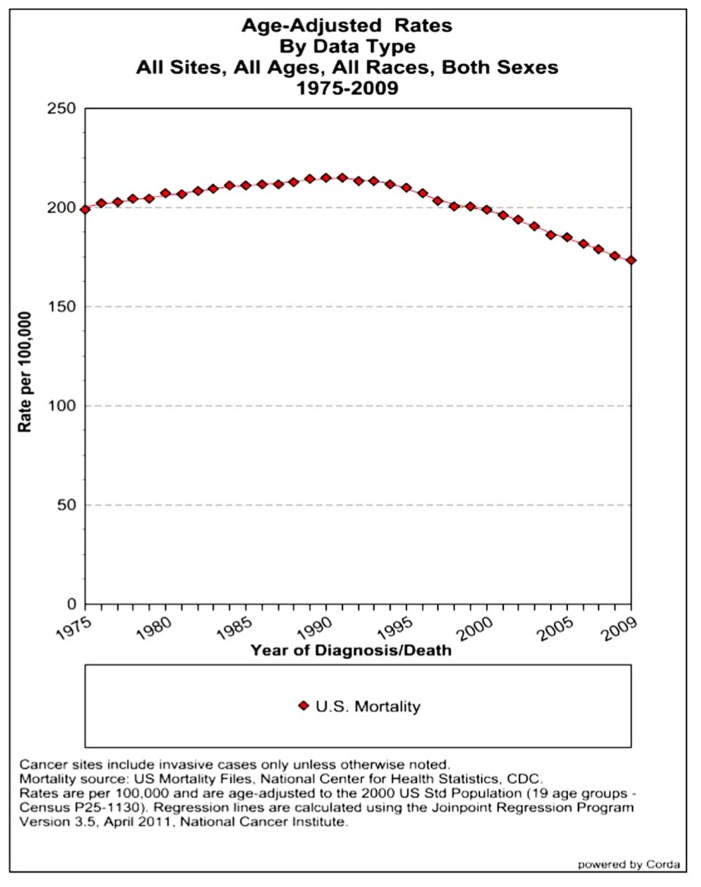
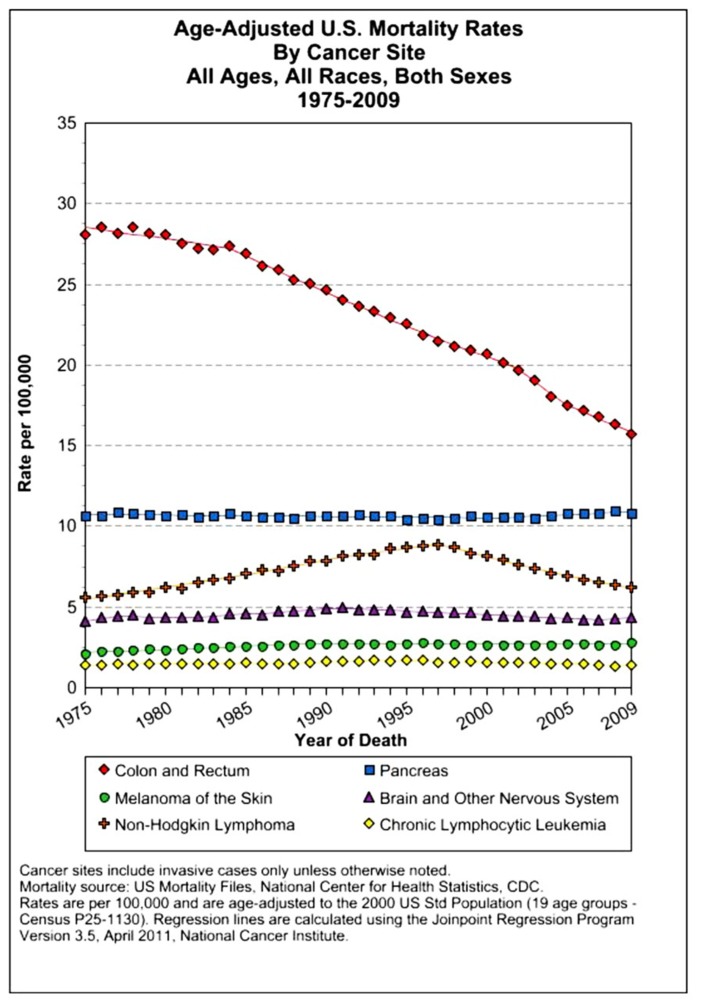
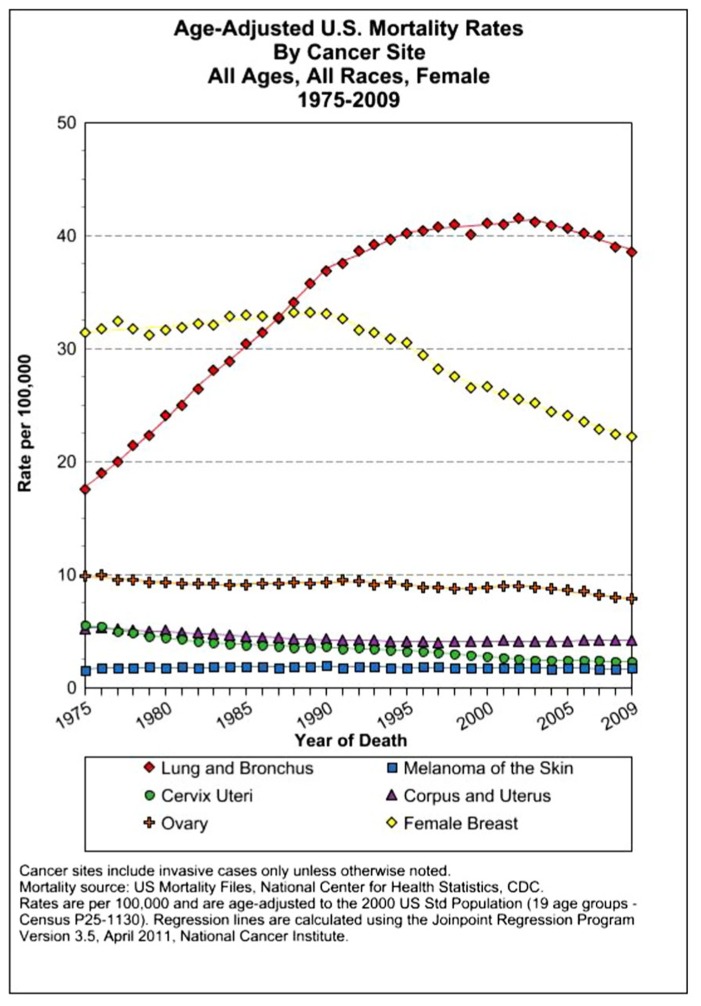
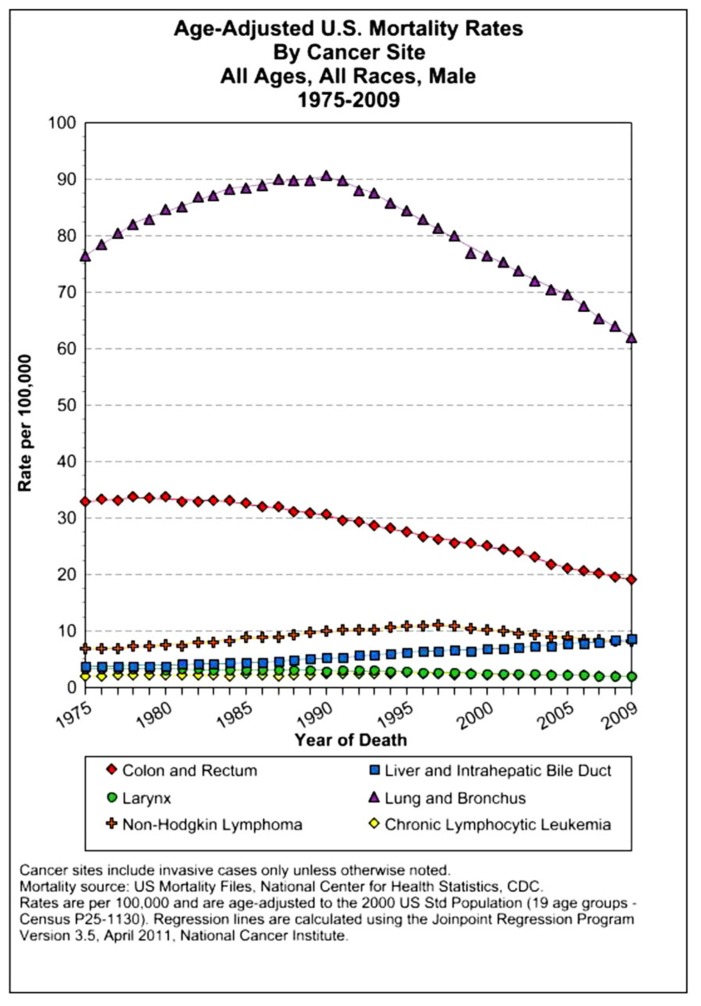
Verification
Claims the paper makes
The claims and statistics of this paper haven’t been checked yet.
Run the check — free, no account needed. It reads the open-access text and checks the sources it cites.
Claims other papers make about this one
Each is checked against this paper’s own text: does it say what the citing paper says it does?
In the citing paper
“DDS have been specifically established to tackle these issues, as it utilizes these issues as means of targeting tumor sites, which provides efficiency, safety, and site-specific drug delivery [28]. It brings about high local drug concentrations, extended drug retention on tumors, and minimal off-target side effects.”
From Advances in green-synthesized magnetic nanoparticles for targeted cancer therapy: mechanisms, applications, and future perspectives (2026) · cites this paper as [27]
Self-check
Percentages, sums and reported differences re-computed from the paper’s own numbers.
The self-check needs the paper’s full text.
Citations
Cites
Cancer chemopreventive activity of resveratrol, a natural product derived from grapes
Jang, M., Cai, L., Udeani, G. O., Slowing, K. V., Thomas, C. F., Beecher, C. W. W., Fong, H. H. S., Farnsworth, N. R., Kinghorn, A. D., Mehta, R. G., et al. (1997) · Science · doi:10.1126/science.275.5297.218 · Cited by 4,935 · cited 1×
“Additional natural products with demonstrated anti-cancer activity that also block inflammation via NF-kB pathway inhibition include curcumin, resveratrol, ursolic acid, and others (Huang et al., 1994; Jang et al., 1997).”
BackgroundDrug penetration in solid tumours
Minchinton, A. I., & Tannock, I. F. (2006) · Nature reviews. Cancer · doi:10.1038/nrc1893 · Cited by 2,805
Hypoxia signalling in cancer and approaches to enforce tumour regression
Pouysségur, J., Dayan, F., & Mazure, N. M. (2006) · Nature · doi:10.1038/nature04871 · Cited by 1,676
Oxidative stress promotes myofibroblast differentiation and tumour spreading
Toullec, A., Gerald, D., Despouy, G., Bourachot, B., Cardon, M., Lefort, S., Richardson, M., Rigaill, G., Parrini, M., Lucchesi, C., et al. (2010) · EMBO Molecular Medicine · doi:10.1002/emmm.201000073 · Cited by 339
Lisanti, M. P., Martinez-Outschoorn, U. E., Chiavarina, B., Pavlides, S., Whitaker-Menezes, D., Tsirigos, A., Witkiewicz, A. K., Lin, Z., Balliet, R. M., Howell, A., et al. (2010) · Cancer Biology & Therapy · doi:10.4161/cbt.10.6.13370 · Cited by 199
Research works printed but not linked: 163
- Abbott L. H. Michor F. (2006) Mathematical models of targeted cancer therapy. Br. J. Cancer 95 1136– 1141 17031409 PMC2360553
- Achuthan S. Thankayyan R. Santhoshkumar S. Prabhakar J. Nair S. Pillai M. R. (2011) Drug-induced senescence generates chemoresistant stemlike cells with low reactive oxygen species. J. Biol. Chem. 286 37813– 37829 21878644 PMC3199523
- Anderson W. F. Umar A. Viner J. L. Hawk E. T. (2002) The role of cyclooxygenase inhibitors in cancer prevention. Curr. Pharm. Des. 1035– 1062 11945150
- Annemijn M. Algra B. Rothwell P. (2012) Effects of regular aspirin on long-term cancer incidence and metastasis: a systematic comparison of evidence from observational studies versus randomised trials. Lancet 13 518– 527 22440112
- Au J. L. Jang S. H. Wientjes M. G. (2002) Clinical aspects of drug delivery to tumors. J. Control Release 78 81– 95 11772451
- Baek J. S. Eling T. E. (2006) Changes in gene expression contribute to cancer prevention by COX inhibitors. Prog. Lipid Res. 45 1– 16 16337272
- Beatson G. T. (1896) On the treatment of inoperable cases of carcinoma of the Mammary gland: suggestions for a new method of treatment, with illustrative cases. Lancet 2 104– 107 PMC5518378 29584099
- Behrend L. Mohr A. Dick T. Zwacka R. M. (2005) Manganese superoxide dismutase induces p53-dependent senescence in colorectal cancer cells. Mol. Cell. Biol. 25 7758– 7769 16107721 PMC1190300
- Block K. I. (2004) Antioxidants and cancer therapy: furthering the debate. Integr. Cancer Ther. 3 342– 348 15523105
- Bonadonna G. Brusamolino E. Valagussa P. Rossi A. Brugnatelli L. Brambilla C. (1976) Combination chemotherapy as an adjuvant treatment in operable breast cancer. N. Engl. J. Med. 294 405– 410 1246307
- Bonilla L. Ben-Aharon I. Vidal L. Gafter-Gvili A. Leibovici L. Stemmer S. M. (2010) Dose-dense chemotherapy in nonmetastatic breast cancer: a systematic review and meta-analysis of randomized controlled trials. J. Natl. Cancer Inst. 102 1845– 1854 21098761 PMC3001963
- Bonuccelli G. Tsirigos A. Whitaker-Menezes D. Pavlides S. Pestell R. G. Chiavarina B. (2010a) Ketones and lactate “fuel” tumor growth and metastasis: evidence that epithelial cancer cells use oxidative mitochondrial metabolism. Cell Cycle 9 3506– 3514 20818174 PMC3047616
- Bonuccelli G. Whitaker-Menezes D. Castello-Cros R. Pavlides S. Pestell R. G. Fatatis A. (2010b) The reverse Warburg effect: glycolysis inhibitors prevent the tumor promoting effects of caveolin-1 deficient cancer associated fibroblasts. Cell Cycle 9 1960– 1971 20495363
- Bookman M. A. (2009) Dose-dense chemotherapy in advanced ovarian cancer. Lancet 374 1303– 1305 19767094
- Boucher Y. Baxter L. T. Jain R. K. (1990) Interstitial pressure gradients in tissue isolated and subcutaneous tumors: implications for therapy. Cancer Res. 50 4478– 4484 2369726
- Braun S. Bitton-Worms K. LeRoith D. (2009) The link between the metabolic syndrome and cancer. Cancer Prev. Res. 2 922– 930 PMC3164150 21912508
- Bravard A. Sabatier L. Hoffschir F. Ricoul M. Luccioni C. Dutrillaux B. (1992) SOD2: a new type of tumor-suppressor gene? Int. J. Cancer 51 476– 480 1592538
- Brown J. M. Wilson W. R. (2004) Exploiting tumour hypoxia in cancer treatment. Nat. Rev. Cancer 4 437– 447 15170446
- Budman D. R. Berry D. A. Cirrincione C. T. Henderson I. C. Wood W. C. Weiss R. B. (1998) Dose and dose intensity as determinants of outcome in the adjuvant treatment of breast cancer: the cancer and leukemia group B. J. Natl. Cancer Inst. 90 1205– 1211 9719081
- Burchenal J. H. (1966) Treatment of leukemias. Semin. Hematol. 31 122 5326054
- Burn J. Gerdes A. M. Macrae F. Mecklin J. P. Moeslein G. Olschwang S. (2011) Long-term effect of aspirin on cancer risk in carriers of hereditary colorectal cancer: an analysis from the CAPP2 randomised controlled trial. Lancet 378 2081– 2087 22036019 PMC3243929
- Bussink J. K. J van der Kogel A. J. (2003) Tumor hypoxia at the micro-regional level: clinical relevance and predictive value of exogenous and endogenous hypoxic cell markers. Radiother. Oncol. 67 3– 15 12758235
- Canellos G. P. DeVita V. T. Gold G. L. Chabner B. A. Schein P. S. Young R. C. (1974a) Cyclical combination chemotherapy for advanced breast carcinoma. Br. Med. J. 1 218– 220 4818162 PMC1633086
- Canellos G. P. DeVita V. T. Gold G. L. Chabner B. A. Schein P. S. Young R. C. (1974b) Cyclical combination chemotherapy in the treatment of advanced breast carcinoma. Proc. Am. Assoc. Cancer Res. 15 148 PMC1633086 4818162
- Castelao J. E. Yuan J. M. Gago-Dominguez M. Yu M. C. Ross R. K. (2000) Non-steroidal anti-inflammatory drugs and bladder cancer prevention. Br. J. Cancer 82 1364– 1369 10755416 PMC2374480
- Chan A. T. Lippman S. M. (2011) Aspirin and colorectal cancer prevention in Lynch syndrome. Lancet 378 2051– 2052 22036018 PMC10344466
- Chang S. H. Liu C. H. Conway R. Han D. K. Nithipatikom K. Trifan O. C. (2004) Role of prostaglandin E2-dependent angiogenic switch in cyclooxygenase 2-induced breast cancer progression. Proc. Natl. Acad. Sci. U.S.A. 101 591– 596 14688410 PMC327192
- Coley H. M. Amos W. B. Twentyman P. R. Workman P. (1993) Examination by laser scanning confocal fluorescence imaging microscopy of the subcellular localisation of anthracyclines in parent and multidrug resistant cell lines. Br. J. Cancer 67 1316– 1323 8099807 PMC1968480
- Coussens L. M. Werb Z. (2002) Inflammation and cancer. Nature 420 860– 867 12490959 PMC2803035
- D’Andrea G. M. (2005) Use of antioxidants during chemotherapy and radiotherapy should be avoided. CA Cancer J. Clin. 55 319– 321 16166076
- Deng J. Liu Y. Lee H. Herrmann A. (2012) S1PR1-STAT3 signaling is crucial for myeloid cell colonization at future metastatic sites. Cell 21 642– 654 PMC3360884 22624714
- DeVita V. T. Canellos G. P. Moxley H. H. III. (1972) A decade of combination chemotherapy for advanced Hodgkin’s disease. Cancer 30 1495– 1504 4565815
- DeVita V. T. Moxley J. H. Brace K. Frei E. III. (1965) Intensive combination chemotherapy and X-irradiation in the treatment of Hodgkin’s disease. Proc. Am. Assoc. Cancer Res. 6 15
- DeVita V. T. Schein P. S. (1973) The use of drugs in combination for the treatment of cancer: rationale and results. N. Engl. J. Med. 288 998– 1006 4348752
- DeVita V. T. Serpick A. (1967) Combination chemotherapy in the treatment of advanced Hodgkin’s disease. Proc. Am. Assoc. Cancer Res. 8 13 5525541
- DeVita V. T. Serpick A. A. Carbone P. P. (1970) Combination chemotherapy in the treatment of advanced Hodgkin’s disease. Ann. Intern. Med. 73 881– 895 5525541
- DeVita V. T. Young R. C. Canellos G. P. (1975) Combination versus single agent chemotherapy; a review of the basis for selection of drug treatment of cancer. Cancer 35 98– 110 162854
- Di Paolo A. Bocci G. (2007) Drug distribution in tumors: mechanisms, role in drug resistance, and methods for modification. Curr. Oncol. Rep. 9 109– 114 17288875
- Di Vizio D. Morello M. Sotgia F. Pestell R. G. Freeman M. R. Lisanti M. P. (2009) An absence of stromal caveolin-1 is associated with advanced prostate cancer, metastatic disease and epithelial akt activation. Cell Cycle 8 2420– 2424 19556867 PMC2927821
- Duan H. Zhang H. J. Yang J. Q. Oberley L. W. Futscher B. W. Domann F. E. (2003) MnSOD upregulates maspin tumor suppressor gene expression in human breast and prostate cancer cells. Antioxid. Redox Signal. 5 677– 688 14580325
- Durand R. E. (1986) Chemosensitivity testing in V79 spheroids: drug delivery and cellular microenvironment. J. Natl. Cancer Inst. 77 247– 252 2425117
- Early Breast Cancer Trialists’ Collaborative Group (EBCTCG), Davies C. Godwin J. Gray R. Clarke M. Cutter D. (2011) Relevance of breast cancer hormone receptors and other factors to the efficacy of adjuvant tamoxifen: patient-level meta-analysis of randomised trials. Lancet 378 771– 784 21802721 PMC3163848
- Einhorn L. H. (1981) Testicular cancer as a model for a curable neoplasm: The Richard and Linda Rosenthal Foundation award lecture. Cancer Res. 41 3275– 3280 6167346
- Einhorn L. H. Donohue J. P. (1977) Cis-diamminedichloroplatinum, vinblastine, and bleomycin combination chemotherapy in disseminated testicular cancer. Ann. Intern. Med. 87 293– 298 71004
- Einhorn L. H. Donohue J. P. (1979) Combination chemotherapy in disseminated testicular cancer: the Indiana University experience. Semin. Oncol. 6 87– 93 88074
- Eling T. E. Joon Baek S. Shim M. Ho Lee C. (2006) NSAID activated gene (NAG-1), a modulator of tumorigenesis. J. Biochem. Mol. Biol. 39 649– 655 17129398
- Elion G. B. Singer S. Hitchings G. H. (1954) Antagonists of nucleic acid derivatives. VIII. Synergism in combinations of biochemically related antimetabolites. J. Biol. Chem. 208 477– 488 13174557
- Farber S. (1949) Some observations on the effect of folic acid antagonists on acute leukemia and other forms of incurable cancer. Blood 4 160– 167 18107667
- Farber S. Diamond L. K. Mercer R. D. Sylvester R. F. Wolff J. A. (1948) Temporary remissions in acute leukemia in children produced by folic acid antagonist, 4-aminopteroyl-glutamic acid (aminopterin). N. Engl. J. Med. 238 787– 793 18860765
- Farrow B. Evers B. M. (2002) Inflammation and the development of pancreatic cancer. Surg. Oncol. 10 153– 169 12020670
- Finak G. Bertos N. Pepin F. Sadekova S. Souleimanova M. Zhao H. (2008) Stromal gene expression predicts clinical outcome in breast cancer. Nat. Med. 14 518– 527 18438415
- Fisher B. Anderson S. DeCillis A. Dimitrov N. Atkins J. N. Fehrenbacher L. (1999) Further evaluation of intensified and increased total dose of cyclophosphamide for the treatment of primary breast cancer: findings from national surgical adjuvant breast and bowel project B-25. J. Clin. Oncol. 17 3374– 3388 10550131
- Frei E. III. Karon M. Levin R. H. Freireich E. J. Taylor R. J. Hananian J. (1965) The effectiveness of combinations of antileukemic agents in inducing and maintaining remission in children with acute leukemia. Blood 26 642– 656 5321112
- Freireich E. J. Karon M. Frei E. III. (1964) Quadruple combination therapy (VAMP) for acute lymphocytic leukemia of childhood. Proc. Am. Assoc. Cancer Res. 5 20
- George P. Hernandez K. Hustu O. Borella L. Holton C. Pinkel D. (1968) A study of total therapy of acute lymphocytic leukemia in children. J. Pediatr. 72 399– 408 5237796
- Gilman A. (1946) Symposium on advances in pharmacology resulting from war research: therapeutic applications of chemical warfare agents. Fed. Proc. 5 285– 292 20990888
- Gilman A. (1963) The initial clinical trial of nitrogen mustard. Am. J. Surg. 105 574– 578 13947966
- Gompertz B. (1825) On the nature of the function expressive of the law of human mortality, and on a new mode of determining the mode of life contingencies. Philos. Trans. R. Soc. Lond. 115 513– 583 PMC4360127 25750242
- Goodman L. S. Wintrobe M. M. Dameshek W. Goodman M. J. Gilman A. McLennan M. T. (1946) Nitrogen mustard therapy: use of methyl-bis (beta-chloroethyl) amine hydrochloride and tris (β-chloroethyl)amine hydrochloride for Hodgkin’s disease, lymphosarcoma, leukemia, and certain allied and miscellaneous disorders. JAMA 132 126– 132 20997191
- Grantab R. Sivananthan S. Tannock I. F. (2006) The penetration of Anticancer drugs through tumor tissue as a function of cellular adhesion and packing density of tumor cells. Cancer Res. 66 1033– 1039 16424039
- Greenspan E. M. Fieber M. Lesnick G. Edelman S. (1963) Response of advanced breast cancer to the combination of the anti-metabolite methotrexate and the alkylating agent thiotepa. J. Mt. Sinai Hosp. 30 246– 267 13950199
- Heidelberger C. Chaudhuari N. K. Danenberg P. Mooren D. Griesbach L. Duschinsky R. (1957) Fluorinated pyrimidines, a new class of tumor inhibitory compounds. Nature 179 663– 666 13418758
- Hertz R. Lewis J. Lipsett M. B. (1963) Five years experience with chemotherapy of metastatic trophoblastic disease in women. Am. J. Obstet. Gynecol. 86 808– 814 13954160
- Hirst D. G. Denekamp J. (1979) Tumour cell proliferation in relation to the vasculature. Cell Tissue Kinet. 12 31– 42 421240
- Hitchings G. H. Elion G. B. (1954) The chemistry and biochemistry of purine analogs. Ann. N. Y. Acad. Sci. 60 195– 199 14350523
- Howlader N. Noone A. M. Krapcho M. Neyman N. Aminou R. Altekruse S. F. (eds) (2011) SEER Cancer Statistics Review 1975– 2009 Vintage 2009 Populations (Bethesda: National Cancer Institute).
- Huang M. T. Lou Y. R. Ma W. (1994) Inhibitory effect of dietary curcumin on forestomach, duodenal and colon carcinogenesis in mice. Cancer Res. 54 5841– 5847 7954412
- Huggins C. Hodges C. V. (1941) Studies on prostatic cancer. I. The effects of castration, of estrogen and of androgen injection on serum phosphatase in metastatic carcinoma of the prostate. Cancer Res. 1 293– 297 4625049
- Itzkowitz S. H. Yio X. (2004) Inflammation and cancerIV. Colorectal cancer in inflammatory bowel disease: the role of inflammation. Am. J. Physiol. Gastrointest. Liver Physiol. 287 G7– G17 15194558
- Ivanenkov Y. A. Balakin K. V. Lavrovsky Y. (2011) Small molecule inhibitors of NF-kB and JAK/STAT signal transduction pathways as promising anti-inflammatory therapeutics. Mini Rev. Med. Chem. 11 55– 78 21034406
- Johnson T. S. Armstrong J. G. Gorman M. Burnett J. P. Jr (1963) The vinca alkaloids: a new class of oncolytic agents. Cancer Res. 23 1390– 1427 14070392
- Katsumata N. Yasuda M. Takahashi F. Isonishi S. Jobo T. Aoki D. (2009) Dose-dense paclitaxel once a week in combination with carboplatin every 3 weeks for advanced ovarian cancer: a phase 3, open-label, randomised controlled trial. Lancet 374 1331– 1338 19767092
- Kaufmann M. von Minckwitz G. Mamounas E. P. Cameron D. Carey L. A. Cristofanilli M. (2011) Recommendations from an International Consensus Conference on the current status and future of neoadjuvant systemic therapy in primary breast cancer. Ann. Surg. Oncol. 19 1508– 1516 22193884
- Kennedy K. A. (1987) Hypoxic cells as specific drug targets for chemotherapy. Anticancer Drug Des. 2 181– 194 3130070
- Kennedy R. D. D’Andrea A. D. (2006) DNA repair pathways in clinical practice: lessons from pediatric cancer susceptibility syndromes. J. Clin. Oncol. 24 3799– 3808 16896009
- Kerbel R. S. Croix B. St. Florenes V. A. Rak J. (1996) Induction and reversal of cell adhesion-dependent multicellular drug resistance in solid breast tumors. Hum. Cell 9 257– 264 9183656
- Khandekar M. J. Cohen P. Spiegelman B. M. (2011) Molecular mechanisms of cancer development in obesity. Nat. Rev. Cancer 11 886– 895 22113164
- Kim J. J. Tannock I. F. (2005) Repopulation of cancer cells during therapy: an important cause of treatment failure. Nat. Rev. Cancer 5 516– 525 15965493
- Kinzler K. W. Vogelstein B. (1998) Landscaping the cancer terrain. Science 280 1036– 1037 9616081
- Komarova N. L. Wodarz D. (2005) Drug resistance in cancer: principles of emergence and prevention. Proc. Natl. Acad. Sci. U.S.A. 102 9714– 9719 15980154 PMC1172248
- Koukourakis M. I. Bentzen S. M. Giatromanolaki A. Wilson G. D. Daley F. M. Saunders M. I. (2006) Endogenous markers of two separate hypoxia Response pathways (hypoxia inducible factor 2 and carbonic anhydrase 9) are associated with radiotherapy failure in head and neck cancer patients recruited in the CHART randomized trial. J. Clin. Oncol. 24 727– 735 16418497
- Kovacic P. Osuna J. A. Jr (2000) Mechanisms of anti-cancer agents: emphasis on oxidative stress and electron transfer. Curr. Pharm. Des. 6 277– 309 10637380
- Kozusko F. Bourdeau M. Bajzer Z. Dingli D. (2007) A microenvironment based model of antimitotic therapy of Gompertzian tumor growth. Bull. Math. Biol. 69 1691– 1708 17577604
- Kuh H. J. Jang S. H. Wientjes M. G. Weaver J. R. Au J. L. (1999) Determinants of paclitaxel penetration and accumulation in human solid tumor. J. Pharmacol. Exp. Ther. 290 871– 880 10411604
- Kune G. A. Kune S. Watson L. F. (1988) Colorectal cancer risk, chronic illnesses, operations, and medications: Case control results from the Melbourne Colorectal Cancer Study. Cancer Res. 48 4399– 4404 3390835
- Lankelma J. Dekker H. Luque F. R. Luykx S. Hoekman K. van der Valk P. (1999) Doxorubicin gradients in human breast cancer. Clin. Cancer Res. 5 1703– 1707 10430072
- Law L. W. Dunn T. B. Boyle P. J. Miller J. H. (1949) Observations on the effect of a folic-acid antagonist on transplantable lymphoid leukemias in mice. J. Natl. Cancer Inst. 10 179– 192 18143260
- Leach F. S. Nicolaides N. C. Papadopoulos N. Liu B. Jen J. Parsons R. (1993) Mutations of a mutS homolog in hereditary nonpolyposis colorectal cancer. Cell 75 1215– 1225 8261515
- Li M. C. Hertz R. Bergenstal D. M. (1958) Therapy of choriocarcinoma and related trophoblastic tumors with folic acid and purine antagonists. N. Engl. J. Med. 259 66– 74 13566422
- Li M. C. Whitmore W. F. Goldbey R. B. Grabstald H. (1969) Effects of combined drug therapy on metastatic cancer of the testis. JAMA 174 1291 13761819
- Linnane A.W. Marzuki S. Ozawa T. Tanaka M. (1989) Mitochondrial DNA mutations as an important contributor to ageing and degenerative diseases. Lancet 1 642– 645 2564461
- Ljungkvist A. S. Bussink J. Rijken P. F. Kaanders J. H. van der Kogel A. J. Denekamp J. (2002) Vascular architecture, hypoxia, proliferation in first generation xenografts of human head-and-neck squamous cell carcinomas. Int. J. Radiat. Oncol. Biol. Phys. 54 215– 228 12182995
- Lupi M. Matera G. Branduardi D. D’Incalci M. Ubezio P. (2004) Cytostatic and cytotoxic effects of topotecan decoded by a novel mathematical simulation approach. Cancer Res. 64 2825– 2832 15087399
- MacArthur M. Hold G. L. El-Omar E. M. (2004) Inflammation and Cancer II. Role of chronic inflammation and cytokine gene polymorphisms in the pathogenesis of gastrointestinal malignancy. Am. J. Physiol. Gastrointest. Liver Physiol 286 G515– G520 15010360
- Marshall E. K. Jr (1964) “Historical perspectives in chemotherapy,” in Advances in Chemotherapy eds Golding A. Hawking I. F. 1 (New York: Academic Press) 1– 8 14195198
- Martinez-Outschoorn U. E. Balliet R. M. Rivadeneira D. B. Chiavarina B. Pavlides S. Wang C. (2010a) Oxidative stress in cancer associated fibroblasts drives tumor stroma co-evolution: a new paradigm for understanding tumor metabolism, the field effect and genomic instability in cancer cells. Cell Cycle 9 3256– 3276 20814239 PMC3041164
- Martinez-Outschoorn U. E. Pavlides S. Whitaker-Menezes D. Daumer K. M. Milliman J. N. Chiavarina B. (2010b) Tumor cells induce the cancer associated fibroblast phenotype via caveolin-1 degradation: implications for breast cancer and DCIS therapy with autophagy inhibitors. Cell Cycle 9 2423– 2433 20562526
- Martinez-Outschoorn U. E. Trimmer C. Lin Z. Whitaker-Menezes D. Chiavarina B. Zhou J. (2010c) Autophagy in cancer associated fibroblasts promotes tumor cell survival: role of hypoxia, hif1 induction, and NF-kB activation in the tumor stromal microenvironment. Cell Cycle 9 3515– 3533 20855962 PMC3047617
- Mercier I. Casimiro M. C. Wang C. Rosenberg A. L. Quong J. Allen K. G. (2008) Human breast cancer-associated fibroblasts (CAFs) show caveolin-1 downregulation and RB tumor suppressor functional inactivation: implications for the response to hormonal therapy. Cancer Biol. Ther. 7 1212– 1225 18458534 PMC6688494
- Michor F. Hughes T.P Iwasa Y. Branford S. Shah N. P. Sawyers C. L. (2005) Dynamics of chronic myeloid leulemia. Nature 435 1267– 1270 15988530
- Miquel J. Bertoni-Freddari C. (2000). Causes and consequences of damage to mitochondria: morphological aspects. Methods Mol. Med. 38 221– 235 22351278
- Moxley J. H. III. DeVita V. T. Brace K. Frei E. III. (1967) Intensive combination chemotherapy and X-irradiation in Hodgkin’s disease. Cancer Res. 27 1258– 1263 4952914
- NCCN.com,the National Comprehensive Cancer Network® Nederman T. Carlsson J. (1984) Penetration and binding of vinblastine and 5-fluorouracil in cellular spheroids. Cancer Chemother. Pharmacol. 13 131– 135 6467498
- Nelson W. G. De Marzo A. M. DeWeese T. L. Isaacs W. B. (2004) The role of inflammation in the pathogenesis of prostate cancer. J. Urol. 172 S6– S11 15535435
- Norton L. (1985) Implications of kinetic heterogeneity in clinical oncology. Semin. Oncol. 12 231– 249 3901264
- Norton L. (1988) A Gompertzian model of human breast cancer growth. Cancer Res. 48 7067– 7071 3191483
- Norton L. Simon R. (1977a) The growth curve of an experimental solid tumor following radiotherapy. J. Natl. Cancer Inst. 58 1735– 1741 194044
- Norton L. Simon R. (1977b) Tumor size, sensitivity to therapy and the design of treatment protocols. Cancer Treat. Rep. 61 1307– 1317 589597
- Norton L. Simon R. Brereton J. D. Bogden A. E. (1976) Predicting the course of Gompertzian growth. Nature 264 542– 545 1004590
- Oberley L. W. (2001) Anticancer therapy by overexpression of superoxide dismutase. Antioxid. Redox Signal. 3 461– 472 11491657
- Oberley L. W. (2005) Mechanism of the tumor suppressive effect of MnSOD overexpression. Biomed. Pharmacother. 59 143– 148 15862707
- Olive P. L. Durand R. E. (1994) Drug and radiation resistance in spheroids: cell contact and kinetics. Cancer Metastasis Rev. 13 121– 138 7923546
- Pai R. Soreghan B. Szabo I. L. Pavelka M. Baatar D. Tarnawski A. S. (2002) Prostaglandin E2 transactivates EGF receptor: a novel mechanism for promoting colon cancer growth and gastrointestinal hypertrophy. Nat. Med. 8 289– 293 11875501
- Panetta J. C. Evans W. E. Cheok M. H. (2006) Mechanistic mathematical modelling of mercaptopurine effects on cell cycle of human acute lymphoblastic leukaemia cells. Br. J. Cancer 94 93– 100 16333308 PMC2361089
- Pani G. Colavitti R. Bedogni B. Fusco S. Ferraro D. Borrello S. (2004) Mitochondrial superoxide dismutase: a promising target for new anticancer therapies. Curr. Med. Chem. 11 1299– 1308 15134521
- Papac R. J. (2001) Origins of cancer therapy. Yale J. Biol. Med. 74 391– 398 11922186 PMC2588755
- Pavlides S. Tsirigos A. Migneco G. Whitaker-Menezes D. Chiavarina B. Flomenberg N. (2010a) The autophagic tumor stroma model of cancer: role of oxidative stress and ketone production in fueling tumor cell metabolism. Cell Cycle 9 3485– 3505 20861672 PMC3047615
- Pavlides S. Tsirigos A. Vera I. Flomenberg N. Frank P. G. Casimiro M. C. (2010b) Transcriptional evidence for the “reverse Warburg effect” in human breast cancer tumor stroma and metastasis: similarities with oxidative stress, inflammation, Alzheimer’s disease and “Neuron-Glia Metabolic Coupling”. Aging 2 185– 199 20442453 PMC2881509
- Pavlides S. Tsirigos A. Vera I. Flomenberg N. Frank P. G. Casimiro M. C. (2010c) Loss of stromal caveolin-1 leads to oxidative stress, mimics hypoxia and drives inflammation in the tumor microenvironment, conferring the “reverse Warburg effect”: a transcriptional informatics analysis with validation. Cell Cycle 9 2201– 2219 20519932
- Pavlides S. Whitaker-Menezes D. Castello-Cros R. Flomenberg N. Witkiewicz A. K. Frank P. G. (2009) The reverse Warburg effect: aerobic glycolysis in cancer associated fibroblasts and the tumor stroma. Cell Cycle 8 3984– 4001 19923890
- Peek R. M. Jr. Blaser M. J. (2002) Helicobacter pylori and gastrointestinal tract adenocarcinomas. Nat. Rev. Cancer 2 28– 37 11902583
- Pereg D. Lishner M. (2005) Non-steroidal anti-inflammatory drugs for the prevention and treatment of cancer. J. Intern. Med. 258 115– 123 16018788
- Philip M. Rowley D. A. Schreiber H. (2004) Inflammation as a tumor promoter in cancer induction. Semin. Cancer Biol. 14 433– 439 15489136
- Pinkel D. (1959) Actinomycin D in childhood cancer; a preliminary report. Pediatrics 23 342– 347 13633349
- Pinkel D. Hernandez K. Borella L. Holton C. Aur R. Samoy G. (1971) Drug dose and remission duration in childhood lymphocytic leukemia. Cancer 27 247– 256 5100389
- Rajagopalan H. Lengauer C. (2004) Aneuploidy and cancer. Nature 432 338– 341 15549096
- Rolland P. H. Martin P. M. Jacquemier J. Rolland A. M. Toga M. (1980) Prostaglandin in human breast cancer: Evidence suggesting that an elevated prostaglandin production is a marker of high metastatic potential for neoplastic cells. J. Natl. Cancer Inst. 64 1061– 1070 6767871
- Roskelley C. D. Bissell M. J. (2002) The dominance of microenvironment in breast and ovarian cancer. Semin. Cancer Biol. 12 97– 104 12027581 PMC3771861
- Rothwell P. Wilson M. Price J. Belch J. (2012) The effect of daily aspirin on risk of cancer metastasis study of incident cancers during randomized controlled trials. Lancet 379 1591– 1601 22440947
- Schabel F. M. (1975) Concepts for systemic treatment of micrometastases. Cancer 35 15 1109768
- Schimke R. T. (1988) Gene amplification in cultured cells. J. Biol. Chem. 263 5989 3283115
- Sen R. Baltimore D. (1986) Multiple nuclear factors interact with the immunoglobulin enhancer sequences. Cell 46 705– 716 3091258
- Sharpe C. R. Collet J. P. McNutt M. Belzile E. Boivin J. F. Hanley J. A. (2000) Nested case–control study of the effects of nonsteroidal anti-inflammatory drugs on breast cancer risk and stage. Br. J. Cancer 83 112– 120 10883678 PMC2374529
- Sheng H. Shao J. Washington M. K. DuBois R. N. (2001) Prostaglandin E2 increases growth and motility of colorectal carcinoma cells. J. Biol. Chem. 276 18075– 18081 11278548
- Skipper H. D. Perry S. (1970) Kinetics of normal and leukemic leukocyte populations and relevance to chemotherapy. Cancer Res. 30 1883 4917694
- Skipper H. E. Schabel F.M. Jr Wilcox W. S. (1965) Experimental evaluation of potential anticancer agents. XIV. further study of certain basic concepts underlying chemotherapy of leukemia. Cancer Chemother. Rep. 45 5– 28 14321918
- Sloan E. K. Ciocca D. Pouliot N. Natoli A. Restall C. Henderson M. (2009) Stromal cell expression of caveolin-1 predicts outcome in breast cancer. Am. J. Pathol. 174 2035– 2043 19411449 PMC2684169
- Sparano J. A. Wang M. Martino S. Jones V. Perez E. A. Saphner T. (2008) Weekly paclitaxel in the adjuvant treatment of breast cancer. N. Engl. J. Med. 358 1663– 1671 18420499 PMC2743943
- Stamatakos G. S. Antipas V. P. Uzunoglu N. K. Dale R. G. (2006) A four-dimensional computer simulation model of the in vivo response to radiotherapy of glioblastoma multiforme: studies on the effect of clonogenic cell density. Br. J. Radiol. 79 389– 400 16632619
- Clair D. St. Zhao Y. Chaiswing L. Oberley T. (2005) Modulation of skin tumorigenesis by SOD. Biomed. Pharmacother. 59 209– 214 15862717
- Sutherland R. M. Eddy H. A. Bareham B. Reich K. Vanantwerp D. (1979) Resistance to adriamycin in multicellular spheroids. Int. J. Radiat. Oncol. Biol. Phys. 5 1225– 1230 528267
- Tannock I. (1978) Cell kinetics and chemotherapy: a critical review. Cancer Treat. Rep. 62 1117– 1133 356975
- Tannock I. F. Lee C. M. Tunggal J. K. Cowan D. S. Egorin M. J. (2002) Limited penetration of anticancer drugs through tumor tissue: a potential cause of resistance of solid tumors to chemotherapy. Clin. Cancer Res. 15 8782– 8788 11895922
- Teicher B. A. Herman T. S. Holden S. A. Wang Y. Y. Pfeffer M. R. Crawford J. W. (1990) Tumor resistance to alkylating agents conferred by mechanisms operative only in vivo. Science 247 1457– 1461 2108497
- Thun M. J. Henley S. J. Patrono C. (2002) Nonsteroidal anti-inflammatory drugs as anticancer agents: mechanistic, pharmacologic, and clinical issues. J. Natl. Cancer Inst. 94 252– 266 11854387
- Trimmer C. Sotgia F. Whitaker-Menezes D. Balliet R. Eaton G. Martinez-Outschoorn U. E. (2011) Caveolin-1 and mitochondrial SOD2 (MnSOD) function as tumor suppressors in the stromal microenvironment: a new genetically tractable model for human cancer associated fibroblasts. Cancer Biol. Ther. 11 383– 394 21150282 PMC3047109
- Tunggal J. K. Cowan D. S. Shaikh H. Tannock I. F. (1999) Penetration of anticancer drugs through solid tissue: a factor that limits the effectiveness of chemotherapy for solid tumors. Clin. Cancer Res. 5 1583– 1586 10389947
- Turner M. Chen Y. Krewski D. Calle E. Thun M. (2007) Chronic obstructive pulmonary disease is associated with lung cancer mortality in a prospective study of never smokers. Am. J. Respir. Crit. Care Med. 176 3285– 3290 17478615
- Ulrich C. M. Bigler J. Potter J. D. (2006) Non-steroidal anti-inflammatory drugs for cancer prevention: promise, perils and pharmacogenetics. Nat. Rev. Cancer 6 131– 140 16491072
- Vaupel P. (2004) Tumor microenvironmental physiology and its implications for radiation oncology. Semin. Radiat. Oncol. 14 198– 206 15254862
- Vaupel P. Kallinowski F. Okunieff P. (1989) Blood flow, oxygen and nutrient supply, and metabolic microenvironment of human tumors: a review. Cancer Res. 49 6449– 6465 2684393
- Venkataraman S. Jiang X. Weydert C. Zhang Y. Zhang H. J. Goswami P. C. (2005) Manganese superoxide dismutase overexpression inhibits the growth of androgen independent prostate cancer cells. Oncogene 24 77– 89 15543233
- Wang G. L. Semenza G. L. (1995) Purification and characterization of hypoxia-inducible factor 1. J. Biol. Chem. 270 1230– 1237 7836384
- Warburg O. (1956) On the origin of cancer cells. Science 123 309– 314 13298683
- Wardman P. (2001) Electron transfer and oxidative stress as key factors in the design of drugs selectively active in hypoxia. Curr. Med. Chem. 8 739– 761 11375747
- West G. W. Weichselbaum R. Little J. B. (1980) Limited penetration of methotrexate into human osteosarcoma spheroids as a proposed model for solid tumor resistance to adjuvant chemotherapy. Cancer Res. 40 3665– 3668 7438049
- Wibe E. (1980) Resistance to vincristine of human cells grown as multicellular spheroids. Br. J. Cancer 42 937– 941 7459228 PMC2010577
- Witkiewicz A. K. Dasgupta A. Nguyen K. H. Liu C. Kovatich A. J. Schwartz G. F. (2009a) Stromal caveolin-1 levels predict early DCIS progression to invasive breast cancer. Cancer Biol. Ther. 8 1167– 1175 19502809
- Witkiewicz A. K. Dasgupta A. Sotgia F. Mercier I. Pestell R. G. Sabel M. (2009b) An absence of stromal caveolin-1 expression predicts early tumor recurrence and poor clinical outcome in human breast cancers. Am. J. Pathol. 174 2023– 2034 19411448 PMC2684168
- Witkiewicz A. K. Dasgupta A. Sammons S. Er O. Potoczek M. B. Guiles F. (2010) Loss of stromal caveolin-1 expression predicts poor clinical outcome in triple negative and basal-like breast cancers. Cancer Biol. Ther. 10 135– 143 20431349 PMC3040896
- Yan T. Oberley L. W. Zhong W. St. Clair D. K. (1996) Manganese containing superoxide dismutase overexpression causes phenotypic reversion in SV40-transformed human lung fibroblasts. Cancer Res. 56 2864– 2871 8665527
- Zhong W. Oberley L. W. Oberley T. D. St. Clair D. K. (1997) Suppression of the malignant phenotype of human glioma cells by overexpression of manganese superoxide dismutase. Oncogene 14 481– 490 9053845
- Zuelzer W. W. (1964) Implications of long term survival in acute stem cell leukemia of childhood treated with composite cyclic therapy. Blood 24 477 14236724
Cited by
Sorted by citations
Repurposing quinacrine for treatment-refractory cancer
Oien, D. B., Pathoulas, C. L., Ray, U., Thirusangu, P., Kalogera, E., & Shridhar, V. (2021) · Seminars in Cancer Biology · doi:10.1016/j.semcancer.2019.09.021 · Cited by 87
El-khawaga, A. M., Youssef, O. I., El-dydamoni, O. A., Ragab, W. M., & Mohammed, R. A. E. (2026) · European Journal of Medical Research · doi:10.1186/s40001-025-03804-9 · Cited by 14
Metadata
- Authors
- Crawford, S.
- Venue
- Frontiers in Pharmacology
- Publisher
- Frontiers Media SA
- Published
- 2013
- Volume
- 4
- ISSN
- 1663-9812
- PMC
- PMC3691519
- Cited by
- 108
- References
- 5
About these checks
Registry, retraction, Cites and statistics results are computed, not judged, with one exception: a printed reference that no index lists is read once by a model before it counts as a citation error. Claims are extracted by a model and kept only when their quote appears verbatim in the text; each cited source is then checked, with a model’s help, for whether it says what the claim relies on. Those verdicts can be wrong — read the claim’s quote and the cited source before relying on one.
Statistics and arithmetic are recomputed, not judged.
Confidence bands are shown only for fields calibrated on our annotated test set. None is calibrated yet, so no band is shown.
What counts as a claim ›How we measure confidence ›How we check this ›
Are you an author, or do you see a problem with this page? Request a review
