

Identifying hub genes, key pathways and key immune-related genes in Peyronie’s disease by integrated bioinformatic analysis
Open accessThe DOI matches its Crossref record; 24 of the 24 references it cites were found in a registry or an index.
Abstract
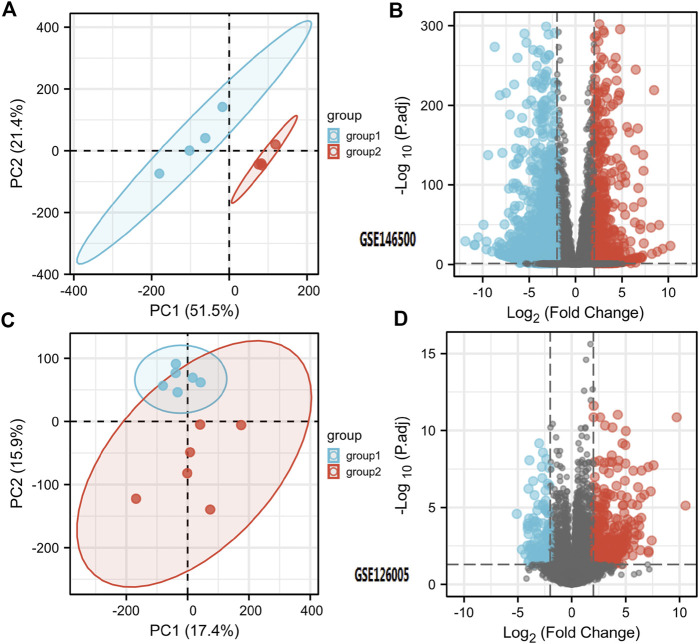
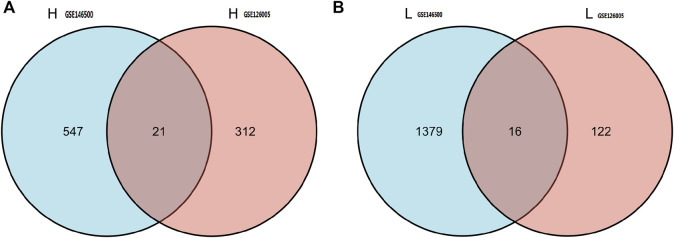
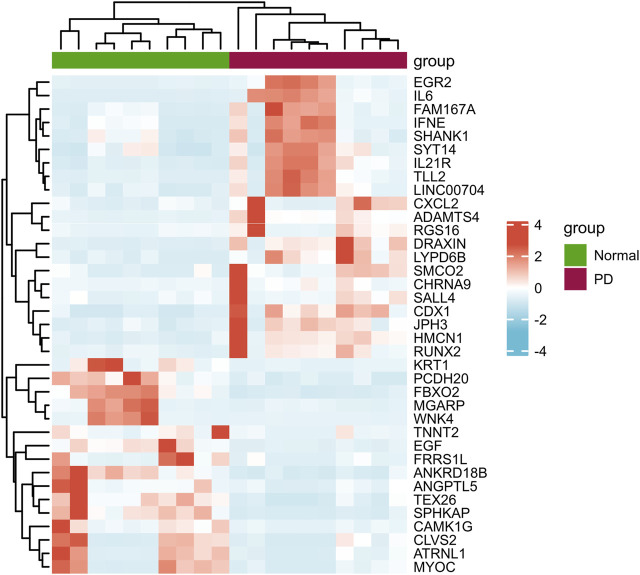
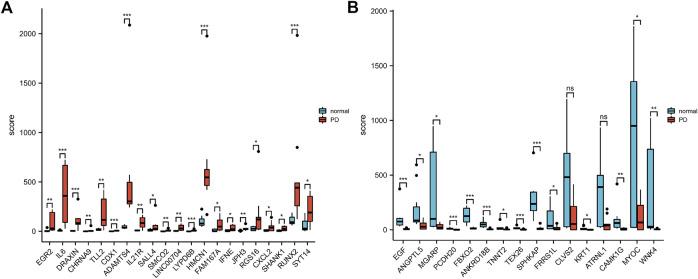
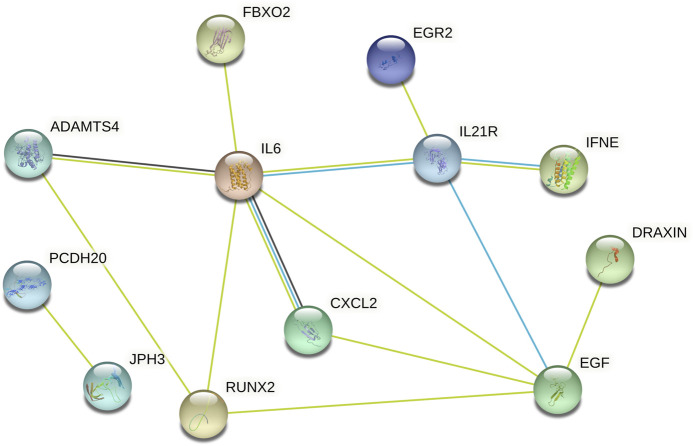
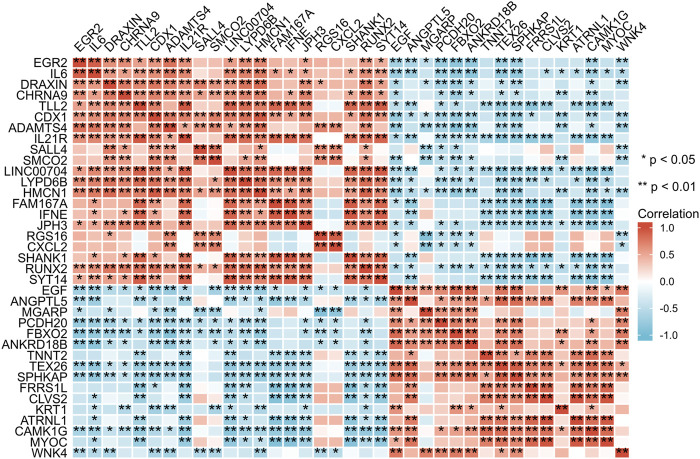
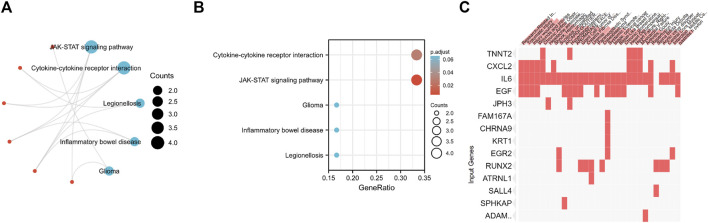
Scarring diseases, such as Peyronie’s disease (PD), usually lead to disorders in the immune system. Previous studies suggested that the PD process was regulated by immune signaling. However, the pathogenetic mechanism remains incompletely characterized. This article used bioinformatic approaches to identify hub genes, key pathways and key immune-related genes that play essential roles in PD pathogenesis. Two Gene Expression Omnibus (GEO) datasets, GSE126005 and GSE146500, were used to analyse the transcriptional profiling in both PD and normal samples. R software was applied to examine the difference in the expression of hub genes and key immune-related genes. The candidates for hub genes were further validated through protein–protein interactions (PPIs), gene correlation, and Kyoto Encyclopedia of Genes and Genomes (KEGG) pathway analyses. In addition, candidate miRNA‒mRNA pairs were functionally assessed. A total of 39 candidate genes were identified, the expression levels of which in PD fibroblast cells were different from those in normal cells (16 showed reduced expression in PD and 21 candidates overexpressed in PD). We found that these genes could interact with each other through PPI analysis. According to the functional enrichment analysis, the candidates may regulate some major biological processes, including cytokine‒cytokine receptor interactions and the JAK-STAT signaling pathway. IL6, IL21R, IFNE, CXCL2, EGF, and ANGPTL5 were identified as key immune-related genes. The findings may help understand the role of immunologic contributors in PD, thus shedding light on the development of more effective strategies to prevent and treat this kind of disease.
Overview
The claims and statistics of this paper haven’t been checked yet.
Free: it reads the open-access text and checks the first 5 claims that cite a source we can check. Create a free account to check every claim.
Integrity signals
Registry
Cites
Statistics
Figures
Verification
Claims the paper makes
The claims and statistics of this paper haven’t been checked yet.
Free: it reads the open-access text and checks the first 5 claims that cite a source we can check. Create a free account to check every claim.
Claims other papers make about this one
Each is checked against this paper’s own text: does it say what the citing paper says it does?
The source backs part of the claim, not all of it — or backs it for a different population, condition or comparison.
In the citing paper
“These pathways often interact and crosstalk with each other, amplifying fibrotic processes and tissue remodeling in the penile tissue.”
From Research advances in Peyronie's disease: a comprehensive review on genomics, pathways, phenotypic manifestation, and therapeutic targets. (2024) · cites this paper as [4]
Experimental — accuracy not yet measuredThe cited source says what the claim attributes to it.
In the citing paper
“Our team has identified the JAK-STAT signaling pathway as a key pathway in PD through integrated bioinformatic analysis.”
From Research advances in Peyronie's disease: a comprehensive review on genomics, pathways, phenotypic manifestation, and therapeutic targets. (2024) · cites this paper as [4]
The cited source says what the claim attributes to it.
In the citing paper
“Our team's previous studies have shown that among the 37 hub genes about PD, 6 key immune-related genes were identified: interleukin 6 (IL6), IL-21 receptor (IL21R), interferon epsilon (IFNE), C-X-C motif chemokine ligand 2 (CXCL2), epidermal growth factor (EGF), and angiopoietinlike 5 (ANGPTL5).4”
From Research advances in Peyronie's disease: a comprehensive review on genomics, pathways, phenotypic manifestation, and therapeutic targets. (2024) · cites this paper as [4]
Self-check
Percentages, sums and reported differences re-computed from the paper’s own numbers.
The self-check needs the paper’s full text.
Citations
Cites
An overview of microRNAs: Biology, functions, therapeutics, and analysis methods
Saliminejad, K., Khorram Khorshid, H. R., Soleymani Fard, S., & Ghaffari, S. H. (2019) · Journal of Cellular Physiology · doi:10.1002/jcp.27486 · Cited by 1,872 · cited 1×
“The critical roles of miRNAs in many biological processes regulating development, differentiation, and organ function have been addressed previously (Saliminejad et al., 2019).”
BackgroundA Comprehensive Overview of Globally Approved JAK Inhibitors
Shawky, A. M., Almalki, F. A., Abdalla, A. N., Abdelazeem, A. H., & Gouda, A. M. (2022) · Pharmaceutics · doi:10.3390/pharmaceutics14051001 · Cited by 349 · cited 1×
“The JAKSTAT signaling pathway plays critical roles in numerous biological processes, including immunity, cell division, cell death and tumor formation, although protein‒protein interactions (Shawky et al., 2022).”
BackgroundNegative Regulation of Cytokine Signaling in Immunity
Yoshimura, A., Ito, M., Chikuma, S., Akanuma, T., & Nakatsukasa, H. (2018) · Cold Spring Harbor Perspectives in Biology · doi:10.1101/cshperspect.a028571 · Cited by 196 · cited 1×
“Cytokines are small proteins or peptides secreted by specific types of cells that have been shown to be involved in the modulation of autocrine, paracrine and endocrine signaling (DaliYoucef and Ricci, 2016; Yoshimura et al., 2018).”
BackgroundHaftcheshmeh, S. M., Abedi, M., Mashayekhi, K., Mousavi, M. J., Navashenaq, J. G., Mohammadi, A., & Momtazi‐Borojeni, A. A. (2022) · Phytotherapy Research · doi:10.1002/ptr.7407 · Cited by 170 · cited 1×
“consequence of dysregulated JAK-STAT signaling (Haftcheshmeh et al., 2022).”
Role of miRNA and lncRNAs in organ fibrosis and aging
Ghafouri-Fard, S., Abak, A., Talebi, S. F., Shoorei, H., Branicki, W., Taheri, M., & Akbari Dilmaghani, N. (2021) · Biomedicine & Pharmacotherapy · doi:10.1016/j.biopha.2021.112132 · Cited by 162 · cited 1×
“Recently, miRNAs were reported to be involved in fibrosis development (Ghafouri-Fard et al., 2021).”
BackgroundInterleukin-6 signalling in health and disease
Rose-John, S. (2020) · F1000Research · doi:10.12688/f1000research.26058.1 · Cited by 159 · cited 1×
“The complex formed by IL-6, soluble IL-6 receptor and glycoprotein 130 (gp130) plays critical roles in the inflammatory pathways during the development of various autoimmune diseases, such as chronic inflammatory bowel disease, rheumatoid arthritis and asthma (Rose-John, 2020).”
BackgroundPeyronie’s disease: Contemporary evaluation and management
Ziegelmann, M. J., Bajic, P., & Levine, L. A. (2020) · International Journal of Urology · doi:10.1111/iju.14230 · Cited by 86 · cited 1×
“Currently, the pathophysiology of PD is not fully understood and remains the focus of many studies in this field (Ziegelmann et al., 2020).”
BackgroundGene expression profiles in the Peyronie’s disease plaque
Magee, T. R., Qian, A., Rajfer, J., Sander, F. C., Levine, L. A., & González-Cadavid, N. F. (2002) · Urology · doi:10.1016/s0090-4295(01)01578-3 · Cited by 81 · cited 1×
“Microarray assays by Magee et al. (2002) reported that the expression levels of genes related to proinflammatory factors, such as MCP-1, pleiotrophin, and early growth response protein, were elevated in PD patients.”
BackgroundPathophysiology and Future Therapeutic Perspectives for Resolving Fibrosis in Peyronie’s Disease
Milenkovic, U., Ilg, M. M., Cellek, S., & Albersen, M. (2019) · Sexual Medicine Reviews · doi:10.1016/j.sxmr.2019.02.004 · Cited by 46 · cited 2×
“Frontiers in Pharmacology frontiersin.org06 (Milenkovic et al., 2019a).”
BackgroundNew insights into the pathogenesis of Peyronie's disease: A narrative review
Krakhotkin, D. V., Chernylovskyi, V. A., Mottrie, A., Greco, F., & Bugaev, R. A. (2020) · Chronic Diseases and Translational Medicine · doi:10.1016/j.cdtm.2020.06.001 · Cited by 32 · cited 1×
“In addition to reduced elasticity in TA, PD also results in penile deformity and intense pain, which significantly impair intercourse performance and mental health (Krakhotkin et al., 2020).”
BackgroundJAK/STAT: Why choose a classical or an alternative pathway when you can have both?
Puigdevall, L., Michiels, C., Stewardson, C., & Dumoutier, L. (2022) · Journal of Cellular and Molecular Medicine · doi:10.1111/jcmm.17168 · Cited by 31 · cited 1×
“Janus kinases (JAKs), signal transducer and activator of transcription proteins (STATs), and receptors are the three key components in JAK-STAT signaling (Puigdevall et al., 2022).”
BackgroundPyrgidis, N., Yafi, F. A., Sokolakis, I., Dimitriadis, F., Mykoniatis, I., Russo, G. I., Verze, P., & Hatzichristodoulou, G. (2022) · European Urology Focus · doi:10.1016/j.euf.2021.12.003 · Cited by 19 · cited 1×
“Due to the lack of understanding of the pathology, there is currently no conservative or medical treatment for PD (Pyrgidis et al., 2021).”
BackgroundTolerance and efficacy of platelet-rich plasma injections in Peyronie's disease: Pilot study
Schirmann, A., Boutin, E., Faix, A., & Yiou, R. (2022) · Progrès en Urologie · doi:10.1016/j.purol.2022.05.004 · Cited by 17 · cited 1×
“The pathophysiology of PD is commonly considered to be the development of fibrotic plaque in the tunica albuginea (TA) following penis trauma (Schirmann et al., 2022).”
BackgroundInfluentialSignalling Networks Governing Metabolic Inflammation
Dali‐Youcef, N., & Ricci, R. (2015) · Handbook of experimental pharmacology · doi:10.1007/164_2015_4 · Cited by 15
Milenkovic, U., Boeckx, B., Lambrechts, D., Janky, R., Hatzichristodoulou, G., van Renterghem, K., Gevaert, T., Cellek, S., Bivalacqua, T. J., De Ridder, D., et al. (2022) · European Urology Focus · doi:10.1016/j.euf.2021.04.012 · Cited by 14 · cited 1×
“Studies have confirmed the presence of CD8 cytotoxic T cells, B cells, and dendritic cells, as well as more specialized monocyte-derived CTL and MAIT cells in Peyronie’s plaques, which stimulate an inflammatory response (Milenkovic et al., 2021).”
BackgroundMilenković, U., Ilg, M. M., Cellek, S., & Albersen, M. (2019) · Expert Opinion on Emerging Drugs · doi:10.1080/14728214.2019.1591370 · Cited by 12
Role of interleukin‐6 and pentraxin 3 as an early marker in Peyronie's disease
Atar, A., Kural, A., Yenice, G., Comez, I., & Tugcu, V. (2017) · The Kaohsiung Journal of Medical Sciences · doi:10.1016/j.kjms.2017.01.007 · Cited by 11 · cited 1×
“Two different pathways are involved in IL-6 signaling: the classic signaling pathway and the trans-signaling pathway (Atar et al., 2017).”
BackgroundRepair of the penile suspensory ligament for congenital and acquired pathology
Ralph, O., Shroff, N., Anfosso, M., Blecher, G., & Ralph, D. (2019) · BJU International · doi:10.1111/bju.14750 · Cited by 11
Yin, G. N., Piao, S., Liu, Z., Wang, L., Ock, J., Kwon, M., Kim, D., Gho, Y. S., Suh, J., & Ryu, J. (2021) · BMC Urology · doi:10.1186/s12894-021-00872-x · Cited by 10 · cited 1×
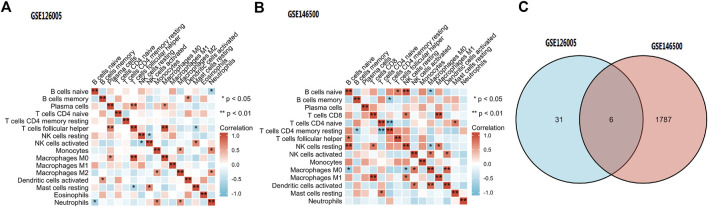
“The GSE126005 and GSE146500 datasets containing transcriptional profiles of PD and normal patient samples were acquired through the GEO website http://www.ncbi.nlm. nih.gov/geo; (Milenkovic et al., 2021; Yin et al., 2021).”
MethodThe pathophysiology of Peyronie's disease: beyond the Smith's space
GRAZIOTTIN, T. M. (2015) · International braz j urol · doi:10.1590/s1677-5538.ibju.2015.06.02 · Cited by 9 · cited 1×
“For the first hypothesis, repeated trauma in the TA causes separation between the inner and outer layers, especially in the dorsomedial side between the cavernous bodies, which is formed by the septum (Graziottin, 2015).”
BackgroundChung, E., & Yafi, F. A. (2022) · Expert Opinion on Pharmacotherapy · doi:10.1080/14656566.2022.2043274 · Cited by 9 · cited 1×
“Profibrotic factors, including excessive reactive oxygen species (ROS), transforming growth factor (TGF) β1 and plasminogen activator inhibitor-1, activate and upregulate the production of collagen (Chung and Yafi, 2022).”
BackgroundDownregulation of miR-29b is associated with Peyronie’s disease
dos Santos, V. G., dos Santos, G. A., Neto, C. M. B., Viana, N. I., Pimenta, R., Guimarães, V. R., Candido, P., Romão, P., de Camargo, J. A., Leite, K. R. M., et al. (2021) · Urologia Journal · doi:10.1177/03915603211036628 · Cited by 7
Cui, Y., Wang, Y., Men, C., Wu, J., & Liu, L. (2022) · American Journal of Men's Health · doi:10.1177/15579883221111720 · Cited by 6
Self-citationEvolving therapies for Peyronie’s disease: how can we work towards new drugs?
Milenković, U., Duponselle, J., Bivalacqua, T. J., & Albersen, M. (2020) · Translational Andrology and Urology · doi:10.21037/tau.2019.08.09 · Cited by 3 · cited 1×
“Furthermore, PD leads to many complications that may remarkably reduce the quality of life of males (Milenkovic et al., 2020).”
Background
Cited by
Molecular Mechanisms and Risk Factors Related to the Pathogenesis of Peyronie’s Disease
Mitsui, Y., Yamabe, F., Hori, S., Uetani, M., Kobayashi, H., Nagao, K., & Nakajima, K. (2023) · International Journal of Molecular Sciences · doi:10.3390/ijms241210133 · Cited by 41
“In addition, results from studies that investigated the role of immunological contributors in PD suggest that several miRNAs have regulatory roles in the immune system of affected individuals [68].”
ResultChi, J., Bi, W., Lou, K., Ma, J., Wu, J., & Cui, Y. (2024) · Sexual Medicine Reviews · doi:10.1093/sxmrev/qeae006 · Cited by 14
Self-citationCurrent insights and future directions in Peyronie's disease management: A narrative review
Howell, S., Green, T., & Khalafalla, K. M. (2024) · UroPrecision · doi:10.1002/uro2.104 · Cited by 6
Active Peyronie’s disease as an early antifibrotic treatment window: a translational review
Broul, M., Liegertová, M., Hujová, A., & Vostrý, M. (2026) · Sexual Medicine · doi:10.1093/sexmed/qfag068
Metadata
- Authors
- Cui, Y., Chen, L., Wang, X., Yu, L., & Wu, J.
- Affiliations
- Qingdao University (CN)
- Corresponding author
- Yu, Luxin
- Wu, Jitao
- Venue
- Frontiers in Pharmacology
- Publisher
- Frontiers Media SA
- Published
- 2022-12-06
- Volume
- 13
- Pages
- 1019358-1019358
- ISSN
- 1663-9812 (ISSN-L)
- PMC
- PMC9767094
- OpenAlex
- W4311631246
- Semantic Scholar
- 2b7217857dabffec3b051eaf56617d12ef77bb9d
- Cited by
- 4
- References
- 24
- Citations by year
- 2026: 1 · 2024: 2 · 2023: 1
- FWCI
- 0.55
- Type
- journal article
- Language
- en
- Open access
- gold
- doi.org
- Licence
- Locations
- Frontiers in Pharmacology (publishedVersion, cc-by)
- PubMed Central (publishedVersion, cc-by)
- PubMed (publishedVersion)
- DOAJ (DOAJ: Directory of Open Access Journals) (submittedVersion, cc-by-sa)
- Funders
- National Natural Science Foundation of China (81870525, 81801429, tsqn201909199, ZR2021LSW019)
- Topics
- Health Sciences › Medicine › Rheumatology › Dupuytren's Contracture and Treatments
- Health Sciences › Medicine › Urology › Urological Disorders and Treatments
- Life Sciences › Biochemistry, Genetics and Molecular Biology › Molecular Biology › Bioinformatics and Genomic Networks
- Keywords
- Peyronie's disease, hub genes, immune-related genes, JAK/STAT signaling, cytokine-cytokine receptor interaction, interleukin-6, interleukin-21 receptor, CXCL2, epidermal growth factor, protein-protein interaction, fibroblasts, gene expression profiling
About these checks
Registry, retraction, Cites and statistics results are computed, not judged, with one exception: a printed reference that no index lists is read once by a model before it counts as a citation error. Claims are extracted by a model and kept only when their quote appears verbatim in the text; each cited source is then checked, with a model’s help, for whether it says what the claim relies on. Those verdicts can be wrong — read the claim’s quote and the cited source before relying on one.
Statistics and arithmetic are recomputed, not judged.
Confidence bands are shown only for fields calibrated on our annotated test set. None is calibrated yet, so no band is shown.
What counts as a claim ›How we measure confidence ›How we check this ›
Are you an author, or do you see a problem with this page? Request a review
Data sources
Bibliographic data: Semantic Scholar, OpenAlex, Crossref.
Contains information from the Semantic Scholar Academic Graph Datasets, made available under the ODC Attribution License (ODC-BY 1.0).
Semantic Scholar’s data is described in: Kinney, R., et al. (2023). The Semantic Scholar Open Data Platform. arXiv:2301.10140.
