

Multimodal data integration for oncology in the era of deep neural networks: a review
Open accessThe DOI matches its Crossref record; 212 of the 212 references it cites were found in a registry or an index.
Abstract
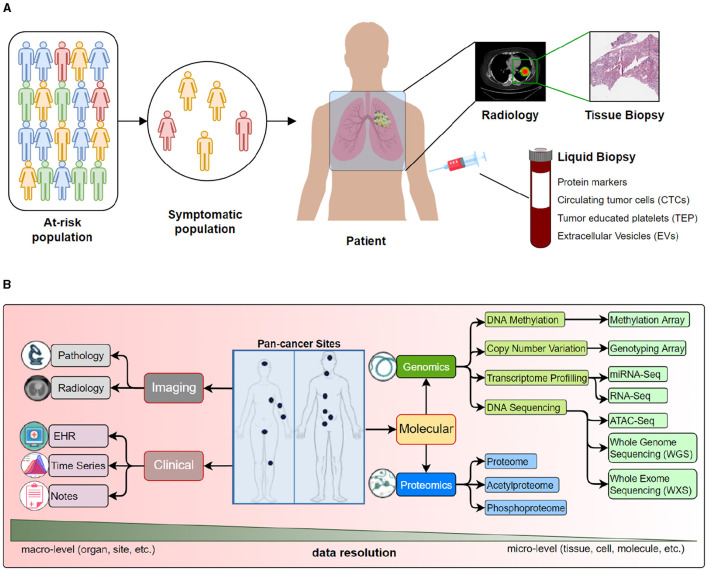
Cancer research encompasses data across various scales, modalities, and resolutions, from screening and diagnostic imaging to digitized histopathology slides to various types of molecular data and clinical records. The integration of these diverse data types for personalized cancer care and predictive modeling holds the promise of enhancing the accuracy and reliability of cancer screening, diagnosis, and treatment. Traditional analytical methods, which often focus on isolated or unimodal information, fall short of capturing the complex and heterogeneous nature of cancer data. The advent of deep neural networks has spurred the development of sophisticated multimodal data fusion techniques capable of extracting and synthesizing information from disparate sources. Among these, Graph Neural Networks (GNNs) and Transformers have emerged as powerful tools for multimodal learning, demonstrating significant success. This review presents the foundational principles of multimodal learning including oncology data modalities, taxonomy of multimodal learning, and fusion strategies. We delve into the recent advancements in GNNs and Transformers for the fusion of multimodal data in oncology, spotlighting key studies and their pivotal findings. We discuss the unique challenges of multimodal learning, such as data heterogeneity and integration complexities, alongside the opportunities it presents for a more nuanced and comprehensive understanding of cancer. Finally, we present some of the latest comprehensive multimodal pan-cancer data sources. By surveying the landscape of multimodal data integration in oncology, our goal is to underline the transformative potential of multimodal GNNs and Transformers. Through technological advancements and the methodological innovations presented in this review, we aim to chart a course for future research in this promising field. This review may be the first that highlights the current state of multimodal modeling applications in cancer using GNNs and transformers, presents comprehensive multimodal oncology data sources, and sets the stage for multimodal evolution, encouraging further exploration and development in personalized cancer care.
Overview
The claims and statistics of this paper haven’t been checked yet.
Free: it reads the open-access text and checks the first 5 claims that cite a source we can check. Create a free account to check every claim.
Integrity signals
Registry
Cites
Statistics
Figures
Verification
Claims the paper makes
The claims and statistics of this paper haven’t been checked yet.
Free: it reads the open-access text and checks the first 5 claims that cite a source we can check. Create a free account to check every claim.
Self-check
Percentages, sums and reported differences re-computed from the paper’s own numbers.
The self-check needs the paper’s full text.
Citations
Cites
Vaswani, A., Shazeer, N., Parmar, N., Uszkoreit, J., Jones, L., Gomez, A. N., Kaiser, L., & Polosukhin, I. (2017) · arXiv · doi:10.48550/arxiv.1706.03762 · Cited by 120,404 · cited 5×
“Recent advancements in MML, powered by Deep Neural Networks (DNNs), have shown remarkable capability in learning from diverse data sources, including computer vision (CV) and natural language processing (NLP) (Bommasani et al., 2022; Achiam et al., 2023).”
BackgroundInfluentialLeCun, Y., Bengio, Y., & Hinton, G. (2015) · Nature · doi:10.1038/nature14539 · Cited by 84,126
BERT: Pre-training of Deep Bidirectional Transformers for Language Understanding
Devlin, J., Chang, M.-W., Lee, K., & Toutanova, K. (2018) · arXiv · doi:10.48550/arxiv.1810.04805 · Cited by 73,173 · cited 3×
“Electronic Health Record ICD Code GNNs [131], ML models [132] -Omics GraphsK-mers GNNs [133] ML model [134] Clinical notes Word BERT [33], RoBERTa [34], BioBERT [135]”
BackgroundMethodAn Image is Worth 16x16 Words: Transformers for Image Recognition at Scale
Dosovitskiy, A., Beyer, L., Kolesnikov, A., Weissenborn, D., Zhai, X., Unterthiner, T., Dehghani, M., Minderer, M., Heigold, G., Gelly, S., et al. (2020) · arXiv · doi:10.48550/arxiv.2010.11929 · Cited by 47,472 · cited 3×
“Deep predictor of drug-drug interactions (DPDDI) predicted the drug-drug interactions using GCN followed by a 5-layer classical neural network (Feng et al., 2020).”
MethodSemi-supervised classification with graph convolutional networks
Kipf, T. N., & Welling, M. (2016) · arXiv · doi:10.48550/arxiv.1609.02907 · Cited by 24,853 · cited 18×
“Decagon used a multimodal approach on GCNs using proteins and drug interactions to predict exact side effects as a multi-relational link prediction task (Zitnik et al., 2018).”
MethodInfluentialHigh-Resolution Image Synthesis with Latent Diffusion Models
Rombach, R., Blattmann, A., Lorenz, D., Esser, P., & Ommer, B. (2022) · 2022 IEEE/CVF Conference on Computer Vision and Pattern Recognition (CVPR) · doi:10.1109/cvpr52688.2022.01042 · Cited by 20,302 · cited 1×
“It can also capture complex interactions between the modalities that cannot be easily represented by simple concatenation [190].”
BackgroundSiegel, R. L., Miller, K. D., Wagle, N. S., & Jemal, A. (2023) · CA: A Cancer Journal for Clinicians · doi:10.3322/caac.21763 · Cited by 16,303 · cited 1×
“Cancer is the second most common reason for death in the US, and it is expected to cause 1,670 deaths per day in the US in 2023 [1].”
BackgroundA survey on deep learning in medical image analysis
Litjens, G., Kooi, T., Bejnordi, B. E., Setio, A. A. A., Ciompi, F., Ghafoorian, M., van der Laak, J. A. W. M., van Ginneken, B., & Sánchez, C. I. (2017) · Medical Image Analysis · doi:10.1016/j.media.2017.07.005 · Cited by 15,332 · cited 1×
“…analysis and ML methods to study cancer data use single data modalities [e.g., EHR (Miotto et al., 2016), radiology (Waqas et al., 2021), pathology (Litjens et al., 2017), or molecular, including genomics (Angermueller et al., 2017), transcriptomics (Yousefi et al., 2017), proteomics (Wang et al.,…”
MethodLearning Transferable Visual Models From Natural Language Supervision
Radford, A., Kim, J. W., Hallacy, C., Ramesh, A., Goh, G., Agarwal, S., Sastry, G., Askell, A., Mishkin, P., Clark, J., et al. (2021) · arXiv · doi:10.48550/arxiv.2103.00020 · Cited by 15,293 · cited 6×
“Prominent multimodal foundation models such as Contrastive Language-Image Pretraining (CLIP) and Generative Pretraining Transformer (GPT-4) by OpenAI have set new benchmarks in the field (Radford et al., 2021; Achiam et al., 2023).”
BackgroundMethodInfluentialProceedings of IEEE International Conference on Computer Vision
(1995) · Proceedings of IEEE International Conference on Computer Vision · doi:10.1109/iccv.1995.466933 · Cited by 12,860
Research works printed but not linked: 7
- Akter M. Moustafa N. Lynar T. (2022). “Edge intelligence-based privacy protection framework for iot-based smart healthcare systems,”? in IEEE INFOCOM 2022-IEEE Conference on Computer Communications Workshops (INFOCOM WKSHPS) (New York, NY: IEEE), 1– 8.
- Alayrac J.-B. Donahue J. Luc P. Miech A. Barr I. Hasson Y.. (2022). Flamingo: a visual language model for few-shot learning. Adv. Neural Inf. Process. Syst. 35, 23716– 23736. Available online at: https://proceedings.neurips.cc/paper_files/paper/2022/hash/960a172bc7fbf0177ccccbb411a7d800-Abstract-Conference.html
- Al-jabery K. K. Obafemi-Ajayi T. Olbricht G. R. Wunsch I. I. D. C. (2020). “Data preprocessing,”? in K. K. Al-jabery, T. Obafemi-Ajayi, G. R. Olbricht and D. C. Wunsch Computational Learning Approaches to Data Analytics in Biomedical Applications (Cambridge, MA: Academic Press), 7– 27.
- Defferrard M. Bresson X. Vandergheynst P. (2016). Convolutional neural networks on graphs with fast localized spectral filtering. Adv. Neural Inf. Process. Syst. 29, 3844– 3852. Available online at: https://proceedings.neurips.cc/paper_files/paper/2016/file/04df4d434d481c5bb723be1b6df1ee65-Paper.pdf
- Jaegle A. Borgeaud S. Alayrac J.-B. Doersch C. Ionescu C. Ding D.. (2021). Perceiver IO: A General Architecture for Structured Inputs &; Outputs (ICLR).
- Ma L. Yang Z. Miao Y. Xue J. Wu M. Zhou L.. (2019). “NeuGraph: parallel deep neural network computation on large graphs,” in USENIX Annual Technical Conference (USENIX), 443– 458.
- Remmer E. (2022). Explainability Methods for Transformer-based Artificial Neural Networks: a Comparative Analysis (PhD thesis).
Cited by
Transformers in Time-Series Analysis: A Tutorial
Ahmed, S., Nielsen, I. E., Tripathi, A., Siddiqui, S., Ramachandran, R. P., & Rasool, G. (2023) · Circuits, Systems, and Signal Processing · doi:10.1007/s00034-023-02454-8 · Cited by 305
“Apart from classical NLP tasks, examples from other areas include image classification [3], object detection and segmentation [4], image and language generation [5], sequential decision-making in reinforcement learning [6], multi-modal (text, speech, and image) data processing [7], and analysis of tabular and time-ser…”
BackgroundSelf-citationVision-language models for medical report generation and visual question answering: a review
Hartsock, I., & Rasool, G. (2024) · Frontiers in Artificial Intelligence · doi:10.3389/frai.2024.1430984 · Cited by 229
Self-citationDeep learning–driven multi-omics analysis: enhancing cancer diagnostics and therapeutics
Zhang, J., Che, Y., Liu, R., Wang, Z., & Liu, W. (2025) · Briefings in Bioinformatics · doi:10.1093/bib/bbaf440 · Cited by 112
“Data integration strategies can be categorized into early, mid, and late integration [23].”
Artificial Intelligence in Head and Neck Cancer: Innovations, Applications, and Future Directions
Pham, T. D., Teh, M., Chatzopoulou, D., Holmes, S., & Coulthard, P. (2024) · Current Oncology · doi:10.3390/curroncol31090389 · Cited by 89
“The integration of multimodal data is an emerging trend that leverages AI to combine various types of data for a comprehensive understanding of HNC [38,106,246].”
BackgroundA Comprehensive Review of Multimodal Deep Learning for Enhanced Medical Diagnostics
Al‐Zoghby, A. M., Ebada, A. I., Saleh, A. S., Abdelhay, M., & Awad, W. A. (2025) · Computers, materials & continua/Computers, materials & continua (Print) · doi:10.32604/cmc.2025.065571 · Cited by 90
Building Flexible, Scalable, and Machine Learning-Ready Multimodal Oncology Datasets
Tripathi, A. G., Waqas, A., Venkatesan, K., Yılmaz, Y., & Rasool, G. (2024) · Sensors · doi:10.3390/s24051634 · Cited by 58
Self-citationPerumal, M. K. K., Renuka, R. R., Kumar, S. S., & Natarajan, P. M. (2025) · Frontiers in Oral Health · doi:10.3389/froh.2025.1592428 · Cited by 73
“AI-based integration of heterogeneous data can utilize deep learning architectures, particularly multimodal neural networks that accept data types of various natures as inputs, enabling their original form and characteristics to remain (71).”
Raman Spectroscopy and AI Applications in Cancer Grading: An Overview
Conforti, P. M., Lazzini, G., Russo, P., & D’Acunto, M. (2024) · IEEE Access · doi:10.1109/access.2024.3388841 · Cited by 44
Yi, Z., Xiao, T., & Albert, M. V. (2025) · Information · doi:10.3390/info16020136 · Cited by 54
Wang, J., Zhang, Z., & Wang, Y. (2025) · Biomolecules · doi:10.3390/biom15010081 · Cited by 48
Yao, I. Z., Dong, M., & Hwang, W. Y. K. (2025) · Mayo Clinic Proceedings Digital Health · doi:10.1016/j.mcpdig.2025.100253 · Cited by 63
“27 DL models analyze genomic mutations and patterns in conjunction with imaging data (eg, radiomics or magnetic resonance imagining [MRI]/CT scans) to refine tumor classification and enhance early detection.”
InfluentialHONeYBEE: enabling scalable multimodal AI in oncology through foundation model-driven embeddings
Tripathi, A. G., Waqas, A., Schabath, M. B., Yılmaz, Y., & Rasool, G. (2025) · npj Digital Medicine · doi:10.1038/s41746-025-02003-4 · Cited by 55
Self-citationDigital pathology and multimodal learning on oncology data
Waqas, A., Naveed, J., Shahnawaz, W., Asghar, S., Bui, M. M., & Rasool, G. (2024) · BJR|Artificial Intelligence · doi:10.1093/bjrai/ubae014 · Cited by 36
Self-citationApplication of deep learning-based multimodal fusion technology in cancer diagnosis: A survey
Li, Y., Pan, L., Peng, Y., Li, X., Wang, X., Qu, L., Song, Q., Liang, Q., & Peng, S. (2025) · Engineering Applications of Artificial Intelligence · doi:10.1016/j.engappai.2024.109972 · Cited by 30
Ali, S., Wang, J., Leung, V. C. M., Bashir, F., Bhatti, U. A., Wadho, S. A., & Humayun, M. (2025) · Information Fusion · doi:10.1016/j.inffus.2025.103222 · Cited by 29
Multimodal integration strategies for clinical application in oncology
Zhang, B., Wan, Z., Luo, Y., Zhao, X., Samayoa, J. A., Zhao, W., & Wu, S. (2025) · Frontiers in Pharmacology · doi:10.3389/fphar.2025.1609079 · Cited by 36
“Additionally, data quality and completeness issues, such as missing values, inconsistencies, and noise, can compromise both integration efforts and model performance (Cui et al., 2022; Waqas et al., 2024; Zhao et al., 2024).”
He, G., He, S., Jing, X., Dai, Y., Guo, X. N., Gao, J., & Zhang, W. (2025) · Oncogene · doi:10.1038/s41388-025-03635-2 · Cited by 27
“Meanwhile, spatiotemporal AI models, such as graph neural networks (GNNs) and multimodal Transformers, have shown promise in systematically reconstructing tumor – immune – stromal interaction networks and predicting key signaling pathways and actionable therapeutic targets [199].”
Yeghaian, M., Bodalal, Z., van den Broek, D., Haanen, J. B. A. G., Beets‐Tan, R. G. H., Trebeschi, S., & van Gerven, M. A. J. (2025) · Journal of the American Medical Informatics Association · doi:10.1093/jamia/ocaf074 · Cited by 23
“Transformers have shown widespread success in multimodal learning and time series analysis in recent years, 43–46 becoming the default choice of architecture in various domains.”
Chen, X., Xu, H., Yu, S., Hu, W., Zhang, Z., Wang, X., Yuan, Y., Wang, M., Chen, L., Lin, X., et al. (2025) · Biology · doi:10.3390/biology14060651 · Cited by 24
“…exemplified by spatial transcriptomic platforms like 10x Visium that enable single-cell resolution image–gene expression co-registration [130], alongside semantic embedding models that project histopathological features and omics data into unified latent spaces through contrastive learning [131].”
Wang, X., Shen, W., Yao, L., Li, C., You, H., & Guo, D. (2025) · Frontiers in Immunology · doi:10.3389/fimmu.2025.1518555 · Cited by 27
Zuo, K., Zhong, Z., Huang, P., Tang, S., Chen, Y., & Jiang, Y. (2025) · bioRxiv (Cold Spring Harbor Laboratory) · doi:10.1101/2025.06.03.657521 · Cited by 20
“Hybrid approaches incorporating Graph Neural Networks (GNNs) attempt to balance molecular pathway analysis with deep learning but remain computationally complex and often fail to capture the hierarchical nature of biological systemsDou et al. (2023); Lazaros et al. (2024); Waqas et al. (2024).”
Vaida, M. L., & Huang, Z. (2026) · Frontiers in Artificial Intelligence · doi:10.3389/frai.2025.1716706 · Cited by 31
Self-Normalizing Multi-Omics Neural Network for Pan-Cancer Prognostication
Waqas, A., Tripathi, A. G., Ahmed, S., Mukund, A., Farooq, H., Johnson, J., Stewart, P. A., Naeini, M., Schabath, M. B., & Rasool, G. (2025) · International Journal of Molecular Sciences · doi:10.3390/ijms26157358 · Cited by 18
“Integrating clinical data with genomic and proteomic analyses can uncover relationships between molecular profiles and clinical manifestations of cancer [64].”
Self-citationChohan, S., & Zaheer, S. (2025) · Pathology - Research and Practice · doi:10.1016/j.prp.2025.156183 · Cited by 10
Advanced AI-based technologies for early detection and personalized management of cervical cancer
Zhang, Y., Xu, Y., Wang, C., Zhang, Z., Zhou, K., Zhu, Y., & Yu, X. (2025) · Biomedical Technology · doi:10.1016/j.bmt.2025.100100 · Cited by 15
Maqsood, H., & Khan, S. U. R. (2025) · Expert Systems with Applications · doi:10.1016/j.eswa.2025.130174 · Cited by 36
He, Z., Chen, Y., Li, G., Wang, J., Wang, Y., Tu, P., Huang, Y., Zhao, L., Pan, X., Liu, H., et al. (2025) · Cancers · doi:10.3390/cancers18010089 · Cited by 11
Self-Normalizing Foundation Model for Enhanced Multi-Omics Data Analysis in OncologyPreprint
Waqas, A., Tripathi, A. G., Ahmed, S., Mukund, A., Farooq, H., Johnson, J., Stewart, P., Naeini, M., Schabath, M. B., & Rasool, G. (2024) · SSRN Electronic Journal · doi:10.2139/ssrn.5055163 · Cited by 23
Self-citationYan, D., Zheng, Q., Chang, K., Hua, R., Liu, Y., Xue, J., Shu, Z., Hu, Y., Yang, P., Wei, Y., et al. (2025) · Chinese Journal of Natural Medicines · doi:10.1016/s1875-5364(25)60983-6 · Cited by 20
An ODE based neural network approach for PM2.5 forecasting
Hossen, M. K., Peng, Y., Shao, A., & Chen, M. C. (2025) · Scientific Reports · doi:10.1038/s41598-025-05958-2 · Cited by 12
Szmyd, B. M., Podstawka, M., Wiśniewski, K. P., Zaczkowski, K., Puzio, T., Tomczyk, A., Wojciechowski, A., Jaskólski, D. J., & Bobeff, E. J. (2025) · Cancers · doi:10.3390/cancers17162625 · Cited by 9
Mostaghimi, H., Cohen, D. A., Okhravi, H. R., Niknejad, B., & Audette, M. A. (2025) · Archives of Gerontology and Geriatrics Plus · doi:10.1016/j.aggp.2025.100207 · Cited by 7
Chang, L., Li, H., Wu, W., Liu, X., Yan, J., Chen, Z., Wu, H., & Song, S. (2025) · Journal of Translational Medicine · doi:10.1186/s12967-025-07591-z · Cited by 10
“…traditional diagnostic and prognostic approaches, which struggle to integrate high-dimensional, multimodal information, including imaging, whole-slide histopathology, genomic and transcriptomic profiles, longitudinal clinical data, and environmental exposures, into actionable decisions [8, 9].”
Borra, S., Dey, N., Fong, S., Sherratt, R. S., & Shi, F. (2026) · Cancers · doi:10.3390/cancers18091361 · Cited by 9
Feature Extraction and Feature Selection Procedures for Medical Image Analysis
Gupta, S. S., & Gupta, S. (2024) · Advances in medical technologies and clinical practice book series · doi:10.4018/979-8-3693-5226-7.ch010 · Cited by 9
A Multi-Agent System for Complex Reasoning in Radiology Visual Question Answering
Yi, Z., Liu, J., Albert, M. V., & Xiao, T. (2025) · ACM/IEEE Joint Conference on Digital Libraries · doi:10.1109/jcdl67857.2025.00025 · Cited by 10
“With recent advancements in artificial intelligence (AI), computer vision (CV), and natural language processing (NLP), multimodal learning has emerged as a powerful paradigm for integrating and analyzing diverse data sources [6, 7].”
The Importance of Robust Features in Mitigating Catastrophic Forgetting
Khan, H., Bouaynaya, N. C., & Rasool, G. (2023) · IEEE Symposium on Computers and Communications (ISCC) · doi:10.1109/iscc58397.2023.10218203 · Cited by 13
“This distinction has been leveraged to construct robust datasets, and studies have demonstrated that using robust features significantly improves the adversarial robustness of a model [34, 33, 35, 36, 37, 38, 39] against adversarial attacks.”
BackgroundSelf-citationPersonalized Medication for Chronic Diseases Using Multimodal Data‐Driven Chain‐of‐Decisions
Chu, X., Ye, Y., Tang, S., Han, M., Wang, G., Lin, S., Sun, B., Huang, Q., Zhang, Y., Chu, X., et al. (2025) · Advanced Science · doi:10.1002/advs.202504079 · Cited by 10
Zhang, Q., Liu, F., & Lai, X. (2025) · Bioinformatics · doi:10.1093/bioinformatics/btaf444 · Cited by 10
“The other integrates multi-modal data, such as genome-wide transcriptome and epigenome, to utilize their complementarity to capture complex molecular interactions that define cancer subtypes (Lipkova et al. 2022, Stahlschmidt et al. 2022, Vera et al. 2022, Waqas et al. 2024, Ellrott et al., 2025).”
Bright Photoluminescent Gd-MXene Quantum Dots for Cell Imaging with Synergistic MRI/CT Capability
Noor, A., Hassan, S. M. U., Shahzad, F., Zhang, X., Khurshid, A., Iqbal, Z., Siddique, M. T., & Marwat, N. (2025) · Journal of Fluorescence · doi:10.1007/s10895-025-04621-3 · Cited by 5
Ahmed, Y. K., & Naji, A. N. A. (2025) · Network Modeling Analysis in Health Informatics and Bioinformatics · doi:10.1007/s13721-025-00641-y · Cited by 11
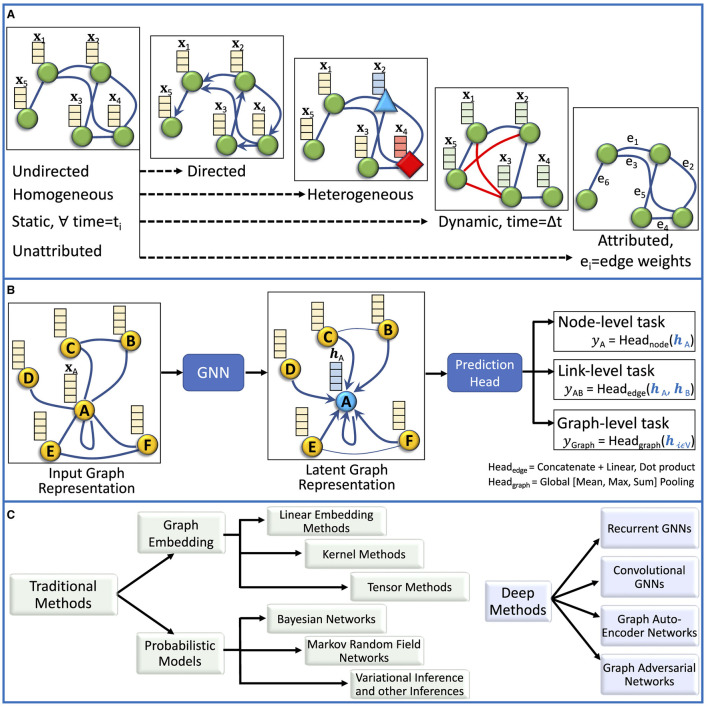
“Graph Neural Networks (GNNs) offer a powerful alterna - tive by modeling patients as graphs, where nodes represent clinical concepts (e.g., diagnoses, lab tests) and edges rep - resent temporal or semantic relationships (D‘Souza et al. 2024; Waqas et al. 2024).”
Next generation sequencing and beyond: a review of genomic sequencing methods
Hajieghrari, B., & Nejati-Jahromi, S. (2025) · Functional & Integrative Genomics · doi:10.1007/s10142-025-01724-9 · Cited by 9
“…such as convolutional neural networks (CNNs), variational autoencoders (VAEs), and graph neural networks (GNNs are now being used to extract meaningful patterns from multimodal datasets combining genomic, transcriptomic, proteomic, and epigenomic layers (Waqas et al. 2024; Li et al. 2025a, b).”
Explainable artificial intelligence for multi-modal cancer analysis: from genomics to immunology
Zhang, M., & Yin, L. (2026) · Critical Reviews in Oncology/Hematology · doi:10.1016/j.critrevonc.2025.105040 · Cited by 5
Qiu, S., Zhao, Y., & Li, X. (2026) · Scientific Reports · doi:10.1038/s41598-025-32924-9 · Cited by 5
A performance-driven hybrid text-image classification model for multimodal data
Gupta, S., & Kishan, B. (2025) · Scientific Reports · doi:10.1038/s41598-025-95674-8 · Cited by 6
“Highlighting the use of deep neural networks in medical diagnosis and therapy planning, Waqas et al. 13 investigated cancer multimodal data integration.”
Sutanto, H., & Fetarayani, D. (2025) · Current Treatment Options in Allergy · doi:10.1007/s40521-025-00395-y · Cited by 6
Tripathi, A. G., Waqas, A., Venkatesan, K., Ullah, E., Khan, A., Khalil, F. K., Chen, W., Gahramanli, Z., Saeed‐Vafa, D., Bui, M. M., et al. (2025) · medRxiv · doi:10.1101/2025.04.22.25326217 · Cited by 5
“Recent advances in large language models (LLMs), including ChatGPT, LLaMA, and DeepSeek, have enabled automated extraction of structured information from free-text clinical documents, including radiology, discharge summaries, and pathology reports [12, 13, 14, 15, 16, 17, 18, 19, 20].”
Self-citationAdvanced Neural Networks for Multimodal Data Fusion in Interdisciplinary Research
Dhivya, K., Kumar, S. N., Victoria, D. R. S., Sherly, S. I., & Durgadevi, G. (2024) · Advances in IT Standards and Standardization Research · doi:10.4018/979-8-3693-4759-1.ch008 · Cited by 4
Smart driving with AI: A review of CNN approaches to drowsiness detection
Rabbi, R. I., Em, P. P., & Hossen, M. J. (2025) · Array · doi:10.1016/j.array.2025.100675 · Cited by 5
Seeing the Unseen: Real-Time Micro-Expression Recognition with Action Units and GPT-Based Reasoning
Sălăgean, G. L., Leba, M., & Ionica, A. C. (2025) · Applied Sciences · doi:10.3390/app15126417 · Cited by 8
Ahangari, G., Norioun, H., Ghaemi, S., & Zali, A. (2025) · Cancer Treatment and Research Communications · doi:10.1016/j.ctarc.2025.101040 · Cited by 8
Jia, W., Duan, X., Yao, Q., Liu, R., & Cheng, C. L. (2025) · Critical Reviews in Oncology/Hematology · doi:10.1016/j.critrevonc.2025.105102 · Cited by 8
Benabbou, N., Abık, M., & Baichoo, S. (2026) · Cancer Treatment and Research Communications · doi:10.1016/j.ctarc.2026.101136 · Cited by 9
Tripathi, A. G., Waqas, A., Venkatesan, K., Ullah, E., Khan, A., Khalil, F. K., Chen, W., Ozturk, Z. G., Saeed‐Vafa, D., Bui, M. M., et al. (2025) · Laboratory Investigation · doi:10.1016/j.labinv.2025.104272 · Cited by 13
Self-citationThomas, N. R., Anitha, J., Popîrlan, C., Popirlan, C.-I., & Hemanth, D. J. (2025) · Computers, materials & continua/Computers, materials & continua (Print) · doi:10.32604/cmc.2025.070689 · Cited by 5
“Deep learning methods have been developed as a potent image processing method for kidney tumor detection, going beyond the state of the art, and offering improved accuracy, robustness, and clinical utility [12].”
Imaging Biomarkers in Radiotherapy
Zheng, D., Naqa, I. E., Qi, X. S., Sethi, A., & Alongi, F. (2026) · Cancers · doi:10.3390/cancers18081232 · Cited by 4
Gharti, L., Kaur, S. D., Vihal, S., Ramakrishna, K., Thakur, D., Kapoor, D. N., Sharma, L. K., & Kaurav, H. (2026) · Critical Reviews in Analytical Chemistry · doi:10.1080/10408347.2026.2656439 · Cited by 3
Liu, N., Han, G., Gu, Q., Zhang, Y., & Chen, M. M. (2026) · Cell Death and Disease · doi:10.1038/s41419-026-08769-z · Cited by 5
“True precision diagnosis and treatment require the integration of multi-dimensional data, including genomics, transcriptomics, metabolomics, and radiomics [18, 194].”
Explainable deep learning approaches and clinical insights for cancer biomarker identification
Srivastava, K., & Srivastava, R. (2026) · Frontiers in Oncology · doi:10.3389/fonc.2026.1810793 · Cited by 3
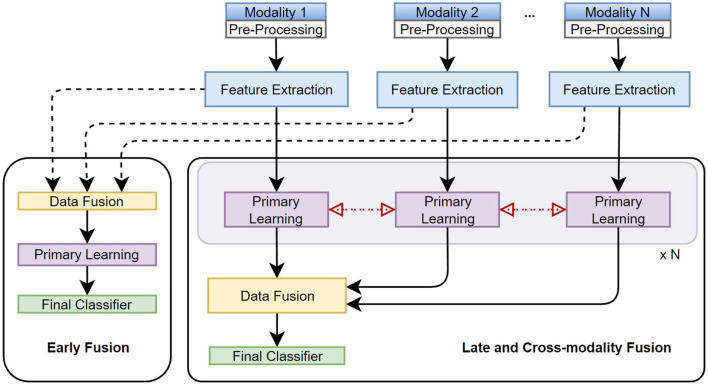
“Data integration involves combining information from multiple omics layers into a cohesive analytical framework and can be implemented using early, intermediate, or late integration strategies (64).”
Wu, D., Yu, Q., Wu, Q., Wang, X., Wei, H., Li, F., Li, G., Wang, X., & Wang, X. (2026) · Frontiers in Immunology · doi:10.3389/fimmu.2026.1854718 · Cited by 8
“Late fusion combines separate model outputs or risk scores and is often more tolerant of missing modalities, but may miss low-level biological interactions across omics layers (60, 155).”
Babu, T., Nair, R. R., Manjula, M., Soans, V. O., & Shree, C. (2025) · International Conference on Biomedical Engineering and Sustainable Healthcare (ICBMESH) · doi:10.1109/icbmesh66209.2025.11182194 · Cited by 4
“Emerging research by Waqas et al. [10] and Zhao et al. [11] has further expanded the frontiers of multimodal data fusion, developing neural network architectures capable of synthesizing complex, heterogeneous medical information.”
Time Series Forecasting of Air Pollutant PM2.5 Using Transformer Architecture
Azhahudurai, K., & Veeramanikandan, V. (2023) · International Journal of Science and Research (IJSR) · doi:10.21275/sr231125192357 · Cited by 3
Semantic structure preservation for accurate multi-modal glioma diagnosis
Shi, C., Zhang, X., Zhao, R., Zhang, W., & Chen, F. (2025) · Scientific Reports · doi:10.1038/s41598-025-88458-7 · Cited by 4
Rosis, S. D., Monaco, G., Hu, J. K., Hett, E., Lappano, R., Marincola, F. M., Asadi, A., & Maggiolini, M. (2025) · Journal of Translational Medicine · doi:10.1186/s12967-025-06839-y · Cited by 5
“However, the integration of proteomics with genomics and transcriptomics, can provide a more complete understanding of the signaling process enacting cancer biology and immune responses [117] generating entire patterns of information [118].”
Liu, S., Huang, M., Yang, G., & Zhou, W. (2025) · Scientific Reports · doi:10.1038/s41598-025-24135-z · Cited by 2
Emergence of Intelligent Photonic Technologies in Early Medical Diagnostics
Kumar, D., Agarwal, P., & Babu, A. (2025) · physica status solidi (a) · doi:10.1002/pssa.202500637 · Cited by 2
“For instance, Shapley Additive Explanations (SHAP) values quantify the contribution of each spectral band in SERS-based cancer assays, which offers both local and global interpretability [46].”
Shafiei, S., Saleknezhad, A., Hashemi, E., Sedokani, A., Gholami, E., Parouhan, A., Nikoo, O., Taghipour, N., Fereydooni, I., Olama, E., et al. (2026) · Informatics in Medicine Unlocked · doi:10.1016/j.imu.2026.101743 · Cited by 2
Reliable Radiologic Skeletal Muscle Area Assessment—A Biomarker for Cancer Cachexia Diagnosis
Ahmed, S., Parker, N. H., Park, M., Jeong, D. K., Peres, L. C., Davis, E. W., Permuth, J. B., Siegel, E. M., Schabath, M. B., Yilmaz, Y., et al. (2026) · Cells · doi:10.3390/cells15060515 · Cited by 5
Self-citationArtificial Intelligence for Predicting Immunotherapy Efficacy in Non-Small Cell Lung Cancer
Cao, P., Jia, X., Yang, Y., Wang, X., Zhu, J., Li, X., Yang, Z., & Wen, Q. (2026) · Journal of Inflammation Research · doi:10.2147/jir.s581764 · Cited by 3
“15,16 This process involves data preprocessing, model development, and the application of pretrained algorithms that incorporate prior knowledge.”
Ottaiano, A., Sabbatino, F., Picone, C., Carluccio, N. D., Simonetti, I., Mauro, A. D., & Tafuto, S. (2026) · Genes · doi:10.3390/genes17030323 · Cited by 2
“Advanced ML frameworks—such as graph neural networks and deep multimodal learning—can simultaneously process clinical variables, genomics, transcriptomics, radiomics, immune metrics, and ctDNA data to generate individualised predictions of metastatic evolution [78].”
Haq, I. U., Joarder, H. A., Khan, A. A., Shi, X., Alsayaydeh, J. A. J., Yusof, M. F., Ibrahim, M. B. M., Moghrabi, H. A., & AlZubi, A. A. (2026) · Biomedical Signal Processing and Control · doi:10.1016/j.bspc.2026.110410 · Cited by 2
Applications of Artificial Intelligence in Cancer Diagnosis and Treatment
Xie, Y., Wang, Z., Zeng, Z., Xin, T., Yuan, S., Qin, F., & Chen, Z. (2026) · Cancer Medicine · doi:10.1002/cam4.72143 · Cited by 4
“Beyond radiological imaging, similar advances are extending to digital pathology and, more broadly, to multimodal diagnostic frameworks that integrate imaging with pathological, genomic, and clinical information [120, 121].”
Agentic systems in computational pathology: architectures, evidence, and translational challenges
Lu, X., Li, Q., Gao, Y., Wei, D., Lyu, M., Ma, S., Li, J., Wu, Y., Cai, L., Zhang, T., et al. (2026) · Journal of Translational Medicine · doi:10.1186/s12967-026-08829-0 · Cited by 2
“Many end-to-end models also have limited case-specific adaptation to molecular or staging information [131, 132].”
Contreras, V., Schumacher, M., & Calvaresi, D. (2024) · Lecture notes in computer science · doi:10.1007/978-3-031-70074-3_9 · Cited by 5
Shahnazari, P., Kavousi, K., Khorshid, H. R. K., Minuchehr, Z., Goliaei, B., & Salek, R. M. (2025) · Scientific Reports · doi:10.1038/s41598-025-06459-y · Cited by 2
Recent Advancement in Bioinformatics
Sharma, Y. K., Arya, L., Smitha, & Hussain, S. S. (2025) · Wiley eBooks · doi:10.1002/9781394269969.ch11 · Cited by 3
Multimodal AI-driven Biomarker for Early Detection of Cancer CachexiaPreprint
Ahmed, S., Parker, N. H., Park, M. M., Davis, E. W., Jeong, D. K., Permuth, J. B., Schabath, M. B., Yılmaz, Y., & Rasool, G. (2025) · medRxiv · doi:10.1101/2025.09.17.25336028 · Cited by 5
“In addition to producing classification probabilities, we calculated the variance across ensemble outputs as a measure of predictive uncertainty [14], enabling identification of low-confidence predictions for expert review in a real-world clinical deployment scenario ( Figure 1 ).”
Self-citationEnhanced Lung Cancer Detection Using Graph Convolutional Networks (GCN) Approach
Moozhippurath, B., & Jayapandian, N. (2024) · IEEE International Conference on ICT in Business Industry & Government (ICTBIG) · doi:10.1109/ictbig64922.2024.10911204 · Cited by 1
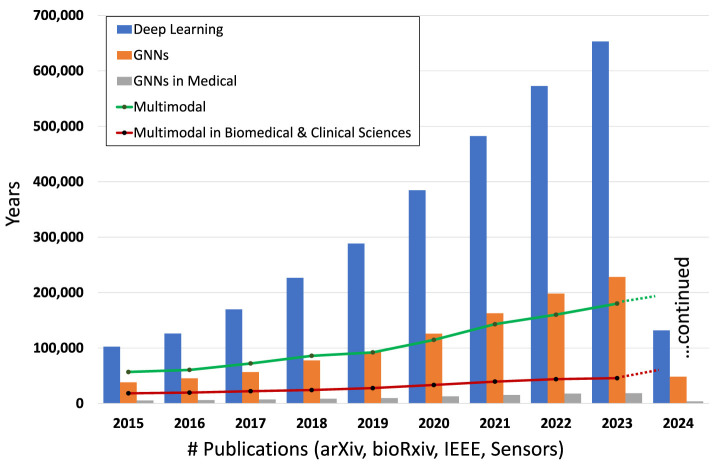
“The ability to fuse various data types—such as imaging, molecular profiles, and clinical records—through advanced multimodal learning techniques is essential for improving cancer screening, diagnosis, and treatment [21].”
Olayinka, H. M. (2025) · International Journal of Future Engineering Innovations · doi:10.54660/ijfei.2025.2.3.113-120 · Cited by 1
Fan, Z., Liang, R., Sun, C., Pan, J., Terry, R. S., & Xu, J. (2026) · JMIR Medical Informatics · doi:10.2196/84396 · Cited by 1
“Building upon these advances, recent studies have explored the multimodal integration of structured EHR data with unstructured textual and imaging features to improve predictive modeling, particularly in oncology [29,30].”
Multimodal Integration with Graph Neural Networks (GNNs)
Haque, R. (2025) · Springer eBooks · doi:10.1007/978-3-032-04315-3_6 · Cited by 1
Chou, Y., & Cheng, T.-L. (2026) · Journal of physiological investigation. · doi:10.4103/ejpi.ejpi-d-25-00057 · Cited by 2
Few-Shot Contrastive Learning for Cross-Task Stroke Prognosis Prediction With Multimodal Data
Peng, H., Dai, Y., Zheng, R., Wang, M., Wang, C., Luo, Y., & Wang, H. (2026) · IEEE Transactions on Medical Imaging · doi:10.1109/tmi.2026.3661971 · Cited by 2
“Multimodal data, including brain imaging, structured clinical records, and other clinical measurements such as laboratory biomarkers and physiological parameters, is essential to capture the nature of stroke recovery [29], [30], [31].”
Experiential Metaverse Marketing
Sharma, A. K., Sharma, R., & Kankevičienė, L. (2026) · Advances in computational intelligence and robotics book series · doi:10.4018/979-8-3373-7534-2.ch010 · Cited by 1
Precision Oncology: Multimodal and Multiscale Methods to Promote Mechanistic Understanding
Öztürk, K., Klie, A., & Carter, H. K. (2026) · Annual Review of Biomedical Data Science · doi:10.1146/annurev-biodatasci-092724-043507 · Cited by 2
Wang, X., Xiong, D., Cui, S., Duan, B., Hung, Y., Jing, H. E., Ding, G., Tang, Y., & Wang, Q. (2026) · Discover Oncology · doi:10.1007/s12672-026-04864-x · Cited by 6
“Convolutional and graph neural networks integrate histo-pathology, radiology, multi-omics, and clinical variables to detect and classify tumors, stratify risk, and predict response, often outperforming single-modality models [8, 9].”
Harnessing artificial intelligence for pediatric health: Current trends and future opportunities
Wu, J., Chen, B., Chan, K. C. C., Liang, M., Lyu, Y., Yu, P., Feng, T., Xie, F., Yu, S., Zhang, F., et al. (2026) · iScience · doi:10.1016/j.isci.2026.115962 · Cited by 2
“113,114 These technologies move beyond assisting discrete clinical tasks and toward building a holistic, integrated understanding of a child’s health and development.”
Chow, N.-H., Chang, H.-C., Chen, H.-K., Lin, C.-Y., Liu, Y.-L., Tseng, P., Shiu, L.-J., Chu, Y.-W., Chung, P., & Chang, K.-P. (2026) · Diagnostics · doi:10.3390/diagnostics16111644 · Cited by 2
“Pathology-tuned vision models, including recent vision-language systems [37–39], could therefore be incorporated as additional extractors”
AN OVERVIEW OF MULTIMODAL LEARNING: CONCEPTS, CHALLENGES, APPLICATIONS AND DATASETS
Ateş, A. H., & Yurtsever, U. (2026) · Konya Journal of Engineering Sciences · doi:10.36306/konjes.1716813 · Cited by 1
Ramgir, S. S., Govekar, A., Ojha, A., & Soni, M. (2026) · Frontiers in Imaging · doi:10.3389/fimag.2026.1870528 · Cited by 3
Fülöp, L., Szadai, L., Szigeti, B., Christersson, L., Oskolás, H., Horvatovich, P. L., Fernández-Coto, D. L., Malm, J., Wieslander, E., Baldetorp, B., et al. (2026) · Cancers · doi:10.3390/cancers18121951 · Cited by 2
“The multimodal integration of clinical data, AI-based histopathology, and proteomics remains an emerging area with very limited published literature [11–13].”
Mondal, O., Khatun, M., Lawarde, A., Sajitha Lulu, S., Sundararajan, V., Salumets, A., & Modhukur, V. (2026) · Functional & Integrative Genomics · doi:10.1007/s10142-026-01957-2 · Cited by 2
The Current State and Future Prospects for Artificial Intelligence in Dermatology
Thang, C. J., Duffy, C., Khattab, S., & Semenov, Y. R. (2025) · Dermatologic Clinics · doi:10.1016/j.det.2025.05.001 · Cited by 4
Contrastive Learning for Omics-guided Whole-slide Visual Embedding RepresentationPreprint
Yu, S., Kim, Y., Kim, H., Lee, S., & Kim, K. (2025) · bioRxiv (Cold Spring Harbor Laboratory) · doi:10.1101/2025.01.12.632280 · Cited by 5
Camastra, C., Pelagi, A., Quattrone, A., & Sarica, A. (2026) · Brain Sciences · doi:10.3390/brainsci16040405 · Cited by 1
“In oncology and precision health, integrating heterogeneous data types has improved predictive modeling and facilitated biomarker discovery [13,14].”
Technology for Studying Multi-omics
Pham, T.-T., Thi, Y.-V. N., & Chu, D. (2024) · Springer eBooks · doi:10.1007/978-981-97-1844-3_2
Imaging Modalities in Brain Cancer Detection and Diagnosis
Almuhaya, B., Saha, B., Bazel, M. A., Mohammed, R., Mohammed, A. A. A., & Esmail, E. E. A. (2024) · International Conference on Emerging Smart Technologies and Applications (eSmarTA) · doi:10.1109/esmarta62850.2024.10638836 · Cited by 1
“This integration offers a thorough picture of the condition and is expected to improve therapeutic efficacy and diagnostic accuracy [31].”
BackgroundMachine learning in ocular oncology and oculoplasty: Transforming diagnosis and treatment
Mane, D. V., & Khuspe, P. R. (2025) · IP International Journal of Ocular Oncology and Oculoplasty · doi:10.18231/j.ijooo.2024.036 · Cited by 2
Biomarkers: Key to Precision Therapy for Cancer
Rodríguez-Carrascal, D. (2025) · Premier journal of science. · doi:10.70389/pjs.100057
Liu, R., Ayoub, M. T., & Wahid, J. A. (2025) · Expert Systems · doi:10.1111/exsy.70039 · Cited by 1
“Additionally, the high-dimensional, low- sample-size (HDLSS) problem in multi-omics data hinders generalisation, and existing approaches largely neglect cross-modality guidance (Waqas 2024), missing opportunities where one modality could inform the other.”
Metadata
- Authors
- Waqas, A., Tripathi, A., Ramachandran, R. P., Stewart, P. A., & Rasool, G.
- Affiliations
- Moffitt Cancer Center (US)
- Rowan University (US)
- Corresponding author
- Waqas, Asim
- Venue
- Frontiers in Artificial Intelligence
- Publisher
- Frontiers Media SA
- Published
- 2024-07-25
- Volume
- 7
- Pages
- 1408843-1408843
- ISSN
- 2624-8212 (ISSN-L)
- PMC
- PMC11308435
- OpenAlex
- W4400981456
- Cited by
- 165
- References
- 206
- Citations by year
- 2026: 81 · 2025: 70 · 2024: 12
- FWCI
- 5.72
- Type
- journal article
- Language
- en
- Open access
- gold
- doi.org
- Licence
- Locations
- Frontiers in Artificial Intelligence (publishedVersion, cc-by)
- PubMed Central (publishedVersion, cc-by)
- PubMed (publishedVersion)
- arXiv (Cornell University) (submittedVersion, cc-by)
- Rowan Digitals Works (Rowan University) (submittedVersion, cc-by)
- DOAJ (DOAJ: Directory of Open Access Journals) (submittedVersion, cc-by-sa)
- arXiv (Cornell University) (cc-by)
- Funders
- National Science Foundation (1903466, 2008690, 2234468, 2234836)
- Moffitt Cancer Center (P30CA076292, CA076292)
- National Cancer Institute (CA076292, P30CA076292)
- Division of Electrical, Communications and Cyber Systems (ECCS-1903466)
- Topics
- Physical Sciences › Computer Science › Computer Vision and Pattern Recognition › Multimodal Machine Learning Applications
- Physical Sciences › Computer Science › Artificial Intelligence › AI in cancer detection
- Health Sciences › Medicine › Radiology, Nuclear Medicine and Imaging › Radiomics and Machine Learning in Medical Imaging
- Keywords
- multimodal data integration, oncology, graph neural networks, transformer models, multimodal fusion, precision oncology, cancer diagnosis, cancer screening, histopathology, molecular data, data heterogeneity
About these checks
Registry, retraction, Cites and statistics results are computed, not judged, with one exception: a printed reference that no index lists is read once by a model before it counts as a citation error. Claims are extracted by a model and kept only when their quote appears verbatim in the text; each cited source is then checked, with a model’s help, for whether it says what the claim relies on. Those verdicts can be wrong — read the claim’s quote and the cited source before relying on one.
Statistics and arithmetic are recomputed, not judged.
Confidence bands are shown only for fields calibrated on our annotated test set. None is calibrated yet, so no band is shown.
What counts as a claim ›How we measure confidence ›How we check this ›
Are you an author, or do you see a problem with this page? Request a review
Data sources
Bibliographic data: Semantic Scholar, OpenAlex, Crossref.
Contains information from the Semantic Scholar Academic Graph Datasets, made available under the ODC Attribution License (ODC-BY 1.0).
Semantic Scholar’s data is described in: Kinney, R., et al. (2023). The Semantic Scholar Open Data Platform. arXiv:2301.10140.
