

Multimodal data integration for oncology in the era of deep neural networks: a review
Open accessThe DOI matches its Crossref record; 212 of the 212 references it cites were found in a registry or an index.
Abstract
Cancer research encompasses data across various scales, modalities, and resolutions, from screening and diagnostic imaging to digitized histopathology slides to various types of molecular data and clinical records. The integration of these diverse data types for personalized cancer care and predictive modeling holds the promise of enhancing the accuracy and reliability of cancer screening, diagnosis, and treatment. Traditional analytical methods, which often focus on isolated or unimodal information, fall short of capturing the complex and heterogeneous nature of cancer data. The advent of deep neural networks has spurred the development of sophisticated multimodal data fusion techniques capable of extracting and synthesizing information from disparate sources. Among these, Graph Neural Networks (GNNs) and Transformers have emerged as powerful tools for multimodal learning, demonstrating significant success. This review presents the foundational principles of multimodal learning including oncology data modalities, taxonomy of multimodal learning, and fusion strategies. We delve into the recent advancements in GNNs and Transformers for the fusion of multimodal data in oncology, spotlighting key studies and their pivotal findings. We discuss the unique challenges of multimodal learning, such as data heterogeneity and integration complexities, alongside the opportunities it presents for a more nuanced and comprehensive understanding of cancer. Finally, we present some of the latest comprehensive multimodal pan-cancer data sources. By surveying the landscape of multimodal data integration in oncology, our goal is to underline the transformative potential of multimodal GNNs and Transformers. Through technological advancements and the methodological innovations presented in this review, we aim to chart a course for future research in this promising field. This review may be the first that highlights the current state of multimodal modeling applications in cancer using GNNs and transformers, presents comprehensive multimodal oncology data sources, and sets the stage for multimodal evolution, encouraging further exploration and development in personalized cancer care.
Overview
The claims and statistics of this paper haven’t been checked yet.
Free: it reads the open-access text and checks the first 5 claims that cite a source we can check. Create a free account to check every claim.
Integrity signals
Registry
Cites
Statistics
Figures
Verification
Claims the paper makes
The claims and statistics of this paper haven’t been checked yet.
Free: it reads the open-access text and checks the first 5 claims that cite a source we can check. Create a free account to check every claim.
Self-check
Percentages, sums and reported differences re-computed from the paper’s own numbers.
The self-check needs the paper’s full text.
Citations
Cites
Vaswani, A., Shazeer, N., Parmar, N., Uszkoreit, J., Jones, L., Gomez, A. N., Kaiser, L., & Polosukhin, I. (2017) · arXiv · doi:10.48550/arxiv.1706.03762 · Cited by 120,404 · cited 5×
“Recent advancements in MML, powered by Deep Neural Networks (DNNs), have shown remarkable capability in learning from diverse data sources, including computer vision (CV) and natural language processing (NLP) (Bommasani et al., 2022; Achiam et al., 2023).”
BackgroundInfluentialLeCun, Y., Bengio, Y., & Hinton, G. (2015) · Nature · doi:10.1038/nature14539 · Cited by 84,126
BERT: Pre-training of Deep Bidirectional Transformers for Language Understanding
Devlin, J., Chang, M.-W., Lee, K., & Toutanova, K. (2018) · arXiv · doi:10.48550/arxiv.1810.04805 · Cited by 73,173 · cited 3×
“Electronic Health Record ICD Code GNNs [131], ML models [132] -Omics GraphsK-mers GNNs [133] ML model [134] Clinical notes Word BERT [33], RoBERTa [34], BioBERT [135]”
BackgroundMethodAn Image is Worth 16x16 Words: Transformers for Image Recognition at Scale
Dosovitskiy, A., Beyer, L., Kolesnikov, A., Weissenborn, D., Zhai, X., Unterthiner, T., Dehghani, M., Minderer, M., Heigold, G., Gelly, S., et al. (2020) · arXiv · doi:10.48550/arxiv.2010.11929 · Cited by 47,472 · cited 3×
“Deep predictor of drug-drug interactions (DPDDI) predicted the drug-drug interactions using GCN followed by a 5-layer classical neural network (Feng et al., 2020).”
MethodSemi-supervised classification with graph convolutional networks
Kipf, T. N., & Welling, M. (2016) · arXiv · doi:10.48550/arxiv.1609.02907 · Cited by 24,853 · cited 18×
“Decagon used a multimodal approach on GCNs using proteins and drug interactions to predict exact side effects as a multi-relational link prediction task (Zitnik et al., 2018).”
MethodInfluentialHigh-Resolution Image Synthesis with Latent Diffusion Models
Rombach, R., Blattmann, A., Lorenz, D., Esser, P., & Ommer, B. (2022) · 2022 IEEE/CVF Conference on Computer Vision and Pattern Recognition (CVPR) · doi:10.1109/cvpr52688.2022.01042 · Cited by 20,302 · cited 1×
“It can also capture complex interactions between the modalities that cannot be easily represented by simple concatenation [190].”
BackgroundSiegel, R. L., Miller, K. D., Wagle, N. S., & Jemal, A. (2023) · CA: A Cancer Journal for Clinicians · doi:10.3322/caac.21763 · Cited by 16,303 · cited 1×
“Cancer is the second most common reason for death in the US, and it is expected to cause 1,670 deaths per day in the US in 2023 [1].”
BackgroundA survey on deep learning in medical image analysis
Litjens, G., Kooi, T., Bejnordi, B. E., Setio, A. A. A., Ciompi, F., Ghafoorian, M., van der Laak, J. A. W. M., van Ginneken, B., & Sánchez, C. I. (2017) · Medical Image Analysis · doi:10.1016/j.media.2017.07.005 · Cited by 15,332 · cited 1×
“…analysis and ML methods to study cancer data use single data modalities [e.g., EHR (Miotto et al., 2016), radiology (Waqas et al., 2021), pathology (Litjens et al., 2017), or molecular, including genomics (Angermueller et al., 2017), transcriptomics (Yousefi et al., 2017), proteomics (Wang et al.,…”
MethodLearning Transferable Visual Models From Natural Language Supervision
Radford, A., Kim, J. W., Hallacy, C., Ramesh, A., Goh, G., Agarwal, S., Sastry, G., Askell, A., Mishkin, P., Clark, J., et al. (2021) · arXiv · doi:10.48550/arxiv.2103.00020 · Cited by 15,293 · cited 6×
“Prominent multimodal foundation models such as Contrastive Language-Image Pretraining (CLIP) and Generative Pretraining Transformer (GPT-4) by OpenAI have set new benchmarks in the field (Radford et al., 2021; Achiam et al., 2023).”
BackgroundMethodInfluentialProceedings of IEEE International Conference on Computer Vision
(1995) · Proceedings of IEEE International Conference on Computer Vision · doi:10.1109/iccv.1995.466933 · Cited by 12,860
Veličković, P., Cucurull, G., Casanova, A., Romero, A., Liò, P., & Bengio, Y. (2017) · arXiv · doi:10.48550/arxiv.1710.10903 · Cited by 12,107 · cited 6×
“Examples of spatial ConvGNNs include GraphSAGE [99], Message Passing Neural Network (MPNN) [102], Graph Attention Network (GAT) [103], and EdgeConditioned Convolution (ECC) [104].”
BackgroundInfluentialA Comprehensive Survey on Graph Neural Networks
Wu, Z., Pan, S., Chen, F., Long, G., Zhang, C., & Yu, P. S. (2021) · IEEE Transactions on Neural Networks and Learning Systems · doi:10.1109/tnnls.2020.2978386 · Cited by 11,000 · cited 3×
“Representing data as graphs can enable capturing and encoding the relationships among entities of the samples [94].”
BackgroundInfluentialExploring the Limits of Transfer Learning with a Unified Text-to-Text Transformer
Raffel, C., Shazeer, N., Roberts, A., Lee, K., Narang, S., Matena, M., Zhou, Y., Li, W., & Liu, P. J. (2019) · arXiv · doi:10.48550/arxiv.1910.10683 · Cited by 10,929 · cited 1×
“This has led to the development of powerful pre-trained models, such as BERT [48], GPT [165], RoBERTa [49], CLIP [5], T5 [166], BART [167], BLOOM [168], ALIGN [169], SimVLM [170], Florence [171], Flamingo [172], and CoCa [173] which have achieved impressive results on a wide range of NLP, CV, and multimodal tasks.”
MethodInductive Representation Learning on Large Graphs
Hamilton, W. L., Ying, R., & Leskovec, J. (2017) · arXiv · doi:10.48550/arxiv.1706.02216 · Cited by 10,639 · cited 6×
“PathomicFusion combined the morphological features extracted from image patches (using CNNs), cell-graph features from cell-graphs of histology images (GraphSAGE-based GCNs), and genomic features (using a feed-forward network) for survival prediction on glioma and clear cell renal cell carcinoma (Chen et al., 2020).”
BackgroundInfluentialLewis, M., Liu, Y., Goyal, N., Ghazvininejad, M., Mohamed, A., Levy, O., Stoyanov, V., & Zettlemoyer, L. (2020) · Proceedings of the 58th Annual Meeting of the Association for Computational Linguistics · doi:10.18653/v1/2020.acl-main.703 · Cited by 8,821
Lewis, M., Liu, Y., Goyal, N., Ghazvininejad, M., Mohamed, A., Levy, O., Stoyanov, V., & Zettlemoyer, L. (2019) · arXiv · doi:10.48550/arxiv.1910.13461 · Cited by 8,816 · cited 4×
“…models (Boehm et al., 2021), such as BERT (Devlin et al., 2019), GPT (Radford et al., 2018), RoBERTa (Zhuang et al., 2021), CLIP (Radford et al., 2021), T5 (Raffel et al., 2020), BART (Lewis et al., 2019), BLOOM (Scao et al., 2022), ALIGN (Jia et al., 2021), CoCa (Yu et al., 2022) and more.”
BackgroundMethodInfluentialVeličković, P., Casanova, A., Liò, P., Cucurull, G., Romero, A., & Bengio, Y. (2017) · arXiv (Cornell University) · doi:10.17863/cam.48429 · Cited by 8,657
BioBERT: a pre-trained biomedical language representation model for biomedical text mining
Lee, J., Yoon, W., Kim, S., Kim, D., Kim, S., So, C. H., & Kang, J. (2020) · Bioinformatics · doi:10.1093/bioinformatics/btz682 · Cited by 7,218 · cited 2×
“…2021) Patch CNNs (Xie et al., 2021) EHR data ICD code GNNs (Shang et al., 2019), ML models (Rasmy et al., 2021) -Omics Graphs GNNs (Kaczmarek et al., 2021) K-mers ML model (Ji et al., 2020) Clinical notes Word BERT (Devlin et al., 2019) RoBERTa (Zhuang et al., 2021) BioBERT (Lee et al., 2019) .”
MethodMultimodal Machine Learning: A Survey and Taxonomy
Baltrusaitis, T., Ahuja, C., & Morency, L.-P. (2019) · IEEE Transactions on Pattern Analysis and Machine Intelligence · doi:10.1109/tpami.2018.2798607 · Cited by 5,018
Han (2023) · doi:10.1109/tpami.2022.3152247 · Cited by 4,682 · cited 1×
“Transformers can handle input sequences of different modalities in a unified way, using the same self-attention mechanism, which processes the inputs as a fully connected graph (Xu et al., 2023).”
MethodNeural Message Passing for Quantum Chemistry
Gilmer, J., Schoenholz, S. S., Riley, P. F., Vinyals, O., & Dahl, G. E. (2017) · arXiv (Cornell University) · doi:10.48550/arxiv.1704.01212 · Cited by 3,440 · cited 2×
“Examples of spatial ConvGNNs include GraphSAGE (Hamilton et al., 2017), Message Passing Neural Network (MPNN) (Gilmer et al., 2017), and Graph Attention Network (GAT) (Veliˇckovi´c et al., 2017).”
BackgroundA Comprehensive Survey on Graph Neural Networks
Wu, Z., Pan, S., Chen, F., Long, G., Zhang, C., & Yu, P. (2020) · UTS ePRESS (University of Technology Sydney) · Cited by 3,174
On the Opportunities and Risks of Foundation Models
Bommasani, R., Hudson, D. A., Adeli, E., Altman, R., Arora, S., von Arx, S., Bernstein, M. S., Bohg, J., Bosselut, A., Brunskill, E., et al. (2021) · arXiv · doi:10.48550/arxiv.2108.07258 · Cited by 2,676
Revisiting Unreasonable Effectiveness of Data in Deep Learning Era
Sun, C., Shrivastava, A., Singh, S., & Gupta, A. (2017) · 2017 IEEE International Conference on Computer Vision (ICCV) · doi:10.1109/iccv.2017.97 · Cited by 2,484 · cited 3×
“Data of the scale of JFT-300M [198] and YFCC100M [199] are not available in the cancer domain.”
BackgroundInfluentialScaling Up Visual and Vision-Language Representation Learning With Noisy Text Supervision
Jia, C., Yang, Y., Xia, Y., Chen, Y.-T., Parekh, Z., Pham, H., Le, Q. V., Sung, Y., Li, Z., & Duerig, T. (2021) · arXiv · doi:10.48550/arxiv.2102.05918 · Cited by 1,977 · cited 3×
“…models (Boehm et al., 2021), such as BERT (Devlin et al., 2019), GPT (Radford et al., 2018), RoBERTa (Zhuang et al., 2021), CLIP (Radford et al., 2021), T5 (Raffel et al., 2020), BART (Lewis et al., 2019), BLOOM (Scao et al., 2022), ALIGN (Jia et al., 2021), CoCa (Yu et al., 2022) and more.”
MethodA Survey of the Usages of Deep Learning for Natural Language Processing
Otter, D. W., Medina, J. R., & Kalita, J. K. (2021) · IEEE Transactions on Neural Networks and Learning Systems · doi:10.1109/tnnls.2020.2979670 · Cited by 1,836 · cited 1×
“Transformers-based models achieve state-of-the-art results on a wide range of NLP tasks, including machine translation, language modeling, and question answering and many more [160].”
BackgroundMiotto, R., Li, L., Kidd, B. A., & Dudley, J. T. (2016) · Scientific Reports · doi:10.1038/srep26094 · Cited by 1,710 · cited 8×
“Within EHR, time-series data may refer to the clinical data recorded over time, such as repeated blood tests, lab values, or physical attributes.”
BackgroundInfluentialToward a Shared Vision for Cancer Genomic Data
Grossman, R. L., Heath, A. P., Ferretti, V., Varmus, H. E., Lowy, D. R., Kibbe, W. A., & Staudt, L. M. (2016) · New England Journal of Medicine · doi:10.1056/nejmp1607591 · Cited by 1,680
YFCC100M: the new data in multimedia research
Thomee, B., Shamma, D. A., Friedland, G., Elizalde, B., Ni, K., Poland, D., Borth, D., & Li, L.-J. (2016) · Communications of the ACM · doi:10.1145/2812802 · Cited by 1,541 · cited 2×
“Data of the scale of JFT-300M [198] and YFCC100M [199] are not available in the cancer domain.”
BackgroundModeling polypharmacy side effects with graph convolutional networks
Zitnik, M., Agrawal, M., & Leskovec, J. (2018) · Bioinformatics · doi:10.1093/bioinformatics/bty294 · Cited by 1,501 · cited 1×
“Decagon [151] used a multimodal approach on GCNs using proteins and drugs interactions to predict exact side effects as a multi-relational link prediction task.”
MethodGNNExplainer: Generating Explanations for Graph Neural Networks.
Ying, R., Bourgeois, D., You, J., Žitnik, M., & Leskovec, J. (2019) · PubMed · Cited by 1,480
Ji, Y.-R., Zhou, Z., Liu, H., & Davuluri, R. (2020) · bioRxiv · doi:10.1101/2020.09.17.301879 · Cited by 1,453 · cited 2×
“…2021) Patch CNNs (Xie et al., 2021) EHR data ICD code GNNs (Shang et al., 2019), ML models (Rasmy et al., 2021) -Omics Graphs GNNs (Kaczmarek et al., 2021) K-mers ML model (Ji et al., 2020) Clinical notes Word BERT (Devlin et al., 2019) RoBERTa (Zhuang et al., 2021) BioBERT (Lee et al., 2019) .”
MethodJi, Y., Zhou, Z., Liu, H., & Davuluri, R. V. (2021) · Bioinformatics · doi:10.1093/bioinformatics/btab083 · Cited by 1,303
GraphDTA: predicting drug–target binding affinity with graph neural networks
Nguyen, T., Le, H., Quinn, T. P., Nguyen, T., Le, T. D., & Venkatesh, S. (2021) · Bioinformatics · doi:10.1093/bioinformatics/btaa921 · Cited by 1,220
Multimodal learning with transformers: A survey
Xu, P., Zhu, X., & Clifton, D. A. (2023) · IEEE Transactions on Pattern Analysis and Machine Intelligence · doi:10.1109/tpami.2023.3275156 · Cited by 1,072 · cited 2×
“Transformers can be viewed as a type of GNN [9].”
BackgroundMethodDeep Neural Networks and Tabular Data: A Survey
Borisov, V., Leemann, T., Seßler, K., Haug, J., Pawelczyk, M., & Kasneci, G. (2024) · IEEE Transactions on Neural Networks and Learning Systems · doi:10.1109/tnnls.2022.3229161 · Cited by 1,025 · cited 1×
“Stacking involves training multiple models and then combining their predictions at the output stage while boosting involves iteratively training weak learners and adjusting their weights based on the errors made by previous learners [52].”
BackgroundAccurate De Novo Prediction of Protein Contact Map by Ultra-Deep Learning Model
Wang, S., Sun, S., Li, Z., Zhang, R., & Xu, J. (2017) · PLOS Computational Biology · doi:10.1371/journal.pcbi.1005324 · Cited by 931 · cited 1×
“, EHR) [18, 19], radiology [20], pathology [21], and molecular, including genomics [22], transcriptomics [23, 24], proteomics [25, 26], etc.”
BackgroundRasmy, L., Xiang, Y., Xie, Z., Tao, C., & Zhi, D. (2021) · npj Digital Medicine · doi:10.1038/s41746-021-00455-y · Cited by 886 · cited 1×
“Electronic Health Record ICD Code GNNs [182], ML models [183]”
GNNExplainer: Generating Explanations for Graph Neural Networks
Ying, R., Bourgeois, D., You, J., Zitnik, M., & Leskovec, J. (2019) · arXiv · doi:10.48550/arxiv.1903.03894 · Cited by 850 · cited 1×
“GNNExplainer [206], GraphMask [207], PGMExplainer [208], SubgraphX [209], and XGNN [210] are among some methods that attempt to explain the decision-making process of GNNs.”
MethodHypergraph convolution and hypergraph attention
Bai, S., Zhang, F., & Torr, P. H. S. (2021) · Pattern Recognition · doi:10.1016/j.patcog.2020.107637 · Cited by 809
Artificial intelligence for multimodal data integration in oncology
Lipkova, J., Chen, R. J., Chen, B., Lu, M. Y., Barbieri, M., Shao, D., Vaidya, A. J., Chen, C., Zhuang, L., Williamson, D. F. K., et al. (2022) · Cancer Cell · doi:10.1016/j.ccell.2022.09.012 · Cited by 777 · cited 2×
“These include the need for large amounts of annotated data, the complexity of integrating diverse data types, and the potential for bias in the data [16].”
High-Resolution Image Synthesis with Latent Diffusion Models
Rombach, R., Blattmann, A., Lorenz, D., Esser, P., & Ommer, B. (2021) · arXiv · doi:10.48550/arxiv.2112.10752 · Cited by 737 · cited 1×
“It can also capture complex interactions between the modalities that cannot be easily represented by simple concatenation [190].”
BackgroundChen, R. J., Lu, M. Y., Wang, J., Williamson, D. F. K., Rodig, S. J., Lindeman, N. I., & Mahmood, F. (2022) · IEEE Transactions on Medical Imaging · doi:10.1109/tmi.2020.3021387 · Cited by 729
MMGCN: Multi-modal Graph Convolution Network for Personalized Recommendation of Micro-video
Wei, Y., Wang, X., Nie, L., He, X., Hong, R., & Chua, T.-S. (2019) · Proceedings of the 27th ACM International Conference on Multimedia · doi:10.1145/3343031.3351034 · Cited by 717 · cited 1×
“• Other GNNs: Other categories of GNNs may include scalable GNNs [110], dynamic GNNs [111], hypergraph GNNs [112], heterogeneous GNNs [113, 114] and may others [115].”
BackgroundWang, T., Shao, W., Huang, Z., Tang, H., Zhang, J., Ding, Z., & Huang, K. (2021) · Nature Communications · doi:10.1038/s41467-021-23774-w · Cited by 671 · cited 3×
“Multiomics graph convolutional networks (MOGONET) [133] used a late fusion technique for the biomedical classification of four different diseases, including three cancer types, breast, kidney, and glioma.”
MethodHarnessing multimodal data integration to advance precision oncology
Boehm, K. M., Khosravi, P., Vanguri, R., Gao, J., & Shah, S. P. (2022) · Nature Reviews Cancer · doi:10.1038/s41568-021-00408-3 · Cited by 662 · cited 3×
“The success of multimodal data fusion models in traditional ML areas, such as CV and NLP shows their potential for improving the accuracy and efficiency of cancer diagnosis, prognosis, treatment planing and predicting clinical variables of interest [8].”
BackgroundMethodInfluentialCoTr: Efficiently Bridging CNN and Transformer for 3D Medical Image Segmentation
Xie, Y., Zhang, J., Shen, C., & Xia, Y. (2021) · arXiv · doi:10.48550/arxiv.2103.03024 · Cited by 654
CoTr: Efficiently Bridging CNN and Transformer for 3D Medical Image Segmentation
Xie, Y., Zhang, J., Shen, C., & Xia, Y. (2021) · Lecture Notes in Computer Science · doi:10.1007/978-3-030-87199-4_16 · Cited by 653
GRAM: Graph-based Attention Model for Healthcare Representation Learning
Choi, E., Bahadori, M. T., Song, L., Stewart, W. F., & Sun, J. (2017) · Proceedings of the 23rd ACM SIGKDD International Conference on Knowledge Discovery and Data Mining · doi:10.1145/3097983.3098126 · Cited by 637 · cited 2×
“Graph-based Attention Model (GRAM) [137] handles the data inefficiency by supplementing electronic health records with hierarchical knowledge in the medical ontology.”
MethodAttention in Natural Language Processing
Galassi, A., Lippi, M., & Torroni, P. (2021) · IEEE Transactions on Neural Networks and Learning Systems · doi:10.1109/tnnls.2020.3019893 · Cited by 635 · cited 1×
“Transformers can handle input sequences of different modalities in a unified way, using the same self-attention mechanism, which processes the inputs as a fully connected graph (Xu et al., 2023).”
MethodMulti-omics single-cell data integration and regulatory inference with graph-linked embedding
Cao, Z.-J., & Gao, G. (2022) · Nature Biotechnology · doi:10.1038/s41587-022-01284-4 · Cited by 616 · cited 6×
“…Yap et al., 2018; Jansen et al., 2019; Ma and Jia, 2020; Stark et al., 2020; Song J. et al., 2021; Syed et al., 2021; Yang K. D. et al., 2021; Cao and Gao, 2022; Liu et al., 2022; Xu et al., 2022; Zhang Z. et al., 2022; Waqas et al., 2024a,b data as each data modality (or sub-modality) can…”
MethodInfluentialHamilton, W. L. (2020) · Synthesis Lectures on Artificial Intelligence and Machine Learning · doi:10.1007/978-3-031-01588-5 · Cited by 607
Combating Noisy Labels by Agreement: A Joint Training Method with Co-Regularization
Wei, H., Feng, L., Chen, X., & An, B. (2020) · 2020 IEEE/CVF Conference on Computer Vision and Pattern Recognition (CVPR) · doi:10.1109/cvpr42600.2020.01374 · Cited by 604
FLAVA: A Foundational Language And Vision Alignment Model
Singh, A., Hu, R., Goswami, V., Couairon, G., Galuba, W., Rohrbach, M., & Kiela, D. (2022) · 2022 IEEE/CVF Conference on Computer Vision and Pattern Recognition (CVPR) · doi:10.1109/cvpr52688.2022.01519 · Cited by 554 · cited 1×
“This review explores the latest advancements in DL applications within oncology, highlighting its potential to revolutionize cancer care (Chan et al., 2020; Ibrahim et al., 2022; Ghaffari Laleh et al., 2023; Tripathi et al., 2024a).”
BackgroundDeepCpG: accurate prediction of single-cell DNA methylation states using deep learning
Angermueller, C., Lee, H. J., Reik, W., & Stegle, O. (2017) · Genome Biology · doi:10.1186/s13059-017-1189-z · Cited by 536 · cited 1×
“, EHR) [18, 19], radiology [20], pathology [21], and molecular, including genomics [22], transcriptomics [23, 24], proteomics [25, 26], etc.”
BackgroundProtein interface prediction using graph convolutional networks
Fout, A., Ben‐Hur, A., Anderson, C., Chitsaz, H., & Zhou, W. (2017) · Digital Collections of Colorado (Colorado State University) · doi:10.25675/3.021826 · Cited by 513
CoCa: Contrastive Captioners are Image-Text Foundation Models
Yu, J., Wang, Z., Vasudevan, V., Yeung, L., Seyedhosseini, M., & Wu, Y. (2022) · arXiv (Cornell University) · doi:10.48550/arxiv.2205.01917 · Cited by 503 · cited 4×
“Other examples include CLIP [5], SimVLM [170], Florence [171], Flamingo [172], CoCa [173], and Perceiver IO [176].”
BackgroundMethodInfluentialPGM-Explainer: Probabilistic Graphical Model Explanations for Graph Neural NetworksPreprint
Vu, M. N., & Thai, M. T. (2020) · arXiv (Cornell University) · doi:10.48550/arxiv.2010.05788 · Cited by 486 · cited 1×
“GNNExplainer [206], GraphMask [207], PGMExplainer [208], SubgraphX [209], and XGNN [210] are among some methods that attempt to explain the decision-making process of GNNs.”
MethodZhao, F., Zhang, C., & Geng, B. (2024) · ACM Computing Surveys · doi:10.1145/3649447 · Cited by 480 · cited 3×
“Moreover, beyond GNNs and Transformers, MML has been explored using encoder-decoder methods, constraint-based methods, canonical correlations, Restricted Boltzmann Machines (RBMs), and many more (Qi et al., 2020; Zhao et al., 2024).”
BackgroundMethodGraph Convolutional Reinforcement LearningPreprint
Jiang, J., Dun, C., Huang, T., & Lu, Z. (2018) · arXiv (Cornell University) · doi:10.48550/arxiv.1810.09202 · Cited by 458 · cited 2×
“Graphs and GNNs Defferrard et al., 2016; Kipf and Welling, 2016; Gilmer et al., 2017; Hamilton et al., 2017; Veliˇckovi´c et al., 2017; Jiang et al., 2018; Sankar et al., 2018; Farooq et al., 2019; Ma et al., 2019; Wei et al., 2019; Wu et al., 2020; Bai et al., 2021; Derrow-Pinion et al., 2021; Ma…”
MethodscGNN is a novel graph neural network framework for single-cell RNA-Seq analyses
Wang, J., Ma, A., Chang, Y., Gong, J., Jiang, Y., Qi, R., Wang, C., Fu, H., Ma, Q., & Xu, D. (2021) · Nature Communications · doi:10.1038/s41467-021-22197-x · Cited by 457 · cited 2×
“scGNN [139] uses imputation AE and graph AE in an iterative manner for imputation.”
MethodOn Explainability of Graph Neural Networks via Subgraph ExplorationsPreprint
Yuan, H., Yu, H., Wang, J., Li, K., & Ji, S. (2021) · arXiv (Cornell University) · doi:10.48550/arxiv.2102.05152 · Cited by 453 · cited 2×
“GNNExplainer (Ying et al., 2019), PGM-Explainer (Vu and Thai, 2020), and SubgraphX (Yuan et al., 2021) are some attempts to explain the decision-making process of GNNs.”
MethodKhan, M. A., Ashraf, I., Alhaisoni, M., Damaševičius, R., Scherer, R., Rehman, A., & Bukhari, S. A. C. (2020) · Diagnostics · doi:10.3390/diagnostics10080565 · Cited by 424 · cited 1×
“GNNs and Transformers have been proposed for various tasks in oncology, including tumor classification [13], prognosis prediction [14], and treatment response assessment [15].”
BackgroundA Robustly Optimized BERT Pre-training Approach with Post-training
Liu, Z., Lin, W., Shi, Y., & Zhao, J. (2021) · Lecture Notes in Computer Science · doi:10.1007/978-3-030-84186-7_31 · Cited by 403 · cited 3×
“Decagon used a multimodal approach on GCNs using proteins and drug interactions to predict exact side effects as a multi-relational link prediction task (Zitnik et al., 2018).”
BackgroundMethodMultimodal Co-Attention Transformer for Survival Prediction in Gigapixel Whole Slide Images
Chen, R. J., Lu, M. Y., Weng, W.-H., Chen, T. Y., Williamson, D. F., Manz, T., Shady, M., & Mahmood, F. (2021) · 2021 IEEE/CVF International Conference on Computer Vision (ICCV) · doi:10.1109/iccv48922.2021.00398 · Cited by 398 · cited 5×
“A multimodal co-attention Transformer was proposed for survival prediction using WSIs [180].”
MethodInfluentialFederated learning enables big data for rare cancer boundary detection
Pati, S., Baid, U., Edwards, B., Sheller, M., Wang, S.-H., Reina, G. A., Foley, P., Gruzdev, A., Karkada, D., Davatzikos, C., et al. (2022) · Nature Communications · doi:10.1038/s41467-022-33407-5 · Cited by 394 · cited 1×
“Federated learning [219] can help train large multimodal models using local data without sharing the data with other sites, but still benefiting from data from other sites [220].”
BackgroundMachine learning and integrative analysis of biomedical big data
Mirza, B., Wang, W., Wang, J., Choi, H., Chung, N. C., & Ping, P. (2019) · Genes · doi:10.3390/genes10020087 · Cited by 380 · cited 4×
“Existing multimodal architectures of GNNs and Transformers will need significant modification for clinical readiness [204].”
BackgroundInfluentialComputer‐aided diagnosis in the era of deep learning
Chan, H., Hadjiiski, L. M., & Samala, R. K. (2020) · Medical Physics · doi:10.1002/mp.13764 · Cited by 358 · cited 1×
“With the growing amount of data generated in oncology, DL is becoming an increasingly important tool for understanding cancer, making diagnosis, predicting clinical outcomes, assessing effectiveness of different therapies, and developing new treatments [2].”
BackgroundZhang, Y.-D., Satapathy, S. C., Guttery, D. S., Górriz, J. M., & Wang, S.-H. (2021) · Information Processing & Management · doi:10.1016/j.ipm.2020.102439 · Cited by 351 · cited 1×
“BDR-CNN-GCN (batch normalized, dropout, rank-based poolingCNN-GCN) [154] used the same mammographic images to extract image-level features using CNN and relation-aware features using GCN.”
MethodMolecular imaging in oncology: Current impact and future directions
Rowe, S. P., & Pomper, M. G. (2022) · CA: A Cancer Journal for Clinicians · doi:10.3322/caac.21713 · Cited by 337 · cited 2×
“Furthermore, histopathological imaging can also provide information about the molecular changes occurring in the cancer cells, allowing for a more comprehensive understanding of the disease [41].”
BackgroundMultimodal skin lesion classification using deep learning
Yap, J., Yolland, W., & Tschandl, P. (2018) · Experimental Dermatology · doi:10.1111/exd.13777 · Cited by 326 · cited 1×
“[60] used a late-fusion method for a multimodal skin lesion classification task.”
MethodDimensions: Building Context for Search and Evaluation
Hook, D. W., Porter, S. J., & Herzog, C. (2018) · Frontiers in Research Metrics and Analytics · doi:10.3389/frma.2018.00023 · Cited by 325 · cited 2×
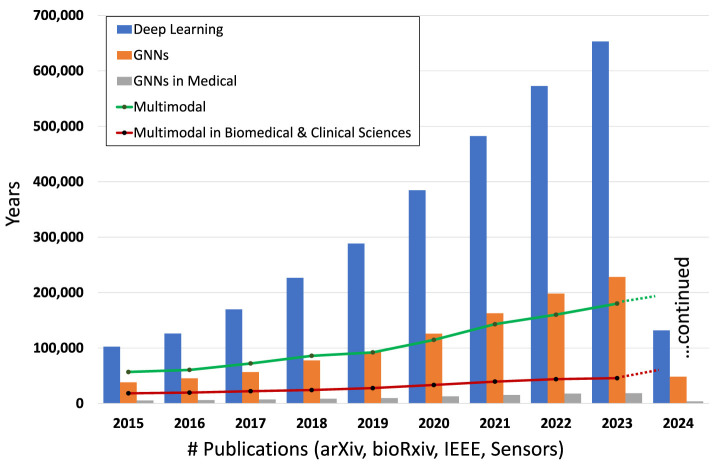
“Figure 5: Number of publications involving deep learning, graph neural networks (GNNs), and GNNs in the medical domain in the period 2014-2023 [4].”
BackgroundMultimodal end-to-end autonomous driving
Xiao, Y., Codevilla, F., Gurram, A., Urfalioglu, O., & Lopez, A. M. (2022) · IEEE Transactions on Intelligent Transportation Systems · doi:10.1109/tits.2020.3013234 · Cited by 319
Pre-training of Graph Augmented Transformers for Medication Recommendation
Shang, J., Ma, T., Xiao, C., & Sun, J. (2019) · Proceedings of the Twenty-Eighth International Joint Conference on Artificial Intelligence · doi:10.24963/ijcai.2019/825 · Cited by 311
Transformers in Time-Series Analysis: A Tutorial
Ahmed, S., Nielsen, I. E., Tripathi, A., Siddiqui, S., Ramachandran, R. P., & Rasool, G. (2023) · Circuits, Systems, and Signal Processing · doi:10.1007/s00034-023-02454-8 · Cited by 305 · cited 1×
“More recently, Transformer models have also been applied to other modalities, such as images [161], audio [162], and time-series analysis [163], resulting in a new wave of multi-modal applications.”
MethodSelf-citationUniT: Multimodal Multitask Learning with a Unified Transformer
Hu, R., & Singh, A. (2021) · 2021 IEEE/CVF International Conference on Computer Vision (ICCV) · doi:10.1109/iccv48922.2021.00147 · Cited by 303 · cited 1×
“There are various types of multimodal Transformers, such as the Unified Transformer (UniT) [174], which uses a shared encoder-decoder architecture, and the Multi-way Multimodal Transformer (MMT), which utilizes a multi-way tensor structure [175].”
MethodGraph representation learning in biomedicine and healthcare
Li, M. M., Huang, K., & Zitnik, M. (2022) · Nature Biomedical Engineering · doi:10.1038/s41551-022-00942-x · Cited by 294 · cited 2×
“…2021; Ma and Tang, 2021; Ma Y. et al., 2021; Park et al., 2021; Yang T. et al., 2021; Almasan et al., 2022; Jiao et al., 2022; Jin et al., 2022; Li M. et al., 2022; Waikhom and Patgiri, 2022; Waqas et al., 2022; Yi et al., 2022; Ektefaie et al., 2023; Fathinezhad et al., 2023; Nie et al., 2023…”
Deep reinforcement learning meets graph neural networks: Exploring a routing optimization use case
Almasan, P., Suárez-Varela, J., Rusek, K., Barlet-Ros, P., & Cabellos-Aparicio, A. (2022) · Computer Communications · doi:10.1016/j.comcom.2022.09.029 · Cited by 290
Waikhom, L., & Patgiri, R. (2022) · Artificial Intelligence Review · doi:10.1007/s10462-022-10321-2 · Cited by 256 · cited 2×
“GNNs are a type of neural network specifically designed to process data represented as a graph [87], which makes them well-suited for analyzing complex and connected data, such as multimodal oncology data.”
BackgroundBig data in basic and translational cancer research
Jiang, P., Sinha, S., Aldape, K., Hannenhalli, S., Sahinalp, C., & Ruppin, E. (2022) · Nature Reviews Cancer · doi:10.1038/s41568-022-00502-0 · Cited by 254 · cited 6×
“…and Tumma, 2018; Devlin et al., 2019; Gonzalez Zelaya, 2019; Al-jabery et al., 2020; Wang et al., 2020a; Zhuang et al., 2021; Borisov et al., 2022; Jiang et al., 2022; Sleeman et al., 2022 Data fusion strategies Sleeman et al., 2022 MML for oncology datasets Yap et al., 2018; Jansen et al., 2019;…”
BackgroundInfluentialPredicting clinical outcomes from large scale cancer genomic profiles with deep survival models
Yousefi, S., Amrollahi, F., Amgad, M., Dong, C., Lewis, J. E., Song, C., Gutman, D. A., Halani, S. H., Velazquez Vega, J. E., Brat, D. J., et al. (2017) · Scientific Reports · doi:10.1038/s41598-017-11817-6 · Cited by 233 · cited 1×
“, EHR) [18, 19], radiology [20], pathology [21], and molecular, including genomics [22], transcriptomics [23, 24], proteomics [25, 26], etc.”
BackgroundSelfDoc: Self-Supervised Document Representation Learning
Li, P., Gu, J., Kuen, J., Morariu, V. I., Zhao, H., Jain, R., Manjunatha, V., & Liu, H. (2021) · IEEE Computer Society Conference on Computer Vision and Pattern Recognition/Proceedings - IEEE Computer Society Conference on Computer Vision and Pattern Recognition/Proceedings · doi:10.1109/cvpr46437.2021.00560 · Cited by 233 · cited 1×
“Cross-attention allows the model to selectively attend to different modalities based on their relevance to the task [189].”
BackgroundVision-language models for medical report generation and visual question answering: a review
Hartsock, I., & Rasool, G. (2024) · Frontiers in Artificial Intelligence · doi:10.3389/frai.2024.1430984 · Cited by 229 · cited 1×
“By facilitating the fusion of multimodal data, such as radiological images, digitized pathology slides, molecular data, and electronic health records (EHR), MML offers a richer understanding of complex problems (Tripathi et al., 2024c).”
BackgroundSelf-citationGraph representation learning in bioinformatics: trends, methods and applications
Yi, H.-C., You, Z.-H., Huang, D.-S., & Kwoh, C. K. (2022) · Briefings in Bioinformatics · doi:10.1093/bib/bbab340 · Cited by 216 · cited 2×
“However, the same oncology data may be highly correlated in the non-Euclidean space [88].”
BackgroundMethodRadiomics and radiogenomics in gliomas: a contemporary update
Singh, G., Manjila, S., Sakla, N., True, A., Wardeh, A. H., Beig, N., Vaysberg, A., Matthews, J., Prasanna, P., & Spektor, V. (2021) · British Journal of Cancer · doi:10.1038/s41416-021-01387-w · Cited by 213 · cited 4×
“…Devlin et al., 2019; Lewis et al., 2019; Dosovitskiy et al., 2020; Raffel et al., 2020; Zhang, 2020; Boehm et al., 2021; Galassi et al., 2021; Hu and Singh, 2021; Jaegle et al., 2021; Jia et al., 2021; Ma J. et al., 2021; Otter et al., 2021; Zhuang et al., 2021; Ahmed et al., 2022b; Alayrac et…”
BackgroundMethodInfluentialHuang, Y., Lin, J., Zhou, C., Yang, H., & Huang, L. (2022) · arXiv (Cornell University) · doi:10.48550/arxiv.2203.12221 · Cited by 213 · cited 1×
“Some recent works explore the underlying phenomenon and the reasons for such behavior to improve our theoretical understanding of modality collapse [216].”
BackgroundA Unified View on Graph Neural Networks as Graph Signal Denoising
Ma, Y., Liu, X., Zhao, T., Liu, Y., Tang, J., & Shah, N. (2021) · ACM International Conference on Information and Knowledge Management (CIKM) · doi:10.1145/3459637.3482225 · Cited by 210 · cited 1×
“GNNs smooth the features by aggregating neighbors’ embedding and filter eigenvalues of graph Laplacian, which provides an extra denoising mechanism [96].”
BackgroundETA Prediction with Graph Neural Networks in Google Maps
Derrow-Pinion, A., She, J., Wong, D., Lange, O., Hester, T., Perez, L., Nunkesser, M., Lee, S., Guo, X., Wiltshire, B., et al. (2021) · Proceedings of the 30th ACM International Conference on Information & Knowledge Management · doi:10.1145/3459637.3481916 · Cited by 208 · cited 1×
“Graphs have been used to study brain networks [82], financial networks [83], driving maps [84], product recommendations [85], and the structure of DNNs themselves [86].”
MethodHGAT: Heterogeneous Graph Attention Networks for Semi-supervised Short Text Classification
Yang, T., Hu, L., Shi, C., Ji, H., Li, X., & Nie, L. (2021) · ACM Transactions on Information Systems · doi:10.1145/3450352 · Cited by 203 · cited 1×
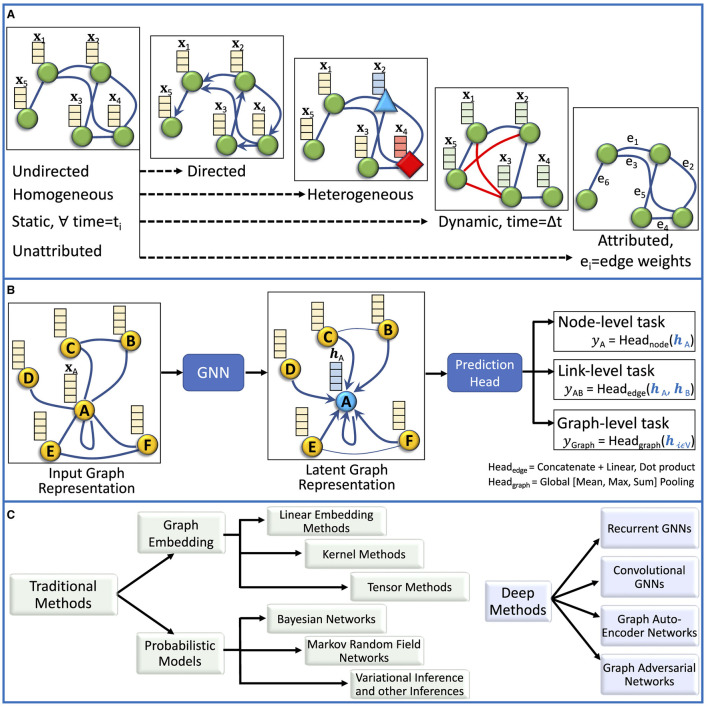
“Homogeneous graphs have the same type of nodes, whereas heterogeneous graphs have different types of nodes and related attributes within a single graph [89, 90].”
BackgroundWhat Makes Multi-modal Learning Better than Single (Provably)
Huang, Y., Du, C., Xue, Z., Chen, X., Zhao, H., & Huang, L. (2021) · arXiv · doi:10.48550/arxiv.2106.04538 · Cited by 197 · cited 2×
“Multimodal Learning (MML) enhances task accuracy and reliability by leveraging information from various data sources or modalities (Huang et al., 2021).”
BackgroundMethodDPDDI: a deep predictor for drug-drug interactions
Feng, Y.-H., Zhang, S.-W., & Shi, J.-Y. (2020) · BMC Bioinformatics · doi:10.1186/s12859-020-03724-x · Cited by 196 · cited 4×
“Deep predictor of drug-drug interactions (DPDDI) predicted the drug-drug interactions using GCN followed by a 5-layer classical neural network (Feng et al., 2020).”
MethodInfluentialFeature Extraction By Using Deep Learning: A Survey
Dara, S., & Tumma, P. (2018) · 2018 Second International Conference on Electronics, Communication and Aerospace Technology (ICECA) · doi:10.1109/iceca.2018.8474912 · Cited by 193 · cited 1×
“…et al., 2021; Waqas et al., 2024a Imaging Rowe and Pomper, 2022; Waqas et al., 2023 Clinical Asan et al., 2018; Quinn et al., 2019 Taxonomy of MML Dara and Tumma, 2018; Devlin et al., 2019; Gonzalez Zelaya, 2019; Al-jabery et al., 2020; Wang et al., 2020a; Zhuang et al., 2021; Borisov et al.,…”
BackgroundFeature Extraction and Analysis of Natural Language Processing for Deep Learning English Language
Wang, D., Su, J., & Yu, H. (2020) · IEEE Access · doi:10.1109/access.2020.2974101 · Cited by 177 · cited 2×
“Text encoding techniques, such as bag-of-words, word embeddings, and topic models (Devlin et al., 2019; Zhuang et al., 2021), transform textual data into a numerical representation, which can be used as input to an ML model (Wang et al., 2020a).”
BackgroundMethodDynamic Graph Representation Learning via Self-Attention NetworksPreprint
Sankar, A., Wu, Y., Gou, L., Zhang, W., & Yang, H. (2018) · arXiv (Cornell University) · doi:10.48550/arxiv.1812.09430 · Cited by 170 · cited 1×
“• Other GNNs: Other categories of GNNs may include scalable GNNs [110], dynamic GNNs [111], hypergraph GNNs [112], heterogeneous GNNs [113, 114] and may others [115].”
BackgroundMultimodal learning with graphs
Ektefaie, Y., Dasoulas, G., Noori, A., Farhat, M., & Zitnik, M. (2023) · Nature Machine Intelligence · doi:10.1038/s42256-023-00624-6 · Cited by 166 · cited 2×
“Molecular data modalities provide information about the underlying genetic changes and alterations in the cancer cells (Liu et al., 2021).”
BackgroundHTML: Hierarchical Transformer-based Multi-task Learning for Volatility Prediction
Yang, L., Ng, T. L. J., Smyth, B., & Dong, R. (2020) · International World Wide Web Conference (WWW) · doi:10.1145/3366423.3380128 · Cited by 164 · cited 2×
“The network leverages coarse class predictions to enhance the fine class predictions in a stage-wise manner, resulting in improved accuracy [192].”
BackgroundA benchmark study of deep learning-based multi-omics data fusion methods for cancer
Leng, D., Zheng, L., Wen, Y., Zhang, Y., Wu, L., Wang, J., Wang, M., Zhang, Z., He, S., & Bo, X. (2022) · Genome Biology · doi:10.1186/s13059-022-02739-2 · Cited by 162 · cited 1×
“[156] extended MOGONET to benchmark three multi-omics datasets on two different tasks using sixteen DL networks and concluded that GAT-based GNN had the best classification performance.”
BackgroundLate Temporal Modeling in 3D CNN Architectures with BERT for Action Recognition
Kalfaoglu, M. E., Kalkan, S., & Alatan, A. A. (2020) · Lecture Notes in Computer Science · doi:10.1007/978-3-030-68238-5_48 · Cited by 161
Multi-domain translation between single-cell imaging and sequencing data using autoencoders
Yang, K. D., Belyaeva, A., Venkatachalapathy, S., Damodaran, K., Katcoff, A., Radhakrishnan, A., Shivashankar, G. V., & Uhler, C. (2021) · Nature Communications · doi:10.1038/s41467-020-20249-2 · Cited by 156 · cited 2×
“Single-cell data integration using multiple modalities is mostly based on auto-encoders (scDART [65], Cross-modal Autoencoders [66], Mutual Information Learning for Integration of Single Cell Omics Data (SMILE) [67], scMM [68], single-cell multimodal variational autoencoder (scMVAE) [69], DCCA [70], BABEL [71]).”
MethodLi, P., Wang, J., Qiao, Y., Chen, H., Yu, Y., Yao, X., Gao, P., Xie, G., & Song, S. (2021) · Briefings in Bioinformatics · doi:10.1093/bib/bbab109 · Cited by 151 · cited 2×
“Molecular pre-training graph net (MPG) [136] is a powerful framework based on GNN and BERT to learn drug-drug and drug-target interactions.”
A survey on graph-based deep learning for computational histopathology
Ahmedt-Aristizabal, D., Armin, M. A., Denman, S., Fookes, C., & Petersson, L. (2022) · Computerized Medical Imaging and Graphics · doi:10.1016/j.compmedimag.2021.102027 · Cited by 147 · cited 1×
“Other categories of GNNs may include scalable GNNs (Ma et al., 2019), dynamic GNNs (Sankar et al., 2018), hypergraph GNNs (Bai et al., 2021), heterogeneous GNNs (Wei et al., 2019), and many others (Ma and Tang, 2021).”
Background2020 IEEE 36th International Conference on Data Engineering (ICDE)
(2020) · doi:10.1109/icde48307.2020 · Cited by 146
Trustworthy Graph Neural Networks: Aspects, Methods, and Trends
Zhang, H., Wu, B., Yuan, X., Pan, S., Tong, H., & Pei, J. (2024) · Proceedings of the IEEE · doi:10.1109/jproc.2024.3369017 · Cited by 144 · cited 1×
“Existing efforts and a roadmap to improve the trustworthiness of GNNs have been presented in the latest survey [213].”
BackgroundWaqas, A., Bui, M. M., Glassy, E. F., El Naqa, I., Borkowski, P., Borkowski, A. A., & Rasool, G. (2023) · Laboratory Investigation · doi:10.1016/j.labinv.2023.100255 · Cited by 140 · cited 1×
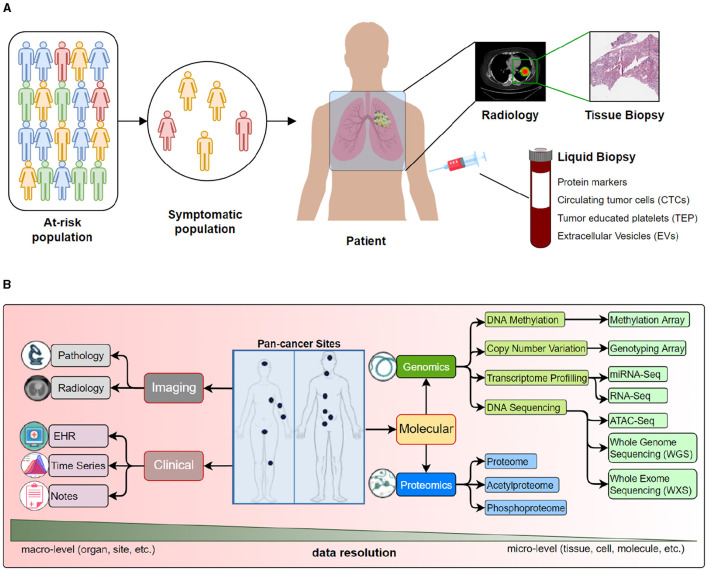
“The imaging category can be divided into 2 main categories: (1) radiological imaging and (2) digitized histopathology slides, referred to as Whole Slide Imaging (WSI).”
BackgroundSelf-citationTowards Explaining the Effects of Data Preprocessing on Machine Learning
Gonzalez Zelaya, C. V. (2019) · 2019 IEEE 35th International Conference on Data Engineering (ICDE) · doi:10.1109/icde.2019.00245 · Cited by 139 · cited 3×
“Normalization is the process of scaling the input data so that it falls within a specific range, which is useful to ensure that each modality contributes equally to the model learning [45].”
BackgroundInfluentialLiu, T., Huang, J., Liao, T., Pu, R., Liu, S., & Peng, Y. (2022) · IRBM · doi:10.1016/j.irbm.2020.12.002 · Cited by 137 · cited 5×
“…Jansen et al., 2019; Ma and Jia, 2020; Stark et al., 2020; Song J. et al., 2021; Syed et al., 2021; Yang K. D. et al., 2021; Cao and Gao, 2022; Liu et al., 2022; Xu et al., 2022; Zhang Z. et al., 2022; Waqas et al., 2024a,b data as each data modality (or sub-modality) can be considered as a…”
BackgroundMethodInfluentialJoo, S., Ko, E. S., Kwon, S., Jeon, E., Jung, H., Kim, J.-Y., Chung, M. J., & Im, Y.-H. (2021) · Scientific Reports · doi:10.1038/s41598-021-98408-8 · Cited by 137 · cited 1×
“GNNs and Transformers have been proposed for various tasks in oncology, including tumor classification [13], prognosis prediction [14], and treatment response assessment [15].”
BackgroundMultimodal Classification: Current Landscape, Taxonomy and Future Directions
Sleeman, W. C., Kapoor, R., & Ghosh, P. (2023) · ACM Computing Surveys · doi:10.1145/3543848 · Cited by 124
Multimodal Deep Learning for Prognosis Prediction in Renal Cancer
Schulz, S., Woerl, A.-C., Jungmann, F., Glasner, C., Stenzel, P., Strobl, S., Fernandez, A., Wagner, D.-C., Haferkamp, A., Mildenberger, P., et al. (2021) · Frontiers in Oncology · doi:10.3389/fonc.2021.788740 · Cited by 123 · cited 1×
“GNNs and Transformers have been proposed for various tasks in oncology, including tumor classification [13], prognosis prediction [14], and treatment response assessment [15].”
BackgroundFritz, C., Dorigatti, E., & Rügamer, D. (2022) · Scientific Reports · doi:10.1038/s41598-022-07757-5 · Cited by 120 · cited 1×
“Learning using multimodal dynamic data is an active area of research in oncology, and has the potential to provide a more comprehensive understanding of disease progression and treatment response [218].”
BackgroundscGCN is a graph convolutional networks algorithm for knowledge transfer in single cell omics
Song, Q., Su, J., & Zhang, W. (2021) · Nature Communications · doi:10.1038/s41467-021-24172-y · Cited by 118 · cited 9×
“A few recent works have applied GNNs to single-cell data. scGCN is a knowledge transfer framework in single-cell omics data such as mRNA or DNA (Song Q. et al., 2021). scGNN processed cell-cell relations through GNNs for the task of missing-data imputation and cell clustering on single-cell RNA sequencing (scRNA-seq)…”
BackgroundMethodInfluentialEdge-Variational Graph Convolutional Networks for Uncertainty-Aware Disease Prediction
Huang, Y., & Chung, A. C. S. (2020) · Lecture notes in computer science · doi:10.1007/978-3-030-59728-3_55 · Cited by 117
Multi-Modal Adaptive Fusion Transformer Network for the Estimation of Depression Level
Sun, H., Liu, J., Chai, S., Qiu, Z., Lin, L., Huang, X., & Chen, Y. (2021) · Sensors · doi:10.3390/s21144764 · Cited by 115 · cited 1×
“[194], where they propose a multi-modal adaptive fusion transformer network for estimating the levels of depression.”
BackgroundRobust Explainability: A tutorial on gradient-based attribution methods for deep neural networks
Nielsen, I. E., Dera, D., Rasool, G., Ramachandran, R. P., & Bouaynaya, N. C. (2022) · IEEE Signal Processing Magazine · doi:10.1109/msp.2022.3142719 · Cited by 115 · cited 1×
“Transformers have been successfully applied to various tasks in oncology, including cancer screening, diagnosis, prognosis, treatment selection, and prediction of clinical variables (Boehm et al., 2021; Chen et al., 2021; Shao et al., 2021; Lian et al., 2022; Liang J. et al., 2022).”
MethodSelf-citationReinforcement Learning on Graphs: A Survey
Nie, M., Chen, D., & Wang, D. (2023) · IEEE Transactions on Emerging Topics in Computational Intelligence · doi:10.1109/tetci.2022.3222545 · Cited by 115
Quinn, M., Forman, J., Harrod, M., Winter, S., Fowler, K. E., Krein, S. L., Gupta, A., Saint, S., Singh, H., & Chopra, V. (2019) · Diagnosis · doi:10.1515/dx-2018-0036 · Cited by 113 · cited 4×
“…al., 2020; Boehm et al., 2021; Liu et al., 2021; Waqas et al., 2024a Imaging Rowe and Pomper, 2022; Waqas et al., 2023 Clinical Asan et al., 2018; Quinn et al., 2019 Taxonomy of MML Dara and Tumma, 2018; Devlin et al., 2019; Gonzalez Zelaya, 2019; Al-jabery et al., 2020; Wang et al., 2020a;…”
BackgroundInfluentialImputing single-cell RNA-seq data by combining graph convolution and autoencoder neural networks
Rao, J., Zhou, X., Lu, Y., Zhao, H., & Yang, Y. (2021) · iScience · doi:10.1016/j.isci.2021.102393 · Cited by 108
Graph Representation Learning Meets Computer Vision: A Survey
Jiao, L., Chen, J., Liu, F., Yang, S., You, C., Liu, X., Li, L., & Hou, B. (2022) · IEEE Transactions on Artificial Intelligence · doi:10.1109/tai.2022.3194869 · Cited by 107 · cited 3×
“Probabilistic graphical methods use graph data to represent probability distribution, where nodes are considered random variables and edges depict the probability relations among nodes [92].”
MethodInfluentialHierarchical multimodal transformer to summarize videos
Zhao, B., Gong, M., & Li, X. (2021) · Neurocomputing · doi:10.1016/j.neucom.2021.10.039 · Cited by 101
Pati, P., Jaume, G., Fernandes, L. A., Foncubierta–Rodríguez, A., Feroce, F., Anniciello, A. M., Scognamiglio, G., Brancati, N., Riccio, D., Bonito, M. D., et al. (2020) · Lecture notes in computer science · doi:10.1007/978-3-030-60365-6_20 · Cited by 97
Network curvature as a hallmark of brain structural connectivity
Farooq, H., Chen, Y., Georgiou, T. T., Tannenbaum, A., & Lenglet, C. (2019) · Nature Communications · doi:10.1038/s41467-019-12915-x · Cited by 95 · cited 2×
“Graphs have been used in various fields, such as to study brain networks (Farooq et al., 2019), analyze driving maps (Derrow-Pinion et al., 2021), and explore the structure of DNNs themselves (Waqas et al., 2022).”
MethodMa, Y., & Tang, J. (2021) · Cambridge University Press eBooks · doi:10.1017/9781108924184 · Cited by 94 · cited 3×
“…al., 2018; Sankar et al., 2018; Farooq et al., 2019; Ma et al., 2019; Wei et al., 2019; Wu et al., 2020; Bai et al., 2021; Derrow-Pinion et al., 2021; Ma and Tang, 2021; Ma Y. et al., 2021; Park et al., 2021; Yang T. et al., 2021; Almasan et al., 2022; Jiao et al., 2022; Jin et al., 2022; Li M.…”
BackgroundHadid, A., Chakraborty, T., & Busby, D. (2024) · Expert Systems · doi:10.1111/exsy.13654 · Cited by 94
Zeng, Y., Zhou, X., Rao, J., Lu, Y., & Yang, Y. (2020) · IEEE International Conference on Bioinformatics and Biomedicine (BIBM) · doi:10.1109/bibm49941.2020.9313569 · Cited by 93 · cited 2×
“…Wang J. et al., 2021 MML data fusion stages Zitnik et al., 2018; Shi et al., 2019; Chen et al., 2020; Huang and Chung, 2020; Pati et al., 2020; Zeng et al., 2020; Cui et al., 2021; Nguyen et al., 2021; Rao et al., 2021; Wang J. et al., 2021; Wang T. et al., 2021; Zhang et al., 2021; Leng et…”
MethodBuilding gene regulatory networks from scATAC-seq and scRNA-seq using Linked Self Organizing Maps
Jansen, C., Ramirez, R. N., El-Ali, N. C., Gomez-Cabrero, D., Tegner, J., Merkenschlager, M., Conesa, A., & Mortazavi, A. (2019) · PLOS Computational Biology · doi:10.1371/journal.pcbi.1006555 · Cited by 92 · cited 1×
“Self-organizing maps to link scATAC-seq (SOMatic) [62] model combined ATAC-seq regions with RNA-seq genes using self-organizing maps.”
MethodZhang, Z., Yang, C., & Zhang, X. (2022) · Genome biology · doi:10.1186/s13059-022-02706-x · Cited by 87 · cited 1×
“Single-cell data integration using multiple modalities is mostly based on auto-encoders (scDART [65], Cross-modal Autoencoders [66], Mutual Information Learning for Integration of Single Cell Omics Data (SMILE) [67], scMM [68], single-cell multimodal variational autoencoder (scMVAE) [69], DCCA [70], BABEL [71]).”
MethodLiang, J., Yang, C., Zeng, M., & Wang, X. (2022) · Quantitative Imaging in Medicine and Surgery · doi:10.21037/qims-21-919 · Cited by 82 · cited 3×
“…Zhu et al., 2022; Zhong et al., 2023 Transformers for oncology datasets Boehm et al., 2021; Chen et al., 2021; Shao et al., 2021; Lian et al., 2022; Liang J. et al., 2022; Dai et al., 2023; Sun et al., 2023; Basit et al., 2024; Giuffrè et al., 2024 that, if addressed, could unlock the full…”
BackgroundMethodAnticipative Feature Fusion Transformer for Multi-Modal Action Anticipation
Zhong, Z., Schneider, D., Voit, M., Stiefelhagen, R., & Beyerer, J. (2023) · IEEE Winter Conference on Applications of Computer Vision · doi:10.1109/wacv56688.2023.00601 · Cited by 82 · cited 2×
“…stages Kalfaoglu et al., 2020; Yang et al., 2020; Li et al., 2021a; Sun et al., 2021; Rombach et al., 2022; Zhao et al., 2022; Zhu et al., 2022; Zhong et al., 2023 Transformers for oncology datasets Boehm et al., 2021; Chen et al., 2021; Shao et al., 2021; Lian et al., 2022; Liang J. et al.,…”
BackgroundGraph Neural Networks for Multimodal Single-Cell Data Integration
Wen, H., Ding, J., Jin, W., Wang, Y., Xie, Y., & Tang, J. (2022) · Proceedings of the 28th ACM SIGKDD Conference on Knowledge Discovery and Data Mining · doi:10.1145/3534678.3539213 · Cited by 77 · cited 1×
“scMoGNN [144] is the first method to apply GNNs in the field of multimodal single-cell data integration and build a cross-learning fusion-based GNN framework.”
MethodGraph‐convolutional‐network‐based interactive prostate segmentation in MR images
Tian, Z., Li, X., Zheng, Y., Chen, Z., Zhong, S. S., Liu, L., & Fei, B. (2020) · Medical Physics · doi:10.1002/mp.14327 · Cited by 72
Therapeutic Advances in Oncology
Liu, J., Pandya, P., & Afshar, S. (2021) · International Journal of Molecular Sciences · doi:10.3390/ijms22042008 · Cited by 72 · cited 1×
“Molecular modalities provide information about the underlying genetic changes and alterations in the cancer cells [38].”
BackgroundCell graph neural networks enable the precise prediction of patient survival in gastric cancer
Wang, Y., Wang, Y. G., Hu, C., Li, M., Fan, Y., Otter, N., Sam, I., Gou, H., Hu, Y., Kwok, T., et al. (2022) · npj Precision Oncology · doi:10.1038/s41698-022-00285-5 · Cited by 71 · cited 1×
“Cell-Graph Signature (CGsignature) [124] predict patient survival in gastric cancer using cellgraphs of multiplexed immunohistochemistry (mIHC) images processed through”
Weakly Supervised Prostate Tma Classification Via Graph Convolutional Networks
Wang, J., Chen, R. J., Lu, M. Y., Baras, A. S., & Mahmood, F. (2020) · IEEE International Symposium on Biomedical Imaging (ISBI) · doi:10.1109/isbi45749.2020.9098534 · Cited by 69 · cited 1×
“[120] analyzed grade classification in tissue micro-arrays of prostate cancer using the weaklysupervised technique on a variant of GraphSAGE with self-attention pooling (SAGPool) [121].”
MethodYFCC100M: The New Data in Multimedia Research
Thomee, B., Shamma, D. A., Friedland, G., Elizalde, B., Ni, K., Poland, D., Borth, D., & Li, L.-J. (2015) · arXiv · doi:10.48550/arxiv.1503.01817 · Cited by 69 · cited 2×
“Data of the scale of JFT-300M [198] and YFCC100M [199] are not available in the cancer domain.”
BackgroundGiuffrè, M., Kresevic, S., Pugliese, N., You, K., & Shung, D. L. (2024) · Liver International · doi:10.1111/liv.15974 · Cited by 68
Learning Adversarial Transformer for Symbolic Music Generation
Zhang, N. (2020) · IEEE Transactions on Neural Networks and Learning Systems · doi:10.1109/tnnls.2020.2990746 · Cited by 66 · cited 3×
“More recently, Transformer models have also been applied to other modalities, such as images [161], audio [162], and time-series analysis [163], resulting in a new wave of multi-modal applications.”
MethodExplainable Multilayer Graph Neural Network for cancer gene prediction
Chatzianastasis, M., Vazirgiannis, M., & Zhang, Z. (2023) · Bioinformatics · doi:10.1093/bioinformatics/btad643 · Cited by 61 · cited 1×
“Recently a multilayer GNN framework, Explainable Multilayer GNN (EMGNN), has been proposed for cancer gene prediction task using multi-omics data from 16 different cancer types [149].”
BackgroundSMILE: mutual information learning for integration of single-cell omics data
Xu, Y., Das, P., & McCord, R. P. (2021) · Bioinformatics · doi:10.1093/bioinformatics/btab706 · Cited by 60
Breast Cancer Dataset, Classification and Detection Using Deep Learning
Iqbal, M. S., Ahmad, W., Alizadehsani, R., Hussain, S., & Rehman, R. (2022) · Healthcare · doi:10.3390/healthcare10122395 · Cited by 58
Building Flexible, Scalable, and Machine Learning-Ready Multimodal Oncology Datasets
Tripathi, A. G., Waqas, A., Venkatesan, K., Yılmaz, Y., & Rasool, G. (2024) · Sensors · doi:10.3390/s24051634 · Cited by 58 · cited 1×
“Techniques such as data augmentation, ensemble, continual learning, and transfer learning are used to counter the class imbalance challenge (Mirza et al., 2019).”
MethodSelf-citationSCIM: universal single-cell matching with unpaired feature sets
Stark, S. G., Ficek, J., Locatello, F., Bonilla, X., Chevrier, S., Singer, F., Tumor Profiler Consortium, Aebersold, R., Al-Quaddoomi, F. S., Albinus, J., et al. (2020) · Bioinformatics · doi:10.1093/bioinformatics/btaa843 · Cited by 56 · cited 2×
“Single-Cell data Integration via Matching (SCIM) matched cells in multiple datasets in low-dimensional latent space using autoencoder (AEs) (Stark et al., 2020).”
BackgroundMethodPrivacy-Preserving Federated Learning Model for Healthcare Data
Islam, T. U., Ghasemi, R., & Mohammed, N. (2022) · 2022 IEEE 12th Annual Computing and Communication Workshop and Conference (CCWC) · doi:10.1109/ccwc54503.2022.9720752 · Cited by 56
Ghaffari Laleh, N., Ligero, M., Perez-Lopez, R., & Kather, J. N. (2023) · Clinical Cancer Research · doi:10.1158/1078-0432.ccr-22-0390 · Cited by 56 · cited 5×
“Popular spectral ConvGNNs are ChebNet (Defferrard et al., 2016) and Graph Convolutional Network (GCN) (Kipf and Welling, 2016).”
MethodInfluentialSecure Multi-party Computation-Based Privacy-Preserving Data Analysis in Healthcare IoT Systems
Şahinbaş, K., & Çatak, F. Ö. (2023) · Internet of things · doi:10.1007/978-3-031-08637-3_3 · Cited by 53
Identifying the role of vision transformer for skin cancer—A scoping review
Khan, S., Ali, H., & Shah, Z. (2023) · Frontiers in Artificial Intelligence · doi:10.3389/frai.2023.1202990 · Cited by 51 · cited 1×
“Beyond imaging, DL also plays a crucial role in analyzing molecular data, aiding in the prediction of treatment responses, and the identification of new biomarkers (Dera et al., 2019, 2021; Waqas et al., 2021; Barhoumi et al., 2023; Khan et al., 2023; Muhammad and Bria, 2023; Varlamova et al., 2024).”
BackgroundMultitask Learning for Visual Question Answering
Ma, J., Liu, J., Lin, Q., Wu, B., Wang, Y., & You, Y. (2021) · IEEE Transactions on Neural Networks and Learning Systems · doi:10.1109/tnnls.2021.3105284 · Cited by 50 · cited 6×
“Data modalities in oncology Molecular Grossman et al., 2016; Thangudu et al., 2020; Boehm et al., 2021; Liu et al., 2021; Waqas et al., 2024a Imaging Rowe and Pomper, 2022; Waqas et al., 2023 Clinical Asan et al., 2018; Quinn et al., 2019 Taxonomy of MML Dara and Tumma, 2018; Devlin et al., 2019;…”
BackgroundMethodInfluentialBiological research and self-driving labs in deep space supported by artificial intelligence
Sanders, L. M., Scott, R. T., Yang, J. H., Qutub, A. A., Garcia Martin, H., Berrios, D. C., Hastings, J. J. A., Rask, J., Mackintosh, G., Hoarfrost, A. L., et al. (2023) · Nature Machine Intelligence · doi:10.1038/s42256-023-00618-4 · Cited by 49
RadioPathomics: Multimodal learning in non-small cell lung cancer for adaptive radiotherapy
Tortora, M., Cordelli, E., Sicilia, R., Nibid, L., Ippolito, E., Perrone, G., Ramella, S., & Soda, P. (2023) · IEEE Access · doi:10.1109/access.2023.3275126 · Cited by 49 · cited 2×
“Within the post-learning fusion paradigm, when input data dimensionality is low, the handcrafted features perform better than the deep features, and vice versa [150].”
BackgroundUnsupervised Hyperbolic Representation Learning via Message Passing Auto-Encoders
Park, J., Cho, J., Chang, H. J., & Choi, J. Y. (2021) · IEEE Computer Society Conference on Computer Vision and Pattern Recognition/Proceedings - IEEE Computer Society Conference on Computer Vision and Pattern Recognition/Proceedings · doi:10.1109/cvpr46437.2021.00547 · Cited by 49 · cited 1×
“The encoder component of the GAE maps the input graph to a low-dimensional latent space, while the decoder component maps the latent space back to the original graph (Park et al., 2021).”
MethodPark, M., Lim, J., Jeong, J., Jang, Y., Lee, J., Lee, J.-C., Kim, H., Koh, E., Hwang, S., Kim, H., et al. (2022) · Biomolecules · doi:10.3390/biom12121839 · Cited by 48 · cited 1×
“[159] developed a GNN-based multi-omics model that integrated mRNA expression, DNA methylation, and DNA sequencing data for NSCLC diagnosis.”
BackgroundExplainability in Graph Neural Networks: An Experimental SurveyPreprint
Li, P., Yang, Y., Pagnucco, M., & Song, Y. (2022) · arXiv (Cornell University) · doi:10.48550/arxiv.2203.09258 · Cited by 46 · cited 2×
“The explainability in DL, e.g., how GNNs and Transformers make a specific decision, is still an area of active research (Li P. et al., 2022; Nielsen et al., 2022).”
BackgroundLi, Z., Pardos, Z. A., & Ren, C. (2024) · Computers & Education · doi:10.1016/j.compedu.2024.105027 · Cited by 46 · cited 2×
“However, MML is widely being adopted in applications such as autonomous vehicles, education, earth science, climate change, and space exploration (Xiao et al., 2020; Sanders et al., 2023; Hadid et al., 2024; Li et al., 2024).”
BackgroundPremiUm-CNN: Propagating Uncertainty Towards Robust Convolutional Neural Networks
Dera, D., Bouaynaya, N. C., Rasool, G., Shterenberg, R., & Fathallah‐Shaykh, H. M. (2021) · IEEE Transactions on Signal Processing · doi:10.1109/tsp.2021.3096804 · Cited by 42 · cited 1×
“Uncertainty quantification techniques, such as Bayesian neural networks [222,223], are still under-explored avenues in the MML.”
MethodSelf-citationVarlamova, E. V., Butakova, M. A., Semyonova, V. V., Soldatov, S. A., Poltavskiy, A. V., Kit, O. I., & Soldatov, A. V. (2024) · Cancers · doi:10.3390/cancers16061100 · Cited by 41 · cited 1×
“Beyond imaging, DL also plays a crucial role in analyzing molecular data, aiding in the prediction of treatment responses, and the identification of new biomarkers (Dera et al., 2019, 2021; Waqas et al., 2021; Barhoumi et al., 2023; Khan et al., 2023; Muhammad and Bria, 2023; Varlamova et al., 2024).”
BackgroundLian, J., Deng, J., Hui, E. S. K., Koohi‐Moghadam, M., She, Y., Chen, C., & Vardhanabhuti, V. (2022) · eLife · doi:10.7554/elife.80547 · Cited by 39 · cited 2×
“Recently, a multimodal approach based on Transformers and GNNs was proposed for early-stage NSCLC prognostic prediction [143].”
MethodOncologists’ Views Regarding the Role of Electronic Health Records in Care Coordination
Asan, O., Nattinger, A. B., Gurses, A. P., Tyszka, J. T., & Yen, T. W. F. (2018) · JCO Clinical Cancer Informatics · doi:10.1200/cci.17.00118 · Cited by 38 · cited 2×
“This information can be used to inform the diagnosis and treatment of cancer, as well as to monitor the disease progression over time [42].”
BackgroundFoundations and Trends in Multimodal Machine Learning: Principles, Challenges, and Open Questions
Liang, P. P., Zadeh, A., & Morency, L.-P. (2022) · arXiv · doi:10.48550/arxiv.2209.03430 · Cited by 38 · cited 2×
“Transference in MML aims to transfer knowledge between modalities and their representations to improve the performance of a model trained on a primary modality [75].”
BackgroundAccurate Registration of Cross-Modality Geometry via Consistent Clustering
Zhao, M., Huang, X., Jiang, J., Mou, L., Yan, D.-M., & Ма, Л. (2023) · IEEE Transactions on Visualization and Computer Graphics · doi:10.1109/tvcg.2023.3247169 · Cited by 37 · cited 1×
“Data alignment and registration refer to the process of combining and aligning data from different modalities in a way that enables the comparison and integration of information from different sources [202].”
BackgroundAbstract LB-242: Proteomic Data Commons: A resource for proteogenomic analysis
Thangudu, R. R., Rudnick, P. A., Holck, M., Singhal, D., MacCoss, M. J., Edwards, N. J., Ketchum, K. A., Kinsinger, C. R., Kim, E., & Basu, A. (2020) · Cancer Research · doi:10.1158/1538-7445.am2020-lb-242 · Cited by 36 · cited 1×
“Many publicly available datasets provide access to molecular data, including the Proteomics Data Commons for proteomics data and the Genome Data Commons for genetic data (Grossman et al., 2016; Thangudu et al., 2020).”
MethodFailure Detection in Deep Neural Networks for Medical Imaging
Ahmed, S., Dera, D., Hassan, S. U., Bouaynaya, N. C., & Rasool, G. (2022) · Frontiers in Medical Technology · doi:10.3389/fmedt.2022.919046 · Cited by 36 · cited 1×
“Robustness and failure detection [221] are critical aspects of MML, particularly in applications such as oncology.”
BackgroundSelf-citationHeterogeneous Graph Neural Networks using Self-supervised Reciprocally Contrastive Learning
Huo, C., He, D., Li, Y., Jin, D., Dang, J., Pedrycz, W., Wu, L., & Zhang, W. (2025) · ACM Transactions on Intelligent Systems and Technology · doi:10.1145/3706115 · Cited by 35 · cited 2×
“GNNs comprise multiple permutation equivariant and invariant functions, and they can handle heterogeneous data (Jin et al., 2022).”
BackgroundMo, S., Cai, M., Lin, L., Tong, R., Chen, Q., Wang, F., Hu, H., Iwamoto, Y., Han, X., & Chen, Y. (2020) · Lecture notes in computer science · doi:10.1007/978-3-030-59719-1_42 · Cited by 34 · cited 3×
“Mo et al. (2020) proposed a framework that improved the liver cancer lesion segmentation in the MRI-T1WI scans through guided learning of MRI-T2WI modality priors.”
BackgroundInfluentialSafe RLHF: Safe Reinforcement Learning from Human Feedback
Dai, J., Pan, X., Sun, R., Ji, J., Xu, X., Liu, M., Wang, Y., & Yang, Y. (2023) · arXiv · doi:10.48550/arxiv.2310.12773 · Cited by 32 · cited 2×
“…et al., 2023 Transformers for oncology datasets Boehm et al., 2021; Chen et al., 2021; Shao et al., 2021; Lian et al., 2022; Liang J. et al., 2022; Dai et al., 2023; Sun et al., 2023; Basit et al., 2024; Giuffrè et al., 2024 that, if addressed, could unlock the full potential of this emerging field.”
BackgroundExtended Variational Inference for Propagating Uncertainty in Convolutional Neural Networks
Dera, D., Rasool, G., & Bouaynaya, N. C. (2019) · Machine learning for signal processing ... · doi:10.1109/mlsp.2019.8918747 · Cited by 31
Self-citation(2021) · arXiv (Cornell University) · Cited by 31 · cited 2×
“The authors used self-attention to learn the correlation between multiple instances and use Transformer architecture to classify the instances into different categories [195].”
MethodRadGenNets: Deep learning-based radiogenomics model for gene mutation prediction in lung cancer
Tripathi, S., Moyer, E. J., Augustin, A. I., Zavalny, A., Dheer, S., Sukumaran, R., Schwartz, D. E., Gorski, B., Dako, F., & Kim, E. (2022) · Informatics in Medicine Unlocked · doi:10.1016/j.imu.2022.101062 · Cited by 31
AI/ML advances in non-small cell lung cancer biomarker discovery
Çalışkan, M., & Tazaki, K. (2023) · Frontiers in Oncology · doi:10.3389/fonc.2023.1260374 · Cited by 30
Vision Through the Veil: Differential Privacy in Federated Learning for Medical Image ClassificationPreprint
Nampalle, K. B., Singh, P., Narayan, U. V., & Raman, B. (2023) · arXiv (Cornell University) · doi:10.48550/arxiv.2306.17794 · Cited by 29
MMT: Multi-way Multi-modal Transformer for Multimodal Learning
Tang, J., Li, K., Hou, M., Jin, X., Kong, W., Ding, Y., & Zhao, Q. (2022) · International Joint Conference on Artificial Intelligence · doi:10.24963/ijcai.2022/480 · Cited by 29 · cited 1×
“There are various types of multimodal Transformers, such as the Unified Transformer (UniT) [174], which uses a shared encoder-decoder architecture, and the Multi-way Multimodal Transformer (MMT), which utilizes a multi-way tensor structure [175].”
MethodChao, C.-H., Zhu, Z., Guo, D., Yan, K., Ho, T.-Y., Cai, J., Harrison, A. P., Ye, X., Xiao, J., Yuille, A., et al. (2020) · Lecture Notes in Computer Science · doi:10.1007/978-3-030-59728-3_75 · Cited by 29
Mitigating Modality Collapse in Multimodal VAEs via Impartial OptimizationPreprint
Javaloy, A., Meghdadi, M., & Valera, I. (2022) · arXiv (Cornell University) · doi:10.48550/arxiv.2206.04496 · Cited by 29 · cited 2×
“…al., 2022; Remmer, 2022; Zhang H. et al., 2022 Over-smoothing in GNNs Wu et al., 2020; Valsesia et al., 2021 Modality Collapse Huang et al., 2022; Javaloy et al., 2022 Dynamic and Temporal Data Wu et al., 2020; Waqas et al., 2021; Fritz et al., 2022 Data Privacy ¸Sahinba¸sand Catak, 2021; Akter…”
BackgroundIqbal, M. S., Luo, B., Mehmood, R., Alrige, M., & Alharbey, R. (2019) · IEEE Access · doi:10.1109/access.2019.2925041 · Cited by 28
Song, J., Zheng, Y., Ullah, M. Z., Wang, J., Jiang, Y., Xu, C., Zou, Z., & Ding, G. (2021) · International Journal of Computer Assisted Radiology and Surgery · doi:10.1007/s11548-021-02391-4 · Cited by 28 · cited 1×
“Multiview multimodal network (MVMM-Net) [59] combined two different modalities (low-energy and dualenergy subtracted) from contrast-enhanced spectral mammography images, each learned through CNN and late-fusion through FC network in breast cancer detection task.”
Exploring Graph-Based Neural Networks for Automatic Brain Tumor Segmentation
Saueressig, C. F., Berkley, A., Kang, E., Munbodh, R., & Singh, R. (2021) · Lecture notes in computer science · doi:10.1007/978-3-030-70650-0_2 · Cited by 27 · cited 1×
“[131] used GNNs to segment brain tumors in 3D MRI images.”
MethodA Survey on Human Cancer Categorization Based on Deep Learning
Ibrahim, A., Mohamed, H. K., Maher, A., & Zhang, B. (2022) · Frontiers in Artificial Intelligence · doi:10.3389/frai.2022.884749 · Cited by 26 · cited 3×
“Supervised learning includes techniques like Convolutional Neural Networks (CNNs) for tumor image classification and Recurrent Neural Networks (RNNs) for predicting patient outcomes, both requiring labeled data (LeCun et al., 2015; Iqbal et al., 2019, 2022).”
MethodBrain Tumor Classification with Multimodal MR and Pathology Images
Ma, X., & Jia, F. (2020) · Lecture notes in computer science · doi:10.1007/978-3-030-46643-5_34 · Cited by 25 · cited 1×
“An award-winning work [61] on brain tumor grade classification followed a late-fusion technique where CNNs were used for learning on the radiology and pathology images separately and later concatenated and classified through a logistic regression algorithm.”
MethodExploring robust architectures for deep artificial neural networks
Waqas, A., Farooq, H., Bouaynaya, N. C., & Rasool, G. (2022) · Communications Engineering · doi:10.1038/s44172-022-00043-2 · Cited by 24 · cited 1×
“Graphs have been used to study brain networks [82], financial networks [83], driving maps [84], product recommendations [85], and the structure of DNNs themselves [86].”
MethodSelf-citationMOOMIN: Deep Molecular Omics Network for Anti-Cancer Drug Combination Therapy
Rózemberczki, B., Gogleva, A. A., Nilsson, S., Edwards, G., Nikolov, A., & Papa, E. (2022) · ACM International Conference on Information and Knowledge Management (CIKM) · doi:10.1145/3511808.3557146 · Cited by 23 · cited 2×
“Molecular omics network (MOOMIN) [155] is a multi-modal heterogeneous GNN to predict oncology drug combinations.”
BackgroundSelf-Normalizing Foundation Model for Enhanced Multi-Omics Data Analysis in OncologyPreprint
Waqas, A., Tripathi, A. G., Ahmed, S., Mukund, A., Farooq, H., Johnson, J., Stewart, P., Naeini, M., Schabath, M. B., & Rasool, G. (2024) · SSRN Electronic Journal · doi:10.2139/ssrn.5055163 · Cited by 23
Self-citationZoom in to where it matters: a hierarchical graph based model for mammogram analysisPreprint
Du, H., Feng, J., & Feng, M. (2019) · arXiv (Cornell University) · doi:10.48550/arxiv.1912.07517 · Cited by 22 · cited 1×
“[127] used a hierarchical GNN framework to automatically zoom into the abnormal lesion region of the mammograms and classify breast cancer.”
MethodMultimodal deep learning for liver cancer applications: a scoping review
Siam, A., Alsaify, A. R., Mohammad, B., Biswas, M. R., Ali, H., & Shah, Z. (2023) · Frontiers in Artificial Intelligence · doi:10.3389/frai.2023.1247195 · Cited by 22
MedAide: Leveraging Large Language Models for On-Premise Medical Assistance on Edge DevicesPreprint
Basit, A., Hussain, K., Hanif, M. A., & Shafique, M. (2024) · arXiv (Cornell University) · doi:10.48550/arxiv.2403.00830 · Cited by 21 · cited 2×
“Basit et al. (2024) introduced MedAide, an on-premise healthcare chatbot that employs RLHF during training to enhance its medical diagnostic capabilities on edge devices.”
BackgroundMachine learning-based classifiers to predict metastasis in colorectal cancer patients
Talebi, R., Celis-Morales, C. A., Akbari, A., Talebi, A., Borumandnia, N., & Pourhoseingholi, M. A. (2024) · Frontiers in Artificial Intelligence · doi:10.3389/frai.2024.1285037 · Cited by 20 · cited 1×
“DL employs deep neural networks to analyze vast datasets, offering unprecedented insights into cancer’s development and progression (Çalı¸skan and Tazaki, 2023; Chen et al., 2023; Siam et al., 2023; Muhammad et al., 2024; Talebi et al., 2024).”
BackgroundMulti-Omic Graph Transformers for Cancer Classification and Interpretation
Kaczmarek, E., Jamzad, A., Imtiaz, T., Nanayakkara, J., Renwick, N. M., & Mousavi, P. (2021) · Pacific Symposium on Biocomputing (PSB) · doi:10.1142/9789811250477_0034 · Cited by 19 · cited 1×
“-Omics Graphs K-mers GNNs [184] ML model [185]”
MethodCui, H., Xuan, P., Jin, Q., Ding, M., Li, B., Zou, B., Xu, Y., Fan, B., Li, W., Yu, J., et al. (2021) · Lecture notes in computer science · doi:10.1007/978-3-030-87240-3_63 · Cited by 19 · cited 1×
“[140] proposed a GNN-based early fusion framework to learn latent representations from radiological and clinical modalities for Lymph node metastasis (LNM) prediction in esophageal squamous cell carcinoma (ESCC).”
BackgroundGraph Neural Networks and Reinforcement Learning: A Survey
Fathinezhad, F., Adibi, P., Shoushtarian, B. M., & Chanussot, J. (2023) · Artificial intelligence · doi:10.5772/intechopen.111651 · Cited by 18
Barhoumi, Y., Bouaynaya, N. C., & Rasool, G. (2023) · IEEE Access · doi:10.1109/access.2023.3301160 · Cited by 17 · cited 1×
“Beyond imaging, DL also plays a crucial role in analyzing molecular data, aiding in the prediction of treatment responses, and the identification of new biomarkers (Dera et al., 2019, 2021; Waqas et al., 2021; Barhoumi et al., 2023; Khan et al., 2023; Muhammad and Bria, 2023; Varlamova et al., 2024).”
BackgroundSelf-citationBrain Tumor Segmentation and Surveillance with Deep Artificial Neural Networks
Waqas, A., Dera, D., Rasool, G., Bouaynaya, N. C., & Fathallah‐Shaykh, H. M. (2021) · Springer eBooks · doi:10.1007/978-3-030-71676-9_13 · Cited by 15 · cited 2×
“, EHR) [18, 19], radiology [20], pathology [21], and molecular, including genomics [22], transcriptomics [23, 24], proteomics [25, 26], etc.”
BackgroundSelf-citationMulti-Omic Graph Transformers for Cancer Classification and Interpretation.
Kaczmarek, E., Jamzad, A., Imtiaz, T., Nanayakkara, J., Renwick, N. M., & Mousavi, P. (2022) · PubMed · Cited by 15
Graph Convolutional Networks for Cervical Cell Classification
Shi, J., Wang, R., Zheng, Y., Jiang, Z., & Yu, L. (2019) · Cited by 15
Multi-View Data Integration Methods for Radiotherapy Structure Name Standardization
Syed, K., Sleeman, W. C., Hagan, M. P., Palta, J. R., Kapoor, R., & Ghosh, P. (2021) · Cancers · doi:10.3390/cancers13081796 · Cited by 14 · cited 1×
“[57] used a Random Forest classifier to fuse radiology image representations learned from singular value decomposition (SVD) method with the textual annotation representation learned from the fastText algorithm for prostate and lung cancer patients.”
MethodChen, B., Jin, J., Liu, H., Yang, Z., Zhu, H., Wang, Y., Lin, J., Wang, S., & Chen, S. (2023) · Frontiers in Artificial Intelligence · doi:10.3389/frai.2023.1289669 · Cited by 14
RAN-GNNs: Breaking the Capacity Limits of Graph Neural Networks
Valsesia, D., Fracastoro, G., & Magli, E. (2021) · IEEE Transactions on Neural Networks and Learning Systems · doi:10.1109/tnnls.2021.3118450 · Cited by 13 · cited 1×
“This leads to a loss of information, decrease in the model’s ability to distinguish among graph entities, and decrease in the model’s generalization [214].”
DFTR: Depth-supervised Fusion Transformer for Salient Object DetectionPreprint
Zhu, H.-Q., Sun, X., Li, Y.-X., Ma, K., Zhou, S., & Zheng, Y. (2022) · arXiv (Cornell University) · doi:10.48550/arxiv.2203.06429 · Cited by 13 · cited 2×
“…2023 MML data fusion stages Kalfaoglu et al., 2020; Yang et al., 2020; Li et al., 2021a; Sun et al., 2021; Rombach et al., 2022; Zhao et al., 2022; Zhu et al., 2022; Zhong et al., 2023 Transformers for oncology datasets Boehm et al., 2021; Chen et al., 2021; Shao et al., 2021; Lian et al., 2022;…”
BackgroundSun, X., Bosch, J. A., de Wit, J., & Krahmer, E. (2023) · ACM International Conference on Intelligent User Interfaces (IUI) · doi:10.1145/3581754.3584142 · Cited by 12
eHealth Data Security and Privacy: Perspectives from Diverse Stakeholders in Malawi
Orii, L., Feldacker, C., Tweya, H. M., & Anderson, R. (2024) · Proceedings of the ACM on Human-Computer Interaction · doi:10.1145/3637323 · Cited by 7
Waqas, A., Tripathi, A. G., Mukund, A., Stewart, P. A., Naeini, M., & Rasool, G. (2024) · Journal of the National Comprehensive Cancer Network · doi:10.6004/jnccn.2023.7137 · Cited by 5
Self-citationHeterogeneous Graph Neural Networks using Self-supervised Reciprocally Contrastive LearningPreprint
Huo, C., He, D., Li, Y., et al. (2022) · arXiv (Cornell University) · doi:10.48550/arxiv.2205.00256 · Cited by 3 · cited 2×
“GNNs comprise multiple permutation equivariant and invariant functions, and they can handle heterogeneous data (Jin et al., 2022).”
Background
Research works printed but not linked: 7
- Akter M. Moustafa N. Lynar T. (2022). “Edge intelligence-based privacy protection framework for iot-based smart healthcare systems,”? in IEEE INFOCOM 2022-IEEE Conference on Computer Communications Workshops (INFOCOM WKSHPS) (New York, NY: IEEE), 1– 8.
- Alayrac J.-B. Donahue J. Luc P. Miech A. Barr I. Hasson Y.. (2022). Flamingo: a visual language model for few-shot learning. Adv. Neural Inf. Process. Syst. 35, 23716– 23736. Available online at: https://proceedings.neurips.cc/paper_files/paper/2022/hash/960a172bc7fbf0177ccccbb411a7d800-Abstract-Conference.html
- Al-jabery K. K. Obafemi-Ajayi T. Olbricht G. R. Wunsch I. I. D. C. (2020). “Data preprocessing,”? in K. K. Al-jabery, T. Obafemi-Ajayi, G. R. Olbricht and D. C. Wunsch Computational Learning Approaches to Data Analytics in Biomedical Applications (Cambridge, MA: Academic Press), 7– 27.
- Defferrard M. Bresson X. Vandergheynst P. (2016). Convolutional neural networks on graphs with fast localized spectral filtering. Adv. Neural Inf. Process. Syst. 29, 3844– 3852. Available online at: https://proceedings.neurips.cc/paper_files/paper/2016/file/04df4d434d481c5bb723be1b6df1ee65-Paper.pdf
- Jaegle A. Borgeaud S. Alayrac J.-B. Doersch C. Ionescu C. Ding D.. (2021). Perceiver IO: A General Architecture for Structured Inputs &; Outputs (ICLR).
- Ma L. Yang Z. Miao Y. Xue J. Wu M. Zhou L.. (2019). “NeuGraph: parallel deep neural network computation on large graphs,” in USENIX Annual Technical Conference (USENIX), 443– 458.
- Remmer E. (2022). Explainability Methods for Transformer-based Artificial Neural Networks: a Comparative Analysis (PhD thesis).
Cited by
Transformers in Time-Series Analysis: A Tutorial
Ahmed, S., Nielsen, I. E., Tripathi, A., Siddiqui, S., Ramachandran, R. P., & Rasool, G. (2023) · Circuits, Systems, and Signal Processing · doi:10.1007/s00034-023-02454-8 · Cited by 305
“Apart from classical NLP tasks, examples from other areas include image classification [3], object detection and segmentation [4], image and language generation [5], sequential decision-making in reinforcement learning [6], multi-modal (text, speech, and image) data processing [7], and analysis of tabular and time-ser…”
BackgroundSelf-citationVision-language models for medical report generation and visual question answering: a review
Hartsock, I., & Rasool, G. (2024) · Frontiers in Artificial Intelligence · doi:10.3389/frai.2024.1430984 · Cited by 229
Self-citationDeep learning–driven multi-omics analysis: enhancing cancer diagnostics and therapeutics
Zhang, J., Che, Y., Liu, R., Wang, Z., & Liu, W. (2025) · Briefings in Bioinformatics · doi:10.1093/bib/bbaf440 · Cited by 112
“Data integration strategies can be categorized into early, mid, and late integration [23].”
Artificial Intelligence in Head and Neck Cancer: Innovations, Applications, and Future Directions
Pham, T. D., Teh, M., Chatzopoulou, D., Holmes, S., & Coulthard, P. (2024) · Current Oncology · doi:10.3390/curroncol31090389 · Cited by 89
“The integration of multimodal data is an emerging trend that leverages AI to combine various types of data for a comprehensive understanding of HNC [38,106,246].”
BackgroundA Comprehensive Review of Multimodal Deep Learning for Enhanced Medical Diagnostics
Al‐Zoghby, A. M., Ebada, A. I., Saleh, A. S., Abdelhay, M., & Awad, W. A. (2025) · Computers, materials & continua/Computers, materials & continua (Print) · doi:10.32604/cmc.2025.065571 · Cited by 90
Metadata
- Authors
- Waqas, A., Tripathi, A., Ramachandran, R. P., Stewart, P. A., & Rasool, G.
- Affiliations
- Moffitt Cancer Center (US)
- Rowan University (US)
- Corresponding author
- Waqas, Asim
- Venue
- Frontiers in Artificial Intelligence
- Publisher
- Frontiers Media SA
- Published
- 2024-07-25
- Volume
- 7
- Pages
- 1408843-1408843
- ISSN
- 2624-8212 (ISSN-L)
- PMC
- PMC11308435
- OpenAlex
- W4400981456
- Cited by
- 165
- References
- 206
- Citations by year
- 2026: 81 · 2025: 70 · 2024: 12
- FWCI
- 5.72
- Type
- journal article
- Language
- en
- Open access
- gold
- doi.org
- Licence
- Locations
- Frontiers in Artificial Intelligence (publishedVersion, cc-by)
- PubMed Central (publishedVersion, cc-by)
- PubMed (publishedVersion)
- arXiv (Cornell University) (submittedVersion, cc-by)
- Rowan Digitals Works (Rowan University) (submittedVersion, cc-by)
- DOAJ (DOAJ: Directory of Open Access Journals) (submittedVersion, cc-by-sa)
- arXiv (Cornell University) (cc-by)
- Funders
- National Science Foundation (1903466, 2008690, 2234468, 2234836)
- Moffitt Cancer Center (P30CA076292, CA076292)
- National Cancer Institute (CA076292, P30CA076292)
- Division of Electrical, Communications and Cyber Systems (ECCS-1903466)
- Topics
- Physical Sciences › Computer Science › Computer Vision and Pattern Recognition › Multimodal Machine Learning Applications
- Physical Sciences › Computer Science › Artificial Intelligence › AI in cancer detection
- Health Sciences › Medicine › Radiology, Nuclear Medicine and Imaging › Radiomics and Machine Learning in Medical Imaging
- Keywords
- multimodal data integration, oncology, graph neural networks, transformer models, multimodal fusion, precision oncology, cancer diagnosis, cancer screening, histopathology, molecular data, data heterogeneity
About these checks
Registry, retraction, Cites and statistics results are computed, not judged, with one exception: a printed reference that no index lists is read once by a model before it counts as a citation error. Claims are extracted by a model and kept only when their quote appears verbatim in the text; each cited source is then checked, with a model’s help, for whether it says what the claim relies on. Those verdicts can be wrong — read the claim’s quote and the cited source before relying on one.
Statistics and arithmetic are recomputed, not judged.
Confidence bands are shown only for fields calibrated on our annotated test set. None is calibrated yet, so no band is shown.
What counts as a claim ›How we measure confidence ›How we check this ›
Are you an author, or do you see a problem with this page? Request a review
Data sources
Bibliographic data: Semantic Scholar, OpenAlex, Crossref.
Contains information from the Semantic Scholar Academic Graph Datasets, made available under the ODC Attribution License (ODC-BY 1.0).
Semantic Scholar’s data is described in: Kinney, R., et al. (2023). The Semantic Scholar Open Data Platform. arXiv:2301.10140.
