

Analysis of Heavy Metal Impacts on Cereal Crop Growth and Development in Contaminated Soils
Open accessThe DOI matches its Crossref record; 310 of the 310 references it cites were found in a registry or an index.
Abstract
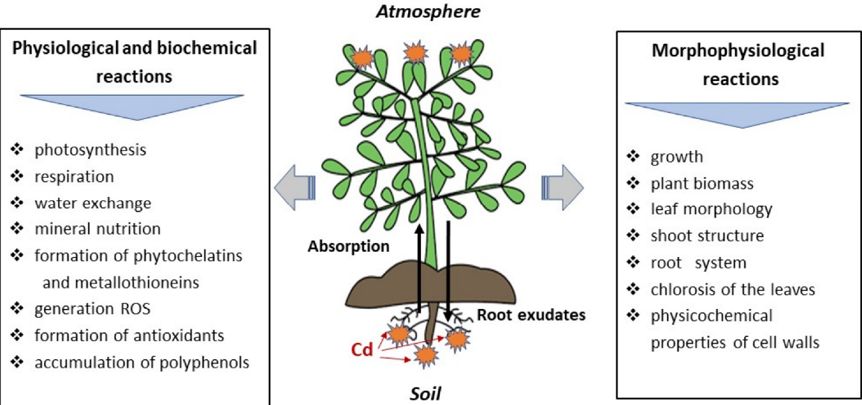
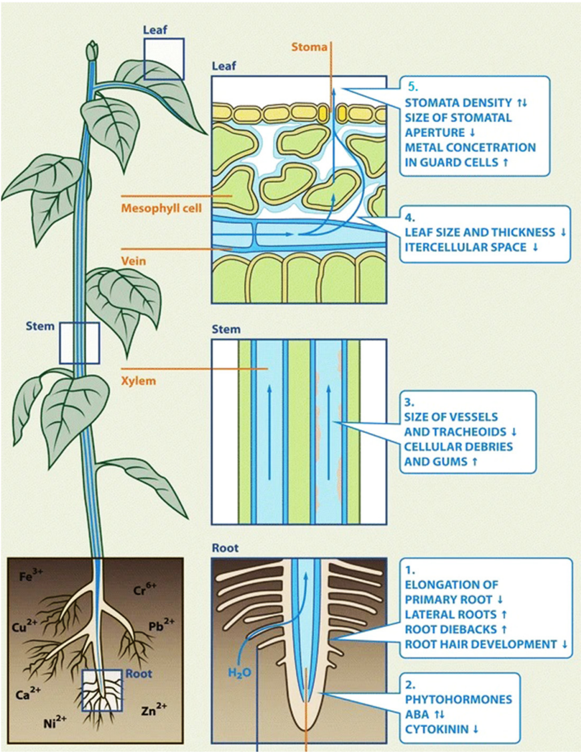
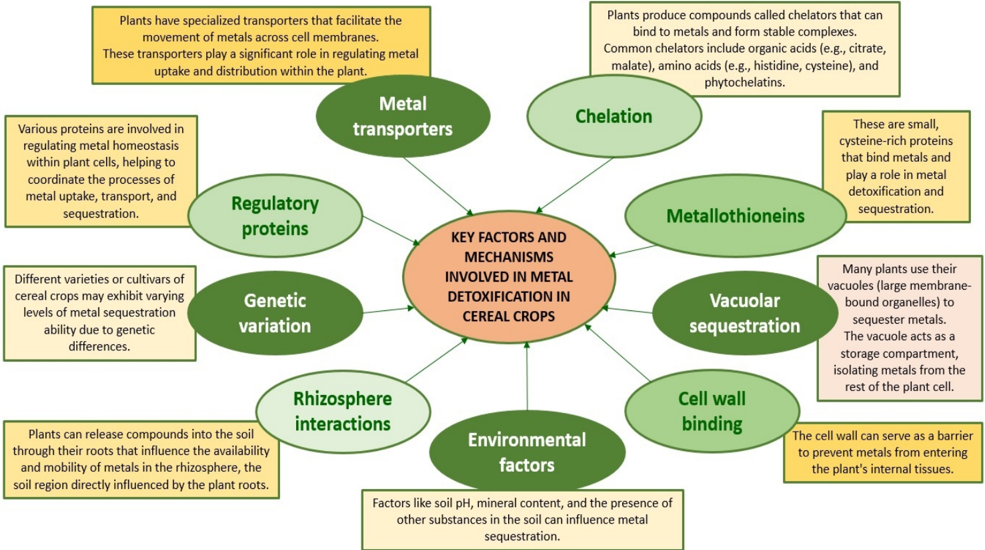
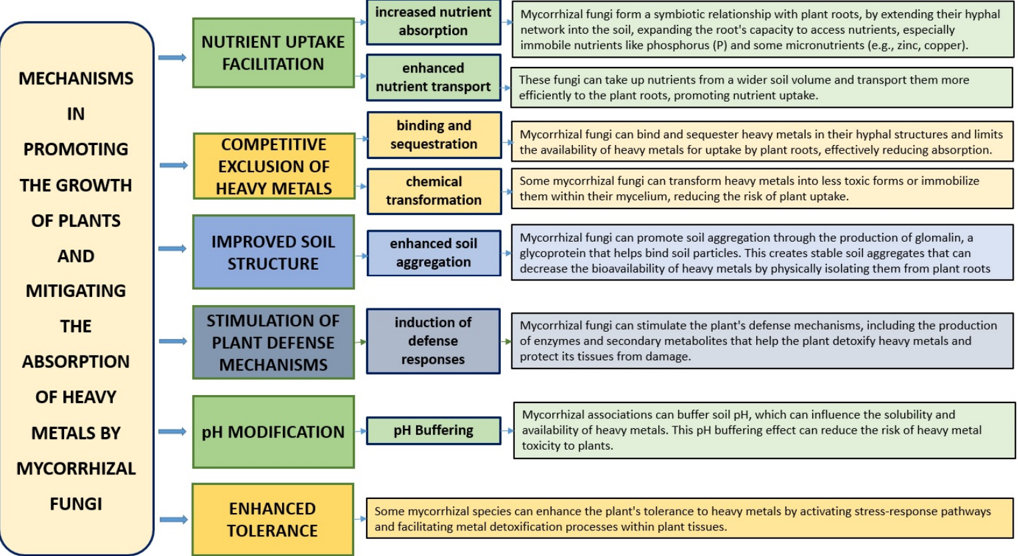
The impact of heavy metal presence in soil on cereal crops is a growing concern, posing significant challenges to global food security and environmental sustainability. Cereal crops, vital sources of nutrition, face the risk of contamination with toxic heavy metals released into the environment through human activities. This paper explores key aspects requiring thorough investigation to foster innovation and understand intricate interactions between heavy metals and cereals. Visible symptoms and physiological changes resulting from heavy metal contamination, such as chlorosis and stunted growth, demand further research to devise targeted mitigation strategies and sustainable agricultural practices. Root barrier formation, mycorrhizal symbiosis, and metal-binding proteins emerge as critical defence mechanisms for combating heavy metal stress, offering opportunities for developing metal-tolerant cereal varieties. Research on metal bioavailability and food safety implications in cereal grains is vital to safeguard human health. This paper reveals that multidisciplinary collaboration and cutting-edge technologies are essential for promoting innovation beyond the state of the art in elucidating and mitigating the impacts of heavy metals on cereal crops. Genetic and breeding approaches show promise in developing metal-tolerant cereal varieties, while agronomic practices and soil amendments can reduce metal bioavailability and toxicity. Unravelling the complex mechanisms underlying heavy metal uptake and tolerance is essential for sustainable cereal agriculture and worldwide food sustainability. Embracing the challenges of heavy metal pollution through proactive research and collaboration can secure a resilient future for cereal crops amid evolving environmental conditions.
Overview
The claims and statistics of this paper haven’t been checked yet.
Free: it reads the open-access text and checks the first 5 claims that cite a source we can check. Create a free account to check every claim.
Integrity signals
Registry
Cites
Statistics
Figures
Verification
Claims the paper makes
The claims and statistics of this paper haven’t been checked yet.
Free: it reads the open-access text and checks the first 5 claims that cite a source we can check. Create a free account to check every claim.
Claims other papers make about this one
Each is checked against this paper’s own text: does it say what the citing paper says it does?
The source backs part of the claim, not all of it — or backs it for a different population, condition or comparison.
In the citing paper
“Researchers have reported that excess accumulation of PTEs can reduce the root growths ([ 40%), impact enzymatic activities and membrane integrity (Collin et al. 2022;Vasilachi et al. 2023).”
From Sustainable management of post-phytoremediation biomass (2025) · cites this paper as Vasilachi et al. 2023
Experimental — accuracy not yet measuredThe cited source says what the claim attributes to it.
In the citing paper
“Decreased root elongation and poor root branching can be caused by Cd exposure in cereals as reported by Vasilachi et al. (2023).”
From Sustainable management of post-phytoremediation biomass (2025) · cites this paper as Vasilachi et al. 2023
In the citing paper
“These findings align with previous studies where authors documented that Pb toxicity reduces nutrient uptake, which adversely impacts ATP productivity, enzyme activity, and biochemical function, thereby leading to poor plant growth (Aslam et al., 2021; Vasilachi et al., 2023).”
From Integrative biochar and melatonin application mitigates lead toxicity in rice by modulating antioxidant activities and iron plaque formation and downregulating the expression of metal uptake genes (2025) · cites this paper as Vasilachi et al., 2023
Self-check
Percentages, sums and reported differences re-computed from the paper’s own numbers.
The self-check needs the paper’s full text.
Citations
Cites
1 retracted
Usman, M., Zia‐ur‐Rehman, M., Rizwan, M., Abbas, T., Ayub, M. A., Naeem, A., Alharby, H. F., Alabdallah, N. M., Alharbi, B. M., Qamar, M. J., et al. (2022) · Environmental Research · doi:10.1016/j.envres.2022.114397 · Cited by 88 · cited 1×
“Each soil texture type has distinct properties that influence heavy metal retention and release, directly impacting their bioavailability to plants [247,248].”
RetractedToxicity, mechanism and health effects of some heavy metals
Jaishankar, M., Tseten, T., Anbalagan, N., Mathew, B. B., & Beeregowda, K. N. (2014) · Interdisciplinary Toxicology · doi:10.2478/intox-2014-0009 · Cited by 6,402 · cited 1×
“This interference hampers the plant’s ability to cope with oxidative stress and repair damaged cellular structures, leading to increased tissue necrosis [221,222].”
Sharma, P., Jha, A. B., Dubey, R. S., & Pessarakli, M. (2012) · Journal of Botany · doi:10.1155/2012/217037 · Cited by 5,473
Soil structure and management: a review
Bronick, C. J., & Lal, R. (2005) · Geoderma · doi:10.1016/j.geoderma.2004.03.005 · Cited by 4,463 · cited 1×
“This can be especially beneficial in reducing heavy metal toxicity as it prevents waterlogging and reduces the likelihood of heavy metal accumulation in the root zone [242,243].”
Ali, H., Khan, E., & Ilahi, I. (2019) · Journal of Chemistry · doi:10.1155/2019/6730305 · Cited by 3,238 · cited 1×
“These metals can then be transported to the root zone of cereal crops, increasing the risk of metal uptake and toxicity [270,271].”
Toxic Mechanisms of Five Heavy Metals: Mercury, Lead, Chromium, Cadmium, and Arsenic
Balali-Mood, M., Naseri, K., Tahergorabi, Z., Khazdair, M. R., & Sadeghi, M. (2021) · Frontiers in Pharmacology · doi:10.3389/fphar.2021.643972 · Cited by 3,121 · cited 1×
“Heavy metals have a high affin-ity for enzyme-binding sites, and upon entering plant cells, they can disrupt the proper functioning of various enzymes involved in critical metabolic pathways [149,150].”
Toxic Metals and Oxidative Stress Part I: Mechanisms Involved in Me-tal induced Oxidative Damage
Nuran Ercal, B. S. P., Hande Gurer-Orhan, B. S. P., & Nukhet Aykin-Burns, B. S. P. (2001) · Current Topics in Medicinal Chemistry · doi:10.2174/1568026013394831 · Cited by 1,944 · cited 1×
“Heavy metal exposure can compromise the structural integrity and functionality of the cell membrane, leading to various adverse effects on plant health and growth [36,107,174].”
Heavy metals in food crops: health risks, fate, mechanisms, and management
Rai, P. K., Lee, S. S., Zhang, M., Tsang, Y. F., & Kim, K.-H. (2019) · Environment International · doi:10.1016/j.envint.2019.01.067 · Cited by 1,895 · cited 3×
“This phenomenon, known as bioaccumulation, can lead to elevated levels of heavy metals in edible plant parts, such as grains, thereby endangering consumers when these tainted crops are consumed [7,8].”
Heavy Metals in Agricultural Soils of the European Union with Implications for Food Safety
Tóth, G., Hermann, T., Da Silva, M. R., & Montanarella, L. (2016) · Environment International · doi:10.1016/j.envint.2015.12.017 · Cited by 1,654 · cited 1×
“Ongoing soil testing and monitoring play a critical role in early intervention, and alleviating the adverse effects of heavy metal exposure on cereal yield, quality, and food safety can help reduce health risks associated with contaminated cereals [26,116].”
Phytoremediation: A Promising Approach for Revegetation of Heavy Metal-Polluted Land
Yan, A., Wang, Y., Tan, S. N., Mohd Yusof, M. L., Ghosh, S., & Chen, Z. (2020) · Frontiers in Plant Science · doi:10.3389/fpls.2020.00359 · Cited by 1,644 · cited 1×
“Implementing responsible soil management practices and exploring innovative approaches to reduce heavy metal uptake in cereals are essential steps toward ensuring food safety and promoting sustainable agriculture in a metal-contaminated world [63–65].”
Research works printed but not linked: 8
- Husen, A., Ed.; Elsevier: Amsterdam, The Netherlands, 2023; pp. 139-159.
- Singh, A.; Roychoudhury, A. Omics tools to understand abiotic stress response and adaptation in rye, oat and barley. In Omics Approach to Manage Abiotic Stress in Cereals; Roychoudhury, A., Aftab, T., Acharya, K., Eds.; Springer: Singapore, 2022; pp. 513-529. · DOI
- Khan, M.K., Pandey, A., Hamurcu, M., Gupta, O.P., and Gezin, S. (2023). Abiotic Stresses in Wheat. Unfolding the Challenges, Elsevier-Academic Press.
- Khoudi, 2021, Significance of vacuolar proton pumps and metal/H+ antiporters in plant heavy metal tolerance, Physiol. Plant., 173, 384
- Varma, 2021, Heavy metals stress and defense strategies in plants: An overview, J. Pharmacogn. Phytochem., 10, 608
- Ahmad, P. (2015). Plant Metal Interaction: Emerging Remediation Techniques, Elsevier.
- Abdel Latef, A.A.H. (2022). Sustainable Remedies for Abiotic Stress in Cereals, Springer. · DOI
- Upadhyaya, 2010, Role of arbuscular mycorrhiza in h eavy metal tolerance in plants: Prospects for phytoremediation, J. Phytol., 2, 16
Cited by
Assessing Heavy Metal Contamination in Food: Implications for Human Health and Environmental Safety
Mititelu, M., Neacșu, S. M., Busnatu, Ș., Scafa‐Udriște, A., Andronic, O., Lacraru, A., Ioniță-Mîndrican, C.-B., Lupuliasa, D., Negrei, C., & Olteanu, G. (2025) · Toxics · doi:10.3390/toxics13050333 · Cited by 194
“The results of this analysis offer an integrated perspective on the issue of food contamination with heavy metals, underscoring the urgent need for effective preventive and remedial measures to safeguard public health.”
Asiminicesei, D.-M., Ferţu, D. I., & Gavrilescu, M. C. (2024) · Plants · doi:10.3390/plants13060913 · Cited by 200
“Variations in root exudates and microbial communities within the rhizosphere contribute to species-specific responses to heavy metal exposure.”
BackgroundSelf-citationMonitoring Heavy Metals and Metalloids in Soils and Vegetation by Remote Sensing: A Review
Lovynska, V., Bayat, B., Bol, R., Moradi, S., Rahmati, M., Raj, R., Sytnyk, S., Wiche, O., Wu, B., & Montzka, C. (2024) · Remote Sensing · doi:10.3390/rs16173221 · Cited by 90
Musah, B. I. (2024) · Environmental Monitoring and Assessment · doi:10.1007/s10661-024-13490-5 · Cited by 66
“Heavy metal accumulation in cereals resulted in visible physiological changes such as stunted growth and chlorosis (Vasilachi et al., 2023).”
Opande, T., Kong, M., Feng, D., Wen, Y., Oduor, N. O., Yatoo, A. M., Khalil, F. M. A., Elrys, A. S., Meng, L., & Zhang, J. (2025) · Ecotoxicology and Environmental Safety · doi:10.1016/j.ecoenv.2025.117766 · Cited by 48
Sustainable management of post-phytoremediation biomass
Mukherjee, S., Leri, A. C., Bandaranayaka, C., Vázquez-Núñez, E., Barros, R., Khan, A. H. A., Zhou, P., Zhang, T., Bernal, M. P., Clemente, R., et al. (2025) · Energy, Ecology and Environment · doi:10.1007/s40974-025-00364-w · Cited by 45
“Researchers have reported that excess accumulation of PTEs can reduce the root growths ( [ 40%), impact enzymatic activities and membrane integrity (Collin et al. 2022; Vasilachi et al. 2023).”
Sanad, H., Moussadek, R., Mouhir, L., Lhaj, M. O., Zahidi, K., Dakak, H., Manhou, K., & Zouahri, A. (2025) · Journal of Hazardous Materials Advances · doi:10.1016/j.hazadv.2025.100724 · Cited by 55
Nanobioremediation of heavy metals using microorganisms
Kamyab, H., Chelliapan, S., Khalili, E., Mediavilla, D. P. Z., Khorami, M., Aminabhavi, T. M., & Vasseghian, Y. (2025) · Journal of Environmental Management · doi:10.1016/j.jenvman.2025.126736 · Cited by 47
Elik, Ü., & Gül, Z. D. (2025) · Life · doi:10.3390/life15020310 · Cited by 45
“The accumulation of these metals, particularly in agricultural lands, causes significant yield losses in crops such as wheat, barley, and maize, which has a major impact on human nutrition [33,34].”
Khawula, S., Daniel, A. I., Nyawo, N., Ndlazi, K., Sibiya, S. G. P., Ntshalintshali, S., Nzuza, G., Gokul, A., Keyster, M., Klein, A., et al. (2025) · Plant Stress · doi:10.1016/j.stress.2025.100949 · Cited by 46
Unlocking plant resilience: Advanced epigenetic strategies against heavy metal and metalloid stress
Iqbal, B., Ahmad, N., Li, G., Jalal, A., Khan, A. R., Zheng, X., Naeem, M. S., & Du, D. (2024) · Plant Science · doi:10.1016/j.plantsci.2024.112265 · Cited by 42
Iftikhar, F., Zulfiqar, A., Kamran, A., Saleem, A., Arshed, M. Z., Zulfiqar, U., Djalović, I. G., Prasad, P. V. V., & Soufan, W. H. (2025) · Scientific Reports · doi:10.1038/s41598-024-84803-4 · Cited by 37
Kumar, P., Singhania, R. R., Sumathi, Y., Kurrey, N. K., Chen, C., Patel, A. K., & Dong, C. (2024) · Clean Technologies and Environmental Policy · doi:10.1007/s10098-024-02962-4 · Cited by 41
“This keeps heavy metals out of the food chain and safeguards the health of the crops (Vasilachi et al. 2023).”
Chukwu, E. C., & Gülser, C. (2025) · Soil Security · doi:10.1016/j.soisec.2025.100178 · Cited by 38
Kaushal, P., & Pati, A. M. (2025) · Frontiers in Microbiology · doi:10.3389/fmicb.2025.1662000 · Cited by 36
Public health and economic burden of heavy metals in Ethiopia: Review
Gelaye, Y. (2024) · Heliyon · doi:10.1016/j.heliyon.2024.e39022 · Cited by 37
“Furthermore, agricultural productivity suffers as heavy metal accumulation in soils reduces fertility and crop yields, posing threats to food security and livelihood [9].”
BackgroundVerma, L., Ekka, A., Banjara, R. A., Ambade, B., Ashish, K., & Gautam, S. (2025) · Water Environment Research · doi:10.1002/wer.70184 · Cited by 33
“Factors including soil conditions, (Vasilachi et al. 2023b) the particular metal involved, and metal bioavailability frequently limit effectiveness.”
Adamczyk-Szabela, D., & Wolf, W. M. (2024) · International Journal of Molecular Sciences · doi:10.3390/ijms25073612 · Cited by 32
“Moreover, heavy metals may affect the carbon dioxide concentrations in the plant tissues [53].”
BackgroundSafitri, R. A., Vandeweyer, D., Deruytter, D., Meijer, N., Coudron, C. L., Banach, J. L., & van der Fels‐Klerx, H. J. (2024) · Journal of Insects as Food and Feed · doi:10.1163/23524588-00001224 · Cited by 32
Faizan, M., Alam, P., Kumari, A., Suresh, G., Sharma, P., Karabulut, F., Soysal, S., Djalović, I. G., Trivan, G., Adil, M. F., et al. (2024) · Plant Stress · doi:10.1016/j.stress.2024.100615 · Cited by 34
Kumar, R., Vasić, T., Živković, S., Panneerselvam, P., Santoyo, G., Santos‐Villalobos, S. D. L., Adeyemi, N. O., Pandit, A., Koolman, L., Mitra, D., et al. (2025) · Applied Microbiology · doi:10.3390/applmicrobiol5030079 · Cited by 27
“Consequently, plants grown in contaminated soils often show stunted growth, chlorosis, and reduced yields [70].”
Anas, M., Altun, V., Khattak, W. A., Khan, A., Erċışlı, S., Khan, K. A., & Hakki, E. E. (2026) · Environmental Geochemistry and Health · doi:10.1007/s10653-026-03007-z · Cited by 23
“Wheat plants that incorporate cadmium from heavy metal contamination also decrease micronutrient availability, such as iron and zinc, while creating malnutrition and dietary deficiencies (Vasilachi et al., 2023).”
Feng, D., Meng, L., Wen, Y., Uwiragiye, Y., AbuQamar, S. F., Oduor, N. O., Zhu, Q., Wu, Z., Wu, Y., Müller, C., et al. (2025) · Journal of Hazardous Materials · doi:10.1016/j.jhazmat.2025.138475 · Cited by 25
Emamverdian, A., Khalofah, A., Pehlivan, N., Li, Y., Chen, M., & Liu, G. (2024) · Ecotoxicology and Environmental Safety · doi:10.1016/j.ecoenv.2024.116431 · Cited by 19
Molecular Insights into NAC Transcription Factors: Key Regulators of Plant Response to Metal Stress
Bouzroud, S., Fayezizadeh, M. R., Das, S., Sarraf, M., Saleem, M. H., Erċışlı, S., Mirmazloum, I., & Hasanuzzaman, M. (2025) · Journal of Plant Growth Regulation · doi:10.1007/s00344-025-11787-4 · Cited by 20
“This toxicity remains largely dependent on their concentration within living cells (Li et al. 2020; Vasilachi et al. 2023).”
Ntshalintshali, S., Sibiya, S. G. P., Mabuza, N., Nkomo, M. A., & Buthelezi, L. G. (2025) · Journal of Agronomy and Crop Science · doi:10.1111/jac.70115 · Cited by 17
Plant resilience under abiotic stress: all for one or one for all?
Joseph, R., Apollon, W., Jean-Baptiste, M. C., & de Oliveira, A. C. (2026) · Plant and Soil · doi:10.1007/s11104-026-08515-6 · Cited by 21
“Elements such as arsenic (As), cadmium (Cd), mercury (Hg), and lead (Pb) frequently impair plant growth and development (Feng et al. 2021; Vasilachi et al. 2023).”
Batool, A., Farooq, M. A., Iqbal, M. M., Ashraf, U., Imran, M., Abbas, G., Khan, M. N., & AlSolami, M. A. (2025) · Ecotoxicology and Environmental Safety · doi:10.1016/j.ecoenv.2025.119413 · Cited by 15
Narayanan, M., Ananth, C., Ayyandurai, M., Pugazhendhi, A., Alshehri, M. A., & Ma, Y. (2024) · Applied Soil Ecology · doi:10.1016/j.apsoil.2024.105752 · Cited by 15
Arinzechi, C., Huang, P., Zhao, P., Tang, C., Si, M., Liao, Q., Wang, Q., Ping, Y., Li, Q., & Yang, Z. (2025) · Rhizosphere · doi:10.1016/j.rhisph.2025.101097 · Cited by 13
Sangubotla, R., Syed, S., Mastan, A., Lakshmi, B. A., & Kim, J. (2025) · International Journal of Molecular Sciences · doi:10.3390/ijms26199797 · Cited by 15
“The excessive release of HMs/metalloids mainly originates from food and water contamination and polluted air generated by mining, smelting, pharmaceutical, and manufacturing industries, as well as from the use of fertilizers and pesticides in agriculture [3–6].”
Examining Nicotinamide Application Methods in Alleviating Lead-Induced Stress in Spring Barley
SMOLIK, B., & Sędzik, M. (2024) · Agronomy · doi:10.3390/agronomy14061314 · Cited by 12
“The reduction in root growth may stem from disruptions in the physiological functions performed by roots, including the mobilization and circulation of elements from mineral and organic compounds in the soil, water uptake, and nutrient transport to other organs [5,60].”
BackgroundGuo, Z., Yin, Y., Nie, M., Ding, C., Wang, Y., Tang, X., He, L., Zhou, Z., Li, Z., Li, L., et al. (2025) · Journal of Agricultural and Food Chemistry · doi:10.1021/acs.jafc.4c12178 · Cited by 12
Heavy Metal Contamination in Soil: Implications for Crop Resilience and Abiotic Stress Management
Almotairy, H. M. (2024) · IntechOpen eBooks · doi:10.5772/intechopen.114978 · Cited by 19
Kumar, U., Singh, P. K., Kumar, I., & Sharma, R. K. (2024) · Journal of Food Composition and Analysis · doi:10.1016/j.jfca.2024.107140 · Cited by 11
Maphuhla, N. G., & Oyedeji, O. O. (2025) · Applied Sciences · doi:10.3390/app15042028 · Cited by 11
Liaqat, W., Altaf, M. T., Jan, M. F., Ahmad, H., Khan, E. H., Barutçular, C., Cömertpay, G., Baloch, F. S., & Mohamed, H. I. (2025) · Cereal Research Communications · doi:10.1007/s42976-025-00658-z · Cited by 15
“These metals impede photosynthesis and hinder essential physiological processes in crops (Vasilachi et al. 2023).”
Pizarro, S., Requena‐Rojas, E. J., Barboza, E., Peña-Elme, E., Arias-Arredondo, A. G., & Ccopi-Trucios, D. (2025) · The Science of The Total Environment · doi:10.1016/j.scitotenv.2025.180327 · Cited by 11
Atta, M. I., Zehra, S. S., Zhuo, Z., Ali, H., Abbas, M. W., Abbas, S. N., Sarwar, S., Muneer, F., Ahmad, I. S., Xu, D., et al. (2024) · Journal of Plant Diseases and Protection · doi:10.1007/s41348-024-00962-6 · Cited by 10
Ansari, W. A., Shahid, M., Shafi, Z., Farah, M. A., Ilyas, T., Al‐Anazi, K. M., & Niyazi, S. (2025) · Physiologia Plantarum · doi:10.1111/ppl.70130 · Cited by 10
“The edible parts of food crops are heavily contaminated with toxic metals, which negatively impacts consumers (Vasilachi et al., 2023).”
The Effect of Native Plant Diversity on the Success of Invasive Species in Polluted Soils
Javed, Q., Sun, J., Černe, M., Iqbal, B., Bouhadi, M., Heath, D., He, F., Ullah, M. S., Akbar, R., & Du, D. (2025) · Ecotoxicology · doi:10.1007/s10646-025-02905-9 · Cited by 10
“The accumulation of heavy metals in shoots has been shown to weaken structural integrity, inhibit root elongation, and cause root deformation, making plants more susceptible to environmental stresses (Kumar and Prasad, 2018; Vasilachi et al. 2023).”
Noor, M. A., Hassan, M., Khan, T. A., Zhou, B., & Guo-qin, H. (2025) · Plants · doi:10.3390/plants14152453 · Cited by 13
“In this study, As toxicity significantly decreased rice growth and productivity by inhibiting chlorophyll synthesis (Figure 2), root growth, and nutrient uptake [24].”
Chang, X., Wang, Y., zhang, Z., Gao, Z., & Geng, H. (2026) · Minerals Engineering · doi:10.1016/j.mineng.2026.110275 · Cited by 10
Nehra, A., Kalwan, G., Taneja, D., Jangra, R., Joshi, K., Kumar, A., Jain, P. K., Nehra, K., Ansari, M. W., Singh, K., et al. (2025) · Plant Physiology and Biochemistry · doi:10.1016/j.plaphy.2025.110042 · Cited by 9
Elbagory, M., Zayed, A., El-Khateeb, N. M. M., El-Nahrawy, S., Omara, A. E.-D., Mohamed, I., Elbyaly, M. Y. H., El‐Sharkawy, M., Singh, J., Džaja, A., et al. (2025) · Toxics · doi:10.3390/toxics13060497 · Cited by 9
“Under effluent irrigation, Cu Bf values decreased substantially: root > stem > leaves > grain, suggesting moderate uptake with minimal grain accumulation [58].”
Tahir, N., Elahi, M., Aslam, R., & Quraishi, U. M. (2025) · Physiology and Molecular Biology of Plants · doi:10.1007/s12298-025-01615-0 · Cited by 10
Xu, S., Yun, M., Wang, Y., Liu, K., Wu, A., Li, S., Su, Y., Wang, S., & Kang, H. (2025) · Biology · doi:10.3390/biology14111475 · Cited by 9
“The heavy metal content in wheat and corn grains is influenced by soil physicochemical properties, metal speciation, soil microbes and minerals, and crop root exudates [41], which likely explain the spatial discrepancies in Cu and Co distributions between grains and soils.”
Heavy Metal Toxicity in Cereals: Uptake Mechanisms, Physiological Impacts, and Mitigation Strategies
Singh, K., Negi, C., Kumar, A., Chaturvedi, N., & Vyas, P. (2025) · Toxics · doi:10.3390/toxics13121074 · Cited by 9
“In plants, cadmium competes with essential nutrients, disrupting physiological function, and damages key processes like water uptake and photosynthesis, which ultimately results in reduced growth and poor crop productivity [26,80].”
InfluentialKolhi, M. L., Hussain, A., Junejo, A. R., Zhang, L., Gu, Y., Zhu, Y., Wang, P., & Liu, H. (2026) · Plant Stress · doi:10.1016/j.stress.2026.101284 · Cited by 10
Sanad, H., Moussadek, R., Spaccini, R., Paradiso, R., Lhaj, M. O., Zouahri, A., Dakak, H., & Mouhir, L. (2026) · Frontiers in Sustainable Food Systems · doi:10.3389/fsufs.2026.1803164 · Cited by 9
Yang, H., Zhang, F., Zhou, J., Zhu, J., Cui, D., Zhang, X., & Zhang, Z. (2026) · iScience · doi:10.1016/j.isci.2026.116147 · Cited by 14
Batool, N., Munazir, M., Qureshi, R., Anwar, T., Qureshi, H., Saba, I., Ikram, S., Ullah, N., Soufan, W. H., & Zaman, W. (2024) · Scientific Reports · doi:10.1038/s41598-024-80234-3 · Cited by 9
Khan, T. A., Su, Q., Guoqin, H., Du, Z., Noor, M. A., Asseri, T. A. Y., & Hassan, M. U. (2025) · Frontiers in Plant Science · doi:10.3389/fpls.2025.1609825 · Cited by 9
“Roots are directly exposed to Pb, which disrupts the physiological functioning of roots and the mobilization of minerals and water, thereby leading to poor growth (Vasilachi et al., 2023).”
Kosakivska, I. V., & Shcherbatyuk, M. (2025) · Fiziologia rastenij i genetika · doi:10.15407/frg2025.01.003 · Cited by 10
Chelan, Z. A., Amini, R., & Nasab, A. D. M. (2025) · Scientific Reports · doi:10.1038/s41598-025-01681-0 · Cited by 8
Boros-Lajszner, E., Wyszkowska, J., & Kucharski, J. (2025) · Agronomy · doi:10.3390/agronomy15071543 · Cited by 9
MTP family analysis and association study reveal the role of ZmMTP11 in lead (Pb) accumulation
Liu, P., An, L., Ma, L., Zou, L., Du, S., & Shen, Y. (2024) · Plant Physiology and Biochemistry · doi:10.1016/j.plaphy.2024.108740 · Cited by 8
Imran, A., Islam, M. A., Biswas, S., Shorna, M. N. A., Islam, S., Biswas, J., Uddin, M. S., Akhtar‐E‐Ekram, M., Zaman, S., & Saleh, M. A. (2025) · Environmental Science and Pollution Research · doi:10.1007/s11356-025-36644-5 · Cited by 7
“…temperature, humidity, and drought, as well as the detrimental impact of heavy metal contamination (Hussain et al. 2020; Mohapa-tra and Sahu 2022; Vasilachi et al. 2023) The non-biode-gradable nature of heavy metals is a significant concern, as they can accumulate across various trophic levels…”
Natural growth regulators in enhancing cereal crop resistance to lead contamination
Kosakivska, I. V., Бабенко, Л. М., Voytenko, L. V., Vasyuk, V. A., Shcherbatyuk, M., & Romanenko, K. O. (2025) · Cereal Research Communications · doi:10.1007/s42976-025-00697-6 · Cited by 7
“The presence of these toxic elements poses a serious threat to crop yields, food quality, and long-term agricultural sustainability (Golia 2023; Vasilachi et al. 2023).”
Nanoparticle-mediated mitigation of heavy metal stress in plants: a comprehensive review
Shah, S. A., & Aslam, S. (2025) · Journal of Nanoparticle Research · doi:10.1007/s11051-025-06520-x · Cited by 7
Wiafe, S., Boahen, C., & Bandoh, T. (2024) · Soil and Sediment Contamination An International Journal · doi:10.1080/15320383.2024.2372092 · Cited by 7
“While plants possess inherent abilities to absorb and accumulate heavy metals, their remediation potential can be significantly augmented through the strategic application of soil additives and foliar spraying techniques (Vasilachi, Stoleru, and Gavrilescu 2023).”
Physiological Effects of Mercury on Handroanthus impetiginosus (Ipê Roxo) Plants
de Oliveira, E. A., Borella, D. R., Lopes, V. J. S., Battirola, L. D., de Andrade, R. L. T., & da Silva, A. C. (2025) · Agronomy · doi:10.3390/agronomy15030736 · Cited by 8
Диаките, С., Saquee, F. S., Kavhiza, N. J., Pakina, E. N., Norman, P. E., Чудинова, Е. М., Tsindeliani, A. A., & Pototskaya, I. V. (2024) · Pedosphere · doi:10.1016/j.pedsph.2024.12.004 · Cited by 7
Biochar Amendments in Soil: A Sustainable Approach for Mitigating Heavy Metal Stress in Plants
Imran, S., Sumi, M. J., Harine, I. J., Paul, N. C., Mahamud, M. A., Rabbi, R. H. M., Brestič, M., & Rhaman, M. S. (2025) · Phyton · doi:10.32604/phyton.2025.064046 · Cited by 11
“In shoots, Pb toxicity manifests as reduced plant height, smaller and malformed leaves, and overall stunted growth [25].”
Ajaoud, M., Ciccarelli, C., Mizio, M. D., Gargiulo, M., Parrilli, S., Savarese, C., Tufano, F., & Lega, M. (2025) · Sustainability · doi:10.3390/su17094115 · Cited by 6
Jalal, F., Ahmad, A., Iqbal, A., Khan, S. A., Fahad, S., Tahir, N., Said, F., Imtiaz, M., Khan, M. A., Hussain, S., et al. (2025) · Rhizosphere · doi:10.1016/j.rhisph.2025.101167 · Cited by 8
Qader, M. Q. (2025) · Journal of Applied Toxicology · doi:10.1002/jat.4978 · Cited by 8
“…component of the modern child's diet, yet contamination can occur when grains are cultivated in metal-enriched soils, irrigated with polluted water, or subjected to additional contamination during fortification, drying, or packaging (Vasilachi et al. 2023; Qader 2025a, 2025b; Qader et al. 2025).”
Fly ash in agriculture: A global perspective on utilization, benefits, and challenges
Swain, C. K., Pattanaik, I., Pradhan, C., Pradhan, M., Singh, N. R., & Mohanty, S. (2026) · Environmental Geochemistry and Health · doi:10.1007/s10653-026-03104-z · Cited by 8
Health Risk Assessment of Metal(loid) Pollution in Rice Field via Soil‐Paddy Plant System: A Review
Bhoi, R., Sahu, C., Naik, B., & Pradhan, A. (2025) · Environmental Quality Management · doi:10.1002/tqem.70061 · Cited by 6
Impact of Invasive Alien Plants and Heavy Metals Contamination on Crops: A Review
Iqbal, B., Khan, A. R., Li, G., Abbas, A., Raheem, A., Jalal, A., Tawaha, A. R. M. A., & Fahad, S. (2024) · Springer eBooks · doi:10.1007/978-3-031-69417-2_6 · Cited by 7
Pii, Y., Orzes, G., Mazzetto, F., Sambo, P., & Cesco, S. (2024) · Frontiers in Plant Science · doi:10.3389/fpls.2024.1459670 · Cited by 6
Safhi, F. A., Alqudah, A. M., & Thabet, S. G. (2025) · Euphytica · doi:10.1007/s10681-025-03466-y · Cited by 5
“These effects range from disruptions in growth and photosynthesis to alterations in gene expression and oxidative stress responses (Vasilachi et al. 2023).”
Wang, M., Li, H., Xu, K., Fang, J., Yu, C., Zheng, W., & Ma, H. (2025) · BMC Plant Biology · doi:10.1186/s12870-025-06567-x · Cited by 7
“HM in soil adversely affect crop growth, photosynthesis, biomass, productivity, and restrict the uptake and translocation of essential nutrients [22, 23].”
AL‐Huqail, A. A., Al-Malki, M. A.-R., Melebari, D. M., Osman, H. E. S., Alshehri, D., Alghanem, S. M. S., Abeed, A. H. A., & Peijnenburg, W. J. G. M. (2025) · Ecotoxicology and Environmental Safety · doi:10.1016/j.ecoenv.2025.118817 · Cited by 5
Shaghaleh, H., Hamoud, Y. A., Saleem, M. H., Elansary, H. O., & Mahmoud, E. A. (2025) · Journal of soil science and plant nutrition · doi:10.1007/s42729-025-02581-y · Cited by 5
“Previously, few studies on O. sativa were executed to investigate its morphology and physiology under metal stress (Vasilachi et al. 2023; Ghouri et al. 2023; Khan et al. 2021; Pang et al. 2024 ), but synergistic application of different NPs i.e., MoS₂, ZnO, and Se on various morphophysiological…”
Khan, M. S. U., Afridi, N., Ritu, S. A., Shipar, S. I., Zaman, S. B., Hasan, N. T., Shihab, U., Hasan, M. M., Rahimi, M., Sumi, M. J., et al. (2025) · Rhizosphere · doi:10.1016/j.rhisph.2025.101251 · Cited by 6
Polyamine defense shield of plants against biotic and abiotic stress
Nawaz, M., Shabbir, S., Sonne, C., & Xiaobo, L. (2026) · Plant Stress · doi:10.1016/j.stress.2026.101253 · Cited by 6
Bhuyan, B., Chutia, B., & Singh, L. S. (2026) · Archives of Microbiology · doi:10.1007/s00203-026-04753-5 · Cited by 5
“Ca, Pb, and Zn compete with essential nutrients (magnesium, calcium, iron, and manganese), leading to plant nutrient deficiencies, thereby reducing productivity (Kabata-Pendias and Mukherjee 2007; Das et al. 2019; Vasilachi et al. 2023; Zeng et al. 2025).”
Liu, C., Safitri, R. A., van Leeuwen, S. L., Öztürk, B., Girzadas, D., Christoff, E., & Krampe, C. (2025) · Journal of Agriculture and Food Research · doi:10.1016/j.jafr.2025.101881 · Cited by 8
Polyphenol Oxidase from Agricultural Wastes for Dye Removal from Wastewater
Badawy, N. M., & Naguib, D. M. (2024) · Water Air & Soil Pollution · doi:10.1007/s11270-024-07175-5 · Cited by 5
“This can compromise the enzyme’s ability to effectively remove dyes (Paul et al., 2024; Rodrigues et al., 2023; Vasilachi et al., 2023).”
AL‐Huqail, A. A., AL-Malki, M. A.-R., Melebari, D. M., Osman, H. E. S., Alshehri, D., Alghanem, S. M. S., & Abeed, A. H. A. (2025) · Physiology and Molecular Biology of Plants · doi:10.1007/s12298-025-01665-4 · Cited by 4
“Among various abiotic stresses, metal toxicity poses a major threat to T. aestivum production, directly affecting crop yield (Vasilachi et al. 2023).”
Borowik, A., Wyszkowska, J., Zaborowska, M., & Kucharski, J. (2025) · International Journal of Molecular Sciences · doi:10.3390/ijms262412175 · Cited by 4
“[21,22].”
Ojeda, J. W. C. (2025) · Biotecnología en el Sector Agropecuario y Agroindustrial · doi:10.18684/rbsaa.v23.n2.2025.2403 · Cited by 7
Sharafi, S., Sharafi, M., & Lorvand, M. (2026) · Scientific Reports · doi:10.1038/s41598-026-38637-x · Cited by 5
“Elevated metal concentrations in sugar beet systems are of particular concern because root crops are consumed directly, increasing the potential for dietary exposure 31,40 .”
Cucu, M. A., Terzi, V., di Fossalunga, A. S., Carnevali, P., Ghizzoni, R., & Morcia, C. (2026) · Agronomy · doi:10.3390/agronomy16060621 · Cited by 4
Gerbreders, V., Krasovska, M., Sļedevskis, Ē., Mihailova, I., Mizers, V., Keviss, J., & Bulanovs, A. (2024) · Crystals · doi:10.3390/cryst14050423 · Cited by 4
Shah, M. A., Mao, J. Y., Khan, R., Ahmad, H., Ali, S., Khan, K., Naseer, M. A., Rashid, R., Yang, L., & Zhou, X. B. (2025) · The Science of The Total Environment · doi:10.1016/j.scitotenv.2025.180305 · Cited by 4
Saghir, A., Akram, M. S., Ali, S., Rashid, S., Farhad, M. A., Khan, H. M. T., javed, S. A., Raish, M., & Khubaib, M. (2025) · Journal of soil science and plant nutrition · doi:10.1007/s42729-025-02370-7 · Cited by 3
“Moreover, accumulation of metals in edible portion of legumes also proved health risk for human beings (Vasilachi et al. 2023).”
Managing Defense Mechanisms in Crop Plants Using Phytohormones Under Various Contaminants
Kumar, V., Prakash, R., Sharma, N., & Gupta, N. (2025) · Smart nanomaterials technology · doi:10.1007/978-981-96-6099-5_15 · Cited by 4
Rana, M. S., Wang, Q., Suzuki, M. M., Wang, W., Isobe, Y., Sultana, A., & Maduka, T. O. (2025) · Sustainability · doi:10.3390/su17219885 · Cited by 4
Fatima, N., Jahan, S., Kamran, A., Komal, L., & Ahmed, S. (2025) · International Journal of Phytoremediation · doi:10.1080/15226514.2025.2585517 · Cited by 3
Li, X., Luo, X., Zhang, Y., Zhou, L., Wu, L., Wang, B., He, S., Huang, S., Sun, Y., Lv, W., et al. (2025) · Frontiers in Plant Science · doi:10.3389/fpls.2025.1693532 · Cited by 5
“Soil contamination with toxic elements constitutes a pressing ecological concern, posing profound rami fi cations for human health (Wang et al., 2019; Vasilachi et al., 2023).”
Zhang, Y., Tang, C., Junpeng, L., Liang, Y., Yan, F., Hu, J., Lian, Y., & Wang, D. (2025) · Separation and Purification Technology · doi:10.1016/j.seppur.2025.136014 · Cited by 3
Ali, A., Malik, Z., Basit, M. A., Dar, A., Zulfiqar, U., Sotiboldiyeva, D., Muminov, M., EL-BELTAGI, H. S., & Alqahtani, M. D. (2025) · BioMetals · doi:10.1007/s10534-025-00779-2 · Cited by 5
“However, climate change has significantly put pressure on cereal production by introducing contaminants into the soil, especially heavy metals (HMs) (Vasilachi et al. 2023).”
Altahaan, Z. F., & Dobslaw, D. (2026) · Sustainability · doi:10.3390/su18020603 · Cited by 3
Le, L. B., Nguyen, B. T., & Dinh, T. D. (2026) · Water Air & Soil Pollution · doi:10.1007/s11270-026-09109-9 · Cited by 3
“The presence of HMs in soil can disrupt key soil properties and functions—such as microbial activity, nutrient cycling, and pH buffering—thereby degrading soil quality and reducing productivity (Mohammad et al., 2025; Vasilachi et al., 2023).”
Benhamdoun, A., Achtak, H., Lahjouj, A., & Dahbi, A. (2026) · Journal of Hazardous Materials Advances · doi:10.1016/j.hazadv.2026.101056 · Cited by 4
Exploring the link between heavy metals detoxification and crop improvements
Singh, P., Singh, S., & Praveen, A. (2026) · PROTOPLASMA · doi:10.1007/s00709-026-02189-8 · Cited by 3
Amoah, B. K., Kwaw, A. K., Adam, A. B., Kazapoe, R. W., Osei-Owusu, B. A., & Appiah-Adjei, E. K. (2026) · Environmental Geochemistry and Health · doi:10.1007/s10653-026-03214-8 · Cited by 4
Shahid, M. (2026) · Journal of the Science of Food and Agriculture · doi:10.1002/jsfa.70872 · Cited by 3
Metadata
- Authors
- Vasilachi, I. C., Stoleru, V., & Gavrilescu, M.
- Affiliations
- Gheorghe Asachi Technical University of Iași (RO)
- "Ion Ionescu de la Brad" Iasi University of Life Sciences (RO)
- Academia Oamenilor de Știință din România (RO)
- Corresponding author
- Gavrilescu, Maria
- Venue
- Agriculture
- Publisher
- MDPI AG
- Published
- 2023-10-12
- Volume
- 13
- Issue
- 10
- Pages
- 1983
- ISSN
- 2077-0472 (ISSN-L)
- OpenAlex
- W4387568410
- Semantic Scholar
- 8311f3ee44f55fbf8452e4c4628e43a7cbaa5879
- Cited by
- 210
- References
- 308
- Citations by year
- 2026: 86 · 2025: 89 · 2024: 34 · 2023: 1
- FWCI
- 14.06
- Type
- journal article
- Language
- en
- Open access
- gold
- doi.org
- Licence
- Locations
- Agriculture (publishedVersion, cc-by)
- RePEc: Research Papers in Economics (submittedVersion)
- DOAJ (DOAJ: Directory of Open Access Journals) (submittedVersion, cc-by-sa)
- Funders
- European Social Fund (POCU/993/6/13/153437)
- Topics
- Physical Sciences › Environmental Science › Pollution › Heavy metals in environment
- Life Sciences › Agricultural and Biological Sciences › Plant Science › Plant Stress Responses and Tolerance
- Life Sciences › Agricultural and Biological Sciences › Plant Science › Plant Micronutrient Interactions and Effects
- Keywords
- heavy metal contamination, soil contamination, cereals, heavy metal stress, metal bioavailability, food safety, mycorrhizal symbiosis, root barrier, metal-binding proteins, chlorosis, growth arrest, soil amendment, heavy metal uptake, sustainable agriculture, food security
About these checks
Registry, retraction, Cites and statistics results are computed, not judged, with one exception: a printed reference that no index lists is read once by a model before it counts as a citation error. Claims are extracted by a model and kept only when their quote appears verbatim in the text; each cited source is then checked, with a model’s help, for whether it says what the claim relies on. Those verdicts can be wrong — read the claim’s quote and the cited source before relying on one.
Statistics and arithmetic are recomputed, not judged.
Confidence bands are shown only for fields calibrated on our annotated test set. None is calibrated yet, so no band is shown.
What counts as a claim ›How we measure confidence ›How we check this ›
Are you an author, or do you see a problem with this page? Request a review
Data sources
Bibliographic data: Semantic Scholar, OpenAlex, Crossref.
Contains information from the Semantic Scholar Academic Graph Datasets, made available under the ODC Attribution License (ODC-BY 1.0).
Semantic Scholar’s data is described in: Kinney, R., et al. (2023). The Semantic Scholar Open Data Platform. arXiv:2301.10140.
