

Analysis of Heavy Metal Impacts on Cereal Crop Growth and Development in Contaminated Soils
Open accessThe DOI matches its Crossref record; 310 of the 310 references it cites were found in a registry or an index.
Abstract
The impact of heavy metal presence in soil on cereal crops is a growing concern, posing significant challenges to global food security and environmental sustainability. Cereal crops, vital sources of nutrition, face the risk of contamination with toxic heavy metals released into the environment through human activities. This paper explores key aspects requiring thorough investigation to foster innovation and understand intricate interactions between heavy metals and cereals. Visible symptoms and physiological changes resulting from heavy metal contamination, such as chlorosis and stunted growth, demand further research to devise targeted mitigation strategies and sustainable agricultural practices. Root barrier formation, mycorrhizal symbiosis, and metal-binding proteins emerge as critical defence mechanisms for combating heavy metal stress, offering opportunities for developing metal-tolerant cereal varieties. Research on metal bioavailability and food safety implications in cereal grains is vital to safeguard human health. This paper reveals that multidisciplinary collaboration and cutting-edge technologies are essential for promoting innovation beyond the state of the art in elucidating and mitigating the impacts of heavy metals on cereal crops. Genetic and breeding approaches show promise in developing metal-tolerant cereal varieties, while agronomic practices and soil amendments can reduce metal bioavailability and toxicity. Unravelling the complex mechanisms underlying heavy metal uptake and tolerance is essential for sustainable cereal agriculture and worldwide food sustainability. Embracing the challenges of heavy metal pollution through proactive research and collaboration can secure a resilient future for cereal crops amid evolving environmental conditions.
Overview
The claims and statistics of this paper haven’t been checked yet.
Free: it reads the open-access text and checks the first 5 claims that cite a source we can check. Create a free account to check every claim.
Integrity signals
Registry
Cites
Statistics
Figures
Verification
Claims the paper makes
The claims and statistics of this paper haven’t been checked yet.
Free: it reads the open-access text and checks the first 5 claims that cite a source we can check. Create a free account to check every claim.
Claims other papers make about this one
Each is checked against this paper’s own text: does it say what the citing paper says it does?
The source backs part of the claim, not all of it — or backs it for a different population, condition or comparison.
In the citing paper
“Researchers have reported that excess accumulation of PTEs can reduce the root growths ([ 40%), impact enzymatic activities and membrane integrity (Collin et al. 2022;Vasilachi et al. 2023).”
From Sustainable management of post-phytoremediation biomass (2025) · cites this paper as Vasilachi et al. 2023
Experimental — accuracy not yet measuredThe cited source says what the claim attributes to it.
In the citing paper
“Decreased root elongation and poor root branching can be caused by Cd exposure in cereals as reported by Vasilachi et al. (2023).”
From Sustainable management of post-phytoremediation biomass (2025) · cites this paper as Vasilachi et al. 2023
In the citing paper
“These findings align with previous studies where authors documented that Pb toxicity reduces nutrient uptake, which adversely impacts ATP productivity, enzyme activity, and biochemical function, thereby leading to poor plant growth (Aslam et al., 2021; Vasilachi et al., 2023).”
From Integrative biochar and melatonin application mitigates lead toxicity in rice by modulating antioxidant activities and iron plaque formation and downregulating the expression of metal uptake genes (2025) · cites this paper as Vasilachi et al., 2023
Self-check
Percentages, sums and reported differences re-computed from the paper’s own numbers.
The self-check needs the paper’s full text.
Citations
Cites
1 retracted
Usman, M., Zia‐ur‐Rehman, M., Rizwan, M., Abbas, T., Ayub, M. A., Naeem, A., Alharby, H. F., Alabdallah, N. M., Alharbi, B. M., Qamar, M. J., et al. (2022) · Environmental Research · doi:10.1016/j.envres.2022.114397 · Cited by 88 · cited 1×
“Each soil texture type has distinct properties that influence heavy metal retention and release, directly impacting their bioavailability to plants [247,248].”
RetractedToxicity, mechanism and health effects of some heavy metals
Jaishankar, M., Tseten, T., Anbalagan, N., Mathew, B. B., & Beeregowda, K. N. (2014) · Interdisciplinary Toxicology · doi:10.2478/intox-2014-0009 · Cited by 6,402 · cited 1×
“This interference hampers the plant’s ability to cope with oxidative stress and repair damaged cellular structures, leading to increased tissue necrosis [221,222].”
Sharma, P., Jha, A. B., Dubey, R. S., & Pessarakli, M. (2012) · Journal of Botany · doi:10.1155/2012/217037 · Cited by 5,473
Soil structure and management: a review
Bronick, C. J., & Lal, R. (2005) · Geoderma · doi:10.1016/j.geoderma.2004.03.005 · Cited by 4,463 · cited 1×
“This can be especially beneficial in reducing heavy metal toxicity as it prevents waterlogging and reduces the likelihood of heavy metal accumulation in the root zone [242,243].”
Ali, H., Khan, E., & Ilahi, I. (2019) · Journal of Chemistry · doi:10.1155/2019/6730305 · Cited by 3,238 · cited 1×
“These metals can then be transported to the root zone of cereal crops, increasing the risk of metal uptake and toxicity [270,271].”
Toxic Mechanisms of Five Heavy Metals: Mercury, Lead, Chromium, Cadmium, and Arsenic
Balali-Mood, M., Naseri, K., Tahergorabi, Z., Khazdair, M. R., & Sadeghi, M. (2021) · Frontiers in Pharmacology · doi:10.3389/fphar.2021.643972 · Cited by 3,121 · cited 1×
“Heavy metals have a high affin-ity for enzyme-binding sites, and upon entering plant cells, they can disrupt the proper functioning of various enzymes involved in critical metabolic pathways [149,150].”
Toxic Metals and Oxidative Stress Part I: Mechanisms Involved in Me-tal induced Oxidative Damage
Nuran Ercal, B. S. P., Hande Gurer-Orhan, B. S. P., & Nukhet Aykin-Burns, B. S. P. (2001) · Current Topics in Medicinal Chemistry · doi:10.2174/1568026013394831 · Cited by 1,944 · cited 1×
“Heavy metal exposure can compromise the structural integrity and functionality of the cell membrane, leading to various adverse effects on plant health and growth [36,107,174].”
Heavy metals in food crops: health risks, fate, mechanisms, and management
Rai, P. K., Lee, S. S., Zhang, M., Tsang, Y. F., & Kim, K.-H. (2019) · Environment International · doi:10.1016/j.envint.2019.01.067 · Cited by 1,895 · cited 3×
“This phenomenon, known as bioaccumulation, can lead to elevated levels of heavy metals in edible plant parts, such as grains, thereby endangering consumers when these tainted crops are consumed [7,8].”
Heavy Metals in Agricultural Soils of the European Union with Implications for Food Safety
Tóth, G., Hermann, T., Da Silva, M. R., & Montanarella, L. (2016) · Environment International · doi:10.1016/j.envint.2015.12.017 · Cited by 1,654 · cited 1×
“Ongoing soil testing and monitoring play a critical role in early intervention, and alleviating the adverse effects of heavy metal exposure on cereal yield, quality, and food safety can help reduce health risks associated with contaminated cereals [26,116].”
Phytoremediation: A Promising Approach for Revegetation of Heavy Metal-Polluted Land
Yan, A., Wang, Y., Tan, S. N., Mohd Yusof, M. L., Ghosh, S., & Chen, Z. (2020) · Frontiers in Plant Science · doi:10.3389/fpls.2020.00359 · Cited by 1,644 · cited 1×
“Implementing responsible soil management practices and exploring innovative approaches to reduce heavy metal uptake in cereals are essential steps toward ensuring food safety and promoting sustainable agriculture in a metal-contaminated world [63–65].”
Cadmium toxicity in plants: Impacts and remediation strategies
Haider, F. U., Liqun, C., Coulter, J. A., Cheema, S. A., Wu, J., Zhang, R., Wenjun, M., & Farooq, M. (2021) · Ecotoxicology and Environmental Safety · doi:10.1016/j.ecoenv.2020.111887 · Cited by 1,541 · cited 2×
“Certain heavy metals, such as cadmium, mercury, and nickel, can cause physical deformities in leaves, altering their normal appearance and structure [79,201].”
Heavy Metal Tolerance in Plants: Role of Transcriptomics, Proteomics, Metabolomics, and Ionomics
Singh, S., Parihar, P., Singh, R., Singh, V. P., & Prasad, S. M. (2016) · Frontiers in Plant Science · doi:10.3389/fpls.2015.01143 · Cited by 1,318 · cited 1×
“The interference with nutrient uptake leads to deficiencies in these vital elements, adversely affecting plant health and development [198].”
Zeng, F., Ali, S., Zhang, H., Ouyang, Y., Qiu, B., Wu, F., & Zhang, G. (2011) · Environmental Pollution · doi:10.1016/j.envpol.2010.09.019 · Cited by 1,292 · cited 2×
“As a result, metals like cadmium, aluminium, and manganese are more readily available for uptake by cereal plants [232].”
Jan, A., Azam, M., Siddiqui, K., Ali, A., Choi, I., & Haq, Q. (2015) · International Journal of Molecular Sciences · doi:10.3390/ijms161226183 · Cited by 1,225 · cited 1×
“Catalase catalyzes the breakdown of hydrogen peroxide into water (H 2 O) and oxygen (O 2 ), mitigating its toxic effects on cereal crops [297,298].”
Challenges and opportunities in the phytoremediation of heavy metals contaminated soils: A review
Mahar, A., Wang, P., Ali, A., Awasthi, M. K., Lahori, A. H., Wang, Q., Li, R., & Zhang, Z. (2016) · Ecotoxicology and Environmental Safety · doi:10.1016/j.ecoenv.2015.12.023 · Cited by 1,203
Metal contamination and bioremediation of agricultural soils for food safety and sustainability
Hou, D., O’Connor, D., Igalavithana, A. D., Alessi, D. S., Luo, J., Tsang, D. C. W., Sparks, D. L., Yamauchi, Y., Rinklebe, J., & Ok, Y. S. (2020) · Nature Reviews Earth & Environment · doi:10.1038/s43017-020-0061-y · Cited by 1,200 · cited 1×
“The resultant decrease in essential nutrients like iron, zinc, and manganese can impact human and animal health [112].”
Unravelling cadmium toxicity and tolerance in plants: Insight into regulatory mechanisms
Gallego, S. M., Pena, L. B., Barcia, R. A., Azpilicueta, C. E., Iannone, M. F., Rosales, E. P., Zawoznik, M. S., Groppa, M. D., & Benavides, M. P. (2012) · Environmental and Experimental Botany · doi:10.1016/j.envexpbot.2012.04.006 · Cited by 1,199 · cited 2×
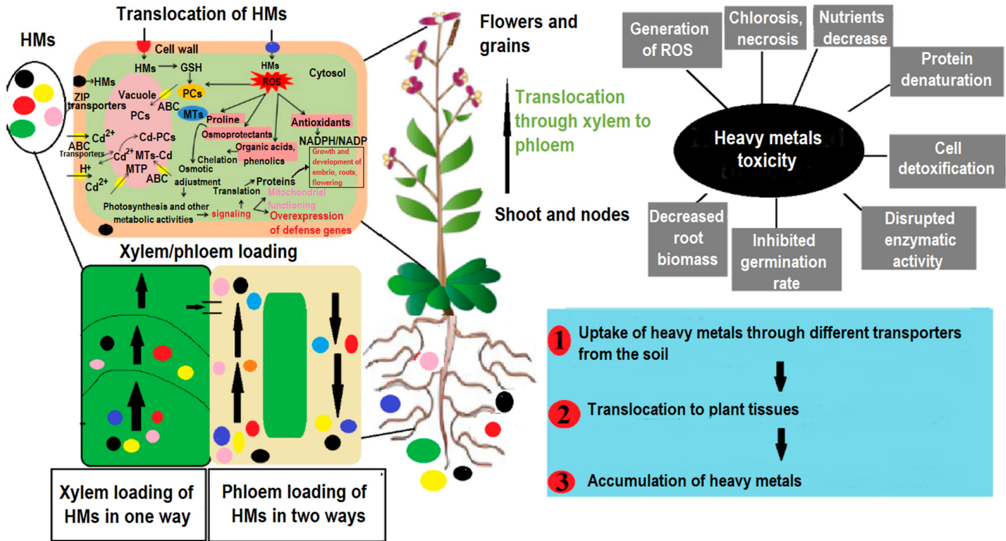
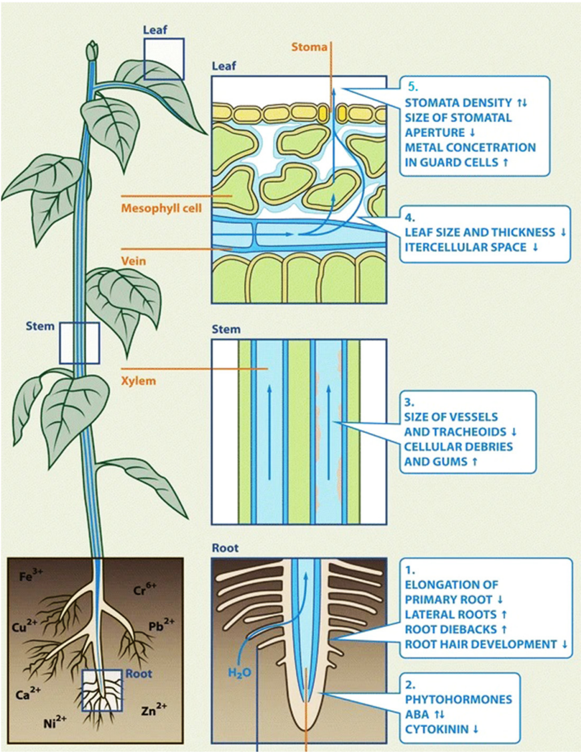
“23 of 50 This mechanism could potentially impact the pace of long-range water transportation toward the aboveground segments of the plant (Figure 6) [223,227]. metals can interfere with the functioning of root transporters responsible for the uptake of water and essential nutrients [197,226].”
Shahid, M., Dumat, C., Khalid, S., Schreck, E., Xiong, T., & Niazi, N. K. (2017) · Journal of Hazardous Materials · doi:10.1016/j.jhazmat.2016.11.063 · Cited by 1,181 · cited 3×
“The extent of metal uptake varies among different cereal species, with some crops exhibiting higher metal accumulation than others [46,47].”
Bengough, A. G., McKenzie, B. M., Hallett, P. D., & Valentine, T. A. (2011) · Journal of Experimental Botany · doi:10.1093/jxb/erq350 · Cited by 1,156 · cited 2×
“Thus, water stress is a significant consequence of heavy metal toxicity in cereals, arising from disruptions in water uptake and transport mechanisms [177,196].”
Toxic Heavy Metal and Metalloid Accumulation in Crop Plants and Foods
Clemens, S., & Ma, J. F. (2016) · Annual Review of Plant Biology · doi:10.1146/annurev-arplant-043015-112301 · Cited by 1,155
Plant growth-promoting bacteria as inoculants in agricultural soils
Souza, R. D., Ambrosini, A., & Passaglia, L. M. P. (2015) · Genetics and Molecular Biology · doi:10.1590/s1415-475738420150053 · Cited by 1,106 · cited 2×
“By exploring new frontiers and pushing the boundaries of knowledge, we can unlock novel insights that will empower us to devise sustainable solutions for safeguarding cereal crop productivity and food safety in metal-affected regions.”
Mitochondrial reactive oxygen species in cell death signaling
Fleury, C., Mignotte, B., & Vayssière, J.-L. (2002) · Biochimie · doi:10.1016/s0300-9084(02)01369-x · Cited by 1,068
Genetic mechanisms of abiotic stress tolerance that translate to crop yield stability
Mickelbart, M. V., Hasegawa, P. M., & Bailey-Serres, J. (2015) · Nature Reviews Genetics · doi:10.1038/nrg3901 · Cited by 1,026 · cited 1×
“By harnessing the natural resilience of tolerant plant species and selecting appropriate varieties, we can foster sustainable cereal crop production and ensure the availability of safe and nutritious grains for the global population [263,264].”
Heavy metal stress and responses in plants
Ghori, N.-H., Ghori, T., Hayat, M. Q., Imadi, S. R., Gul, A., Altay, V., & Ozturk, M. (2019) · International Journal of Environmental Science and Technology · doi:10.1007/s13762-019-02215-8 · Cited by 954 · cited 2×
“Similarly, heavy metals can hinder enzymatic activities involved in cellular respiration, where stored energy (carbohydrates) transforms into usable energy (ATP) [78,153].”
Khan, A., Khan, S., Khan, M. A., Qamar, Z., & Waqas, M. (2015) · Environmental Science and Pollution Research · doi:10.1007/s11356-015-4881-0 · Cited by 950 · cited 3×
“Deficiencies in these nutrients can lead to leaf malformations and altered leaf morphology [33,155].”
Heavy Metal Stress and Some Mechanisms of Plant Defense Response
Emamverdian, A., Ding, Y., Mokhberdoran, F., & Xie, Y. (2015) · The Scientific World Journal · doi:10.1155/2015/756120 · Cited by 917 · cited 3×
“- NiCoT Transporters (Nickel and Cobalt Transporters) • These transporters are responsible for the uptake of nickel (Ni 2+ ) in plants; organic compounds [187,276].”
Heavy Metal Contamination in Agricultural Soil: Environmental Pollutants Affecting Crop Health
Rashid, A., Schutte, B. J., Ulery, A., Deyholos, M. K., Sanogo, S., Lehnhoff, E. A., & Beck, L. (2023) · Agronomy · doi:10.3390/agronomy13061521 · Cited by 837 · cited 2×
“Factors including soil pH, organic matter content, metal concentration, and exposure duration play pivotal roles in determining heavy metal toxicity in cereals [211,229].”
Richards, R. A., Rebetzke, G. J., Condon, A. G., & van Herwaarden, A. F. (2002) · Crop Science · doi:10.2135/cropsci2002.0111 · Cited by 727
Gharibzahedi, S. M. T., & Jafari, S. M. (2017) · Trends in Food Science & Technology · doi:10.1016/j.tifs.2017.02.017 · Cited by 713 · cited 1×
“Addressing bioavailability underscores comprehensive measures for heavy metal contamination in agriculture and food production, safeguarding health through awareness and regulation [131,132].”
Contribution of the arbuscular mycorrhizal symbiosis to heavy metal phytoremediation
Göhre, V., & Paszkowski, U. (2006) · Planta · doi:10.1007/s00425-006-0225-0 · Cited by 669 · cited 1×
“This sequestration mechanism not only protects cereal plants from metal toxicity but also contributes to heavy metal immobilization in the soil, potentially reducing the environmental impact of metal contaminants [302,304].”
Cadmium in plants: uptake, toxicity, and its interactions with selenium fertilizers
Ismael, M. A., Elyamine, A. M., Moussa, M. G., Cai, M., Zhao, X., & Hu, C. (2019) · Metallomics · doi:10.1039/c8mt00247a · Cited by 642 · cited 1×
“Organic acids, such as citrate, malate, and oxalate, can form complexes with heavy metals, reducing their mobility and availability for translocation to the above-ground parts of the plant [32,278].”
Arsenic and cadmium accumulation in rice and mitigation strategies
Zhao, F.-J., & Wang, P. (2020) · Plant and Soil · doi:10.1007/s11104-019-04374-6 · Cited by 624 · cited 1×
“These varieties exhibit lower cadmium uptake while maintaining high grain yields, providing a sustainable approach to minimize heavy metal entry into the food chain [52,143,144].”
Oxidative Stress: Concept and Some Practical Aspects
Sies, H. (2020) · Antioxidants · doi:10.3390/antiox9090852 · Cited by 619
Food Security and the Dynamics of Wheat and Maize Value Chains in Africa and Asia
Grote, U., Fasse, A., Nguyen, T. T., & Erenstein, O. (2021) · Frontiers in Sustainable Food Systems · doi:10.3389/fsufs.2020.617009 · Cited by 609 · cited 1×
“…are known for their resilience to harsh environmental conditions, such as drought and high temperatures - these crops can provide sustenance in regions with challenging climatic conditions, contributing to climate change adaptation and adequate food supply in vulnerable areas Sources: [13,19–23].”
Witkowska, D., Słowik, J., & Chilicka, K. (2021) · Molecules · doi:10.3390/molecules26196060 · Cited by 593 · cited 1×
“Heavy metals have a high affin-ity for enzyme-binding sites, and upon entering plant cells, they can disrupt the proper functioning of various enzymes involved in critical metabolic pathways [149,150].”
Riaz, M., Kamran, M., Fang, Y., Wang, Q., Cao, H., Yang, G., Deng, L., Wang, Y., Zhou, Y., Anastopoulos, I., et al. (2021) · Journal of Hazardous Materials · doi:10.1016/j.jhazmat.2020.123919 · Cited by 583 · cited 1×
“Mycorrhizal fungi, in particular, can enhance the uptake of essential nutrients while simultaneously reducing the uptake of heavy metals by forming a physical barrier around the roots, as will be discussed below [245,246].”
Long-Term Effects of Organic Amendments on Soil Fertility
Diacono, M., & Montemurro, F. (2011) · Sustainable Agriculture Volume 2 · doi:10.1007/978-94-007-0394-0_34 · Cited by 581
Insight into the oxidative stress induced by lead and/or cadmium in blood, liver and kidneys
Matović, V., Buha, A., Ðukić-Ćosić, D., & Bulat, Z. (2015) · Food and Chemical Toxicology · doi:10.1016/j.fct.2015.02.011 · Cited by 577
Lead toxicity in plants: Impacts and remediation
Zulfiqar, U., Farooq, M., Hussain, S., Maqsood, M., Hussain, M., Ishfaq, M., Ahmad, M., & Anjum, M. Z. (2019) · Journal of Environmental Management · doi:10.1016/j.jenvman.2019.109557 · Cited by 566 · cited 1×
“However, lead contamination in soils can still impact the quality of agricultural products and pose health risks to the ecosystem [60,61].”
Cellular Red-Ox system in health and disease: The latest update
Jena, A. B., Samal, R. R., Bhol, N. K., & Duttaroy, A. K. (2023) · Biomedicine & Pharmacotherapy · doi:10.1016/j.biopha.2023.114606 · Cited by 551 · cited 1×
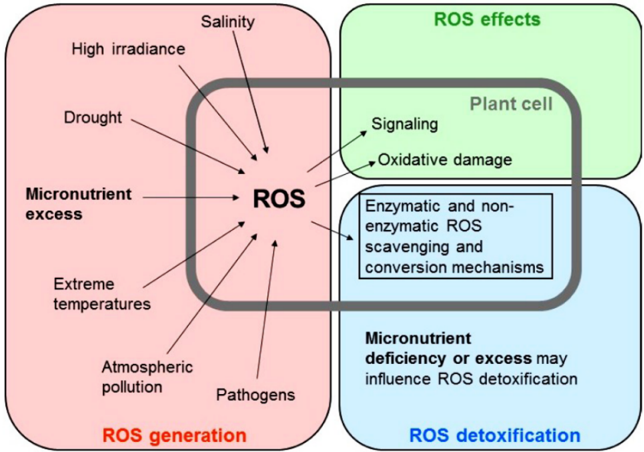
“Antioxidants like ascorbic acid (vitamin C), glutathione, and enzymes such as SODs and catalase play a vital role in neutralizing ROS and safeguarding plant cells against oxidative stress (Figure 4) [162,163].”
Bioavailability of heavy metals in soils: definitions and practical implementation—a critical review
Kim, R.-Y., Yoon, J.-K., Kim, T.-S., Yang, J. E., Owens, G., & Kim, K.-R. (2015) · Environmental Geochemistry and Health · doi:10.1007/s10653-015-9695-y · Cited by 541 · cited 1×
“Bioavailability varies depending on factors like metal chemical form, nutrient interactions, and individual differences [119–121].”
Cadmium Bioavailability, Uptake, Toxicity and Detoxification in Soil-Plant System
Shahid, M., Dumat, C., Khalid, S., Niazi, N. K., & Antunes, P. M. C. (2016) · Reviews of Environmental Contamination and Toxicology · doi:10.1007/398_2016_8 · Cited by 530 · cited 1×
“Deficiencies in these nutrients can lead to leaf malformations and altered leaf morphology [33,155].”
Superoxide dismutase nanozymes: an emerging star for anti-oxidation
Zhao, H., Zhang, R., Yan, X., & Fan, K. (2021) · Journal of Materials Chemistry B · doi:10.1039/d1tb00720c · Cited by 529 · cited 1×
“This enhanced SOD activity facilitates the rapid conversion of superoxide radicals, thereby minimizing oxidative damage to cellular structures and maintaining maize plant health under heavy metal stress [295,296].”
Biological effects of heavy metals: an overview.
Sharma, R. K., & Agrawal, M. (2005) · PubMed · Cited by 515
Phytoremediation: A Multidisciplinary Approach to Clean up Heavy Metal Contaminated Soil
Shah, V., & Daverey, A. (2020) · Environmental Technology & Innovation · doi:10.1016/j.eti.2020.100774 · Cited by 515 · cited 1×
“The abatement of leaf deformities caused by heavy metal toxicity requires understanding the specific mechanisms involved and implementing appropriate interventions [205,208].”
Zandi, P., & Schnug, E. (2022) · Biology · doi:10.3390/biology11020155 · Cited by 504 · cited 1×
“To counteract the harmful effects of ROS, cereal crops synthesize antioxidant enzymes, such as SOD and catalase, which act as frontline guardians in neutralizing ROS and preserving cellular integrity [294].”
Zhou, H., Yang, W.-T., Zhou, X., Liu, L., Gu, J.-F., Wang, W.-L., Zou, J.-L., Tian, T., Peng, P.-Q., & Liao, B.-H. (2016) · International Journal of Environmental Research and Public Health · doi:10.3390/ijerph13030289 · Cited by 496 · cited 1×
“This accumulation can have severe health implications for consumers, as prolonged exposure to elevated levels of these toxic metals may lead to various health problems, including organ damage and increased cancer risk [58,59].”
(2004) · Springer eBooks · doi:10.1007/978-3-662-07743-6 · Cited by 471
Cadmium in food ‐ Scientific opinion of the Panel on Contaminants in the Food Chain
(EFSA), E. F. S. A. (2009) · EFSA Journal · doi:10.2903/j.efsa.2009.980 · Cited by 456
Interactions between plant hormones and heavy metals responses
Bücker-Neto, L., Paiva, A. L. S., Machado, R. D., Arenhart, R. A., & Margis-Pinheiro, M. (2017) · Genetics and Molecular Biology · doi:10.1590/1678-4685-gmb-2016-0087 · Cited by 454 · cited 1×
“The inhibition of growth hormones can disrupt cell elongation and division, contributing to stunted growth in cereals [192,193].”
A review on bioremediation approach for heavy metal detoxification and accumulation in plants
Yaashikaa, P. R., Kumar, P. S., Jeevanantham, S., & Saravanan, R. (2022) · Environmental Pollution · doi:10.1016/j.envpol.2022.119035 · Cited by 440 · cited 2×
“Enzymatic activities responsible for nutrient metabolism may be inhibited or altered, reducing the plant’s ability to utilize absorbed nutrients effectively [169,170].”
Impact of cadmium pollution on food safety and human health
Suhani, I., Sahab, S., Srivastava, V., & Singh, R. P. (2021) · Current Opinion in Toxicology · doi:10.1016/j.cotox.2021.04.004 · Cited by 439
Tóth, G., Hermann, T., Szatmári, G., & Pásztor, L. (2016) · Science of The Total Environment · doi:10.1016/j.scitotenv.2016.05.115 · Cited by 437 · cited 1×
“…occurring elements like cadmium, lead, mercury, arsenic, and chromium found within the Earth’s crust, have seen their levels in agricultural soils escalate substantially due to human activities, including industrial processes, mining, agricultural practices, and improper waste disposal [24–27].”
Zhao, F.-J., Tang, Z., Song, J.-J., Huang, X.-Y., & Wang, P. (2022) · Molecular Plant · doi:10.1016/j.molp.2021.09.016 · Cited by 433 · cited 2×
“Synergistic interactions between certain heavy metals may result in a more substantial impact on plant growth and development than individual metals alone [133,134].”
Toxicity of cadmium and its competition with mineral nutrients for uptake by plants: A review
QIN, S., LIU, H., NIE, Z., RENGEL, Z., GAO, W., LI, C., & ZHAO, P. (2020) · Pedosphere · doi:10.1016/s1002-0160(20)60002-9 · Cited by 423 · cited 1×
“Consequently, heavy metals can adversely a ff ect soil fertility and microbial activity [38,39].”
Sharma, J. K., Kumar, N., Singh, N. P., & Santal, A. R. (2023) · Frontiers in Plant Science · doi:10.3389/fpls.2023.1076876 · Cited by 423 · cited 1×
“These varieties exhibit lower cadmium uptake while maintaining high grain yields, providing a sustainable approach to minimize heavy metal entry into the food chain [52,143,144].”
A review on the application of clay minerals as heavy metal adsorbents for remediation purposes
Otunola, B. O., & Ololade, O. O. (2020) · Environmental Technology & Innovation · doi:10.1016/j.eti.2020.100692 · Cited by 418 · cited 1×
“On the other hand, sandy soils may require careful management practices to minimize heavy metal leaching and improve metal retention [253,254].”
An explanation of soil amendments to reduce cadmium phytoavailability and transfer to food chain
Hamid, Y., Tang, L., Sohail, M. I., Cao, X., Hussain, B., Aziz, M. Z., Usman, M., He, Z.-L., & Yang, X. (2019) · Science of The Total Environment · doi:10.1016/j.scitotenv.2018.12.419 · Cited by 410 · cited 1×
“Liming, for example, involves the application of lime (calcium carbonate) to acidic soils [49,139].”
Water relations in plants subjected to heavy metal stresses
Rucińska-Sobkowiak, R. (2016) · Acta Physiologiae Plantarum · doi:10.1007/s11738-016-2277-5 · Cited by 404 · cited 5×
“This mechanism could potentially impact the pace of long-range water transportation toward the aboveground segments of the plant (Figure 6) [223,227].”
InfluentialBioavailability of heavy metals from polluted soils to plants
Chojnacka, K., Chojnacki, A., Górecka, H., & Górecki, H. (2005) · Science of The Total Environment · doi:10.1016/j.scitotenv.2004.06.009 · Cited by 389 · cited 1×
“The pH of the soil is a fundamental factor that greatly influences the bioavailability of heavy metals and subsequently impacts their toxic effects on cereal crops [229–231].”
Li, Q., Wang, Y., Li, Y., Li, L., Tang, M., Hu, W., Chen, L., & Ai, S. (2022) · Science of The Total Environment · doi:10.1016/j.scitotenv.2022.153862 · Cited by 371 · cited 1×
“Key aspects requiring comprehensive investigation for advancing innovation and enhancing understanding of heavy metal impact on cereals in soil.”
A Comprehensive Review on the Heavy Metal Toxicity and Sequestration in Plants
Riyazuddin, R., Nisha, N., Ejaz, B., Khan, M. I. R., Kumar, M., Ramteke, P. W., & Gupta, R. (2021) · Biomolecules · doi:10.3390/biom12010043 · Cited by 370 · cited 2×
“By leveraging the natural metal-accumulating abilities of barley, rye, and other tolerant cereals, it is possible to harness their potential to reduce metal levels in contaminated soils and restore ecological balance [40,75]. metallothioneins [71,72].”
Metal and metalloid toxicity in plants: an overview on molecular aspects
Angulo-Bejarano, P. I., Puente-Rivera, J., & Cruz-Ortega, R. (2021) · Plants · doi:10.3390/plants10040635 · Cited by 357 · cited 3×
“As a result, cereal crops exposed to heavy metal-contaminated soils may produce smaller and less-filled grains, ultimately leading to decreased yield [82,194].”
Water, Soil, and Plants Interactions in a Threatened Environment
Gavrilescu, M. (2021) · Water · doi:10.3390/w13192746 · Cited by 339 · cited 1×
“Furthermore, integrating advanced technologies, such as omics and remote sensing, can provide valuable insights into the spatial and temporal dynamics of heavy metal contamination in soil and its impact on cereals.”
Self-citationEnhancing phytoremediation of soils polluted with heavy metals
Gavrilescu, M. (2022) · Current Opinion in Biotechnology · doi:10.1016/j.copbio.2021.10.024 · Cited by 337 · cited 2×
“Some plant species release compounds from their roots that can chelate or immobilize heavy metals, reducing their bioavailability in the soil and protecting the plant from excessive metal uptake [261,262].”
Self-citationCadmium toxicity affects photosynthesis and plant growth at different levels
Dias, M. C., Monteiro, C., Moutinho-Pereira, J., Correia, C., Gonçalves, B., & Santos, C. (2013) · Acta Physiologiae Plantarum · doi:10.1007/s11738-012-1167-8 · Cited by 326 · cited 1×
“For example, cadmium interferes with the activity of Rubisco, a key enzyme responsible for carbon fixation during photosynthesis [80,81].”
Crop Production and Global Environmental Issues
(2015) · Springer eBooks · doi:10.1007/978-3-319-23162-4 · Cited by 322
Intawongse, M., & Dean, J. R. (2006) · Food Additives and Contaminants · doi:10.1080/02652030500387554 · Cited by 321 · cited 1×
“These metals can then be transported to the root zone of cereal crops, increasing the risk of metal uptake and toxicity [270,271].”
Li, Y., Rahman, S. U., Qiu, Z., Shahzad, S. M., Nawaz, M. F., Huang, J., Naveed, S., Li, L., Wang, X., & Cheng, H. (2023) · Environmental Pollution · doi:10.1016/j.envpol.2023.121433 · Cited by 319 · cited 1×
“This interference disrupts vital cellular processes and can result in symptoms such as chlorosis (yellowing of leaves) due to reduced chlorophyll production [88].”
Heavy Metals in Crop Plants: Transport and Redistribution Processes on the Whole Plant Level
Page, V., & Feller, U. (2015) · Agronomy · doi:10.3390/agronomy5030447 · Cited by 307 · cited 1×
“Antioxidants like ascorbic acid (vitamin C), glutathione, and enzymes such as SODs and catalase play a vital role in neutralizing ROS and safeguarding plant cells against oxidative stress (Figure 4) [162,163].”
Rana, M. N., Tangpong, J., & Rahman, M. M. (2018) · Toxicology Reports · doi:10.1016/j.toxrep.2018.05.012 · Cited by 306
Proline Alleviates Abiotic Stress Induced Oxidative Stress in Plants
Zulfiqar, F., & Ashraf, M. (2023) · Journal of Plant Growth Regulation · doi:10.1007/s00344-022-10839-3 · Cited by 302 · cited 1×
“When exposed to oxidative stress caused by heavy metals, cereal crops respond by activating the production of antioxidant enzymes [55,293].”
Role of root exudates in metal acquisition and tolerance
Chen, Y.-T., Wang, Y., & Yeh, K.-C. (2017) · Current Opinion in Plant Biology · doi:10.1016/j.pbi.2017.06.004 · Cited by 289 · cited 2×
“Through the production of chelators like phytochelatins and organic acids, cereal plants can effectively protect themselves from heavy metal toxicity and maintain their productivity even in metal-stressed conditions [280,282].”
HEAVY METAL POLLUTION IN SOILS IN CHINA : STATUS AND COUNTERMEASURES
Huamain, C., Chun-rong, Z., Nguyen, C. T., & Zhu, Y. (1999) · AMBIO · Cited by 288
Jung, M. C. (2008) · Sensors · doi:10.3390/s8042413 · Cited by 284 · cited 1×
“The impact of heavy metals on cereal growth and development is influenced by an array of conditions that can predispose these vital crops to adverse effects [194,228].”
The importance of plant health to food security
Flood, J. (2010) · Food Security · doi:10.1007/s12571-010-0072-5 · Cited by 283 · cited 1×
“The consequences of leaf deformities in cereals can be detrimental to plant health and productivity [204].”
How do some plants tolerate low levels of soil zinc? Mechanisms of zinc efficiency in crop plants
Hacisalihoglu, G., & Kochian, L. V. (2003) · New Phytologist · doi:10.1046/j.1469-8137.2003.00826.x · Cited by 281 · cited 2×
“Zinc is an essential micronutrient involved in various metabolic processes, including those related to flowering and fruit set [49,199,200].”
Pattern of Aluminum-Induced Secretion of Organic Acids Differs between Rye and Wheat
Li, X. F., Ma, J. F., & Matsumoto, H. (2000) · Plant Physiology · doi:10.1104/pp.123.4.1537 · Cited by 281 · cited 1×
“…plants have been shown to accumulate elevated levels of these metals in their shoots without signi fi cant adverse e ff ects on growth and yield [73,74]. crop is barley, which has been extensively studied for its ability to accumulate and sequester heavy metals, particularly cadmium and zinc, in…”
The fingerprints of climate warming on cereal crops phenology and adaptation options
Fatima, Z., Ahmed, M., Hussain, M., Abbas, G., Ul-Allah, S., Ahmad, S., Ahmed, N., Ali, M. A., Sarwar, G., Haque, E. U., et al. (2020) · Scientific Reports · doi:10.1038/s41598-020-74740-3 · Cited by 281 · cited 1×
“Their adaptability to diverse climates and growing conditions ensures food availability across regions and demonstrates remarkable resource efficiency, producing significant grain harvests per unit of land, water, and energy invested [11–14].”
Priya, A. K., Muruganandam, M., Ali, S. S., & Kornaros, M. (2023) · Toxics · doi:10.3390/toxics11050422 · Cited by 281 · cited 2×
“By leveraging the natural metal-accumulating abilities of barley, rye, and other tolerant cereals, it is possible to harness their potential to reduce metal levels in contaminated soils and restore ecological balance [40,75]. metallothioneins [71,72].”
Soil and plant factors influencing the accumulation of heavy metals by plants.
Cataldo, D. A., & Wildung, R. E. (1978) · Environmental Health Perspectives · doi:10.1289/ehp.7827149 · Cited by 274 · cited 1×
“Several factors influence the uptake process, including soil pH, metal concentration, soil organic matter content, and the presence of other elements that can compete for absorption sites on the root surface [48–50].”
Goncharuk, E. A., & Zagoskina, N. V. (2023) · Molecules · doi:10.3390/molecules28093921 · Cited by 274 · cited 1×
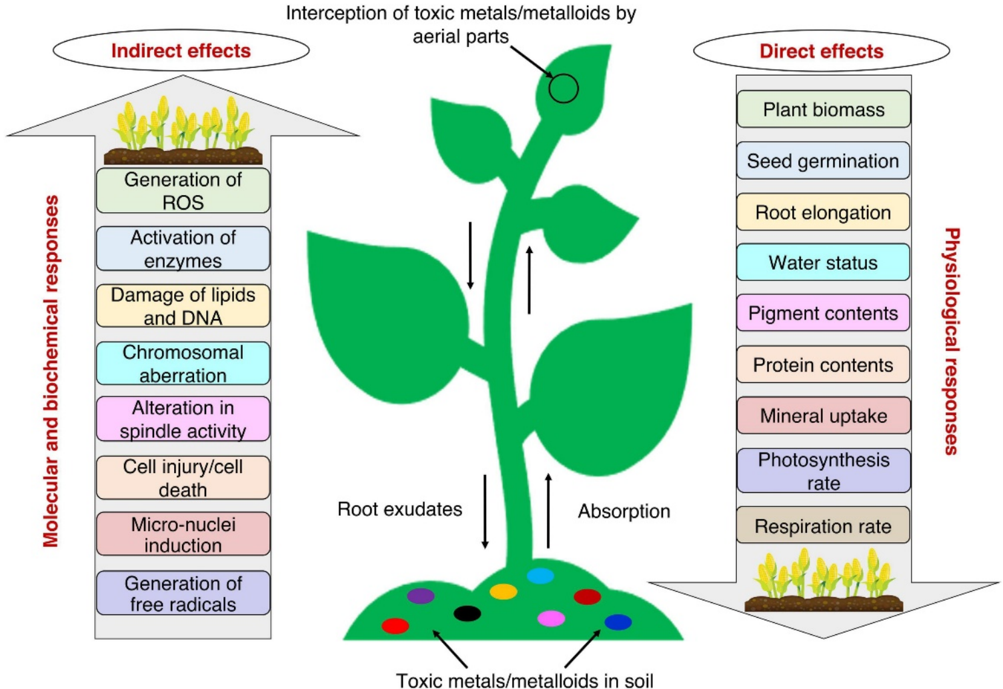
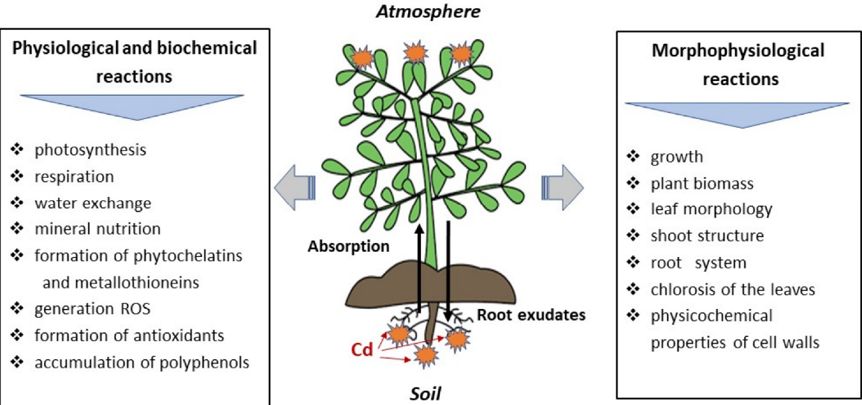
“The manifestations of heavy metal toxicity on cereals are multifaceted, ranging from visible symptoms, such as chlorosis and stunted growth, to intricate physiological changes at the cellular level (Figure 5) [138,182]. level (Figure 5) [138,182].”
Prasad, M. N. V., & Hagemeyer, J. (1999) · Springer eBooks · doi:10.1007/978-3-662-07745-0 · Cited by 269
Genetic engineering in the improvement of plants for phytoremediation of metal polluted soils
Kärenlampi, S., Schat, H., Vangronsveld, J., Verkleij, J. A. C., van der Lelie, D., Mergeay, M., & Tervahauta, A. I. (2000) · Environmental Pollution · doi:10.1016/s0269-7491(99)00141-4 · Cited by 259 · cited 1×
“By identifying and selecting cereal genotypes with inherent tolerance to specific heavy metals, researchers can develop crop lines that are better suited to thrive in metal-contaminated environments [142].”
Marles, R. J. (2017) · Journal of Food Composition and Analysis · doi:10.1016/j.jfca.2016.11.012 · Cited by 259 · cited 1×
“Decreased fruit sets can directly translate into reduced seed yield and, consequently, lower crop production [217,218].”
Tak, H. I., Ahmad, F., & Babalola, O. O. (2013) · Reviews of Environmental Contamination and Toxicology · doi:10.1007/978-1-4614-5577-6_2 · Cited by 256 · cited 1×
“Key aspects requiring comprehensive investigation for advancing innovation and enhancing understanding of heavy metal impact on cereals in soil.”
Abhinandan, K., Skori, L., Stanic, M., Hickerson, N. M. N., Jamshed, M., & Samuel, M. A. (2018) · Frontiers in Plant Science · doi:10.3389/fpls.2018.00734 · Cited by 252 · cited 1×
“For example, high levels of cadmium in the soil have been shown to disrupt cytokinin signalling, resulting in delayed flowering in cereals such as wheat and rice [214].”
Crop Plant Hormones and Environmental Stress
Fahad, S., Nie, L., Chen, Y., Wu, C., Xiong, D., Saud, S., Hongyan, L., Cui, K., & Huang, J. (2015) · Sustainable Agriculture Reviews · doi:10.1007/978-3-319-09132-7_10 · Cited by 244 · cited 2×
“Factors including soil pH, organic matter content, metal concentration, and exposure duration play pivotal roles in determining heavy metal toxicity in cereals [211,229].”
Liu, B., Ai, S., Zhang, W., Huang, D., & Zhang, Y. (2017) · Science of The Total Environment · doi:10.1016/j.scitotenv.2017.07.215 · Cited by 243 · cited 1×
“Cereal crops can accumulate heavy metals in grains, serving as pathways for human exposure [117,118].”
Review: Nutritional ecology of heavy metals
Hejna, M., Gottardo, D., Baldi, A., Dell’Orto, V., Cheli, F., Zaninelli, M., & Rossi, L. (2018) · Animal · doi:10.1017/s175173111700355x · Cited by 242 · cited 3×
“…of ROS serves This competition disrupts the proper assimilation of essential nutrients by plants, resulting in nutrient imbalances that can have far-reaching consequences for plant health and development [82,169]. as a critical link between heavy metal stress and cellular damage in plants.”
Halmemies-Beauchet-Filleau, A., Rinne, M., Lamminen, M., Mapato, C., Ampapon, T., Wanapat, M., & Vanhatalo, A. (2018) · Animal · doi:10.1017/s1751731118002252 · Cited by 241 · cited 1×
“For example, zinc deficiency in cereals can lead to reduced zinc content in the grain, affecting the nutritional status of consumers who rely on cereals as a dietary staple [172,173].”
Ding, Q., Cheng, G., Wang, Y., & Zhuang, D. (2017) · Science of The Total Environment · doi:10.1016/j.scitotenv.2016.11.001 · Cited by 240 · cited 1×
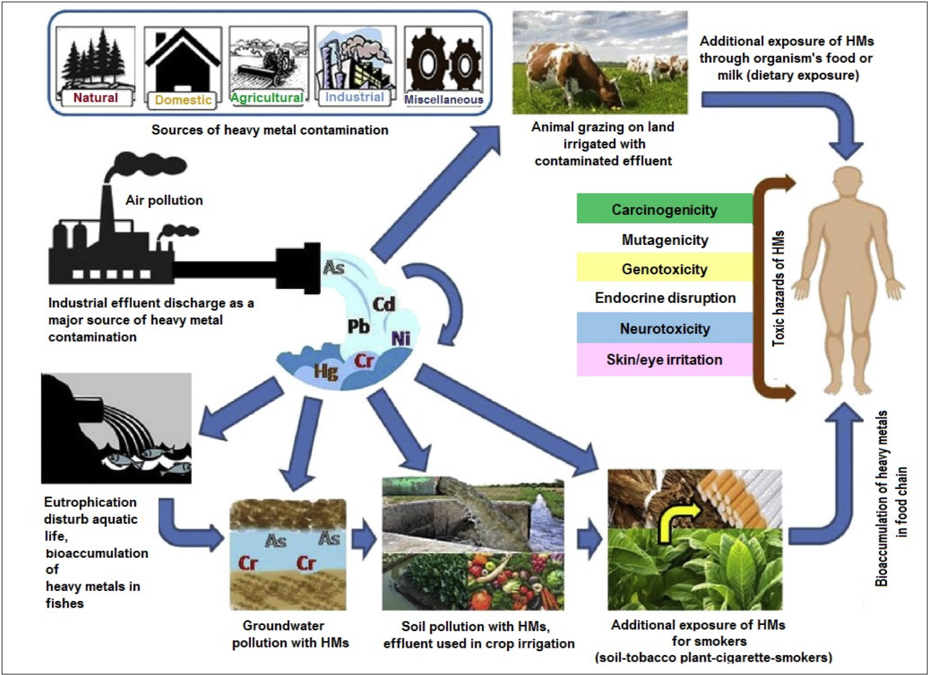
“Mining operations further exacerbate the situation by releasing significant quantities of metals into the soil, leading to localized contamination near mining sites [28–30] (Figure 1).”
Phosphate-Dependent Regulation of Growth and Stresses Management in Plants
Bechtaoui, N., Rabiu, M. K., Raklami, A., Oufdou, K., Hafidi, M., & Jemo, M. (2021) · Frontiers in Plant Science · doi:10.3389/fpls.2021.679916 · Cited by 240 · cited 1×
“The consequences of chlorosis in cereals are significant [186].”
Arbuscular Mycorrhizal Fungi as Potential Agents in Ameliorating Heavy Metal Stress in Plants
Dhalaria, R., Kumar, D., Kumar, H., Nepovimova, E., Kuča, K., Torequl Islam, M., & Verma, R. (2020) · Agronomy · doi:10.3390/agronomy10060815 · Cited by 238 · cited 1×
“Some mycorrhizal fungi possess unique abilities to sequester or immobilize heavy metals in the soil, acting as a protective barrier that shields plants from metal toxicity [303].”
Heavy metal induced stress on wheat: phytotoxicity and microbiological management
Rizvi, A., Zaidi, A., Ameen, F., Ahmed, B., AlKahtani, M. D. F., & Khan, M. S. (2020) · RSC Advances · doi:10.1039/d0ra05610c · Cited by 235 · cited 6×
“Employing agronomic practices such as soil amendments, pH adjustments, and organic matter incorporation can improve soil conditions and reduce metal bioavailability to plants [55,93,94].”
InfluentialRhizosphere microbial communities and heavy metals
Barra Caracciolo, A., & Terenzi, V. (2021) · Microorganisms · doi:10.3390/microorganisms9071462 · Cited by 234 · cited 4×
“23 of 50 This mechanism could potentially impact the pace of long-range water transportation toward the aboveground segments of the plant (Figure 6) [223,227]. metals can interfere with the functioning of root transporters responsible for the uptake of water and essential nutrients [197,226].”
InfluentialZinc nutrition in wheat-based cropping systems
Rehman, A., Farooq, M., Ozturk, L., Asif, M., & Siddique, K. H. M. (2018) · Plant and Soil · doi:10.1007/s11104-017-3507-3 · Cited by 233 · cited 1×
“Introducing leguminous crops into a rotation with cereals can help mitigate heavy metal uptake by cereals, contributing to overall soil health and reducing the risk of metal transfer to the food chain [147,148].”
Continuous impact of mining activities on soil heavy metals levels and human health
Tepanosyan, G., Sahakyan, L., Belyaeva, O., Asmaryan, S., & Saghatelyan, A. (2018) · Science of The Total Environment · doi:10.1016/j.scitotenv.2018.05.211 · Cited by 229
Wang, F., Guan, Q., Tian, J., Lin, J., Yang, Y., Yang, L., & Pan, N. (2020) · CATENA · doi:10.1016/j.catena.2020.104573 · Cited by 229
Dutta, S., Mitra, M., Agarwal, P., Mahapatra, K., De, S., Sett, U., & Roy, S. (2018) · Plant Signaling & Behavior · doi:10.1080/15592324.2018.1460048 · Cited by 228 · cited 3×
“To thrive in metal-contaminated environments, cereal crops have developed sophisticated detoxi fi cation mechanisms and adaptation strategies [220,275].”
Dahuja, A., Kumar, R. R., Sakhare, A., Watts, A., Singh, B., Goswami, S., Sachdev, A., & Praveen, S. (2021) · Physiologia Plantarum · doi:10.1111/ppl.13302 · Cited by 228 · cited 1×
“By efficiently exporting these heavy metals out of the root cells, maize can prevent their translocation to the above-ground parts, reducing the risk of metal accumulation in edible plant parts [284,285].”
Khan, Z. S., Rizwan, M., Hafeez, M., Ali, S., Adrees, M., Qayyum, M. F., Khalid, S., ur Rehman, M. Z., & Sarwar, M. A. (2020) · Environmental Science and Pollution Research · doi:10.1007/s11356-019-06673-y · Cited by 226 · cited 1×
“Humidity levels also have a significant impact on heavy metal toxicity [272].”
Root exudates ameliorate cadmium tolerance in plants: A review
Bali, A. S., Sidhu, G. P. S., & Kumar, V. (2020) · Environmental Chemistry Letters · doi:10.1007/s10311-020-01012-x · Cited by 225 · cited 2×
“Root characteristics, such as root exudates and root architecture, can also influence the ability of cereal crops to cope with heavy metal stress [260].”
Zakaria, Z., Zulkafflee, N. S., Mohd Redzuan, N. A., Selamat, J., Ismail, M. R., Praveena, S. M., Tóth, G., & Abdull Razis, A. F. (2021) · Plants · doi:10.3390/plants10061070 · Cited by 219 · cited 2×
“For instance, in rice, which is a staple food for nearly half of the world’s population, heavy metals like cadmium and arsenic have been found to accumulate in the grains [5,57].”
Wani, P. A., Khan, M. S., & Zaidi, A. (2007) · Biotechnology Letters · doi:10.1007/s10529-007-9515-2 · Cited by 217 · cited 1×
“Key aspects requiring comprehensive investigation for advancing innovation and enhancing understanding of heavy metal impact on cereals in soil.”
Alves, A. R. A., Yin, Q., Oliveira, R. S., Silva, E. F., & Novo, L. A. B. (2022) · Science of The Total Environment · doi:10.1016/j.scitotenv.2022.156435 · Cited by 215 · cited 1×
“Key aspects requiring comprehensive investigation for advancing innovation and enhancing understanding of heavy metal impact on cereals in soil.”
Transport of cadmium from soil to grain in cereal crops: A review
MA, J. F., SHEN, R. F., & SHAO, J. F. (2021) · Pedosphere · doi:10.1016/s1002-0160(20)60015-7 · Cited by 214 · cited 3×
“Selecting cereal crop varieties that exhibit reduced accumulation of specific heavy metals may help lessen metal competition and reduce the potential health risks associated with metal-contaminated foods [56].”
Lead Toxicity in Cereals: Mechanistic Insight Into Toxicity, Mode of Action, and Management
Aslam, M., Aslam, A., Sheraz, M., Ali, B., Ulhassan, Z., Najeeb, U., Zhou, W., & Gill, R. A. (2021) · Frontiers in Plant Science · doi:10.3389/fpls.2020.587785 · Cited by 212 · cited 10×
“As the cell membrane loses its selective permeability, heavy metals can more easily access root cells, outcompeting essential nutrient ions for uptake [82,177].”
InfluentialPlant Abiotic Stress Tolerance: Agronomic, Molecular and Biotechnological Approaches
(2019) · Springer eBooks · doi:10.1007/978-3-030-06118-0 · Cited by 209
Asad, S. A., Farooq, M., Afzal, A., & West, H. (2019) · Chemosphere · doi:10.1016/j.chemosphere.2018.11.021 · Cited by 206 · cited 1×
“…particularly Heavy metals, such as cadmium, lead, and copper, can share similar uptake pathways with essential nutrients, leading to competition for limited uptake sites. sensitive to oxidative stress, leading to stunted growth and reduced root elongation in metal-contaminated environments [164].”
NADPH oxidases differentially regulate ROS metabolism and nutrient uptake under cadmium toxicity
Gupta, D. K., Pena, L. B., Romero‐Puertas, M. C., Hernández, A., Inouhe, M., & Sandalio, L. M. (2017) · Plant, Cell & Environment · doi:10.1111/pce.12711 · Cited by 204 · cited 1×
“Excessive ROS accumulation can damage cellular structures, including lipids, proteins, and DNA [159,160].”
Hoque, M. N., Tahjib-Ul-Arif, M., Hannan, A., Sultana, N., Akhter, S., Hasanuzzaman, M., Akter, F., Hossain, M. S., Sayed, M. A., Hasan, M. T., et al. (2021) · International Journal of Molecular Sciences · doi:10.3390/ijms222111445 · Cited by 201 · cited 2×
“Damage to the chloroplast membrane by heavy metals can disrupt photosynthesis, reducing energy production and impairing growth [55,181].”
Drying and Storage of Cereal Grains
Bala, B. K. (2016) · Wiley eBooks · doi:10.1002/9781119124207 · Cited by 200 · cited 1×
“This characteristic is crucial for regions facing erratic weather patterns, natural disasters, or disruptions, as stored grains serve as a buffer during food scarcity [15–17].”
Cation Diffusion Facilitator family: Structure and function
Kolaj-Robin, O., Russell, D., Hayes, K. A., Pembroke, J. T., & Soulimane, T. (2015) · FEBS Letters · doi:10.1016/j.febslet.2015.04.007 · Cited by 200 · cited 2×
“OsHMA2 helps prevent the entry of cadmium into the xylem vessels, thus limiting its long-distance transport to the aerial parts of the plant [286,287].”
The Role of Beneficial Microorganisms in Soil Quality and Plant Health
Ortíz, A., & Sansinenea, E. (2022) · Sustainability · doi:10.3390/su14095358 · Cited by 200 · cited 1×
“These microorganisms play essential roles in promoting plant health and nutrient uptake [244].”
Gholizadeh, A., Borůvka, L., Saberioon, M. M., Kozák, J., Vašát, R., & Němeček, K. (2015) · Soil and Water Research · doi:10.17221/113/2015-swr · Cited by 199 · cited 1×
“Ongoing soil testing and monitoring play a critical role in early intervention, and alleviating the adverse effects of heavy metal exposure on cereal yield, quality, and food safety can help reduce health risks associated with contaminated cereals [26,116].”
Pasricha, S., Mathur, V., Garg, A., Lenka, S., Verma, K., & Agarwal, S. (2021) · Environmental Challenges · doi:10.1016/j.envc.2021.100197 · Cited by 196 · cited 2×
“Elucidating the mechanisms of metal uptake and translocation in cereals is vital for developing strategies to minimize heavy metal accumulation in edible portions of crops and mitigate health risks associated with food consumption [7,62].”
Abiotic Stress Physiology of Horticultural Crops
(2016) · Springer eBooks · doi:10.1007/978-81-322-2725-0 · Cited by 188
Food System Sustainability and Food Security: Connecting the Dots
Capone, R., Bilali, H. E., Debs, P., Cardone, G., & Driouech, N. (2014) · Journal of food security · doi:10.12691/jfs-2-1-2 · Cited by 185
Environmental analysis of intensity level in wheat crop production using life cycle assessment
Charles, R., Jolliet, O., Gaillard, G., & Pellet, D. (2006) · Agriculture, Ecosystems & Environment · doi:10.1016/j.agee.2005.09.014 · Cited by 180 · cited 1×
“…yield and quality is a signi fi cant concern for worldwide food plenty. compromised yields and altered nutritional composition in harvested grains [98–100]. degree of impact varying depending Elevated concentrations of heavy metals in the soil can have detrimental e ff ects on various aspects of…”
Chen, Z. C., & Liao, H. (2016) · Journal of Genetics and Genomics · doi:10.1016/j.jgg.2016.11.003 · Cited by 180 · cited 1×
“Similarly, some cereal crops release malate or oxalate to chelate aluminium, thereby reducing aluminium toxicity in acidic soils [281,282].”
Plant metabolomics: potential for practical operation
Fukusaki, E., & Kobayashi, A. (2005) · Journal of Bioscience and Bioengineering · doi:10.1263/jbb.100.347 · Cited by 178
Siderophores: an alternative bioremediation strategy?
Rošková, Z., Škarohlíd, R., & McGachy, L. (2022) · The Science of The Total Environment · doi:10.1016/j.scitotenv.2022.153144 · Cited by 175 · cited 1×
“This characteristic allows them to form stable complexes with heavy metals in the rhizosphere, effectively chelating and sequestering these toxic ions [290].”
Recent advances in metabolomics for studying heavy metal stress in plants
Feng, Z., Ji, S., Ping, J., & Cui, D. (2021) · TrAC Trends in Analytical Chemistry · doi:10.1016/j.trac.2021.116402 · Cited by 174 · cited 2×
“By identifying and selecting cereal genotypes with inherent tolerance to specific heavy metals, researchers can develop crop lines that can withstand metal-contaminated environments without compromising productivity or quality [95–97].”
Impa, S. M., & Johnson-Beebout, S. E. (2012) · Plant and Soil · doi:10.1007/s11104-012-1315-3 · Cited by 171 · cited 1×
“In this pH range, nutrient availability is optimized, and heavy metal bioavailability is typically moderate, reducing the risk of excessive heavy metal uptake [233,237].”
(2019) · Springer eBooks · doi:10.1007/978-981-13-8625-1 · Cited by 171
Polyamines, metallothioneins, and phytochelatins—Natural defense of plants to mitigate heavy metals
Raychaudhuri, S. S., Pramanick, P., Talukder, P., & Basak, A. (2021) · Studies in natural products chemistry · doi:10.1016/b978-0-12-819487-4.00006-9 · Cited by 171 · cited 1×
“By forming stable complexes with cadmium, phytochelatins protect the shoot tissues, including grains, from cadmium toxicity, thereby improving the safety of rice for human consumption [277,280].”
Heavy metal accumulation in vegetables grown in urban gardens
Antisari, L. V., Orsini, F., Marchetti, L., Vianello, G., & Gianquinto, G. (2015) · Agronomy for Sustainable Development · doi:10.1007/s13593-015-0308-z · Cited by 167 · cited 1×
“This accumulation can have severe health implications for consumers, as prolonged exposure to elevated levels of these toxic metals may lead to various health problems, including organ damage and increased cancer risk [58,59].”
Thakur, M., Praveen, S., Divte, P. R., Mitra, R., Kumar, M., Gupta, C. K., Kalidindi, U., Bansal, R., Roy, S., Anand, A., et al. (2022) · Chemosphere · doi:10.1016/j.chemosphere.2021.131957 · Cited by 167 · cited 2×
“When heavy metals are present in the soil at elevated concentrations, they are more likely to be taken up by cereal plant roots and translocated to various plant organs [265,266].”
Wastewater irrigation in India: Current status, impacts and response options
Minhas, P. S., Saha, J. K., Dotaniya, M. L., Sarkar, A., & Saha, M. (2022) · Science of The Total Environment · doi:10.1016/j.scitotenv.2021.152001 · Cited by 166 · cited 1×
“Stressful environmental conditions can exacerbate heavy metal toxicity, highlighting the need for climate-resilient agricultural practices to safeguard crop productivity [274].”
Stefanowicz, A. M., Kapusta, P., Zubek, S., Stanek, M., & Woch, M. W. (2020) · Chemosphere · doi:10.1016/j.chemosphere.2019.124922 · Cited by 164 · cited 1×
“Its interactions with heavy metals can significantly impact metal bioavailability and reduce their toxic effects on cereal plants [232,238].”
Application of Micronutrients in Rice-Wheat Cropping System of South Asia
Nadeem, F., & Farooq, M. (2019) · Rice Science · doi:10.1016/j.rsci.2019.02.002 · Cited by 164 · cited 1×
“Lead entry into root cells, for instance, can interfere with essential nutrient uptake, like potassium, magnesium, and calcium, leading to nutrient deficiencies [178].”
Chaney, R. L. (2015) · Current Pollution Reports · doi:10.1007/s40726-015-0002-4 · Cited by 163 · cited 1×
“This phenomenon can have implications for food safety, as it may result in elevated cadmium levels in cereals consumed by humans [136].”
Hasanuzzaman, M., Nahar, K., Rahman, A., Mahmud, J. A., Alharby, H. F., & Fujita, M. (2018) · Journal of Plant Interactions · doi:10.1080/17429145.2018.1458913 · Cited by 163
Heavy Metal Contamination in Agricultural Soil: Environmental Pollutants Affecting Crop HealthPreprint
Rashid, A., Schutte, B. J., Ulery, A., et al. (2023) · Preprints.org · doi:10.20944/preprints202305.0398.v1 · Cited by 163
de Silva, N. D. G., Cholewa, E., & Ryser, P. (2012) · Journal of Experimental Botany · doi:10.1093/jxb/ers241 · Cited by 161 · cited 2×
“This mechanism could potentially impact the pace of long-range water transportation toward the aboveground segments of the plant (Figure 6) [223,227].”
Ashraf, U., & Tang, X. (2017) · Chemosphere · doi:10.1016/j.chemosphere.2017.02.103 · Cited by 161 · cited 1×
“Altered leaf structures may affect stomatal conductance and transpiration, potentially leading to water loss and reduced drought tolerance in heavy metal-exposed cereals [206,207].”
Mohamed, B. A., Ellis, N., Kim, C. S., & Bi, X. (2017) · Environmental Pollution · doi:10.1016/j.envpol.2017.06.075 · Cited by 158 · cited 1×
“Some plant species release compounds from their roots that can chelate or immobilize heavy metals, reducing their bioavailability in the soil and protecting the plant from excessive metal uptake [261,262].”
Aziz, R., Rafiq, M. T., Li, T., Liu, D., He, Z. L., Stoffella, P. J., Sun, K., & Xiao-e, Y. (2015) · Journal of Agricultural and Food Chemistry · doi:10.1021/jf505557g · Cited by 157 · cited 1×
“Cadmium in its ionic form (Cd 2+ ) is highly bioavailable, while complexed or precipitated forms may be less accessible to plant roots [45,122].”
Strategies for reducing cadmium accumulation in rice grains
Hussain, B., Umer, M. J., Li, J., Ma, Y., Abbas, Y., Ashraf, M. N., Tahir, N., Ullah, A., Gogoi, N., & Farooq, M. (2021) · Journal of Cleaner Production · doi:10.1016/j.jclepro.2020.125557 · Cited by 157 · cited 1×
“For example, rice plants have been found to be particularly susceptible to cadmium accumulation in the grain, which can lead to significant human health concerns when consumed [90].”
Review of regulatory reference values and background levels for heavy metals in the human diet
Wong, C., Roberts, S. M., & Saab, I. N. (2022) · Regulatory Toxicology and Pharmacology · doi:10.1016/j.yrtph.2022.105122 · Cited by 157 · cited 1×
“Regulatory bodies worldwide set maximum allowable limits for heavy metals in food products to safeguard public health [43–45].”
Effects of Heavy Metals on Stomata in Plants: A Review
Guo, Z., Gao, Y., Yuan, X., Yuan, M., Huang, L., Wang, S., Liu, C., & Duan, C. (2023) · International Journal of Molecular Sciences · doi:10.3390/ijms24119302 · Cited by 157 · cited 1×
“For example, cadmium exposure has been shown to restrict root elongation and disrupt root cell membranes, hindering water uptake in cereal crops [224,225].”
Diaconu, M., Pavel, L. V., Hlihor, R.-M., Rosca, M., Fertu, D. I., Lenz, M., Corvini, P. X., & Gavrilescu, M. (2020) · New Biotechnology · doi:10.1016/j.nbt.2020.01.003 · Cited by 155 · cited 3×
“By leveraging the natural metal-accumulating abilities of barley, rye, and other tolerant cereals, it is possible to harness their potential to reduce metal levels in contaminated soils and restore ecological balance [40,75]. metallothioneins [71,72].”
Self-citationHuang, X., Duan, S., Wu, Q., Yu, M., & Shabala, S. (2020) · Plants · doi:10.3390/plants9020223 · Cited by 154 · cited 2×
“This disruption can impact the activity of transport proteins and receptors that are vital for nutrient uptake, signalling, and other cellular processes [180,181].”
Rhizobacteria and plant symbiosis in heavy metal uptake and its implications for soil bioremediation
Sobariu, D. L., Ferţu, D. I., Diaconu, M., Pavel, L. V., Hlihor, R. M., Drăgoi, E.-N., Curteanu, S., Lenz, M., Corvini, P. F.-X., & Gavrilescu, M. C. (2016) · New Biotechnology · doi:10.1016/j.nbt.2016.09.002 · Cited by 153 · cited 1×
“Key aspects requiring comprehensive investigation for advancing innovation and enhancing understanding of heavy metal impact on cereals in soil.”
Self-citationSustainability of crop production from polluted lands
Abhilash, P. C., Tripathi, V., Edrisi, S. A., Dubey, R. K., Bakshi, M., Dubey, P. K., Singh, H. B., & Ebbs, S. D. (2016) · Energy Ecology and Environment · doi:10.1007/s40974-016-0007-x · Cited by 152 · cited 2×
“…of Utilizing metal-tolerant cereals for animal fodder or bioenergy production further expands their utility in a circular economy approach [64,76,77]. these metals in their shoots without significant adverse effects on growth and However, ensuring that the accumulated metals do not enter the…”
Omics approaches for understanding heavy metal responses and tolerance in plants
Jamla, M., Khare, T., Joshi, S., Patil, S., Penna, S., & Kumar, V. (2021) · Current Plant Biology · doi:10.1016/j.cpb.2021.100213 · Cited by 152
Halford, N. G., Curtis, T. Y., Chen, Z., & Huang, J. (2014) · Journal of Experimental Botany · doi:10.1093/jxb/eru473 · Cited by 149 · cited 1×
“Moreover, heavy metal contamination can alter cereal nutritional composition, potentially leading to micronutrient deficiencies in populations reliant on cereal-based diets [110,111].”
Wheat Crop under Waterlogging: Potential Soil and Plant Effects
Pais, I. P., Moreira, R., Semedo, J. N., Ramalho, J. C., Lidon, F. C., Coutinho, J., Maçãs, B., & Scotti‐Campos, P. (2022) · Plants · doi:10.3390/plants12010149 · Cited by 148 · cited 2×
“Thus, water stress is a significant consequence of heavy metal toxicity in cereals, arising from disruptions in water uptake and transport mechanisms [177,196].”
Cadmium toxicity impacts plant growth and plant remediation strategies
Aslam, M. M., Okal, E. J., & Waseem, M. (2022) · Plant Growth Regulation · doi:10.1007/s10725-022-00917-7 · Cited by 147 · cited 2×
“As a result, chloroplasts within affected leaf cells become deficient in chlorophyll, leading to a noticeable loss of green colour [123,184].”
Ejaz, U., Khan, S. M., Khalid, N., Ahmad, Z., Jehangir, S., Fatima Rizvi, Z., Lho, L. H., Han, H., & Raposo, A. (2023) · Frontiers in Plant Science · doi:10.3389/fpls.2023.1154571 · Cited by 145 · cited 1×
“However, under stress conditions, including heavy metal exposure, ROS production can surpass the plant’s natural antioxidant defence capacity, leading to oxidative stress [84,157,158].”
Gao, M. Y., Chen, X. W., Huang, W. X., Wu, L., Yu, Z. S., Xiang, L., Mo, C.-H., Li, Y.-W., Cai, Q.-Y., Wong, M. H., et al. (2021) · Journal of Hazardous Materials · doi:10.1016/j.jhazmat.2021.125894 · Cited by 144
Jogawat, A., Yadav, B., Chhaya, & Narayan, O. P. (2021) · Physiologia Plantarum · doi:10.1111/ppl.13370 · Cited by 140 · cited 4×
“The key factors can act Sequestration involves the immobilization and storage of heavy metals within the root tissues, effectively preventing their translocation to the above-ground parts of the plant. both separately and simultaneously [275,276].”
InfluentialKumar, S., Shah, S. H., Vimala, Y., Jatav, H. S., Ahmad, P., Chen, Y., & Siddique, K. H. M. (2022) · Frontiers in Plant Science · doi:10.3389/fpls.2022.972856 · Cited by 134 · cited 2×
“Agriculture 2023 , 13 , 1983 Employing agronomic practices such as soil amendments, pH adjustments, and organic ma tt er incorporation can improve soil conditions and reduce metal bioavailability to plants [55,93,94].”
Khan, I. U., Qi, S.-S., Gul, F., Manan, S., Rono, J. K., Naz, M., Shi, X.-N., Zhang, H., Dai, Z.-C., & Du, D.-L. (2023) · Plants · doi:10.3390/plants12040725 · Cited by 134 · cited 3×
“[50]; reproduced under the Creative Common licence CC BY), according to which any part of the article may be reused without permission, provided that the original article is clearly cited.”
Contaminants in Grain—A Major Risk for Whole Grain Safety?
Thielecke, F., & Nugent, A. P. (2018) · Nutrients · doi:10.3390/nu10091213 · Cited by 133 · cited 1×
“Heavy metals, even at low concentrations, can have cumulative toxic effects on the human body since they can bioaccumulate in living organisms [125].”
Duplication of a manganese/cadmium transporter gene reduces cadmium accumulation in rice grain
Yu, E., Wang, W., Yamaji, N., Fukuoka, S., Che, J., Ueno, D., Ando, T., Deng, F., Hori, K., Yano, M., et al. (2022) · Nature Food · doi:10.1038/s43016-022-00569-w · Cited by 133 · cited 1×
“By reducing cadmium uptake and translocation, these rice varieties safeguard the nutritional quality of the harvested grains and minimize health risks associated with cadmium consumption [258,259].”
Hou, S., Zheng, N., Tang, L. H., Ji, X., & Li, Y. (2019) · Environmental Monitoring and Assessment · doi:10.1007/s10661-019-7793-5 · Cited by 132
Kosakivska, I. V., Vedenicheva, N. P., Бабенко, Л. М., Voytenko, L. V., Romanenko, K. O., & Vasyuk, V. A. (2021) · Molecular Biology Reports · doi:10.1007/s11033-021-06802-2 · Cited by 132
Advances in “Omics” Approaches for improving toxic metals/metalloids tolerance in plants
Raza, A., Tabassum, J., Zahid, Z., Charagh, S., Bashir, S., Barmukh, R., Khan, R. S. A., Barbosa, F., Zhang, C., Chen, H., et al. (2022) · Frontiers in Plant Science · doi:10.3389/fpls.2021.794373 · Cited by 132 · cited 3×
“Cereal crops often exhibit different responses to heavy metal stress, depending on the specific metal, its concentration, and the crop species, manifested by direct effects (as physiological responses) and indirect effects (as molecular and biochemical responses) (Figure 3) [89].”
InfluentialRoosta, H. R., Estaji, A., & Niknam, F. (2017) · Photosynthetica · doi:10.1007/s11099-017-0696-1 · Cited by 128 · cited 1×
“Heavy metals can interfere with the uptake of these micronutrients, leading to deficiencies and reduced enzymatic activity [171].”
Heavy metals risks in plant foods – need to step up precautionary measures
Afonne, O. J., & Ifediba, E. C. (2020) · Current Opinion in Toxicology · doi:10.1016/j.cotox.2019.12.006 · Cited by 128 · cited 1×
“Mining operations further exacerbate the situation by releasing significant quantities of metals into the soil, leading to localized contamination near mining sites [28–30] (Figure 1).”
Khan, Y., Shah, S., & Tian, H. (2022) · Agronomy · doi:10.3390/agronomy12092191 · Cited by 128 · cited 1×
“When dealing with heavy metal stress, specific mycorrhizal fungi emerge as robust protectors, assisting in lowering heavy metal uptake by cereal crops and offering additional defence against metal toxicity [300,301].”
Allee, A. M., Lynd, L. R., & Vaze, V. (2021) · Food Security · doi:10.1007/s12571-021-01156-w · Cited by 127
Hasanuzzaman, M., Filho, M. C. M. T., Fujita, M., & Nogueira, T. A. R. (2019) · Sustainability Sciences in Asia and Africa · doi:10.1007/978-981-95-7844-3 · Cited by 126
Reactive Oxygen, Nitrogen and Sulfur Species in Plants
(2019) · Wiley eBooks · doi:10.1002/9781119468677 · Cited by 125
Developmental toxicity of cadmium in infants and children: a review
Chandravanshi, L. P., Shiv, K., & Kumar, S. (2021) · Environmental Analysis Health and Toxicology · doi:10.5620/eaht.2021003 · Cited by 124 · cited 1×
“As a consequence of bioaccumulation, heavy metals can disrupt cellular functions, interfere with enzymatic activities, and induce oxidative stress, leading to various health issues over time [126–130].”
Qaswar, M., Hussain, S., & Rengel, Z. (2017) · The Science of The Total Environment · doi:10.1016/j.scitotenv.2017.06.242 · Cited by 123 · cited 1×
“This can lead to a decrease in enzyme concentration and subsequent disruption of metabolic pathways [133,155,156].”
Liu, L., Huang, L., Lin, X., & Sun, C. (2020) · Plant Cell Reports · doi:10.1007/s00299-020-02513-3 · Cited by 122 · cited 1×
“In addition to SOD and catalase, cereal crops also produce other antioxidant enzymes, such as peroxidases and glutathione peroxidases, which work in concert to combat ROS and preserve cellular homeostasis [299].”
Chatterjee, S., Kumari, S., Rath, S., Priyadarshanee, M., & Das, S. (2020) · Metallomics · doi:10.1039/d0mt00140f · Cited by 122 · cited 1×
“Organic acids, such as citrate, malate, and oxalate, can form complexes with heavy metals, reducing their mobility and availability for translocation to the above-ground parts of the plant [32,278].”
Reduction of heavy metal load in food chain: technology assessment
Singh, A., & Prasad, S. M. (2011) · Reviews in Environmental Science and Bio/Technology · doi:10.1007/s11157-011-9241-z · Cited by 120 · cited 2×
“This reduction in photosynthetic capacity can lead to reduced biomass accumulation and yield in cereal crops [205].”
Heavy metal induced regulation of plant biology: Recent insights
Sharma, A., Kapoor, D., Gautam, S., Landi, M., Kandhol, N., Araniti, F., Ramakrishnan, M., Satish, L., Singh, V. P., Sharma, P., et al. (2022) · Physiologia Plantarum · doi:10.1111/ppl.13688 · Cited by 118 · cited 1×
“Heavy metal exposure can alter the synthesis, transport, and perception of these hormones, leading to delayed or suppressed flowering in cereal crops [213].”
Raheem, D., Dayoub, M., Birech, R. J., & Nakiyemba, A. (2021) · Urban Science · doi:10.3390/urbansci5010008 · Cited by 116 · cited 1×
“Their adaptability to diverse climates and growing conditions ensures food availability across regions and demonstrates remarkable resource efficiency, producing significant grain harvests per unit of land, water, and energy invested [11–14].”
Tong, C., Hill, C. B., Zhou, G., Zhang, X., Jia, Y., & Li, C. (2021) · Plants · doi:10.3390/plants10081560 · Cited by 114 · cited 1×
“Addressing the impact of heavy metals on cereal crop productivity and quality demands a holistic approach that includes the remediation of heavy metals in soil, responsible soil management practices, and the cultivation of crop varieties resistant to metal exposure [69,99,115].”
Hussain, N., Sun, D., & Pu, H. (2019) · Trends in Food Science & Technology · doi:10.1016/j.tifs.2019.07.018 · Cited by 112 · cited 1×
“This characteristic is crucial for regions facing erratic weather patterns, natural disasters, or disruptions, as stored grains serve as a buffer during food scarcity [15–17].”
Arif, N., Sharma, N. C., Yadav, V., Ramawat, N., Dubey, N. K., Tripathi, D. K., Chauhan, D. K., & Sahi, S. V. (2019) · Journal of Plant Biology · doi:10.1007/s12374-019-0112-4 · Cited by 111 · cited 1×
“Addressing the impact of heavy metals on cereal crop productivity and quality demands a holistic approach that includes the remediation of heavy metals in soil, responsible soil management practices, and the cultivation of crop varieties resistant to metal exposure [69,99,115].”
Effect of potassium intake on cadmium transporters and root cell wall biosynthesis in sweet potato
Huang, B., Liao, Q., Fu, H., Ye, Z., Mao, Y., Luo, J., Wang, Y., Yuan, H.-W., & Xin, J. (2023) · Ecotoxicology and Environmental Safety · doi:10.1016/j.ecoenv.2023.114501 · Cited by 108 · cited 2×
“The reduction in root elongation limits the plant’s ability to explore a larger volume of soil for water and nutrients, ultimately restricting its access to essential resources [179,196].”
State-of-the-Art OMICS Strategies against Toxic Effects of Heavy Metals in Plants: A Review
Rahman, S. U., Nawaz, M. F., Gul, S., Yasin, G., Hussain, B., Li, Y., & Cheng, H. (2022) · Ecotoxicology and Environmental Safety · doi:10.1016/j.ecoenv.2022.113952 · Cited by 106
Enzyme Action in the Regulation of Plant Hormone Responses
Westfall, C. S., Muehler, A. M., & Jez, J. M. (2013) · Journal of Biological Chemistry · doi:10.1074/jbc.r113.475160 · Cited by 105 · cited 1×
“The inhibition of growth hormones can disrupt cell elongation and division, contributing to stunted growth in cereals [192,193].”
Changes of photosynthetic activities of maize (Zea mays L.) seedlings in response to cadmium stress
Wang, H., Zhao, S., Liu, R. L., Zhou, W., & Jin, J. (2009) · Photosynthetica · doi:10.1007/s11099-009-0043-2 · Cited by 103 · cited 1×
“For example, cadmium interferes with the activity of Rubisco, a key enzyme responsible for carbon fixation during photosynthesis [80,81].”
Jeyasri, R., Muthuramalingam, P., Satish, L., Pandian, S. K., Chen, J., Ahmar, S., Wang, X., Mora, F., & Ramesh, M. (2021) · Plants · doi:10.3390/plants10071472 · Cited by 103 · cited 1×
“These cereal species possess natural mechanisms that enable them to withstand heavy metal stress by minimizing the toxic Similarly, rye has also exhibited exceptional metal tolerance properties, particularly in response to nickel and copper stress. effects of metals within their tissues [66–68].”
Yu, H., Tang, Z., Sun, J., Xing, X., Zhang, M., & Cheng, J. (2019) · Process Safety and Environmental Protection · doi:10.1016/j.psep.2019.03.020 · Cited by 102 · cited 1×
“Addressing this issue requires a comprehensive approach that includes responsible waste management, sustainable agricultural practices, and regular monitoring to ensure the safety of the food supply and protect both the environment and human well-being [3,4].”
Mbodj, D., Effa, B. W. E., Kane, A., Manneh, B., Gantet, P., Laplaze, L., Diédhiou, A. G., & Grondin, A. (2018) · Rhizosphere · doi:10.1016/j.rhisph.2018.08.003 · Cited by 101 · cited 1×
“When dealing with heavy metal stress, specific mycorrhizal fungi emerge as robust protectors, assisting in lowering heavy metal uptake by cereal crops and offering additional defence against metal toxicity [300,301].”
TOXIC EFFECTS OF HEAVY METALS ON EARLY GROWTH AND TOLERANCE OF CEREAL CROPS
Mahmood, T., & Muhammad, S. (2007) · Cited by 100
Deng, X. M., Chen, Y., Yang, Y., Lü, L., Yuan, X., Zeng, H., & Zeng, Q. (2020) · Environmental Pollution · doi:10.1016/j.envpol.2020.114289 · Cited by 98
Chandwani, S., & Amaresan, N. (2022) · Environmental Science and Pollution Research · doi:10.1007/s11356-022-18745-7 · Cited by 98
Narayanan, M., & Ma, Y. (2023) · Journal of Environmental Management · doi:10.1016/j.jenvman.2023.118732 · Cited by 98 · cited 2×
“Siderophores are not only produced by cereals but also by various beneficial microorganisms residing in the root zone [41,291].”
Wang, F., Wang, Z., Kou, C., Ma, Z., & Zhao, D. (2016) · PLoS ONE · doi:10.1371/journal.pone.0146453 · Cited by 96
Screening strains for microbial biosorption technology of cadmium
Huang, H., Jia, Q., Jing, W., Dahms, H.-U., & Wang, L. (2020) · Chemosphere · doi:10.1016/j.chemosphere.2020.126428 · Cited by 96 · cited 1×
“Key aspects requiring comprehensive investigation for advancing innovation and enhancing understanding of heavy metal impact on cereals in soil.”
Phour, M., & Sindhu, S. S. (2022) · Planta · doi:10.1007/s00425-022-03997-x · Cited by 96 · cited 1×
“The microbial production of siderophores fosters competition for heavy metals in the rhizosphere, reducing the availability of toxic ions for uptake by cereals [292].”
Genetics of barley tiller and leaf development
Shaaf, S., Bretani, G., Biswas, A., Fontana, I. M., & Rossini, L. (2019) · Journal of Integrative Plant Biology · doi:10.1111/jipb.12757 · Cited by 94 · cited 1×
“Key aspects requiring comprehensive investigation for advancing innovation and enhancing understanding of heavy metal impact on cereals in soil.”
Insights into Plant Programmed Cell Death Induced by Heavy Metals—Discovering a Terra Incognita
Sychta, K., Słomka, A., & Kuta, E. (2021) · Cells · doi:10.3390/cells10010065 · Cited by 91 · cited 1×
“Additionally, excessive heavy metal concentrations can lead to necrosis and tissue death in affected plants, severely compromising overall plant health and productivity [267–269].”
Hoque, M. M., Islam, A., Islam, A. R. M. T., Pal, S. C., Mahammad, S., & Alam, E. (2023) · Scientific Reports · doi:10.1038/s41598-023-38058-0 · Cited by 90 · cited 1×
“On the other hand, sandy soils may require careful management practices to minimize heavy metal leaching and improve metal retention [253,254].”
Effect of Metals or Trace Elements on Wheat Growth and Its Remediation in Contaminated Soil
Hussain, I., Afzal, S., Ashraf, M. A., Rasheed, R., Saleem, M. H., Alatawi, A., Ameen, F., & Fahad, S. (2022) · Journal of Plant Growth Regulation · doi:10.1007/s00344-022-10700-7 · Cited by 89 · cited 2×
“Zinc is essential for various enzymatic reactions and plays an important role in many physiological processes [91,194,199,200].”
Kuyper, T. W., & Jansa, J. (2023) · Plant and Soil · doi:10.1007/s11104-023-06045-z · Cited by 89 · cited 2×
“These mycorrhizal fungi extend their hyphal networks into the surrounding soil, effectively extending the reach of cereal plant roots and increasing their access to nutrients and water [302].”
Role of mycorrhiza to reduce heavy metal stress
Bano, S. A., & Ashfaq, D. (2013) · Natural Science · doi:10.4236/ns.2013.512a003 · Cited by 87 · cited 1×
“By exploring the diversity regulating soil pH, mycorrhizal fungi further contribute to heavy metal detoxification in cereal crops. of mycorrhizal fungi and their potential to enhance heavy metal tolerance in cereal crops [305,306].”
Murtaza, G., Javed, W., Hussain, A., Qadir, M., & Aslam, M. (2017) · International Journal of Phytoremediation · doi:10.1080/15226514.2016.1207605 · Cited by 81 · cited 3×
“Synergistic interactions between certain heavy metals may result in a more substantial impact on plant growth and development than individual metals alone [133,134].”
Lead and Zinc Uptake and Toxicity in Maize and Their Management
Abedi, T., Gavanji, S., & Mojiri, A. (2022) · Plants · doi:10.3390/plants11151922 · Cited by 81 · cited 4×
“The presence of zinc in the soil can increase the uptake of cadmium by cereal plants, leading to higher cadmium concentrations in the grains [49,135].”
InfluentialInteractions between plant hormones and thiol-related heavy metal chelators
Pál, M., Janda, T., & Szalai, G. (2018) · Plant Growth Regulation · doi:10.1007/s10725-018-0391-7 · Cited by 80 · cited 2×
“Through the production of chelators like phytochelatins and organic acids, cereal plants can effectively protect themselves from heavy metal toxicity and maintain their productivity even in metal-stressed conditions [280,282].”
Wheat Microbiome: Structure, Dynamics, and Role in Improving Performance Under Stress Environments
Chen, J., Sharifi, R., Khan, S., Islam, F., Bhat, J. A., Kui, L., & Majeed, A. (2022) · Frontiers in Microbiology · doi:10.3389/fmicb.2021.821546 · Cited by 80 · cited 1×
“By harnessing the natural resilience of tolerant plant species and selecting appropriate varieties, we can foster sustainable cereal crop production and ensure the availability of safe and nutritious grains for the global population [263,264].”
Research works printed but not linked: 8
- Husen, A., Ed.; Elsevier: Amsterdam, The Netherlands, 2023; pp. 139-159.
- Singh, A.; Roychoudhury, A. Omics tools to understand abiotic stress response and adaptation in rye, oat and barley. In Omics Approach to Manage Abiotic Stress in Cereals; Roychoudhury, A., Aftab, T., Acharya, K., Eds.; Springer: Singapore, 2022; pp. 513-529. · DOI
- Khan, M.K., Pandey, A., Hamurcu, M., Gupta, O.P., and Gezin, S. (2023). Abiotic Stresses in Wheat. Unfolding the Challenges, Elsevier-Academic Press.
- Khoudi, 2021, Significance of vacuolar proton pumps and metal/H+ antiporters in plant heavy metal tolerance, Physiol. Plant., 173, 384
- Varma, 2021, Heavy metals stress and defense strategies in plants: An overview, J. Pharmacogn. Phytochem., 10, 608
- Ahmad, P. (2015). Plant Metal Interaction: Emerging Remediation Techniques, Elsevier.
- Abdel Latef, A.A.H. (2022). Sustainable Remedies for Abiotic Stress in Cereals, Springer. · DOI
- Upadhyaya, 2010, Role of arbuscular mycorrhiza in h eavy metal tolerance in plants: Prospects for phytoremediation, J. Phytol., 2, 16
Cited by
Assessing Heavy Metal Contamination in Food: Implications for Human Health and Environmental Safety
Mititelu, M., Neacșu, S. M., Busnatu, Ș., Scafa‐Udriște, A., Andronic, O., Lacraru, A., Ioniță-Mîndrican, C.-B., Lupuliasa, D., Negrei, C., & Olteanu, G. (2025) · Toxics · doi:10.3390/toxics13050333 · Cited by 194
“The results of this analysis offer an integrated perspective on the issue of food contamination with heavy metals, underscoring the urgent need for effective preventive and remedial measures to safeguard public health.”
Asiminicesei, D.-M., Ferţu, D. I., & Gavrilescu, M. C. (2024) · Plants · doi:10.3390/plants13060913 · Cited by 200
“Variations in root exudates and microbial communities within the rhizosphere contribute to species-specific responses to heavy metal exposure.”
BackgroundSelf-citationMonitoring Heavy Metals and Metalloids in Soils and Vegetation by Remote Sensing: A Review
Lovynska, V., Bayat, B., Bol, R., Moradi, S., Rahmati, M., Raj, R., Sytnyk, S., Wiche, O., Wu, B., & Montzka, C. (2024) · Remote Sensing · doi:10.3390/rs16173221 · Cited by 90
Musah, B. I. (2024) · Environmental Monitoring and Assessment · doi:10.1007/s10661-024-13490-5 · Cited by 66
“Heavy metal accumulation in cereals resulted in visible physiological changes such as stunted growth and chlorosis (Vasilachi et al., 2023).”
Opande, T., Kong, M., Feng, D., Wen, Y., Oduor, N. O., Yatoo, A. M., Khalil, F. M. A., Elrys, A. S., Meng, L., & Zhang, J. (2025) · Ecotoxicology and Environmental Safety · doi:10.1016/j.ecoenv.2025.117766 · Cited by 48
Metadata
- Authors
- Vasilachi, I. C., Stoleru, V., & Gavrilescu, M.
- Affiliations
- Gheorghe Asachi Technical University of Iași (RO)
- "Ion Ionescu de la Brad" Iasi University of Life Sciences (RO)
- Academia Oamenilor de Știință din România (RO)
- Corresponding author
- Gavrilescu, Maria
- Venue
- Agriculture
- Publisher
- MDPI AG
- Published
- 2023-10-12
- Volume
- 13
- Issue
- 10
- Pages
- 1983
- ISSN
- 2077-0472 (ISSN-L)
- OpenAlex
- W4387568410
- Cited by
- 210
- References
- 308
- Citations by year
- 2026: 86 · 2025: 89 · 2024: 34 · 2023: 1
- FWCI
- 14.06
- Type
- journal article
- Language
- en
- Open access
- gold
- doi.org
- Licence
- Locations
- Agriculture (publishedVersion, cc-by)
- RePEc: Research Papers in Economics (submittedVersion)
- DOAJ (DOAJ: Directory of Open Access Journals) (submittedVersion, cc-by-sa)
- Funders
- European Social Fund (POCU/993/6/13/153437)
- Topics
- Physical Sciences › Environmental Science › Pollution › Heavy metals in environment
- Life Sciences › Agricultural and Biological Sciences › Plant Science › Plant Stress Responses and Tolerance
- Life Sciences › Agricultural and Biological Sciences › Plant Science › Plant Micronutrient Interactions and Effects
- Keywords
- heavy metal contamination, soil contamination, cereals, heavy metal stress, metal bioavailability, food safety, mycorrhizal symbiosis, root barrier, metal-binding proteins, chlorosis, growth arrest, soil amendment, heavy metal uptake, sustainable agriculture, food security
About these checks
Registry, retraction, Cites and statistics results are computed, not judged, with one exception: a printed reference that no index lists is read once by a model before it counts as a citation error. Claims are extracted by a model and kept only when their quote appears verbatim in the text; each cited source is then checked, with a model’s help, for whether it says what the claim relies on. Those verdicts can be wrong — read the claim’s quote and the cited source before relying on one.
Statistics and arithmetic are recomputed, not judged.
Confidence bands are shown only for fields calibrated on our annotated test set. None is calibrated yet, so no band is shown.
What counts as a claim ›How we measure confidence ›How we check this ›
Are you an author, or do you see a problem with this page? Request a review
Data sources
Bibliographic data: Semantic Scholar, OpenAlex, Crossref.
Contains information from the Semantic Scholar Academic Graph Datasets, made available under the ODC Attribution License (ODC-BY 1.0).
Semantic Scholar’s data is described in: Kinney, R., et al. (2023). The Semantic Scholar Open Data Platform. arXiv:2301.10140.
