

Analysis of Heavy Metal Impacts on Cereal Crop Growth and Development in Contaminated Soils
Open accessThe DOI matches its Crossref record; 310 of the 310 references it cites were found in a registry or an index.
Abstract
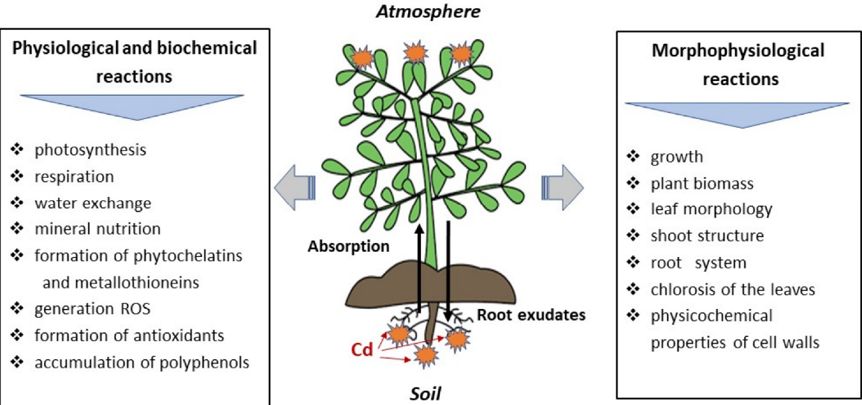
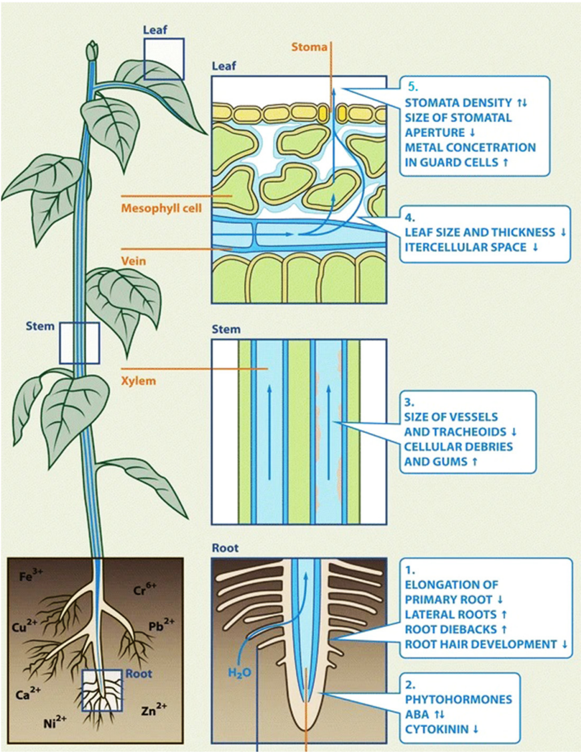
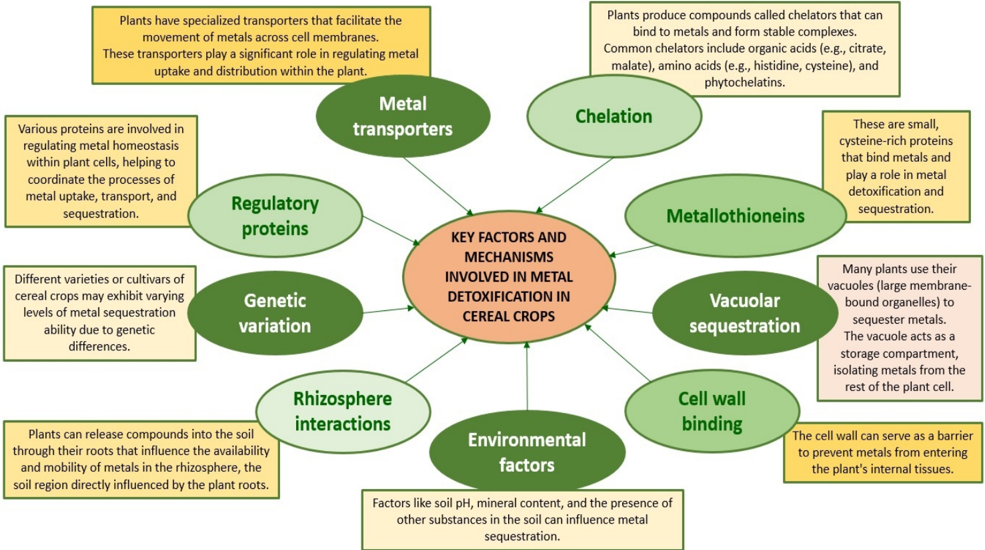
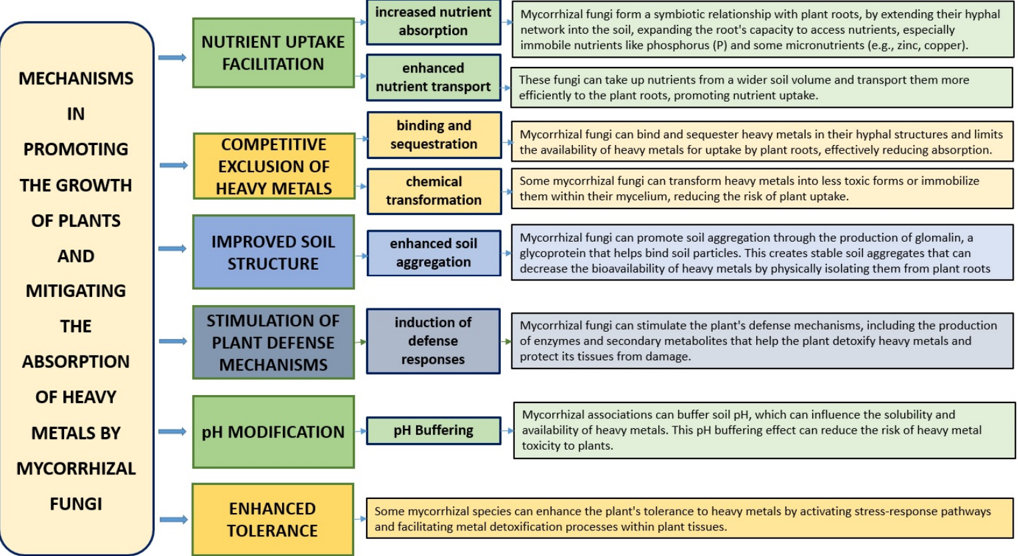
The impact of heavy metal presence in soil on cereal crops is a growing concern, posing significant challenges to global food security and environmental sustainability. Cereal crops, vital sources of nutrition, face the risk of contamination with toxic heavy metals released into the environment through human activities. This paper explores key aspects requiring thorough investigation to foster innovation and understand intricate interactions between heavy metals and cereals. Visible symptoms and physiological changes resulting from heavy metal contamination, such as chlorosis and stunted growth, demand further research to devise targeted mitigation strategies and sustainable agricultural practices. Root barrier formation, mycorrhizal symbiosis, and metal-binding proteins emerge as critical defence mechanisms for combating heavy metal stress, offering opportunities for developing metal-tolerant cereal varieties. Research on metal bioavailability and food safety implications in cereal grains is vital to safeguard human health. This paper reveals that multidisciplinary collaboration and cutting-edge technologies are essential for promoting innovation beyond the state of the art in elucidating and mitigating the impacts of heavy metals on cereal crops. Genetic and breeding approaches show promise in developing metal-tolerant cereal varieties, while agronomic practices and soil amendments can reduce metal bioavailability and toxicity. Unravelling the complex mechanisms underlying heavy metal uptake and tolerance is essential for sustainable cereal agriculture and worldwide food sustainability. Embracing the challenges of heavy metal pollution through proactive research and collaboration can secure a resilient future for cereal crops amid evolving environmental conditions.
Overview
The claims and statistics of this paper haven’t been checked yet.
Free: it reads the open-access text and checks the first 5 claims that cite a source we can check. Create a free account to check every claim.
Integrity signals
Registry
Cites
Statistics
Figures
Verification
Claims the paper makes
The claims and statistics of this paper haven’t been checked yet.
Free: it reads the open-access text and checks the first 5 claims that cite a source we can check. Create a free account to check every claim.
Claims other papers make about this one
Each is checked against this paper’s own text: does it say what the citing paper says it does?
The source backs part of the claim, not all of it — or backs it for a different population, condition or comparison.
In the citing paper
“Researchers have reported that excess accumulation of PTEs can reduce the root growths ([ 40%), impact enzymatic activities and membrane integrity (Collin et al. 2022;Vasilachi et al. 2023).”
From Sustainable management of post-phytoremediation biomass (2025) · cites this paper as Vasilachi et al. 2023
Experimental — accuracy not yet measuredThe cited source says what the claim attributes to it.
In the citing paper
“Decreased root elongation and poor root branching can be caused by Cd exposure in cereals as reported by Vasilachi et al. (2023).”
From Sustainable management of post-phytoremediation biomass (2025) · cites this paper as Vasilachi et al. 2023
In the citing paper
“These findings align with previous studies where authors documented that Pb toxicity reduces nutrient uptake, which adversely impacts ATP productivity, enzyme activity, and biochemical function, thereby leading to poor plant growth (Aslam et al., 2021; Vasilachi et al., 2023).”
From Integrative biochar and melatonin application mitigates lead toxicity in rice by modulating antioxidant activities and iron plaque formation and downregulating the expression of metal uptake genes (2025) · cites this paper as Vasilachi et al., 2023
Self-check
Percentages, sums and reported differences re-computed from the paper’s own numbers.
The self-check needs the paper’s full text.
Citations
Cites
1 retracted
Items 201–310 of 310
Heavy Metal and Drought Stress in Plants: The Role of Microbes—A Review
Islam, M., & Sandhi, A. (2022) · Gesunde Pflanzen · doi:10.1007/s10343-022-00762-8 · Cited by 80 · cited 1×
“For example, cadmium exposure has been shown to restrict root elongation and disrupt root cell membranes, hindering water uptake in cereal crops [224,225].”
Song, T., Das, D., Hu, Q., Yang, F., & Zhang, J. (2020) · The Science of The Total Environment · doi:10.1016/j.scitotenv.2020.141862 · Cited by 79 · cited 1×
“Addressing bioavailability underscores comprehensive measures for heavy metal contamination in agriculture and food production, safeguarding health through awareness and regulation [131,132].”
Heavy Metal Toxicity Effects on Plants
Sperdouli, I. (2022) · Toxics · doi:10.3390/toxics10120715 · Cited by 79 · cited 1×
“However, under stress conditions, including heavy metal exposure, ROS production can surpass the plant’s natural antioxidant defence capacity, leading to oxidative stress [84,157,158].”
Giri, V. P., Shukla, P., Tripathi, A., Verma, P., Kumar, N., Pandey, S., Dimkpa, C. O., & Mishra, A. (2023) · Plants · doi:10.3390/plants12040815 · Cited by 79 · cited 1×
“For example, zinc deficiency in cereals can lead to reduced zinc content in the grain, affecting the nutritional status of consumers who rely on cereals as a dietary staple [172,173].”
Zhou, W., Ren, L., & Zhu, L. (2017) · Environmental Pollution · doi:10.1016/j.envpol.2017.01.019 · Cited by 78 · cited 1×
“In clay soils, cadmium tends to be adsorbed to the clay surfaces, reducing its leaching potential and minimizing its uptake by cereal plants [249,250].”
Guo, Z., Yuan, X., Li, L., Zeng, M., Yang, J., Tang, H., & Duan, C. (2022) · International Journal of Molecular Sciences · doi:10.3390/ijms23042109 · Cited by 77 · cited 1×
“By efficiently exporting these heavy metals out of the root cells, maize can prevent their translocation to the above-ground parts, reducing the risk of metal accumulation in edible plant parts [284,285].”
Guo-hang, Y. A. N. G., Zhu, G., Li, H., Han, X., Li, J., & Ma, Y. (2018) · Journal of Integrative Agriculture · doi:10.1016/s2095-3119(17)61884-7 · Cited by 76 · cited 1×
“Cereal crops can accumulate heavy metals in grains, serving as pathways for human exposure [117,118].”
Kormoker, T., Proshad, R., Islam, M. S., Shamsuzzoha, M., Akter, A., & Tusher, T. R. (2020) · Toxin Reviews · doi:10.1080/15569543.2020.1731551 · Cited by 75 · cited 1×
“In arid regions or during periods of drought, cereal crops may experience heightened susceptibility to heavy metal toxicity due to the reduced water availability exacerbating the effects of metal stress [273].”
An Evolutionary Approach on the Framework of Circular Economy Applied to Agriculture
Batlles‐delaFuente, A., Abad‐Segura, E., González-Zamar, M.-D., & Cortés‐García, F. J. (2022) · Agronomy · doi:10.3390/agronomy12030620 · Cited by 74 · cited 2×
“…of Utilizing metal-tolerant cereals for animal fodder or bioenergy production further expands their utility in a circular economy approach [64,76,77]. these metals in their shoots without significant adverse effects on growth and However, ensuring that the accumulated metals do not enter the…”
The role of zinc to mitigate heavy metals toxicity in crops
Hassan, M., Nawaz, M., Mahmood, A., Shah, A. A., Shah, A. N., Muhammad, F., Batool, M., Rasheed, A., Jaremko, M., Abdelsalam, N. R., et al. (2022) · Frontiers in Environmental Science · doi:10.3389/fenvs.2022.990223 · Cited by 73 · cited 2×
“Zinc is an essential micronutrient involved in various metabolic processes, including those related to flowering and fruit set [49,199,200].”
Toxic metals in East African agro-ecosystems: Key risks for sustainable food production
Mng’ong’o, M. E., Munishi, L. K., Ndakidemi, P. A., Blake, W. H., Comber, S. D. W., & Hutchinson, T. H. (2021) · Journal of Environmental Management · doi:10.1016/j.jenvman.2021.112973 · Cited by 72 · cited 1×
“The presence of these toxic elements in agricultural soils threatens crop productivity, food quality, and the overall sustainability of agriculture [1,2].”
Serna-Saldivar, S. O. (2016) · CRC Press eBooks · doi:10.1201/9781439882092 · Cited by 72
Ramzani, P. M. A., Khan, W., Iqbal, M. M., Kausar, S., Ali, S., Rizwan, M., & Virk, Z. A. (2016) · Environmental Science and Pollution Research · doi:10.1007/s11356-016-7038-x · Cited by 70 · cited 1×
“…and quality is a signi fi cant concern for worldwide food plenty. compromised yields and altered nutritional composition in harvested grains [98–100]. degree of impact varying depending Elevated concentrations of heavy metals in the soil can have detrimental e ff ects on various aspects of crop…”
Plants and Their Interaction to Environmental Pollution
(2023) · Elsevier eBooks · doi:10.1016/c2020-0-03319-0 · Cited by 70
Organic amendments: effects on cereals growth and cadmium remediation
Ahmad, I., Akhtar, M. J., Zahir, Z. A., & Mitter, B. (2014) · International Journal of Environmental Science and Technology · doi:10.1007/s13762-014-0695-8 · Cited by 69 · cited 2×
“…metals in the soil can have detrimental e ff ects on various aspects of crop production, leading to compromised yields and altered nutritional composition in harvested grains [98–100]. on factors such as the metal type, concentration exposure duration, and the cereal species involved [101–104].”
Du, J., Zeng, J., Ming, X., He, Q., Tao, Q., Jiang, M., Gao, S., Li, X., Lei, T., Pan, Y., et al. (2020) · Plant Physiology and Biochemistry · doi:10.1016/j.plaphy.2020.03.019 · Cited by 69 · cited 1×
“While this may reduce the accumulation of toxic metals in the edible parts of the crop, it can also affect the nutrient status of the plant and potentially lead to iron deficiency in the grain [137].”
Carrijo, D. R., LaHue, G. T., Parikh, S. J., Chaney, R. L., & Linquist, B. A. (2022) · The Science of The Total Environment · doi:10.1016/j.scitotenv.2022.156245 · Cited by 69
Golia, E. E. (2023) · Sustainable Chemistry and Pharmacy · doi:10.1016/j.scp.2023.101046 · Cited by 69 · cited 1×
“The presence of these toxic elements in agricultural soils threatens crop productivity, food quality, and the overall sustainability of agriculture [1,2].”
Elango, D., Devi, K. D., Jeyabalakrishnan, H. K., Rajendran, K., Haridass, V. K. T., Dharmaraj, D., Charuchandran, C. V., Wang, W., Fakude, M., Mishra, R., et al. (2022) · Journal of Agriculture and Food Research · doi:10.1016/j.jafr.2022.100374 · Cited by 67 · cited 1×
“The severity of chlorosis in cereals depends on several factors, including the type of heavy metal, its concentration in the soil, the duration of exposure, and the inherent tolerance of the cereal variety [165,188].”
Plant adaptation to nutrient stress
Pandey, R., Vengavasi, K., & Hawkesford, M. J. (2021) · Plant Physiology Reports · doi:10.1007/s40502-021-00636-7 · Cited by 66 · cited 1×
“Essential nutrients such as iron, zinc, and manganese are essential for various plant functions, and their uptake can be hindered in the presence of toxic heavy metals [86,87].”
Rizvi, A., Ahmed, B., Khan, M. S., Rajput, V. D., Umar, S., Minkina, T., & Lee, J. (2022) · Environmental and Experimental Botany · doi:10.1016/j.envexpbot.2022.104911 · Cited by 66 · cited 1×
“Heavy metal exposure can compromise the structural integrity and functionality of the cell membrane, leading to various adverse effects on plant health and growth [36,107,174].”
Zhang, Y., Zhao, S., Liu, S., Peng, J. Y., Zhang, H., Zhao, Q., Zheng, L., Chen, Y., Shen, Z., Xu, X., et al. (2022) · Frontiers in Plant Science · doi:10.3389/fpls.2022.912350 · Cited by 66 · cited 1×
“Key aspects requiring comprehensive investigation for advancing innovation and enhancing understanding of heavy metal impact on cereals in soil.”
Humic Acid Reduces the Available Cadmium, Copper, Lead, and Zinc in Soil and Their Uptake by Tobacco
Rong, Q., Zhong, K., Huang, H., Li, C., Zhang, C., & Nong, X. (2020) · Applied Sciences · doi:10.3390/app10031077 · Cited by 63 · cited 1×
“These acids form stable complexes with heavy metals, reducing their mobility in the soil and minimizing their potential for toxicity to cereal crops [240].”
Yang, X., Chen, J., Ma, Y., Huang, M., Qiu, T., Bian, H., Han, N., & Wang, J. (2022) · Antioxidants · doi:10.3390/antiox11040634 · Cited by 63 · cited 1×
“Heavy metal toxicity can have a significant impact on the reproductive processes of cereal crops, leading to reduced flowering and negatively affecting fruit development [209,210].”
Tang, Y., Wang, L., Carswell, A., Misselbrook, T. H., Shen, J., & Han, J. (2020) · Journal of Environmental Management · doi:10.1016/j.jenvman.2020.110938 · Cited by 62 · cited 1×
“Agronomic practices, such as crop rotation, have been investigated to mitigate heavy metal stress in cereal crops [145,146].”
Xylem-based long-distance transport and phloem remobilization of copper in Salix integra Thunb.
Cao, Y., Ma, C., Chen, H., Zhang, J., White, J. C., Chen, G., & Xing, B. (2020) · Journal of Hazardous Materials · doi:10.1016/j.jhazmat.2020.122428 · Cited by 61 · cited 1×
“However, lead contamination in soils can still impact the quality of agricultural products and pose health risks to the ecosystem [60,61].”
Yang, Y., Li, Y., Chen, W., Wang, M., Wang, T., & Dai, Y. (2020) · Environmental Pollution · doi:10.1016/j.envpol.2020.115613 · Cited by 61 · cited 2×
“The presence of zinc in the soil can increase the uptake of cadmium by cereal plants, leading to higher cadmium concentrations in the grains [49,135].”
Exploring global food security pattern from the perspective of spatio-temporal evolution
Cai, J., Ma, E., Lin, J., Liao, L., & Han, Y. G. (2020) · Journal of Geographical Sciences · doi:10.1007/s11442-020-1722-y · Cited by 59
Wei, J., & Cen, K. (2020) · Journal of Cleaner Production · doi:10.1016/j.jclepro.2020.121001 · Cited by 57 · cited 1×
“Food products derived from these cereals, such as bread, pasta, and breakfast cereals, may consequently have compromised nutritional value [113,114].”
Rural transformation and the future of cereal-based agri-food systems
Kruseman, G., Mottaleb, K. A., Tesfaye, K., Bairagi, S., Robertson, R., Diagne, M., Frija, A., Gbegbelegbe, S., Alene, A. D., & Prager, S. (2020) · Global Food Security · doi:10.1016/j.gfs.2020.100441 · Cited by 57 · cited 1×
“Additionally, cereal crops play a key role in supporting livelihoods and economic stability, contributing to income and employment opportunities for farmers, workers, and traders, thus fostering agricultural development and rural prosperity [18].”
Pikuła, D., & Stępień, W. (2021) · Agronomy · doi:10.3390/agronomy11050878 · Cited by 57 · cited 1×
“In clay soils, cadmium tends to be adsorbed to the clay surfaces, reducing its leaching potential and minimizing its uptake by cereal plants [249,250].”
Haddad, M., Nassar, D., & Shtaya, M. J. Y. (2023) · Scientific Reports · doi:10.1038/s41598-022-18014-0 · Cited by 57 · cited 2×
“…studied for its ability to accumulate and sequester heavy metals, particularly cadmium and zinc, in its above-ground This metal accumulation ability stems from the activation of various metal transporters and detoxi fi cation mechanisms that help rye plants cope with metal toxicity. tissues [69,70].”
Assessment of heavy metals in tailings and their implications on human health
Okewale, I. A., & Grobler, H. (2023) · Geosystems and Geoenvironment · doi:10.1016/j.geogeo.2023.100203 · Cited by 57 · cited 2×
“Consumption of crops and food of animal origin contaminated with heavy metals can lead to a range of health issues in humans, including kidney and liver damage, neurological disorders, developmental problems in children, and an elevated risk of certain cancers [42].”
Chandwani, S., Kayasth, R., Naik, H. Y., & Amaresan, N. (2023) · Environmental Monitoring and Assessment · doi:10.1007/s10661-023-11061-8 · Cited by 56 · cited 1×
“Inhibition of these enzymes disrupts the chlorophyll synthesis pathway, leading to chlorosis [185].”
Tian, W. D., Zhang, M., Zong, D., Li, W., Li, X., Wang, Z., Zhang, Y., Niu, Y., & Xiang, P. (2023) · The Science of The Total Environment · doi:10.1016/j.scitotenv.2023.165514 · Cited by 56
Ramón, F., & Lull, C. (2019) · Environmental Pollution · doi:10.1016/j.envpol.2019.04.074 · Cited by 55 · cited 1×
“As a consequence of bioaccumulation, heavy metals can disrupt cellular functions, interfere with enzymatic activities, and induce oxidative stress, leading to various health issues over time [126–130].”
Pehoiu, G., Murărescu, O., Rădulescu, C., Dulamă, I. D., Teodorescu, S., Ştirbescu, R. M., Bucurică, I. A., & Stănescu, S. G. (2020) · Plant and Soil · doi:10.1007/s11104-020-04725-8 · Cited by 55 · cited 1×
“…and food of animal origin contaminated with heavy metals can lead to a range of health issues in humans, including kidney and liver damage, neurological disorders, developmental problems in children, and an elevated risk of certain cancers [42]. long-term threats to agricultural productivity [31].”
Tang, L. H., Luo, W., Chen, W., He, Z. L., Gurajala, H. K., Hamid, Y., Deng, M., & Yang, X. (2017) · Environmental Science and Pollution Research · doi:10.1007/s11356-017-9146-7 · Cited by 54 · cited 1×
“Agronomic practices, such as crop rotation, have been investigated to mitigate heavy metal stress in cereal crops [145,146].”
de Gorter, H., Drabik, D., & Kliauga, E. M. (2014) · World Bank, Washington, DC eBooks · doi:10.1596/978-1-4648-0305-5 · Cited by 53
Ganguly, R., Sarkar, A., Dasgupta, D., Acharya, K., Keswani, C., Popova, V., Minkina, T., Maksimov, A. Y., & Chakraborty, N. (2022) · Agriculture · doi:10.3390/agriculture12101551 · Cited by 52 · cited 2×
“Heavy metal-induced chlorosis diminishes the availability of carbohydrates for grain filling, leading to smaller and poorly filled grains, ultimately reducing the overall yield of cereal crops [187,188].”
Tang, Y., Zhang, J., Wang, L., Wang, H., Long, H., Yang, L., Li, G., Guo, J., Wang, Y., Li, Y., et al. (2022) · Journal of Hazardous Materials · doi:10.1016/j.jhazmat.2022.130365 · Cited by 52 · cited 2×
“The lack of water can also lead to reduced cell expansion and division, further inhibiting plant growth and development [202,223].”
Acute Lethal Toxicity of Heavy Metals to the Seeds of Plants of High Importance to Humans
Pokorska‐Niewiada, K., Rajkowska‐Myśliwiec, M., & Protasowicki, M. (2018) · Bulletin of Environmental Contamination and Toxicology · doi:10.1007/s00128-018-2382-9 · Cited by 51 · cited 1×
“As a result, these cereal species can thrive even in soils with elevated heavy metal concentrations without suffering severe growth inhibition [255,256].”
Li, S., Sun, X., Li, S., Liu, Y., Ma, Q., & Zhou, W. (2021) · RSC Advances · doi:10.1039/d0ra09358k · Cited by 49 · cited 1×
“For instance, in soils with a pH above 7, heavy metals like nickel, cadmium, and zinc are more likely to form less soluble compounds, reducing their potential toxicity to cereal crops [201,235].”
Zulkafflee, N. S., Redzuan, N. A. M., Nematbakhsh, S., Selamat, J., Ismail, M. R., Praveena, S. M., Lee, S. Y., & Razis, A. F. A. (2022) · International Journal of Environmental Research and Public Health · doi:10.3390/ijerph19020739 · Cited by 49 · cited 1×
“For instance, in rice, which is a staple food for nearly half of the world’s population, heavy metals like cadmium and arsenic have been found to accumulate in the grains [5,57].”
A mechanistic view on lodging resistance in rye and wheat: a multiscale comparative study
Muszyńska, A., Guendel, A., Melzer, M., Moya, Y. A. T., Röder, M. S., Rolletschek, H., Rutten, T. L. M., Munz, E., Melz, G., Ortleb, S., et al. (2021) · Plant Biotechnology Journal · doi:10.1111/pbi.13689 · Cited by 48 · cited 1×
“As a result, these cereal species can thrive even in soils with elevated heavy metal concentrations without suffering severe growth inhibition [255,256].”
Farooq, M. U., Ishaaq, I., Barutçular, C., Skalický, M., Maqbool, R., Rastogi, A., Hussain, S., Allakhverdiev, S. I., & Zhu, J. (2021) · Plant Physiology and Biochemistry · doi:10.1016/j.plaphy.2021.11.035 · Cited by 48
(2020) · Springer eBooks · doi:10.1007/978-981-15-0025-1 · Cited by 47
El‐Sappah, A. H., Abbas, M., Rather, S. A., Wani, S. H., Soaud, N., Noor, Z., Qiulan, H., Eldomiaty, A. S., Mir, R. R., & Li, J. (2023) · Molecular Biology Reports · doi:10.1007/s11033-022-08100-x · Cited by 47
Soil pH Effect on Phosphate Induced Cadmium Precipitation in Arable Soil
Hong, C. O., Owens, V. N., Kim, Y. G., Lee, S. M., Park, H. C., Kim, K. K., Son, H. J., Suh, J. M., & Kim, P. J. (2014) · Bulletin of Environmental Contamination and Toxicology · doi:10.1007/s00128-014-1273-y · Cited by 45 · cited 1×
“As discussed above, the influence of soil pH on heavy metal bioavailability can have significant implications for cereal crop health and productivity [236].”
Yavitt, J. B., Pipes, G. T., Olmos, E. C., Zhang, J., & Shapleigh, J. P. (2021) · Frontiers in Earth Science · doi:10.3389/feart.2021.590103 · Cited by 43 · cited 1×
“This can be especially beneficial in reducing heavy metal toxicity as it prevents waterlogging and reduces the likelihood of heavy metal accumulation in the root zone [242,243].”
Feszterová, M., Porubcová, L., & Tirpáková, A. (2021) · Sustainability · doi:10.3390/su13137021 · Cited by 43 · cited 1×
“Bioavailability varies depending on factors like metal chemical form, nutrient interactions, and individual differences [119–121].”
Yang, L., Meng, F., Ma, C., & Hou, D. (2022) · The Science of The Total Environment · doi:10.1016/j.scitotenv.2022.158628 · Cited by 43 · cited 1×
“When heavy metals are present in the soil at elevated concentrations, they are more likely to be taken up by cereal plant roots and translocated to various plant organs [265,266].”
Li, H., Wang, H., Zhao, J., Zhang, L., Li, Y., Wang, H., Teng, H., Yuan, Z., & Yuan, Z. (2022) · Antioxidants · doi:10.3390/antiox11122390 · Cited by 43 · cited 1×
“By exploring the diversity regulating soil pH, mycorrhizal fungi further contribute to heavy metal detoxification in cereal crops. of mycorrhizal fungi and their potential to enhance heavy metal tolerance in cereal crops [305,306].”
Neenan, M. (1960) · Plant and Soil · doi:10.1007/bf02232989 · Cited by 42 · cited 1×
“Cereal crops grown in such conditions are more likely to take up higher amounts of cadmium, resulting in potential toxicity [234].”
Lwalaba, J. L. W., Zvobgo, G., Mwamba, T. M., Louis, L. T., Fu, L., Ansey, B. K., Kazadi, A. T., Adil, M. F., Sehar, S., Mundende, R.-P. M., et al. (2020) · Plant Physiology and Biochemistry · doi:10.1016/j.plaphy.2020.08.038 · Cited by 42 · cited 2×
“By leveraging the natural metal-accumulating abilities of barley, rye, and other tolerant cereals, it is possible to harness their potential to reduce metal levels in contaminated soils and restore ecological balance [40,75]. metallothioneins [71,72].”
Heavy metal assimilation in maize (Zea mays L.) plants growing near mine tailings
Armienta, M. A., Beltrán-Villavicencio, M., Martínez, S., & Labastida, I. (2019) · Environmental Geochemistry and Health · doi:10.1007/s10653-019-00424-1 · Cited by 41 · cited 1×
“Stunted growth refers to the inhibited development of cereal plants, where they fail to achieve their expected size and exhibit a reduced number of leaves and smaller stems [84,189].”
Cadmium Accumulation in Cereal Crops and Tobacco: A Review
Mei, S., Lin, K., Williams, D. V., Liu, Y., Dai, H., & Cao, F. (2022) · Agronomy · doi:10.3390/agronomy12081952 · Cited by 41 · cited 2×
“ROS-induced DNA damage can lead to mutations and genomic instability, affecting cell division and plant growth [160,161].”
Multi-Omics Uncover the Mechanism of Wheat under Heavy Metal Stress
Zhou, M., & Zheng, S. (2022) · International Journal of Molecular Sciences · doi:10.3390/ijms232415968 · Cited by 41
Plant–Microbe Interactions under the Action of Heavy Metals and under the Conditions of Flooding
Gladkov, E. A., Tereshonok, D. V., Stepanova, A. Y., & Gladkova, O. V. (2023) · Diversity · doi:10.3390/d15020175 · Cited by 41
Rizvi, A., & Khan, M. S. (2018) · International Journal of Environmental Science and Technology · doi:10.1007/s13762-018-1916-3 · Cited by 40 · cited 1×
“Siderophores are not only produced by cereals but also by various beneficial microorganisms residing in the root zone [41,291].”
Zhang, B., Hou, H., Huang, Z., & Zhao, L. (2023) · Environmental Pollution · doi:10.1016/j.envpol.2023.121607 · Cited by 40 · cited 1×
“…occurring elements like cadmium, lead, mercury, arsenic, and chromium found within the Earth’s crust, have seen their levels in agricultural soils escalate substantially due to human activities, including industrial processes, mining, agricultural practices, and improper waste disposal [24–27].”
Li, K., Yu, H., Li, T., Chen, G., & Huang, F. (2017) · Environmental Science and Pollution Research · doi:10.1007/s11356-017-9350-5 · Cited by 39 · cited 1×
“By reducing cadmium uptake and translocation, these rice varieties safeguard the nutritional quality of the harvested grains and minimize health risks associated with cadmium consumption [258,259].”
(2019) · Springer eBooks · doi:10.1007/978-981-32-9151-5 · Cited by 38
Dietterich, L. H., Gonneau, C., & Casper, B. B. (2017) · Ecological Applications · doi:10.1002/eap.1573 · Cited by 34 · cited 1×
“Mycorrhizal fungi, in particular, can enhance the uptake of essential nutrients while simultaneously reducing the uptake of heavy metals by forming a physical barrier around the roots, as will be discussed below [245,246].”
Bioaccumulation of Potentially Toxic Elements in Cereal and Legume Crops: A Review
Murtaza, G., Usman, Y., Niazi, N. K., Usman, M., & Hussain, T. (2017) · CLEAN - Soil Air Water · doi:10.1002/clen.201700548 · Cited by 34 · cited 2×
“In alkaline conditions, metals may form insoluble precipitates or bind to soil particles, making them less available for plant uptake [124].”
Cellular and Molecular Phytotoxicity of Heavy Metals
(2020) · Nanotechnology in the life sciences · doi:10.1007/978-3-030-45975-8 · Cited by 33
Fate of some heavy metals in soils: a review
Orhue, E. R., & Frank, U. O. (2011) · Journal of Applied and Natural Science · doi:10.31018/jans.v3i1.171 · Cited by 32 · cited 1×
“Each soil texture type has distinct properties that influence heavy metal retention and release, directly impacting their bioavailability to plants [247,248].”
A comparative study of the factors affecting uptake and distribution of Cd with Ni in barley
Thomas, M. (2021) · Plant Physiology and Biochemistry · doi:10.1016/j.plaphy.2021.03.043 · Cited by 31 · cited 1×
“In contrast, other cereals, such as wheat and corn, have been found to accumulate lower levels of these metals under similar soil conditions [51–55].”
Yoneyama, T. (2021) · Soil Science & Plant Nutrition · doi:10.1080/00380768.2021.1947735 · Cited by 31 · cited 2×
“Chloro-phyll photosynthesis, 82,183].”
Editorial: Heavy Metal Toxicity in Plants: Recent Insights on Physiological and Molecular Aspects
Gill, R. A., Kanwar, M. K., dos Reis, A. R., & Ali, B. (2022) · Frontiers in Plant Science · doi:10.3389/fpls.2021.830682 · Cited by 31 · cited 1×
“[190].”
González, Á., Gil-Díaz, M., & Lobo, M. C. (2016) · Journal of Soils and Sediments · doi:10.1007/s11368-016-1387-4 · Cited by 30 · cited 3×
“…studied for its ability to accumulate and sequester heavy metals, particularly cadmium and zinc, in its above-ground This metal accumulation ability stems from the activation of various metal transporters and detoxi fi cation mechanisms that help rye plants cope with metal toxicity. tissues [69,70].”
Omics Approach to Manage Abiotic Stress in Cereals
(2022) · Springer eBooks · doi:10.1007/978-981-19-0140-9 · Cited by 30
Extractability and Mobility of Copper and Zinc Accumulated in Sandy Soils
Zhang, M., He, Z. L., Calvert, D. V., & Stoffella, P. J. (2006) · Pedosphere · doi:10.1016/s1002-0160(06)60024-6 · Cited by 28 · cited 1×
“This enhanced mobility can increase the risk of heavy metal accumulation in cereal crops, potentially leading to adverse effects on plant growth and development [251,252].”
BIOAVAILABILITY PROCESSES FOR CONTAMINANTS IN SOILS AND THEIR USE IN RISK ASSESSMENT
Gavrilescu, M. C., Hlihor, R. M., Apostol, L. C., Smaranda, C., Pavel, L. V., Caliman, F. A., & Robu, B. (2009) · Environmental Engineering and Management Journal · doi:10.30638/eemj.2009.175 · Cited by 28
Self-citationZhang, Z., Chen, X., Qin, X.-Y., Xu, C., & Yan, X. (2023) · Land · doi:10.3390/land12030652 · Cited by 28 · cited 2×
“In this pH range, nutrient availability is optimized, and heavy metal bioavailability is typically moderate, reducing the risk of excessive heavy metal uptake [233,237].”
Sustainable Remedies for Abiotic Stress in Cereals
Latef, A. A. H. A. (2022) · Springer eBooks · doi:10.1007/978-981-19-5121-3 · Cited by 27
Giri, S., Mahato, M. K., Bhattacharjee, S., & Singh, A. K. (2020) · Ecological Indicators · doi:10.1016/j.ecolind.2020.106214 · Cited by 26 · cited 1×
“Creating a definitive hierarchy of the toxicity of heavy metals on cereals’ growth can be challenging due to variations in metal uptake, tolerance, and the specific response of different cereal species [84,85].”
Mara, G., Becze, A., Vincze, É., & Varga, H.-M. (2021) · Environmental Engineering and Management Journal · doi:10.30638/eemj.2021.053 · Cited by 26 · cited 1×
“Furthermore, integrating advanced technologies, such as omics and remote sensing, can provide valuable insights into the spatial and temporal dynamics of heavy metal contamination in soil and its impact on cereals.”
Diacono, M., & Montemurro, F. (2019) · Journal of soil science and plant nutrition · doi:10.1007/s42729-019-0010-3 · Cited by 25 · cited 1×
“Biochar, a type of charcoal produced from organic materials, can be added to soil to improve its structure and reduce heavy metal bioavailability [104,141].”
Comparison of metal bioaccumulation in crop types and consumable parts between two growth periods
Awino, F. B., Maher, W. A., Lynch, A. J. J., Fai, P. B. A., & Otim, O. (2021) · Integrated Environmental Assessment and Management · doi:10.1002/ieam.4513 · Cited by 25 · cited 2×
“The extent of metal uptake varies among different cereal species, with some crops exhibiting higher metal accumulation than others [46,47].”
Heavy Metals in Plants Physiological to Molecular Approach
Kumar, J., Gaur, S., Srivastava, P. K., Mishra, R. K., Prasad, S. M., & Chauhan, D. K. (2022) · CRC Press eBooks · doi:10.1201/9781003110576 · Cited by 25
Boudjabi, S., & Chenchouni, H. (2023) · Heliyon · doi:10.1016/j.heliyon.2023.e14615 · Cited by 25
Shumaker, K., & Begonia, G. B. (2005) · International Journal of Environmental Research and Public Health · doi:10.3390/ijerph2005020013 · Cited by 24 · cited 1×
“Implementing responsible soil management practices and exploring innovative approaches to reduce heavy metal uptake in cereals are essential steps toward ensuring food safety and promoting sustainable agriculture in a metal-contaminated world [63–65].”
Effect of cadmium on physiological parameters of cereal and millet plants—A comparative study
Asopa, P. P., Bhatt, R., Sihag, S., Kothari, S. L., & Kachhwaha, S. (2016) · International Journal of Phytoremediation · doi:10.1080/15226514.2016.1207608 · Cited by 24 · cited 1×
“As a result, chloroplasts within affected leaf cells become deficient in chlorophyll, leading to a noticeable loss of green colour [123,184].”
Ohiagu, F. O., Lele, K. C., Chikezie, P. C., Verla, A. W., & Enyoh, C. E. (2020) · Environmental Analysis Health and Toxicology · doi:10.5620/eaht.e2020011 · Cited by 23 · cited 1×
“This phenomenon, known as bioaccumulation, can lead to elevated levels of heavy metals in edible plant parts, such as grains, thereby endangering consumers when these tainted crops are consumed [7,8].”
Induced Genotoxicity and Oxidative Stress in Plants
(2021) · Springer eBooks · doi:10.1007/978-981-16-2074-4 · Cited by 23
Šípošová, K., Labancová, E., Hačkuličová, D., Kollárová, K., & Vivodová, Z. (2023) · Environmental Science and Pollution Research · doi:10.1007/s11356-023-28029-3 · Cited by 23 · cited 1×
“Similarly, cadmium can interfere with gibberellin biosynthesis, contributing to leaf twisting and irregular leaf shapes [202,203].”
Growth responses of crop and weed species to heavy metals in pot and field experiments
Farrag, K., Senesi, N., Nigro, F., Petrozza, A., Palma, A., Shaarawi, S., & Brunetti, G. (2012) · Environmental Science and Pollution Research · doi:10.1007/s11356-012-0951-8 · Cited by 22
Parwez, R., Aftab, T., Khan, M. M. A., & Naeem, M. (2023) · Plant Science · doi:10.1016/j.plantsci.2023.111703 · Cited by 22 · cited 1×
“By facilitating the efflux of heavy metals, cereal crops can reduce their internal metal concentration, thereby safeguarding vital cellular processes and protecting themselves from metal toxicity [83,283].”
Zinc in poor sandy soils and associated groundwater. A case study
Pedroli, B., Maasdam, W. A. C., & Verstraten, J. M. (1990) · The Science of The Total Environment · doi:10.1016/0048-9697(90)90288-6 · Cited by 16 · cited 1×
“This enhanced mobility can increase the risk of heavy metal accumulation in cereal crops, potentially leading to adverse effects on plant growth and development [251,252].”
Rhamnolipids Application for the Removal of Vanadium from Contaminated Sediment
Martín, Y. B. S., León, H. F. T., Rodríguez, A. Á., Marqués, A. M., & López, M. I. S. (2021) · Current Microbiology · doi:10.1007/s00284-021-02445-5 · Cited by 16 · cited 1×
“Key aspects requiring comprehensive investigation for advancing innovation and enhancing understanding of heavy metal impact on cereals in soil.”
Javaid, S., Ashraf, K., Sultan, K., Siddiqui, M. H., Ali, H. M., Chen, Y., & Zaman, Q. U. (2022) · Agronomy · doi:10.3390/agronomy12102480 · Cited by 16 · cited 1×
“These crops are indispensable for sustainable food systems as they absorb water and nutrients from the soil, potentially uptaking these toxic metals in the process [5,6].”
Tavarez, M., Grusak, M. A., & Sankaran, R. P. (2022) · Agronomy · doi:10.3390/agronomy12092182 · Cited by 15
Rai, A., Belkacem, M., Assadi, I., Bollinger, J., Elfalleh, W., Assadi, A. A., Amrane, A., & Mouni, L. (2022) · Applied Sciences · doi:10.3390/app122211567 · Cited by 14 · cited 1×
“Decreased fruit sets can directly translate into reduced seed yield and, consequently, lower crop production [217,218].”
Navarro, A. S., Sanjuán, M. D. C. S., Bernardeau, M. A. B., Sánchez-Romero, J. A., & Delgado-Iniesta, M. J. (2023) · Land · doi:10.3390/land12040897 · Cited by 14 · cited 1×
“Introducing leguminous crops into a rotation with cereals can help mitigate heavy metal uptake by cereals, contributing to overall soil health and reducing the risk of metal transfer to the food chain [147,148].”
Sohail, M. I., Zia‐ur‐Rehman, M., Aziz, T., Akmal, F., Azhar, M., Nadeem, F., Aslam, M., Siddiqui, A., & Khalid, M. A. (2022) · Australian Journal of Agricultural Research · doi:10.1071/cp21771 · Cited by 13
Mourad, A. M. I., Eltaher, S., Börner, A., & Sallam, A. (2022) · Plant and Soil · doi:10.1007/s11104-022-05790-x · Cited by 13 · cited 1×
“In contrast, barley and certain wheat cultivars have shown better tolerance to heavy metals, enabling them to survive and produce acceptable yields in metal-contaminated soils [91,92].”
Wholegrains and health: Many benefits but do contaminants pose any risk?
Nugent, A. P., & Thielecke, F. (2019) · Nutrition Bulletin · doi:10.1111/nbu.12379 · Cited by 12 · cited 1×
“Food products derived from these cereals, such as bread, pasta, and breakfast cereals, may consequently have compromised nutritional value [113,114].”
Hu, J., Tao, R., Cao, C., Xie, J., Gao, Y., Hu, H., Ma, Z., & Ma, Y. (2023) · Sustainability · doi:10.3390/su15031877 · Cited by 11 · cited 2×
“Certain heavy metals, such as cadmium, mercury, and nickel, can cause physical deformities in leaves, altering their normal appearance and structure [79,201].”
Legass, A., Ahmed, M., & Abebe, M. T. (2021) · Environmental Engineering and Management Journal · doi:10.30638/eemj.2021.141 · Cited by 10
Groszmann, M., Chandler, P. M., Ross, J. J., & Swain, S. M. (2020) · Frontiers in Plant Science · doi:10.3389/fpls.2020.00190 · Cited by 9 · cited 1×
“Plant hormones, such as cytokinins and gibberellins, play critical roles in regulating flowering and fruiting processes [211,212].”
Jimenez-Lopez, J. C. (2022) · IntechOpen eBooks · doi:10.5772/intechopen.98120 · Cited by 9
Proteolytic and Structural Changes in Rye and Triticale Roots under Aluminum Stress
Szewińska, J., Różańska, E., Papierowska, E., & Labudda, M. (2021) · Cells · doi:10.3390/cells10113046 · Cited by 8 · cited 1×
“…Rye plants have been shown to accumulate elevated levels of these metals in their shoots without signi fi cant adverse e ff ects on growth and yield [73,74]. crop is barley, which has been extensively studied for its ability to accumulate and sequester heavy metals, particularly cadmium and zinc,…”
Sustainable Solutions for Environmental Pollution
(2022) · Wiley eBooks · doi:10.1002/9781119827665 · Cited by 7
ADVANTAGE OF HALOPHILIC-HALOTOLERANT BACTERIA UNDER SALT STRESS
Orhan, F., Demirci, A., & Bozarı, S. (2022) · Environmental Engineering and Management Journal · doi:10.30638/eemj.2022.155 · Cited by 5 · cited 1×
“They have traditionally been recognized for their role in iron uptake by organisms [289].”
Targeting Photosynthesis Under Abiotic Stress
Swami, P., Munjal, R., & Deswal, K. (2022) · Journal of Cereal Research · doi:10.25174/2582-2675/2022/113965 · Cited by 4 · cited 1×
“As mentioned above, cadmium inhibits Rubisco, a key enzyme capturing carbon dioxide during photosynthesis, leading to reduced carbon fixation and overall photosynthetic efficiency [151,152].”
Biostimulants in the alleviation of metal toxicity: conclusion and future perspective
Gill, R., Nehra, A., Agarwala, N., Khan, N. A., Tuteja, N., & Gill, S. S. (2023) · Elsevier eBooks · doi:10.1016/b978-0-323-99600-6.00021-9 · Cited by 4
PHOSPHORUS SORPTION-DESORPTION IN SOIL AS INFLUENCED BY ORGANIC MATTER, CARBONATES AND Fe-Al OXIDES
Hosseini, H., Fekri, M., Farpoor, M. H., & Mahmoodabadi, M. (2021) · Environmental Engineering and Management Journal · doi:10.30638/eemj.2021.133 · Cited by 2 · cited 1×
“When heavy metals are bound to organic matter, they are less likely to be leached into the soil solution or taken up by cereal crops [239].”
METAL BIOACCUMULATION IN NATIVE PLANTS FROM A COAL FLY ASH DUMP IN AN ABANDONED OPENCAST COAL MINE
Maiti, D., Saha, D., & Kumar, A. (2022) · Environmental Engineering and Management Journal · doi:10.30638/eemj.2022.178 · Cited by 2 · cited 2×
“Utilizing metal-tolerant cereals for animal fodder or bioenergy production further expands their utility in a circular economy approach [64,76,77].”
Research works printed but not linked: 8
- Husen, A., Ed.; Elsevier: Amsterdam, The Netherlands, 2023; pp. 139-159.
- Singh, A.; Roychoudhury, A. Omics tools to understand abiotic stress response and adaptation in rye, oat and barley. In Omics Approach to Manage Abiotic Stress in Cereals; Roychoudhury, A., Aftab, T., Acharya, K., Eds.; Springer: Singapore, 2022; pp. 513-529. · DOI
- Khan, M.K., Pandey, A., Hamurcu, M., Gupta, O.P., and Gezin, S. (2023). Abiotic Stresses in Wheat. Unfolding the Challenges, Elsevier-Academic Press.
- Khoudi, 2021, Significance of vacuolar proton pumps and metal/H+ antiporters in plant heavy metal tolerance, Physiol. Plant., 173, 384
- Varma, 2021, Heavy metals stress and defense strategies in plants: An overview, J. Pharmacogn. Phytochem., 10, 608
- Ahmad, P. (2015). Plant Metal Interaction: Emerging Remediation Techniques, Elsevier.
- Abdel Latef, A.A.H. (2022). Sustainable Remedies for Abiotic Stress in Cereals, Springer. · DOI
- Upadhyaya, 2010, Role of arbuscular mycorrhiza in h eavy metal tolerance in plants: Prospects for phytoremediation, J. Phytol., 2, 16
Cited by
Assessing Heavy Metal Contamination in Food: Implications for Human Health and Environmental Safety
Mititelu, M., Neacșu, S. M., Busnatu, Ș., Scafa‐Udriște, A., Andronic, O., Lacraru, A., Ioniță-Mîndrican, C.-B., Lupuliasa, D., Negrei, C., & Olteanu, G. (2025) · Toxics · doi:10.3390/toxics13050333 · Cited by 194
“The results of this analysis offer an integrated perspective on the issue of food contamination with heavy metals, underscoring the urgent need for effective preventive and remedial measures to safeguard public health.”
Asiminicesei, D.-M., Ferţu, D. I., & Gavrilescu, M. C. (2024) · Plants · doi:10.3390/plants13060913 · Cited by 200
“Variations in root exudates and microbial communities within the rhizosphere contribute to species-specific responses to heavy metal exposure.”
BackgroundSelf-citationMonitoring Heavy Metals and Metalloids in Soils and Vegetation by Remote Sensing: A Review
Lovynska, V., Bayat, B., Bol, R., Moradi, S., Rahmati, M., Raj, R., Sytnyk, S., Wiche, O., Wu, B., & Montzka, C. (2024) · Remote Sensing · doi:10.3390/rs16173221 · Cited by 90
Musah, B. I. (2024) · Environmental Monitoring and Assessment · doi:10.1007/s10661-024-13490-5 · Cited by 66
“Heavy metal accumulation in cereals resulted in visible physiological changes such as stunted growth and chlorosis (Vasilachi et al., 2023).”
Opande, T., Kong, M., Feng, D., Wen, Y., Oduor, N. O., Yatoo, A. M., Khalil, F. M. A., Elrys, A. S., Meng, L., & Zhang, J. (2025) · Ecotoxicology and Environmental Safety · doi:10.1016/j.ecoenv.2025.117766 · Cited by 48
Metadata
- Authors
- Vasilachi, I. C., Stoleru, V., & Gavrilescu, M.
- Affiliations
- Gheorghe Asachi Technical University of Iași (RO)
- "Ion Ionescu de la Brad" Iasi University of Life Sciences (RO)
- Academia Oamenilor de Știință din România (RO)
- Corresponding author
- Gavrilescu, Maria
- Venue
- Agriculture
- Publisher
- MDPI AG
- Published
- 2023-10-12
- Volume
- 13
- Issue
- 10
- Pages
- 1983
- ISSN
- 2077-0472 (ISSN-L)
- OpenAlex
- W4387568410
- Cited by
- 210
- References
- 308
- Citations by year
- 2026: 86 · 2025: 89 · 2024: 34 · 2023: 1
- FWCI
- 14.06
- Type
- journal article
- Language
- en
- Open access
- gold
- doi.org
- Licence
- Locations
- Agriculture (publishedVersion, cc-by)
- RePEc: Research Papers in Economics (submittedVersion)
- DOAJ (DOAJ: Directory of Open Access Journals) (submittedVersion, cc-by-sa)
- Funders
- European Social Fund (POCU/993/6/13/153437)
- Topics
- Physical Sciences › Environmental Science › Pollution › Heavy metals in environment
- Life Sciences › Agricultural and Biological Sciences › Plant Science › Plant Stress Responses and Tolerance
- Life Sciences › Agricultural and Biological Sciences › Plant Science › Plant Micronutrient Interactions and Effects
- Keywords
- heavy metal contamination, soil contamination, cereals, heavy metal stress, metal bioavailability, food safety, mycorrhizal symbiosis, root barrier, metal-binding proteins, chlorosis, growth arrest, soil amendment, heavy metal uptake, sustainable agriculture, food security
About these checks
Registry, retraction, Cites and statistics results are computed, not judged, with one exception: a printed reference that no index lists is read once by a model before it counts as a citation error. Claims are extracted by a model and kept only when their quote appears verbatim in the text; each cited source is then checked, with a model’s help, for whether it says what the claim relies on. Those verdicts can be wrong — read the claim’s quote and the cited source before relying on one.
Statistics and arithmetic are recomputed, not judged.
Confidence bands are shown only for fields calibrated on our annotated test set. None is calibrated yet, so no band is shown.
What counts as a claim ›How we measure confidence ›How we check this ›
Are you an author, or do you see a problem with this page? Request a review
Data sources
Bibliographic data: Semantic Scholar, OpenAlex, Crossref.
Contains information from the Semantic Scholar Academic Graph Datasets, made available under the ODC Attribution License (ODC-BY 1.0).
Semantic Scholar’s data is described in: Kinney, R., et al. (2023). The Semantic Scholar Open Data Platform. arXiv:2301.10140.
