

Developments and Challenges for mAb-Based Therapeutics
Open accessThe DOI matches its Crossref record; 311 of the 323 references it cites were found in a registry or an index.
Abstract
The continuous increase in the number of approved monoclonal antibody (mAb)-based therapy suggests that mAbs, and their derivatives, will continue to be the focus of the biotherapeutics industry for years to come. Although vast improvements in our capability to manufacture, characterize, and stabilize mAbs have been achieved, there are still challenges to be overcome. These include analytical and stabilization approaches associated with the development of high concentration mAb formulations. In addition, several mAb-based modalities are under development, including antibody drug conjugates (ADCs), fusion proteins, and bispecific antibodies (bsAbs), all designed to overcome the limitations encountered with mAb therapy. The current status of their development, with emphasis on manufacturing challenges as well as preliminary clinical results, will be reviewed.
Overview
The claims and statistics of this paper haven’t been checked yet.
Free: it reads the open-access text and checks the first 5 claims that cite a source we can check. Create a free account to check every claim.
Integrity signals
Registry
Cites
Statistics
Figures
Verification
Claims the paper makes
The claims and statistics of this paper haven’t been checked yet.
Free: it reads the open-access text and checks the first 5 claims that cite a source we can check. Create a free account to check every claim.
Claims other papers make about this one
Each is checked against this paper’s own text: does it say what the citing paper says it does?
The source backs part of the claim, not all of it — or backs it for a different population, condition or comparison.
In the citing paper
“PAT enables measurement of physical instabilities such as aggregation or chemical alterations including post-translational modifications or cross-linking which can complement stabilization formulation strategies [92].”
From The role of Raman spectroscopy in biopharmaceuticals from development to manufacturing (2022) · cites this paper as [92]
Experimental — accuracy not yet measured
Self-check
Percentages, sums and reported differences re-computed from the paper’s own numbers.
The self-check needs the paper’s full text.
Citations
Cites
Items 201–311 of 311
Dela Cruz, J. S., Trinh, K. R., Morrison, S. L., & Penichet, M. L. (2000) · The Journal of Immunology · doi:10.4049/jimmunol.165.9.5112 · Cited by 84 · cited 1×
“cancer cells [213].”
Antibodies as therapeutic agents: vive la renaissance!
Stockwin, L., & Holmes, S. (2003) · Expert Opinion on Biological Therapy · doi:10.1517/14712598.3.7.1133 · Cited by 82 · cited 1×
“EC50 values are typically higher than those of globular proteins, such as cytokines [113].”
BackgroundNUTS and BOLTS: Applications of fluorescence-detected sedimentation
Kroe‐Barrett, R., & Laue, T. M. (2008) · Analytical Biochemistry · doi:10.1016/j.ab.2008.11.033 · Cited by 81 · cited 1×
“Thus it is extremely important to ensure that both structural and functional integrity have not been compromised by labeling of the molecule [135,136].”
BackgroundNg, P. P., Dela Cruz, J. S., Sorour, D. N., Stinebaugh, J. M., Shin, S.-U., Shin, D. S., Morrison, S. L., & Penichet, M. L. (2002) · Proceedings of the National Academy of Sciences · doi:10.1073/pnas.162362999 · Cited by 81 · cited 2×
“even a larger protein, into cancer cells [208].”
BackgroundAttri, A. K., & Minton, A. P. (2004) · Analytical Biochemistry · doi:10.1016/j.ab.2004.09.045 · Cited by 81 · cited 1×
“[144–150].”
Hollander, I. J., Kunz, A., & Hamann, P. R. (2007) · Bioconjugate Chemistry · doi:10.1021/bc700321z · Cited by 80 · cited 1×
“Thus, the addition of such molecules to antibodies may negatively impact antibody stability [190,191] or solubility [192].”
BackgroundSapra, P., Damelin, M., DiJoseph, J., Marquette, K., Geles, K. G., Golas, J., Dougher, M., Narayanan, B., Giannakou, A., Khandke, K., et al. (2013) · Molecular Cancer Therapeutics · doi:10.1158/1535-7163.mct-12-0603 · Cited by 80 · cited 1×
“stable, such as maleimidocaproyl linker [186].”
Chemical and Physical Stability of Chimeric L6, a Mouse−Human Monoclonal Antibody
Paborji, M., Pochopin, N. L., Coppola, W. P., & Bogardus, J. B. (1994) · Pharmaceutical Research · doi:10.1023/a:1018948901599 · Cited by 79 · cited 1×
“The presence of cryoprotectants, such as sucrose and trehalose, may provide protection against freeze/thaw-induced degradation of drug substance which may undergo multiple freeze/thaw cycles during storage [94,102,103].”
BackgroundDeszczynski, M., Harding, S. E., & Winzor, D. J. (2005) · Biophysical Chemistry · doi:10.1016/j.bpc.2005.10.003 · Cited by 79 · cited 1×
“[144–150].”
Proximity energies: a framework for understanding concentrated solutions
Laue, T. M. (2012) · Journal of Molecular Recognition · doi:10.1002/jmr.2179 · Cited by 79 · cited 4×
“Increase in proximity energy relates to increase in activation energy barrier that needs to be overcome while two molecules are interacting with each other [110].”
BackgroundInfluentialSharma, S. K., Pedley, R. B., Bhatia, J., Boxer, G. M., El‐Emir, E., Qureshi, U., Tolner, B., Lowe, H. L., Michael, N. P., Minton, N. P., et al. (2005) · Clinical Cancer Research · doi:10.1158/1078-0432.814.11.2 · Cited by 78
Profiling Antibody Drug Conjugate Positional Isomers: A System-of-Equations Approach
Le, L. N., Moore, J. M. R., Ouyang, J., Chen, X., Nguyen, M. D. H., & Galush, W. J. (2012) · Analytical Chemistry · doi:10.1021/ac301568f · Cited by 78 · cited 1×
“Nonetheless, the use of disulfides for conjugation may still yield a heterogeneous population of conjugated products that contains positional isomers [174].”
BackgroundHartmann, W. K., Saptharishi, N., Yang, X. Y., Mitra, G., & Soman, G. (2004) · Analytical Biochemistry · doi:10.1016/j.ab.2003.10.031 · Cited by 78 · cited 1×
“pH has been reported to have an effect on conformational stability [91].”
BackgroundAntibody cocktails: next-generation biopharmaceuticals with improved potency
Logtenberg, T. (2007) · Trends in biotechnology · doi:10.1016/j.tibtech.2007.07.005 · Cited by 78 · cited 2×
“An alternative approach uses a technology platform that permits the stable and high-yield production of multiple mAbs from clonal cell lines [315].”
BackgroundAlbrecht, H., Burke, P. A., Natarajan, A., Xiong, C.-Y., Kalicinsky, M., DeNardo, G. L., & DeNardo, S. J. (2003) · Bioconjugate Chemistry · doi:10.1021/bc030018+ · Cited by 77
Ryckaert, S., Pardon, E., Steyaert, J., & Callewaert, N. (2009) · Journal of Biotechnology · doi:10.1016/j.jbiotec.2009.10.010 · Cited by 74 · cited 1×
“has used the immunization approach to generate single variable domainbased antibodies called nanobodies [285,286].”
MethodInterferon immunogenicity: technical evaluation of interferon-alpha 2a.
Hochuli, E. (1997) · PubMed · Cited by 71
Quiles, S., Raisch, K. P., Sanford, L. L., Bonner, J. A., & Safavy, A. (2009) · Journal of Medicinal Chemistry · doi:10.1021/jm900899g · Cited by 70 · cited 1×
“Thus, the addition of such molecules to antibodies may negatively impact antibody stability [190,191] or solubility [192].”
BackgroundComputer-aided Interpretation of Sedimentation Data for Proteins
Laue, T. M., Shah, B., Ridgeway, T. M., & Pelletier, S. L. (1992) · University of New Hampshire Scholars Repository (University of New Hampshire at Manchester) · Cited by 69
Evaluation of novel particles as pulmonary delivery systems for insulin in rats
Garcia‐Contreras, L., Morçöl, T., Bell, S. J. D., & Hickey, A. J. (2003) · AAPS PharmSci · doi:10.1208/ps050209 · Cited by 68
A Non-invasive System for Delivering Neural Growth Factors across the Blood-Brain Barrier: A Review
Granholm, A.-C., Albeck, D., Bäckman, C., Curtis, M., Ebendal, T., Friden, P., Henry, M., Hoffer, B., Kordower, J., Rose, G. M., et al. (1998) · Reviews in the Neurosciences · doi:10.1515/revneuro.1998.9.1.31 · Cited by 68 · cited 1×
“In fact, neurotrophic nerve growth factor was delivered to the brain by conjugating the factor to anti-TfR antibody [205,206].”
MethodStrickley, R. G., & Anderson, B. D. (1996) · Pharmaceutical Research · doi:10.1023/a:1016043715791 · Cited by 64 · cited 1×
“of Asn in the A chain of insulin is favored at pH < 5, which is mediated via the formation of cyclic anhydride intermediate [66].”
BackgroundRanpirnase – an antitumour ribonuclease: its potential role in malignant mesothelioma
Pavlakis, N., & Vogelzang, N. J. (2006) · Expert Opinion on Biological Therapy · doi:10.1517/14712598.6.4.391 · Cited by 64 · cited 1×
“agent of immunotoxins [198–201].”
Jimenez, X., Lu, D., Brennan, L., Persaud, K., Liu, M., Miao, H., Witte, L., & Zhu, Z. (2005) · Molecular Cancer Therapeutics · doi:10.1158/1535-7163.mct-04-0261 · Cited by 64 · cited 1×
“This was validated at the preclinical level by Zu and colleagues using a single-gene bispecific diabody (bs-diabody) specific for VEGFR2 (KDR) and VEGFR3 (Flt-4) [229,230].”
BackgroundBrignole, C., Pastorino, F., Marimpietri, D., Pagnan, G., Pistorio, A., Allen, T. M., Pistoia, V., & Ponzoni, M. (2004) · JNCI Journal of the National Cancer Institute · doi:10.1093/jnci/djh221 · Cited by 63 · cited 1×
“even viruses for targeted gene therapy [279–281].”
Prabakaran, M., Prabhu, N., He, F., Hongliang, Q., Ho, H.-T., Jia, Q., TaoMeng, Goutama, M., & Kwang, J. (2009) · PLoS ONE · doi:10.1371/journal.pone.0005672 · Cited by 62 · cited 2×
“For example, combination therapy with mAb cocktails has been reported to prevent escape variants for many viruses including influenza [297], hepatitis B virus [298], and rabies virus [299].”
BackgroundKnepp, V. M., Whatley, J. L., Muchnik, A., & Calderwood, T. S. (1996) · PubMed · Cited by 61
Alford, J. R., Kendrick, B. S., Carpenter, J. F., & Randolph, T. W. (2008) · Analytical Biochemistry · doi:10.1016/j.ab.2008.03.032 · Cited by 60 · cited 1×
“[144–150].”
Barginear, M. F., John, V. S., & Budman, D. R. (2012) · Molecular Medicine · doi:10.2119/molmed.2012.00302 · Cited by 59 · cited 2×
“reduced toxicity of a trastuzumab-maytansinoid (mAb-DM1) conjugate eventually led to the approval of T-DM1 this year as the first ADC with a non-reducible thioether linker, following demonstration of both safety and efficacy [167].”
BackgroundWhere disease pathogenesis meets protein formulation: Renal deposition of immunoglobulin aggregates
Demeule, B., Gurny, R., & Arvinte, T. (2006) · European Journal of Pharmaceutics and Biopharmaceutics · doi:10.1016/j.ejpb.2005.08.008 · Cited by 59 · cited 1×
“followed by deposition inside the glomeruli, is known to cause renal failure [86].”
BackgroundHall, M. P., Gegg, C. V., Walker, K. W., Spahr, C. S., Ortiz, R., Patel, V., Yu, S., Zhang, L., Lu, H. S., Desilva, B. S., et al. (2010) · The AAPS Journal · doi:10.1208/s12248-010-9218-9 · Cited by 59 · cited 3×
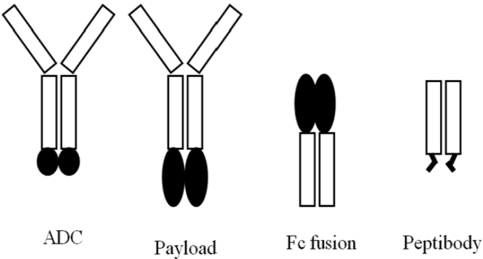
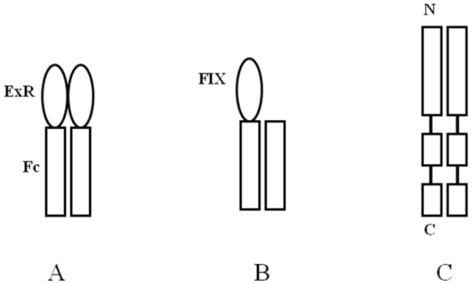
“Such structural constraint may be stronger if the peptides are inserted into the CH3 domain of the Fc, as shown in Figure 4C. Apparently, this insertion was designed to have no impact on Fc binding to the Fc receptor and recycling of the peptibody through binding to cell surface FcRn [222].”
BackgroundBlanco, B., Holliger, P., Vile, R. G., & Álvarez-Vallina, L. (2003) · The Journal of Immunology · doi:10.4049/jimmunol.171.2.1070 · Cited by 58 · cited 1×
“In fact, in situ expression and secretion of cytotoxic scFv fragments [289] or a bispecific diabody [290] (termed intrabodies) in vivo from just a few expressor cells have been reported to promote significant growth inhibition of established tumor xenografts.”
BackgroundSchmitt, M. W., Schmitt, A., Reinhardt, P., Thess, B., Manfras, B. J., Lindhofer, H., Riechelmann, H., Wiesneth, M., & Gronau, S. (2004) · PubMed · Cited by 57
Jendreyko, N., Popkov, M., Beerli, R. R., Chung, J., McGavern, D. B., Rader, C. M., & Barbas, C. F. (2003) · Journal of Biological Chemistry · doi:10.1074/jbc.m307002200 · Cited by 57 · cited 1×
“Like their extracellular counterparts, intrabodies may be engineered into multivalent and multispecific forms to enhance their efficacy [291].”
BackgroundTargeting: The ADEPT Story So Far
Bagshawe, K. D. (2009) · Current Drug Targets · doi:10.2174/138945009787354520 · Cited by 57 · cited 1×
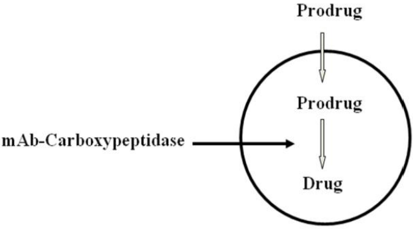
“While the prodrug may also penetrate healthy cells, it cannot be converted to a cytotoxic form, and thus is not toxic [196].”
BackgroundFishkin, N. E., Maloney, E. K., Chari, R. V. J., & Singh, R. (2011) · Chemical Communications · doi:10.1039/c1cc14164c · Cited by 55 · cited 1×
“The drug can be released in human plasma from thioether linked ADCs through sulfoxide formation and elimination [182].”
BackgroundThe birth pangs of monoclonal antibody therapeutics: The failure and legacy of Centoxin
Marks, L. V. (2012) · mAbs · doi:10.4161/mabs.19909 · Cited by 55 · cited 1×
“1991 Nebacumab Centoxin® Endotoxin (HA-1A) Sepsis and Gmve bacteraemia Human hybridoma derived IgM First human mAb to be approved by regulatory agency (Europe); later withdrawn from the market [7,8]”
BackgroundPaliwal, A., Asthagiri, D. N., Abras, D., Lenhoff, A. M., & Paulaitis, M. E. (2005) · Biophysical Journal · doi:10.1529/biophysj.105.065284 · Cited by 54 · cited 1×
“Second virial coefficient is a measure of intermolecular interaction, and is primarily driven by electrostatic attraction or repulsion, van der Waals attraction, and repulsion from molecular crowding [140–142].”
BackgroundJanthur, W.-D., Cantoni, N., & Mamot, C. (2012) · International Journal of Molecular Sciences · doi:10.3390/ijms131216020 · Cited by 54 · cited 1×
“The rapid growth in monoclonal antibody (mAb) therapeutics has recently stimulated the research and development of antibody-drug conjugates (ADCs) in different phases [158–160].”
Hellström, I., BROWN, J. P., & Hellström, K. E. (1981) · The Journal of Immunology · doi:10.4049/jimmunol.127.1.157 · Cited by 54 · cited 1×
“In vitro and in vivo experiments have demonstrated that antibody combinations can not only show an additive effect, but also a synergistic effect on target cell populations [300–302].”
BackgroundJiménez, M., Rivas, G., & Minton, A. P. (2007) · Biochemistry · doi:10.1021/bi7005515 · Cited by 52 · cited 3×
“Although the above mentioned parameters are measured to predict high concentration behavior, there is another school of thought that claims prediction of high concentration behavior from dilute solution is not reliable [133,157].”
BackgroundMethodDoxorubicin immunoconjugates containing bivalent, lysosomally-Cleavable dipeptide linkages
Dubowchik, G. M., Radia, S., Mastalerz, H. A., Walker, M. A., Firestone, R. A., King, D., Hofstead, S. J., Willner, D., Lasch, S. J., & Trail, P. A. (2002) · Bioorganic & Medicinal Chemistry Letters · doi:10.1016/s0960-894x(02)00194-4 · Cited by 51 · cited 3×
“In the preparation of a mAb and doxorubicin conjugate using Phe-Lys or Val-Cit as a linker, the formation of non-covalent dimer was observed immediately upon conjugation [185].”
BackgroundIn Vitro Methionine Oxidation of Recombinant Human Leptin
Liu, J. L., Lu, K. V., Eris, T., Katta, V., Westcott, K. R., Narhi, L. O., & Lu, H. S. (1998) · Pharmaceutical Research · doi:10.1023/a:1011998331254 · Cited by 50 · cited 2×
“Oxidation is observed most commonly with the Met residue, and the major by-product of such reaction is the formation of sulfoxide and sulfone [77].”
BackgroundChiti, F., van Nuland, N. A. J., Taddei, N., Magherini, F., Stefani, M., Ramponi, G., & Dobson, C. M. (1998) · Biochemistry · doi:10.1021/bi971692f · Cited by 50 · cited 1×
“, salt bridge) required for maintenance of the native, folded structure [92].”
BackgroundFransson, J., Florin-Robertsson, E., Axelsson, K., & Nyhlén, C. (1996) · Pharmaceutical Research · doi:10.1023/a:1016032808039 · Cited by 48 · cited 1×
“In some cases, increase in solution pH has been found to increase the rate of oxidation [78], but pH-dependent increase in oxidation is not a general phenomenon.”
BackgroundCharacterization of protein rheology and delivery forces for combination products
Rathore, N., Pranay, P., Bernacki, J. P., Eu, B., Ji, W., & Walls, E. (2012) · Journal of Pharmaceutical Sciences · doi:10.1002/jps.23297 · Cited by 46 · cited 1×
“Viscosity has been reported to be directly correlated to glide force for sc injection [130,131].”
BackgroundCho, H.-M., Rosenblatt, J. D., Kang, Y., Iruela‐Arispe, M. L., Morrison, S. L., Penichet, M. L., Kwon, Y., Kim, T., Webster, K. A., Nechushtan, H., et al. (2005) · Molecular Cancer Therapeutics · doi:10.1158/1535-7163.mct-04-0321 · Cited by 46 · cited 1×
“Anti-HER2 IgG3 fusion of endostatin demonstrated a drastic improvement in serum half-life and stability, and increased the local endostatin concentration around HER2 expressing tumor [214].”
BackgroundShahrokh, Z., Eberlein, G. A., Buckley, D., Paranandi, M. V., Aswad, D. W., Stratton, P., Mischak, R., & Wang, Y. J. (1994) · Pharmaceutical Research · doi:10.1023/a:1018962732067 · Cited by 44 · cited 1×
“Intra-molecular disulfide linkage may lead to change in tertiary structure, whereas inter-molecular (or inter-domain) disulfide linkage may lead to change in quaternary structure or formation of covalent aggregates [16,79].”
BackgroundTransfer of Immune Complexes from Erythrocyte CR1 to Mouse Macrophages
Reinagel, M. L., & Taylor, R. P. (2000) · The Journal of Immunology · doi:10.4049/jimmunol.164.4.1977 · Cited by 44 · cited 1×
“Similar to redirected toxicity utility, bsAbs can also be used for rapid clearance of pathogens from the body [233,234].”
BackgroundChristie, R. J., Anderson, D., & Grainger, D. W. (2010) · Bioconjugate Chemistry · doi:10.1021/bc100049c · Cited by 44 · cited 1×
“In addition, the linker stability can be significantly influenced by the neighboring groups [195].”
BackgroundZiegler‐Heitbrock, H. W. L., Reiter, C. G., Trenkmann, J., Fütterer, A., & Riethmüller, G. (1986) · Hybridoma · doi:10.1089/hyb.1986.5.21 · Cited by 44 · cited 1×
“In vitro and in vivo experiments have demonstrated that antibody combinations can not only show an additive effect, but also a synergistic effect on target cell populations [300–302].”
BackgroundGokarn, Y. R., Fesinmeyer, R. M., Saluja, A., Cao, S., Dankberg, J., Goetze, A. M., Remmele, R. L., Narhi, L. O., & Brems, D. N. (2008) · Protein Science · doi:10.1002/pro.20 · Cited by 44 · cited 1×
“However, one of the functional peptides, SEYQGLCTRWPWMCPPQGWK, in a peptibody (called “peptibody A”) [223] has been reported to mediate self-association by increasing the salt concentration (to 150 mM) and solution pH (from pH 5 to 7).”
BackgroundDi-diabody: a novel tetravalent bispecific antibody molecule by design
Lu, D., Jimenez, X., Zhang, H., Atkins, A., Brennan, L., Balderes, P. J., Böhlen, P., Witte, L., & Zhu, Z. (2003) · Journal of Immunological Methods · doi:10.1016/s0022-1759(03)00251-5 · Cited by 42 · cited 1×
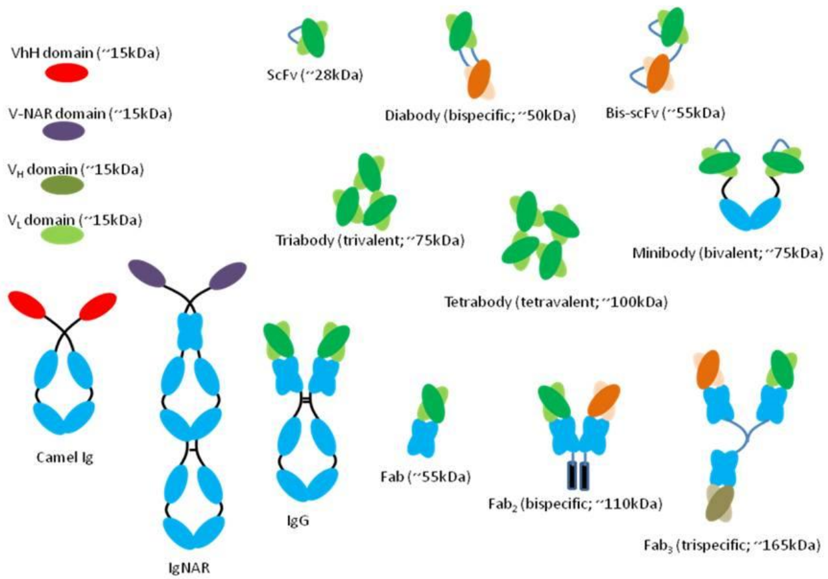
“Diabody is a bivalent molecule, formed by linking two scFvs non-covalently [275].”
BackgroundTaylor, R. P., Sutherland, W. M., Martin, E. N., Ferguson, P. J., Reinagel, M. L., Gilbert, E., Lopez, K., Incardona, N. L., & Ochs, H. D. (1997) · The Journal of Immunology · doi:10.4049/jimmunol.158.2.842 · Cited by 41 · cited 1×
“Similar to redirected toxicity utility, bsAbs can also be used for rapid clearance of pathogens from the body [233,234].”
BackgroundFourth World Antibody-Drug Conjugate Summit: February 29–March 1, 2012, Frankfurt, Germany
Beck, A., Lambert, J. M., Sun, M. M. C., & Lin, K. (2012) · mAbs · doi:10.4161/mabs.21697 · Cited by 41
Use of T4 lysozyme charge mutants to examine electrophoretic models
Durant, J. A., Chen, C., Laue, T. M., Moody, T. P., & Allison, S. A. (2002) · Biophysical Chemistry · doi:10.1016/s0301-4622(02)00168-0 · Cited by 41 · cited 2×
“Most of these techniques utilize the principle of electrophoretic mobility; e.g., capillary zone electrophoresis (CZE), membrane confined electrophoresis (MCE) [154,155], and a new technique from Wyatt tech corporation that utilizes massively parallel phase analysis light scattering (MP-PALS) [156].”
MethodTumor pretargeting for radioimmunodetection and radioimmunotherapy.
Zhu, H. J., Jain, R. K., & Baxter, L. T. (1998) · PubMed · Cited by 41
Bregenholt, S., Jensen, A. D., Lantto, J., Hyldig, S. M. W., & Haurum, J. S. (2006) · Current Pharmaceutical Design · doi:10.2174/138161206777442173 · Cited by 39 · cited 1×
“For example, combination therapy with mAb cocktails has been reported to prevent escape variants for many viruses including influenza [297], hepatitis B virus [298], and rabies virus [299].”
BackgroundDe Jonge, J., Heirman, C., de Veerman, M., Van Meirvenne, S., Moser, M., Leo, O., & Thielemans, K. (1998) · The Journal of Immunology · doi:10.4049/jimmunol.161.3.1454 · Cited by 38 · cited 1×
“An alternative small format is the arrangement of two scFvs connected by a flexible polypeptide linker on a single polypeptide chain [250].”
BackgroundInhibitory Effect of Sugars and Polyols on the Metal-Catalyzed Oxidation of Human Relaxin
Li, S., Patapoff, T. W., Nguyen, T. H., & Borchardt, R. T. (1996) · Journal of Pharmaceutical Sciences · doi:10.1021/js9504550 · Cited by 38 · cited 1×
“[105,106] demonstrated that”
Tahtis, K., Lee, F.-T., Smyth, F. E., Power, B. E., Renner, C., Brechbiel, M. W., Old, L. J., Hudson, P. J., & Scott, A. M. (2001) · PubMed · Cited by 38
Analytical centrifugation with preparative ultracentrifuges
Minton, A. P. (1989) · Analytical Biochemistry · doi:10.1016/0003-2697(89)90297-2 · Cited by 38 · cited 1×
“With preparative AUC, samples at high concentration are sedimented under equilibrium mode, and the content of the centrifugation tube is collected in fractions using an automated microfractionator, followed by measurement of protein concentration using UV spectroscopy [133,134].”
MethodLi, S., Schöneich, C., & Borchardt, R. T. (1995) · Pharmaceutical Research · doi:10.1023/a:1016240115675 · Cited by 37 · cited 1×
“Asp-Y sequence has been reported to be 100 times more sensitive to hydrolysis than any other peptide bonds [68,69].”
BackgroundAfanasieva, T. A., Wittmer, M., Vitaliti, A., Ajmo, M., Neri, D., & Klemenz, R. (2003) · Gene Therapy · doi:10.1038/sj.gt.3302085 · Cited by 37 · cited 1×
“In fact, in situ expression and secretion of cytotoxic scFv fragments [289] or a bispecific diabody [290] (termed intrabodies) in vivo from just a few expressor cells have been reported to promote significant growth inhibition of established tumor xenografts.”
BackgroundHuman monoclonal antibodies and engineered antibody domains as HIV-1 entry inhibitors
Chen, W., & Dimitrov, D. S. (2009) · Current Opinion in HIV and AIDS · doi:10.1097/coh.0b013e328322f95e · Cited by 37 · cited 1×
“and exhibit exceptionally potent neutralizing activity against HIV-1 primary isolates, with higher potency on average than those of the broadly cross-reactive mAbs [272].”
BackgroundKrech, T., Scheuerer, E., Geffers, R., Kreipe, H. H., Lehmann, U., & Christgen, M. (2011) · Cancer Letters · doi:10.1016/j.canlet.2011.09.038 · Cited by 37 · cited 1×
“Drug resistance has been observed both for anticancer small molecule drugs [164,165] and mAbs [166,167].”
BackgroundNew Agents in the Management of Advanced Mesothelioma
Vogelzang, N. J., Porta, C., & Mutti, L. (2005) · Seminars in Oncology · doi:10.1053/j.seminoncol.2005.02.010 · Cited by 36 · cited 1×
“bsAbs that bind two antigens on the same cell can be used to enhance specificity for cells expressing both targets relative to cells expressing only one [198,227,228].”
BackgroundLiquid Growth Hormone: Preservatives and Buffers
Kappelgaard, A., Bojesen, A., Skydsgaard, K., Sjögren, I., & Laursen, T. (2004) · Hormone Research in Paediatrics · doi:10.1159/000080507 · Cited by 36 · cited 1×
“For example, histidine buffer is known to be less prone to cause pain upon injection compared to phosphate and citrate buffer [116–118].”
BackgroundYousef, M., Datta, R., & Rodgers, V. G. J. (1998) · Journal of Colloid and Interface Science · doi:10.1006/jcis.1997.5262 · Cited by 36 · cited 2×
“[139] measured the osmotic pressure of bovine IgG solution up to 424 mg/mL.”
BackgroundMethodAntibody-based immunotherapy in high-risk neuroblastoma
Johnson, E. E., Dean, S. M., & Sondel, P. M. (2007) · Expert Reviews in Molecular Medicine · doi:10.1017/s1462399407000518 · Cited by 36 · cited 1×
“fusion construct has been reported to enhance the delivery of IL2 to tumor microenvironments and result in activation of natural killer cells, through IL2 binding to the cognate receptor, as well as tumor cell killing via ADCC mechanism [211,212].”
BackgroundRosenblum, M. G., & Barth, S. (2009) · Current Pharmaceutical Design · doi:10.2174/138161209788923958 · Cited by 36 · cited 1×
“agent of immunotoxins [198–201].”
Koehn, T. A., Trimble, L. L., Alderson, K. L., Erbe, A. K., McDowell, K. A., Grzywacz, B. J., Hank, J. A., & Sondel, P. M. (2012) · Frontiers in Pharmacology · doi:10.3389/fphar.2012.00091 · Cited by 35 · cited 1×
“A fusion protein comprising anti-GD2 mAb and IL2 (as a fusion) demonstrated anti-tumor responses in neuroblastoma patients [210].”
BackgroundDorvillius, M., Garambois, V., Pourquier, D., Gutowski, M., Rouanet, P., Mani, J. C., Pugnière, M., Hynes, N. E., & Pèlegrin, A. (2002) · Tumor Biology · doi:10.1159/000069793 · Cited by 34 · cited 1×
“bsAbs that bind two antigens on the same cell can be used to enhance specificity for cells expressing both targets relative to cells expressing only one [198,227,228].”
BackgroundBrun, V. L., Frieß, W., Bassarab, S., & Garidel, P. (2009) · Pharmaceutical Development and Technology · doi:10.3109/10837450903262074 · Cited by 34 · cited 1×
“[144–150].”
Determination of protein charge by capillary zone electrophoresis
Winzor, D. J., Jones, S., & Harding, S. E. (2004) · Analytical Biochemistry · doi:10.1016/j.ab.2004.05.013 · Cited by 34 · cited 2×
“Most of these techniques utilize the principle of electrophoretic mobility; e.g., capillary zone electrophoresis (CZE), membrane confined electrophoresis (MCE) [154,155], and a new technique from Wyatt tech corporation that utilizes massively parallel phase analysis light scattering (MP-PALS) [156].”
MethodKhawli, L. A., Biela, B. H., Hu, P., & Epstein, A. L. (2003) · Hybridoma and Hybridomics · doi:10.1089/153685903321538026 · Cited by 33 · cited 1×
“Smaller constructs such as scFv, diabodies, triabodies, minibodies, and Fabs have been shown in xenograft systems to possess shorter half-lives and accumulate at higher tumor-to-organ ratios in comparison to corresponding Fab’2 constructs [263,264].”
BackgroundKafi, K., Betting, D. J., Yamada, R. E., Bacica, M., Steward, K. K., & Timmerman, J. M. (2008) · Molecular Immunology · doi:10.1016/j.molimm.2008.10.020 · Cited by 33 · cited 1×
“6 months of storage [194].”
French, R. R., Penney, C., Browning, A. C., Stirpe, F., George, A., & Glennie, M. J. (1995) · British Journal of Cancer · doi:10.1038/bjc.1995.190 · Cited by 33 · cited 1×
“Moreover, bsAbs can be used for the specific targeting of toxins [235], chemotherapeutic drugs [236], and radioisotopes to tumor cells [237].”
BackgroundYu, A. W., Leung, C. B., Li, P. K. T., Lui, S., & Lai, K. N. (1998) · The International Journal of Artificial Organs · doi:10.1177/039139889802100612 · Cited by 32 · cited 1×
“For example, histidine buffer is known to be less prone to cause pain upon injection compared to phosphate and citrate buffer [116–118].”
BackgroundVugmeyster, Y., & Howell, K. (2004) · International Immunopharmacology · doi:10.1016/j.intimp.2004.04.015 · Cited by 31 · cited 1×
“The absence of fucose residue in the Fc-linked glycan moiety has been reported to increase the efficacy of mAb in initiating the ADCC response at much lower concentrations, which has been attributed to the higher binding affinity of non-fucosylated mAb to the FCγRIIIa receptor [42–44].”
BackgroundRecent advances in the generation of bispecific antibodies for tumor immunotherapy.
Kipriyanov, S. M., & Gall, F. L. (2004) · PubMed · Cited by 30
Stabilization of Human Epidermal Growth Factor (hEGF) in Aqueous Formulation
Son, K. K., & Kwon, C. (1995) · Pharmaceutical Research · doi:10.1023/a:1016225207014 · Cited by 30 · cited 1×
“been reported to influence the rate of deamidation; the decrease in rate has been correlated with increase in size and branching of the side chain [63,64].”
BackgroundHigh-throughput antibody production
Chambers, R. (2004) · Current Opinion in Chemical Biology · doi:10.1016/j.cbpa.2004.10.011 · Cited by 29 · cited 1×
“Numerous expression systems have been evaluated and compared [292,293]; in summary,”
MethodFc? R in Cytotoxicity Exerted by Mononuclear Cells
Fanger, M. W., Graziano, R. F., Shen, L., & Guyre, P. M. (2015) · Chemical immunology/Fortschritte der Allergielehre/Progress in allergy/Chemical immunology and allergy · doi:10.1159/000417282 · Cited by 29 · cited 1×
“Activation of FCγR results in various types of immune responses including: ADCC, antibody-mediated phagocytosis, and secretion of inflammatory modulators [38–40].”
BackgroundMagic Bullets at Last! Finally—Approval of a Monoclonal Antibody for the Treatment of Cancer!!!
Dillman, R. O. (1997) · Cancer Biotherapy and Radiopharmaceuticals · doi:10.1089/cbr.1997.12.223 · Cited by 28 · cited 1×
“In 1997, the first full length chimeric monoclonal antibody, rituximab, was approved by the FDA (anti-CD20 on the surface of B-lymphocytes) for the treatment of cancer [27], which is still marketed today.”
BackgroundFord, C. H. J., Osborne, P. A., Rego, B., & Mathew, A. (2001) · International Journal of Cancer · doi:10.1002/ijc.1262 · Cited by 27 · cited 1×
“Moreover, bsAbs can be used for the specific targeting of toxins [235], chemotherapeutic drugs [236], and radioisotopes to tumor cells [237].”
BackgroundCharacterization of Protein-Protein Interactions via Static and Dynamic Light Scattering
Some, D., & Kenrick, S. A. (2012) · InTech eBooks · doi:10.5772/37240 · Cited by 26
Targeting of Functional Antibody-Decay-accelerating Factor Fusion Proteins to a Cell Surface
Zhang, H., Lu, S., Morrison, S. L., & Tomlinson, S. (2001) · Journal of Biological Chemistry · doi:10.1074/jbc.m100436200 · Cited by 26 · cited 1×
“This inhibitor was fused to the C-terminus of anti-dansyl mAb or its fragments [215].”
BackgroundPowell, M. F., Amphlett, G. W., Cacia, J., Callahan, W., Canova‐Davis, E., Chang, B. S., Cleland, J. L., Darrington, T., DeYoung, L., Dhingra, B., et al. (2002) · Pharmaceutical biotechnology · doi:10.1007/0-306-47452-2_1 · Cited by 24 · cited 1×
“Asp-Y sequence has been reported to be 100 times more sensitive to hydrolysis than any other peptide bonds [68,69].”
BackgroundMcIntosh, K. A., Charman, W. N., & Charman, S. A. (1998) · Journal of Pharmaceutical and Biomedical Analysis · doi:10.1016/s0731-7085(97)00096-4 · Cited by 24 · cited 1×
“For example, sucrose was found to increase the Tm of RNAse by about 10 °C [104].”
BackgroundRivas, G., & Minton, A. P. (2004) · Journal of Molecular Recognition · doi:10.1002/jmr.708 · Cited by 24 · cited 1×
“1) is occupied by the solutes [119,120].”
Grosse‐Hovest, L., Wick, W., Minoia, R., Weller, M., Rammensee, H., Brem, G., & Jung, G. (2005) · International Journal of Cancer · doi:10.1002/ijc.21294 · Cited by 23 · cited 1×
“Numerous expression systems have been evaluated and compared [292,293]; in summary,”
MethodBifunctional fusion between nerve growth factor and a transferrin receptor antibody
McGrath, J. P., Cao, X., Schutz, A. J., Lynch, P., Ebendal, T., Coloma, M. J., Morrison, S. L., & Putney, S. D. (1997) · Journal of Neuroscience Research · doi:10.1002/(sici)1097-4547(19970115)47:2<123::aid-jnr1>3.0.co;2-h · Cited by 21 · cited 1×
“In fact, neurotrophic nerve growth factor was delivered to the brain by conjugating the factor to anti-TfR antibody [205,206].”
MethodFully human targeted cytotoxic fusion proteins: new anticancer agents on the horizon.
Weidle, U. H., Georges, G. J., & Brinkmann, U. (2012) · PubMed · Cited by 21
FcγR in Cytotoxicity Exerted by Mononuclear Cells (Part 1 of 2)
Fanger, M. W., Graziano, R. F., Shen, L. W., & Guyre, P. M. (1989) · Chemical immunology/Fortschritte der Allergielehre/Progress in allergy/Chemical immunology and allergy · doi:10.1159/000318921 · Cited by 21
Shiloach, J., Martin, N., & Moes, H. (1988) · PubMed · Cited by 19
Synergistic cytotoxic effects of antibodies directed against different cell surface determinants.
Elliott, E. V., PINDAR, A., Stevenson, F. K., & Stevenson, G. T. (1978) · PubMed · Cited by 18
Injectable Drug Development: Techniques to Reduce Pain and Irritation
(1999) · CRC Press eBooks · doi:10.1201/b14378 · Cited by 18
High‐Concentration Antibody Formulations
Shire, S. J., Liu, J., Frieß, W., Joerg, S., & Mahler, H. (2010) · Wiley eBooks · doi:10.1002/9780470595886.ch15 · Cited by 17
Fede, G. D., Bronte, G., Rizzo, S., Rolfo, C. D., Cocorullo, G., Gulotta, G., Bazan, V., & Russo, A. D. (2011) · Expert Opinion on Biological Therapy · doi:10.1517/14712598.2011.594436 · Cited by 17 · cited 1×
“01% of the applied dose has been reported to penetrate into the tumor [111,112].”
BackgroundGatlin, L. A., & Gatlin, C. (1999) · CRC Press eBooks · doi:10.1201/b14378-22 · Cited by 15 · cited 1×
“Pain at injection site is another problem that is caused by a number of different factors such as individual expertise, needle size, and formulation [115].”
BackgroundPotelligent Antibodies as Next Generation Therapeutic Antibodies
Shitara, K. (2009) · YAKUGAKU ZASSHI · doi:10.1248/yakushi.129.3 · Cited by 15 · cited 1×
“Engineering of expression host cells has allowed the large scale production of non-fucosylated antibodies possible [46].”
BackgroundPresentini, R., & Terrana, B. (1995) · Journal of Immunoassay · doi:10.1080/15321819508013565 · Cited by 12 · cited 1×
“It can undergo hydrolysis in dilute solutions, as demonstrated for immunoconjugates formed by the maleimide-sulfhydryl method [181].”
MethodAntibody-based inhibitors of HIV infection
Choudhry, V., Zhang, M.-Y., Dimitrova, D., Prabakaran, P., Dimitrov, A. S., FOUTS, T. R., & Dimitrov, D. S. (2006) · Expert Opinion on Biological Therapy · doi:10.1517/14712598.6.5.523 · Cited by 12 · cited 1×
“Similarly, HIV-1 has evolved a number of strategies to evade humoral immunity [271].”
BackgroundFormulation Development of an Antifibrin Monoclonal Antibody Radiopharmaceutical
Kamat, M. S., Tolman, G. L., & Brown, J. M. (2002) · Pharmaceutical biotechnology · doi:10.1007/0-306-47452-2_9 · Cited by 11 · cited 1×
“At higher pH, the formation of reactive thiolate ion (S − ), from the thiol group (–SH) of cys residue, is favored, which may increase the probability of disulfide linkage formation [80].”
BackgroundLam, K. C. L., & Rajaraman, G. (2012) · Current Protocols in Pharmacology · doi:10.1002/0471141755.ph0713s58 · Cited by 10 · cited 2×
“It is known that P-glycoprotein (P-gp), a drug transporter, is abundantly expressed in tumors and facilitates the elimination of chemotherapeutics, a phenomenon known as multidrug resistance (MDR) [163].”
BackgroundSepsis Management and Antiendotoxin Therapy after Nebacumab
Hurley, J. C. (1994) · Drugs · doi:10.2165/00003495-199447060-00001 · Cited by 7 · cited 1×
“1991 Nebacumab Centoxin® Endotoxin (HA-1A) Sepsis and Gmve bacteraemia Human hybridoma derived IgM First human mAb to be approved by regulatory agency (Europe); later withdrawn from the market [7,8]”
Background(2012) · InTech eBooks · doi:10.5772/2336 · Cited by 7
Monoclonal Antibodies as Anticancer Agents
Oldham, R. K. (1983) · Advances in experimental medicine and biology · doi:10.1007/978-1-4757-1410-4_5 · Cited by 5 · cited 2×
“The major issue with murine mAbs is their low half-life and immunogenicity, despite achieving specific targeting [5].”
BackgroundGlassy, M. C., & McKnight, M. E. (1995) · Expert Opinion on Investigational Drugs · doi:10.1517/13543784.4.3.225 · Cited by 5
Blockade of Triggering receptor expressed on myeloid cells-1 as a new therapy of arthritis
Iwai, H., & Kohsaka, H. (2012) · Japanese Journal of Clinical Immunology · doi:10.2177/jsci.35.81 · Cited by 5 · cited 1×
“administration of TREM-1/Fc fusion has been reported to result in decreased septic shock [219] and improve disease symptom from collagen-induced arthritis, similar to etanercept.”
Background
Research works printed but not linked: 5
- Pearlman, R., Wang, Y.J., Eds.; Plenum Press: New York, NY, USA, 1996; pp. 1-140.
- Harding,S.E., Rowe, A.J., Horton, J.C., Eds.; Royal Society of Chemistry: Cambridge, UK, 1992; pp. 90-125.
- Hershenson, F.J.S., Ed.; John Wiley & Sons, Inc: Hoboken, NJ, USA, 2010. 130.
- MacGregor, I.K.; Anderson, A.L.; Laue, T.M. Fluorescence detection for the XLI analytical ultracentrifuge. Biophys. Chem. 2004, 108, 165-185. 137. Scherer, T.; Kanai, S.; Liu, J.; Shire, S. Characterization of monoclonal antibodies at high concentrations by light scattering. In Proceedings of AAPS National Biotechnology Conference, San Diego, CA, USA, 2007. 138.
- Brock, T.D. (1998). Milestones in Microbiology; 1556–1940, ASM Press.
Cited by
Subcutaneous delivery of monoclonal antibodies: How do we get there?
Viola, M., Sequeira, J., Seiça, R., Veiga, F., Serra, J., Santos, A. C., & Ribeiro, A. J. (2018) · Journal of Controlled Release · doi:10.1016/j.jconrel.2018.08.001 · Cited by 234
Tomar, D. S., Kumar, S., Singh, S. K., Goswami, S., & Li, L. (2016) · mAbs · doi:10.1080/19420862.2015.1128606 · Cited by 214
“During downstream ultrafiltration and diafiltration steps, high viscosity of the antibody solution may increase the back pressure of the pump and decrease the transmembrane flux, which may increase the processing time, destabilize the drug substance and increase manufacturing costs.(14,15)”
BackgroundSelf-citationButreddy, A., Janga, K. Y., Ajjarapu, S., Sarabu, S., & Dudhipala, N. R. (2020) · International Journal of Biological Macromolecules · doi:10.1016/j.ijbiomac.2020.11.188 · Cited by 171
Overview of Antibody Drug Delivery
Awwad, S., & Angkawinitwong, U. (2018) · Pharmaceutics · doi:10.3390/pharmaceutics10030083 · Cited by 153
“High temperatures can lead to conformational destabilization or partial/complete unfolding [26] and a change in pH can lead to aggregation.”
BackgroundInfluentialThe role of Raman spectroscopy in biopharmaceuticals from development to manufacturing
Esmonde-White, K. A., Cuellar, M., & Lewis, I. R. (2022) · Analytical and Bioanalytical Chemistry · doi:10.1007/s00216-021-03727-4 · Cited by 152
Metadata
- Authors
- Goswami, S., Wang, W., Arakawa, T., & Ohtake, S.
- Affiliations
- Pfizer (United States) (US)
- Alliance Protein Laboratories (United States) (US)
- Corresponding author
- Arakawa, Tsutomu
- Venue
- Antibodies
- Publisher
- MDPI AG
- Published
- 2013-08-16
- Volume
- 2
- Issue
- 3
- Pages
- 452-500
- ISSN
- 2073-4468 (ISSN-L)
- OpenAlex
- W2033785641
- Cited by
- 144
- References
- 323
- Citations by year
- 2026: 5 · 2025: 17 · 2024: 10 · 2023: 9 · 2022: 8 · 2021: 14 · 2020: 18 · 2019: 10 · 2018: 14 · 2017: 12 · 2016: 12 · 2015: 10 · 2014: 4 · 2013: 1
- FWCI
- 6.98
- Type
- journal article
- Language
- en
- Open access
- gold
- doi.org
- Licence
- Locations
- Antibodies (publishedVersion, cc-by)
- DOAJ (DOAJ: Directory of Open Access Journals) (submittedVersion, cc-by-sa)
- Topics
- Life Sciences › Immunology and Microbiology › Immunology › Monoclonal and Polyclonal Antibodies Research
- Life Sciences › Biochemistry, Genetics and Molecular Biology › Molecular Biology › Protein purification and stability
- Life Sciences › Immunology and Microbiology › Immunology › Biosimilars and Bioanalytical Methods
- Keywords
- monoclonal antibodies, biologic therapy, antibody-drug conjugates, bispecific antibodies, fusion protein, high-concentration formulations, antibody stabilization, antibody production
About these checks
Registry, retraction, Cites and statistics results are computed, not judged, with one exception: a printed reference that no index lists is read once by a model before it counts as a citation error. Claims are extracted by a model and kept only when their quote appears verbatim in the text; each cited source is then checked, with a model’s help, for whether it says what the claim relies on. Those verdicts can be wrong — read the claim’s quote and the cited source before relying on one.
Statistics and arithmetic are recomputed, not judged.
Confidence bands are shown only for fields calibrated on our annotated test set. None is calibrated yet, so no band is shown.
What counts as a claim ›How we measure confidence ›How we check this ›
Are you an author, or do you see a problem with this page? Request a review
Data sources
Bibliographic data: Semantic Scholar, OpenAlex, Crossref.
Contains information from the Semantic Scholar Academic Graph Datasets, made available under the ODC Attribution License (ODC-BY 1.0).
Semantic Scholar’s data is described in: Kinney, R., et al. (2023). The Semantic Scholar Open Data Platform. arXiv:2301.10140.
